The Journey of Custom and Central Excise
What Is Custom and Central Excise
Custom and Central Excise
Custom and Central Excise refers to the government departments responsible for regulating and collecting duties on imported and exported goods, as well as taxes on the manufacture of goods within a country. These departments ensure compliance with trade laws and contribute significantly to national revenue.
Custom and Central Excise plays a crucial role in the economic framework of any country. For professionals in this field, their work ensures the smooth movement of goods across borders, prevents illegal trade, and helps maintain fair market practices. The impact of their work extends to safeguarding national security by monitoring imports and exports, supporting domestic industries through proper tax collection, and generating substantial government revenue. Professionals benefit from a dynamic work environment, opportunities for career advancement, and the chance to contribute directly to national economic stability. Their expertise is vital in interpreting complex regulations and adapting to evolving international trade policies.
A professional working in Custom and Central Excise might be stationed at a busy international port, where they are responsible for inspecting shipments entering the country. They review documentation, assess the declared value of goods, and ensure that all applicable duties and taxes are paid. If discrepancies are found, they investigate further to prevent smuggling or under-invoicing. Their work not only ensures compliance with national laws but also protects local industries from unfair competition. By collaborating with other law enforcement agencies, they help intercept illegal goods, such as counterfeit products or restricted items, thereby upholding the integrity of the country’s trade system and contributing to public safety.
Education
Science & Product Stages

Science & Product Stages refers to the systematic understanding of how raw materials are transformed through scientific processes into finished goods, including the various phases of production, modification, and quality control. In Custom and Central Excise, this knowledge is essential for classifying goods, assessing duties, and ensuring regulatory compliance.
A deep understanding of Science & Product Stages is crucial for professionals in Custom and Central Excise because it enables accurate identification and classification of goods, which is the foundation of tax assessment and regulatory enforcement. Knowing the scientific principles and production processes behind different products helps officers determine the correct tariff headings, apply appropriate duty rates, and detect misclassification or evasion attempts. This expertise also supports effective communication with manufacturers and importers, as well as informed decision-making during inspections and audits. Over time, mastery of these concepts enhances professional credibility, opens opportunities for specialized roles, and ensures that officers remain adaptable as industries and technologies evolve.
Consider a scenario where a Custom and Central Excise officer is tasked with inspecting a consignment of chemicals imported for industrial use. The officer must apply their knowledge of Science & Product Stages to distinguish between raw chemicals, intermediates, and finished products, each of which may attract different duty rates and regulatory requirements. By understanding the chemical composition, intended use, and stage of processing, the officer can accurately classify the goods under the correct tariff heading, preventing revenue loss due to under-assessment or misdeclaration. This practical application of theoretical knowledge not only ensures compliance with legal standards but also upholds the integrity of the taxation system and supports fair trade practices.
Detection Process

Detection Process refers to the systematic identification, investigation, and documentation of violations or irregularities related to customs and excise laws. It encompasses the methods and procedures used to uncover tax evasion, smuggling, or non-compliance. Mastery of this process is essential for both academic study and professional practice in Custom and Central Excise.
Understanding the Detection Process is fundamental for anyone aspiring to work in Custom and Central Excise because it equips professionals with the skills to identify and address illegal activities that threaten national revenue and security. This knowledge forms the backbone of effective enforcement, enabling officers to interpret laws, recognize suspicious patterns, and take appropriate action. Mastery of detection techniques not only enhances operational efficiency but also builds credibility and trust in the regulatory framework. Over time, proficiency in detection contributes to career advancement, as it demonstrates analytical acumen and a commitment to upholding legal and ethical standards within the department.
Consider a scenario where a customs officer at a busy port receives intelligence about a shipment suspected of under-invoicing. Drawing on their understanding of the Detection Process, the officer scrutinizes shipping documents, cross-verifies declared values with market rates, and inspects the cargo for discrepancies. By applying investigative techniques and leveraging procedural knowledge, the officer uncovers deliberate misdeclaration aimed at evading duties. This successful detection not only prevents revenue loss but also reinforces the importance of vigilance and procedural rigor in daily operations. Such real-world applications highlight how theoretical knowledge of the Detection Process directly influences the effectiveness and integrity of customs and excise professionals.
Law

Law is a system of rules and principles established by a governing authority to regulate behavior, resolve disputes, and maintain order within a society. In the context of Custom and Central Excise, law forms the backbone of regulatory frameworks, guiding professionals in interpreting, implementing, and enforcing statutory provisions and compliance requirements.
Understanding law is essential for anyone preparing for or working in Custom and Central Excise because it provides the foundation for interpreting and applying complex regulations that govern the movement of goods, imposition of duties, and prevention of illegal trade. Mastery of legal concepts enables professionals to navigate the intricate landscape of statutes, notifications, and judicial decisions that impact their daily responsibilities. This knowledge not only ensures accurate and lawful execution of duties but also empowers individuals to advise stakeholders, resolve disputes, and adapt to legislative changes. Over the long term, a strong grasp of law enhances career prospects by fostering analytical thinking, ethical decision-making, and the ability to handle challenging situations with confidence and authority.
Consider a scenario where a customs officer intercepts a consignment at a port suspected of under-invoicing to evade duties. The officer’s understanding of relevant legal provisions, such as the Customs Act and associated rules, allows them to scrutinize documentation, identify discrepancies, and initiate appropriate legal proceedings. By applying their knowledge of law, the officer ensures that the investigation follows due process, upholds the rights of the parties involved, and results in the correct assessment and recovery of duties. This not only protects government revenue but also deters future violations, demonstrating how theoretical legal knowledge is indispensable for effective and fair enforcement in daily operations.
Case Studies

Case studies are detailed examinations of specific real-life situations, events, or problems, used to analyze and understand complex issues within a particular field. In Custom and Central Excise, case studies serve as practical learning tools, bridging theoretical knowledge with actual regulatory, procedural, and compliance challenges faced by professionals.
Understanding case studies is essential for anyone preparing for or working in Custom and Central Excise because it transforms abstract legal and procedural concepts into tangible, relatable experiences. By studying real-world cases, professionals gain insights into the application of laws, interpretation of rules, and the nuances of enforcement. This approach not only sharpens analytical and decision-making skills but also fosters a deeper comprehension of the evolving regulatory landscape. Over time, the ability to dissect and learn from case studies equips professionals to anticipate challenges, adapt to policy changes, and handle complex scenarios with confidence, making them valuable assets to their organizations and enhancing their career growth prospects.
Consider a scenario where a customs officer encounters a shipment declared under a specific tariff heading, but suspects misclassification to evade higher duties. Drawing from case studies previously analyzed, the officer recalls a similar instance where the courts clarified the criteria for classification based on product characteristics and intended use. Applying this knowledge, the officer systematically examines the shipment, references relevant legal precedents, and prepares a comprehensive report justifying the reclassification. This not only ensures correct duty collection but also demonstrates the officer’s expertise in applying theoretical knowledge to practical enforcement, ultimately contributing to the integrity and efficiency of the customs administration.
Pshycology
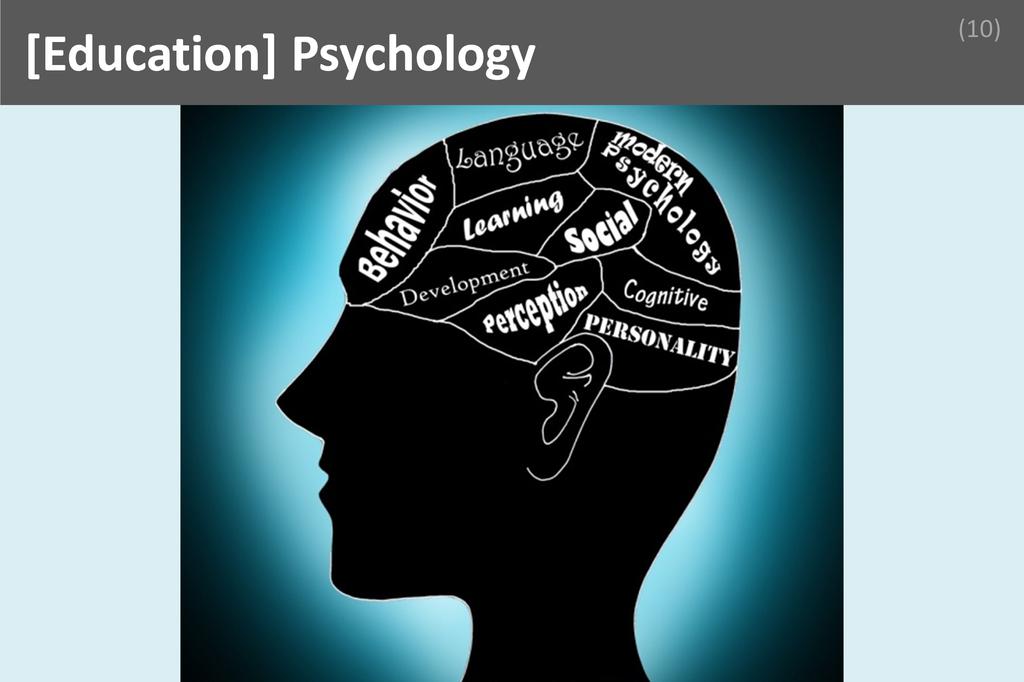
Pshycology is the scientific study of the human mind, behavior, and mental processes. It explores how individuals think, feel, and act in various situations. In the context of Custom and Central Excise, understanding pshycology is essential for interpreting human behavior, improving communication, and making informed decisions during complex professional interactions.
A solid grasp of pshycology is vital for anyone preparing for or working in Custom and Central Excise because the field demands constant interaction with people from diverse backgrounds. Professionals must assess intentions, detect deception, and negotiate effectively, all of which require an understanding of human behavior. Pshycology provides the tools to interpret non-verbal cues, manage stress, and maintain ethical standards under pressure. Over time, this knowledge enhances decision-making, fosters better teamwork, and builds trust with stakeholders. Ultimately, mastering pshycology not only improves daily performance but also supports long-term career growth by enabling professionals to adapt to evolving challenges and maintain high standards of integrity and professionalism.
Consider a scenario where a Custom and Central Excise officer is interviewing an importer suspected of undervaluing goods. By applying their understanding of pshycology, the officer observes the importer’s body language, tone of voice, and subtle behavioral cues to assess truthfulness. The officer uses empathetic communication to build rapport, encouraging the importer to share information more openly. When inconsistencies arise, the officer employs psychological techniques to ask probing questions without causing defensiveness. This approach not only helps uncover the facts but also ensures the interaction remains professional and respectful. Through these methods, the officer effectively combines theoretical knowledge of pshycology with practical skills to achieve accurate and fair outcomes in their daily work.
General Awareness

General Awareness refers to a broad understanding of current events, historical context, economic trends, and social developments at national and international levels. For those in Custom and Central Excise, it bridges academic learning with real-world application, ensuring professionals remain informed and adaptable in a rapidly changing regulatory and economic environment.
A strong grasp of General Awareness is essential for anyone preparing for or working in Custom and Central Excise because it underpins effective decision-making and compliance. Professionals in this field must interpret and implement laws, regulations, and policies that are often influenced by global trade dynamics, economic policies, and political developments. Understanding these broader contexts allows them to anticipate changes, respond to new challenges, and communicate effectively with stakeholders. Over time, this foundational knowledge enhances analytical skills, fosters adaptability, and supports career advancement by enabling professionals to contribute meaningfully to policy discussions and operational improvements within their organizations.
Consider a scenario where a Custom and Central Excise officer is tasked with assessing the import documentation for a shipment of electronic goods. By applying their General Awareness, the officer recognizes recent changes in international trade agreements and new tariff regulations affecting electronic imports. This awareness enables the officer to accurately verify compliance, identify potential misdeclarations, and ensure that the correct duties are levied. Their up-to-date knowledge also helps in advising importers about evolving regulations, thereby facilitating smoother trade operations and minimizing legal disputes. In this way, General Awareness directly supports the officer’s ability to perform their duties efficiently and uphold the integrity of the customs process.
Skills
Analytical

Analytical refers to the ability to systematically examine information, identify patterns, interpret data, and draw logical conclusions. In the context of Custom and Central Excise, this skill enables professionals to navigate complex regulations, detect discrepancies in documentation, and ensure compliance with legal requirements, making it indispensable for effective decision-making and problem-solving.
Analytical skills directly enhance performance in Custom and Central Excise by enabling professionals to interpret intricate tax laws, assess risk factors, and uncover irregularities in import-export transactions. Employers and clients highly value this skill because it ensures accuracy, reduces the risk of costly errors, and supports informed policy recommendations. Cultivating analytical ability involves continuous learning, staying updated with regulatory changes, practicing data analysis, and engaging in critical thinking exercises. Over time, professionals can refine their analytical approach by reviewing case studies, participating in workshops, and seeking mentorship from experienced colleagues, thereby strengthening their capacity to address evolving challenges in the field.
Imagine a scenario where a Custom and Central Excise officer is tasked with investigating a sudden spike in duty drawback claims from a particular exporter. By applying analytical skills, the officer meticulously reviews transaction records, cross-verifies shipping documents, and identifies inconsistencies in declared values. Through careful data analysis, the officer uncovers a pattern of inflated invoices designed to claim higher refunds. This discovery not only prevents revenue loss for the government but also upholds the integrity of the customs process. The officer’s analytical approach proves crucial in resolving the issue efficiently and reinforces the importance of this core skill in achieving professional success.
Eye for Detail

An "Eye for Detail" is the ability to notice and accurately process even the smallest elements of information, ensuring nothing is overlooked or misinterpreted. In Custom and Central Excise, this skill is vital for interpreting regulations, verifying documentation, and identifying discrepancies that could have significant legal or financial consequences.
Possessing an eye for detail directly enhances a professional’s ability to spot inconsistencies in import-export documents, tax filings, and compliance reports, reducing the risk of costly errors or regulatory violations. Clients and employers highly value this skill because it safeguards their interests, ensures smooth operations, and upholds the integrity of their business practices. Cultivating this skill involves consistent practice, such as double-checking work, staying updated with regulatory changes, and engaging in regular training. Over time, professionals can refine their attention to detail by seeking feedback, learning from past mistakes, and adopting systematic approaches to reviewing complex information. This ongoing commitment to accuracy not only builds trust with stakeholders but also positions individuals as reliable experts in their field.
Consider a scenario where a Custom and Central Excise officer is reviewing a shipment’s documentation for clearance. The officer notices a minor discrepancy between the declared value of goods and the invoice attached. Instead of overlooking this small detail, the officer investigates further and discovers an attempt to undervalue the shipment to evade duties. By catching this inconsistency, the officer not only prevents revenue loss for the government but also upholds legal compliance and deters future fraudulent activities. This example illustrates how an eye for detail can be the difference between routine processing and uncovering significant issues, ultimately contributing to the credibility and effectiveness of the entire regulatory system.
Arms Training

Arms Training refers to the structured instruction and practice in the safe handling, maintenance, and proficient use of firearms and related equipment. For professionals in Custom and Central Excise, this training is crucial for ensuring personal safety, enforcing laws, and effectively responding to threats during high-risk operations such as anti-smuggling raids or border security checks.
Arms Training directly enhances a Custom and Central Excise officer’s ability to perform under pressure, maintain composure in dangerous situations, and ensure the safety of themselves and their colleagues. Clients and employers value this skill because it demonstrates readiness to handle unpredictable threats and reinforces the credibility of the enforcement agency. Mastery of arms handling also reflects a commitment to upholding the law and protecting national interests. Cultivating this skill requires regular practice, participation in refresher courses, and staying updated with the latest protocols and technologies in weaponry. Over time, consistent training builds confidence, sharpens reflexes, and ensures that officers can respond swiftly and appropriately when faced with real-world challenges.
Consider a scenario where a Custom and Central Excise officer receives intelligence about a large consignment of illegal arms being smuggled through a remote border checkpoint. During the interception, the suspects attempt to flee and brandish weapons. The officer’s prior Arms Training enables them to assess the threat quickly, use their firearm responsibly, and coordinate with their team to secure the area without unnecessary escalation. Their calm demeanor and precise actions not only prevent potential casualties but also lead to the successful seizure of contraband and the apprehension of the offenders. This outcome underscores how essential Arms Training is in safeguarding both public safety and the integrity of national borders.
Interrogation Skills

Interrogation Skills refer to the ability to systematically question individuals to gather accurate, relevant, and comprehensive information, while assessing credibility and detecting inconsistencies. In Custom and Central Excise, these skills are vital for uncovering tax evasion, smuggling, and regulatory violations, forming a cornerstone of effective investigation and enforcement.
Interrogation Skills directly enhance a professional’s ability to extract truthful information, identify fraudulent activities, and build strong cases for prosecution or compliance. Employers and clients highly value these skills because they lead to more successful investigations, reduced revenue losses, and improved regulatory compliance. Cultivating this skill involves continuous practice, learning from experienced mentors, and staying updated with legal frameworks and psychological techniques. Over time, professionals refine their questioning strategies, learn to read non-verbal cues, and develop the patience and persistence necessary for effective interrogations. This ongoing development ensures that Custom and Central Excise officers remain adept at handling complex cases and adapting to new challenges in the field.
Consider a scenario where a Custom and Central Excise officer suspects a business of underreporting imported goods to evade duties. During an investigation, the officer conducts interviews with company representatives, using well-honed interrogation skills to ask probing questions and observe body language. By carefully structuring questions and following up on vague or contradictory answers, the officer uncovers discrepancies in the documentation and statements provided. This leads to the discovery of concealed shipments and fraudulent invoices. The officer’s ability to extract the truth not only results in the recovery of lost revenue but also deters future violations, demonstrating the critical importance of interrogation skills in achieving successful outcomes.
Positives
Helping Nation Building

Helping Nation Building means actively contributing to the economic, social, and structural development of the country through dedicated service and responsible actions. In the context of Custom and Central Excise, this involves ensuring lawful trade, collecting vital revenue, and protecting national interests, all of which strengthen the nation’s foundation and future.
The opportunity to help build the nation is a powerful motivator for professionals in Custom and Central Excise. This sense of purpose transforms routine tasks into meaningful contributions, as every action directly supports the country’s progress. By ensuring compliance, preventing illegal activities, and collecting essential revenue, officers play a pivotal role in funding public services and infrastructure. This responsibility fosters immense pride and job satisfaction, as professionals witness the tangible results of their work in the nation’s growth. The knowledge that their efforts help maintain economic stability and security inspires continuous learning and personal development, making the career both fulfilling and dynamic.
Imagine an officer in the Central Excise department uncovering a major tax evasion scheme during an inspection. By diligently investigating and bringing the offenders to justice, the officer not only recovers significant revenue for the government but also deters future violations. This recovered revenue is then allocated to critical sectors such as healthcare, education, and infrastructure, directly benefiting millions of citizens. The officer experiences a profound sense of accomplishment, knowing their expertise and dedication have made a real difference in the nation’s development. This daily impact reinforces their commitment to public service and highlights the essential role they play in nation building.
Adventurous Profession

An "Adventurous Profession" is a career path that offers dynamic challenges, unexpected situations, and opportunities for exploration beyond routine tasks. It involves engaging with diverse environments, solving complex problems, and adapting to rapidly changing circumstances. This sense of adventure fosters personal growth, resilience, and a deep sense of accomplishment in one’s professional journey. In the realm of Custom and Central Excise, this adventurous spirit transforms daily work into a stimulating experience, as officers navigate intricate regulations, interact with people from various backgrounds, and tackle new challenges at every turn. The profession’s inherent unpredictability and excitement make it uniquely rewarding, setting it apart from more conventional desk-bound roles.
The adventurous nature of a career in Custom and Central Excise is a significant driver of job satisfaction and professional growth. Every day brings new scenarios, whether it’s intercepting illegal shipments, investigating complex tax evasion schemes, or collaborating with international agencies. This constant variety keeps monotony at bay and ensures that professionals remain intellectually engaged and motivated. The thrill of overcoming obstacles and making impactful decisions under pressure not only sharpens problem-solving skills but also builds confidence and leadership abilities. As a result, individuals in this field often develop a strong sense of purpose, knowing their work directly contributes to national security and economic integrity. The adventurous aspect of the profession thus becomes a source of pride and fulfillment, inspiring officers to continually strive for excellence.
Imagine a Custom and Central Excise officer stationed at a busy international port. One morning, the officer receives intelligence about a suspicious cargo shipment. Acting swiftly, the officer leads a team to inspect the containers, navigating through layers of documentation and coordinating with various agencies. The investigation uncovers a sophisticated smuggling operation involving rare wildlife, requiring quick thinking and decisive action. The officer’s ability to adapt to the unexpected, apply regulatory knowledge, and work under pressure leads to the successful interception of the illegal goods. In that moment, the officer experiences the true essence of an adventurous profession—facing real-world challenges, making a tangible difference, and feeling the exhilaration that comes from protecting the nation’s interests.
Exciting and Interesting

"Exciting and Interesting" refers to the dynamic, ever-evolving nature of work that consistently presents new challenges, learning opportunities, and diverse experiences. In the context of Custom and Central Excise, this means engaging with a variety of cases, adapting to policy changes, and interacting with people from different backgrounds, making each day unique and stimulating.
The exciting and interesting nature of a career in Custom and Central Excise is a powerful motivator for professionals. It ensures that monotony never sets in, as every day brings fresh challenges and opportunities to learn. This constant engagement keeps professionals intellectually stimulated and emotionally invested in their work. The variety of tasks, from investigating complex cases to implementing new regulations, fosters continuous growth and skill development. As a result, job satisfaction remains high, and individuals are more likely to feel a sense of accomplishment and pride in their contributions. The dynamic environment also encourages adaptability and innovation, qualities that are highly valued and rewarded within the profession.
Imagine a Custom and Central Excise officer starting their day with a surprise inspection at a major port. They uncover a sophisticated smuggling attempt, requiring quick thinking and collaboration with multiple agencies. Later, they attend a workshop on the latest tax reforms, engaging in lively discussions with industry experts. In the afternoon, they assist a local business in understanding new compliance requirements, directly impacting the community’s economic well-being. Each task is distinct, demanding different skills and approaches, ensuring that no two days are ever the same. This variety not only keeps the officer motivated and engaged but also provides a deep sense of fulfillment, knowing their work makes a tangible difference.
Travelling

Travelling, in the context of Custom and Central Excise, refers to the frequent movement of professionals to various ports, borders, warehouses, and industrial locations across the country. This dynamic aspect allows officers to explore diverse regions, interact with different communities, and gain exposure to a wide range of operational environments and cultures.
The opportunity to travel is a significant advantage in a career with Custom and Central Excise, as it transforms routine work into an ongoing adventure of learning and discovery. Travelling breaks the monotony of a desk job, offering professionals the chance to experience new places and cultures while performing their duties. This exposure not only broadens their perspective but also enhances their adaptability and problem-solving skills. Regular travel fosters a sense of excitement and motivation, making each day unique and engaging. As officers move between assignments, they build a rich network of contacts and develop a deeper understanding of the nation’s economic and social fabric, which ultimately contributes to both personal and professional growth.
Imagine an officer posted at a bustling seaport, tasked with overseeing the inspection of imported goods. Within a few months, the officer is transferred to a remote land border, where the challenges and customs are entirely different. Each location brings new responsibilities, from interacting with international traders to understanding local industries. The officer not only gains expertise in various aspects of customs and excise but also enjoys the thrill of discovering new landscapes, cuisines, and traditions. This constant movement keeps the work fresh and fulfilling, as every assignment becomes an opportunity to learn, adapt, and make a meaningful impact on the nation’s trade and security.
Challenges
Political Interference

Political interference in Custom and Central Excise refers to the undue influence exerted by politicians or influential individuals to sway official decisions, investigations, or enforcement actions. This challenge is demanding because it undermines professional autonomy, threatens the integrity of processes, and places officers under intense pressure to compromise ethical and legal standards.
Political interference can disrupt the daily workflow of Custom and Central Excise professionals by introducing conflicting priorities, delaying enforcement actions, and creating an environment of uncertainty. Officers may face pressure to overlook violations or expedite clearances for favored parties, which can erode morale and compromise the rule of law. Navigating this challenge requires resilience, as professionals must balance the expectations of their superiors, the demands of political actors, and their own ethical obligations. Successful officers often rely on a deep understanding of legal frameworks, maintain meticulous documentation, and seek support from institutional mechanisms such as vigilance departments or higher authorities. By upholding transparency and professionalism, they can mitigate the impact of interference and safeguard the integrity of their work.
Consider a scenario where a Custom and Central Excise officer is pressured by a local politician to release a consignment flagged for suspected duty evasion. Rather than yielding, the officer calmly explains the legal requirements and the potential consequences of non-compliance, both for the department and the politician. The officer meticulously documents every step of the investigation and communicates transparently with superiors, ensuring that the process remains above board. By adhering strictly to established procedures and involving higher authorities when necessary, the officer not only resists the interference but also reinforces the importance of institutional integrity. This approach ultimately leads to a fair resolution and sets a precedent for handling similar challenges in the future.
Social Challenge

In the context of Custom and Central Excise, "Social Challenge" refers to the difficulty professionals face in balancing public perception, societal expectations, and ethical conduct while enforcing complex regulations. This challenge is demanding because it often places officers at odds with community interests, leading to social isolation, misunderstanding, or even hostility.
The social challenge in Custom and Central Excise can significantly affect daily work by creating an environment of suspicion or mistrust between officers and the public. Professionals may encounter resistance, lack of cooperation, or even social ostracism, especially when their duties involve strict enforcement or unpopular decisions. This situation demands resilience, emotional intelligence, and strong interpersonal skills. Successful professionals manage this constraint by fostering transparent communication, building trust with stakeholders, and consistently demonstrating integrity. They invest time in community engagement and education, clarifying the importance of their role in upholding law and protecting national interests. By maintaining professionalism and empathy, they gradually bridge the gap between regulatory responsibilities and societal acceptance.
Consider a scenario where a Central Excise officer is tasked with investigating a local business suspected of tax evasion. The business is well-regarded in the community, and the officer faces social pressure to overlook minor infractions. Instead of yielding, the officer organizes an open forum to explain the legal requirements and the broader impact of compliance on economic fairness. Through patient dialogue and transparent procedures, the officer addresses misconceptions and demonstrates impartiality. Over time, the community recognizes the officer’s commitment to justice rather than personal vendetta. This approach not only resolves the immediate challenge but also strengthens the relationship between the department and the public, showcasing how social challenges can be managed with integrity and communication.
Frequent Transfers

Frequent Transfers in Custom and Central Excise refer to the regular and often unpredictable relocation of officers from one posting to another across different regions or departments. This practice, rooted in administrative policy, disrupts personal and professional stability, demanding adaptability as officers must quickly adjust to new environments, teams, and operational challenges.
The challenge of frequent transfers significantly affects daily work by constantly uprooting professionals from familiar surroundings, established networks, and ongoing projects. Each new posting brings a unique set of regulations, local practices, and team dynamics, requiring officers to swiftly learn and adapt. This environment demands a high degree of resilience, flexibility, and emotional intelligence. Successful professionals manage this constraint by cultivating strong organizational skills, maintaining a positive attitude, and building adaptable routines. They focus on quickly understanding new jurisdictions, fostering relationships with new colleagues, and leveraging previous experiences to navigate unfamiliar situations. By viewing each transfer as an opportunity for growth and learning, they transform a potential setback into a platform for professional development and broader expertise.
Consider an officer who, after being transferred from a metropolitan customs office to a remote inland excise division, initially faced challenges in understanding local procedures and building rapport with a new team. Instead of resisting the change, the officer proactively engaged with local staff, attended community events, and sought mentorship from experienced colleagues in the new location. By leveraging digital tools to stay connected with previous networks and systematically documenting new learnings, the officer not only adapted quickly but also introduced best practices from previous postings. Over time, this approach not only enhanced operational efficiency in the new division but also earned the officer a reputation for adaptability and leadership, turning frequent transfers into a career-strengthening experience.
A Day Of
Custom & Central Excise

The hum of activity in a Custom and Central Excise office begins well before the city stirs to life. Here, every day is a blend of vigilance, precision, and adaptability, as professionals navigate a landscape shaped by ever-evolving regulations, international trade flows, and the constant movement of goods. The pace is brisk and the stakes are high, with each decision impacting not just revenue collection, but also the integrity of the nation’s borders. In this world, no two days are quite the same, and the rhythm of work is dictated by both the ticking clock and the unpredictable demands of commerce.
As the sun rises, a Custom and Central Excise professional typically starts the day by reviewing overnight reports, scanning emails for urgent updates, and preparing for the day’s inspections or audits. This quiet window is crucial for digesting new circulars, recent amendments, and intelligence alerts that might affect the day’s priorities. With a cup of strong tea in hand, the practitioner meticulously checks the schedule, ensures all documentation is in order, and mentally maps out the key tasks ahead, setting the tone for a day that demands both attention to detail and swift decision-making.
By mid-morning, the office transforms into a hive of activity as the core responsibilities take center stage. Professionals head to ports, warehouses, or manufacturing units to conduct inspections, verify consignments, and ensure compliance with customs and excise laws. This phase is marked by intense scrutiny—examining shipping documents, questioning importers or exporters, and sometimes uncovering discrepancies that require immediate action. The work is hands-on and often collaborative, involving coordination with other agencies, and demands a sharp eye for irregularities as well as a firm grasp of legal provisions.
The afternoon brings a shift toward collaboration and execution. Meetings with colleagues from legal, intelligence, or valuation departments become the focus, as complex cases are discussed and strategies are formulated. This is the time for drafting show-cause notices, preparing reports, or presenting findings to senior officials. The practitioner may also liaise with industry representatives or customs brokers, clarifying procedural requirements or resolving disputes. The tempo remains high, as deadlines loom and the pressure to maintain both compliance and efficiency intensifies.
As the day winds down, attention turns to wrapping up administrative duties and planning for tomorrow. The professional meticulously updates case files, drafts detailed reports on inspections or seizures, and responds to pending correspondence. There is also time set aside for researching recent legal developments or reviewing feedback from superiors. Before leaving, the practitioner reviews the next day’s agenda, ensuring that all preparations are in place for another demanding cycle. The sense of accomplishment is tempered by the knowledge that tomorrow will bring new challenges, requiring the same blend of diligence, adaptability, and resolve. |


 Home
Home Abroad
 Plan
Plan Philosophy
 Seminar
 Pages
Pages Advisors
 Testimonials

















 Workshop
 Discuss
 Meet
Meet
 Advisor
 Story
Story
 Fine Print
 Links
Links
 Blog
Blog
 Follow
