The Journey of District Policing
What Is District Policing
District Policing

District policing is a law enforcement approach that divides a city or region into specific geographic districts, assigning dedicated police officers or teams to each area. This model emphasizes community engagement, localized problem-solving, and building trust between law enforcement and residents within each district.
District policing matters because it fosters stronger relationships between law enforcement and the communities they serve. Professionals in district policing benefit from a deeper understanding of local issues, enabling them to respond more effectively to crime and public safety concerns. One major benefit is the increased trust and cooperation from residents, which can lead to more effective crime prevention and resolution. Another benefit is the ability to tailor policing strategies to the unique needs of each district, ensuring resources are used efficiently. Additionally, officers gain a sense of ownership and accountability for their assigned areas, which can improve job satisfaction and performance.
In a mid-sized city, a district police officer is assigned to a neighborhood experiencing a rise in property crimes. By regularly patrolling the area, attending community meetings, and collaborating with local organizations, the officer builds relationships with residents and business owners. Through these interactions, the officer learns about specific concerns and patterns related to the crimes. Working with the community, the officer implements targeted initiatives such as neighborhood watch programs and educational workshops. Over time, the increased visibility and proactive engagement lead to a noticeable reduction in crime rates and a stronger sense of safety and trust among residents. This example highlights how district policing enables officers to address local challenges effectively through collaboration and community involvement.
Education
Law

Law is a system of rules, established and enforced by governmental institutions, that regulates the behavior of individuals and organizations within a society. In the context of District Policing, law provides the essential framework guiding officers’ actions, ensuring justice, protecting rights, and maintaining public order through informed, lawful decision-making.
Understanding law is fundamental for anyone preparing for or working in District Policing because it underpins every aspect of police work. Knowledge of legal principles ensures that officers act within the boundaries of their authority, safeguarding both public trust and individual rights. Mastery of law enables professionals to interpret statutes, apply regulations, and make informed decisions in complex situations. This foundational knowledge is not only crucial for effective enforcement but also for building credibility and accountability within the community. Over the course of a policing career, a strong grasp of legal concepts supports professional growth, aids in navigating ethical dilemmas, and helps officers adapt to evolving legal standards and societal expectations.
Consider a situation where a district police officer responds to a domestic disturbance call. Upon arrival, the officer must quickly assess the situation, determine if any laws have been broken, and decide on the appropriate course of action. Drawing on their understanding of legal definitions such as assault, trespassing, and the rights of both the accused and the victim, the officer ensures that any intervention is lawful and justified. This knowledge allows the officer to collect evidence properly, advise individuals of their rights, and complete accurate documentation for potential prosecution. By applying legal theory to practice, the officer upholds justice, protects vulnerable individuals, and maintains the integrity of the policing process.
Sociology and Psychology
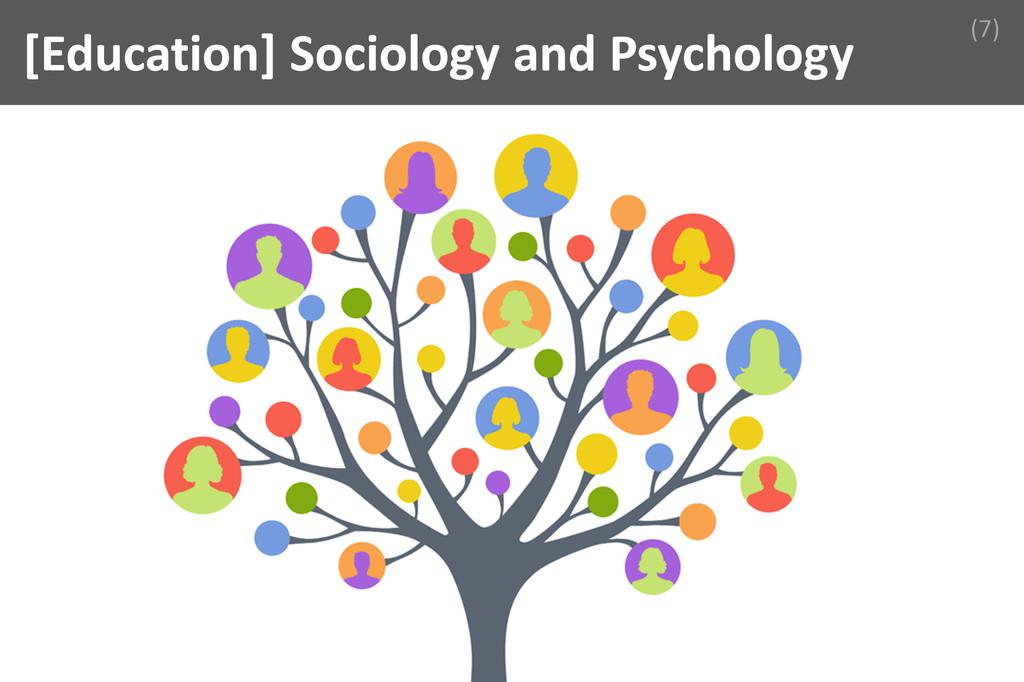
Sociology and Psychology are academic disciplines that study human behavior, social structures, and mental processes. Sociology examines how individuals interact within groups and societies, while Psychology focuses on individual thoughts, emotions, and actions. Together, they provide essential insights for understanding community dynamics and individual motivations in District Policing.
A strong grasp of Sociology and Psychology is crucial for anyone preparing for or working in District Policing. These fields help officers comprehend the underlying causes of crime, social unrest, and community tensions. By understanding group behavior, cultural norms, and psychological triggers, professionals can better anticipate and manage complex situations. This knowledge fosters empathy, improves communication, and enhances conflict resolution skills, all of which are vital for building trust with diverse communities. Over time, mastery of these subjects supports ethical decision-making, reduces biases, and promotes effective leadership. Ultimately, it lays the groundwork for a more proactive, informed, and community-oriented approach to policing, which is essential for long-term career growth and public safety.
Consider a district police officer responding to a neighborhood dispute that has escalated due to cultural misunderstandings. Drawing on their knowledge of Sociology, the officer recognizes the influence of group dynamics and social norms shaping the conflict. Simultaneously, their understanding of Psychology allows them to identify emotional triggers and de-escalate heightened tensions. By applying these insights, the officer communicates effectively with all parties, mediates the situation with sensitivity, and fosters mutual understanding. This approach not only resolves the immediate issue but also strengthens community trust and cooperation. Such practical application of Sociology and Psychology demonstrates their indispensable role in daily district policing operations.
Operations

Operations refers to the systematic planning, coordination, and execution of tasks and resources to achieve organizational objectives efficiently and effectively. In the context of District Policing, operations encompasses the strategies, protocols, and logistical frameworks that guide daily policing activities, ensuring public safety and optimal use of personnel and assets.
A strong grasp of operations is essential for anyone preparing for or working in District Policing because it underpins every aspect of law enforcement activity. Understanding operations equips professionals with the ability to analyze situations, allocate resources, and implement strategies that maximize community safety and organizational efficiency. This foundational knowledge enables officers to respond to incidents swiftly, manage crises, and adapt to evolving challenges within their districts. Over the course of a career, mastery of operations supports advancement into leadership roles, fosters interdepartmental collaboration, and ensures that policing efforts are both proactive and responsive. Ultimately, operational expertise is a key driver of both individual success and the overall effectiveness of district policing units.
Consider a district police officer tasked with managing a large public event. Drawing on their understanding of operations, the officer develops a deployment plan that positions personnel at strategic locations, coordinates with emergency services, and establishes clear communication channels. When an unexpected disturbance arises, the officer quickly assesses the situation, reallocates resources, and communicates directives to maintain order and ensure public safety. Their operational knowledge allows them to anticipate potential risks, implement contingency plans, and document actions for post-event review. This practical application of operations theory not only resolves immediate challenges but also strengthens community trust and demonstrates the value of operational competence in real-world policing scenarios.
Personnel Management

Personnel Management refers to the systematic approach to recruiting, developing, motivating, and retaining employees within an organization. In the context of District Policing, it encompasses the strategies and practices used to manage police staff effectively, ensuring operational efficiency and fostering a positive work environment. This discipline is essential in both academic study and professional practice.
Understanding Personnel Management is vital for anyone preparing for or working in District Policing because it directly impacts the effectiveness and morale of the police force. Mastery of this subject enables professionals to allocate resources efficiently, resolve conflicts, and implement fair policies, all of which are crucial for maintaining discipline and public trust. As policing is inherently people-centric, the ability to manage diverse teams, address individual needs, and foster professional growth is indispensable. Over the long term, strong personnel management skills contribute to career advancement, as they are closely linked to leadership roles and the ability to drive organizational change. This foundational knowledge also helps professionals adapt to evolving challenges and expectations within the law enforcement sector.
Consider a District Police Officer tasked with overseeing a team during a high-pressure community event. Drawing on their knowledge of Personnel Management, the officer assesses the strengths and weaknesses of each team member, assigns roles accordingly, and ensures clear communication throughout the operation. When a conflict arises between two officers, the supervisor applies conflict resolution techniques learned through personnel management training, addressing the issue promptly and maintaining team cohesion. By recognizing the importance of staff well-being, the officer also ensures that breaks are scheduled and support is available, which helps prevent burnout. This practical application of personnel management principles not only ensures the smooth execution of the event but also builds trust and respect within the team.
Skills
Leadership

Leadership is the ability to guide, motivate, and inspire individuals or groups toward achieving common goals, while making informed decisions and fostering a positive environment. In district policing, leadership is crucial because it ensures that teams remain focused, adaptable, and resilient in the face of complex and evolving community challenges.
Leadership directly enhances performance in district policing by enabling professionals to coordinate teams effectively, manage resources wisely, and respond decisively during emergencies. Clients and employers value leadership because it builds trust, encourages accountability, and drives continuous improvement within the force. Strong leaders are able to communicate vision, resolve conflicts, and maintain morale, all of which are vital in high-pressure situations. Cultivating leadership involves seeking mentorship, pursuing professional development opportunities, and actively reflecting on one’s experiences. Over time, consistent practice, feedback, and a willingness to learn from both successes and setbacks help individuals grow into effective leaders who can navigate the complexities of district policing.
Imagine a district police officer faced with a sudden surge in neighborhood burglaries that has left the community anxious and distrustful. Relying on leadership, the officer organizes a task force, delegates responsibilities based on team members’ strengths, and communicates transparently with both the team and the public. By fostering collaboration and maintaining a clear focus on the shared goal of community safety, the officer motivates the team to work efficiently and reassures residents through regular updates. This proactive approach not only leads to the successful apprehension of the suspects but also restores community confidence, demonstrating how leadership is indispensable in achieving positive outcomes in district policing.
Communication

Communication is the effective exchange of information, ideas, and emotions through speaking, writing, listening, and nonverbal cues. In district policing, it is the foundation for building trust, resolving conflicts, and ensuring public safety. Clear communication enables officers to interact with colleagues, community members, and stakeholders with accuracy and empathy.
Strong communication skills directly enhance a district policing professional’s ability to de-escalate tense situations, gather accurate information, and foster positive relationships within the community. Employers and clients highly value this skill because it leads to better cooperation, increased transparency, and improved problem-solving outcomes. Cultivating communication skills involves ongoing practice, active listening, and seeking feedback from peers and supervisors. Training sessions, role-playing exercises, and real-world experience all contribute to refining one’s ability to convey information clearly and understand others’ perspectives. Over time, a commitment to self-improvement and adaptability ensures that communication remains effective, even in high-pressure or rapidly changing environments.
Imagine a district police officer responding to a neighborhood dispute that has escalated into a heated argument. By employing strong communication skills, the officer calmly listens to each party, acknowledges their concerns, and explains the steps that will be taken to address the issue. Through clear, respectful dialogue, the officer diffuses tension and encourages cooperation, ultimately guiding both parties toward a peaceful resolution. This approach not only resolves the immediate conflict but also builds trust between the police and the community, demonstrating how effective communication is essential for achieving successful outcomes in district policing.
Analytical Ability

Analytical Ability is the capacity to objectively assess information, identify patterns, break down complex problems, and draw logical conclusions. In district policing, this skill enables professionals to interpret data, evaluate evidence, and make informed decisions. It is fundamental for effective investigations, resource allocation, and strategic planning within the community.
Analytical Ability directly enhances a district policing professional’s performance by enabling them to process large volumes of information, connect disparate facts, and anticipate potential outcomes. Employers and clients value this skill because it leads to more accurate crime analysis, efficient deployment of resources, and better risk management. Cultivating analytical ability involves continuous learning, engaging in scenario-based training, and reflecting on past cases to identify what worked and what did not. Over time, consistent practice in evaluating reports, analyzing crime trends, and participating in collaborative problem-solving sharpens this core competency, making officers more effective and adaptable in their roles.
Imagine a district policing officer faced with a sudden spike in burglaries across several neighborhoods. By applying analytical ability, the officer reviews crime reports, examines the timing and locations of incidents, and identifies a pattern suggesting the same group of offenders. The officer then collaborates with colleagues to set up targeted patrols and community alerts, leading to the apprehension of the suspects. This scenario demonstrates how analytical ability allows the officer to move beyond surface-level observations, synthesize complex information, and implement a strategic response that resolves a critical issue and restores community safety.
Compassion and Empathy

Compassion and empathy involve the ability to understand and share the feelings of others, while also demonstrating genuine concern for their well-being. In district policing, this skill enables officers to connect with community members, build trust, and respond sensitively to diverse situations, making it a vital part of effective law enforcement.
Compassion and empathy directly enhance a district policing professional’s performance by fostering positive relationships with the public, de-escalating tense situations, and encouraging cooperation. Clients and employers highly value this skill because it leads to better community engagement, increased public trust, and more effective conflict resolution. Officers who consistently demonstrate compassion and empathy are more likely to gain valuable information from witnesses, victims, and even suspects, which can be crucial for investigations. Cultivating this skill involves active listening, self-reflection, and seeking to understand different perspectives. Over time, engaging in community outreach, participating in empathy training, and learning from experienced mentors can help officers further develop their ability to respond compassionately in challenging circumstances.
Imagine a district police officer responding to a domestic disturbance call. Upon arrival, the officer finds a frightened teenager and a distressed parent in a heated argument. Instead of immediately resorting to authoritative commands, the officer listens attentively to both parties, acknowledging their emotions and concerns. By expressing understanding and offering reassurance, the officer diffuses the tension and encourages open communication. This compassionate approach allows the officer to mediate the conflict, connect the family with support services, and prevent escalation. Through empathy, the officer not only resolves the immediate issue but also strengthens the relationship between law enforcement and the community, demonstrating the profound impact of compassion in district policing.
Commitment

Commitment is the unwavering dedication to a cause, responsibility, or goal, demonstrated through consistent effort, reliability, and perseverance, even in the face of challenges or setbacks. In district policing, commitment forms the backbone of effective service, ensuring that officers remain focused on public safety, community trust, and ethical standards.
Commitment directly enhances performance in district policing by fostering reliability, resilience, and a strong sense of duty. Officers who are truly committed are more likely to follow through on investigations, build lasting relationships with the community, and uphold the law with integrity. Clients and employers value this quality because it translates into consistent, high-quality service and a trustworthy presence in the community. Cultivating commitment involves setting clear personal and professional goals, seeking feedback, and reflecting on the impact of one’s work. Over time, regularly reaffirming one’s purpose and staying engaged with ongoing training and community initiatives helps deepen this essential skill.
Imagine a district police officer assigned to a neighborhood experiencing a surge in burglaries. Despite long hours and initial setbacks, the officer’s commitment drives them to continue gathering evidence, collaborating with residents, and coordinating with other agencies. Their dedication leads to the identification and apprehension of the suspects, restoring safety and trust within the community. The officer’s unwavering commitment not only resolves the immediate issue but also strengthens relationships with local residents, demonstrating the profound impact this core skill has on both individual and collective success in district policing.
Positives
Protect Citizen Rights

Protect Citizen Rights means ensuring that every individual’s freedoms, dignity, and legal protections are upheld during all interactions with law enforcement. This involves respecting privacy, due process, and equality, while safeguarding people from discrimination or abuse. In district policing, it forms the ethical foundation for building trust and community cooperation.
The commitment to protect citizen rights is a cornerstone of district policing, making the profession deeply meaningful. Officers who prioritize these rights foster stronger relationships with the communities they serve, leading to greater public trust and cooperation. This positive dynamic not only enhances community safety but also brings a profound sense of accomplishment to officers, knowing their work upholds justice and fairness. The daily practice of respecting citizen rights encourages personal growth, ethical decision-making, and professional pride. It transforms routine duties into opportunities for positive change, reinforcing the idea that law enforcement is not just about enforcing laws, but about serving and protecting people with integrity.
Imagine a district police officer responding to a protest where emotions are high and tensions could easily escalate. By actively listening to citizens, ensuring their right to peaceful assembly, and treating everyone with respect, the officer diffuses potential conflict and demonstrates a commitment to protecting citizen rights. This approach not only prevents unnecessary confrontations but also earns the community’s respect and gratitude. The officer leaves the scene knowing they have upheld the law while also safeguarding fundamental freedoms, experiencing firsthand the fulfillment that comes from making a real difference in people’s lives. This daily reality exemplifies how protecting citizen rights is both a privilege and a profound responsibility in district policing.
Help People in Need

"Help People in Need" means providing support, protection, and assistance to individuals facing danger, distress, or hardship within the community. In district policing, this involves responding to emergencies, offering guidance, and ensuring safety for vulnerable populations. This positive aspect fosters trust, strengthens community bonds, and gives purpose to the work of police professionals.
The opportunity to help people in need is a cornerstone of job satisfaction in district policing. Officers experience a deep sense of fulfillment knowing their actions directly improve lives and contribute to safer neighborhoods. This daily engagement with the community builds empathy, resilience, and personal growth, while also enhancing public trust in law enforcement. The ability to make a tangible difference motivates officers to excel and remain committed to their roles, even in challenging circumstances. By consistently helping those in need, district police professionals develop strong interpersonal skills and a profound understanding of the diverse communities they serve, making their work both meaningful and impactful.
Imagine a district police officer responding to a call about a missing child. The officer quickly coordinates with the family, canvasses the neighborhood, and reassures anxious parents. After hours of diligent searching, the officer locates the child and safely reunites them with their family. In that moment, the officer witnesses the immense relief and gratitude of the parents, feeling the profound impact of their actions. This experience not only strengthens the officer’s resolve but also reinforces the vital role district policing plays in protecting and supporting the community. Such moments of helping people in need are deeply rewarding and highlight the true value of this career.
Fight Crime

"Fight Crime" refers to the proactive and reactive efforts of law enforcement officers to prevent, investigate, and respond to criminal activity within their communities. This involves patrolling neighborhoods, gathering intelligence, apprehending offenders, and working collaboratively with residents to create safer environments. It is the cornerstone of effective policing.
The opportunity to fight crime is a major source of pride and motivation for those in district policing. Every day, officers know their actions directly contribute to the safety and well-being of their communities. This sense of purpose fuels job satisfaction, as officers witness the tangible results of their work—reduced crime rates, safer streets, and grateful citizens. The challenge of confronting and overcoming criminal activity also fosters personal and professional growth, sharpening problem-solving skills and resilience. By actively fighting crime, district police officers experience a unique camaraderie with colleagues and a deep connection to the neighborhoods they serve, making their work both meaningful and rewarding.
Imagine a district police officer responding to a series of burglaries in a local neighborhood. Through diligent investigation, community engagement, and teamwork, the officer identifies a suspect and successfully apprehends them, putting an end to the crime spree. Residents express relief and gratitude, knowing their homes and families are safer. The officer feels a profound sense of accomplishment, having made a real difference in people’s lives. This experience not only reinforces their commitment to the profession but also highlights the immediate and lasting impact of fighting crime. Such moments remind district police officers why their role is vital and deeply fulfilling.
Maintain Tranquillity

"Maintain Tranquillity" means fostering a sense of peace, safety, and stability within a community by preventing disturbances and resolving conflicts. In district policing, this involves proactive engagement, calm mediation, and vigilant presence, ensuring that neighborhoods remain harmonious. This positive aspect is central to the profession, shaping both its purpose and daily responsibilities.
The ability to maintain tranquillity is a cornerstone of job satisfaction in district policing. Officers who successfully create a peaceful environment witness firsthand the positive transformation in their communities, which fosters a deep sense of accomplishment and pride. This aspect of the role encourages personal growth, as it requires empathy, patience, and effective communication. Every day, professionals experience the reward of knowing their actions directly contribute to the well-being and cohesion of the neighborhoods they serve. The respect and trust built through maintaining tranquillity not only enhance community relations but also provide officers with a meaningful and lasting impact on society.
Imagine a district police officer responding to a heated dispute between neighbors that threatens to escalate. By calmly listening to both sides, mediating the conversation, and offering practical solutions, the officer diffuses the tension and restores peace. Later, the neighbors express gratitude, acknowledging the officer’s role in preventing further conflict. This moment exemplifies the profound fulfillment that comes from maintaining tranquillity. The officer leaves the scene knowing their skills and presence have made a tangible difference, reinforcing their commitment to the profession and highlighting the unique satisfaction that comes from fostering harmony within the community.
Respect in Society
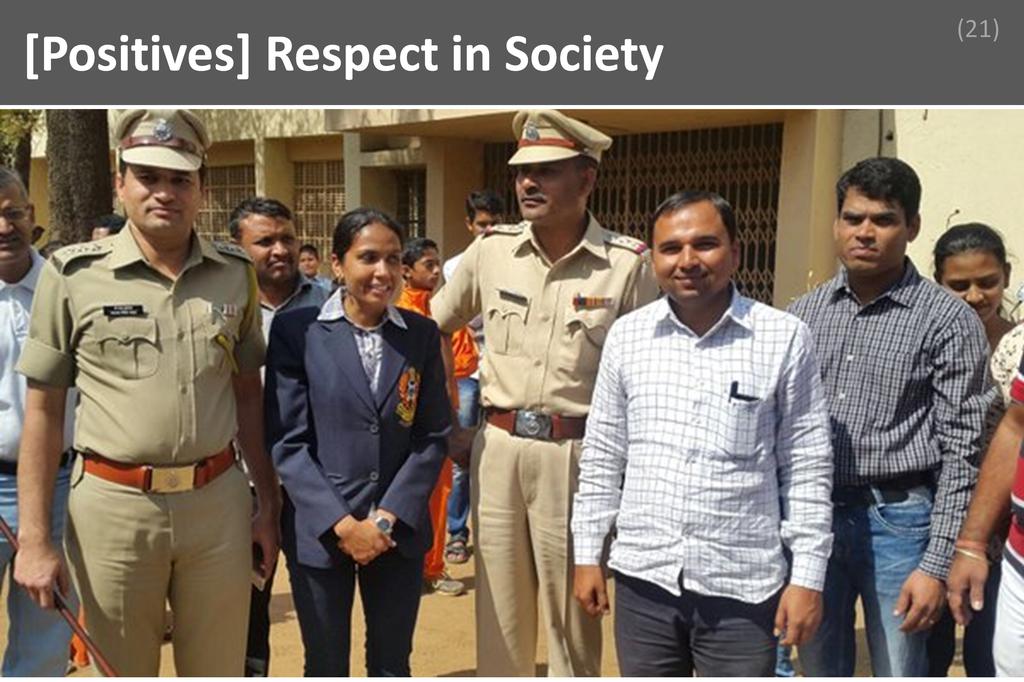
Respect in Society refers to the admiration, trust, and high regard that individuals receive from their community due to their actions, integrity, and service. In district policing, this respect is earned through dedication, fairness, and a commitment to public safety, which fosters a positive relationship between officers and the people they serve.
The respect that district police officers receive from their communities is a powerful motivator and a source of immense pride. This recognition not only validates their hard work but also strengthens their sense of purpose and belonging. When officers are respected, they feel valued and supported, which enhances their morale and job satisfaction. This positive environment encourages personal and professional growth, as officers are more likely to invest in their roles and strive for excellence. Daily interactions with grateful citizens, community leaders, and local organizations reinforce this respect, making the challenges of the job more manageable and the achievements more meaningful.
Imagine a district police officer who has spent months working closely with local residents to address a rise in neighborhood crime. Through consistent presence, open communication, and fair enforcement, the officer builds trust and rapport with the community. One evening, during a local event, several residents approach the officer to express their gratitude and share how much safer they feel. The officer is invited to speak at a community meeting, where their efforts are publicly acknowledged and celebrated. This genuine appreciation and respect from the community not only boost the officer’s confidence but also reaffirm their commitment to serving with integrity and compassion, making every challenge faced in the line of duty worthwhile.
Challenges
Interference

Interference in District Policing refers to the undue influence, pressure, or involvement from external parties—such as political figures, community leaders, or even internal hierarchies—that disrupts or alters standard policing procedures. This challenge is demanding because it can compromise impartiality, hinder decision-making, and erode public trust in law enforcement.
Interference can significantly disrupt the daily operations of district police officers by introducing conflicting priorities, delaying critical decisions, and undermining the authority of law enforcement professionals. Such disruptions often lead to frustration, decreased morale, and a sense of powerlessness among officers. Resilience becomes essential, as professionals must maintain their commitment to ethical standards and public service despite external pressures. Successful officers navigate this constraint by fostering transparent communication, documenting their actions meticulously, and seeking guidance from trusted superiors or legal advisors. By building strong community relationships and demonstrating consistent professionalism, they can mitigate the negative effects of interference and uphold the integrity of their work.
Consider a situation where a district police officer is pressured by a local politician to overlook a traffic violation committed by a prominent community member. Instead of yielding to the interference, the officer calmly explains the importance of equal treatment under the law and documents the interaction in their official report. The officer then consults with their supervisor to ensure transparency and seeks support from the department’s legal team if necessary. By adhering to established protocols and maintaining open communication, the officer not only resists improper influence but also reinforces the credibility of the police force within the community. This approach demonstrates how professionalism and integrity can effectively counteract the challenges posed by interference.
Unethical Demands

Unethical Demands in District Policing refer to pressures or requests from superiors, colleagues, or external parties to act against legal, ethical, or departmental standards. This challenge is demanding because it tests personal integrity, exposes professionals to potential retaliation, and can undermine public trust in law enforcement if not handled properly.
Unethical demands can infiltrate daily operations, placing officers in situations where they must choose between following orders and upholding ethical standards. This ongoing tension can erode morale, create internal conflict, and foster a culture of silence or complicity. Resilience is essential, as professionals must withstand pressure while maintaining their principles. Successful officers often rely on a strong understanding of departmental policies, seek guidance from trusted mentors, and document questionable directives. They cultivate supportive peer networks and, when necessary, utilize formal reporting mechanisms to address unethical requests. By consistently prioritizing ethical conduct, these professionals not only protect themselves but also reinforce the integrity of their department and the trust of the communities they serve.
Consider an officer who is pressured by a superior to overlook procedural violations during an investigation to expedite results. Recognizing the ethical implications, the officer respectfully voices concerns, referencing departmental guidelines and the potential consequences of non-compliance. Instead of yielding to the demand, the officer seeks advice from a senior mentor and documents the interaction for transparency. By adhering to proper procedures and refusing to compromise ethical standards, the officer not only avoids personal and professional risk but also sets a positive example for colleagues. This approach ultimately leads to a fair investigation outcome and reinforces a culture of accountability within the district.
Inadequate Equipment

Inadequate equipment in District Policing refers to the lack of essential tools, outdated technology, or insufficient resources needed to perform law enforcement duties effectively. This challenge is demanding because it can compromise officer safety, hinder response times, and limit the ability to serve the community efficiently and professionally.
The absence of proper equipment can significantly disrupt daily operations in district policing. Officers may find themselves unable to communicate effectively, document incidents accurately, or respond swiftly to emergencies. This situation requires a high degree of resilience, as professionals must adapt to limitations while maintaining public trust and personal safety. Successful officers often compensate by relying on strong teamwork, creative problem-solving, and resourcefulness. They may share equipment, improvise with available tools, or develop alternative procedures to ensure that essential tasks are completed. By fostering open communication with supervisors and advocating for necessary resources, these professionals demonstrate adaptability and commitment, turning a challenging environment into an opportunity for growth and innovation.
Consider a district police officer assigned to patrol a large area with only a single, aging radio for communication. Despite the risk of losing contact during critical incidents, the officer collaborates closely with colleagues, establishing predetermined check-in times and backup plans. When the radio fails, the officer uses a personal mobile device to relay urgent information, ensuring that support can be mobilized if needed. The officer also documents equipment failures meticulously, providing clear evidence to supervisors about the ongoing challenges. Through proactive communication, adaptability, and a focus on teamwork, the officer continues to serve the community effectively, demonstrating how determination and ingenuity can overcome the obstacle of inadequate equipment.
Inadequate Manpower

Inadequate manpower in district policing refers to having fewer officers and support staff than required to meet the demands of law enforcement, public safety, and community engagement. This shortage creates significant pressure, as professionals must balance multiple responsibilities, respond to emergencies, and maintain order with limited resources and support.
The challenge of inadequate manpower deeply affects daily operations in district policing. Officers often face increased workloads, longer shifts, and heightened stress, which can lead to fatigue and reduced morale. This environment demands resilience, adaptability, and strong teamwork, as professionals must prioritize tasks and make difficult decisions about resource allocation. Successful officers navigate these constraints by fostering collaboration, leveraging technology, and building strong community relationships to supplement their efforts. They also focus on effective communication and time management, ensuring that critical incidents receive immediate attention while routine tasks are handled efficiently. By maintaining a proactive mindset and supporting one another, district policing professionals can continue to deliver essential services despite limited personnel.
Consider a district police officer assigned to a precinct experiencing a surge in calls due to a local festival, while several colleagues are unavailable due to illness. Despite the shortage, the officer coordinates with neighboring precincts, utilizes community volunteers for non-critical tasks, and employs mobile technology to streamline reporting and communication. By prioritizing urgent incidents and delegating less critical duties, the officer ensures public safety is maintained and response times remain reasonable. This approach not only addresses immediate manpower challenges but also strengthens community trust and demonstrates the officer’s ability to adapt under pressure. Through resourcefulness and collaboration, the officer successfully manages the demands of inadequate manpower.
A Day Of
District Policing
When the city is just beginning to stir, district policing professionals are already in motion, navigating a world where every moment counts and no two days are ever quite the same. The pace is relentless, the stakes are high, and the environment is a dynamic blend of unpredictability and routine. From the hum of early morning briefings to the adrenaline of responding to incidents, district policing is a career that demands adaptability, sharp instincts, and a deep commitment to community safety. Each day unfolds as a series of challenges and connections, where quick decisions and teamwork shape the fabric of public trust.
As dawn breaks, district policing professionals gather for the morning briefing, a crucial time to review overnight developments, analyze crime trends, and assign priorities for the day. This early hour is dedicated to absorbing updates from colleagues, checking equipment, and ensuring that all necessary resources are ready for whatever the day may bring. The atmosphere is focused yet anticipatory, as officers mentally prepare for the unpredictable nature of their work ahead.
By mid-morning, the heart of the day’s activity is underway. Officers are out in the community, responding to calls for service, conducting patrols, and engaging with residents and business owners. This is the most intense and interactive phase, where quick thinking and clear communication are essential. Whether mediating disputes, investigating suspicious activity, or providing reassurance to concerned citizens, district policing professionals must balance enforcement with empathy, often making split-second decisions that can have lasting impacts.
The afternoon brings a shift toward collaboration and execution. Officers regroup to share information, attend interdepartmental meetings, and coordinate with partner agencies or community organizations. This period is marked by follow-up investigations, paperwork, and strategic planning to address ongoing issues. The focus is on teamwork and leveraging collective expertise to solve problems, improve public safety, and strengthen community relationships.
As the day winds down, attention turns to wrapping up reports, debriefing with supervisors, and reflecting on the day’s events. Administrative tasks take center stage, from documenting incidents to updating case files and preparing for court appearances. This is also the time to review lessons learned, identify emerging trends, and set priorities for the next shift. The sense of accomplishment is tempered by the knowledge that tomorrow will bring new challenges, requiring the same dedication and vigilance that define a career in district policing. |


 Home
Home Abroad
 Plan
Plan Philosophy
 Seminar
 Pages
Pages Advisors
 Testimonials













 Workshop
 Discuss
 Meet
Meet
 Advisor
 Story
Story
 Fine Print
 Links
Links
 Blog
Blog
 Follow
