The Journey of Indian Administrative Service
What Is Indian Administrative Service
Indian Administrative Service
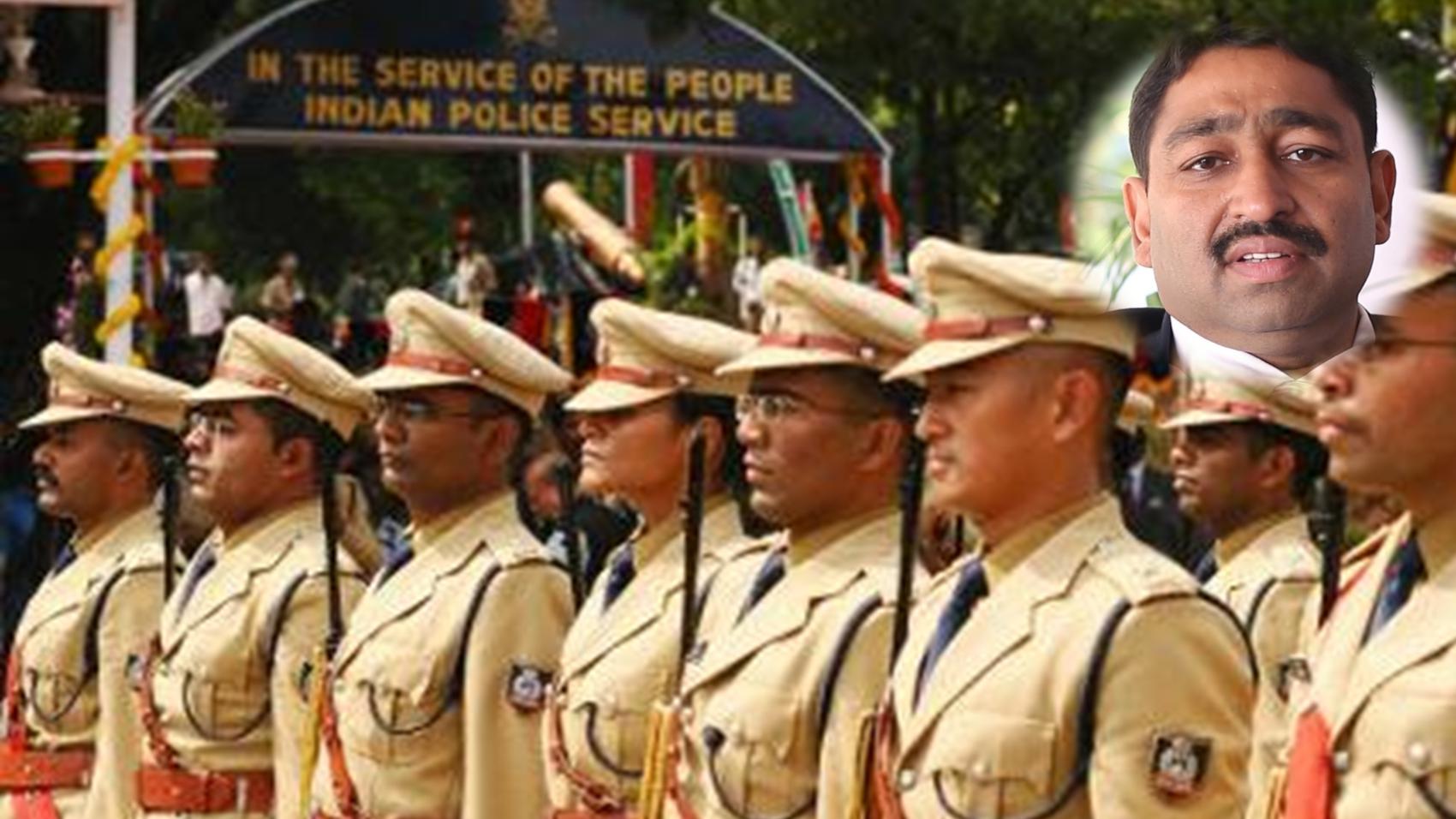
The Indian Administrative Service (IAS) is the premier civil service of India, responsible for formulating and implementing government policies, managing public administration, and ensuring the smooth functioning of governance at central, state, and district levels. IAS officers play a crucial role in nation-building and public service.
The Indian Administrative Service holds immense significance in shaping the country’s governance and development. IAS officers are entrusted with the responsibility of policy formulation, resource management, and public welfare implementation. Their decisions directly influence the lives of millions, making the role both impactful and prestigious. For professionals, the IAS offers a unique platform to contribute to society, enjoy job security, and access diverse career opportunities across various sectors. The service also provides a sense of purpose, as officers are instrumental in driving social change, disaster management, and economic development. Additionally, the respect and authority associated with the IAS empower officers to lead teams, resolve conflicts, and bring about meaningful reforms in their jurisdictions.
Consider an IAS officer posted as a District Collector in a rural district. When a natural disaster such as a flood strikes, the officer coordinates relief operations, mobilizes resources, and ensures timely delivery of aid to affected communities. They work closely with various government departments, NGOs, and local leaders to assess damage, restore essential services, and implement rehabilitation programs. By leveraging administrative skills and policy knowledge, the officer not only manages the immediate crisis but also initiates long-term measures to prevent future disasters. This real-world scenario highlights how IAS professionals use their expertise to address complex challenges, improve governance, and make a tangible difference in people’s lives.
Education
Law

Law is a system of rules and principles established by society or governing bodies to regulate behavior, maintain order, and ensure justice. For Indian Administrative Service officers, law forms a crucial part of their academic and professional knowledge, guiding their decisions, actions, and responsibilities in public administration and governance.
Understanding law is indispensable for anyone preparing for or working in the Indian Administrative Service. It equips officers with the ability to interpret statutes, implement government policies, and uphold constitutional values. Law provides the framework within which all administrative actions must be carried out, ensuring fairness, accountability, and transparency. Mastery of legal concepts helps officers navigate complex regulatory environments, resolve disputes, and protect citizens’ rights. Over the course of their careers, a strong foundation in law enables administrators to make informed decisions, avoid legal pitfalls, and contribute to the development of sound public policies. Ultimately, legal literacy enhances both the effectiveness and credibility of an IAS officer in serving the nation.
Consider an IAS officer posted as a District Magistrate who is faced with a land acquisition dispute. The officer must apply their understanding of the Land Acquisition Act, constitutional provisions regarding property rights, and relevant Supreme Court judgments to mediate between the government and affected citizens. By interpreting the law correctly, the officer ensures that compensation is fair, rehabilitation measures are implemented, and procedural safeguards are followed. This not only resolves the dispute efficiently but also upholds the rule of law and maintains public trust in the administration. Such scenarios highlight how theoretical knowledge of law is directly translated into practical, impactful governance on a daily basis.
Management

Management is the process of planning, organizing, directing, and controlling resources—human, financial, and material—to achieve organizational goals efficiently and effectively. For Indian Administrative Service officers, management forms a crucial part of both academic preparation and professional practice, enabling them to lead teams, implement policies, and deliver public services successfully.
Understanding management is essential for anyone aspiring to join or currently serving in the Indian Administrative Service. The subject equips officers with the ability to analyze complex situations, make informed decisions, and coordinate diverse teams toward common objectives. Mastery of management principles fosters leadership, strategic thinking, and adaptability, all of which are indispensable in the dynamic environment of public administration. Over the course of a career, these skills not only enhance personal effectiveness but also contribute to the overall efficiency and responsiveness of government institutions. By grounding their actions in sound management theory, IAS officers can drive meaningful change, ensure accountability, and uphold the highest standards of governance.
Consider an IAS officer tasked with implementing a large-scale rural development program. Drawing on management principles, the officer begins by assessing available resources and setting clear, measurable goals. They organize teams, delegate responsibilities, and establish communication channels to ensure smooth coordination among various departments. Throughout the project, the officer monitors progress, addresses challenges proactively, and motivates staff to maintain high performance. By applying their theoretical understanding of management, the officer not only achieves project objectives within stipulated timelines but also fosters a culture of transparency and collaboration. This practical application of management ensures that public resources are utilized effectively and that the intended benefits reach the target population.
Public Administration

Public Administration is the systematic implementation of government policies and the management of public programs. It involves planning, organizing, directing, coordinating, and controlling government operations. For Indian Administrative Service aspirants and officers, it forms a crucial academic and professional discipline, providing essential frameworks for effective governance and public service delivery.
Understanding Public Administration is vital for anyone preparing for or working in the Indian Administrative Service because it equips individuals with the analytical tools and conceptual clarity needed to navigate complex governmental structures. This subject introduces the principles of organization, decision-making, leadership, and accountability, all of which are central to public sector management. Mastery of these concepts ensures that officers can design and implement policies efficiently, manage resources judiciously, and respond to public needs with sensitivity and effectiveness. Over the long term, a strong foundation in Public Administration fosters adaptability, ethical decision-making, and the ability to lead reforms, making it indispensable for sustained professional growth and impactful public service.
Consider an IAS officer posted as a District Collector who is tasked with implementing a new welfare scheme. Drawing on their knowledge of Public Administration, the officer assesses the administrative structure, delegates responsibilities, and establishes monitoring mechanisms to ensure transparency and accountability. When faced with resistance from local stakeholders, the officer applies principles of participative management and effective communication to build consensus and resolve conflicts. By integrating theoretical concepts such as policy analysis, organizational behavior, and public accountability into daily operations, the officer not only ensures the scheme’s successful rollout but also strengthens institutional trust and public satisfaction. This practical application underscores the real-world value of Public Administration in the Indian Administrative Service.
Technology

Technology refers to the application of scientific knowledge, tools, and techniques to solve problems, improve processes, and enhance human life. For Indian Administrative Service officers, understanding technology is essential as it underpins modern governance, policy implementation, and public service delivery, forming a crucial part of their academic and professional expertise.
A solid grasp of technology is indispensable for those preparing for or working in the Indian Administrative Service. The rapid digital transformation of governance demands that officers are well-versed in technological advancements, from e-governance platforms to data analytics. This knowledge enables them to design, implement, and monitor policies more efficiently, ensuring transparency and accountability. Furthermore, technology literacy empowers officers to bridge the digital divide, promote inclusive growth, and respond proactively to emerging challenges such as cybersecurity threats and digital fraud. Over the long term, staying updated with technological trends enhances career progression, fosters innovation in public administration, and equips officers to lead transformative initiatives that benefit society at large.
Consider an IAS officer overseeing the implementation of a digital land records management system in a rural district. By leveraging their understanding of technology, the officer can coordinate with technical teams to digitize records, train staff in new software, and ensure secure data storage. This not only streamlines administrative processes but also reduces corruption and improves transparency for citizens accessing land records. The officer’s ability to interpret technical reports, troubleshoot issues, and communicate effectively with both IT professionals and the public ensures the project’s success. This scenario demonstrates how theoretical knowledge of technology directly translates into practical, impactful governance that addresses real-world challenges.
Skills
Decision Making Ability

Decision Making Ability is the capacity to assess situations, weigh alternatives, anticipate outcomes, and choose the most effective course of action within a given timeframe. In the Indian Administrative Service, this skill is indispensable, as officers routinely face complex, high-stakes situations that demand swift, judicious, and accountable choices.
Decision Making Ability directly enhances an officer’s effectiveness by enabling them to respond confidently to unforeseen challenges, allocate resources efficiently, and uphold public trust. Employers and stakeholders value this skill because it ensures that policies are implemented smoothly and crises are managed with minimal disruption. Cultivating this ability involves a combination of experience, continuous learning, and reflective practice. Officers can improve by analyzing past decisions, seeking mentorship, and staying informed about legal, social, and economic developments. Over time, exposure to diverse administrative scenarios sharpens judgment and fosters the confidence required to make sound decisions under pressure, ultimately contributing to the success and integrity of public administration.
Consider a situation where a district faces sudden flooding due to heavy monsoon rains. An IAS officer must quickly evaluate the severity of the disaster, coordinate with various departments, and decide on immediate evacuation measures. The officer’s Decision Making Ability is tested as they balance limited resources, prioritize vulnerable populations, and communicate effectively with both the public and government agencies. By making timely, well-considered choices, the officer not only ensures the safety of thousands but also maintains public order and trust. This scenario highlights how critical decision making is in navigating emergencies and achieving successful outcomes in the Indian Administrative Service.
Skills in Public Dealing

Skills in Public Dealing refer to the ability to interact effectively, empathetically, and diplomatically with individuals and groups from diverse backgrounds, addressing their concerns, resolving conflicts, and fostering trust. In the Indian Administrative Service, this skill is crucial for building rapport with the public, ensuring transparent governance, and implementing policies efficiently.
Mastering skills in public dealing significantly enhances an IAS officer’s ability to manage public grievances, mediate disputes, and communicate government initiatives clearly. Clients and employers value this skill because it leads to smoother administration, higher public satisfaction, and reduced resistance to policy changes. Officers who excel in public dealing can bridge the gap between the government and citizens, ensuring that the voices of the community are heard and addressed. Cultivating this skill involves continuous self-improvement, active listening, empathy, and exposure to diverse social situations. Regular engagement with the public, seeking feedback, and learning from experienced mentors further refine one’s ability to handle complex interpersonal dynamics.
Consider an IAS officer posted in a district facing unrest due to a new land acquisition policy. The officer organizes open forums where affected villagers can voice their concerns directly. By patiently listening, clarifying misconceptions, and negotiating fair compensation, the officer diffuses tensions and builds consensus. This approach not only resolves immediate conflicts but also strengthens public trust in the administration. The officer’s adeptness in public dealing ensures that the policy is implemented smoothly, with minimal resistance and maximum cooperation from the community. This scenario highlights how essential public dealing skills are in navigating sensitive issues and achieving successful governance outcomes.
Ability to learn quickly

The "Ability to learn quickly" refers to the capacity to rapidly absorb, understand, and apply new information, concepts, or procedures in unfamiliar situations. In the Indian Administrative Service, this skill is crucial as officers frequently encounter diverse challenges, policies, and environments that demand swift adaptation and informed decision-making.
The ability to learn quickly directly enhances an IAS officer’s performance by enabling them to adapt to new postings, policies, and administrative frameworks with minimal downtime. Employers and the government value this skill because it ensures that officers can handle dynamic situations, implement reforms efficiently, and respond to crises with agility. Cultivating this ability involves maintaining intellectual curiosity, practicing active listening, and engaging in continuous learning through reading, training, and seeking feedback. Over time, exposure to varied assignments and a proactive approach to problem-solving further sharpen this skill, making officers more resourceful and effective in their roles.
Consider an IAS officer newly posted to a district facing an unexpected public health crisis, such as a sudden outbreak of disease. With limited prior experience in healthcare administration, the officer must quickly grasp medical protocols, coordinate with health officials, and implement containment measures. By rapidly learning about the disease, understanding local healthcare infrastructure, and adapting best practices from other regions, the officer can make informed decisions that curb the outbreak. This scenario highlights how the ability to learn quickly enables IAS professionals to respond effectively to urgent challenges, ensuring public welfare and maintaining administrative efficiency even in unfamiliar or high-pressure situations.
Leadership and Coordination

Leadership and Coordination is the ability to inspire, guide, and manage teams while ensuring seamless collaboration among diverse stakeholders to achieve common objectives. In the Indian Administrative Service, this skill is crucial for driving policy implementation, managing crises, and fostering cooperation across departments and communities for effective governance.
Mastering Leadership and Coordination significantly enhances an IAS officer’s effectiveness by enabling them to unify teams, streamline processes, and ensure that policies are executed efficiently. Employers and the government value this skill because it leads to better decision-making, higher morale among staff, and improved public service delivery. To cultivate this skill, aspiring officers should seek opportunities to lead projects, participate in group activities, and learn from experienced mentors. Continuous self-reflection, feedback, and adapting to new challenges also play a vital role in strengthening one’s ability to lead and coordinate. Over time, consistent practice and exposure to diverse situations help refine this core competency, making it indispensable for a successful administrative career.
Imagine an IAS officer posted in a district facing severe flooding. The officer must quickly mobilize various departments such as disaster management, health, police, and public works to coordinate rescue and relief operations. By demonstrating strong leadership, the officer assigns clear responsibilities, motivates teams, and ensures transparent communication among all stakeholders. Through effective coordination, resources are allocated efficiently, affected communities receive timely assistance, and potential conflicts between agencies are minimized. This scenario highlights how Leadership and Coordination enable the officer to manage a complex crisis, safeguard lives, and restore normalcy, ultimately showcasing the indispensable value of this skill in the Indian Administrative Service.
Inclination to work for Public Good

Inclination to work for Public Good is the genuine motivation and commitment to prioritize the welfare of society above personal interests, ensuring that decisions and actions benefit the larger community. For an Indian Administrative Service (IAS) professional, this quality is fundamental, guiding ethical governance, fostering trust, and shaping policies that uplift diverse populations.
An inclination to work for public good directly enhances an IAS officer’s effectiveness by fostering empathy, ethical decision-making, and a sense of responsibility towards citizens. Employers and the government value this trait because it ensures that policies and programs are implemented with integrity and a focus on inclusive development. Officers with this mindset are more likely to earn public trust, mobilize communities, and navigate complex challenges with a people-centric approach. Cultivating this skill involves continuous self-reflection, exposure to grassroots realities, and a conscious effort to understand the needs of marginalized groups. Over time, engaging with diverse communities and seeking mentorship from senior officers who exemplify public service can further strengthen this inclination.
Consider an IAS officer posted in a drought-prone district facing acute water scarcity. Instead of opting for short-term relief measures, the officer’s inclination to work for public good drives them to initiate sustainable water management projects, such as rainwater harvesting and community awareness campaigns. By involving local stakeholders and prioritizing long-term benefits over immediate gains, the officer ensures that the community becomes resilient to future crises. This approach not only addresses the immediate issue but also empowers residents, builds trust in the administration, and sets a precedent for responsible governance. The officer’s commitment to public welfare becomes the cornerstone of lasting, positive change in the region.
Work Ethics and Integrity

Work ethics and integrity refer to the unwavering commitment to honesty, responsibility, fairness, and moral principles in all professional actions and decisions. In the Indian Administrative Service, these qualities form the backbone of public trust, ensuring that officers act impartially, uphold the law, and serve the nation with dedication.
Work ethics and integrity are vital for Indian Administrative Service professionals because they directly influence the quality and fairness of governance. Officers who consistently demonstrate these values earn the respect and confidence of both the public and their superiors. This trust is crucial for effective policy implementation and crisis management. Employers and stakeholders value integrity as it minimizes corruption, promotes transparency, and ensures that decisions are made in the public interest rather than for personal gain. To cultivate this skill, one must engage in regular self-reflection, seek mentorship from respected seniors, and commit to ongoing ethical education. Over time, consistently making principled choices, even in challenging situations, strengthens one’s reputation and effectiveness as a public servant.
Imagine an Indian Administrative Service officer overseeing a major infrastructure project in a rural district. During the project, the officer discovers that a contractor is attempting to cut corners by using substandard materials, which could endanger public safety. Despite pressure from influential local figures to ignore the issue, the officer relies on strong work ethics and integrity to address the problem. By initiating a transparent investigation and enforcing strict penalties, the officer not only ensures the project’s quality but also sends a clear message about zero tolerance for corruption. This principled stand not only safeguards the community but also enhances public trust in the administration, demonstrating how integrity is indispensable for effective governance.
Communication Skills

Communication skills refer to the ability to convey information, ideas, and emotions clearly and effectively through speaking, writing, and listening. In the Indian Administrative Service, these skills are crucial for building consensus, managing diverse teams, and ensuring that policies and directives are understood and implemented efficiently across various levels of governance.
Strong communication skills directly enhance an IAS officer’s performance by enabling them to articulate policies, negotiate with stakeholders, and resolve conflicts with clarity and diplomacy. Employers and the public value these abilities because they foster transparency, trust, and cooperation, which are essential for effective governance. To cultivate communication skills, aspiring officers should engage in active listening, participate in debates, write regularly, and seek feedback to refine their expression. Over time, consistent practice and exposure to diverse situations help officers adapt their communication style to different audiences, making them more persuasive and approachable. This ongoing development ensures that they can handle complex administrative challenges and represent the government’s interests with confidence and integrity.
Imagine an IAS officer tasked with implementing a new health initiative in a rural district facing resistance from local communities due to misinformation and cultural concerns. The officer organizes a series of interactive meetings, listens attentively to villagers’ fears, and explains the benefits of the program in simple, relatable terms. By addressing misconceptions and involving local leaders in the dialogue, the officer builds trust and encourages participation. Through clear, empathetic communication, the officer not only overcomes opposition but also fosters a sense of ownership among the community. This approach ensures the successful rollout of the initiative, demonstrating how effective communication can bridge gaps and drive positive change in public administration.
Resourcefulness

Resourcefulness is the ability to find quick and clever ways to overcome difficulties, adapt to changing circumstances, and make the best use of available resources. In the Indian Administrative Service, it empowers officers to navigate complex challenges, devise innovative solutions, and ensure effective governance even in resource-constrained or unpredictable situations.
Resourcefulness directly enhances an officer’s performance by enabling them to respond swiftly and effectively to unforeseen challenges, whether in disaster management, policy implementation, or public service delivery. Employers and stakeholders highly value this skill because it ensures that obstacles do not become roadblocks, but rather opportunities for innovation and improvement. Cultivating resourcefulness involves a commitment to continuous learning, openness to new ideas, and the willingness to experiment with unconventional approaches. Over time, exposure to diverse situations, seeking mentorship, and reflecting on past experiences help officers sharpen their ability to think on their feet and make judicious decisions under pressure.
Imagine an IAS officer posted in a remote district facing a sudden outbreak of a waterborne disease. With limited medical supplies and infrastructure, the officer must act swiftly. Drawing on resourcefulness, the officer mobilizes local volunteers, leverages community networks for awareness campaigns, and coordinates with nearby districts to pool resources. By repurposing available vehicles for medical transport and utilizing social media for real-time updates, the officer manages to contain the outbreak and restore public confidence. This scenario highlights how resourcefulness enables an IAS professional to overcome constraints, deliver timely solutions, and safeguard public welfare in challenging circumstances.
Positives
Job Satisfaction

Job satisfaction is the sense of fulfillment, pride, and contentment professionals feel when their work aligns with their values, skills, and aspirations, and when their contributions are recognized and impactful. In the Indian Administrative Service, job satisfaction arises from meaningful responsibilities, opportunities to serve society, and the ability to influence positive change.
Job satisfaction is a cornerstone of a rewarding career in the Indian Administrative Service because it fuels motivation, commitment, and personal growth. When officers see the tangible results of their decisions and initiatives, it reinforces their sense of purpose and belonging. This positive aspect matters deeply, as it transforms daily challenges into opportunities for learning and achievement. The sense of making a real difference in people’s lives boosts morale and encourages continuous self-improvement. Professionals in this field experience job satisfaction through diverse assignments, the respect they earn, and the knowledge that their work directly contributes to nation-building and societal progress.
Imagine an IAS officer posted in a rural district, tasked with improving access to clean drinking water. Through strategic planning, community engagement, and efficient resource management, the officer oversees the successful installation of water purification systems in several villages. Witnessing the immediate improvement in health and daily life for thousands of residents, the officer feels a profound sense of accomplishment and pride. This direct, positive impact on the community exemplifies the deep job satisfaction that comes from serving the public and effecting meaningful change, reaffirming the officer’s commitment to the service and the values it upholds.
Diversity in Job

Diversity in Job refers to the wide range of roles, responsibilities, and challenges that professionals encounter within a single career, allowing them to work in various domains, locations, and functions. In the Indian Administrative Service, this diversity ensures continuous learning, adaptability, and exposure to new experiences, making the profession dynamic and enriching.
The diversity inherent in the Indian Administrative Service is a major driver of job satisfaction and personal growth. Officers are not confined to a single role or department; instead, they move across different sectors such as health, education, infrastructure, and law and order. This constant change keeps the work environment stimulating and prevents monotony. It encourages officers to develop a broad skill set, adapt to new challenges, and gain a holistic understanding of governance. The opportunity to impact various aspects of society and witness tangible results of their efforts enhances their sense of purpose. Every day brings new problems to solve and new communities to serve, making the job both meaningful and exciting.
Imagine an IAS officer who begins their career managing rural development projects in a remote district, working closely with local communities to improve sanitation and education. After a few years, the same officer is transferred to a bustling metropolitan city, where they oversee urban planning and disaster management. Later, they might serve in a state secretariat, shaping policy at the highest level. Each posting brings unique challenges and learning opportunities, allowing the officer to make a difference in diverse settings. This constant evolution not only keeps the work engaging but also provides a deep sense of fulfillment, as the officer witnesses the positive impact of their efforts across different segments of society.
Social Exposure

Social Exposure refers to the continuous interaction with diverse communities, cultures, and stakeholders, enabling individuals to understand varied perspectives, challenges, and aspirations. In the Indian Administrative Service, this exposure enriches professional insight, fosters empathy, and enhances decision-making, making the role both dynamic and deeply connected to the fabric of society.
The significance of social exposure in the Indian Administrative Service lies in its power to transform both the professional and personal dimensions of an officer’s life. Regular engagement with people from different backgrounds cultivates a nuanced understanding of societal needs, which is essential for effective governance. This exposure not only sharpens problem-solving skills but also instills a sense of purpose, as officers witness the direct impact of their work on communities. The daily interactions and collaborations with citizens, grassroots workers, and other officials foster a vibrant learning environment, making the job intellectually stimulating and emotionally rewarding. Over time, this continuous social engagement leads to personal growth, greater job satisfaction, and a profound sense of fulfillment derived from serving the nation.
Consider an IAS officer posted in a rural district, tasked with implementing a new healthcare initiative. Through regular field visits, the officer interacts with local villagers, healthcare workers, and community leaders, gaining firsthand knowledge of their concerns and expectations. These interactions reveal unique cultural practices and specific health challenges faced by the community, which may not be apparent from official reports alone. By listening to diverse voices and building trust, the officer is able to tailor the program to local needs, ensuring its success and acceptance. This daily immersion in the lives of people not only leads to effective administration but also provides the officer with a deep sense of accomplishment, knowing their efforts have brought tangible improvements to society.
Job Security

Job security refers to the assurance that an individual’s employment is stable, protected from arbitrary dismissal, and likely to continue for the foreseeable future. In the Indian Administrative Service, job security provides a strong foundation, allowing officers to focus on their responsibilities without the constant fear of losing their livelihood, fostering dedication and integrity.
Job security in the Indian Administrative Service is a cornerstone that shapes the professional journey of every officer. Knowing that their position is safeguarded by constitutional provisions, officers can make decisions with confidence and impartiality, free from external pressures or political influence. This stability allows them to invest in long-term projects, pursue innovative solutions, and dedicate themselves wholeheartedly to public service. The assurance of a secure career path enhances job satisfaction, as officers feel valued and protected, which in turn motivates them to perform at their best. Daily, this benefit translates into a sense of peace and focus, enabling professionals to channel their energy into meaningful work that impacts society positively.
Consider an IAS officer tasked with implementing a challenging rural development program in a remote district. Despite facing resistance from vested interests and navigating complex local dynamics, the officer remains steadfast, knowing that their job is secure and protected by law. This assurance empowers them to take bold decisions, uphold ethical standards, and prioritize the welfare of the community without fear of retribution or sudden dismissal. As the program progresses, the officer witnesses tangible improvements in villagers’ lives, experiencing immense fulfillment from their role. The unwavering job security not only supports their professional growth but also reinforces their commitment to serving the nation with integrity and purpose.
Challenges
Work-Life Balance

Work-life balance in the Indian Administrative Service refers to the ongoing effort to maintain equilibrium between demanding professional responsibilities and personal life. The challenge is heightened by unpredictable work hours, urgent public duties, and the expectation to be available at all times, making it exceptionally difficult to separate work from personal time.
The struggle to achieve work-life balance in the Indian Administrative Service often leads to extended working hours, frequent transfers, and high-pressure decision-making, which can strain personal relationships and affect mental well-being. This environment demands immense resilience, adaptability, and emotional intelligence from officers. Successful professionals manage these constraints by setting clear boundaries, prioritizing tasks, and delegating responsibilities where possible. They also cultivate support systems both at work and home, and consciously allocate time for self-care and family. By developing strong time management skills and learning to disconnect from work when possible, they are able to sustain their motivation and effectiveness without sacrificing their personal lives entirely.
Consider an IAS officer posted in a district prone to natural disasters, where emergencies can arise at any hour. Despite the unpredictable workload, the officer establishes a routine that includes early morning exercise and designated family time in the evenings. During crisis periods, the officer communicates openly with family about work demands and seeks their understanding. At the office, the officer empowers subordinates by delegating tasks and trusts their judgment, ensuring that not every decision requires personal intervention. By maintaining transparency with both family and colleagues, and by carving out small but meaningful moments for personal well-being, the officer demonstrates that while perfect balance may be elusive, mindful management of priorities can lead to a fulfilling professional and personal life.
Pulls and Pressures

In the Indian Administrative Service, "Pulls and Pressures" refer to the external influences, demands, and expectations from political leaders, influential individuals, and vested interest groups that attempt to sway administrative decisions. This challenge is demanding because it tests an officer’s integrity, independence, and ability to uphold the rule of law under persistent external interference.
The constant presence of pulls and pressures can complicate decision-making, delay project implementation, and sometimes lead to ethical dilemmas for officers. Navigating these challenges requires immense resilience, as professionals must balance public interest with external expectations while maintaining transparency and fairness. Successful officers develop strong ethical foundations, clear communication skills, and the ability to diplomatically assert their professional boundaries. They often rely on established rules and procedures to justify their decisions, seek guidance from senior colleagues, and build a reputation for impartiality. By fostering trust within their teams and communities, they create a support system that helps them withstand undue influences, ensuring that their actions remain aligned with the principles of good governance.
Consider an IAS officer posted as a District Magistrate who faces pressure from local politicians to allocate government contracts to favored contractors. Instead of yielding, the officer insists on a transparent tendering process, citing legal guidelines and maintaining open communication with all stakeholders. By documenting every step and involving independent observers, the officer ensures that the process remains fair and above board. Although this stance initially attracts criticism and attempts at intimidation, the officer’s unwavering commitment to rules gradually earns respect from both colleagues and the public. This approach not only safeguards the integrity of the office but also sets a precedent for ethical conduct in the administration.
High Scrutiny by Media

High Scrutiny by Media in the Indian Administrative Service refers to the intense and constant examination of officers’ actions, decisions, and personal conduct by news outlets and social media. This scrutiny is demanding because it amplifies accountability, exposes errors rapidly, and can influence public perception, often before facts are fully established.
The pervasive gaze of the media affects daily work by adding pressure to every administrative decision, making even routine actions subject to public debate and criticism. This environment demands exceptional resilience, as officers must balance transparency with confidentiality, and act decisively despite the risk of misinterpretation. Successful professionals manage this constraint by maintaining clear communication, adhering strictly to ethical standards, and proactively engaging with the media to provide accurate information. They cultivate a reputation for integrity, which helps build public trust and mitigates the impact of negative coverage. By staying composed and focusing on their responsibilities, these officers are able to navigate the challenges posed by high media scrutiny without compromising their effectiveness.
Consider an IAS officer overseeing relief operations during a natural disaster, where every move is closely followed by the media. When initial reports falsely accused the administration of mismanagement, the officer responded by organizing regular press briefings, sharing transparent updates, and inviting journalists to observe the relief work firsthand. This proactive approach not only clarified misconceptions but also showcased the administration’s commitment to accountability and efficiency. By engaging openly with the media and the public, the officer was able to restore confidence, ensure accurate reporting, and maintain focus on the critical task of disaster management, turning a potentially damaging situation into an opportunity for positive engagement and trust-building.
High Judicial Activism

High Judicial Activism refers to the proactive intervention by the judiciary in administrative and policy matters, often through frequent judicial reviews, directives, or Public Interest Litigations. For Indian Administrative Service officers, this creates a demanding environment where decisions are constantly scrutinized, sometimes leading to uncertainty and hesitation in policy implementation.
The prevalence of high judicial activism significantly influences the daily functioning of Indian Administrative Service professionals. Officers often find their administrative decisions subject to judicial review, which can delay projects, create ambiguity, and foster a risk-averse culture. This environment demands resilience, adaptability, and a thorough understanding of legal frameworks. Successful professionals manage this constraint by maintaining meticulous records, ensuring transparency in decision-making, and proactively consulting legal experts. They also prioritize stakeholder communication and anticipate potential legal challenges, thereby reducing the risk of adverse judicial interventions. By fostering a culture of compliance and ethical governance, these officers are able to navigate the complexities introduced by judicial activism while still achieving administrative objectives.
Consider an IAS officer overseeing urban development who faces a court stay on a major infrastructure project due to environmental concerns raised through a Public Interest Litigation. Instead of viewing the intervention as a setback, the officer collaborates with legal advisors and environmental experts to address the court’s concerns. By organizing public consultations, revising project plans to incorporate sustainable practices, and submitting comprehensive compliance reports, the officer demonstrates transparency and accountability. This proactive approach not only satisfies judicial scrutiny but also builds public trust, allowing the project to resume with necessary modifications. The officer’s ability to adapt and engage with the judiciary constructively exemplifies effective management of high judicial activism.
Exigencies of the Day

"Exigencies of the Day" in the Indian Administrative Service refer to sudden, urgent, and often unpredictable situations that require immediate attention and decision-making. These demands can disrupt planned schedules, forcing officers to reprioritize tasks rapidly. The challenge is demanding due to its unpredictability, high stakes, and the need for swift, effective responses.
The constant presence of exigencies significantly shapes the daily work of Indian Administrative Service professionals. Plans and priorities can be upended by emergencies such as natural disasters, law and order issues, or urgent government directives. This environment requires officers to remain adaptable, resilient, and composed under pressure. The unpredictability can lead to stress and fatigue, making it essential for officers to develop strong time management skills and a flexible mindset. Successful professionals often cultivate robust support systems within their teams, delegate effectively, and maintain clear communication channels. By anticipating potential disruptions and preparing contingency plans, they are better equipped to address sudden challenges without compromising long-term objectives or the well-being of their teams.
Consider the case of a District Collector in a flood-prone region who, while overseeing routine administrative work, receives an urgent alert about rising water levels threatening several villages. Despite having a packed schedule, the officer immediately activates the disaster response protocol, coordinates with local agencies, and mobilizes resources for evacuation and relief. By swiftly reprioritizing tasks, delegating non-essential duties, and maintaining open communication with both the public and government departments, the officer ensures timely action and minimizes loss. This scenario illustrates how an Indian Administrative Service professional can effectively manage the exigencies of the day by combining preparedness, adaptability, and decisive leadership, ultimately safeguarding the interests of the community.
Frequent transfers at times

Frequent transfers at times in the Indian Administrative Service refer to the regular and sometimes abrupt relocation of officers from one post or district to another. This challenge is demanding because it disrupts continuity, affects personal and professional stability, and requires officers to quickly adapt to new environments and responsibilities.
The challenge of frequent transfers significantly impacts an officer’s daily work by interrupting ongoing projects, straining relationships with local stakeholders, and requiring rapid acclimatization to new administrative setups. This constant movement can lead to a sense of instability, making it difficult to implement long-term initiatives or see the results of one’s efforts. Resilience becomes essential, as officers must maintain motivation and effectiveness despite these disruptions. Successful professionals manage this constraint by developing strong organizational skills, building adaptable teams, and fostering networks that transcend individual postings. They focus on quickly understanding the unique needs of each new assignment and prioritize tasks that can deliver meaningful results within limited timeframes, ensuring their impact remains significant despite frequent relocations.
Consider an IAS officer who is transferred from a rural district where she initiated a successful water conservation project to an urban area facing different challenges. Instead of feeling discouraged by the abrupt change, she leverages her experience to quickly assess the new region’s priorities. She establishes rapport with her new team, identifies pressing issues such as urban waste management, and adapts her project management skills to the new context. By maintaining open communication with her previous colleagues, she ensures the continuity of her earlier initiatives, while simultaneously making a positive impact in her new posting. Her adaptability and proactive approach enable her to overcome the disruption caused by frequent transfers and continue serving effectively.
A Day Of
IAS

The sun rises early for an Indian Administrative Service (IAS) officer, but the day’s demands are already waiting at the doorstep. In a world where every decision can ripple through thousands of lives, the pace is relentless and the stakes are high. The environment is a blend of tradition and urgency, where the echo of government corridors meets the pulse of local communities. Each workday is a dynamic tapestry of policy, people, and problem-solving, requiring both razor-sharp focus and a deep well of empathy. For an IAS professional, no two days are ever quite the same, but every day is a test of resilience, adaptability, and leadership.
As dawn breaks, the IAS officer begins the day with a quiet review of files, reports, and overnight updates. This early morning period is crucial for setting priorities, scanning through the latest government directives, and preparing for the day’s meetings and field visits. The officer may confer with personal staff to finalize the schedule, respond to urgent messages, and mentally map out the challenges ahead. This calm before the storm is essential for gathering clarity and focus, ensuring that the day starts on a foundation of informed readiness.
By mid-morning, the pace accelerates as the officer steps out for inspections, public hearings, or site visits. Whether it’s overseeing the progress of a rural development project, addressing grievances at a public forum, or coordinating with law enforcement during a crisis, this is the most intense and visible part of the day. The IAS officer must balance empathy with authority, listening to citizens’ concerns while ensuring that government policies are implemented effectively. Every interaction is an opportunity to build trust and drive change, making this phase both demanding and deeply impactful.
The afternoon is dominated by a series of meetings with departmental heads, local officials, and stakeholders. Here, the officer reviews ongoing projects, resolves bottlenecks, and makes critical decisions on resource allocation and policy execution. Collaboration is key, as the officer must synthesize input from diverse teams and ensure that everyone is aligned toward common goals. This is also the time for troubleshooting—addressing unexpected challenges, mediating conflicts, and ensuring that the machinery of governance runs smoothly.
As the day winds down, the IAS officer returns to the office to wrap up administrative work, draft reports, and reflect on the day’s outcomes. This is a quieter but no less important phase, involving careful documentation, follow-up on pending issues, and preparation for the next day’s agenda. The officer may consult with advisors, review feedback from the field, and strategize on long-term initiatives. Even as the office empties, the sense of responsibility lingers, with the knowledge that tomorrow will bring a fresh set of challenges and opportunities. |


 Home
Home Abroad
 Plan
Plan Philosophy
 Seminar
 Pages
Pages Advisors
 Testimonials















 Workshop
 Discuss
 Meet
Meet
 Advisor
 Story
Story
 Fine Print
 Links
Links
 Blog
Blog
 Follow
