The Journey of Intelligence Services
What Is Intelligence Services
Intelligence Services

Intelligence Services refers to specialized government or private sector organizations dedicated to gathering, analyzing, and disseminating information critical to national security, law enforcement, and policy-making. These services employ various methods to collect intelligence, assess threats, and support decision-makers in protecting a nation’s interests and maintaining public safety.
Intelligence Services play a pivotal role in safeguarding national security, preventing crime, and supporting informed policy decisions. For professionals in this field, their work directly influences the safety and stability of their country, often operating behind the scenes to thwart threats before they materialize. The benefits of working in Intelligence Services include the opportunity to contribute to national security, the ability to develop advanced analytical and problem-solving skills, and the chance to work on complex, high-stakes challenges that require discretion and integrity. These professionals often collaborate with other agencies and international partners, making their work both dynamic and impactful on a global scale.
A professional working in Intelligence Services might be tasked with monitoring digital communications to identify potential cyber threats targeting critical infrastructure. By analyzing patterns in data traffic and collaborating with cybersecurity experts, they can detect suspicious activities that indicate a planned attack. Once a credible threat is identified, the intelligence officer compiles a detailed report and shares it with relevant government agencies, enabling them to take preventive measures. This proactive approach not only helps neutralize threats before they cause harm but also strengthens the overall resilience of national security systems. Through such real-world scenarios, Intelligence Services professionals demonstrate the importance and effectiveness of their work in protecting society.
Education
International Relations
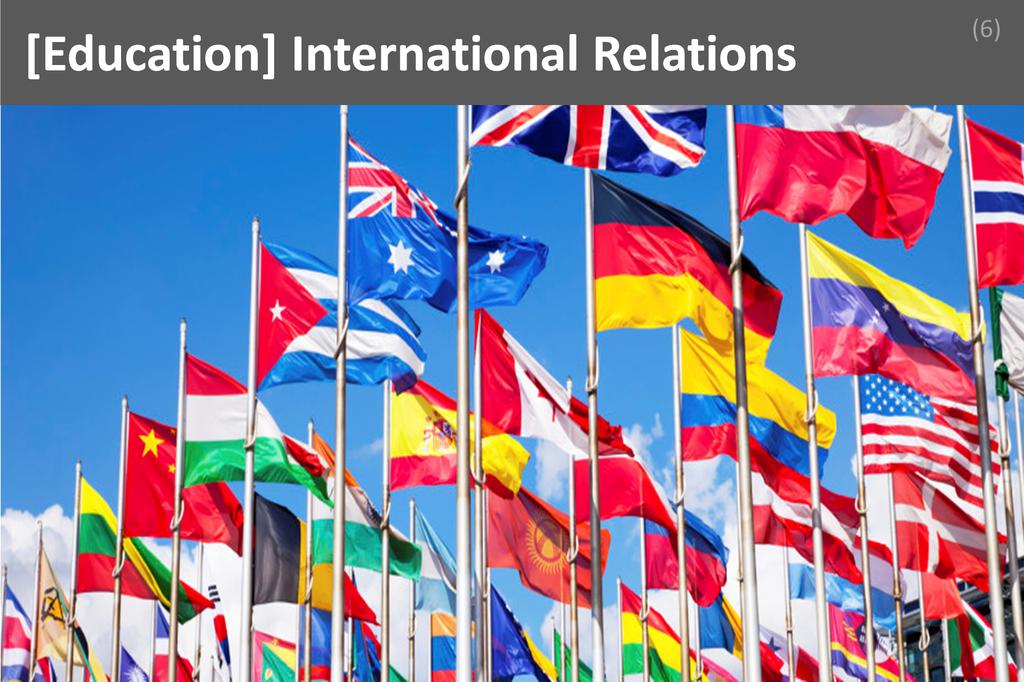
International Relations is the academic study of interactions among countries, including the roles of states, international organizations, non-governmental entities, and multinational corporations. It examines diplomacy, conflict, cooperation, and global issues. For Intelligence Services, International Relations provides essential context for understanding global dynamics, threats, and opportunities in a complex, interconnected world.
A solid grasp of International Relations is crucial for anyone entering or working within Intelligence Services. This field equips professionals with the analytical tools to interpret global events, assess the motivations of foreign actors, and anticipate potential threats or alliances. Understanding power structures, diplomatic protocols, and international law enables intelligence personnel to provide accurate, nuanced assessments to policymakers. Over time, this expertise fosters critical thinking, cultural awareness, and strategic foresight, all of which are indispensable for career advancement. Mastery of International Relations not only enhances operational effectiveness but also builds credibility and trust within multidisciplinary teams, ensuring that intelligence professionals remain adaptable and effective in a rapidly evolving global landscape.
Consider an intelligence analyst assigned to monitor developments in a volatile region where multiple countries have competing interests. By applying their knowledge of International Relations, the analyst can interpret diplomatic statements, recognize shifts in alliances, and predict the likely outcomes of international negotiations. For instance, understanding the historical context of regional rivalries and the influence of international organizations allows the analyst to provide more accurate threat assessments. This theoretical foundation enables the analyst to distinguish between routine political posturing and genuine escalations, ensuring that decision-makers receive timely, relevant, and actionable intelligence. In daily operations, this depth of understanding directly contributes to national security and informed policy responses.
History

History is the systematic study of past events, societies, and cultures, focusing on how they have shaped the present and influence the future. In Intelligence Services, history provides essential context, enabling professionals to interpret current events, anticipate trends, and understand the motivations and behaviors of individuals, groups, and nations.
A deep understanding of history is indispensable for anyone preparing for or working in Intelligence Services. Historical knowledge allows professionals to recognize patterns in political, social, and military developments, which is crucial for accurate analysis and forecasting. By studying past conflicts, alliances, and diplomatic maneuvers, intelligence officers can better assess the intentions and capabilities of foreign actors. This foundational knowledge not only sharpens analytical skills but also fosters cultural awareness and critical thinking, both of which are vital for effective decision-making. Over the course of a career, a strong grasp of history enhances credibility, supports nuanced reporting, and enables professionals to provide informed recommendations to policymakers, ultimately contributing to national security and global stability.
Consider an intelligence analyst tasked with assessing the likelihood of renewed conflict in a region with a history of ethnic tensions. By drawing on their understanding of the area’s historical grievances, previous peace agreements, and patterns of escalation, the analyst can identify warning signs that might otherwise be overlooked. This historical perspective allows them to place current developments in context, evaluate the significance of recent events, and anticipate possible outcomes. Their analysis, grounded in historical knowledge, enables decision-makers to craft more effective diplomatic or security responses, demonstrating how theoretical understanding of history directly informs practical intelligence operations and contributes to mission success.
Political Sciences

Political Sciences is the systematic study of political systems, government structures, public policies, political behavior, and the theoretical and practical aspects of governance. It examines power dynamics, decision-making processes, and the impact of political institutions. For Intelligence Services, it provides essential analytical frameworks for understanding global and domestic political environments.
A solid grasp of Political Sciences is crucial for anyone preparing for or working in Intelligence Services because it equips professionals with the ability to interpret and anticipate political developments, assess risks, and understand the motivations of state and non-state actors. This subject forms the backbone of analytical thinking, enabling intelligence personnel to contextualize information within broader political trends and historical precedents. Over the long term, expertise in Political Sciences enhances strategic decision-making, fosters critical thinking, and supports effective communication with policymakers. It also aids in building cultural and geopolitical awareness, which is indispensable for accurate threat assessments and the formulation of actionable intelligence.
Consider an intelligence analyst tasked with monitoring a foreign country experiencing political unrest. By applying their knowledge of Political Sciences, the analyst can evaluate the stability of the government, identify key political actors, and predict possible outcomes based on historical patterns and political theories. This understanding allows the analyst to provide nuanced assessments of potential regime changes, shifts in alliances, or emerging threats. Their insights help inform national security decisions, guide diplomatic responses, and support the development of contingency plans. In this way, theoretical knowledge of Political Sciences directly enhances the quality and relevance of intelligence operations in real-world scenarios.
Science and Technology
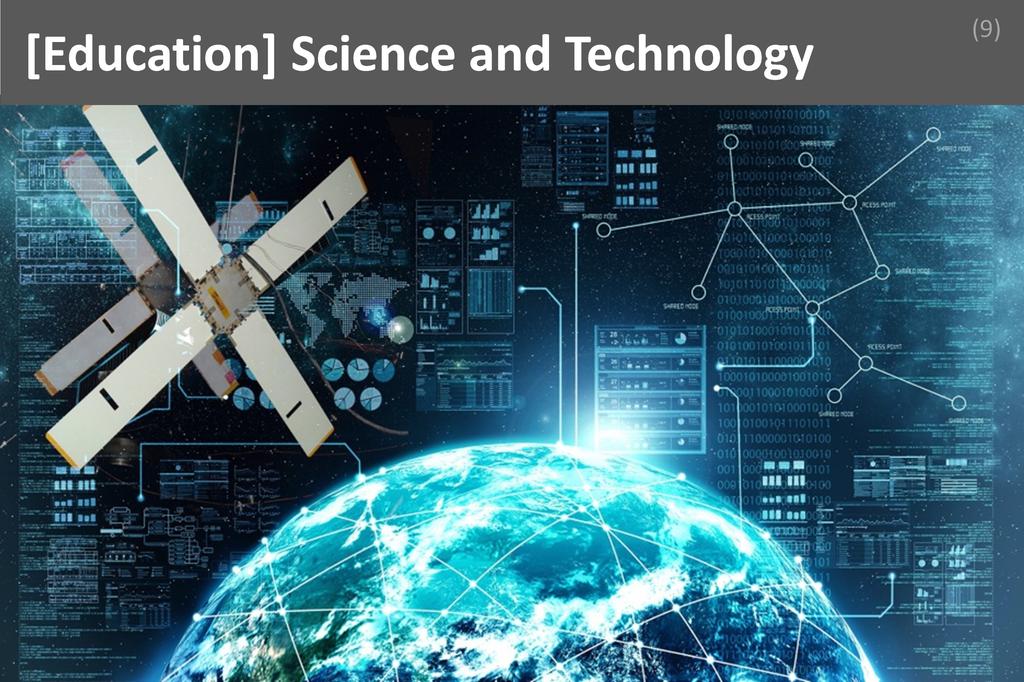
Science and Technology encompasses the systematic study of the natural world and the application of scientific knowledge to develop tools, systems, and processes. In Intelligence Services, this field forms a critical component of academic and professional expertise, enabling practitioners to understand, evaluate, and leverage technological advancements for national security and operational effectiveness.
A strong grasp of Science and Technology is essential for anyone preparing for or working in Intelligence Services because it underpins the ability to analyze and interpret complex technical information. Intelligence professionals must routinely assess emerging technologies, cyber threats, and scientific developments that could impact national security. Mastery of this subject allows them to anticipate technological shifts, evaluate the capabilities of adversaries, and recommend appropriate countermeasures. Over the course of a career, this foundational knowledge not only enhances analytical skills but also fosters adaptability in a rapidly evolving threat landscape. It empowers professionals to communicate effectively with technical experts, contribute to multidisciplinary teams, and make informed decisions that protect national interests.
Consider an intelligence analyst tasked with monitoring the proliferation of drone technology in a conflict zone. Their understanding of aerodynamics, communication systems, and electronic countermeasures enables them to identify the capabilities and limitations of various drone models used by hostile groups. By analyzing intercepted communications and technical specifications, the analyst can assess potential threats, predict future developments, and advise field operatives on effective counter-drone strategies. This application of Science and Technology knowledge ensures that intelligence operations remain proactive and responsive, ultimately safeguarding personnel and assets in dynamic environments.
Knowledge of Additional Languages

Knowledge of Additional Languages refers to the ability to understand, speak, read, and write in languages beyond one's native tongue. In the context of Intelligence Services, this skill is essential for gathering, interpreting, and analyzing information from diverse sources, enabling professionals to operate effectively in multilingual and multicultural environments.
Learning additional languages is vital for intelligence professionals because it expands their capacity to access and comprehend information that would otherwise remain inaccessible. Mastery of multiple languages allows for direct communication with sources, accurate interpretation of intercepted communications, and a deeper understanding of cultural nuances that may influence intelligence assessments. This foundational knowledge not only enhances operational effectiveness but also fosters adaptability in rapidly changing global contexts. Over the course of a career, proficiency in additional languages opens doors to specialized assignments, international postings, and leadership roles, as agencies increasingly value linguistic diversity. Ultimately, this expertise strengthens an individual’s analytical capabilities and contributes to the overall mission success of Intelligence Services.
Consider an intelligence analyst tasked with monitoring emerging threats in a region where multiple dialects are spoken. By leveraging their knowledge of additional languages, the analyst can accurately translate intercepted communications, discern subtle shifts in tone or intent, and identify coded language that automated systems might miss. This linguistic proficiency enables the analyst to produce more nuanced and actionable intelligence reports, which inform decision-makers and support timely interventions. Furthermore, the analyst’s ability to communicate directly with local informants or partners fosters trust and facilitates the collection of critical human intelligence. In daily operations, this skill set proves indispensable for navigating complex, multilingual environments and ensuring the integrity of intelligence assessments.
Economics

Economics is the study of how individuals, organizations, and societies allocate limited resources to satisfy unlimited wants. It examines production, distribution, and consumption of goods and services, focusing on decision-making processes. For Intelligence Services, economics is a crucial discipline, providing analytical frameworks to understand global trends, threats, and opportunities in a complex, interconnected world.
A solid grasp of economics is indispensable for anyone preparing for or working in Intelligence Services. Economic theories and models enable professionals to interpret global market movements, assess the stability of nations, and predict the impact of policy changes. Understanding economic indicators such as inflation, unemployment, and trade balances helps analysts identify early warning signs of instability or emerging threats. This foundational knowledge supports informed decision-making, enhances the ability to forecast geopolitical developments, and strengthens risk assessment capabilities. Over the long term, expertise in economics empowers intelligence professionals to communicate effectively with policymakers, contribute to strategic planning, and adapt to the evolving nature of global security challenges.
Imagine an intelligence analyst tasked with monitoring a foreign country's economic health to assess potential risks to regional stability. By applying their knowledge of economics, the analyst examines fluctuations in currency values, shifts in trade patterns, and changes in government spending. They recognize that a sudden spike in unemployment and inflation could signal underlying political unrest or vulnerability to external influence. Using this economic insight, the analyst prepares a comprehensive report for decision-makers, highlighting the likelihood of social unrest or policy shifts. This proactive analysis enables the Intelligence Service to anticipate developments, allocate resources efficiently, and advise on diplomatic or security responses, demonstrating the practical value of economic expertise in daily operations.
Skills
Integrity

Integrity is the unwavering commitment to honesty, ethical principles, and moral conduct, even when faced with adversity or personal risk. In Intelligence Services, integrity ensures that professionals act with transparency, uphold the law, and maintain trustworthiness. This core value is fundamental for safeguarding sensitive information and making unbiased, responsible decisions.
Integrity directly enhances performance in Intelligence Services by fostering trust among colleagues, superiors, and external partners. When professionals consistently act with integrity, they are more likely to be entrusted with sensitive assignments and classified information. Employers and clients value this trait because it reduces the risk of internal breaches, misinformation, and ethical violations that could compromise national security. Cultivating integrity involves self-reflection, adherence to codes of conduct, and a commitment to ongoing ethical education. Over time, professionals can strengthen this skill by seeking feedback, learning from ethical dilemmas, and consistently choosing to do what is right, even when it is difficult or unpopular.
Imagine an intelligence analyst who uncovers evidence suggesting that a trusted source has provided misleading information to influence a critical operation. Despite pressure from superiors to proceed based on the original intelligence, the analyst chooses to report the discrepancy, risking professional backlash. By prioritizing integrity, the analyst prevents a potentially disastrous outcome, prompting a reassessment of the operation and safeguarding both personnel and national interests. This decision not only upholds ethical standards but also reinforces the importance of truth and accountability within the organization, ultimately earning the respect and trust of colleagues and leadership.
Interpersonal

Interpersonal refers to the ability to effectively communicate, collaborate, and build relationships with others through empathy, active listening, and mutual respect. In Intelligence Services, this skill enables professionals to gather information, foster trust, and navigate complex human dynamics, making it indispensable for both operational success and organizational cohesion.
Interpersonal skills directly enhance performance in Intelligence Services by enabling professionals to establish rapport with sources, colleagues, and stakeholders. This trust-building is crucial for eliciting valuable information, ensuring cooperation, and diffusing potentially volatile situations. Clients and employers highly value individuals who can navigate sensitive conversations, interpret nonverbal cues, and adapt their communication style to diverse audiences. Cultivating interpersonal skills involves continuous self-awareness, seeking feedback, and engaging in real-world interactions that challenge one’s ability to empathize and connect. Over time, professionals can refine these abilities through mentorship, reflective practice, and exposure to multicultural environments, ultimately becoming more effective and adaptable in their roles.
Imagine an intelligence officer tasked with recruiting a key informant from a foreign community. The officer’s success hinges on their interpersonal skills: they must quickly build trust, demonstrate cultural sensitivity, and communicate genuine interest in the informant’s concerns. By actively listening and responding with empathy, the officer alleviates the informant’s fears and establishes a foundation for cooperation. This relationship not only yields critical intelligence but also ensures the informant’s ongoing willingness to share information. Without strong interpersonal abilities, the officer risks alienating the source, missing vital insights, and jeopardizing the mission’s outcome. Thus, interpersonal skills are central to achieving success in high-stakes intelligence operations.
Maturity and Good Judgement

Maturity and good judgement refer to the ability to remain composed, assess situations objectively, and make sound decisions based on experience, ethical considerations, and long-term consequences. In Intelligence Services, this skill ensures professionals act responsibly, weigh risks carefully, and maintain integrity when handling sensitive information or navigating complex, high-stakes environments.
Maturity and good judgement are indispensable for intelligence professionals because their work often involves ambiguous situations, ethical dilemmas, and decisions with far-reaching consequences. Employers and clients value individuals who can remain calm under pressure, avoid impulsive actions, and consider the broader impact of their choices. This skill enhances performance by fostering trust, reducing errors, and ensuring that sensitive operations are conducted with discretion and foresight. Cultivating maturity and good judgement requires ongoing self-reflection, learning from past experiences, seeking mentorship, and maintaining a commitment to ethical standards. Over time, exposure to diverse scenarios and deliberate practice in decision-making help professionals refine their ability to navigate uncertainty and make prudent choices.
Imagine an intelligence analyst receives a tip about a potential security threat, but the source is unverified and the information is incomplete. Instead of rushing to alert authorities or escalate the situation, the analyst exercises maturity and good judgement by carefully evaluating the credibility of the source, consulting with colleagues, and considering the possible consequences of premature action. By taking a measured approach, the analyst avoids unnecessary panic and ensures that any response is based on reliable information. This thoughtful decision-making not only protects public safety but also upholds the reputation and effectiveness of the intelligence agency, demonstrating how maturity and good judgement are vital in achieving successful outcomes.
Withstand Pressure

Withstand Pressure is the ability to remain calm, focused, and effective when confronted with high-stress, rapidly changing, or potentially dangerous situations. In Intelligence Services, this skill ensures professionals can make sound decisions, maintain operational security, and deliver accurate results, even when stakes are high and time is limited.
The ability to withstand pressure directly enhances performance in Intelligence Services by enabling professionals to think clearly and act decisively during crises. Clients and employers value this skill because intelligence work often involves unpredictable threats, tight deadlines, and sensitive information where mistakes can have serious consequences. Cultivating this skill requires regular exposure to challenging environments, reflective practice, and learning stress management techniques. Over time, professionals can build resilience by seeking feedback, simulating high-pressure scenarios, and developing strong support networks. This ongoing development ensures they remain reliable assets, capable of handling the unique demands of intelligence operations.
Imagine an intelligence analyst who receives credible information about an imminent security threat just hours before a major public event. With limited time and immense pressure from superiors and stakeholders, the analyst must quickly verify the data, coordinate with field agents, and recommend actionable steps. Despite the urgency and potential consequences of any misstep, the analyst remains composed, systematically assesses the situation, and communicates clearly with the team. By withstanding pressure, the analyst ensures a swift, coordinated response that neutralizes the threat and protects public safety, demonstrating the critical importance of this core skill in real-world intelligence work.
Communication

Communication is the clear and effective exchange of information, ideas, or instructions through speaking, writing, or other mediums. In Intelligence Services, communication is crucial for conveying complex findings, coordinating with teams, and ensuring that intelligence is accurately understood and acted upon. It underpins every successful operation and decision.
Strong communication skills directly enhance performance in Intelligence Services by enabling professionals to present intelligence clearly, brief decision-makers effectively, and collaborate seamlessly with colleagues and partners. Clients and employers highly value this skill because the stakes are high—miscommunication can lead to operational failures or security risks. To cultivate communication skills, professionals should seek feedback, engage in regular writing and presentation exercises, and participate in active listening and negotiation training. Over time, consistent practice and exposure to diverse communication scenarios help individuals refine their ability to tailor messages to different audiences, ensuring that critical information is always delivered with clarity and precision.
Imagine an intelligence analyst who uncovers a credible threat to national security. The analyst must quickly synthesize complex data and communicate the findings to both field agents and senior policymakers. By crafting a concise, jargon-free briefing and responding clearly to follow-up questions, the analyst ensures that all stakeholders understand the urgency and nature of the threat. This effective communication enables rapid, coordinated action, preventing potential harm and demonstrating the indispensable role of communication in achieving mission success within Intelligence Services.
Intellectual Flexibility

Intellectual Flexibility is the capacity to adapt one’s thinking, approach, and strategies in response to new information, shifting circumstances, or unexpected challenges. In Intelligence Services, this skill enables professionals to navigate complex, ambiguous environments, ensuring they can reassess assumptions, integrate diverse perspectives, and respond effectively to rapidly evolving threats or opportunities.
Intellectual Flexibility directly enhances performance in Intelligence Services by allowing professionals to pivot quickly when confronted with incomplete data, emerging risks, or changing priorities. Employers and clients highly value this trait because it ensures that intelligence operatives can remain effective even when situations deviate from initial expectations. Cultivating this skill involves actively seeking out new learning experiences, engaging with differing viewpoints, and reflecting on past decisions to identify alternative strategies. Over time, consistent practice in questioning assumptions and embracing uncertainty helps intelligence professionals become more resilient and innovative, ultimately making them indispensable assets to their organizations.
Imagine an intelligence analyst tasked with monitoring a suspected cyber threat. Initial evidence points to one group, but new data suddenly implicates a different actor with a distinct modus operandi. Instead of rigidly adhering to the original hypothesis, the analyst exercises intellectual flexibility by reevaluating the evidence, consulting with colleagues from other disciplines, and adjusting the investigative approach. This adaptability leads to the accurate identification of the true perpetrator, enabling timely countermeasures and safeguarding critical infrastructure. Without intellectual flexibility, the analyst might have overlooked key indicators, resulting in a missed threat and significant consequences for national security.
Positives
Intellectual Exposure

Intellectual Exposure is the continuous engagement with diverse ideas, cultures, technologies, and global events that challenge and expand one’s thinking. In intelligence services, this means regularly encountering new information, analyzing complex situations, and synthesizing knowledge from multiple disciplines. This dynamic environment fosters personal growth and sharpens analytical abilities, making the profession uniquely stimulating.
The value of intellectual exposure in intelligence services cannot be overstated. Professionals in this field are constantly learning, adapting, and applying knowledge to real-world challenges. This ongoing intellectual stimulation leads to high job satisfaction, as individuals feel their work is meaningful and mentally engaging. The need to stay informed about global developments, emerging technologies, and shifting political landscapes ensures that no two days are ever the same. This environment nurtures curiosity and critical thinking, encouraging professionals to push their cognitive boundaries. As a result, intelligence officers often experience accelerated personal and professional growth, gaining expertise that is both deep and broad. The sense of purpose derived from contributing to national security further amplifies the fulfillment gained from such rich intellectual engagement.
Imagine an intelligence analyst tasked with assessing the implications of a sudden technological breakthrough in a foreign country. To provide actionable insights, the analyst must quickly absorb technical details, understand the geopolitical context, and anticipate potential ripple effects. This process involves consulting experts, reviewing classified and open-source materials, and collaborating with colleagues from various backgrounds. Each step exposes the analyst to new perspectives and challenges their assumptions, fostering a vibrant intellectual environment. The satisfaction comes not only from solving complex puzzles but also from knowing that their insights directly influence critical decisions. This daily immersion in diverse knowledge streams exemplifies the profound and rewarding impact of intellectual exposure in intelligence services.
Exposure to Family

"Exposure to Family" refers to the unique opportunity for intelligence professionals to maintain meaningful connections and regular interactions with their loved ones, despite the demanding nature of their work. This exposure fosters emotional support, stability, and a sense of belonging, which are essential for personal well-being and professional resilience in the intelligence field.
The ability to remain closely connected with family members is a significant advantage for those in intelligence services. This positive aspect matters because it provides a strong emotional foundation, helping professionals manage stress and maintain mental health in a high-pressure environment. Regular exposure to family encourages a healthy work-life balance, which is crucial for long-term job satisfaction and career growth. Professionals who experience this benefit daily often find themselves more motivated, focused, and capable of handling the unique challenges of their roles. The support and encouragement from family members can inspire greater dedication to their mission, reinforcing a sense of purpose and fulfillment that extends beyond the workplace.
Imagine an intelligence officer who, after a demanding day analyzing critical information, returns home to share dinner with their family. The simple act of discussing everyday events, helping children with homework, or enjoying a quiet conversation with a partner provides a grounding influence. This daily exposure to family life offers comfort and perspective, reminding the officer of the values and relationships that matter most. As a result, the officer feels recharged and supported, ready to face the next day’s challenges with renewed energy and determination. This ongoing connection not only strengthens family bonds but also enhances the officer’s effectiveness and satisfaction in their vital role.
Interaction with Diverse Departments

Interaction with Diverse Departments refers to the regular collaboration and communication between professionals from various specialized units, such as analysis, operations, technology, and policy, within intelligence services. This dynamic exchange of expertise and perspectives fosters innovation, enhances problem-solving, and ensures comprehensive approaches to complex security challenges, making the profession intellectually stimulating and impactful.
The opportunity to interact with diverse departments is a cornerstone of job satisfaction and professional growth in intelligence services. This environment encourages continuous learning as individuals are exposed to different methodologies, viewpoints, and areas of expertise. Such collaboration not only sharpens analytical and interpersonal skills but also builds a strong sense of teamwork and shared purpose. Professionals find their work more meaningful as they see how their contributions fit into the larger mission, and they gain a deeper understanding of the broader security landscape. Daily, this benefit is experienced through joint briefings, cross-departmental projects, and the constant exchange of insights, which collectively foster a vibrant, supportive, and intellectually rich workplace.
Imagine an intelligence analyst working on a high-priority case involving emerging cyber threats. To address the complexity of the situation, the analyst collaborates closely with colleagues from the technology department, legal advisors, and field operatives. Each department brings unique knowledge and skills to the table, allowing the team to develop a comprehensive strategy that addresses technical vulnerabilities, legal considerations, and operational realities. Through this collaboration, the analyst not only gains new technical insights but also builds strong professional relationships and a sense of shared achievement. This daily interaction with diverse departments transforms routine tasks into opportunities for growth, learning, and meaningful contribution to national security.
Access to Sensitive Information

Access to Sensitive Information refers to the authorized ability to view, analyze, and act upon classified or confidential data that is not available to the general public. This privileged access empowers intelligence professionals to make informed decisions, protect national interests, and contribute meaningfully to security and policy initiatives at the highest levels.
Having access to sensitive information is a cornerstone of what makes a career in intelligence services both unique and deeply rewarding. This privilege allows professionals to see the bigger picture, understand the nuances behind global events, and directly influence outcomes that shape national and international security. The responsibility that comes with handling such information fosters a strong sense of trust and purpose, as every action taken can have significant consequences. Daily, intelligence officers experience the satisfaction of knowing their insights and recommendations are valued by top decision-makers, which not only enhances their professional growth but also instills a profound sense of accomplishment and belonging within a close-knit, mission-driven community.
Imagine an intelligence analyst who is granted access to classified communications intercepted from a potential adversary. By carefully examining this sensitive information, the analyst uncovers a credible threat to national security. Their timely analysis leads to preventive measures that protect countless lives and safeguard critical infrastructure. In this moment, the analyst experiences firsthand the immense responsibility and fulfillment that comes from being trusted with sensitive data. The knowledge that their expertise and discretion have made a tangible difference reinforces their commitment to the mission and highlights the unique, impactful role they play within the intelligence community.
Wide Scope of Work

Wide Scope of Work refers to the diverse range of tasks, responsibilities, and challenges encountered within a profession. In Intelligence Services, this means engaging in activities that span analysis, field operations, technology, policy advising, and international collaboration. This breadth ensures constant learning, adaptability, and a dynamic work environment that keeps professionals engaged and motivated.
The wide scope of work in Intelligence Services is a powerful driver of job satisfaction and professional growth. It allows individuals to develop a broad skill set, adapt to rapidly changing situations, and tackle new challenges regularly. This diversity prevents monotony and fosters a sense of purpose, as every day brings fresh opportunities to make a meaningful impact. Professionals are encouraged to think creatively, collaborate across disciplines, and continuously expand their expertise. As a result, they experience a stimulating career that not only sharpens their abilities but also offers a profound sense of contribution to national and global security. The variety inherent in the role ensures that intelligence professionals remain engaged, resilient, and passionate about their work.
Imagine an intelligence analyst who begins their week by decoding intercepted communications, then shifts to briefing policymakers on emerging threats, and later collaborates with cybersecurity experts to counter a digital attack. Each day presents new challenges, requiring the analyst to draw upon different skills and knowledge areas. This constant variation not only keeps the work intellectually stimulating but also allows the analyst to see the tangible results of their efforts in real time. The sense of accomplishment that comes from contributing to multiple facets of national security, combined with the opportunity to learn and grow daily, exemplifies how the wide scope of work makes a career in Intelligence Services deeply fulfilling and uniquely rewarding.
Challenges
Difficult Operational Environment
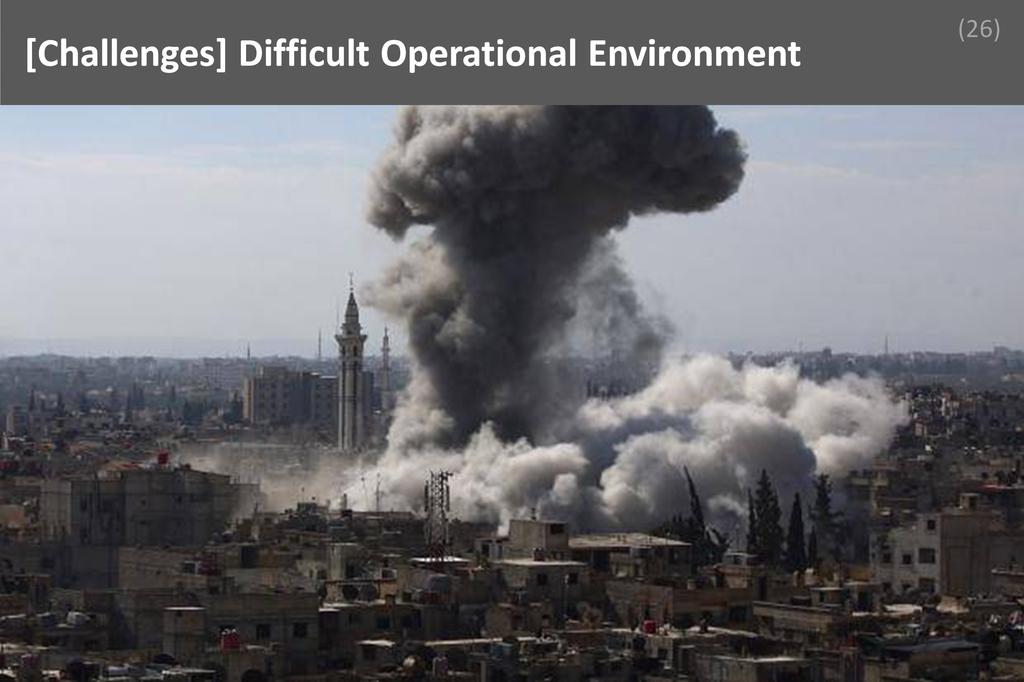
A "Difficult Operational Environment" in Intelligence Services refers to working conditions marked by high risk, unpredictability, limited resources, and constant threats to safety and mission integrity. Such environments are demanding because they require rapid adaptation, sound judgment under pressure, and the ability to operate effectively despite physical, psychological, and logistical constraints.
Difficult operational environments profoundly affect the daily work of intelligence professionals by introducing uncertainty, stress, and the potential for compromised safety. These conditions demand exceptional resilience, as individuals must remain focused and decisive even when information is incomplete or situations change rapidly. Successful professionals manage these constraints by cultivating adaptability, maintaining rigorous situational awareness, and relying on strong teamwork and communication. They also prioritize mental and physical well-being, recognizing that endurance is as crucial as technical skill. By developing robust contingency plans and leveraging local knowledge, they can anticipate challenges and respond proactively, ensuring mission objectives are met despite adversity.
Consider an intelligence officer deployed in a conflict zone where communication infrastructure is unreliable and the threat of hostile surveillance is constant. Despite these challenges, the officer establishes secure lines of communication using improvised methods and builds trust with local contacts to gather critical information. By remaining vigilant, adapting to rapidly shifting circumstances, and employing creative problem-solving, the officer successfully completes the intelligence-gathering mission without compromising safety or operational integrity. This scenario illustrates how resilience, adaptability, and resourcefulness enable intelligence professionals to overcome the obstacles presented by a difficult operational environment.
Low Appreciation, High Scrutiny

"Low Appreciation, High Scrutiny" in Intelligence Services refers to the reality that professionals often receive little public recognition for their successes, while their actions and decisions are subject to intense examination and criticism. This environment is demanding because it requires unwavering commitment despite limited external validation and constant oversight.
This challenge can weigh heavily on daily work, as intelligence professionals must perform complex, high-stakes tasks knowing their achievements will likely remain confidential and uncelebrated. At the same time, any misstep or perceived error may attract disproportionate attention and criticism, both internally and externally. Such conditions demand exceptional resilience, self-motivation, and a strong sense of duty. Successful professionals manage this constraint by focusing on the intrinsic value of their mission, drawing satisfaction from contributing to national security and the well-being of others. They cultivate supportive peer networks, seek feedback from trusted colleagues, and develop robust coping mechanisms to maintain morale and perspective, even when external appreciation is lacking.
Consider an intelligence analyst who uncovers a credible threat and works tirelessly with a team to prevent a potential attack. The operation’s success remains classified, so the analyst receives no public acknowledgment, and only a handful of colleagues are aware of their contribution. Later, a minor procedural oversight unrelated to the outcome is flagged during an internal review, leading to intense scrutiny and questioning. Despite this, the analyst remains focused, drawing strength from the knowledge that their work protected lives. They rely on mentorship and peer support to process the criticism constructively, using it as an opportunity for growth rather than discouragement. This approach enables them to persevere and continue excelling in their demanding role.
Need for Constant Motivation

The "Need for Constant Motivation" in Intelligence Services refers to the ongoing requirement for professionals to sustain high levels of focus, commitment, and enthusiasm despite repetitive tasks, ambiguous outcomes, and intense pressure. This is demanding because the work often lacks immediate recognition, involves high stakes, and requires unwavering attention to detail.
The persistent need for motivation can lead to mental fatigue, decreased productivity, and even burnout among intelligence professionals. Daily work often involves sifting through vast amounts of data, handling sensitive information, and making critical decisions with limited feedback or visible results. This environment demands exceptional resilience, as the consequences of errors can be significant and the rewards are rarely public. Successful professionals manage this challenge by cultivating a strong sense of purpose, relying on internal motivation, and building supportive relationships with colleagues. They also set personal milestones and celebrate small achievements, which helps maintain morale and drive even when external validation is scarce.
Consider an intelligence analyst tasked with monitoring potential security threats over long periods, often without clear indicators of progress. Despite the monotony and pressure, this professional maintains motivation by focusing on the broader mission of national security and the knowledge that their work, though unseen, is vital. They regularly engage with peers to share insights and support, creating a sense of camaraderie that alleviates isolation. By setting daily goals and reflecting on incremental successes, the analyst transforms routine tasks into meaningful contributions, demonstrating how a steadfast commitment to purpose and teamwork can overcome the challenge of sustaining motivation in a demanding field.
Painstaking and Dull Job

In Intelligence Services, a "Painstaking and Dull Job" refers to the repetitive, meticulous, and often monotonous tasks such as data analysis, surveillance review, or document translation. These duties require unwavering attention to detail, patience, and accuracy, making them mentally taxing and demanding despite lacking the excitement often associated with intelligence work.
The persistent nature of painstaking and dull tasks can lead to mental fatigue, decreased motivation, and even burnout among intelligence professionals. These assignments, though essential, rarely offer immediate gratification or visible results, demanding a high level of resilience and self-discipline. Successful professionals recognize the critical importance of these tasks in supporting broader missions and national security. They manage the monotony by setting personal milestones, finding meaning in the accuracy and reliability of their work, and occasionally rotating responsibilities when possible. By focusing on the larger impact of their contributions and maintaining a disciplined routine, they transform tedious duties into stepping stones for professional growth and operational success.
Consider an intelligence analyst tasked with reviewing thousands of intercepted communications for potential threats. The work is repetitive and often yields no actionable intelligence for days or weeks. However, by maintaining a systematic approach and reminding themselves of the potential consequences of missing a critical detail, the analyst stays motivated. They break the workload into manageable segments, take regular short breaks to maintain focus, and periodically discuss findings with colleagues to gain fresh perspectives. Eventually, their diligence pays off when a subtle pattern emerges, leading to the identification of a credible threat. This outcome not only validates the importance of their painstaking efforts but also reinforces their commitment to the mission.
A Day Of
Intelligence Services
In the world of intelligence services, every day begins with a sense of urgency and anticipation. The environment is a blend of high-stakes decision-making, rapid information flow, and the constant hum of classified data moving behind secure doors. There is no such thing as a typical day, yet a rhythm emerges: a relentless pursuit of clarity in a world defined by ambiguity. Professionals in this field are always alert, balancing the weight of national security with the need for precision and discretion. The pace is brisk, the stakes are high, and the work is as intellectually demanding as it is unpredictable.
As the sun rises, intelligence professionals are already at their desks, scanning overnight cables, encrypted messages, and global news feeds. The early morning is dedicated to digesting updates from field operatives and allied agencies, piecing together the latest developments from around the world. This is a time for critical analysis, as practitioners sift through raw data, flagging anomalies and urgent threats that may require immediate escalation. The atmosphere is quiet but charged, with each analyst focused on extracting actionable insights before the first team briefing.
By mid-morning, the tempo accelerates as teams converge in secure conference rooms or virtual environments to tackle the day’s core operational challenges. Here, intelligence officers collaborate on live cases, analyze surveillance feeds, and debate the implications of new intelligence. The work is intense and interactive, often involving rapid-fire exchanges with colleagues, supervisors, and sometimes interagency partners. Decisions made during this window can have far-reaching consequences, requiring practitioners to balance speed with accuracy as they recommend courses of action or draft intelligence assessments for senior leadership.
The afternoon is marked by a shift toward collaboration and execution. Intelligence professionals participate in cross-agency meetings, brief law enforcement or military counterparts, and provide real-time support to field operations. This phase often involves translating complex intelligence into actionable guidance, ensuring that those on the ground have the information they need to act decisively. The work demands adaptability, as priorities can shift quickly in response to new developments or emerging threats. Communication skills are paramount, as practitioners must convey nuanced findings to diverse audiences under tight deadlines.
As the day winds down, attention turns to consolidating the day’s work and preparing for tomorrow’s challenges. Intelligence officers debrief with their teams, document key findings, and update secure databases with the latest intelligence. This is also a time for reflection and strategic planning, as practitioners review ongoing cases, identify intelligence gaps, and outline objectives for the next cycle. The office may grow quieter, but the sense of vigilance remains, as the work of safeguarding national interests never truly ends. |


 Home
Home Abroad
 Plan
Plan Philosophy
 Seminar
 Pages
Pages Advisors
 Testimonials


















 Workshop
 Discuss
 Meet
Meet
 Advisor
 Story
Story
 Fine Print
 Links
Links
 Blog
Blog
 Follow
