The Journey of Indian Economic Service
What Is Indian Economic Service
Indian Economic Service
The Indian Economic Service (IES) is a prestigious central civil service in India, dedicated to formulating and implementing economic policies and programs. It recruits economists through a competitive examination conducted by the Union Public Service Commission, offering them roles in various government departments and ministries to support economic governance.
The Indian Economic Service plays a crucial role in shaping the nation’s economic landscape by providing expert analysis, policy advice, and strategic planning to the government. Professionals in this service influence decisions on fiscal policy, development programs, and resource allocation, directly impacting the country’s growth trajectory. The career offers significant benefits, including the opportunity to work on high-impact national projects, access to continuous professional development, and the ability to contribute to public welfare through evidence-based policymaking. Additionally, IES officers enjoy job stability, respect, and the chance to collaborate with top policymakers, economists, and international organizations, making it a highly rewarding and influential career path.
A professional in the Indian Economic Service might be posted in the Ministry of Finance, where they are tasked with analyzing the economic implications of a new subsidy scheme. By conducting rigorous data analysis, forecasting economic outcomes, and preparing detailed reports, the officer provides critical input that shapes the final policy. Their expertise ensures that the scheme is both fiscally responsible and socially beneficial, balancing government expenditure with the needs of targeted beneficiaries. Through such roles, IES officers bridge the gap between economic theory and practical governance, ensuring that policies are grounded in sound economic principles and tailored to India’s unique developmental challenges.
Education
Economic Theory
Economic Theory is the systematic study of how individuals, firms, and governments allocate scarce resources to satisfy unlimited wants. It provides models and principles to analyze production, consumption, and distribution of goods and services. For Indian Economic Service professionals, it forms the intellectual backbone for policy analysis and economic decision-making.
A thorough grasp of economic theory is indispensable for anyone preparing for or working in the Indian Economic Service. This subject equips professionals with the analytical tools needed to interpret complex economic phenomena, forecast trends, and evaluate policy impacts. Understanding concepts such as supply and demand, market equilibrium, and welfare economics allows officers to design and assess policies that promote sustainable growth and social welfare. Over the course of a career, this foundational knowledge enables professionals to adapt to evolving economic challenges, contribute meaningfully to national policy debates, and provide evidence-based recommendations. Mastery of economic theory thus ensures that Indian Economic Service officers remain effective, credible, and innovative in their roles.
Consider an Indian Economic Service officer tasked with evaluating the potential impact of a new agricultural subsidy. Drawing upon economic theory, the officer analyzes how the subsidy might alter farmers’ production decisions, affect market prices, and influence consumer welfare. By applying concepts such as price elasticity, market equilibrium, and externalities, the officer can predict possible unintended consequences, such as overproduction or market distortions. This theoretical insight enables the officer to recommend policy adjustments that maximize benefits while minimizing negative side effects. In daily operations, such application of economic theory ensures that policy interventions are grounded in rigorous analysis, ultimately leading to more effective and equitable economic outcomes.
Indian Economy
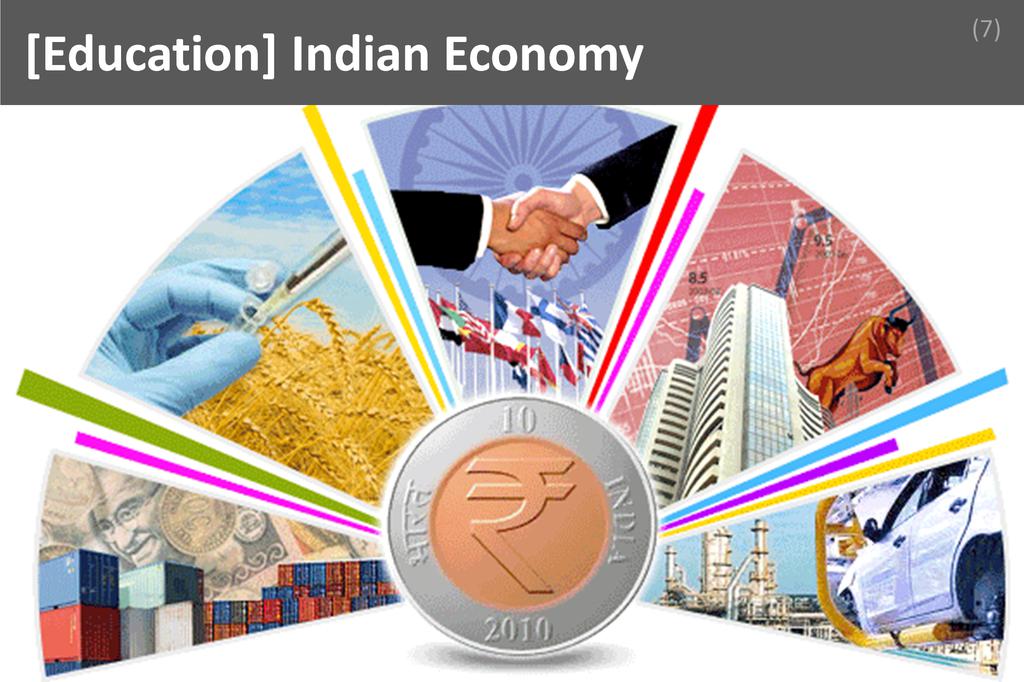
The Indian Economy refers to the complex system of production, distribution, and consumption of goods and services within India, shaped by its unique historical, social, and political context. For Indian Economic Service professionals, understanding this system is essential, as it underpins policy analysis, economic planning, and informed decision-making at various government levels.
A deep understanding of the Indian Economy is indispensable for anyone preparing for or working in the Indian Economic Service. This subject forms the bedrock upon which all economic analysis, policy formulation, and advisory roles are built. Professionals must grasp the intricacies of sectors such as agriculture, industry, and services, as well as fiscal and monetary policies, demographic trends, and socio-economic challenges unique to India. Mastery of these concepts enables professionals to critically evaluate government programs, anticipate economic trends, and recommend effective interventions. Over the long term, this expertise not only enhances credibility and effectiveness in public service but also opens avenues for leadership roles in shaping the nation’s economic future.
Consider a scenario where an Indian Economic Service officer is tasked with evaluating the impact of a new government subsidy on rural employment. Drawing on their theoretical understanding of the Indian Economy, the officer analyzes data on rural labor markets, assesses the subsidy’s alignment with existing agricultural policies, and forecasts its potential effects on income distribution and productivity. By integrating knowledge of regional disparities, historical policy outcomes, and current economic indicators, the officer crafts a comprehensive report that guides policymakers in refining the subsidy for maximum effectiveness. This application of economic theory to real-world challenges exemplifies how a solid grasp of the Indian Economy is crucial for informed decision-making and impactful public service.
World Economy
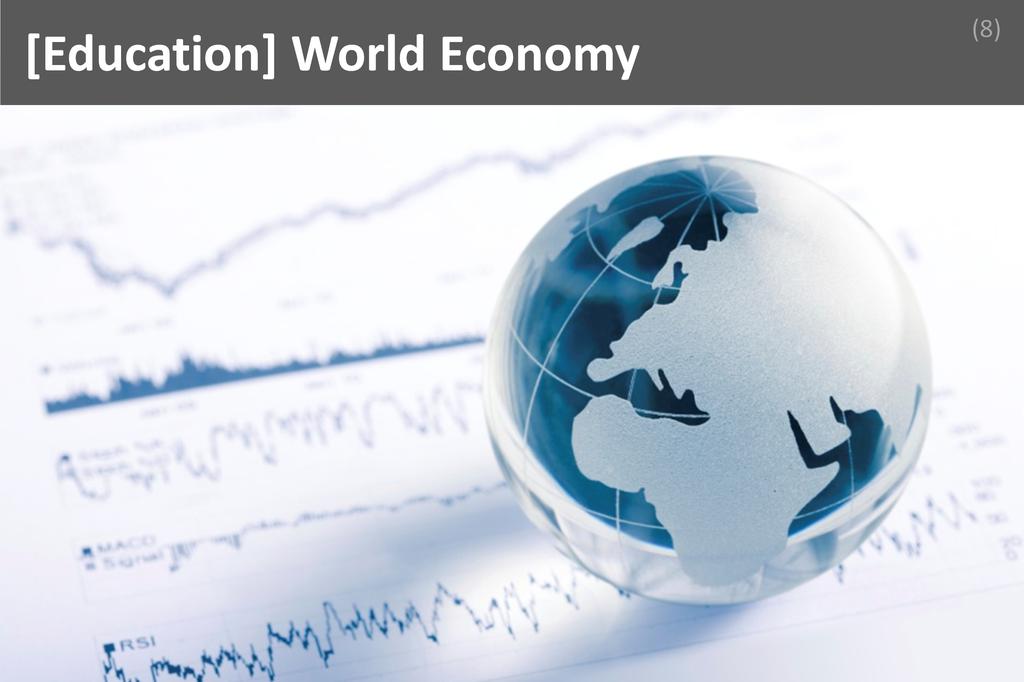
The world economy refers to the integrated system of economic activities, trade, finance, and production that connects countries globally. It encompasses the flow of goods, services, capital, and labor across borders. For Indian Economic Service professionals, understanding the world economy is essential for informed policy-making and effective international economic engagement.
A deep understanding of the world economy is crucial for anyone preparing for or working in the Indian Economic Service. This subject provides the analytical framework to comprehend global economic trends, international trade dynamics, and the impact of global financial markets on the Indian economy. Mastery of these concepts enables professionals to anticipate external shocks, evaluate policy options, and contribute to the formulation of strategies that safeguard national interests. Over the course of a career, this knowledge base supports effective negotiation in international forums, the design of resilient economic policies, and the ability to interpret complex global developments. Ultimately, it empowers professionals to make decisions that foster sustainable economic growth and stability for India.
Consider an Indian Economic Service officer tasked with assessing the potential impact of a sudden increase in global oil prices. Drawing on their understanding of the world economy, the officer analyzes how this external shock could affect India’s trade balance, inflation rates, and fiscal deficit. They evaluate the interconnectedness of global supply chains and anticipate possible spillover effects on domestic industries. Using this analysis, the officer advises policymakers on measures such as adjusting import duties, diversifying energy sources, or negotiating strategic reserves. This practical application of world economy concepts ensures that India’s economic interests are protected and that policy responses are timely and effective in a rapidly changing global environment.
General Knowledge
General Knowledge refers to a broad awareness and understanding of facts, current events, history, geography, politics, science, and culture. For Indian Economic Service aspirants and professionals, it bridges the gap between specialized economic expertise and the wider socio-political and historical context in which economic policies are formulated and implemented.
A strong grasp of General Knowledge is indispensable for those preparing for or working in the Indian Economic Service. This subject equips individuals with the ability to comprehend and analyze the multifaceted environment in which economic decisions are made. Understanding national and international events, historical developments, and socio-political dynamics enables professionals to craft policies that are both effective and contextually relevant. Over the course of a career, this foundational knowledge supports informed decision-making, enhances communication with stakeholders, and fosters adaptability in the face of changing circumstances. Ultimately, General Knowledge empowers economic service professionals to contribute meaningfully to national development by integrating economic theory with real-world complexities.
Consider an officer in the Indian Economic Service tasked with evaluating the impact of a new agricultural subsidy policy. Their theoretical understanding of General Knowledge allows them to assess not only the economic implications but also the historical context of agricultural reforms, the political motivations behind the policy, and the social dynamics affecting rural communities. By drawing on their awareness of recent developments in global trade, climate change, and technological advancements, the officer can provide a holistic analysis and recommend adjustments that align with both economic objectives and broader societal needs. This comprehensive approach ensures that policy recommendations are practical, sustainable, and sensitive to the diverse realities of India.
English Communication

English Communication refers to the effective exchange of ideas, information, and instructions in the English language, encompassing both written and verbal forms. For Indian Economic Service professionals, it is a critical skill that underpins academic research, policy analysis, and professional interactions, ensuring clarity, precision, and coherence in all forms of official communication.
A strong command of English Communication is indispensable for those preparing for or working in the Indian Economic Service. The ability to articulate complex economic concepts, draft policy documents, and present research findings clearly is fundamental to the role. English serves as the primary medium for official correspondence, report writing, and interdepartmental communication within the government. Mastery of this skill not only enhances the quality of work but also facilitates collaboration with colleagues, policymakers, and international agencies. Over the long term, proficiency in English Communication opens doors to leadership positions, enables participation in global forums, and ensures that an officer’s contributions are understood and valued at the highest levels of administration.
Consider an Indian Economic Service officer tasked with preparing a policy brief on fiscal reforms for a meeting with senior government officials and international consultants. The officer must synthesize complex economic data, interpret policy implications, and present recommendations in a concise, persuasive manner. Effective English Communication allows the officer to draft the brief with clarity, avoiding ambiguity and ensuring that key points are easily understood by a diverse audience. During the meeting, the officer’s ability to respond to questions, explain technical terms, and engage in constructive dialogue further demonstrates the practical value of strong communication skills. This proficiency not only advances the policy discussion but also enhances the officer’s professional reputation and influence.
Skills
Analytical
Analytical refers to the ability to systematically examine complex information, identify patterns, interpret data, and draw logical conclusions. In the Indian Economic Service, this skill is crucial for evaluating economic trends, formulating policies, and providing evidence-based recommendations that shape national economic strategies and address multifaceted developmental challenges.
Analytical skills directly enhance performance in the Indian Economic Service by enabling professionals to dissect intricate economic data, forecast trends, and assess the impact of policy decisions. Employers and clients value this skill because it ensures that recommendations are grounded in rigorous analysis rather than assumptions, leading to more effective and credible outcomes. Cultivating analytical ability involves continuous engagement with economic theories, statistical tools, and real-world case studies. Regularly working with large datasets, participating in policy simulations, and seeking feedback from experienced mentors further sharpens one’s analytical acumen. Over time, this persistent effort transforms raw information into actionable insights, making the professional indispensable in high-stakes decision-making environments.
Consider a scenario where the government is concerned about rising unemployment rates in a particular region. An Indian Economic Service officer is tasked with identifying the root causes and proposing solutions. By applying analytical skills, the officer systematically examines employment data, demographic trends, and industry reports. Through careful analysis, they uncover that a decline in traditional manufacturing jobs, coupled with inadequate skill development programs, is driving unemployment. The officer then recommends targeted vocational training initiatives and incentives for emerging industries. This analytical approach not only addresses the immediate issue but also lays the groundwork for sustainable economic growth, demonstrating the indispensable role of analytical skills in achieving impactful results.
Presentation Skills
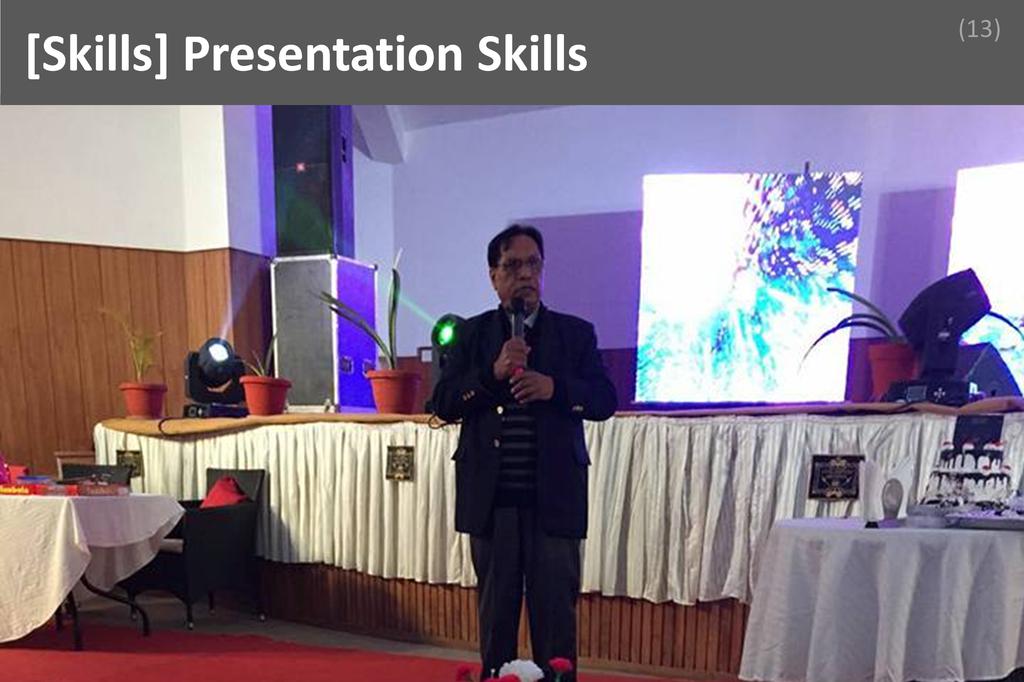
Presentation skills refer to the ability to effectively communicate information, ideas, and analysis to an audience using clear speech, structured content, and engaging delivery. In the Indian Economic Service, these skills are vital for conveying complex economic concepts, policy recommendations, and research findings to policymakers, stakeholders, and the public.
Strong presentation skills directly enhance a professional’s performance by enabling them to articulate economic analyses and policy proposals with clarity and confidence. Employers and clients highly value this ability because it ensures that critical information is understood and acted upon, fostering trust and credibility. In the Indian Economic Service, professionals often present data-driven insights to senior officials, government bodies, and international organizations. To cultivate this skill, individuals should practice public speaking, seek feedback, and observe experienced presenters. Regularly participating in seminars, workshops, and mock presentations helps refine both verbal and non-verbal communication, ensuring that complex economic information is accessible and persuasive to diverse audiences.
Imagine an Indian Economic Service officer tasked with presenting the findings of a major economic impact study to a panel of government ministers. The study’s conclusions will influence budget allocations for the upcoming fiscal year. By employing strong presentation skills, the officer structures the presentation logically, highlights key data points, and uses clear language to explain technical details. When questions arise, the officer responds confidently, addressing concerns and clarifying misconceptions. As a result, the ministers grasp the study’s implications and make informed decisions, demonstrating how effective presentation skills can directly shape policy outcomes and advance both organizational and national objectives.
Decision Making
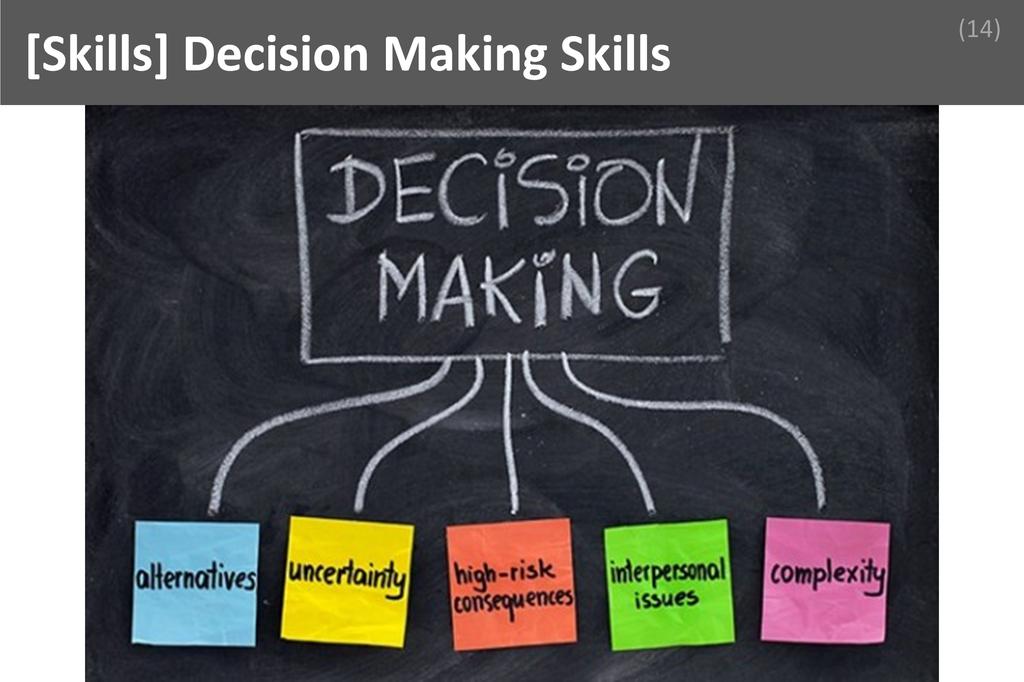
Decision Making is the process of identifying options, evaluating alternatives, and choosing the most effective course of action to achieve desired outcomes. In the Indian Economic Service, this skill is crucial as professionals routinely analyze complex economic data, formulate policies, and recommend strategies that impact national economic growth and public welfare.
Strong decision making directly enhances the effectiveness of an Indian Economic Service officer by enabling them to navigate intricate policy challenges and deliver timely, evidence-based recommendations. Employers and clients highly value this skill because it ensures that economic policies are not only theoretically sound but also practical and responsive to real-world needs. Cultivating decision making involves continuous learning, staying updated with economic trends, and engaging in critical analysis of past decisions. Over time, exposure to diverse economic scenarios and mentorship from experienced professionals further sharpens this ability, making it an indispensable asset for career advancement and impactful service.
Consider an Indian Economic Service officer tasked with advising the government during an economic downturn. Faced with conflicting data on inflation and unemployment, the officer must quickly assess the situation, weigh the potential impacts of various fiscal stimulus measures, and recommend a balanced approach. By applying sound decision making, the officer synthesizes expert opinions, anticipates long-term consequences, and selects a policy mix that stabilizes the economy while safeguarding vulnerable populations. This decisive action not only addresses the immediate crisis but also builds trust in the officer’s expertise, demonstrating how critical decision making is to achieving successful outcomes in the Indian Economic Service.
Managerial Skills
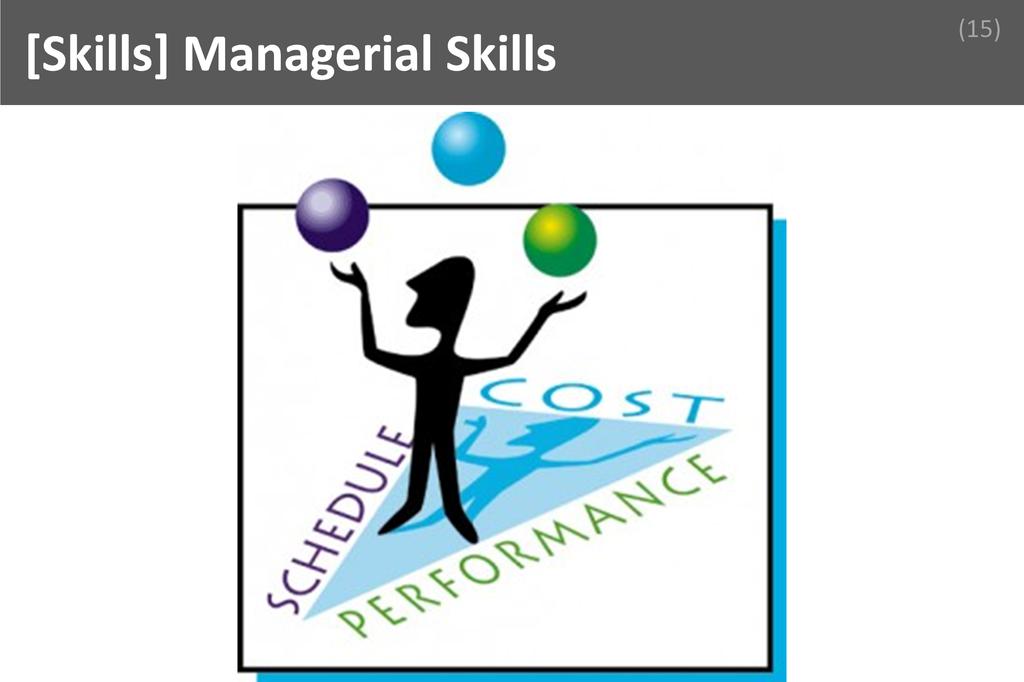
Managerial skills refer to the ability to plan, organize, coordinate, and oversee resources, people, and processes to achieve organizational goals efficiently and effectively. For professionals in the Indian Economic Service, these skills are crucial for leading teams, managing complex projects, and ensuring that economic policies are implemented smoothly and successfully.
Managerial skills directly enhance performance in the Indian Economic Service by enabling professionals to handle multifaceted assignments, allocate resources judiciously, and maintain clear communication among stakeholders. Employers and clients value these skills because they ensure that projects are completed on time, within budget, and to the desired quality standards. Effective managers can motivate teams, resolve conflicts, and adapt to changing circumstances, all of which are vital in the dynamic environment of economic policy and administration. Cultivating managerial skills involves continuous learning through formal training, mentorship, and hands-on experience. Over time, professionals can refine their abilities by seeking feedback, observing successful leaders, and taking on progressively challenging responsibilities.
Consider a scenario where an Indian Economic Service officer is tasked with overseeing the implementation of a new rural development scheme across multiple states. The officer must coordinate with state governments, manage a diverse team of analysts and field officers, and ensure that funds are allocated and utilized efficiently. When unexpected delays arise due to logistical challenges, the officer’s managerial skills become critical. By reorganizing team responsibilities, streamlining communication channels, and negotiating with local authorities, the officer is able to resolve bottlenecks and keep the project on track. This effective management not only ensures the scheme’s timely rollout but also builds trust among stakeholders and demonstrates the officer’s capability to handle complex, high-impact assignments.
Leadership

Leadership is the ability to inspire, guide, and influence individuals or groups towards achieving common objectives, while fostering collaboration, accountability, and innovation. In the Indian Economic Service, leadership is crucial as professionals are often tasked with steering policy formulation, managing teams, and driving impactful economic initiatives that shape the nation’s future.
Leadership directly enhances performance in the Indian Economic Service by enabling professionals to manage diverse teams, coordinate complex projects, and make informed decisions under pressure. Employers and clients value this skill because it ensures that economic policies and programs are implemented efficiently and with vision. Effective leaders can motivate colleagues, mediate conflicts, and adapt to changing circumstances, which is vital in the dynamic environment of public service. Cultivating leadership involves continuous learning, seeking mentorship, embracing responsibility, and reflecting on feedback. Over time, professionals can develop their leadership abilities through real-world experience, formal training, and by observing exemplary leaders within the organization.
Consider a scenario where an Indian Economic Service officer is leading a team responsible for drafting a new policy to address rural unemployment. The project faces tight deadlines, limited data, and conflicting stakeholder interests. By demonstrating leadership, the officer sets a clear vision, delegates tasks according to team members’ strengths, and fosters open communication. When disagreements arise, the officer mediates discussions to find common ground and encourages innovative solutions. Through decisive action and inclusive decision-making, the officer guides the team to deliver a comprehensive policy proposal on time. This not only resolves the immediate challenge but also builds trust and morale within the team, showcasing how leadership is indispensable for achieving success in the Indian Economic Service.
Interpersonal

Interpersonal refers to the ability to effectively communicate, collaborate, and build relationships with others, fostering mutual understanding and trust. In the Indian Economic Service, this skill enables professionals to navigate complex stakeholder environments, mediate between diverse interests, and ensure that economic policies are both inclusive and effectively implemented.
Interpersonal skills directly enhance performance in the Indian Economic Service by enabling professionals to work seamlessly with colleagues, policymakers, and external stakeholders. Clients and employers highly value this skill because it ensures smooth coordination, minimizes misunderstandings, and fosters a collaborative environment essential for policy formulation and implementation. Cultivating interpersonal skills involves active listening, empathy, and regular engagement in team-based projects. Over time, professionals can refine these abilities by seeking feedback, participating in workshops, and observing effective communicators within the organization. As these skills develop, individuals become more adept at managing conflicts, negotiating solutions, and building consensus, all of which are crucial for advancing economic initiatives and achieving organizational goals.
Consider a scenario where an Indian Economic Service officer is tasked with implementing a new rural development policy. The officer encounters resistance from local stakeholders who fear the policy may disrupt traditional livelihoods. By leveraging strong interpersonal skills, the officer initiates open dialogues, listens to concerns, and communicates the long-term benefits of the policy. Through empathetic engagement and transparent communication, the officer builds trust and addresses misconceptions. This approach not only eases tensions but also encourages community participation, leading to smoother policy adoption and more effective outcomes. The officer’s ability to connect with diverse groups ultimately ensures the success of the initiative and demonstrates the critical importance of interpersonal skills in the Indian Economic Service.
Positives
Class 1 Gazetted Service
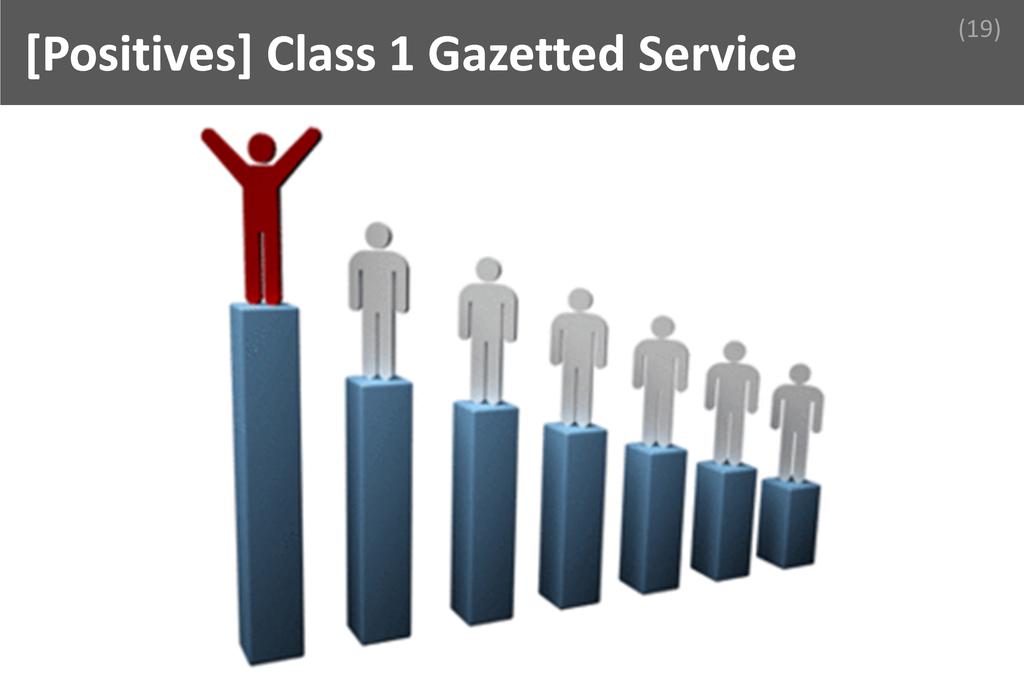
A Class 1 Gazetted Service is a prestigious government designation in India, where officers hold high-ranking positions, are appointed by the President or Governors, and have the authority to issue official government notifications. This status brings recognition, responsibility, and respect, significantly enhancing the professional stature of Indian Economic Service officers.
Being part of a Class 1 Gazetted Service elevates the Indian Economic Service into a league of its own. This distinction means that officers are entrusted with significant authority and decision-making power, allowing them to shape economic policies at the highest levels. The recognition and respect that come with this status foster a strong sense of pride and motivation, making daily work more meaningful. Career growth is accelerated, as officers are considered for leadership roles and are often consulted on critical national issues. The assurance of job security, attractive remuneration, and opportunities for professional development further enhance job satisfaction, making every day at work a testament to the value and impact of their contributions.
Imagine an Indian Economic Service officer tasked with drafting a crucial economic policy for the nation. As a Class 1 Gazetted Officer, she is not only given the responsibility to lead a team of experts but also the authority to present her recommendations directly to senior government officials. Her signature on official documents carries legal weight, and her insights are sought after in high-level meetings. The respect she commands among colleagues and stakeholders is evident, and the knowledge that her work directly influences the country’s economic direction brings immense fulfillment. This daily experience of responsibility, recognition, and impact exemplifies the true value of being a Class 1 Gazetted Officer in the Indian Economic Service.
Exposure

Exposure, in the context of the Indian Economic Service, refers to the continuous interaction with diverse economic policies, stakeholders, and real-world challenges at both national and international levels. This dynamic engagement broadens perspectives, sharpens analytical skills, and fosters adaptability, making professionals more effective and insightful in their roles within the government.
The exposure gained in the Indian Economic Service is a cornerstone of professional fulfillment and growth. It allows officers to work closely with policymakers, economists, and international agencies, offering a front-row seat to the formulation and implementation of economic strategies that shape the nation. This constant engagement with evolving economic scenarios ensures that no two days are the same, keeping the work intellectually stimulating and deeply meaningful. The opportunity to contribute to significant decisions, witness their impact, and learn from a wide array of experts enhances both job satisfaction and personal development. Exposure not only accelerates career progression but also instills a sense of pride in being part of transformative national initiatives.
Imagine an Indian Economic Service officer tasked with analyzing the economic impact of a new trade agreement. In this role, the officer collaborates with ministries, consults with international trade experts, and attends high-level policy discussions. Through these interactions, the officer gains firsthand insight into global economic trends, negotiation tactics, and the complexities of policy implementation. This exposure not only enriches their understanding of economics but also hones their communication and decision-making skills. The officer experiences the satisfaction of seeing their analysis influence national policy, reinforcing the profound and rewarding impact that exposure brings to their daily professional life.
Specialist in Economic Advice
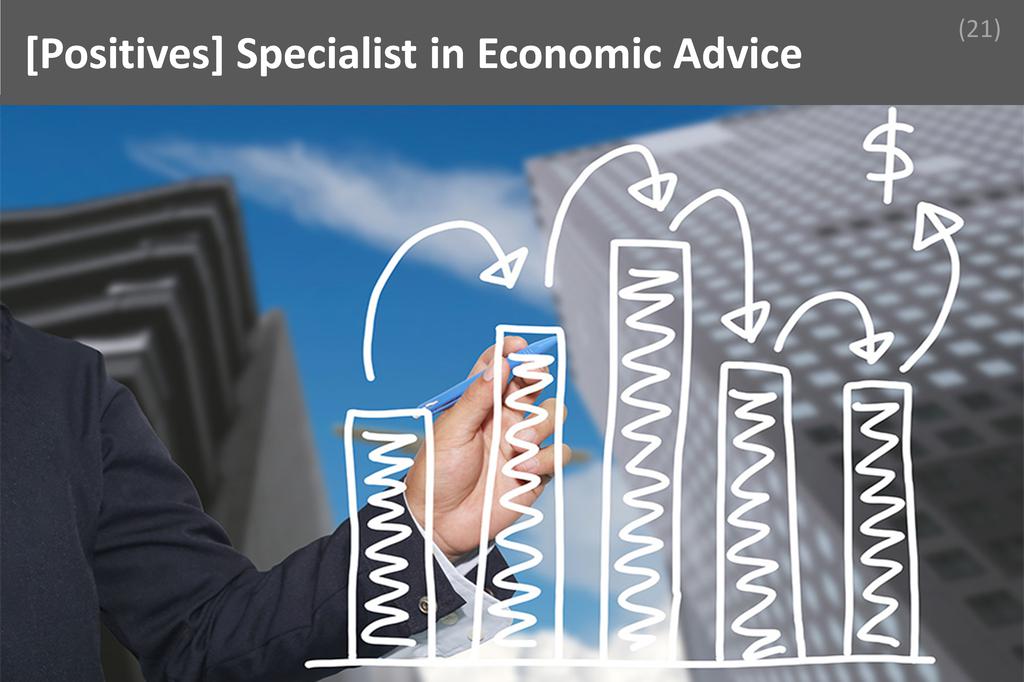
A "Specialist in Economic Advice" is an expert who provides in-depth analysis, forecasts, and recommendations on economic policies, development strategies, and fiscal matters to guide government decision-making. This role ensures that complex economic challenges are addressed with informed, evidence-based solutions, directly influencing national growth and public welfare.
Being a specialist in economic advice within the Indian Economic Service is immensely rewarding because it places professionals at the heart of policy formulation and national development. This expertise allows them to shape decisions that impact millions, fostering a sense of purpose and accomplishment. The constant engagement with evolving economic issues ensures intellectual stimulation and continuous learning, making the work dynamic and fulfilling. Professionals experience the satisfaction of seeing their recommendations translate into real-world outcomes, such as improved economic stability or targeted welfare programs. This direct influence on policy and progress not only enhances job satisfaction but also opens avenues for career advancement, as their specialized knowledge becomes indispensable to the government and society.
Imagine an Indian Economic Service officer tasked with advising the government during an economic downturn. Drawing on their specialist knowledge, they analyze data, assess global trends, and recommend targeted fiscal measures to stimulate growth and protect vulnerable populations. Their advice leads to the implementation of effective stimulus packages and social safety nets, helping stabilize the economy and restore public confidence. Witnessing the positive impact of their expertise—such as increased employment opportunities and improved livelihoods—provides a deep sense of fulfillment. This real-world influence exemplifies how being a specialist in economic advice empowers professionals to make meaningful contributions to the nation’s progress every day.
Continuous Learning
Continuous Learning is the ongoing process of acquiring new knowledge, skills, and insights throughout one’s professional journey, adapting to evolving challenges and advancements. In the Indian Economic Service, this approach ensures that professionals remain updated with the latest economic theories, policy tools, and global trends, enhancing their effectiveness and relevance in shaping national policies.
Continuous Learning is a cornerstone of the Indian Economic Service, making the career both intellectually stimulating and professionally rewarding. The dynamic nature of economic policy, frequent shifts in global markets, and the emergence of new analytical tools demand that officers constantly upgrade their expertise. This perpetual growth not only keeps the work engaging but also fosters a culture of curiosity and innovation. As professionals encounter diverse economic issues, they are encouraged to research, collaborate, and apply fresh perspectives, which leads to more effective policy solutions. The satisfaction derived from mastering new concepts and directly applying them to real-world challenges significantly boosts morale and career growth, making each day an opportunity for personal and professional advancement.
Imagine an officer in the Indian Economic Service tasked with analyzing the economic impact of a new government initiative on rural employment. To provide a comprehensive assessment, the officer delves into recent research on labor economics, learns advanced data analysis techniques, and consults global case studies. Through this process, the officer not only enhances their technical skills but also gains a deeper understanding of the socioeconomic landscape. The insights gathered enable the officer to craft a well-informed policy recommendation that positively influences decision-making at the highest levels. This experience exemplifies how continuous learning transforms daily work into a journey of discovery, growth, and meaningful contribution to the nation’s progress.
Challenges
High Competition
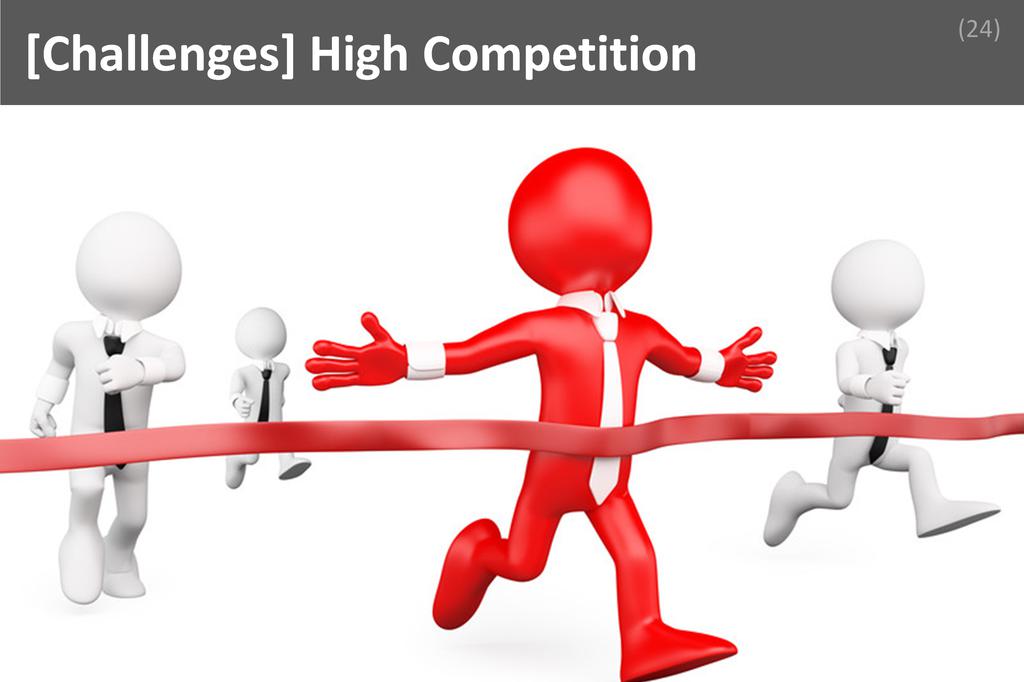
High Competition in the Indian Economic Service refers to the intense rivalry among highly qualified candidates for limited positions, driven by rigorous selection processes and high academic standards. This environment demands exceptional analytical skills, adaptability, and perseverance, making it challenging for professionals to distinguish themselves and secure advancement within the service.
The pressure of high competition permeates daily work in the Indian Economic Service, as professionals must consistently deliver high-quality analysis, policy recommendations, and research outputs. This environment can lead to stress and self-doubt, requiring individuals to develop resilience and a growth mindset. Successful professionals manage this challenge by focusing on continuous learning, seeking mentorship, and collaborating with peers to enhance their knowledge and skills. They prioritize time management and adaptability, allowing them to respond effectively to evolving policy challenges and expectations. By embracing a proactive approach to professional development and maintaining a commitment to excellence, they turn competition into motivation, using it as a catalyst for personal and professional growth rather than a source of discouragement.
Consider an officer in the Indian Economic Service tasked with preparing a crucial economic policy brief under tight deadlines, while knowing that peers are also vying for recognition and advancement. Instead of succumbing to pressure, the officer leverages collaboration by consulting colleagues, incorporates feedback from mentors, and dedicates extra hours to refine the analysis. Through diligent research and effective communication, the officer produces a comprehensive and insightful report that stands out for its clarity and relevance. This achievement not only earns appreciation from senior officials but also sets a benchmark for quality, demonstrating how embracing competition as an opportunity for growth can lead to both individual success and positive contributions to the service.
Continuous Knowledge Updating
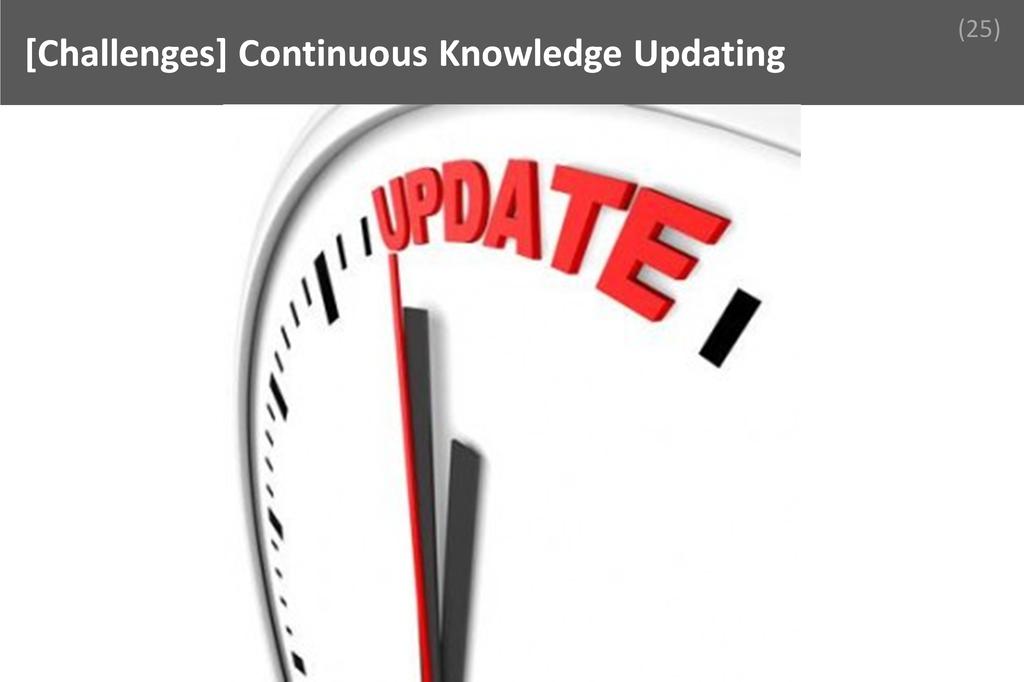
Continuous Knowledge Updating in the Indian Economic Service refers to the ongoing necessity for professionals to stay abreast of evolving economic theories, policy changes, statistical methodologies, and global economic trends. This is demanding because the economic landscape is dynamic, requiring constant learning and adaptation to ensure informed policy analysis and effective decision-making.
The challenge of continuous knowledge updating significantly impacts the daily responsibilities of Indian Economic Service professionals. They must frequently interpret new data, adapt to policy reforms, and incorporate emerging global economic developments into their analyses. This relentless pace can lead to information overload and professional fatigue, demanding a high degree of resilience and adaptability. Successful professionals manage this constraint by cultivating disciplined learning habits, leveraging credible sources, and engaging in regular peer discussions. They also prioritize critical information, focusing on developments most relevant to their current assignments. By fostering a growth mindset and embracing lifelong learning, these individuals transform the challenge into an opportunity for professional growth and enhanced policy impact.
Consider an Indian Economic Service officer tasked with preparing a policy brief on inflation targeting amidst rapidly changing global commodity prices. To address this, the officer systematically reviews the latest research papers, attends webinars featuring leading economists, and consults with colleagues specializing in monetary policy. Despite the overwhelming influx of new information, the officer filters out peripheral data and concentrates on insights directly influencing inflation dynamics in India. By integrating updated global trends with domestic economic indicators, the officer crafts a nuanced, evidence-based policy recommendation. This approach not only ensures the brief’s relevance and accuracy but also exemplifies how continuous knowledge updating, when managed proactively, leads to effective policy formulation.
A Day Of
Indian Economic Service
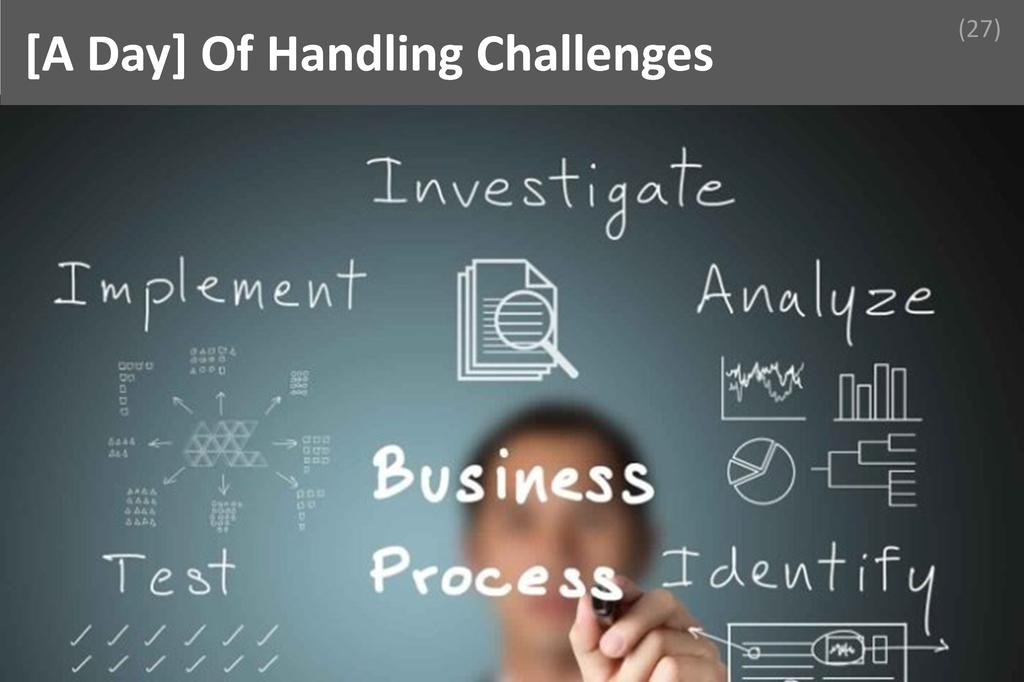
In the heart of India’s bustling administrative machinery, the day of an Indian Economic Service (IES) professional unfolds with a unique blend of intellectual rigor, policy influence, and rapid decision-making. Far from the monotony of routine deskwork, each day is a dynamic journey through data-driven analysis, high-stakes meetings, and the constant balancing act between immediate government priorities and long-term economic vision. The corridors echo with the urgency of shaping policies that touch millions, while the quiet moments are filled with the weight of responsibility and the thrill of contributing to the nation’s economic future.
As the city stirs awake, an IES officer begins the day by sifting through overnight reports, economic data releases, and policy briefs. This early morning window is a time for focused reading and critical analysis, away from the interruptions that will soon fill the day. The officer reviews global and domestic economic trends, updates key performance indicators, and prepares concise notes for senior officials. This period is essential for grounding the day’s work in the latest facts and ensuring readiness for the fast-paced discussions ahead.
Mid-morning marks the transition to the core of the day, where the IES professional is immersed in policy formulation and high-level consultations. The office buzzes with activity as teams assemble to dissect economic challenges, draft policy recommendations, and respond to urgent queries from ministries or parliamentary committees. Whether it’s evaluating the impact of a new subsidy scheme or preparing briefing materials for a cabinet meeting, this is the most intellectually demanding and interactive phase. The professional’s expertise is tested as they synthesize complex data, anticipate economic ripple effects, and articulate clear, actionable insights.
The afternoon is characterized by a flurry of collaborative meetings and execution-focused tasks. The IES officer engages with colleagues from other departments, state governments, and external agencies to align on policy implementation strategies. This is the time for negotiating resource allocations, clarifying operational guidelines, and troubleshooting bottlenecks in ongoing projects. The work shifts from analysis to action, as the officer ensures that policy decisions are translated into effective programs on the ground, often navigating the intricate web of bureaucracy and stakeholder interests.
As the day winds down, the IES professional turns to consolidating the day’s achievements and setting the stage for tomorrow. This involves drafting detailed reports, updating progress trackers, and responding to follow-up queries from senior officials. There is also time for deeper research on emerging economic issues and for planning the next day’s agenda. The quiet of the evening offers a chance to reflect on the broader impact of the day’s work, ensuring that every decision and recommendation continues to serve the nation’s economic growth and stability. |


 Home
Home Abroad
 Plan
Plan Philosophy
 Seminar
 Pages
Pages Advisors
 Testimonials













 Workshop
 Discuss
 Meet
Meet
 Advisor
 Story
Story
 Fine Print
 Links
Links
 Blog
Blog
 Follow
