The Journey of Indian Police Service
What Is Indian Police Service
Indian Police Service
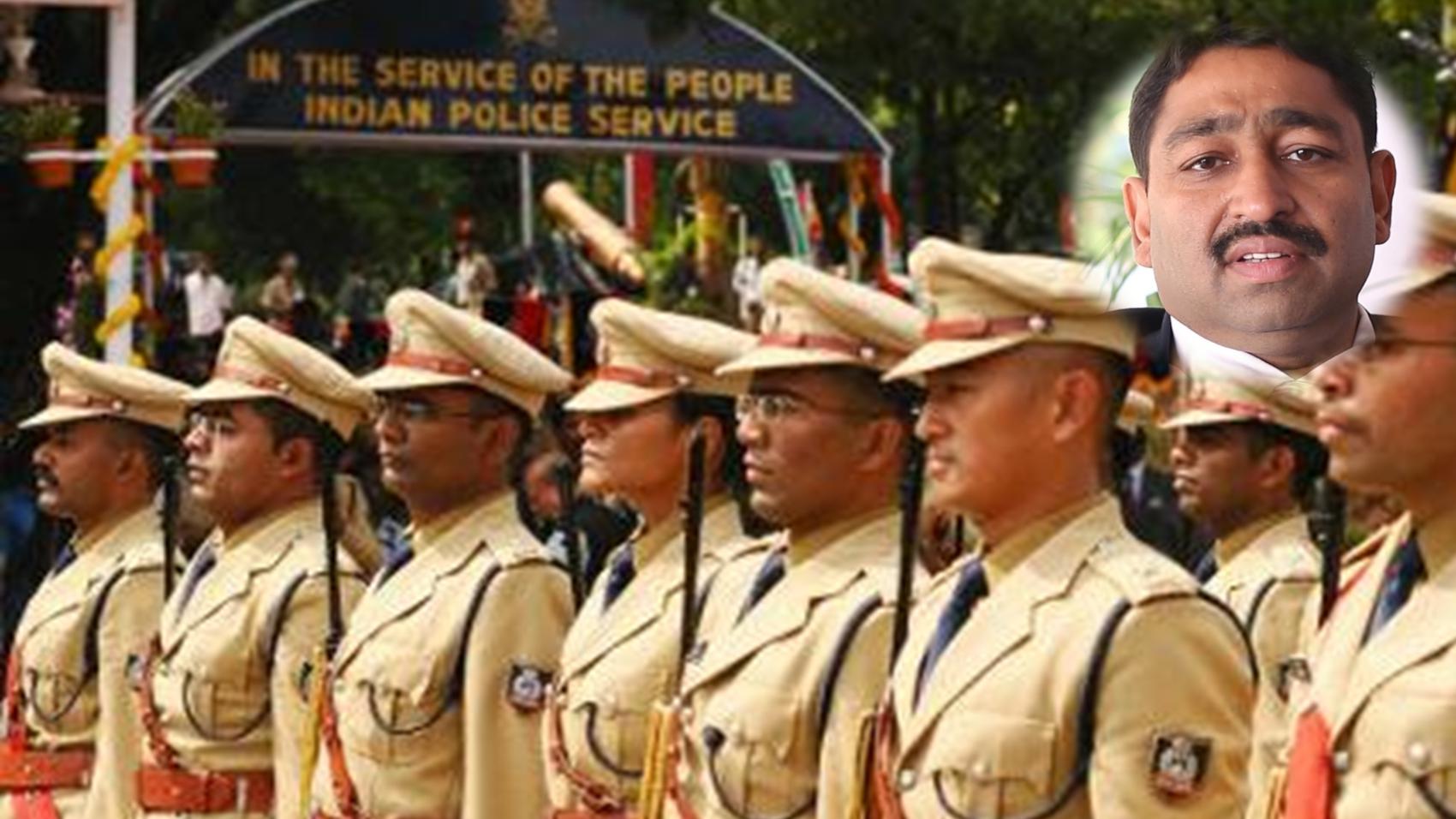
The Indian Police Service (IPS) is one of the premier civil services in India, responsible for maintaining public order, preventing and investigating crimes, and ensuring internal security. IPS officers hold leadership roles in police forces, intelligence agencies, and paramilitary organizations across the country.
The Indian Police Service plays a crucial role in upholding the rule of law and ensuring the safety and security of citizens. For professionals, a career in the IPS offers the opportunity to serve society, lead large teams, and tackle complex challenges related to crime and security. The service provides immense job satisfaction through public service, offers significant authority and responsibility, and ensures a stable and respected career path. IPS officers also benefit from diverse postings, exposure to various aspects of governance, and the ability to make a tangible difference in people’s lives. The prestige associated with the IPS, along with opportunities for professional growth and international assignments, makes it a highly sought-after career.
An IPS officer posted as the Superintendent of Police in a district might lead efforts to curb organized crime, manage law and order during large public events, and oversee disaster response operations. For instance, during a major festival, the officer coordinates with local administration, deploys police personnel strategically, and ensures crowd control to prevent untoward incidents. The officer also interacts with the community to build trust and gather intelligence, investigates serious crimes, and implements crime prevention strategies. Through these responsibilities, the IPS officer not only safeguards the public but also fosters a sense of security and confidence among citizens, demonstrating the multifaceted role and real-world impact of the Indian Police Service.
Education
Knowledge of Law

Knowledge of Law refers to a comprehensive understanding of legal principles, statutes, procedures, and judicial precedents that govern society. For Indian Police Service officers, it forms a crucial part of their academic and professional foundation, enabling them to interpret, implement, and uphold the law effectively in diverse and complex situations.
A thorough grasp of legal concepts is indispensable for anyone aspiring to join or currently serving in the Indian Police Service. This subject equips officers with the ability to interpret criminal and civil laws, understand procedural requirements, and ensure that their actions are legally sound. Mastery of law not only helps in the correct application of statutes during investigations and arrests but also safeguards officers from legal liabilities. Over the course of a career, this foundational knowledge fosters confidence, enhances decision-making, and builds public trust by ensuring that all actions are just, fair, and within the boundaries of the law. Ultimately, it empowers officers to serve as effective custodians of justice and order.
Consider an Indian Police Service officer responding to a reported case of domestic violence. The officer must quickly recall relevant sections of the Indian Penal Code and the Protection of Women from Domestic Violence Act. Applying this legal knowledge, the officer assesses the situation, collects evidence, and ensures the victim’s safety while adhering to proper arrest and documentation procedures. The officer’s understanding of the law ensures that the accused’s rights are respected, the investigation is thorough, and the case can withstand judicial scrutiny. This practical application of legal knowledge not only resolves the immediate crisis but also upholds the integrity of the justice system and reinforces public confidence in law enforcement.
Resource Management

Resource Management is the strategic process of planning, allocating, and utilizing available resources—such as personnel, equipment, finances, and time—to achieve organizational objectives efficiently and effectively. In the context of the Indian Police Service, it forms a crucial component of both academic study and professional practice, ensuring optimal law enforcement outcomes.
Understanding resource management is essential for Indian Police Service officers because it directly impacts their ability to maintain law and order, respond to emergencies, and deliver public services effectively. Mastery of this subject enables officers to make informed decisions regarding the deployment of personnel, vehicles, and other assets, especially during crises or high-pressure situations. It also fosters accountability and transparency, as officers must justify their use of public funds and resources. Over the course of a career, strong resource management skills contribute to professional growth, as they are often a prerequisite for leadership roles and promotions. Officers who excel in this area are better equipped to handle complex challenges, adapt to changing circumstances, and ensure the safety and security of the communities they serve.
Consider a situation where a major public event is scheduled in a metropolitan city, requiring heightened security and crowd management. An Indian Police Service officer, drawing upon their knowledge of resource management, assesses the available manpower, equipment, and logistical support. They strategically assign officers to critical locations, ensure that communication devices and vehicles are in optimal condition, and coordinate with other agencies for additional support if needed. By effectively managing these resources, the officer not only maintains public order but also ensures that routine policing duties elsewhere in the city are not compromised. This practical application of resource management theory enables the officer to balance competing demands, respond swiftly to incidents, and uphold public trust in the police force.
Psychology & Sociology

Psychology is the scientific study of human behavior and mental processes, while sociology examines the development, structure, and functioning of societies. Together, these disciplines provide insights into individual and group behavior, making them essential for Indian Police Service officers who must understand and manage diverse social dynamics and human interactions.
A deep understanding of psychology and sociology is crucial for Indian Police Service professionals because it equips them to interpret human behavior, predict social trends, and respond effectively to complex situations. Mastery of these subjects helps officers navigate sensitive issues such as crime prevention, conflict resolution, and community engagement. By understanding the motivations behind criminal behavior and the influence of social structures, officers can devise more effective strategies for law enforcement and public safety. Over the course of their careers, this knowledge fosters better communication, empathy, and leadership, enabling officers to build trust within communities and handle crises with greater competence and sensitivity.
Consider an Indian Police Service officer tasked with managing a large public protest. Drawing on their knowledge of psychology, the officer can assess crowd emotions, identify potential triggers for violence, and use de-escalation techniques to maintain order. Their sociological understanding allows them to recognize the underlying social grievances driving the protest and engage with community leaders to address concerns. By applying these theoretical insights, the officer not only ensures public safety but also fosters a sense of trust and cooperation between the police and the community, ultimately leading to more peaceful and constructive outcomes.
Economics

Economics is the social science that studies how individuals, governments, and societies allocate scarce resources to satisfy unlimited wants. It examines production, distribution, and consumption of goods and services. For Indian Police Service officers, economics forms a crucial part of the academic foundation, enhancing analytical and decision-making skills essential for effective governance.
Understanding economics is vital for Indian Police Service professionals because it equips them with the ability to analyze and interpret the socioeconomic factors influencing crime, law enforcement, and public policy. Knowledge of economic principles helps officers comprehend the root causes of criminal behavior, such as poverty, unemployment, and inequality, enabling them to design more effective crime prevention strategies. Additionally, economics aids in resource management, allowing officers to optimize the allocation of limited personnel and budgets. Over the long term, a strong grasp of economics enhances an officer’s capacity to contribute to policy formulation, participate in interdepartmental collaborations, and adapt to the evolving challenges of governance in a rapidly changing economic landscape.
Consider a scenario where an Indian Police Service officer is tasked with addressing a surge in property crimes within a particular district. By applying their understanding of economics, the officer analyzes local unemployment rates, income disparities, and recent economic downturns to identify underlying causes of the crime wave. This analysis enables the officer to collaborate with local government agencies to implement targeted social welfare programs and employment initiatives, rather than relying solely on increased policing. As a result, the officer not only addresses the immediate issue but also contributes to long-term crime reduction by tackling the economic factors driving criminal activity, demonstrating the practical value of economic knowledge in daily police operations.
Knowledge of Medicine

Knowledge of Medicine refers to the understanding of human anatomy, physiology, common diseases, first aid, and basic medical procedures. For Indian Police Service officers, this knowledge is essential as it supports their ability to respond effectively to emergencies, manage crime scenes, and ensure the well-being of themselves and the public.
Learning Knowledge of Medicine is vital for Indian Police Service professionals because it equips them to handle medical emergencies, assess injuries, and provide immediate care before specialized help arrives. This foundational knowledge enhances their ability to make informed decisions during critical incidents, such as accidents, violent crimes, or natural disasters. It also fosters a sense of confidence and responsibility, as officers are often the first responders in situations where medical intervention is crucial. Over the long term, possessing medical knowledge not only improves the safety and health outcomes of the communities they serve but also strengthens the professional credibility and preparedness of the officers themselves, making them more effective and respected in their roles.
Consider a scenario where an Indian Police Service officer arrives first at the scene of a road accident. Several individuals are injured, and immediate medical attention is required. Drawing upon their knowledge of medicine, the officer quickly assesses the victims, identifies those with life-threatening injuries, and administers basic first aid such as controlling bleeding and ensuring airways are clear. The officer communicates vital information to emergency medical services, ensuring that the most critical cases receive priority. This application of medical knowledge not only stabilizes the situation but also significantly increases the chances of survival and recovery for the victims, demonstrating the indispensable role that medical understanding plays in the daily operations of police professionals.
Use of Technology

Use of Technology refers to the application and integration of digital tools, systems, and innovations to enhance efficiency, communication, and problem-solving in professional settings. For the Indian Police Service, it encompasses knowledge of surveillance, data management, cybercrime investigation, and digital communication, forming a crucial part of their academic and operational expertise.
Understanding the use of technology is essential for anyone preparing for or serving in the Indian Police Service because modern law enforcement relies heavily on digital tools for both routine and complex tasks. Mastery of technology enables officers to analyze crime data, coordinate rapid responses, and manage large-scale operations with precision. It also empowers them to tackle emerging threats such as cybercrime, digital fraud, and online radicalization, which are increasingly prevalent in today’s society. Building a strong foundation in technological concepts ensures that officers remain adaptable and effective as new tools and challenges arise. Over the course of a career, this expertise not only enhances operational efficiency but also opens opportunities for specialization and leadership in technologically advanced units.
Consider an officer in the Indian Police Service tasked with investigating a series of cyber fraud cases. Drawing on their understanding of technology, the officer utilizes digital forensics tools to trace the origin of fraudulent transactions, analyze patterns in online behavior, and recover deleted data from electronic devices. They collaborate with cyber experts to monitor suspicious online activity and use secure communication platforms to coordinate with other agencies. This practical application of technology not only accelerates the investigation but also ensures that evidence is collected and preserved in a manner admissible in court. The officer’s proficiency in using technology thus directly contributes to solving cases efficiently and upholding justice in an increasingly digital world.
Skills
Leadership

Leadership is the ability to inspire, guide, and influence individuals or groups toward achieving common objectives, while fostering trust, accountability, and ethical conduct. In the Indian Police Service, leadership is indispensable as officers must motivate teams, make critical decisions under pressure, and uphold public confidence in law enforcement.
Leadership directly enhances performance in the Indian Police Service by enabling officers to coordinate complex operations, manage diverse teams, and respond effectively to emergencies. Employers and the public value this skill because it ensures order, discipline, and a proactive approach to problem-solving. Cultivating leadership involves continuous self-improvement, learning from mentors, and embracing responsibility in challenging situations. Officers can develop this skill by seeking feedback, participating in leadership training, and observing exemplary leaders in action. Over time, consistent practice and reflection help officers refine their ability to inspire others, make sound judgments, and maintain integrity, all of which are crucial for a successful career in the Indian Police Service.
Imagine a situation where communal tensions threaten to escalate into violence in a city. An Indian Police Service officer must quickly assess the situation, communicate effectively with both the police force and community leaders, and implement a strategy to restore peace. By demonstrating calm authority, empathy, and decisive action, the officer unites the team, reassures the public, and coordinates with local stakeholders to defuse the crisis. Through strong leadership, the officer not only prevents violence but also strengthens trust between the police and the community, showcasing how essential leadership is in navigating high-pressure scenarios and achieving successful outcomes.
Effective Communication

Effective Communication is the clear, concise, and respectful exchange of information, ideas, or instructions, ensuring mutual understanding and minimizing misunderstandings. In the Indian Police Service, it is a foundational skill that enables officers to interact with colleagues, superiors, subordinates, and the public, fostering trust, cooperation, and efficient law enforcement.
Effective Communication directly enhances an officer’s ability to manage crises, resolve conflicts, and build community relations. It ensures that instructions are understood and followed, reports are accurate, and public interactions are handled with sensitivity. Employers and the public value this skill because it leads to transparency, accountability, and better service delivery. To cultivate effective communication, officers must practice active listening, seek feedback, and continuously refine their verbal and written skills. Regular participation in workshops, real-world interactions, and reflective learning further strengthen this competency, making it an indispensable asset throughout an officer’s career.
Imagine a situation where communal tension threatens to escalate in a locality. An Indian Police Service officer arrives on the scene and must address both agitated residents and anxious local leaders. By calmly listening to concerns, clearly explaining the police’s actions, and reassuring all parties of their safety, the officer diffuses the situation. Through effective communication, misunderstandings are resolved, cooperation is secured, and potential violence is averted. This scenario highlights how the ability to convey information transparently and empathetically can transform a volatile environment into one of trust and order, underscoring the critical importance of effective communication in policing.
Patience

Patience is the ability to remain calm, composed, and persistent in the face of delays, challenges, or adversity, without becoming frustrated or impulsive. In the Indian Police Service, patience is a cornerstone that enables officers to handle complex situations, diffuse tensions, and make sound decisions under pressure, ensuring justice and public trust.
Patience directly enhances an officer’s performance by allowing them to thoughtfully assess situations, listen to all parties involved, and avoid hasty decisions that could escalate conflicts. Employers and the public value this quality because it leads to fairer investigations, respectful community interactions, and more effective crisis management. Cultivating patience involves conscious self-regulation, learning from experienced mentors, and practicing mindfulness in daily duties. Over time, repeated exposure to high-pressure environments and reflection on past experiences help officers strengthen their ability to remain patient, ultimately making them more reliable and respected leaders within the force.
Consider a situation where a police officer is mediating a heated dispute between two communities over a land issue. Emotions run high, and both sides are unwilling to compromise. Instead of reacting to provocations or rushing to enforce authority, the officer patiently listens to each group’s grievances, calmly explains the legal process, and encourages dialogue. By maintaining composure and giving everyone a fair chance to speak, the officer gradually builds trust and diffuses the tension. This patient approach not only prevents violence but also paves the way for a peaceful resolution, demonstrating how patience is instrumental in achieving long-term success and harmony in challenging circumstances.
Accountability & Responsibility

Accountability & Responsibility refers to the unwavering commitment to own one’s actions, decisions, and their consequences, while consistently upholding ethical standards and fulfilling assigned duties. In the Indian Police Service, this quality ensures that officers act transparently, maintain public trust, and deliver justice, forming the backbone of effective law enforcement.
Accountability & Responsibility directly enhances an officer’s performance by fostering reliability, integrity, and trustworthiness. When police professionals consistently take ownership of their actions, they build credibility with both the public and their superiors. Employers and citizens value this skill because it assures them that officers will act ethically, admit mistakes, and strive for continuous improvement. Cultivating this skill involves regular self-reflection, seeking feedback, and adhering to established protocols even under pressure. Over time, officers who prioritize accountability become role models within their teams, inspiring others to uphold similar standards and contributing to a culture of transparency and excellence in the force.
Imagine an Indian Police Service officer leading an investigation into a high-profile corruption case. During the inquiry, the officer discovers that a member of their own team has mishandled crucial evidence. Instead of concealing the error, the officer promptly reports the incident to superiors, initiates corrective measures, and communicates transparently with all stakeholders. By taking responsibility for the team’s actions and ensuring due process, the officer not only preserves the integrity of the investigation but also reinforces public confidence in the police force. This scenario highlights how accountability and responsibility are vital in navigating complex challenges and upholding the values of justice and fairness.
Objectivity & Transparency

Objectivity and transparency refer to the ability to make impartial decisions based on facts, evidence, and established procedures, while openly communicating actions and reasoning to stakeholders. In the Indian Police Service, these qualities ensure fair law enforcement, foster public trust, and uphold the integrity of both investigations and administrative processes.
Objectivity and transparency are fundamental to effective policing because they help officers avoid personal biases and ensure that every action is justifiable and open to scrutiny. This approach leads to more accurate investigations, fairer outcomes, and greater public confidence in the police force. Employers and the public value these traits because they reduce the risk of corruption, favoritism, and wrongful actions. To cultivate objectivity and transparency, officers must commit to continuous training, self-reflection, and adherence to ethical standards. Regularly reviewing procedures, seeking feedback, and maintaining clear documentation of decisions further reinforce these qualities, making them integral to a successful and respected police career.
Consider a situation where a high-profile crime occurs in a politically sensitive area. An Indian Police Service officer is tasked with leading the investigation. By relying on objectivity, the officer ensures that all suspects are treated equally, evidence is collected impartially, and personal or political influences do not affect the process. Through transparency, the officer communicates investigation updates to the public and relevant authorities, clearly explaining the steps taken and the rationale behind key decisions. This approach not only helps in solving the case efficiently but also reassures the community that justice is being served fairly, thereby strengthening public trust in the police force.
Multitasking

Multitasking is the ability to efficiently manage and execute multiple tasks or responsibilities simultaneously, without compromising the quality or accuracy of each. In the Indian Police Service, multitasking is indispensable, as officers must juggle administrative duties, field operations, public relations, and crisis management, often under intense pressure and time constraints.
The ability to multitask directly enhances an Indian Police Service officer’s performance by enabling them to respond swiftly to dynamic situations, prioritize urgent matters, and maintain oversight across various ongoing operations. Employers and the public value this skill because it ensures that law enforcement remains responsive and effective, even when resources are stretched thin. Cultivating multitasking involves consistent practice, learning to delegate appropriately, and developing strong organizational habits. Over time, officers can refine their ability to switch between tasks seamlessly, manage stress, and maintain clear communication with their teams, all of which are crucial for maintaining law and order in complex environments.
Consider a scenario where a major public event is underway in a metropolitan city. An Indian Police Service officer must simultaneously coordinate crowd control, monitor intelligence reports for potential threats, address media queries, and respond to an unrelated emergency elsewhere in the city. By effectively multitasking, the officer ensures that each responsibility receives adequate attention, resources are allocated efficiently, and communication channels remain open. This ability to handle multiple critical tasks at once not only prevents chaos but also builds public trust in the police force’s capability to manage high-pressure situations with competence and composure.
Positives
Respect & Recognition

Respect & Recognition refers to the admiration, trust, and appreciation received from society and peers for one’s service, integrity, and dedication. In the Indian Police Service, this manifests as public acknowledgment, professional esteem, and a sense of pride, which together foster a positive environment and reinforce the value of the work performed.
The respect and recognition that come with a career in the Indian Police Service are powerful motivators, deeply influencing job satisfaction and personal growth. When officers are valued by the community and their colleagues, it instills a sense of purpose and belonging. This acknowledgment not only boosts morale but also encourages officers to uphold high standards of integrity and commitment. The daily interactions with citizens, where gratitude and trust are expressed, reinforce the significance of their role in maintaining law and order. Over time, this positive reinforcement helps officers develop leadership qualities, resilience, and a strong professional identity, making their journey both meaningful and fulfilling.
Imagine an IPS officer leading a successful rescue operation during a natural disaster. As the community gathers to thank the police team, the officer receives heartfelt appreciation from families whose lives were saved. Local leaders publicly commend the officer’s bravery and swift action, while colleagues express admiration for the leadership displayed. This moment of recognition not only brings immense personal satisfaction but also strengthens the officer’s resolve to serve with even greater dedication. Such experiences, where respect and gratitude are tangibly felt, highlight the profound impact that recognition has on the professional and personal lives of those in the Indian Police Service.
Social Impact

Social Impact refers to the meaningful and lasting influence that an individual or organization has on the well-being, safety, and progress of society. In the context of the Indian Police Service, social impact means actively shaping communities, protecting citizens, and fostering justice, thereby contributing to the nation’s overall development and harmony.
The social impact inherent in the Indian Police Service is a profound motivator for those who choose this career. Every day, officers have the unique opportunity to make a tangible difference in people’s lives, whether by ensuring public safety, upholding the law, or supporting vulnerable communities. This sense of purpose not only elevates job satisfaction but also fuels personal and professional growth. Knowing that their actions can prevent harm, resolve conflicts, and promote justice gives officers a deep sense of fulfillment. The respect and trust earned from the community further reinforce their commitment, making each day’s challenges meaningful and rewarding. The positive ripple effect of their service extends beyond individuals to families and entire neighborhoods, creating a legacy of trust and security.
Imagine an IPS officer leading a rescue operation during a natural disaster in a remote village. As floodwaters threaten lives and livelihoods, the officer coordinates relief efforts, ensures the safe evacuation of residents, and provides immediate medical assistance. Witnessing the gratitude and relief on the faces of those saved, the officer experiences firsthand the profound social impact of their work. The knowledge that their leadership and quick action have preserved lives and restored hope in a time of crisis brings immense personal satisfaction. This real-world scenario exemplifies how the Indian Police Service empowers its professionals to be agents of positive change, making their role not just a job, but a calling with lasting significance.
Exposure

Exposure, in the context of the Indian Police Service, refers to the wide-ranging experiences, interactions, and learning opportunities that officers encounter through their diverse roles, responsibilities, and environments. This constant engagement with different communities, challenges, and administrative situations broadens perspectives, enhances adaptability, and fosters a deep understanding of society, making the profession uniquely enriching.
The exposure gained in the Indian Police Service is a cornerstone of personal and professional growth. Officers regularly interact with people from various backgrounds, handle complex law and order situations, and collaborate with multiple government agencies. This dynamic environment ensures that no two days are the same, keeping the job intellectually stimulating and emotionally rewarding. The constant learning and adaptation required in this role build resilience, leadership, and problem-solving skills. Such exposure not only accelerates career progression but also instills a profound sense of purpose and accomplishment. The ability to make a tangible difference in society, while continuously evolving as an individual, greatly enhances job satisfaction and motivates officers to strive for excellence every day.
Consider an IPS officer posted in a metropolitan city who is tasked with managing a major public event attended by thousands. The officer must coordinate with local authorities, security agencies, and community leaders, all while ensuring public safety and maintaining order. Through this experience, the officer is exposed to high-pressure decision-making, cross-cultural communication, and crisis management. The successful execution of such a complex operation not only brings a sense of achievement but also deepens the officer’s understanding of societal dynamics and governance. This real-world exposure becomes a source of immense professional pride and personal fulfillment, reinforcing the unique value of a career in the Indian Police Service.
Challenges
Work Life Balance

Work Life Balance in the Indian Police Service refers to the ongoing effort to maintain a healthy equilibrium between demanding professional responsibilities and personal life. The unpredictable hours, high-pressure situations, and constant public scrutiny make achieving this balance particularly challenging for officers, often leading to stress and limited time for family or self-care.
The struggle for work life balance in the Indian Police Service often manifests as long, irregular hours, frequent emergencies, and the emotional toll of dealing with crime and public safety. This relentless pace can lead to burnout, strained relationships, and diminished personal well-being. Resilience becomes essential, as officers must adapt quickly to shifting priorities and high-stress environments. Successful professionals manage these constraints by setting clear boundaries where possible, prioritizing tasks, and seeking support from colleagues and family. They also cultivate habits such as regular exercise, mindfulness, and effective time management to recharge and maintain perspective. By consciously integrating these strategies, officers can better navigate the demands of their role while safeguarding their mental and emotional health.
Consider the experience of a Deputy Superintendent posted in a metropolitan city, who faces frequent late-night calls and urgent law and order situations. Despite these challenges, she consciously schedules quality time with her family during less busy periods and delegates tasks to trusted team members when possible. She practices mindfulness techniques to manage stress and ensures she takes short breaks during long shifts to stay focused. By communicating openly with her family about her unpredictable schedule and involving them in her routine where feasible, she maintains strong personal relationships. Her proactive approach to self-care and time management enables her to meet professional demands without sacrificing her well-being or family life.
Transfers

Transfers in the Indian Police Service refer to the official reassignment of officers from one location or jurisdiction to another, often with little notice. This process is demanding because it disrupts personal and professional stability, requiring officers to adapt quickly to new environments, teams, and community dynamics while maintaining high performance.
Frequent transfers can significantly disrupt an officer’s daily routine, as they must quickly familiarize themselves with new local issues, administrative structures, and team dynamics. This constant change can strain family life, challenge continuity in ongoing projects, and test the officer’s adaptability. The unpredictability of transfers demands exceptional resilience, flexibility, and emotional intelligence. Successful professionals manage this constraint by cultivating strong interpersonal skills, building adaptable support systems, and maintaining a focus on their core mission of public service. They prioritize rapid learning, establish rapport with new colleagues, and leverage their experience to quickly assess and address local challenges, ensuring that their effectiveness is not diminished by the frequent changes in their postings.
Consider the case of an IPS officer who, after being transferred from a metropolitan city to a remote rural district, faced the challenge of unfamiliar terrain and limited resources. Instead of being overwhelmed, the officer proactively engaged with local leaders, listened to community concerns, and quickly assessed the unique law and order issues of the area. By fostering trust among the new team and leveraging previous experiences, the officer implemented effective crime prevention strategies tailored to the district’s needs. Over time, this adaptability not only improved public safety but also earned the officer respect from both the community and colleagues, demonstrating how resilience and proactive engagement can turn the challenge of transfers into an opportunity for impactful service.
Communal Riots

Communal riots are violent outbreaks between different religious or ethnic groups, often triggered by deep-seated tensions or provocative incidents. For Indian Police Service officers, managing such riots is demanding due to the intensity of violence, rapid escalation, and the need to maintain impartiality while protecting lives, property, and public order.
The occurrence of communal riots significantly disrupts the daily responsibilities of Indian Police Service professionals. Officers must respond swiftly to volatile situations, often with limited information and resources, while facing immense public scrutiny and emotional pressure. The unpredictability of crowd behavior and the risk of misinformation spreading through communities or social media further complicate their task. Resilience is essential, as officers must remain calm and decisive under stress, ensuring that their actions are fair and lawful. Successful professionals rely on strong communication skills, community engagement, and strategic deployment of force to de-escalate tensions. Building trust with local leaders and maintaining transparent communication channels helps in diffusing rumors and preventing further violence, enabling officers to restore peace and order effectively.
During a communal riot in a major city, an Indian Police Service officer was tasked with restoring order in a neighborhood where tensions were running high after a provocative incident. Recognizing the potential for escalation, the officer quickly established contact with influential community leaders from both sides, urging them to appeal for calm among their followers. Simultaneously, the officer coordinated with the police force to create secure perimeters, ensuring that emergency services could operate safely. By maintaining open lines of communication and demonstrating impartiality, the officer was able to dispel rumors and prevent retaliatory violence. Through these efforts, the situation was brought under control without significant casualties, showcasing the importance of leadership, empathy, and strategic action in managing communal riots.
A Day Of
Indian Police Services

The day begins before the city stirs, and for an Indian Police Service (IPS) officer, the line between routine and emergency is always razor-thin. The air is thick with anticipation, as every sunrise brings a fresh set of challenges—some predictable, many not. The rhythm of an IPS officer’s day is dictated by the pulse of the community, the urgency of law and order, and the ever-present responsibility to serve and protect. In this world, no two days are alike, and adaptability is as crucial as authority. From the first crackle of the radio to the last review of case files, the pace is relentless, the stakes are high, and the impact is profound.
As the city slowly wakes, the IPS officer’s day is already underway. Early mornings are reserved for reviewing overnight reports, scanning through updates from various police stations, and assessing any incidents that may have occurred while most of the city slept. This quiet hour is also a time for strategic planning—mapping out the day’s priorities, coordinating with senior staff, and ensuring that resources are allocated where they are needed most. The officer may also use this time to check in with key team members, setting the tone for a day that demands both vigilance and flexibility.
By mid-morning, the tempo accelerates as the officer moves into the heart of their operational duties. This is when the IPS professional is most visible—conducting field inspections, visiting crime scenes, and engaging directly with the public. Whether overseeing a high-profile investigation, addressing community grievances, or coordinating with local leaders, this phase is marked by intense interaction and rapid decision-making. The officer’s presence is both a reassurance to citizens and a reminder to wrongdoers that law and order are actively enforced.
The afternoon brings a shift toward collaboration and execution. The IPS officer convenes meetings with subordinate officers, reviews progress on ongoing cases, and strategizes responses to emerging situations. This is also the time for coordinating with other agencies, such as intelligence units or municipal authorities, to address complex challenges like public safety during festivals or managing traffic during VIP movements. The officer’s leadership is crucial in translating plans into action, ensuring that every member of the force is aligned and motivated.
As evening approaches, the focus turns to consolidation and preparation. The officer reviews the day’s developments, signs off on reports, and addresses any administrative matters that require attention. This is also a critical window for reflecting on lessons learned, identifying areas for improvement, and setting objectives for the following day. The work may extend late into the night, especially if a crisis unfolds, but even in quieter moments, the IPS officer remains alert, knowing that the next call to action is never far away. |


 Home
Home Abroad
 Plan
Plan Philosophy
 Seminar
 Pages
Pages Advisors
 Testimonials














 Workshop
 Discuss
 Meet
Meet
 Advisor
 Story
Story
 Fine Print
 Links
Links
 Blog
Blog
 Follow
