Career Counselling 2.0 HomeHomeCareer Counselling 2.0 AbroadAbroadCareer Counselling 2.0 PlanPlanCareer Counselling 2.0 | TalksTalksCareer Counselling 2.0 PhilosophyPhilosophyCareer Counselling 2.0 SeminarSeminarCareer Counselling 2.0 PagesPagesCareer Counselling 2.0 AdvisorsAdvisorsCareer Counselling 2.0 TestimonialsTestimonials

Equity Research

Equity Research Analyst Veena Krishna talks about Equity Research course, what is Equity Research and other details about a Career in Equity Research.


Equity Research

Veena Krishna | Equity Research Analyst | Quest Securities


What is Equity Research?


There are many nuances of a Career in Equity Research. Almost everyone seems to be talking about How to start a Career in Equity Research, while one should first develop an understanding of What is a Career in Equity Research. It is best to learn about Equity Research from a real professional, this is akin to getting it from the horse's mouth.

Equity Research Analyst Veena Krishna invested 4 years in Equity Research. Equity Research Analyst Veena Krishna defines Equity Research as:

Equity Research primarily means analyzing company's financials, perform ratio analysis, forecast the financials (financial modeling) and explore scenarios with an objective of making BUY/SELL stock investment recommendation.


How Equity Research Analyst Veena Krishna got into Equity Research?


I was born and brought up in Mumbai. After completing my education I started my career as a Equity Research Analyst in the company called Quest Securities.


Equity Research Analyst Veena Krishna's Talk on Equity Research


Session Image
The Journey of Equity Research


What Is Equity Research


Equity Research

### Equity Research Image
What is
Equity research is the process of analyzing publicly traded companies to evaluate their financial health, industry position, and future prospects. Professionals in this field produce reports and recommendations, helping investors make informed decisions about buying, holding, or selling stocks based on thorough quantitative and qualitative analysis.

Concept
Equity research plays a crucial role in the financial markets by providing transparency and informed insights to investors, fund managers, and other stakeholders. For professionals in equity research, this field offers the opportunity to develop deep expertise in financial analysis, industry trends, and valuation techniques. One major benefit is the ability to influence investment decisions that can shape market movements and capital allocation. Another benefit is the continuous learning environment, as analysts must stay updated on market developments, corporate strategies, and economic changes. Additionally, equity research professionals often build strong networks within the finance industry, opening doors to career advancement and specialized roles.

Real World Example
A professional in equity research might be tasked with covering the technology sector for an investment bank. They would analyze quarterly earnings reports, assess competitive positioning, and forecast future performance for companies like Apple or Microsoft. By constructing detailed financial models and speaking with company management, suppliers, and industry experts, the analyst develops a comprehensive view of each company’s prospects. Their research culminates in a report that includes a recommendation, such as “buy,” “hold,” or “sell,” which is distributed to institutional clients. These clients rely on the analyst’s insights to make investment decisions, demonstrating how equity research directly influences capital flows and portfolio strategies in real-world financial markets.

Education


Knowledge of Finance

### Knowledge of Finance Image
What is
Knowledge of Finance refers to the comprehensive understanding of financial principles, markets, instruments, and analytical techniques that govern the flow of money within and between organizations. In Equity Research, it forms the backbone of both academic study and professional practice, enabling analysts to interpret financial data and make informed investment recommendations.

Concept
A strong grasp of finance is indispensable for anyone pursuing a career in Equity Research. This subject equips professionals with the ability to analyze balance sheets, income statements, and cash flow statements, as well as to understand valuation models and risk assessment techniques. Mastery of these concepts allows analysts to evaluate a company’s financial health, forecast future performance, and provide actionable insights to investors. Over the long term, a deep understanding of finance not only enhances analytical accuracy but also builds credibility and trust with clients and stakeholders. As financial markets evolve, this foundational knowledge enables professionals to adapt to new instruments, regulatory changes, and global economic shifts, ensuring sustained career growth and relevance.

Real World Example
Consider an equity research analyst tasked with evaluating a technology company’s stock for potential investors. Drawing on their knowledge of finance, the analyst examines the company’s recent financial statements to assess profitability, liquidity, and leverage ratios. They apply discounted cash flow analysis to estimate the intrinsic value of the stock, comparing it to current market prices. By interpreting trends in revenue growth and cost management, the analyst identifies key drivers of future performance and potential risks. This financial expertise enables the analyst to craft a well-supported investment thesis, communicate findings clearly to clients, and make recommendations that align with both market realities and investor objectives.

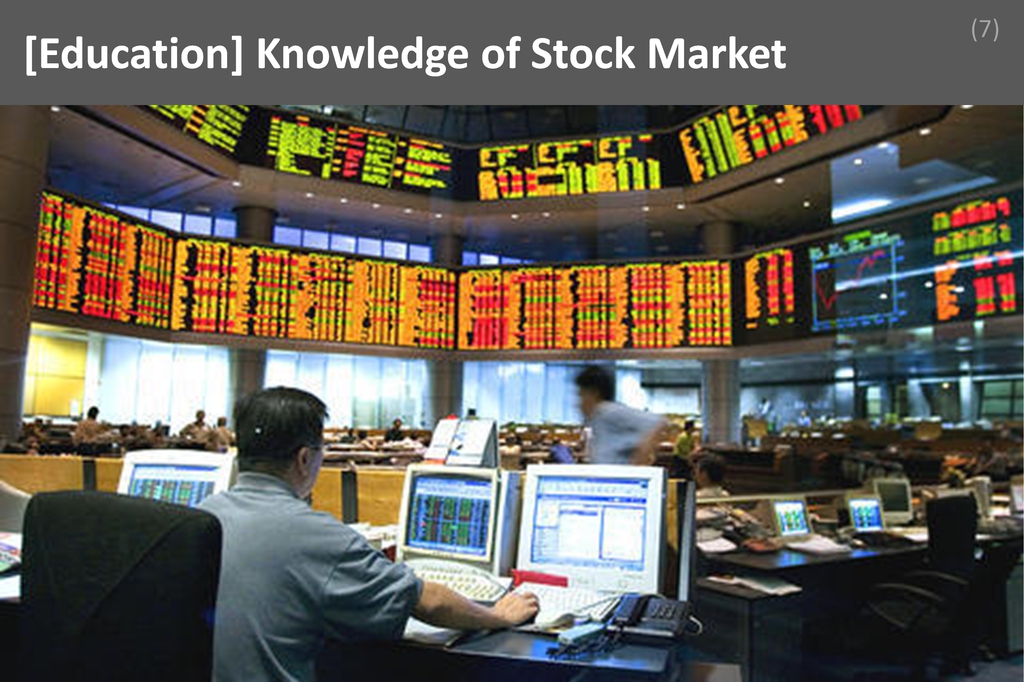
Knowledge of Stock Market

### Knowledge of Stock Market Image
What is
Knowledge of Stock Market refers to a comprehensive understanding of how securities are traded, the functioning of exchanges, market participants, regulatory frameworks, and the factors influencing stock prices. In Equity Research, this knowledge forms the backbone for analyzing companies, making investment recommendations, and understanding market dynamics within a professional context.

Concept
A solid grasp of stock market fundamentals is indispensable for anyone pursuing a career in Equity Research. This expertise enables professionals to interpret market signals, evaluate the impact of macroeconomic events, and assess company performance relative to industry peers. Mastery of these concepts allows analysts to construct well-informed investment theses, communicate insights effectively to clients, and anticipate market trends. Over time, this foundational knowledge not only enhances analytical accuracy but also builds credibility and trust with stakeholders. Furthermore, as financial markets evolve, a deep understanding of stock market mechanisms ensures that professionals remain adaptable and relevant, positioning them for long-term career growth and leadership opportunities within the investment industry.

Real World Example
Consider an Equity Research analyst tasked with evaluating a technology company ahead of its quarterly earnings release. Drawing on their knowledge of the stock market, the analyst examines recent trading volumes, price movements, and sector performance to gauge investor sentiment. They analyze how macroeconomic news, such as interest rate changes or regulatory updates, might affect the company’s stock price. By integrating this market knowledge with company-specific financial analysis, the analyst crafts a nuanced investment recommendation. This approach not only informs clients about the company’s prospects but also contextualizes potential risks and opportunities within broader market trends, demonstrating the practical value of a strong foundation in stock market knowledge.

Accounting

### Accounting Image
What is
Accounting is the systematic process of recording, summarizing, analyzing, and reporting financial transactions of a business or organization. It provides a structured framework for understanding financial health and performance. In Equity Research, accounting forms the backbone of financial analysis, enabling professionals to interpret company data and make informed investment recommendations.

Concept
A solid grasp of accounting is indispensable for anyone pursuing a career in Equity Research. This discipline equips professionals with the ability to dissect financial statements, evaluate company performance, and identify trends that drive investment decisions. Understanding accounting principles allows analysts to distinguish between genuine growth and superficial financial engineering, ensuring their recommendations are grounded in reality. Over time, this expertise enhances credibility with clients and colleagues, fosters critical thinking, and supports the development of advanced valuation skills. Mastery of accounting not only aids in accurate financial modeling but also enables professionals to anticipate potential risks and opportunities, making it a cornerstone of long-term success in the competitive field of Equity Research.

Real World Example
Consider an Equity Research analyst tasked with evaluating a technology company’s quarterly earnings report. By applying their accounting knowledge, the analyst scrutinizes the income statement, balance sheet, and cash flow statement to assess revenue recognition practices and expense allocations. They notice a significant increase in accounts receivable, prompting further investigation into whether the company is aggressively booking sales that may not be immediately collectible. This insight, rooted in accounting expertise, allows the analyst to adjust their financial models, question management during earnings calls, and ultimately provide more accurate and insightful recommendations to investors. Such daily applications of accounting principles are essential for delivering value and maintaining integrity in Equity Research.

Skills


Analytical

### Analytical Image
What is
Analytical is the ability to systematically examine complex information, identify patterns, interpret data, and draw logical conclusions. In equity research, this skill enables professionals to dissect financial statements, evaluate market trends, and assess company performance. Analytical thinking forms the backbone of sound investment recommendations and risk assessments in the industry.

Concept
Analytical skill directly enhances performance in equity research by enabling professionals to process vast amounts of financial data, spot inconsistencies, and forecast future trends with greater accuracy. Clients and employers highly value this skill because it leads to well-founded investment insights and reduces the likelihood of costly errors. Cultivating analytical ability involves continuous practice in data interpretation, staying updated with financial modeling techniques, and engaging in critical discussions with peers. Over time, exposure to diverse industries and market conditions sharpens one’s analytical acumen, making it possible to provide nuanced and actionable recommendations that set top performers apart in the field.

Real World Example
Consider an equity research analyst tasked with evaluating a technology company whose recent earnings have diverged from market expectations. By applying strong analytical skills, the analyst meticulously reviews quarterly reports, dissects revenue streams, and compares them with industry benchmarks. Through this process, the analyst uncovers that a one-time expense, rather than a decline in core business, caused the earnings miss. This insight allows the analyst to confidently recommend the stock to clients, who benefit from a more accurate understanding of the company’s true financial health. The ability to analyze and interpret complex data not only solves a critical issue but also builds trust with clients and enhances the analyst’s professional reputation.

Communication

### Communication Image
What is
Communication is the clear and effective exchange of information, ideas, and analysis through spoken, written, and visual means. In equity research, it enables professionals to convey complex financial insights, recommendations, and market trends to clients, colleagues, and stakeholders, ensuring informed decision-making and fostering trust in their expertise.

Concept
Strong communication skills directly enhance an equity research professional’s ability to present investment theses, articulate risks, and explain valuation models in a manner that is accessible to both financial experts and non-specialists. Clients and employers highly value this skill because it bridges the gap between technical analysis and actionable investment decisions. Effective communication ensures that research findings are not only accurate but also persuasive and relevant, which can influence client strategies and drive business outcomes. To cultivate this skill, professionals should seek feedback on their reports and presentations, engage in regular discussions with peers, and practice simplifying complex concepts without losing nuance. Over time, consistent effort in refining both verbal and written communication leads to greater confidence and credibility in the field.

Real World Example
Imagine an equity research analyst who identifies a significant shift in a company’s earnings outlook due to changes in industry regulations. The analyst must quickly synthesize the data, craft a concise report, and present the findings to a portfolio manager who relies on this insight for investment decisions. By clearly explaining the regulatory changes, their anticipated impact on earnings, and the rationale behind the revised recommendation, the analyst ensures the manager fully understands the implications and can act decisively. In this scenario, the analyst’s ability to communicate complex information in a timely and understandable way directly influences the success of the investment strategy and strengthens the client relationship.

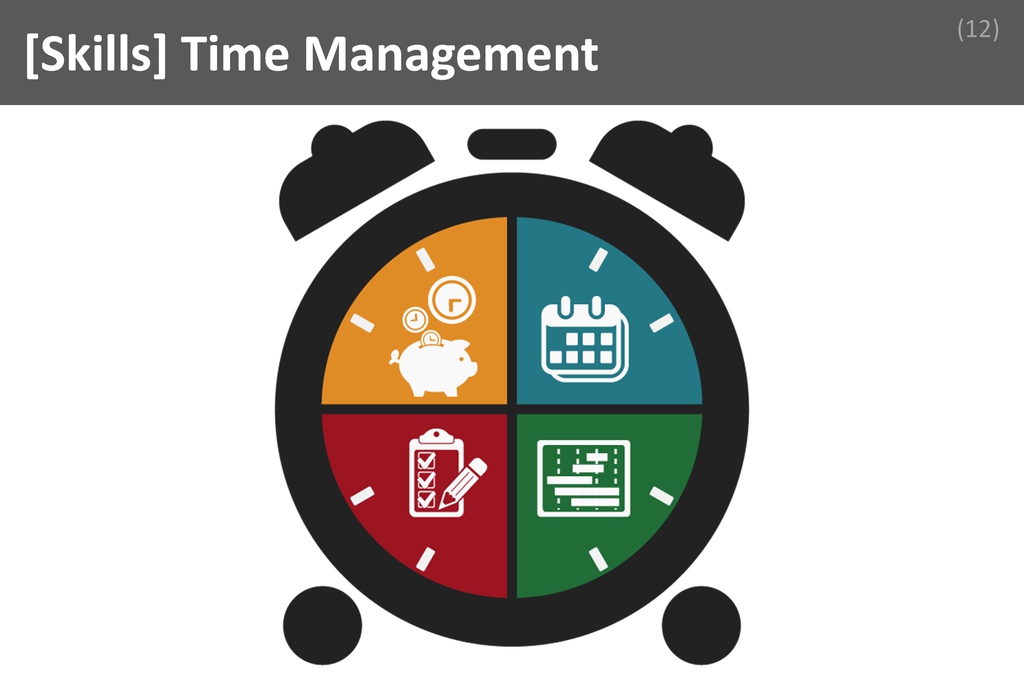
Time Management

### Time Management Image
What is
Time management is the deliberate process of organizing, planning, and allocating time to specific activities to maximize efficiency and productivity within a set timeframe. In equity research, this skill is crucial because professionals must balance multiple tasks, such as analyzing data, writing reports, and meeting client deadlines, often under tight schedules.

Concept
Effective time management directly enhances performance in equity research by enabling professionals to handle large volumes of information, prioritize urgent tasks, and deliver high-quality analysis within strict deadlines. Employers and clients value this skill because timely and accurate research can influence significant investment decisions and maintain a firm’s reputation for reliability. Cultivating time management involves setting clear priorities, breaking complex projects into manageable steps, and continuously assessing progress. Over time, professionals can refine their approach by learning from past experiences, adopting productivity tools, and seeking feedback from mentors or colleagues. This ongoing development ensures that equity research analysts remain adaptable and consistently meet the evolving demands of the financial industry.

Real World Example
Imagine an equity research analyst who is responsible for covering several companies, each releasing quarterly earnings reports within the same week. With limited time, the analyst must quickly review financial statements, update valuation models, and draft insightful reports for clients. By applying strong time management skills, the analyst creates a structured schedule, allocates specific time blocks for each company, and anticipates potential bottlenecks. This approach allows the analyst to deliver timely, accurate, and actionable insights to clients, even under intense pressure. As a result, the analyst not only meets all deadlines but also strengthens client trust and enhances the firm’s competitive edge in the market.

Investing Skills

### Investing Skills Image
What is
Investing skills refer to the ability to analyze financial markets, assess company fundamentals, interpret economic trends, and make informed decisions about buying, holding, or selling securities. In equity research, these skills enable professionals to generate actionable insights, forecast stock performance, and provide valuable recommendations to clients or stakeholders.

Concept
Investing skills are fundamental to excelling in equity research because they directly impact the quality and accuracy of investment recommendations. Employers and clients highly value professionals who can consistently identify undervalued stocks, anticipate market movements, and mitigate risks through sound analysis. These skills are developed through continuous learning, hands-on experience, and staying updated with market news, financial reports, and economic indicators. Over time, equity research professionals refine their investing skills by analyzing diverse industries, engaging in rigorous financial modeling, and learning from both successes and failures. This ongoing development not only enhances their credibility but also builds trust with clients who rely on their expertise to make critical investment decisions.

Real World Example
Imagine an equity research analyst tasked with evaluating a technology company facing volatile market conditions. By leveraging strong investing skills, the analyst thoroughly examines the company’s financial statements, assesses industry trends, and evaluates management’s strategic decisions. Despite negative market sentiment, the analyst identifies overlooked growth drivers and undervalued assets. Presenting a well-supported buy recommendation, the analyst helps clients capitalize on a rebound in the company’s stock price, ultimately outperforming market expectations. This scenario highlights how investing skills enable professionals to cut through noise, uncover hidden opportunities, and deliver value to clients, even in challenging environments.

Positives


Networking

### Networking Image
What is
Networking is the process of building and nurturing professional relationships with colleagues, industry experts, clients, and stakeholders to exchange information, insights, and opportunities. In equity research, networking fosters collaboration, enhances access to valuable data, and opens doors to new perspectives, making it an essential driver of professional growth and success.

Concept
The power of networking in equity research lies in its ability to connect professionals with a diverse array of industry participants, from company executives to institutional investors. These connections provide unique insights that are often unavailable through public channels, giving researchers a competitive edge in their analysis. Regular interactions with peers and industry leaders not only deepen market understanding but also create opportunities for mentorship, career advancement, and collaboration on high-impact projects. This constant exchange of ideas and information makes the work intellectually stimulating and dynamic, boosting job satisfaction and personal growth. For many, the relationships built through networking become a source of support, inspiration, and long-term professional development, enriching their daily experience in the field.

Real World Example
Imagine an equity research analyst attending an industry conference where they meet a portfolio manager from a leading investment firm. Through engaging conversation, the analyst gains fresh perspectives on market trends and uncovers subtle shifts in investor sentiment that are not yet reflected in public reports. Later, the analyst leverages this relationship to arrange a follow-up meeting, where they discuss sector-specific challenges and share proprietary research. This ongoing dialogue not only enhances the analyst’s understanding of the market but also leads to collaborative opportunities, such as co-hosting webinars or contributing to joint research publications. The analyst feels a deep sense of fulfillment, knowing that their network is both a source of knowledge and a catalyst for career advancement.

Financial Knowledge

### Financial Knowledge Image
What is
Financial knowledge is the comprehensive understanding of financial statements, markets, valuation techniques, and economic trends, enabling individuals to analyze and interpret data for informed decision-making. In equity research, this expertise empowers professionals to evaluate companies, forecast performance, and provide actionable investment insights, making it a cornerstone of the profession.

Concept
Possessing strong financial knowledge is a transformative advantage in equity research, as it allows professionals to decode complex financial information and uncover hidden value in companies. This expertise not only enhances analytical capabilities but also fosters confidence in making recommendations that can influence significant investment decisions. The daily application of financial knowledge brings a sense of accomplishment, as each analysis directly contributes to the success of clients and the firm. Furthermore, mastering financial concepts accelerates career growth, opening doors to leadership roles and specialized opportunities. The intellectual stimulation and continuous learning involved in applying financial knowledge make the work deeply satisfying, as professionals witness the tangible impact of their insights on real-world investment outcomes.

Real World Example
Imagine an equity research analyst tasked with evaluating a technology company ahead of its quarterly earnings release. Drawing on their financial knowledge, the analyst meticulously examines the company’s balance sheet, income statement, and cash flow trends, identifying subtle shifts in revenue streams and cost structures. By integrating this analysis with broader market trends, the analyst uncovers early signs of margin expansion that the market has yet to recognize. Presenting these findings to clients, the analyst not only helps them make informed investment decisions but also experiences the rewarding realization that their expertise has provided a competitive edge. This daily application of financial knowledge transforms routine analysis into a source of professional pride and fulfillment.

Stock

### Stock Image
What is
Stock, in the context of equity research, refers to ownership shares in companies that analysts study, evaluate, and recommend to investors. These shares represent a tangible stake in the businesses under coverage, aligning analysts’ interests with market performance. This connection fosters deeper engagement, accountability, and a sense of partnership with the companies analyzed.

Concept
The presence of stock as a central element in equity research transforms the profession into more than just a numbers game. Analysts are not only evaluating abstract financial data; they are assessing real ownership stakes that can directly influence wealth creation and investment success. This dynamic makes the work highly meaningful, as professionals see the direct impact of their insights on investment decisions and portfolio growth. The daily challenge of understanding what drives stock performance sharpens analytical skills and keeps the work intellectually stimulating. The sense of responsibility that comes with influencing stock recommendations also fosters professional growth and a deep sense of accomplishment, as analysts witness their research shaping real-world financial outcomes.

Real World Example
Imagine an equity research analyst who has spent months studying a promising technology company. After thorough analysis, she recommends the stock to her clients, explaining its growth potential and underlying strengths. As the company delivers strong quarterly results, the stock price rises significantly, validating her research and recommendations. Clients who acted on her advice see substantial portfolio gains and express their appreciation. This experience not only boosts her confidence but also reinforces the value of her expertise. The analyst feels a profound sense of fulfillment, knowing her work has contributed to real financial success, and is motivated to continue delivering high-quality research that makes a tangible difference in the investment world.

Challenges


Intelligence Gathering

### Intelligence Gathering Image
What is
Intelligence Gathering in Equity Research refers to the systematic process of collecting, verifying, and synthesizing relevant data and insights about companies, industries, and markets. This task is demanding because information is often fragmented, rapidly changing, and sometimes deliberately obscured, requiring analysts to be resourceful, persistent, and discerning in their pursuit of actionable intelligence.

Concept
The challenge of Intelligence Gathering significantly shapes the daily workflow of equity research professionals. Analysts must constantly sift through vast amounts of data, filter out noise, and identify credible sources, all while working under tight deadlines. This relentless demand can lead to information overload and decision fatigue, making resilience a crucial trait. Successful professionals develop robust networks, leverage technology, and cultivate critical thinking to validate information efficiently. They also learn to ask the right questions and maintain a healthy skepticism, which helps them avoid common pitfalls. By building strong relationships with industry contacts and staying adaptable, they manage to extract valuable insights even when information is scarce or ambiguous.

Real World Example
Consider an equity research analyst covering a niche technology sector where public disclosures are limited and competitive dynamics shift rapidly. Faced with sparse official data, the analyst taps into a network of suppliers, customers, and industry experts to piece together a clearer picture of a company’s performance. They supplement these conversations with alternative data sources, such as web traffic analytics and patent filings, to cross-verify claims. Through persistent outreach and careful triangulation of information, the analyst is able to identify early signs of a product launch that competitors and the broader market have overlooked. This proactive approach enables the analyst to provide clients with a differentiated, timely investment thesis, demonstrating mastery over the intelligence gathering challenge.

Externalities

### Externalities Image
What is
Externalities in Equity Research refer to unforeseen events or influences—such as regulatory changes, geopolitical tensions, or macroeconomic shocks—that impact a company’s performance but lie outside its direct control. These factors complicate analysis, making it difficult to forecast earnings and valuations with precision, thus demanding heightened vigilance and adaptability.

Concept
The unpredictable nature of externalities can disrupt even the most thorough financial models, forcing equity research professionals to constantly reassess their assumptions and recommendations. This challenge requires resilience, as analysts must quickly adapt to new information and maintain objectivity despite market volatility. Successful professionals develop robust frameworks for scenario analysis and stress testing, allowing them to anticipate a range of possible outcomes. They also cultivate strong networks to access timely information and maintain open communication with company management and industry experts. By staying informed and flexible, they can adjust their investment theses as external factors evolve, ensuring their research remains relevant and actionable despite the inherent uncertainty.

Real World Example
Consider an equity research analyst covering the automotive sector during a sudden escalation in global trade tensions, resulting in unexpected tariffs on imported components. Rather than relying solely on historical data, the analyst proactively engages with supply chain experts and company executives to understand the direct and indirect effects on production costs and profit margins. By incorporating scenario analysis that accounts for various tariff outcomes, the analyst provides clients with nuanced insights into potential risks and opportunities. This approach not only demonstrates adaptability but also builds credibility, as clients appreciate the analyst’s ability to navigate external shocks and deliver actionable recommendations in a rapidly changing environment.

Reputation Risk

### Reputation Risk Image
What is
Reputation risk in Equity Research refers to the potential damage to a professional’s credibility and trustworthiness resulting from inaccurate analysis, flawed recommendations, or ethical missteps. This risk is particularly demanding because the industry relies heavily on analysts’ reputations, and even a single error can undermine years of diligent work and client trust.

Concept
Reputation risk permeates every aspect of an equity research analyst’s daily responsibilities, from conducting due diligence to publishing reports and interacting with clients. The constant pressure to deliver precise, unbiased insights can be mentally taxing, requiring analysts to maintain unwavering attention to detail and ethical standards. Mistakes or perceived conflicts of interest can quickly erode client confidence and professional standing. Successful professionals manage this risk by cultivating rigorous research methodologies, maintaining transparent communication, and adhering strictly to compliance guidelines. They also build resilience by learning from setbacks, seeking feedback, and fostering strong relationships with colleagues and clients. This proactive approach not only safeguards their reputation but also enhances their long-term credibility and influence in the industry.

Real World Example
Consider an equity research analyst who issues a bold buy recommendation on a mid-cap technology stock. Shortly after, the company faces unexpected regulatory scrutiny, causing the stock price to plummet. Rather than deflecting blame or remaining silent, the analyst promptly issues a follow-up report, transparently outlining the new developments, reassessing the investment thesis, and communicating openly with clients about the changed outlook. By demonstrating accountability, updating their analysis based on new information, and maintaining open lines of communication, the analyst preserves client trust and reinforces their reputation for integrity. This approach not only mitigates immediate reputation risk but also strengthens their professional standing for future engagements.

Specialist Progression

### Specialist Progression Image
What is
Specialist Progression in Equity Research refers to the challenge professionals face when advancing their careers within a narrow sector or coverage area. This progression is demanding because expertise in a specific industry can limit broader opportunities, making it difficult to transition roles or gain recognition beyond one’s specialized domain.

Concept
The difficulty of Specialist Progression often manifests in the daily work of equity research professionals through repetitive coverage of the same companies or sectors, which can lead to stagnation and a sense of limited growth. This environment requires resilience, as professionals must continually find ways to add value and stay motivated despite the narrow focus. Successful individuals manage this constraint by proactively seeking cross-sector projects, building relationships with colleagues in other teams, and developing transferable analytical skills. They also invest in ongoing education and industry networking, which helps them remain adaptable and visible within the broader organization. By embracing these strategies, they transform the limitations of specialization into opportunities for deeper expertise and influence.

Real World Example
Consider an equity research analyst who has spent several years covering the telecommunications sector. Recognizing the risk of being pigeonholed, she volunteers to collaborate on reports involving technology convergence, working closely with the technology sector team. Through this initiative, she not only broadens her knowledge base but also demonstrates her versatility to management. Over time, her reputation grows as someone who can bridge insights across sectors, leading to invitations to participate in high-profile cross-sector projects. This proactive approach allows her to overcome the constraints of Specialist Progression, positioning her for advancement and greater recognition within the firm, while maintaining her core expertise.

A Day Of


Equity Research

What is
In the world of equity research, the day begins before the sun rises and rarely ends when the markets close. It’s a high-stakes environment where information moves at lightning speed, and every minute can mean the difference between a breakthrough insight and a missed opportunity. The pace is relentless, fueled by a constant flow of data, earnings reports, and breaking news. For an equity research professional, each day is a dynamic blend of analysis, communication, and strategic thinking, all unfolding in the fast-moving theater of global finance.

Concept
As dawn breaks, the equity research professional is already at their desk, scanning overnight news, global market movements, and fresh analyst reports. The early hours are dedicated to digesting updates from international markets, reviewing company press releases, and recalibrating financial models in response to late-breaking developments. This is a crucial window for synthesizing information and preparing concise morning notes that will guide clients and colleagues as the trading day begins.

Real World Example
With the opening bell, the intensity ramps up. The core of the morning is spent conducting in-depth analysis on assigned companies or sectors, scrutinizing earnings calls, and updating valuation models. This is when the equity research professional crafts actionable investment ideas, distilling complex data into clear, persuasive arguments. Interactions with sales teams, portfolio managers, and sometimes even company management are frequent, as insights are shared and debated in real time to inform trading decisions.

The afternoon brings a shift toward collaboration and execution. Meetings with internal teams and external clients dominate this phase, as research findings are presented and discussed. The professional may participate in conference calls, client briefings, or strategy sessions, translating their research into recommendations that drive investment decisions. There’s also a focus on responding to client queries, refining reports, and ensuring that all analysis is both timely and relevant in a rapidly evolving market landscape.

As the trading day winds down, attention turns to wrapping up outstanding tasks and setting the stage for tomorrow. The equity research professional reviews the day’s market movements, updates research notes, and addresses any lingering client requests. Administrative duties, such as compliance checks and documentation, are handled with care. Finally, the evening is spent planning for the next day—identifying key events, scheduling meetings, and outlining research priorities—ensuring that when the sun rises again, they are ready to hit the ground running.


Install the LifePage App to:


  1. (for Free) Watch Equity Research Analyst Veena Krishna’s full Equity Research Career Talk

  2. ₹ Do a Self Assessment on Equity Research to calculate your Dream Index, which is defined as:

    According to Veena Krishna your chances of success in Equity Research is __%

  3. Access your personalized Dream Index Report which will have all your Dream Indices sorted in descending order.

Career Counselling 2.0


<?php echo $altimage; ?>


<?php echo $altimage; ?>


How to get into

Equity Research?


If you are want to get into Equity Research, start by investing in a Career Plan.

The 14 hour process, guided by a LifePage Career Advisor, will help you introspect and check whether your interest in Equity Research is merely an infatuation or is it truly something you wish to do for the rest of your life.

Next, your Career Advisor will help you document how you can get into Equity Research, what education and skills you need to succeed in Equity Research, and what positives and challenges you will face in Equity Research.

Finally, you will get a Career Plan stating which Courses, Certifications, Trainings and other Items you need to do in the next 7 years to become world’s best in Equity Research.


LifePage Career Plan

14 hour personalized guidance program


Your LifePage Career Advisor facilitates your guided introspection so that you systematically explore various Career options to arrive at a well thought out Career choice.

Next: your Advisor helps you figure out how you will get into your chosen Career and how will you develop the skills needed for success in your Chosen Career.

LifePage Plan will not stop at saying "to become an Architect study Architecture". It will guide you on which Certifications, Trainings and Other items you need to do along with your Architecture education to become the world's best Architect.


Links for this Talk


Equity Research Analyst Veena Krishna's LifePage:


Career Counselling 2.0
[LifePage]
https://www.lifepage.in/page/veenakrishna


LifePage Career Talk on Equity Research


Career Counselling 2.0
[Career]
https://www.lifepage.in/careers/equity-research


Career Counselling 2.0
[Full Talk]
https://lifepage.app.link/20161222-0001


Career Counselling 2.0
[Trailer]
https://www.youtube.com/watch?v=9sAWJlesJJ0


(Equity Research, Veena Krishna, Quest Securities, Financial Research, Financial Modeling, Capital Markets, Economic Analysis, Financial Statement Analysis)


Similar Talks



Career in Financial Management
Financial Management
Kapil Rawat
Financial Mgmt Associate | Citibank - New York, London, Dublin & Delhi
[ 1 year & 6 months Experience ]

Financial Management means planning, organizing, directing and controlling the financial activities such as procurement and utilization of funds of the enterprise.

"I did MBA from IESE Business School, Barcelona. After MBA I joined Citibank’s Financial Management Associate program in New York."


Career Counselling 2.0 Career Counselling 2.0 Career Counselling 2.0 Career Counselling 2.0 Career Counselling 2.0


Career in Financial Trading
Financial Trading
Mar Michelle Häusler
Credit Flow Trader | JP Morgan, UBS
[ 6 years Experience ]

Financial Trading is buying and selling of financial instruments such as stocks, bonds, commodities, derivatives, and mutual funds.

"I am a graduate in Economics from University of Bath, UK. I worked for JP Morgan & UBS as a Financial Trader for a couple of years before taking freelancing work. Currently, I handle independent financial assignments for various clients."


Career Counselling 2.0 Career Counselling 2.0 Career Counselling 2.0 Career Counselling 2.0 Career Counselling 2.0


Career in Internal Audit
Internal Audit
Harshit Gupta
Internal Auditor | Ernst & Young New Delhi
[ 3 years & 9 months Experience ]

Internal auditing is an Internal Operation where one assists the management in finding flaws, controls and ways to perform more efficiently. The word Audit means to check and therefore, Internal Auditing is the performing of that function of checking in an Organization.

"I am a Chartered Accountant. I did my schooling from St Josephs Academy, Dehradun. I then studied Commerce at and graduated from Delhi University. I completed studying Chartered Accountancy in 2013. I then, did a few internships. Thereafter, I started working at Ernst & Young at Delhi office as a Consultant in Internal Auditing."


Career Counselling 2.0 Career Counselling 2.0 Career Counselling 2.0 Career Counselling 2.0 Career Counselling 2.0


Career in Stock Broking
Stock Broking
Peter Dixon
Stock Broker | Painter Smith & Amberg
[ 9 years Experience ]

Stockbroking is buying and selling of Financial Securities such as stocks shares and bonds through the stock market by a dealer (stockbroker) who acts as an agent on behalf of clients wishing to buy or sell securities.

"I did my graduation in finance from California State University, San Bernardino. I worked at a bank called Wells Fargo as a teller during my graduation.I moved on to become a stock broker at Wells Fargo after obtaining my License from the State of California. I also worked at Painter Smith & Amberg as a Stock Broker."


Career Counselling 2.0 Career Counselling 2.0 Career Counselling 2.0 Career Counselling 2.0 Career Counselling 2.0


Career in Asset Sales
Asset Sales
Arjun Lal
Sales Manager | ICICI Bank, Goa
[ 8 years & 4 months Experience ]

Assets are related to loans and in asset sales, an individual is required to sell loans. The Loan Portfolio includes home loans, car loans, personal loans, credit cards, loans against property and gold loans. An asset manager needs to understand the customers asset requirements before offering them a particular loan.

"After completing my B Sc in Physical Education, I did my M B A from The National Institute of Management, Kolkata. I then got selected for ICICI Bank as an Asset Sales Manager and then persued my M A in Education from Azim Premji University."


Career Counselling 2.0 Career Counselling 2.0 Career Counselling 2.0 Career Counselling 2.0 Career Counselling 2.0


Career in Financial Management
Financial Management
Mar Michelle Häusler
Team Co-ordinator | The Awaken Love movement
[ 3 years Experience ]

Financial management refers to the efficient and effective management of money in such a manner as to accomplish the objectives of the organization.

"I am a graduate in Economics from University of Bath, UK. I then worked at JP Morgan & UBS as Financial Trader for some time. I was dissatisfied with the system and the way things worked. I then embarked on to my spiritual journey and enrolled myself in Schumacher College, UK for MA in Economics for Transition where one learns from ecology, outdoors and economics in a holistic way. I work as a Team Co-ordinator at Awaken Love and also handle independent financial assignments for various clients."


Career Counselling 2.0 Career Counselling 2.0 Career Counselling 2.0 Career Counselling 2.0 Career Counselling 2.0


Career in Financial Marketing
Financial Marketing
Sahil Midha
Sales Manager | Kognitive Marketing, Canada
[ 2 years Experience ]

A financial market is a market in which people trade financial securities, commodities, and value at low transaction costs and at prices that reflect supply and demand. Securities include stocks and bonds, and commodities include precious metals or agricultural products.

"I have done B Tech and M Tech in Mechanical Engineering and then worked as an Assistant Engineer in Power Plant Industry for 4 years. I am working as a Sales Manager at Kognitive Marketing in Canada."


Career Counselling 2.0 Career Counselling 2.0 Career Counselling 2.0 Career Counselling 2.0 Career Counselling 2.0


Career in Treasury Management
Treasury Management
Vibhash Joshi
Assistant Vice President | General Electric
[ 3 years Experience ]

Treasury Management is the process of administering to the financial assets and holdings of a business. The goal of most treasury management departments is to optimize their company's liquidity, make sound financial investments for the future with any excess cash, and reduce or enter into hedges against its financial risks.

"After completing an MBA degree in Finance from MDI, Gurgaon, I joined General Electric in the Treasury department. I am currently serving as Assistant Vice President for GE."


Career Counselling 2.0 Career Counselling 2.0 Career Counselling 2.0 Career Counselling 2.0 Career Counselling 2.0


Career in Internal Audit
Internal Audit
Naman Jain
Analyst | KPMG
[ 3 years & 3 months Experience ]

Internal auditing is an independent, objective assurance and consulting activity designed to add value and improve an organization's operations. It helps an organization to accomplish its objectives by systematic, disciplined approach to evaluate and improve the effectiveness of risk management and governance processes. Professionals called internal auditors are employed by organizations to perform the internal auditing activity.

"After doing my schooling from St Norbert School Indore, I did my BBA from Symbiosis Centre for Management Studies, Pune. After that, I worked as a Graphic Designer and Content writer with Cara Cafe and Green Apple Advertisement, Pune. I am working as an Analyst with KPMG taking care of the Internal Audits of the company."


Career Counselling 2.0 Career Counselling 2.0 Career Counselling 2.0 Career Counselling 2.0 Career Counselling 2.0


Career in Financial Planning
Financial Planning
Saral Agarwal
Founder | Saral Enterprise
[ 5 years & 2 months Experience ]

Financial Planning is the process of estimating the capital required and determining its competition. It is the process of framing financial policies in relation to procurement, investment and administration of funds of an enterprise.

"After completing my certifications in Finance, I worked with Anand Rathi Securities as a relationship Manager for 1 year. In 2016, I started my own company with the name of Saral Enterprises where I work as an Independent Financial Advisor."


Career Counselling 2.0 Career Counselling 2.0 Career Counselling 2.0 Career Counselling 2.0 Career Counselling 2.0


Career in Investment Management
Investment Management
Anant Ramola
Director | Arthaprise Financial Advisors Pvt Ltd
[ 7 years & 8 months Experience ]

Investment management is the professional asset management of various securities (shares, bonds, and other securities) and other assets (e.g. real estate) in order to meet specified investment goals for the benefit of the investors. An Investment Manager ia an advisor to a client with one overriding goal: to substantially grow the client's portfolio. Investment Managers conduct interviews, research, and statistical analyses of companies, markets, and trends to determine what investments to make or avoid on behalf of their clients.

"After completing my MBA, I worked as a Relationship Manager at ING Vysya for 2.5 years. After that, I worked as Senior Manager at DBS Cholamandalam for a year. Then I worked as Assistant Vice President at Almondz Global for over 4 years. After that, I had a brief stint as a Chief Manager at Kotak Mahindra Bank for a year. Post that, I worked at Ameriprise Financial Services Private Limited as Assistant Vice President for 7 years. In 2018, I started my own venture called Arthaprise Financial Advisors and I am the Co-Founder and Director there."


Career Counselling 2.0 Career Counselling 2.0 Career Counselling 2.0 Career Counselling 2.0 Career Counselling 2.0


Career in Value Investing
Value Investing
Shaleen Seth
Vice President Research & Analytics | Seers Group
[ 5 years & 6 months Experience ]

Value investing is an investment paradigm that involves buying securities that appear underpriced by some form of fundamental analysis.

"After my graduation, I joined my father's business of Value Investing and while working in Value Investing, I did International Business Organization and M Com from IGNOO University. After that, I Started a Portfolio Management Company with the name of Seers Fund Management and I am the Vice President Research & Analytics."


Career Counselling 2.0 Career Counselling 2.0 Career Counselling 2.0 Career Counselling 2.0 Career Counselling 2.0


Career in Wealth Management
Wealth Management
Achin Jain
Co-founder | Client Alley
[ 16 years Experience ]

Wealth management is a consultative process whereby the advisor gleans information about the client's wants and tailors a bespoke strategy utilizing appropriate financial products and services.

"I did BE Honours from College of Engineering Roorkee and MBA from Pune University. After my education, I started working with various banks and in 2014, I started my own Wealth Management Company with my friend in the name of Client Alley."


Career Counselling 2.0 Career Counselling 2.0 Career Counselling 2.0 Career Counselling 2.0 Career Counselling 2.0


Career in Wealth Management
Wealth Management
Dhananjay Kumar
Director | Arthaprise Financial
[ 15 years & 2 months Experience ]

Wealth management is an investment advisory service that combines other financial services to address the needs of affluent clients. It is a consultative process whereby the advisor gleans information about the client's wants and tailors a bespoke strategy utilizing appropriate financial products and services.

"After completing my graduation, I did wealth management certification from CIEL. I had worked for 15 years with various financial planning and wealth management companies such as Deutsche Bank, Aditya Birla Management etc. I have started my own company for the same in 2018 by the name of Arthaprise Financial."


Career Counselling 2.0 Career Counselling 2.0 Career Counselling 2.0 Career Counselling 2.0 Career Counselling 2.0


Career in Financial Control
Financial Control
Hang Mai
Management Controller | Servier
[ 5 years Experience ]

A financial controller is responsible for ensuring that all accounting allocations are appropriately made and documented. In smaller companies, the controller may also perform cash management functions and oversee accounts payable, accounts receivable, cash disbursements, payroll and bank reconciliation functions.

"I finished my schooling from Vietnam after which I went to frnace from where I did my Graduation in Biology and Masters in Business Management.I started my career with Ernst & Youngas Auditor. I worked with one more for 1 year as Counselor.Currently I am working SERVIER as a Financial Controller."


Career Counselling 2.0 Career Counselling 2.0 Career Counselling 2.0 Career Counselling 2.0 Career Counselling 2.0


[Install the LifePage App to access all Talks]


<?php echo $altimage; ?>


<?php echo $altimage; ?>


&mbsp;


Career Counselling 2.0 | Home   Home  
Career Counselling 2.0 | Abroad   Abroad  
Career Counselling 2.0 | Plan   Plan  
Career Counselling 2.0 | Talks   Talks  
Career Counselling 2.0 | Philosophy   Philosophy  
Career Counselling 2.0 | Seminar   Seminar  
Career Counselling 2.0 | Workshop   Workshop  
Career Counselling 2.0 | Pages   Pages  
Career Counselling 2.0 | Advisors   Advisors  
Career Counselling 2.0 | Discuss   Discuss  
Career Counselling 2.0 | Meet   Meet  
Career Counselling 2.0 | Advisor   Advisor  
Career Counselling 2.0 | Story   Story  
Career Counselling 2.0 | Fine Print   Fine Print  
Career Counselling 2.0 | Links   Links  
Career Counselling 2.0 | Blog   Blog  
Career Counselling 2.0 | Testimonials   Testimonials  
Career Counselling 2.0 | Follow   Follow  
 
[ Site Visits ]


Career Counselling 2.0