The Journey of Financial Trading
What Is Financial Trading
Financial Trading
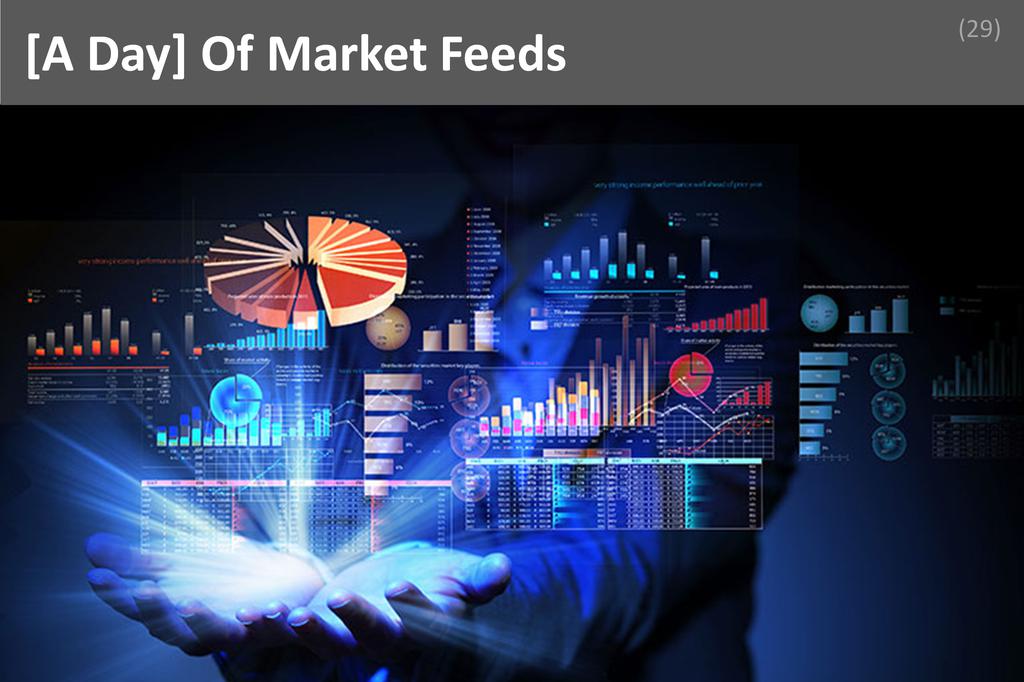
Financial trading is the buying and selling of financial instruments such as stocks, bonds, currencies, or derivatives with the aim of generating profit. Traders analyze market trends, economic data, and company performance to make informed decisions, often using sophisticated technology and strategies to capitalize on price movements in financial markets.
Financial trading plays a crucial role in the global economy by providing liquidity, enabling price discovery, and facilitating capital allocation. For professionals in this field, trading offers the opportunity to work in a fast-paced, intellectually stimulating environment where analytical skills and quick decision-making are highly valued. One major benefit is the potential for significant financial rewards, as successful traders can earn substantial profits through their expertise. Another advantage is the constant learning and adaptation required, which keeps the work dynamic and engaging. Additionally, financial trading offers diverse career paths, from proprietary trading desks to investment banks and hedge funds, allowing professionals to specialize in areas that match their interests and strengths.
A professional financial trader working at an investment bank might start their day by analyzing overnight market movements and reviewing economic news releases. They use advanced trading platforms to monitor price fluctuations in equities and derivatives, identifying opportunities based on technical analysis and market sentiment. When a central bank announces a policy change, the trader quickly assesses its impact on currency and bond markets, executing trades to capitalize on anticipated price shifts. Throughout the day, they manage risk by adjusting positions and using stop-loss orders, ensuring that potential losses are minimized. By the end of the trading session, the trader reviews performance, learns from the outcomes, and prepares strategies for the next day, demonstrating the dynamic and analytical nature of financial trading.
Education
Mathematics

Mathematics is the study of numbers, quantities, structures, and patterns, using logical reasoning and systematic methods to solve problems. In financial trading, mathematics underpins the analysis of market data, risk assessment, and the development of trading strategies, making it an essential academic and professional discipline for success in the field.
A strong grasp of mathematics is indispensable for anyone pursuing a career in financial trading. The subject provides the analytical tools necessary to interpret complex market data, model financial instruments, and quantify risk. Mathematical concepts such as probability, statistics, calculus, and algebra enable traders to make informed decisions, optimize portfolios, and anticipate market movements. Mastery of mathematics also supports the development and backtesting of algorithmic trading strategies, which are increasingly prevalent in modern markets. Over the long term, proficiency in mathematics enhances problem-solving abilities, fosters logical thinking, and equips professionals to adapt to evolving financial technologies and methodologies, ensuring sustained career growth and resilience in a competitive industry.
Consider a financial trader who is analyzing the potential return and risk of a new investment opportunity. By applying statistical methods, the trader calculates the expected value and standard deviation of returns based on historical price data. Using probability theory, they assess the likelihood of various market scenarios and employ calculus to optimize the timing of trades for maximum profit. This mathematical analysis allows the trader to construct a diversified portfolio that balances risk and reward according to their investment objectives. Throughout the trading day, the trader continuously applies mathematical reasoning to interpret real-time data, adjust positions, and manage exposure, demonstrating how theoretical knowledge of mathematics directly informs practical decision-making in the fast-paced world of financial trading.
Economics
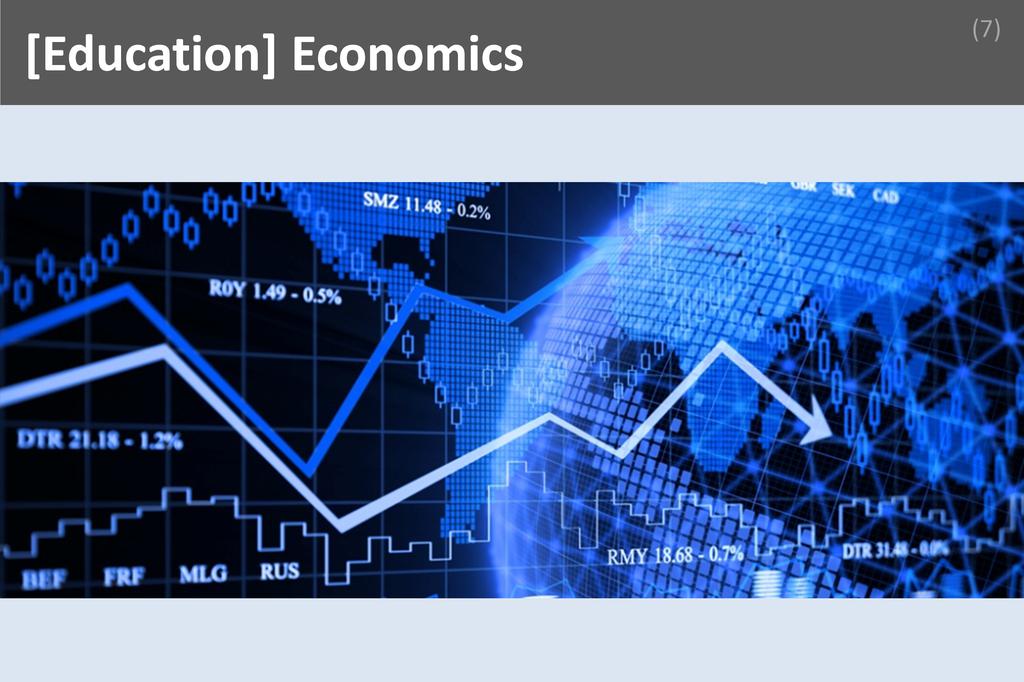
Economics is the study of how individuals, businesses, and governments allocate scarce resources to satisfy unlimited wants. It examines decision-making processes, market dynamics, and the impact of policies on wealth and welfare. For financial traders, economics provides essential insights into market behavior, risk assessment, and the broader financial environment.
A solid grasp of economics is indispensable for anyone entering or advancing in financial trading. Understanding economic principles enables traders to interpret market signals, anticipate shifts in supply and demand, and evaluate the potential impact of macroeconomic events on asset prices. This foundational knowledge helps professionals make informed decisions, manage risk effectively, and develop robust trading strategies. Over the long term, expertise in economics fosters adaptability, allowing traders to respond to evolving market conditions and regulatory changes. It also enhances credibility with clients and colleagues, supporting career progression and opening doors to advanced roles within the financial sector. Ultimately, economics equips traders with the analytical tools needed to navigate complex markets and sustain long-term success.
Consider a financial trader monitoring the release of a central bank’s interest rate decision. Drawing on their understanding of economics, the trader anticipates that a rate hike could strengthen the national currency and impact equity markets. By analyzing economic indicators such as inflation, employment data, and GDP growth, the trader predicts how different asset classes might react. This theoretical knowledge allows the trader to adjust their portfolio in real time, hedging against potential losses and capitalizing on emerging opportunities. Their ability to interpret economic data and policy decisions directly influences their trading outcomes, demonstrating how economics is applied daily to manage risk and maximize returns in a dynamic financial environment.
Current Affairs

Current Affairs refers to the ongoing events, developments, and issues happening locally, nationally, and globally across political, economic, social, and environmental spheres. In Financial Trading, understanding Current Affairs is essential because market movements are often influenced by these events. It forms a critical component of both academic study and professional expertise.
A deep understanding of Current Affairs is vital for anyone in Financial Trading because markets react swiftly to news and global events. Traders must interpret how political decisions, economic reports, or international conflicts can impact asset prices, currencies, and commodities. This knowledge forms the foundation for making informed trading decisions, managing risk, and identifying opportunities. Over time, consistently tracking and analyzing Current Affairs sharpens analytical skills and enhances the ability to anticipate market trends. For professionals, this expertise translates into better performance, increased credibility, and long-term career advancement, as employers and clients value those who can connect global events to financial outcomes.
Consider a financial trader who starts their day by reviewing overnight news about a sudden change in monetary policy by a major central bank. Drawing on their understanding of Current Affairs, the trader anticipates that this policy shift will cause significant volatility in currency markets. They quickly adjust their trading positions, hedge against potential losses, and capitalize on emerging opportunities. Throughout the day, the trader continues to monitor news feeds, economic data releases, and geopolitical developments, using this information to make real-time decisions. This practical application of Current Affairs knowledge enables the trader to navigate uncertainty, minimize risks, and maximize returns in a fast-paced environment.
Marketing

Marketing is the strategic process of identifying, anticipating, and satisfying customer needs through the creation, communication, and delivery of value. It encompasses market research, product development, promotion, and sales. In financial trading, marketing knowledge bridges the gap between financial products and the clients or markets they serve, making it essential academically and professionally.
Understanding marketing is crucial for anyone in financial trading because it enables professionals to interpret market sentiment, recognize emerging trends, and effectively position financial products. Marketing principles help traders analyze how news, advertising, and public perception influence asset prices and trading volumes. This foundational knowledge supports more informed decision-making, risk assessment, and client communication. Over the long term, mastering marketing concepts enhances a trader’s ability to anticipate market movements, develop persuasive pitches for investment products, and build lasting relationships with clients and stakeholders. It also fosters adaptability, as traders must continuously respond to evolving market dynamics shaped by marketing campaigns, consumer behavior, and global economic shifts.
Consider a financial trader working at an investment firm who notices a surge in social media discussions about a new technology company preparing for its initial public offering (IPO). Drawing on their marketing knowledge, the trader analyzes the company’s promotional strategies, media coverage, and public engagement to gauge investor sentiment and potential demand for the IPO. This insight allows the trader to anticipate heightened trading activity and price volatility on the IPO launch day. By understanding how marketing efforts shape public perception and drive market interest, the trader can make more strategic decisions, such as adjusting portfolio allocations or advising clients on timing their trades, ultimately leveraging marketing theory to achieve better trading outcomes.
Financial Instruments
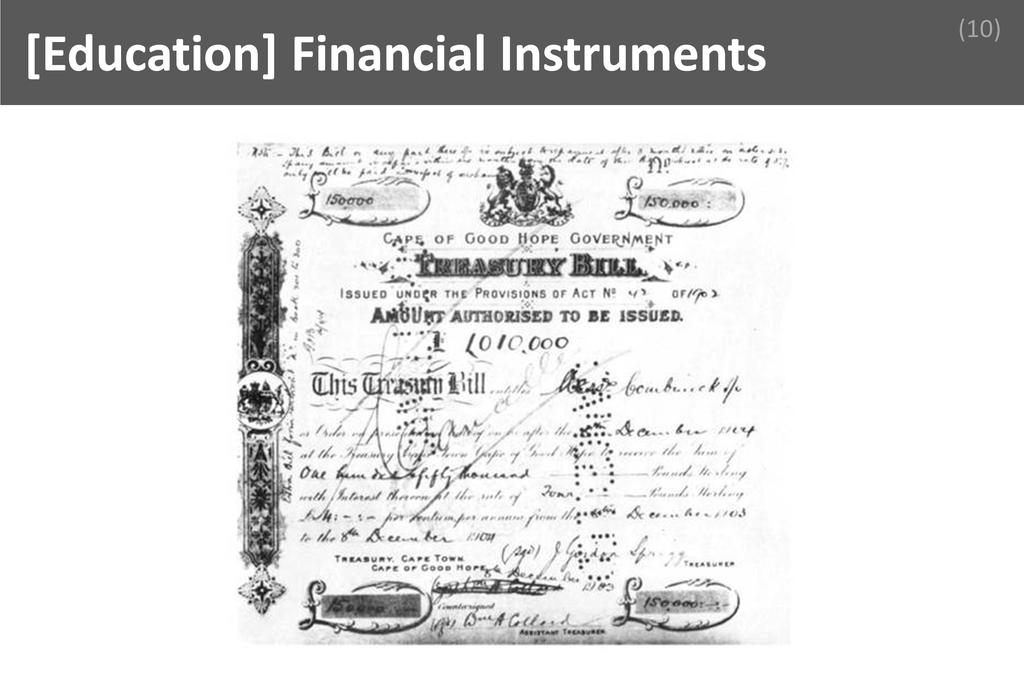
Financial instruments are contracts that represent a monetary value and can be traded, created, or modified. They include assets such as stocks, bonds, derivatives, and currencies. In financial trading, understanding these instruments is essential, as they form the basis of transactions, risk management, and investment strategies in both academic and professional contexts.
A deep understanding of financial instruments is crucial for anyone entering or advancing in financial trading. Mastery of this subject provides the analytical framework needed to evaluate market opportunities, assess risks, and construct diversified portfolios. Professionals who comprehend the nuances of various instruments can navigate complex markets with greater confidence, making informed decisions that align with client objectives or institutional goals. Over time, this expertise not only enhances job performance but also opens doors to advanced roles, such as portfolio management, risk analysis, and product development. The ability to interpret and utilize financial instruments is a distinguishing factor that sets successful traders and analysts apart in a highly competitive industry.
Consider a trader working at an investment bank who is tasked with managing a client’s exposure to currency risk. By leveraging their knowledge of financial instruments, the trader identifies that currency futures and options can be used to hedge against potential losses from unfavorable exchange rate movements. During daily operations, the trader analyzes market data, evaluates the pricing and liquidity of different derivatives, and executes trades that align with the client’s risk tolerance and financial objectives. This practical application of theoretical knowledge ensures the client’s portfolio remains protected, while also demonstrating the trader’s expertise in selecting and utilizing the most appropriate financial instruments for specific market scenarios.
Skills
Connected with Market
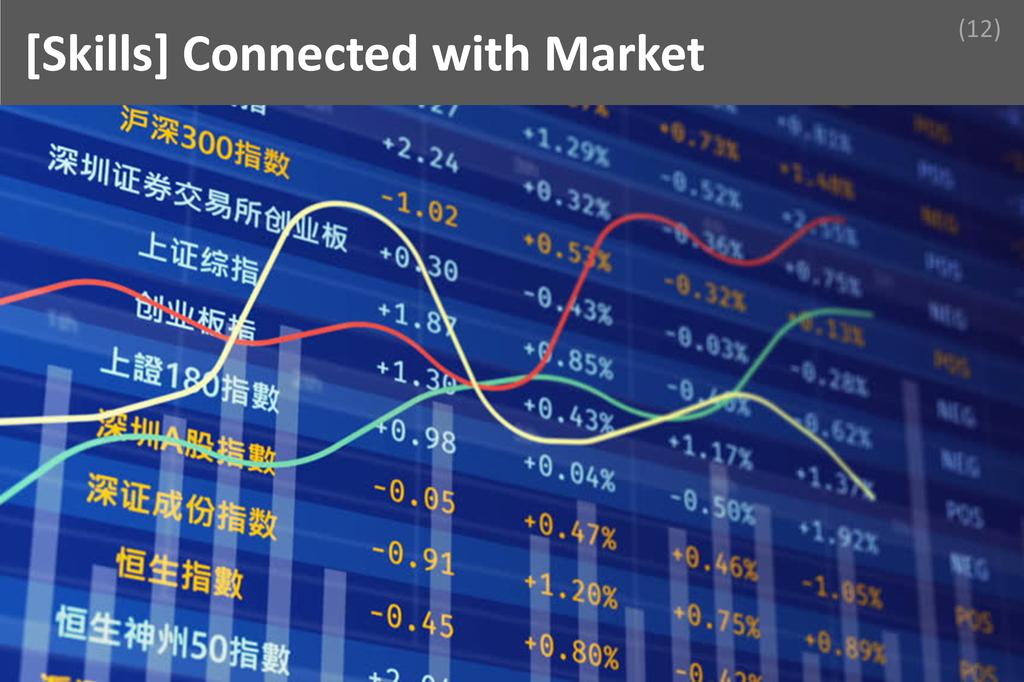
"Connected with Market" refers to a professional’s ability to stay continuously informed about market trends, news, and shifts, while understanding the underlying factors that drive price movements and investor sentiment. This skill enables traders to anticipate changes, adapt strategies swiftly, and make informed decisions in a rapidly evolving financial landscape.
Being connected with the market directly enhances a trader’s performance by enabling timely reactions to emerging opportunities and risks. Clients and employers highly value this skill because it demonstrates proactive awareness and the ability to protect and grow assets in volatile conditions. Cultivating this skill involves regularly analyzing financial news, economic data, and market reports, as well as engaging with industry networks and leveraging advanced analytical tools. Over time, consistent practice and exposure to diverse market scenarios deepen intuition and sharpen judgment, making the professional more adept at navigating uncertainty and capitalizing on market movements.
Imagine a financial trader who notices an unexpected surge in oil prices due to geopolitical tensions. By being deeply connected with the market, the trader quickly interprets the news, assesses its potential impact on related sectors, and adjusts portfolio positions before the broader market reacts. This proactive approach not only mitigates potential losses in vulnerable assets but also captures gains in sectors likely to benefit from the price movement. The trader’s ability to synthesize real-time information and act decisively demonstrates the critical importance of staying connected with the market, ultimately delivering superior results for clients and reinforcing trust in their expertise.
Interpersonal Skills

Interpersonal skills refer to the ability to communicate, collaborate, and build relationships effectively with others, encompassing empathy, active listening, and conflict resolution. In financial trading, these skills are crucial for fostering trust, negotiating deals, and navigating high-pressure environments where teamwork and clear communication directly impact decision-making and performance.
Interpersonal skills directly enhance a financial trader’s performance by enabling smoother collaboration with colleagues, clients, and stakeholders. These skills help traders interpret market sentiment, negotiate favorable terms, and resolve conflicts swiftly, all of which are vital in a fast-paced trading environment. Employers and clients highly value professionals who can build rapport, as trust and clear communication often lead to better deals and long-term partnerships. Cultivating interpersonal skills involves conscious effort, including seeking feedback, practicing empathy, and engaging in regular, open communication. Over time, participating in team projects, attending networking events, and learning from mentors can further refine these abilities, making a trader more adaptable and effective in dynamic market conditions.
Imagine a financial trader facing a sudden market downturn that causes panic among clients and uncertainty within the trading team. By leveraging strong interpersonal skills, the trader communicates calmly and transparently with clients, explaining the situation and outlining a clear action plan. Simultaneously, the trader collaborates with colleagues to share insights and coordinate strategies, ensuring everyone is aligned and focused. This approach not only reassures clients, preserving their trust, but also fosters a sense of unity and purpose within the team. As a result, the trader helps navigate the crisis more effectively, minimizing losses and strengthening professional relationships that are essential for future success.
Logical Thinking

Logical Thinking is the ability to analyze information objectively, identify patterns, draw reasoned conclusions, and solve problems systematically. In financial trading, this skill enables professionals to assess market data, evaluate risks, and make sound decisions under pressure. It forms the backbone of effective strategy development and risk management.
Logical Thinking directly enhances a financial trader’s performance by enabling clear analysis of complex market trends and rapid identification of profitable opportunities. Clients and employers highly value this skill because it leads to consistent, rational decision-making, reducing the likelihood of costly errors driven by emotion or speculation. To cultivate Logical Thinking, traders should engage in regular practice with analytical exercises, seek feedback from mentors, and reflect on past decisions to identify logical strengths and weaknesses. Over time, exposure to diverse trading scenarios and continuous learning help refine this skill, making it an indispensable asset for career advancement in the fast-paced world of financial trading.
Imagine a financial trader faced with a sudden, sharp decline in a particular stock’s price. Instead of reacting impulsively, the trader applies Logical Thinking by systematically reviewing recent news, analyzing trading volumes, and comparing historical data. Through this process, the trader identifies that the drop is due to a temporary external event rather than a fundamental issue with the company. Relying on logical analysis rather than panic, the trader decides to hold the position or even buy more shares at the lower price, ultimately benefiting from the stock’s recovery. This scenario illustrates how Logical Thinking enables traders to navigate uncertainty, avoid costly mistakes, and capitalize on opportunities that less disciplined competitors might miss.
Handling Pressure

Handling Pressure is the ability to remain calm, focused, and effective when faced with high-stakes situations, tight deadlines, or unexpected challenges. In financial trading, this skill is crucial because markets are volatile and decisions must be made quickly, often under intense scrutiny and with significant financial consequences.
Mastering the ability to handle pressure directly enhances a trader’s performance by enabling clear thinking and sound judgment during market turbulence. Clients and employers highly value this skill because it ensures reliability and resilience, even when stakes are high and outcomes are uncertain. Traders who manage stress well are less likely to make impulsive decisions that could lead to substantial losses. Cultivating this skill involves consistent exposure to real trading environments, learning to control emotional responses, and developing routines that foster mental clarity. Over time, experience and reflection help professionals build confidence in their ability to navigate stressful situations, making them indispensable assets to any trading team.
Imagine a financial trader who is monitoring several positions during a sudden market downturn. Prices are falling rapidly, and panic is spreading among investors. Instead of reacting impulsively, the trader relies on their ability to handle pressure, quickly assessing the situation and sticking to their pre-established risk management strategies. By maintaining composure, the trader avoids unnecessary losses and even identifies an opportunity to enter a new position at a favorable price. Their calm and calculated response not only protects their firm’s assets but also reassures clients, demonstrating the immense value of handling pressure in the fast-paced world of financial trading.
Decision-making

Decision-making is the process of evaluating information, weighing alternatives, and selecting the most appropriate course of action to achieve desired outcomes. In financial trading, this skill enables professionals to analyze market data, assess risks, and execute timely trades. Effective decision-making is crucial for capitalizing on opportunities and minimizing potential losses.
Strong decision-making skills directly enhance a financial trader’s performance by enabling swift, informed responses to rapidly changing market conditions. Employers and clients highly value this ability because it leads to consistent profitability, prudent risk management, and the capacity to adapt strategies as new information emerges. Cultivating decision-making proficiency requires continuous learning, critical analysis of past trades, and staying updated on market trends. Over time, traders refine their judgment through experience, mentorship, and the disciplined use of analytical tools. This ongoing development helps them remain confident and effective, even under pressure, ultimately building trust with stakeholders and contributing to long-term career success.
Imagine a financial trader monitoring global news when an unexpected geopolitical event causes market volatility. The trader must quickly interpret the implications, assess the impact on their portfolio, and decide whether to hold, sell, or buy assets. Drawing on their decision-making skills, the trader analyzes real-time data, consults risk models, and considers both short-term fluctuations and long-term trends. By making a timely, well-reasoned decision, the trader successfully mitigates losses and even identifies a new opportunity for profit. This scenario highlights how effective decision-making is not only about speed but also about accuracy and confidence in high-stakes environments.
Strategic Thinking

Strategic Thinking is the ability to analyze complex situations, anticipate future trends, and make informed decisions that align with long-term objectives. In financial trading, this skill enables professionals to navigate volatile markets, identify opportunities, and manage risks effectively. It is a cornerstone for sustained success and adaptability in a dynamic industry.
Strategic Thinking directly enhances performance in financial trading by enabling professionals to see beyond immediate market fluctuations and develop robust trading plans. Clients and employers highly value this skill because it leads to consistent results, prudent risk management, and the ability to capitalize on emerging trends. Cultivating strategic thinking involves continuous learning, staying updated on market developments, and reflecting on past decisions to refine future strategies. Over time, traders who actively seek diverse perspectives, engage in scenario planning, and maintain a disciplined approach to analysis become adept at anticipating market movements and making decisions that support both short-term gains and long-term growth.
Imagine a financial trader facing a sudden geopolitical event that causes market turmoil. Instead of reacting impulsively, the trader employs strategic thinking by quickly assessing the broader implications, reviewing historical data on similar events, and considering the potential impact on various asset classes. By synthesizing this information, the trader devises a plan to adjust positions, hedge risks, and communicate a clear rationale to clients or stakeholders. This approach not only mitigates potential losses but also positions the trader to capitalize on new opportunities as the market stabilizes. The ability to think strategically under pressure distinguishes top performers and builds trust with clients who rely on sound judgment during uncertain times.
Positives
Monetary Potential

Monetary Potential refers to the significant opportunity to earn substantial financial rewards based on performance, skill, and market insight within a profession. In financial trading, this means that individuals have the ability to directly influence their income through their decisions and strategies, making success both measurable and highly motivating.
The allure of high monetary potential is a powerful motivator for those considering a career in financial trading. This aspect matters because it creates a direct link between effort, expertise, and financial reward, fostering a sense of autonomy and control over one’s career trajectory. The possibility of earning well above average salaries or bonuses not only attracts ambitious individuals but also encourages continuous learning and improvement. Daily, professionals in this field experience the tangible results of their hard work, as successful trades and sound risk management can lead to immediate financial gains. This ongoing feedback loop of effort and reward boosts job satisfaction, drives personal growth, and instills a sense of accomplishment that is both fulfilling and inspiring.
Imagine a financial trader who has spent months analyzing market trends, developing strategies, and honing their decision-making skills. One day, they identify a unique opportunity in the market and execute a series of trades that yield significant profits for their firm and themselves. The monetary rewards from this successful venture are not just reflected in their paycheck, but also in the recognition and respect they receive from colleagues and industry peers. This experience reinforces their confidence and validates their expertise, making the long hours and intense focus worthwhile. The direct correlation between their skillful actions and financial gain exemplifies the powerful and fulfilling impact of monetary potential in financial trading.
Work-life Balance

Work-life balance is the harmonious integration of professional responsibilities and personal life, allowing individuals to fulfill career goals while nurturing relationships, health, and personal interests. In financial trading, this balance empowers professionals to perform at their best, avoid burnout, and maintain enthusiasm for both their work and their lives outside the office.
Work-life balance is a cornerstone of long-term satisfaction in financial trading. The profession often offers flexible hours, especially for those trading global markets or working remotely. This flexibility enables traders to manage their schedules, pursue personal passions, and spend quality time with family and friends. As a result, traders experience reduced stress and greater mental clarity, which directly enhances decision-making and performance. The ability to step away from the markets and recharge ensures sustained motivation and creativity, fostering both professional growth and personal happiness. Ultimately, this balance leads to a more fulfilling career, where success is measured not only by financial gains but also by overall well-being.
Consider a financial trader who starts their day early to catch the opening of the European markets. By midday, they have completed their most critical trades and analysis, allowing them to step away from their desk in the afternoon. With the flexibility afforded by their role, they spend time with their children, pursue a fitness routine, or engage in a hobby. This routine not only keeps them energized and focused when they return to the markets but also strengthens their relationships and personal fulfillment. The ability to manage their own time and priorities exemplifies how work-life balance in financial trading leads to a richer, more rewarding professional and personal life.
Networking

Networking is the process of building and nurturing professional relationships that foster the exchange of information, ideas, and opportunities. In financial trading, networking enables individuals to connect with peers, mentors, and industry leaders, facilitating knowledge sharing, collaboration, and access to valuable resources that can enhance career growth and success.
The significance of networking in financial trading cannot be overstated. It opens doors to new opportunities, such as job offers, partnerships, and exclusive market insights that may not be available through formal channels. By engaging with a diverse network, traders gain exposure to different perspectives and strategies, which can sharpen their decision-making skills and adaptability. This ongoing interaction with others in the field not only accelerates professional development but also fosters a sense of belonging and support in a highly competitive environment. As a result, networking boosts both job satisfaction and career progression, making the daily challenges of trading more manageable and rewarding.
Consider a financial trader who regularly attends industry conferences and participates in online forums. Through these interactions, she forms connections with experienced traders and analysts from various firms. One day, a contact she met at a seminar shares a timely market trend that is not yet widely known. Armed with this insight, she makes a strategic trade that yields significant returns for her firm. Beyond the financial gain, she feels a deep sense of accomplishment and camaraderie, knowing her network played a crucial role in her success. This experience reinforces the value of maintaining strong professional relationships and motivates her to continue expanding her network within the trading community.
Challenges
Specialist Profession

In Financial Trading, "Specialist Profession" refers to the necessity for deep, focused expertise in a narrow segment of the market or trading strategy. This specialization is demanding because it requires constant learning, rapid adaptation to evolving market conditions, and the ability to make high-stakes decisions with limited, highly technical information.
The challenge of being a specialist in financial trading permeates daily work, often leading to intense pressure and a sense of isolation. Professionals must continuously monitor niche markets, interpret complex data, and react swiftly to subtle shifts, all while maintaining accuracy. This environment demands resilience, as mistakes can be costly and the pace unrelenting. Successful traders manage this constraint by cultivating a strong support network, investing in ongoing education, and developing robust routines for stress management. They also embrace collaboration with other specialists, leveraging diverse perspectives to enhance their own expertise and adaptability. By balancing deep focus with strategic networking and self-care, they navigate the demands of specialization without succumbing to burnout or tunnel vision.
Consider a derivatives trader specializing in volatility products. She faces the daily challenge of interpreting nuanced signals from options markets, where minor miscalculations can lead to significant losses. To manage this, she dedicates time each morning to reviewing academic research and market reports, ensuring her knowledge remains current. She participates in regular discussions with peers who specialize in related asset classes, gaining fresh insights and avoiding intellectual stagnation. When market volatility spikes unexpectedly, her preparation and network allow her to respond with confidence, adjusting her strategies in real time. Through disciplined learning and collaboration, she transforms the constraints of her specialist role into a source of competitive advantage.
Monotony

Monotony in financial trading refers to the repetitive and routine nature of monitoring markets, executing trades, and analyzing data, often for extended periods. This predictability can become mentally taxing, as the work demands constant vigilance and precision, making it difficult to stay engaged and focused over time, despite minimal variation.
The monotony inherent in financial trading can erode motivation and concentration, leading to fatigue and potential errors. Professionals must maintain unwavering attention to detail, even when tasks feel repetitive and uneventful. This challenge requires significant mental resilience, as the stakes remain high despite the routine. Successful traders often combat monotony by setting personal performance goals, periodically reviewing and refining their strategies, and seeking intellectual stimulation through ongoing education. They may also incorporate structured breaks and mindfulness techniques to maintain alertness. By actively engaging with the process and finding meaning in incremental improvements, these professionals transform routine into an opportunity for mastery, ensuring they remain sharp and effective even during the most monotonous stretches.
Consider a currency trader who spends hours each day watching for specific market signals that rarely appear. The routine can become tedious, but this professional manages monotony by treating each trading session as a chance to refine their technical analysis skills. They set small, daily learning objectives, such as mastering a new chart pattern or reviewing past trades for insights. During slow periods, they take short walks or practice breathing exercises to reset their focus. By embracing the repetitive nature of their work as a platform for continuous improvement, the trader not only maintains their engagement but also enhances their expertise, turning monotony into a catalyst for professional growth.
Keeping Morals & Ethics

Keeping morals and ethics in financial trading means consistently adhering to principles of honesty, fairness, and integrity, even when faced with lucrative opportunities to bend or break the rules. This is demanding because the high-pressure, competitive environment often rewards risk-taking and can tempt individuals to compromise their values for personal or organizational gain.
The challenge of maintaining morals and ethics in financial trading permeates daily decision-making, as professionals are frequently exposed to situations where ethical boundaries may be blurred. The relentless pursuit of profit, coupled with intense competition, can create an environment where shortcuts or questionable practices seem justifiable. This constant pressure demands significant personal resilience and a strong ethical foundation. Successful professionals manage this constraint by fostering a culture of transparency, seeking guidance from mentors or compliance officers, and regularly reflecting on the broader impact of their actions. By prioritizing long-term reputation over short-term gains, they build trust with clients and colleagues, ensuring sustainable success while upholding ethical standards.
Consider a trader who discovers confidential information about a pending merger that could dramatically affect stock prices. Despite the temptation to act on this insider knowledge for personal profit, the trader chooses to report the information to the compliance department and refrains from trading on it. This decision is not easy, as peers may be making substantial gains by exploiting similar opportunities. However, by adhering to ethical guidelines and legal requirements, the trader not only avoids severe legal consequences but also reinforces a culture of integrity within the firm. This commitment to doing the right thing, even when it is difficult, ultimately strengthens both personal credibility and the organization’s reputation.
Uncertainty

Uncertainty in financial trading refers to the unpredictable nature of markets, where outcomes are influenced by countless variables beyond any trader’s control. This makes it difficult to forecast price movements or returns with confidence, demanding constant adaptation and calculated risk-taking in an environment where no outcome is ever guaranteed.
Uncertainty permeates every aspect of a financial trader’s daily routine, from analyzing market data to executing trades. The inability to predict outcomes with precision can lead to stress, hesitation, and emotional decision-making. This challenge requires resilience, as traders must accept losses and setbacks as part of the process. Successful professionals manage uncertainty by developing robust risk management strategies, relying on disciplined trading plans, and continuously updating their knowledge. They focus on process over outcome, understanding that consistent application of sound strategies can yield positive results over time, even when individual trades are unpredictable. By embracing uncertainty as an inherent part of the profession, they maintain composure and adaptability, which are essential for long-term success.
Consider a currency trader who faces a sudden geopolitical event that causes extreme volatility in the foreign exchange market. Instead of reacting impulsively to the news, the trader refers to their pre-established risk parameters and adjusts position sizes accordingly. They avoid making emotionally driven trades and stick to their strategy, accepting that not every move can be anticipated. By reviewing historical data and remaining informed about global events, the trader adapts their approach without abandoning their core principles. Over time, this disciplined response to uncertainty allows them to weather unpredictable market swings, minimize losses, and capitalize on opportunities when the environment stabilizes, demonstrating the value of resilience and strategic thinking in financial trading.
Competition

Competition in financial trading refers to the relentless contest among traders, institutions, and automated systems to identify, exploit, and profit from market opportunities before others do. This environment is demanding because it requires constant vigilance, rapid decision-making, and the ability to adapt to ever-changing market conditions and innovative strategies.
The intense competition in financial trading shapes every aspect of a professional’s daily routine. Traders must process vast amounts of information quickly, make split-second decisions, and continuously refine their strategies to stay ahead. This pressure can lead to stress and burnout, making resilience a critical trait for long-term success. To navigate this challenge, successful professionals focus on continuous learning, leveraging technology, and building robust risk management frameworks. They cultivate adaptability, remain disciplined in their approach, and seek out mentorship or collaboration to gain new perspectives. By embracing a mindset of constant improvement and maintaining emotional composure, they are better equipped to withstand setbacks and capitalize on fleeting opportunities in a fiercely competitive landscape.
Consider a professional trader at a major investment bank who faces stiff competition from both human peers and sophisticated algorithmic trading systems. Rather than relying solely on traditional analysis, this trader dedicates time each week to learning about emerging technologies and market trends. By integrating machine learning tools into their workflow, they enhance their ability to identify patterns and react faster than competitors. When a sudden market event triggers volatility, the trader remains calm, sticks to their risk management plan, and avoids impulsive decisions. Over time, their commitment to continuous improvement and disciplined execution allows them to consistently outperform rivals, demonstrating how proactive adaptation and resilience can turn competition from a threat into an opportunity for growth.
A Day Of
Financial Trading
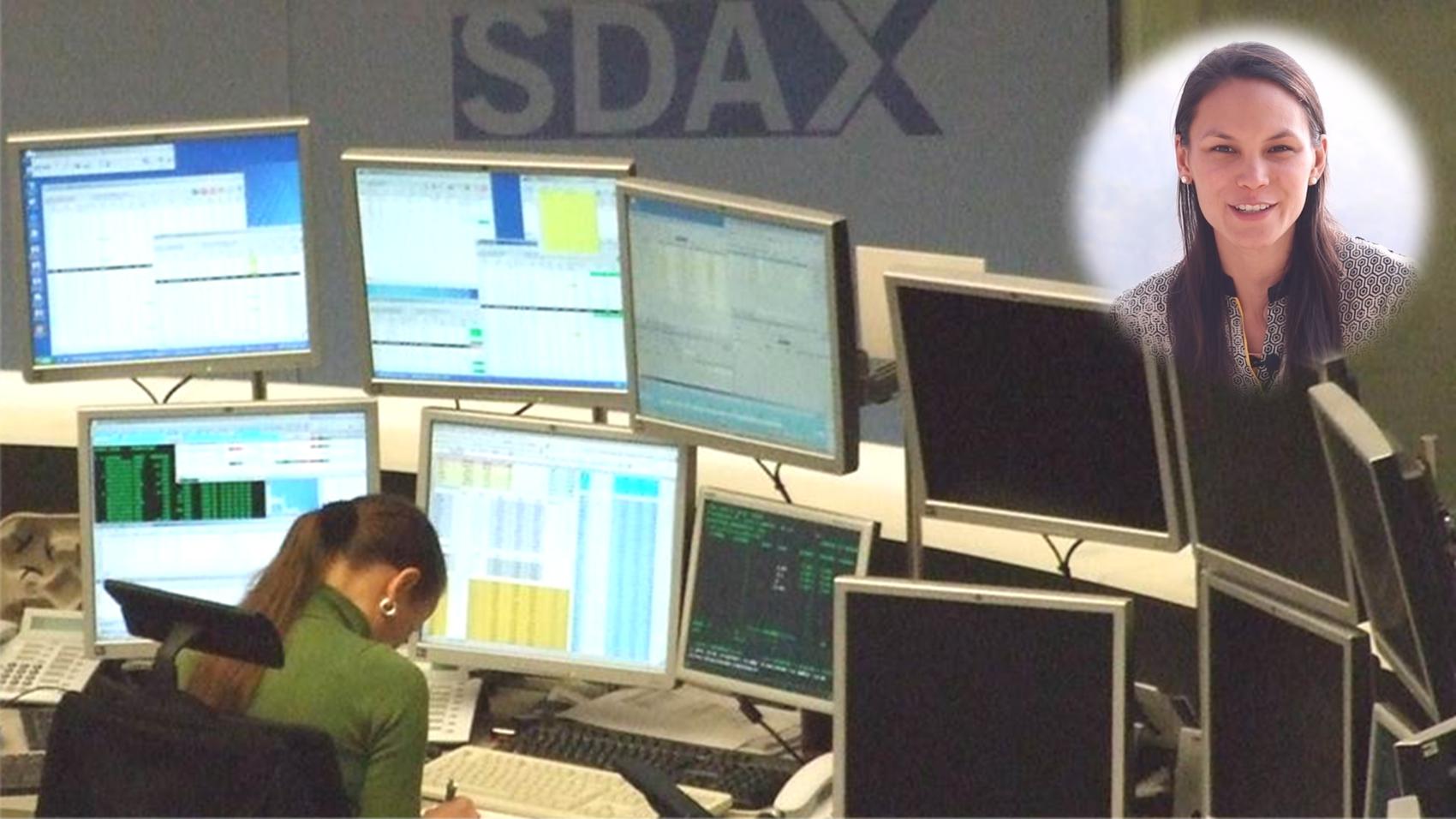
The world of financial trading is a high-octane blend of precision, adrenaline, and relentless decision-making, where every tick of the clock can mean the difference between profit and loss. Far from the quiet hum of a typical office, the trading floor pulses with energy from the moment the markets stir awake. Here, professionals thrive on rapid analysis, split-second choices, and the constant hum of global news, all while navigating a landscape that never truly sleeps. In this environment, adaptability and focus are as crucial as technical skill, shaping a workday that is as dynamic as the markets themselves.
As dawn breaks, financial trading professionals are already at their desks, scanning overnight market movements and digesting global news that could sway the day’s trading landscape. This early morning phase is all about preparation—reviewing positions from the previous day, analyzing economic reports released in other time zones, and updating watchlists based on fresh data. The air is thick with anticipation as traders calibrate their strategies, set alerts, and connect with colleagues to discuss potential opportunities or risks before the opening bell.
With the opening bell, the pace shifts from preparation to action. This is the most intense period of the day, as traders monitor multiple screens, execute trades, and respond to sudden market movements. Communication is rapid-fire, whether it’s with teammates, brokers, or clients, as everyone works to capitalize on volatility and manage risk. Every second counts, and decisions must be made with confidence and speed, drawing on both instinct and rigorous analysis. The energy on the trading floor is palpable, a blend of focus, excitement, and the ever-present pressure to perform.
As the initial frenzy subsides, the afternoon brings a shift toward collaboration and execution. Traders regroup to assess the morning’s outcomes, participate in strategy meetings, and adjust their positions based on evolving market conditions. This is a time for deeper analysis, sharing insights with colleagues, and executing larger or more complex trades that require coordination. The atmosphere remains intense but is punctuated by moments of reflection and recalibration, as teams work together to refine their approach and ensure alignment with broader objectives.
As the trading day winds down, attention turns to reviewing performance, compiling reports, and planning for tomorrow. Traders analyze the day’s successes and setbacks, document key trades, and update risk assessments. Administrative tasks are balanced with ongoing research, as professionals scan for after-hours news or developments that could impact future strategies. The day ends with a sense of closure but also anticipation, as the cycle of preparation and execution is set to begin anew with the next sunrise. |


 Home
Home Abroad
 Plan
Plan Philosophy
 Seminar
 Pages
Pages Advisors
 Testimonials





















 Workshop
 Discuss
 Meet
Meet
 Advisor
 Story
Story
 Fine Print
 Links
Links
 Blog
Blog
 Follow
