Career Counselling 2.0 HomeHomeCareer Counselling 2.0 AbroadAbroadCareer Counselling 2.0 PlanPlanCareer Counselling 2.0 | TalksTalksCareer Counselling 2.0 PhilosophyPhilosophyCareer Counselling 2.0 SeminarSeminarCareer Counselling 2.0 PagesPagesCareer Counselling 2.0 AdvisorsAdvisorsCareer Counselling 2.0 TestimonialsTestimonials

Financial Management

Team Co-ordinator Mar Michelle Häusler talks about Financial Management course, what is Financial Management and other details about a Career in Financial Management.


Financial Management

Mar Michelle Häusler | Team Co-ordinator | The Awaken Love movement


What is Financial Management?


A Career in Financial Management is very intriguing. One should first understand What a Career in Financial Management entails before investing time and effort to figure out How to start a Career in Financial Management. The internet is a great source of information on Financial Management, but it is second best to learning about the same from a real professional.

Team Co-ordinator Mar Michelle Häusler has 3 years of professional experience in Financial Management. According to Team Co-ordinator Mar Michelle Häusler, Financial Management is:

Financial management refers to the efficient and effective management of money in such a manner as to accomplish the objectives of the organization.


How Team Co-ordinator Mar Michelle Häusler got into Financial Management?


I am a graduate in Economics from University of Bath, UK. I then worked at JP Morgan & UBS as Financial Trader for some time. I was dissatisfied with the system and the way things worked. I then embarked on to my spiritual journey and enrolled myself in Schumacher College, UK for MA in Economics for Transition where one learns from ecology, outdoors and economics in a holistic way. I work as a Team Co-ordinator at Awaken Love and also handle independent financial assignments for various clients.


Team Co-ordinator Mar Michelle Häusler's Talk on Financial Management


Session Image
The Journey of Financial Management


What Is Financial Management


Financial Management

### Financial Management Image
What is
Financial management is the strategic planning, organizing, directing, and controlling of financial activities within an organization. It involves managing funds, investments, and resources to achieve business objectives, maximize profits, minimize risks, and ensure long-term financial stability and growth for the company or institution.

Concept
Financial management plays a crucial role in the success and sustainability of any organization. For professionals in this field, it provides the framework for making informed decisions that directly affect profitability and operational efficiency. Effective financial management ensures that resources are allocated wisely, risks are mitigated, and financial goals are met. One major benefit is improved cash flow management, which helps organizations meet their obligations and invest in growth opportunities. Another benefit is enhanced decision-making, as financial managers analyze data to guide strategic planning. Lastly, strong financial management fosters investor and stakeholder confidence, which is essential for securing funding and maintaining a positive reputation in the marketplace.

Real World Example
A financial manager at a mid-sized manufacturing company is tasked with overseeing the annual budgeting process. By analyzing historical financial data, market trends, and projected sales, the manager develops a comprehensive budget that aligns with the company’s growth objectives. Throughout the year, the manager monitors actual performance against the budget, identifies variances, and recommends adjustments to spending or resource allocation. When the company considers investing in new equipment, the financial manager conducts a cost-benefit analysis to ensure the investment will yield a positive return. This ongoing process of planning, monitoring, and adjusting financial activities demonstrates how financial management supports informed decision-making and drives organizational success.

Education


Economics

### Economics Image
What is
Economics is the study of how individuals, businesses, and societies allocate limited resources to satisfy unlimited wants and needs. It examines decision-making, production, distribution, and consumption of goods and services. In Financial Management, economics provides essential frameworks for analyzing markets, forecasting trends, and making informed financial decisions in dynamic environments.

Concept
A solid grasp of economics is indispensable for anyone pursuing or advancing in Financial Management. Economics equips professionals with the analytical tools needed to interpret market signals, assess risk, and understand the broader economic forces that impact financial planning and investment strategies. By mastering economic principles such as supply and demand, inflation, interest rates, and market equilibrium, financial managers can anticipate changes in the business environment and adapt their strategies accordingly. This foundational knowledge not only enhances decision-making but also fosters strategic thinking, enabling professionals to contribute to organizational growth and resilience. Over the long term, a deep understanding of economics supports career advancement by empowering professionals to navigate complex financial landscapes and drive value creation.

Real World Example
Consider a financial manager at a manufacturing firm who must decide whether to expand production in response to rising demand. By applying economic theories, the manager analyzes market trends, evaluates the elasticity of demand, and assesses the potential impact of inflation on input costs. This economic insight helps the manager forecast future sales, estimate profit margins, and determine the optimal level of investment. Additionally, understanding macroeconomic indicators such as interest rates and GDP growth allows the manager to anticipate shifts in consumer behavior and adjust financial strategies accordingly. Through this application of economic knowledge, the financial manager ensures that the company’s resources are allocated efficiently, risks are minimized, and long-term profitability is maximized.

Finance & Accounting

### Finance & Accounting Image
What is
Finance & Accounting is the discipline that studies how organizations manage money, investments, assets, liabilities, and financial records. It encompasses the principles, standards, and processes used to measure, analyze, and report financial information, forming a critical foundation for decision-making in Financial Management roles across industries.

Concept
Understanding Finance & Accounting is essential for anyone pursuing a career in Financial Management because it provides the analytical tools and frameworks necessary for evaluating an organization’s financial health. Mastery of this subject enables professionals to interpret financial statements, assess risk, allocate resources efficiently, and ensure regulatory compliance. These skills are indispensable for making informed strategic decisions, optimizing performance, and communicating effectively with stakeholders. Over the long term, a solid grounding in Finance & Accounting supports career advancement by equipping individuals with the expertise to navigate complex financial environments, adapt to evolving regulations, and contribute to sustainable organizational growth. This foundational knowledge is not only a prerequisite for higher-level responsibilities but also a key differentiator in a competitive job market.

Real World Example
Consider a financial manager at a mid-sized manufacturing company who is tasked with preparing the annual budget. Drawing on their knowledge of Finance & Accounting, they analyze historical financial statements to identify trends in revenue and expenses, forecast future cash flows, and evaluate the impact of potential investments. They use accounting principles to ensure that all financial data is accurately recorded and compliant with relevant standards. By applying financial analysis techniques, they assess the viability of expanding production capacity and present their findings to senior management. This practical application of Finance & Accounting knowledge enables the manager to make recommendations that align with the company’s strategic objectives, optimize resource allocation, and support informed decision-making throughout the organization.

Seminars & Workshops

### Seminars & Workshops Image
What is
Seminars and workshops are structured learning sessions designed to facilitate in-depth discussion, skill development, and knowledge sharing on specific topics. In Financial Management, they serve as platforms for professionals and students to engage with current trends, regulatory updates, and practical case studies, enhancing both academic understanding and workplace competencies.

Concept
Understanding seminars and workshops is crucial for anyone in Financial Management because these forums foster continuous learning and professional growth. They provide opportunities to interact with industry experts, gain insights into emerging financial tools, and discuss regulatory changes that impact financial decision-making. Participation in such events encourages critical thinking, networking, and the exchange of innovative ideas, all of which are essential for staying competitive in a rapidly evolving field. Over time, regularly engaging with seminars and workshops helps professionals maintain their expertise, adapt to new challenges, and demonstrate a commitment to lifelong learning—qualities highly valued by employers and clients alike.

Real World Example
Consider a financial manager at a mid-sized investment firm who attends a workshop on the latest risk assessment methodologies. Drawing from the workshop’s interactive sessions and expert-led discussions, the manager implements new risk evaluation techniques within the firm’s portfolio management process. This not only improves the accuracy of risk forecasts but also enhances the firm’s ability to respond proactively to market fluctuations. By applying knowledge gained from seminars and workshops, the manager ensures the firm remains compliant with updated regulations and leverages best practices, ultimately contributing to better investment outcomes and increased client trust.

Computer Application

### Computer Application Image
What is
A computer application is a software program designed to perform specific tasks or solve particular problems using a computer. In Financial Management, understanding computer applications is essential, as it enables professionals to efficiently process data, analyze financial information, and automate routine tasks, enhancing accuracy and productivity in decision-making.

Concept
Learning computer application is vital for anyone pursuing a career in Financial Management because it equips individuals with the technical skills necessary to navigate modern financial systems. Mastery of spreadsheet software, databases, and financial modeling tools forms the backbone of efficient financial analysis and reporting. As financial transactions and data become increasingly digitized, professionals who understand how to leverage computer applications can streamline workflows, reduce errors, and make more informed decisions. Over the long term, this knowledge not only improves job performance but also opens doors to advanced roles, as organizations prioritize candidates who can integrate technology with financial expertise to drive business success.

Real World Example
Consider a financial manager responsible for preparing monthly budget reports for a large corporation. By applying their knowledge of computer applications, they use advanced spreadsheet functions to aggregate financial data from multiple departments, automate calculations, and generate visual charts that highlight spending trends. This process, which would be time-consuming and error-prone if done manually, becomes efficient and reliable through the use of software tools. The manager can quickly identify discrepancies, forecast future expenses, and present clear, data-driven insights to senior executives, demonstrating how theoretical understanding of computer applications directly enhances daily financial management operations.

Skills


Interpersonal

### Interpersonal Image
What is
Interpersonal refers to the ability to communicate, collaborate, and build positive relationships with others through empathy, active listening, and clear expression. In Financial Management, this skill enables professionals to navigate complex team dynamics, negotiate effectively, and foster trust with clients, colleagues, and stakeholders, ultimately driving better financial outcomes.

Concept
Interpersonal skills are crucial in Financial Management because they directly influence the quality of communication and collaboration within teams and with clients. Professionals who excel in this area can explain complex financial concepts in accessible terms, resolve conflicts diplomatically, and build lasting partnerships. Employers and clients highly value these abilities because they lead to smoother project execution, increased client satisfaction, and stronger team morale. To cultivate interpersonal skills, individuals should seek feedback, practice active listening, and engage in regular self-reflection. Over time, participating in team projects, attending networking events, and learning from mentors can further enhance one’s ability to connect and communicate effectively in diverse professional settings.

Real World Example
Imagine a financial manager overseeing a merger between two companies with distinct corporate cultures. Tensions arise as employees from both sides worry about job security and changes in workflow. The manager leverages strong interpersonal skills to facilitate open discussions, listen to concerns, and mediate disagreements. By fostering an environment of trust and transparency, the manager helps both teams feel heard and valued, easing anxieties and encouraging cooperation. This approach not only smooths the transition but also ensures that critical financial data is shared accurately and promptly, enabling a successful merger. The manager’s interpersonal abilities prove essential in uniting teams and achieving the organization’s strategic goals.

Learning from Nature

### Learning from Nature Image
What is
Learning from Nature refers to the practice of observing natural systems, patterns, and processes, then applying those insights to solve human challenges. In financial management, this means drawing inspiration from nature’s adaptability, resilience, and efficiency to inform decision-making, risk management, and strategic planning, enhancing both innovation and sustainability.

Concept
Embracing the skill of learning from nature can significantly elevate a financial management professional’s effectiveness. By mirroring nature’s adaptability, professionals become more agile in responding to market fluctuations and economic uncertainties. Clients and employers value this approach because it fosters creative problem-solving and long-term thinking, leading to more robust financial strategies. Cultivating this skill involves regularly studying natural phenomena, reflecting on how ecosystems maintain balance, and seeking parallels in financial systems. Over time, professionals who internalize these lessons develop a mindset that prioritizes resilience, resourcefulness, and sustainability, making them invaluable assets to any organization navigating complex financial landscapes.

Real World Example
Imagine a financial manager facing a sudden market downturn that threatens a client’s investment portfolio. Drawing inspiration from nature, the manager recalls how diverse ecosystems withstand shocks through biodiversity. Applying this principle, the manager diversifies the portfolio across various asset classes and industries, reducing overall risk. By mimicking nature’s strategy of spreading risk and fostering resilience, the manager not only protects the client’s assets but also positions them for recovery when market conditions improve. This nature-inspired approach demonstrates how learning from the natural world can lead to innovative, effective solutions in financial management, ultimately achieving success in challenging circumstances.

Eye for Detail

### Eye for Detail Image
What is
An "Eye for Detail" is the ability to notice, analyze, and accurately interpret small but significant elements within complex information or processes. In Financial Management, this skill ensures that every figure, contract clause, and compliance requirement is thoroughly reviewed, minimizing errors and safeguarding organizational integrity. It is indispensable for accuracy and trust.

Concept
Having an Eye for Detail directly enhances a financial manager’s performance by reducing the risk of costly mistakes, such as misreporting figures or overlooking regulatory requirements. Clients and employers highly value this skill because it builds confidence in financial reports and decision-making, ensuring compliance and protecting assets. To cultivate this skill, professionals should practice meticulous review habits, seek feedback on their work, and stay updated on industry standards. Over time, consistent attention to detail becomes second nature, enabling financial managers to spot discrepancies quickly and maintain high standards of accuracy in all financial operations.

Real World Example
Imagine a financial manager preparing quarterly reports for a multinational corporation. During the review, they notice a minor inconsistency in currency conversion rates applied to overseas transactions. By investigating further, they uncover a systematic error in the accounting software that, if left unchecked, could have led to significant financial misstatements and regulatory penalties. Their keen Eye for Detail not only prevents a costly error but also prompts a process improvement that safeguards future reporting accuracy. This scenario highlights how attention to detail is not just about catching mistakes, but also about proactively ensuring the reliability and integrity of financial management processes.

Broad Perspective

### Broad Perspective Image
What is
Broad Perspective is the ability to see beyond immediate numbers and tasks, understanding how financial decisions impact the entire organization and its environment. For Financial Management professionals, this skill means integrating market trends, regulatory shifts, and organizational goals into decision-making, ensuring strategies are sustainable, adaptable, and aligned with long-term objectives.

Concept
A broad perspective enables financial managers to anticipate challenges, identify opportunities, and make decisions that benefit the organization as a whole. Clients and employers value this skill because it leads to more resilient financial strategies and helps avoid costly oversights that can arise from a narrow focus. Professionals can cultivate this skill by staying informed about industry trends, engaging with cross-functional teams, and seeking diverse viewpoints. Over time, exposure to different business areas and continuous learning help financial managers connect the dots between financial data and broader organizational dynamics, making them indispensable advisors and leaders.

Real World Example
Imagine a financial manager at a manufacturing firm noticing rising raw material costs. Instead of simply cutting expenses, they apply a broad perspective by analyzing global supply chain trends, consulting with operations and procurement, and considering the company’s long-term growth plans. This holistic approach leads to a strategic decision to diversify suppliers and invest in process automation, which not only addresses immediate cost pressures but also strengthens the company’s resilience against future disruptions. By looking beyond the numbers and considering the wider business context, the financial manager ensures sustainable success and earns the trust of both leadership and stakeholders.

Team Spirit

### Team Spirit Image
What is
Team Spirit is the collective sense of unity, collaboration, and mutual support among members of a group, fostering trust and shared purpose to achieve common goals. In Financial Management, Team Spirit enables professionals to work seamlessly with colleagues, ensuring that complex financial tasks and strategic decisions are executed efficiently and effectively.

Concept
Team Spirit directly enhances performance in Financial Management by promoting open communication, diverse problem-solving, and a supportive work environment. Clients and employers highly value this skill because it leads to more accurate financial analysis, better risk management, and smoother project execution. When professionals actively contribute to a positive team dynamic, they help prevent misunderstandings and reduce errors, which is crucial in high-stakes financial environments. Cultivating Team Spirit involves consistently showing respect for others’ ideas, participating in collaborative projects, and seeking feedback to improve group outcomes. Over time, these habits build trust and rapport, making it easier to navigate challenges and deliver results that exceed expectations.

Real World Example
Imagine a financial management team facing a sudden regulatory change that threatens the viability of a major client project. Instead of working in isolation, the team members quickly come together, pooling their expertise in compliance, risk assessment, and client communication. Through open dialogue and mutual support, they develop a revised strategy that addresses the new regulations while safeguarding the client’s interests. By relying on Team Spirit, the team not only resolves the immediate crisis but also strengthens their relationship with the client, demonstrating reliability and adaptability. This collaborative approach ensures that the project stays on track and that the client’s trust in the firm is reinforced.

Versatility

### Versatility Image
What is
Versatility is the ability to adapt quickly and effectively to changing situations, tasks, and environments by applying a broad range of skills, knowledge, and approaches. In Financial Management, versatility enables professionals to navigate complex regulations, shifting market conditions, and diverse client needs, making it a cornerstone of sustained success.

Concept
Versatility directly enhances performance in Financial Management by allowing professionals to respond swiftly to unexpected challenges, regulatory changes, or evolving client objectives. Employers and clients highly value this skill because it ensures that financial managers can handle a wide array of responsibilities, from risk assessment to strategic planning, without being confined to a single approach. Cultivating versatility involves continuous learning, seeking exposure to different financial functions, and embracing new technologies and methodologies. Over time, professionals who actively pursue diverse experiences and remain open to feedback develop a flexible mindset, enabling them to provide innovative solutions and maintain a competitive edge in a dynamic industry.

Real World Example
Imagine a financial manager working for a multinational corporation during a period of economic uncertainty. Suddenly, new international tax regulations are introduced, impacting the company’s global operations. Relying on versatility, the manager quickly researches the new laws, consults with legal experts, and adapts existing financial strategies to ensure compliance while minimizing tax liabilities. Simultaneously, the manager communicates these changes to stakeholders and adjusts financial forecasts to reflect the new landscape. By seamlessly shifting between analytical, strategic, and communicative roles, the professional not only resolves the immediate issue but also positions the company for continued success in a rapidly changing environment. This scenario highlights how versatility is indispensable for overcoming complex challenges in Financial Management.

Positives


Bringing Feminine Aspect to Finance

### Bringing Feminine Aspect to Finance Image
What is
Bringing Feminine Aspect to Finance means integrating qualities such as empathy, collaboration, intuition, and holistic thinking into financial decision-making and management. This approach values relationship-building, ethical considerations, and long-term well-being alongside traditional analytical skills, fostering a more inclusive, balanced, and sustainable financial environment that benefits organizations and individuals alike.

Concept
Embracing the feminine aspect in financial management transforms the workplace by encouraging open communication, trust, and mutual respect. Professionals who embody these qualities often find greater fulfillment, as their work becomes more than just numbers—it becomes a means to support people and communities. This approach leads to more thoughtful risk assessment, innovative problem-solving, and resilient teams. As a result, job satisfaction increases, and opportunities for personal and professional growth expand. Every day, financial managers who bring empathy and collaboration to their roles experience deeper connections with colleagues and clients, making their contributions more meaningful and impactful. This positive environment not only enhances individual well-being but also drives organizational success.

Real World Example
Imagine a financial manager leading a team through a challenging budget restructuring. Instead of focusing solely on cost-cutting, she listens to her team’s concerns, considers the broader impact on employee morale, and collaborates to find creative solutions that preserve jobs and maintain productivity. By valuing open dialogue and emotional intelligence, she builds trust and loyalty within her team. The result is a more engaged workforce, smoother implementation of changes, and a sense of shared accomplishment. This experience highlights how bringing the feminine aspect to finance not only achieves business goals but also creates a supportive and inspiring workplace, making the profession deeply rewarding on both personal and professional levels.

Dynamic Work

### Dynamic Work Image
What is
Dynamic Work refers to a constantly evolving professional environment where tasks, challenges, and responsibilities shift regularly, requiring adaptability, creative problem-solving, and continuous learning. In financial management, this means professionals are always engaging with new market trends, regulatory changes, and innovative financial strategies, making their roles both stimulating and impactful.

Concept
The dynamic nature of financial management is a significant advantage because it ensures that no two days are ever the same. This constant change keeps professionals intellectually engaged and motivated, as they are continually presented with new challenges to solve and opportunities to seize. The fast-paced environment fosters rapid skill development and encourages creative thinking, which can lead to accelerated career growth and personal satisfaction. Professionals in this field often find themselves collaborating with diverse teams, analyzing emerging data, and making decisions that directly influence the success of their organizations. This variety and sense of purpose contribute to high job satisfaction and a strong sense of accomplishment.

Real World Example
Imagine a financial manager at a multinational corporation who starts her day analyzing the impact of overnight currency fluctuations on the company’s global operations. By midday, she is collaborating with the marketing team to evaluate the financial viability of launching a new product in an emerging market. Later, she attends a meeting with senior executives to present risk mitigation strategies in response to new government regulations. Each task requires a different set of skills and knowledge, keeping her workday engaging and meaningful. The ever-changing landscape ensures she is constantly learning and growing, making her career in financial management both dynamic and deeply fulfilling.

Innovation

### Innovation Image
What is
Innovation is the process of introducing new ideas, methods, or technologies to improve efficiency, solve problems, and create value. In financial management, innovation drives the development of creative solutions, streamlines processes, and enhances decision-making. This dynamic environment encourages professionals to think critically and adapt, making the field both challenging and rewarding.

Concept
The presence of innovation in financial management transforms routine tasks into opportunities for creative problem-solving and continuous improvement. Professionals who embrace innovation find their roles more engaging, as they are constantly challenged to develop new strategies and adapt to evolving market conditions. This dynamic fosters a sense of accomplishment and personal growth, as individuals witness the tangible results of their ideas. Innovation also opens doors to career advancement, as organizations value forward-thinking employees who can drive change and maintain a competitive edge. Ultimately, the culture of innovation boosts job satisfaction by making daily work more meaningful and impactful, allowing professionals to leave a lasting mark on their organizations.

Real World Example
Imagine a financial manager at a mid-sized company who identifies inefficiencies in the company’s budgeting process. By researching and implementing a cloud-based financial planning tool, the manager streamlines data collection, enhances collaboration among departments, and provides real-time insights for leadership. This innovative approach not only saves time and reduces errors but also empowers the team to make faster, more informed decisions. The manager experiences a deep sense of fulfillment, knowing their initiative has improved the company’s financial health and contributed to a more agile, forward-thinking workplace. This scenario highlights how innovation in financial management can transform challenges into rewarding achievements, benefiting both the professional and the organization.

Educating People

### Educating People Image
What is
Educating people means sharing knowledge, insights, and practical guidance to help others understand financial concepts, make informed decisions, and achieve their goals. In financial management, this involves translating complex information into clear, actionable advice, empowering clients, colleagues, or communities to take control of their financial well-being and future success.

Concept
The act of educating people is a cornerstone of fulfillment in financial management because it transforms abstract numbers into meaningful life changes. Professionals who dedicate time to teaching others not only foster trust and loyalty but also witness the tangible progress of those they help. This ongoing exchange of knowledge enhances job satisfaction, as financial managers see the direct results of their guidance in improved financial literacy and smarter decision-making. The daily opportunity to clarify concepts, answer questions, and demystify financial jargon creates a dynamic and engaging work environment. Over time, this commitment to education also drives personal growth, as professionals refine their communication skills and deepen their expertise through continuous interaction with diverse individuals and challenges.

Real World Example
Imagine a financial manager working with a small business owner who feels overwhelmed by budgeting and cash flow management. Through patient explanation and tailored workshops, the manager breaks down intimidating financial statements into understandable pieces, demonstrating how each decision affects the business’s future. As the owner gains confidence and starts applying these lessons, the business stabilizes and grows. The financial manager witnesses firsthand the transformation—not just in the company’s numbers, but in the owner’s outlook and self-assurance. This experience is deeply rewarding, as it highlights the profound impact that educating people can have, turning financial management into a career defined by positive change and lasting relationships.

Holistic Perspective

### Holistic Perspective Image
What is
A holistic perspective is the ability to see the bigger picture by understanding how various financial elements, business functions, and external factors interconnect and influence each other. In financial management, this approach enables professionals to make informed decisions that align with organizational goals, ensuring sustainable growth and long-term success.

Concept
Embracing a holistic perspective in financial management transforms routine tasks into meaningful contributions toward a company’s vision. Professionals who adopt this mindset are not limited to analyzing numbers in isolation; instead, they appreciate how their work impacts departments, stakeholders, and the broader market. This interconnected understanding fosters a sense of purpose, as financial managers become strategic partners in shaping the organization’s future. The daily experience of seeing how financial strategies influence operations, investments, and even company culture leads to greater job satisfaction. Moreover, this comprehensive outlook accelerates personal and professional growth, as it encourages continuous learning and adaptability in a dynamic business environment.

Real World Example
Imagine a financial manager working for a rapidly expanding technology firm. Rather than focusing solely on quarterly budgets, she collaborates with product development, marketing, and human resources to assess how financial decisions affect innovation, employee engagement, and market positioning. When the company considers launching a new product, she evaluates not just the costs and projected revenues, but also the potential impact on brand reputation, customer loyalty, and long-term profitability. This holistic approach allows her to recommend strategies that balance immediate financial needs with sustainable growth. The satisfaction of knowing her insights help guide the company’s overall direction and success exemplifies the fulfilling nature of a holistic perspective in financial management.

Challenges


Managing Different Time Zones

### Managing Different Time Zones Image
What is
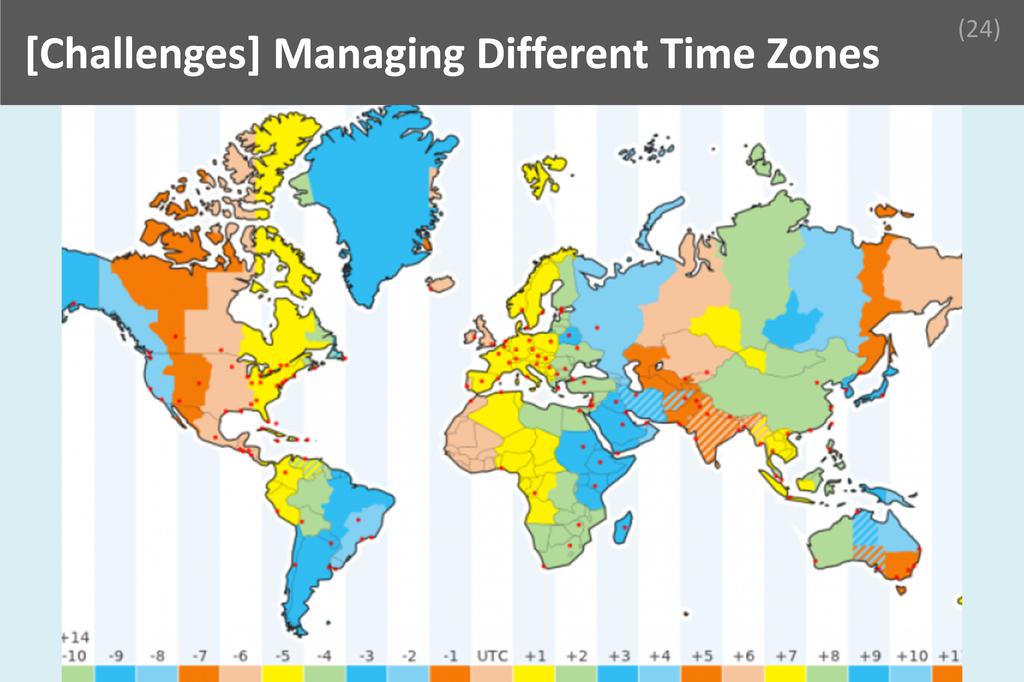
Managing Different Time Zones in Financial Management refers to the ongoing need to coordinate financial operations, reporting, and communication across global markets that operate on varying schedules. This challenge is demanding because it requires constant adaptation, precise timing, and seamless collaboration to ensure accuracy and compliance in a fast-paced, interconnected environment.

Concept
The complexity of managing different time zones can disrupt workflow, delay decision-making, and increase the risk of miscommunication. Financial professionals must often work outside standard hours to accommodate colleagues, clients, or regulatory bodies in other regions. This challenge demands resilience, adaptability, and strong organizational skills. Successful professionals overcome these obstacles by leveraging digital tools for scheduling and communication, setting clear expectations with international teams, and proactively planning for overlapping work hours. They also cultivate cultural awareness and flexibility, which helps to build trust and maintain productivity despite geographical and temporal barriers. By anticipating potential conflicts and maintaining open lines of communication, they minimize disruptions and ensure that critical financial processes remain on track.

Real World Example
Consider a financial manager at a multinational corporation who is responsible for consolidating quarterly reports from teams in New York, London, and Singapore. Each location operates in a different time zone, making real-time collaboration challenging. To address this, the manager establishes a shared digital workspace where all teams can upload documents and updates asynchronously. She schedules regular virtual meetings during overlapping business hours and uses automated reminders to keep everyone aligned with deadlines. By clearly communicating expectations and remaining flexible with her own working hours, she ensures that all teams feel supported and that the reporting process runs smoothly. This approach not only streamlines operations but also fosters a sense of unity across global teams.

Different Cultures & Ethics

### Different Cultures & Ethics Image
What is
Different Cultures & Ethics in Financial Management refers to the diverse values, beliefs, and ethical standards that professionals encounter when working with global clients, colleagues, or regulatory bodies. This challenge is demanding because it requires balancing conflicting expectations, adhering to local and international standards, and making decisions that respect cultural sensitivities while maintaining integrity.

Concept
The presence of varying cultural norms and ethical frameworks can complicate daily operations in financial management, from negotiating contracts to ensuring compliance with regulations. Professionals may face dilemmas where accepted practices in one region conflict with ethical standards elsewhere, leading to misunderstandings or even legal risks. Navigating these complexities demands resilience, adaptability, and a commitment to ongoing learning. Successful professionals manage this constraint by cultivating cultural awareness, seeking guidance from local experts, and fostering open communication. They prioritize transparency and ethical consistency, while remaining sensitive to cultural differences, thus building trust and minimizing conflicts. By developing strong cross-cultural competencies, they are able to make informed decisions that uphold both organizational values and local expectations.

Real World Example
Consider a financial manager working for a multinational corporation overseeing investments in both the United States and the Middle East. In the US, transparency and full disclosure are legal and ethical imperatives, while in some Middle Eastern contexts, business negotiations may rely more heavily on personal relationships and discretion. The manager encounters a situation where a local partner expects certain information to remain confidential, conflicting with the company’s global disclosure policies. By engaging in open dialogue, consulting with legal and cultural advisors, and explaining the rationale behind transparency requirements, the manager finds a respectful compromise that satisfies both parties. This approach not only resolves the immediate issue but also strengthens long-term business relationships built on mutual understanding and respect.

A Day Of


Financial Management

What is
The world of financial management is a fast-paced blend of analysis, strategy, and decision-making, where every hour can bring new challenges and opportunities. Far from being confined to spreadsheets and silent offices, financial management professionals navigate a dynamic environment that demands both sharp analytical skills and strong interpersonal abilities. Their days are shaped by market movements, client needs, and the constant drive to optimize resources and maximize value. Whether advising on investments, overseeing budgets, or steering organizational strategy, these professionals thrive in a landscape where precision and adaptability are equally prized.

Concept
As the day begins, a financial management professional typically starts with a quiet moment of preparation. This early hour is dedicated to reviewing overnight market developments, scanning financial news, and assessing any updates that could impact portfolios or organizational finances. With a fresh cup of coffee in hand, they pore over reports and dashboards, ensuring they have a clear understanding of the current financial landscape. This strategic review sets the tone for the day, allowing them to anticipate potential risks and opportunities before the rest of the team arrives.

Real World Example
By mid-morning, the pace accelerates as the core activities of the day take center stage. This is when financial management professionals dive into client consultations, portfolio reviews, or internal meetings. They analyze financial statements, evaluate investment options, and provide recommendations tailored to each client’s goals or the organization’s objectives. The work is intense and interactive, requiring not only technical expertise but also the ability to communicate complex financial concepts clearly and persuasively. Decisions made during this period can have significant implications, making focus and accuracy paramount.

The afternoon brings a shift toward collaboration and execution. Financial management professionals often participate in team meetings to discuss ongoing projects, coordinate with colleagues in accounting, compliance, or risk management, and finalize action plans. This is the time for implementing strategies, executing trades, or overseeing budget allocations. The environment is energetic, with professionals balancing multiple priorities and ensuring that all moving parts align with broader financial goals. Effective teamwork and clear communication are essential as they work together to deliver results.

As the day winds down, attention turns to wrapping up and preparing for what lies ahead. Financial management professionals review the outcomes of the day’s activities, update reports, and document key decisions. They may conduct additional research, respond to client inquiries, and ensure all administrative tasks are completed. This is also a critical time for reflection—assessing what worked well, identifying areas for improvement, and setting priorities for the next day. By the time they log off, they have not only managed the day’s demands but also laid the groundwork for continued success.


Install the LifePage App to:


  1. (for Free) Watch Team Co-ordinator Mar Michelle Häusler’s full Financial Management Career Talk

  2. ₹ Do a Self Assessment on Financial Management to calculate your Dream Index, which is defined as:

    According to Mar Michelle Häusler your chances of success in Financial Management is __%

  3. Access your personalized Dream Index Report which will have all your Dream Indices sorted in descending order.

Career Counselling 2.0


<?php echo $altimage; ?>


<?php echo $altimage; ?>


How to get into

Financial Management?


If you are want to get into Financial Management, start by investing in a Career Plan.

The 14 hour process, guided by a LifePage Career Advisor, will help you introspect and check whether your interest in Financial Management is merely an infatuation or is it truly something you wish to do for the rest of your life.

Next, your Career Advisor will help you document how you can get into Financial Management, what education and skills you need to succeed in Financial Management, and what positives and challenges you will face in Financial Management.

Finally, you will get a Career Plan stating which Courses, Certifications, Trainings and other Items you need to do in the next 7 years to become world’s best in Financial Management.


LifePage Career Plan

14 hour personalized guidance program


Your LifePage Career Advisor facilitates your guided introspection so that you systematically explore various Career options to arrive at a well thought out Career choice.

Next: your Advisor helps you figure out how you will get into your chosen Career and how will you develop the skills needed for success in your Chosen Career.

LifePage Plan will not stop at saying "to become an Architect study Architecture". It will guide you on which Certifications, Trainings and Other items you need to do along with your Architecture education to become the world's best Architect.


Links for this Talk


Team Co-ordinator Mar Michelle Häusler's LifePage:


Career Counselling 2.0
[LifePage]
https://www.lifepage.in/page/marmichellehäusler


LifePage Career Talk on Financial Management


Career Counselling 2.0
[Career]
https://www.lifepage.in/careers/financial-management-1


Career Counselling 2.0
[Full Talk]
https://lifepage.app.link/20180228-0007


Career Counselling 2.0
[Trailer]
https://www.youtube.com/watch?v=FPShpaYV6GM


(Financial Management, Mar Michelle Häusler, The Awaken Love movement, Team Co-ordinator, Manager, Finance, Money, Accounts, Resources)


Similar Talks



Career in Financial Management
Financial Management
Kapil Rawat
Financial Mgmt Associate | Citibank - New York, London, Dublin & Delhi
[ 1 year & 6 months Experience ]

Financial Management means planning, organizing, directing and controlling the financial activities such as procurement and utilization of funds of the enterprise.

"I did MBA from IESE Business School, Barcelona. After MBA I joined Citibank’s Financial Management Associate program in New York."


Career Counselling 2.0 Career Counselling 2.0 Career Counselling 2.0 Career Counselling 2.0 Career Counselling 2.0


Career in Financial Trading
Financial Trading
Mar Michelle Häusler
Credit Flow Trader | JP Morgan, UBS
[ 6 years Experience ]

Financial Trading is buying and selling of financial instruments such as stocks, bonds, commodities, derivatives, and mutual funds.

"I am a graduate in Economics from University of Bath, UK. I worked for JP Morgan & UBS as a Financial Trader for a couple of years before taking freelancing work. Currently, I handle independent financial assignments for various clients."


Career Counselling 2.0 Career Counselling 2.0 Career Counselling 2.0 Career Counselling 2.0 Career Counselling 2.0


Career in Internal Audit
Internal Audit
Harshit Gupta
Internal Auditor | Ernst & Young New Delhi
[ 3 years & 9 months Experience ]

Internal auditing is an Internal Operation where one assists the management in finding flaws, controls and ways to perform more efficiently. The word Audit means to check and therefore, Internal Auditing is the performing of that function of checking in an Organization.

"I am a Chartered Accountant. I did my schooling from St Josephs Academy, Dehradun. I then studied Commerce at and graduated from Delhi University. I completed studying Chartered Accountancy in 2013. I then, did a few internships. Thereafter, I started working at Ernst & Young at Delhi office as a Consultant in Internal Auditing."


Career Counselling 2.0 Career Counselling 2.0 Career Counselling 2.0 Career Counselling 2.0 Career Counselling 2.0


Career in Stock Broking
Stock Broking
Peter Dixon
Stock Broker | Painter Smith & Amberg
[ 9 years Experience ]

Stockbroking is buying and selling of Financial Securities such as stocks shares and bonds through the stock market by a dealer (stockbroker) who acts as an agent on behalf of clients wishing to buy or sell securities.

"I did my graduation in finance from California State University, San Bernardino. I worked at a bank called Wells Fargo as a teller during my graduation.I moved on to become a stock broker at Wells Fargo after obtaining my License from the State of California. I also worked at Painter Smith & Amberg as a Stock Broker."


Career Counselling 2.0 Career Counselling 2.0 Career Counselling 2.0 Career Counselling 2.0 Career Counselling 2.0


Career in Asset Sales
Asset Sales
Arjun Lal
Sales Manager | ICICI Bank, Goa
[ 8 years & 4 months Experience ]

Assets are related to loans and in asset sales, an individual is required to sell loans. The Loan Portfolio includes home loans, car loans, personal loans, credit cards, loans against property and gold loans. An asset manager needs to understand the customers asset requirements before offering them a particular loan.

"After completing my B Sc in Physical Education, I did my M B A from The National Institute of Management, Kolkata. I then got selected for ICICI Bank as an Asset Sales Manager and then persued my M A in Education from Azim Premji University."


Career Counselling 2.0 Career Counselling 2.0 Career Counselling 2.0 Career Counselling 2.0 Career Counselling 2.0


Career in Equity Research
Equity Research
Veena Krishna
Equity Research Analyst | Quest Securities
[ 4 years Experience ]

Equity Research primarily means analyzing company's financials, perform ratio analysis, forecast the financials (financial modeling) and explore scenarios with an objective of making BUY/SELL stock investment recommendation.

"I was born and brought up in Mumbai. After completing my education I started my career as a Equity Research Analyst in the company called Quest Securities. "


Career Counselling 2.0 Career Counselling 2.0 Career Counselling 2.0 Career Counselling 2.0 Career Counselling 2.0


Career in Financial Marketing
Financial Marketing
Sahil Midha
Sales Manager | Kognitive Marketing, Canada
[ 2 years Experience ]

A financial market is a market in which people trade financial securities, commodities, and value at low transaction costs and at prices that reflect supply and demand. Securities include stocks and bonds, and commodities include precious metals or agricultural products.

"I have done B Tech and M Tech in Mechanical Engineering and then worked as an Assistant Engineer in Power Plant Industry for 4 years. I am working as a Sales Manager at Kognitive Marketing in Canada."


Career Counselling 2.0 Career Counselling 2.0 Career Counselling 2.0 Career Counselling 2.0 Career Counselling 2.0


Career in Treasury Management
Treasury Management
Vibhash Joshi
Assistant Vice President | General Electric
[ 3 years Experience ]

Treasury Management is the process of administering to the financial assets and holdings of a business. The goal of most treasury management departments is to optimize their company's liquidity, make sound financial investments for the future with any excess cash, and reduce or enter into hedges against its financial risks.

"After completing an MBA degree in Finance from MDI, Gurgaon, I joined General Electric in the Treasury department. I am currently serving as Assistant Vice President for GE."


Career Counselling 2.0 Career Counselling 2.0 Career Counselling 2.0 Career Counselling 2.0 Career Counselling 2.0


Career in Internal Audit
Internal Audit
Naman Jain
Analyst | KPMG
[ 3 years & 3 months Experience ]

Internal auditing is an independent, objective assurance and consulting activity designed to add value and improve an organization's operations. It helps an organization to accomplish its objectives by systematic, disciplined approach to evaluate and improve the effectiveness of risk management and governance processes. Professionals called internal auditors are employed by organizations to perform the internal auditing activity.

"After doing my schooling from St Norbert School Indore, I did my BBA from Symbiosis Centre for Management Studies, Pune. After that, I worked as a Graphic Designer and Content writer with Cara Cafe and Green Apple Advertisement, Pune. I am working as an Analyst with KPMG taking care of the Internal Audits of the company."


Career Counselling 2.0 Career Counselling 2.0 Career Counselling 2.0 Career Counselling 2.0 Career Counselling 2.0


Career in Financial Planning
Financial Planning
Saral Agarwal
Founder | Saral Enterprise
[ 5 years & 2 months Experience ]

Financial Planning is the process of estimating the capital required and determining its competition. It is the process of framing financial policies in relation to procurement, investment and administration of funds of an enterprise.

"After completing my certifications in Finance, I worked with Anand Rathi Securities as a relationship Manager for 1 year. In 2016, I started my own company with the name of Saral Enterprises where I work as an Independent Financial Advisor."


Career Counselling 2.0 Career Counselling 2.0 Career Counselling 2.0 Career Counselling 2.0 Career Counselling 2.0


Career in Investment Management
Investment Management
Anant Ramola
Director | Arthaprise Financial Advisors Pvt Ltd
[ 7 years & 8 months Experience ]

Investment management is the professional asset management of various securities (shares, bonds, and other securities) and other assets (e.g. real estate) in order to meet specified investment goals for the benefit of the investors. An Investment Manager ia an advisor to a client with one overriding goal: to substantially grow the client's portfolio. Investment Managers conduct interviews, research, and statistical analyses of companies, markets, and trends to determine what investments to make or avoid on behalf of their clients.

"After completing my MBA, I worked as a Relationship Manager at ING Vysya for 2.5 years. After that, I worked as Senior Manager at DBS Cholamandalam for a year. Then I worked as Assistant Vice President at Almondz Global for over 4 years. After that, I had a brief stint as a Chief Manager at Kotak Mahindra Bank for a year. Post that, I worked at Ameriprise Financial Services Private Limited as Assistant Vice President for 7 years. In 2018, I started my own venture called Arthaprise Financial Advisors and I am the Co-Founder and Director there."


Career Counselling 2.0 Career Counselling 2.0 Career Counselling 2.0 Career Counselling 2.0 Career Counselling 2.0


Career in Value Investing
Value Investing
Shaleen Seth
Vice President Research & Analytics | Seers Group
[ 5 years & 6 months Experience ]

Value investing is an investment paradigm that involves buying securities that appear underpriced by some form of fundamental analysis.

"After my graduation, I joined my father's business of Value Investing and while working in Value Investing, I did International Business Organization and M Com from IGNOO University. After that, I Started a Portfolio Management Company with the name of Seers Fund Management and I am the Vice President Research & Analytics."


Career Counselling 2.0 Career Counselling 2.0 Career Counselling 2.0 Career Counselling 2.0 Career Counselling 2.0


Career in Wealth Management
Wealth Management
Achin Jain
Co-founder | Client Alley
[ 16 years Experience ]

Wealth management is a consultative process whereby the advisor gleans information about the client's wants and tailors a bespoke strategy utilizing appropriate financial products and services.

"I did BE Honours from College of Engineering Roorkee and MBA from Pune University. After my education, I started working with various banks and in 2014, I started my own Wealth Management Company with my friend in the name of Client Alley."


Career Counselling 2.0 Career Counselling 2.0 Career Counselling 2.0 Career Counselling 2.0 Career Counselling 2.0


Career in Wealth Management
Wealth Management
Dhananjay Kumar
Director | Arthaprise Financial
[ 15 years & 2 months Experience ]

Wealth management is an investment advisory service that combines other financial services to address the needs of affluent clients. It is a consultative process whereby the advisor gleans information about the client's wants and tailors a bespoke strategy utilizing appropriate financial products and services.

"After completing my graduation, I did wealth management certification from CIEL. I had worked for 15 years with various financial planning and wealth management companies such as Deutsche Bank, Aditya Birla Management etc. I have started my own company for the same in 2018 by the name of Arthaprise Financial."


Career Counselling 2.0 Career Counselling 2.0 Career Counselling 2.0 Career Counselling 2.0 Career Counselling 2.0


Career in Financial Control
Financial Control
Hang Mai
Management Controller | Servier
[ 5 years Experience ]

A financial controller is responsible for ensuring that all accounting allocations are appropriately made and documented. In smaller companies, the controller may also perform cash management functions and oversee accounts payable, accounts receivable, cash disbursements, payroll and bank reconciliation functions.

"I finished my schooling from Vietnam after which I went to frnace from where I did my Graduation in Biology and Masters in Business Management.I started my career with Ernst & Youngas Auditor. I worked with one more for 1 year as Counselor.Currently I am working SERVIER as a Financial Controller."


Career Counselling 2.0 Career Counselling 2.0 Career Counselling 2.0 Career Counselling 2.0 Career Counselling 2.0


[Install the LifePage App to access all Talks]


<?php echo $altimage; ?>


<?php echo $altimage; ?>


&mbsp;


Career Counselling 2.0 | Home   Home  
Career Counselling 2.0 | Abroad   Abroad  
Career Counselling 2.0 | Plan   Plan  
Career Counselling 2.0 | Talks   Talks  
Career Counselling 2.0 | Philosophy   Philosophy  
Career Counselling 2.0 | Seminar   Seminar  
Career Counselling 2.0 | Workshop   Workshop  
Career Counselling 2.0 | Pages   Pages  
Career Counselling 2.0 | Advisors   Advisors  
Career Counselling 2.0 | Discuss   Discuss  
Career Counselling 2.0 | Meet   Meet  
Career Counselling 2.0 | Advisor   Advisor  
Career Counselling 2.0 | Story   Story  
Career Counselling 2.0 | Fine Print   Fine Print  
Career Counselling 2.0 | Links   Links  
Career Counselling 2.0 | Blog   Blog  
Career Counselling 2.0 | Testimonials   Testimonials  
Career Counselling 2.0 | Follow   Follow  
 
[ Site Visits ]


Career Counselling 2.0