Career Counselling 2.0 HomeHomeCareer Counselling 2.0 AbroadAbroadCareer Counselling 2.0 PlanPlanCareer Counselling 2.0 | TalksTalksCareer Counselling 2.0 PhilosophyPhilosophyCareer Counselling 2.0 SeminarSeminarCareer Counselling 2.0 PagesPagesCareer Counselling 2.0 AdvisorsAdvisorsCareer Counselling 2.0 TestimonialsTestimonials

Financial Control

Management Controller Hang Mai talks about Financial Control course, what is Financial Control and other details about a Career in Financial Control.


Financial Control

Hang Mai | Management Controller | Servier


What is Financial Control?


There are many nuances of a Career in Financial Control. Almost everyone seems to be talking about How to start a Career in Financial Control, while one should first develop an understanding of What is a Career in Financial Control. While anyone can have an opinion on what Financial Control entails; only a real professional can really explain it.

Management Controller Hang Mai has 5 years of professional experience in Financial Control. According to Management Controller Hang Mai, Financial Control is:

A financial controller is responsible for ensuring that all accounting allocations are appropriately made and documented. In smaller companies, the controller may also perform cash management functions and oversee accounts payable, accounts receivable, cash disbursements, payroll and bank reconciliation functions.


How Management Controller Hang Mai got into Financial Control?


I finished my schooling from Vietnam after which I went to frnace from where I did my Graduation in Biology and Masters in Business Management.I started my career with Ernst & Youngas Auditor. I worked with one more for 1 year as Counselor.Currently I am working SERVIER as a Financial Controller.


Management Controller Hang Mai's Talk on Financial Control


Session Image
The Journey of Financial Control


What Is Financial Control

Financial Control

### Financial Control Image
What is
Financial control is the process of managing, monitoring, and regulating an organization’s financial resources to ensure accuracy, compliance, and efficiency. It involves setting financial policies, tracking performance, analyzing variances, and implementing corrective actions to achieve organizational objectives and safeguard assets against misuse or fraud.

Concept
Financial control plays a pivotal role in the success and stability of any organization. For professionals in this field, it ensures that financial operations align with strategic goals and regulatory requirements. Effective financial control minimizes risks by identifying discrepancies early and preventing financial mismanagement. It also enhances decision-making by providing accurate, timely financial information. Another significant benefit is the promotion of transparency and accountability, which builds trust among stakeholders and supports sustainable growth. Professionals in financial control contribute directly to the organization’s financial health, helping to optimize resource allocation and improve overall performance.

Real World Example
A financial control professional working at a multinational corporation might oversee the monthly closing process, ensuring all transactions are accurately recorded and reconciled. They analyze budget variances, investigate discrepancies, and collaborate with department heads to address overspending or inefficiencies. By implementing robust internal controls, such as approval workflows and regular audits, they help prevent fraud and errors. Their work enables senior management to make informed decisions based on reliable financial data, supports compliance with international accounting standards, and ultimately contributes to the company’s profitability and reputation. This hands-on approach exemplifies how financial control professionals safeguard assets and drive organizational success through diligent oversight and analysis.

Education


Finance Knowledge

### Finance Knowledge Image
What is
Finance Knowledge refers to the understanding of financial principles, concepts, and practices such as budgeting, forecasting, investment analysis, risk management, and financial reporting. It encompasses both theoretical frameworks and practical applications, forming a critical component of the academic and professional expertise required for effective Financial Control in any organization.

Concept
A solid grasp of Finance Knowledge is essential for anyone pursuing a career in Financial Control because it underpins every aspect of the role. Professionals must interpret financial data, ensure regulatory compliance, and make informed decisions that impact an organization’s fiscal health. Mastery of financial concepts enables individuals to analyze trends, assess risks, and recommend strategies that align with organizational goals. Over time, this foundational expertise not only enhances job performance but also opens doors to advanced roles in finance and management. The ability to communicate complex financial information clearly and accurately further distinguishes successful financial controllers, making Finance Knowledge a lifelong asset in a rapidly evolving business environment.

Real World Example
Consider a financial controller at a manufacturing company who is tasked with preparing the monthly financial statements. Drawing on their Finance Knowledge, they review the company’s revenue streams, analyze cost variances, and assess the impact of recent investments on cash flow. When discrepancies arise between projected and actual figures, their understanding of financial principles allows them to investigate the root causes, whether related to market fluctuations or internal inefficiencies. By applying their expertise, they not only ensure accurate reporting but also provide actionable insights to management, supporting strategic decisions such as cost optimization or capital allocation. This daily application of Finance Knowledge is crucial for maintaining financial integrity and driving organizational success.

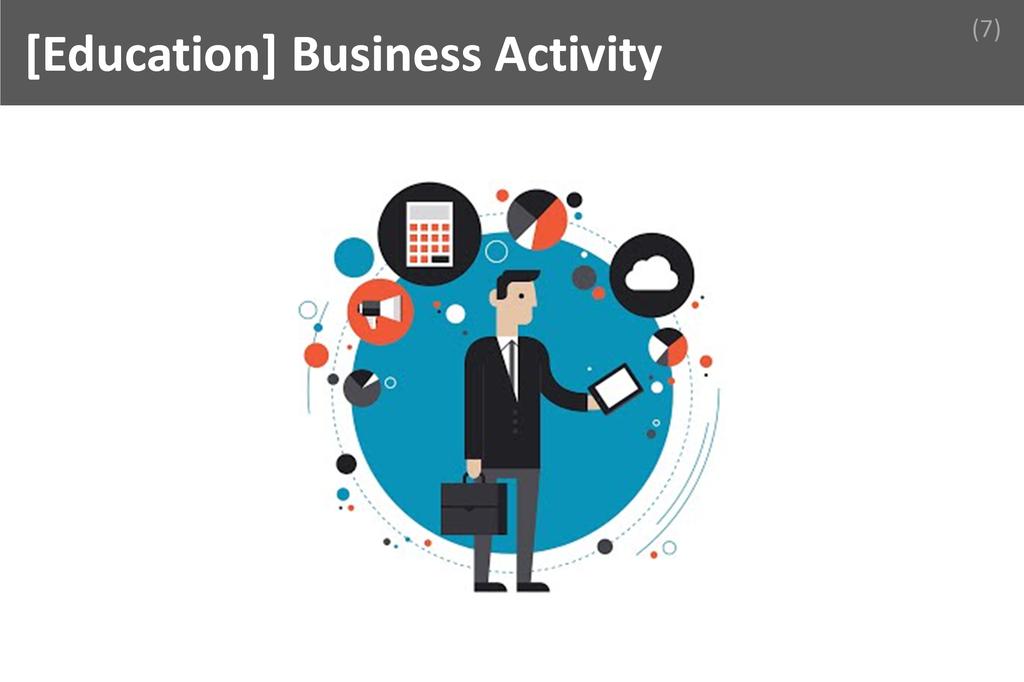
Business Activity

### Business Activity Image
What is
Business activity refers to the continuous processes and operations undertaken by an organization to produce goods or provide services with the aim of generating revenue. It encompasses all commercial, financial, and operational actions. In Financial Control, understanding business activity is essential for accurate reporting, analysis, and strategic decision-making.

Concept
A thorough grasp of business activity is crucial for anyone in Financial Control, as it forms the backbone of all financial processes within an organization. By understanding how a business generates revenue, incurs costs, and manages resources, professionals can accurately track financial performance and ensure compliance with regulations. This foundational knowledge enables financial controllers to interpret financial data in context, identify trends, and anticipate potential risks or opportunities. Over the long term, mastering business activity enhances one’s ability to contribute to strategic planning, optimize resource allocation, and support sustainable growth. It also builds credibility with stakeholders, as financial controllers who understand the business can provide more insightful analysis and recommendations.

Real World Example
Consider a financial controller working for a manufacturing company. Each day, they review transactions related to raw material purchases, production costs, and sales revenue. By applying their understanding of business activity, they can distinguish between operational expenses and capital investments, ensuring accurate categorization in financial statements. When analyzing monthly results, they identify a spike in production costs and trace it back to increased overtime hours due to a surge in demand. This insight allows them to advise management on adjusting workforce planning or renegotiating supplier contracts. Their theoretical knowledge of business activity enables them to connect financial data with real operational events, resulting in more effective financial oversight and strategic guidance.

Languages

### Languages Image
What is
Languages, in the context of Financial Control, refers to the ability to understand, interpret, and communicate using both natural and technical languages relevant to finance. This includes proficiency in spoken and written communication, as well as familiarity with programming languages and financial terminology essential for effective data analysis and reporting.

Concept
A strong command of languages is indispensable for anyone pursuing a career in Financial Control. Mastery of communication skills ensures clear articulation of complex financial information to stakeholders, while familiarity with programming languages such as SQL or Python enables efficient data manipulation and automation of financial processes. Understanding financial terminology and documentation standards is equally crucial for accurate reporting and compliance. Over time, these skills foster better collaboration across departments, enhance analytical capabilities, and support informed decision-making. As financial environments become increasingly data-driven and globalized, professionals who excel in both natural and technical languages are better equipped to adapt, innovate, and lead within their organizations.

Real World Example
Consider a financial controller tasked with preparing a quarterly financial report for a multinational corporation. Their role requires translating raw financial data into meaningful insights for executive leadership. They use their knowledge of programming languages to extract and analyze large datasets from various systems, ensuring accuracy and efficiency. Simultaneously, they must communicate their findings clearly in both written reports and presentations, adapting their language to suit different audiences, from technical teams to non-financial stakeholders. This blend of linguistic and technical proficiency not only streamlines the reporting process but also ensures that critical financial information is accessible and actionable for decision-makers, ultimately supporting the organization’s strategic objectives.

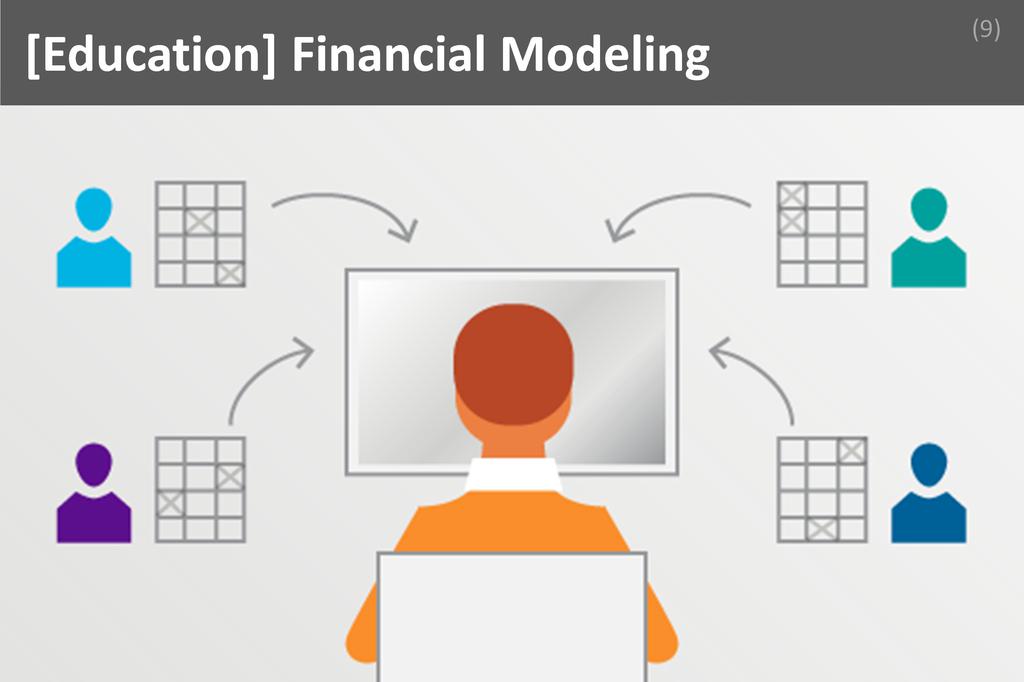
Financial Modelling

### Financial Modelling Image
What is
Financial Modelling is the process of creating mathematical representations of a company’s financial performance, typically using spreadsheet software. It involves forecasting future revenues, expenses, and cash flows to support decision-making. In Financial Control, it is a core academic and professional skill, underpinning budgeting, analysis, and strategic planning.

Concept
Understanding financial modelling is essential for anyone in Financial Control because it provides the analytical framework needed to interpret complex financial data and make informed decisions. Mastery of this subject allows professionals to construct reliable forecasts, evaluate business scenarios, and assess the financial impact of strategic initiatives. This expertise is foundational, as it supports accurate budgeting, variance analysis, and risk assessment, all of which are critical responsibilities in financial control roles. Over the long term, proficiency in financial modelling enhances credibility, facilitates career progression, and equips professionals to contribute meaningfully to organizational strategy and performance management. As businesses increasingly rely on data-driven insights, those skilled in financial modelling are better positioned to add value and drive financial stability.

Real World Example
Imagine a financial controller tasked with preparing the annual budget for a manufacturing company. Drawing on their knowledge of financial modelling, they build a dynamic spreadsheet that incorporates historical sales data, projected market trends, and anticipated cost changes. Throughout the year, they use this model to monitor actual performance against budgeted figures, quickly identifying variances and their root causes. When management considers investing in new equipment, the controller updates the model to simulate the financial impact, including changes in depreciation, maintenance costs, and productivity gains. This practical application of financial modelling enables the controller to provide timely, data-driven recommendations, ensuring the company’s financial resources are allocated efficiently and strategic objectives are met.

Skills


IT Skills

### IT Skills Image
What is
IT Skills encompass the ability to effectively use, manage, and adapt to various technologies, software applications, and digital tools relevant to one’s profession. In Financial Control, IT Skills enable professionals to streamline processes, ensure data accuracy, and facilitate compliance, making them indispensable for efficient financial management and reporting.

Concept
Mastering IT Skills directly enhances a Financial Control professional’s performance by enabling them to automate repetitive tasks, analyze large datasets, and generate timely, accurate financial reports. Employers and clients highly value these abilities because they lead to increased efficiency, reduced errors, and improved decision-making. As financial regulations and technologies evolve, those with strong IT Skills can quickly adapt to new systems and requirements, ensuring ongoing compliance and competitiveness. Developing this skill involves continuous learning, such as staying updated with the latest financial software, participating in relevant training, and seeking hands-on experience with emerging technologies. Over time, this commitment to growth ensures that professionals remain indispensable assets to their organizations.

Real World Example
Imagine a Financial Control professional facing a last-minute audit request for detailed transaction histories spanning several years. By leveraging advanced IT Skills, they efficiently extract, consolidate, and analyze data from multiple financial systems, identifying discrepancies and preparing comprehensive reports within tight deadlines. Their proficiency with data visualization tools allows them to present complex findings in a clear, actionable format for auditors and management. This not only resolves the immediate challenge but also demonstrates their value to the organization by ensuring transparency and compliance. The ability to harness technology in such high-pressure situations highlights the critical importance of IT Skills in achieving success and maintaining trust in financial operations.

Communication

### Communication Image
What is
Communication is the clear and effective exchange of information, ideas, and intentions through speaking, writing, and listening. In Financial Control, communication enables professionals to interpret complex financial data, articulate findings, and collaborate with stakeholders. It ensures transparency, supports decision-making, and builds trust within teams and with external partners.

Concept
Strong communication skills directly enhance a Financial Control professional’s ability to present financial information in a way that is accessible and actionable for both financial and non-financial audiences. Employers and clients value this skill because it reduces misunderstandings, streamlines reporting processes, and fosters productive relationships. To cultivate communication skills, professionals should seek feedback, engage in active listening, and practice tailoring their messages to different audiences. Over time, consistent effort in refining both verbal and written communication leads to greater confidence and effectiveness, ultimately contributing to more accurate reporting, better compliance, and stronger stakeholder engagement.

Real World Example
Imagine a Financial Controller who discovers a significant variance in quarterly financial results. To address this, the professional must communicate the issue clearly to both the finance team and senior management. By explaining the root cause in straightforward language, outlining the potential impact, and recommending corrective actions, the Controller ensures everyone understands the situation and can respond appropriately. This open and precise communication not only resolves the immediate issue but also reinforces trust in the Controller’s expertise, demonstrating how effective communication is pivotal in managing risks and supporting organizational goals.

Problem Solving

### Problem Solving Image
What is
Problem Solving is the ability to identify, analyze, and resolve challenges or obstacles by applying logical thinking, creativity, and informed decision-making. In Financial Control, this skill is crucial for navigating complex financial data, ensuring compliance, and addressing discrepancies, making it a foundational element of effective financial management.

Concept
Problem Solving directly enhances performance in Financial Control by enabling professionals to swiftly address discrepancies, adapt to regulatory changes, and optimize financial processes. Employers and clients highly value this skill because it ensures the integrity and accuracy of financial reporting, minimizes risks, and supports strategic decision-making. Cultivating Problem Solving involves continuous learning, seeking feedback, and engaging in analytical tasks that challenge one’s reasoning abilities. Over time, exposure to diverse financial scenarios and collaboration with experienced colleagues further sharpens this skill, allowing professionals to approach issues methodically and propose effective, sustainable solutions that drive organizational success.

Real World Example
Imagine a Financial Control professional who discovers a significant variance between projected and actual expenses during a quarterly review. Instead of merely reporting the discrepancy, they systematically investigate the underlying causes, analyzing transaction records and consulting with relevant departments. Through their Problem Solving skills, they identify an overlooked contractual obligation that led to unexpected costs. By proposing process adjustments and improved communication protocols, they not only resolve the immediate issue but also prevent similar problems in the future. This proactive approach not only safeguards the company’s financial health but also demonstrates the indispensable value of strong Problem Solving abilities in the field of Financial Control.

Decision Making

### Decision Making Image
What is
Decision Making is the process of evaluating information, considering alternatives, and selecting the most appropriate course of action to achieve desired outcomes. In Financial Control, this skill is crucial for analyzing complex financial data, ensuring compliance, managing risks, and guiding organizations toward sound fiscal strategies. Effective decision making enables professionals to respond swiftly and accurately to financial challenges, optimize resource allocation, and uphold the integrity of financial operations. It is a foundational competency that supports both day-to-day management and long-term strategic planning, making it indispensable in the financial control landscape.

Concept
Strong decision making directly enhances a Financial Control professional’s performance by enabling them to interpret financial reports, assess risks, and implement controls that protect organizational assets. Clients and employers highly value this skill because it leads to more reliable financial oversight, minimizes costly errors, and supports regulatory compliance. Decision making also fosters confidence among stakeholders, as it demonstrates the ability to navigate uncertainty and make choices that align with organizational goals. To cultivate this skill, professionals should seek diverse experiences, engage in continuous learning, and reflect on past decisions to understand outcomes. Over time, exposure to varied financial scenarios and mentorship from experienced colleagues can further refine one’s judgment and analytical capabilities.

Real World Example
Imagine a Financial Control manager who discovers a significant discrepancy during a routine audit. The manager must quickly decide whether to escalate the issue, investigate further, or implement immediate corrective actions. Drawing on their decision making skills, they analyze the available data, consult relevant policies, and weigh the potential impact on the organization’s financial integrity. By choosing to initiate a thorough investigation and communicate transparently with senior management, the manager not only resolves the discrepancy but also strengthens internal controls and reinforces trust within the organization. This scenario highlights how effective decision making is vital for addressing critical issues and achieving successful outcomes in Financial Control.

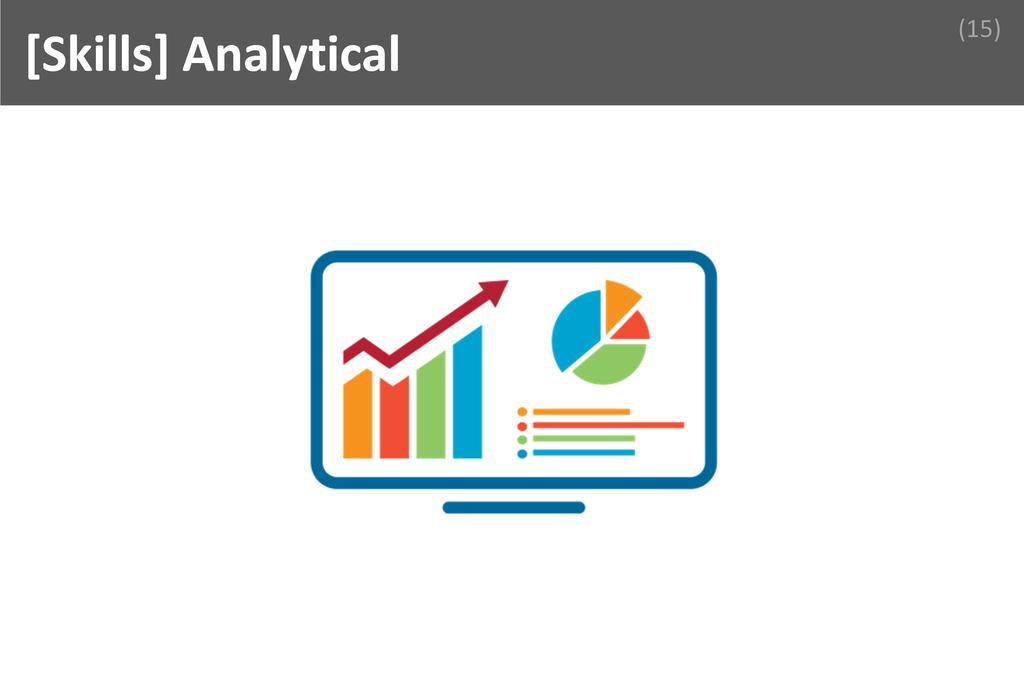
Analytical

### Analytical Image
What is
Analytical is the ability to systematically examine information, identify patterns, interpret data, and draw logical conclusions to solve problems or make decisions. In Financial Control, this skill enables professionals to dissect complex financial data, uncover discrepancies, and ensure accuracy in reporting, which is fundamental to maintaining organizational integrity and trust.

Concept
Analytical skill directly enhances performance in Financial Control by enabling professionals to detect errors, forecast trends, and make informed recommendations. Employers and clients highly value this ability because it leads to more accurate financial statements, better risk management, and improved compliance with regulations. Cultivating analytical skill involves continuous learning, such as studying financial models, practicing data interpretation, and seeking feedback on analysis. Over time, exposure to diverse financial scenarios and regular engagement with complex datasets help sharpen one’s analytical thinking. This ongoing development not only increases efficiency but also builds confidence in making critical financial decisions, ultimately contributing to the organization’s financial health and reputation.

Real World Example
Imagine a Financial Control professional tasked with investigating a sudden variance in quarterly expenses. By applying analytical skill, they systematically review transaction records, compare budget forecasts with actuals, and identify an overlooked recurring charge that caused the discrepancy. Their ability to interpret data and connect seemingly unrelated details allows them to trace the issue to a vendor billing error. By resolving the problem and implementing new controls, they not only correct the immediate financial misstatement but also prevent future occurrences. This scenario highlights how analytical skill is indispensable for identifying root causes, ensuring accuracy, and safeguarding the organization’s financial integrity.

Positives


Travellling

### Travellling Image
What is
Travellling, in the context of Financial Control, refers to the opportunity for professionals to visit different company sites, attend international meetings, and collaborate with global teams, often across borders. This exposure allows them to experience diverse business environments, cultures, and regulatory frameworks, enriching their professional perspective and personal growth significantly.

Concept
The chance to travel is a major advantage in Financial Control because it transforms routine work into a dynamic and engaging experience. Travellling enables professionals to build stronger relationships with colleagues and stakeholders worldwide, fostering a sense of connection and collaboration that is difficult to achieve remotely. Exposure to various markets and operational practices enhances adaptability and problem-solving skills, making each day unique and intellectually stimulating. This constant learning and cultural exchange not only boost job satisfaction but also accelerate career growth, as professionals become more versatile and valuable to their organizations. The excitement of new environments and the pride in representing their company on a global stage make the role deeply fulfilling.

Real World Example
Imagine a Financial Controller who is tasked with overseeing the integration of a newly acquired subsidiary in another country. As part of their role, they travel to the subsidiary’s headquarters, meet with local finance teams, and immerse themselves in understanding regional accounting practices and business culture. Through face-to-face collaboration, they build trust, resolve challenges more efficiently, and gain insights that would be impossible to acquire from afar. The experience of navigating a new city, learning from international colleagues, and directly contributing to the company’s global success leaves a lasting sense of accomplishment and personal enrichment, demonstrating how Travellling can transform a Financial Control career into an inspiring journey.

Monetary Benefits

### Monetary Benefits Image
What is
Monetary benefits refer to the direct financial rewards and compensation professionals receive for their work, including salary, bonuses, incentives, and other financial perks. In the field of Financial Control, these benefits serve as a tangible acknowledgment of expertise, responsibility, and the critical role these professionals play in managing and safeguarding an organization’s financial health.

Concept
The allure of substantial monetary benefits is a powerful motivator for those pursuing a career in Financial Control. Competitive salaries and performance-based bonuses not only recognize the complexity and importance of the work but also foster a sense of accomplishment and security. This financial recognition often translates into higher job satisfaction, as professionals feel valued for their analytical skills and decision-making abilities. The promise of financial growth encourages continuous learning and professional development, driving individuals to excel and take on greater responsibilities. On a daily basis, financial controllers experience the reassurance that their expertise is rewarded, which can inspire loyalty to their organization and a long-term commitment to their career path.

Real World Example
Consider a financial controller at a multinational corporation who successfully implements a new cost-saving strategy that significantly improves the company’s bottom line. As a result, the controller receives a generous annual bonus and a salary increase, reflecting the direct impact of their contributions. This recognition not only boosts their financial well-being but also reinforces their sense of purpose and achievement. The tangible rewards allow them to invest in personal goals, such as purchasing a home or supporting their family, while also motivating them to continue innovating and striving for excellence in their role. This scenario highlights how monetary benefits can transform professional success into personal fulfillment.

Scope of Learning

### Scope of Learning Image
What is
Scope of Learning refers to the continuous opportunities for acquiring new knowledge, skills, and insights within a profession, driven by evolving industry standards, regulations, and technologies. In Financial Control, this dynamic environment ensures professionals are always engaged, adapting, and growing, which keeps the work intellectually stimulating and professionally rewarding.

Concept
The broad scope of learning in Financial Control is a significant advantage because it transforms routine tasks into opportunities for growth and innovation. As financial regulations shift and new technologies emerge, professionals must stay updated, which fosters a culture of lifelong learning. This constant development not only enhances expertise but also boosts job satisfaction, as individuals feel empowered and valued for their adaptability. The ability to learn and apply new concepts daily helps financial controllers remain relevant and competitive, opening doors to career advancement and leadership roles. Ultimately, the ever-expanding knowledge base makes each day unique, ensuring that professionals never feel stagnant or limited in their roles.

Real World Example
Consider a financial controller at a multinational corporation who is tasked with implementing a new financial reporting standard. As the regulations change, she must research the latest compliance requirements, attend specialized training, and collaborate with colleagues across departments and countries. Through this process, she gains a deeper understanding of international accounting practices, hones her analytical skills, and develops innovative solutions for complex reporting challenges. The experience not only enhances her technical expertise but also broadens her professional network and confidence. This real-world scenario demonstrates how the scope of learning in Financial Control provides daily opportunities for growth, making the profession both challenging and deeply fulfilling.

Job Satisfaction

### Job Satisfaction Image
What is
Job satisfaction is the sense of fulfillment, pride, and contentment that arises when individuals feel valued, challenged, and recognized in their work, while achieving personal and organizational goals. In financial control, this satisfaction stems from the meaningful impact professionals have on business success, fostering a positive work environment and personal growth.

Concept
Job satisfaction in financial control is a powerful motivator, driving professionals to excel and remain committed to their roles. When individuals feel their expertise directly contributes to an organization’s financial health and strategic direction, it instills a deep sense of purpose and accomplishment. This positive aspect not only enhances daily motivation but also encourages continuous learning and professional development. As financial controllers navigate complex challenges and deliver critical insights, they experience a rewarding sense of achievement. The recognition from colleagues and leadership further boosts morale, creating a cycle of engagement and productivity. Ultimately, job satisfaction in this field leads to higher retention rates, stronger team dynamics, and a thriving workplace culture where professionals are inspired to grow and succeed.

Real World Example
Imagine a financial controller who has spent weeks analyzing data, identifying inefficiencies, and implementing new reporting processes for their company. After presenting their findings and recommendations to senior management, the organization sees a significant improvement in cost control and profitability. The controller receives recognition from both executives and peers, validating their expertise and hard work. This moment of acknowledgment, combined with the tangible results of their efforts, brings a profound sense of pride and satisfaction. Knowing that their skills have made a real difference, the professional feels motivated to tackle new challenges and continue contributing to the company’s success. This daily experience of making an impact exemplifies the fulfilling nature of job satisfaction in financial control.

Challenges


Never Ending Learning

### Never Ending Learning Image
What is
Never Ending Learning in Financial Control refers to the continuous need for professionals to update their knowledge and skills due to evolving regulations, technological advancements, and shifting business landscapes. This relentless pace is demanding because it requires constant adaptation, critical thinking, and the ability to assimilate complex information while maintaining high standards of accuracy.

Concept
The challenge of Never Ending Learning significantly impacts daily work in Financial Control by creating persistent pressure to stay current with regulatory changes, new accounting standards, and emerging technologies. This ongoing demand can lead to stress and fatigue, as professionals must balance learning with their core responsibilities. Resilience becomes essential, as the ability to adapt quickly and efficiently is crucial for maintaining performance and compliance. Successful professionals manage this constraint by cultivating a proactive mindset, seeking out reliable learning resources, and integrating learning into their regular workflow. They often leverage peer networks and mentorship to share insights, which helps reduce the isolation that can come with constant self-improvement. By embracing change as an opportunity rather than a burden, they turn continuous learning into a source of professional growth.

Real World Example
Consider a Financial Controller at a multinational corporation who faces the introduction of a new international accounting standard. Rather than viewing this as an overwhelming disruption, she dedicates time each week to study the new requirements, attends webinars hosted by industry experts, and discusses implications with her team. She also collaborates with IT colleagues to understand how system updates will affect reporting processes. By breaking down the learning process into manageable steps and involving others, she not only ensures compliance but also enhances her team’s collective expertise. This approach transforms the challenge of Never Ending Learning into an opportunity for both personal development and organizational improvement.

Limited room for error

### Limited room for error Image
What is
In Financial Control, "Limited room for error" means that even minor mistakes can have significant consequences, such as financial losses, regulatory breaches, or reputational damage. This demand for near-perfect accuracy creates a high-pressure environment where attention to detail and rigorous processes are essential to safeguard an organization’s financial integrity.

Concept
The challenge of limited room for error permeates every aspect of a financial controller’s daily responsibilities. Each transaction, report, and reconciliation must be executed with precision, as inaccuracies can lead to costly audits or compliance issues. This constant pressure can be mentally taxing, requiring professionals to develop resilience and a methodical mindset. Successful financial controllers manage this constraint by fostering strong internal controls, double-checking their work, and leveraging technology to automate repetitive tasks. They also cultivate a culture of continuous learning and open communication, enabling early detection and correction of errors. By embracing these strategies, professionals not only minimize mistakes but also build confidence in their decision-making, ensuring the organization’s financial health remains uncompromised.

Real World Example
Consider a financial controller at a multinational corporation tasked with consolidating quarterly financial statements from multiple subsidiaries. With tight deadlines and varying accounting standards, the risk of error is high. By implementing a standardized checklist and using advanced consolidation software, the controller ensures data accuracy and consistency. When a discrepancy arises in intercompany transactions, the controller promptly investigates, collaborates with local finance teams, and resolves the issue before final submission. This proactive approach, combined with meticulous review and clear communication, allows the controller to deliver error-free reports on time. The organization benefits from reliable financial information, while the controller demonstrates the value of diligence and adaptability in an environment where mistakes are not an option.

Rigour

### Rigour Image
What is
Rigour in Financial Control refers to the unwavering commitment to accuracy, consistency, and compliance in all financial processes and reporting. This standard demands meticulous attention to detail, strict adherence to regulatory requirements, and the ability to withstand pressure, making it a challenging yet essential aspect of the profession.

Concept
The demand for rigour in Financial Control permeates every aspect of daily work, from reconciling accounts to preparing financial statements and ensuring regulatory compliance. This constant pressure can lead to fatigue and stress, as even minor errors may have significant consequences. Professionals must develop resilience to maintain high standards despite tight deadlines and complex regulations. Successful individuals manage this challenge by cultivating disciplined routines, leveraging technology for accuracy, and fostering a culture of continuous learning. They also seek feedback and collaborate with colleagues to identify potential blind spots, ensuring that their work remains thorough and reliable. By embracing these strategies, they transform rigour from a source of stress into a hallmark of professional excellence.

Real World Example
Consider a financial controller at a multinational corporation tasked with consolidating quarterly results from multiple subsidiaries, each operating under different regulatory frameworks. The sheer volume of data and the need for absolute precision create a formidable challenge. By implementing robust review processes and utilizing advanced financial software, the controller systematically verifies each submission for accuracy and compliance. When discrepancies arise, they proactively communicate with local teams to resolve issues swiftly, ensuring deadlines are met without compromising standards. Through disciplined organization and a commitment to continuous improvement, the controller not only meets the demands of rigour but also sets a benchmark for quality and reliability within the organization.

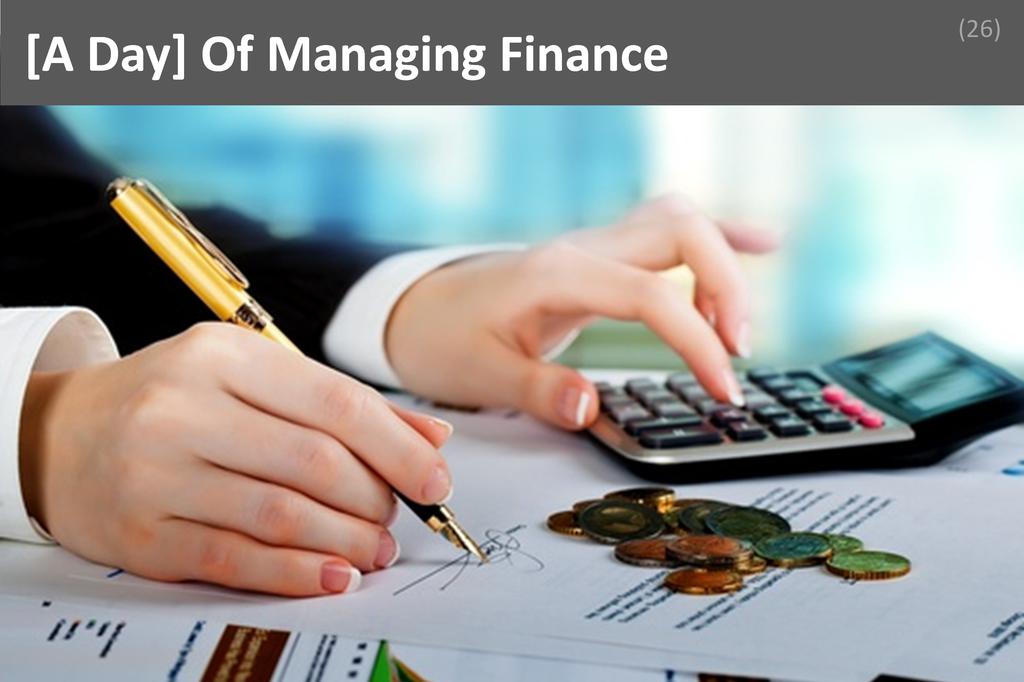
A Day Of


Financial Control

What is
The world of Financial Control is a fast-paced blend of precision, pressure, and problem-solving, where every minute counts and every number tells a story. As the backbone of an organization’s financial integrity, a Financial Control professional navigates a landscape filled with shifting deadlines, complex reconciliations, and constant collaboration. The day unfolds in a series of orchestrated sprints, each demanding sharp focus, analytical rigor, and a keen sense of responsibility. It’s a role where the stakes are high, the pace is relentless, and the rewards come from knowing that your work keeps the company’s financial engine running smoothly.

Concept
The day begins before the office buzz reaches its peak, with a quiet window perfect for reviewing overnight reports, checking for discrepancies, and preparing the day’s agenda. This early hour is spent scanning through financial statements, ensuring that all transactions from the previous day have been accurately recorded, and flagging any anomalies that require deeper investigation. It’s a time for setting priorities, organizing emails, and mapping out the critical tasks that will demand attention as the day accelerates.

Real World Example
By mid-morning, the tempo intensifies as the core responsibilities of financial control take center stage. This is when reconciliations are performed, variances are analyzed, and detailed financial reports are compiled for management review. The practitioner dives into complex data sets, cross-checking figures, validating entries, and ensuring compliance with regulatory standards. Communication with other departments becomes essential, as clarifications are sought and explanations are provided to ensure the accuracy and completeness of financial records.

The afternoon ushers in a wave of meetings and collaborative sessions, where financial controllers connect with colleagues from accounting, operations, and senior management. These interactions focus on resolving outstanding issues, discussing audit findings, and strategizing around process improvements. It’s a period marked by dynamic problem-solving, as teams work together to address discrepancies, implement new controls, and align on upcoming deadlines. The energy in the office is palpable, with ideas and information flowing freely as everyone works toward shared financial goals.

As the day winds down, attention shifts to wrapping up outstanding tasks, documenting findings, and preparing for tomorrow’s challenges. This is the moment for updating records, finalizing reports, and ensuring that all compliance requirements have been met. The practitioner reviews the day’s accomplishments, notes any unresolved issues, and drafts a plan for the next day’s priorities. With a final check of emails and a quick scan of the latest industry updates, the Financial Control professional leaves the office knowing that their vigilance and expertise have once again safeguarded the organization’s financial health.


Install the LifePage App to:


  1. (for Free) Watch Management Controller Hang Mai’s full Financial Control Career Talk

  2. ₹ Do a Self Assessment on Financial Control to calculate your Dream Index, which is defined as:

    According to Hang Mai your chances of success in Financial Control is __%

  3. Access your personalized Dream Index Report which will have all your Dream Indices sorted in descending order.

Career Counselling 2.0


<?php echo $altimage; ?>


<?php echo $altimage; ?>


How to get into

Financial Control?


If you are want to get into Financial Control, start by investing in a Career Plan.

The 14 hour process, guided by a LifePage Career Advisor, will help you introspect and check whether your interest in Financial Control is merely an infatuation or is it truly something you wish to do for the rest of your life.

Next, your Career Advisor will help you document how you can get into Financial Control, what education and skills you need to succeed in Financial Control, and what positives and challenges you will face in Financial Control.

Finally, you will get a Career Plan stating which Courses, Certifications, Trainings and other Items you need to do in the next 7 years to become world’s best in Financial Control.


LifePage Career Plan

14 hour personalized guidance program


Your LifePage Career Advisor facilitates your guided introspection so that you systematically explore various Career options to arrive at a well thought out Career choice.

Next: your Advisor helps you figure out how you will get into your chosen Career and how will you develop the skills needed for success in your Chosen Career.

LifePage Plan will not stop at saying "to become an Architect study Architecture". It will guide you on which Certifications, Trainings and Other items you need to do along with your Architecture education to become the world's best Architect.


Links for this Talk


Management Controller Hang Mai's LifePage:


Career Counselling 2.0
[LifePage]
https://www.lifepage.in/page/hangmai


LifePage Career Talk on Financial Control


Career Counselling 2.0
[Career]
https://www.lifepage.in/careers/financial-control


Career Counselling 2.0
[Full Talk]
https://lifepage.app.link/20191115-0001


Career Counselling 2.0
[Trailer]
https://www.youtube.com/watch?v=BDuItU5on5U


(Financial Control, Hang Mai, Servier, Finance, Money, Profit, Loss, Business, BDM, Market, Head)


Similar Talks



Career in Financial Management
Financial Management
Kapil Rawat
Financial Mgmt Associate | Citibank - New York, London, Dublin & Delhi
[ 1 year & 6 months Experience ]

Financial Management means planning, organizing, directing and controlling the financial activities such as procurement and utilization of funds of the enterprise.

"I did MBA from IESE Business School, Barcelona. After MBA I joined Citibank’s Financial Management Associate program in New York."


Career Counselling 2.0 Career Counselling 2.0 Career Counselling 2.0 Career Counselling 2.0 Career Counselling 2.0


Career in Financial Trading
Financial Trading
Mar Michelle Häusler
Credit Flow Trader | JP Morgan, UBS
[ 6 years Experience ]

Financial Trading is buying and selling of financial instruments such as stocks, bonds, commodities, derivatives, and mutual funds.

"I am a graduate in Economics from University of Bath, UK. I worked for JP Morgan & UBS as a Financial Trader for a couple of years before taking freelancing work. Currently, I handle independent financial assignments for various clients."


Career Counselling 2.0 Career Counselling 2.0 Career Counselling 2.0 Career Counselling 2.0 Career Counselling 2.0


Career in Internal Audit
Internal Audit
Harshit Gupta
Internal Auditor | Ernst & Young New Delhi
[ 3 years & 9 months Experience ]

Internal auditing is an Internal Operation where one assists the management in finding flaws, controls and ways to perform more efficiently. The word Audit means to check and therefore, Internal Auditing is the performing of that function of checking in an Organization.

"I am a Chartered Accountant. I did my schooling from St Josephs Academy, Dehradun. I then studied Commerce at and graduated from Delhi University. I completed studying Chartered Accountancy in 2013. I then, did a few internships. Thereafter, I started working at Ernst & Young at Delhi office as a Consultant in Internal Auditing."


Career Counselling 2.0 Career Counselling 2.0 Career Counselling 2.0 Career Counselling 2.0 Career Counselling 2.0


Career in Stock Broking
Stock Broking
Peter Dixon
Stock Broker | Painter Smith & Amberg
[ 9 years Experience ]

Stockbroking is buying and selling of Financial Securities such as stocks shares and bonds through the stock market by a dealer (stockbroker) who acts as an agent on behalf of clients wishing to buy or sell securities.

"I did my graduation in finance from California State University, San Bernardino. I worked at a bank called Wells Fargo as a teller during my graduation.I moved on to become a stock broker at Wells Fargo after obtaining my License from the State of California. I also worked at Painter Smith & Amberg as a Stock Broker."


Career Counselling 2.0 Career Counselling 2.0 Career Counselling 2.0 Career Counselling 2.0 Career Counselling 2.0


Career in Asset Sales
Asset Sales
Arjun Lal
Sales Manager | ICICI Bank, Goa
[ 8 years & 4 months Experience ]

Assets are related to loans and in asset sales, an individual is required to sell loans. The Loan Portfolio includes home loans, car loans, personal loans, credit cards, loans against property and gold loans. An asset manager needs to understand the customers asset requirements before offering them a particular loan.

"After completing my B Sc in Physical Education, I did my M B A from The National Institute of Management, Kolkata. I then got selected for ICICI Bank as an Asset Sales Manager and then persued my M A in Education from Azim Premji University."


Career Counselling 2.0 Career Counselling 2.0 Career Counselling 2.0 Career Counselling 2.0 Career Counselling 2.0


Career in Equity Research
Equity Research
Veena Krishna
Equity Research Analyst | Quest Securities
[ 4 years Experience ]

Equity Research primarily means analyzing company's financials, perform ratio analysis, forecast the financials (financial modeling) and explore scenarios with an objective of making BUY/SELL stock investment recommendation.

"I was born and brought up in Mumbai. After completing my education I started my career as a Equity Research Analyst in the company called Quest Securities. "


Career Counselling 2.0 Career Counselling 2.0 Career Counselling 2.0 Career Counselling 2.0 Career Counselling 2.0


Career in Financial Management
Financial Management
Mar Michelle Häusler
Team Co-ordinator | The Awaken Love movement
[ 3 years Experience ]

Financial management refers to the efficient and effective management of money in such a manner as to accomplish the objectives of the organization.

"I am a graduate in Economics from University of Bath, UK. I then worked at JP Morgan & UBS as Financial Trader for some time. I was dissatisfied with the system and the way things worked. I then embarked on to my spiritual journey and enrolled myself in Schumacher College, UK for MA in Economics for Transition where one learns from ecology, outdoors and economics in a holistic way. I work as a Team Co-ordinator at Awaken Love and also handle independent financial assignments for various clients."


Career Counselling 2.0 Career Counselling 2.0 Career Counselling 2.0 Career Counselling 2.0 Career Counselling 2.0


Career in Financial Marketing
Financial Marketing
Sahil Midha
Sales Manager | Kognitive Marketing, Canada
[ 2 years Experience ]

A financial market is a market in which people trade financial securities, commodities, and value at low transaction costs and at prices that reflect supply and demand. Securities include stocks and bonds, and commodities include precious metals or agricultural products.

"I have done B Tech and M Tech in Mechanical Engineering and then worked as an Assistant Engineer in Power Plant Industry for 4 years. I am working as a Sales Manager at Kognitive Marketing in Canada."


Career Counselling 2.0 Career Counselling 2.0 Career Counselling 2.0 Career Counselling 2.0 Career Counselling 2.0


Career in Treasury Management
Treasury Management
Vibhash Joshi
Assistant Vice President | General Electric
[ 3 years Experience ]

Treasury Management is the process of administering to the financial assets and holdings of a business. The goal of most treasury management departments is to optimize their company's liquidity, make sound financial investments for the future with any excess cash, and reduce or enter into hedges against its financial risks.

"After completing an MBA degree in Finance from MDI, Gurgaon, I joined General Electric in the Treasury department. I am currently serving as Assistant Vice President for GE."


Career Counselling 2.0 Career Counselling 2.0 Career Counselling 2.0 Career Counselling 2.0 Career Counselling 2.0


Career in Internal Audit
Internal Audit
Naman Jain
Analyst | KPMG
[ 3 years & 3 months Experience ]

Internal auditing is an independent, objective assurance and consulting activity designed to add value and improve an organization's operations. It helps an organization to accomplish its objectives by systematic, disciplined approach to evaluate and improve the effectiveness of risk management and governance processes. Professionals called internal auditors are employed by organizations to perform the internal auditing activity.

"After doing my schooling from St Norbert School Indore, I did my BBA from Symbiosis Centre for Management Studies, Pune. After that, I worked as a Graphic Designer and Content writer with Cara Cafe and Green Apple Advertisement, Pune. I am working as an Analyst with KPMG taking care of the Internal Audits of the company."


Career Counselling 2.0 Career Counselling 2.0 Career Counselling 2.0 Career Counselling 2.0 Career Counselling 2.0


Career in Financial Planning
Financial Planning
Saral Agarwal
Founder | Saral Enterprise
[ 5 years & 2 months Experience ]

Financial Planning is the process of estimating the capital required and determining its competition. It is the process of framing financial policies in relation to procurement, investment and administration of funds of an enterprise.

"After completing my certifications in Finance, I worked with Anand Rathi Securities as a relationship Manager for 1 year. In 2016, I started my own company with the name of Saral Enterprises where I work as an Independent Financial Advisor."


Career Counselling 2.0 Career Counselling 2.0 Career Counselling 2.0 Career Counselling 2.0 Career Counselling 2.0


Career in Investment Management
Investment Management
Anant Ramola
Director | Arthaprise Financial Advisors Pvt Ltd
[ 7 years & 8 months Experience ]

Investment management is the professional asset management of various securities (shares, bonds, and other securities) and other assets (e.g. real estate) in order to meet specified investment goals for the benefit of the investors. An Investment Manager ia an advisor to a client with one overriding goal: to substantially grow the client's portfolio. Investment Managers conduct interviews, research, and statistical analyses of companies, markets, and trends to determine what investments to make or avoid on behalf of their clients.

"After completing my MBA, I worked as a Relationship Manager at ING Vysya for 2.5 years. After that, I worked as Senior Manager at DBS Cholamandalam for a year. Then I worked as Assistant Vice President at Almondz Global for over 4 years. After that, I had a brief stint as a Chief Manager at Kotak Mahindra Bank for a year. Post that, I worked at Ameriprise Financial Services Private Limited as Assistant Vice President for 7 years. In 2018, I started my own venture called Arthaprise Financial Advisors and I am the Co-Founder and Director there."


Career Counselling 2.0 Career Counselling 2.0 Career Counselling 2.0 Career Counselling 2.0 Career Counselling 2.0


Career in Value Investing
Value Investing
Shaleen Seth
Vice President Research & Analytics | Seers Group
[ 5 years & 6 months Experience ]

Value investing is an investment paradigm that involves buying securities that appear underpriced by some form of fundamental analysis.

"After my graduation, I joined my father's business of Value Investing and while working in Value Investing, I did International Business Organization and M Com from IGNOO University. After that, I Started a Portfolio Management Company with the name of Seers Fund Management and I am the Vice President Research & Analytics."


Career Counselling 2.0 Career Counselling 2.0 Career Counselling 2.0 Career Counselling 2.0 Career Counselling 2.0


Career in Wealth Management
Wealth Management
Achin Jain
Co-founder | Client Alley
[ 16 years Experience ]

Wealth management is a consultative process whereby the advisor gleans information about the client's wants and tailors a bespoke strategy utilizing appropriate financial products and services.

"I did BE Honours from College of Engineering Roorkee and MBA from Pune University. After my education, I started working with various banks and in 2014, I started my own Wealth Management Company with my friend in the name of Client Alley."


Career Counselling 2.0 Career Counselling 2.0 Career Counselling 2.0 Career Counselling 2.0 Career Counselling 2.0


Career in Wealth Management
Wealth Management
Dhananjay Kumar
Director | Arthaprise Financial
[ 15 years & 2 months Experience ]

Wealth management is an investment advisory service that combines other financial services to address the needs of affluent clients. It is a consultative process whereby the advisor gleans information about the client's wants and tailors a bespoke strategy utilizing appropriate financial products and services.

"After completing my graduation, I did wealth management certification from CIEL. I had worked for 15 years with various financial planning and wealth management companies such as Deutsche Bank, Aditya Birla Management etc. I have started my own company for the same in 2018 by the name of Arthaprise Financial."


Career Counselling 2.0 Career Counselling 2.0 Career Counselling 2.0 Career Counselling 2.0 Career Counselling 2.0


[Install the LifePage App to access all Talks]


<?php echo $altimage; ?>


<?php echo $altimage; ?>


&mbsp;


Career Counselling 2.0 | Home   Home  
Career Counselling 2.0 | Abroad   Abroad  
Career Counselling 2.0 | Plan   Plan  
Career Counselling 2.0 | Talks   Talks  
Career Counselling 2.0 | Philosophy   Philosophy  
Career Counselling 2.0 | Seminar   Seminar  
Career Counselling 2.0 | Workshop   Workshop  
Career Counselling 2.0 | Pages   Pages  
Career Counselling 2.0 | Advisors   Advisors  
Career Counselling 2.0 | Discuss   Discuss  
Career Counselling 2.0 | Meet   Meet  
Career Counselling 2.0 | Advisor   Advisor  
Career Counselling 2.0 | Story   Story  
Career Counselling 2.0 | Fine Print   Fine Print  
Career Counselling 2.0 | Links   Links  
Career Counselling 2.0 | Blog   Blog  
Career Counselling 2.0 | Testimonials   Testimonials  
Career Counselling 2.0 | Follow   Follow  
 
[ Site Visits ]


Career Counselling 2.0