The Journey of Librarianship
What Is Librarianship
Librarianship

Librarianship is the professional practice of managing, organizing, and providing access to information resources in libraries. It involves supporting learning, research, and literacy by curating collections, assisting users, and leveraging technology to facilitate information discovery, preservation, and dissemination across diverse communities and institutions.
Librarianship plays a crucial role in fostering informed, educated, and connected communities. Professionals in this field ensure equitable access to information, which empowers individuals to make informed decisions and supports lifelong learning. Librarianship also preserves cultural heritage by maintaining archives and special collections. Another significant benefit is the promotion of digital literacy, as librarians help users navigate and evaluate online resources. Additionally, librarians create inclusive spaces that encourage collaboration, creativity, and civic engagement, making libraries vital community hubs. The impact of librarianship extends beyond books, shaping how people access, interpret, and use information in an increasingly complex world.
A public librarian in a city library might spend their day assisting patrons with research for school projects, helping job seekers craft resumes, and guiding seniors in using digital devices to access e-books and online resources. They curate diverse collections to reflect the community’s interests and needs, organize educational programs such as author talks or coding workshops, and collaborate with local organizations to support literacy initiatives. By managing both physical and digital resources, the librarian ensures that everyone, regardless of background or ability, can find reliable information and develop essential skills. This hands-on, multifaceted approach demonstrates how librarianship adapts to evolving community needs while upholding its core mission of information access and empowerment.
Education
Library & Information Science

Library & Information Science is the interdisciplinary study of managing, organizing, preserving, and disseminating information and knowledge resources. It encompasses theories, practices, and technologies that support the effective functioning of libraries and information centers. This field forms the academic and professional backbone for anyone pursuing a career in Librarianship.
Understanding Library & Information Science is essential for anyone preparing for or working in Librarianship because it provides the theoretical and practical framework for all aspects of the profession. Mastery of this subject equips professionals with the skills to organize collections, facilitate access to information, and support diverse user needs. It also fosters critical thinking about information ethics, intellectual freedom, and the evolving role of technology in information management. Over the long term, this foundational knowledge enables librarians to adapt to changes in the information landscape, advocate for their institutions, and contribute to lifelong learning within their communities. Ultimately, it ensures that librarians remain relevant and effective in a rapidly changing world.
Consider a librarian working in a public library who is tasked with updating the library’s digital catalog. Drawing on their knowledge of Library & Information Science, they apply principles of classification and metadata to ensure resources are accurately described and easily discoverable. They also use their understanding of user behavior and information retrieval systems to design search interfaces that meet the needs of diverse patrons. When patrons seek assistance, the librarian leverages reference interview techniques and information literacy instruction, both rooted in Library & Information Science, to guide users toward credible sources. This integration of theory and practice ensures the library remains a vital, accessible resource for the entire community.
Information & Communication Technology

Information & Communication Technology, often abbreviated as ICT, encompasses the integration and use of computers, telecommunications, software, and networks to access, store, transmit, and manage information. In Librarianship, ICT represents a crucial area of expertise, bridging traditional library practices with modern digital tools and resources essential for effective information management.
Understanding Information & Communication Technology is indispensable for anyone preparing for or working in Librarianship. As libraries evolve into dynamic information centers, professionals must be adept at navigating digital catalogues, managing electronic resources, and supporting patrons in accessing online databases. Mastery of ICT ensures librarians can efficiently organize, retrieve, and disseminate information in both physical and digital formats. This foundational knowledge not only enhances daily operations but also positions librarians to adapt to emerging technologies, ensuring their continued relevance in a rapidly changing information landscape. Over the long term, proficiency in ICT opens doors to advanced roles, fosters innovation in service delivery, and strengthens the library’s role as a hub for digital literacy and lifelong learning.
Consider a librarian working in a university library who is responsible for managing both print and electronic collections. Each day, they utilize their understanding of Information & Communication Technology to update the library’s integrated management system, ensuring that new e-books and digital journals are accessible to students and faculty. When a patron requests assistance with a research project, the librarian demonstrates how to navigate online databases, use advanced search techniques, and evaluate digital sources for credibility. By leveraging ICT skills, the librarian not only streamlines internal workflows but also empowers users to become more self-sufficient in their information-seeking endeavors, illustrating the practical impact of ICT expertise in modern librarianship.
Management

Management is the process of planning, organizing, leading, and controlling resources—human, financial, and informational—to achieve organizational goals efficiently and effectively. In librarianship, management forms a crucial part of both academic study and professional practice, equipping librarians with the skills to oversee library operations, staff, and services.
Understanding management is vital for anyone entering or advancing within the field of librarianship because libraries are complex organizations that require effective leadership and coordination. Mastery of management principles enables librarians to make informed decisions, allocate resources wisely, and foster a collaborative work environment. This foundational knowledge supports the development of strategic planning abilities, conflict resolution skills, and adaptability in the face of change. Over the course of a career, strong management skills empower librarians to take on supervisory roles, lead innovative projects, and advocate for their institutions within the broader community. Ultimately, a solid grasp of management ensures that library professionals can sustain high-quality services and respond proactively to evolving user needs.
Consider a library manager tasked with implementing a new digital catalog system. Drawing on their management knowledge, the librarian begins by assessing staff readiness and identifying training needs. They organize a timeline for the transition, delegate responsibilities, and communicate clear objectives to the team. Throughout the process, the manager monitors progress, addresses concerns, and adjusts plans as necessary to keep the project on track. By applying management principles, the librarian not only ensures a smooth technological upgrade but also maintains staff morale and user satisfaction. This scenario illustrates how theoretical understanding of management translates into practical actions that drive successful outcomes in everyday library operations.
Law

Law is a system of rules created and enforced by governing bodies to regulate behavior, maintain order, and protect rights within a society. In librarianship, understanding law is essential because it governs information access, intellectual property, privacy, and ethical responsibilities, forming a crucial part of the profession’s knowledge base.
A solid grasp of law is indispensable for librarians because it underpins many aspects of their daily responsibilities. Librarians must navigate copyright regulations, licensing agreements, and privacy laws to ensure that library users have legal and ethical access to information. This knowledge also helps librarians advocate for intellectual freedom, protect user confidentiality, and manage digital resources responsibly. As the information landscape evolves, legal issues such as digital rights management and open access become increasingly complex. Mastery of legal concepts not only protects the institution and its patrons but also empowers librarians to make informed decisions, foster trust, and uphold professional standards throughout their careers.
Consider a librarian who is asked to digitize and provide online access to a collection of historical documents. Applying their understanding of copyright law, the librarian carefully determines which materials are in the public domain and which require permission from rights holders. They also ensure that any personal information contained in the documents is handled in accordance with privacy regulations. By doing so, the librarian safeguards the institution from potential legal disputes, respects the rights of creators and subjects, and provides valuable resources to the public. This scenario highlights how legal knowledge is integral to daily operations, supporting ethical decision-making and responsible information stewardship.
Skills
Love & Respect for Books

Love & Respect for Books is a deep appreciation for the knowledge, stories, and cultural heritage contained within books, coupled with a commitment to their preservation and accessibility. In librarianship, this core value drives professionals to care for collections, foster literacy, and create welcoming environments that inspire lifelong learning.
A librarian’s genuine love and respect for books enhances their ability to curate collections thoughtfully, recommend titles with enthusiasm, and maintain the integrity of library resources. Employers and clients notice when a librarian’s passion translates into well-organized, inviting spaces and engaging programs that attract diverse patrons. This skill can be cultivated by reading widely, staying informed about publishing trends, and participating in book-related discussions. Over time, consistent exposure to different genres and formats, along with active involvement in community reading initiatives, deepens one’s appreciation and understanding, making the librarian a trusted guide and advocate for literacy.
Imagine a librarian faced with a rare book that has suffered water damage after a pipe burst in the library. Drawing on their love and respect for books, the librarian quickly assesses the situation, consults preservation experts, and initiates emergency conservation measures. Their dedication ensures the book’s survival and demonstrates to colleagues and patrons the importance of safeguarding cultural treasures. This commitment not only saves a valuable resource but also inspires others in the library community to adopt best practices in book care, reinforcing the library’s reputation as a steward of knowledge and history.
Communication Skills

Communication skills refer to the ability to convey information clearly, listen actively, interpret messages accurately, and respond appropriately in both verbal and written forms. In librarianship, these skills are fundamental for facilitating access to information, supporting patrons, collaborating with colleagues, and fostering an inclusive and welcoming environment for all users.
Strong communication skills directly enhance a librarian’s effectiveness by enabling them to understand and address the diverse needs of patrons, explain complex resources, and advocate for library services. Employers and clients value these abilities because they ensure smooth interactions, minimize misunderstandings, and promote a positive reputation for the library. To cultivate communication skills, librarians can seek feedback, participate in professional development workshops, and engage in active listening during daily interactions. Over time, consistent practice and reflection help refine these abilities, making librarians more adaptable and responsive to the evolving demands of their roles.
Imagine a situation where a librarian is approached by a patron who is frustrated because they cannot locate a specific research article. The librarian listens attentively to the patron’s concerns, asks clarifying questions to understand the exact need, and explains the steps involved in accessing the article through the library’s databases. By communicating clearly and empathetically, the librarian not only resolves the immediate issue but also empowers the patron with knowledge for future research. This scenario highlights how effective communication skills are essential for problem-solving, building trust, and ensuring a positive experience for library users.
Leadership Skills

Leadership skills encompass the ability to inspire, guide, and influence individuals or teams toward achieving common goals, while fostering collaboration, adaptability, and ethical decision-making. In librarianship, these skills are crucial for managing resources, motivating staff, navigating change, and ensuring the library remains a dynamic and responsive community resource.
Leadership skills directly enhance a librarian’s effectiveness by enabling them to manage teams, coordinate projects, and advocate for the library’s mission. Employers and clients value librarians who demonstrate leadership because they can drive innovation, handle challenges proactively, and create a positive work environment. Cultivating leadership skills involves seeking mentorship, participating in professional development opportunities, and taking on new responsibilities. Over time, librarians can refine their leadership abilities by reflecting on experiences, soliciting feedback, and staying informed about evolving best practices in the field. By doing so, they position themselves as trusted professionals capable of guiding their organizations through change and growth.
Imagine a public library facing declining attendance and budget cuts. A librarian with strong leadership skills rallies the staff to brainstorm creative outreach programs and partnerships with local organizations. By clearly communicating a vision and delegating tasks based on team members’ strengths, the librarian fosters a sense of ownership and motivation. The team successfully implements new community events and digital services, resulting in increased patron engagement and renewed support from stakeholders. This scenario highlights how leadership skills enable librarians to navigate adversity, inspire collaboration, and achieve tangible results that benefit both the library and its community.
Event Management Skills

Event Management Skills refer to the ability to plan, organize, execute, and evaluate events efficiently, ensuring all logistical, promotional, and operational aspects are seamlessly coordinated. In librarianship, these skills empower professionals to create engaging programs, workshops, and community events that enhance library services and foster meaningful connections with patrons.
Mastering event management skills significantly elevates a librarian’s effectiveness by enabling them to design and deliver impactful programs that attract diverse audiences. Employers and clients highly value this competency because well-executed events increase library visibility, boost community engagement, and demonstrate the library’s relevance in a digital age. To cultivate this skill, librarians can start by volunteering to coordinate small-scale activities, seeking mentorship from experienced colleagues, and participating in professional development opportunities focused on project management and communication. Over time, consistent practice, reflection, and adaptation to feedback help refine these abilities, allowing librarians to handle increasingly complex and high-profile events with confidence and creativity.
Imagine a librarian tasked with organizing a city-wide literacy festival after a last-minute venue change threatens to derail the event. Drawing on strong event management skills, the librarian quickly reassesses logistics, secures an alternative location, coordinates with vendors and speakers, and communicates updates to attendees. By efficiently managing time, resources, and stakeholder expectations, the librarian ensures the festival proceeds smoothly, maintaining the library’s reputation and achieving high community turnout. This scenario highlights how adept event management not only resolves unforeseen challenges but also transforms potential setbacks into opportunities for success, reinforcing the library’s role as a dynamic community hub.
Continuous Learning
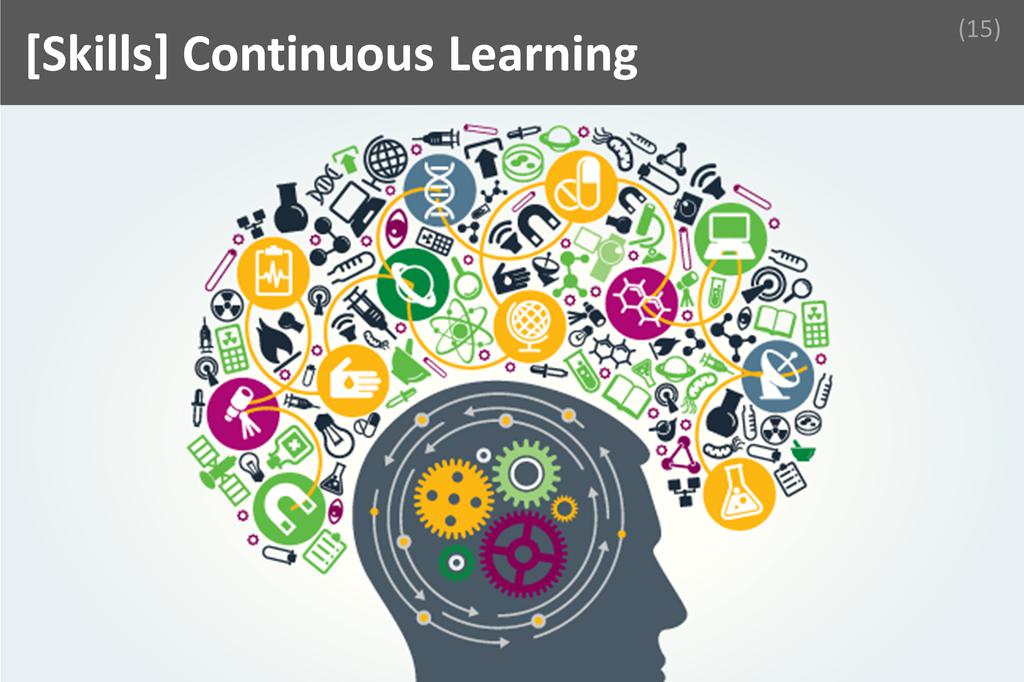
Continuous Learning is the ongoing, self-motivated pursuit of knowledge and skills throughout one’s professional life. For librarians, it means staying updated with emerging technologies, evolving information resources, and best practices in information management. This adaptability ensures librarians remain effective, relevant, and capable of meeting the dynamic needs of their communities.
Continuous Learning directly enhances a librarian’s ability to navigate new digital platforms, manage diverse collections, and provide innovative services. Employers and clients value this skill because it demonstrates adaptability, initiative, and a commitment to excellence in service delivery. Librarians who prioritize ongoing education are better equipped to anticipate trends, implement new tools, and address complex information needs. Cultivating this skill involves engaging in professional development opportunities, attending workshops, participating in webinars, and actively seeking feedback. Over time, this habit of learning fosters resilience and positions librarians as leaders and trusted advisors within their organizations.
Imagine a librarian tasked with implementing a new digital catalog system that integrates e-books, audiobooks, and traditional resources. The system is unfamiliar and presents technical challenges that could disrupt library operations. Drawing on a foundation of Continuous Learning, the librarian proactively researches the platform, attends vendor training sessions, and consults with peers in professional networks. By applying newly acquired knowledge, the librarian successfully configures the system, trains staff, and ensures a seamless transition for patrons. This commitment to ongoing learning not only resolves the immediate challenge but also positions the library to better serve its community in a rapidly changing information landscape.
Resourcefulness

Resourcefulness is the ability to find quick and clever ways to overcome difficulties, adapt to new situations, and make the most of available resources. In librarianship, this skill empowers professionals to navigate complex information landscapes, address patrons’ diverse needs, and solve unexpected challenges with creativity and efficiency.
Resourcefulness directly enhances a librarian’s performance by enabling them to respond effectively to rapidly changing technologies, limited budgets, and evolving user expectations. Employers and clients value this skill because it ensures that library services remain relevant, accessible, and innovative, even when faced with constraints. Librarians can cultivate resourcefulness by embracing continuous learning, seeking out new tools and methods, and collaborating with colleagues across disciplines. Over time, regularly tackling unfamiliar problems and reflecting on solutions helps build confidence and agility, making resourcefulness a natural part of a librarian’s professional approach.
Imagine a librarian faced with a sudden influx of students needing access to a specific digital resource that the library does not currently subscribe to. Instead of turning them away, the librarian quickly investigates alternative access options, such as open-access repositories, interlibrary loan networks, or trial subscriptions. By leveraging professional contacts and digital tools, the librarian secures temporary access for the students, ensuring their research needs are met. This scenario highlights how resourcefulness allows librarians to deliver solutions under pressure, maintain high service standards, and reinforce their role as indispensable information facilitators within their communities.
Ethics & Integrity

Ethics and integrity refer to the unwavering commitment to honesty, fairness, and moral principles in all professional actions and decisions. In librarianship, this means upholding confidentiality, intellectual freedom, and equitable access to information, ensuring that every patron is treated with respect and impartiality regardless of background or beliefs.
Ethics and integrity are foundational to building trust between librarians and their communities. When librarians consistently act with honesty and fairness, they foster an environment where patrons feel safe seeking information and guidance. Employers and clients value this skill because it ensures that library resources are managed responsibly, privacy is protected, and all users receive unbiased service. To cultivate ethics and integrity, professionals should engage in ongoing education about ethical standards, reflect on their decisions, and seek mentorship from experienced colleagues. Over time, consistently making principled choices, even in challenging situations, strengthens one’s reputation and effectiveness as a librarian.
Imagine a librarian who discovers that a local government official has requested the borrowing records of a patron. The librarian understands that releasing this information would violate both privacy laws and the library’s ethical code. By adhering to ethics and integrity, the librarian respectfully denies the request and explains the importance of confidentiality to the official. This decision not only protects the patron’s rights but also reinforces the library’s role as a trusted, impartial institution. In this scenario, the librarian’s commitment to ethical principles ensures the library remains a safe space for all, demonstrating how ethics and integrity are vital for navigating complex, real-world challenges in the profession.
Willingness to serve People

Willingness to serve People is the genuine desire and readiness to assist, support, and respond to the needs of others with empathy, patience, and respect. In librarianship, this quality ensures that professionals prioritize patrons’ needs, foster inclusive environments, and provide meaningful access to information, resources, and services for all.
A strong willingness to serve people directly enhances a librarian’s ability to connect with patrons, anticipate their needs, and deliver tailored assistance. This skill is highly valued by clients and employers because it leads to positive user experiences, increased library engagement, and a welcoming atmosphere that encourages learning and exploration. Cultivating this skill involves actively listening to patrons, seeking feedback, and maintaining a service-oriented mindset. Over time, librarians can further develop this quality by participating in customer service training, reflecting on their interactions, and embracing opportunities to support diverse communities. By consistently prioritizing the well-being and satisfaction of library users, professionals demonstrate their commitment to service excellence.
Imagine a librarian working in a busy public library who notices a non-English-speaking patron struggling to find resources for their child’s school project. Drawing on their willingness to serve people, the librarian approaches the patron with patience and empathy, using translation tools and visual aids to bridge the language gap. They guide the patron to relevant materials, offer additional support, and ensure the patron feels welcomed and understood. This proactive and compassionate approach not only resolves the immediate issue but also builds trust and encourages the patron to return for future assistance. The librarian’s dedication to serving people transforms a potential barrier into a positive, empowering experience.
Positives
Job Satisfaction

Job satisfaction is the sense of fulfillment, contentment, and pride that arises when individuals find meaning, value, and enjoyment in their work, feel respected and supported, and see the positive impact of their efforts. In librarianship, job satisfaction is a driving force that enhances motivation, engagement, and overall well-being.
Job satisfaction in librarianship matters deeply because it transforms daily responsibilities into meaningful experiences. When librarians feel appreciated and see the tangible results of their work—such as helping someone discover a new passion or supporting a student’s research—they develop a strong sense of purpose. This fulfillment encourages professional growth, fosters a positive workplace culture, and reduces burnout. Librarians who are satisfied with their jobs are more likely to innovate, collaborate, and advocate for their communities. The daily interactions with patrons, opportunities for lifelong learning, and the ability to make a difference in people’s lives all contribute to a rewarding career. Ultimately, job satisfaction not only benefits the individual librarian but also elevates the quality of service provided to the public.
Imagine a librarian who assists a high school student struggling to find credible sources for a research project. Through patient guidance, the librarian teaches the student how to navigate databases and evaluate information. When the student returns later, excitedly sharing a high grade and newfound confidence in research skills, the librarian feels a profound sense of accomplishment. This moment of connection and impact exemplifies job satisfaction in librarianship. The librarian’s expertise has directly contributed to someone’s personal and academic growth, reinforcing the value of their role. Such experiences, repeated throughout a career, create lasting fulfillment and a deep appreciation for the positive influence librarians have on individuals and communities.
Work-Life Balance

Work-life balance is the harmonious integration of professional responsibilities and personal life, allowing individuals to meet work demands while nurturing their well-being, relationships, and interests. In librarianship, this balance fosters a sustainable career, reduces stress, and enables professionals to thrive both at work and in their personal lives, enhancing overall fulfillment.
Work-life balance is a cornerstone of job satisfaction in librarianship, as it empowers professionals to manage their time effectively and avoid burnout. With predictable schedules and supportive environments, librarians can pursue personal passions, spend quality time with loved ones, and maintain their health. This equilibrium not only enhances daily happiness but also fuels long-term professional growth. When librarians feel rested and valued, they bring greater enthusiasm, creativity, and focus to their roles. The positive atmosphere extends to library users, who benefit from the energy and dedication of staff. Ultimately, work-life balance transforms librarianship into a rewarding vocation where individuals can grow, contribute meaningfully, and enjoy a rich, multifaceted life.
Imagine a librarian who finishes her workday knowing she has made a difference in her community, yet still has the time and energy to attend her child’s school play or pursue a favorite hobby. She leaves the library at a reasonable hour, free from the expectation of after-hours emails or overtime. This consistent schedule allows her to plan family dinners, weekend outings, and personal development activities without the stress of unpredictable work demands. As a result, she feels more present and engaged both at work and at home. This balance not only enriches her personal life but also renews her passion for her profession, creating a cycle of satisfaction and motivation that benefits everyone she serves.
Opportunity to Learn

Opportunity to Learn refers to the continual access to new information, skills, and experiences that foster personal and professional growth. In librarianship, this means engaging with evolving technologies, diverse resources, and a wide range of subjects. This constant exposure enriches librarians’ expertise and keeps their work dynamic and intellectually stimulating.
The opportunity to learn is a cornerstone of job satisfaction in librarianship because it transforms daily routines into ongoing journeys of discovery. Librarians are constantly exposed to new ideas, research trends, and technological advancements, which keeps their roles fresh and engaging. This environment encourages curiosity and adaptability, allowing professionals to expand their knowledge base and develop new competencies. As a result, librarians often feel a strong sense of accomplishment and relevance, knowing that their expertise grows alongside the ever-changing landscape of information. This continuous learning not only enhances individual growth but also empowers librarians to better serve their communities, making their contributions more meaningful and impactful.
Imagine a librarian who is tasked with supporting a local community’s transition to digital resources. To meet this challenge, they immerse themselves in learning about e-book platforms, digital archiving, and online privacy. Through workshops, webinars, and collaboration with colleagues, the librarian gains new technical skills and a deeper understanding of digital literacy. As they implement these resources and teach patrons how to access them, the librarian experiences firsthand the satisfaction of mastering new knowledge and making a tangible difference in people’s lives. This scenario highlights how the opportunity to learn not only enriches the librarian’s own professional journey but also strengthens their ability to empower others.
Exposure

Exposure in librarianship refers to the continuous interaction with diverse information sources, ideas, cultures, and people, enabling professionals to broaden their perspectives and knowledge base. This dynamic engagement fosters intellectual curiosity, adaptability, and lifelong learning, making the profession both stimulating and enriching for those who thrive on discovery and connection.
The benefit of exposure in librarianship is profound, as it transforms daily work into a journey of ongoing learning and personal growth. Librarians are constantly introduced to new technologies, literature, and research trends, which keeps their roles intellectually stimulating and relevant. This exposure not only enhances their expertise but also empowers them to better serve their communities by connecting people with the information they need. The variety and unpredictability of each day prevent monotony, fueling job satisfaction and professional enthusiasm. As librarians collaborate with patrons, educators, and researchers from all walks of life, they develop valuable communication skills and cultural awareness, further enriching their professional and personal lives.
Imagine a librarian working in a bustling public library who, in a single day, assists a student researching climate change, helps a local author find historical archives, and organizes a multicultural storytelling event. Through these interactions, the librarian is exposed to a wide array of topics, perspectives, and community needs. This constant engagement not only deepens their knowledge but also fosters meaningful connections with people from different backgrounds. The librarian leaves work each day with a sense of accomplishment, knowing they have played a pivotal role in facilitating learning and cultural exchange. This fulfilling impact of exposure is what makes a career in librarianship uniquely rewarding and endlessly inspiring.
Challenges
Need for Constant Up-gradation

The "Need for Constant Up-gradation" in librarianship refers to the ongoing requirement for professionals to continually update their knowledge, skills, and technological competencies. This is demanding because the rapid evolution of information technology, digital resources, and user expectations requires librarians to adapt quickly to remain relevant and effective in their roles.
The necessity for constant up-gradation significantly impacts the daily routines of librarians, as they must balance traditional responsibilities with the ongoing pursuit of new skills and knowledge. This challenge can lead to increased stress and workload, demanding resilience and adaptability. Professionals must be proactive in seeking out training opportunities, engaging with professional networks, and staying informed about industry trends. Successful librarians manage this constraint by integrating learning into their regular workflow, leveraging online courses, webinars, and peer collaboration. By fostering a mindset of lifelong learning and embracing change, they not only keep pace with advancements but also position themselves as valuable resources within their organizations, ensuring continued relevance and professional growth.
Consider a librarian working in a university setting who faces the introduction of a new digital cataloging system. Rather than resisting the change, she dedicates time outside her regular duties to participate in online training sessions and collaborates with IT staff to understand the system’s intricacies. She also organizes informal knowledge-sharing sessions with colleagues, helping them adapt more smoothly. Through her proactive approach, she not only masters the new technology but also becomes a go-to resource for her peers. This commitment to up-gradation not only enhances her own skills but also strengthens the library’s overall capacity to serve its users effectively in a rapidly changing information landscape.
Social Stereotypes

Social stereotypes in librarianship refer to widely held but oversimplified beliefs about librarians, such as being introverted, resistant to change, or solely focused on books. These misconceptions are demanding because they undermine professional expertise, limit career growth, and create barriers to innovation and recognition within and outside the field.
The persistence of social stereotypes can significantly affect the daily work of librarians by diminishing their authority and undervaluing their diverse skill sets. Such stereotypes may lead to misunderstandings with colleagues, patrons, and stakeholders, making it harder to advocate for resources or implement new initiatives. Overcoming these challenges requires resilience, as professionals must continually assert their value and adapt to evolving roles. Successful librarians navigate this constraint by actively demonstrating their expertise in technology, information management, and community engagement. They build strong professional networks, seek leadership opportunities, and communicate their impact through outreach and education, gradually shifting perceptions and fostering respect for the profession.
Consider a librarian tasked with leading a digital literacy program in a community that views librarians as traditional custodians of books rather than technology experts. Facing skepticism from both patrons and colleagues, the librarian proactively showcases their knowledge by organizing interactive workshops and collaborating with local organizations. Through consistent engagement and visible results, such as increased digital skills among participants, the librarian challenges prevailing stereotypes and earns recognition as a dynamic, forward-thinking professional. This approach not only benefits the community but also helps reshape perceptions of librarianship, illustrating how determination and strategic action can successfully counteract social stereotypes.
Chances of Stagnation

Chances of stagnation in librarianship refer to the risk of limited career progression, repetitive tasks, and a lack of new challenges or learning opportunities. This is demanding because it can lead to decreased motivation, professional dissatisfaction, and a sense of being undervalued, making it difficult to maintain enthusiasm and growth in the field.
The threat of stagnation can manifest in daily routines through repetitive cataloging, routine reference work, or limited involvement in decision-making. This monotony can erode job satisfaction and hinder professional development, requiring librarians to demonstrate resilience and adaptability. Successful professionals address this challenge by proactively seeking new responsibilities, engaging in continuous learning, and participating in professional networks. They often volunteer for committees, pursue specialized training, or initiate innovative programs within their institutions. By embracing change and remaining open to new technologies and trends, they keep their roles dynamic and fulfilling. This proactive approach not only combats stagnation but also positions them as valuable contributors to their organizations.
Consider a mid-career librarian working in a public library who begins to feel her daily tasks have become routine and uninspiring. Recognizing the risk of stagnation, she decides to enroll in a digital archiving course and volunteers to lead a community outreach initiative focused on digital literacy. Through these efforts, she acquires new skills, expands her professional network, and brings fresh energy to her workplace. Her initiative not only revitalizes her own career but also enhances the library’s services, demonstrating how embracing new opportunities and continuous learning can effectively overcome the challenge of stagnation in librarianship.
A Day Of
Librarianship
The hum of quiet conversation, the gentle clatter of keyboards, and the soft shuffle of pages set the rhythm for a day in the life of a librarianship professional. Far from the stereotype of silent stacks and solitary work, the modern library pulses with energy and purpose. Here, each day unfolds as a dynamic blend of information stewardship, community engagement, and technological navigation. The pace is steady but unpredictable, shaped by the needs of patrons, the demands of digital resources, and the ever-evolving role of the library as a hub for learning and connection.
As the sun rises, the library comes to life behind the scenes. The early morning hours are devoted to preparing the space for the day ahead. This involves checking in overnight book returns, reviewing the day’s event schedule, and ensuring that public computers and digital catalogs are up and running. Shelves are tidied, displays refreshed, and new arrivals are processed, all while scanning emails for urgent requests or updates from colleagues. This quiet, methodical start provides a moment to anticipate the flow of the day and address any issues before the first patrons arrive.
By mid-morning, the library is bustling with activity. This is the heart of the day, when librarians are most visible and engaged. The reference desk becomes a hub of inquiry, as students seek research guidance, job seekers request resume help, and families look for reading recommendations. Simultaneously, librarians may lead storytime sessions, assist with technology troubleshooting, or facilitate workshops on digital literacy. Each interaction requires adaptability, empathy, and expertise, as no two questions or needs are ever quite the same. The pace quickens, and the satisfaction of making a tangible difference in someone’s day is palpable.
The afternoon brings a shift toward collaboration and execution. Librarians gather for team meetings to discuss upcoming programs, review collection development priorities, or strategize outreach initiatives. There may be partnerships to coordinate with local schools, nonprofits, or cultural organizations, each requiring careful planning and communication. Behind the scenes, librarians work on curating digital resources, updating the library’s website, or preparing materials for evening events. The focus is on building connections—both within the team and with the broader community—to ensure the library remains responsive and relevant.
As the day winds down, attention turns to closing tasks and forward planning. Circulation statistics are reviewed, overdue notices are sent, and the day’s challenges and successes are documented. Librarians may spend this quieter time conducting research for upcoming programs, updating records, or exploring new technologies that could enhance services. There is a sense of reflection and anticipation, as the team prepares for tomorrow’s opportunities and considers how to continually improve the library experience. With the last patrons departing and the lights dimming, the cycle of stewardship and service comes full circle, ready to begin anew. |


 Home
Home Abroad
 Plan
Plan Philosophy
 Seminar
 Pages
Pages Advisors
 Testimonials



















 Workshop
 Discuss
 Meet
Meet
 Advisor
 Story
Story
 Fine Print
 Links
Links
 Blog
Blog
 Follow
