The Journey of Sales & Marketing in Pharmaceuticals
What Is Sales & Marketing in Pharmaceuticals
Sales & Marketing in Pharmaceuticals

Sales & Marketing in Pharmaceuticals involves promoting, selling, and distributing pharmaceutical products to healthcare professionals, institutions, and patients. This field combines scientific knowledge with business strategies to ensure medicines reach those who need them, while complying with regulations and fostering relationships within the healthcare industry.
Sales & Marketing in Pharmaceuticals plays a crucial role in bridging the gap between pharmaceutical companies and healthcare providers. Professionals in this field help ensure that innovative medicines and therapies are accessible to patients, ultimately improving public health outcomes. The work is highly impactful, as it drives awareness of new treatments, supports the adoption of life-saving medications, and helps companies grow in a competitive market. For professionals, this career offers the benefit of working at the intersection of science and business, providing opportunities for personal growth, financial rewards, and the satisfaction of contributing to better healthcare. Additionally, it fosters strong communication and negotiation skills, which are valuable in many industries.
A pharmaceutical sales representative might be responsible for introducing a new diabetes medication to endocrinologists and primary care physicians within a specific region. This professional would study the clinical data, understand the competitive landscape, and develop tailored presentations to highlight the benefits and safety of the medication. By building relationships with healthcare providers, answering their questions, and providing educational resources, the representative helps physicians make informed decisions about prescribing the new treatment. Their efforts not only drive sales for the company but also ensure that patients have access to the latest advancements in diabetes care, demonstrating the real-world impact of effective sales and marketing in the pharmaceutical industry.
Education
Brand Management

Brand Management is the strategic process of creating, maintaining, and enhancing the perception and value of a product or company in the minds of customers and stakeholders. In pharmaceuticals, it is a crucial academic and professional discipline, ensuring that products are differentiated, trusted, and positioned effectively in a highly regulated and competitive market.
Understanding brand management is essential for anyone working in pharmaceutical sales and marketing because it underpins every aspect of how products are perceived by healthcare professionals, patients, and regulatory bodies. Mastery of this subject equips professionals to develop compelling value propositions, manage product life cycles, and respond to market changes with agility. It also fosters the ability to build long-term relationships with key stakeholders by ensuring consistent messaging and trust, which are critical in healthcare. Over time, expertise in brand management enhances career prospects by enabling professionals to lead successful product launches, navigate complex market dynamics, and contribute to the sustained growth and reputation of their organizations.
Consider a pharmaceutical sales manager responsible for launching a new cardiovascular drug. Drawing on their knowledge of brand management, they collaborate with marketing teams to craft a unique brand identity that highlights the drug’s clinical benefits and safety profile. They ensure that all promotional materials, educational seminars, and digital campaigns consistently reinforce this positioning. By monitoring feedback from healthcare providers and patients, the manager adapts messaging to address concerns and reinforce trust. This strategic approach not only drives product adoption but also strengthens the company’s reputation in the therapeutic area, demonstrating how theoretical brand management principles are applied to achieve tangible business outcomes in daily operations.
Market Research

Market research is the systematic process of collecting, analyzing, and interpreting data about a market, including information about potential customers, competitors, and industry trends. In pharmaceutical sales and marketing, it is a critical academic and professional discipline, underpinning strategic decisions and ensuring that products meet the needs of healthcare providers and patients.
Understanding market research is essential for anyone pursuing a career in pharmaceutical sales and marketing because it equips professionals with the ability to make informed, evidence-based decisions. By mastering this subject, individuals can identify market opportunities, anticipate shifts in demand, and tailor their strategies to specific customer segments. This knowledge forms the backbone of successful product launches, competitive positioning, and effective communication with healthcare professionals. Over the long term, proficiency in market research enhances adaptability in a rapidly evolving industry, fosters innovation, and supports career advancement by demonstrating a commitment to data-driven decision-making and strategic thinking.
Consider a pharmaceutical sales manager preparing to launch a new medication. Drawing on their expertise in market research, they analyze prescribing patterns, competitor products, and unmet medical needs within their target region. This research enables them to identify key opinion leaders, tailor marketing messages to address specific concerns of healthcare providers, and allocate resources efficiently. By continuously monitoring market feedback and adjusting their approach, the manager ensures that the product gains traction among prescribers and meets patient needs, ultimately driving sales growth and establishing a strong market presence. This scenario highlights how theoretical knowledge of market research translates into practical, impactful actions in daily operations.
Pharmaceutical Industry
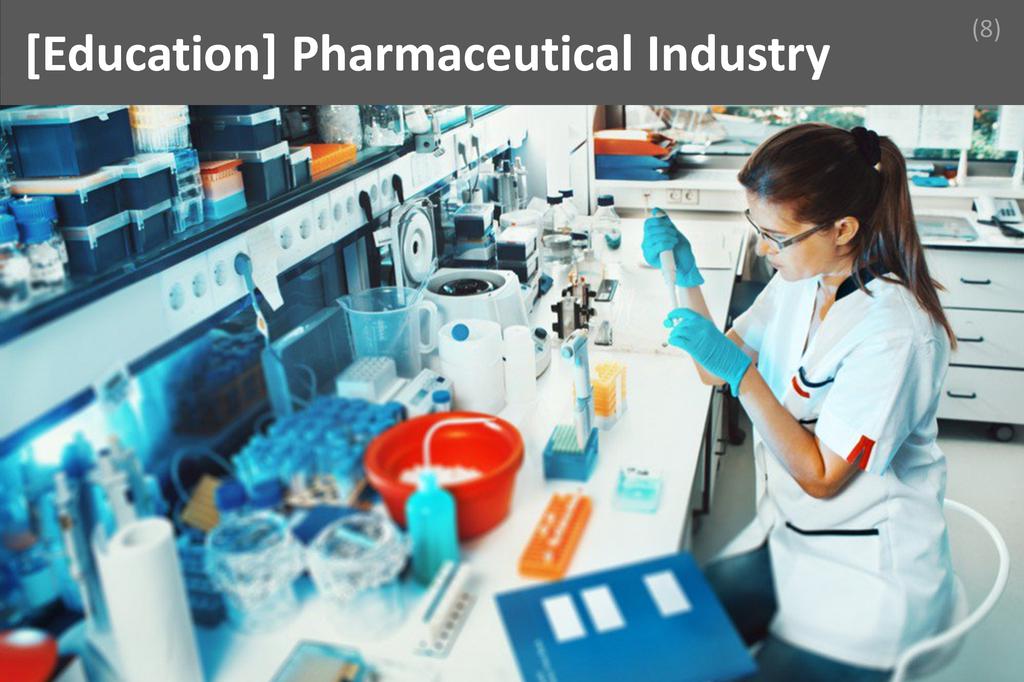
The pharmaceutical industry encompasses the research, development, production, and marketing of medications and therapies designed to improve health outcomes. It operates within a highly regulated environment and involves collaboration among scientists, manufacturers, healthcare professionals, and regulatory bodies. For sales and marketing professionals, understanding this industry is essential for effective engagement and strategy.
A deep understanding of the pharmaceutical industry is vital for anyone in sales and marketing roles because it provides the context in which all business activities occur. Knowledge of regulatory frameworks, drug development processes, market dynamics, and ethical considerations forms the backbone of effective communication with healthcare professionals and stakeholders. This foundational knowledge enables professionals to position products accurately, anticipate market trends, and navigate complex compliance requirements. Over the long term, mastery of industry concepts enhances credibility, fosters trust with clients, and supports career advancement by enabling professionals to contribute strategically to organizational goals and adapt to the evolving landscape of healthcare and pharmaceuticals.
Consider a sales representative preparing to introduce a new medication to a group of physicians. Their understanding of the pharmaceutical industry allows them to explain not only the clinical benefits of the product but also its regulatory approval status, competitive positioning, and relevance within current treatment guidelines. By referencing the drug’s development pathway and addressing potential concerns about safety and efficacy, the representative demonstrates expertise and builds trust. This comprehensive approach, grounded in industry knowledge, helps the professional answer complex questions, tailor messaging to the audience, and ultimately drive adoption of the product in a manner that aligns with both ethical standards and business objectives.
Computer Knowledge

Computer Knowledge refers to the understanding and practical ability to use computers, software applications, and digital tools to process, store, and communicate information efficiently. In the context of Sales & Marketing in Pharmaceuticals, it forms a crucial part of both academic learning and professional expertise, enabling effective data management, communication, and strategic decision-making.
In the pharmaceutical industry, Sales & Marketing professionals must navigate a landscape driven by data, digital communication, and regulatory compliance. Mastering computer knowledge is essential because it allows professionals to analyze market trends, manage customer relationships, and create impactful presentations. Proficiency in computer applications such as spreadsheets, databases, and customer relationship management (CRM) systems forms the backbone of efficient workflow and informed decision-making. Over time, strong computer skills enhance productivity, foster innovation, and open doors to advanced roles within the organization. As the industry continues to embrace digital transformation, those with robust computer knowledge remain competitive, adaptable, and better equipped to meet evolving business demands.
Consider a pharmaceutical sales representative who uses a CRM platform to track interactions with healthcare professionals, schedule follow-ups, and analyze sales data. By leveraging their computer knowledge, the representative can generate detailed reports on product performance, identify high-potential clients, and tailor marketing strategies accordingly. During a product launch, they might use presentation software to deliver compelling product information to a group of physicians, ensuring clarity and engagement. Additionally, the ability to navigate online regulatory portals allows them to stay updated on compliance requirements. This seamless integration of computer skills into daily tasks not only streamlines operations but also enhances the overall effectiveness of sales and marketing initiatives.
Social Media Interactions

Social Media Interactions refer to the dynamic exchanges between individuals, organizations, and audiences on digital platforms such as LinkedIn, Twitter, and Facebook. In pharmaceutical sales and marketing, these interactions encompass conversations, engagement, and content sharing, forming a critical component of communication strategies and stakeholder relationship management in both academic and professional contexts.
Understanding social media interactions is essential for professionals in pharmaceutical sales and marketing because it enables them to effectively engage with healthcare professionals, patients, and industry stakeholders. Mastery of this subject allows individuals to monitor trends, respond to feedback, and disseminate accurate information in a highly regulated environment. By developing these skills, professionals can build trust, enhance brand reputation, and drive meaningful conversations that support product awareness and adoption. Over the long term, expertise in social media interactions provides a competitive edge, as it empowers professionals to adapt to evolving digital landscapes, comply with industry regulations, and leverage data-driven insights to inform strategic decisions and foster sustainable business growth.
A pharmaceutical sales representative uses their understanding of social media interactions to monitor discussions among healthcare professionals about a newly launched medication. By identifying common questions and concerns, the representative tailors their online engagement to provide evidence-based answers and share relevant clinical resources, all while adhering to compliance guidelines. This proactive approach not only addresses the immediate needs of the audience but also positions the company as a trusted source of information. Through consistent and thoughtful participation in digital conversations, the representative strengthens relationships with key opinion leaders and expands the reach of the product, ultimately supporting sales objectives and enhancing the company’s reputation in the marketplace.
Skills
Empathy

Empathy is the ability to understand and share the feelings, perspectives, and experiences of others, allowing for genuine connection and effective communication. In the context of Sales & Marketing in Pharmaceuticals, empathy enables professionals to truly grasp the needs, concerns, and motivations of healthcare providers, patients, and stakeholders, fostering trust and collaboration.
Empathy directly enhances performance in pharmaceutical sales and marketing by enabling professionals to tailor their approach to the unique needs of each client or healthcare provider. Clients and employers value empathy because it leads to stronger relationships, increased loyalty, and more effective problem-solving. When a sales representative listens attentively and responds thoughtfully, clients feel understood and respected, which can differentiate a company in a highly competitive market. Cultivating empathy involves active listening, seeking feedback, and consistently putting oneself in the client’s or patient’s position. Over time, this skill can be refined through experience, self-reflection, and ongoing training, ultimately resulting in more meaningful interactions and better business outcomes.
Imagine a pharmaceutical sales representative meeting with a physician who is hesitant to prescribe a new medication due to concerns about patient side effects. Instead of pushing the product, the representative listens carefully, acknowledges the physician’s worries, and shares relevant clinical data addressing those specific concerns. By empathizing with the physician’s responsibility to patient safety, the representative builds trust and demonstrates genuine care for patient outcomes. This empathetic approach not only alleviates the physician’s apprehensions but also opens the door to a collaborative discussion about how the medication might fit into the physician’s practice, ultimately leading to a successful partnership and improved patient care.
Networking Skills

Networking skills refer to the ability to build, maintain, and leverage professional relationships to exchange information, gain support, and create opportunities. In pharmaceutical sales and marketing, these skills are crucial for connecting with healthcare professionals, decision-makers, and industry peers, ultimately facilitating business growth and fostering trust within a competitive landscape.
Networking skills directly enhance a pharmaceutical sales and marketing professional’s performance by opening doors to new clients, partnerships, and market insights. Employers and clients highly value individuals who can establish rapport, nurture long-term relationships, and access key stakeholders, as these connections often translate into increased sales and brand loyalty. Cultivating networking skills involves consistent engagement at industry events, active participation in professional associations, and maintaining regular, meaningful communication with contacts. Over time, professionals can refine their approach by seeking feedback, observing successful networkers, and leveraging digital platforms to expand their reach. The ability to connect authentically and strategically is a distinguishing trait that can set a professional apart in the pharmaceutical sector.
Imagine a pharmaceutical sales manager facing declining product adoption at a major hospital. Instead of relying solely on traditional marketing tactics, the manager leverages their networking skills to connect with influential physicians and hospital administrators. Through informal conversations and attending medical conferences, the manager uncovers concerns about product efficacy and safety. By addressing these concerns directly and facilitating discussions between the hospital’s medical team and the company’s research experts, the manager rebuilds trust and demonstrates commitment to patient outcomes. This proactive networking not only resolves the immediate issue but also strengthens the company’s reputation, leading to renewed contracts and increased product uptake. The scenario highlights how effective networking can turn challenges into opportunities for long-term success.
Communication Skills

Communication skills refer to the ability to convey information clearly, listen actively, interpret feedback, and adapt messages to different audiences through verbal, non-verbal, and written means. In Sales & Marketing in Pharmaceuticals, these skills are crucial for building trust, educating stakeholders, and effectively promoting products in a highly regulated and competitive environment.
Strong communication skills directly enhance a professional’s ability to present complex pharmaceutical information in a way that is accessible and persuasive to healthcare providers, clients, and internal teams. Employers and clients value these skills because they lead to better relationships, increased trust, and ultimately, higher sales and market penetration. Effective communicators can navigate objections, clarify misunderstandings, and foster long-term partnerships, which are vital in the pharmaceutical industry where credibility and compliance are paramount. To cultivate communication skills, professionals should seek feedback, engage in active listening, participate in relevant training, and practice tailoring their messages to suit different audiences and contexts. Over time, consistent effort in these areas leads to greater confidence and proficiency.
Imagine a pharmaceutical sales representative who is introducing a new medication to a group of physicians. During the presentation, the physicians express concerns about potential side effects and regulatory compliance. The representative listens attentively, acknowledges their concerns, and responds with clear, evidence-based information tailored to their specific questions. By adapting her communication style to address both the scientific and practical aspects of the medication, she builds credibility and trust. As a result, the physicians feel more confident in considering the product for their patients. This scenario illustrates how effective communication skills enable a sales and marketing professional to overcome objections, provide clarity, and achieve successful outcomes in a complex and highly regulated industry.
Presentation Skills

Presentation skills refer to the ability to effectively communicate information, ideas, or proposals to an audience using clear speech, engaging visuals, and confident body language. In Sales & Marketing in Pharmaceuticals, these skills are vital for conveying complex scientific data, product benefits, and value propositions to healthcare professionals and stakeholders.
Strong presentation skills directly enhance a professional’s ability to persuade, educate, and build trust with clients, doctors, and decision-makers. Employers and clients highly value these skills because they ensure that critical product information is delivered accurately and compellingly, which can influence purchasing decisions and foster long-term relationships. Over time, individuals can cultivate presentation skills through consistent practice, seeking feedback, and observing experienced presenters. Attending workshops, rehearsing with peers, and refining both verbal and non-verbal communication techniques also contribute to continuous improvement. As pharmaceutical products and regulations evolve, ongoing development of presentation skills ensures professionals remain effective and adaptable in their communication.
Imagine a pharmaceutical sales representative tasked with introducing a new medication to a panel of hospital physicians. The product is innovative but complex, and the physicians are skeptical due to previous negative experiences with similar drugs. The representative uses strong presentation skills to clearly explain the clinical trial results, address concerns with evidence, and engage the audience with relevant case studies. By confidently answering questions and adapting the message to the physicians’ interests, the representative overcomes resistance and secures the hospital’s approval for the new medication. This scenario highlights how effective presentation skills can turn a challenging situation into a successful outcome, directly impacting sales performance and client trust.
Reading

Reading is the process of actively interpreting and understanding written information, including scientific literature, product documentation, market research, and regulatory guidelines. In Sales & Marketing within the pharmaceutical industry, reading is indispensable for staying informed about new products, evolving regulations, competitor activities, and the latest medical advancements, ensuring professionals remain credible and effective.
The ability to read and comprehend complex information directly impacts a pharmaceutical sales and marketing professional’s effectiveness. Mastery of reading enables swift assimilation of clinical trial results, regulatory updates, and market trends, which are crucial for crafting persuasive messaging and making informed decisions. Clients and employers highly value this skill because it ensures accuracy in communication and compliance with industry standards. To cultivate strong reading skills, professionals should regularly engage with diverse sources such as medical journals, industry reports, and regulatory documents. Over time, consistent practice enhances speed, comprehension, and the ability to extract actionable insights, making reading a lifelong asset in this dynamic field.
Imagine a pharmaceutical sales manager preparing for a meeting with a hospital’s procurement team. The manager receives a new clinical study about a recently launched drug. By thoroughly reading and understanding the study, the manager identifies key efficacy data and safety profiles relevant to the hospital’s patient population. During the meeting, the manager confidently addresses the procurement team’s concerns, referencing specific data points and regulatory approvals. This ability to quickly digest and communicate complex information not only builds trust but also positions the manager as a knowledgeable partner, ultimately leading to a successful negotiation and increased product adoption. In this scenario, reading is the foundation for credibility and persuasive communication.
Story Telling

Story Telling is the art of crafting and conveying engaging narratives that connect information, emotions, and experiences to an audience in a memorable way. In pharmaceutical sales and marketing, it transforms complex scientific data into relatable messages, helping professionals build trust, inspire action, and differentiate products in a competitive marketplace.
Mastering Story Telling elevates a pharmaceutical sales or marketing professional’s ability to communicate value beyond technical specifications. By weaving clinical data, patient experiences, and product benefits into compelling narratives, professionals foster deeper engagement with healthcare providers and decision-makers. Clients and employers value this skill because it breaks down barriers to understanding, making scientific advancements accessible and relevant. Over time, Story Telling can be cultivated through active listening, empathy, and continuous learning about both products and audience needs. Practicing narrative techniques, seeking feedback, and observing skilled communicators further enhance one’s ability to tell stories that resonate and drive results.
Imagine a pharmaceutical sales representative facing skepticism from a physician about a new medication’s efficacy. Instead of reciting statistics, the representative shares a real-life story of a patient whose quality of life dramatically improved after starting the treatment. The narrative includes the patient’s initial struggles, the turning point with the medication, and the positive outcome, all supported by relevant clinical data. This approach not only humanizes the product but also addresses the physician’s concerns in a relatable way. By using Story Telling, the representative builds trust, overcomes objections, and ultimately secures the physician’s willingness to try the new medication, demonstrating the transformative power of narrative in pharmaceutical sales and marketing.
Innovative
Innovative refers to the ability to generate and implement new ideas, approaches, or solutions that add value or improve outcomes. In Sales & Marketing in Pharmaceuticals, being innovative means continuously seeking creative strategies to engage healthcare professionals, adapt to regulatory changes, and differentiate products in a highly competitive and regulated market.
Innovation directly enhances performance in pharmaceutical sales and marketing by enabling professionals to anticipate market trends, respond to evolving customer needs, and design campaigns that stand out. Clients and employers highly value this skill because it leads to increased market share, stronger brand loyalty, and the ability to navigate complex industry challenges. Cultivating innovation involves staying informed about scientific advancements, embracing digital tools, and fostering a mindset open to experimentation and learning from both successes and failures. Over time, professionals can develop this skill by collaborating with cross-functional teams, attending industry conferences, and actively seeking feedback to refine their approaches.
Imagine a pharmaceutical sales manager facing declining engagement from healthcare providers due to traditional in-person visits becoming less effective. By leveraging their innovative mindset, the manager develops a virtual educational platform that offers interactive webinars and real-time Q&A sessions with medical experts. This new approach not only overcomes access barriers but also provides valuable, on-demand content tailored to the needs of busy healthcare professionals. As a result, the company experiences a significant increase in product awareness and prescription rates, demonstrating how innovation can drive success even in challenging circumstances.
Observation
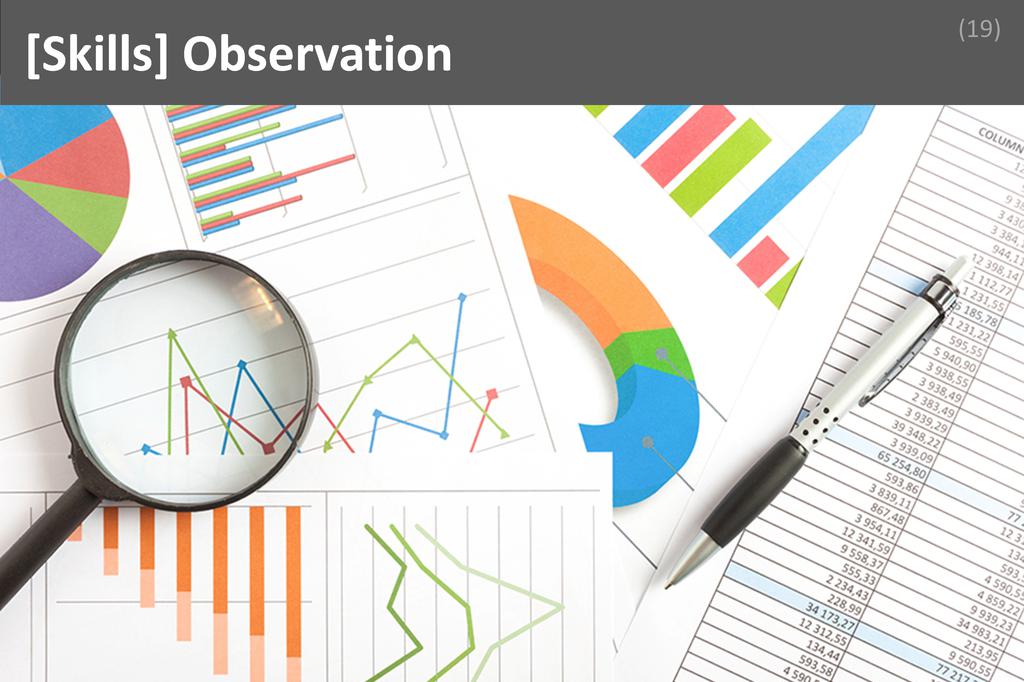
Observation is the attentive and systematic process of noticing, interpreting, and understanding details, behaviors, and patterns in people and environments. In Sales & Marketing in Pharmaceuticals, observation enables professionals to identify subtle cues from healthcare providers, market shifts, and competitor strategies, forming the foundation for effective communication, relationship-building, and strategic decision-making.
Observation directly enhances performance in pharmaceutical sales and marketing by allowing professionals to detect unspoken needs, recognize emerging trends, and anticipate objections or concerns from clients. Employers and clients value this skill because it leads to more personalized solutions, fosters trust, and supports proactive problem-solving. Cultivating observation involves active listening, maintaining curiosity, and reflecting on interactions to identify patterns and insights. Over time, professionals can refine this skill by seeking feedback, staying updated on industry developments, and practicing mindfulness during meetings and presentations. By consistently applying observation, individuals become more adaptable and responsive, which is crucial in the dynamic and highly regulated pharmaceutical landscape.
Imagine a pharmaceutical sales representative attending a meeting with a hospital’s procurement team. During the discussion, the representative notices that one of the doctors frequently glances at a competitor’s brochure and hesitates when discussing pricing. By carefully observing these nonverbal cues, the representative realizes there may be concerns about cost-effectiveness compared to competitors. After the meeting, the representative tailors a follow-up presentation that highlights the product’s unique value proposition and cost-saving benefits, directly addressing the unspoken concerns. This targeted approach, made possible through keen observation, not only reassures the client but also strengthens the relationship and increases the likelihood of securing the contract.
Data Interpretation
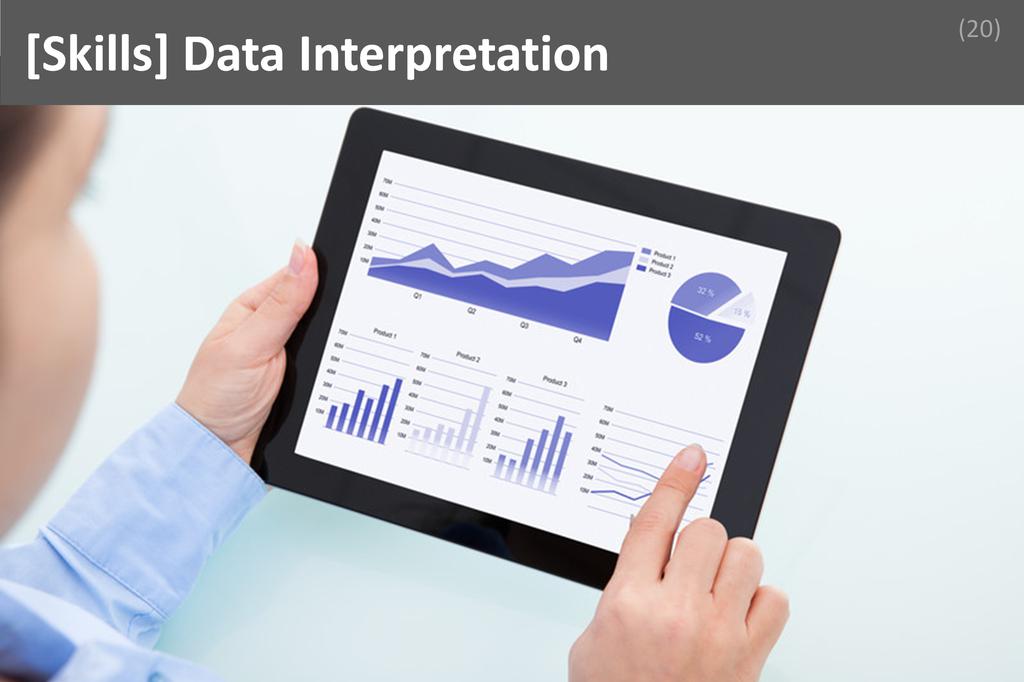
Data interpretation is the process of analyzing, understanding, and drawing meaningful conclusions from complex data sets to inform decision-making. In the context of Sales & Marketing in Pharmaceuticals, it enables professionals to transform raw market, sales, and clinical data into actionable insights that drive strategic initiatives and competitive advantage.
Mastering data interpretation significantly enhances a pharmaceutical sales and marketing professional’s ability to identify trends, forecast demand, and tailor strategies to specific market needs. Clients and employers highly value this skill because it leads to more informed decisions, optimized resource allocation, and improved targeting of healthcare providers and patients. Developing data interpretation skills involves continuous learning, hands-on experience with data analytics tools, and staying updated on industry trends. Over time, professionals can refine their ability to discern patterns, question assumptions, and communicate findings clearly, making them indispensable assets to their organizations.
Imagine a pharmaceutical sales manager noticing a sudden decline in prescription rates for a flagship drug. By interpreting sales data alongside regional demographic information and recent competitor activity, the manager identifies that a new competitor product has launched in specific territories. Using these insights, the manager collaborates with the marketing team to adjust promotional strategies and reallocate resources to affected regions. This targeted response not only recovers lost market share but also strengthens relationships with healthcare providers, demonstrating how effective data interpretation directly contributes to overcoming challenges and achieving business objectives in the pharmaceutical industry.
Positives
Self Development

Self development is the ongoing process of improving one’s skills, knowledge, mindset, and personal qualities to achieve greater effectiveness and fulfillment. In pharmaceutical sales and marketing, self development is essential because it empowers professionals to adapt to industry changes, build meaningful relationships, and deliver value to healthcare providers and patients alike.
The emphasis on self development in pharmaceutical sales and marketing makes the profession uniquely rewarding. As the industry evolves rapidly with new products, regulations, and technologies, professionals must continuously learn and grow. This constant evolution fosters a dynamic work environment where individuals are encouraged to expand their expertise, refine their communication skills, and develop resilience. The pursuit of self improvement not only enhances job performance but also leads to greater job satisfaction, as professionals see tangible progress in their abilities and confidence. Daily, this commitment to growth helps individuals overcome challenges, achieve ambitious targets, and build lasting connections, making every achievement more meaningful and every setback an opportunity for learning.
Consider a pharmaceutical sales representative who regularly attends workshops on the latest medical advancements and hones their presentation skills through feedback from mentors. When a new drug is launched, this professional confidently educates healthcare providers, addresses their concerns, and tailors solutions to their needs. Through this process, the representative not only achieves impressive sales results but also gains a deep sense of accomplishment from mastering new knowledge and building trust with clients. The ongoing journey of self development transforms routine tasks into opportunities for personal and professional growth, making each day in the field both challenging and deeply fulfilling.
Become Extrovert

"Become Extrovert" means developing the confidence and enthusiasm to engage openly with others, express ideas clearly, and build meaningful professional relationships. In the context of Sales & Marketing in Pharmaceuticals, this quality empowers individuals to connect with healthcare professionals, understand their needs, and communicate the value of innovative medical solutions effectively. Embracing extroversion in this field leads to stronger collaborations, increased trust, and the ability to influence positive healthcare outcomes, making it a cornerstone of success and fulfillment in the profession.
The ability to become extrovert is a transformative advantage in pharmaceutical sales and marketing because it directly enhances communication, networking, and relationship-building skills. Professionals who embrace extroversion find themselves more comfortable initiating conversations, presenting new products, and addressing concerns with clarity and empathy. This openness not only fosters trust with clients and colleagues but also creates a dynamic work environment where ideas and feedback flow freely. As a result, job satisfaction increases, as individuals feel more connected to their work and the people they serve. Career growth is also accelerated, since extroverted professionals are often recognized for their leadership potential and ability to inspire teams, making them valuable assets to any organization.
Imagine a pharmaceutical sales representative who once felt hesitant about approaching new doctors and hospital administrators. Through experience and training, they gradually become more extroverted, confidently initiating conversations and building rapport with key decision-makers. During a product launch, this professional leverages their extroverted skills to organize engaging presentations, answer challenging questions, and listen attentively to feedback. Their approachable demeanor encourages healthcare professionals to share their concerns and suggestions, leading to stronger partnerships and better patient outcomes. This daily experience of meaningful interaction and positive influence not only brings a sense of accomplishment but also reinforces the vital role extroversion plays in driving both personal and professional success in pharmaceutical sales and marketing.
Travelling

Travelling, in the context of pharmaceutical sales and marketing, refers to the regular movement of professionals between cities, regions, or even countries to engage with healthcare providers, attend conferences, and explore new markets. This dynamic activity fosters personal growth, broadens perspectives, and creates opportunities for meaningful connections, making the profession uniquely enriching.
The opportunity to travel is a defining feature of a career in pharmaceutical sales and marketing, offering a blend of adventure and professional development. Travelling exposes professionals to diverse healthcare environments, allowing them to understand regional market needs, build relationships with clients, and stay updated with industry trends. This constant movement breaks the monotony of a traditional office job, infusing each day with new experiences and challenges. As professionals interact with different cultures and healthcare systems, they develop adaptability, resilience, and a global mindset. These qualities not only enhance job satisfaction but also accelerate career growth, as individuals become more resourceful and skilled in navigating complex, ever-changing markets.
Imagine a pharmaceutical sales manager who regularly visits hospitals and clinics across several states. On one trip, she attends a medical conference in a new city, where she learns about innovative treatment protocols and meets leading healthcare professionals. During her travels, she also visits rural clinics, gaining firsthand insight into the unique challenges faced by these communities. Each journey brings fresh perspectives, new professional relationships, and a sense of accomplishment as she helps introduce life-changing medicines to different regions. The excitement of exploring new places, combined with the satisfaction of making a tangible impact on healthcare, makes her role deeply fulfilling and motivates her to continue growing in her career.
Growth Opportunities

Growth opportunities refer to the potential for personal and professional advancement, skill development, and career progression within a chosen field. In pharmaceutical sales and marketing, these opportunities allow individuals to expand their expertise, take on new responsibilities, and achieve higher positions, fostering a dynamic and motivating work environment.
The presence of growth opportunities in pharmaceutical sales and marketing is a significant driver of job satisfaction and long-term career fulfillment. Professionals in this field are constantly exposed to new products, evolving healthcare landscapes, and innovative marketing strategies, which encourage continuous learning and adaptability. This dynamic environment ensures that employees are regularly challenged and rewarded for their achievements, leading to increased motivation and engagement. As individuals progress, they gain access to leadership roles, cross-functional projects, and specialized training, all of which contribute to a sense of accomplishment and purpose. The ability to envision and actively pursue a clear career path makes the profession both exciting and sustainable, as professionals see tangible results from their efforts and dedication.
Imagine a pharmaceutical sales representative who starts their career managing a small territory and gradually builds strong relationships with healthcare providers. Through consistent performance and a willingness to learn, they are offered opportunities to lead regional teams and participate in strategic marketing initiatives. Over time, this professional attends industry conferences, completes advanced training programs, and collaborates with research and development teams to launch new products. Each step brings new challenges and responsibilities, allowing them to develop a diverse skill set and a deep understanding of the industry. This journey not only enhances their expertise but also provides a profound sense of achievement and purpose, as they witness the direct impact of their growth on both their career and the healthcare community.
Challenges
Budget Constraint

Budget constraint in pharmaceutical sales and marketing refers to the limited financial resources allocated for promotional activities, campaigns, and customer engagement. This restriction is demanding because it forces professionals to prioritize initiatives, optimize spending, and achieve ambitious targets despite limited means, all while navigating strict industry regulations and intense competition.
Budget constraints significantly shape the daily realities of sales and marketing professionals in the pharmaceutical sector. With limited funds, teams must make tough decisions about which channels, events, or campaigns to pursue, often foregoing promising opportunities. This environment demands resilience, creativity, and strategic thinking, as professionals must consistently deliver results with fewer resources. Successful individuals adapt by leveraging data-driven insights to target high-impact activities, negotiating better deals with vendors, and fostering cross-functional collaboration to maximize every dollar spent. They also focus on building strong relationships with healthcare professionals and stakeholders, ensuring that even modest investments yield meaningful engagement and measurable outcomes. By embracing innovation and maintaining a flexible mindset, these professionals turn constraints into opportunities for growth and differentiation.
Consider a pharmaceutical sales manager tasked with launching a new product in a highly competitive market, but with a sharply reduced marketing budget. Instead of traditional large-scale events and expensive advertising, the manager identifies key opinion leaders and organizes a series of small, targeted educational webinars. By partnering with medical associations and utilizing digital platforms, the manager ensures broad reach at minimal cost. The team also creates concise, impactful digital content tailored to physicians’ needs, maximizing engagement through personalized follow-ups. Through careful allocation of resources and a focus on high-value activities, the manager not only achieves product awareness goals but also builds lasting relationships with healthcare professionals, demonstrating that strategic innovation can overcome even the most challenging budget constraints.
Hectic Schedule

A hectic schedule in pharmaceutical sales and marketing refers to the relentless pace of daily activities, including frequent client meetings, product launches, travel, and tight deadlines. This demanding environment requires constant multitasking, adaptability, and the ability to respond quickly to market changes, regulatory updates, and customer needs, often with minimal downtime.
The pressure of a hectic schedule can lead to fatigue, decreased productivity, and even burnout if not managed properly. Professionals must juggle multiple priorities, often working beyond standard hours to meet targets and maintain client relationships. This environment demands resilience, strong organizational skills, and emotional intelligence. Successful individuals in this field develop effective time management techniques, such as prioritizing high-impact tasks, delegating responsibilities when possible, and setting clear boundaries to protect personal time. They also leverage digital tools to streamline communication and reporting, ensuring that essential tasks are completed efficiently. By maintaining a proactive approach and regularly reassessing their workload, these professionals are able to stay focused, motivated, and productive despite the constant demands on their time.
Consider a pharmaceutical sales manager responsible for a large territory who faces back-to-back meetings with healthcare professionals, urgent product training sessions, and frequent travel. To manage this hectic schedule, she begins each week by mapping out her priorities, allocating specific time slots for client visits, administrative work, and personal breaks. She uses a digital calendar to set reminders and minimize scheduling conflicts. When unexpected requests arise, she quickly assesses their urgency and adjusts her plans accordingly, sometimes delegating less critical tasks to her team. By staying organized and flexible, she not only meets her sales targets but also maintains strong relationships with clients and colleagues, demonstrating that a hectic schedule can be managed with the right strategies.
Government Policies

Government policies in the context of Sales & Marketing in Pharmaceuticals refer to the complex web of regulations, pricing controls, advertising restrictions, and compliance requirements imposed by authorities. These policies are demanding because they constantly evolve, directly influence market access, and require strict adherence, often limiting traditional marketing strategies and sales approaches.
Government policies affect daily work by dictating what can be promoted, how products are priced, and the channels through which information can be shared. This regulatory environment demands resilience because professionals must adapt quickly to policy changes, which can disrupt established sales plans and marketing campaigns. Successful professionals manage this constraint by staying informed about policy updates, collaborating closely with regulatory and legal teams, and developing flexible strategies that can be adjusted as needed. They also invest in ongoing training to ensure compliance and foster strong relationships with stakeholders, allowing them to anticipate regulatory shifts and respond proactively rather than reactively.
Consider a pharmaceutical sales manager whose company faces new government restrictions on direct-to-physician marketing. Instead of relying on traditional sales visits, the manager pivots to organizing educational webinars that comply with the latest regulations. By working closely with the compliance department, the manager ensures all content meets legal standards while still providing valuable information to healthcare professionals. This approach not only maintains engagement with key clients but also demonstrates adaptability and a commitment to ethical practices. As a result, the sales team continues to build trust and achieve targets, even in a challenging regulatory environment, showcasing how proactive adaptation to government policies can lead to sustained success.
Non Supportive Management

Non Supportive Management in pharmaceutical Sales & Marketing refers to leaders who fail to provide adequate guidance, resources, or encouragement, often disregarding team input and undervaluing achievements. This environment is demanding because it stifles motivation, limits professional growth, and creates barriers to achieving ambitious sales targets in a highly competitive industry.
Working under non supportive management can make daily tasks feel isolating and frustrating. Professionals may struggle with unclear objectives, lack of recognition, and minimal access to essential resources or training. This environment can erode confidence and hinder performance, making resilience a crucial trait. Successful professionals often compensate by building strong peer networks, seeking mentorship outside their immediate management, and focusing on self-driven learning. They proactively communicate their needs, document achievements, and remain adaptable, ensuring their contributions are visible despite managerial indifference. By maintaining a positive attitude and leveraging personal initiative, they continue to meet targets and drive results, even in less-than-ideal circumstances.
Consider a pharmaceutical sales representative whose manager rarely provides feedback or support, leaving the team feeling undervalued and directionless. Instead of succumbing to frustration, the representative takes the initiative to connect with colleagues from other regions, sharing strategies and best practices. They also seek out industry webinars and training sessions independently, ensuring their knowledge remains current. By consistently tracking and reporting their sales achievements to upper management, they create visibility for their efforts. Over time, their proactive approach not only helps them exceed sales targets but also earns them recognition from senior leaders, demonstrating that perseverance and self-motivation can overcome the challenges posed by non supportive management.
A Day Of
Sales & Marketing in Pharmaceuticals
In the fast-paced world of pharmaceutical sales and marketing, every day is a dynamic blend of science, strategy, and human connection. The rhythm is relentless, driven by the need to stay ahead in a highly regulated industry where innovation and compliance go hand in hand. Professionals in this field juggle shifting priorities, from analyzing market trends and engaging healthcare providers to launching new products and navigating complex regulatory landscapes. The environment is both high-stakes and highly rewarding, demanding adaptability, sharp communication skills, and a genuine passion for improving patient outcomes. Each day unfolds as a carefully orchestrated sequence of preparation, action, collaboration, and reflection, with no two days ever quite the same.
As the sun rises, the day begins with a quiet moment of preparation. This is the time to review overnight emails, scan the latest industry news, and assess sales performance dashboards. Armed with a fresh cup of coffee, the professional pores over product updates, competitor activities, and any regulatory changes that might impact ongoing campaigns. This early morning ritual sets the tone for the day, ensuring that every move is informed by the latest intelligence and aligned with broader business objectives.
Mid-morning marks the heart of the action, as the focus shifts to direct engagement with key stakeholders. This could mean meeting with healthcare providers to discuss the clinical benefits of a new therapy, presenting data to hospital decision-makers, or conducting virtual product demonstrations for pharmacy chains. The energy is palpable, with each interaction tailored to address specific needs, answer complex questions, and build lasting relationships. Success in these moments depends on a deep understanding of both the science behind the products and the unique challenges faced by customers.
As the afternoon unfolds, attention turns to internal collaboration and the execution of marketing strategies. This is when cross-functional teams gather—sometimes virtually, sometimes in person—to brainstorm new campaign ideas, review the progress of ongoing initiatives, and troubleshoot any emerging issues. Marketing materials are refined, digital content is scheduled, and feedback from the field is shared to ensure messaging remains relevant and impactful. The atmosphere is collaborative and solutions-oriented, with everyone working toward a common goal: driving awareness and adoption of life-changing therapies.
As the day winds down, the focus shifts to reflection and preparation for tomorrow. Reports are finalized, key metrics are analyzed, and follow-up emails are sent to ensure nothing falls through the cracks. This is also the time to document insights from the day’s interactions, update customer relationship management systems, and outline priorities for the next day. The pace may slow, but the sense of purpose remains strong, as each task completed brings the team one step closer to making a meaningful impact on patient health and well-being. |


 Home
Home Abroad
 Plan
Plan Philosophy
 Seminar
 Pages
Pages Advisors
 Testimonials



















 Workshop
 Discuss
 Meet
Meet
 Advisor
 Story
Story
 Fine Print
 Links
Links
 Blog
Blog
 Follow
