The Journey of Mall Management
What Is Mall Management
Mall Management

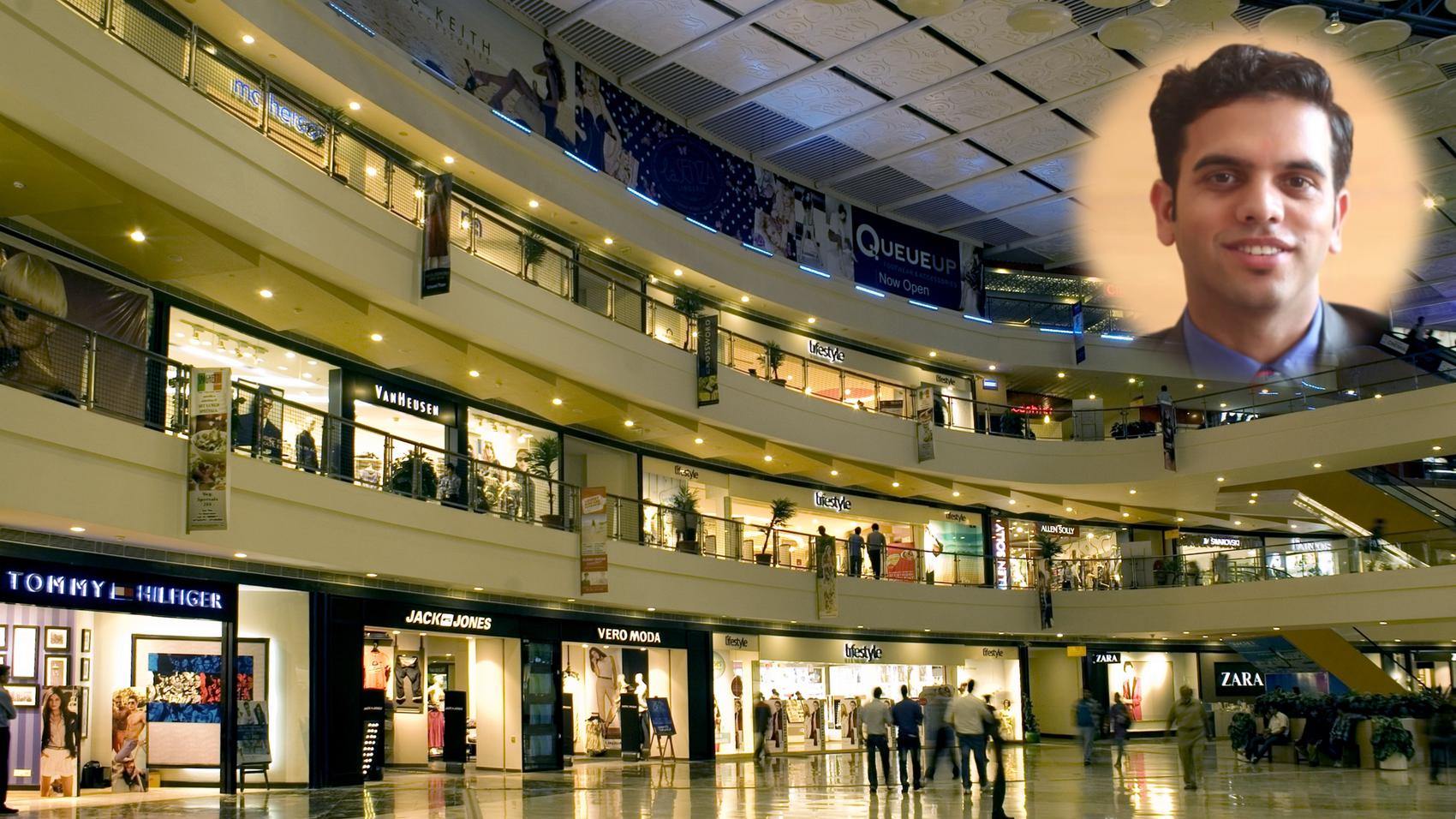
Mall management is the comprehensive process of overseeing the operations, administration, marketing, leasing, and maintenance of shopping malls. It involves coordinating various activities to ensure smooth functioning, tenant satisfaction, customer experience, and profitability, while also addressing safety, security, and facility upkeep within the retail environment.
Mall management plays a crucial role in shaping the success and reputation of shopping centers. Professionals in this field are responsible for creating an inviting environment that attracts both tenants and shoppers, which directly influences foot traffic and sales. Effective mall management ensures operational efficiency, which reduces costs and maximizes revenue for both owners and retailers. It also fosters strong relationships with tenants, leading to higher occupancy rates and tenant retention. Additionally, well-managed malls enhance customer satisfaction and loyalty by providing a safe, clean, and enjoyable shopping experience. These benefits collectively contribute to the long-term sustainability and growth of the retail property, making mall management an essential career for those interested in the business of retail spaces.
A mall manager oversees a large urban shopping center with over a hundred retail outlets, restaurants, and entertainment venues. Their daily responsibilities include coordinating with security teams to ensure shopper safety, managing maintenance staff to keep facilities clean and functional, and working closely with marketing professionals to organize promotional events that drive foot traffic. The manager also negotiates lease agreements with new tenants, addresses concerns from existing retailers, and monitors financial performance to meet revenue targets. By balancing these diverse tasks, the mall manager ensures the shopping center remains a vibrant destination for the community, supports tenant success, and maintains the property’s competitive edge in the retail market.
Education
Marketing

Marketing is the strategic process of identifying, anticipating, and satisfying customer needs and wants through the creation, communication, and delivery of value. In Mall Management, marketing is a core academic and professional discipline, equipping managers with essential skills to attract visitors, retain tenants, and drive overall business growth.
Understanding marketing is crucial for anyone preparing for or working in Mall Management because it underpins every aspect of a mall’s success. Mastery of marketing principles enables professionals to develop effective promotional strategies, analyze consumer behavior, and position the mall competitively within the local market. This knowledge helps managers create compelling experiences that draw foot traffic, foster tenant satisfaction, and build lasting customer loyalty. Over time, strong marketing acumen supports career advancement by demonstrating the ability to drive revenue, adapt to changing trends, and collaborate with retailers and stakeholders. Ultimately, marketing expertise ensures that mall managers can respond proactively to market shifts, making them invaluable assets to their organizations.
Consider a mall manager who notices a decline in weekend foot traffic. Drawing on their marketing knowledge, they analyze customer demographics and local competition, then design a targeted campaign featuring themed events and exclusive retailer promotions. By leveraging social media, local partnerships, and in-mall advertising, the manager successfully attracts families and young adults, revitalizing weekend visits. This approach not only increases sales for tenants but also enhances the mall’s reputation as a vibrant community hub. The manager’s ability to translate marketing theory into actionable strategies demonstrates the practical value of marketing expertise in daily mall operations, ensuring both short-term gains and long-term business sustainability.
Technology

Technology refers to the application of scientific knowledge, tools, systems, and processes to solve problems, improve efficiency, and enhance human life. In the context of Mall Management, technology encompasses digital infrastructure, security systems, data analytics, and communication platforms, forming a crucial component of both academic study and professional expertise in the field.
Understanding technology is essential for anyone preparing for or working in Mall Management because it underpins nearly every aspect of modern retail environments. Mastery of technological concepts allows professionals to streamline operations, enhance customer experiences, and ensure security. From managing energy consumption with smart systems to leveraging data analytics for tenant performance, technology forms the backbone of efficient mall operations. Familiarity with emerging trends, such as contactless payments and digital marketing, enables managers to stay competitive and responsive to consumer expectations. Over the long term, a strong grasp of technology not only increases operational effectiveness but also opens doors to leadership roles, as organizations increasingly prioritize digital transformation and innovation in their strategies.
Consider a mall manager overseeing daily operations in a large shopping center. By utilizing an integrated building management system, the manager can monitor and control lighting, heating, and security from a centralized dashboard. When a security alert is triggered, the manager accesses real-time surveillance footage and communicates instantly with security personnel through a dedicated app. Simultaneously, the manager reviews foot traffic data collected from smart sensors to adjust staffing levels and optimize cleaning schedules. This seamless integration of technology not only ensures a safe and comfortable environment for shoppers and tenants but also allows the manager to make data-driven decisions that improve efficiency, reduce costs, and enhance the overall mall experience.
Brand Awareness

Brand awareness refers to the extent to which consumers recognize and recall a brand, its products, or services. In mall management, understanding brand awareness is essential, as it influences customer footfall, tenant selection, and marketing strategies. Academically and professionally, it is a core concept that underpins effective retail and property management.
Learning about brand awareness is vital for anyone in mall management because it directly impacts the success of both the mall and its tenants. A strong grasp of this subject enables professionals to make informed decisions about tenant mix, promotional campaigns, and partnerships that enhance the mall’s reputation and attract more visitors. By understanding how consumers perceive and engage with different brands, mall managers can create environments that foster loyalty and repeat visits. Over time, this foundational knowledge helps professionals build sustainable relationships with tenants, improve customer satisfaction, and drive overall profitability. Mastery of brand awareness also positions managers to adapt to changing market trends, ensuring the mall remains competitive and relevant in a dynamic retail landscape.
Consider a mall manager who notices a decline in weekend foot traffic. Drawing on their understanding of brand awareness, they analyze which anchor tenants and retail brands are most recognized and valued by the local community. The manager collaborates with these brands to launch a co-branded event, leveraging their popularity to attract more visitors. They also use targeted advertising to highlight the presence of these well-known brands within the mall. As a result, the event generates buzz on social media, increases mall visits, and boosts sales for both the featured brands and smaller retailers. This scenario demonstrates how theoretical knowledge of brand awareness can be strategically applied to solve real-world challenges and drive business success in mall management.
Planning & Strategy

Planning & Strategy refers to the systematic process of setting objectives, analyzing internal and external environments, formulating actionable plans, and allocating resources to achieve organizational goals. In Mall Management, it is a critical academic and professional discipline that ensures efficient operations, sustainable growth, and the ability to adapt to changing market conditions.
Understanding Planning & Strategy is essential for anyone pursuing a career in Mall Management because it provides the framework for making informed decisions and anticipating future challenges. This knowledge enables professionals to align the mall’s objectives with market trends, tenant needs, and customer expectations. Mastery of planning and strategic thinking helps managers optimize space utilization, enhance tenant mix, and drive foot traffic, all while maintaining financial stability. Over the long term, these skills foster adaptability, innovation, and resilience, allowing professionals to navigate economic fluctuations and competitive pressures. Ultimately, a strong foundation in Planning & Strategy empowers mall managers to deliver value to stakeholders and sustain the mall’s relevance in a dynamic retail landscape.
Consider a mall manager who notices a decline in weekend foot traffic. Drawing on their expertise in Planning & Strategy, they begin by analyzing data on visitor patterns, tenant sales, and local events. Recognizing an opportunity, the manager collaborates with retailers to organize themed weekend events and promotional campaigns tailored to the target demographic. They also adjust marketing efforts to reach a broader audience through digital channels. By strategically reallocating resources and engaging tenants in the planning process, the manager not only reverses the decline but also strengthens relationships with tenants and enhances the mall’s reputation as a vibrant community hub. This scenario illustrates how theoretical knowledge of Planning & Strategy translates into effective, real-world solutions.
Time Management

Time management is the process of organizing, planning, and controlling how much time is spent on specific activities to increase efficiency and productivity. In Mall Management, it is a critical academic and professional skill, enabling managers to balance multiple responsibilities, meet deadlines, and ensure smooth daily operations within a dynamic retail environment.
Understanding time management is essential for anyone preparing for or working in Mall Management because the role demands juggling diverse tasks such as tenant coordination, facility maintenance, marketing events, and customer service. Mastery of time management allows professionals to prioritize urgent issues, allocate resources effectively, and maintain a proactive approach to problem-solving. This foundational skill not only enhances individual productivity but also contributes to the overall success of the mall by ensuring that all operations run seamlessly. Over the long term, strong time management abilities lead to reduced stress, improved job satisfaction, and greater career advancement opportunities, as employers value managers who can consistently deliver results and adapt to the fast-paced nature of the retail industry.
Consider a mall manager who starts the day by reviewing the schedule for upcoming promotional events, tenant meetings, and facility inspections. By applying time management principles, the manager allocates specific time blocks for each task, anticipates potential overlaps, and builds in flexibility for unexpected issues such as maintenance emergencies or customer complaints. Throughout the day, the manager adjusts priorities as needed, ensuring that critical deadlines are met without neglecting routine responsibilities. This strategic approach not only keeps daily operations on track but also allows the manager to respond effectively to unforeseen challenges, demonstrating how theoretical knowledge of time management translates into practical, real-world success in mall management.
Business Development

Business Development refers to the strategic process of identifying, creating, and nurturing opportunities that drive growth, increase revenue, and enhance organizational value. In Mall Management, it encompasses activities such as attracting tenants, negotiating leases, and fostering partnerships, making it a crucial component of both academic study and professional practice in the field.
Understanding Business Development is essential for anyone pursuing a career in Mall Management because it provides the strategic framework necessary to ensure a mall’s long-term success. Mastery of this subject enables professionals to analyze market trends, identify potential tenants, and create mutually beneficial relationships with retailers and service providers. This knowledge forms the backbone of effective mall operations, as it guides decision-making in areas such as tenant mix, marketing initiatives, and customer engagement strategies. Over time, proficiency in Business Development not only enhances a manager’s ability to drive foot traffic and revenue but also positions them as valuable leaders capable of adapting to changing market dynamics and sustaining the mall’s competitive edge.
Consider a Mall Manager who notices a decline in weekday foot traffic. Drawing on their understanding of Business Development, they conduct market research to identify gaps in the current tenant mix and discover a growing demand for coworking spaces in the area. The manager approaches a reputable coworking brand, presents data-driven insights, and negotiates a lease agreement that benefits both parties. By integrating this new tenant, the manager revitalizes the mall’s appeal, attracts a new customer segment, and increases overall occupancy rates. This scenario demonstrates how theoretical knowledge of Business Development translates into practical strategies that address real-world challenges and drive sustained growth within a mall environment.
Skills
Creativity

Creativity is the ability to generate original ideas, envision new possibilities, and approach challenges with innovative solutions. In mall management, creativity empowers professionals to design engaging experiences, solve complex problems, and adapt to changing consumer trends. It is a vital skill that drives differentiation and long-term success in a competitive retail environment.
Creativity enhances performance in mall management by enabling professionals to devise unique marketing campaigns, optimize tenant mixes, and create memorable events that attract visitors. Clients and employers highly value this skill because it leads to increased foot traffic, higher tenant satisfaction, and improved revenue streams. Creative managers can anticipate market shifts and respond proactively, ensuring the mall remains relevant and appealing. To cultivate creativity, individuals should seek inspiration from diverse sources, embrace continuous learning, and foster an open-minded approach to problem-solving. Regular brainstorming sessions, collaboration with multidisciplinary teams, and staying updated on industry trends can further nurture creative thinking, making it an indispensable asset in the dynamic world of mall management.
Imagine a mall facing declining visitor numbers due to the rise of online shopping. A creative mall manager analyzes the situation and conceptualizes a series of themed pop-up events that blend shopping with interactive entertainment, such as art installations and live performances. By collaborating with local artists and businesses, the manager transforms underutilized spaces into vibrant attractions, drawing in new demographics and revitalizing the mall’s image. This innovative approach not only increases foot traffic but also strengthens community ties and enhances tenant satisfaction. The manager’s creativity turns a challenging situation into an opportunity for growth, demonstrating how inventive thinking can drive success in mall management.
Basic Competitors

Basic Competitors refers to the foundational ability to identify, analyze, and understand the primary rival businesses operating within the same market or geographic area as the mall. This skill enables mall managers to anticipate competitive moves, benchmark performance, and strategically position their mall to attract tenants and shoppers effectively.
Mastering the skill of Basic Competitors significantly enhances a mall manager’s ability to make informed decisions regarding tenant mix, marketing strategies, and customer engagement initiatives. Clients and employers highly value this competency because it ensures the mall remains relevant and competitive in a dynamic retail landscape. By regularly monitoring competitors’ offerings, promotions, and customer experiences, a manager can proactively adapt to market shifts. Cultivating this skill involves continuous market research, networking with industry peers, and staying updated on retail trends. Over time, experience and analytical thinking help refine the ability to interpret competitor data and translate insights into actionable strategies that drive mall performance and profitability.
Imagine a scenario where a new shopping center opens nearby, featuring several popular brands and entertainment options. A mall manager with strong Basic Competitors skills quickly assesses the new center’s strengths and weaknesses, compares tenant offerings, and identifies gaps in their own mall’s lineup. By leveraging this information, the manager collaborates with leasing teams to attract unique tenants not present in the competitor’s mall, enhances marketing campaigns to highlight exclusive experiences, and introduces loyalty programs to retain existing customers. This strategic response, rooted in a deep understanding of basic competitors, enables the mall to maintain foot traffic and tenant satisfaction despite increased competition.
Communication

Communication is the process of exchanging information, ideas, and emotions through verbal, non-verbal, and written means to achieve mutual understanding. In mall management, communication is a foundational skill that enables professionals to coordinate teams, address tenant needs, resolve conflicts, and maintain positive relationships with stakeholders, ensuring smooth and efficient operations.
Effective communication directly enhances performance in mall management by fostering collaboration among staff, tenants, and service providers. Clients and employers highly value this skill because it leads to fewer misunderstandings, quicker problem resolution, and stronger partnerships, all of which contribute to a mall’s reputation and profitability. To cultivate communication skills, professionals should seek feedback, engage in active listening, and practice clear, concise messaging in daily interactions. Over time, exposure to diverse situations and continuous learning—such as attending workshops or observing skilled communicators—can further refine one’s ability to convey information and respond appropriately, making communication an indispensable asset in the dynamic environment of mall management.
Imagine a scenario where a major tenant in a shopping mall experiences a sudden water leak during peak shopping hours. The mall manager must quickly communicate with maintenance teams to address the issue, inform the affected tenant about the steps being taken, and update security to manage customer flow and safety. Simultaneously, the manager needs to reassure other tenants and coordinate with cleaning staff to minimize disruption. By clearly and calmly relaying information, setting expectations, and providing timely updates, the manager not only resolves the crisis efficiently but also strengthens trust among tenants and staff. This example illustrates how strong communication skills are vital for managing unexpected challenges and maintaining a positive mall environment.
Team Management

Team Management is the process of organizing, guiding, and motivating a group of individuals to achieve common objectives efficiently and effectively. In mall management, this skill ensures that diverse teams, from security to retail operations, work cohesively to deliver seamless customer experiences and maintain smooth daily operations.
Effective team management directly enhances performance in mall management by fostering collaboration, accountability, and clear communication among staff. Clients and employers highly value this skill because it leads to increased productivity, reduced conflicts, and improved service quality, all of which are vital in a dynamic mall environment. To cultivate team management abilities, professionals should focus on building trust, practicing active listening, and providing constructive feedback. Over time, experience in delegating tasks, resolving disputes, and recognizing team achievements further strengthens this competency. Continuous learning through leadership workshops and real-world practice enables mall managers to adapt their approach to different team dynamics and challenges, ensuring long-term success.
Imagine a mall manager facing an unexpected power outage during peak shopping hours. The manager must quickly coordinate with the maintenance team to restore electricity, direct security staff to maintain order, and communicate updates to tenants and customers. By effectively managing the team, the manager ensures everyone understands their roles and responsibilities, minimizing confusion and panic. Through clear instructions and calm leadership, the manager keeps the team focused and motivated, resulting in a swift resolution of the crisis. This scenario highlights how strong team management not only resolves critical issues efficiently but also reinforces trust and reliability among staff, tenants, and shoppers, ultimately safeguarding the mall’s reputation.
Patience

Patience is the ability to remain calm, composed, and persistent in the face of delays, challenges, or frustration, without becoming anxious or reacting impulsively. In mall management, patience is crucial for navigating complex situations, resolving conflicts, and ensuring smooth operations, making it an indispensable part of a manager’s skill set.
Patience directly enhances performance in mall management by enabling professionals to handle tenant concerns, customer complaints, and operational setbacks with a level-headed approach. Clients and employers value this skill because it leads to better decision-making, fosters positive relationships, and helps maintain a harmonious environment, even during peak periods or crises. Cultivating patience involves practicing active listening, managing stress effectively, and learning to view setbacks as opportunities for growth rather than obstacles. Over time, consistently applying these strategies helps mall managers build resilience, improve their problem-solving abilities, and create a reputation for reliability and professionalism within their teams and among stakeholders.
Imagine a situation where a major tenant is unhappy with ongoing maintenance delays, threatening to terminate their lease if issues are not resolved promptly. A mall manager with patience listens attentively to the tenant’s concerns, communicates transparently about the steps being taken, and coordinates with maintenance teams without showing frustration or making hasty promises. By remaining calm and persistent, the manager gradually rebuilds trust, ensures the necessary repairs are completed, and ultimately retains the tenant’s business. This patient approach not only resolves the immediate issue but also strengthens the long-term relationship between the mall and its tenants, demonstrating the critical value of patience in achieving successful outcomes.
Positives
Good Environment

A "Good Environment" in mall management refers to a workplace culture that fosters respect, collaboration, safety, and positivity among team members, tenants, and visitors. It encompasses supportive leadership, open communication, and a clean, well-maintained physical space, all of which create a welcoming atmosphere that encourages productivity and personal growth.
A good environment is a cornerstone of success in mall management because it directly influences both employee well-being and operational efficiency. When professionals feel valued and supported, they are more motivated to excel in their roles, leading to higher job satisfaction and lower turnover rates. This positive atmosphere also encourages innovation and teamwork, as individuals are more likely to share ideas and work collaboratively toward common goals. The daily experience of working in a harmonious setting reduces stress and enhances morale, making challenges easier to overcome. Ultimately, a good environment not only benefits the staff but also translates into better service for shoppers and tenants, driving the overall success and reputation of the mall.
Imagine a mall manager starting their day by greeting a diverse team of security personnel, maintenance staff, and retail tenants, all of whom interact with mutual respect and enthusiasm. In this supportive environment, team members feel comfortable voicing concerns and suggesting improvements, knowing their input is valued. When a sudden maintenance issue arises, the collaborative spirit ensures a swift, coordinated response, minimizing disruption and maintaining a pleasant experience for shoppers. The manager witnesses firsthand how a positive atmosphere fosters loyalty and pride among the staff, who go above and beyond in their roles. This daily experience of camaraderie and shared purpose makes the challenges of mall management not only manageable but deeply rewarding.
Meeting New People

Meeting new people refers to the ongoing process of interacting with individuals from diverse backgrounds, including shoppers, tenants, vendors, and colleagues, within the dynamic environment of a shopping mall. This constant engagement fosters communication, builds relationships, and creates opportunities for learning and collaboration, making the profession vibrant and socially enriching.
The opportunity to meet new people is a cornerstone of job satisfaction in mall management. Every day brings fresh interactions, whether it’s welcoming a new store owner, assisting a family of shoppers, or collaborating with event organizers. These encounters not only break the monotony but also expand a manager’s professional network and cultural understanding. The diversity of people encountered leads to new perspectives, innovative ideas, and personal growth. Professionals in this field often find that these relationships open doors to future opportunities and partnerships, making their work more meaningful. The sense of community that develops through these daily interactions enhances motivation and fosters a positive, energetic workplace atmosphere.
Imagine a mall manager starting their day by greeting a new tenant who is opening a boutique. Later, they meet with a group of local artists planning a community event in the mall’s atrium. Throughout the day, the manager assists shoppers with questions and collaborates with maintenance staff to resolve issues. Each interaction brings a sense of accomplishment and connection, as the manager helps others succeed and feels valued in return. These experiences not only make the workday engaging but also build lasting relationships that enrich both professional and personal life. The constant flow of new faces and stories ensures that no two days are ever the same, making mall management a truly rewarding career.
Updated With Trends

"Updated With Trends" means staying informed about the latest developments, innovations, and consumer preferences shaping the retail and shopping center industry. In mall management, this involves continuously learning about new technologies, marketing strategies, design concepts, and customer engagement techniques to ensure the mall remains relevant, competitive, and appealing to visitors.
Being updated with trends is a cornerstone of success in mall management because it allows professionals to anticipate changes in consumer behavior and adapt their strategies accordingly. This proactive approach not only keeps the mall vibrant and attractive but also fosters a culture of innovation and creativity among the management team. Professionals who stay ahead of trends are better equipped to introduce new retail concepts, enhance customer experiences, and collaborate with tenants on exciting initiatives. This dynamic environment leads to higher job satisfaction, as managers see the direct impact of their efforts in increased foot traffic, tenant success, and positive community feedback. The constant evolution in the industry ensures that every day brings fresh challenges and opportunities for personal and professional growth.
Imagine a mall manager who notices the rising popularity of experiential retail and digital integration in shopping environments. By attending industry conferences and following market reports, they introduce interactive pop-up stores and implement a mobile app for seamless customer navigation and promotions. As a result, the mall attracts a younger, tech-savvy crowd and receives enthusiastic feedback from both shoppers and tenants. The manager feels a deep sense of accomplishment, knowing their commitment to staying updated with trends has transformed the mall into a vibrant destination. This experience not only boosts their confidence but also reinforces the value of continuous learning and adaptation in their career, making each day both rewarding and inspiring.
Challenges
Long Working Hours

Long working hours in mall management refer to extended shifts that often stretch beyond standard business hours, including evenings, weekends, and holidays. This is demanding because managers must oversee operations, handle emergencies, and coordinate with tenants and staff, ensuring seamless customer experiences while balancing administrative and operational responsibilities.
The challenge of long working hours in mall management can lead to fatigue, stress, and difficulty maintaining a healthy work-life balance. Daily responsibilities become more taxing as managers juggle tenant relations, facility maintenance, and customer service, often with unpredictable schedules. This environment demands resilience, adaptability, and strong organizational skills. Successful professionals manage these constraints by prioritizing tasks, delegating responsibilities, and setting clear boundaries when possible. They also focus on time management and self-care, recognizing the importance of rest and recovery to maintain productivity and morale. By fostering a supportive team culture and leveraging technology to streamline operations, they can reduce the strain of long hours and sustain high performance over time.
Consider a mall operations manager who regularly faces twelve-hour days during peak shopping seasons. To manage this, she establishes a rotating shift system among her team, ensuring coverage while allowing everyone, including herself, to have scheduled downtime. She uses digital tools to monitor facility issues remotely and communicates proactively with tenants to anticipate and resolve problems before they escalate. By maintaining open lines of communication and empowering her staff to make certain decisions independently, she reduces her own workload and stress. This approach not only helps her cope with the demands of long hours but also fosters a collaborative environment where the entire team feels supported and engaged.
Balancing Masses

In Mall Management, "Balancing Masses" refers to the ongoing challenge of managing large, diverse crowds with varying needs, behaviors, and expectations, while ensuring safety, comfort, and operational efficiency. This task is demanding because it requires constant vigilance, adaptability, and coordination among multiple stakeholders in a dynamic, high-traffic environment.
The difficulty of balancing masses significantly shapes the daily responsibilities of mall management professionals. They must anticipate fluctuating visitor numbers, address crowd-related safety concerns, and maintain a seamless shopping experience for all. This challenge demands resilience, as unexpected surges or incidents can disrupt operations and require immediate, composed responses. Successful professionals navigate this constraint by fostering strong communication channels with security, housekeeping, and tenant teams, leveraging technology for real-time monitoring, and developing flexible operational plans. They also invest in staff training to ensure everyone is prepared to handle peak periods and emergencies. By staying proactive and adaptable, these professionals can minimize disruptions and maintain a positive environment for both shoppers and retailers.
Consider a mall manager preparing for a major holiday sale expected to draw record crowds. Anticipating the influx, the manager coordinates with security to implement crowd control measures, such as designated entry and exit points and clear signage. Real-time foot traffic data is monitored to identify congestion hotspots, allowing for quick adjustments in staffing and cleaning schedules. The manager also communicates with tenants to stagger promotional events, reducing the likelihood of bottlenecks. When an unexpected surge occurs near a popular store, the manager swiftly deploys additional personnel to guide shoppers and prevent overcrowding. Through proactive planning, real-time monitoring, and effective team coordination, the manager successfully maintains order and ensures a safe, enjoyable experience for all visitors.
A Day Of
Mall Management
The hum of anticipation fills the air long before the first shoppers arrive. In the world of mall management, every day is a dynamic blend of orchestrated precision and spontaneous problem-solving. The environment is a living ecosystem where retail, hospitality, and logistics converge, demanding a steady hand and a sharp mind. From the quiet moments before dawn to the bustling crescendo of peak hours, a mall management professional navigates a landscape where no two days are ever quite the same, balancing the needs of tenants, customers, and staff with the ever-present pulse of commerce.
As the sun rises, the mall management professional is already on-site, walking the corridors in the soft glow of early morning. This is the time for meticulous inspection, ensuring that every entrance gleams, signage is in place, and safety protocols are met. Security teams are briefed, cleaning crews receive their final instructions, and maintenance staff address any overnight issues. The goal is to create a seamless, welcoming environment, setting the stage for a successful day ahead.
By mid-morning, the mall is alive with activity. The management office becomes a hub of communication, fielding calls from tenants about everything from promotional events to maintenance requests. The professional moves swiftly between meetings with store managers, coordinating marketing initiatives, resolving disputes, and monitoring foot traffic patterns. This is the most intense period of the day, requiring quick thinking and a calm demeanor as unexpected challenges arise and immediate decisions must be made to keep operations running smoothly.
The afternoon brings a shift toward collaboration and execution. The management professional gathers with leasing agents, marketing teams, and security supervisors to review ongoing projects and upcoming campaigns. There may be walkthroughs with contractors overseeing renovations or upgrades, as well as strategy sessions to enhance customer experience or address emerging trends. This is when ideas are put into action, and teamwork is essential to ensure that every aspect of the mall’s operation aligns with broader business goals.
As the day winds down, attention turns to wrapping up and looking ahead. The professional conducts final rounds, checking in with security and maintenance to address any late-day incidents or concerns. Reports are compiled, emails answered, and notes are made for tomorrow’s priorities. This is also a time for reflection—analyzing the day’s successes and setbacks, and strategizing improvements. With the mall’s energy gradually ebbing, the management professional ensures that everything is in place for another seamless start the next morning. |


 Home
Home Abroad
 Plan
Plan Philosophy
 Seminar
 Pages
Pages Advisors
 Testimonials

















 Workshop
 Discuss
 Meet
Meet
 Advisor
 Story
Story
 Fine Print
 Links
Links
 Blog
Blog
 Follow
