The Journey of Operations Management
What Is Operations Management
Operations Management

Operations Management is the discipline focused on designing, overseeing, and improving business processes that produce goods or deliver services. It involves managing resources efficiently, optimizing workflows, and ensuring quality to meet organizational goals. Professionals in this field strive to balance cost, quality, and speed for maximum effectiveness.
Operations Management plays a crucial role in the success of any organization by ensuring that resources are used efficiently and processes run smoothly. For professionals in this field, it means having the ability to influence productivity, profitability, and customer satisfaction directly. One major benefit is the opportunity to drive continuous improvement, which can lead to cost savings and higher quality outputs. Another benefit is the development of strong analytical and problem-solving skills, as operations managers must constantly assess and refine processes. Lastly, working in Operations Management often provides a broad perspective of the organization, enabling professionals to collaborate across departments and contribute to strategic decision-making.
Consider a manufacturing company that produces consumer electronics. An operations manager in this setting is responsible for coordinating the supply chain, managing production schedules, and ensuring that products meet quality standards. When faced with a sudden increase in demand, the operations manager analyzes current workflows and identifies bottlenecks in the assembly line. By reallocating resources and implementing process improvements, they reduce production delays and maintain product quality. This proactive approach not only meets customer expectations but also minimizes costs and maximizes efficiency, demonstrating the vital role operations management plays in achieving organizational objectives.
Education
General Management

General Management refers to the comprehensive oversight and coordination of an organization’s resources, people, and processes to achieve strategic objectives. It encompasses planning, organizing, leading, and controlling activities across all departments. In Operations Management, understanding General Management is essential for integrating operational goals with broader organizational strategies and ensuring cohesive performance.
A solid grasp of General Management is indispensable for anyone in Operations Management because it provides the framework for making informed decisions that align with the organization’s overall direction. Mastery of these concepts enables professionals to effectively manage teams, allocate resources, and respond to dynamic business environments. It also fosters a holistic perspective, allowing operations managers to anticipate the impact of their decisions on other functions such as finance, marketing, and human resources. Over the long term, this foundational knowledge supports career growth by preparing individuals for higher leadership roles, where cross-functional understanding and strategic thinking are critical for success.
Consider an operations manager at a manufacturing firm facing a sudden supply chain disruption. Drawing on their understanding of General Management, they quickly assess the situation, coordinate with procurement, communicate transparently with staff, and realign production schedules to minimize downtime. By leveraging their knowledge of organizational structure and strategic planning, they ensure that short-term operational adjustments support the company’s long-term objectives. Their ability to lead cross-departmental collaboration and maintain morale during uncertainty demonstrates how theoretical principles of General Management translate into effective, real-world problem-solving within daily operations.
Resource Management
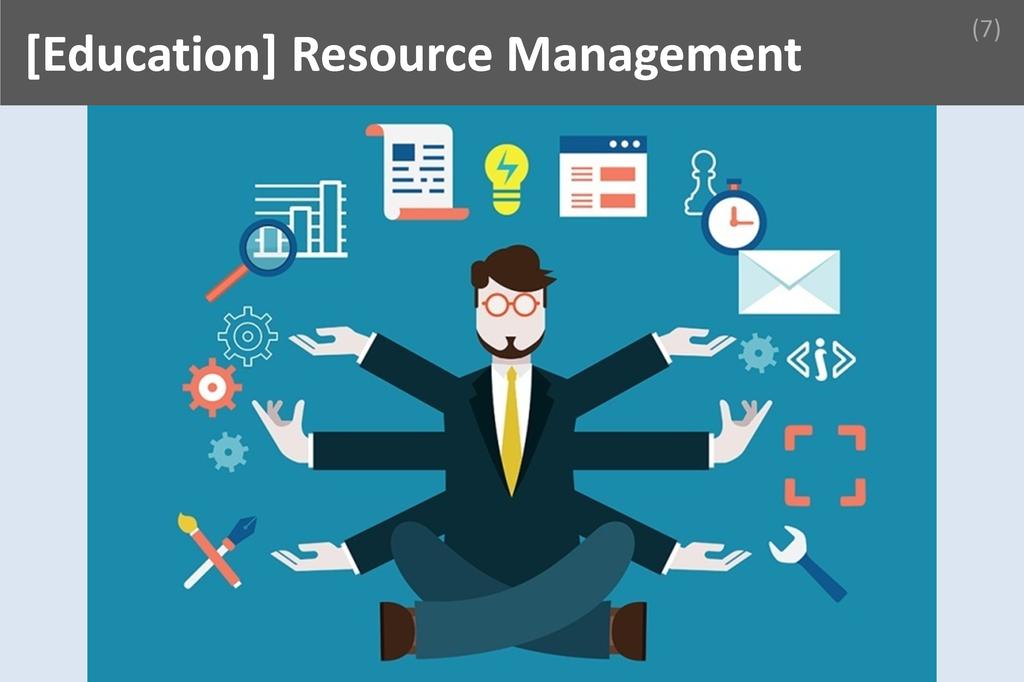
Resource Management is the strategic process of planning, allocating, and optimizing the use of an organization’s resources—including people, materials, equipment, and finances—to achieve business objectives efficiently. In Operations Management, it is a fundamental discipline, bridging theoretical frameworks with practical applications to ensure organizational effectiveness and competitive advantage.
Understanding Resource Management is essential for anyone pursuing or advancing a career in Operations Management because it underpins the ability to deliver consistent results in dynamic business environments. Mastery of this subject enables professionals to anticipate resource needs, minimize waste, and maximize productivity, which are critical for meeting organizational goals. It also fosters analytical thinking and problem-solving skills, as resource constraints and shifting priorities are common challenges in operations. Over the long term, proficiency in Resource Management enhances leadership capabilities, supports sustainable growth, and positions professionals as valuable contributors to organizational success. This foundational knowledge is not only relevant for daily decision-making but also for strategic planning and continuous improvement initiatives.
Consider a production manager at a manufacturing company who is responsible for meeting monthly output targets. By applying principles of Resource Management, the manager assesses current inventory levels, evaluates workforce availability, and schedules machinery maintenance to prevent downtime. When a sudden surge in demand occurs, the manager reallocates staff from less critical tasks, negotiates expedited material deliveries, and adjusts production schedules to meet customer deadlines without compromising quality. This practical application of Resource Management ensures that resources are used efficiently, costs are controlled, and customer satisfaction is maintained. The manager’s ability to balance competing demands and optimize resource utilization directly contributes to the company’s operational success.
Finance Management

Finance Management is the strategic planning, organizing, directing, and controlling of financial activities such as procurement and utilization of funds within an organization. In Operations Management, it forms a critical pillar, ensuring that operational decisions align with financial goals, resource allocation, and overall organizational sustainability, both academically and professionally.
Understanding Finance Management is essential for anyone in Operations Management because it provides the analytical tools and frameworks needed to make informed decisions about resource allocation, budgeting, and cost control. Mastery of finance principles enables operations professionals to evaluate the financial impact of process improvements, negotiate better terms with suppliers, and justify investments in new technologies or systems. This knowledge not only supports daily operational efficiency but also strengthens strategic planning and risk management capabilities. Over the long term, proficiency in Finance Management enhances career prospects by equipping professionals with the ability to communicate effectively with senior leadership, contribute to cross-functional teams, and drive initiatives that improve profitability and organizational resilience.
Consider an Operations Manager at a manufacturing company who is tasked with improving production efficiency. By applying their knowledge of Finance Management, the manager analyzes the costs associated with overtime labor, raw material waste, and equipment downtime. They use financial data to identify areas where expenses can be reduced without compromising quality. The manager then prepares a business case for investing in new machinery, demonstrating how the initial expenditure will be offset by long-term savings and increased output. Throughout this process, their understanding of budgeting, cost-benefit analysis, and return on investment ensures that operational changes are financially viable and aligned with the company’s broader financial objectives.
Business Administration

Business Administration is the study and practice of managing an organization’s resources, processes, and people to achieve strategic goals efficiently and effectively. It encompasses planning, organizing, directing, and controlling business activities. For Operations Management, it provides essential academic and professional knowledge, enabling managers to align operational practices with broader organizational objectives.
Understanding Business Administration is vital for anyone in Operations Management because it equips professionals with a holistic view of how organizations function. This subject covers key areas such as finance, human resources, marketing, and strategic planning, all of which intersect with daily operational decisions. Mastery of these concepts allows operations managers to make informed choices that support organizational growth, cost control, and process improvement. Over the long term, a strong foundation in Business Administration enhances leadership abilities, fosters cross-departmental collaboration, and opens pathways to higher management roles. It ensures that operations managers are not just focused on efficiency but are also aligned with the company’s overall mission and competitive strategy.
Consider an operations manager at a manufacturing company who is tasked with improving production efficiency while maintaining product quality. Drawing on their knowledge of Business Administration, they analyze financial reports to identify cost-saving opportunities, collaborate with the human resources department to optimize staffing levels, and coordinate with marketing to ensure production aligns with demand forecasts. By applying principles of planning and organizational control, the manager implements process improvements that reduce waste and streamline workflows. This integrated approach, rooted in Business Administration, enables the manager to balance operational efficiency with strategic business goals, demonstrating how theoretical knowledge translates into effective, real-world decision-making.
Domain Knowledge

Domain Knowledge refers to a deep understanding of the specific processes, terminology, regulations, and best practices unique to a particular industry or field. In Operations Management, it bridges the gap between general management principles and the specialized requirements of an organization’s sector, enabling professionals to make informed, context-sensitive decisions.
Understanding domain knowledge is crucial for anyone in Operations Management because it allows professionals to tailor strategies and processes to the unique demands of their industry. This expertise ensures that operational decisions are not only efficient but also compliant with industry standards and responsive to market trends. Developing strong domain knowledge forms the foundation for effective problem-solving, risk management, and innovation within an organization. Over time, this specialized understanding enhances credibility, supports career advancement, and enables professionals to anticipate challenges and opportunities specific to their field. As industries evolve, those with robust domain knowledge remain adaptable and valuable, positioning themselves as indispensable assets to their organizations.
Consider an Operations Manager working in the pharmaceutical manufacturing sector. Their domain knowledge enables them to navigate complex regulatory requirements, such as Good Manufacturing Practices (GMP), while optimizing production schedules and maintaining product quality. When a new drug is introduced, the manager leverages their understanding of both regulatory compliance and production workflows to coordinate cross-functional teams, ensure timely procurement of raw materials, and implement quality control measures. This application of domain knowledge ensures that operations run smoothly, products meet safety standards, and the company remains competitive in a highly regulated market. Without such expertise, the risk of costly errors and compliance violations would significantly increase.
Skills
Communication

Communication is the clear and effective exchange of information, ideas, and instructions between individuals or groups, using verbal, nonverbal, and written methods. In Operations Management, communication ensures that objectives, processes, and expectations are understood, enabling teams to coordinate, solve problems, and achieve organizational goals efficiently and collaboratively.
Strong communication skills directly enhance an Operations Manager’s ability to lead teams, coordinate cross-functional projects, and respond to challenges swiftly. Employers and clients value this skill because it minimizes misunderstandings, reduces errors, and fosters a culture of transparency and trust. Effective communicators can articulate goals, delegate tasks, and provide constructive feedback, all of which are crucial for operational efficiency. To cultivate this skill, professionals should practice active listening, seek feedback on their communication style, and engage in regular training or workshops. Over time, consistent effort in refining both verbal and written communication leads to greater confidence and competence, making the professional an indispensable asset to any organization.
Imagine an Operations Manager overseeing a manufacturing facility who discovers a sudden supply chain disruption threatening production deadlines. By quickly gathering the team, clearly explaining the issue, and facilitating open dialogue, the manager ensures everyone understands the situation and their roles in the solution. Through concise updates to upper management and transparent communication with suppliers, the manager coordinates alternative sourcing and adjusts schedules. This proactive approach not only resolves the immediate crisis but also strengthens trust among team members and stakeholders. The ability to communicate effectively in high-pressure situations enables the manager to maintain operational continuity and uphold the company’s reputation for reliability.
Networking

Networking is the process of building and maintaining mutually beneficial relationships with colleagues, industry peers, suppliers, and stakeholders to exchange information, resources, and support. For Operations Management professionals, networking is a vital skill that enables access to knowledge, fosters collaboration, and opens doors to new opportunities and solutions within complex organizational environments.
Networking directly enhances performance in Operations Management by facilitating the flow of information and resources across departments and organizations. Employers and clients value this skill because it leads to faster problem-solving, improved negotiation outcomes, and the ability to anticipate industry trends. Strong networks enable professionals to benchmark best practices, identify potential partners, and respond swiftly to operational challenges. Cultivating networking skills involves consistent engagement at industry events, maintaining open communication channels, and demonstrating reliability and reciprocity. Over time, these efforts build trust and credibility, making it easier to mobilize support, gather insights, and drive operational improvements that benefit both the organization and its stakeholders.
Imagine an Operations Manager facing a sudden supply chain disruption due to a key vendor’s unexpected shutdown. Leveraging a well-established professional network, the manager quickly contacts peers in the industry and uncovers alternative suppliers who can meet urgent requirements. Through these connections, the manager negotiates favorable terms and ensures minimal downtime for production. This swift resolution not only prevents costly delays but also demonstrates the manager’s resourcefulness and reliability to senior leadership. The ability to tap into a trusted network in times of crisis highlights how essential networking is for overcoming obstacles and achieving operational success in a dynamic business environment.
Strategic Alliances

Strategic alliances are collaborative agreements between organizations or departments that leverage each other’s strengths, resources, or expertise to achieve shared objectives. In operations management, this skill enables professionals to optimize processes, reduce costs, and innovate by building mutually beneficial relationships, making it a vital component of operational success.
Mastering strategic alliances significantly enhances an operations manager’s ability to deliver results. By forging strong partnerships, professionals can access new technologies, streamline supply chains, and respond swiftly to market changes. Employers and clients highly value this skill because it leads to increased efficiency, reduced risk, and sustainable growth. To cultivate strategic alliances, one must develop strong communication, negotiation, and networking abilities, while consistently seeking opportunities for collaboration. Over time, experience in managing joint ventures, supplier relationships, and cross-functional teams further refines this skill, making the professional indispensable in complex operational environments.
Imagine an operations manager at a manufacturing company facing supply chain disruptions due to a sudden shortage of raw materials. By leveraging established strategic alliances with alternative suppliers and logistics partners, the manager quickly secures necessary resources and reroutes shipments, minimizing production delays. This proactive approach not only maintains customer satisfaction but also demonstrates the value of having robust alliances in place. The ability to mobilize external support in times of crisis highlights how strategic alliances can transform potential setbacks into opportunities for resilience and competitive advantage, ultimately contributing to the organization’s long-term success.
Research

Research is the systematic process of gathering, analyzing, and interpreting information to increase understanding, solve problems, and support decision-making. In Operations Management, research enables professionals to identify inefficiencies, benchmark best practices, and make data-driven decisions. It is a foundational skill that underpins continuous improvement and strategic planning.
The ability to conduct thorough research directly enhances an Operations Manager’s effectiveness by enabling informed decisions that optimize processes, reduce costs, and improve quality. Employers and clients value this skill because it demonstrates a commitment to evidence-based solutions rather than relying on assumptions or outdated practices. Research skills can be cultivated through continuous learning, staying updated with industry trends, and practicing critical analysis of both internal data and external sources. Over time, professionals who consistently apply research methods become adept at anticipating challenges, identifying opportunities, and implementing innovative solutions that drive organizational success.
Imagine an Operations Manager at a manufacturing company facing frequent production delays. By conducting research, the manager systematically collects data on workflow, equipment downtime, and supply chain bottlenecks. Analyzing this information reveals that a specific supplier’s late deliveries are the root cause. The manager then researches alternative suppliers, evaluates their reliability, and negotiates new contracts. As a result, production schedules stabilize, costs decrease, and customer satisfaction improves. This scenario illustrates how research empowers Operations Management professionals to diagnose issues accurately, justify recommendations, and implement effective changes that deliver measurable results.
Time Management

Time management is the deliberate process of planning, organizing, and controlling how much time is spent on specific activities to maximize efficiency and productivity. In Operations Management, this skill is crucial because it ensures that resources, tasks, and deadlines are coordinated seamlessly, enabling smooth workflow and timely project completion.
Mastering time management directly enhances an Operations Manager’s performance by enabling them to prioritize tasks, allocate resources efficiently, and respond swiftly to unexpected challenges. Clients and employers highly value this skill because it leads to consistent delivery of results, reduced operational costs, and improved customer satisfaction. Over time, professionals can cultivate time management by setting clear goals, regularly reviewing priorities, and adopting tools or techniques that help track progress and deadlines. Continuous self-assessment and adapting to changing demands also play a significant role in refining this skill, ensuring that Operations Managers remain agile and effective in dynamic business environments.
Imagine an Operations Manager overseeing a manufacturing plant facing an unexpected machinery breakdown that threatens to delay a major client order. By leveraging strong time management skills, the manager quickly assesses the situation, reallocates team members to critical tasks, and coordinates with maintenance to expedite repairs. Simultaneously, they communicate revised timelines to stakeholders and adjust production schedules to minimize downtime. Through effective prioritization and real-time decision-making, the manager ensures that the order is completed with minimal delay, maintaining client trust and operational efficiency. This scenario highlights how adept time management can turn potential setbacks into opportunities for demonstrating reliability and leadership in Operations Management.
Presentation

Presentation is the ability to clearly and effectively communicate information, ideas, and recommendations to diverse audiences using structured content, visual aids, and confident delivery. In Operations Management, presentation is crucial for conveying complex processes, performance metrics, and strategic plans to stakeholders, ensuring alignment and informed decision-making across the organization.
Mastering presentation skills directly enhances an Operations Manager’s performance by enabling them to articulate operational strategies, report on key performance indicators, and advocate for process improvements with clarity and impact. Clients and employers highly value this skill because it fosters transparency, builds trust, and drives engagement among teams and leadership. To cultivate strong presentation abilities, professionals should seek regular opportunities to present in meetings, solicit constructive feedback, and refine their storytelling techniques. Over time, consistent practice, combined with learning from experienced presenters and leveraging modern presentation tools, helps individuals become more persuasive and confident communicators, ultimately contributing to their effectiveness and career advancement in Operations Management.
Imagine an Operations Manager tasked with addressing a sudden drop in production efficiency. To resolve the issue, the manager gathers data, identifies root causes, and develops a corrective action plan. During a critical meeting with executives and frontline supervisors, the manager uses clear visuals and concise explanations to present the findings and proposed solutions. By structuring the presentation logically and addressing potential concerns proactively, the manager ensures that all stakeholders understand the situation and support the recommended changes. This effective use of presentation not only accelerates decision-making but also unites the team around a common goal, demonstrating how essential presentation skills are in driving operational success.
People Management

People Management is the ability to effectively lead, motivate, and develop individuals or teams to achieve organizational goals while fostering a positive work environment. In Operations Management, this skill is crucial because it ensures that processes run smoothly, teams remain engaged, and productivity is maximized through effective collaboration and communication.
Mastering People Management directly improves performance by creating a cohesive team environment where employees feel valued, understood, and motivated to contribute their best work. Clients and employers highly value this skill because it leads to higher retention rates, fewer conflicts, and more efficient operations. A manager who excels in People Management can quickly identify team strengths and weaknesses, delegate tasks appropriately, and resolve interpersonal issues before they escalate. Cultivating this skill involves continuous learning, seeking feedback, and practicing empathy and active listening. Over time, professionals can enhance their People Management abilities by observing experienced leaders, participating in leadership development programs, and reflecting on their own management experiences to identify areas for growth.
Imagine an Operations Manager overseeing a production facility facing a sudden drop in output due to low team morale and miscommunication between shifts. Instead of focusing solely on technical fixes, the manager prioritizes People Management by organizing open forums for team members to voice concerns and suggest improvements. By actively listening and addressing grievances, the manager rebuilds trust and fosters a sense of ownership among employees. As a result, communication improves, morale rises, and productivity returns to optimal levels. This scenario highlights how effective People Management not only resolves immediate operational challenges but also creates a resilient and engaged workforce capable of sustaining long-term success.
Continuously Updating

Continuously Updating is the ongoing process of acquiring new knowledge, refining skills, and adapting to emerging trends, technologies, and best practices relevant to one’s field. In Operations Management, this skill ensures professionals remain effective, competitive, and responsive to dynamic business environments, driving sustained organizational improvement and operational excellence.
The ability to Continuously Update directly enhances an Operations Manager’s performance by ensuring their strategies, processes, and tools remain current and effective. Employers and clients highly value this skill because it leads to greater efficiency, innovation, and risk mitigation in operations. By staying informed about industry developments, regulatory changes, and technological advancements, professionals can anticipate challenges and seize new opportunities. Cultivating this skill involves a commitment to lifelong learning through professional development courses, industry networking, and regular self-assessment. Over time, this proactive approach fosters adaptability and positions Operations Managers as trusted leaders who can guide organizations through change and uncertainty.
Imagine an Operations Manager at a manufacturing firm who notices a decline in production efficiency. By Continuously Updating their knowledge, they learn about a new lean manufacturing technique gaining traction in the industry. Applying this updated approach, they redesign workflow processes, resulting in reduced waste and improved productivity. Their commitment to staying current not only resolves the immediate issue but also positions the company ahead of competitors. This scenario highlights how Continuously Updating enables Operations Managers to identify solutions that may not have been apparent using outdated methods, ultimately driving operational success and organizational growth.
Positives
Multi-dimensional Field

A "Multi-dimensional Field" refers to a profession that encompasses a wide range of functions, skills, and perspectives, requiring practitioners to engage with diverse tasks, teams, and challenges. In Operations Management, this multi-dimensionality means professionals constantly adapt, innovate, and collaborate across departments, making the role dynamic, intellectually stimulating, and highly impactful.
The multi-dimensional nature of Operations Management is a key driver of job satisfaction and professional growth. Because the field spans everything from supply chain coordination to process optimization and team leadership, professionals are never confined to a single routine. Each day brings new challenges and opportunities to learn, encouraging continuous development and creative problem-solving. This diversity not only keeps the work engaging but also allows individuals to build a broad skill set, making them highly valuable and adaptable in the job market. The constant interaction with various departments and stakeholders fosters a sense of connection and purpose, as professionals see the tangible results of their efforts in real time, further enhancing motivation and fulfillment.
Imagine an Operations Manager at a manufacturing company who starts the day analyzing production data to identify bottlenecks. Later, they collaborate with the procurement team to streamline inventory processes, then meet with the marketing department to align production schedules with upcoming campaigns. In the afternoon, they lead a training session for frontline staff on new efficiency protocols. This variety ensures that no two days are the same, offering continuous opportunities to learn and make a meaningful impact. The manager’s ability to navigate and integrate multiple dimensions of the business not only drives organizational success but also delivers a deep sense of accomplishment and professional pride.
Travelling

Travelling, in the context of operations management, refers to the frequent movement of professionals between different company sites, regional offices, supplier locations, and client facilities, both domestically and internationally. This mobility enables managers to oversee processes, build relationships, implement strategies, and solve problems firsthand, enriching their professional and personal perspectives.
The opportunity to travel is a defining and exhilarating aspect of a career in operations management. It allows professionals to step beyond the confines of a single office, immersing themselves in diverse work environments and cultures. This exposure fosters adaptability, sharpens problem-solving skills, and encourages innovative thinking. Travelling also strengthens communication and collaboration with global teams, suppliers, and clients, building a robust professional network. The dynamic nature of travel breaks the monotony of routine, making each day unique and engaging. For many, the chance to see new places and experience different ways of working is a source of inspiration and motivation, significantly boosting job satisfaction and opening doors to accelerated career growth.
Imagine an operations manager working for a multinational manufacturing company. She regularly visits factories in different countries to oversee production, meet with local teams, and ensure quality standards are met. On one trip, she identifies a process bottleneck at a supplier’s facility in another continent. By being present on-site, she collaborates directly with the local staff to implement an immediate solution, strengthening the partnership and improving efficiency. Each journey not only enhances her understanding of global operations but also allows her to experience new cultures, cuisines, and business practices. The sense of accomplishment from making a tangible impact while exploring the world makes her role deeply fulfilling and continually exciting.
Intellectual Stimulation

Intellectual stimulation is the ongoing engagement of the mind through challenging tasks, creative problem-solving, and continuous learning. It involves encountering new ideas, analyzing complex situations, and developing innovative solutions. In operations management, intellectual stimulation fuels curiosity, sharpens analytical skills, and fosters adaptability, making the profession both dynamic and deeply fulfilling.
The intellectually stimulating nature of operations management is a key driver of job satisfaction and professional growth. Every day, professionals in this field are presented with unique challenges that require critical thinking and strategic decision-making. This constant mental engagement prevents monotony and encourages a culture of innovation. As operations managers tackle process improvements, optimize resource allocation, and respond to shifting market demands, they continuously expand their knowledge and expertise. This environment not only keeps the workday exciting but also accelerates personal and professional development. The sense of accomplishment that comes from solving complex problems and making impactful decisions enhances motivation and pride in one’s work, making operations management a truly rewarding career.
Imagine an operations manager at a manufacturing company facing a sudden supply chain disruption. Instead of following routine procedures, they must quickly analyze the situation, identify alternative suppliers, and redesign production schedules to minimize downtime. This scenario demands creative thinking, rapid decision-making, and the ability to synthesize information from multiple sources. As the manager collaborates with cross-functional teams and implements innovative solutions, they experience firsthand the intellectual stimulation that defines their role. The successful resolution of such a challenge not only ensures business continuity but also provides a profound sense of achievement, reinforcing the value and excitement of a career in operations management.
Job Satisfaction

Job satisfaction is the sense of fulfillment, pride, and contentment that arises when individuals feel valued, challenged, and accomplished in their work. In operations management, this satisfaction stems from overseeing processes, solving complex problems, and driving organizational success, which in turn fosters motivation, loyalty, and a strong sense of professional purpose.
The positive aspect of job satisfaction in operations management is crucial because it directly influences both personal well-being and organizational performance. When professionals feel satisfied, they are more engaged, innovative, and committed to their roles. This heightened engagement leads to improved productivity, lower turnover, and a collaborative work environment. Operations managers often witness the tangible results of their efforts, such as streamlined processes, cost savings, and enhanced team performance. This daily sense of achievement and recognition not only fuels their passion for continuous improvement but also encourages them to take on new challenges and responsibilities, fostering both personal and professional growth.
Imagine an operations manager at a manufacturing company who has spent months analyzing workflow inefficiencies and implementing a new inventory management system. After the changes are rolled out, the company sees a significant reduction in production delays and waste, leading to increased profitability. The manager receives positive feedback from both upper management and frontline staff, who appreciate the smoother processes and improved work environment. This recognition and the visible impact of their efforts provide the manager with a deep sense of accomplishment and pride. Each day, knowing their decisions make a real difference, the manager feels motivated and satisfied, reinforcing their passion for the field and their commitment to ongoing improvement.
Challenges
Technical Alignment

Technical Alignment in Operations Management refers to the ongoing process of ensuring that operational processes, technologies, and team capabilities are synchronized with evolving business goals and industry standards. This is demanding because it requires constant adaptation, cross-functional collaboration, and the ability to bridge gaps between technical advancements and practical operational needs.
The challenge of technical alignment can disrupt daily workflows, create communication barriers, and slow down decision-making as teams struggle to integrate new technologies or processes. This difficulty often leads to inefficiencies, duplicated efforts, and frustration among staff who may feel unprepared for rapid changes. Resilience is essential, as professionals must remain adaptable and proactive in learning new systems and fostering collaboration between technical and non-technical stakeholders. Successful operations managers address this constraint by investing in continuous training, encouraging open dialogue, and establishing clear channels for feedback. They also prioritize alignment meetings and cross-departmental initiatives, ensuring that all team members understand both the technical requirements and the broader business objectives, thereby smoothing transitions and minimizing resistance.
Consider an operations manager at a manufacturing company tasked with implementing a new enterprise resource planning (ERP) system. Initially, the technical alignment challenge is evident as production teams are unfamiliar with the software, and IT staff are focused on technical deployment rather than operational impact. The manager bridges this gap by organizing joint workshops where IT explains system functionalities in operational terms, and production staff share their workflow needs. By fostering open communication and providing targeted training, the manager ensures both teams understand how the new system supports business goals. Over time, this approach not only streamlines the ERP rollout but also builds a culture of collaboration, making future technical changes less disruptive and more readily embraced.
Accountability

Accountability in Operations Management refers to the obligation of professionals to ensure processes, resources, and teams consistently meet organizational goals and standards. This responsibility is demanding because it requires constant oversight, transparent reporting, and the ability to address failures or inefficiencies, often under tight deadlines and with significant business impact.
The challenge of accountability permeates every aspect of daily operations, from coordinating teams to managing supply chains and ensuring compliance with regulations. Professionals must be resilient, as they are often the first to answer for mistakes or delays, regardless of their origin. This pressure can lead to stress and burnout if not managed properly. Successful operations managers cultivate open communication, set clear expectations, and foster a culture of shared responsibility. They proactively identify risks, implement robust monitoring systems, and encourage team members to take ownership of their roles. By building trust and maintaining transparency, they transform accountability from a burden into a driver of continuous improvement and operational excellence.
Consider an operations manager at a manufacturing plant who discovers a recurring quality issue in the final product. Rather than shifting blame or ignoring the problem, the manager takes full responsibility, initiates a root cause analysis, and openly communicates the findings with both the team and upper management. By involving team members in developing corrective actions and tracking progress, the manager not only resolves the immediate issue but also strengthens the team’s commitment to quality. This approach demonstrates how embracing accountability, rather than avoiding it, can lead to sustainable improvements and a more engaged workforce, ultimately benefiting both the organization and its customers.
No Fixed Hours

In Operations Management, "No Fixed Hours" refers to the unpredictable and often extended work schedules required to oversee processes, resolve issues, and ensure seamless operations. This challenge is demanding because it disrupts work-life balance, requires constant availability, and demands quick responses to unforeseen problems, making time management difficult.
The absence of fixed hours in Operations Management can blur the boundaries between personal and professional life, leading to fatigue and stress. Daily routines are frequently interrupted by urgent issues, unexpected delays, or last-minute changes, requiring professionals to be adaptable and resilient. This environment tests one’s ability to prioritize tasks and maintain productivity under pressure. Successful professionals manage this constraint by setting clear boundaries where possible, leveraging technology to streamline communication, and delegating responsibilities to trusted team members. They also focus on self-care and time management techniques to prevent burnout, ensuring they remain effective and motivated despite the unpredictable demands of their role.
Consider an operations manager at a logistics company responsible for coordinating shipments across multiple time zones. One evening, a critical shipment is delayed due to unforeseen customs issues. Instead of being overwhelmed by the disruption to their personal plans, the manager quickly mobilizes the team, communicates with stakeholders, and implements contingency plans. By staying calm and organized, they resolve the issue efficiently, ensuring minimal impact on the client and the company’s reputation. The manager’s ability to adapt to the unpredictable hours, maintain clear communication, and delegate tasks effectively demonstrates how professionals in Operations Management can successfully navigate the challenge of having no fixed hours while maintaining high performance.
A Day Of
Operations Management
The hum of activity begins before the sun fully rises in the world of Operations Management, where every minute counts and no two days are ever quite the same. Here, the pace is brisk and the environment is a dynamic blend of strategic oversight and hands-on problem-solving. Operations managers are the unseen conductors, orchestrating the flow of people, processes, and resources to ensure that everything runs smoothly behind the scenes. Their workday is a careful balance of anticipation and reaction, requiring sharp attention to detail, quick decision-making, and a constant eye on both the big picture and the smallest operational hiccup. In this high-stakes environment, adaptability and communication are as crucial as technical know-how, and the rhythm of the day is set by the ever-changing needs of the business.
As the day begins, an operations management professional typically starts with a quiet review of overnight reports, production logs, and key performance indicators. This early morning window is dedicated to scanning for any anomalies or urgent issues that may have arisen, checking in with overnight shift leads, and preparing a prioritized action list. The calm of these first hours allows for strategic thinking, setting the tone for the day ahead and ensuring that the team is aligned on immediate goals and potential challenges.
By mid-morning, the operations floor is in full swing. This is when the real action happens: coordinating with department heads, troubleshooting bottlenecks, and making real-time decisions to keep workflows on track. The operations manager is often found moving between meetings and the production floor, fielding questions, resolving conflicts, and ensuring that resources are allocated efficiently. This period is marked by rapid communication, quick pivots, and a relentless focus on maintaining productivity and quality standards.
The afternoon brings a shift toward collaboration and execution. Operations managers convene with cross-functional teams to review ongoing projects, discuss process improvements, and address any lingering issues from the morning. These meetings are opportunities to align on objectives, delegate tasks, and monitor progress against deadlines. Afterward, the focus shifts to implementing solutions, overseeing critical tasks, and supporting team members as they execute the day’s operational plans.
As the day winds down, attention turns to analysis and preparation for tomorrow. The operations manager reviews the day’s outcomes, updates performance dashboards, and documents lessons learned from any incidents or successes. This is also the time for administrative duties, such as responding to emails, updating schedules, and preparing reports for senior leadership. With a final check-in with the team, the manager sets priorities for the next day, ensuring that everyone is equipped and informed to hit the ground running when the cycle begins anew. |


 Home
Home Abroad
 Plan
Plan Philosophy
 Seminar
 Pages
Pages Advisors
 Testimonials




















 Workshop
 Discuss
 Meet
Meet
 Advisor
 Story
Story
 Fine Print
 Links
Links
 Blog
Blog
 Follow
