The Journey of Production Management
What Is Production Management
Production Management
Production management is the process of planning, organizing, directing, and controlling the production activities of a business to efficiently transform raw materials into finished goods. It ensures optimal use of resources, timely delivery, and consistent quality while meeting organizational goals and customer requirements within budget constraints.
Production management plays a crucial role in the success of manufacturing and service organizations. It directly impacts operational efficiency, product quality, and customer satisfaction. Professionals in this field are responsible for streamlining processes, reducing waste, and maintaining cost-effectiveness. One major benefit is improved productivity, as well-managed production systems minimize downtime and maximize output. Another benefit is enhanced product quality, achieved through standardized procedures and quality control measures. Additionally, effective production management leads to better resource utilization, ensuring that labor, materials, and equipment are used optimally, which contributes to higher profitability and competitiveness in the market.
Consider a mid-sized electronics manufacturer that produces consumer gadgets. A production manager in this company oversees the entire manufacturing process, from sourcing components to final assembly and packaging. They coordinate with suppliers to ensure timely delivery of parts, schedule production runs to meet demand forecasts, and monitor assembly lines for efficiency and quality. When a sudden increase in orders occurs, the production manager quickly reallocates resources and adjusts schedules to meet deadlines without compromising quality. By analyzing production data, they identify bottlenecks and implement process improvements, resulting in reduced lead times and lower costs. This hands-on approach ensures that the company consistently delivers high-quality products to customers while maintaining profitability.
Education
Product Knowledge

Product Knowledge refers to a comprehensive understanding of a product’s features, specifications, uses, production processes, and quality standards. In the context of Production Management, it forms a crucial part of both academic study and professional expertise, enabling managers to make informed decisions that directly impact efficiency, quality, and customer satisfaction.
Gaining a deep understanding of Product Knowledge is essential for anyone pursuing a career in Production Management because it underpins every aspect of the production process. This knowledge allows professionals to accurately interpret design documents, select appropriate materials, and oversee manufacturing methods that align with product requirements. It also equips managers to troubleshoot issues, maintain quality control, and communicate effectively with cross-functional teams such as engineering, marketing, and sales. Over time, a strong foundation in Product Knowledge enhances a manager’s ability to innovate, adapt to new technologies, and respond to market changes, thereby ensuring long-term career growth and organizational success.
Consider a production manager at an electronics manufacturing company who is responsible for launching a new smartphone model. Their in-depth Product Knowledge enables them to understand the technical specifications, component requirements, and assembly processes unique to the device. When a supplier delivers a batch of microchips that do not meet the required performance standards, the manager quickly identifies the discrepancy and initiates corrective actions to prevent defective products from reaching customers. By applying their theoretical understanding of the product’s design and function, the manager ensures that production timelines are maintained, quality standards are upheld, and customer satisfaction is not compromised. This scenario highlights how Product Knowledge is applied daily to solve problems and drive operational excellence.
Market Research

Market Research is the systematic process of gathering, analyzing, and interpreting information about a market, including information about potential customers, competitors, and industry trends. In Production Management, it is essential academic and professional knowledge, enabling managers to align production strategies with market demands and make informed, data-driven decisions.
Understanding market research is crucial for anyone in Production Management because it bridges the gap between what is produced and what the market actually needs. By mastering this subject, professionals can anticipate consumer preferences, identify emerging trends, and respond proactively to shifts in demand. This knowledge forms the backbone of effective production planning, inventory management, and resource allocation. Over the long term, proficiency in market research empowers production managers to minimize waste, optimize costs, and enhance product relevance, all of which are vital for maintaining competitiveness in a dynamic marketplace. Furthermore, it fosters strategic thinking and adaptability, qualities that are highly valued in leadership roles and essential for career advancement in the field.
Consider a production manager at a consumer electronics company who uses market research to guide the launch of a new smartphone model. By analyzing customer feedback, competitor offerings, and sales data, the manager identifies a growing demand for longer battery life and enhanced camera features. This insight leads the production team to prioritize these attributes in the new product design and adjust procurement schedules to source the necessary components. Throughout the production cycle, the manager continues to monitor market trends, ensuring that output aligns with evolving consumer expectations. This practical application of market research not only increases the likelihood of a successful product launch but also helps the company maintain a competitive edge in a rapidly changing industry.
Machinery

Machinery refers to assemblies of mechanical components and devices designed to perform specific tasks, automate processes, or facilitate production in industrial settings. In Production Management, understanding machinery encompasses knowledge of equipment operation, maintenance, and integration, forming a crucial part of both academic study and professional expertise within manufacturing and process industries.
A solid grasp of machinery is essential for anyone in Production Management because it underpins the efficiency, safety, and productivity of manufacturing operations. Mastery of this subject enables professionals to make informed decisions about equipment selection, process optimization, and workflow design. It also allows managers to anticipate and mitigate potential breakdowns, reducing downtime and associated costs. Over time, this expertise supports career advancement by demonstrating technical competence and leadership in managing complex production systems. Furthermore, as technology evolves, a deep understanding of machinery ensures adaptability and the ability to implement innovative solutions, giving professionals a competitive edge in the dynamic field of production management.
Consider a Production Manager overseeing a bottling plant. Their theoretical knowledge of machinery allows them to identify early signs of wear in conveyor systems and filling machines, scheduling preventive maintenance before breakdowns occur. When a new, more efficient labeling machine is introduced, the manager leverages their understanding to integrate it seamlessly into the existing production line, training staff and adjusting workflows to maximize output. By applying their expertise, they minimize disruptions, maintain product quality, and ensure that production targets are consistently met. This practical application of machinery knowledge not only streamlines operations but also contributes to a culture of continuous improvement within the organization.
Paper & Coating

Paper & Coating refers to the study of paper materials, their manufacturing processes, and the application of surface coatings to enhance properties such as printability, durability, and appearance. This subject is essential in Production Management, bridging material science and process optimization for industries like packaging, publishing, and specialty papers.
Understanding Paper & Coating is crucial for production managers because it directly impacts product quality, cost efficiency, and sustainability. Mastery of this subject enables professionals to select appropriate raw materials, optimize production parameters, and troubleshoot issues related to surface defects or print performance. It also fosters innovation by allowing managers to recommend or develop new coatings that meet evolving market demands. Over time, this expertise supports career advancement by positioning individuals as knowledgeable leaders capable of driving process improvements, reducing waste, and ensuring compliance with industry standards. Ultimately, a strong foundation in Paper & Coating underpins effective decision-making and long-term success in production environments.
Consider a production manager overseeing a facility that manufactures coated paper for high-end magazines. When a customer reports ink smudging on the final product, the manager draws on their knowledge of Paper & Coating to investigate. They analyze the coating formulation, application process, and drying conditions, identifying that a recent change in coating viscosity led to insufficient surface sealing. By adjusting the formulation and recalibrating the coating equipment, the manager resolves the issue, ensuring consistent product quality. This scenario illustrates how theoretical understanding translates into practical problem-solving, enabling the manager to maintain customer satisfaction, minimize downtime, and uphold the company’s reputation for excellence.
Printing
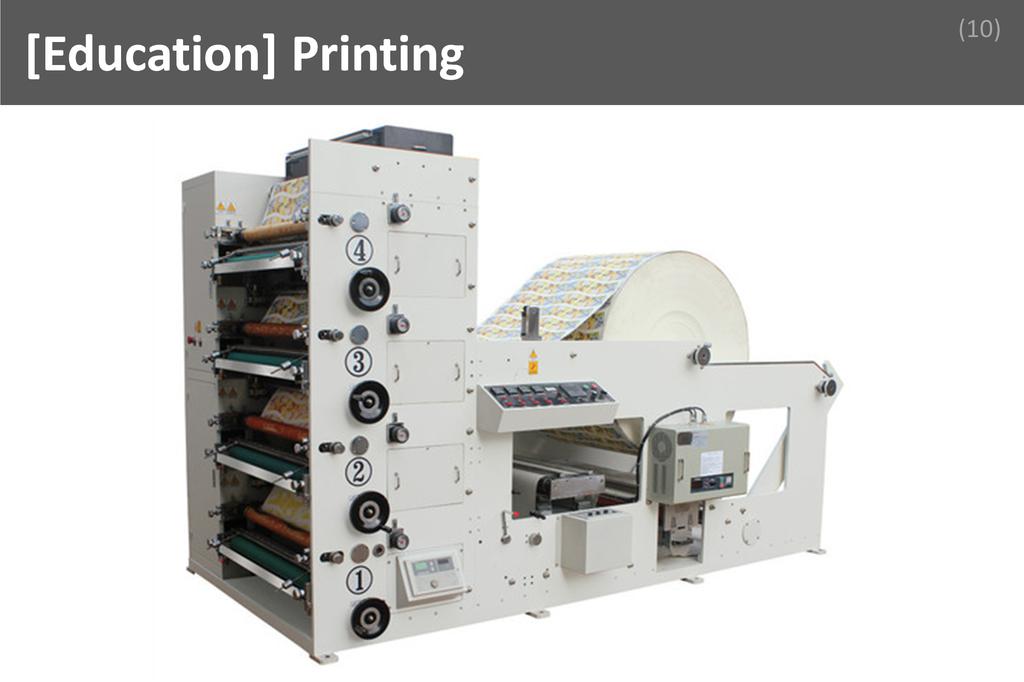
Printing is the process of reproducing text and images, typically with ink on paper, using various mechanical or digital techniques. In Production Management, understanding printing is essential because it bridges design, manufacturing, and quality control, ensuring products meet specifications and deadlines while optimizing resources and maintaining cost-effectiveness.
A solid grasp of printing is crucial for anyone in Production Management because it directly impacts product quality, efficiency, and customer satisfaction. Mastery of printing processes enables professionals to make informed decisions about materials, equipment, and workflows, which can significantly reduce waste and production costs. Additionally, understanding the intricacies of printing helps managers anticipate and resolve technical issues, maintain consistent output, and adapt to evolving technologies. Over time, this expertise not only enhances operational performance but also positions professionals as valuable assets capable of leading innovation and continuous improvement within their organizations. Ultimately, a deep knowledge of printing forms a cornerstone for career advancement and long-term success in production-related fields.
Consider a Production Manager overseeing the manufacture of packaging for consumer goods. Their understanding of printing allows them to coordinate seamlessly with design teams, select the appropriate printing technology, and ensure color accuracy and material compatibility. When a client requests a last-minute change to the packaging design, the manager leverages their printing knowledge to quickly assess the feasibility, adjust production schedules, and communicate effectively with suppliers. This expertise ensures that the final product meets both aesthetic and functional requirements without causing delays or incurring unnecessary costs. By applying their theoretical understanding of printing, the manager maintains high standards, meets client expectations, and keeps the production line running smoothly.
Skills
Negotiation Skills

Negotiation skills refer to the ability to communicate, persuade, and reach mutually beneficial agreements between parties with differing interests. In production management, these skills are crucial for resolving conflicts, securing resources, managing supplier relationships, and ensuring that project goals are met efficiently and cost-effectively.
Negotiation skills directly enhance a production manager’s performance by enabling them to secure better terms with suppliers, resolve disputes among team members, and balance competing priorities within tight deadlines. Clients and employers highly value these abilities because they lead to cost savings, improved workflow, and stronger partnerships, all of which contribute to the overall success of production operations. To cultivate negotiation skills, professionals should seek opportunities to practice active listening, understand the interests of all parties, and remain adaptable during discussions. Continuous learning through workshops, mentorship, and real-world experience further refines these abilities, making negotiation an evolving and indispensable part of a production manager’s career.
Imagine a production manager facing a sudden shortage of a critical raw material due to a supplier’s unexpected delay. The manager must quickly negotiate with alternative suppliers to secure the needed materials without exceeding the project’s budget or compromising on quality. By leveraging strong negotiation skills, the manager communicates the urgency, explores creative solutions such as partial shipments or flexible payment terms, and ultimately reaches an agreement that keeps the production schedule on track. This ability to negotiate effectively not only resolves the immediate crisis but also strengthens the manager’s reputation as a resourceful and reliable leader within the organization.
Operation Management

Operation Management is the systematic design, direction, and control of processes that transform inputs into finished goods or services. It ensures efficiency, quality, and cost-effectiveness throughout production. For Production Management professionals, mastering Operation Management is crucial for optimizing resources, meeting deadlines, and maintaining high standards in a competitive marketplace.
Operation Management directly enhances a production manager’s ability to streamline workflows, reduce waste, and maximize productivity. Employers and clients highly value this skill because it leads to consistent product quality, timely delivery, and cost savings, all of which are vital for business success. Cultivating this skill involves gaining hands-on experience with process analysis, learning to use data-driven decision-making tools, and staying updated on industry best practices. Over time, professionals can refine their expertise by participating in continuous improvement initiatives, seeking mentorship, and pursuing relevant certifications. This ongoing development ensures they remain adaptable and effective in managing complex production environments.
Imagine a production manager at a manufacturing plant facing frequent delays due to bottlenecks in the assembly line. By applying Operation Management principles, the manager conducts a thorough process analysis, identifies the root causes of inefficiency, and implements targeted changes such as reallocating resources and adjusting shift schedules. As a result, the plant experiences a significant reduction in downtime and an increase in output without compromising quality. This proactive approach not only resolves the immediate issue but also demonstrates the manager’s ability to drive operational excellence, reinforcing their value to the organization and setting a strong example for the team.
Marketing Skills

Marketing skills encompass the ability to understand customer needs, analyze market trends, communicate value propositions, and strategically position products or services. In production management, these skills enable professionals to align production processes with market demand, ensuring that products are not only efficiently made but also meet consumer expectations and drive business growth.
Marketing skills directly enhance a production manager’s effectiveness by bridging the gap between what is produced and what the market desires. Employers and clients highly value professionals who can anticipate market shifts, adapt production schedules, and collaborate with sales and marketing teams to optimize product launches. Cultivating marketing skills involves continuous learning through market research, attending industry seminars, and engaging with cross-functional teams. Over time, production managers who develop these abilities can better forecast demand, reduce waste, and contribute to the overall profitability and competitiveness of their organizations.
Imagine a production manager at a consumer electronics company facing declining sales for a flagship product. By leveraging marketing skills, the manager analyzes customer feedback and market trends, discovering a growing demand for eco-friendly features. Collaborating with the marketing team, the manager adjusts production to incorporate sustainable materials and highlights these changes in promotional campaigns. As a result, the company not only revitalizes sales but also strengthens its brand reputation. This scenario demonstrates how marketing skills empower production managers to make informed decisions that align production capabilities with evolving market needs, ultimately driving business success.
Innovation

Innovation is the ability to generate and implement new ideas, methods, or products that improve processes, solve problems, or create value. In production management, innovation empowers professionals to streamline operations, enhance efficiency, and adapt to changing market demands, making it a crucial skill for long-term success and competitiveness.
Innovation directly elevates performance in production management by enabling professionals to identify inefficiencies, introduce advanced technologies, and optimize workflows. Clients and employers highly value this skill because it leads to cost savings, improved product quality, and faster time-to-market, all of which are vital in today’s competitive landscape. Cultivating innovation involves staying informed about industry trends, encouraging creative thinking, and fostering a culture where experimentation is welcomed. Over time, professionals can develop this skill by seeking diverse perspectives, learning from failures, and continuously challenging the status quo. By integrating innovation into daily practices, production managers not only solve immediate challenges but also position their organizations for sustainable growth.
Imagine a production manager facing frequent delays due to outdated machinery and rigid scheduling. Instead of accepting these setbacks, the manager leverages innovation by researching and implementing a flexible manufacturing system that integrates real-time data analytics. This new approach allows for dynamic scheduling and predictive maintenance, significantly reducing downtime and increasing throughput. By championing this innovative solution, the manager not only resolves the immediate issue but also demonstrates forward-thinking leadership. The company benefits from improved efficiency, reduced costs, and enhanced customer satisfaction. This scenario highlights how innovation is not just about new technology, but about reimagining processes to achieve better outcomes in production management.
Quality Management

Quality Management is the systematic process of ensuring that products and services consistently meet defined standards and customer expectations through planning, control, assurance, and continuous improvement. In Production Management, it is vital for minimizing defects, optimizing processes, and maintaining compliance, making it an indispensable skill for delivering reliable and competitive outputs.
Mastering Quality Management directly enhances a production manager’s performance by reducing waste, preventing costly errors, and ensuring that every product meets or exceeds expectations. Employers and clients highly value this skill because it leads to higher customer satisfaction, stronger brand reputation, and improved profitability. To cultivate Quality Management, professionals should engage in ongoing training, stay updated with industry standards, and actively participate in process audits and improvement initiatives. Over time, applying analytical thinking, attention to detail, and a commitment to continuous improvement will help embed quality-focused practices into every stage of production, making the professional a key asset to any organization.
Imagine a production manager overseeing a manufacturing line that suddenly experiences a spike in product defects. By leveraging Quality Management principles, the manager quickly initiates a root cause analysis, identifies a malfunctioning machine component, and implements corrective measures. They also review and update inspection protocols to prevent recurrence. As a result, defect rates drop, production resumes smoothly, and customer orders are fulfilled on time. This scenario highlights how a strong foundation in Quality Management enables production managers to swiftly address critical issues, maintain operational efficiency, and uphold the company’s reputation for delivering high-quality products.
Positives
Consumer Friendly Product

A "Consumer Friendly Product" is an item designed and manufactured with the end-user’s needs, preferences, safety, and ease of use at its core, ensuring accessibility, reliability, and satisfaction. In production management, this focus drives teams to create solutions that genuinely improve lives, fostering pride and a sense of purpose in their work.
Prioritizing consumer friendly products transforms production management from a purely operational role into a mission-driven career. Professionals find deep satisfaction in knowing their efforts directly enhance customer experiences and well-being. This focus encourages innovation, continuous improvement, and collaboration across departments, fueling personal and professional growth. As products consistently meet or exceed consumer expectations, production managers witness increased brand loyalty and market success, reinforcing the value of their contributions. The daily challenge of balancing efficiency, quality, and user-centric design keeps the work dynamic and meaningful, making each achievement more rewarding and every obstacle an opportunity for creative problem-solving.
Imagine a production manager at a company manufacturing kitchen appliances. By championing consumer friendly features such as intuitive controls, energy efficiency, and robust safety mechanisms, the manager leads the team to develop a new blender that quickly becomes a customer favorite. Positive feedback pours in from users who appreciate how the product simplifies meal preparation and fits seamlessly into their routines. The manager sees firsthand how thoughtful design and careful production planning translate into real-world benefits for families and individuals. This tangible impact not only boosts the manager’s pride and motivation but also inspires the entire team to continue innovating, knowing their work genuinely makes a difference in people’s daily lives.
Environment Friendly Product

An environment friendly product is designed, manufactured, and distributed with minimal negative impact on the planet, using sustainable materials, energy-efficient processes, and responsible waste management. In production management, this approach not only reduces ecological harm but also aligns operations with global sustainability goals, enhancing the profession’s relevance and purpose.
The focus on environment friendly products elevates production management beyond traditional efficiency and cost concerns, infusing the role with a sense of greater responsibility and purpose. Professionals in this field find deep satisfaction in knowing their daily decisions contribute to a healthier planet, which in turn fosters a positive workplace culture and personal fulfillment. This commitment to sustainability often drives innovation, opening doors to new markets and career advancement as companies increasingly prioritize green practices. The tangible impact of these efforts is felt every day, as production managers witness reduced waste, improved resource utilization, and the creation of products that customers trust and value for their environmental integrity.
Imagine a production manager at a consumer electronics company who leads the transition to biodegradable packaging and energy-efficient assembly lines. Each day, they see the direct results of their efforts: less landfill waste, lower energy bills, and enthusiastic feedback from environmentally conscious customers. This manager collaborates with suppliers to source recycled materials and works with engineers to redesign products for easier recycling at end-of-life. The pride in knowing their work not only meets business goals but also protects natural resources and inspires colleagues is deeply rewarding. This daily experience transforms routine tasks into meaningful contributions, reinforcing the profound impact that environment friendly products have on both the company’s success and the world at large.
Non Polluting Industry

A non polluting industry is a sector or business that operates with minimal or zero emissions of harmful substances into the air, water, or soil, utilizing sustainable practices and clean technologies. This approach ensures environmental preservation, resource efficiency, and compliance with regulations, making it a cornerstone of responsible and forward-thinking production management.
The presence of non polluting industry in production management elevates the profession by aligning daily work with a greater purpose—protecting the environment while meeting business goals. Professionals in this field find deep satisfaction knowing their efforts directly contribute to cleaner communities and a healthier planet. This positive aspect fosters a sense of pride and motivation, as every process improvement or innovation leads to tangible environmental benefits. It also enhances career growth, as organizations increasingly seek leaders who can balance productivity with sustainability. The daily experience of making a positive difference, combined with the knowledge that their work supports both economic and ecological well-being, makes production management in non polluting industries uniquely rewarding.
Imagine a production manager overseeing a facility that manufactures eco-friendly packaging using renewable materials and closed-loop water systems. Each day, this professional collaborates with engineers to optimize processes, ensuring that waste is minimized and emissions are virtually eliminated. When the team successfully implements a new technology that reduces energy consumption without compromising output, the manager witnesses firsthand the immediate environmental benefits. Customers and stakeholders express appreciation for the company’s commitment to sustainability, and the manager feels a profound sense of accomplishment. This daily experience of contributing to a cleaner world, while achieving operational excellence, exemplifies the fulfilling impact of working in a non polluting industry within production management.
Employment Generation

Employment Generation refers to the process of creating new job opportunities within an organization or industry, enabling more individuals to participate in the workforce and contribute to economic growth. In production management, this means overseeing operations in ways that expand teams, introduce new roles, and foster a thriving workplace environment. This positive contribution not only drives business success but also empowers communities by reducing unemployment and supporting livelihoods. As production managers optimize processes and scale operations, they directly influence the number of people who can find meaningful work, making their role both impactful and deeply rewarding.
The ability to generate employment is a powerful motivator for professionals in production management. Knowing that their strategic decisions and process improvements lead to the creation of new jobs brings a sense of purpose and accomplishment. This aspect of the role enhances job satisfaction, as managers witness firsthand how their efforts contribute to the well-being of individuals and families. Employment generation also fosters a dynamic and collaborative work environment, encouraging professional growth and innovation. As teams expand, managers have the opportunity to mentor new talent, shape organizational culture, and drive collective success. This ongoing cycle of growth and opportunity makes production management a uniquely fulfilling career path.
Imagine a production manager at a manufacturing company who implements a new assembly line to meet rising demand. This expansion requires hiring additional technicians, supervisors, and support staff. The manager not only oversees the recruitment and training process but also witnesses the positive changes in the workplace as new employees bring fresh perspectives and energy. The satisfaction of seeing local community members gain stable employment and develop new skills reinforces the manager’s sense of purpose. Each day, the manager experiences the tangible results of their leadership, knowing that their efforts have directly improved the lives of many, while also contributing to the company’s growth and success.
Challenges
Competitive Field

A "Competitive Field" in Production Management refers to the intense rivalry among professionals and organizations striving for efficiency, innovation, and market share. This environment is demanding because it requires constant adaptation, rapid problem-solving, and the ability to deliver superior results under pressure, making it challenging to maintain a leading edge.
The competitive nature of production management significantly influences daily operations, often resulting in heightened stress, tighter deadlines, and the need for continuous improvement. Professionals must consistently demonstrate resilience as they face shifting priorities, evolving technologies, and the pressure to outperform peers. Navigating this environment effectively requires a proactive approach to learning, strong communication skills, and the ability to foster collaboration across teams. Successful production managers embrace change, seek feedback, and invest in professional development to stay ahead. By cultivating adaptability and maintaining a focus on both short-term goals and long-term vision, they can turn competition into an opportunity for growth rather than a source of burnout.
Consider a production manager at a consumer electronics manufacturer who faces fierce competition from both domestic and international firms. To stay ahead, she implements lean manufacturing techniques, streamlines workflows, and encourages her team to contribute innovative ideas for process improvement. Despite frequent changes in market demand and the pressure to reduce costs, she maintains open communication with her team and invests in their training. By fostering a culture of continuous improvement and adaptability, she not only meets production targets but also positions her company as a leader in efficiency and quality. Her proactive approach enables her to thrive in a highly competitive field, turning challenges into opportunities for advancement and recognition.
Strict Adherence to Quality

Strict Adherence to Quality in Production Management means consistently meeting rigorous standards and specifications throughout every stage of the manufacturing process. This requires unwavering attention to detail, constant monitoring, and immediate corrective action, making it demanding due to the pressure of zero tolerance for errors and the need for continuous improvement.
The demand for strict adherence to quality deeply influences the daily routines of production managers, often resulting in heightened stress and a relentless pace. Every decision, from resource allocation to process adjustments, is scrutinized for its impact on product quality. This environment requires professionals to be resilient, as even minor lapses can lead to costly rework, customer dissatisfaction, or regulatory penalties. Successful managers develop robust quality control systems, foster a culture of accountability, and invest in ongoing training for their teams. They also leverage data-driven decision-making to identify trends and prevent issues before they escalate. By maintaining open communication and encouraging proactive problem-solving, these professionals turn the challenge of strict quality standards into an opportunity for operational excellence.
Consider a production manager at an automotive parts manufacturer who faces a sudden spike in defect rates during a critical production run. Rather than compromising on quality to meet delivery deadlines, the manager initiates a rapid root-cause analysis, involving cross-functional teams to identify and eliminate the source of defects. By temporarily halting the affected line and reallocating resources to unaffected areas, the manager ensures that only components meeting stringent quality standards reach the customer. This approach not only preserves the company’s reputation but also reinforces a culture where quality is prioritized over short-term gains. Through decisive action and clear communication, the manager successfully navigates the challenge, demonstrating the value of resilience and commitment to quality.
A Day Of
Production Management
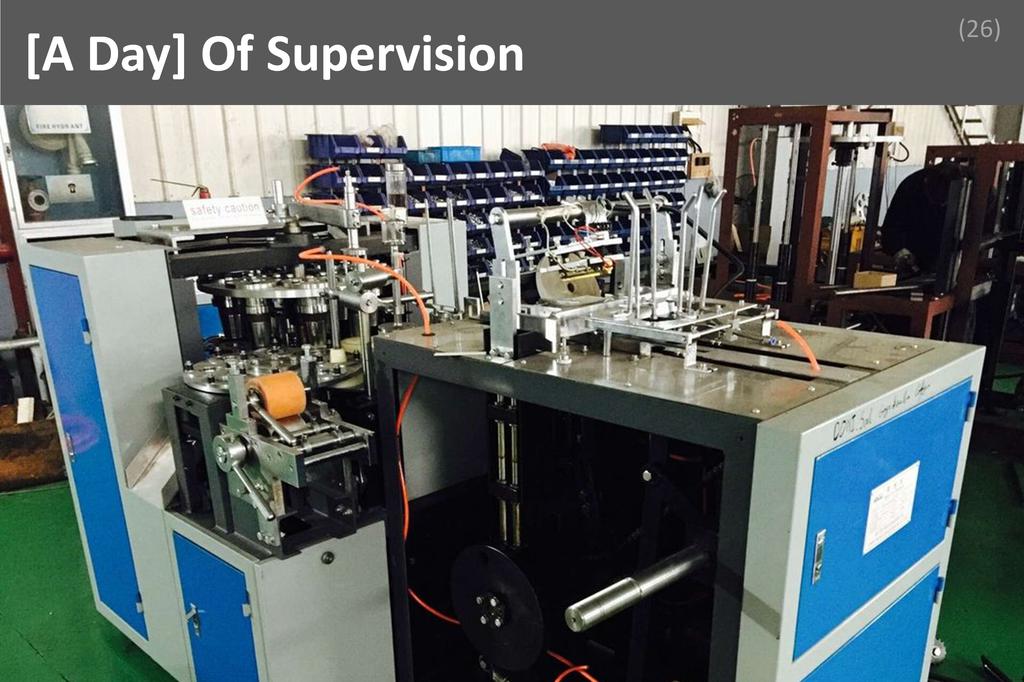
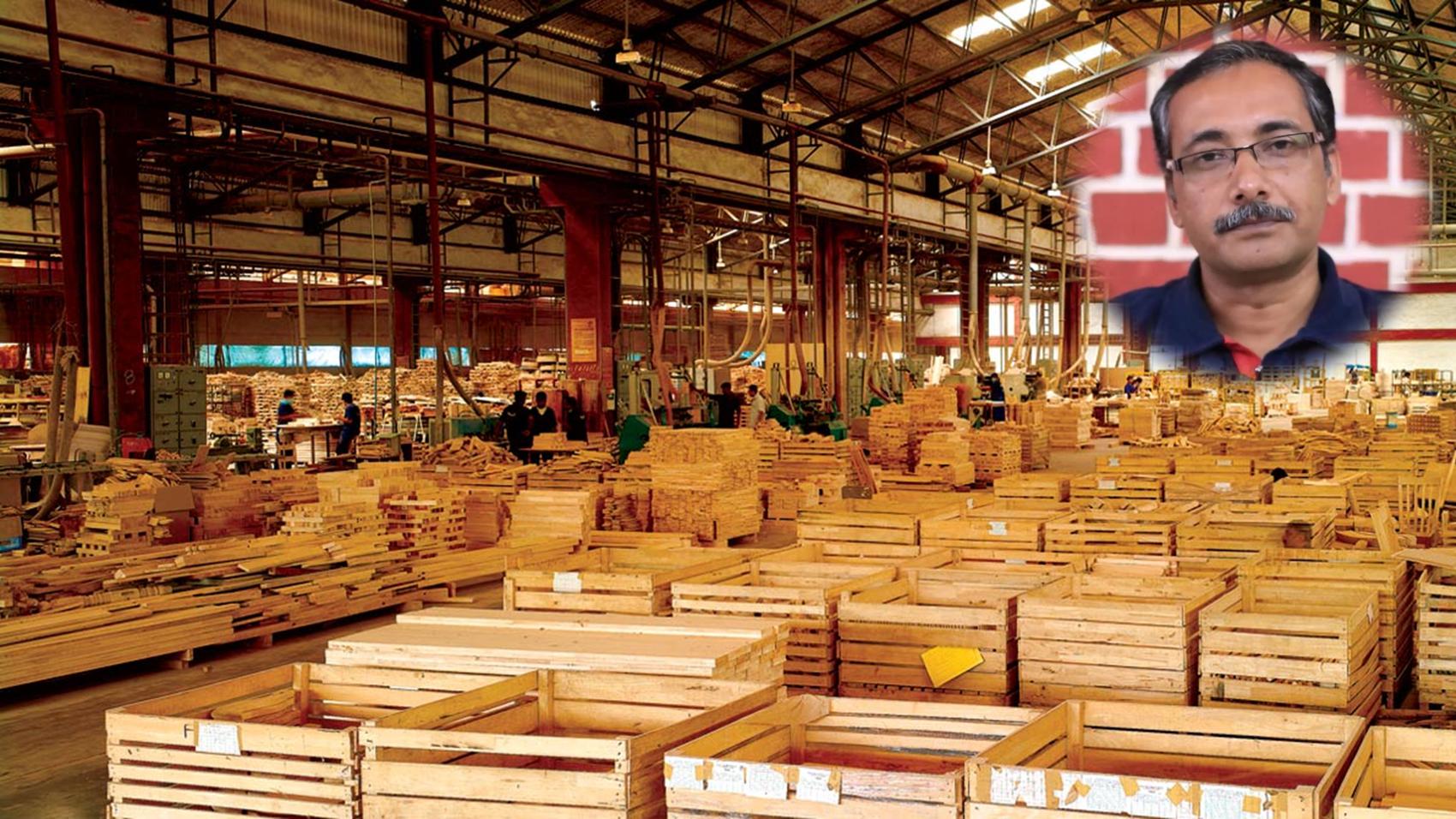
Production management is not for the faint of heart. Each day unfolds like a high-stakes performance, where precision, adaptability, and quick thinking are the stars of the show. The hum of machinery, the constant flow of communication, and the ever-present pressure to meet deadlines create an environment that is both exhilarating and demanding. For those who thrive on orchestrating chaos into seamless productivity, a day in production management is a masterclass in multitasking, problem-solving, and leadership—all set against the relentless pace of the manufacturing floor.
As dawn breaks, the production manager is already on the floor, clipboard in hand, surveying the landscape before the day’s operations kick into high gear. This early morning window is dedicated to reviewing shift reports, checking inventory levels, and walking the production line to ensure all equipment is operational. It’s a crucial time for identifying any overnight issues, confirming that safety protocols are in place, and setting the tone for the day. A quick huddle with the incoming team ensures everyone is aligned on priorities, targets, and any anticipated challenges.
By mid-morning, the production floor is alive with activity. The manager’s focus shifts to overseeing the core operations, troubleshooting bottlenecks, and making real-time decisions to keep production on track. This is the most intense part of the day, filled with rapid-fire problem-solving, coordinating with supervisors, and responding to unexpected disruptions—whether it’s a machine malfunction or a sudden change in order specifications. Communication is constant, as the manager balances the needs of the team, the demands of upper management, and the expectations of clients.
The afternoon brings a shift from crisis management to collaboration and execution. The production manager participates in cross-departmental meetings, working closely with quality assurance, logistics, and maintenance teams to ensure that production goals are being met without compromising standards. This is also the time for hands-on oversight—monitoring output, addressing employee concerns, and implementing process improvements identified earlier in the day. The focus is on maintaining momentum while fostering a culture of teamwork and continuous improvement.
As the day winds down, the production manager turns attention to wrap-up tasks and forward planning. This involves reviewing performance metrics, documenting any incidents or deviations, and preparing detailed reports for senior leadership. Administrative duties are balanced with strategic planning—analyzing what worked, what didn’t, and how to optimize for tomorrow. Before leaving the floor, the manager checks in with the evening shift, ensuring a smooth handoff and that the next team is set up for success. The day ends much as it began: with a clear-eyed assessment and a plan to tackle whatever challenges the next sunrise may bring. |


 Home
Home Abroad
 Plan
Plan Philosophy
 Seminar
 Pages
Pages Advisors
 Testimonials

















 Workshop
 Discuss
 Meet
Meet
 Advisor
 Story
Story
 Fine Print
 Links
Links
 Blog
Blog
 Follow
