The Journey of Photography
What Is Photography
Photography

Photography is the art, science, and practice of capturing images using light, either electronically by means of an image sensor or chemically by means of a light-sensitive material such as photographic film. It serves as a powerful medium for storytelling, documentation, artistic expression, and communication across various industries.
Photography holds significant value in both personal and professional contexts, shaping how stories are told and memories are preserved. For professionals, photography is a tool for creative expression, a means to document events, and a way to communicate messages visually. It impacts fields such as journalism, advertising, fashion, and fine arts by providing compelling visuals that engage audiences. The benefits of a career in photography include the opportunity for creative fulfillment, the ability to work independently or collaboratively, and the potential to influence public perception through powerful imagery. Additionally, photography can open doors to diverse industries, allowing professionals to specialize in areas that align with their interests and skills.
A professional photographer working in the field of photojournalism might be assigned to cover a major public event, such as a political rally or a natural disaster. Using their technical skills and artistic eye, they capture images that not only document the event but also convey the emotions and significance of the moment. These photographs are then published in newspapers, magazines, or online platforms, providing the public with a visual account of current events. Through careful composition, timing, and editing, the photographer ensures that their work tells a compelling story, informs the audience, and sometimes even influences public opinion or policy. This real-world application highlights the essential role photographers play in society.
Education
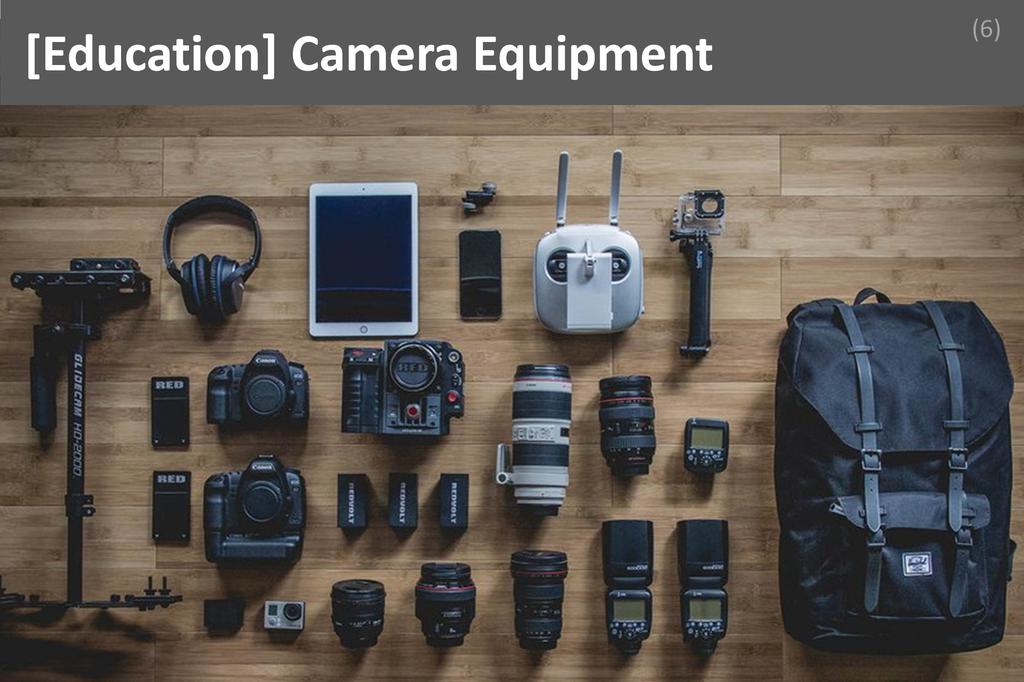
Camera Equipment

Camera equipment refers to the collection of devices and accessories used to capture, manipulate, and store photographic images. This includes cameras, lenses, tripods, lighting tools, filters, and memory cards. Understanding camera equipment is fundamental in both academic study and professional practice, forming the technical backbone of photography.
A thorough understanding of camera equipment is essential for anyone pursuing a career in photography. Mastery of these tools enables photographers to make informed decisions about exposure, composition, and image quality, directly impacting the outcome of their work. Knowledge of different camera bodies, lenses, and accessories allows professionals to adapt to various shooting environments and creative demands. This foundational expertise not only enhances technical proficiency but also fosters creative expression, problem-solving, and adaptability. Over time, a strong grasp of camera equipment contributes to a photographer’s reputation, efficiency, and ability to deliver consistent results, making it a critical component of long-term career success in the field.
Consider a professional photographer tasked with shooting a high-profile outdoor event. Before the assignment, they assess the lighting conditions, subject distance, and desired visual effects. Drawing on their knowledge of camera equipment, they select a full-frame DSLR for its superior image quality, pair it with a fast telephoto lens to capture distant action, and use a sturdy tripod for stability during low-light moments. Throughout the event, they adjust settings and swap lenses as conditions change, ensuring optimal results. Their expertise with camera equipment allows them to troubleshoot issues on the fly, maintain workflow efficiency, and consistently produce images that meet client expectations, demonstrating the practical value of their technical foundation.
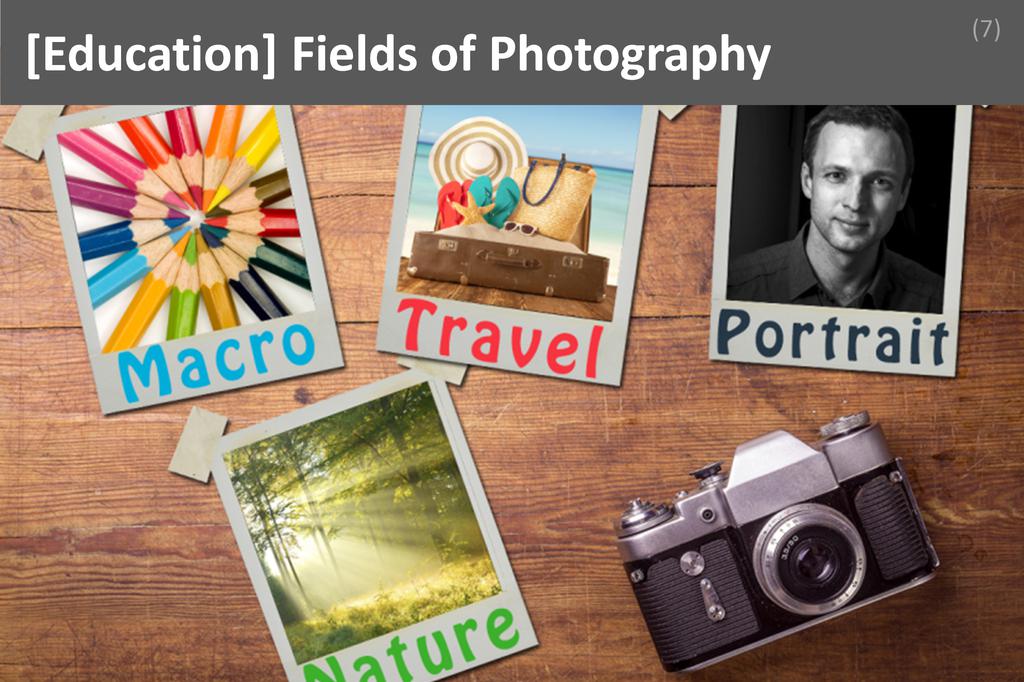
Fields of Photography

Fields of Photography refers to the various specialized branches within the discipline, such as portrait, landscape, fashion, documentary, and commercial photography. Understanding these fields is essential in both academic study and professional practice, as it enables photographers to identify, develop, and refine their skills for specific photographic contexts.
Learning about the different fields of photography is crucial for anyone aspiring to build a successful career in this dynamic industry. This knowledge forms the bedrock upon which photographers can make informed decisions about their areas of specialization, adapt to diverse client needs, and stay competitive in a rapidly evolving market. By mastering the distinctions and requirements of each field, professionals can tailor their portfolios, invest in the right equipment, and pursue targeted training. Over time, this foundational understanding not only enhances creative versatility but also opens doors to new opportunities, collaborations, and career advancement. Ultimately, a deep grasp of the fields of photography empowers individuals to carve out a unique professional identity and sustain long-term growth.
Consider a professional photographer who receives a commission to shoot a high-profile fashion campaign. Drawing on their theoretical understanding of the fields of photography, they recognize that fashion photography demands a different approach compared to, for instance, documentary or landscape work. They apply specialized lighting techniques, direct models with confidence, and collaborate closely with stylists and designers to achieve the desired visual narrative. Their awareness of the nuances within fashion photography allows them to anticipate industry expectations, deliver compelling images, and build a strong reputation. This scenario illustrates how a solid grasp of the fields of photography directly informs daily decisions, creative direction, and professional success.
Subject Knowledge

Subject Knowledge refers to a comprehensive understanding of the theories, principles, techniques, and history specific to a particular field. In Photography, it encompasses technical skills, artistic concepts, and contextual awareness. This knowledge forms the backbone of both academic study and professional practice, enabling photographers to create meaningful and technically sound images.
Developing strong subject knowledge in Photography is essential because it equips individuals with the ability to make informed creative and technical decisions. Understanding exposure, composition, lighting, and post-processing allows photographers to consistently produce high-quality work. This foundational knowledge also fosters adaptability, enabling professionals to navigate evolving technologies and trends within the industry. Over time, a deep grasp of subject knowledge enhances problem-solving skills, supports effective communication with clients and collaborators, and builds credibility. It also opens doors to specialized areas such as commercial, portrait, or documentary photography, ensuring long-term career growth and sustainability in a competitive field.
Consider a professional photographer tasked with capturing a high-profile corporate event. Drawing on their subject knowledge, they assess the venue’s lighting conditions and select appropriate camera settings to ensure sharp, well-exposed images. Their understanding of composition guides them in framing shots that highlight key moments and individuals, while their familiarity with event protocols helps them anticipate important interactions. After the event, their expertise in post-processing allows them to enhance images without compromising authenticity. Throughout the assignment, their theoretical foundation in photography ensures they deliver results that meet both artistic and professional standards, demonstrating the practical value of subject knowledge in everyday work.
Target Market

A target market is a specific group of people most likely to purchase or engage with a photographer’s services or products, defined by characteristics such as age, location, interests, and needs. Understanding target market is essential in photography, both academically and professionally, as it shapes marketing strategies and creative direction.
Grasping the concept of target market is crucial for anyone pursuing a career in photography because it directly influences how photographers position themselves, attract clients, and develop their portfolios. By identifying and understanding their ideal audience, photographers can tailor their style, communication, and promotional efforts to resonate more deeply with potential clients. This knowledge forms the backbone of effective branding and business development, ensuring that photographers do not waste resources on unfocused marketing. Over time, a clear understanding of target market enables professionals to build a loyal client base, adapt to industry trends, and maintain a competitive edge in a crowded marketplace.
Consider a photographer specializing in family portraits who has identified young families in suburban areas as their target market. By understanding the preferences and schedules of this group, the photographer schedules sessions on weekends and offers packages that include prints and digital albums, which are popular among parents. Their marketing materials feature images of happy families in familiar local parks, and their social media posts address common concerns such as coordinating outfits or keeping children engaged during shoots. This targeted approach not only attracts more inquiries from the desired demographic but also increases client satisfaction and referrals, demonstrating how theoretical knowledge of target market translates into practical, daily business success.
Skills
Eye for Detail

An "Eye for Detail" is the ability to notice and appreciate subtle elements, nuances, and imperfections within a scene or subject, ensuring nothing is overlooked. In photography, this skill allows professionals to capture images that are not only technically precise but also visually compelling, elevating their work above the ordinary.
Possessing an eye for detail enables photographers to consistently produce high-quality images by catching distractions, adjusting compositions, and perfecting lighting before pressing the shutter. Clients and employers value this skill because it leads to polished, professional results that require minimal post-processing and reflect a strong commitment to excellence. To cultivate this ability, photographers must practice mindful observation, review their work critically, and seek feedback from peers or mentors. Over time, this habit of careful scrutiny becomes second nature, allowing photographers to anticipate issues and make real-time adjustments. As a result, their portfolios stand out, and their reputation for delivering flawless work grows, opening doors to more challenging and rewarding opportunities.
Imagine a commercial photographer tasked with shooting a high-profile product for an advertising campaign. During the session, the photographer notices a faint fingerprint on the product’s surface that would be barely visible to most. Relying on their eye for detail, they pause the shoot to clean the product and adjust the lighting to eliminate unwanted reflections. This attention prevents costly retouching later and ensures the final image is pristine, impressing both the client and the creative team. By catching such small but significant issues on set, the photographer not only saves time and resources but also demonstrates professionalism and reliability, ultimately contributing to the campaign’s success.
Uniqueness

Uniqueness in photography is the ability to see, interpret, and capture the world in a way that is distinctly personal and original. It involves creating images that stand out through innovative perspectives, creative techniques, or storytelling, making the photographer’s work instantly recognizable and memorable in a crowded visual landscape.
Uniqueness directly elevates a photographer’s performance by enabling them to produce images that are not only technically proficient but also emotionally resonant and visually distinctive. Clients and employers highly value this quality because it differentiates a photographer’s portfolio from countless others, offering fresh perspectives that can define a brand or project. Cultivating uniqueness requires ongoing experimentation, self-reflection, and a willingness to step outside conventional boundaries. By studying diverse artistic influences, seeking feedback, and consistently pushing creative limits, photographers can gradually develop a signature style that becomes their professional hallmark. Over time, this individuality builds a strong reputation, attracts loyal clients, and opens doors to new opportunities in the competitive field of photography.
Imagine a professional photographer hired to document a corporate event where the client requests images that capture the company’s innovative spirit. Instead of relying on standard group shots and posed moments, the photographer leverages their unique vision by focusing on candid interactions, creative angles, and dynamic compositions that highlight the energy and collaboration among attendees. When the client receives the final images, they are impressed by how the photographs not only document the event but also convey the company’s culture in a fresh, engaging way. This distinctive approach not only solves the challenge of making a routine event memorable but also strengthens the photographer’s reputation for delivering exceptional, one-of-a-kind work.
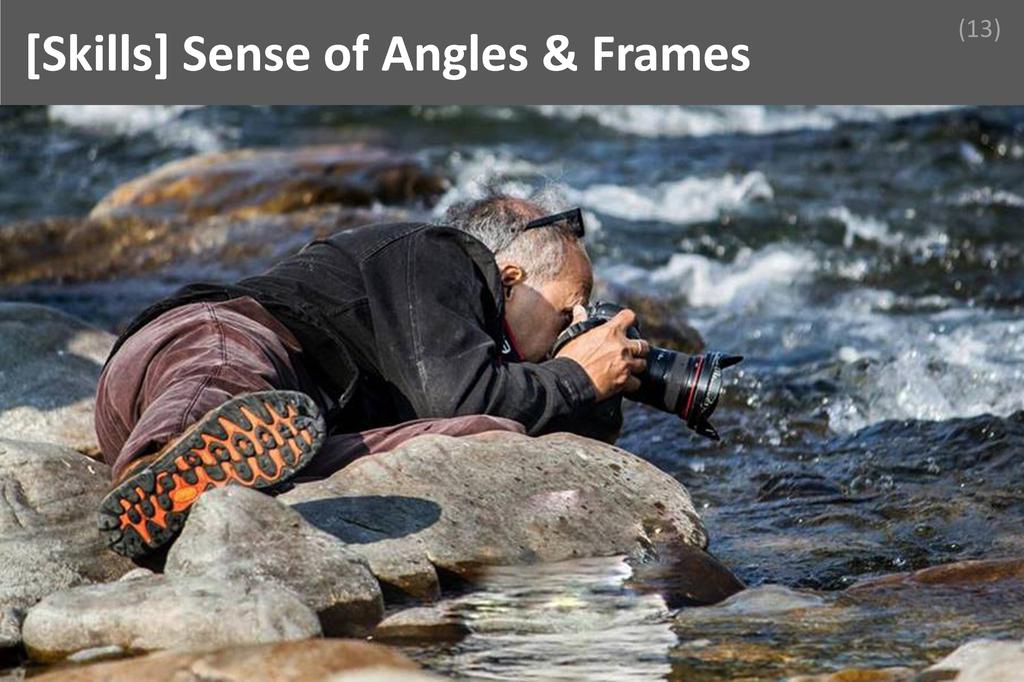
Sense of Angles & Frames

A "Sense of Angles & Frames" refers to a photographer’s intuitive and technical ability to select the most effective viewpoint and composition for each shot. This skill ensures that every element within the frame contributes to the intended story, mood, or message, elevating ordinary scenes into compelling visual narratives.
Mastering the sense of angles and frames directly enhances a photographer’s ability to create visually striking and emotionally resonant images. Clients and employers highly value this skill because it distinguishes professional work from amateur snapshots, ensuring that each photograph communicates purpose and artistry. A strong sense of angles and frames allows photographers to adapt quickly to different environments, subjects, and lighting conditions, consistently delivering high-quality results. Developing this skill requires a combination of studying classic and contemporary photography, practicing with various subjects and settings, and seeking constructive feedback. Over time, photographers refine their instincts and technical knowledge, enabling them to make split-second decisions that transform everyday moments into memorable images.
Imagine a photographer assigned to capture a high-profile corporate event in a crowded conference hall. The lighting is harsh, and the space is filled with distractions. Relying on their sense of angles and frames, the photographer quickly identifies vantage points that minimize background clutter and use available light creatively. By adjusting their position and framing, they isolate key subjects, such as speakers and engaged audience members, ensuring each shot tells a clear and impactful story. This ability not only overcomes environmental challenges but also delivers images that exceed client expectations, highlighting the event’s energy and professionalism. The photographer’s expertise in angles and frames transforms a chaotic scene into a cohesive visual narrative.
Experimental Attitude

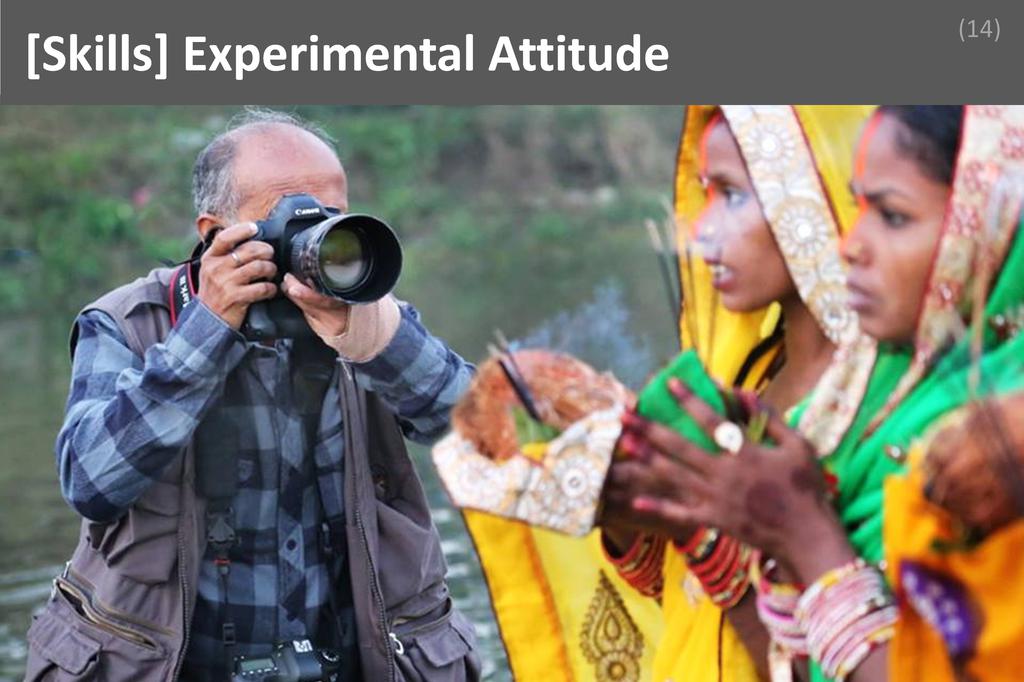
Experimental Attitude is the willingness to explore new techniques, challenge conventions, and embrace creative risks in pursuit of unique results. For photographers, it means continuously pushing boundaries, adapting to changing environments, and seeking innovative solutions. This mindset fuels artistic growth and keeps a professional’s work fresh and relevant in a competitive field.
Cultivating an Experimental Attitude directly enhances a photographer’s ability to adapt and innovate, leading to more compelling and original work. Clients and employers highly value this skill because it demonstrates flexibility, problem-solving, and a commitment to delivering distinctive results that stand out. By regularly experimenting with lighting, composition, equipment, and post-processing techniques, photographers can discover new styles and refine their artistic voice. Over time, embracing experimentation builds confidence and resilience, enabling professionals to handle unexpected challenges with creativity. Developing this skill involves maintaining curiosity, seeking inspiration from diverse sources, and not fearing failure, as each experiment—successful or not—contributes to growth and expertise.
Imagine a photographer hired to shoot a high-profile fashion campaign, only to arrive on set and find that the planned lighting setup is impossible due to unforeseen technical issues. Instead of panicking, the photographer draws on their Experimental Attitude, quickly improvising with available light sources and unconventional reflectors. By experimenting with angles, shadows, and camera settings, they create a series of striking images that not only meet but exceed the client’s expectations. This willingness to adapt and try new approaches transforms a potential setback into an opportunity for creative success, reinforcing the photographer’s reputation as an innovative and reliable professional.
Patience

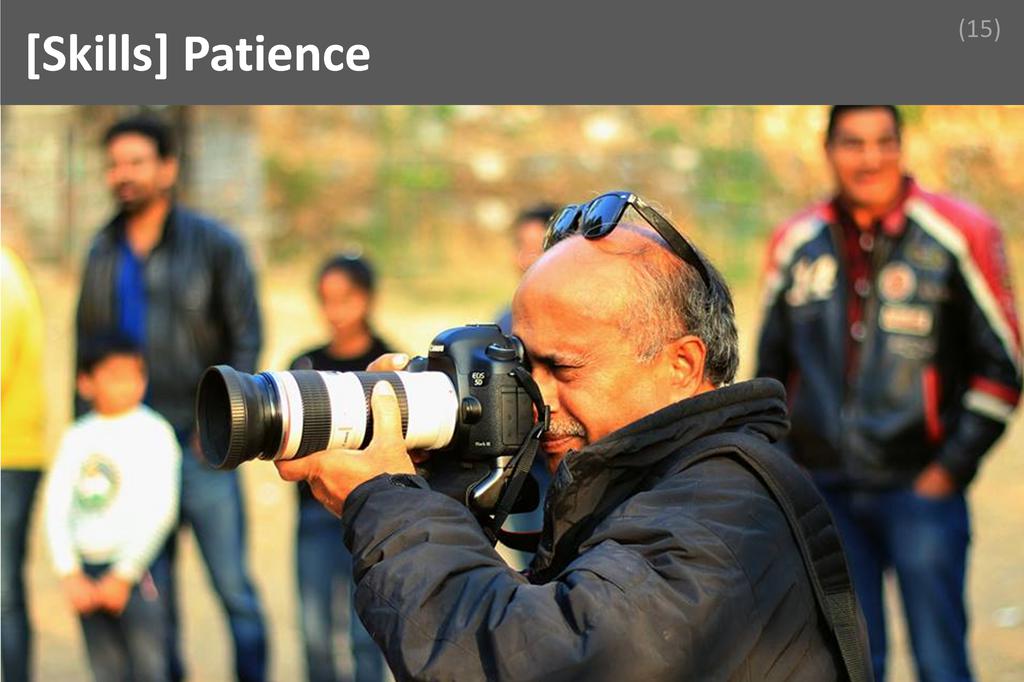
Patience is the ability to calmly endure delays, challenges, or setbacks without frustration, maintaining focus and composure throughout the process. In photography, patience is vital because capturing the perfect shot often requires waiting for the right moment, adjusting to changing conditions, and persisting through technical or creative obstacles.
Patience directly enhances a photographer’s performance by allowing them to wait for ideal lighting, expressions, or environmental conditions, resulting in higher quality images. Clients and employers value this trait because it leads to more thoughtful, deliberate work and fosters a positive, stress-free atmosphere during shoots. Cultivating patience involves practicing mindfulness, setting realistic expectations, and learning to embrace the unpredictable nature of photography. Over time, photographers who develop patience become more adaptable and resilient, able to handle unexpected challenges with grace. This skill also encourages continuous learning and improvement, as patient professionals are more willing to experiment, refine their techniques, and accept constructive feedback.
Imagine a wildlife photographer waiting in a remote location for hours, hoping to capture a rare animal in its natural habitat. Despite harsh weather and fleeting opportunities, the photographer remains calm and observant, resisting the urge to rush or settle for mediocre shots. Eventually, their patience is rewarded when the animal appears, allowing them to capture a stunning, once-in-a-lifetime image. This scenario highlights how patience enables photographers to overcome frustration, stay focused on their goals, and achieve results that would be impossible through haste or impatience. The ability to wait for the right moment often distinguishes exceptional work from the ordinary, making patience an indispensable asset in the field of photography.
Humility

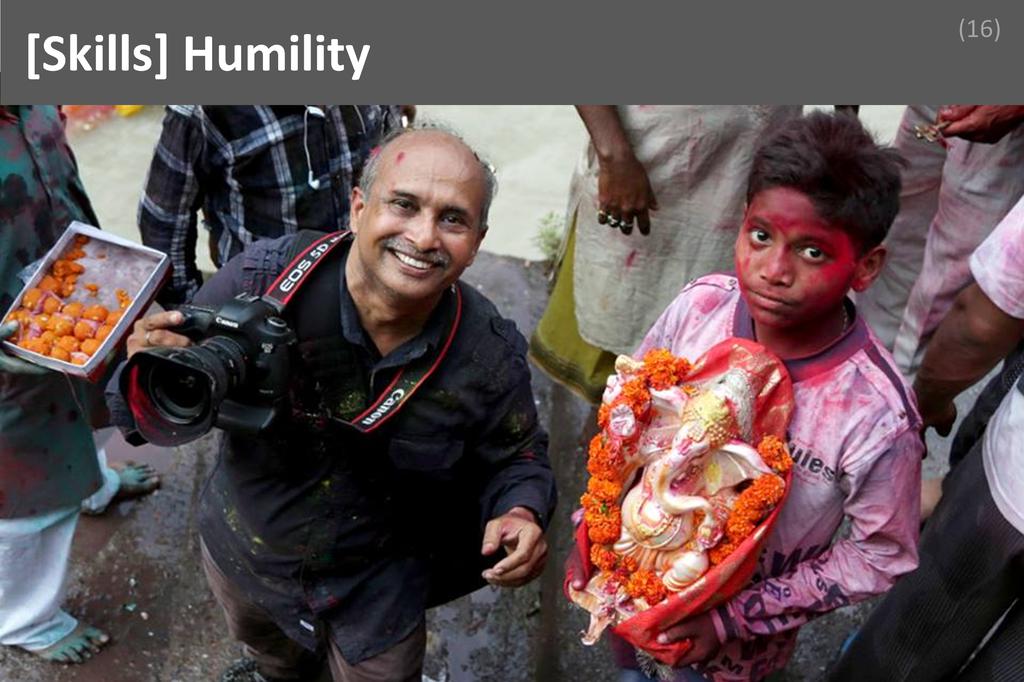
Humility is the genuine recognition of one’s strengths and limitations, paired with openness to learning from others and accepting constructive feedback. In photography, humility allows professionals to continuously grow, adapt to new trends, and collaborate effectively, making it a vital attribute for building lasting relationships and achieving creative excellence.
Humility directly enhances a photographer’s performance by fostering a mindset of continuous improvement and adaptability. Clients and employers highly value photographers who listen attentively, accept feedback graciously, and are willing to revise their work to meet expectations. Humble professionals are more likely to collaborate smoothly with creative teams, models, or clients, leading to better outcomes and stronger reputations. Cultivating humility involves actively seeking feedback, reflecting on both successes and failures, and remaining open to learning from peers regardless of their experience level. Over time, this approach not only improves technical and interpersonal skills but also builds trust and respect within the industry.
Imagine a photographer hired to shoot a high-profile event who, upon reviewing the initial images, realizes that the lighting setup was not as effective as anticipated. Instead of blaming external factors or insisting on their expertise, the photographer openly acknowledges the issue to the client and suggests adjustments for the remaining shots. By demonstrating humility, the photographer invites input from the client and the event team, quickly adapts the approach, and ultimately delivers a set of images that exceed expectations. This willingness to accept responsibility and collaborate not only salvages the project but also strengthens the client’s trust, paving the way for future opportunities.
Positives
Respect & Recognition

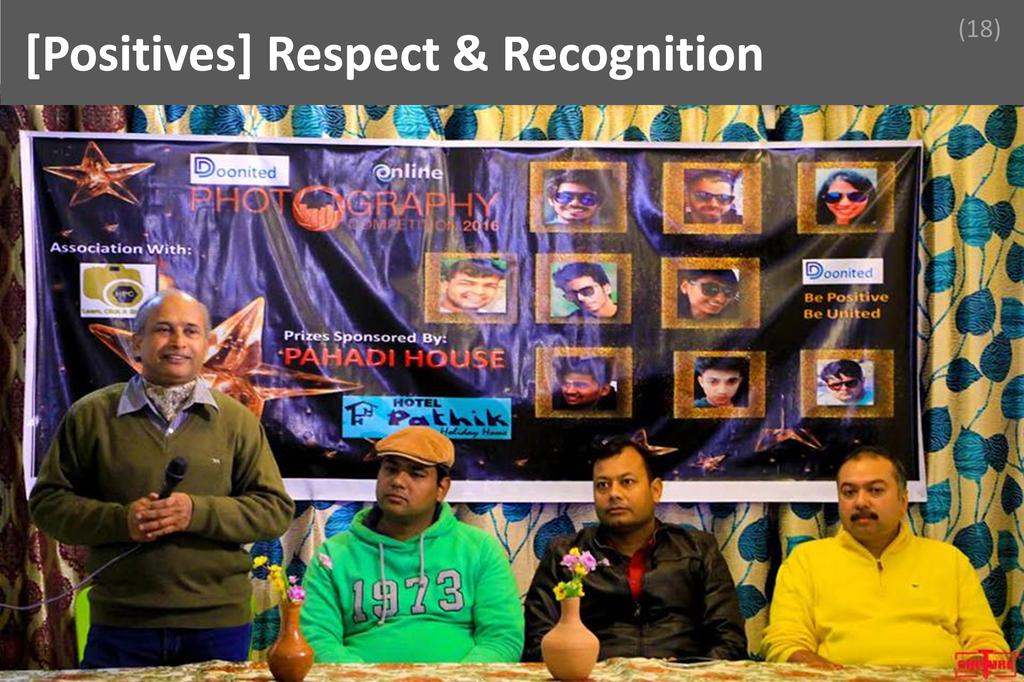
Respect and recognition in photography refer to the appreciation, admiration, and acknowledgment received from peers, clients, and the wider community for one’s creative vision, technical skill, and unique perspective. This validation not only affirms a photographer’s talent but also elevates their professional standing and personal sense of accomplishment.
The respect and recognition that photographers earn can be a powerful motivator, fueling their passion and commitment to the craft. When their work is valued, photographers feel a deep sense of pride and purpose, which translates into higher job satisfaction and a drive to continually improve. This positive feedback loop encourages creative risk-taking and innovation, leading to professional growth and new opportunities. On a daily basis, photographers experience this benefit through client testimonials, publication of their images, or simply the admiration of their peers. Such acknowledgment fosters a supportive environment where their contributions are celebrated, making the challenges of the profession more rewarding and meaningful.
Imagine a photographer who has spent months documenting a community’s cultural festival. When their photo series is exhibited in a local gallery, visitors are moved by the authenticity and emotion captured in each image. Community members express gratitude for preserving their traditions, and fellow artists commend the photographer’s skillful storytelling. This outpouring of respect and recognition not only validates the photographer’s hard work but also strengthens their connection to the community and the art form. The experience inspires them to pursue new projects with renewed enthusiasm, knowing their vision has made a lasting impact and earned genuine appreciation.
Monetary Potential

Monetary Potential refers to the capacity for significant financial gain and income growth within a profession, based on skill, creativity, and market demand. In photography, this potential is a driving force, offering professionals the opportunity to turn their passion into a lucrative career while enjoying creative freedom and personal fulfillment.
The monetary potential in photography is a powerful motivator that elevates the profession beyond a mere hobby. It allows photographers to set their own rates, diversify their income streams, and pursue high-paying assignments across various industries such as fashion, advertising, events, and fine art. This financial flexibility not only boosts job satisfaction but also encourages continuous learning and innovation, as photographers strive to enhance their skills and reputation. The tangible rewards of monetary success can lead to greater confidence, professional independence, and the ability to invest in better equipment or expand a business. Every day, photographers experience the satisfaction of seeing their creative work valued in the marketplace, reinforcing their commitment and passion for the craft.
Consider a freelance photographer who specializes in wedding and portrait photography. Through years of honing their craft and building a strong client base, they begin to attract high-profile clients willing to pay premium rates for their unique style and expertise. As their reputation grows, they are able to command higher fees, license their images for commercial use, and even sell prints or conduct workshops. The financial rewards not only provide a comfortable living but also enable them to reinvest in their business, travel for destination shoots, and explore new creative projects. This real-world scenario demonstrates how the monetary potential in photography can transform a passion into a thriving, sustainable career, offering both personal and financial fulfillment.
Contentment

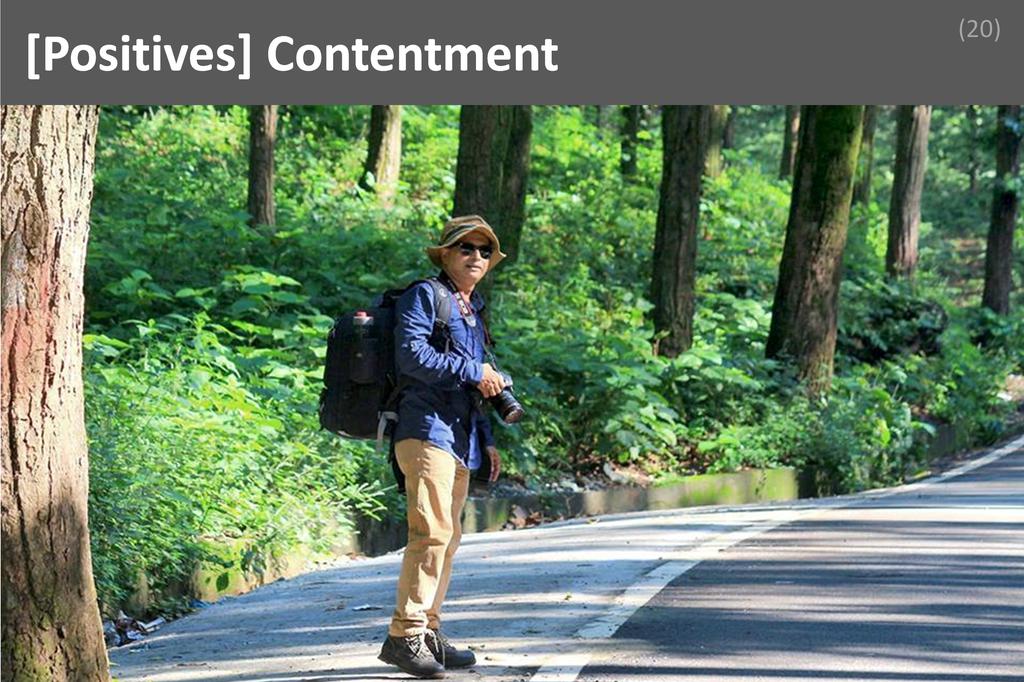
Contentment is a deep sense of satisfaction and peace that arises from appreciating the present moment and finding fulfillment in one’s achievements, regardless of external rewards or recognition. In photography, contentment allows professionals to embrace their creative journey, celebrate small victories, and remain motivated even when faced with challenges or setbacks.
The presence of contentment in a photographer’s career is a powerful catalyst for long-term satisfaction and personal growth. When photographers feel genuinely content, they are more likely to approach their work with enthusiasm and resilience, focusing on the joy of creation rather than external validation. This mindset fosters a healthier work-life balance, reduces burnout, and encourages continuous learning. Contentment also nurtures a sense of gratitude for the unique moments and stories captured through the lens, making each assignment meaningful. As photographers experience contentment daily, they develop a deeper connection to their craft, which not only enhances their artistic vision but also sustains their passion for photography over time.
Imagine a professional photographer who spends a day capturing candid moments at a local community event. As the sun sets and the event winds down, they review the images and feel a profound sense of satisfaction—not because of potential awards or social media likes, but because they have preserved genuine emotions and memories for others to cherish. This quiet fulfillment, rooted in knowing their work has meaning and impact, fuels their motivation to continue growing and exploring new creative avenues. The photographer’s contentment becomes a steady source of inspiration, reminding them that the true reward lies in the process and purpose of their art, rather than external accolades.
Networking

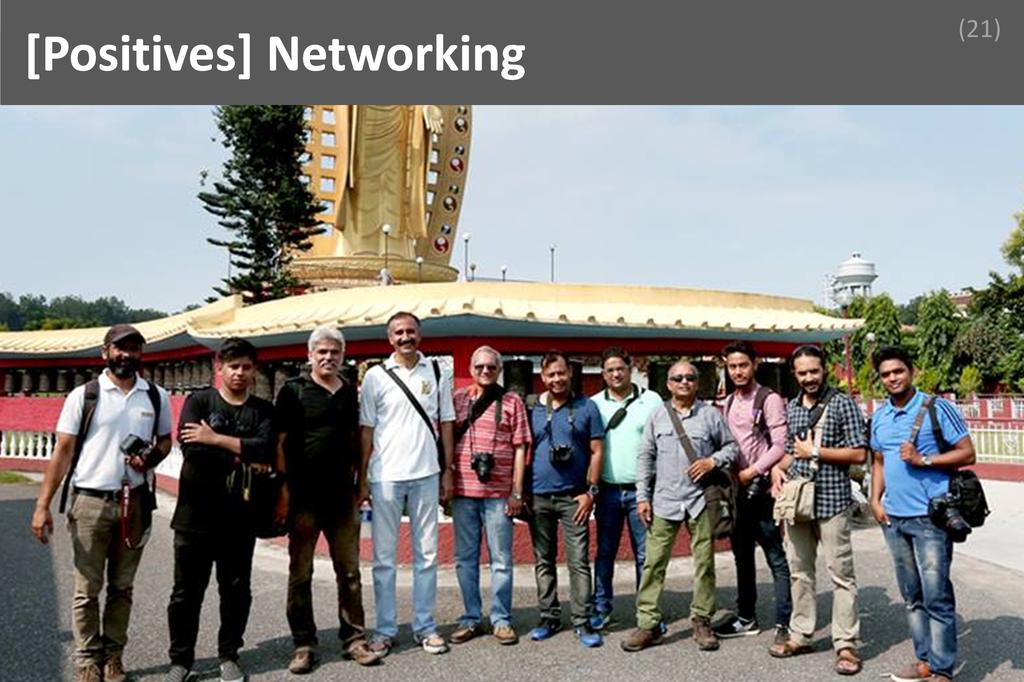
Networking is the process of building and nurturing professional relationships with peers, mentors, clients, and industry leaders to exchange knowledge, opportunities, and support. In photography, networking opens doors to collaborations, referrals, and creative partnerships, fostering a sense of community and enabling photographers to thrive in a competitive and ever-evolving field.
The power of networking in photography lies in its ability to connect individuals with a diverse range of opportunities and resources. By engaging with others in the industry, photographers gain access to new clients, creative projects, and valuable feedback, all of which contribute to professional growth and job satisfaction. Networking also provides a support system, offering encouragement and advice during challenging times. These connections can lead to lifelong friendships and collaborations, making the journey more enjoyable and less isolating. On a daily basis, photographers benefit from shared knowledge, inspiration, and the collective wisdom of their network, which helps them stay motivated, informed, and adaptable in a rapidly changing industry.
Imagine a freelance photographer attending a local gallery opening, where they strike up a conversation with another artist. Through this connection, the photographer is introduced to a curator seeking talent for an upcoming exhibition. This chance encounter leads to their work being featured, attracting new clients and expanding their professional circle. The photographer not only gains exposure and credibility but also forms lasting relationships with fellow creatives and industry professionals. This experience highlights how networking can transform a simple social interaction into a pivotal career moment, providing both personal fulfillment and tangible professional benefits that continue to shape their journey in photography.
Travelling

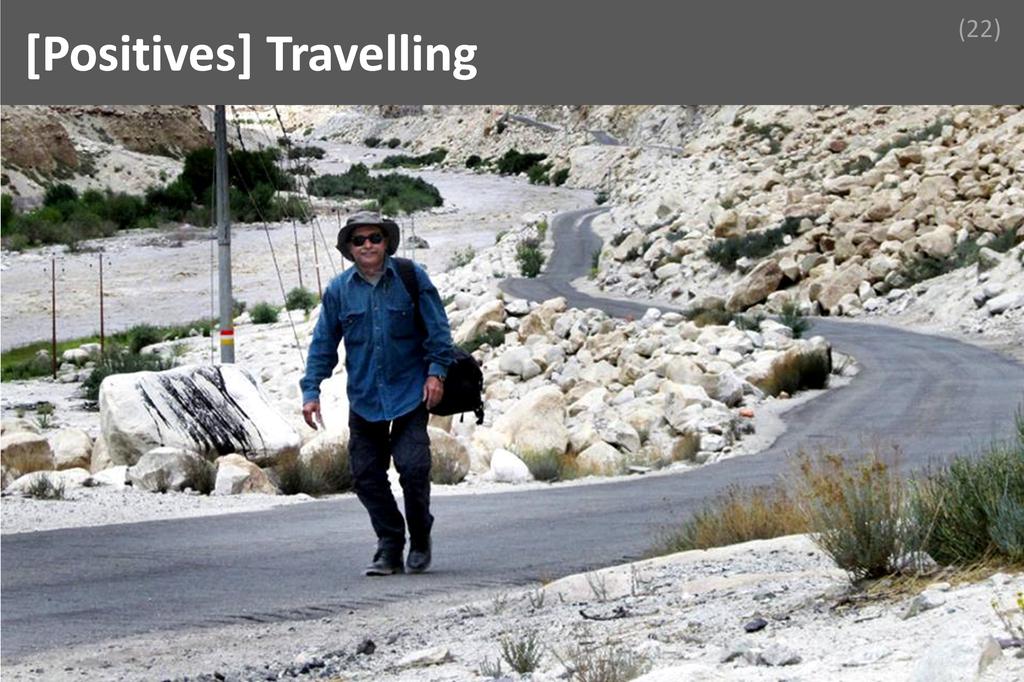
Travelling is the act of journeying to different locations, whether near or far, to explore new environments, cultures, and experiences. In photography, travelling means venturing beyond familiar surroundings to capture diverse subjects and scenes. This exposure to varied settings enriches a photographer’s perspective and enhances creative expression in their work.
The opportunity to travel is a significant benefit for photographers, as it opens doors to endless inspiration and learning. Each new destination offers unique stories, landscapes, and people, allowing photographers to expand their portfolios and develop their artistic voice. Travelling fosters adaptability and curiosity, essential traits for creative growth. It also brings a sense of adventure and excitement to daily work, making the profession dynamic and fulfilling. The constant change of scenery keeps motivation high and prevents creative stagnation, while interactions with different cultures and communities broaden personal and professional horizons. Ultimately, the ability to travel transforms photography from a routine job into a lifelong journey of discovery and self-improvement.
Imagine a wildlife photographer who travels to the Serengeti in Africa to document the annual migration of wildebeest. Each day brings new challenges and breathtaking sights, from golden sunrises over the savannah to close encounters with majestic animals. The photographer’s journey is filled with moments of awe and learning, as they adapt to the unpredictable rhythms of nature and collaborate with local guides. Through travelling, the photographer not only captures extraordinary images but also gains a deeper appreciation for the world’s diversity and beauty. This experience becomes a source of inspiration and pride, reminding them why they chose a career that allows them to explore the world through their lens.
Challenges
No Fixed Working Hours

No Fixed Working Hours in photography refers to the unpredictable and irregular scheduling of assignments, shoots, and editing sessions. Photographers often work early mornings, late nights, weekends, or holidays, depending on client needs or optimal lighting conditions. This lack of routine can be physically and mentally demanding, challenging work-life balance.
The absence of fixed working hours disrupts daily routines, making it difficult for photographers to plan personal time or maintain consistent sleep patterns. This unpredictability can lead to fatigue and stress, requiring significant resilience and adaptability. Successful professionals manage this challenge by setting clear boundaries with clients, prioritizing self-care, and developing flexible yet structured workflows. They often use digital tools to organize their schedules, communicate availability, and allocate time for rest and creative recharge. By embracing the dynamic nature of their work and proactively managing their time, photographers can maintain productivity and well-being, turning a potential drawback into a source of creative freedom and professional growth.
Consider a freelance wedding photographer who faces back-to-back weekend events, late-night editing sessions, and last-minute client meetings. To manage the lack of fixed hours, she establishes a routine of blocking out weekday mornings for rest and personal projects, while reserving afternoons for editing and client communication. She communicates her availability clearly to clients, ensuring expectations are managed and urgent requests are minimized. By leveraging scheduling apps, she keeps track of assignments and deadlines, allowing her to anticipate busy periods and plan downtime accordingly. This proactive approach enables her to deliver high-quality work consistently, maintain her enthusiasm for photography, and sustain a healthy work-life balance despite the unpredictable nature of her profession.
Harsh Working Conditions

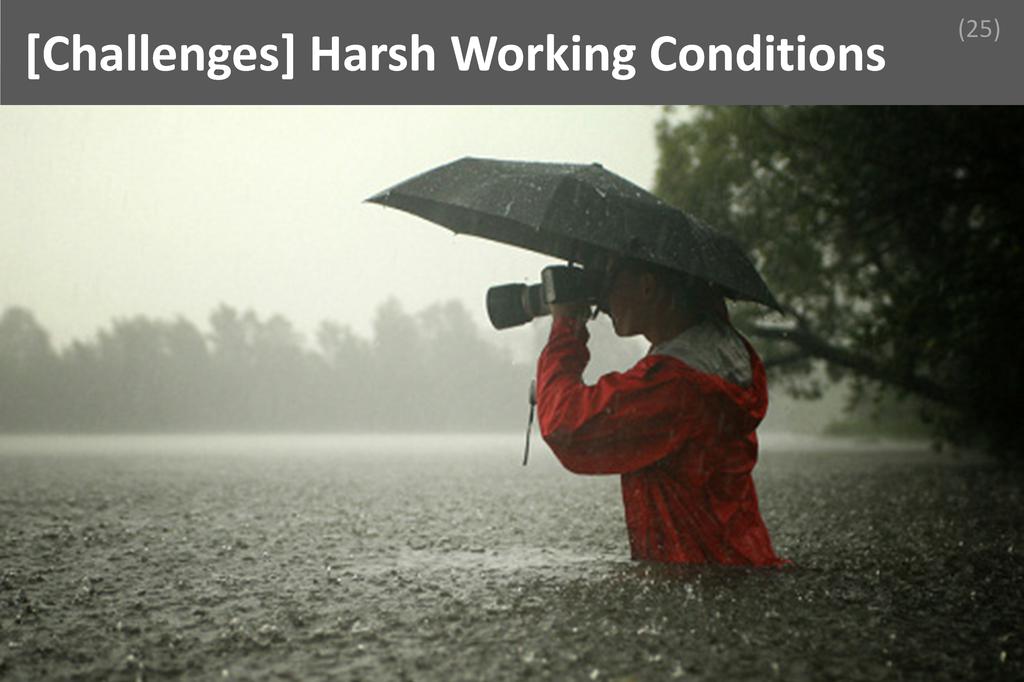
Harsh working conditions in photography refer to environments that are physically, mentally, or emotionally demanding, such as extreme weather, hazardous locations, long hours, or unpredictable settings. These conditions challenge photographers’ endurance, adaptability, and equipment reliability, making the profession demanding and requiring a high level of preparation and resilience.
Harsh working conditions can significantly affect a photographer’s daily routine, often leading to fatigue, stress, and even safety risks. The unpredictability of weather, challenging terrains, or extended shoots can disrupt schedules and impact creative output. This environment demands resilience, quick problem-solving, and adaptability. Successful professionals manage these constraints by investing in durable equipment, maintaining physical fitness, and developing mental toughness. They also plan meticulously, anticipate potential obstacles, and remain flexible to adjust their approach as situations evolve. Building a strong support network and learning from each experience further helps them to thrive despite adversity, turning challenging assignments into opportunities for growth and creative achievement.
Consider a wildlife photographer assigned to document rare animal behavior in a remote Arctic region. Facing subzero temperatures, unpredictable storms, and limited daylight, the photographer must endure physical discomfort and logistical challenges. By preparing with specialized cold-weather gear, carefully planning each day’s shoot, and maintaining a disciplined routine, the photographer manages to capture stunning images without compromising safety or equipment. Through adaptability and perseverance, the photographer not only overcomes the harsh conditions but also produces a compelling visual story, demonstrating how resilience and preparation can transform adversity into professional success. This scenario illustrates the importance of embracing challenges as integral to the craft of photography.
Competition

Competition in photography refers to the constant presence of numerous skilled individuals and businesses vying for the same clients, recognition, and opportunities. This environment is demanding because it requires photographers to consistently innovate, maintain high standards, and differentiate themselves in a saturated market to achieve lasting success and visibility.
The challenge of competition in photography can influence daily work by creating pressure to produce unique, high-quality images and to continually market oneself to stand out. This relentless environment can lead to stress, self-doubt, and creative fatigue, demanding resilience and adaptability from professionals. Successful photographers manage this constraint by focusing on personal growth, building a distinctive style, and nurturing client relationships. They invest in ongoing learning, embrace constructive feedback, and stay attuned to industry trends. By viewing competition as motivation rather than a threat, they channel their energy into refining their craft and expanding their networks, ultimately turning competitive pressure into a catalyst for professional development and sustained achievement.
Consider a freelance photographer specializing in portraiture who notices a surge of new talent in their city, leading to fewer bookings. Instead of lowering prices or becoming discouraged, they decide to refine their artistic style and invest in advanced lighting techniques. They also start sharing behind-the-scenes content on social media, which helps showcase their personality and process. Over time, their unique approach and authentic online presence attract clients seeking a more personalized experience. By focusing on their strengths and adapting to the evolving market, the photographer not only overcomes the challenge of competition but also builds a loyal client base and a stronger professional reputation.
A Day Of
Photography
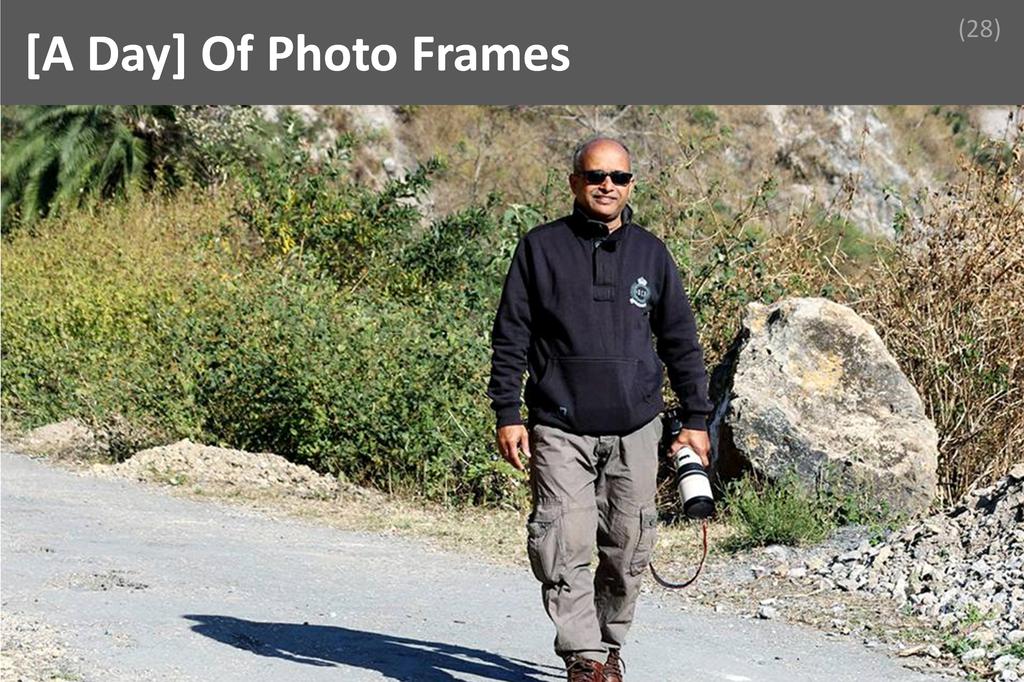
The world of a photography professional is a dynamic blend of artistry and precision, where no two days ever unfold quite the same. From the moment the first light filters through the studio windows to the quiet hours spent editing and planning, the pace is a constant dance between creative inspiration and technical execution. Whether capturing the perfect shot on location or meticulously retouching images at a desk, photographers thrive in an environment that demands adaptability, keen observation, and a relentless pursuit of visual storytelling. Each day is a journey beyond the desk, filled with moments that challenge, inspire, and ultimately define the craft.
As dawn breaks, the day begins with a careful review of the schedule and a thorough check of equipment. This early morning phase is all about preparation—charging batteries, cleaning lenses, and packing the right gear for the day’s assignments. Photographers often use this quiet time to review shot lists, scout locations if shooting outdoors, and mentally map out creative concepts. The calm before the rush allows for a moment of focus, ensuring that every detail is in place before the action begins.
By mid-morning, the energy shifts as the core work of the day takes center stage. Whether it’s a bustling commercial shoot, a serene portrait session, or an event filled with fleeting moments, this is when photographers are most engaged with their subjects and surroundings. The camera becomes an extension of the eye, capturing light, emotion, and story in real time. This period is marked by intense concentration, quick decision-making, and constant interaction with clients, models, or collaborators to bring the creative vision to life.
As the afternoon unfolds, the focus turns to collaboration and execution beyond the camera. Photographers often meet with clients to review proofs, discuss creative direction, or coordinate with stylists and editors. This is also the time to begin the initial culling of images, selecting the best shots from hundreds taken earlier. The process is both technical and intuitive, requiring a discerning eye and open communication to ensure that the final selections align with the project’s goals.
Late afternoon and early evening are dedicated to the essential but often unseen work that brings a project to completion. Photographers retreat to their desks or digital workstations to edit and retouch images, manage file backups, and prepare galleries for client delivery. Administrative tasks such as responding to emails, invoicing, and updating portfolios also take place during this time. As the day winds down, attention shifts to planning for upcoming shoots, researching new techniques, and reflecting on the day’s successes and challenges, setting the stage for another creative journey tomorrow. |