Career Counselling 2.0 HomeHomeCareer Counselling 2.0 AbroadAbroadCareer Counselling 2.0 PlanPlanCareer Counselling 2.0 | TalksTalksCareer Counselling 2.0 PhilosophyPhilosophyCareer Counselling 2.0 SeminarSeminarCareer Counselling 2.0 PagesPagesCareer Counselling 2.0 AdvisorsAdvisorsCareer Counselling 2.0 TestimonialsTestimonials

Photography

Photographer Sandeep Miller talks about Photography course, what is Photography and other details about a Career in Photography.


Photography

Sandeep Miller | Photographer | Various Assignments


What is Photography?


Photography is a great Career option. Internet is brimming with pages on How to get into Photography, while one should first understand What is a Career in Photography. Just like you would normally not trust a non Doctor with names of medicines, you should also not trust opinions about Photography from non professionals.

With 5 years of professional experience, Photographer Sandeep Miller understands Photography. Photographer Sandeep Miller outlines Photography as:

Photography is the science, art, application and practice of creating durable images by recording light or other electromagnetic radiation, either electronically by means of an image sensor, or chemically by means of a light-sensitive material such as photographic film.


How Photographer Sandeep Miller got into Photography?


I did my schooling from Mumbai University and graduation from FX school in Mumbai. Thereafter I worked for Trinity Global Service for one year and Bombay Teen Challenge for three years.


Photographer Sandeep Miller's Talk on Photography


Session Image
The Journey of Photography


What Is Photography


Photography

What is
Photography is the art, science, and practice of creating durable images by recording light or other electromagnetic radiation, either electronically by means of an image sensor or chemically by means of a light-sensitive material. It captures moments, tells stories, and preserves memories for personal or professional purposes.

Concept
Photography plays a crucial role in modern society, shaping how people perceive the world and communicate ideas. For professionals, it offers a powerful medium to express creativity, document events, and influence public opinion. The impact of photography extends to journalism, advertising, fashion, and art, making it an essential skill across industries. One major benefit is the ability to visually communicate complex concepts quickly and effectively. Another is the opportunity to build a personal brand or business through unique visual storytelling. Additionally, photography fosters technical proficiency and artistic growth, enabling professionals to continually evolve their craft and adapt to new technologies and trends.

Real World Example
A professional photographer working in the field of photojournalism might be assigned to cover a significant event, such as a political rally or a natural disaster. They use their technical skills to capture compelling images that convey the emotion, scale, and significance of the event. These photographs are then published in newspapers, magazines, or online platforms, providing the public with a visual account of current events. Through careful composition, timing, and editing, the photographer ensures that their images not only inform but also engage viewers, highlighting the power of photography to shape public perception and document history as it unfolds.

Education


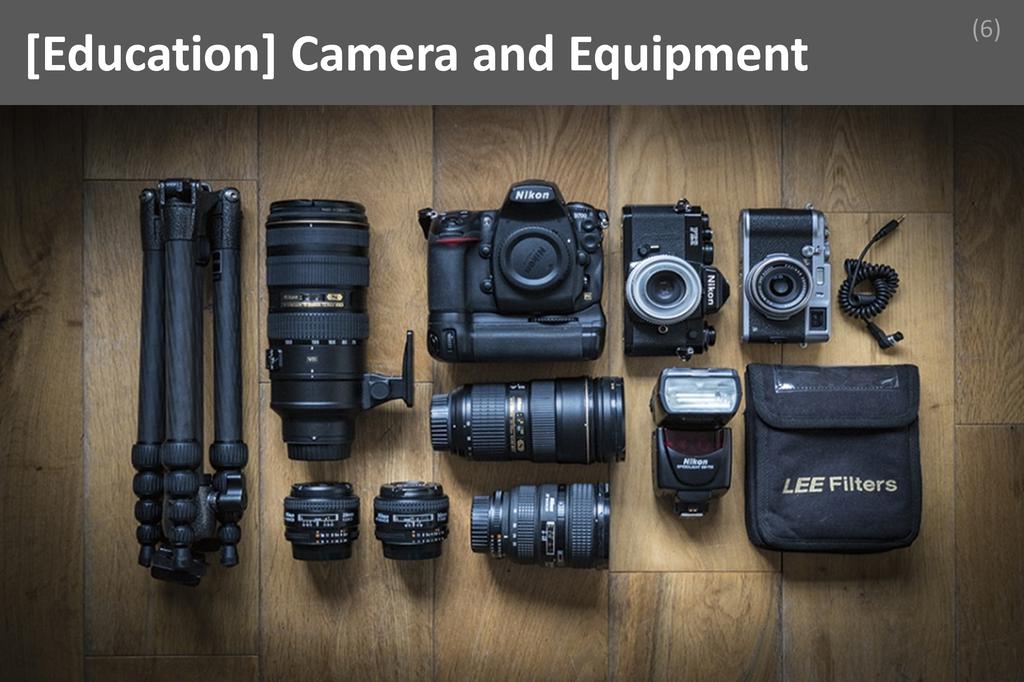
Camera and Equipments

### Camera and Equipments Image
What is
"Camera and Equipments" refers to the comprehensive understanding of cameras, lenses, lighting tools, tripods, and other accessories essential for capturing high-quality images. This knowledge is fundamental in both academic study and professional practice, forming the technical backbone that enables photographers to translate creative vision into compelling visual results.

Concept
A deep understanding of camera and equipment is crucial for anyone pursuing a career in photography. Mastery of this subject empowers professionals to make informed decisions about gear selection, camera settings, and accessory use, directly influencing image quality and creative possibilities. It also ensures adaptability across various shooting environments, from studio setups to challenging outdoor locations. As technology evolves, staying current with equipment advancements allows photographers to remain competitive and innovative in their field. This foundational expertise not only enhances technical proficiency but also builds confidence, enabling photographers to troubleshoot issues, maximize efficiency, and consistently deliver professional results throughout their careers.

Real World Example
Consider a professional photographer preparing for a commercial product shoot. Their theoretical knowledge of camera bodies, lens types, and lighting equipment guides their choices to achieve the desired look. They select a high-resolution camera for detailed shots, pair it with a macro lens for close-ups, and use diffused studio lights to eliminate harsh shadows. Throughout the session, they adjust settings such as aperture, shutter speed, and ISO to adapt to changing conditions and ensure optimal exposure. By understanding how each piece of equipment interacts, the photographer efficiently manages the shoot, solves technical challenges on the spot, and produces images that meet the client’s specifications, demonstrating the practical value of mastering camera and equipment knowledge.

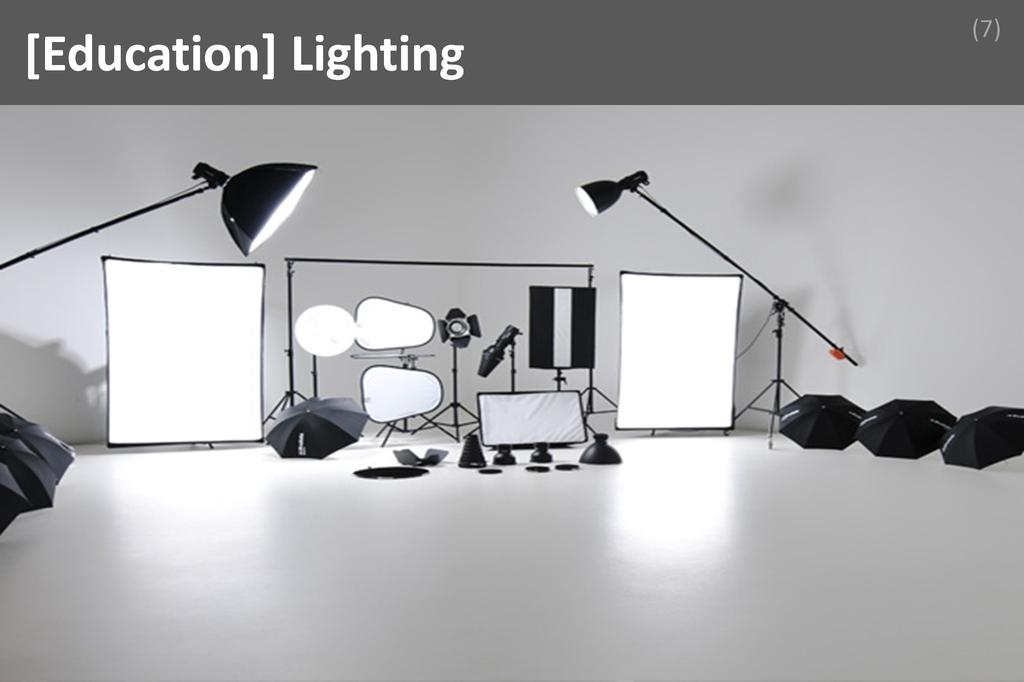
Lighting

### Lighting Image
What is
Lighting in photography refers to the deliberate use, control, and manipulation of light sources to illuminate a subject or scene. It encompasses both natural and artificial light, shaping the mood, texture, and clarity of images. Mastery of lighting is essential in both academic study and professional practice within the field of photography.

Concept
Understanding lighting is fundamental for anyone pursuing a career in photography because it directly influences the quality and impact of every image. Mastery of lighting techniques allows photographers to control exposure, highlight details, and evoke specific emotions or atmospheres. This knowledge forms the backbone of professional competence, enabling practitioners to adapt to diverse shooting environments and creative challenges. Over time, a deep understanding of lighting enhances a photographer’s versatility, allowing them to work across genres such as portraiture, product, fashion, or landscape photography. It also fosters innovation, as professionals who grasp lighting principles can experiment confidently, develop a signature style, and consistently deliver high-quality results that meet client or artistic expectations.

Real World Example
Consider a professional portrait photographer preparing for a studio session with a client. Drawing on their theoretical knowledge of lighting, they assess the subject’s features and select a softbox to create flattering, diffused light that minimizes harsh shadows. By adjusting the angle and intensity of the light, they sculpt the subject’s face, emphasizing natural contours and achieving a balanced exposure. Throughout the session, the photographer continually evaluates how the light interacts with the subject’s skin tone and clothing, making real-time adjustments to maintain consistency and enhance the overall mood of the portraits. This practical application of lighting theory ensures the final images are both technically sound and artistically compelling, reflecting the photographer’s expertise.

Learning

### Learning Image
What is
Learning is the ongoing process of acquiring new knowledge, skills, behaviors, or attitudes through study, experience, or teaching. In the context of Photography, learning encompasses understanding technical concepts, creative techniques, and evolving industry trends, forming the backbone of both academic study and professional growth within the field.

Concept
Understanding the principles of learning is essential for anyone pursuing a career in Photography because the field is constantly evolving with new technologies, styles, and methods. Mastery of learning enables photographers to adapt quickly to changes, refine their craft, and stay competitive. It encourages a mindset of curiosity and continuous improvement, which is crucial for creative problem-solving and innovation. By embracing lifelong learning, professionals can expand their technical expertise, develop a unique artistic vision, and respond effectively to client needs and industry shifts. Ultimately, a strong foundation in learning not only enhances individual performance but also opens doors to new opportunities and long-term career advancement in the dynamic world of Photography.

Real World Example
Consider a professional photographer who has just invested in a new camera system with advanced features. Drawing on their understanding of learning, they approach the transition methodically by researching the camera’s capabilities, experimenting with different settings, and reflecting on the results. They might seek feedback from peers or enroll in a workshop to deepen their knowledge. This commitment to learning allows them to master the new equipment efficiently, ensuring high-quality results for their clients. Over time, their ability to learn quickly and adapt to new tools not only improves their workflow but also enhances their reputation as a versatile and forward-thinking photographer in a competitive market.

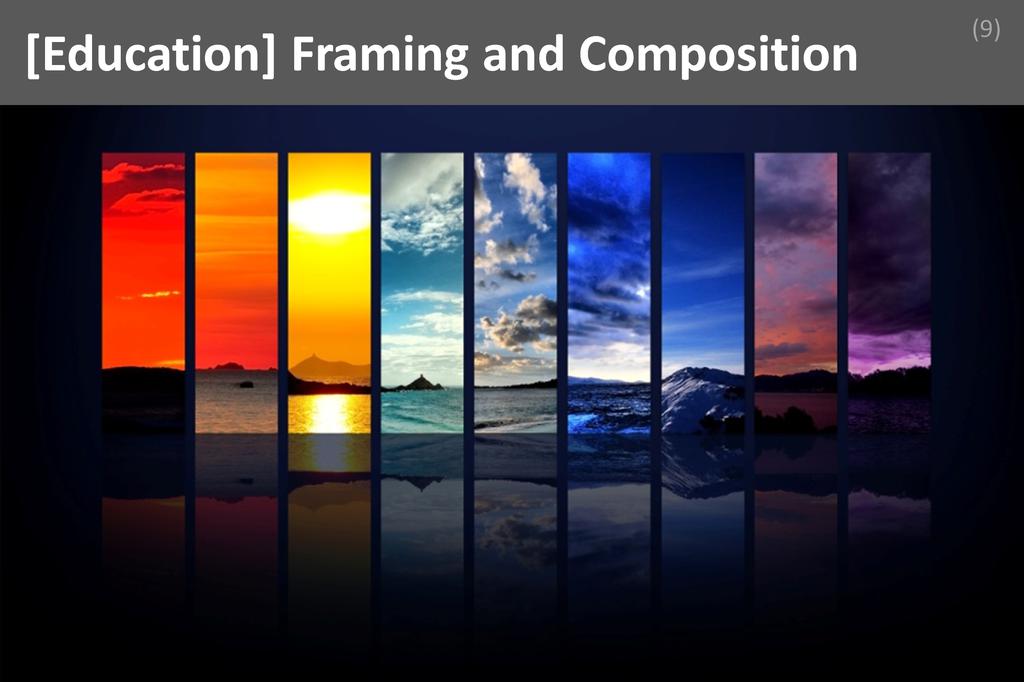
Framing and Composition

### Framing and Composition Image
What is
Framing and composition refer to the deliberate arrangement of visual elements within the boundaries of a photograph. This practice determines what is included or excluded from the image, guiding the viewer’s eye and conveying the intended message. It is a fundamental concept in both academic study and professional photography practice.

Concept
Understanding framing and composition is essential for anyone pursuing a career in photography because it directly influences the impact and effectiveness of every image created. Mastery of these concepts allows photographers to communicate stories, evoke emotions, and highlight subjects with clarity and purpose. In professional contexts, clients and audiences expect images that are not only technically sound but also visually compelling. A strong grasp of framing and composition sets a photographer apart, enabling them to adapt to diverse genres such as portrait, landscape, commercial, or editorial photography. Over time, this foundational knowledge supports creative growth, enhances portfolio quality, and increases opportunities for recognition and advancement in a competitive industry.

Real World Example
Consider a professional photographer assigned to capture a corporate event. Throughout the day, they must quickly assess each scene, deciding how to frame groups of people, speakers, and candid moments. By applying their understanding of composition, they ensure that distractions are minimized, subjects are well-placed, and the story of the event is effectively told through their images. For instance, they might use leading lines to draw attention to a keynote speaker or employ the rule of thirds to create balanced, engaging group shots. This thoughtful approach not only results in aesthetically pleasing photographs but also fulfills the client’s need for images that communicate professionalism and capture the event’s atmosphere.

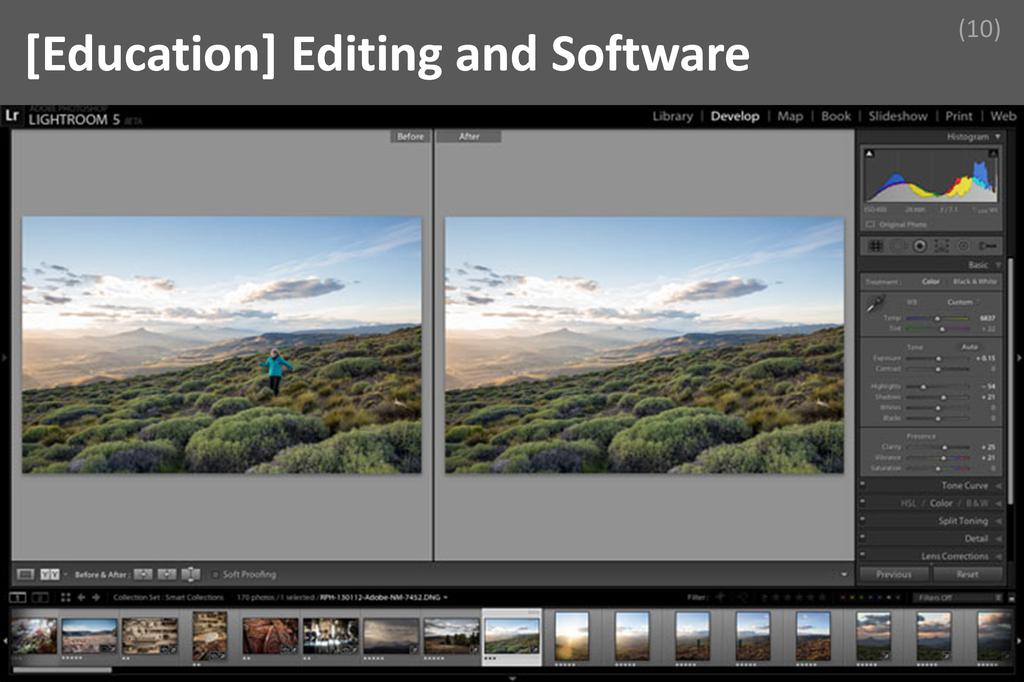
Software

### Software Image
What is
Software refers to the set of digital programs, applications, and operating systems that instruct computers and devices on how to perform specific tasks. In photography, software is essential for image capture, editing, management, and sharing, making it a critical component of both academic study and professional practice in the field.

Concept
Understanding software is vital for anyone preparing for or working in photography because it underpins nearly every aspect of modern photographic workflow. From importing and organizing digital files to advanced editing and retouching, software enables photographers to realize their creative vision and maintain professional standards. Mastery of editing suites, such as Adobe Photoshop or Lightroom, allows for precise control over image quality, color correction, and artistic effects. Additionally, familiarity with file management and backup solutions ensures the security and accessibility of valuable work. As the industry evolves, staying current with software developments enhances competitiveness, efficiency, and adaptability, providing long-term benefits by expanding creative possibilities and streamlining business operations.

Real World Example
A professional photographer might begin their day by transferring raw image files from a camera to a computer, using specialized software to organize and catalog the new photos. They then open a selection of images in an editing program, applying adjustments to exposure, contrast, and color balance based on their theoretical understanding of digital image processing. Using advanced retouching tools, they remove imperfections and enhance details, ensuring the final images meet client expectations. The photographer exports the edited files in various formats suitable for print and web, utilizing software to optimize resolution and compression. Throughout this process, their knowledge of software ensures efficient workflow, high-quality results, and the ability to deliver polished, professional images on tight deadlines.

Skills


Patience

### Patience Image
What is
Patience is the ability to calmly endure delays, challenges, or setbacks without frustration, maintaining focus and composure throughout the process. In photography, patience is a foundational skill that allows professionals to wait for the perfect moment, adapt to unpredictable conditions, and consistently produce high-quality work despite obstacles or time constraints.

Concept
Patience directly enhances a photographer’s performance by enabling them to wait for optimal lighting, the right expression, or the perfect composition, rather than settling for less. Clients and employers highly value this trait because it leads to more thoughtful, refined results and demonstrates professionalism under pressure. Cultivating patience involves practicing mindfulness, setting realistic expectations, and embracing the learning curve inherent in mastering technical and creative aspects of photography. Over time, photographers who consciously develop patience become more resilient, attentive to detail, and capable of handling demanding shoots or difficult subjects with grace. This not only improves the quality of their work but also builds a reputation for reliability and dedication in the industry.

Real World Example
Imagine a wildlife photographer assigned to capture a rare bird in its natural habitat. The bird is elusive, appearing only briefly and unpredictably. Rather than becoming frustrated by hours of waiting, the photographer remains patient, quietly observing and adjusting their position as needed. Eventually, their persistence pays off when the bird lands nearby, allowing for a series of stunning, intimate shots. Without patience, the photographer might have missed the opportunity or settled for mediocre images. This scenario highlights how patience enables professionals to overcome challenges, seize fleeting moments, and deliver exceptional results that would otherwise be unattainable.

Communication

### Communication Image
What is
Communication is the process of effectively exchanging information, ideas, and emotions through verbal, non-verbal, and written means. In photography, communication enables professionals to understand client needs, collaborate with teams, and convey creative visions. It is a foundational skill that shapes relationships, project outcomes, and the overall success of photographic endeavors.

Concept
Strong communication skills directly enhance a photographer’s ability to interpret client briefs, articulate creative concepts, and provide clear direction during shoots. Clients and employers value photographers who can listen attentively, ask insightful questions, and offer constructive feedback, as this ensures projects align with expectations and run smoothly. Effective communication also fosters trust and long-term professional relationships. To cultivate this skill, photographers should practice active listening, seek feedback on their interactions, and engage in regular discussions with peers and clients. Over time, refining both verbal and written communication helps photographers navigate complex projects, resolve misunderstandings, and present their work confidently, ultimately leading to greater career opportunities and client satisfaction.

Real World Example
Imagine a photographer hired to capture a corporate event where the client expects both candid moments and formal group shots. Upon arrival, the photographer discovers the event schedule has changed, and key participants are unavailable at the planned time. By communicating promptly and clearly with the event coordinator, the photographer negotiates a revised shooting schedule that accommodates everyone’s availability. Through calm discussion and clear explanation of the photographic requirements, the photographer ensures all essential images are captured without disrupting the event flow. This scenario highlights how effective communication allows the photographer to adapt quickly, manage client expectations, and deliver successful results despite unforeseen challenges.

Creativity

### Creativity Image
What is
Creativity is the ability to generate original ideas, see unique perspectives, and combine elements in innovative ways to produce something new and meaningful. In photography, creativity enables professionals to move beyond technical proficiency, allowing them to craft compelling images that capture attention, evoke emotion, and tell powerful visual stories.

Concept
Creativity is a driving force that elevates a photographer’s work, distinguishing it from the ordinary and making it memorable. Clients and employers highly value creative photographers because they bring fresh concepts to projects, adapt to changing environments, and consistently deliver visually engaging results. Creative thinking allows photographers to experiment with composition, lighting, and subject matter, resulting in images that stand out in a crowded market. To cultivate creativity, photographers can expose themselves to diverse artistic influences, practice regularly, and challenge themselves with new techniques or genres. Over time, this ongoing exploration helps them develop a unique style and the confidence to take creative risks, ultimately enhancing their professional reputation and opportunities.

Real World Example
Imagine a professional photographer hired to shoot a high-profile fashion campaign on location, only to arrive and find the weather unexpectedly gloomy and the planned outdoor setting unusable. Relying on creativity, the photographer quickly assesses the surroundings and spots an old, textured wall nearby. By reimagining the shoot, using the wall as a dramatic backdrop and incorporating creative lighting techniques, the photographer transforms a potential setback into a visually striking series of images. The client is impressed by the inventive solution and the final photographs, which capture the brand’s essence in a fresh and memorable way. This scenario highlights how creativity enables photographers to adapt and excel, even under challenging circumstances.

Time Management

### Time Management Image
What is
Time management is the ability to plan, organize, and control how much time is spent on specific activities to maximize efficiency and productivity. For a photography professional, mastering time management ensures that projects are completed on schedule, deadlines are met, and creative energy is allocated effectively across multiple assignments.

Concept
Effective time management directly enhances a photographer’s performance by allowing them to juggle multiple shoots, post-production tasks, and client communications without sacrificing quality. Clients and employers highly value this skill because it demonstrates reliability, professionalism, and respect for deadlines, all of which are crucial in a fast-paced, competitive industry. Cultivating time management involves setting clear priorities, breaking down complex projects into manageable tasks, and consistently evaluating progress. Over time, photographers can refine their routines, adopt digital tools for scheduling, and learn to anticipate potential bottlenecks, ultimately building a reputation for dependability and efficiency that attracts repeat business and new opportunities.

Real World Example
Imagine a photographer hired to cover a high-profile wedding with a strict timeline for the ceremony, reception, and group portraits. Unexpectedly, the event runs behind schedule, threatening to cut short the allotted time for essential shots. By relying on strong time management skills, the photographer quickly reassesses the situation, reprioritizes the shot list, and communicates efficiently with the wedding planner and clients. This ability to adapt and make swift decisions ensures that all key moments are captured without causing further delays. The successful outcome not only satisfies the clients but also showcases the photographer’s professionalism, reinforcing their reputation and leading to future referrals.

Eye for Detail

### Eye for Detail Image
What is
An "Eye for Detail" is the ability to notice and appreciate subtle elements, nuances, and imperfections within a scene or image. In photography, this skill enables professionals to capture moments with precision, ensuring every aspect of composition, lighting, and subject placement contributes to a visually compelling and technically flawless photograph.

Concept
Possessing an eye for detail elevates a photographer’s work by ensuring that every shot is meticulously composed and free from distracting flaws. Clients and employers highly value this skill because it translates into consistently high-quality images that require minimal post-processing and align with their vision. A photographer with a keen eye for detail can anticipate and correct issues such as stray objects, uneven lighting, or awkward poses before pressing the shutter. Cultivating this skill involves regular practice, critical self-review, and studying the work of accomplished photographers to understand what makes their images stand out. Over time, this attention to detail becomes second nature, allowing photographers to deliver exceptional results even under pressure.

Real World Example
Imagine a professional photographer tasked with shooting a high-profile fashion campaign. During the session, the photographer notices a small wrinkle in the model’s clothing and a distracting reflection in the background—details that could easily be overlooked. By addressing these issues on the spot, the photographer ensures that the final images are polished and professional, saving time in post-production and impressing the client with their thoroughness. This scenario highlights how an eye for detail not only prevents costly mistakes but also enhances the overall quality and impact of the work, ultimately contributing to the photographer’s reputation and success.

Positives


Travelling

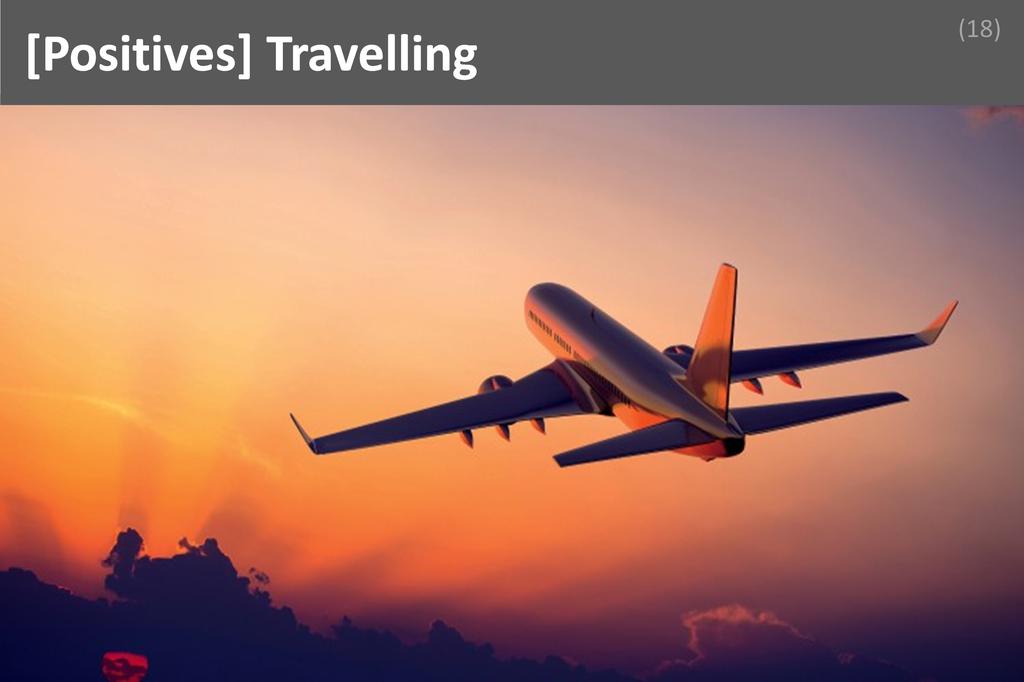
### Travelling Image
What is
Travelling, in the context of photography, means journeying to diverse locations—near or far—to capture unique moments, cultures, landscapes, and stories through the lens. This movement across different environments enriches a photographer’s perspective, fuels creativity, and provides endless opportunities to document the world’s beauty and complexity in compelling visual narratives.

Concept
The opportunity to travel is a transformative benefit for photographers, making their careers both dynamic and deeply satisfying. Each new destination offers fresh inspiration, challenges, and learning experiences that foster artistic growth and adaptability. Travelling exposes photographers to varied cultures, environments, and subjects, allowing them to build a diverse and impressive portfolio. This constant change not only keeps the work exciting but also encourages personal development and a broader worldview. The anticipation of new adventures and the thrill of discovery make daily tasks more engaging, while the stories and images captured on the road often become the most cherished and impactful parts of a photographer’s career.

Real World Example
Imagine a professional photographer assigned to document traditional festivals in Southeast Asia. As they travel from bustling city streets to remote mountain villages, they immerse themselves in vibrant cultures, witness rare ceremonies, and interact with local communities. Each location presents unique lighting, colors, and emotions to capture, challenging their technical skills and creative vision. The journey itself becomes a source of inspiration, and the resulting photographs not only tell powerful stories but also reflect the photographer’s personal growth. This experience exemplifies how travelling transforms routine assignments into unforgettable adventures, making the career of a photographer both meaningful and exhilarating.

Meeting New People

### Meeting New People Image
What is
Meeting new people means engaging with individuals from diverse backgrounds, cultures, and walks of life, often in unique or unexpected settings. In photography, this involves connecting with clients, subjects, collaborators, and even strangers, fostering relationships that enrich both personal and professional experiences, and opening doors to creative inspiration and growth.

Concept
The opportunity to meet new people is a cornerstone of a fulfilling photography career. Every assignment or project introduces photographers to fresh faces and stories, sparking creativity and broadening perspectives. These interactions often lead to meaningful collaborations, referrals, and friendships, which can be vital for career advancement. The constant influx of new personalities keeps the work dynamic and engaging, preventing monotony and fueling motivation. Photographers frequently find themselves learning from their subjects, gaining insights into different lifestyles, professions, and cultures. This ongoing exchange not only enhances their artistic vision but also builds a strong professional network, increasing opportunities for future projects and personal development. The daily experience of meeting new people transforms routine work into an ongoing adventure, making photography a uniquely rewarding profession.

Real World Example
Imagine a portrait photographer hired to document a local community event. Throughout the day, they interact with families, artists, business owners, and volunteers, each with their own stories and personalities. As the photographer moves from group to group, they engage in conversations, learn about the community’s history, and capture candid moments that reflect genuine emotion. These interactions not only result in compelling photographs but also foster a sense of connection and belonging. By the end of the event, the photographer has not only created a memorable visual record but also expanded their network and gained new friends and future clients. This experience highlights how meeting new people can make a photography career deeply satisfying and impactful.

Continuous Learning

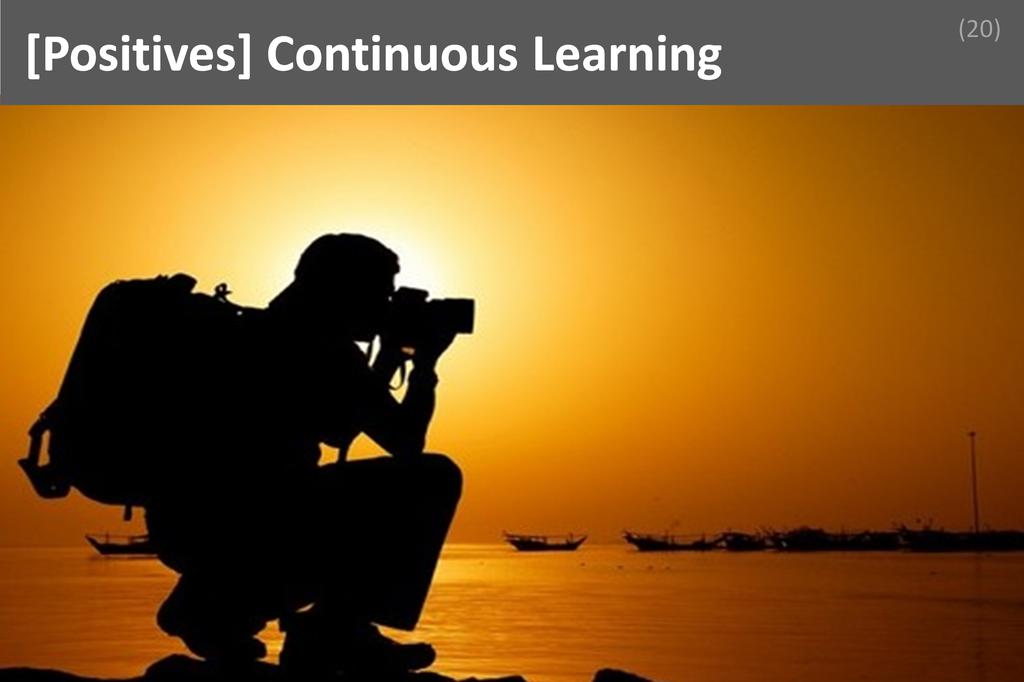
### Continuous Learning Image
What is
Continuous Learning is the ongoing process of acquiring new knowledge, skills, and insights throughout one’s career, adapting to changes and advancements in the field. In photography, this mindset encourages professionals to embrace evolving technologies, creative techniques, and fresh perspectives, ensuring their work remains relevant, innovative, and personally fulfilling.

Concept
The dynamic nature of photography means that no two days are ever the same, and continuous learning is at the heart of this excitement. As photographers explore new equipment, editing software, and artistic trends, they constantly expand their creative horizons. This ongoing growth not only keeps their work engaging but also fuels personal and professional development. The sense of mastery that comes from learning something new, whether it’s a lighting technique or a post-processing trick, brings immense satisfaction. Furthermore, staying updated with industry changes helps photographers remain competitive and adaptable, opening doors to new opportunities and collaborations. The daily experience of learning transforms routine tasks into opportunities for discovery, making the profession both challenging and deeply rewarding.

Real World Example
Imagine a professional photographer who has spent years mastering traditional portrait photography. One day, she decides to explore drone photography to capture breathtaking aerial landscapes. She invests time in learning how to operate drones, understand aerial composition, and edit images from a new perspective. As she practices, she discovers a renewed passion for her craft and begins to incorporate these skills into her portfolio. This journey not only revitalizes her creative energy but also attracts new clients seeking innovative imagery. The process of continuous learning, from researching techniques to experimenting in the field, brings her a profound sense of accomplishment and excitement, illustrating how growth and adaptation are woven into the fabric of a photography career.

Diverse Opportunity

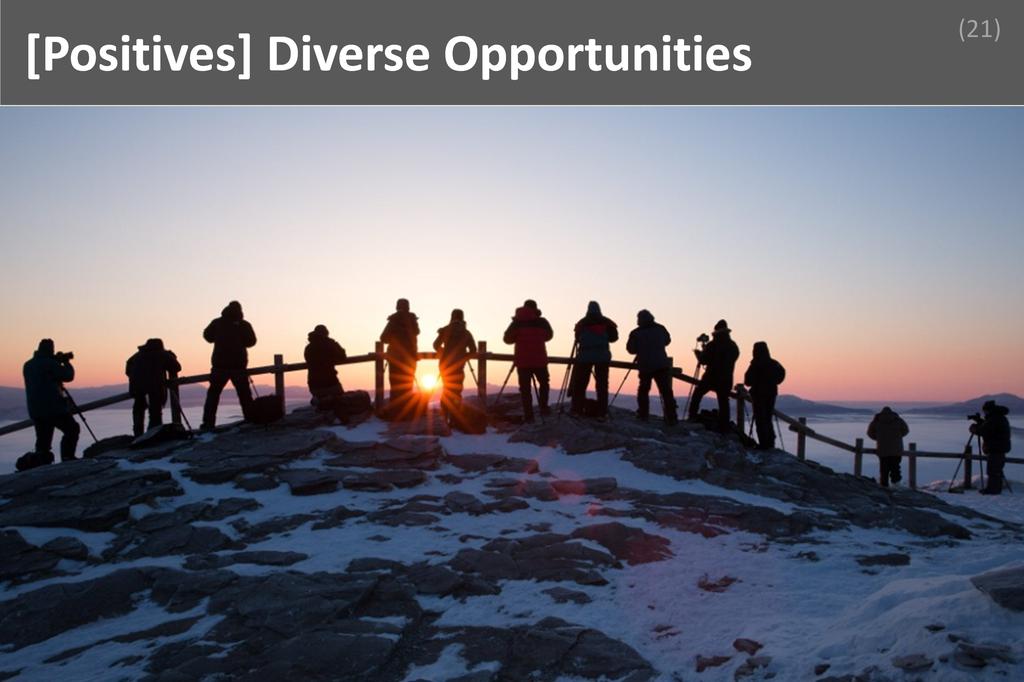
### Diverse Opportunity Image
What is
Diverse Opportunity in photography refers to the vast range of career paths, creative projects, and environments available to professionals in this field. It encompasses the ability to work across genres, collaborate with various industries, and continually learn new skills, ensuring that photographers can shape their careers according to their passions and strengths.

Concept
The presence of diverse opportunities in photography is a powerful motivator, as it allows professionals to explore multiple interests and adapt to changing trends. This variety not only keeps the work engaging but also encourages continuous personal and professional growth. Photographers can move between commercial, artistic, journalistic, or scientific projects, each offering unique challenges and rewards. Such flexibility leads to higher job satisfaction, as individuals are not confined to a single routine or environment. Instead, they can pursue new directions, expand their portfolios, and build a dynamic career that evolves with their ambitions. Every day, photographers experience this benefit by choosing assignments that align with their creative vision and by collaborating with people from all walks of life.

Real World Example
Consider a photographer who begins their week capturing vibrant street scenes for a travel magazine, then shifts to shooting portraits for a local nonprofit, and later documents a scientific expedition for a research institution. Each project demands different skills and perspectives, offering fresh challenges and learning experiences. This variety not only keeps their work exciting but also allows them to build a diverse portfolio and network with professionals from various industries. The ability to seamlessly transition between different types of assignments exemplifies the fulfilling impact of diverse opportunity, as it empowers the photographer to continually grow, stay inspired, and find meaning in every aspect of their career.

Challenges


Climatic Conditions

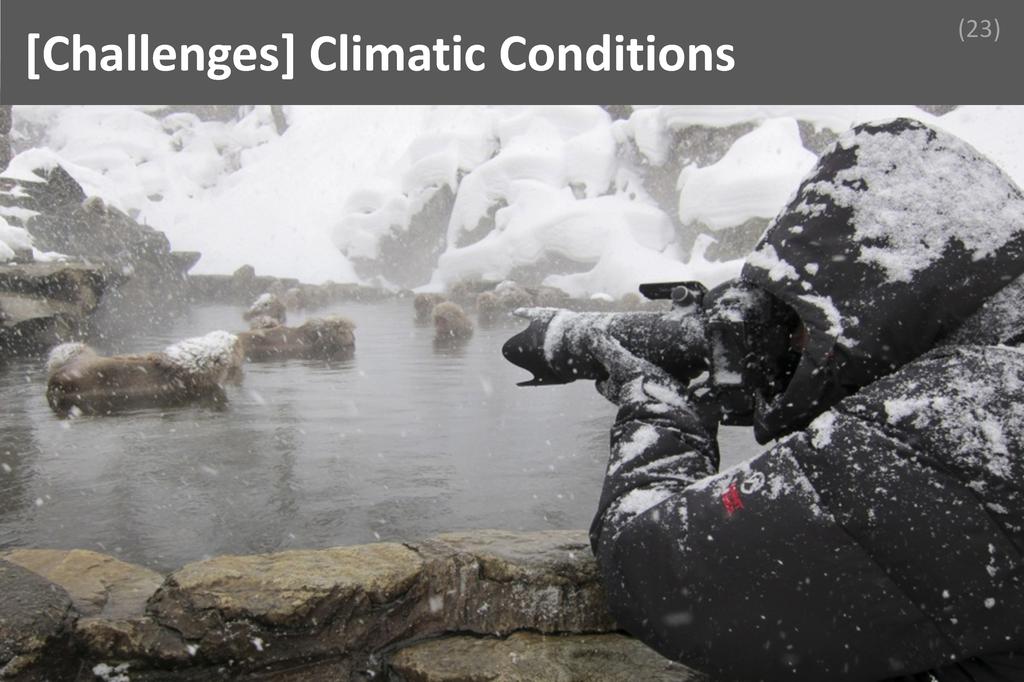
### Climatic Conditions Image
What is
Climatic conditions in photography refer to the unpredictable and often harsh weather elements—such as rain, snow, extreme heat, humidity, or wind—that can impact both the photographer and their equipment. These factors are demanding because they can disrupt shoots, damage gear, and require constant adaptation to changing environments.

Concept
Climatic conditions can significantly disrupt a photographer’s workflow, making outdoor shoots unpredictable and sometimes hazardous. Rain or snow may damage sensitive equipment, while intense sunlight or wind can affect image quality and safety. This challenge demands resilience, adaptability, and preparedness, as professionals must often work in less-than-ideal circumstances to capture the desired shot. Successful photographers mitigate these risks by investing in weather-sealed gear, carrying protective covers, and planning shoots with flexible timing. They also develop a keen awareness of weather patterns and learn to adjust their creative vision to suit the available conditions. By embracing flexibility and maintaining a proactive approach, professionals can continue to deliver high-quality work despite environmental obstacles.

Real World Example
Consider a wildlife photographer working in the unpredictable climate of the African savannah during the rainy season. Sudden downpours and muddy terrain threaten both the safety of the photographer and the functionality of expensive camera equipment. By using waterproof camera housings, wearing appropriate clothing, and carefully monitoring weather forecasts, the photographer manages to capture rare animal behaviors without compromising safety or image quality. When storms roll in unexpectedly, the photographer adapts by seeking shelter and using the dramatic lighting to create unique, atmospheric shots. Through preparation, quick thinking, and a willingness to adapt, the photographer transforms challenging climatic conditions into an opportunity for creative and compelling imagery.

Client Expectations

### Client Expectations Image
What is
Client expectations in photography refer to the specific visions, standards, and outcomes that clients anticipate from a photographer’s work. This challenge is demanding because clients often have subjective, sometimes unrealistic, ideas about style, quality, and turnaround, which may not align with the photographer’s expertise, resources, or creative approach.

Concept
The pressure of meeting client expectations can significantly shape a photographer’s daily workflow, influencing creative decisions, communication, and even post-production processes. This challenge requires resilience, as photographers must balance their artistic integrity with the client’s desires, often under tight deadlines or ambiguous instructions. Successful professionals navigate this constraint by establishing clear communication from the outset, setting realistic deliverables, and managing expectations through detailed contracts and mood boards. They also educate clients about the creative process, involve them in key decisions, and remain adaptable when feedback necessitates changes. By fostering transparency and trust, photographers can transform potential conflicts into collaborative partnerships, ensuring both satisfaction and creative fulfillment.

Real World Example
Consider a wedding photographer hired by a couple with a very specific vision inspired by editorial magazine spreads. The couple expects flawless, stylized images despite the unpredictable lighting and candid moments typical of live events. The photographer addresses this by holding a pre-event consultation to clarify the couple’s priorities and explain the realities of event photography. On the wedding day, the photographer skillfully blends posed editorial shots with spontaneous captures, later curating the final gallery to highlight both styles. By communicating openly, setting achievable goals, and delivering a thoughtfully balanced collection, the photographer not only meets but exceeds the couple’s expectations, turning a potential challenge into a memorable success for both parties.

Initial Struggle

### Initial Struggle Image
What is
Initial Struggle in photography refers to the early phase where aspiring professionals grapple with mastering technical skills, building a portfolio, and gaining recognition. This period is demanding because it combines creative uncertainty, financial instability, and fierce competition, often leading to self-doubt and slow progress before any tangible success is achieved.

Concept
The initial struggle in photography can make daily work feel overwhelming, as professionals juggle learning new techniques, sourcing clients, and managing inconsistent income. This challenge requires significant resilience because setbacks and rejections are common, and progress may seem frustratingly slow. Successful photographers manage this constraint by maintaining persistence, continuously refining their craft, and seeking constructive feedback. They often build supportive networks with peers and mentors, which helps them stay motivated and learn from others’ experiences. By embracing small wins and remaining adaptable, they gradually transform early obstacles into valuable learning opportunities, ultimately laying a strong foundation for a sustainable career.

Real World Example
Consider a photographer who, after leaving a stable job, faces months of few clients and constant rejection from galleries and agencies. Instead of giving up, they dedicate time to personal projects, share their work on social media, and attend local photography meetups. Through these efforts, they connect with a mentor who provides guidance and introduces them to potential clients. Over time, their portfolio grows, and their reputation improves. By persevering through the initial struggle, leveraging community support, and remaining open to feedback, they eventually secure regular assignments and establish themselves as a respected professional in the field.

Breaking the Monotony

### Breaking the Monotony Image
What is
Breaking the monotony in photography refers to the ongoing struggle to avoid repetitive routines, subjects, or styles that can stifle creativity and enthusiasm. This challenge is demanding because it requires constant innovation, self-motivation, and the ability to see familiar environments with fresh eyes, all while meeting professional expectations.

Concept
The difficulty of breaking the monotony can seep into a photographer’s daily work, leading to creative stagnation, reduced passion, and even burnout. Routine assignments or repetitive subject matter can make the craft feel mechanical rather than inspired. This challenge demands resilience because it requires photographers to continually push beyond comfort zones and resist settling into predictable patterns. Successful professionals manage this constraint by seeking new perspectives, experimenting with techniques, and setting personal creative challenges. They often immerse themselves in different environments, collaborate with other creatives, or pursue personal projects outside of client work. By doing so, they keep their artistic vision sharp and their enthusiasm alive, ensuring that their work remains engaging both for themselves and their audience.

Real World Example
Consider a portrait photographer who, after years of studio sessions with similar lighting and poses, begins to feel uninspired by the predictability of their work. Recognizing the onset of monotony, they decide to step outside the studio and explore environmental portraiture, capturing subjects in natural, candid settings. This shift not only revitalizes their creative process but also introduces them to new technical challenges and storytelling opportunities. By embracing unfamiliar locations and spontaneous moments, the photographer rediscovers excitement in their craft, produces a more diverse portfolio, and attracts new clients interested in their refreshed style. This real-world approach demonstrates how actively seeking change can overcome monotony and lead to renewed professional fulfillment.

A Day Of


Photographer

### Photographer Image
What is
Before the world fully wakes, the life of a photography professional is already in motion—marked by a blend of anticipation, creativity, and relentless attention to detail. Each day unfolds at a brisk pace, driven by the ever-changing light, shifting client demands, and the need to capture fleeting moments that tell a story. Whether working in a bustling studio, on location in the heart of the city, or amidst the tranquility of nature, photographers navigate a dynamic environment where artistry and technical skill must harmonize. The rhythm of the day is dictated by the pursuit of the perfect shot, the coordination of people and equipment, and the constant push to transform vision into visual reality.

Concept
As dawn breaks, the photographer’s day begins with a quiet but purposeful routine. This early hour is dedicated to reviewing the day’s shoot schedule, checking emails for last-minute client updates, and meticulously preparing equipment. Cameras are cleaned, lenses selected, batteries charged, and memory cards formatted. If the day calls for an outdoor shoot, weather conditions are double-checked, and travel logistics are confirmed. This preparatory phase is crucial, setting the tone for a seamless and productive day ahead.

Real World Example
By mid-morning, the energy shifts as the core activity of the day takes center stage. Whether it’s a portrait session, commercial shoot, or editorial assignment, the photographer is fully immersed in capturing images. This period is marked by intense focus, creative problem-solving, and constant interaction with clients, models, or collaborators. Lighting is adjusted, compositions are refined, and directions are given to bring out the best in every subject. The pressure is high, but so is the adrenaline, as each click of the shutter brings the vision closer to life.

The afternoon ushers in a collaborative spirit as the photographer transitions from shooting to reviewing and refining the day’s work. Back in the studio or on location, images are uploaded and initial selections are made. This is often a time for meeting with clients, stylists, or editors to discuss the results, gather feedback, and make decisions about retouching or reshoots. The photographer may also coordinate with assistants or digital techs to ensure files are backed up and organized, laying the groundwork for post-production.

As the day winds down, attention turns to editing and administrative responsibilities. The photographer dives into post-processing, adjusting color, exposure, and composition to perfect the final images. In between editing sessions, invoices are sent, contracts reviewed, and social media portfolios updated to showcase recent work. The evening is also a time for reflection and planning, as the photographer reviews upcoming assignments, researches new techniques, and prepares gear for the next day’s creative challenges. This wrap-up phase ensures that every detail is accounted for, closing out the day with a sense of accomplishment and readiness for what lies ahead.


Install the LifePage App to:


  1. (for Free) Watch Photographer Sandeep Miller’s full Photography Career Talk

  2. ₹ Do a Self Assessment on Photography to calculate your Dream Index, which is defined as:

    According to Sandeep Miller your chances of success in Photography is __%

  3. Access your personalized Dream Index Report which will have all your Dream Indices sorted in descending order.

Career Counselling 2.0


<?php echo $altimage; ?>


<?php echo $altimage; ?>


How to get into

Photography?


If you are want to get into Photography, start by investing in a Career Plan.

The 14 hour process, guided by a LifePage Career Advisor, will help you introspect and check whether your interest in Photography is merely an infatuation or is it truly something you wish to do for the rest of your life.

Next, your Career Advisor will help you document how you can get into Photography, what education and skills you need to succeed in Photography, and what positives and challenges you will face in Photography.

Finally, you will get a Career Plan stating which Courses, Certifications, Trainings and other Items you need to do in the next 7 years to become world’s best in Photography.


LifePage Career Plan

14 hour personalized guidance program


Your LifePage Career Advisor facilitates your guided introspection so that you systematically explore various Career options to arrive at a well thought out Career choice.

Next: your Advisor helps you figure out how you will get into your chosen Career and how will you develop the skills needed for success in your Chosen Career.

LifePage Plan will not stop at saying "to become an Architect study Architecture". It will guide you on which Certifications, Trainings and Other items you need to do along with your Architecture education to become the world's best Architect.


Links for this Talk


Photographer Sandeep Miller's LifePage:


Career Counselling 2.0
[LifePage]
https://www.lifepage.in/page/sandeepmiller


LifePage Career Talk on Photography


Career Counselling 2.0
[Career]
https://www.lifepage.in/careers/photography-5


Career Counselling 2.0
[Full Talk]
https://lifepage.app.link/20171113-0003


Career Counselling 2.0
[Trailer]
https://www.youtube.com/watch?v=kytjJWj_cOs


(Photography, Sandeep Miller, Various Assignments, Studio, Portrait, Colour, Lighting, Landscape, StillLife)


Similar Talks


Career in Photography
Photography
Maanas Lal
Photographer | Various Creative Assignments
[ 9 years & 4 months Experience ]

Photography is the science, art, application and practice of creating durable images by recording light or other electromagnetic radiation, either electronically by means of an image sensor, or chemically by means of a light-sensitive material such as photographic film.

"I started photography more than a decade ago. I held my first exhibition in 2008. My clients include famous authors, sportsmen, industrialists and builders. My works have been published in Outlook Traveller and the National Geographic website."


Career Counselling 2.0 Career Counselling 2.0 Career Counselling 2.0 Career Counselling 2.0 Career Counselling 2.0


Career in Photo Editing
Photo Editing
Chris Rathore
Photo Editor | Chris Rathore Photography
[ 5 years & 7 months Experience ]

Photo editing is the changing of images. These images can be digital photographs, illustrations, prints, or photographs on film. Some types of editing, such as airbrushing, are done by hand and others are done using photo editing programs like Photoshop, Gimp and Microsoft Paint.

"I did my Schooling from Asian School, Dehradun. Then went on to do my Graduation from London, Brunel University. I started working on Photoshop in 2013. If you want to see my work, visit Chris Rathore photography."


Career Counselling 2.0 Career Counselling 2.0 Career Counselling 2.0 Career Counselling 2.0 Career Counselling 2.0


Career in Photography
Photography
Bhumesh Bharti
Photographer | Various Creative Assignments
[ 24 years & 2 months Experience ]

Photography is a language used to communicate easily with the world and we can use that to explain our things easily. It is special for people where they can capture and freeze the special moments and memories for throughout their life.

"After my graduation in applied arts from D A V, Dehradun. I started my career with Bharat Gyan Vigyan Samiti, Delhi. And from there I got my first photography assignment and also got a chance to shoot social life and became professional photographer. I have been doing professional photography from the last 22 years."


Career Counselling 2.0 Career Counselling 2.0 Career Counselling 2.0 Career Counselling 2.0 Career Counselling 2.0


Career in Astrophotography
Astrophotography
Cyril Kuhn
Astro Photographer | Various Creative Assignments
[ 5 years & 8 months Experience ]

Astrophotography is a specialized type of photography for recording photos of astronomical objects, celestial events, and large areas of the night sky.

"After completing my bachelors degree, I took a year off and in that time I decided to be a photographer. I did diploma in Photography from Light and Life Academy, Ooty. After completing my photography course I have been working as a freelance photographer for the last 3 years."


Career Counselling 2.0 Career Counselling 2.0 Career Counselling 2.0 Career Counselling 2.0 Career Counselling 2.0


Career in Travel Photography
Travel Photography
Ajay Khullar
Travel Photographer | Various Creative Assignments
[ 33 years & 1 month Experience ]

Travel Photography is travelling to various places and capturing essences of those places in terms of festivals, cuisines , monuments, sculptures , people. In short you capture everything that a place has to offer.

"I have joined my family business in the year 1975. I started photography at very young age as my father was passionate photographer. I started travel photography as a profession in the year 1986. I have contributed in travel magazines , coffee table books , art and design magazines, in-flight , broachers to various advertising agencies in India and exhibitions in Dehradun, Kolkata and Mussoorie."


Career Counselling 2.0 Career Counselling 2.0 Career Counselling 2.0 Career Counselling 2.0 Career Counselling 2.0


Career in Portrait Photography
Portrait Photography
Roger Das
Director | Various Creative Assignments
[ 3 years Experience ]

Portrait photography or portraiture in photography is a photograph of a person or group of people that captures the personality of the subject by using effective lighting, backdrops, and poses.

"After doing BCA from Punjab Technical University, I did Cisco Certification. I worked as a Senior Executive at Link Communications Systems for 2 years. I also taught Hardware & Networking at NIIT. I was an Assistant Manager at Geo Prion Sat Vision Services. Taking my passion further I started Reflectionz Photography Dehradun in 2014."


Career Counselling 2.0 Career Counselling 2.0 Career Counselling 2.0 Career Counselling 2.0 Career Counselling 2.0


Career in Photojournalism
Photojournalism
Shikhar Dua
Photojournalist | Times of India
[ 3 years Experience ]

Photojournalism is a particular form of journalism (the collecting, editing, and presenting of news material for publication or broadcast) that employs images in order to tell a news story.

"I have done B Tech in Electronics & Instrumentation from GRD, Dehradun. Post that, I worked as a Plant Engineer at AMTEK India Ltd for some time. I then started doing photography projects. I also co-founded a photography firm by the name High Tide in 2015. I am a Photojournalist at Times Of India."


Career Counselling 2.0 Career Counselling 2.0 Career Counselling 2.0 Career Counselling 2.0 Career Counselling 2.0


Career in Travel Photography
Travel Photography
Zenmay Jai Singh Negi
Photographer | Various Creative Assignments
[ 8 years & 6 months Experience ]

Travel photography is a genre of photography that may involve the documentation of an area's landscape, people, cultures, customs and history.

"After doing my graduation from DAV College, I did an MBA in Marketing & HR from IMS Unison University. I worked with OYO Rooms as a Content Associate for some time and then worked on various projects with Dehradun Street. I have also done shoots for renowned celebrities."


Career Counselling 2.0 Career Counselling 2.0 Career Counselling 2.0 Career Counselling 2.0 Career Counselling 2.0


Career in Photography
Photography
Dev Raj Agarwal
Owner | Camera Arts
[ 36 years & 3 months Experience ]

Photography is the science, art, application and practice of creating durable images by recording light or other electromagnetic radiation, either electronically by means of an image sensor, or chemically by means of a light-sensitive material such as photographic film.

"I have done BA in History, English Literature & Political Science from DAV College. Post that I did MA in History from DAV College. Since my father was a photographer, I was always passionate about photography. I took over my father's business of photography and have been doing photography for over 30 yrs."


Career Counselling 2.0 Career Counselling 2.0 Career Counselling 2.0 Career Counselling 2.0 Career Counselling 2.0


Career in Automotive Photography
Automotive Photography
Sumit Raturi
Lead Photographer | Liberal Arts Productions
[ 5 years Experience ]

Automotive Photography is a photograph of an automobile such as car, bike, aeroplane. It includes Static shots, Action such as motorsport, drag racing, panning or tracking shots, Rig shots, Detail or Interior or Engine shots, Car shows, Editorial photography, Advertising or Commercial photography, Studio photography.

"I have done B Sc in Business IT from Asia Pacific University, Malaysia. I was always inclined towards photography and started doing projects in photography. I got a chance to do automotive photography for companies like Audi, BMW and Jaguar. I am a Lead Photographer at Liberal Arts Productions."


Career Counselling 2.0 Career Counselling 2.0 Career Counselling 2.0 Career Counselling 2.0 Career Counselling 2.0


Career in Travel Photography
Travel Photography
Vinod Verma
Travel Photgrapher | Vinod Verma Photography
[ 14 years & 1 month Experience ]

Travel photography is a genre of photography that may involve the documentation of an area's landscape, people, cultures, customs and history.

"After leaving my hotel job overnight, the first thing on my mind was Travel. To fulfill it I learned photography and after 12 years of experience, I now called myself as a Travel Photographer. I have worked for various travel magazines and travel guides. I am a traveler, biker, photographer, and hotelier, ready to dedicate rest of my life to Homestays of India."


Career Counselling 2.0 Career Counselling 2.0 Career Counselling 2.0 Career Counselling 2.0 Career Counselling 2.0


Career in Photography
Photography
Payal Gurung
Photographer | Payal Clicks
[ 1 year Experience ]

The art or practice of taking and processing photographs.

"I did my Schooling from Guru Nanak Academy. I then did my Graduation from DAV PG College. I did a Photography course from Exposure School of Photography. I have my own studio called Payal Clicks which opened in 2016. I have been clicking photos of all kinds."


Career Counselling 2.0 Career Counselling 2.0 Career Counselling 2.0 Career Counselling 2.0 Career Counselling 2.0


Career in Photography
Photography
Anant Singh
Founder & Director | Royale Frames Private Limited
[ 5 years & 6 months Experience ]

Photography is the science, art, application and practice of creating durable images by recording light or other electromagnetic radiation, either electronically by means of an image sensor, or chemically by means of a light-sensitive material such as photographic film.

"I have completed my Schooling from DAV public school and BMS from Amity University. I have worked with many companies such as Google Nexus, Hindustan Petroleum, Coca Cola, Max Enterprises, Sikkim Government and Vana Malsi Estate. I am the Director & Owner of Royale Frames Private Limited."


Career Counselling 2.0 Career Counselling 2.0 Career Counselling 2.0 Career Counselling 2.0 Career Counselling 2.0


Career in Travel Photography
Travel Photography
Kunal Dhingra
Freelancer | Various Creative Assignments
[ 5 years & 10 months Experience ]

Photography is an Art where you capture photos and process them while bringing the vision in front of the world therefore showing them what you actually saw and even felt.

"I passed out of Pine Hall school in Dehradun and then went for my Bachelors in Business Administration and then i realized that my passion is Photography."


Career Counselling 2.0 Career Counselling 2.0 Career Counselling 2.0 Career Counselling 2.0 Career Counselling 2.0


Career in Portrait Photography
Portrait Photography
Mandi Nelson
Photographer | cherishyou.global
[ 10 years Experience ]

Portrait photography is a photograph of a person or group of people that captures the personality of the subject by using effective lighting, backdrops, and poses. A portrait picture might be artistic, or it might be clinical, as part of a medical study. Frequently, portraits are commissioned for special occasions, such as weddings or school events.

"For the last 10 years, I have been a professional director photographer and videographer. I find it such a delight to meet different people and to discover their depths, their joy, what makes them tick, and then to share that back in the physical to them. Photography in particular gives me the opportunity to mirror back to my subjects the luminosity, grace and beauty that I see."


Career Counselling 2.0 Career Counselling 2.0 Career Counselling 2.0 Career Counselling 2.0 Career Counselling 2.0


Career in Photography
Photography
Vishal Agnihotri
Partner | The Wedding Container
[ 1 year Experience ]

The art or practice of taking and processing photographs.

"I did my Schooling from Allahabad. I joined Doon Business School and did my Mass Communication from there. I have been working as a Photographer at The Wedding Container since 2016."


Career Counselling 2.0 Career Counselling 2.0 Career Counselling 2.0 Career Counselling 2.0 Career Counselling 2.0


Career in Wedding Photography
Wedding Photography
Pooja Kumari
Photographer | Various Assignments
[ 3 years Experience ]

Wedding photography is the photography of activities relating to weddings. It encompasses photographs of the couple before marriage as well as coverage of the wedding and reception. It is a major branch of commercial photography, supporting many specialists.

"I graduated in B Sc from Dr. Bhim Rao Ambedkar College and decided to pursue my interest in photography. I have worked for Facts & Fiction Creative Studio, iClick images and many others. I am an independent wedding photographer."


Career Counselling 2.0 Career Counselling 2.0 Career Counselling 2.0 Career Counselling 2.0 Career Counselling 2.0


Career in Portrait Photography
Portrait Photography
Ankit Chawla
Owner | Ankit Chawla Photography
[ 7 years Experience ]

Portrait photography or portraiture in photography is a photograph of a person or group of people that captures the personality of the subject by using effective lighting, backdrops, and poses. A portrait picture might be artistic, or it might be clinical, as part of a medical study. Frequently, portraits are commissioned for special occasions, such as weddings or school events. Portraits can serve many purposes, from usage on a personal Web site to display in the lobby of a business

"After doing my schooling from DAV Pubic School Mausam Vihar, New Delhi, I did BJMC from Indraprastha University. I started working as a professional photographer in 2011, specializing in Child Portraits."


Career Counselling 2.0 Career Counselling 2.0 Career Counselling 2.0 Career Counselling 2.0 Career Counselling 2.0


[Install the LifePage App to access all Talks]


<?php echo $altimage; ?>


<?php echo $altimage; ?>


&mbsp;


Career Counselling 2.0 | Home   Home  
Career Counselling 2.0 | Abroad   Abroad  
Career Counselling 2.0 | Plan   Plan  
Career Counselling 2.0 | Talks   Talks  
Career Counselling 2.0 | Philosophy   Philosophy  
Career Counselling 2.0 | Seminar   Seminar  
Career Counselling 2.0 | Workshop   Workshop  
Career Counselling 2.0 | Pages   Pages  
Career Counselling 2.0 | Advisors   Advisors  
Career Counselling 2.0 | Discuss   Discuss  
Career Counselling 2.0 | Meet   Meet  
Career Counselling 2.0 | Advisor   Advisor  
Career Counselling 2.0 | Story   Story  
Career Counselling 2.0 | Fine Print   Fine Print  
Career Counselling 2.0 | Links   Links  
Career Counselling 2.0 | Blog   Blog  
Career Counselling 2.0 | Testimonials   Testimonials  
Career Counselling 2.0 | Follow   Follow  
 
[ Site Visits ]


Career Counselling 2.0