The Journey of Travel Photography
What Is Travel Photography
Travel Photography

Travel photography is a genre of photography that focuses on capturing the essence, culture, landscapes, people, and experiences of different places around the world. It combines artistic vision with documentary skills to tell visual stories, evoke emotions, and inspire curiosity about diverse destinations and the journeys that connect them.
Travel photography plays a significant role in shaping how people perceive the world beyond their immediate surroundings. For professionals, it offers the opportunity to document unique cultures, breathtaking landscapes, and fleeting moments that might otherwise go unnoticed. This field fosters cultural understanding by visually bridging gaps between different societies. It also allows photographers to build a diverse portfolio, enhancing their creative and technical skills. Additionally, travel photography can lead to collaborations with tourism boards, magazines, and brands, providing both financial rewards and global exposure. Ultimately, it empowers photographers to inspire wanderlust, promote conservation, and contribute to the preservation of cultural heritage through compelling imagery.
A professional travel photographer might be commissioned by a travel magazine to document life in a remote Himalayan village. Over several weeks, the photographer immerses themselves in the community, capturing daily routines, traditional festivals, and the stunning mountain scenery. Their images not only highlight the beauty and resilience of the villagers but also tell a nuanced story of their cultural traditions and challenges. The published photo essay inspires readers to appreciate the diversity of human experience and encourages responsible tourism. Through this assignment, the photographer gains valuable experience, builds a strong portfolio, and establishes connections with editors and local guides, all while sharing authentic stories from a part of the world rarely seen by outsiders.
Education
Camera Equipment

Camera equipment refers to the collection of devices and accessories used to capture, enhance, and store photographic images, including cameras, lenses, tripods, filters, memory cards, and lighting tools. In travel photography, understanding camera equipment is essential, forming a core part of both academic study and professional practice within the field.
A deep understanding of camera equipment is vital for anyone pursuing a career in travel photography because it directly influences the quality and versatility of the images produced. Mastery of different cameras, lenses, and accessories enables photographers to adapt to diverse environments, from bustling cities to remote landscapes. This knowledge forms the foundation upon which creative and technical skills are built, allowing professionals to make informed decisions about gear selection and usage. Over time, expertise in camera equipment leads to greater efficiency, reliability, and artistic expression, all of which are crucial for building a strong portfolio and reputation in the competitive world of travel photography. Ultimately, this foundational knowledge supports long-term career growth and adaptability as technology and industry standards evolve.
Consider a travel photographer assigned to document a cultural festival in a remote village. Before departure, they assess the lighting conditions, anticipated subjects, and logistical constraints. Drawing on their understanding of camera equipment, they select a lightweight mirrorless camera for portability, a fast prime lens for low-light performance, and a sturdy tripod for stability during evening events. On location, their familiarity with filters helps manage harsh sunlight, while knowledge of memory card capacities ensures uninterrupted shooting. Throughout the assignment, their ability to quickly adjust settings and swap lenses allows them to capture both sweeping landscapes and intimate portraits, demonstrating how theoretical knowledge of camera equipment translates into practical, high-quality results in dynamic, real-world scenarios.
Basics of Photography

Basics of Photography refers to the fundamental principles and techniques that govern image creation, including exposure, composition, lighting, focus, and camera operation. In both academic study and professional practice, these basics are essential for travel photographers to consistently produce visually compelling and technically sound images across diverse environments and subjects.
A solid grasp of the basics of photography is indispensable for anyone pursuing a career in travel photography. Mastery of exposure, composition, and camera settings allows professionals to adapt quickly to changing conditions, whether shooting in bright sunlight or dim interiors. Understanding these core concepts ensures that photographers can capture the essence of a place or culture with clarity and artistic intent. Over time, this foundational knowledge enables travel photographers to develop their unique style, troubleshoot technical challenges on the go, and maintain a high standard of work regardless of location. Ultimately, proficiency in the basics not only enhances creative expression but also increases marketability and career longevity in the competitive field of travel photography.
Imagine a travel photographer exploring a bustling market in Marrakech. The lighting shifts rapidly as they move from sunlit streets to shaded stalls. Drawing on their understanding of exposure, they quickly adjust their camera’s aperture and ISO to maintain proper brightness and sharpness. Their knowledge of composition helps them frame vibrant scenes, capturing the energy and color of the market without distractions. When photographing a vendor’s intricate wares, they use selective focus to highlight details while blurring the background, ensuring the subject stands out. By applying these foundational skills seamlessly, the photographer produces a series of striking, professional images that authentically convey the atmosphere and culture of the location.
Sense of Scale

Sense of Scale refers to the visual technique of conveying the relative size and proportion of objects within a photograph, often by juxtaposing subjects of known size with their surroundings. In travel photography, mastering this concept is essential for accurately representing landscapes, architecture, and cultural scenes, providing context and depth to images.
Understanding Sense of Scale is vital for travel photographers because it enables them to communicate the grandeur, intimacy, or uniqueness of a location through their images. This knowledge forms a foundational skill set, allowing professionals to create compelling narratives that resonate with viewers and clients. By mastering scale, photographers can avoid flat or misleading representations, ensuring their work stands out in a competitive field. Over time, this expertise enhances a photographer’s ability to capture diverse environments authentically, builds trust with audiences, and opens doors to assignments with travel publications, tourism boards, and commercial clients seeking impactful visual storytelling.
Imagine a travel photographer tasked with capturing the vastness of a desert landscape for a magazine feature. Drawing on their understanding of Sense of Scale, they position a lone camel and its handler in the foreground against sweeping dunes. This deliberate composition instantly communicates the immense size of the environment compared to the human subjects, transforming what could have been a generic landscape shot into a powerful image that evokes awe and curiosity. By applying this theoretical knowledge in the field, the photographer not only fulfills the client’s brief but also creates a memorable visual narrative that transports viewers, demonstrating the practical value of mastering Sense of Scale in daily professional practice.
Sense of Object

Sense of Object refers to the photographer’s ability to perceive, interpret, and represent the unique qualities, context, and significance of subjects within a scene. In travel photography, this concept is essential for capturing images that convey deeper meaning, cultural relevance, and narrative, forming a critical component of both academic study and professional practice.
Understanding Sense of Object is vital for travel photographers because it enables them to move beyond superficial snapshots and create images that resonate with viewers. This knowledge helps photographers identify the essence of a place or subject, ensuring that their work tells compelling stories and preserves authenticity. Mastery of this concept forms the foundation for producing visually engaging and contextually rich photographs, which are highly valued in editorial, commercial, and artistic fields. Over time, a strong grasp of Sense of Object enhances a photographer’s ability to adapt to diverse environments, collaborate with clients or publications, and build a distinctive portfolio that stands out in a competitive industry. Ultimately, it fosters a deeper connection with both subjects and audiences, supporting long-term professional growth.
Imagine a travel photographer assigned to document life in a remote mountain village. Drawing on their understanding of Sense of Object, the photographer carefully observes daily routines, local architecture, and interactions among residents. Instead of merely capturing picturesque landscapes, they focus on moments that reveal the community’s character, such as a craftsman at work or children playing in traditional attire. By thoughtfully composing each shot to highlight cultural details and emotional context, the photographer creates images that authentically represent the village’s identity. This approach not only results in more powerful and meaningful photographs but also demonstrates professionalism and respect for the subjects, ultimately leading to stronger storytelling and greater impact in published work.
Light

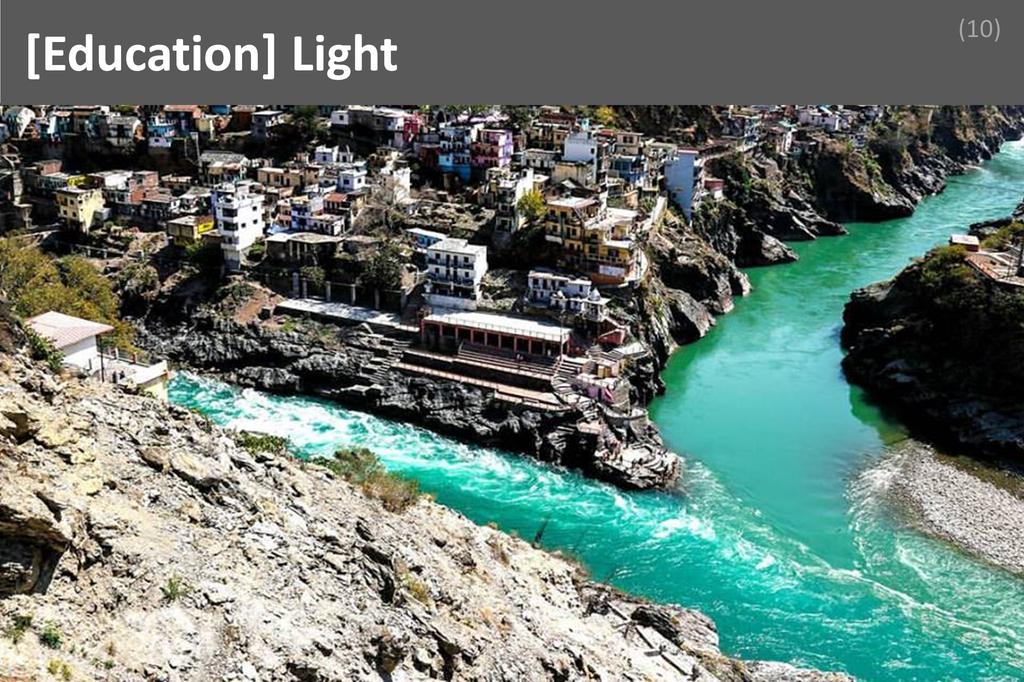
Light is electromagnetic radiation visible to the human eye, enabling us to perceive the world’s colors, shapes, and textures. In travel photography, understanding light is essential, as it influences exposure, mood, and composition. Mastery of light forms a core part of both academic study and professional practice in this field.
A deep understanding of light is crucial for anyone aspiring to excel in travel photography. Light determines how scenes are captured, affecting everything from color accuracy to the emotional tone of an image. Professionals must grasp concepts such as natural versus artificial light, direction, intensity, and color temperature. This foundational knowledge empowers photographers to adapt to diverse environments, whether shooting in harsh midday sun or the soft glow of dawn. Over time, mastering light enhances creative control, allowing photographers to consistently produce compelling images that stand out in a competitive industry. Furthermore, this expertise supports long-term career growth, as clients and publications often seek photographers who can deliver high-quality results in any lighting condition.
Imagine a travel photographer arriving at a bustling market just after sunrise. Drawing on their understanding of light, they recognize the golden hour’s warm, diffused glow and position themselves to capture vendors and shoppers bathed in flattering, soft light. They adjust their camera settings to balance highlights and shadows, ensuring vibrant colors and rich detail. As the sun rises higher and shadows grow harsher, the photographer adapts by seeking shaded areas or using reflectors to soften the light on their subjects. This practical application of theoretical knowledge enables the photographer to create visually stunning images that authentically convey the atmosphere and energy of the location, regardless of changing lighting conditions throughout the day.
Skills
Vision

Vision is the ability to perceive unique perspectives, anticipate compelling moments, and conceptualize powerful images before capturing them. In travel photography, vision guides the photographer’s creative direction, enabling them to tell authentic stories through their lens. It transforms ordinary scenes into extraordinary narratives, setting professionals apart in a competitive field.
Vision directly enhances a travel photographer’s performance by fostering originality and intentionality in every shot. Clients and employers value this skill because it ensures the resulting images are not only technically proficient but also emotionally resonant and distinctive. Vision allows photographers to create cohesive visual stories that align with a brand’s identity or a publication’s editorial needs. Cultivating vision involves continuous exposure to diverse cultures, studying the work of masters, and practicing mindful observation. Over time, photographers refine their ability to see beyond the obvious, developing a signature style that attracts opportunities and builds a loyal following.
Imagine a travel photographer assigned to document a remote village festival. Upon arrival, the event appears visually chaotic, with crowds and distractions everywhere. Relying on vision, the photographer identifies subtle interactions and cultural rituals that encapsulate the festival’s spirit. Instead of generic crowd shots, they anticipate moments of connection—like a fleeting exchange between elders or a child’s awe at a performance. By focusing on these meaningful details, the photographer crafts a compelling visual narrative that resonates with viewers and fulfills the client’s brief. Vision transforms a potentially overwhelming assignment into a portfolio-defining success, demonstrating the photographer’s ability to find and capture the extraordinary within the everyday.
Creativity

Creativity is the ability to generate original ideas, see connections between seemingly unrelated concepts, and approach challenges with innovative solutions. In travel photography, creativity empowers professionals to capture unique perspectives, tell compelling visual stories, and distinguish their work in a highly competitive field, making it an indispensable skill.
Creativity directly enhances a travel photographer’s performance by enabling them to produce images that stand out, evoke emotion, and capture the essence of a place beyond typical tourist snapshots. Clients and employers highly value this skill because it leads to fresh, memorable content that can elevate brands, publications, or campaigns. To cultivate creativity, photographers should consistently seek inspiration from diverse sources, experiment with new techniques, and embrace unfamiliar environments. Over time, pushing creative boundaries and reflecting on one’s work fosters a distinctive style and adaptability, both of which are crucial for long-term success in the dynamic world of travel photography.
Imagine a travel photographer assigned to document a popular destination that has been extensively photographed. Instead of replicating familiar images, the photographer taps into their creativity by exploring the location at unconventional times, such as dawn or during inclement weather, and by interacting with local residents to uncover hidden stories. When faced with poor lighting or crowded scenes, they experiment with angles, reflections, and motion to craft visually striking compositions. Through these creative choices, the photographer not only overcomes the challenge of capturing something new in a well-known place but also delivers a portfolio that surprises and delights the client, demonstrating the transformative power of creativity in achieving professional success.
Patience

Patience is the ability to remain calm, composed, and persistent in the face of delays, obstacles, or frustration, without becoming anxious or giving up. In travel photography, patience is crucial because capturing the perfect shot often requires waiting for the right moment, light, or subject to appear.
Patience directly enhances a travel photographer’s performance by allowing them to wait for optimal conditions, whether it’s the perfect lighting at sunrise, a fleeting expression on a local’s face, or a rare wildlife encounter. Clients and employers value this skill because it leads to higher quality, more authentic images that tell compelling stories. Cultivating patience involves practicing mindfulness, setting realistic expectations, and learning to embrace the unpredictability inherent in travel. Over time, photographers who develop patience become more adaptable and resilient, able to handle setbacks and delays without compromising their creative vision or professional standards. This steady approach not only improves the quality of their work but also builds a reputation for reliability and dedication.
Imagine a travel photographer assigned to capture the vibrant atmosphere of a remote festival. Upon arrival, heavy rain threatens to wash out the event, and the crowds are sparse. Instead of leaving or settling for uninspired shots, the photographer chooses to wait patiently, observing the changing weather and the gradual return of participants. Hours later, the rain stops, and a rainbow appears, casting a magical light over the festivities. Thanks to patience, the photographer captures unique, evocative images that would have been impossible without waiting for the right moment. This scenario highlights how patience can turn a challenging situation into an opportunity for creative success, ultimately delivering exceptional results for clients and audiences.
Passion

Passion is an intense enthusiasm and unwavering commitment to a pursuit, driving individuals to invest time, energy, and creativity beyond mere obligation. In travel photography, passion fuels the desire to explore, capture, and share the world’s diversity, transforming routine assignments into meaningful visual stories that resonate with audiences and clients alike.
Passion elevates a travel photographer’s work by inspiring perseverance through challenging conditions, such as unpredictable weather, long hours, or unfamiliar environments. Clients and employers recognize and value this quality because it translates into authentic, compelling images that stand out in a crowded market. Passionate photographers are more likely to seek unique perspectives, invest in continuous learning, and adapt to evolving trends, ensuring their work remains relevant and impactful. To cultivate passion, one should immerse themselves in diverse cultures, connect with fellow creatives, and regularly reflect on the personal meaning behind their craft. Over time, this deep-rooted enthusiasm not only sustains motivation but also fosters resilience and innovation in the face of adversity.
Imagine a travel photographer assigned to document a remote festival in a mountainous region. Upon arrival, unexpected rain and logistical setbacks threaten the assignment’s success. Instead of giving up, the photographer’s passion drives them to engage with locals, adapt their shooting techniques, and patiently wait for fleeting moments of celebration. Their dedication results in a series of evocative images that capture the festival’s spirit, impressing both the client and the community. In this scenario, passion transforms obstacles into opportunities, enabling the photographer to deliver exceptional work and build lasting professional relationships, ultimately advancing their career in travel photography.
Positives
Meeting People

Meeting people in travel photography means connecting with individuals from diverse backgrounds, cultures, and walks of life while working in various locations. This interaction enriches the photographer’s perspective, fosters mutual understanding, and often leads to authentic storytelling. It transforms each assignment into a unique human experience, making the profession deeply rewarding.
The opportunity to meet people is a cornerstone of what makes travel photography so fulfilling. Every encounter offers new insights, stories, and inspiration, which not only enhance the photographer’s creative vision but also contribute to personal growth. Forming genuine connections with locals or fellow travelers often leads to more meaningful and impactful images, as trust and rapport open doors to unique moments and perspectives. These interactions can also lead to professional opportunities, collaborations, and friendships that last a lifetime. On a daily basis, travel photographers find themselves learning from others, exchanging ideas, and experiencing the world through different eyes, which keeps the work dynamic and continuously inspiring.
Imagine a travel photographer working on an assignment in a remote village. As they wander through the community, they strike up a conversation with a local artisan. Through shared stories and laughter, the photographer gains access to the artisan’s workshop and daily life, capturing intimate moments that would otherwise remain unseen. This connection not only results in a powerful photo series but also leaves the photographer with a deeper appreciation for the culture and the individual’s craft. The experience of meeting and bonding with people transforms the assignment from a simple job into a memorable journey, highlighting the profound impact that human connection brings to travel photography.
Positivity

Positivity is a mindset characterized by optimism, resilience, and an enthusiastic outlook, enabling individuals to focus on opportunities, embrace challenges, and find joy in everyday experiences. In travel photography, positivity helps professionals adapt to new environments, connect with diverse cultures, and creatively capture the beauty and uniqueness of each destination.
The presence of positivity in travel photography is transformative, shaping both the creative process and personal fulfillment. When photographers approach their journeys with an optimistic attitude, they are more open to unexpected moments and spontaneous opportunities, which often lead to their most memorable images. This mindset fosters resilience in the face of travel mishaps, unpredictable weather, or cultural barriers, turning potential setbacks into learning experiences. Positivity also enhances interactions with locals, encouraging genuine connections and authentic storytelling. As a result, travel photographers find greater satisfaction in their work, experience continuous personal growth, and maintain motivation even during challenging assignments. The daily practice of positivity not only enriches their portfolios but also sustains their passion for exploration and creativity.
Imagine a travel photographer arriving in a remote village, only to find that a long-anticipated festival has been postponed due to unexpected rain. Instead of feeling defeated, the photographer embraces the situation with positivity, engaging with villagers and exploring the area’s hidden corners. This optimistic approach leads to spontaneous portraits, candid moments, and unique cultural insights that would have otherwise gone unnoticed. The photographer’s positive energy is infectious, encouraging locals to share their stories and traditions. By focusing on the opportunities within the challenge, the photographer not only creates a compelling visual narrative but also experiences a deep sense of fulfillment, knowing that their positive outlook transformed a setback into a memorable and rewarding adventure.
Travel

Travel is the act of journeying from one place to another, often across regions or countries, to explore new environments, cultures, and experiences. In travel photography, travel means more than movement; it is the gateway to discovery, inspiration, and storytelling, enriching both the photographer’s craft and personal growth.
The opportunity to travel is a defining benefit of a career in travel photography, infusing each assignment with excitement and purpose. Exploring diverse locations exposes photographers to unique landscapes, vibrant cultures, and extraordinary moments that fuel creativity and artistic vision. This constant change of scenery prevents monotony, making every project feel fresh and invigorating. Travel also fosters personal development by encouraging adaptability, open-mindedness, and cultural understanding. The sense of adventure and the privilege of witnessing the world’s wonders firsthand contribute to high job satisfaction and a deep sense of fulfillment. For many professionals, the ability to combine their passion for photography with their love of exploration is a powerful motivator that drives career growth and lifelong enthusiasm.
Imagine a travel photographer embarking on an assignment to capture the ancient temples of Cambodia. Each day brings new sights, from the sunrise over Angkor Wat to the bustling markets of Siem Reap. The photographer interacts with locals, learns about their traditions, and discovers hidden gems off the tourist path. This immersive experience not only results in a stunning portfolio of images but also leaves the photographer with unforgettable memories and a profound appreciation for the culture. The journey itself becomes as rewarding as the photographs produced, demonstrating how travel transforms routine work into a deeply enriching adventure.
Fame

Fame is the widespread recognition and admiration gained by individuals for their exceptional achievements, creativity, or influence within a particular field. In travel photography, fame elevates a photographer’s work, allowing their images and stories to reach global audiences. This recognition opens doors to new opportunities and inspires others through visual storytelling.
The allure of fame in travel photography lies in its power to transform a passion into a celebrated career. When photographers become well-known, their work is sought after by magazines, brands, and galleries, leading to greater professional opportunities and financial rewards. Fame also brings validation, as the photographer’s unique perspective is acknowledged and appreciated by a wide audience. This recognition fuels motivation and creativity, encouraging photographers to push boundaries and continually improve their craft. On a daily basis, professionals experience the satisfaction of knowing their images have the power to influence perceptions, spark wanderlust, and foster cultural understanding, making their work both personally and socially meaningful.
Imagine a travel photographer whose captivating images from remote corners of the world are featured in a renowned international magazine. As their work gains attention, they are invited to speak at photography festivals, collaborate with tourism boards, and exhibit their photos in prestigious galleries. Social media followers eagerly await each new adventure, and aspiring photographers reach out for guidance and inspiration. This widespread recognition not only brings professional success but also a deep sense of fulfillment, as the photographer sees their passion for exploration and storytelling resonate with people across the globe. The fame they have achieved becomes a powerful force, opening new horizons and enriching their journey every step of the way.
Continuous Learning

Continuous Learning is the ongoing process of acquiring new skills, knowledge, and insights throughout one’s career, adapting to evolving trends, technologies, and environments. In travel photography, this mindset fuels creativity, sharpens technical abilities, and encourages cultural understanding, making each assignment an opportunity for personal and professional growth.
Embracing continuous learning in travel photography transforms the profession into a dynamic journey rather than a static job. Photographers constantly adapt to new cultures, lighting conditions, and storytelling techniques, which keeps their work fresh and engaging. This ongoing development not only enhances their creative vision but also increases their adaptability and resilience in a competitive industry. The satisfaction of mastering new equipment, exploring unfamiliar destinations, and connecting with diverse communities brings a sense of accomplishment and purpose. Every day presents a chance to refine skills, discover unique perspectives, and stay ahead of industry trends, making the career both intellectually stimulating and personally fulfilling.
Imagine a travel photographer assigned to document life in a remote Himalayan village. Upon arrival, they encounter unfamiliar customs, challenging weather, and unique lighting conditions. Instead of feeling overwhelmed, the photographer draws on their commitment to continuous learning, researching local traditions, experimenting with new camera settings, and engaging with villagers to capture authentic moments. Through this process, they not only produce compelling images but also gain a deeper appreciation for the culture and environment. The experience leaves them with new technical skills, cultural insights, and a renewed passion for their craft, illustrating how continuous learning enriches both their professional portfolio and personal worldview.
Money

Money is the financial compensation or income earned through professional activities, enabling individuals to support their lifestyle, invest in their craft, and achieve personal goals. In travel photography, money not only sustains the photographer’s journeys but also validates their creative work, providing tangible rewards for their passion and dedication.
The financial rewards of travel photography play a crucial role in making this career both viable and deeply satisfying. Earning money allows photographers to fund their adventures, upgrade their equipment, and explore new destinations, all of which contribute to their artistic growth. The steady income also brings a sense of security and independence, empowering photographers to pursue ambitious projects and creative risks. Knowing that their work is valued in the marketplace boosts confidence and motivation, leading to greater job satisfaction. Each assignment or sale becomes a testament to their skill and vision, reinforcing their commitment to the craft and opening doors to new opportunities and collaborations.
Imagine a travel photographer who lands a lucrative assignment with a renowned travel magazine. The payment not only covers their travel expenses but also allows them to invest in a high-quality camera lens they have long desired. As they journey through breathtaking landscapes, they are able to focus entirely on capturing stunning images, knowing their financial needs are met. The income from this project not only supports their current trip but also funds future explorations, enabling them to continuously grow their portfolio. This financial stability transforms their passion into a sustainable career, allowing them to live their dream while inspiring others through their work.
Challenges
Sustainability

Sustainability in travel photography refers to balancing the environmental, economic, and social impacts of frequent travel while maintaining creative output and ethical standards. It is demanding because it requires minimizing ecological footprints, respecting local cultures, and ensuring long-term financial viability, all while producing compelling visual stories in diverse locations.
The challenge of sustainability permeates the daily routines of travel photographers, influencing choices from transportation methods to equipment selection and even the subjects they document. Navigating this landscape requires resilience, as professionals must constantly adapt to changing environmental regulations, fluctuating budgets, and the ethical implications of their work. Successful photographers address these constraints by prioritizing eco-friendly travel options, investing in durable gear, and building relationships with local communities to ensure responsible storytelling. They also diversify their income streams, such as offering workshops or licensing images, to support their careers without excessive travel. By integrating sustainable practices into their workflow, they not only reduce their impact but also set a positive example for peers and audiences.
Consider a travel photographer working on a long-term project documenting coastal communities affected by climate change. Instead of flying frequently between locations, the photographer plans an extended stay in one region, using public transportation and collaborating with local guides. This approach reduces carbon emissions and fosters deeper connections with the community, resulting in more authentic and impactful images. The photographer also shares knowledge with locals about sustainable photography practices and supports conservation efforts through visual storytelling. By aligning their professional goals with sustainable principles, the photographer not only overcomes logistical and ethical challenges but also enhances the value and relevance of their work in a rapidly changing world.
Competition

Competition in travel photography refers to the intense rivalry among photographers striving to capture, publish, and sell compelling images from around the world. With the proliferation of digital platforms and accessible equipment, the field is saturated, making it demanding to stand out, secure assignments, and gain recognition in a crowded marketplace.
The challenge of competition in travel photography permeates daily work, as professionals must constantly innovate to differentiate their portfolios and maintain relevance. This pressure can lead to creative fatigue, self-doubt, and fluctuating income, demanding significant resilience and adaptability. Successful photographers manage this constraint by developing a unique visual style, building strong networks, and continuously learning new techniques. They also focus on storytelling, personal branding, and cultivating relationships with editors and clients. By embracing collaboration and constructive feedback, they turn competition into motivation for growth rather than discouragement. Ultimately, resilience is built through persistence, openness to change, and a willingness to evolve with industry trends, allowing professionals to thrive despite the crowded landscape.
Consider a travel photographer who noticed their images were being overlooked by major publications due to the sheer volume of similar submissions. Instead of giving in to frustration, they analyzed the market and identified a niche—documenting lesser-known cultural festivals in remote regions. By investing time in research and building local connections, they produced a series of unique, in-depth photo essays. Their fresh perspective and authentic storytelling caught the attention of editors, leading to exclusive features and assignments. Through strategic differentiation and perseverance, the photographer not only overcame the challenge of competition but also established a recognizable brand, demonstrating how targeted innovation and adaptability can turn a competitive obstacle into a career-defining opportunity.
Initial Struggles

Initial Struggles in Travel Photography refer to the early hurdles professionals face, such as building a portfolio, securing assignments, managing finances, and adapting to unfamiliar environments. This phase is demanding because it tests one’s technical skills, creativity, adaptability, and perseverance, often without immediate recognition or financial reward.
The difficulty of initial struggles in travel photography can significantly affect daily work by introducing uncertainty, financial instability, and self-doubt. Professionals may find themselves juggling multiple roles, from marketer to editor, while striving to capture compelling images in unpredictable conditions. This challenge demands resilience because progress is often slow and setbacks are common. Successful travel photographers manage these constraints by setting realistic goals, seeking mentorship, and continuously refining their craft. They embrace learning opportunities, network with industry peers, and remain adaptable to changing circumstances. Over time, persistence and a willingness to evolve help them transform early obstacles into valuable experience, laying a strong foundation for a sustainable career.
Consider a travel photographer who, after leaving a stable job, faces months without paid assignments. Initially, they struggle to gain visibility and question their decision. Instead of giving up, they dedicate time to building a strong online portfolio and sharing stories behind their images on social media. They reach out to experienced photographers for advice and attend local exhibitions to network. Gradually, their work attracts attention, leading to small commissions and collaborations. Through perseverance and strategic self-promotion, they overcome the initial struggles, eventually establishing themselves as a recognized professional in the field. This journey highlights how determination and adaptability can turn early challenges into stepping stones for long-term success.
Societal Pressure

Societal pressure in travel photography refers to the expectations and judgments imposed by peers, audiences, and cultural norms regarding what constitutes valuable, ethical, or successful work. This pressure is demanding because it can influence creative choices, self-worth, and professional reputation, often conflicting with personal vision or authentic storytelling.
Societal pressure can permeate a travel photographer’s daily routine, shaping the destinations they choose, the subjects they capture, and even the way they present their work online. This external scrutiny can lead to self-doubt, creative stagnation, or the temptation to conform to trends rather than pursue genuine artistic expression. Navigating this challenge requires resilience, as professionals must balance external expectations with their own creative integrity. Successful travel photographers often manage societal pressure by cultivating a strong sense of purpose and self-awareness, seeking constructive feedback from trusted mentors, and focusing on long-term personal growth rather than fleeting approval. By prioritizing authenticity and maintaining clear personal values, they are able to withstand criticism and continue producing meaningful work.
Consider a travel photographer documenting lesser-known communities in remote regions, whose work is met with skepticism from both mainstream media and social media audiences expecting more conventional, picturesque content. Instead of succumbing to the pressure to produce stereotypical images, the photographer remains committed to authentic storytelling, engaging deeply with local cultures and sharing nuanced narratives. By openly discussing their approach and the importance of ethical representation, they gradually build a supportive audience that values substance over spectacle. Over time, their persistence not only earns respect within the industry but also helps shift public perception, demonstrating that travel photography can be both responsible and compelling, even when it defies popular expectations.
A Day Of
Travel Photography
The world of travel photography is anything but routine. Each day begins in a new place, with unfamiliar sights, sounds, and stories waiting to be captured. The pace is dictated by the light, the weather, and the unpredictable rhythm of life on the road. There’s a constant undercurrent of anticipation, as every moment holds the potential for that perfect, fleeting shot. For a travel photography professional, the desk is replaced by bustling markets, remote landscapes, and vibrant city streets, where creativity and adaptability are as essential as the camera itself.
Long before most people have stirred, the travel photographer is already awake, quietly reviewing the day’s itinerary and checking weather conditions. This early hour is dedicated to prepping gear, ensuring batteries are charged, lenses are clean, and memory cards are ready. With a thermos of coffee in hand, the photographer heads out to scout locations, taking advantage of the soft, golden light that only sunrise can provide. This is a time for solitude and focus, as the world slowly comes to life and the first images of the day are composed.
As the morning unfolds, the pace quickens. The photographer dives into the heart of the destination, camera in hand, weaving through crowded streets, bustling markets, or tranquil natural settings. This is the most intense and immersive part of the day, where observation and interaction blend seamlessly. The photographer engages with locals, seeks out unique perspectives, and captures candid moments that tell authentic stories. Every shot is a balance of technical skill and creative intuition, with the goal of encapsulating the spirit of the place.
By afternoon, the focus shifts to collaboration and execution. The photographer often meets with local guides, clients, or editors to review the morning’s work and discuss the narrative direction. This is also the time to back up images, begin preliminary edits, and select standout shots for immediate sharing or publication. Whether working from a bustling café or a quiet hotel room, the photographer juggles deadlines and feedback, ensuring that the visual story remains cohesive and compelling.
As the day winds down, the photographer takes stock of the work accomplished, reviewing images and making detailed notes on what worked and what could be improved. Administrative tasks, such as updating portfolios, responding to client emails, and organizing files, are tackled with a sense of satisfaction and fatigue. The evening is also spent researching the next day’s locations, checking for local events or weather changes, and planning the next visual adventure. With the sun setting on another dynamic day, the travel photographer prepares to do it all again, driven by a passion for discovery and storytelling. |