The Journey of Portrait Photography
What Is Portrait Photography
Portrait Photography

Portrait photography is a specialized genre of photography focused on capturing the personality, mood, and expression of individuals or groups. It emphasizes the subject’s face, often highlighting their unique features, emotions, and character, while using lighting, backgrounds, and composition to create visually compelling and meaningful images.
Portrait photography plays a significant role in both personal and professional contexts, offering a powerful means of storytelling and self-expression. For professionals, it provides opportunities to build meaningful connections with clients, develop a unique artistic style, and create lasting memories for individuals and families. The first major benefit is the ability to preserve important moments and milestones, such as graduations, weddings, or professional achievements. Secondly, portrait photographers can establish a strong personal brand and reputation by consistently delivering high-quality, emotive images. Lastly, this career offers creative fulfillment, as photographers experiment with lighting, composition, and post-processing techniques to bring out the best in their subjects and produce visually stunning portraits.
A professional portrait photographer may be hired by a family to capture a series of images for a milestone event, such as a child’s first birthday. The photographer consults with the family to understand their vision, selects an appropriate location, and carefully plans the session to ensure the child feels comfortable and natural. During the shoot, the photographer uses soft, flattering lighting and engaging prompts to elicit genuine expressions. After the session, the photographer edits the images to enhance colors and remove distractions, delivering a polished collection of portraits that the family will cherish for years. This process demonstrates the technical skill, creativity, and interpersonal abilities required in portrait photography.
Education
Camera Equipment

Camera equipment refers to the collection of devices and accessories used to capture photographic images, including cameras, lenses, lighting, tripods, and related tools. In portrait photography, understanding camera equipment is essential both academically and professionally, as it directly influences image quality, creative control, and the ability to meet client expectations.
A deep understanding of camera equipment is vital for anyone pursuing a career in portrait photography because it forms the bedrock upon which all technical and creative decisions are made. Mastery of camera bodies, lens types, and lighting tools allows photographers to manipulate exposure, depth of field, and composition with precision. This knowledge not only ensures technical excellence but also empowers professionals to adapt to diverse shooting environments and client needs. Over time, expertise in camera equipment leads to greater efficiency, consistent results, and the ability to troubleshoot issues on the spot. As technology evolves, staying informed about new equipment also keeps photographers competitive and relevant in a rapidly changing industry.
Consider a portrait photographer preparing for a studio session with a client who desires a soft, flattering look. Drawing on their understanding of camera equipment, the photographer selects a full-frame camera paired with an 85mm prime lens to achieve pleasing background blur and natural perspective. They choose a large softbox for diffused lighting and adjust the camera’s aperture to control depth of field, ensuring the subject’s eyes are in sharp focus while the background remains gently out of focus. Throughout the session, the photographer makes real-time adjustments to camera settings and lighting placement, demonstrating how theoretical knowledge of equipment translates into practical, professional results that meet the client’s artistic vision.
Light

Light is electromagnetic radiation visible to the human eye, enabling us to perceive the world through brightness, color, and shadow. In portrait photography, understanding light’s properties—such as intensity, direction, color temperature, and quality—is essential for crafting compelling images. Mastery of light is foundational in both academic study and professional practice.
A deep understanding of light is indispensable for anyone aspiring to excel in portrait photography. Light shapes the mood, texture, and dimensionality of a portrait, influencing how subjects appear and how emotions are conveyed. Mastery of lighting concepts allows photographers to control exposure, highlight features, and minimize flaws, ensuring consistently high-quality results. This knowledge forms the backbone of professional competence, enabling photographers to adapt to various environments and client needs. Over time, a nuanced grasp of light empowers professionals to develop a distinctive style, build a strong portfolio, and command higher rates. Continuous learning about light’s behavior and manipulation ensures long-term relevance and success in a competitive industry.
Imagine a portrait photographer preparing for an outdoor session during the late afternoon. Drawing on their theoretical understanding of light, the photographer recognizes the soft, warm quality of the “golden hour” and positions the subject so the sunlight creates flattering highlights and gentle shadows. They use a reflector to fill in shadows on the subject’s face, ensuring balanced exposure and natural skin tones. By adjusting camera settings and modifying available light, the photographer achieves a harmonious blend of background and subject, resulting in a visually striking portrait. This scenario demonstrates how expertise in light transforms theoretical knowledge into practical, creative decisions that elevate the quality of professional work.
Exposure Triangle

The Exposure Triangle is a fundamental concept in photography that describes the relationship between aperture, shutter speed, and ISO. Mastery of this triangle allows photographers to control image brightness and creative effects. In portrait photography, understanding the Exposure Triangle is essential for achieving professional-quality results and meeting client expectations.
A thorough grasp of the Exposure Triangle is crucial for anyone pursuing a career in portrait photography. This knowledge empowers photographers to adapt to various lighting conditions, select appropriate camera settings, and consistently produce well-exposed images. Mastery of these core concepts forms the backbone of technical proficiency, enabling professionals to make informed decisions on set and during post-production. Over time, this expertise leads to greater creative control, allowing photographers to experiment confidently with depth of field, motion blur, and noise levels. As a result, clients receive images that not only meet technical standards but also convey the intended mood and style. Ultimately, understanding the Exposure Triangle enhances a photographer’s reputation, marketability, and long-term career success in the competitive field of portrait photography.
Imagine a portrait photographer working outdoors during the golden hour, capturing a client’s headshot. The soft, changing light requires quick adjustments to maintain proper exposure. The photographer widens the aperture to create a pleasing background blur, then compensates by increasing shutter speed to prevent overexposure. As the sun sets further, the available light decreases, prompting the photographer to raise the ISO slightly while monitoring for unwanted noise. This real-time application of the Exposure Triangle ensures the subject remains well-lit, sharp, and visually separated from the background. By skillfully balancing these three elements, the photographer delivers a series of professional portraits that highlight the client’s features and personality, regardless of the shifting natural light.
Framing

Framing in portrait photography refers to the deliberate composition of visual elements within the boundaries of an image to highlight the subject, guide the viewer’s attention, and create a sense of context or mood. It is a fundamental concept in both academic study and professional practice, shaping how portraits are perceived and interpreted.
Understanding framing is essential for anyone pursuing a career in portrait photography because it directly influences the impact and storytelling power of an image. Mastery of framing enables photographers to control what the viewer sees and feels, ensuring that the subject stands out while also conveying emotion, context, and narrative. This skill forms the backbone of professional portrait work, as clients and audiences expect images that are not only technically proficient but also artistically compelling. Over time, a strong grasp of framing enhances a photographer’s creative versatility, improves their ability to adapt to diverse shooting environments, and distinguishes their portfolio in a competitive industry. Ultimately, it is a foundational element that supports both artistic growth and commercial success.
Consider a professional portrait photographer working during a corporate headshot session. Drawing on their knowledge of framing, they carefully position the subject within the viewfinder, using elements like office windows or architectural lines in the background to subtly direct attention toward the subject’s face. They adjust the camera angle and focal length to avoid distracting objects and ensure the subject’s eyes are aligned with the upper third of the frame, creating a balanced and engaging composition. By applying these framing techniques, the photographer not only produces flattering and professional images but also communicates the subject’s personality and confidence, resulting in portraits that meet the client’s branding needs and leave a lasting impression.
Angles
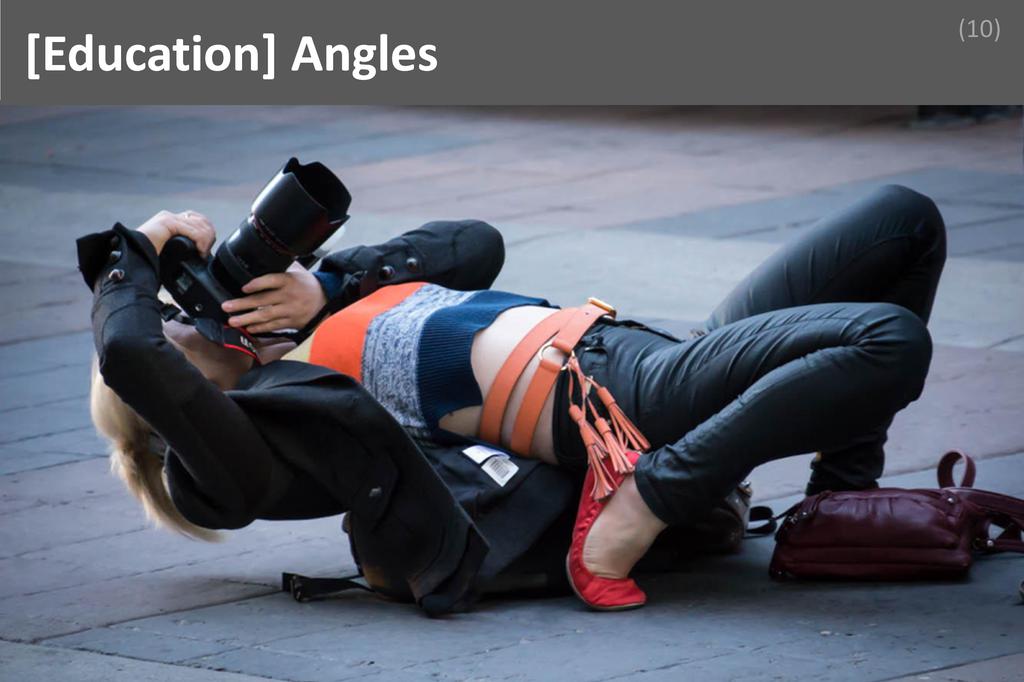
Angles in portrait photography refer to the specific position and orientation of the camera relative to the subject, determining how features are captured and perceived. Understanding angles is essential academically and professionally, as it influences composition, mood, and storytelling, forming a critical component of effective and expressive portraiture.
A deep understanding of angles is vital for anyone pursuing or advancing in portrait photography because it directly affects how subjects are represented and how viewers emotionally connect with an image. Mastery of angles allows photographers to highlight flattering features, minimize distractions, and convey specific narratives or moods. This foundational knowledge is indispensable for building a professional portfolio, as clients and employers often judge technical skill and creative vision based on how well a photographer manipulates angles. Over time, proficiency in this area leads to greater artistic confidence, adaptability to diverse shooting environments, and the ability to consistently deliver high-quality, client-focused results, all of which are essential for long-term career growth and reputation in the industry.
Consider a professional portrait photographer working with a client who feels self-conscious about their facial features. Drawing on their theoretical understanding of angles, the photographer positions the camera slightly above the subject’s eye level and asks them to turn their head at a gentle angle. This approach softens the jawline, accentuates the eyes, and creates a more flattering perspective. Throughout the session, the photographer continuously adjusts the camera’s angle and the subject’s pose, using their expertise to highlight the client’s best features and achieve the desired emotional tone. This practical application of angles not only enhances the final images but also builds the client’s confidence and satisfaction with the experience.
Editing Softwares

Editing softwares are digital tools designed to manipulate, enhance, and refine photographic images. In the context of portrait photography, these programs enable photographers to adjust color, retouch skin, correct lighting, and creatively transform portraits. Mastery of editing softwares is essential in both academic study and professional practice within the field.
Understanding editing softwares is crucial for anyone pursuing a career in portrait photography because it bridges the gap between capturing an image and delivering a polished final product. Proficiency in these tools allows photographers to correct imperfections, highlight subjects, and express artistic vision, ensuring their work meets industry standards and client expectations. As the photography industry evolves, clients increasingly expect high-quality, retouched images that stand out in a competitive market. Developing expertise in editing softwares not only enhances creative control but also increases employability and opens doors to advanced roles, such as retouching specialist or creative director. Over time, this foundational skill set supports professional growth, adaptability, and the ability to keep pace with technological advancements in digital imaging.
Consider a portrait photographer who has just completed a family photo session. Upon reviewing the images, they notice minor blemishes on the subjects’ skin and uneven lighting due to changing outdoor conditions. Drawing on their knowledge of editing softwares, the photographer imports the images into a professional program, carefully retouching skin tones, balancing exposure, and subtly enhancing colors to create a cohesive look. They use advanced features to remove distractions from the background and apply creative effects that align with the client’s preferences. This process not only elevates the visual quality of the portraits but also demonstrates the photographer’s technical expertise and commitment to delivering exceptional results, ultimately leading to client satisfaction and repeat business.
Skills
Retouching Skills

Retouching skills refer to the ability to enhance, correct, and refine photographic images using specialized software, ensuring subjects look their best while maintaining a natural appearance. In portrait photography, this skill is crucial for perfecting skin tones, removing blemishes, adjusting lighting, and creating polished, professional results that meet client expectations.
Mastering retouching skills directly elevates the quality of portrait photography by allowing photographers to present their subjects in the most flattering light. Clients and employers highly value this expertise because it ensures the final images are both technically sound and visually appealing, often making the difference between an average and an exceptional portrait. Developing this skill requires consistent practice with editing software, studying advanced techniques, and staying updated with industry trends. Over time, photographers learn to strike the right balance between enhancement and authenticity, ensuring their work stands out in a competitive market and consistently satisfies client demands.
Imagine a portrait photographer tasked with delivering headshots for a corporate team. During the shoot, one subject arrives with noticeable skin redness and a distracting background element appears in several frames. By applying advanced retouching skills, the photographer skillfully evens out skin tones, subtly removes the redness, and eliminates the background distraction without making the edits obvious. The final images appear natural and professional, impressing both the client and the subjects. This attention to detail not only resolves immediate issues but also reinforces the photographer’s reputation for delivering high-quality, polished work, leading to repeat business and positive referrals.
Communication

Communication is the process of effectively exchanging information, ideas, and emotions through verbal, non-verbal, and written means. In portrait photography, communication is crucial for building rapport with clients, understanding their vision, and directing them during shoots. It ensures clarity, trust, and collaboration, resulting in compelling and authentic portraits.
Strong communication skills directly enhance a portrait photographer’s ability to interpret client needs, provide clear instructions, and create a comfortable environment during sessions. Clients and employers highly value photographers who can articulate creative concepts, manage expectations, and resolve misunderstandings with professionalism. Effective communication also fosters repeat business and positive referrals, as clients feel heard and respected. To cultivate this skill, photographers should practice active listening, seek feedback, and engage in regular conversations with diverse individuals. Over time, refining both verbal and non-verbal cues, such as tone, body language, and facial expressions, helps photographers adapt their approach to different personalities and situations, ultimately improving the quality of their work and client satisfaction.
Imagine a portrait photographer working with a client who feels self-conscious in front of the camera. The photographer notices the client’s discomfort and initiates a friendly conversation, asking about their interests and sharing light-hearted anecdotes to ease the tension. By attentively listening and responding with empathy, the photographer builds trust and encourages the client to relax. During the shoot, the photographer offers gentle guidance on posing and provides positive feedback, ensuring the client feels supported and confident. Through clear and compassionate communication, the photographer transforms an initially awkward session into a successful experience, capturing genuine expressions and delivering portraits that exceed the client’s expectations. This scenario highlights how communication is vital for overcoming challenges and achieving outstanding results in portrait photography.
Time Management

Time management is the ability to plan, prioritize, and allocate time efficiently to tasks and responsibilities, ensuring goals are met within deadlines while maintaining quality. In portrait photography, this skill is crucial for balancing creative work, client communication, editing, and business operations, making it a foundational element of professional success.
Effective time management allows portrait photographers to handle multiple projects, meet client deadlines, and maintain a steady workflow without sacrificing creativity or quality. Clients and employers highly value photographers who are punctual, reliable, and able to deliver results on schedule, as this builds trust and encourages repeat business. Cultivating this skill involves setting clear goals, creating structured schedules, and regularly evaluating one’s workflow to identify areas for improvement. Over time, photographers can refine their ability to estimate how long tasks will take, minimize distractions, and adapt to unexpected changes, all of which contribute to a more productive and satisfying career.
Imagine a portrait photographer who has back-to-back sessions scheduled throughout the day, each with different clients and unique requirements. By managing their time effectively, the photographer ensures each session starts and ends promptly, allowing for adequate setup, shooting, and brief client consultations. When a client arrives late or requests last-minute changes, the photographer quickly adjusts the schedule, reallocating time for editing or other tasks without compromising the quality of work. This ability to stay organized and flexible not only keeps the day running smoothly but also leaves clients feeling valued and respected, ultimately leading to positive reviews and future bookings.
Patience

Patience is the ability to remain calm, composed, and persistent in the face of delays, challenges, or repetitive tasks, without becoming frustrated or discouraged. In portrait photography, patience enables professionals to wait for the perfect moment, guide clients gently, and handle unexpected situations with grace, ensuring exceptional results.
Patience directly enhances a portrait photographer’s performance by allowing them to create a relaxed environment where subjects feel comfortable and natural. This skill is highly valued by clients and employers because it leads to authentic expressions and high-quality images, even when sessions are lengthy or children and groups are involved. Cultivating patience involves practicing mindfulness, setting realistic expectations, and learning to embrace the unpredictable nature of working with people. Over time, photographers who consciously develop patience become more adept at managing stress, adapting to changing circumstances, and building strong client relationships, all of which contribute to a successful and sustainable career.
Imagine a portrait photographer working with a family that includes young children who are restless and uncooperative. Instead of rushing or showing frustration, the photographer patiently engages with the children, allowing them time to settle and feel at ease. By maintaining a calm demeanor and waiting for genuine smiles and interactions, the photographer is able to capture authentic, heartwarming moments that would have been missed with a hurried approach. This patience not only results in beautiful portraits but also leaves the family with a positive experience, increasing the likelihood of referrals and repeat business. In this scenario, patience proves to be the key to overcoming challenges and achieving professional success.
Handling Camera

Handling Camera refers to the ability to operate, control, and maneuver a camera with precision and confidence, ensuring optimal settings, stability, and composition. In portrait photography, this skill is fundamental, as it enables photographers to capture expressive, high-quality images that reflect the subject’s personality and meet professional standards.
Mastering camera handling directly enhances a portrait photographer’s performance by allowing for quick adjustments to lighting, focus, and composition, even in dynamic or unpredictable environments. Clients and employers highly value this skill because it ensures consistency, minimizes technical errors, and results in polished, professional images. Cultivating this ability requires regular practice, familiarity with various camera models, and a deep understanding of photographic principles. Over time, photographers develop muscle memory and intuitive control, enabling them to focus more on creative direction and client interaction rather than technical distractions. Continuous learning, experimentation, and feedback are essential for refining this core competency and maintaining a competitive edge in the industry.
Imagine a portrait photographer working on location during a fast-paced corporate event. Suddenly, the lighting shifts as the sun moves behind clouds, altering the scene’s exposure. The photographer, skilled in handling the camera, swiftly adjusts the aperture and ISO settings without missing a beat. They reposition themselves and stabilize the camera to maintain sharpness, all while keeping the subject engaged and comfortable. This seamless adaptation ensures that the resulting portraits remain well-lit, flattering, and professional, despite the challenging conditions. The client is impressed by the photographer’s ability to deliver consistent results under pressure, highlighting the critical importance of adept camera handling in achieving success in portrait photography.
Positives
Spreading Smiles

"Spreading Smiles" in portrait photography means capturing genuine moments of happiness and helping people see the best versions of themselves. It involves creating an environment where clients feel comfortable, confident, and joyful, resulting in portraits that radiate positivity. This process uplifts both the subject and the photographer, fostering meaningful connections.
The ability to spread smiles is a cornerstone of job satisfaction in portrait photography. When photographers witness the joy and self-esteem boost their work brings to clients, it creates a deep sense of fulfillment. This positive feedback loop not only enhances the photographer’s motivation but also builds lasting client relationships and a strong reputation. The daily experience of making a difference in someone’s life, even in small ways, fuels creativity and personal growth. As clients share their happiness with friends and family, the photographer’s influence extends far beyond the studio, making each session an opportunity to brighten someone’s world and leave a lasting, positive impact.
Imagine a portrait photographer working with a high school senior who feels nervous and unsure in front of the camera. Through gentle encouragement and genuine conversation, the photographer helps the student relax and express their true personality. As the session progresses, laughter replaces anxiety, and the student’s confidence shines through. When the final portraits are revealed, the student and their family are moved to tears of joy, seeing not just a photograph, but a celebration of a milestone. The photographer leaves the session knowing they have contributed to a cherished memory, experiencing firsthand the profound satisfaction of spreading smiles through their craft.
Satisfaction

Satisfaction is the deep sense of fulfillment and contentment that arises from achieving meaningful goals, creating value, and making a positive impact on others. In portrait photography, satisfaction stems from capturing the essence of individuals, preserving memories, and witnessing the joy that clients feel when they see themselves through the photographer’s lens. This feeling of accomplishment not only motivates photographers to refine their craft but also fosters a strong emotional connection to their work, making each project more than just a job. Satisfaction in this field is a driving force that transforms everyday assignments into personally rewarding experiences, fueling creativity and a genuine passion for the art of portraiture.
The satisfaction gained from portrait photography is a powerful motivator that enhances both personal and professional growth. When photographers see the genuine reactions of their clients—smiles, tears of joy, or heartfelt gratitude—they are reminded of the meaningful role they play in people’s lives. This emotional reward encourages them to continually improve their skills and strive for excellence in every session. The positive feedback and appreciation from clients not only boost confidence but also foster a sense of pride in their work. Over time, this ongoing satisfaction leads to higher job satisfaction, increased motivation, and a stronger commitment to the profession. It also helps photographers build lasting relationships with clients, contributing to a thriving and sustainable career.
Imagine a portrait photographer working with a family who wants to capture a special milestone, such as a graduation or a reunion. The photographer carefully plans the session, making each family member feel comfortable and valued. After delivering the final images, the family is moved to tears, expressing how the portraits perfectly encapsulate their bond and the significance of the moment. The photographer feels a profound sense of satisfaction, knowing their talent has created lasting memories and brought genuine happiness to their clients. This experience not only reaffirms their passion for portrait photography but also inspires them to continue making a positive impact through their art, turning everyday work into a deeply rewarding journey.
Good Opportunities

Good Opportunities in portrait photography refer to the abundance of diverse and meaningful chances for professional growth, creative expression, and financial success. These opportunities arise from varied client needs, evolving industry trends, and the constant demand for personal and commercial portraits, allowing photographers to expand their skills and reach new audiences.
The presence of good opportunities in portrait photography significantly enhances the appeal of this career path. Photographers benefit from a dynamic work environment where each project brings fresh challenges and creative possibilities. This variety not only prevents monotony but also encourages continuous learning and artistic development. As photographers interact with different clients and adapt to new trends, they build a robust portfolio and a strong professional network. The steady demand for portraits, whether for families, professionals, or businesses, ensures a reliable stream of work. This ongoing flow of opportunities leads to greater job satisfaction, as photographers see tangible results from their efforts and enjoy the freedom to shape their careers according to their passions and strengths.
Consider a portrait photographer who begins their career by taking family photos in their local community. As their reputation grows, they are approached by local businesses seeking professional headshots, followed by artists needing creative portraits for promotional materials. Eventually, their work is noticed by a magazine editor, leading to a feature assignment. Each new opportunity not only brings financial rewards but also allows the photographer to experiment with different styles and techniques. This progression demonstrates how good opportunities in portrait photography can open doors to exciting projects, foster personal growth, and create a deeply fulfilling professional journey. The photographer’s daily experience is enriched by the variety and potential that each new client or project brings.
Good Income

Good income refers to a consistent and substantial financial return that not only covers living expenses but also allows for savings, investments, and personal growth. In portrait photography, good income means earning enough to support a comfortable lifestyle while pursuing creative passions, which enhances both professional satisfaction and personal well-being.
A good income in portrait photography is a powerful motivator and a key driver of job satisfaction. When photographers are well-compensated for their skills and artistry, they feel valued and empowered to invest in better equipment, training, and creative projects. This financial stability reduces stress and allows for greater focus on delivering exceptional work to clients. Over time, a steady and rewarding income opens doors to new opportunities, such as expanding a studio, hiring assistants, or exploring new markets. The daily experience of earning well fosters confidence and pride, making the profession not just sustainable but truly fulfilling. Ultimately, good income transforms portrait photography from a mere job into a thriving, respected career.
Consider a portrait photographer who has built a strong reputation in their community. Through consistent bookings for family portraits, professional headshots, and special events, they generate a reliable monthly income that exceeds their basic needs. This financial security allows them to upgrade their camera gear, rent a beautiful studio space, and even attend international workshops to refine their craft. Each time they deliver stunning portraits to satisfied clients, they not only receive heartfelt appreciation but also enjoy the peace of mind that comes from financial stability. This combination of creative fulfillment and good income makes every day at work rewarding, inspiring them to reach new heights in their career.
Prestigious Job

A "Prestigious Job" refers to a profession that is highly respected, admired, and recognized for its excellence, influence, and contribution to society. It is a role that commands honor and distinction, often associated with expertise, creativity, and a positive reputation. In portrait photography, this prestige elevates the profession, attracting admiration and trust from clients and peers alike. The recognition that comes with being a portrait photographer not only validates the artist’s skills but also opens doors to exclusive opportunities and collaborations. This elevated status contributes positively by fostering a sense of pride and accomplishment, motivating photographers to continually refine their craft and maintain high standards in their work.
The prestigious nature of a career in portrait photography significantly enhances job satisfaction and professional growth. When a photographer is regarded as a respected artist, their work is sought after by individuals, families, and even public figures who value quality and creativity. This recognition brings a sense of fulfillment, knowing that their artistry is not only appreciated but also trusted to capture life’s most important moments. The daily experience of being acknowledged for one’s talent and expertise fuels motivation, encouraging photographers to push creative boundaries and deliver exceptional results. Over time, this reputation leads to more opportunities, higher demand, and the ability to command premium rates, all of which contribute to a rewarding and sustainable career.
Imagine a portrait photographer who is frequently commissioned by prominent community leaders, celebrities, or influential families. Each session is not just a job, but an opportunity to create lasting memories for clients who value the photographer’s unique vision and skill. The photographer’s studio becomes a hub of creativity and admiration, with clients often referring friends and colleagues, further enhancing the photographer’s reputation. Invitations to exhibit work in galleries or participate in prestigious competitions become common, reinforcing the sense of accomplishment and pride. This daily affirmation of their status as a respected professional makes every project more meaningful, turning the pursuit of portrait photography into a truly prestigious and fulfilling career.
Challenges
Building Market

Building market in portrait photography refers to the ongoing process of establishing a steady client base, gaining visibility, and differentiating oneself in a saturated field. This challenge is demanding because it requires consistent self-promotion, networking, and adaptability to shifting trends, all while maintaining high artistic and technical standards.
The difficulty of building market in portrait photography permeates daily work, as professionals must balance creative tasks with relentless marketing efforts. This challenge often leads to uncertainty in income and fluctuating workloads, demanding resilience and adaptability. Successful photographers navigate this constraint by cultivating strong relationships with clients, leveraging social media, and continuously refining their portfolios. They invest time in community engagement, attend local events, and collaborate with other creatives to expand their reach. By embracing feedback and staying attuned to client preferences, they adapt their offerings to meet evolving demands. Ultimately, persistence and a willingness to learn from setbacks enable professionals to gradually carve out a niche and establish a sustainable presence in the competitive portrait photography market.
Consider a portrait photographer who initially struggled to attract clients in a competitive urban area. Recognizing the need to build market, she began offering complimentary mini-sessions to local influencers and families, which generated word-of-mouth referrals and online buzz. She actively engaged with her community by participating in art fairs and collaborating with local businesses for themed photo shoots. Over time, her consistent presence on social media, combined with personalized client experiences, helped her develop a loyal client base. By listening to feedback and adapting her style to suit her audience, she transformed the challenge of building market into an opportunity for growth, ultimately establishing herself as a sought-after portrait photographer in her city.
Difficult Clients

In portrait photography, "Difficult Clients" are individuals who present persistent challenges such as unclear expectations, frequent dissatisfaction, or demanding behavior that disrupts the creative process. This is demanding because it tests the photographer’s patience, communication skills, and ability to deliver quality results under pressure, often impacting workflow and morale.
Dealing with difficult clients can significantly affect a portrait photographer’s daily work by introducing stress, slowing down sessions, and potentially leading to creative blocks. The unpredictability of client reactions requires photographers to be adaptable and resilient, maintaining professionalism even when faced with criticism or unrealistic demands. Successful professionals manage these situations by setting clear boundaries, maintaining open and empathetic communication, and establishing detailed contracts that outline deliverables and expectations. By focusing on proactive problem-solving and remaining calm under pressure, they are able to protect their creative integrity and ensure client satisfaction, turning challenging interactions into opportunities for growth and improved client relations.
Consider a portrait photographer hired for a family session where one member is consistently unhappy with poses and lighting, voicing dissatisfaction throughout the shoot. Instead of reacting defensively, the photographer listens attentively, acknowledges the concerns, and gently explains the creative choices behind each setup. By inviting the client to participate in reviewing some test shots and making minor adjustments based on their feedback, the photographer fosters a sense of collaboration. This approach not only diffuses tension but also helps the client feel heard and valued. Ultimately, the session concludes with images that satisfy both the client’s preferences and the photographer’s artistic standards, demonstrating how patience and communication can transform a difficult situation into a successful outcome.
Competiton

Competiton in portrait photography refers to the intense rivalry among photographers striving to attract clients, secure bookings, and build a recognizable brand. This challenge is demanding because the market is saturated with talented individuals, making it difficult to stand out, maintain steady work, and command fair pricing for creative services.
The pressure of competion in portrait photography can lead to uncertainty in securing consistent projects, fluctuating income, and the constant need to innovate creatively. This environment demands resilience, as professionals must continually adapt to changing trends, client expectations, and technological advancements. Successful photographers manage this constraint by investing in personal branding, building strong client relationships, and honing a unique artistic style that differentiates them from others. They also embrace continuous learning, networking, and marketing efforts to remain visible and relevant. By focusing on delivering exceptional client experiences and maintaining a reputation for reliability and creativity, these professionals navigate the competitive landscape with confidence and adaptability.
Consider a portrait photographer in a bustling city where the market is crowded with skilled competitors. Instead of lowering prices or mimicking popular trends, this professional chooses to specialize in environmental portraiture, capturing clients in meaningful locations that tell their personal stories. By showcasing this distinctive approach through a thoughtfully curated portfolio and engaging social media presence, the photographer attracts clients seeking a more personalized experience. Over time, word-of-mouth referrals and positive reviews help establish a loyal client base. Through perseverance, creative differentiation, and a commitment to quality, the photographer not only overcomes the challenge of competion but also thrives in a demanding industry.
Technical Failures

Technical failures in portrait photography refer to unexpected malfunctions or breakdowns of equipment, such as cameras, lenses, lighting, or memory cards, during a shoot. These failures are demanding because they can disrupt workflow, compromise image quality, and create stress, especially when working with clients who expect professionalism and timely results.
Technical failures can significantly disrupt a portrait photographer’s daily routine, often leading to lost time, missed moments, and potential dissatisfaction from clients. The unpredictability of such issues requires photographers to remain calm under pressure and think quickly to find solutions. This challenge demands resilience, as repeated setbacks can be discouraging and test one’s confidence. Successful professionals manage these constraints by maintaining backup equipment, regularly servicing their gear, and developing troubleshooting skills. They also communicate transparently with clients when issues arise, turning potential setbacks into opportunities to demonstrate professionalism and adaptability. By preparing for the unexpected and staying composed, photographers can minimize the impact of technical failures and maintain the trust of their clients.
Imagine a portrait photographer in the middle of an important outdoor session when their primary camera suddenly stops working. Instead of panicking, the photographer calmly switches to a backup camera they had prepared in advance. They quickly adjust the settings to match the lighting conditions and reassure the client that the session will continue smoothly. Later, the photographer uses their technical knowledge to recover partially corrupted files from the malfunctioning camera’s memory card, ensuring that no important shots are lost. By staying composed, resourceful, and transparent with the client, the photographer not only salvages the session but also reinforces their reputation for professionalism and reliability in the face of technical failures.
Climatic Conditions

Climatic conditions in portrait photography refer to the unpredictable and often adverse weather elements—such as rain, wind, extreme temperatures, humidity, and changing light—that can disrupt outdoor shoots. These factors are demanding because they directly impact equipment, subject comfort, lighting quality, and the overall creative process.
Climatic conditions can significantly disrupt the daily workflow of portrait photographers, often forcing last-minute changes to locations, schedules, and even creative concepts. Sudden rain or harsh sunlight can damage equipment, affect the subject’s appearance, and compromise image quality. This challenge requires resilience, adaptability, and quick decision-making, as professionals must often improvise solutions on the spot. Successful photographers prepare by monitoring weather forecasts, investing in protective gear, and developing flexible shooting plans. They also cultivate strong communication with clients, setting realistic expectations and maintaining a positive attitude regardless of setbacks. By embracing unpredictability and leveraging their technical and creative skills, these professionals turn potential obstacles into opportunities for unique and memorable portraits.
Consider a portrait photographer scheduled for an outdoor engagement session who arrives to find unexpected heavy winds and overcast skies. Instead of postponing, the photographer adapts by seeking sheltered locations, such as under a canopy of trees or beside a building, to minimize wind interference. They use the diffused light from the overcast sky to create soft, flattering portraits, capitalizing on the unique mood the weather provides. By keeping the clients comfortable and engaged, and by adjusting camera settings to accommodate the changing light, the photographer not only overcomes the climatic challenge but also delivers a set of images with a distinct and memorable atmosphere that might not have been possible on a clear day.
A Day Of
Portrait Photography
The hum of anticipation fills the studio long before the first subject steps in front of the lens. In portrait photography, every day is a blend of artistry and precision, where fleeting expressions are captured and transformed into lasting memories. The pace is dynamic, shifting from quiet moments of preparation to the lively energy of interacting with clients, all within an environment that demands both technical mastery and a keen sense of human connection. For the portrait photographer, no two days are ever quite the same, but each unfolds with a rhythm that balances creativity, collaboration, and the business of turning moments into art.
As the sun rises, the studio comes to life with the soft clatter of equipment being arranged and the gentle glow of test lights. This early hour is reserved for reviewing the day’s schedule, checking client briefs, and setting up backdrops and lighting to suit the unique personalities and stories of the subjects to be photographed. The photographer takes time to revisit mood boards, adjust camera settings, and ensure every detail is in place, laying the groundwork for a seamless and inspired session ahead.
By mid-morning, the studio buzzes with activity as clients arrive, each bringing their own energy and expectations. This is the heart of the day, where the photographer’s technical skills and interpersonal finesse converge. Directing poses, coaxing genuine expressions, and making subjects feel at ease, the photographer works swiftly yet thoughtfully, capturing a series of images that reflect both the client’s vision and the photographer’s artistic eye. The atmosphere is lively and focused, with every click of the shutter building toward a portfolio of compelling portraits.
The afternoon shifts into a more collaborative phase, as the photographer reviews the morning’s images, selects standout shots, and begins initial edits. This is also the time for consultations, whether in person or virtually, where clients are invited to preview their portraits and provide feedback. The photographer discusses retouching preferences, offers professional advice, and ensures that the final images will meet or exceed expectations. This stage is marked by open communication and creative problem-solving, reinforcing the partnership between photographer and client.
As the day winds down, the photographer turns attention to administrative tasks such as organizing files, responding to inquiries, and updating social media with highlights from the day’s work. There is also time set aside for researching new techniques, scouting potential locations, and planning upcoming shoots. This quiet, reflective period allows the photographer to assess what went well, identify areas for improvement, and set goals for the next day, ensuring that each sunrise brings fresh inspiration and readiness for the challenges ahead. |


 Home
Home Abroad
 Plan
Plan Philosophy
 Seminar
 Pages
Pages Advisors
 Testimonials




















 Workshop
 Discuss
 Meet
Meet
 Advisor
 Story
Story
 Fine Print
 Links
Links
 Blog
Blog
 Follow
