The Journey of Photography
What Is Photography
Photography
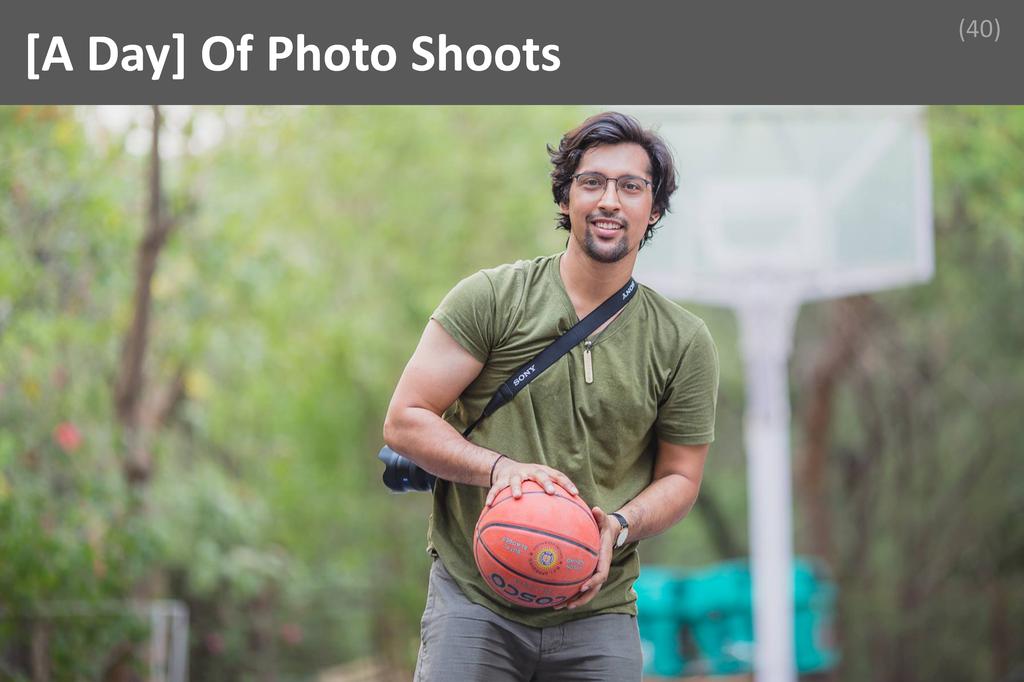
Photography is the art, science, and practice of creating images by capturing light with a camera. It involves technical knowledge, creative vision, and an understanding of composition to produce visual representations of people, places, objects, or events, serving both artistic expression and documentation in various personal and professional contexts.
Photography holds significant value in today’s visual-driven world, shaping how stories are told, memories are preserved, and information is communicated. For professionals, it offers a powerful medium to express creativity, build a personal brand, and connect with diverse audiences. The impact of photography extends to influencing public opinion, supporting journalism, and enhancing marketing efforts. One major benefit is the ability to document important moments and events, creating a visual record for future generations. Another benefit is the potential for career flexibility, as photographers can work in numerous industries such as media, fashion, advertising, and fine arts. Additionally, photography fosters continuous learning and skill development, encouraging professionals to adapt to new technologies and trends.
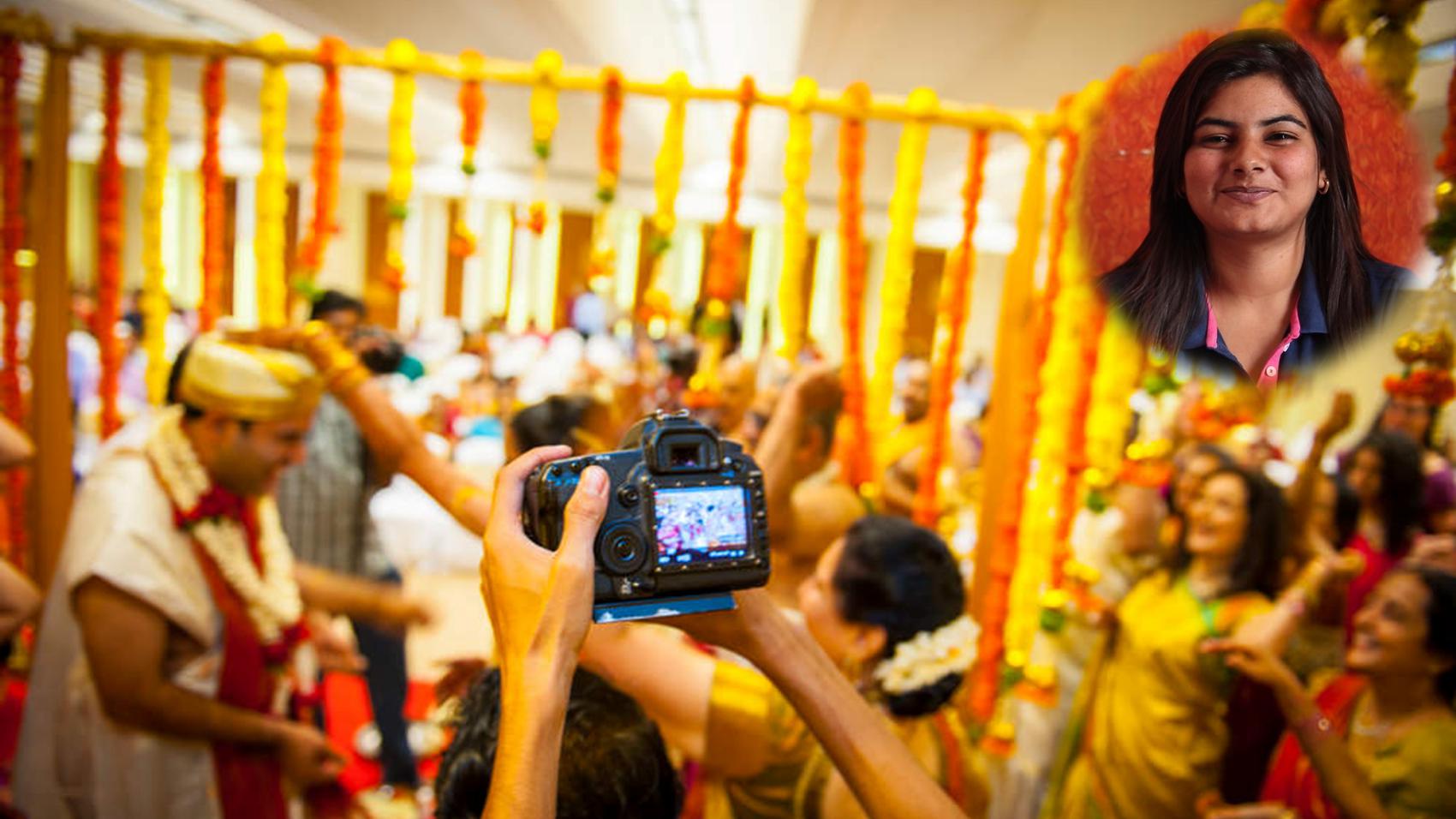
A professional photographer working in the field of wedding photography demonstrates the practical application of photography skills. On the day of the event, the photographer must quickly adapt to changing lighting conditions, capture candid emotions, and compose visually appealing shots that tell the story of the couple’s special day. After the event, the photographer selects and edits the best images, ensuring they meet the client’s expectations and reflect the desired mood. This process requires technical expertise with camera equipment, proficiency in editing software, and strong interpersonal skills to make subjects feel comfortable. Through their work, the photographer not only preserves cherished memories but also builds a reputation that can lead to future opportunities.
Education
Camera & Lens

Camera & Lens refers to the study and understanding of the photographic camera body and its interchangeable lenses, including their mechanics, optics, and functions. This knowledge is essential in both academic and professional photography, forming the technical backbone that enables photographers to create images with precision, creativity, and technical excellence.
A deep understanding of camera and lens systems is vital for anyone pursuing a career in photography. Mastery of these tools allows professionals to make informed decisions about exposure, depth of field, focal length, and image composition. This foundational knowledge empowers photographers to adapt to various shooting conditions and creative challenges, ensuring consistent, high-quality results. Over time, expertise in camera and lens selection and operation enhances a photographer’s ability to express their artistic vision, troubleshoot technical issues, and stay competitive in a rapidly evolving industry. Ultimately, this subject underpins every aspect of professional practice, from studio portraiture to documentary work, making it indispensable for long-term career growth and success.
Consider a professional photographer tasked with capturing a fast-paced sporting event. Their theoretical understanding of camera and lens systems enables them to select a camera body with a high frame rate and a telephoto lens with a wide aperture. This combination allows them to freeze action and isolate subjects from distracting backgrounds. By adjusting settings such as shutter speed, ISO, and aperture, the photographer ensures sharp, well-exposed images despite challenging lighting conditions. Their expertise also helps them anticipate and quickly respond to changing moments, maximizing their chances of capturing decisive shots. This scenario demonstrates how foundational knowledge of camera and lens directly impacts the quality and effectiveness of a photographer’s work in real-world situations.
Arts

Arts encompasses a broad spectrum of creative disciplines, including visual arts, music, literature, and performance. In the context of photography, Arts refers to the study and application of visual aesthetics, composition, color theory, and creative expression. It forms a crucial part of the academic and professional foundation for aspiring photographers.
Understanding Arts is essential for anyone pursuing a career in photography because it provides the visual literacy and creative thinking necessary to produce compelling images. Mastery of artistic principles such as balance, contrast, harmony, and rhythm enables photographers to craft visually engaging compositions that resonate with viewers. A solid grounding in Arts also fosters an appreciation for historical and contemporary artistic movements, allowing professionals to draw inspiration from a wide range of sources. Over time, this knowledge not only enhances technical proficiency but also cultivates a unique artistic voice, setting photographers apart in a competitive industry. The ability to interpret and apply artistic concepts ensures that photographers can adapt to evolving trends and client expectations, contributing to sustained professional growth.
Consider a professional photographer tasked with capturing a series of portraits for a magazine feature. Drawing on their understanding of Arts, they carefully select the setting, lighting, and color palette to evoke a specific mood that aligns with the editorial theme. Their knowledge of composition guides the placement of the subject within the frame, ensuring visual balance and focus. By referencing artistic movements such as Impressionism or Modernism, the photographer introduces subtle stylistic elements that add depth and originality to the images. Throughout the shoot, their theoretical grounding in Arts informs every creative decision, resulting in photographs that not only meet technical standards but also convey a powerful narrative and emotional impact.
Colors
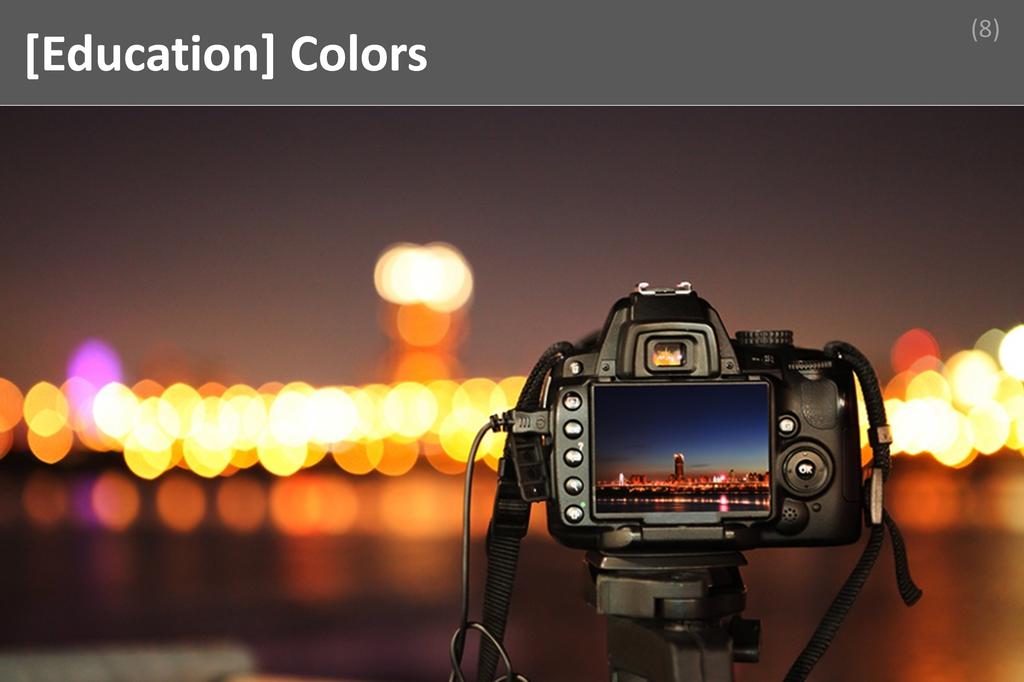
Colors refer to the visual perception resulting from the way objects emit, reflect, or transmit light, interpreted by the human eye and brain. In photography, understanding colors is essential, as it influences composition, mood, and storytelling. Mastery of color theory is a foundational academic and professional requirement for photographers.
Learning about colors is vital for photographers because it shapes every aspect of image creation, from lighting and exposure to post-processing and print. A solid grasp of color theory enables professionals to evoke specific emotions, create harmony or contrast, and guide viewers’ attention within a frame. This knowledge is foundational, as it informs decisions about white balance, color grading, and the use of filters or gels. Over time, expertise in colors enhances a photographer’s creative versatility and technical proficiency, allowing them to adapt to diverse genres and client needs. Ultimately, a deep understanding of colors distinguishes skilled photographers, supporting both artistic expression and commercial success throughout their careers.
Imagine a professional photographer tasked with shooting a fashion campaign. Before the shoot, they analyze the clothing’s color palette and the intended brand message. During the session, they select backgrounds and lighting setups that complement or contrast with the garments, ensuring the colors appear vibrant and true-to-life. They adjust camera settings for accurate white balance and may use colored gels to create a specific mood. In post-production, their knowledge of color grading helps them fine-tune hues and saturation, maintaining consistency across the campaign. By applying their theoretical understanding of colors at every stage, the photographer delivers visually compelling images that resonate with the target audience and fulfill the client’s vision.
Editing

Editing in photography refers to the process of selecting, enhancing, and refining images after they are captured. This involves adjusting elements such as exposure, color, composition, and sharpness to achieve the desired visual impact. Editing is a crucial academic and professional skill, bridging creative vision with technical execution in photography.
Understanding editing is essential for anyone pursuing a career in photography because it transforms raw images into polished works of art. Mastery of editing tools and techniques allows photographers to correct imperfections, emphasize their creative intent, and meet client or publication standards. This knowledge forms the backbone of a photographer’s workflow, ensuring consistency and quality across projects. As the industry evolves, proficiency in editing software and digital post-processing becomes increasingly important, enabling professionals to adapt to new trends and technologies. Over the long term, strong editing skills enhance a photographer’s versatility, marketability, and ability to deliver compelling visual narratives that stand out in a competitive field.
Consider a professional photographer tasked with shooting a wedding. After capturing hundreds of images throughout the event, the photographer returns to their studio to begin the editing process. Drawing on their theoretical understanding of editing, they meticulously review each photo, selecting the best moments and applying adjustments to exposure, color balance, and sharpness. They might remove distracting elements from the background or subtly enhance the lighting to evoke a romantic atmosphere. Through careful editing, the photographer ensures that the final collection of images not only meets the client’s expectations but also reflects their unique artistic style. This process demonstrates how editing bridges technical skill and creative vision in daily professional practice.
Management

Management is the process of planning, organizing, leading, and controlling resources—such as people, time, and finances—to achieve specific goals efficiently and effectively. In the context of photography, management forms a crucial academic and professional pillar, supporting both creative endeavors and the operational success of photographers and studios.
Understanding management is essential for anyone pursuing a career in photography because it bridges the gap between artistic vision and practical execution. Mastery of management principles enables photographers to handle projects, coordinate teams, and allocate resources wisely, ensuring that creative ideas are realized within deadlines and budgets. This knowledge forms the backbone of a sustainable photography career, as it empowers professionals to navigate client relationships, negotiate contracts, and oversee business operations. Over time, strong management skills foster growth, reputation, and adaptability in a competitive industry, allowing photographers to scale their services, collaborate effectively, and respond to changing market demands with confidence and professionalism.
Consider a freelance photographer tasked with organizing a large commercial photoshoot. Their understanding of management comes into play as they schedule the shoot, coordinate with models, stylists, and assistants, and manage the budget to cover equipment rentals and location fees. Throughout the project, they must communicate clearly with clients and team members, delegate responsibilities, and troubleshoot unexpected challenges, such as last-minute changes in weather or client requests. By applying management principles, the photographer ensures that the shoot runs smoothly, meets the client’s expectations, and stays within budget, ultimately delivering high-quality results while maintaining positive professional relationships and building a reputation for reliability and efficiency.
Light
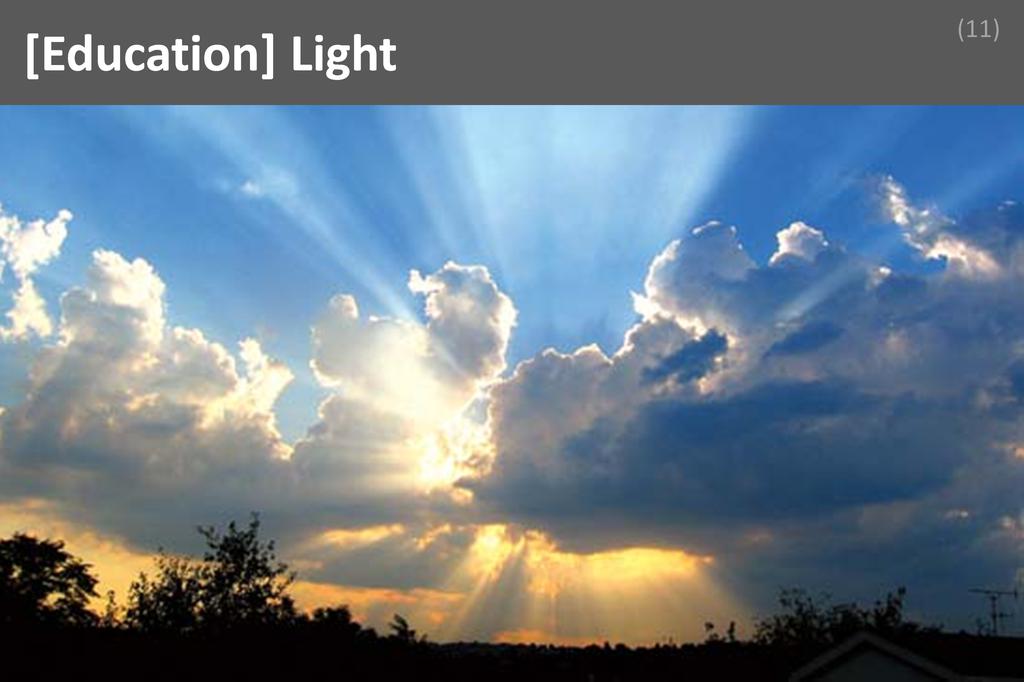
Light is electromagnetic radiation visible to the human eye, enabling us to perceive the world through brightness, color, and contrast. In photography, understanding light is essential, as it directly influences image creation, exposure, and mood. Mastery of light is a cornerstone in both academic study and professional photographic practice.
A deep understanding of light is fundamental for anyone pursuing a career in photography. Light determines how subjects are rendered, how colors appear, and how shadows and highlights shape an image. Mastering concepts such as natural and artificial lighting, direction, intensity, and color temperature allows photographers to control the visual narrative of their work. This knowledge is not only crucial for technical proficiency but also for creative expression, enabling professionals to adapt to diverse environments and client needs. Over time, a strong grasp of lighting principles enhances a photographer’s versatility, marketability, and ability to consistently produce high-quality images, making it an indispensable skill for long-term career growth.
Consider a professional portrait photographer working in a studio setting. Before the session begins, they assess the available light sources, adjusting the position and intensity of studio lights to achieve the desired effect. By applying their understanding of light’s direction and quality, they sculpt the subject’s features, minimize unwanted shadows, and highlight key facial expressions. Throughout the shoot, the photographer makes real-time adjustments to the lighting setup, camera settings, and even the subject’s pose, ensuring optimal exposure and mood. This practical application of theoretical knowledge about light allows the photographer to deliver consistently striking and flattering portraits, demonstrating the critical role that mastery of light plays in everyday professional practice.
Lighting

Lighting in photography refers to the deliberate use and manipulation of light sources to illuminate a subject, create mood, and achieve desired visual effects. It encompasses both natural and artificial light, and understanding its properties is essential for controlling exposure, contrast, color, and texture in photographic images. Lighting is a fundamental academic and professional competency in photography.
A deep understanding of lighting is indispensable for anyone pursuing a career in photography. Mastery of lighting principles enables photographers to shape the mood, highlight details, and convey emotion in their images. This knowledge forms the backbone of professional practice, as it affects every aspect of image creation, from portraiture to product photography. Proficiency in lighting allows photographers to adapt to diverse environments and client needs, ensuring consistent, high-quality results. Over time, expertise in lighting not only enhances creative expression but also increases professional credibility and opens doors to advanced opportunities in commercial, editorial, and artistic photography. Continual learning in this area ensures that photographers remain competitive and innovative throughout their careers.
Consider a professional portrait photographer preparing for a studio session. Drawing on their theoretical knowledge of lighting, they assess the subject’s features and select a softbox to produce flattering, diffused light. By adjusting the angle and intensity of the light source, they minimize harsh shadows and accentuate the subject’s best attributes. Throughout the shoot, the photographer makes real-time adjustments to the lighting setup in response to subtle changes in pose and expression, ensuring each image captures the intended mood. This practical application of lighting theory not only results in technically excellent photographs but also creates a comfortable environment for the subject, demonstrating the photographer’s expertise and professionalism.
Equipment
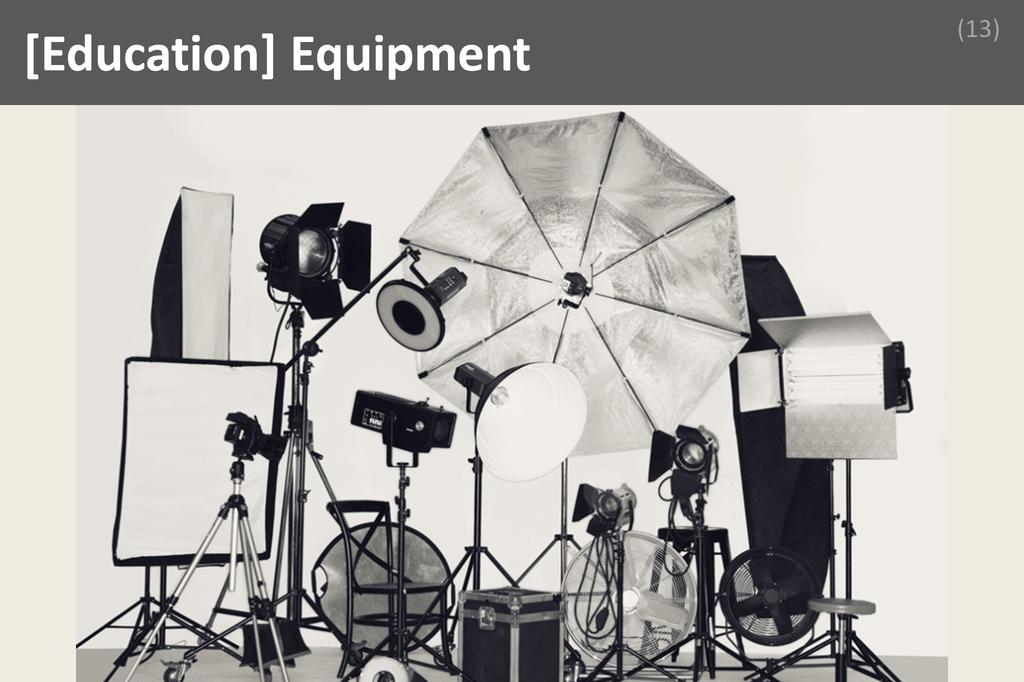
Equipment in photography refers to the collection of tools, devices, and accessories used to capture, process, and produce images. This includes cameras, lenses, lighting gear, tripods, memory cards, and editing hardware. Mastery of equipment is essential in both academic study and professional practice, underpinning technical proficiency and creative expression.
Understanding equipment is fundamental for anyone pursuing a career in photography because it directly influences image quality, workflow efficiency, and creative possibilities. Mastery of cameras, lenses, and lighting tools allows photographers to adapt to diverse shooting environments and client needs. This knowledge forms the backbone of technical expertise, enabling professionals to troubleshoot issues, select appropriate gear for specific assignments, and maintain equipment longevity. Over time, a deep familiarity with equipment fosters confidence and innovation, empowering photographers to experiment with new techniques and stay competitive in a rapidly evolving industry. Ultimately, a strong grasp of equipment not only enhances artistic output but also increases reliability and professionalism, which are crucial for long-term career growth.
Consider a professional photographer preparing for a high-profile fashion shoot. Before the session, they assess the lighting conditions and select a full-frame camera paired with a fast prime lens to achieve the desired depth of field and sharpness. They set up studio strobes and modifiers to control shadows and highlights, ensuring consistent exposure across all images. Throughout the shoot, the photographer monitors battery levels, memory card capacity, and adjusts camera settings to accommodate changing poses and lighting. Their comprehensive understanding of each piece of equipment allows them to troubleshoot any technical issues on the spot, maintain a smooth workflow, and deliver high-quality results that meet the client’s expectations.
Types of Photography
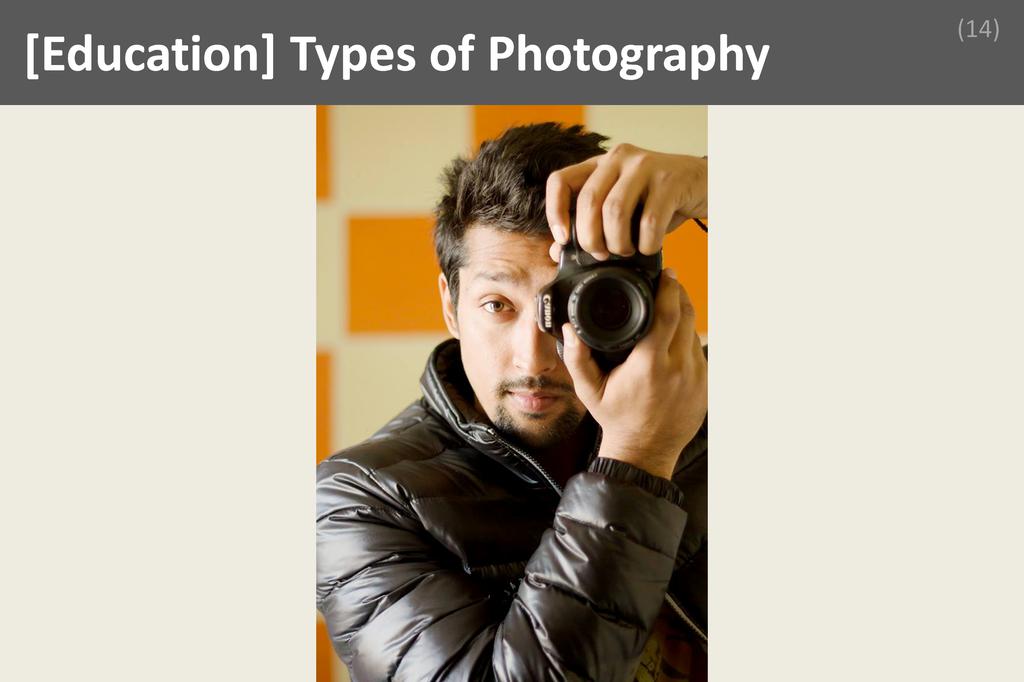
Types of Photography refers to the various genres and styles within the field, such as portrait, landscape, fashion, documentary, and commercial photography. Understanding these categories is essential in both academic study and professional practice, as it shapes a photographer’s approach, techniques, and the specific skills required for different assignments.
Learning about the different types of photography is vital because it equips aspiring and practicing photographers with a comprehensive understanding of the field’s diversity. This foundational knowledge enables professionals to identify their strengths, choose a specialization, and adapt their techniques to suit various genres. Mastery of these distinctions enhances creative versatility, allowing photographers to meet client expectations across multiple contexts. Furthermore, a deep understanding of photography types supports career longevity by opening doors to new opportunities, fostering adaptability in a rapidly evolving industry, and ensuring relevance in both artistic and commercial markets. Ultimately, this knowledge forms the bedrock upon which advanced skills and personal style are built, making it indispensable for anyone serious about a career in photography.
Consider a professional photographer working for a media agency who is tasked with covering a high-profile event. Their theoretical understanding of types of photography allows them to seamlessly transition between capturing candid moments in a photojournalistic style, composing formal group portraits, and documenting the venue’s ambiance through architectural photography. By recognizing the unique requirements and techniques associated with each type, the photographer can deliver a diverse and compelling portfolio that meets the agency’s varied needs. This adaptability not only enhances the quality of their work but also demonstrates their professionalism and expertise, ultimately leading to greater client satisfaction and more career opportunities.
Printing

Printing is the process of transferring digital or film-based photographic images onto physical media, such as paper, canvas, or other substrates, using various technologies. In photography, printing bridges the gap between digital creation and tangible artwork, making it an essential academic and professional skill for producing and presenting finished photographic works.
Understanding printing is crucial for photographers because it directly influences the quality, longevity, and impact of their final images. Mastery of printing techniques allows professionals to control color accuracy, tonal range, and material selection, ensuring that their creative vision is faithfully reproduced. This knowledge forms a foundational part of a photographer’s skill set, enabling them to communicate effectively with print labs, troubleshoot output issues, and deliver work that meets both artistic and commercial standards. Over the long term, proficiency in printing enhances a photographer’s reputation, opens opportunities for gallery exhibitions, and supports the production of high-quality portfolios and client deliverables, all of which are vital for career growth and sustainability in the field.
Consider a professional photographer preparing a series of images for a gallery exhibition. Their theoretical understanding of printing guides them in selecting the appropriate paper type, adjusting color profiles, and calibrating monitors to ensure consistency between digital files and printed outputs. During the printing process, they assess test prints, make necessary corrections to exposure and color balance, and work closely with the print technician to achieve the desired results. This expertise not only guarantees that the final prints accurately reflect their artistic intent but also demonstrates their professionalism to curators and clients. By applying their printing knowledge, the photographer ensures that their work stands out in a competitive market and leaves a lasting impression on viewers.
Composition
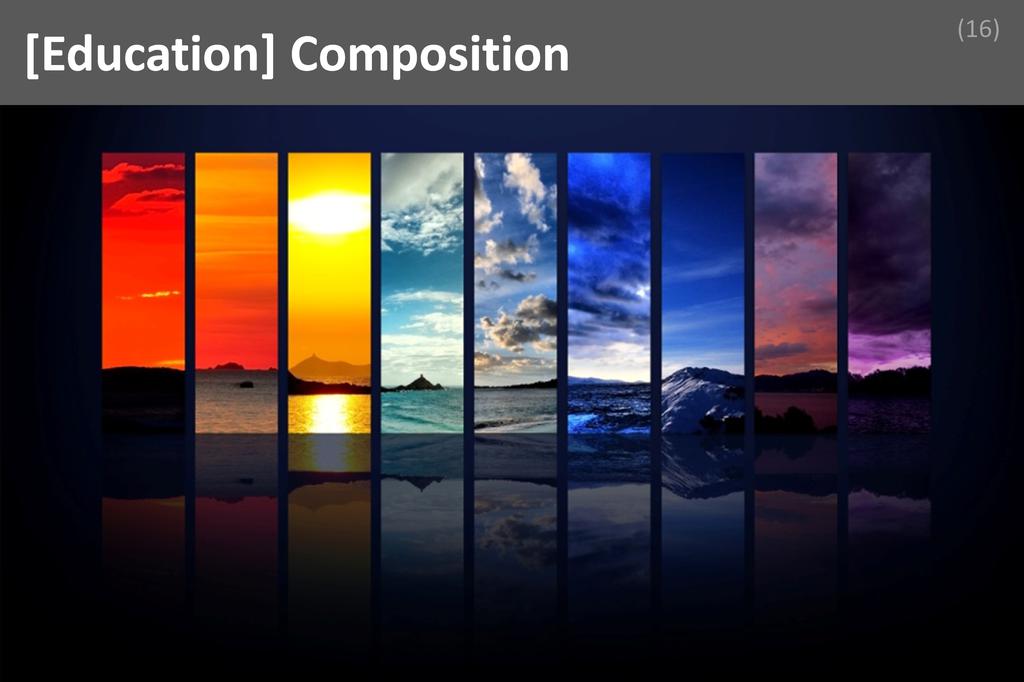
Composition in photography refers to the deliberate arrangement of visual elements within a frame to create a harmonious, engaging, and meaningful image. It involves balancing subjects, lines, shapes, colors, and space to guide the viewer’s eye and convey the intended message. Mastery of composition is essential in both academic study and professional practice.
Understanding composition is vital for anyone pursuing a career in photography because it underpins the ability to create visually compelling images that communicate effectively. Mastery of compositional techniques, such as framing, leading lines, and the rule of thirds, allows photographers to elevate their work beyond mere snapshots, transforming ordinary scenes into powerful visual narratives. This foundational knowledge is crucial for building a distinctive style and consistently producing high-quality work, which is essential for career advancement and recognition in the field. Over time, a strong grasp of composition enables professionals to adapt to diverse photographic genres, meet client expectations, and maintain creative growth, ensuring long-term success and relevance in a competitive industry.
Consider a professional photographer tasked with capturing images for a magazine feature on urban life. Drawing on their understanding of composition, they carefully assess each scene, positioning themselves to incorporate leading lines from city streets and architectural elements that draw the viewer’s eye toward the main subject. They use the rule of thirds to place people and objects in dynamic locations within the frame, ensuring balance and visual interest. By consciously arranging elements and anticipating how light and shadow interact, the photographer creates images that not only document the environment but also evoke emotion and tell a compelling story. This application of compositional theory transforms everyday moments into striking photographs that resonate with the magazine’s audience.
Skills
Observation
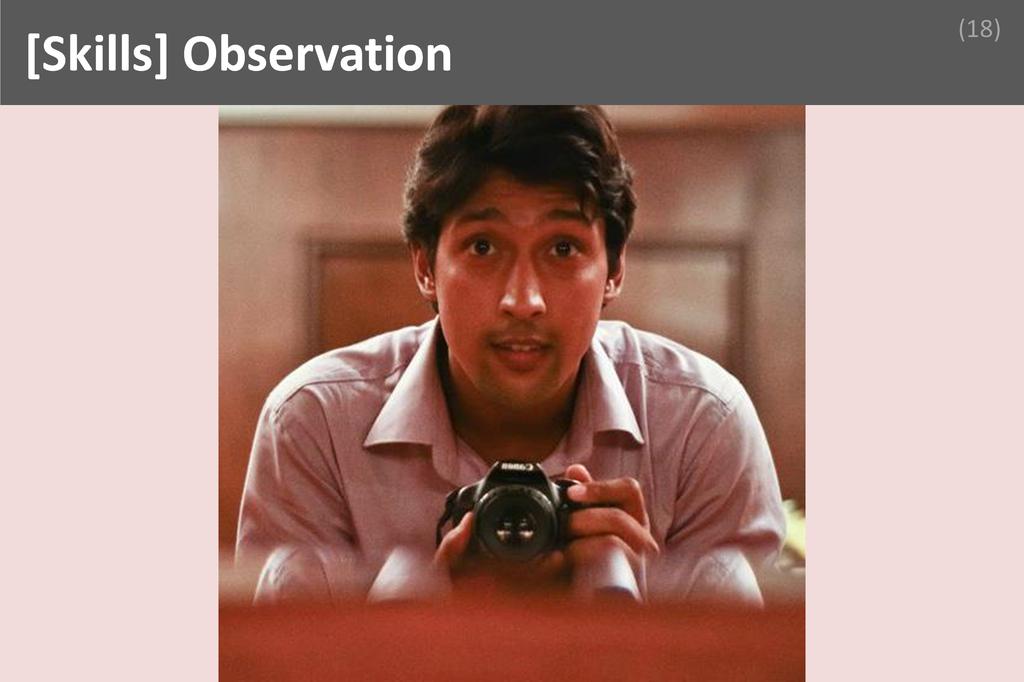
Observation is the attentive and mindful process of perceiving details, patterns, and nuances within a scene or subject, allowing one to notice elements that may otherwise go unnoticed. In photography, observation is crucial because it enables professionals to capture moments, emotions, and compositions that tell compelling stories and evoke powerful responses.
Observation directly enhances a photographer’s ability to anticipate and capture decisive moments, resulting in images that stand out for their depth and authenticity. Clients and employers highly value this skill because it ensures that the photographer can consistently deliver unique and meaningful visuals, often exceeding expectations. Cultivating observation involves regular practice, such as studying light, shadow, and human behavior, and reflecting on one’s own work to identify missed opportunities or overlooked details. Over time, this mindful approach sharpens a photographer’s eye, allowing them to intuitively recognize and frame extraordinary moments in everyday settings, thereby elevating the quality and impact of their portfolio.
Imagine a photographer covering a fast-paced wedding ceremony. Amidst the chaos, the photographer’s keen observation allows them to notice a fleeting, tender glance exchanged between the bride and her grandmother. Recognizing the emotional significance, the photographer quickly adjusts their position and settings to capture the moment discreetly. This single image later becomes a cherished memory for the family, standing out among hundreds of posed shots. Without the skill of observation, such intimate and meaningful moments might be missed entirely, underscoring how essential this ability is for achieving success and making a lasting impact in the field of photography.
Patience
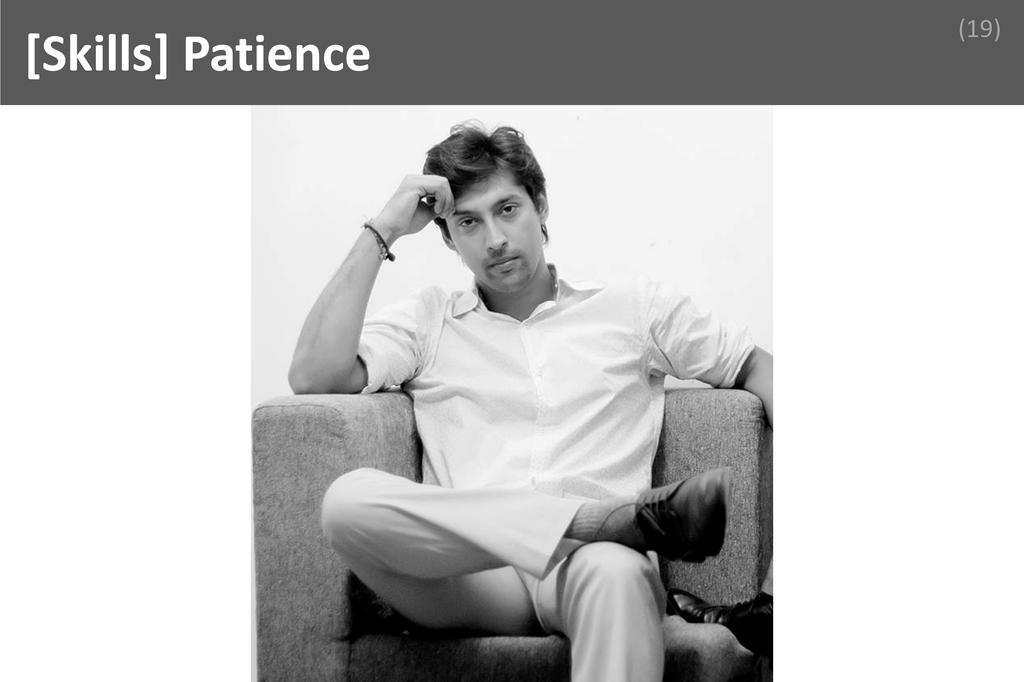
Patience is the ability to remain calm, composed, and persistent in the face of delays, challenges, or repeated attempts, without becoming frustrated or giving up. In photography, patience enables professionals to wait for the perfect moment, adapt to changing conditions, and consistently pursue creative excellence despite setbacks.
Patience directly enhances a photographer’s performance by allowing them to wait for ideal lighting, expressions, or environmental conditions, resulting in more compelling images. Clients and employers value this trait because it ensures reliability and a commitment to quality, even when projects are time-consuming or unpredictable. Cultivating patience involves practicing mindfulness, setting realistic expectations, and embracing the learning process. Over time, photographers who consciously develop patience become more resilient and adaptable, able to handle long shoots, difficult subjects, or technical challenges without compromising their vision. This steady approach not only improves the quality of their work but also builds a reputation for professionalism and dependability within the industry.
Imagine a wildlife photographer assigned to capture a rare bird in its natural habitat. The bird is elusive, appearing only briefly and unpredictably. The photographer must wait quietly for hours, sometimes days, resisting the urge to rush or disturb the environment. During this time, weather conditions may change, equipment might need adjustment, and fleeting opportunities can arise and vanish in seconds. By exercising patience, the photographer remains focused and ready, ultimately capturing a breathtaking image that would have been impossible without steadfast perseverance. This scenario highlights how patience is not just a passive trait but an active strategy that leads to success in challenging and unpredictable situations.
Creativity
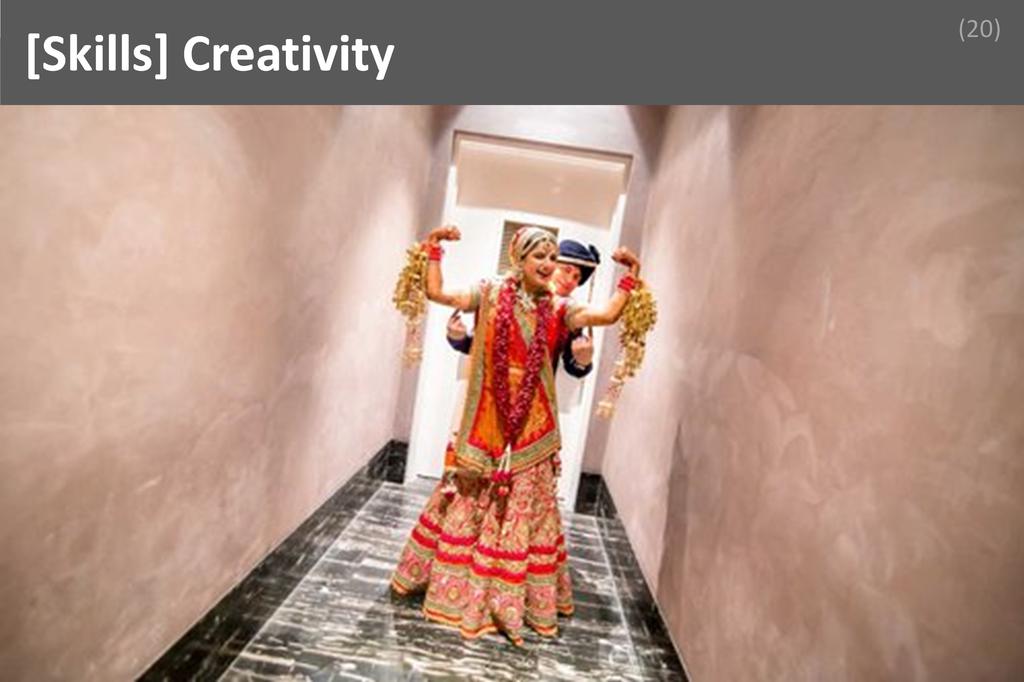
Creativity is the ability to generate original ideas, see unique perspectives, and combine elements in innovative ways to produce something new and meaningful. In photography, creativity enables professionals to capture compelling images, tell powerful stories, and distinguish their work from others, making it a vital component of their toolkit.
Creativity directly enhances a photographer’s performance by allowing them to approach subjects, lighting, and composition in novel ways, resulting in images that captivate audiences and stand out in a crowded market. Clients and employers highly value creative photographers because they can deliver fresh concepts and adapt to diverse project needs, ensuring memorable and impactful results. Cultivating creativity involves continuous learning, experimenting with different techniques, and seeking inspiration from various sources such as art, nature, and everyday life. Over time, photographers can refine their creative vision by challenging themselves with new projects, collaborating with others, and reflecting on their work to identify areas for growth and innovation.
Imagine a professional photographer tasked with shooting a high-profile fashion campaign outdoors, only to arrive and find the weather unexpectedly gloomy and the location less visually appealing than anticipated. Instead of resorting to standard poses or waiting for better conditions, the photographer taps into their creativity to transform the challenge into an opportunity. By experimenting with unconventional angles, using available props, and playing with the moody lighting, they craft a series of striking, atmospheric images that evoke emotion and intrigue. The client is impressed by the photographer’s ability to adapt and deliver a unique visual narrative, demonstrating how creativity can turn potential setbacks into moments of artistic success.
Positive Atitude

Positive Atitude is the consistent practice of approaching challenges, feedback, and opportunities with optimism, resilience, and an open mind. For a photography professional, this mindset fosters creativity, adaptability, and strong relationships, enabling them to navigate the unpredictable nature of the industry and deliver exceptional results even under pressure.
A positive atitude directly enhances a photographer’s performance by fueling motivation, encouraging creative problem-solving, and maintaining high energy during demanding shoots. Clients and employers highly value this trait because it creates a collaborative and enjoyable working environment, leading to better communication and more successful outcomes. Photographers can cultivate a positive atitude by embracing continuous learning, seeking constructive feedback, and focusing on solutions rather than setbacks. Over time, regularly reflecting on achievements and maintaining a growth mindset helps reinforce optimism, making it easier to handle criticism, tight deadlines, or unexpected changes with professionalism and grace.
Imagine a photographer hired for an outdoor wedding who arrives to find unexpected rain threatening the event. Instead of becoming discouraged, the photographer maintains a positive atitude, reassuring the couple and suggesting creative alternatives such as using umbrellas or finding sheltered locations. This optimism not only calms the clients but also inspires the team to adapt quickly. As a result, the photographer captures unique, memorable images that exceed expectations, turning a potential disaster into a highlight of the day. The positive atitude transforms a challenge into an opportunity, strengthening the photographer’s reputation for professionalism and resourcefulness.
Eagerness to Learn

Eagerness to Learn is the persistent drive to seek new knowledge, skills, and experiences, combined with an open-minded attitude toward growth and improvement. For photography professionals, this quality is crucial because the field constantly evolves with new technologies, creative trends, and client expectations, demanding continual adaptation and innovation.
Eagerness to Learn directly enhances a photographer’s performance by encouraging exploration of new techniques, equipment, and artistic styles. This adaptability allows professionals to stay ahead in a competitive industry, consistently delivering fresh and relevant work. Clients and employers highly value photographers who demonstrate a willingness to learn, as it signals reliability, versatility, and a commitment to excellence. Cultivating this skill involves actively seeking feedback, attending workshops, experimenting with unfamiliar genres, and staying updated on industry advancements. Over time, this proactive approach not only sharpens technical abilities but also fosters creative confidence, making photographers more resourceful and resilient in the face of challenges.
Imagine a photographer hired to shoot a high-profile event where the lighting conditions are unexpectedly challenging. Instead of relying solely on familiar methods, the photographer draws on their eagerness to learn by quickly researching advanced lighting techniques and consulting peers for advice. By experimenting with new camera settings and post-processing tools, they adapt to the situation and deliver exceptional results. This willingness to embrace unfamiliar solutions not only resolves the immediate issue but also expands the photographer’s skill set for future assignments. In this scenario, eagerness to learn transforms a potential setback into an opportunity for growth and client satisfaction, underscoring its importance in building a successful photography career.
Anticipation
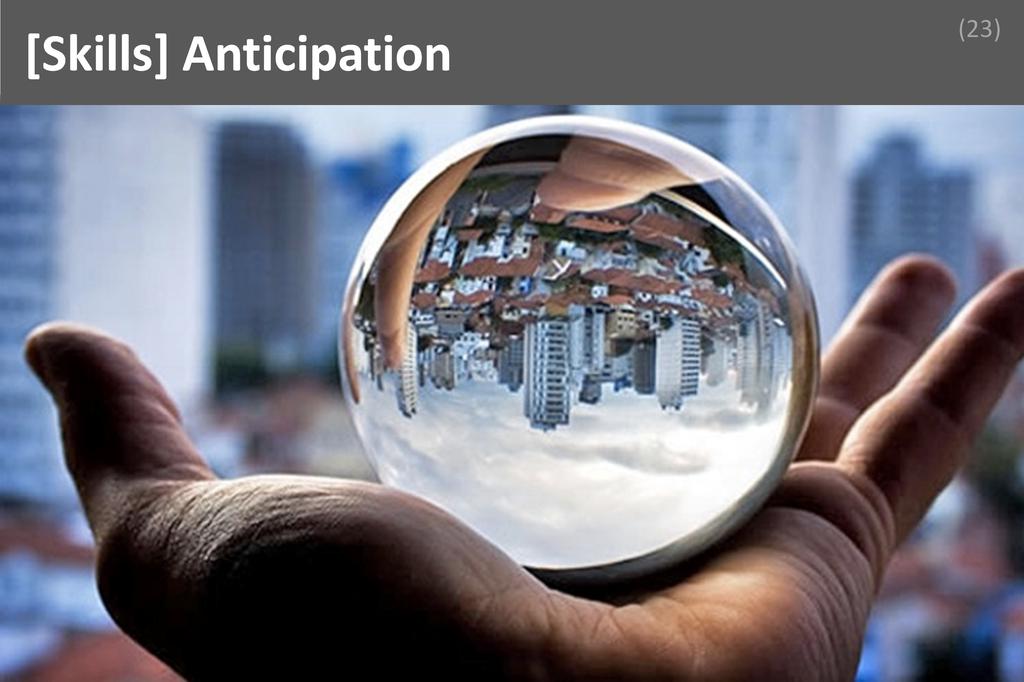
Anticipation in photography is the ability to foresee and prepare for unfolding moments before they happen, allowing the photographer to capture decisive, impactful images. This skill involves reading the environment, understanding human behavior, and predicting action, making it a vital asset in a photographer’s professional toolkit.
Anticipation directly enhances a photographer’s ability to capture fleeting, meaningful moments that might otherwise be missed. Clients and employers highly value this skill because it leads to images that tell compelling stories and evoke emotion, setting a photographer apart from those who simply react to events. Cultivating anticipation requires experience, keen observation, and a deep understanding of the subject matter. Over time, photographers can develop this skill by studying their environment, practicing mindfulness, and learning to recognize subtle cues that precede significant moments. By consistently applying anticipation, professionals not only improve their technical results but also build a reputation for reliability and creative vision.
Imagine a wedding photographer during a crucial moment, such as the couple’s first dance. By anticipating the emotional peaks and subtle gestures, the photographer positions themselves in advance, ready to capture a spontaneous laugh or a tearful embrace. When the groom unexpectedly twirls the bride, the photographer, already prepared, captures the perfect shot that encapsulates the joy and intimacy of the moment. Without anticipation, this fleeting gesture might have been missed, resulting in a less impactful collection of images. In this scenario, anticipation transforms ordinary documentation into storytelling, ensuring that the most meaningful moments are preserved for the client.
Expressiveness
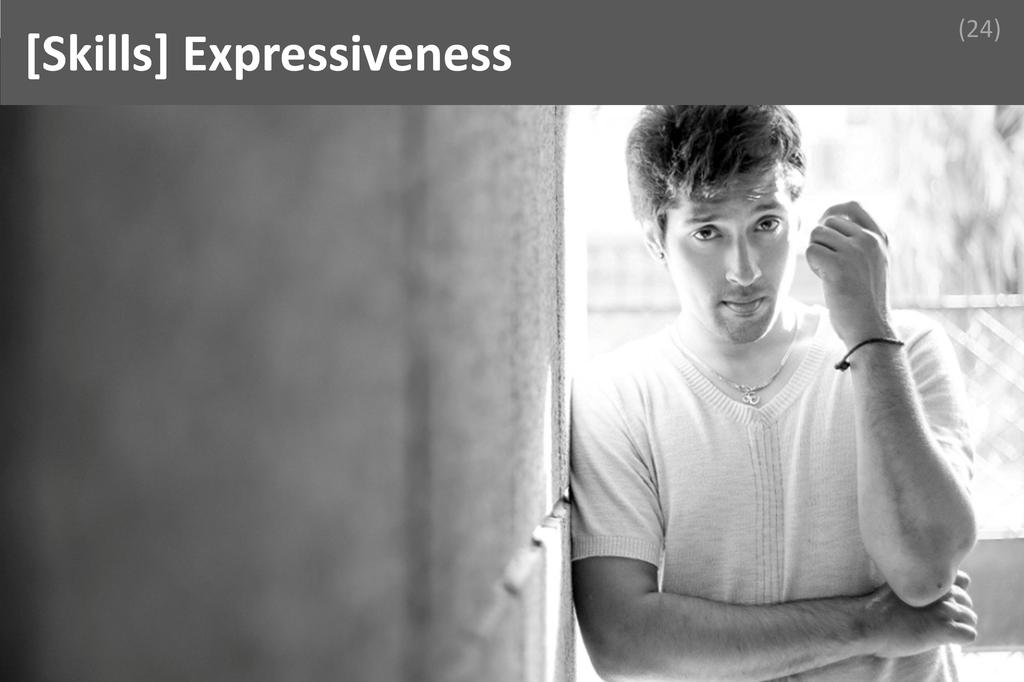
Expressiveness is the ability to convey emotion, ideas, and narratives through visual elements, transforming technical skill into meaningful art. In photography, it enables professionals to communicate moods, tell stories, and evoke responses from viewers, making images memorable and impactful. Expressiveness bridges the gap between mere documentation and artistic interpretation.
Expressiveness elevates a photographer’s work by infusing images with personality and depth, allowing each photograph to resonate with viewers on an emotional level. Clients and employers value this skill because expressive images stand out, effectively capturing the essence of a subject or event and leaving a lasting impression. To cultivate expressiveness, photographers must develop a keen sense of observation, experiment with composition, lighting, and timing, and reflect on their own emotional responses to their work. Over time, consistent practice, seeking feedback, and studying the expressive techniques of accomplished photographers can help professionals refine their unique visual voice, making their portfolio more compelling and marketable.
Imagine a photographer assigned to capture a wedding where the weather unexpectedly turns gloomy. Rather than simply documenting the event, the photographer relies on expressiveness to transform the challenge into an opportunity. By focusing on intimate moments, using the soft, diffused light to highlight emotions, and creatively framing shots to emphasize connection and warmth, the photographer produces a series of images that not only document the day but also tell a heartfelt story. The couple is moved by the photographs, feeling that their love and joy shine through despite the weather. This expressive approach not only solves the immediate challenge but also enhances the photographer’s reputation for creating meaningful, memorable work.
Dedication
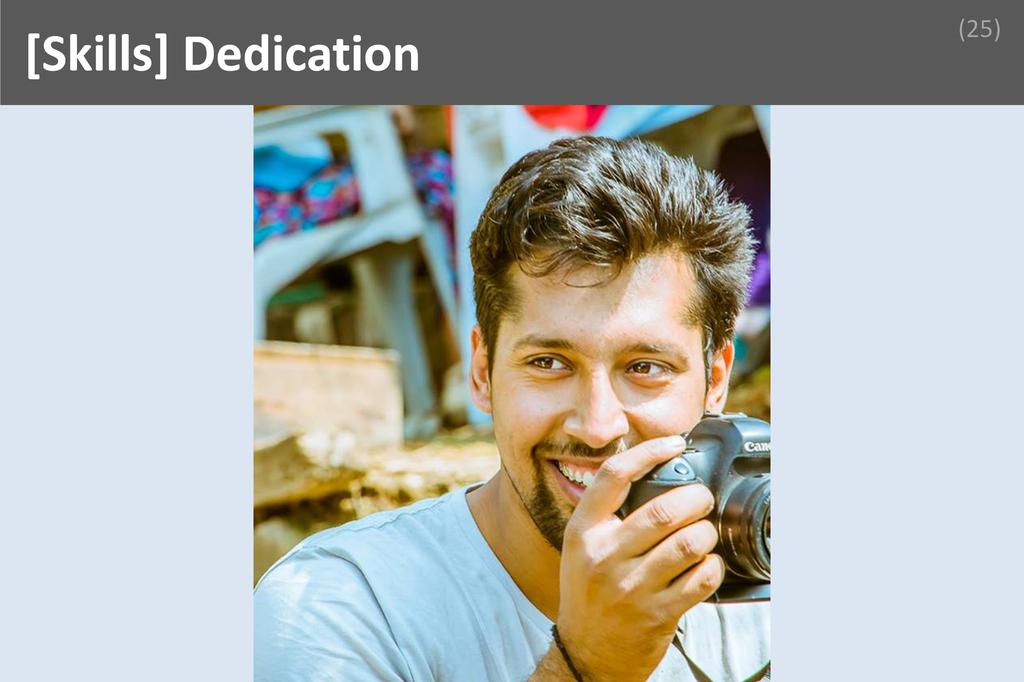
Dedication is the unwavering commitment to consistently pursue excellence, overcome challenges, and invest time and effort into mastering one’s craft. In photography, dedication means continually refining technical skills, seeking creative growth, and persevering through setbacks. It is a foundational trait that drives photographers to achieve their artistic and professional goals.
Dedication directly enhances a photographer’s performance by fostering resilience, attention to detail, and a willingness to learn from mistakes. Clients and employers highly value this trait because it ensures reliability, consistent quality, and a proactive approach to problem-solving. Dedicated photographers are more likely to meet deadlines, adapt to changing requirements, and deliver exceptional results under pressure. Cultivating dedication involves setting clear goals, maintaining a growth mindset, and embracing continuous learning. Over time, photographers can strengthen this skill by seeking feedback, practicing regularly, and staying inspired through personal projects or collaboration. The ongoing pursuit of improvement not only builds technical expertise but also establishes a reputation for professionalism and dependability in the industry.
Imagine a professional photographer tasked with capturing a high-profile event where lighting conditions are unpredictable and time is limited. Despite technical setbacks and unforeseen obstacles, the photographer’s dedication drives them to adapt quickly, experiment with different settings, and remain focused on delivering quality images. Instead of giving in to frustration, they stay late to ensure every important moment is documented, later spending extra hours editing to achieve the desired results. Their commitment not only satisfies the client but also strengthens their portfolio and reputation. This scenario highlights how dedication enables photographers to overcome adversity, maintain high standards, and ultimately achieve success in challenging situations.
Hardworking

Hardworking means consistently putting in sustained effort, dedication, and perseverance to achieve goals, even when faced with challenges or setbacks. In photography, being hardworking involves going beyond the basics, continuously refining skills, and investing time in both creative and technical growth. It is a cornerstone of professional success.
Hardworking photographers are known for their relentless pursuit of excellence, which directly translates to higher quality work and more reliable results. Clients and employers value this trait because it ensures projects are completed on time, with attention to detail and a willingness to go the extra mile. Hardworking professionals are more likely to experiment with new techniques, seek feedback, and adapt to changing demands, making them indispensable in a competitive field. Cultivating this skill involves setting clear goals, maintaining discipline, and embracing a mindset of continuous improvement. Over time, the habit of hard work becomes second nature, leading to a reputation for reliability and outstanding results.
Imagine a photographer hired to shoot a high-profile event where unexpected technical issues arise, such as poor lighting and malfunctioning equipment. Instead of giving up or delivering subpar images, a hardworking professional quickly adapts by finding creative lighting solutions and troubleshooting gear on the spot. They stay late to ensure every important moment is captured, and later spend extra hours editing to achieve the best possible results. Their dedication not only saves the project but also impresses the client, leading to future opportunities and a stronger professional reputation. This scenario highlights how hardworking is not just about effort, but about resilience and commitment in the face of adversity.
Positives
Meeting People
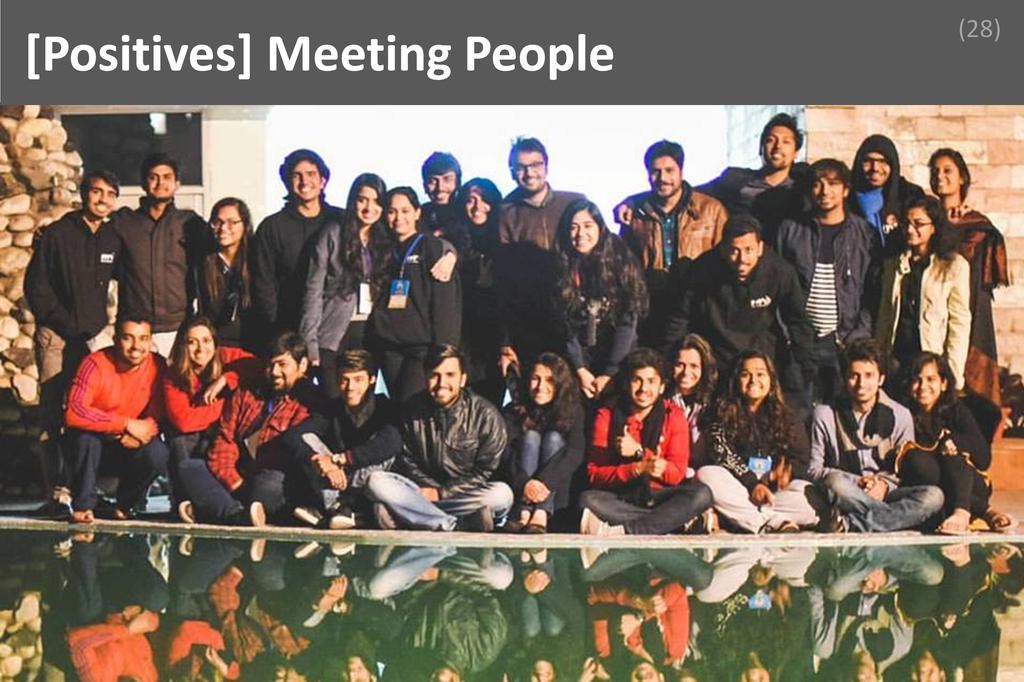
Meeting People in photography refers to the ongoing opportunity to connect with individuals from diverse backgrounds, cultures, and walks of life while working on assignments, projects, or personal work. This dynamic interaction enriches the photographer’s perspective, fosters creativity, and builds meaningful relationships, making the profession both socially engaging and personally fulfilling.
The chance to meet people is a cornerstone of a rewarding photography career because it transforms every assignment into a unique human experience. Engaging with clients, subjects, and collaborators not only broadens a photographer’s worldview but also sharpens interpersonal skills and empathy. These connections often lead to new creative opportunities, referrals, and collaborations, fueling both professional growth and personal satisfaction. Daily, photographers find themselves immersed in different environments, learning from the stories and personalities they encounter. This constant exposure to new ideas and perspectives keeps the work fresh and inspiring, making each day on the job feel meaningful and exciting. The relationships built through photography can last a lifetime, creating a supportive network that enhances both career and life.
Imagine a portrait photographer hired to capture images for a local community event. Throughout the day, they interact with people of all ages and backgrounds, listening to their stories and learning about their lives. These conversations not only help the photographer put their subjects at ease but also inspire creative approaches to each portrait. By the end of the event, the photographer has not only produced a series of compelling images but has also formed new friendships and professional connections. The genuine appreciation and gratitude expressed by the people photographed leave the photographer with a deep sense of accomplishment and belonging, highlighting how meeting people can transform a simple assignment into a profoundly rewarding experience.
Monetary Benefits

Monetary benefits refer to the financial rewards, earnings, and income opportunities that professionals receive for their work. In photography, these benefits encompass salaries, freelance payments, licensing fees, royalties, and bonuses. This financial compensation not only sustains livelihoods but also motivates photographers to pursue their passion with dedication and creativity.
Monetary benefits are a cornerstone of job satisfaction in photography, providing tangible recognition for talent and effort. When photographers are well-compensated, they gain the freedom to invest in better equipment, explore creative projects, and expand their skills. This financial stability fosters confidence and encourages innovation, as professionals are less burdened by financial stress. The prospect of earning a lucrative income also attracts new talent to the field, ensuring a vibrant and competitive industry. Daily, photographers experience the positive impact of monetary benefits through steady client work, successful sales of prints or digital images, and opportunities for high-profile assignments. This continuous flow of income not only rewards their artistry but also supports long-term career growth and personal fulfillment.
Consider a freelance photographer who specializes in wedding and event photography. After years of honing their craft and building a strong portfolio, they begin to attract high-paying clients who value their unique style and professionalism. Each successful project brings in substantial income, allowing the photographer to upgrade their equipment, travel for destination shoots, and even hire assistants. The financial rewards provide a sense of security and accomplishment, enabling the photographer to focus on creative expression without worrying about basic expenses. Over time, the steady stream of monetary benefits transforms their passion into a thriving business, illustrating how financial compensation can be both motivating and deeply fulfilling in the world of photography.
Travelling
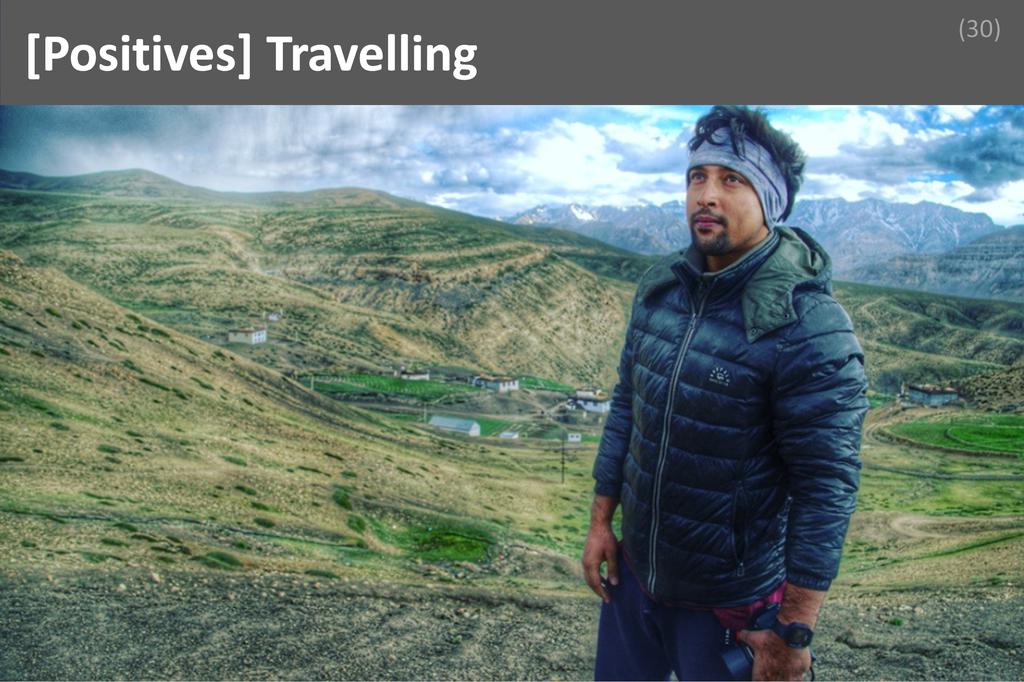
Travelling is the act of journeying to different locations, whether near or far, to explore new environments, cultures, and perspectives. In photography, travelling enables professionals to capture diverse subjects, landscapes, and moments, enriching their creative vision and portfolio. This movement fosters inspiration, adaptability, and a deeper understanding of the world.
The opportunity to travel is a defining advantage for photographers, as it transforms routine work into a continuous adventure. Exploring new places exposes photographers to unique lighting, scenery, and cultural experiences, which not only enhances their technical skills but also broadens their artistic perspective. This constant change of environment keeps the profession exciting and prevents creative stagnation. Travelling also encourages personal growth, as photographers learn to adapt to unfamiliar situations and connect with people from various backgrounds. The sense of discovery and the thrill of capturing something truly original contribute to high job satisfaction, making each assignment feel meaningful and rewarding. For many professionals, the anticipation of the next journey is a powerful motivator that fuels their passion for the craft.
Imagine a wildlife photographer who is commissioned to document the annual migration of wildebeest in the Serengeti. The journey begins with early morning drives across vast savannahs, witnessing breathtaking sunrises and the raw beauty of nature. Each day brings new challenges, from unpredictable weather to encounters with local communities and wildlife. Through these experiences, the photographer not only captures stunning images but also gains a profound appreciation for the interconnectedness of life. The memories of distant landscapes, the friendships formed along the way, and the stories behind each photograph become as valuable as the images themselves. This blend of adventure and artistry exemplifies how travelling elevates a career in photography, making it both fulfilling and transformative.
Learning
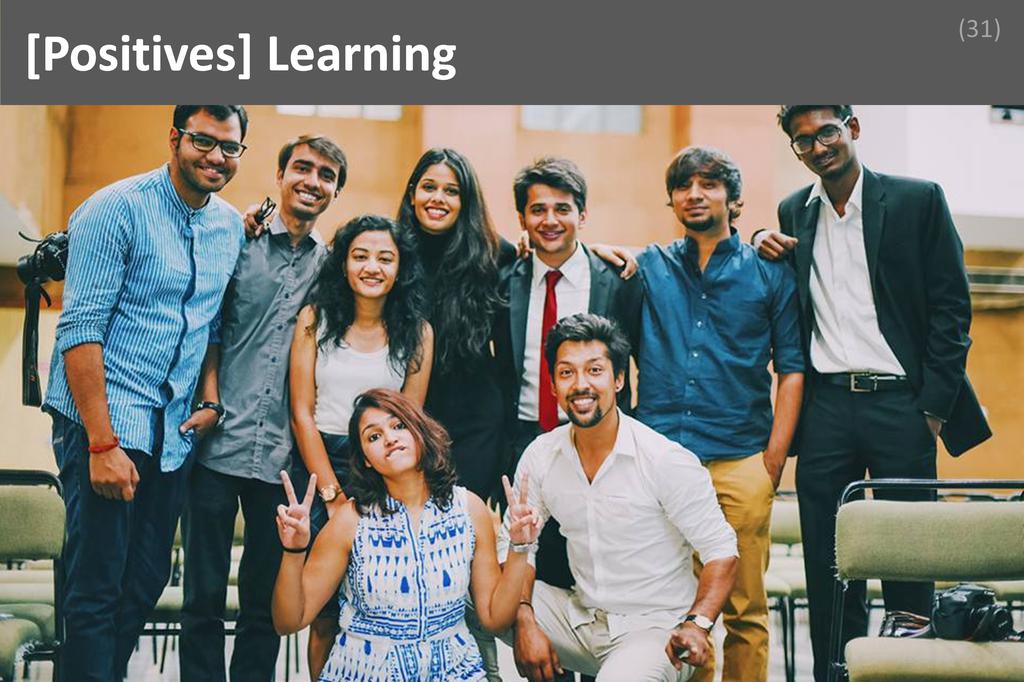
Learning is the continuous process of acquiring new knowledge, skills, and perspectives through study, experience, and curiosity. In photography, learning fuels creativity, sharpens technical abilities, and opens doors to new artistic expressions. This ongoing journey enriches the photographer’s craft, ensuring growth, adaptability, and a deeper connection to their work.
The ever-present opportunity to learn is a cornerstone of a fulfilling photography career. As technology evolves and artistic trends shift, photographers are constantly challenged to adapt and expand their expertise. This dynamic environment keeps the profession exciting and prevents stagnation, allowing individuals to reinvent their style and approach. The sense of progress that comes from mastering new techniques or exploring unfamiliar genres leads to increased job satisfaction and personal pride. Daily, photographers encounter fresh subjects, lighting conditions, and creative possibilities, each offering a chance to learn something new. This perpetual growth not only enhances their portfolio but also builds confidence, resilience, and a lifelong passion for the art form.
Imagine a professional photographer who has primarily worked in portraiture deciding to explore landscape photography. As they venture into this new genre, they immerse themselves in learning about natural lighting, composition, and the technical demands of outdoor shoots. Each sunrise and sunset presents unique challenges, prompting them to experiment with camera settings and post-processing techniques. Through this process, they discover a renewed excitement for their craft and develop a fresh perspective that influences their portrait work as well. The satisfaction of overcoming obstacles and acquiring new skills not only enriches their artistic vision but also reinforces the joy and fulfillment that comes from embracing learning as a lifelong companion in their photography journey.
Fun
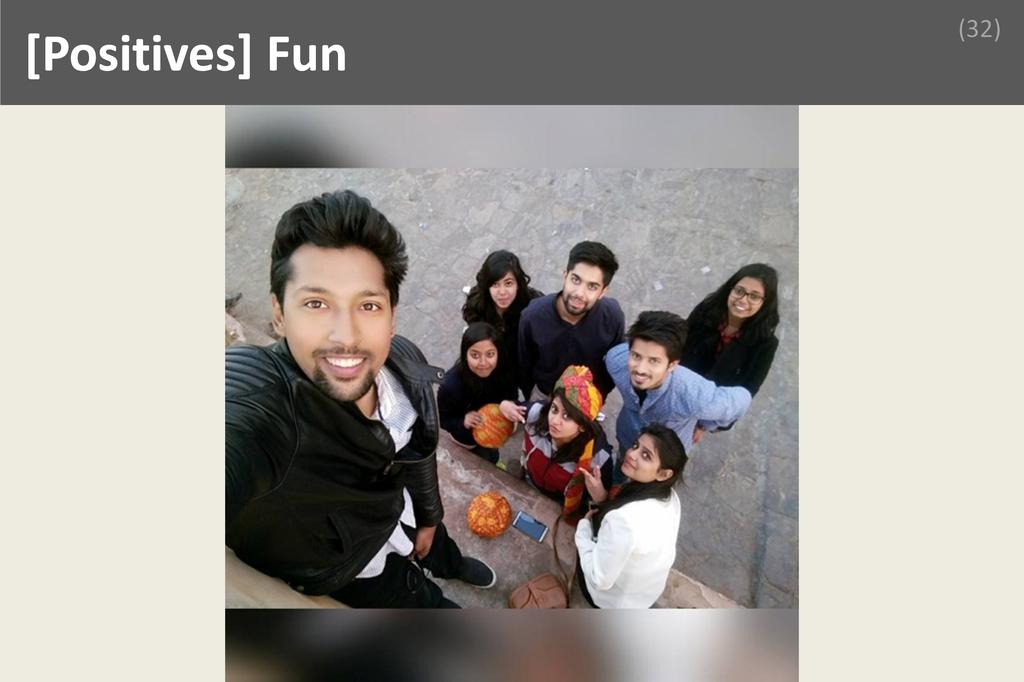
Fun is the sense of enjoyment, excitement, and playful curiosity that arises from engaging in activities that captivate our interest and spark our creativity. In photography, fun is the driving force that transforms routine tasks into passionate pursuits, fueling innovation and making every project feel fresh and invigorating. This positive energy not only enhances the creative process but also fosters resilience and adaptability, allowing photographers to approach challenges with enthusiasm and an open mind. Fun is the heartbeat of the profession, infusing each moment with a sense of possibility and joy that keeps photographers motivated and inspired to continually explore new perspectives and techniques.
The presence of fun in a photography career is a powerful motivator that elevates both personal fulfillment and professional growth. When photographers genuinely enjoy their work, they are more likely to experiment with new ideas, take creative risks, and push the boundaries of their craft. This playful engagement leads to greater job satisfaction, as each assignment becomes an opportunity for discovery rather than a repetitive chore. Fun also fosters a positive work environment, encouraging collaboration and the sharing of inspiration among peers. Over time, this joyful approach to work helps photographers build a distinctive style, attract passionate clients, and sustain long-term enthusiasm for their profession. Ultimately, fun is the catalyst that transforms photography from a job into a lifelong adventure.
Imagine a professional photographer spending the day at a vibrant street festival, camera in hand, capturing candid moments and colorful scenes. The lively atmosphere, spontaneous interactions, and ever-changing light present endless opportunities for creative expression. As the photographer moves through the crowd, they find themselves laughing with performers, experimenting with unusual angles, and chasing the perfect shot. The sheer enjoyment of being immersed in such a dynamic environment turns the workday into a memorable experience. Later, reviewing the images, the photographer feels a deep sense of satisfaction, not just from the quality of the photos, but from the fun and excitement that fueled their creativity throughout the day. This sense of joy is what makes a career in photography truly rewarding.
Challenges
Competition

Competition in photography refers to the constant presence of numerous skilled individuals and businesses vying for the same clients, assignments, and recognition. This challenge is demanding because it requires photographers to continuously innovate, refine their craft, and differentiate themselves in a saturated market to sustain and grow their careers.
The pressure of competition in photography can influence nearly every aspect of a professional’s daily work, from securing clients to maintaining creative motivation. It often leads to uncertainty about income and job stability, demanding resilience and adaptability. Photographers must consistently deliver high-quality work while also marketing themselves effectively to stand out. Successful professionals manage this constraint by developing a unique visual style, building strong client relationships, and staying updated with industry trends. They also invest in continuous learning and networking, which helps them anticipate shifts in the market and adapt their offerings accordingly. By focusing on personal growth and authentic branding, they turn competition into an opportunity for self-improvement rather than a source of discouragement.
Consider a freelance photographer specializing in portraiture who notices a surge of new photographers offering similar services at lower prices. Instead of lowering rates to compete solely on cost, this professional decides to enhance their client experience by offering personalized consultations and quick turnaround times. They also invest time in building a strong online portfolio and sharing behind-the-scenes content on social media, which helps showcase their unique approach and personality. Over time, clients are drawn not just to the quality of the images, but to the distinctive service and connection they feel. By focusing on what sets them apart, the photographer successfully navigates the crowded market and continues to attract loyal clients despite the intense competition.
Expenses

Expenses in photography refer to the significant and ongoing financial outlay required for equipment, software, maintenance, travel, marketing, and education. This challenge is demanding because high-quality gear and resources are essential for professional results, yet the costs can quickly accumulate and threaten the sustainability of a photography career.
The burden of expenses in photography can influence daily decisions, from the type of projects accepted to the quality of work delivered. Photographers must constantly balance the need for up-to-date equipment and tools with the reality of limited budgets. This ongoing pressure requires resilience, as financial constraints can lead to stress and difficult compromises. Successful professionals often mitigate these challenges by prioritizing essential investments, seeking out second-hand or rental options, and leveraging free or affordable software alternatives. They may also diversify their income streams, offering workshops or selling prints, to offset costs. By maintaining a disciplined approach to spending and continuously evaluating the return on investment for each purchase, photographers can sustain their careers without sacrificing quality.
Consider a freelance photographer who aspires to expand into commercial work but faces the daunting cost of upgrading to higher-end cameras and lighting. Instead of making immediate large purchases, she chooses to rent specialized equipment for specific shoots, ensuring she only incurs expenses when there is a guaranteed return. She also networks with other photographers to share resources and collaborates on projects, reducing individual costs. By reinvesting a portion of her earnings into gradual upgrades and using free online platforms for marketing, she manages to grow her business steadily. This approach allows her to maintain financial stability while still delivering professional results and expanding her portfolio.
Time Taking Profession

A "Time Taking Profession" in photography refers to the significant investment of hours required for planning, shooting, editing, and delivering high-quality images. This profession is demanding because it involves meticulous attention to detail, creative decision-making, and often unpredictable schedules, making time management and sustained focus essential for success.
The time-intensive nature of photography can lead to long workdays, delayed project deliveries, and increased stress, especially when balancing multiple assignments or meeting tight deadlines. This challenge requires resilience, as photographers must maintain creativity and technical precision despite fatigue or pressure. Successful professionals address this by developing efficient workflows, prioritizing tasks, and setting realistic expectations with clients. They often invest in learning new editing techniques or automation tools to streamline post-production. Additionally, they practice self-care and time management to prevent burnout, ensuring they can consistently deliver quality work. By embracing these strategies, photographers can transform the demanding aspects of their profession into opportunities for growth and mastery.
Consider a wedding photographer who faces the daunting task of processing thousands of images after a weekend event. Instead of becoming overwhelmed, the photographer breaks the workload into manageable daily goals, uses batch editing software to expedite repetitive tasks, and communicates clear timelines to the client. By organizing files efficiently and setting aside dedicated editing hours, the photographer maintains both quality and punctuality. This approach not only ensures client satisfaction but also allows the photographer to balance personal commitments and other projects. Through disciplined time management and the smart use of technology, the photographer turns a time-consuming challenge into a sustainable and rewarding professional routine.
Work Quality

Work Quality in photography refers to the consistent production of visually compelling, technically sound, and creatively distinctive images that meet or exceed client expectations. Achieving high work quality is demanding because it requires mastery of technical skills, artistic vision, attention to detail, and the ability to adapt to diverse and unpredictable shooting conditions.
The challenge of maintaining work quality in photography impacts daily routines by imposing constant pressure to deliver exceptional results, regardless of external factors such as lighting, subject cooperation, or time constraints. This ongoing demand can lead to creative fatigue and self-doubt, making resilience essential for professionals. Successful photographers manage this constraint by continuously refining their technical abilities, seeking constructive feedback, and developing a disciplined workflow that allows for both experimentation and consistency. They also invest time in pre-shoot planning and post-processing, ensuring that each image aligns with their standards and client requirements. By embracing a growth mindset and learning from setbacks, they turn the pursuit of quality into a motivating force rather than a source of stress.
Consider a wedding photographer tasked with capturing a couple’s special day in unpredictable weather. Despite rain and low light, the photographer remains composed, quickly adjusts camera settings, and uses portable lighting to compensate for poor conditions. After the event, they meticulously review and edit each image, enhancing colors and correcting exposure to ensure every photo reflects the joy and intimacy of the occasion. By combining technical expertise, adaptability, and a commitment to excellence, the photographer not only meets but exceeds the clients’ expectations. This scenario illustrates how overcoming the challenge of work quality requires both preparation and the ability to thrive under pressure, ultimately resulting in a portfolio that stands out for its consistency and emotional impact.
Work Life Balance

Work Life Balance in photography refers to the ongoing effort to allocate time and energy between demanding professional commitments—such as shoots, editing, and client meetings—and personal life, including rest, relationships, and self-care. The unpredictable hours, frequent travel, and creative pressures make achieving this balance particularly challenging for photographers.
The struggle to maintain work life balance in photography often leads to long, irregular hours, missed personal events, and creative burnout. Photographers must be resilient, as the profession demands flexibility and the ability to adapt to last-minute changes or extended assignments. This challenge can affect mental health, relationships, and overall job satisfaction. Successful professionals manage these constraints by setting clear boundaries, prioritizing projects, and learning to say no when necessary. They also schedule personal time with the same commitment as client work, ensuring that rest and recreation are not neglected. By embracing efficient workflows and delegating tasks like editing or administrative duties, photographers can reclaim time for themselves and sustain their passion for the craft.
Consider a wedding photographer who faces peak workloads during weekends and editing marathons during the week. To maintain balance, she establishes fixed office hours for client communication and reserves certain evenings for family, regardless of deadlines. She outsources some editing tasks to trusted colleagues, freeing up time for personal pursuits and rest. By planning her calendar months in advance, she ensures vacations and important family events are non-negotiable commitments. This proactive approach allows her to deliver high-quality work to clients while nurturing her own well-being and relationships, demonstrating that with intentional boundaries and support systems, work life balance in photography is an achievable goal.
A Day Of
Photography
The world of a photography professional is a whirlwind of creativity, precision, and adaptability, where no two days are ever quite the same. From the quiet anticipation of dawn to the final edits as evening falls, the pace is dictated by light, deadlines, and the ever-changing demands of clients and creative vision. Whether capturing fleeting moments in a bustling studio or chasing the perfect shot outdoors, photographers must balance technical expertise with artistic intuition, all while navigating the unpredictable rhythms of their environment. Each day unfolds as a dynamic blend of preparation, action, collaboration, and reflection, revealing the true artistry that lies beyond the desk.
As the first light filters through the window, the day begins with a meticulous review of the schedule and a thorough check of equipment. Batteries are charged, lenses are cleaned, and memory cards are formatted, ensuring nothing is left to chance. This quiet hour is also a time for reviewing shot lists, scouting locations if necessary, and mentally mapping out the creative approach for the day’s assignments. The calm before the storm allows for a moment of focus, setting the tone for a productive and inspired day ahead.
By mid-morning, the energy shifts as the core work begins. Whether in a studio filled with controlled lighting or on location amid unpredictable elements, this is when the photographer’s skills are put to the test. Directing models, adjusting compositions, and responding to spontaneous moments, the photographer must think quickly and adapt to changing conditions. The hours fly by in a blur of shutter clicks, creative problem-solving, and the pursuit of that perfect image, all while maintaining a professional rapport with clients, assistants, and subjects.
The afternoon brings a transition from capturing images to collaborating and refining the day’s work. This phase often involves reviewing proofs with clients, discussing creative direction with team members, or working alongside editors to select standout shots. Constructive feedback is exchanged, adjustments are made, and the photographer’s vision is fine-tuned to align with project goals. This collaborative environment fosters both learning and innovation, ensuring that the final product meets the highest standards.
As the day winds down, attention turns to post-production and administrative tasks. Images are uploaded, backed up, and meticulously edited to bring out their full potential. Invoices are sent, emails are answered, and tomorrow’s shoots are planned with the same care as today’s. This quieter, reflective period is essential for maintaining organization and nurturing client relationships, allowing the photographer to close the day with a sense of accomplishment and readiness for whatever challenges the next sunrise may bring. |


 Home
Home Abroad
 Plan
Plan Philosophy
 Seminar
 Pages
Pages Advisors
 Testimonials





















 Workshop
 Discuss
 Meet
Meet
 Advisor
 Story
Story
 Fine Print
 Links
Links
 Blog
Blog
 Follow
