The Journey of Teaching Hockey
What Is Teaching Hockey
Teaching Hockey

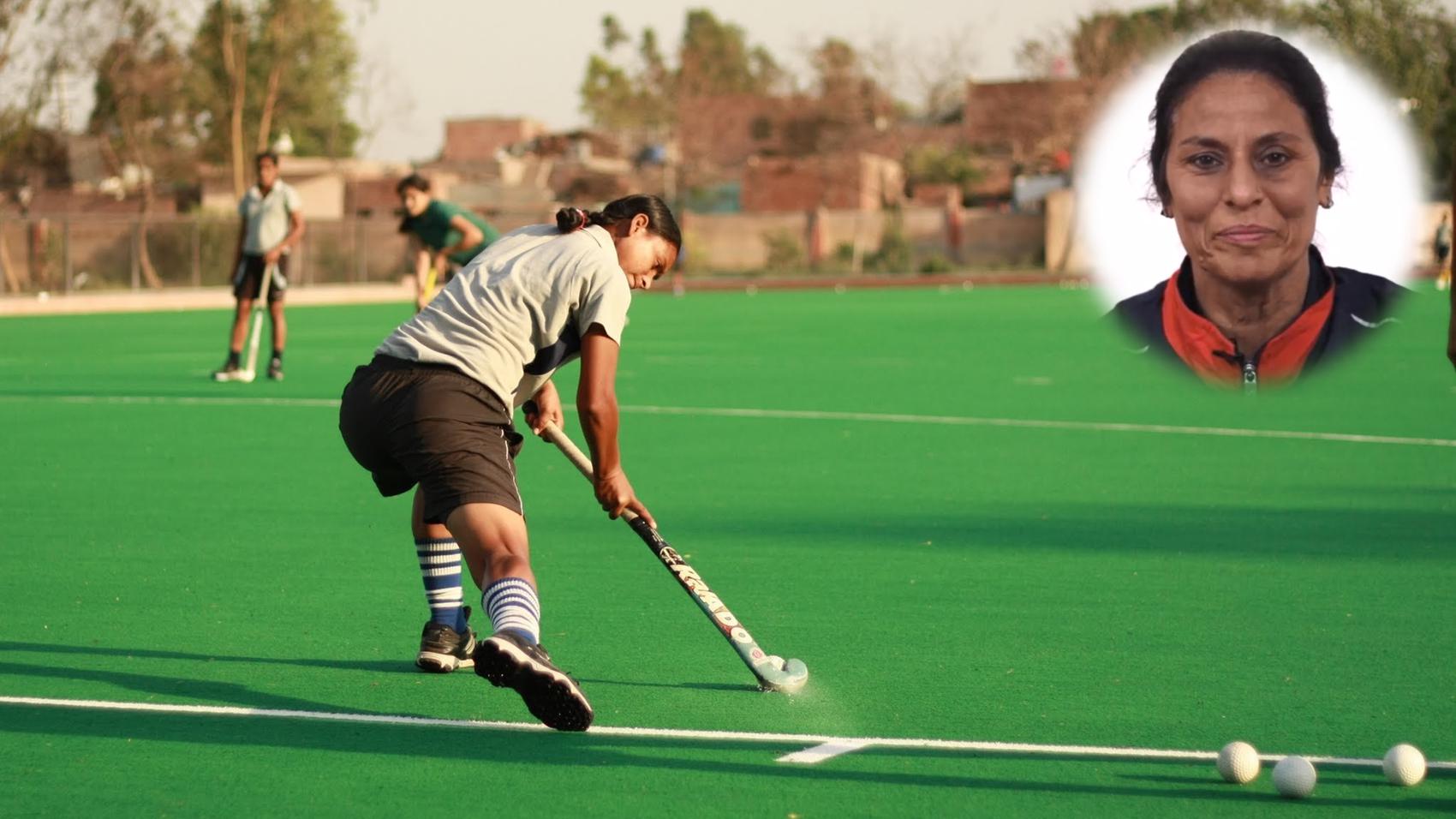
Teaching Hockey is the process of instructing individuals or groups in the skills, strategies, and rules of the sport of hockey. It involves coaching players of various ages and skill levels, fostering teamwork, developing athletic abilities, and promoting sportsmanship both on and off the ice.
Teaching Hockey plays a vital role in shaping not only skilled athletes but also well-rounded individuals. Professionals in this field influence the physical, mental, and social development of their players. By imparting technical skills and fostering a love for the game, hockey teachers help build confidence and resilience in their students. One major benefit is the opportunity to inspire and mentor young athletes, guiding them through both victories and setbacks. Another benefit is the sense of community and camaraderie that develops within teams, which can have a lasting positive effect on players’ lives. Additionally, teaching hockey allows professionals to stay actively engaged with the sport they are passionate about, turning their love for hockey into a rewarding career.
A professional teaching hockey might work as a youth hockey coach at a local rink, leading practices and games for a team of aspiring players. During practices, the coach demonstrates skating techniques, puck handling, and defensive strategies, providing individualized feedback to help each player improve. The coach also organizes drills that emphasize teamwork and communication, ensuring that players understand the importance of working together. Beyond technical instruction, the coach addresses sportsmanship and discipline, helping players navigate challenges both on and off the ice. By fostering a supportive and motivating environment, the hockey teacher not only develops skilled athletes but also helps shape confident, responsible individuals who carry these lessons into other areas of life.
Education
Physiology

Physiology is the scientific study of how living organisms function, focusing on the physical and chemical processes that occur within cells, tissues, and organs. In the context of Teaching Hockey, physiology provides essential insights into how the human body responds to exercise, training, and recovery, forming a crucial part of professional expertise.
Understanding physiology is vital for anyone preparing to teach hockey because it equips professionals with the knowledge to optimize player performance, prevent injuries, and promote effective recovery. Mastery of physiological principles allows coaches to design training programs that align with the developmental stages and physical capacities of athletes. This foundational knowledge ensures that instruction is not only effective but also safe, as it enables the identification of signs of overtraining or fatigue. Over the long term, a strong grasp of physiology enhances a coach’s credibility, supports evidence-based decision-making, and fosters a culture of health and performance within a team. Ultimately, it empowers professionals to adapt their teaching strategies to the individual needs of players, leading to sustained athletic development.
Consider a hockey coach preparing a youth team for a tournament. By applying their understanding of physiology, the coach structures practices to include proper warm-ups and cool-downs, reducing the risk of muscle strains and injuries. They monitor players for signs of dehydration or fatigue, adjusting intensity levels to match each athlete’s physical readiness. When a player sustains a minor injury, the coach uses their physiological knowledge to guide appropriate rest and rehabilitation, ensuring a safe return to play. This approach not only enhances performance but also instills lifelong habits of health and self-care in young athletes, demonstrating the practical value of physiology in everyday coaching scenarios.
Hockey Rules

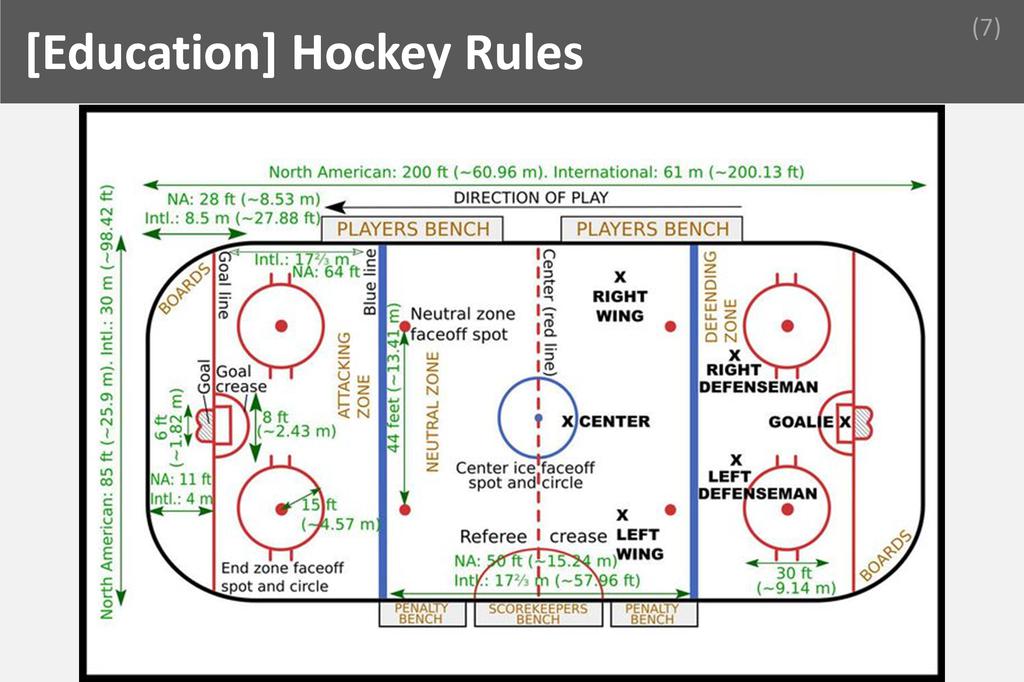
Hockey Rules refers to the official set of guidelines and regulations that govern how the game of hockey is played, including player conduct, scoring, penalties, and equipment standards. Mastery of these rules is essential for anyone teaching hockey, as it underpins both instructional accuracy and the integrity of the sport.
Understanding Hockey Rules is vital for professionals in teaching hockey because it ensures that instruction is consistent with the standards of the sport. This knowledge forms the foundation upon which all coaching, training, and player development are built. By internalizing the rules, educators can foster fair play, safety, and respect among players, while also preparing athletes for competitive environments. Mastery of the rules allows teachers to confidently address disputes, clarify misunderstandings, and adapt drills to reflect real-game scenarios. Over the long term, a deep understanding of Hockey Rules enhances a professional’s credibility, supports career advancement, and enables them to mentor others effectively within the hockey community.
Consider a hockey coach leading a youth practice session. During a scrimmage, a player commits an infraction by using their stick improperly. The coach immediately recognizes the violation, stops play, and explains the specific rule to the players, demonstrating the correct technique. By doing so, the coach not only enforces the rules but also educates the team on why the rule exists and how it promotes safety and fairness. This real-time application of Hockey Rules helps players internalize the regulations, reduces future infractions, and builds a respectful team culture. The coach’s ability to interpret and communicate the rules effectively is a direct result of their comprehensive understanding of Hockey Rules.
Management & Organization

Management & Organization refers to the systematic planning, coordination, and supervision of resources, people, and activities to achieve specific goals efficiently. In the context of Teaching Hockey, it encompasses structuring teams, scheduling practices, allocating equipment, and fostering communication, forming a crucial part of the academic and professional toolkit for effective coaching.
Understanding Management & Organization is essential for anyone preparing for or working in Teaching Hockey because it provides the framework for running successful programs and teams. Mastery of these concepts ensures that coaches can create structured environments where athletes thrive, learning not only technical skills but also discipline and teamwork. Effective management allows for smooth scheduling, clear communication with players and parents, and optimal use of resources, all of which are critical to the daily operations of a hockey program. Over the long term, these skills help professionals adapt to changing circumstances, resolve conflicts, and lead teams through challenges, ultimately contributing to career advancement and the sustained success of their programs.
Consider a hockey coach responsible for a youth development program. Each week, the coach must organize practice sessions, assign assistant coaches to specific drills, and ensure all necessary equipment is available and in good condition. By applying management and organizational principles, the coach develops a detailed schedule, communicates expectations clearly to staff and players, and monitors progress toward team goals. When unexpected issues arise, such as a last-minute venue change or an injured player, the coach’s organizational skills enable quick adjustments without disrupting the program. This ability to manage logistics, people, and resources efficiently not only enhances the learning experience for athletes but also builds trust and credibility within the hockey community.
Psychology

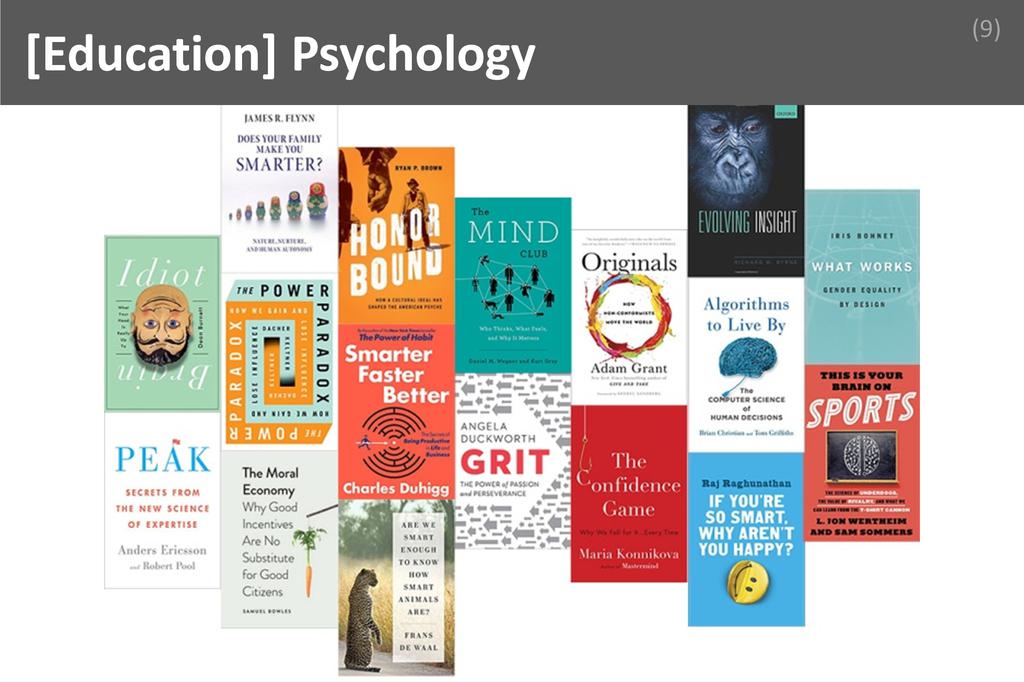
Psychology is the scientific study of the mind and behavior, exploring how individuals think, feel, and act in various situations. In the context of teaching hockey, psychology provides essential insights into motivation, learning processes, group dynamics, and emotional regulation, making it a crucial component of effective coaching and athlete development.
Understanding psychology is vital for anyone preparing for or working in teaching hockey because it equips professionals with the tools to foster positive learning environments, manage team dynamics, and support individual athlete growth. Knowledge of psychological principles helps coaches recognize and address the diverse mental and emotional needs of players, from building confidence to managing performance anxiety. This foundational understanding enhances communication, motivation, and resilience within teams, leading to improved performance and satisfaction for both coaches and athletes. Over the long term, a strong grasp of psychology enables professionals to adapt their teaching strategies, cultivate leadership skills, and create inclusive, supportive environments that promote lifelong engagement with the sport.
Consider a hockey coach working with a youth team facing a series of losses, resulting in decreased morale and motivation among players. Drawing on their understanding of psychology, the coach recognizes signs of frustration and self-doubt. Instead of focusing solely on technical drills, the coach incorporates team-building exercises and positive reinforcement to rebuild confidence. By addressing the emotional needs of the players and fostering a supportive atmosphere, the coach helps the team regain enthusiasm and resilience. This approach not only improves performance on the ice but also strengthens the players’ mental toughness and enjoyment of the game, demonstrating the practical value of psychological knowledge in daily coaching operations.
First Aid

First Aid is the immediate and temporary care given to an injured or ill person before professional medical help arrives. In the context of Teaching Hockey, it is an essential component of both academic preparation and professional practice, ensuring safety and readiness to respond to emergencies on and off the ice.
Understanding First Aid is crucial for anyone involved in teaching hockey because the sport inherently carries risks of injury, from minor cuts to more serious incidents like concussions or fractures. Mastery of First Aid principles equips professionals with the confidence and competence to act swiftly and effectively when accidents occur, minimizing the severity of injuries and potentially saving lives. This knowledge forms a foundational pillar for responsible coaching, as it demonstrates a commitment to player welfare and safety. Over the long term, proficiency in First Aid enhances a coach’s reputation, fosters trust among players and parents, and may be a prerequisite for employment or certification in many organizations. Ultimately, it is a vital skill that supports both ethical practice and career advancement in the field of hockey instruction.
Imagine a youth hockey coach overseeing a practice session when a player collides with the boards and sustains a deep cut on the arm. Drawing on their First Aid training, the coach quickly assesses the injury, applies pressure to stop the bleeding, and uses a clean cloth to dress the wound. While reassuring the injured player and keeping them calm, the coach monitors for signs of shock and ensures the player remains comfortable until medical professionals arrive. This prompt and knowledgeable response not only prevents the situation from worsening but also reassures other players and parents that safety is a top priority. The coach’s ability to apply First Aid in this scenario exemplifies the practical value of theoretical knowledge in real-world teaching environments.
Diet & Nutrition

Diet & Nutrition refers to the study and application of how food intake and nutrient balance affect the body’s health, energy, and performance. In the context of Teaching Hockey, it encompasses understanding how dietary choices impact athletic development, recovery, and overall well-being, forming a crucial part of a coach’s academic and professional toolkit.
A solid grasp of Diet & Nutrition is essential for anyone preparing for or working in Teaching Hockey because it directly influences player performance, endurance, and injury prevention. Coaches and educators who understand nutrition can design training programs that optimize energy levels, promote faster recovery, and support long-term athlete development. This knowledge enables professionals to guide players in making informed food choices, tailoring advice to different age groups and performance needs. Over time, expertise in this area enhances a coach’s credibility and effectiveness, helping to foster healthier, more resilient teams. Furthermore, staying updated on nutritional science ensures that teaching methods remain relevant and evidence-based, which is increasingly valued in modern sports education and coaching careers.
Imagine a hockey coach preparing their team for an intensive tournament weekend. Drawing on their knowledge of Diet & Nutrition, the coach educates players about the importance of carbohydrate loading before games to maximize energy stores, as well as the need for protein and hydration for post-game recovery. During practice, the coach observes signs of fatigue and adjusts snack breaks to include nutrient-rich options, ensuring players maintain peak performance. By monitoring individual dietary habits and providing personalized recommendations, the coach helps prevent common issues like dehydration or energy crashes. This practical application of nutritional theory not only supports immediate athletic goals but also instills lifelong healthy habits in young athletes.
Skills
Observation

Observation is the deliberate and attentive process of noticing, analyzing, and interpreting behaviors, actions, and outcomes in real time. For a Teaching Hockey professional, observation is crucial because it enables the identification of subtle technical errors, player tendencies, and team dynamics, forming the foundation for effective coaching and tailored instruction.
The ability to observe keenly allows a Teaching Hockey professional to recognize both strengths and areas for improvement in players, leading to more precise feedback and targeted drills. Clients and employers highly value this skill because it results in faster player development, fewer injuries, and more cohesive team play. Observation also helps coaches adapt strategies on the fly, responding to the evolving needs of individuals and groups. To cultivate this skill, professionals should practice mindful watching during games and training sessions, reflect on their observations, and seek feedback from peers. Over time, consistent application and a willingness to learn from each experience will sharpen observational abilities, making them an indispensable asset in any coaching environment.
Imagine a Teaching Hockey coach overseeing a youth practice where one player repeatedly struggles with puck control during drills. By closely observing the player’s stance, grip, and movement, the coach notices that the player’s stick is held too tightly, restricting wrist flexibility. Instead of offering generic advice, the coach addresses this specific issue, demonstrating a looser grip and guiding the player through corrective exercises. As a result, the player’s puck handling improves noticeably within the session. This scenario highlights how keen observation enables the coach to diagnose the root cause of a problem, deliver personalized instruction, and achieve tangible progress, ultimately fostering a more supportive and effective learning environment.
Training

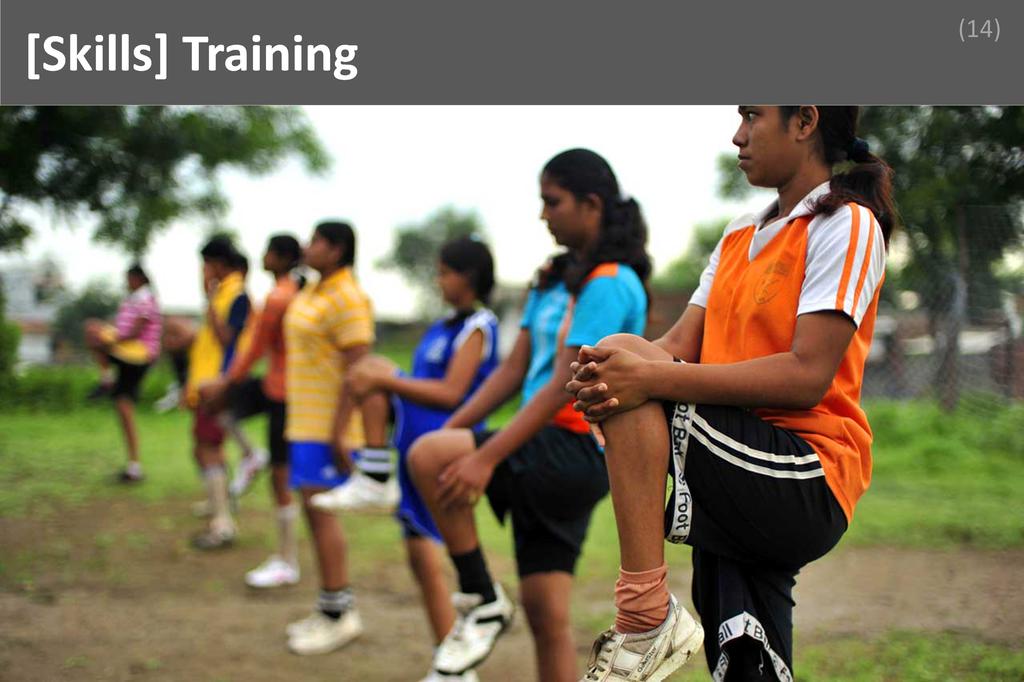
Training is the systematic process of developing knowledge, skills, and competencies through instruction, practice, and feedback. In the context of Teaching Hockey, training equips professionals with the ability to design effective drills, correct techniques, and foster player growth. It is foundational for delivering structured, impactful learning experiences on the ice.
Mastering the skill of training directly enhances a hockey instructor’s ability to elevate player performance and team cohesion. Clients and employers highly value professionals who can implement progressive training methods, adapt to individual learning styles, and track development over time. Effective training ensures that players not only learn the fundamentals but also build confidence and resilience. To cultivate this skill, a Teaching Hockey professional should engage in continuous education, seek mentorship from experienced coaches, and reflect on their own instructional practices. By staying updated with the latest coaching methodologies and actively soliciting feedback, instructors can refine their approach, ensuring their training sessions remain relevant, engaging, and results-driven.
Imagine a Teaching Hockey professional working with a youth team struggling with defensive positioning. By leveraging their training expertise, the coach assesses each player’s current understanding and designs targeted drills that break down defensive concepts into manageable steps. Through repeated practice and constructive feedback, players gradually internalize the correct positioning and communication required on the ice. As the season progresses, the team’s defensive performance improves noticeably, leading to fewer goals conceded and greater overall confidence. This scenario highlights how a well-developed training skill enables the coach to identify weaknesses, implement effective solutions, and ultimately drive measurable success for both individual players and the team as a whole.
Communication

Communication is the clear and effective exchange of information, ideas, and emotions through speaking, listening, writing, and non-verbal cues. In Teaching Hockey, communication enables coaches to convey instructions, provide feedback, motivate players, and foster teamwork, making it a fundamental skill for building understanding and achieving shared goals.
Strong communication skills allow hockey instructors to articulate complex techniques in ways that are accessible to players of varying ages and skill levels. This ability ensures that training sessions are productive, safe, and engaging. Clients and employers highly value coaches who can listen actively, adapt their messaging, and create an environment where players feel heard and supported. Over time, communication can be cultivated by seeking feedback, observing experienced coaches, and practicing clarity and empathy in every interaction. Consistent self-reflection and a willingness to adjust one’s approach based on the needs of players further enhance this skill, ultimately leading to better learning outcomes and stronger team cohesion.
Imagine a situation where a youth hockey team is struggling to grasp a new defensive strategy. The coach notices confusion and frustration among the players. By employing effective communication, the coach pauses the drill, listens to the players’ concerns, and rephrases the instructions using simpler language and visual demonstrations. The coach encourages questions and checks for understanding before resuming practice. As a result, the players quickly gain confidence, execute the strategy correctly, and the team’s performance improves. This scenario highlights how adept communication not only resolves immediate misunderstandings but also builds trust and fosters a positive learning environment, which are crucial for long-term success in teaching hockey.
Patience

Patience is the ability to remain calm, composed, and persistent in the face of challenges, setbacks, or slow progress. For a Teaching Hockey professional, patience is crucial because skill development in players often takes time, and each athlete learns at a different pace. It allows coaches to foster growth without frustration.
Patience directly enhances a Teaching Hockey professional’s effectiveness by enabling them to support players through the inevitable ups and downs of learning. Clients and employers highly value this trait because it creates a positive, encouraging environment where athletes feel comfortable making mistakes and asking questions. A patient coach can break down complex skills into manageable steps, ensuring that players build confidence and competence gradually. Cultivating patience involves self-awareness, regular reflection, and a commitment to long-term goals rather than immediate results. Over time, coaches can develop greater patience by focusing on individual progress, celebrating small victories, and maintaining perspective during setbacks.
Imagine a Teaching Hockey professional working with a young player struggling to master skating backwards. Despite repeated attempts, the player becomes frustrated and discouraged. Instead of showing impatience or rushing the process, the coach calmly reassures the player, breaks the skill into smaller components, and provides consistent, constructive feedback. Over several sessions, the coach’s patient approach helps the player gradually improve, regain confidence, and eventually master the technique. This scenario highlights how patience not only resolves immediate challenges but also builds trust and resilience, leading to long-term success for both the player and the coach.
Tactics

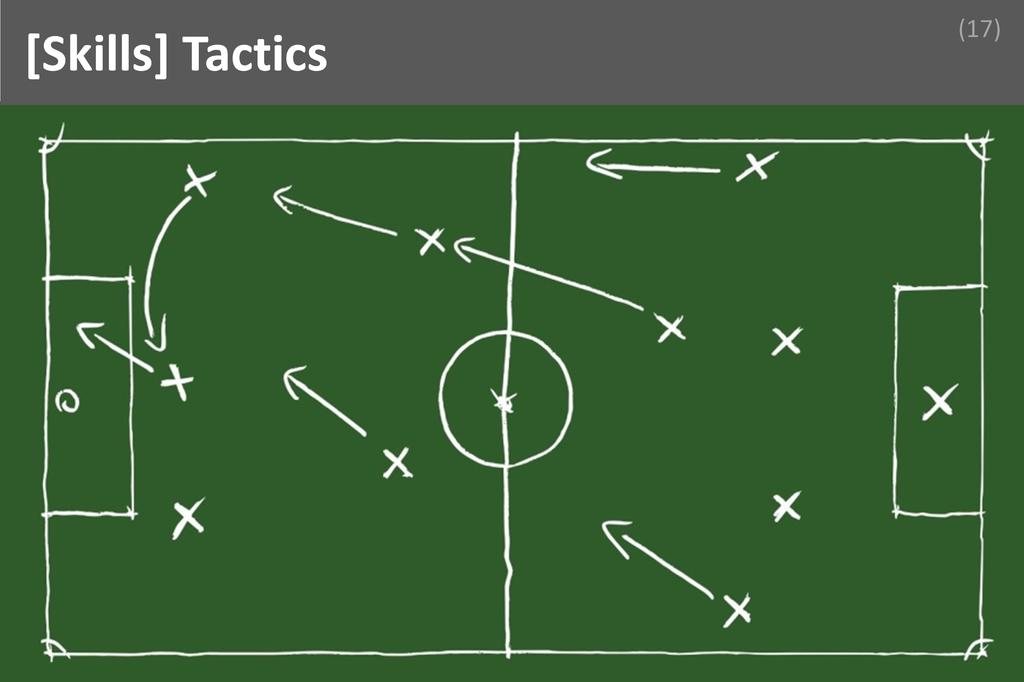
Tactics refers to the strategic planning and execution of plays, positioning, and decision-making during a hockey game or practice. For a Teaching Hockey professional, tactics encompass the ability to analyze situations, adapt strategies, and instruct players on how to outmaneuver opponents, ultimately enhancing team performance and individual growth.
Mastering tactics directly elevates a Teaching Hockey professional’s effectiveness by enabling them to break down complex game situations and communicate actionable strategies to players. Clients and employers highly value this skill because it leads to smarter gameplay, better team cohesion, and consistent improvement in competitive outcomes. Cultivating tactical expertise involves continuous study of the game, observing professional matches, engaging in coaching clinics, and reflecting on both successes and failures. Over time, a coach who invests in developing tactical acumen becomes adept at reading the flow of play, anticipating opponents’ moves, and tailoring instruction to the unique strengths and weaknesses of their team. This ongoing commitment to tactical growth ensures that both players and organizations benefit from a dynamic and responsive coaching approach.
Imagine a Teaching Hockey professional working with a youth team that consistently struggles to defend against fast counterattacks. By applying tactical knowledge, the coach analyzes game footage and identifies gaps in defensive positioning. During practice, the coach implements targeted drills that simulate counterattack scenarios, teaching players how to maintain structure and communicate under pressure. As a result, the team becomes more disciplined, reacts quicker to turnovers, and successfully neutralizes opponents’ breakaways in subsequent games. This scenario highlights how tactical expertise allows the coach to diagnose problems, design effective solutions, and foster a culture of strategic thinking, ultimately leading to measurable improvements in team performance and player confidence.
Strategy

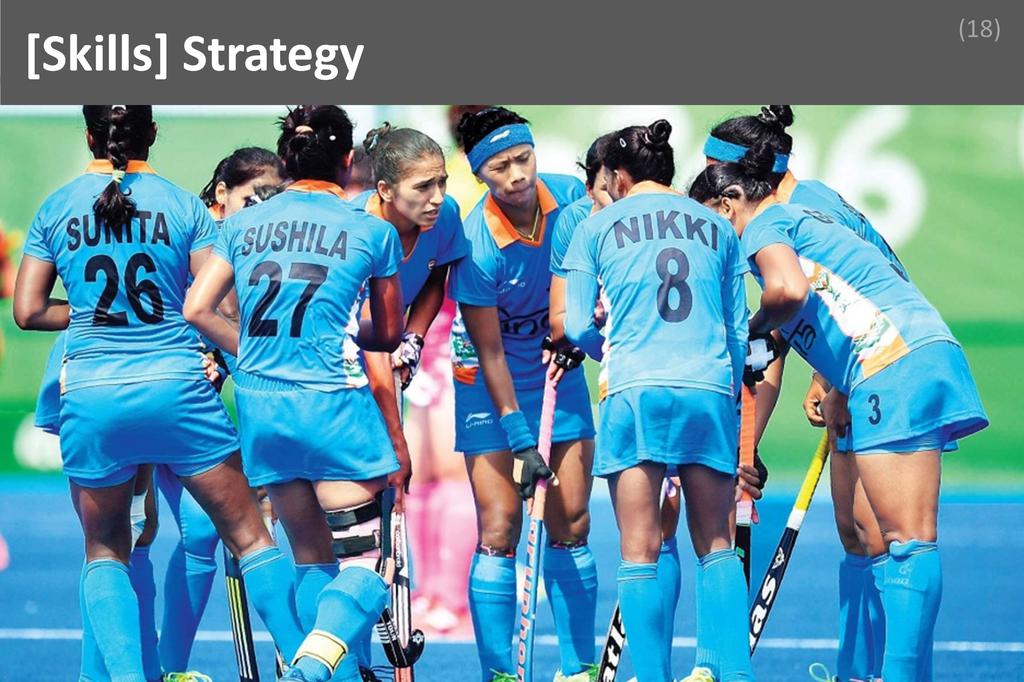
Strategy is the deliberate process of planning, analyzing, and executing actions to achieve specific goals by considering available resources, potential obstacles, and desired outcomes. In Teaching Hockey, strategy enables professionals to design effective training sessions, address individual and team needs, and adapt to evolving game dynamics, ensuring continuous improvement and success.
Mastering strategy as a Teaching Hockey professional directly enhances performance by enabling coaches to tailor instruction to the unique strengths and weaknesses of their players. Clients and employers highly value this skill because it leads to measurable progress, fosters a competitive edge, and ensures that training is both efficient and impactful. Cultivating strategic ability involves continuous learning, observing successful coaching methods, analyzing game footage, and reflecting on outcomes to refine future approaches. Over time, a strategic mindset allows a coach to anticipate challenges, adjust tactics on the fly, and create a learning environment where players are consistently motivated and prepared for competition.
Imagine a Teaching Hockey professional working with a youth team struggling to maintain defensive structure during games. By employing strategy, the coach analyzes recent performances, identifies patterns in defensive breakdowns, and develops targeted drills to address these weaknesses. The coach then implements a progressive training plan, gradually increasing complexity as players improve. During matches, the coach adapts tactics based on the opponent’s strengths, ensuring the team remains organized and resilient. As a result, the team’s defensive performance improves significantly, leading to better results and increased confidence among players. This scenario highlights how strategic thinking enables a Teaching Hockey professional to diagnose issues, implement solutions, and achieve tangible success.
Motivating

Motivating is the ability to inspire, encourage, and energize individuals or groups to pursue their goals with enthusiasm and persistence, even in the face of challenges. In Teaching Hockey, this skill empowers coaches to ignite passion, foster resilience, and drive continuous improvement among players, making it indispensable for success.
The skill of motivating directly enhances performance by creating an environment where players feel valued, confident, and eager to push their limits. Clients and employers highly value this trait because motivated athletes are more likely to commit to training, embrace feedback, and achieve their potential. A motivating coach can transform a struggling team into a cohesive, determined unit. Cultivating this skill involves practicing empathy, recognizing individual and team achievements, and adapting communication styles to resonate with diverse personalities. Over time, consistent encouragement, setting clear goals, and celebrating progress help build trust and inspire lasting motivation, ultimately leading to better outcomes on and off the ice.
Imagine a hockey coach working with a youth team that has suffered several consecutive losses, leading to low morale and waning enthusiasm. By leveraging motivating skills, the coach addresses the team with genuine encouragement, highlighting their improvements and reminding them of past successes. The coach sets achievable short-term goals, fostering a sense of progress and accomplishment. Through positive reinforcement and personalized support, the coach rekindles the players’ passion for the game, helping them regain confidence and focus. As a result, the team’s energy and commitment return, leading to improved performance in practices and games, and ultimately, a renewed sense of unity and enjoyment among the players.
Mentoring

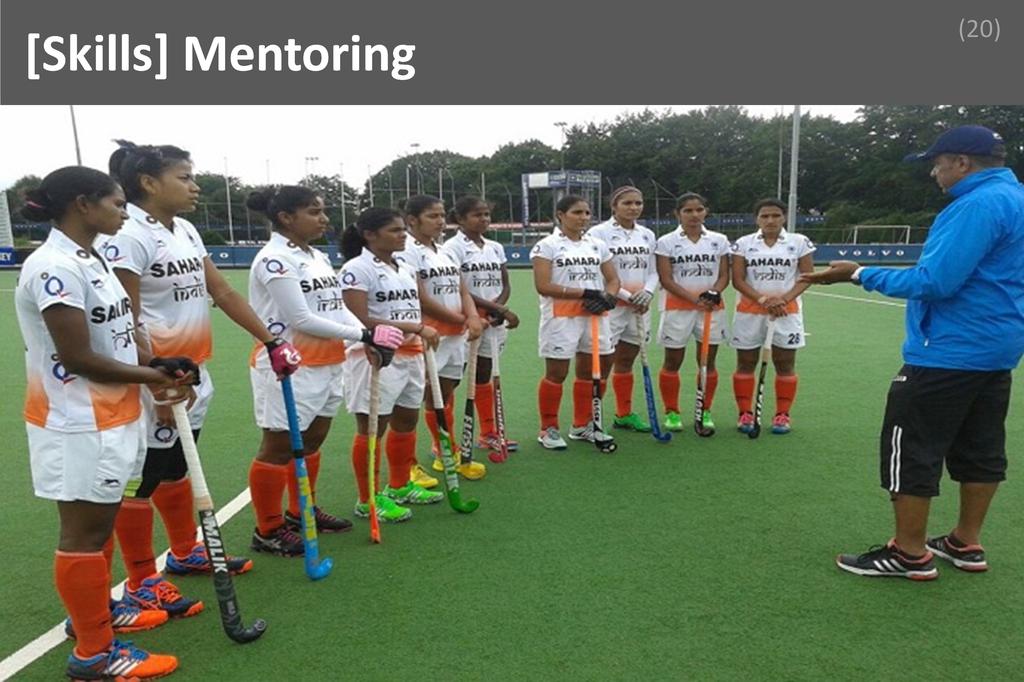
Mentoring is a dynamic, ongoing relationship where an experienced individual guides, supports, and inspires another’s personal and professional growth through sharing knowledge, offering feedback, and fostering confidence. In Teaching Hockey, mentoring is indispensable, as it bridges the gap between theory and practice, helping players and coaches reach their full potential.
The ability to mentor effectively elevates a Teaching Hockey professional’s impact by nurturing talent, building trust, and accelerating skill development. Clients and employers highly value this skill because it creates a positive learning environment, reduces turnover, and ensures consistent progress among athletes. Mentoring also fosters a culture of continuous improvement, where both mentor and mentee benefit from shared experiences. To cultivate mentoring skills, professionals should seek feedback, observe experienced mentors, and engage in reflective practice. Over time, consistent application and a genuine interest in others’ growth help refine this skill, making it a cornerstone of long-term success in the hockey teaching field.
Imagine a Teaching Hockey coach working with a young player struggling with confidence after a series of poor performances. Instead of focusing solely on technical drills, the coach draws on mentoring skills to listen actively, share personal stories of overcoming setbacks, and set realistic, incremental goals. Through regular check-ins and encouragement, the coach helps the player regain self-belief and develop resilience. As a result, the player’s performance improves, and the team benefits from a more engaged and motivated member. This scenario highlights how mentoring goes beyond instruction, addressing emotional and psychological barriers to unlock true potential and achieve lasting success.
Regularity

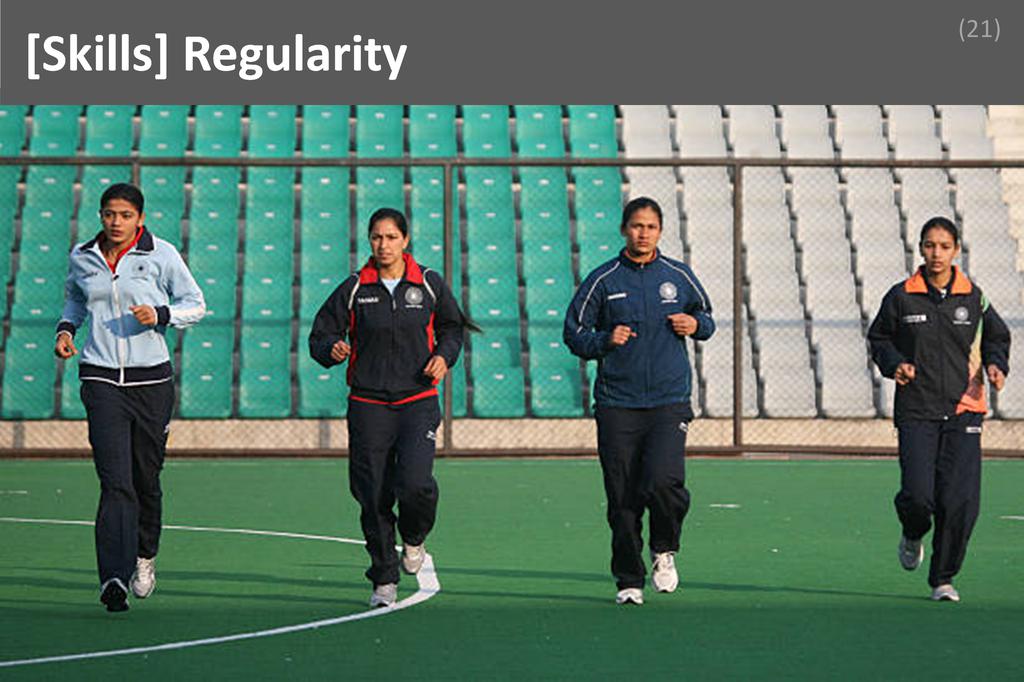
Regularity is the steadfast commitment to maintaining consistent routines, behaviors, and standards over time, regardless of external circumstances. In the context of teaching hockey, regularity ensures that both coaches and players benefit from structured practice, reliable feedback, and predictable progress. This consistency forms the backbone of skill development and team cohesion.
Regularity directly enhances performance in teaching hockey by creating a stable learning environment where athletes know what to expect and can track their improvement. Clients and employers highly value this trait because it demonstrates professionalism, reliability, and a dedication to long-term growth. Regular sessions, punctuality, and consistent communication foster trust and respect among players, parents, and colleagues. To cultivate regularity, a teaching hockey professional should establish clear routines, set achievable goals, and hold themselves accountable for maintaining these standards. Over time, this discipline becomes second nature, reinforcing a positive culture and ensuring that both individual and team objectives are met efficiently.
Imagine a hockey coach working with a youth team that has struggled with attendance and motivation. By implementing a regular schedule of practices and consistently arriving prepared, the coach sets a strong example for the players. Over several weeks, the team begins to mirror this regularity, showing up on time and engaging more fully in drills. When a crucial tournament approaches, the team’s steady progress, built on regular practice and feedback, allows them to perform cohesively under pressure. The coach’s commitment to regularity not only resolves the initial issues of inconsistency but also leads the team to achieve success through improved skills, confidence, and unity.
Positives
Respect

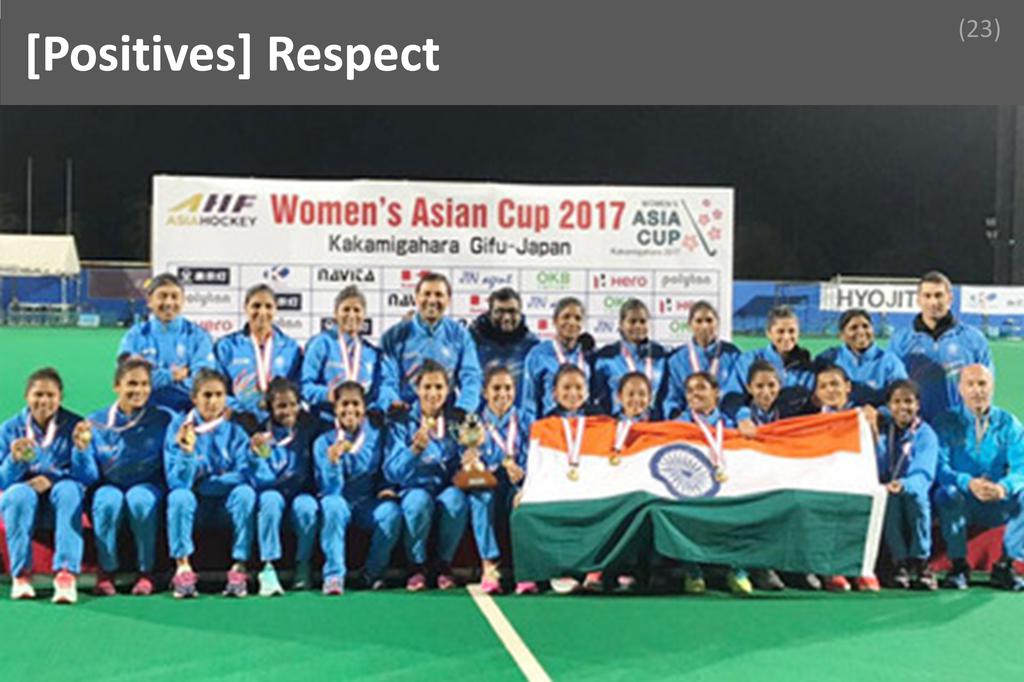
Respect is the genuine recognition of another’s abilities, efforts, and character, expressed through trust, appreciation, and fair treatment. In teaching hockey, respect forms the foundation of strong relationships between coaches, players, and the broader community. It fosters a positive environment where learning, growth, and teamwork can truly flourish.
The presence of respect in teaching hockey elevates the profession by creating a culture of mutual trust and encouragement. Coaches who feel respected by their players, colleagues, and parents are more motivated to invest in their athletes’ development. This sense of value and appreciation leads to greater job satisfaction, as teachers witness the positive influence they have on young lives. Respect also opens doors to professional growth, as it encourages open communication, collaboration, and the sharing of ideas. Every day, hockey teachers experience the benefits of respect through attentive listening, constructive feedback, and the willingness of players to embrace guidance, making their work both meaningful and rewarding.
Imagine a hockey coach who has dedicated years to nurturing a youth team. After a challenging season, the players and their families organize a heartfelt thank-you gathering, expressing gratitude for the coach’s patience, guidance, and unwavering support. The coach is moved by the genuine appreciation shown, realizing that the respect earned goes far beyond wins and losses. This moment reinforces the coach’s sense of purpose and pride in their profession. The respect received not only validates their hard work but also inspires them to continue making a positive difference in the lives of young athletes, demonstrating how respect is a powerful and fulfilling aspect of teaching hockey.
Travelling

Travelling, in the context of teaching hockey, refers to the opportunity to journey to different cities, regions, or even countries to coach, mentor, and participate in tournaments, clinics, and training camps. This dynamic movement exposes professionals to diverse cultures, playing styles, and environments, enriching both their personal and professional lives.
The ability to travel as a hockey teacher transforms the profession into an adventure filled with learning and growth. Each new destination brings fresh challenges and opportunities, allowing coaches to expand their knowledge and adapt to various playing conditions. This exposure not only enhances their coaching skills but also fosters a deeper appreciation for the global hockey community. Travelling breaks the monotony of routine, keeping the job exciting and engaging. It also builds a strong network of professional relationships, opening doors to collaborations and career advancement. The daily experience of new places and cultures invigorates teachers, making their work more meaningful and satisfying, while also inspiring the athletes they mentor.
Imagine a hockey coach who travels with their team to an international youth tournament in Europe. Each day brings a new rink, unfamiliar opponents, and the chance to explore vibrant cities after practice. The coach learns innovative training techniques from local coaches, exchanges ideas, and witnesses firsthand how hockey is celebrated in different cultures. These experiences not only sharpen their coaching abilities but also create lasting memories and friendships. The excitement of travel energizes the coach and their players, fostering a sense of unity and adventure. This journey becomes more than just about winning games; it becomes a transformative chapter in their teaching career, filled with growth, discovery, and inspiration.
Contribution to the Nation

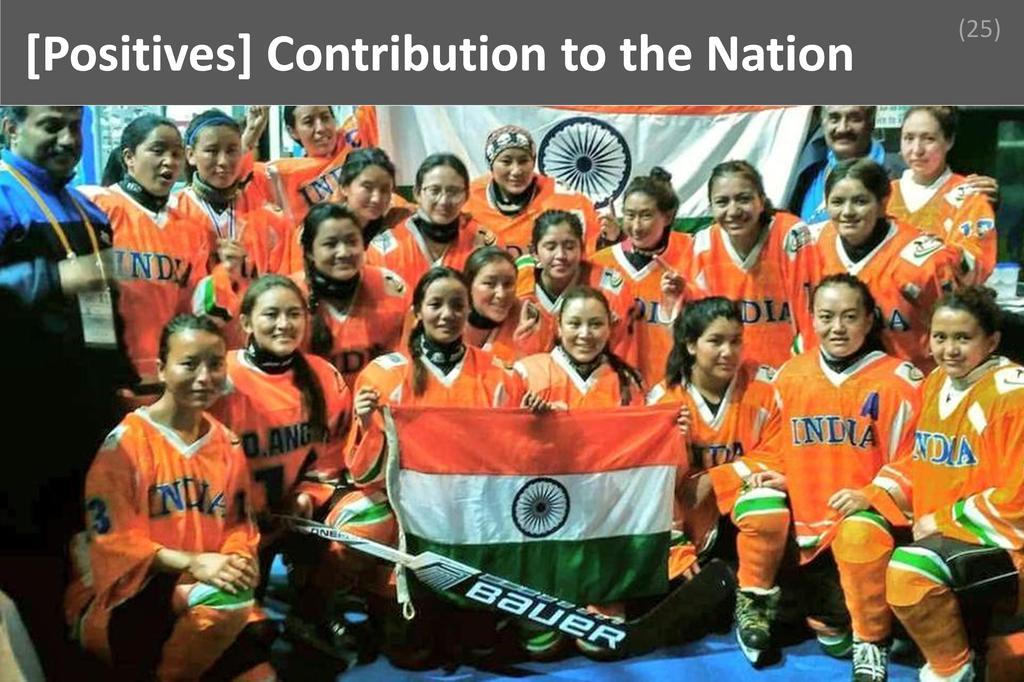
"Contribution to the Nation" means actively participating in the development and betterment of society by nurturing talent, instilling values, and fostering unity through one’s professional efforts. In teaching hockey, this contribution is realized by shaping young athletes, promoting healthy lifestyles, and building a sense of national pride and community spirit.
The sense of contributing to the nation elevates the teaching hockey profession beyond the technicalities of sport. Coaches and educators become architects of character, discipline, and teamwork, which are essential qualities for any thriving society. This positive aspect brings immense job satisfaction, as professionals witness their students grow not just as athletes but as responsible citizens. The daily experience of mentoring youth, guiding them through challenges, and celebrating their achievements creates a deep sense of purpose. This ongoing impact fuels personal growth and professional pride, making every training session and match more meaningful. The knowledge that their work helps build a stronger, healthier, and more united nation inspires hockey teachers to continually strive for excellence.
Imagine a hockey coach working with a diverse group of young players in a community program. Over the season, the coach sees shy children gain confidence, teammates from different backgrounds learn respect and cooperation, and the entire group develop a shared sense of identity and pride. When these young athletes represent their school or region in tournaments, they carry not only their skills but also the values instilled by their coach. The coach feels a profound fulfillment, knowing that their guidance has helped shape future leaders and fostered unity among youth. This daily realization of contributing to the nation’s fabric makes every challenge worthwhile and every success deeply rewarding.
Networking

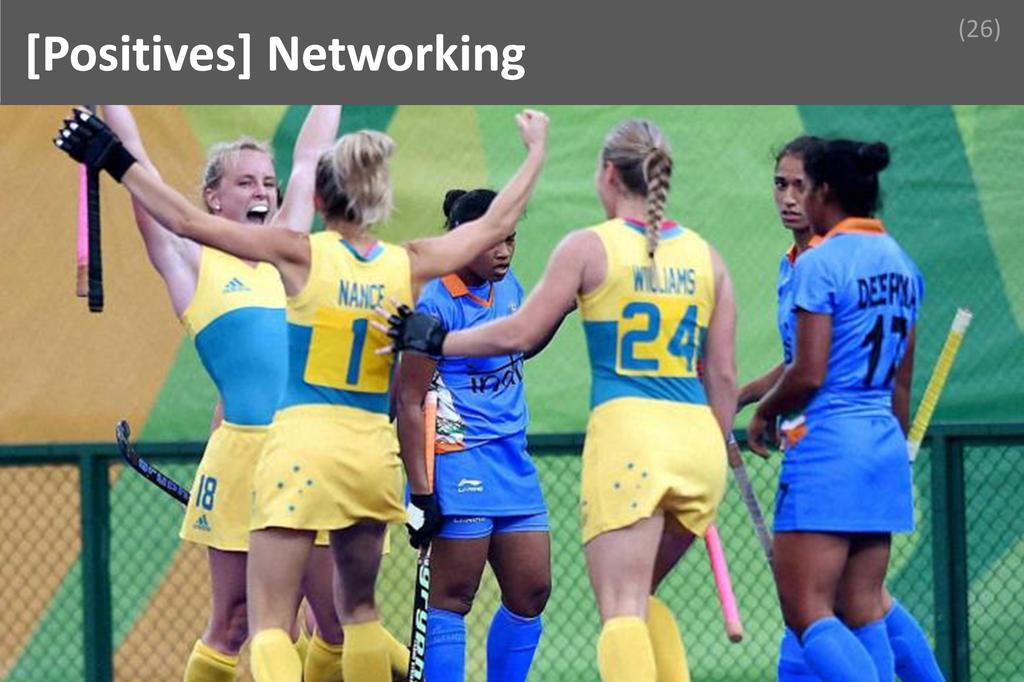
Networking is the process of building and nurturing professional relationships that foster the exchange of ideas, support, and opportunities. In teaching hockey, networking connects coaches, players, mentors, and industry professionals, creating a vibrant community. This collaborative environment enhances knowledge sharing, career advancement, and personal growth, making the profession more dynamic and rewarding.
The power of networking in teaching hockey lies in its ability to open doors to new opportunities and perspectives. By connecting with others in the field, professionals gain access to innovative coaching techniques, job openings, and mentorship. This sense of community not only boosts job satisfaction but also fuels continuous learning and improvement. Daily interactions with fellow coaches, players, and industry leaders foster a supportive atmosphere where challenges are met with collective wisdom. As a result, teaching hockey becomes more than just a job—it transforms into a career filled with camaraderie, inspiration, and the potential for lifelong friendships and professional growth.
Imagine a hockey coach attending a regional coaching clinic, where they meet other instructors from various backgrounds. Through engaging conversations and shared experiences, the coach learns about new training drills and effective motivational strategies. Later, one of the connections leads to an invitation to assist at a prestigious summer camp, expanding the coach’s professional network even further. This experience not only enhances their coaching skills but also provides a sense of belonging and recognition within the hockey community. The relationships built through networking continue to offer support, advice, and opportunities, making the journey of teaching hockey both fulfilling and exciting.
Personal Fitness

Personal fitness is the state of physical well-being achieved through regular exercise, balanced nutrition, and healthy lifestyle choices, resulting in strength, endurance, flexibility, and overall vitality. In the context of teaching hockey, personal fitness empowers instructors to actively demonstrate skills, maintain energy throughout sessions, and inspire students by example, fostering a dynamic learning environment.
Personal fitness is a cornerstone of success and satisfaction in a hockey teaching career. Instructors who prioritize their own health and conditioning are better equipped to handle the physical demands of on-ice demonstrations, drills, and extended practice sessions. This not only enhances their credibility with students but also allows them to engage more fully and enthusiastically in every lesson. The daily routine of staying active and fit contributes to higher energy levels, improved mood, and reduced risk of injury, which collectively boost job satisfaction. Over time, maintaining personal fitness can lead to professional growth, as students and parents recognize and value the instructor’s commitment to health and excellence, setting them apart in a competitive field.
Imagine a hockey instructor leading a group of young athletes through a challenging skating drill. Thanks to their dedication to personal fitness, the instructor effortlessly keeps pace, demonstrating each movement with precision and vigor. Their stamina allows them to offer real-time corrections, encouragement, and individualized attention to every student, even during back-to-back sessions. As the lesson progresses, students are inspired by their coach’s energy and skill, striving to match the example set before them. At the end of the day, the instructor feels a deep sense of fulfillment, knowing their commitment to personal fitness not only enhanced their own well-being but also elevated the learning experience for their students.
Challenges
High Risk

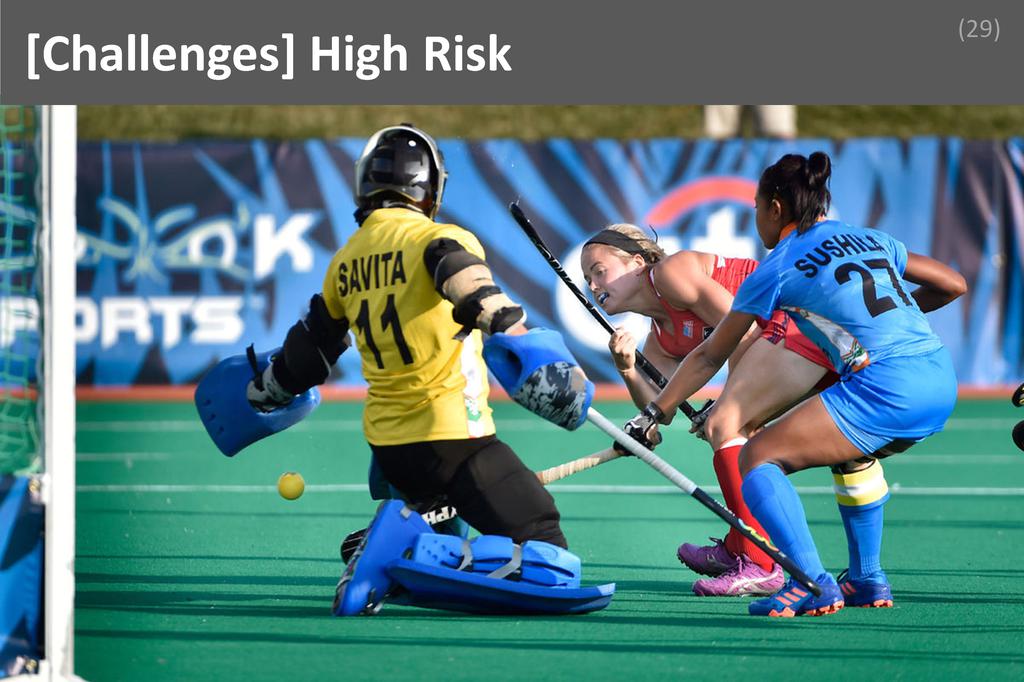
In Teaching Hockey, "High Risk" refers to the constant potential for physical injury, emotional stress, and liability due to the sport’s fast pace and physical contact. This challenge is demanding because instructors must ensure safety, maintain discipline, and foster skill development, all while managing unpredictable, high-stakes situations.
High risk in teaching hockey permeates daily routines, requiring instructors to be vigilant and proactive at all times. The threat of injury or accidents can create stress, making resilience a crucial trait for professionals in this field. Instructors must balance the drive for athletic progress with the imperative of safety, often under pressure from parents and organizations. Successful professionals mitigate these risks by implementing rigorous safety protocols, maintaining clear communication with players and parents, and continuously updating their knowledge of best practices. They foster a culture of respect and responsibility, ensuring that players understand the importance of safety while still encouraging competitive spirit and skill development.
Consider a hockey coach working with a group of young athletes during a high-intensity practice. Recognizing the elevated risk of injury during certain drills, the coach carefully assesses each player’s skill level and adapts the session accordingly. When a player takes a hard fall, the coach responds immediately with first aid and reassures both the player and their parents, demonstrating calm and competence. Afterwards, the coach reviews the incident with the team, reinforcing safety techniques and adjusting future drills to minimize similar risks. Through these actions, the coach not only manages the immediate challenge but also builds trust and resilience within the team, turning a high-risk situation into a valuable learning experience.
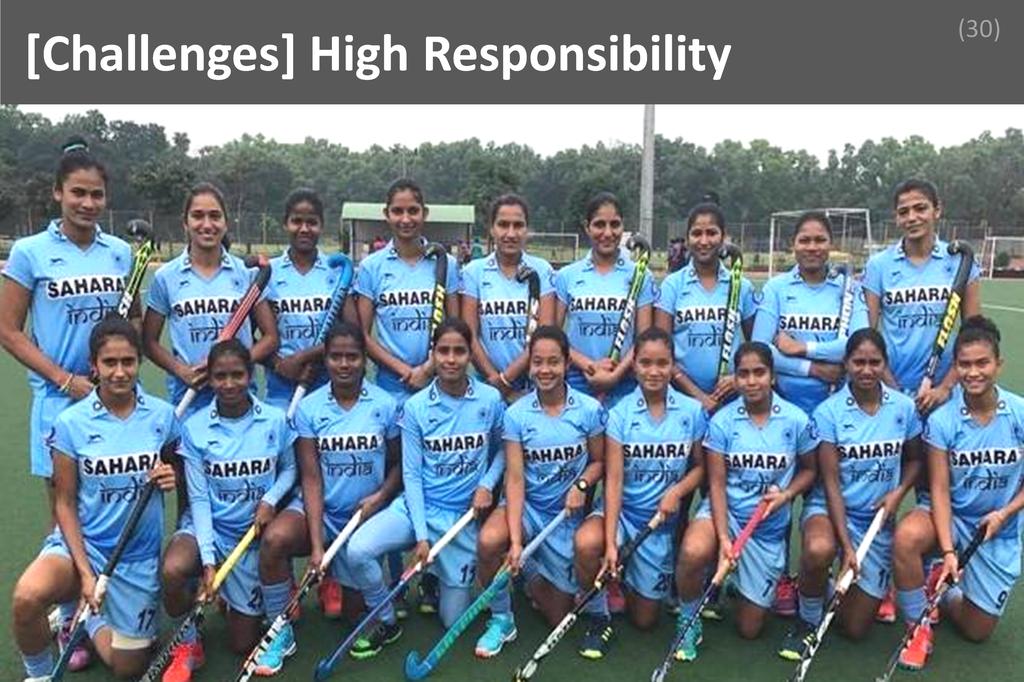
High Responsibility

High Responsibility in Teaching Hockey refers to the significant duty coaches and instructors bear for the safety, development, and well-being of their players. This includes fostering skills, ensuring fair play, managing team dynamics, and safeguarding physical and emotional health, making the role both demanding and multifaceted in its expectations.
The weight of high responsibility in teaching hockey permeates every aspect of a coach’s daily routine. Coaches must constantly balance player development with safety, adapt to diverse learning needs, and respond to unexpected challenges on and off the ice. This ongoing pressure can lead to stress and burnout, requiring resilience and adaptability. Successful professionals manage these demands by establishing clear communication, setting realistic goals, and seeking support from colleagues and mentors. They prioritize self-care and professional development, allowing them to maintain perspective and energy. By fostering a positive team culture and delegating tasks when possible, they create an environment where responsibility is shared, reducing the personal burden and enhancing overall team performance.
Consider a hockey coach leading a youth team through a competitive season. Midway, a key player suffers an injury, and the team’s morale dips. The coach feels the weight of responsibility for both the injured player’s recovery and the team’s emotional state. By communicating transparently with parents, collaborating with medical staff, and adjusting training plans, the coach ensures the player’s safe return while keeping the team motivated. The coach also organizes team-building activities to strengthen unity and resilience. Through proactive planning, empathy, and resourcefulness, the coach successfully manages the high responsibility, demonstrating leadership and care that benefits both individual players and the team as a whole.
High Pressure

High pressure in Teaching Hockey refers to the intense expectations placed on coaches and instructors to deliver results, foster skill development, and maintain team morale, often under tight schedules and public scrutiny. This environment demands quick decision-making, adaptability, and emotional control, making it a uniquely challenging profession.
The high-pressure environment in Teaching Hockey can lead to stress, burnout, and reduced job satisfaction if not managed properly. Coaches are constantly balancing the needs of players, parents, and organizations, all while striving for competitive success. This pressure requires significant resilience, as setbacks or criticism are inevitable. Successful professionals manage these demands by cultivating strong communication skills, setting realistic goals, and maintaining a focus on player development rather than just outcomes. They also prioritize self-care and seek support from colleagues, which helps them remain composed and effective even in challenging situations. By embracing a growth mindset and learning from each experience, they turn pressure into an opportunity for personal and professional growth.
Consider a hockey coach preparing a youth team for a championship game after a season of mixed results. The expectations from parents and the organization are high, and the players feel the weight of the moment. The coach recognizes the mounting pressure and chooses to focus on encouragement and skill reinforcement during practice, rather than dwelling on past mistakes or the importance of winning. On game day, the coach maintains a calm demeanor, providing clear instructions and positive feedback, which helps the players stay focused and confident. As a result, the team performs cohesively, regardless of the outcome, and both players and parents appreciate the supportive environment. This approach demonstrates how managing high pressure with composure and empathy leads to a positive experience for everyone involved.
A Day Of
Teaching Hockey
The rink is still and silent before dawn, the only sound the echo of skates carving fresh ice. For a teaching hockey professional, each day is a blend of adrenaline, mentorship, and meticulous preparation, where the boundaries between coach, motivator, and tactician blur. The pace is relentless, the environment charged with the energy of aspiring athletes and the crisp chill of the arena. Every hour brings new challenges, from early morning drills to late-night strategy sessions, all driven by a passion for the game and the growth of every player who steps onto the ice.
As the city sleeps, the teaching hockey professional arrives at the rink, coffee in hand, ready to transform the quiet arena into a classroom on ice. The early hours are dedicated to reviewing practice plans, setting up cones and equipment, and analyzing video footage from previous sessions. This is a time for reflection and fine-tuning, ensuring that each drill and exercise aligns with the developmental goals of the players. The chill in the air is matched only by the anticipation of another day shaping future hockey stars.
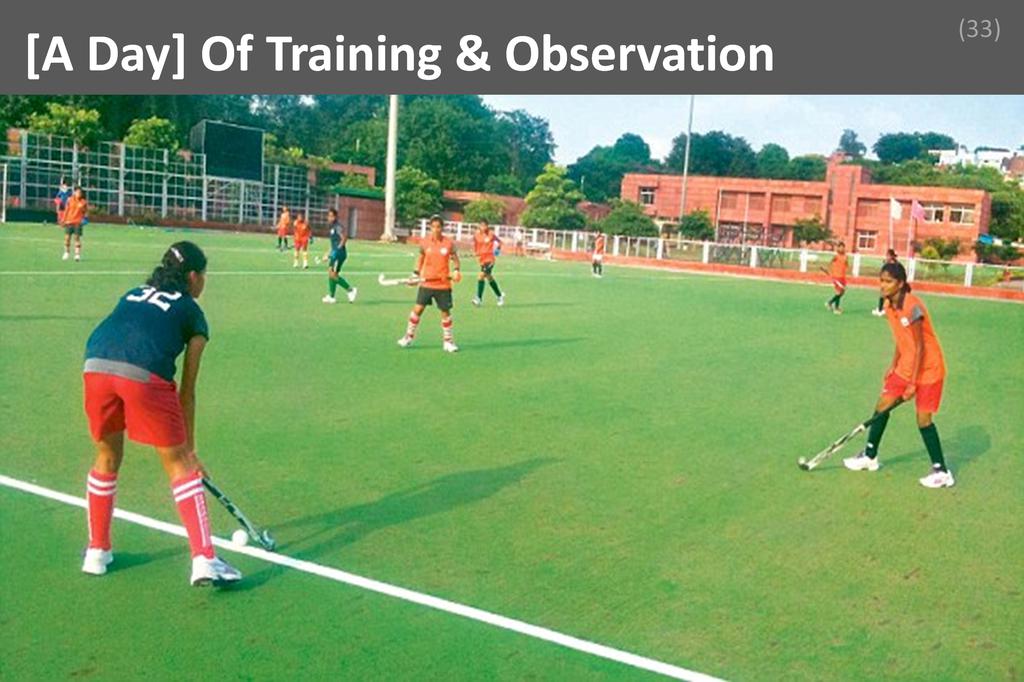
By mid-morning, the rink comes alive with the sound of pucks clattering and whistles blowing. This is the heart of the day, where the teaching hockey professional leads group practices, individual skill sessions, and high-tempo drills. Every moment on the ice is an opportunity to correct technique, inspire confidence, and foster teamwork. The coach’s voice cuts through the cold, offering encouragement and precise feedback, while players push themselves to new limits. The intensity is palpable, and the satisfaction comes from witnessing incremental improvements in every stride and shot.
As the afternoon unfolds, the focus shifts from physical exertion to strategic collaboration. The teaching hockey professional gathers players for video review sessions, breaking down plays and discussing tactics tailored to upcoming opponents. There are meetings with assistant coaches to coordinate training schedules and address individual player needs. Off the ice, this is a period of execution and adjustment, where communication and leadership are as crucial as any on-ice drill. The atmosphere is one of shared purpose, with everyone working toward common goals.
As the day winds down, the teaching hockey professional transitions to the quieter tasks that keep the program running smoothly. There is time set aside for updating player evaluations, responding to parent inquiries, and researching new training methodologies. The rink gradually empties, but the work continues behind the scenes, with careful planning for tomorrow’s sessions and long-term development strategies. The day ends as it began, with a sense of dedication and the quiet satisfaction of having made a difference—one practice, one player, one lesson at a time. |