Career Counselling 2.0 HomeHomeCareer Counselling 2.0 AbroadAbroadCareer Counselling 2.0 PlanPlanCareer Counselling 2.0 | TalksTalksCareer Counselling 2.0 PhilosophyPhilosophyCareer Counselling 2.0 SeminarSeminarCareer Counselling 2.0 PagesPagesCareer Counselling 2.0 AdvisorsAdvisorsCareer Counselling 2.0 TestimonialsTestimonials

Playing Badminton

Member of Indian National Badminton Senior Team Kuhoo Garg talks about Playing Badminton course, what is Playing Badminton and other details about a Career in Playing Badminton.


Playing Badminton

Kuhoo Garg | Member of Indian National Badminton Senior Team | Indian National Badminton Senior Team


What is Playing Badminton?


There are many nuances of a Career in Playing Badminton. Understanding Why one wants to choose a Career in Playing Badminton is phenomenally more important than figuring out How to get into Playing Badminton. It is best to learn about Playing Badminton from a real professional, this is akin to getting it from the horse's mouth.

Member of Indian National Badminton Senior Team Kuhoo Garg has worked in Playing Badminton for 2 years. According to Member of Indian National Badminton Senior Team Kuhoo Garg, Playing Badminton is:

Most people are already familiar with the sport of badminton as there are several known players from India who have performed well Internationally. Some examples of these players are P V Sindhu and Saina Nehwal. It is an indoor game. It is played with a racket and a shuttlecock. The match play is best of three sets and a typical game of badminton lasts for about one hour.


How Member of Indian National Badminton Senior Team Kuhoo Garg got into Playing Badminton?


I did my schooling from Sanskriti School, New Delhi. Pursuing Economic Honours from Shriram College of Commerce, New Delhi. I have been training at the Pullela Gopichand Badminton Academy, Hyderabad since the past four years. I have been a member of the Indian National Badminton Senior Team since 2010.


Member of Indian National Badminton Senior Team Kuhoo Garg's Talk on Playing Badminton


Session Image
The Journey of Playing Badminton


What Is Playing Badminton


Playing Badminton

### Playing Badminton Image
What is
Playing badminton is a dynamic sport involving two or four players who use rackets to hit a shuttlecock over a net. It requires agility, speed, and precision, and is played both recreationally and professionally in singles or doubles formats, with the objective of scoring points by landing the shuttlecock in the opponent’s court.

Concept
Playing badminton holds significant value for professionals, as it not only serves as a competitive sport but also fosters physical and mental development. The sport enhances cardiovascular health, improves reflexes, and sharpens strategic thinking. For professional players, it offers opportunities to compete internationally, gain recognition, and build a rewarding career. The discipline required for training and competition cultivates resilience and teamwork, while the global nature of the sport allows athletes to connect with diverse cultures. Additionally, the fast-paced environment of badminton helps players develop quick decision-making skills, which are beneficial both on and off the court.

Real World Example
A professional badminton player typically follows a rigorous daily routine that includes technical drills, physical conditioning, and tactical analysis. For instance, during a major tournament, the athlete must adapt strategies to counter different opponents, relying on their training and experience to make split-second decisions. Off the court, they engage in media interactions, sponsorship commitments, and community outreach, all of which are integral to a successful career in badminton. The combination of athletic performance and professional responsibilities demonstrates how playing badminton extends beyond the game itself, shaping well-rounded individuals who excel in various aspects of life.

Education


Physiology

### Physiology Image
What is
Physiology is the scientific study of how living organisms function, focusing on the physical and chemical processes that occur within cells, tissues, and organs. In the context of playing badminton, physiology provides essential insights into how the human body responds to physical activity, enabling athletes to optimize performance and prevent injuries.

Concept
Understanding physiology is crucial for anyone preparing for or working in badminton because it reveals how the body generates energy, adapts to training, and recovers from exertion. Mastery of physiological principles helps players tailor their training regimens to enhance endurance, strength, and agility, all of which are vital for success on the court. Coaches and athletes who grasp these concepts can identify the most effective warm-up routines, manage fatigue, and design nutrition plans that support peak performance. Over the long term, this knowledge not only improves athletic output but also reduces the risk of overuse injuries and burnout, ensuring a sustainable and rewarding career in badminton.

Real World Example
Consider a professional badminton player preparing for a tournament. By applying their understanding of physiology, the player structures their training to include intervals that mimic the high-intensity bursts typical in matches, allowing their cardiovascular and muscular systems to adapt appropriately. During practice, they monitor their hydration and nutrition, knowing how these factors influence muscle recovery and energy levels. When experiencing muscle soreness, the player uses their physiological knowledge to distinguish between normal adaptation and potential injury, adjusting their rest and recovery strategies accordingly. This practical application of physiology ensures the athlete maintains optimal health, maximizes performance, and extends their competitive longevity in the demanding world of badminton.

Biomechanics

### Biomechanics Image
What is
Biomechanics is the scientific study of the mechanical laws relating to the movement or structure of living organisms. In the context of Playing Badminton, it involves analyzing body movements, forces, and techniques to optimize performance and reduce injury risk. Mastery of biomechanics is essential for both academic study and professional practice in badminton.

Concept
Understanding biomechanics is vital for anyone preparing for or working in the field of Playing Badminton because it provides the scientific foundation for efficient movement and injury prevention. By grasping how muscles, joints, and bones interact during specific badminton actions, professionals can refine their techniques, enhance agility, and maximize power output. This knowledge is not only crucial for personal performance but also for coaching, as it allows professionals to identify and correct inefficient or unsafe movement patterns in others. Over the long term, a solid grounding in biomechanics supports career advancement by enabling professionals to stay at the forefront of training methodologies, contribute to research, and foster a culture of evidence-based practice within the sport.

Real World Example
Consider a professional badminton player who is working to improve their smash technique. By applying their understanding of biomechanics, they analyze the kinetic chain involved in the movement, from the footwork and hip rotation to the shoulder and wrist action. This theoretical knowledge allows them to adjust their stance and timing, ensuring that each segment of their body contributes optimally to the force and accuracy of the smash. During daily practice, the player uses video analysis to break down their movements, identify inefficiencies, and make targeted adjustments. This biomechanical approach not only enhances performance but also minimizes the risk of overuse injuries, demonstrating the practical value of biomechanics in the professional badminton environment.

Latest Training Techniques

### Latest Training Techniques Image
What is
Latest Training Techniques refers to the most current and scientifically validated methods, drills, and strategies used to enhance athletic performance, skill acquisition, and injury prevention in badminton. This area of knowledge is essential for both academic study and professional practice, ensuring players and coaches remain competitive and effective in the evolving landscape of the sport.

Concept
Understanding the latest training techniques is crucial for anyone aspiring to excel in badminton, whether as a player or coach. Mastery of these methods ensures that training sessions are both efficient and tailored to the specific demands of modern badminton, which is characterized by rapid gameplay and high physical demands. By staying updated with advancements in sports science, nutrition, and biomechanics, professionals can optimize their performance, reduce injury risks, and maintain a competitive edge. Over the long term, this knowledge fosters continuous improvement, adaptability, and resilience, which are essential qualities for sustained success in a dynamic sporting environment. Furthermore, it positions professionals as leaders and innovators within their field, enhancing their career prospects and reputation.

Real World Example
Consider a professional badminton player preparing for an international tournament. Drawing on their understanding of the latest training techniques, they incorporate high-intensity interval training, sport-specific agility drills, and recovery protocols into their daily routine. They also utilize video analysis to refine their footwork and shot selection, ensuring every aspect of their game is optimized. By applying these advanced methods, the player not only improves their physical conditioning and technical skills but also gains confidence in their preparation. This comprehensive approach, grounded in the latest research and best practices, enables them to perform at their peak during crucial matches, demonstrating the tangible benefits of staying current with training innovations.

Physiotherapy & First Aid

### Physiotherapy & First Aid Image
What is
Physiotherapy & First Aid refers to the combined knowledge and application of physical rehabilitation techniques and immediate emergency care to prevent, manage, and treat injuries. In the context of Playing Badminton, it is essential for maintaining player health, ensuring quick recovery, and minimizing downtime due to injuries, making it a crucial academic and professional competency.

Concept
Understanding Physiotherapy & First Aid is vital for anyone involved in Playing Badminton because the sport demands agility, speed, and repetitive movements, which increase the risk of injuries such as sprains, strains, and muscle tears. Mastery of these concepts allows professionals to recognize early signs of injury, apply immediate care, and implement effective rehabilitation strategies. This foundational knowledge not only enhances player safety and performance but also fosters a culture of health awareness within teams and organizations. Over the long term, expertise in Physiotherapy & First Aid can extend athletic careers, reduce healthcare costs, and open pathways to specialized roles such as sports physiotherapist, coach, or team manager, all of which are highly valued in the professional badminton community.

Real World Example
Imagine a scenario during a high-stakes badminton tournament where a player suddenly experiences a sharp pain in their ankle after a rapid change in direction. A professional equipped with knowledge of Physiotherapy & First Aid quickly assesses the injury, determines it is a mild sprain, and applies the RICE (Rest, Ice, Compression, Elevation) protocol. This immediate intervention not only alleviates the player’s pain but also prevents further damage, allowing for a faster recovery. The professional then designs a tailored rehabilitation plan, ensuring the athlete regains strength and mobility before returning to play. This practical application of theoretical knowledge safeguards the player’s health and demonstrates the indispensable role of Physiotherapy & First Aid in the daily operations of badminton professionals.

Nutrition

### Nutrition Image
What is
Nutrition is the scientific study of how food and drink affect health, growth, and performance. It involves understanding nutrients, their functions, and how the body utilizes them. In the context of playing badminton, nutrition is essential for optimizing energy, recovery, and overall athletic performance, making it a crucial area of knowledge.

Concept
Understanding nutrition is vital for anyone preparing for or working in badminton because the sport demands high levels of stamina, agility, and quick recovery. Proper nutritional knowledge enables athletes and coaches to design meal plans that fuel intense training sessions, support muscle repair, and prevent injuries. Mastery of nutrition forms a foundational knowledge base, allowing professionals to make informed decisions about hydration, macronutrient balance, and supplementation. Over the long term, this expertise not only enhances individual and team performance but also extends athletic careers by promoting better health and resilience. For coaches and trainers, a solid grasp of nutrition is indispensable for guiding players through the physical demands of competitive badminton.

Real World Example
Consider a professional badminton player preparing for a tournament with multiple matches scheduled over consecutive days. Drawing on their understanding of nutrition, the player carefully plans meals and snacks to ensure sustained energy levels and rapid recovery between games. They prioritize complex carbohydrates for lasting fuel, lean proteins for muscle repair, and adequate hydration to maintain focus and prevent cramps. After each match, the player consumes a balanced recovery meal within the optimal time window to replenish glycogen stores and reduce fatigue. This strategic application of nutritional knowledge allows the athlete to maintain peak performance throughout the tournament, demonstrating how theoretical concepts translate directly into practical, career-enhancing actions on and off the court.

Skills


Discipline

### Discipline Image
What is
Discipline is the consistent ability to control one’s actions, emotions, and thoughts to achieve specific goals, even in the face of distractions or difficulties. In the context of playing badminton professionally, discipline forms the backbone of training, performance, and personal growth, ensuring that athletes remain focused and committed to excellence.

Concept
Discipline directly enhances a badminton player’s performance by fostering regular practice, adherence to training regimens, and the ability to maintain composure under pressure. Coaches, sponsors, and teams highly value disciplined athletes because they can be relied upon to follow instructions, meet deadlines, and consistently strive for improvement. Cultivating discipline involves setting clear goals, establishing routines, and learning to prioritize long-term success over short-term comfort. Over time, disciplined players develop resilience and adaptability, which are crucial for overcoming setbacks and maintaining peak performance throughout their careers. By embracing discipline, athletes not only improve their technical skills but also build a reputation for reliability and professionalism, making them attractive to potential employers and clients in the competitive world of badminton.

Real World Example
Imagine a professional badminton player preparing for a major tournament while recovering from a minor injury. The temptation to skip rehabilitation exercises or cut corners in training is strong, especially with the pressure of upcoming matches. However, the player’s discipline ensures that they follow the prescribed recovery plan, attend every physiotherapy session, and maintain a balanced training schedule. This disciplined approach not only accelerates recovery but also prevents further injury, allowing the athlete to compete at their best when it matters most. Ultimately, their commitment to discipline leads to a strong tournament performance, earning respect from coaches and peers, and demonstrating the critical role discipline plays in achieving long-term success in badminton.

Physical Fitness

### Physical Fitness Image
What is
Physical fitness refers to the state of being physically healthy, strong, and capable of performing daily activities with vigor and without undue fatigue. In the context of playing badminton, physical fitness encompasses endurance, agility, strength, flexibility, and coordination, all of which are crucial for optimal performance and injury prevention.

Concept
Physical fitness is a cornerstone for success in badminton because the sport demands quick reflexes, explosive movements, and sustained energy throughout matches. A well-conditioned player can move swiftly across the court, recover quickly between rallies, and maintain focus under pressure. Clients and employers value this skill because it translates to consistent performance, fewer injuries, and the ability to handle intense training schedules. Developing physical fitness involves regular cardiovascular exercise, strength training, flexibility routines, and sport-specific drills. Over time, athletes can enhance their physical capabilities by following structured training programs, maintaining a balanced diet, and prioritizing rest and recovery. This ongoing commitment not only improves on-court performance but also demonstrates professionalism and dedication to the sport.

Real World Example
Imagine a professional badminton player competing in the finals of a major tournament. The match extends into a third, deciding game, and both players are visibly fatigued. Thanks to superior physical fitness, the professional maintains quick footwork, sharp reflexes, and powerful smashes even as the match wears on. While the opponent begins to slow down and make unforced errors due to exhaustion, the fitter player capitalizes on every opportunity, ultimately securing victory. This scenario highlights how physical fitness enables athletes to endure long, grueling matches, recover rapidly between points, and perform at their best when it matters most, directly contributing to their success on the court.

On Court Skills

### On Court Skills Image
What is
On court skills in badminton encompass the technical, tactical, and physical abilities demonstrated during live play, including footwork, shot selection, anticipation, and spatial awareness. These skills enable players to respond effectively to opponents’ moves, maintain control of rallies, and execute strategies, forming the foundation of competitive performance.

Concept
Mastering on court skills is fundamental for any badminton professional aiming for consistent success. These abilities directly enhance a player’s agility, reaction time, and decision-making under pressure, allowing them to outmaneuver opponents and capitalize on scoring opportunities. Coaches, sponsors, and teams highly value athletes with refined on court skills because they contribute to match victories and overall team performance. Cultivating these skills requires regular, focused practice, incorporating drills that simulate real match conditions, and analyzing gameplay to identify areas for improvement. Over time, players develop sharper instincts and more precise execution, making them reliable assets in high-stakes competitions and attractive prospects for professional advancement.

Real World Example
Imagine a professional badminton player facing a formidable opponent in the finals of a major tournament. During a tense rally, the opponent delivers a deceptive drop shot, aiming to catch the player off guard. Relying on well-honed on court skills, the player anticipates the shot, swiftly moves forward with efficient footwork, and executes a precise net kill to win the point. This moment not only shifts the momentum of the match but also demonstrates the player’s ability to read the game, react instantly, and apply technical prowess under pressure. Such instances highlight how essential on court skills are in overcoming challenges and achieving success at the highest levels of badminton.

Mental Toughness

### Mental Toughness Image
What is
Mental Toughness is the ability to remain focused, resilient, and composed under pressure, consistently performing at one’s best despite adversity, setbacks, or intense competition. In the world of professional badminton, this quality empowers athletes to manage stress, recover from mistakes, and maintain confidence, making it indispensable for sustained success.

Concept
Mental Toughness directly enhances a badminton player’s performance by enabling them to stay calm during high-stakes matches, adapt quickly to changing situations, and bounce back from errors without losing momentum. Coaches, sponsors, and teams highly value this trait because it often distinguishes champions from equally skilled competitors who falter under pressure. Cultivating mental toughness involves regular mental training, such as visualization, mindfulness, and positive self-talk, alongside physical practice. Over time, repeated exposure to challenging match scenarios and learning to manage emotions help players build the resilience and focus necessary to thrive at the highest levels of the sport.

Real World Example
Imagine a professional badminton player competing in the finals of a major tournament. After losing the first game and facing a hostile crowd, the player feels the weight of expectation and fatigue. Instead of succumbing to frustration or anxiety, they draw on their mental toughness, refocusing on their strategy and blocking out distractions. By maintaining composure and confidence, the player adapts their tactics, regains momentum, and ultimately turns the match around to secure victory. This scenario highlights how mental toughness enables athletes to overcome adversity, perform consistently, and achieve success even when the odds seem stacked against them.

Observation

### Observation Image
What is
Observation is the focused act of attentively noticing and interpreting details, patterns, and changes in one’s environment or in others’ actions. In badminton, observation enables players to anticipate opponents’ moves, adapt strategies in real time, and recognize subtle cues that can be leveraged for competitive advantage. This skill is indispensable for professionals.

Concept
Observation directly enhances a badminton player’s performance by allowing them to read their opponent’s body language, shot selection, and court positioning. This awareness helps in predicting shots, reacting swiftly, and making strategic decisions under pressure. Coaches and teams highly value players who excel in observation because it leads to smarter gameplay and more consistent results. Cultivating this skill involves deliberate practice, such as reviewing match footage, engaging in focused drills, and maintaining mindfulness during both training and competition. Over time, players who consciously work on their observational abilities become more intuitive and responsive, giving them a significant edge in high-stakes matches.

Real World Example
Imagine a professional badminton player facing a rival known for deceptive drop shots. During the match, the player keenly observes the opponent’s grip, footwork, and racket angle before each shot. Noticing a slight change in wrist movement before the drop shot, the player anticipates the deception and moves forward early, successfully returning the shot and gaining a crucial point. This moment of acute observation not only disrupts the opponent’s rhythm but also boosts the player’s confidence. By consistently applying observational skills throughout the match, the player adapts strategies, counters deceptive plays, and ultimately secures victory, demonstrating how vital observation is in achieving success at the highest level of badminton.

Positives


Travelling

### Travelling Image
What is
Travelling, in the context of playing badminton professionally, refers to the frequent journeys athletes undertake to compete in tournaments, attend training camps, and participate in international events. This movement across cities, countries, and continents not only broadens horizons but also enriches personal and professional growth, making the career truly dynamic.

Concept
The opportunity to travel is a defining and exhilarating aspect of a badminton career. It allows players to immerse themselves in diverse cultures, adapt to new environments, and build a global network of friends and mentors. Each journey brings fresh perspectives, challenges, and learning experiences, which contribute to both personal development and athletic performance. Travelling breaks the monotony of routine, infusing excitement and anticipation into daily life. It also fosters resilience and adaptability, qualities essential for success on and off the court. The exposure to different playing styles and competitive atmospheres enhances skills and confidence, making every trip a stepping stone toward greater achievements and job satisfaction.

Real World Example
Imagine a professional badminton player who has just qualified for a prestigious international tournament in Denmark. As she boards her flight, she feels a surge of excitement, knowing she will compete against some of the world’s best athletes. Upon arrival, she explores the city, tastes local cuisine, and interacts with players from various countries, exchanging stories and techniques. The experience of playing in a new environment, adapting to different courts, and performing before an international audience not only sharpens her game but also leaves her with unforgettable memories. This journey, filled with discovery and growth, exemplifies how travelling transforms a badminton career into a truly rewarding adventure.

Meeting People

### Meeting People Image
What is
Meeting people refers to the ongoing opportunity to connect with individuals from diverse backgrounds, cultures, and skill levels through shared experiences on and off the badminton court. This interaction fosters camaraderie, mutual respect, and personal growth, enriching the professional journey and creating a vibrant, supportive community within the sport.

Concept
The chance to meet new people is a cornerstone of a fulfilling career in playing badminton. Every match, tournament, or training session brings together athletes, coaches, and fans, creating a dynamic environment where relationships flourish. These connections often lead to lifelong friendships, mentorship opportunities, and valuable networking that can open doors to new competitions or coaching roles. The daily experience of interacting with others not only enhances communication and teamwork skills but also provides emotional support and motivation. This sense of belonging and shared purpose significantly boosts job satisfaction, making the challenges of the sport more manageable and the victories even sweeter. Ultimately, meeting people transforms badminton from a solitary pursuit into a collective adventure.

Real World Example
Imagine a professional badminton player traveling to an international tournament. Upon arrival, they are greeted by fellow athletes from around the world, each bringing unique stories and techniques. Through practice sessions, shared meals, and post-match discussions, the player forms meaningful bonds that extend beyond the court. These relationships offer encouragement during tough matches and celebrate successes together, creating a sense of unity. The player gains insights into different playing styles and cultures, broadening their perspective and enhancing their game. This network of friends and colleagues not only enriches their professional life but also provides a support system that makes the journey in badminton deeply rewarding and memorable.

Self Development

### Self Development Image
What is
Self development is the ongoing process of improving one’s skills, mindset, and character through conscious effort and reflection. It involves setting personal goals, embracing challenges, and learning from experiences to become a better version of oneself. In the context of playing badminton, self development fosters resilience, adaptability, and continuous growth, which are essential for success in this dynamic sport. By focusing on self improvement, badminton players not only enhance their athletic abilities but also cultivate discipline and mental strength, contributing positively to their professional journey.

Concept
The pursuit of self development in a badminton career brings profound advantages that extend beyond the court. It matters because it transforms challenges into opportunities for growth, allowing players to push their limits and discover new strengths. This ongoing journey of improvement boosts job satisfaction, as athletes witness tangible progress in their skills, strategy, and mental fortitude. The sense of accomplishment derived from overcoming setbacks and mastering new techniques fuels motivation and confidence. Professionals in badminton experience this benefit daily through rigorous training, self-reflection, and adapting to competitive environments. The drive for self development not only elevates their performance but also instills a lifelong passion for learning, making their career both fulfilling and inspiring.

Real World Example
Imagine a professional badminton player preparing for a major tournament after a series of disappointing performances. Instead of succumbing to frustration, the player commits to self development by analyzing past matches, identifying weaknesses, and seeking guidance from coaches. Through dedicated practice and mental conditioning, the player gradually improves footwork, refines shot selection, and builds greater resilience under pressure. As the tournament unfolds, the athlete’s enhanced skills and renewed confidence become evident, leading to a breakthrough performance. This journey of self development not only results in better outcomes on the court but also brings a deep sense of fulfillment, proving that personal growth is a powerful and rewarding aspect of a badminton career.

Health Benefits

### Health Benefits Image
What is
Health benefits refer to the positive effects on physical, mental, and emotional well-being that result from regular participation in physical activity. In the context of playing badminton, these benefits include improved cardiovascular fitness, enhanced muscle strength, better coordination, stress reduction, and increased energy levels, all contributing to a healthier lifestyle.

Concept
The health benefits associated with playing badminton are a cornerstone of why this career is so rewarding. Engaging in this fast-paced sport ensures that athletes maintain peak physical condition, which not only enhances their performance but also supports long-term wellness. The constant movement, agility, and reflexes required help players develop endurance and resilience, making them less susceptible to injuries and illnesses. This daily immersion in physical activity leads to higher energy levels and mental clarity, which translates into greater job satisfaction and motivation. Professionals in this field often find that their overall quality of life improves, as they experience reduced stress and a stronger sense of accomplishment, both on and off the court.

Real World Example
Consider a professional badminton player who begins each day with rigorous training sessions. As they practice, they notice their stamina increasing and their reflexes sharpening. Over time, they rarely fall ill and recover quickly from minor injuries, allowing them to maintain a consistent training schedule. The physical exertion also helps them manage stress, leaving them feeling refreshed and mentally focused after each session. This daily routine not only prepares them for competitions but also fosters a sense of well-being that extends into their personal life. The player’s improved health and vitality become a source of pride and motivation, reinforcing their passion for the sport and their commitment to a career in badminton.

Respect & Recognition

### Respect & Recognition Image
What is
Respect & Recognition refers to the admiration, esteem, and acknowledgment received from peers, fans, and the broader community for one’s skills, achievements, and dedication. In the context of playing badminton, it means being valued not only for winning matches but also for demonstrating sportsmanship, perseverance, and inspiring others through performance and conduct.

Concept
The respect and recognition earned in a badminton career are powerful motivators that elevate the entire professional journey. When athletes are celebrated for their hard work and achievements, it instills a deep sense of pride and purpose. This positive reinforcement encourages players to push their limits, continually improve, and set higher goals. The acknowledgment from coaches, teammates, and supporters creates a supportive environment that fosters personal and professional growth. Daily, badminton professionals experience this benefit through applause after a well-fought match, media coverage, and the admiration of aspiring players. Such recognition not only boosts job satisfaction but also opens doors to new opportunities, from sponsorships to leadership roles, making the pursuit of excellence in badminton truly rewarding.

Real World Example
Imagine a professional badminton player who, after years of rigorous training and perseverance, wins a national championship. As they stand on the podium, the crowd erupts in applause, and their name is celebrated across media platforms. Fellow athletes and coaches approach to congratulate them, acknowledging not just the victory but the dedication and sportsmanship displayed throughout the tournament. Young players look up to them, inspired to follow in their footsteps. This moment of respect and recognition is deeply fulfilling, validating the sacrifices and hard work invested in their career. It reinforces their passion for the sport and motivates them to continue striving for excellence, knowing their efforts make a meaningful impact on others.

Challenges


Expensive

### Expensive Image
What is
In the context of playing badminton, "Expensive" refers to the significant financial investment required for quality equipment, court fees, coaching, travel, and tournament participation. This challenge is demanding because it can limit access, progression, and competitiveness, especially for those without substantial resources or sponsorship opportunities, creating barriers to success.

Concept
The high costs associated with badminton can place considerable strain on professionals, affecting their ability to train consistently, access top-tier coaching, and compete in important tournaments. This financial burden often requires players to make difficult choices, such as prioritizing certain events or compromising on equipment quality. Resilience is essential, as the pressure to perform despite limited resources can be mentally and emotionally taxing. Successful professionals often seek creative solutions, such as securing sponsorships, sharing resources with peers, or participating in local leagues to minimize expenses. They may also leverage community support or crowdfunding to offset costs, demonstrating adaptability and determination in the face of financial constraints.

Real World Example
Consider a professional badminton player who comes from a modest background and faces the challenge of affording international tournaments and high-quality gear. To overcome this, the player actively engages with local businesses for sponsorship, offers coaching sessions to younger players for additional income, and collaborates with other athletes to share travel and accommodation expenses. By building a supportive network and maximizing available resources, the player manages to participate in key competitions without compromising training quality. This approach not only alleviates the financial burden but also fosters valuable relationships within the badminton community, ultimately enabling continued growth and competitive success despite the ongoing challenge of expense.

Personal Sacrifices

### Personal Sacrifices Image
What is
Personal sacrifices in the context of playing badminton refer to the conscious decisions athletes make to forgo personal time, social events, and sometimes even career or educational opportunities in order to dedicate themselves fully to training, competition, and recovery. This is demanding because it requires constant prioritization of sport over other life aspects.

Concept
The challenge of personal sacrifices can deeply affect a badminton professional’s daily life, often leading to missed family gatherings, limited social interactions, and a strict adherence to training schedules. This relentless commitment can cause emotional strain and feelings of isolation, making resilience essential for long-term success. Professionals who thrive in this environment do so by cultivating a strong sense of purpose and maintaining open communication with their support networks. They set clear boundaries and goals, allowing themselves to focus on their ambitions while also carving out moments for personal fulfillment. By embracing a balanced mindset and seeking support from coaches, teammates, and loved ones, they manage to mitigate the emotional toll and sustain their passion for the sport.

Real World Example
Consider a professional badminton player preparing for an international tournament. She faces the dilemma of missing her sibling’s wedding due to a crucial training camp scheduled at the same time. Acknowledging the importance of both events, she communicates openly with her family, explaining her commitment and seeking their understanding. To maintain emotional balance, she arranges a special celebration with her sibling before leaving and stays connected through video calls during the event. By making these thoughtful adjustments, she manages to honor her professional obligations without completely sacrificing her personal relationships. This approach not only helps her stay focused on her athletic goals but also preserves her sense of belonging and emotional well-being.

Politics

### Politics Image
What is
In the context of Playing Badminton, "Politics" refers to the complex web of interpersonal relationships, favoritism, power dynamics, and hidden agendas that influence team selection, tournament opportunities, and resource allocation. Navigating these unwritten rules is demanding because it often overshadows merit, requiring players to balance performance with social acumen and diplomacy.

Concept
The presence of politics in badminton can significantly affect a professional’s daily routine, from training sessions to tournament participation. Players may find themselves overlooked for key matches or denied access to essential resources, not due to lack of skill but because of internal alliances or biases. This environment demands resilience, as it can be emotionally draining and demotivating. Successful professionals learn to focus on their performance while building positive relationships with coaches, teammates, and administrators. They remain adaptable, communicate openly, and maintain professionalism, ensuring their dedication and talent are consistently visible. By doing so, they gradually earn respect and trust, which can help mitigate the negative effects of politics and open doors to new opportunities.

Real World Example
Consider a professional badminton player who consistently delivers strong performances but is repeatedly passed over for major tournaments due to favoritism within the selection committee. Instead of expressing frustration publicly or withdrawing, the player chooses to maintain a positive attitude and continues to train diligently. They also make an effort to engage constructively with coaches and teammates, offering support and demonstrating leadership during practice sessions. Over time, their unwavering commitment and professionalism become evident to everyone involved, including decision-makers. Eventually, when a key player is unavailable, the committee selects this athlete, recognizing both their skill and their positive influence on team dynamics. This opportunity allows the player to showcase their abilities on a larger stage, ultimately overcoming the barrier of politics through perseverance and integrity.

No Guarantees

### No Guarantees Image
What is
In the context of Playing Badminton, "No Guarantees" refers to the inherent uncertainty of outcomes, regardless of preparation or skill. Even with rigorous training and strategic planning, results can be unpredictable due to factors like opponents’ performance, injuries, or external conditions, making consistent success exceptionally demanding.

Concept
The challenge of having no guarantees in badminton deeply affects a professional’s daily routine. Every match, practice session, and tournament carries the possibility of unexpected setbacks, such as sudden losses or injuries, despite meticulous preparation. This uncertainty can be mentally taxing, requiring athletes to develop strong resilience and adaptability. Professionals who thrive in this environment focus on controlling what they can—such as their effort, attitude, and recovery—while accepting that some variables remain outside their influence. They maintain motivation by setting process-oriented goals, learning from each experience, and viewing setbacks as opportunities for growth. By embracing uncertainty as part of the sport, they build mental toughness and sustain their passion for the game, even when outcomes are unpredictable.

Real World Example
Consider a professional badminton player preparing for a major international tournament. Despite months of disciplined training and careful strategy development, the player faces an unexpected early-round defeat due to a minor injury and an opponent’s exceptional performance. Instead of succumbing to disappointment, the athlete chooses to analyze the match, consults with coaches, and adjusts their recovery plan. By focusing on rehabilitation and skill improvement, the player returns to training with renewed determination. This approach not only helps them overcome the setback but also strengthens their mental resilience, illustrating how embracing the reality of no guarantees can lead to long-term growth and continued success in a highly competitive environment.

Competition

### Competition Image
What is
Competition in the context of Playing Badminton refers to the constant presence of skilled opponents striving for the same victories, rankings, and recognition. This environment demands peak performance, adaptability, and mental toughness, as players must consistently outplay rivals while coping with pressure, expectations, and the relentless pursuit of improvement.

Concept
The challenge of competition in badminton permeates every aspect of a professional’s daily routine, from rigorous training sessions to high-stakes matches. The pressure to outperform peers can lead to stress, self-doubt, and even burnout if not managed properly. This environment demands resilience, as setbacks and losses are inevitable. Successful professionals address this by focusing on personal growth, setting realistic goals, and maintaining a disciplined routine. They seek feedback from coaches, analyze opponents’ strategies, and continuously refine their skills. By embracing competition as a catalyst for self-improvement rather than a threat, they build mental fortitude and adaptability, which are essential for long-term success in the sport.

Real World Example
Consider a professional badminton player preparing for a national championship, where the competition is fierce and every match could determine their future ranking. Despite facing a string of losses in the lead-up tournaments, the player chooses to analyze each defeat, identifying technical weaknesses and psychological barriers. With guidance from their coach, they adjust their training regimen, focusing on both physical conditioning and mental resilience. On the day of the championship, the player remains composed under pressure, adapts strategies mid-game, and ultimately secures a crucial victory. This experience not only boosts their confidence but also demonstrates how embracing and learning from competition can lead to tangible progress and success.

A Day Of


Playing Badminton

What is
The day begins long before the crowds fill the stands or the shuttlecock slices through the air. For a professional badminton player, life moves at a relentless pace, blending intense physical exertion with strategic precision and mental discipline. The environment is a dynamic mix of echoing gymnasiums, the sharp squeak of sneakers on polished courts, and the ever-present hum of anticipation. Each day is a carefully orchestrated sequence of preparation, performance, collaboration, and reflection, where every moment is dedicated to the pursuit of excellence and the relentless drive to stay one step ahead of the competition.

Concept
As the first light filters through the windows, the day kicks off with a rigorous warm-up and conditioning session. This early morning phase is all about priming the body and mind for the challenges ahead. Stretching routines, agility drills, and cardiovascular exercises are performed with unwavering focus, ensuring muscles are limber and reflexes sharp. Nutrition is also a priority, with a carefully balanced breakfast fueling the hours to come. In these quiet moments before the world wakes up, the player reviews match footage or visualizes key plays, setting clear intentions for the day’s training.

Real World Example
By mid-morning, the heart of the day unfolds on the court. This is when the real work begins: high-intensity drills, technical refinement, and tactical practice dominate the schedule. Under the watchful eye of a coach, the player hones footwork, perfects smashes, and rehearses defensive maneuvers, often pushing through fatigue to simulate match conditions. Sparring with teammates or training partners brings a competitive edge, demanding quick decision-making and adaptability. Every rally is an opportunity to sharpen skills and build the stamina required for tournament play.

The afternoon shifts focus from individual performance to collaboration and execution. This period is dedicated to doubles practice, strategic discussions, and video analysis with coaches and teammates. Reviewing recent matches, the group dissects opponents’ tactics and identifies areas for improvement. Communication and trust are built through coordinated drills, while feedback sessions foster a culture of continuous learning. The atmosphere is both supportive and challenging, as everyone works toward shared goals and prepares for upcoming competitions.

As the day winds down, attention turns to recovery and preparation for tomorrow. Cool-down stretches and physiotherapy sessions help prevent injuries and promote muscle repair. The player reviews the day’s progress, noting strengths and areas needing further attention. Administrative tasks, such as responding to sponsors or updating training logs, are handled efficiently. Finally, the evening is spent mapping out the next day’s objectives, ensuring that every detail is accounted for in the ongoing quest for improvement. With the court now quiet, the player leaves knowing that each day’s discipline brings them closer to their goals.


Install the LifePage App to:


  1. (for Free) Watch Member of Indian National Badminton Senior Team Kuhoo Garg’s full Playing Badminton Career Talk

  2. ₹ Do a Self Assessment on Playing Badminton to calculate your Dream Index, which is defined as:

    According to Kuhoo Garg your chances of success in Playing Badminton is __%

  3. Access your personalized Dream Index Report which will have all your Dream Indices sorted in descending order.

Career Counselling 2.0


<?php echo $altimage; ?>


<?php echo $altimage; ?>


How to get into

Playing Badminton?


If you are want to get into Playing Badminton, start by investing in a Career Plan.

The 14 hour process, guided by a LifePage Career Advisor, will help you introspect and check whether your interest in Playing Badminton is merely an infatuation or is it truly something you wish to do for the rest of your life.

Next, your Career Advisor will help you document how you can get into Playing Badminton, what education and skills you need to succeed in Playing Badminton, and what positives and challenges you will face in Playing Badminton.

Finally, you will get a Career Plan stating which Courses, Certifications, Trainings and other Items you need to do in the next 7 years to become world’s best in Playing Badminton.


LifePage Career Plan

14 hour personalized guidance program


Your LifePage Career Advisor facilitates your guided introspection so that you systematically explore various Career options to arrive at a well thought out Career choice.

Next: your Advisor helps you figure out how you will get into your chosen Career and how will you develop the skills needed for success in your Chosen Career.

LifePage Plan will not stop at saying "to become an Architect study Architecture". It will guide you on which Certifications, Trainings and Other items you need to do along with your Architecture education to become the world's best Architect.


Links for this Talk


Member of Indian National Badminton Senior Team Kuhoo Garg's LifePage:


Career Counselling 2.0
[LifePage]
https://www.lifepage.in/page/kuhoogarg


LifePage Career Talk on Playing Badminton


Career Counselling 2.0
[Career]
https://www.lifepage.in/careers/playing-badminton-1


Career Counselling 2.0
[Full Talk]
https://lifepage.app.link/20181221-0001


Career Counselling 2.0
[Trailer]
https://www.youtube.com/watch?v=v7oL1XtA_oA


(Playing Badminton, Kuhoo Garg, Indian National Badminton Team, Sports, Olympics, Game, Badminton Player, Player, ISL, Sign Language)


Similar Talks


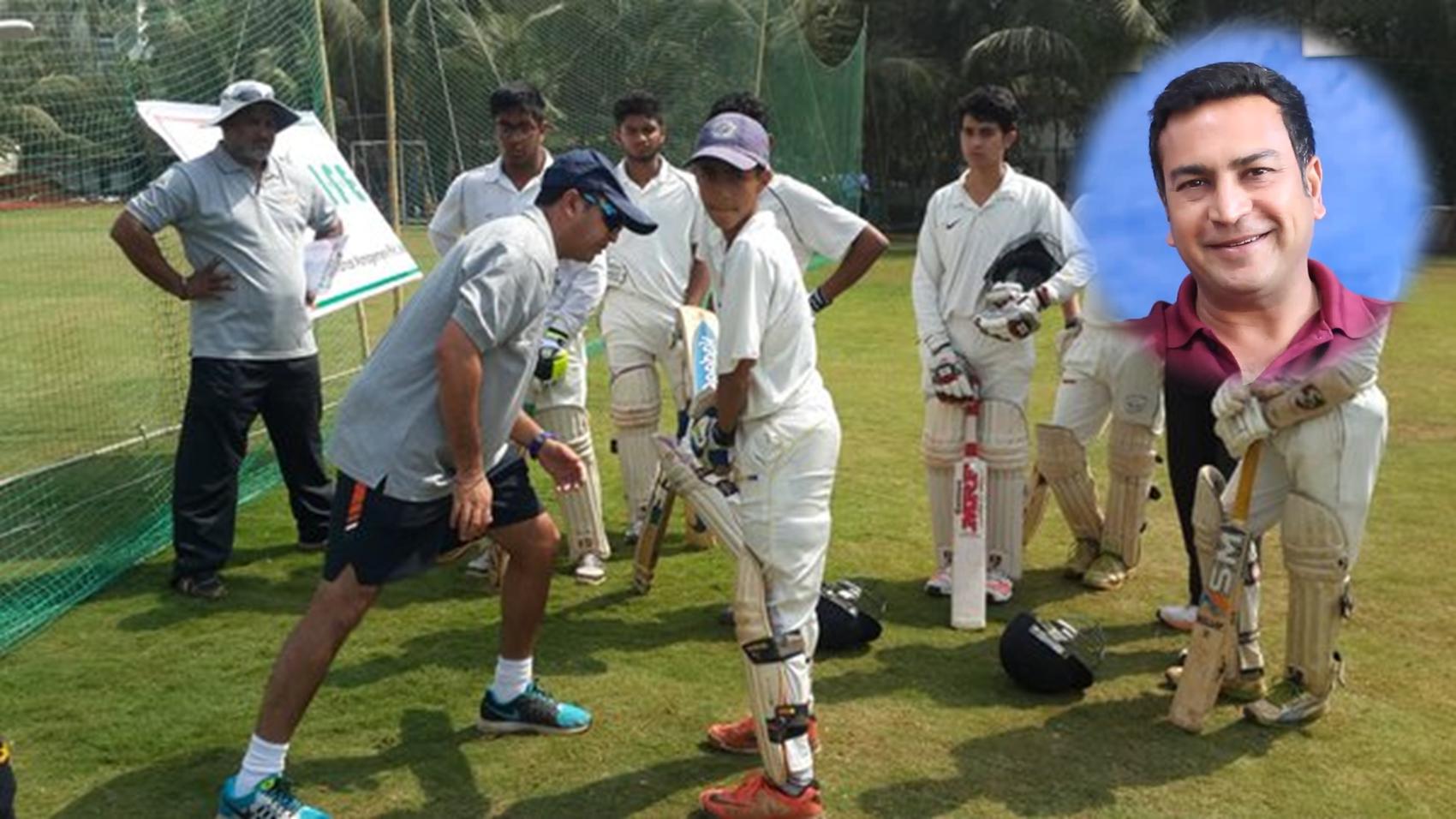
Career in Playing Cricket
Playing Cricket
Bhriguraj Singh Pathania
Cricketer | State Level, UK
[ 3 years & 10 months Experience ]

Cricket is a bat-and-ball game played between two teams of eleven players on a cricket field and Its a gentle men game. Cricket as you all know is not a sport but a religion in India.

"I did my schooling from Welham Boys, Dehradun. I have been playing cricket since 2015. Playing lot of club cricket : Asian, Khalsa and represented Uttrakhand. I have also played lot of cricket in Himachal and played in UPL as a Captain for Rudra Prayag Royals."


Career Counselling 2.0 Career Counselling 2.0 Career Counselling 2.0 Career Counselling 2.0 Career Counselling 2.0


Career in Cricket Coaching
Cricket Coaching
Apurva S Desaii
Cricket Coach | KOOH Sports Pvt Ltd
[ 5 years & 2 months Experience ]

Cricket coaching is about teaching the basics at grass root level of cricket to the kids. With going on to the technical and tactical aspects of cricket so that the coaching is done for the international level cricket. The coaches are trained by BCCI with state level nominations as well as study can be obtained National and International accredited institutions.

"I am a St. Xaviers alumni. I have passed Level– C Cricket Coaching from National Cricket Academy, Bangalore in 2010 and I am a former first class cricketer. I am currently the performance director in KOOH Sports Pvt. Ltd. I am also working as a visiting Coach & Faculty at National Cricket Academy. I have also coached Clubs & Schools affiliated to Lancashire County Cricket Development Programme, UK. I am also the Talent Scout for Royal Challengers, Bangalore."


Career Counselling 2.0 Career Counselling 2.0 Career Counselling 2.0 Career Counselling 2.0 Career Counselling 2.0


Career in Martial Arts
Martial Arts
Manoj Kumar
Head | Shanti Samiti
[ 13 years & 8 months Experience ]

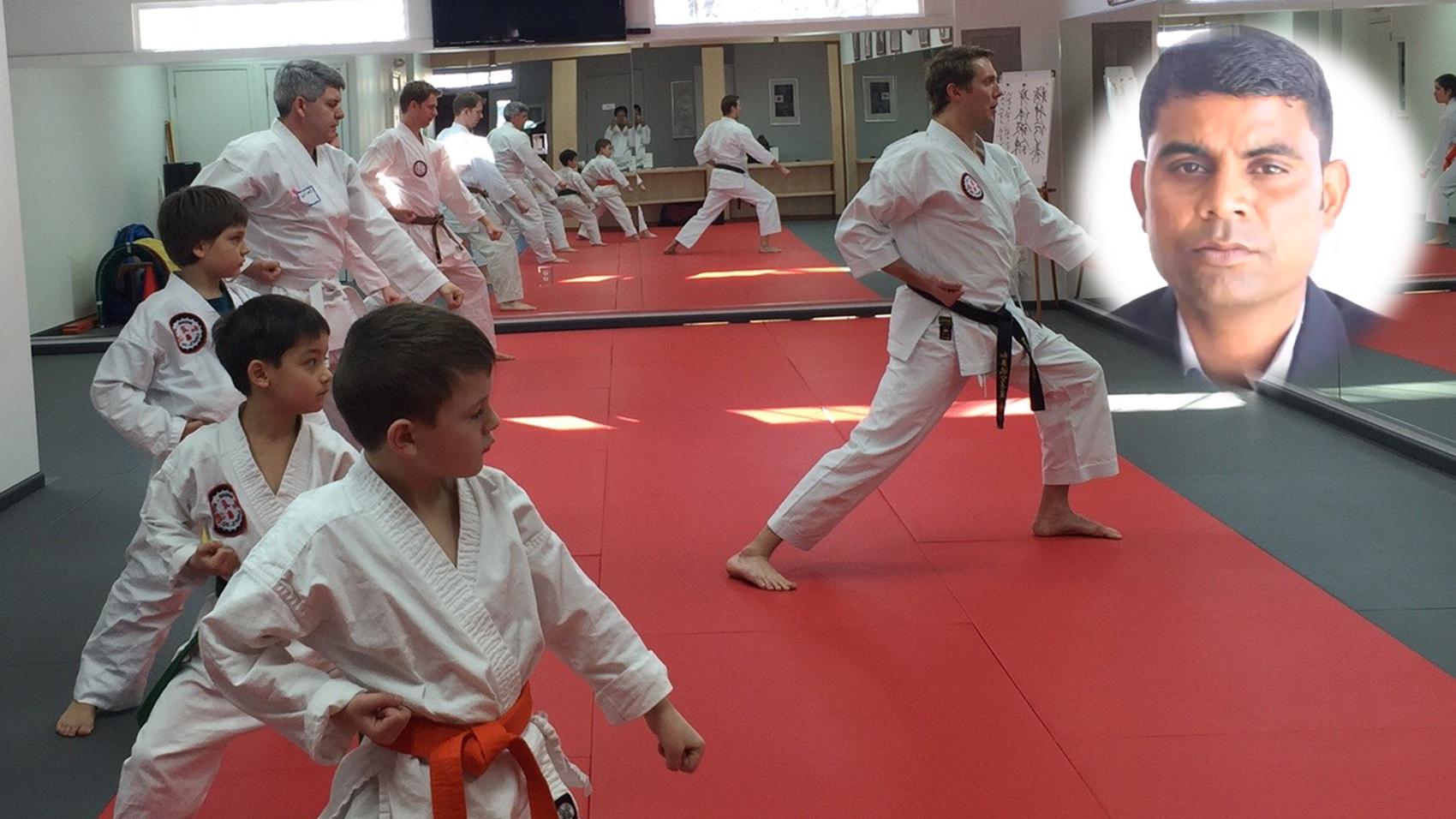
Many forms such as karate, Judo, Taikwando, kung fu, kick-boxing come under martial arts. Martial arts are practiced for a number of reasons: as an art form, as a game, as self defence and protecting others. it trains you to learn to protect yourself even when you are empty handed.

"I did my schooling from Uttar Pradesh. I achieved a black belt in karate in 1993 and have attained many degrees in karate and Tong II Moodo since. After this I did my graduation from Agra University. Following which I was selected by the Border Security Force as a martial arts trainer in 1994. Until 2005 I did my Job at the BSF and then returned to Dehradun and opened my martial arts academy called Sri Shanti Samiti . Ever since then I have been giving training in martial arts."


Career Counselling 2.0 Career Counselling 2.0 Career Counselling 2.0 Career Counselling 2.0 Career Counselling 2.0


Career in Professional Running
Professional Running
Jyotsana Rawat
Professional Runner | Various Marathons
[ 15 years & 7 months Experience ]

Professional running is when you run for a prize or recognition and participate in various sport events such as the Olympics, Asian Games or any State organized Marathons etc.

"I am a student of Doon International School Dehradun. I am a student of Class XII and am the head girl of my school. I am a Professional Runner. I am also the first Indian Woman and the youngest person in the world to participate and complete the La Ultra Marathon, which takes place, is Leh, Jammu & Kashmir."


Career Counselling 2.0 Career Counselling 2.0 Career Counselling 2.0 Career Counselling 2.0 Career Counselling 2.0


Career in Wrestling
Wrestling
Yogeshwar Dutt
Indian Freestyle Wrestler | Indian Wrestling Team
[ 28 years & 9 months Experience ]

Freestyle wrestling is a style of amateur wrestling that is practiced throughout the world. Along with Greco-Roman, it is one of the two styles of wrestling contested in the Olympic games.

"I am a wrestler from India and as a child, was inspired by the exploits of Balraj Pehlwan a wrestler from my native village and since then I started taking wrestling seriously. I have represented and won Medals for India in various International Championships. I was honored the Padma Shri in 2013 and Rajiv Gandhi Khel Ratna Award in 2012."


Career Counselling 2.0 Career Counselling 2.0 Career Counselling 2.0 Career Counselling 2.0 Career Counselling 2.0


Career in Playing Hockey
Playing Hockey
Ritu Rani
Former Captain | Indian Women's National Field Hockey Team
[ 11 years & 11 months Experience ]

Hockey is an outdoor sport played by two opposing teams of 11 players each who use their sticks curved at the striking end to hit a small, hard ball into their opponent's goal. There are many types of hockey such as bandy, field hockey and ice hockey. In India, field hockey is known simply as "hockey".

"I have been playing hockey since I was 9 years old. I made my debut in the senior women hockey team in 2006 at the Asian Games in Doha and served as Team Captain from 2012 until 2016. I have played three Asian Games, two Commonwealth Games, three World Cups and also lead the Indian women hockey team to qualify for 2016 Summer Olympics."


Career Counselling 2.0 Career Counselling 2.0 Career Counselling 2.0 Career Counselling 2.0 Career Counselling 2.0


Career in Playing Cricket
Playing Cricket
Vaibhav Chopra
Cricketer | Hyderabad Bottling
[ 10 years Experience ]

Cricket is a bat-and-ball game played between two teams of eleven players each on a cricket field, at the centre of which is a rectangular 22-yard-long pitch with a target called the wicket at each end.

"After completing my Schooling from Le Meridian, Hyderabad I did my College from St Marys. I trained in Cricket from Arshad Ayub Cricket Academy, and today I am a Cricketer with Hyderabad Bottling since 2007."


Career Counselling 2.0 Career Counselling 2.0 Career Counselling 2.0 Career Counselling 2.0 Career Counselling 2.0


Career in Pistol Shooting
Pistol Shooting
Kartikeya Sharma
Professional Shooter | Indian Shooting Team
[ 7 years Experience ]

Shooting most often refers to the use of a firearm. A person who shoots is called a shooter. The term 'weapon' is used as a piece of equipment to help the user achieve the best in which they can in the sport.

"After doing my BA LLB from Law College, I joined a law firm ELDF as an Associate. I started shooting when I was a kid in school during summer camp and later became a professional shooter. I have participated in various National and International sporting events."


Career Counselling 2.0 Career Counselling 2.0 Career Counselling 2.0 Career Counselling 2.0 Career Counselling 2.0


Career in Playing Badminton
Playing Badminton
Kuhoo Garg
Badminton Player | Indian National Badminton Senior Team
[ 6 years & 11 months Experience ]

Most people are already familiar with the sport of badminton as there are several known players from India who have performed well Internationally. Some examples of these players are P V Sindhu and Saina Nehwal. It is an indoor game. It is played with a racket and a shuttlecock. The match play is best of three sets and a typical game of badminton lasts for about one hour.

"I did my schooling from Sanskriti School, New Delhi. Pursuing Economic Honours from Shriram College of Commerce, New Delhi. I have been training at the Pullela Gopichand Badminton Academy, Hyderabad since the past four years. I have been a member of the Indian National Badminton Senior Team since 2010."


Career Counselling 2.0 Career Counselling 2.0 Career Counselling 2.0 Career Counselling 2.0 Career Counselling 2.0


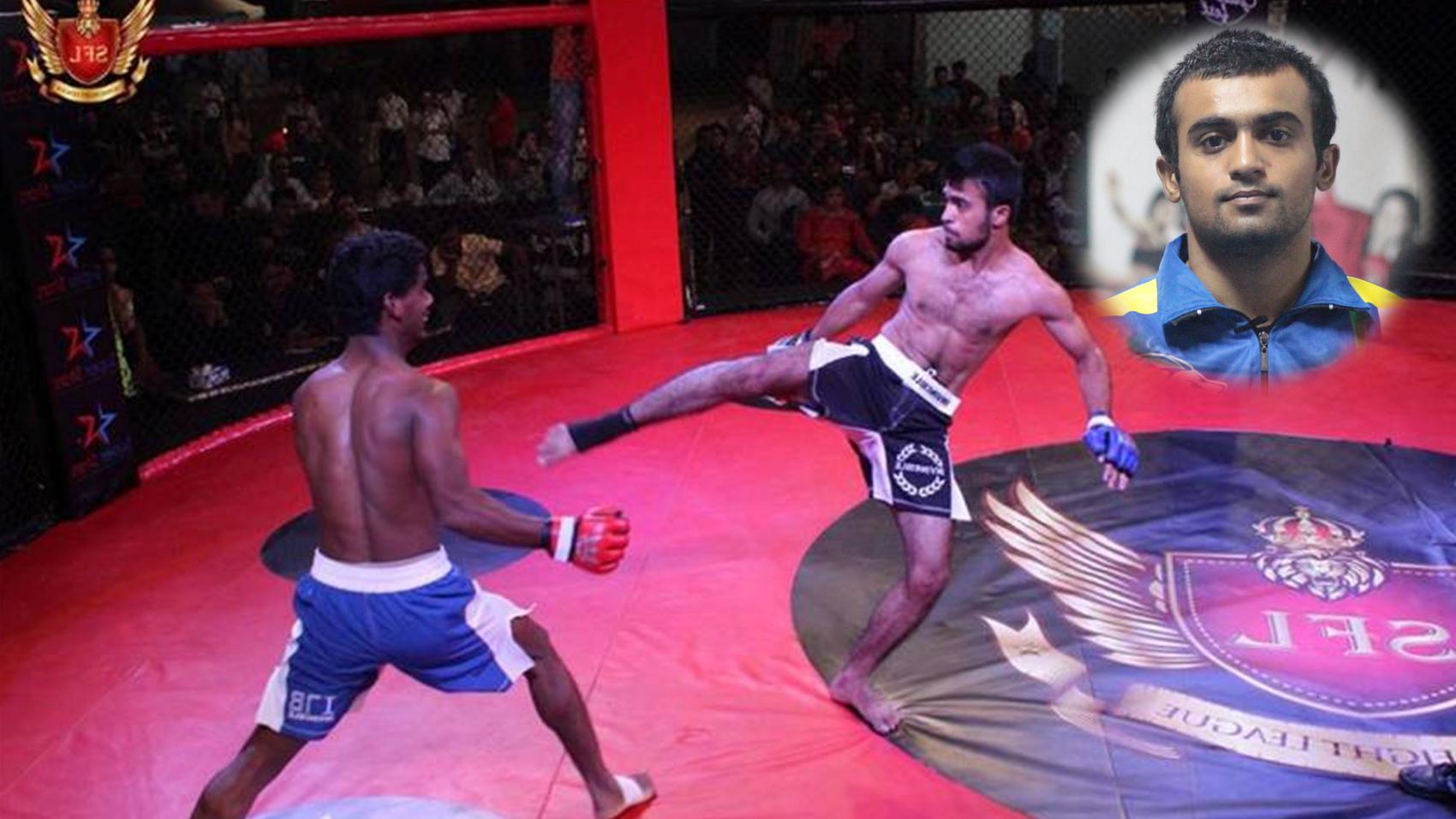
Career in Mix Martial Arts
Mix Martial Arts
Nitin Bansi Kankute
Mix Martial Artist & Instructor | Mohan's Martial Arts & Fitness Planet
[ 18 years & 5 months Experience ]

Mix Martial Artist is an athlete who knows and plays this full-contact combat sport that allows both striking and grappling, both standing and on the ground, using techniques from other combat sports and martial arts.

"I have completed my schooling from K M Agarwal College, Kalyan after which started my training from Mohan's Martial Arts & Fitness Centre. I have won state and national championships in Karate and also serve as coach for Thane District for Karate, Kick Boxing and Mix Martial Arts."


Career Counselling 2.0 Career Counselling 2.0 Career Counselling 2.0 Career Counselling 2.0 Career Counselling 2.0


Career in Professional Cycling
Professional Cycling
Mohit Ubhan
Sport Leader | Decathlon
[ 10 years & 7 months Experience ]

Cycling is the use of bicycles for transport, recreation, exercise or sport. Cycle sport is competitive physical activity using bicycles. There are several categories of bicycle racing including road bicycle racing, time trialling, cyclo-cross, mountain bike racing, track cycling, BMX, and cycle speedway.

"I have taken part in many International Races as a Cyclist. I was under 5 in Subaro Cup, Twilight Series, Serbio Cup. I am a Sport Leader at Decathlon and a cyclist at Team Novo Nordisk."


Career Counselling 2.0 Career Counselling 2.0 Career Counselling 2.0 Career Counselling 2.0 Career Counselling 2.0


Career in Kick Boxing
Kick Boxing
Arshiyan Memon
Kick Boxer | Mohan's Martial Arts & Fitness Planet
[ 3 years & 5 months Experience ]

Kickboxing is a group of stand-up combat sports based on kicking and punching, historically developed from Karate and Muay Thai.Kickboxing is practiced for self-defense, general fitness, or as a contact sport.

"After completing my schooling, I started learning Kick Boxing in 2014. I am doing kick boxing under the guidance of Renshi Mohan Singh. I have participated in many competitions from State level to International level and even in Professional Fights."


Career Counselling 2.0 Career Counselling 2.0 Career Counselling 2.0 Career Counselling 2.0 Career Counselling 2.0


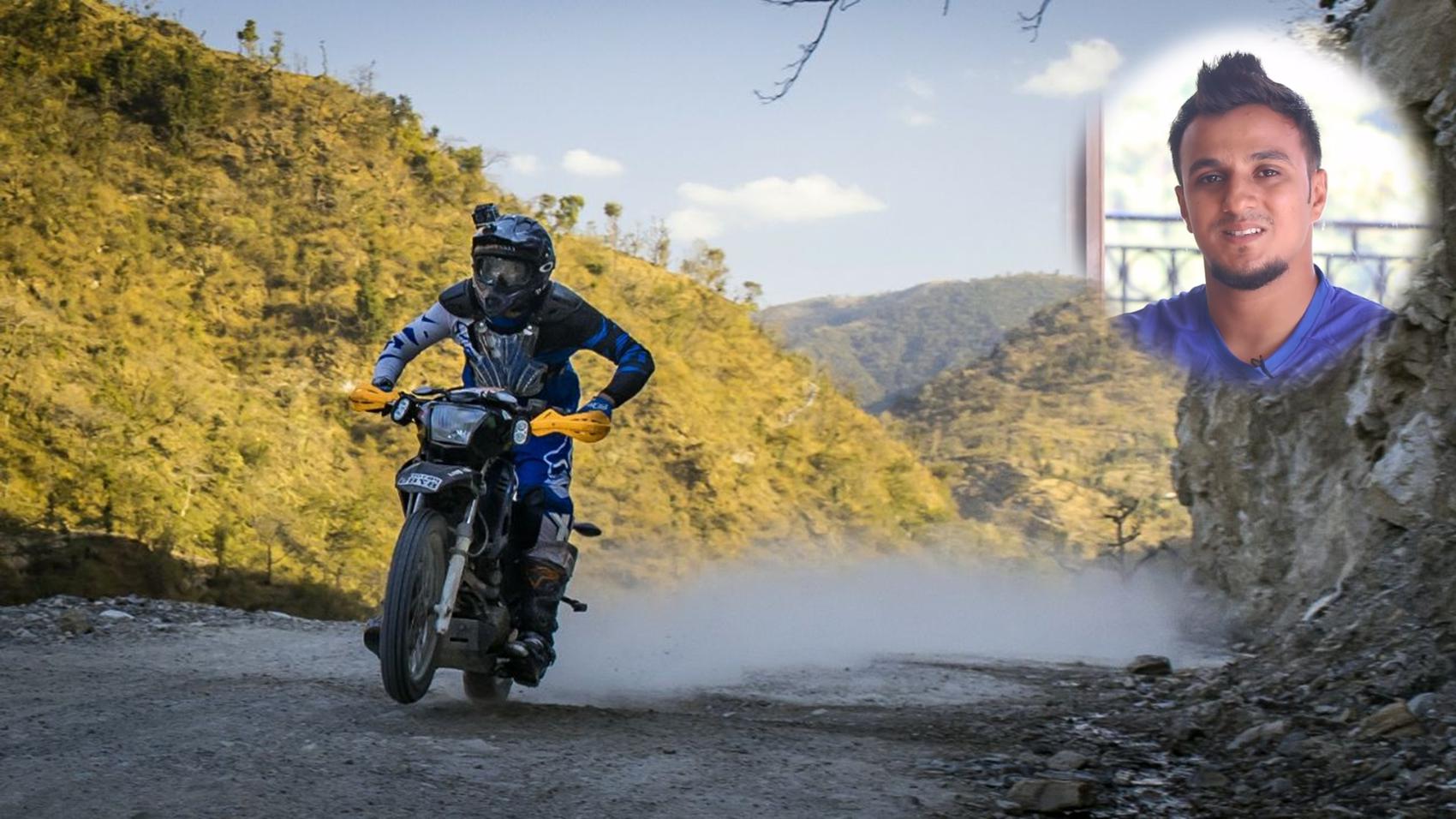
Career in Motor Sports
Motor Sports
Shardul Sharma
Rally Pilot | LBS Racing
[ 6 years & 5 months Experience ]

Motorsport or motorsports is a global term used to encompass the group of competitive sporting events which primarily involve the use of motorised vehicles, whether for racing or non-racing competition.

"I did B Com from Shyam Lal College and then worked at Iktara Films as a Marketing Head for some time. I thought of converting my passion to profession and started participating in Motor Racing Championships in 2012. I won many Championships like Gulf Monsoon Rally 2013, Speed Sprint 2014, OYA Motor Cross 2016. I am leading at Indian National Rally Championship 2017. I am a Rally Pilot at LBS Racing."


Career Counselling 2.0 Career Counselling 2.0 Career Counselling 2.0 Career Counselling 2.0 Career Counselling 2.0


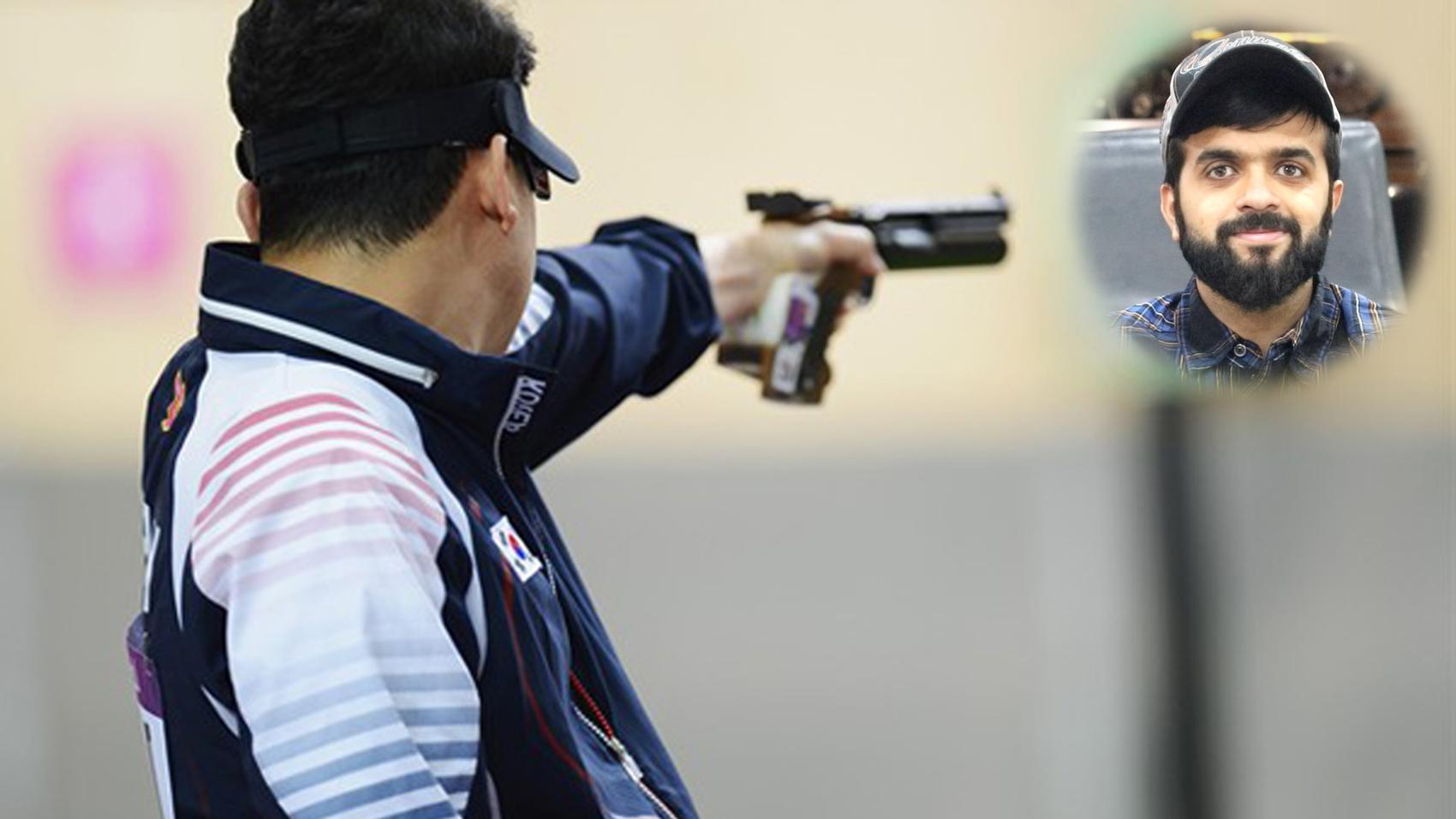
Career in Pistol Shooting
Pistol Shooting
Hetul Budhiraja
Pistol Shooter | Various Sports Assignments
[ 7 years Experience ]

Shooting is the act or process of discharging projectiles from a ranged weapon such as guns, bows or crossbows and slingshots. Even the discharging/launching of artillery, darts, grenades, rockets and guided missiles can be called shooting. When using a firearm, the act of shooting is often called firing. Shooting can take place in a shooting range or in the field, in shooting sports, hunting or in combat. A person who is involved in the shooting activity is a shooter. Shooting sports is a collective group of competitive and recreational sporting activities involving proficiency tests of accuracy, precision and speed in using various types of ranged weapons.

"After doing my schooling from Chiranjiv Bharti School Gurugram, I did my B Tech in Information Technology from Bharati Vidyapeeth Deemed University College of Engineering, Pune. In 2012 while doing y graduation I started practicing 10 Meter pistol shooting at Maharashtra Shooting Edge which was my mother's dream as she was influenced by Rajyavardhan Singh Rathore. I participated in various state level competitions. After completing my degree, I got placement at IBM, Bangalore but my instinct did not allow me to do a sitting job and later I joined Harley Davidson in Sales & Marketing Division, as automobiles was also one of my interests along with Pistol Shooting."


Career Counselling 2.0 Career Counselling 2.0 Career Counselling 2.0 Career Counselling 2.0 Career Counselling 2.0


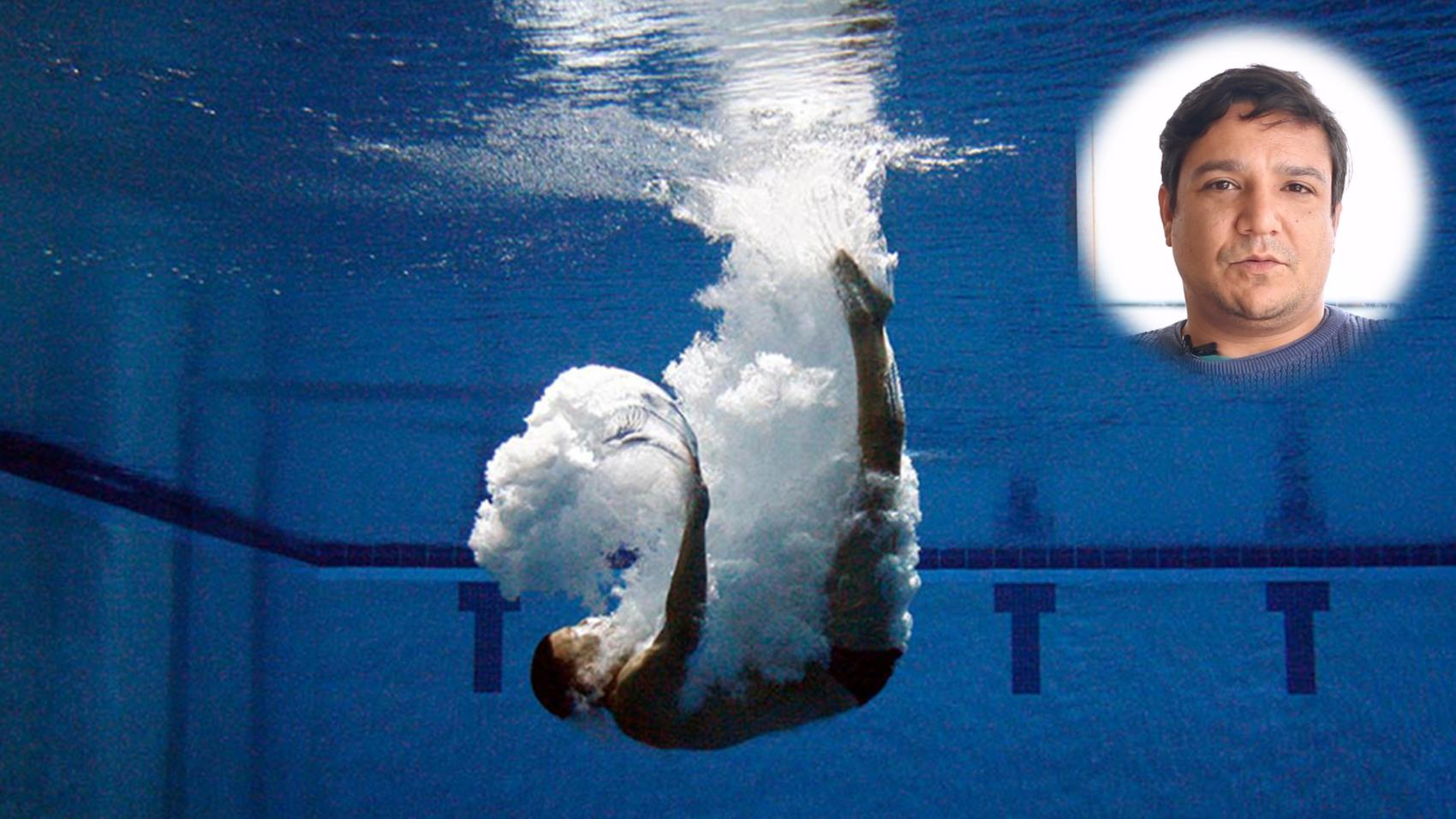
Career in Diving
Diving
Ramit Datta
Diver | Indian Diving Team
[ 18 years Experience ]

Diving is the sport of jumping or falling into water from a platform or springboard, usually while performing acrobatics. Diving is an internationally recognized sport that is part of the Olympic Games.

"I did BA from Hindu College. I have served in CRPF for 9 years. I shifted to Hospitality industry and joined Lemon tree Hotel as Security Manager. I was Chief Security Officer at Ramada, Dehradun. I have represented India in diving and have won 62 gold medals. I also participated in Commonwealth Games. I have been a record holder twice in All India Police Meet."


Career Counselling 2.0 Career Counselling 2.0 Career Counselling 2.0 Career Counselling 2.0 Career Counselling 2.0


Career in Karate Training
Karate Training
Pramod Kumar Prajapati
Owner | The Indian School of Martial Arts
[ 20 years & 2 months Experience ]

Karate is a Japanese martial art whose physical aspects seek the development of defensive and counterattacking body movements. The themes of traditional karate training are fighting and self-defense, though its mental and moral aspects target the overall improvement of the individual.

"I did my B Com from DAV College, Dehradun. In 1995, I started learning Karate and did a 3 years training at Japanese Karate Academy in Dehradun. Since 1998 I have been training various students and police officers at various schools and my academy The Indian School of Martial Arts."


Career Counselling 2.0 Career Counselling 2.0 Career Counselling 2.0 Career Counselling 2.0 Career Counselling 2.0


Career in Taekwondo
Taekwondo
Krishna
Player, Coach & Referee | Taekwondo Federation of India
[ 14 years & 10 months Experience ]

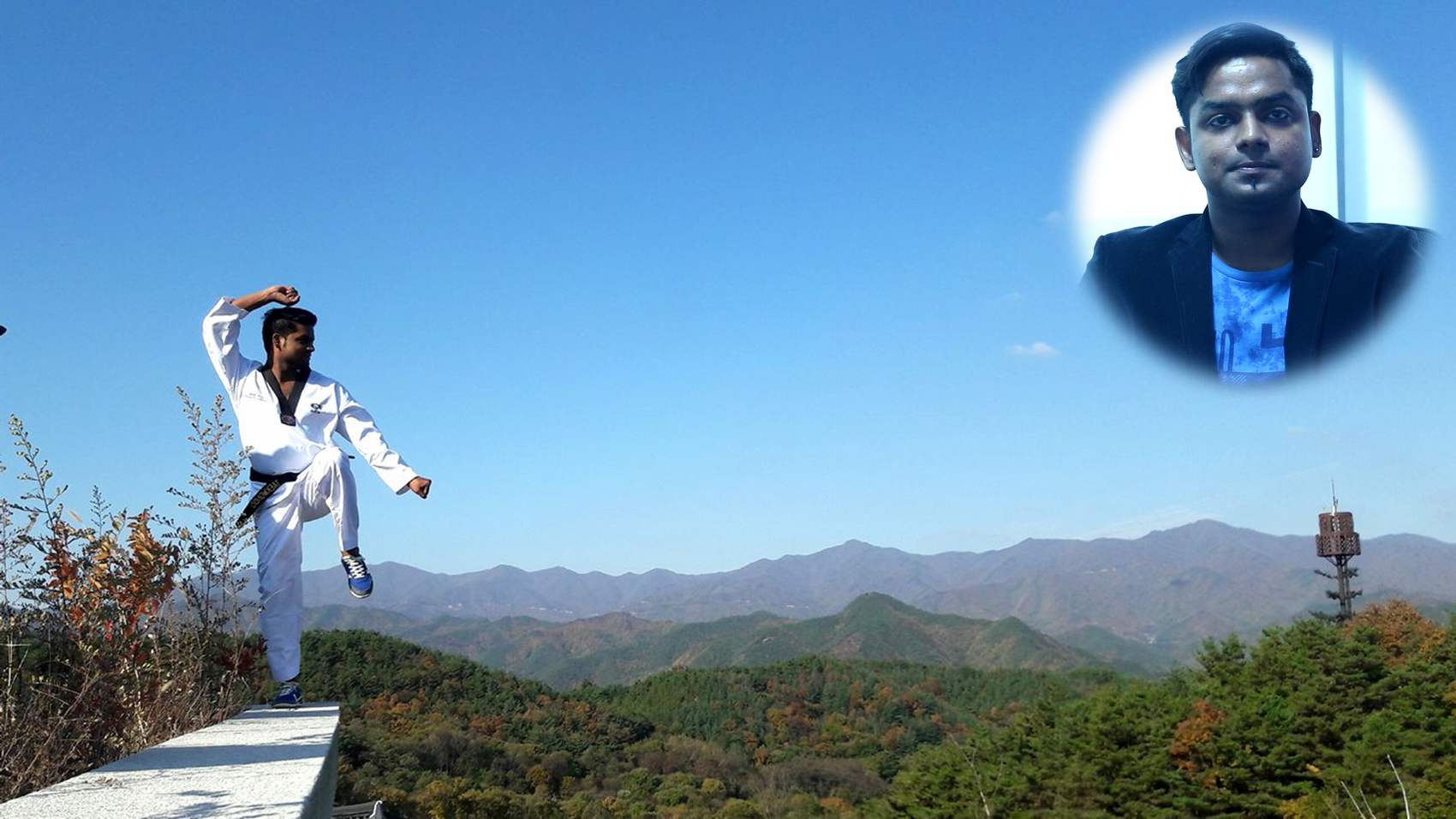
Taekwondo is a Korean martial art, characterised by its emphasis on head-height kicks, jumping and spinning kicks, and fast kicking techniques.

"I started Taekwondo in 2004. I am a 3rd Dan Black Belt and won CBSE Nationals in 2009. I represented India twice at World Taekwondo Partnership Program in South korea. I have done Advance Diploma in Coaching from Kyunghee University, South Korea and I am a 2nd class National Referee."


Career Counselling 2.0 Career Counselling 2.0 Career Counselling 2.0 Career Counselling 2.0 Career Counselling 2.0


Career in Playing Golf
Playing Golf
Arjun Singh Bartwal
Golf Player | ITC Golf
[ 12 years & 3 months Experience ]

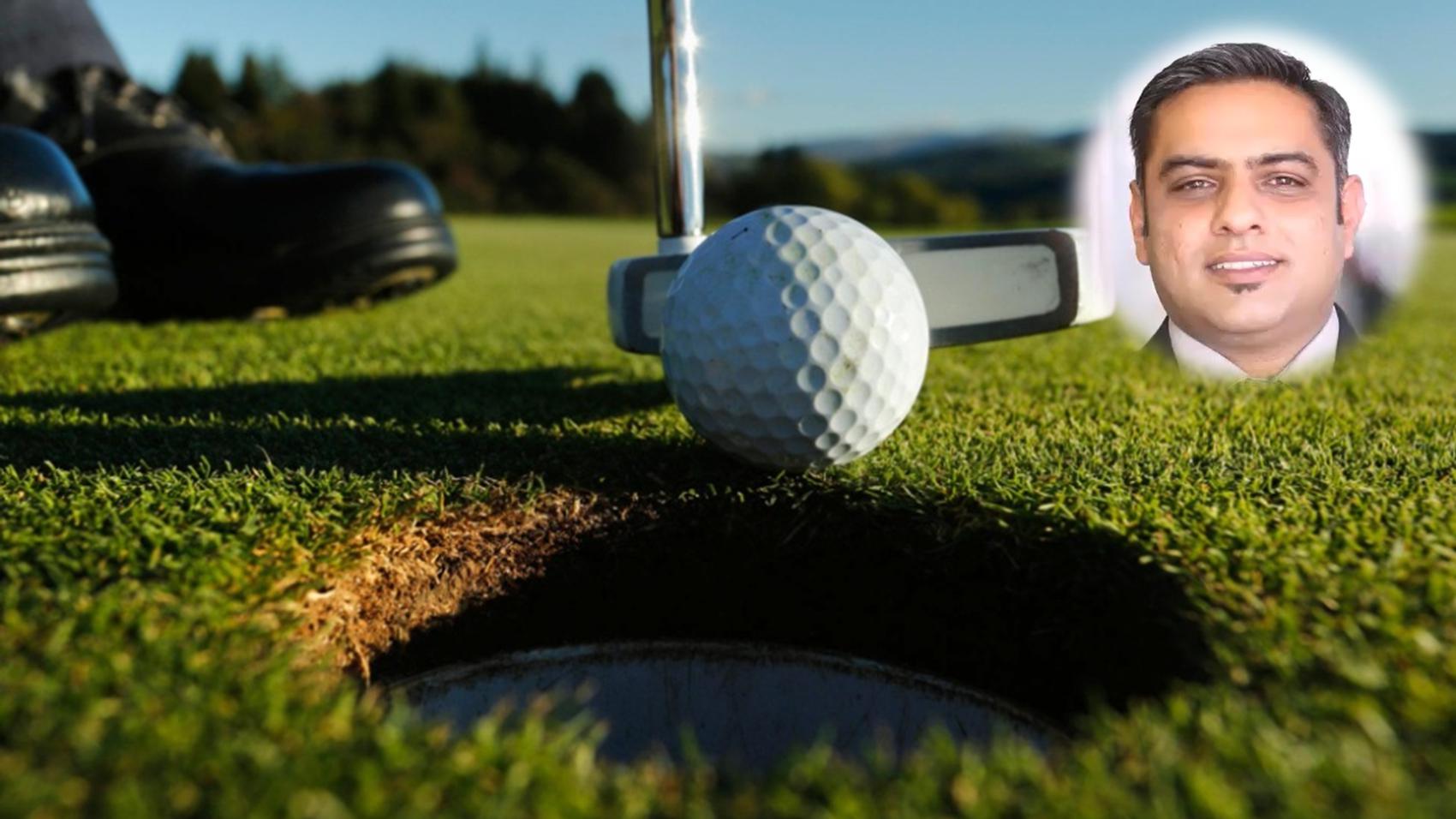
Golf is a club and ball sport in which players use various clubs to hit balls into a series of holes on a course in as few strokes as possible and its a very unique sport.

"I started playing Golf in 2004 after my engineering. BY 2004 I was playing at National Amateur level and Turned Pro in 2007 and got my teaching license in 2010."


Career Counselling 2.0 Career Counselling 2.0 Career Counselling 2.0 Career Counselling 2.0 Career Counselling 2.0


Career in Para Sports Training
Para Sports Training
Naresh Singh Nayal
Sports Instructor | NIEPVD
[ 3 years & 5 months Experience ]

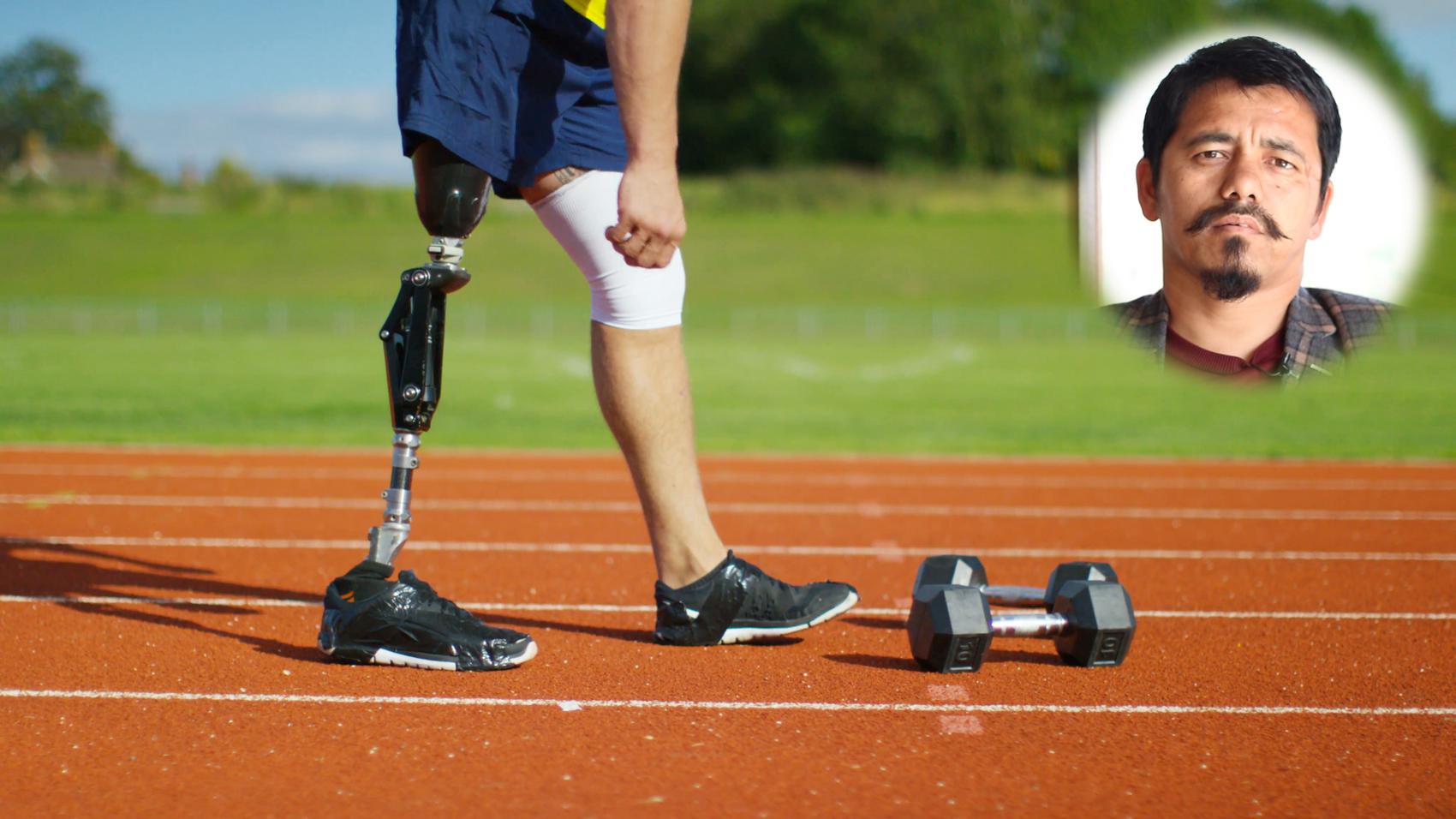
Parasports, are sports played by persons with a disability, including physical and intellectual disabilities.

"After completing Graduation and Post Graduation form IGNOU in Hindi, I did my Graduation and Post Graduation in Physical Education from Nagpur. I have been working as a Sports Instructor in NIEPVD since 2015."


Career Counselling 2.0 Career Counselling 2.0 Career Counselling 2.0 Career Counselling 2.0 Career Counselling 2.0


Career in Playing Hockey
Playing Hockey
Manpreet Singh
Hockey Player | Men's Hockey Junior Team
[ 11 years & 11 months Experience ]

Field Hockey, also called "Hockey" in India, is an outdoor game played by two opposing teams of 11 players each who use sticks curved at the striking end to hit a small, hard ball into their opponent's'goal. It is called field hockey to distinguish it from a similar game played on ice.

"I have completed my schooling from Andhra Samiti High School, Nanded and Graduation from Vinayaka Mission University. I have been playing for Indian Team in Junior Asia Cup, South Asian Games where my team got Gold & Silver Medal Respectively. I have been playing nationals for Maharashtra team and playing for Indian Railways team."


Career Counselling 2.0 Career Counselling 2.0 Career Counselling 2.0 Career Counselling 2.0 Career Counselling 2.0


Career in Teaching Hockey
Teaching Hockey
Poonam Bala
Senior Hockey Coach | Sports Authority of India
[ 34 years & 1 month Experience ]

Hockey is an outdoor sport played by two opposing teams of 11 players each who use their sticks curved at the striking end to hit a small, hard ball into their opponent's goal. There are many types of hockey such as bandy, field hockey and ice hockey. In India, field hockey is known simply as "hockey".

"I am a former hockey player and have been serving as Hockey Coach at Sports Authority of India since 1984."


Career Counselling 2.0 Career Counselling 2.0 Career Counselling 2.0 Career Counselling 2.0 Career Counselling 2.0


[Install the LifePage App to access all Talks]


<?php echo $altimage; ?>


<?php echo $altimage; ?>


&mbsp;


Career Counselling 2.0 | Home   Home  
Career Counselling 2.0 | Abroad   Abroad  
Career Counselling 2.0 | Plan   Plan  
Career Counselling 2.0 | Talks   Talks  
Career Counselling 2.0 | Philosophy   Philosophy  
Career Counselling 2.0 | Seminar   Seminar  
Career Counselling 2.0 | Workshop   Workshop  
Career Counselling 2.0 | Pages   Pages  
Career Counselling 2.0 | Advisors   Advisors  
Career Counselling 2.0 | Discuss   Discuss  
Career Counselling 2.0 | Meet   Meet  
Career Counselling 2.0 | Advisor   Advisor  
Career Counselling 2.0 | Story   Story  
Career Counselling 2.0 | Fine Print   Fine Print  
Career Counselling 2.0 | Links   Links  
Career Counselling 2.0 | Blog   Blog  
Career Counselling 2.0 | Testimonials   Testimonials  
Career Counselling 2.0 | Follow   Follow  
 
[ Site Visits ]


Career Counselling 2.0