The Journey of Dentistry
What Is Dentistry
Dentistry

Dentistry is the branch of medicine focused on the diagnosis, prevention, and treatment of diseases and conditions of the oral cavity, teeth, gums, and related structures. It encompasses a wide range of practices, including restorative, cosmetic, and surgical procedures, all aimed at promoting optimal oral health.
Dentistry plays a crucial role in overall health by maintaining and restoring oral function, aesthetics, and comfort. For professionals, it offers the opportunity to make a tangible difference in patients’ lives, fostering confidence and well-being. The field provides intellectual stimulation through continual advancements in techniques and technology. Dentists also benefit from strong job stability and the potential for entrepreneurial practice ownership. Additionally, dentistry allows for meaningful patient relationships, as practitioners often treat individuals and families over many years, witnessing the positive impact of their care on both oral and general health.
A dentist in a community clinic encounters a patient suffering from severe tooth pain caused by untreated cavities. After a thorough examination and diagnosis, the dentist performs restorative procedures, such as fillings and possibly a root canal, to alleviate pain and save the affected teeth. The dentist also educates the patient about proper oral hygiene and preventive care, helping to reduce the risk of future dental issues. Through these actions, the dentist not only relieves immediate discomfort but also improves the patient’s long-term oral health and quality of life, demonstrating the practical and compassionate application of dentistry in everyday practice.
Education
Anatomy

Anatomy is the scientific study of the structure of living organisms, focusing on the organization and relationships of body parts. In Dentistry, anatomy encompasses the detailed understanding of oral, craniofacial, and head and neck structures, forming a crucial component of both academic learning and professional competence for dental practitioners.
A thorough grasp of anatomy is indispensable for anyone entering the field of Dentistry. This subject provides the essential framework for understanding the complex structures of the oral cavity, teeth, jaws, and associated tissues. Mastery of anatomical concepts allows dental professionals to accurately diagnose conditions, plan effective treatments, and perform procedures with precision. It also underpins the ability to interpret radiographs, administer local anesthesia safely, and avoid complications during surgical interventions. Over the course of a dental career, a strong foundation in anatomy supports ongoing learning, adaptation to new techniques, and effective communication with colleagues in multidisciplinary healthcare teams. Ultimately, it ensures patient safety and enhances the quality of care delivered in every aspect of dental practice.
Consider a dentist performing a routine extraction of a lower molar. Their knowledge of mandibular anatomy guides them in identifying the exact position of the tooth roots in relation to the mandibular canal, which houses the inferior alveolar nerve. This understanding is critical to avoid nerve injury, which could result in numbness or pain for the patient. Additionally, the dentist must be aware of the surrounding blood vessels and soft tissues to minimize bleeding and promote proper healing. By applying their anatomical knowledge, the dentist ensures the procedure is both safe and effective, demonstrating how theoretical understanding directly translates into practical, high-quality patient care.
Histology

Histology is the scientific study of the microscopic structure of tissues and cells. In Dentistry, it provides essential insights into the organization and function of oral tissues, such as enamel, dentin, pulp, and gingiva. Mastery of histology is fundamental for both academic success and effective clinical practice in dental professions.
Understanding histology is vital for anyone pursuing a career in Dentistry because it forms the basis for comprehending how oral tissues develop, function, and respond to disease. This knowledge allows dental professionals to recognize normal versus pathological tissue changes, which is crucial for accurate diagnosis and treatment planning. A strong foundation in histology also enhances the ability to interpret biopsy results, understand the mechanisms of tissue healing, and appreciate the effects of various dental materials on oral tissues. Over the long term, this expertise supports lifelong learning, fosters critical thinking, and ensures that dental practitioners can adapt to advances in biomedical science, ultimately leading to improved patient care and professional growth.
Consider a dentist examining a patient with persistent gum inflammation. By applying their knowledge of histology, the dentist can distinguish between healthy and diseased gingival tissues at the microscopic level. This understanding helps in identifying early signs of periodontal disease, such as changes in the epithelial lining or connective tissue structure. The dentist can then make informed decisions about appropriate interventions, such as recommending specific treatments or referring the patient for a biopsy. Additionally, when reviewing biopsy results, the dentist’s histological expertise enables accurate interpretation of cellular changes, ensuring a precise diagnosis and effective management plan. This practical application of histology directly impacts patient outcomes and exemplifies its importance in daily dental practice.
Subject Knowledge

Subject Knowledge refers to the comprehensive understanding of the theories, principles, and scientific facts that underpin a specific field. In Dentistry, it encompasses anatomy, physiology, pathology, dental materials, and clinical procedures. This knowledge forms the academic and professional foundation necessary for safe, effective, and ethical dental practice.
Developing strong subject knowledge is essential for anyone preparing for or working in Dentistry because it ensures a deep grasp of the biological, chemical, and clinical sciences that drive patient care. Mastery of these concepts allows dental professionals to accurately diagnose conditions, select appropriate treatments, and anticipate potential complications. This foundational knowledge also supports lifelong learning, enabling practitioners to adapt to advancements in dental technology and research. Furthermore, a robust understanding of the subject matter builds confidence and credibility, fostering trust with patients and colleagues. Over the course of a career, this expertise not only enhances clinical competence but also opens opportunities for specialization, research, and leadership within the dental field.
Consider a dentist who encounters a patient with persistent tooth pain and swelling. Drawing on their subject knowledge, the dentist recognizes the symptoms of a possible periapical abscess. Their understanding of oral anatomy and infection pathways guides them in conducting a thorough examination and interpreting radiographs accurately. This theoretical foundation enables the dentist to explain the diagnosis to the patient, discuss treatment options such as root canal therapy or extraction, and implement the chosen procedure safely. By applying their subject knowledge, the dentist ensures effective pain relief, prevents further complications, and delivers high-quality care, demonstrating how theoretical understanding directly impacts daily clinical practice.
Clinic

Clinic, in the context of dentistry, refers to the practical, hands-on environment where dental students and professionals apply theoretical knowledge to diagnose, treat, and manage patient oral health. It bridges academic learning with real-world patient care, forming a critical component of dental education and ongoing professional development within the field.
Understanding the clinic is essential for anyone pursuing a career in dentistry because it transforms theoretical concepts into practical skills. Mastery of clinical procedures, patient communication, and ethical decision-making begins in the clinic, where students learn to navigate complex cases under supervision. This environment fosters critical thinking, adaptability, and confidence, all of which are indispensable for effective patient care. Over time, clinical experience builds a strong foundation for lifelong learning and professional growth, ensuring that dental practitioners remain competent and responsive to advances in techniques and technology. The clinic also cultivates teamwork and interdisciplinary collaboration, which are increasingly important in modern healthcare settings. Ultimately, a deep understanding of clinic operations and protocols is vital for delivering safe, high-quality dental care throughout one’s career.
Consider a dentist working in a busy urban clinic who encounters a patient with severe tooth pain and swelling. Drawing on their clinical training, the dentist conducts a thorough examination, interprets radiographs, and diagnoses an acute dental abscess. The dentist then explains the condition and treatment options to the patient, ensuring informed consent before proceeding. Using sterile technique and clinical protocols, the dentist performs an emergency root canal procedure, manages pain, and prescribes appropriate medications. Throughout the process, the dentist’s clinical expertise ensures patient safety, comfort, and optimal outcomes. This scenario highlights how a solid grounding in clinic principles enables dental professionals to confidently address complex cases and deliver effective, compassionate care in real-world settings.
Skills
Manual Skills

Manual skills refer to the precise and coordinated use of hands and fingers to manipulate instruments, perform delicate procedures, and execute fine motor tasks with accuracy. In dentistry, manual skills are fundamental, enabling professionals to carry out intricate treatments, restore oral health, and ensure patient comfort through skillful, controlled movements.
Manual skills are at the heart of effective dental practice, directly influencing the quality of care and patient outcomes. Dentists with refined manual dexterity can perform complex procedures, such as fillings, extractions, and root canals, with greater accuracy and efficiency. Clients and employers highly value these abilities because they minimize discomfort, reduce the risk of complications, and lead to superior results. Cultivating manual skills requires consistent practice, often beginning in dental school with simulation exercises and progressing through real-world experience. Over time, professionals can further enhance their dexterity by staying updated with new techniques, engaging in continuous training, and seeking feedback from mentors and peers.
Consider a scenario where a dentist is performing a root canal on a patient with a severely curved tooth root. The procedure demands exceptional manual skills to navigate the narrow, curved canals without damaging the surrounding tissue. By relying on their steady hands and precise instrument control, the dentist successfully cleans and fills the canal, preserving the tooth and alleviating the patient’s pain. Without advanced manual skills, the risk of procedural errors, such as perforation or incomplete cleaning, would increase significantly. This example highlights how manual dexterity is not just a technical requirement but a critical factor in achieving successful outcomes and maintaining patient trust in dental care.
Constant Learning

Constant Learning is the ongoing process of acquiring new knowledge, refining existing skills, and adapting to advancements within a professional field. In dentistry, this means staying updated with the latest research, technologies, and treatment methods. It is a crucial component of a dentist’s toolkit, ensuring high-quality patient care and professional growth.
Constant Learning directly enhances a dentist’s performance by enabling them to offer the most effective and up-to-date treatments. Patients and employers value professionals who demonstrate a commitment to learning, as it reflects dedication to safety, innovation, and excellence in care. Dentists can cultivate this skill by attending workshops, participating in continuing education courses, reading scientific journals, and engaging in professional networks. Over time, these habits foster adaptability and confidence, allowing dental professionals to respond effectively to new challenges and integrate emerging best practices into their daily work. This commitment not only improves patient outcomes but also builds trust and credibility within the community.
Imagine a dentist who encounters a patient with a rare oral condition that standard treatments fail to resolve. Drawing on their habit of constant learning, the dentist recalls a recent seminar about innovative diagnostic techniques and minimally invasive procedures. By researching the latest studies and consulting with peers, the dentist identifies a novel treatment approach that successfully addresses the patient’s issue. This not only alleviates the patient’s discomfort but also enhances the dentist’s reputation for expertise and problem-solving. In this scenario, the dentist’s commitment to continuous education directly leads to a positive outcome, demonstrating how essential constant learning is for navigating complex cases and achieving professional success.
Empathy

Empathy is the ability to understand and share another person's feelings, perspectives, and experiences, allowing for genuine connection and support. In dentistry, empathy enables professionals to recognize patients’ anxieties, fears, and concerns, fostering trust and comfort. This core skill is vital for building strong patient relationships and delivering effective care.
Empathy directly enhances a dentist’s performance by improving communication, patient cooperation, and overall satisfaction. Patients who feel understood are more likely to follow treatment plans and return for regular care, which benefits both their health and the dental practice’s reputation. Employers and clients value empathetic dentists because they create a welcoming environment, reduce patient stress, and handle sensitive situations with care. Cultivating empathy involves active listening, observing nonverbal cues, and reflecting on patient feedback. Over time, consistent self-awareness and a genuine interest in patients’ well-being help professionals deepen their empathetic approach, making it an integral part of their daily interactions and long-term success.
Imagine a patient who is visibly anxious about an upcoming root canal procedure. Instead of dismissing their fears, the dentist takes time to listen, acknowledges the patient’s concerns, and explains each step of the process in simple terms. By sharing stories of other patients who overcame similar fears and offering reassurance, the dentist helps the patient feel understood and supported. This empathetic approach not only calms the patient but also increases their trust in the dentist’s expertise. As a result, the procedure proceeds smoothly, and the patient leaves with a positive impression, more likely to return for future care and recommend the practice to others.
Communication

Communication is the process of exchanging information, thoughts, and feelings through verbal, nonverbal, and written means to achieve mutual understanding. In dentistry, communication serves as a cornerstone for building trust, ensuring patient comfort, and facilitating accurate diagnosis and treatment. It is indispensable for effective collaboration and patient care.
Strong communication skills enable dental professionals to clearly explain complex procedures, address patient concerns, and provide reassurance, which directly improves patient satisfaction and treatment outcomes. Employers and clients value this skill because it fosters a positive environment, reduces misunderstandings, and enhances teamwork within the dental practice. Over time, communication can be cultivated through active listening, empathy, and continuous feedback from colleagues and patients. Attending workshops, engaging in reflective practice, and seeking mentorship are also effective ways to refine this skill. As communication abilities grow, dental professionals become more adept at managing diverse patient needs, navigating challenging conversations, and contributing to a harmonious workplace.
Imagine a dentist treating a patient who is anxious about an upcoming root canal. By using clear, compassionate communication, the dentist explains each step of the procedure, addresses the patient’s fears, and answers all questions patiently. This approach helps the patient feel understood and reduces anxiety, making the treatment process smoother and more efficient. When a complication arises during the procedure, the dentist promptly informs the patient, discusses alternative solutions, and involves the dental team in decision-making. Through effective communication, the dentist not only resolves the immediate issue but also strengthens the patient’s trust and confidence in the care provided, ultimately leading to a successful outcome.
Team Work

Team work is the collaborative effort of individuals working together toward a common goal, utilizing their diverse skills, perspectives, and strengths to achieve optimal outcomes. In dentistry, team work is crucial because patient care often requires seamless coordination among dentists, hygienists, assistants, and administrative staff, ensuring efficient, safe, and high-quality service.
Team work directly enhances performance in dentistry by fostering clear communication, reducing errors, and streamlining complex procedures. Clients and employers value this skill because it leads to better patient experiences, improved treatment outcomes, and a more harmonious work environment. A dental practice that operates as a cohesive unit can handle high patient volumes, adapt to unexpected challenges, and maintain a positive reputation. To cultivate team work, professionals should actively listen, respect diverse viewpoints, and participate in regular team meetings or training sessions. Over time, building trust and understanding among colleagues strengthens collaboration, making it easier to delegate tasks, share responsibilities, and support one another in delivering exceptional patient care.
Imagine a dental clinic faced with a patient experiencing a severe allergic reaction during a routine procedure. The dentist quickly assesses the situation and communicates the emergency to the team. The dental assistant retrieves emergency medication, while the hygienist calls emergency services and reassures the patient’s family. The front desk staff coordinates with paramedics upon arrival. Each team member’s swift, coordinated actions are vital in stabilizing the patient and ensuring a positive outcome. This scenario highlights how effective team work allows dental professionals to respond efficiently to critical situations, demonstrating that success in dentistry often depends on the collective effort and seamless cooperation of the entire team.
Positives
Satisfaction

Satisfaction is the deep sense of fulfillment and contentment that arises from achieving meaningful goals, making a positive difference, and seeing tangible results from one’s efforts. In dentistry, satisfaction is rooted in the ability to restore health, enhance smiles, and improve patients’ quality of life through skilled care and compassion.
The sense of satisfaction in dentistry is a powerful motivator that elevates the entire professional experience. Dentists witness the direct impact of their work, from alleviating pain to transforming a patient’s confidence with a restored smile. This ongoing feedback fosters a strong sense of purpose and pride, which in turn boosts morale and encourages continual growth. The daily opportunity to solve problems, build trusting relationships, and see immediate results from treatments creates a dynamic and rewarding environment. This positive aspect not only enhances personal well-being but also inspires professionals to strive for excellence, ensuring that their passion for helping others remains at the heart of their career.
Consider a dentist who treats a patient suffering from severe dental anxiety and chronic tooth pain. Through gentle communication and expert care, the dentist successfully completes the necessary procedures, relieving the patient’s discomfort and restoring their ability to eat and smile confidently. The gratitude expressed by the patient, coupled with the visible improvement in their well-being, provides the dentist with a profound sense of satisfaction. This moment reaffirms the dentist’s choice of profession, highlighting how their skills and empathy can truly change lives. Such experiences are not rare in dentistry; they are woven into the fabric of daily practice, continually reinforcing the rewarding nature of the field.
Respect & Recognition

Respect and recognition refer to the esteem, appreciation, and acknowledgment that individuals receive from others for their expertise, dedication, and positive impact. In dentistry, this means being valued by patients, colleagues, and the community for improving oral health and enhancing lives, which fosters a sense of pride and fulfillment.
The respect and recognition that dentists receive are powerful motivators that enhance both personal and professional satisfaction. Knowing that their skills are trusted and their efforts are appreciated encourages dentists to strive for excellence and continuous improvement. This positive feedback loop not only boosts morale but also fosters a supportive work environment, leading to greater job satisfaction and lower burnout rates. Dentists often find that their role as healthcare providers earns them admiration and gratitude from patients whose lives they touch, reinforcing their sense of purpose. This ongoing acknowledgment helps drive career growth, as respected professionals are more likely to receive opportunities for advancement, leadership, and collaboration within the dental community.
Imagine a dentist who has just completed a complex restorative procedure for a patient who had long suffered from dental pain and self-consciousness. After the treatment, the patient expresses heartfelt gratitude, sharing how their confidence and quality of life have dramatically improved. The dentist is also commended by colleagues for their skill and compassion in handling the case. This genuine appreciation and acknowledgment from both the patient and peers provide the dentist with a deep sense of accomplishment and pride. Such moments of respect and recognition not only validate the dentist’s expertise but also serve as daily reminders of the meaningful difference they make in people’s lives.
Being your own Boss

Being your own boss means having the autonomy to make independent decisions, set your own schedule, and shape the direction of your professional practice. In dentistry, this translates to controlling your work environment, choosing your team, and determining the kind of care you provide, which fosters both personal and professional fulfillment.
The ability to be your own boss in dentistry is a transformative advantage that elevates job satisfaction and career growth. Dentists who run their own practices enjoy the freedom to implement their values and vision, creating a workplace culture that aligns with their ideals. This independence allows for flexible scheduling, enabling a healthy work-life balance and reducing burnout. Daily, dental professionals experience the satisfaction of seeing their decisions directly impact patient care and business success. The sense of ownership and responsibility not only motivates continual learning and improvement but also fosters a deep sense of pride in their achievements. Ultimately, being your own boss empowers dentists to shape their careers in meaningful and rewarding ways.
Imagine a dentist who has established their own practice in a community they care deeply about. Each day, they decide which services to offer, select the latest technology to invest in, and hire staff who share their commitment to compassionate care. When a patient walks in with dental anxiety, the dentist can take extra time to ensure comfort, without pressure from external management. This autonomy allows the dentist to build lasting relationships with patients, tailor treatments to individual needs, and witness firsthand the positive impact of their choices. The fulfillment comes not just from clinical success, but from knowing that every aspect of the practice reflects their personal vision and dedication.
Comfortable Environment

A "Comfortable Environment" in dentistry refers to a workspace that is clean, well-organized, climate-controlled, and ergonomically designed, fostering both physical ease and mental well-being. This environment supports focused, precise work and encourages positive interactions, allowing dental professionals to deliver high-quality care while maintaining their own health and satisfaction.
The comfortable environment found in dental practices is a significant factor in making dentistry a highly rewarding career. Working in a space that is thoughtfully designed for efficiency and comfort reduces physical strain and minimizes workplace stress. This, in turn, allows dental professionals to concentrate fully on patient care, leading to higher job satisfaction and better outcomes. The sense of safety and support within such an environment also fosters professional growth, as practitioners feel empowered to learn, innovate, and collaborate. Every day, dentists benefit from a setting that not only protects their well-being but also enhances their ability to build trusting relationships with patients, making their work both enjoyable and meaningful.
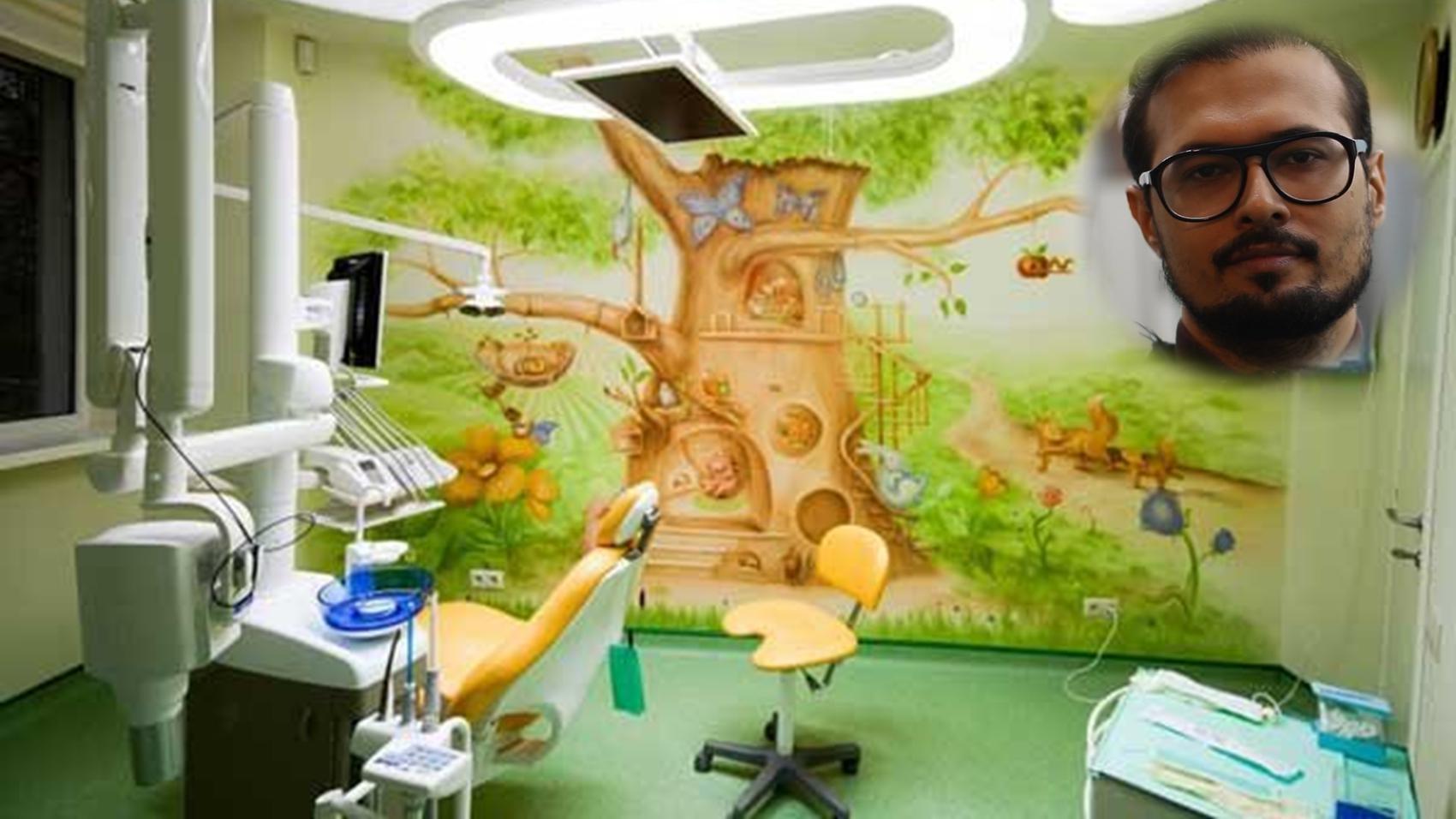
Imagine a dentist starting their day in a modern clinic, greeted by natural light, comfortable seating, and advanced equipment arranged for easy access. As they move from patient to patient, the ergonomic design of their workspace prevents fatigue and discomfort, allowing them to focus entirely on providing gentle, attentive care. The calm atmosphere helps patients feel at ease, leading to smoother appointments and more positive interactions. At the end of the day, the dentist reflects on how the supportive environment enabled them to perform at their best, maintain their energy, and leave work feeling fulfilled. This daily experience highlights the profound impact a comfortable environment has on both professional satisfaction and patient well-being.
Challenges
Long & Expensive Studies

Long & Expensive Studies in Dentistry refer to the extended years of rigorous academic training, clinical practice, and ongoing specialization, coupled with significant financial investment in tuition, materials, and exams. This demanding journey requires sustained commitment, as aspiring dentists must balance academic excellence with the burden of accumulating educational debt.
The challenge of long and expensive studies in dentistry can weigh heavily on professionals, often leading to stress, financial strain, and delayed personal milestones. The demanding nature of the curriculum and the pressure to excel in both theoretical and clinical settings require exceptional resilience. Many professionals must juggle part-time work or seek scholarships to manage costs, while also dedicating themselves to continuous learning. Successful dentists often rely on strong support networks, careful financial planning, and a clear vision of their long-term goals to stay motivated. By embracing mentorship, seeking guidance from experienced colleagues, and maintaining a healthy work-life balance, they navigate these constraints and emerge with the skills and confidence needed for a rewarding career.
Consider Dr. Maria, who aspired to become an orthodontist. She faced years of intensive study and mounting tuition fees, which initially seemed overwhelming. To manage these challenges, she applied for educational grants and worked as a dental assistant during her studies, gaining practical experience while easing her financial burden. Dr. Maria also joined a peer study group, which provided emotional support and helped her stay focused during difficult times. Through careful budgeting and perseverance, she completed her specialization without excessive debt. Today, Dr. Maria not only thrives in her practice but also mentors students facing similar obstacles, demonstrating that with determination and strategic planning, the hurdles of long and expensive studies can be overcome.
Initial Investment

Initial investment in Dentistry refers to the substantial financial outlay required to establish a dental practice, including costs for equipment, technology, office space, and licensing. This demand is significant because it often necessitates loans or personal savings, creating financial pressure before any patient revenue is generated.
The challenge of initial investment can shape every aspect of a dentist’s daily work, from the quality of care provided to the ability to adopt new technologies. High upfront costs may lead to stress and cautious decision-making, requiring resilience to maintain focus on patient care while managing financial obligations. Successful dental professionals often overcome this by seeking mentorship, carefully planning expenditures, and leveraging financial products tailored for healthcare providers. They may also start with a modest setup, gradually expanding as the patient base grows. By balancing ambition with pragmatism, they ensure that financial constraints do not compromise the quality of their services or their long-term professional growth.
Consider a young dentist who dreams of opening a private clinic but is daunted by the high initial investment. Instead of immediately purchasing the latest equipment, she chooses to lease essential tools and shares office space with another practitioner. This approach reduces her upfront costs and financial risk, allowing her to focus on building a loyal patient base. Over time, as her reputation and income grow, she reinvests profits into upgrading equipment and expanding her services. By strategically managing her resources and making incremental improvements, she successfully navigates the initial financial barrier and establishes a thriving practice.
Constantly Updation

Constantly Updation in Dentistry refers to the ongoing necessity for dental professionals to stay abreast of rapid advancements in techniques, materials, technologies, and regulatory standards. This relentless pace of change requires continuous learning and adaptation, making it a demanding aspect of the profession that challenges even the most experienced practitioners.
The challenge of Constantly Updation significantly impacts the daily work of dental professionals by requiring them to integrate new knowledge and skills into their routines while maintaining high standards of patient care. This ongoing demand can lead to stress, time constraints, and the risk of professional stagnation if not addressed proactively. Resilience becomes essential, as practitioners must balance clinical responsibilities with ongoing education. Successful professionals manage this constraint by cultivating a mindset of lifelong learning, actively seeking out reputable continuing education opportunities, and engaging with professional networks. They prioritize adaptability, embrace new technologies, and remain open to evolving best practices, ensuring they deliver optimal care while maintaining their professional relevance.
Consider a dentist who, after years of practicing traditional restorative techniques, recognizes the emergence of digital dentistry as a transformative trend. Rather than resisting change, the dentist enrolls in specialized courses on digital impressions and CAD/CAM restorations, dedicating evenings and weekends to mastering these skills. By gradually incorporating digital workflows into the practice, the dentist not only enhances treatment outcomes but also improves patient satisfaction and practice efficiency. This proactive approach to Constantly Updation allows the dentist to remain competitive, confident, and fulfilled in a rapidly evolving field, demonstrating that embracing change is both possible and rewarding.
Office Management

Office management in dentistry refers to the coordination of administrative, financial, and operational tasks within a dental practice. This includes scheduling, billing, compliance, staff supervision, and patient communication. The role is demanding because it requires multitasking, attention to detail, and balancing patient care with business efficiency in a fast-paced environment.
The complexity of office management in dentistry can significantly impact daily operations, often leading to stress, workflow interruptions, and reduced patient satisfaction if not handled effectively. Professionals must demonstrate resilience as they juggle patient needs, regulatory requirements, and team dynamics, all while maintaining high standards of care. Successful dental practitioners often invest in staff training, leverage practice management software, and foster open communication to streamline processes. By delegating tasks appropriately and prioritizing responsibilities, they create a more organized and less stressful work environment. This proactive approach not only enhances productivity but also allows dental professionals to focus more on clinical excellence and patient relationships, ultimately contributing to the long-term success of the practice.
Consider a dentist who recently took over a busy urban practice struggling with frequent appointment overlaps, billing errors, and staff turnover. Recognizing these office management challenges, the dentist implemented a digital scheduling and billing system, provided targeted training for the administrative team, and established regular staff meetings to address workflow concerns. Over several months, appointment accuracy improved, billing discrepancies decreased, and staff morale increased due to clearer communication and defined roles. Patients noticed shorter wait times and more efficient service, resulting in positive feedback and increased referrals. By actively addressing office management obstacles, the dentist transformed the practice into a well-organized, patient-centered environment, demonstrating how effective management can directly enhance both operational success and patient care.
Competition

Competition in Dentistry refers to the ongoing challenge of attracting and retaining patients amid a growing number of dental practitioners and clinics. This environment demands constant innovation, exceptional patient care, and effective marketing, making it difficult for professionals to stand out and maintain a thriving practice in a saturated market.
The pressure of competition in Dentistry can influence daily operations, from patient acquisition to the adoption of new technologies. Dentists may feel compelled to extend working hours, invest in advanced equipment, or offer additional services to keep pace with rivals. This constant drive to differentiate requires resilience, adaptability, and a commitment to continuous improvement. Successful professionals manage this challenge by building strong patient relationships, maintaining high clinical standards, and embracing ongoing education. They also leverage digital marketing and community engagement to enhance their reputation and visibility. By focusing on personalized care and fostering trust, dentists can create loyal patient bases that help buffer the effects of intense competition.
Consider a dentist practicing in a city with several established clinics nearby. Recognizing the competitive landscape, she invests in patient-centered care by offering flexible appointment times and implementing digital communication tools for easier scheduling and follow-up. She also participates in local health fairs and provides educational seminars, positioning herself as a trusted community resource. Over time, her commitment to patient satisfaction and community involvement leads to positive word-of-mouth referrals and online reviews. As a result, her practice grows steadily despite the presence of numerous competitors, demonstrating how a proactive and patient-focused approach can successfully overcome the challenges posed by competition in Dentistry.
A Day Of
Dentistry
The hum of dental equipment, the scent of antiseptic, and the steady rhythm of patient appointments set the tone for a day in the life of a dentistry professional. Each workday unfolds with a blend of precision, empathy, and adaptability, as dentists navigate a fast-paced environment where every minute counts and every patient brings a new challenge. Behind the calm reassurance offered to patients lies a world of meticulous preparation, technical expertise, and constant collaboration, all orchestrated to ensure healthy smiles and lasting trust.
As dawn breaks, the dental office comes alive with the quiet bustle of preparation. The dentist arrives early, greeted by the clinical team already setting up treatment rooms, sterilizing instruments, and reviewing the day’s schedule. This is a crucial window for reviewing patient charts, noting any special considerations, and discussing the day’s cases with hygienists and assistants. The calm before the first appointment allows for a final check of equipment and supplies, ensuring that every detail is in place for a seamless start.
By mid-morning, the practice is in full motion. The dentist moves from room to room, performing examinations, diagnosing conditions, and executing procedures ranging from routine cleanings to complex restorations. Each patient interaction demands a blend of technical skill and compassionate communication, as the dentist explains treatment options, alleviates anxieties, and delivers care with precision. The pace is brisk, with little downtime between appointments, and the team works in concert to keep the flow smooth and efficient.
After a brief lunch, the afternoon brings a renewed focus on collaborative care and hands-on procedures. The dentist may consult with specialists, review X-rays with colleagues, or participate in case discussions to ensure comprehensive treatment planning. This period often includes more involved procedures, such as crowns, root canals, or cosmetic work, requiring close coordination with dental assistants and lab technicians. The atmosphere is one of focused teamwork, as everyone works together to deliver high-quality outcomes for patients.
As the day winds down, the dentist shifts gears to wrap up clinical duties and tackle administrative responsibilities. Patient notes are finalized, follow-up care is coordinated, and lab cases are reviewed for the next day. There is time for reflecting on challenging cases, catching up on the latest dental research, and planning for upcoming appointments. The office gradually quiets, but the dentist’s attention remains on ensuring that every detail is addressed, setting the stage for another successful day ahead. |


 Home
Home Abroad
 Plan
Plan Philosophy
 Seminar
 Pages
Pages Advisors
 Testimonials
















 Workshop
 Discuss
 Meet
Meet
 Advisor
 Story
Story
 Fine Print
 Links
Links
 Blog
Blog
 Follow
