The Journey of Dentistry
What Is Dentistry
Dentistry

Dentistry is the branch of medicine focused on the diagnosis, prevention, and treatment of diseases and conditions of the oral cavity, including the teeth, gums, and related structures. It encompasses both clinical and surgical procedures to maintain oral health, restore function, and enhance the appearance of patients’ smiles.
Dentistry plays a crucial role in overall health and well-being by preventing and treating oral diseases that can affect the entire body. For professionals, dentistry offers the opportunity to make a tangible difference in patients’ lives, improve self-confidence, and promote long-term health. One major benefit is the ability to relieve pain and discomfort caused by dental issues. Another significant advantage is the chance to educate patients about proper oral hygiene, which can prevent future problems. Additionally, dentistry provides a stable and respected career path with opportunities for specialization and professional growth, allowing practitioners to continually expand their skills and knowledge.
A dentist may encounter a patient suffering from severe tooth pain due to an untreated cavity. After a thorough examination and diagnosis, the dentist performs a root canal procedure to remove the infected tissue, cleans the area, and restores the tooth with a filling or crown. This not only alleviates the patient’s pain but also preserves the natural tooth and prevents further complications. Throughout the process, the dentist educates the patient on proper oral hygiene practices to avoid similar issues in the future. This example illustrates how dentistry combines technical expertise, patient care, and preventive education to improve both immediate and long-term oral health outcomes.
Education
Periodontics

Periodontics is the dental specialty focused on the prevention, diagnosis, and treatment of diseases affecting the supporting structures of the teeth, including gums, periodontal ligament, and alveolar bone. It is an essential component of dental education and practice, ensuring comprehensive oral health care and successful long-term patient outcomes.
Understanding periodontics is vital for anyone entering or advancing in the field of dentistry because the health of the periodontium underpins the stability and longevity of teeth. Mastery of this subject allows dental professionals to recognize early signs of gum disease, implement effective preventive strategies, and manage complex cases involving tissue regeneration or surgical intervention. Periodontics forms a foundational pillar of dental knowledge, as periodontal diseases are among the most common oral health issues encountered in practice. Proficiency in this area not only enhances diagnostic and treatment skills but also improves patient trust and satisfaction. Over the course of a dental career, expertise in periodontics opens doors to specialized practice, research opportunities, and leadership roles in multidisciplinary care teams.
Consider a dentist conducting a routine check-up who notices subtle inflammation and bleeding in a patient’s gums. Drawing on their knowledge of periodontics, the dentist recognizes these as early indicators of gingivitis and educates the patient about proper oral hygiene techniques. The dentist may also perform a thorough periodontal assessment, measuring pocket depths and evaluating bone levels through radiographs. By identifying and addressing the issue promptly, the dentist prevents progression to more severe periodontal disease, which could otherwise result in tooth mobility or loss. This scenario highlights how theoretical understanding of periodontics directly informs clinical decision-making, patient education, and the implementation of preventive and therapeutic interventions in everyday dental practice.
Oral Pathology

Oral Pathology is the scientific study of diseases affecting the oral and maxillofacial regions, focusing on their causes, development, and effects. It bridges basic medical sciences and clinical dentistry, forming a crucial component of dental education and practice by enabling professionals to diagnose, manage, and prevent oral diseases effectively.
A thorough understanding of Oral Pathology is essential for anyone entering or advancing in the field of Dentistry. This subject provides the foundational knowledge required to recognize the early signs of oral diseases, differentiate between benign and malignant lesions, and understand the underlying mechanisms of various conditions. Mastery of Oral Pathology empowers dental professionals to make informed clinical decisions, ensuring accurate diagnoses and appropriate treatment plans. Over the course of a dental career, this expertise not only enhances patient outcomes but also builds professional credibility and confidence. Furthermore, staying updated in Oral Pathology supports lifelong learning, enabling practitioners to adapt to new research findings and evolving clinical guidelines.
Consider a dentist conducting a routine oral examination who notices an unusual ulcer on a patient’s tongue. Drawing upon their knowledge of Oral Pathology, the dentist assesses the lesion’s characteristics, such as size, color, and texture, and considers the patient’s medical history. Recognizing that the ulcer does not resemble common traumatic lesions, the dentist suspects a potentially serious condition, such as oral cancer or a systemic disease manifestation. This theoretical understanding prompts the dentist to perform a biopsy and refer the patient to a specialist for further evaluation. By applying Oral Pathology principles, the dentist ensures early detection and intervention, which can significantly improve the patient’s prognosis and overall health.
Prosthodotics
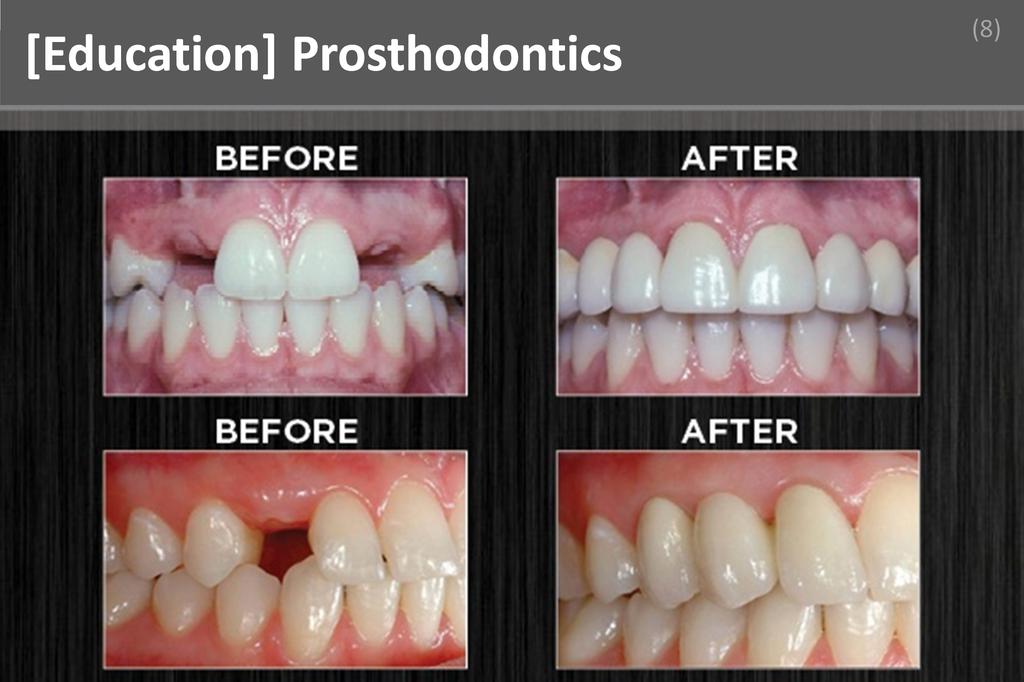
Prosthodotics is the dental specialty focused on the design, creation, and fitting of artificial replacements for teeth and other oral structures. It encompasses fixed and removable prostheses, such as crowns, bridges, dentures, and implants, and is essential for restoring oral function, aesthetics, and patient quality of life within dentistry.
Understanding prosthodotics is crucial for anyone pursuing a career in dentistry because it forms the backbone of restorative dental care. Mastery of this subject enables dental professionals to diagnose, plan, and execute treatments that restore both function and appearance for patients with missing or damaged teeth. This knowledge is foundational, as it integrates principles from anatomy, materials science, and patient-centered care. Over the long term, proficiency in prosthodotics enhances a dentist’s ability to offer comprehensive solutions, increases patient satisfaction, and broadens career opportunities in both general and specialized practice. As dental technology advances, staying informed about prosthodotics ensures practitioners remain at the forefront of effective and innovative patient care.
Consider a dentist treating a patient who has lost several teeth due to trauma. Drawing on their expertise in prosthodotics, the dentist assesses the patient’s oral health, takes precise impressions, and collaborates with a dental laboratory to fabricate a custom bridge. The dentist then carefully fits and adjusts the prosthesis, ensuring proper bite alignment and comfort. Throughout this process, their theoretical understanding of prosthodotics guides decisions about materials, design, and patient-specific factors, ultimately restoring the patient’s ability to chew, speak, and smile confidently. This scenario highlights how foundational knowledge in prosthodotics directly translates into improved patient outcomes and professional competence in daily dental practice.
Asprodontics
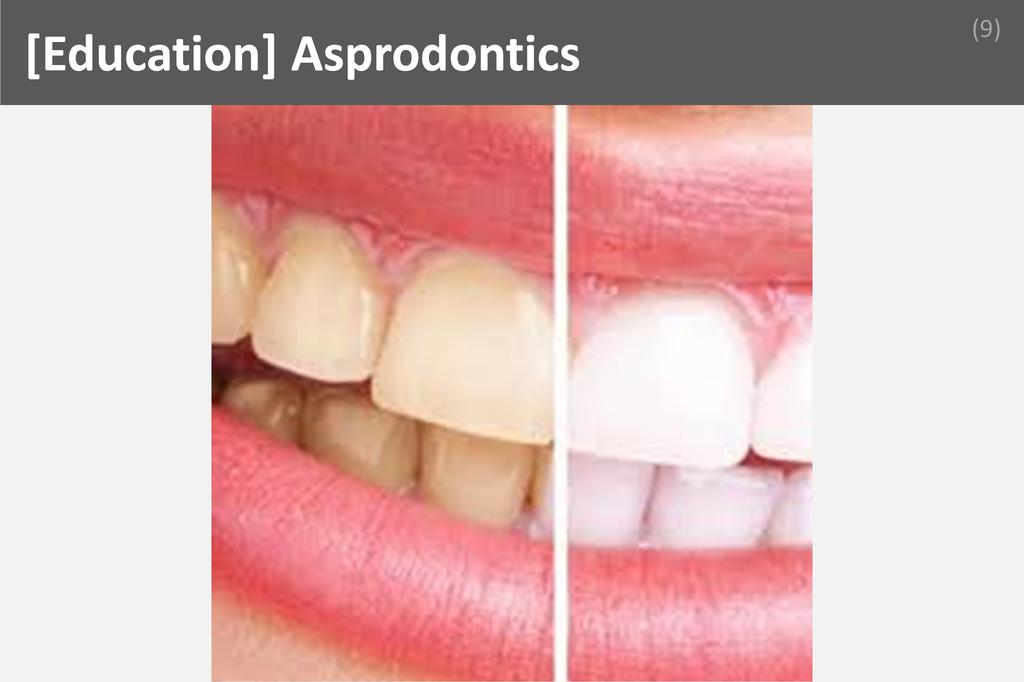
Asprodontics is the specialized study of atypical dental development, focusing on the diagnosis, prevention, and management of abnormal tooth formation and eruption patterns. It integrates principles from oral pathology, orthodontics, and pediatric dentistry, making it an essential component of dental education and practice for understanding complex dental anomalies and their treatments.
A thorough understanding of Asprodontics is vital for dental professionals because it equips them to recognize and address developmental dental anomalies early in a patient’s life. Mastery of this subject ensures that practitioners can differentiate between normal and abnormal dental growth, allowing for timely interventions that can prevent more severe complications. Asprodontics forms a foundational knowledge base, supporting accurate diagnosis, treatment planning, and interdisciplinary collaboration with specialists such as orthodontists and oral surgeons. Over the course of a dental career, expertise in Asprodontics enhances clinical confidence, improves patient outcomes, and opens opportunities for specialization in pediatric dentistry, orthodontics, and oral pathology, making it a long-term asset for professional growth and reputation.
Consider a dentist examining a young patient whose permanent teeth are erupting in an unusual sequence and position. Drawing on their knowledge of Asprodontics, the dentist identifies signs of a rare developmental disorder affecting tooth formation. Instead of attributing the irregularities to common causes, the dentist conducts a comprehensive assessment, including radiographs and genetic history. This informed approach leads to an early diagnosis, allowing the dentist to develop a tailored treatment plan that includes preventive measures, referrals to specialists, and ongoing monitoring. By applying Asprodontic principles, the dentist not only addresses the immediate dental concerns but also helps prevent future complications, ensuring the patient receives holistic and effective care.
Orthodontia
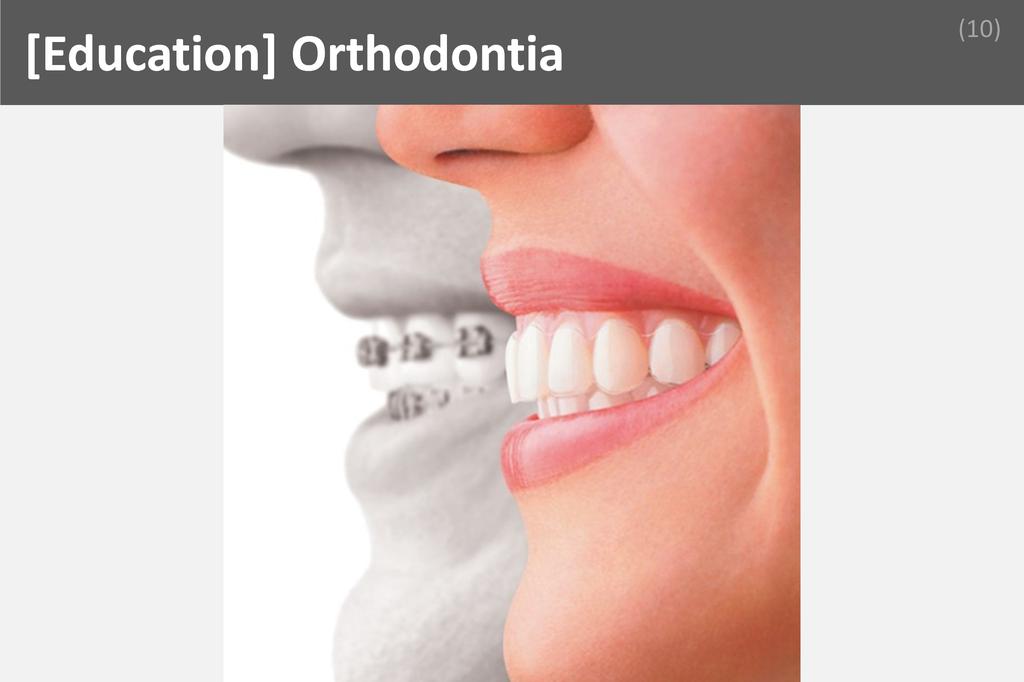
Orthodontia is a specialized branch of dentistry focused on diagnosing, preventing, and correcting misaligned teeth and jaws. It encompasses the study and application of braces, aligners, and other corrective appliances. Mastery of orthodontia is essential in dental education and practice, forming a critical component of comprehensive oral healthcare knowledge.
Understanding orthodontia is vital for anyone preparing for or working in dentistry because it addresses both functional and aesthetic aspects of oral health. Knowledge of orthodontic principles enables dental professionals to identify malocclusions, recommend appropriate interventions, and collaborate effectively with orthodontic specialists. This foundational expertise ensures that patients receive holistic care, as many dental issues are interconnected with tooth alignment and jaw positioning. Over the course of a dental career, proficiency in orthodontia enhances diagnostic accuracy, broadens treatment options, and increases professional credibility. It also allows practitioners to educate patients about the importance of early intervention, preventive strategies, and the long-term benefits of orthodontic treatment, ultimately leading to improved patient outcomes and satisfaction.
Consider a general dentist conducting a routine examination for a teenage patient. During the assessment, the dentist observes crowding and an overbite, which could lead to future oral health complications if left unaddressed. Drawing on their theoretical understanding of orthodontia, the dentist explains the implications of these issues to the patient and their parents, outlining possible treatment options such as braces or clear aligners. The dentist then collaborates with an orthodontist to develop a comprehensive treatment plan, ensuring seamless care. This scenario highlights how a solid grasp of orthodontic concepts allows dental professionals to identify problems early, communicate effectively with patients, and coordinate interdisciplinary care, ultimately supporting optimal oral health and patient trust.
Oral Surgery

Oral surgery is a specialized branch of dentistry focused on diagnosing and treating diseases, injuries, and defects involving the mouth, jaws, face, and related structures. It encompasses procedures such as tooth extractions, corrective jaw surgery, and treatment of oral pathologies, forming an essential component of dental education and clinical practice.
Understanding oral surgery is crucial for anyone pursuing a career in dentistry, as it equips professionals with the skills to manage complex dental and maxillofacial conditions. Mastery of this subject ensures that dentists can confidently assess, diagnose, and treat a wide range of oral health issues, from simple extractions to more intricate surgical interventions. This foundational knowledge not only enhances clinical competence but also broadens career opportunities, allowing dental professionals to collaborate effectively with specialists and provide comprehensive patient care. Over time, proficiency in oral surgery contributes to professional growth, increased patient trust, and the ability to adapt to evolving dental technologies and treatment protocols.
Consider a dentist who encounters a patient with an impacted wisdom tooth causing pain and swelling. Drawing on their theoretical understanding of oral surgery, the dentist evaluates the tooth’s position using radiographs, assesses the risks, and develops a surgical plan. During the procedure, the dentist applies principles of aseptic technique, local anesthesia, and precise surgical methods to remove the tooth while minimizing trauma to surrounding tissues. Post-operatively, the dentist provides instructions for pain management and monitors healing, ensuring the patient’s recovery is smooth and complication-free. This scenario highlights how a solid grasp of oral surgery principles directly translates into effective, safe, and patient-centered dental care.
Paedodontics
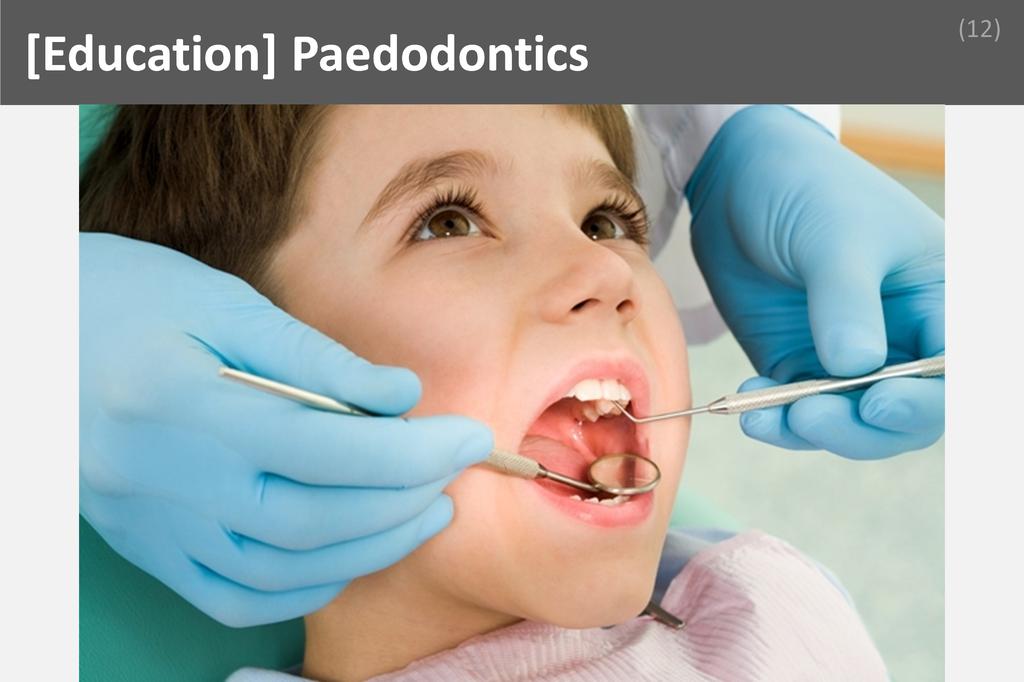
Paedodontics, also known as pediatric dentistry, is the specialized branch of dentistry focused on the oral health of infants, children, and adolescents, including those with special healthcare needs. It encompasses preventive and therapeutic dental care, playing a crucial role in the academic curriculum and professional expertise required for comprehensive dental practice.
Understanding paedodontics is essential for anyone preparing for or working in dentistry because it addresses the unique dental needs of children, whose oral health significantly impacts their overall development. Mastery of this subject ensures that dental professionals are equipped to manage the behavioral, developmental, and physiological differences present in young patients. Early intervention and preventive care, key tenets of paedodontics, help establish lifelong oral hygiene habits and prevent complex dental issues in adulthood. Furthermore, proficiency in paedodontics enhances a dentist’s ability to communicate effectively with both children and their caregivers, fostering trust and compliance. This foundational knowledge not only broadens a dentist’s scope of practice but also opens opportunities for specialization and career advancement in pediatric dental care.
Consider a dentist working in a community clinic who encounters a young child experiencing severe dental anxiety and early childhood caries. Drawing on their knowledge of paedodontics, the dentist employs behavior management techniques tailored to children, such as tell-show-do and positive reinforcement, to ease the child’s fears. They conduct a thorough examination, educate the parents on proper oral hygiene practices, and apply preventive treatments like fluoride varnish. By integrating their theoretical understanding of child psychology, growth patterns, and preventive strategies, the dentist not only addresses the immediate dental issue but also lays the groundwork for the child’s long-term oral health. This scenario highlights how expertise in paedodontics directly translates to effective, compassionate care in everyday dental practice.
Cosmetic Dentistry

Cosmetic Dentistry is a specialized field focused on improving the appearance of teeth, gums, and overall smile aesthetics through various procedures such as whitening, veneers, and bonding. It integrates both art and science, making it an essential component of dental education and professional practice, enhancing patient satisfaction and confidence.
Understanding Cosmetic Dentistry is crucial for anyone preparing for or working in the dental field because it bridges the gap between oral health and visual appeal. Mastery of cosmetic procedures not only expands a dentist’s skill set but also meets the growing demand for aesthetic treatments among patients. This knowledge forms a foundational part of comprehensive dental care, allowing professionals to address both functional and cosmetic concerns. Over the long term, proficiency in cosmetic techniques can significantly enhance a dentist’s reputation, increase patient retention, and open doors to advanced career opportunities. As patient expectations evolve, the ability to deliver aesthetically pleasing results becomes a key differentiator in a competitive marketplace.
Consider a dentist who encounters a patient dissatisfied with the color and alignment of their front teeth. Drawing on their expertise in Cosmetic Dentistry, the dentist evaluates the patient’s oral health, discusses aesthetic goals, and recommends a combination of teeth whitening and porcelain veneers. By applying their theoretical knowledge, the dentist ensures that the chosen treatments not only improve appearance but also maintain proper function and oral health. Throughout the process, the dentist communicates clearly with the patient, manages expectations, and delivers results that boost the patient’s confidence. This scenario highlights how a solid understanding of cosmetic principles directly impacts daily practice, patient satisfaction, and professional fulfillment.
Anatomy

Anatomy is the scientific study of the structure of living organisms, focusing on the identification and description of bodily parts and their relationships. In Dentistry, anatomy forms a core component of both academic training and clinical practice, providing essential knowledge about the oral cavity, head, neck, and associated structures.
A thorough understanding of anatomy is indispensable for anyone pursuing a career in Dentistry. This subject lays the groundwork for comprehending the intricate structures of the teeth, jaws, facial bones, muscles, nerves, and blood vessels. Mastery of anatomical concepts enables dental professionals to accurately diagnose conditions, plan effective treatments, and perform procedures with precision and safety. It also helps in anticipating variations and potential complications, thereby reducing risks during interventions. Over the long term, a strong foundation in anatomy supports lifelong learning and adaptation to new techniques and technologies, ensuring that dental practitioners remain competent and confident in their evolving roles.
Consider a dentist preparing to extract a lower wisdom tooth. Their knowledge of anatomy guides them in identifying the exact position of the tooth relative to the mandibular nerve and surrounding blood vessels. By understanding these anatomical relationships, the dentist can minimize the risk of nerve injury or excessive bleeding during the procedure. This expertise also allows for effective communication with patients about potential risks and expected outcomes. In daily practice, such application of anatomical knowledge ensures that dental treatments are performed safely, efficiently, and with the highest standard of patient care, highlighting the real-world importance of mastering anatomy in Dentistry.
Skills
Well read

Being "well read" means possessing a broad and deep knowledge base acquired through consistent and critical reading of professional literature, research articles, clinical guidelines, and emerging trends. In dentistry, this skill ensures practitioners stay updated with advancements, evidence-based practices, and regulatory changes, forming a foundation for informed clinical decisions and lifelong learning.
A well read dental professional consistently delivers higher quality care by integrating the latest research and techniques into their practice. Clients and employers value this skill because it demonstrates commitment to excellence, adaptability, and patient safety. Staying informed allows dentists to recommend the most effective treatments, anticipate complications, and comply with evolving standards. Cultivating this skill involves setting aside regular time for reading journals, attending conferences, and engaging in professional discussions. Over time, this habit not only sharpens clinical judgment but also enhances communication with colleagues and patients, fostering trust and credibility. By making reading a routine part of professional development, dentists ensure they remain at the forefront of their field.
Imagine a dentist faced with a patient exhibiting symptoms of a rare oral disease. Drawing on their well read background, the dentist recalls a recent journal article detailing new diagnostic criteria and treatment protocols for this condition. By referencing this up-to-date information, the dentist accurately diagnoses the issue and implements an effective treatment plan, avoiding unnecessary procedures and ensuring the patient’s swift recovery. This scenario highlights how being well read empowers dental professionals to make informed decisions, deliver superior care, and build confidence among patients and peers. In critical moments, the breadth of knowledge gained through diligent reading can be the key to successful outcomes.
Practical Skills

Practical skills refer to the hands-on abilities and technical proficiency required to perform dental procedures accurately and efficiently. In dentistry, these skills encompass manual dexterity, precise hand-eye coordination, and the adept use of specialized instruments. They are fundamental for delivering safe, effective, and high-quality patient care in every clinical setting.
Practical skills are the backbone of a dentist’s daily work, directly impacting the quality of care and patient outcomes. Mastery of these skills allows dental professionals to perform complex procedures, such as fillings, extractions, and restorations, with confidence and precision. Clients and employers highly value practitioners who demonstrate steady hands, attention to detail, and the ability to adapt techniques to individual patient needs. These attributes foster trust and satisfaction, which are crucial for building a strong reputation and a loyal patient base. Developing practical skills is a continuous process, achieved through rigorous training, ongoing education, and regular practice. By seeking mentorship, attending workshops, and embracing new technologies, dental professionals can refine their abilities and stay current with evolving best practices.
Imagine a dentist faced with a patient experiencing severe tooth pain due to a fractured molar. The situation requires immediate intervention to alleviate discomfort and prevent further complications. Drawing on their practical skills, the dentist carefully assesses the damage, selects the appropriate instruments, and skillfully administers local anesthesia. With steady hands and precise movements, the dentist removes the fractured portion and restores the tooth with a well-fitted filling. Throughout the procedure, the dentist’s technical expertise ensures minimal discomfort and optimal results for the patient. This scenario highlights how practical skills enable dental professionals to respond effectively to urgent situations, deliver high-quality care, and achieve successful outcomes even under pressure.
Patience

Patience is the ability to remain calm, composed, and persistent in the face of delays, challenges, or repetitive tasks, without becoming frustrated or agitated. In dentistry, patience is indispensable because procedures often require meticulous attention, steady hands, and the willingness to work through complex or time-consuming cases for the best patient outcomes.
Patience directly enhances a dentist’s performance by allowing for careful, thorough work, especially during intricate procedures or when dealing with anxious patients. Clients and employers highly value this trait because it fosters trust, reduces errors, and ensures a positive, reassuring environment. Cultivating patience involves practicing mindfulness, embracing continuous learning, and reflecting on challenging experiences to build resilience. Over time, dentists who consciously develop patience become better equipped to handle unexpected complications, manage time effectively, and maintain high standards of care. This skill also helps in building long-term patient relationships, as individuals feel heard and respected when their concerns are addressed without haste.
Consider a scenario where a dentist is treating a young child with severe dental anxiety who needs a cavity filled. The procedure, which might typically take twenty minutes, stretches to nearly an hour due to the child’s fear and frequent interruptions. Instead of showing frustration, the dentist patiently explains each step, offers reassurance, and allows the child to take breaks as needed. Through this patient approach, the dentist not only completes the procedure successfully but also helps the child build trust in dental care. This experience demonstrates how patience can turn a potentially stressful situation into a positive outcome, benefiting both the patient and the professional’s reputation.
Positives
Monetary Benefits

Monetary benefits refer to the financial rewards and compensation that professionals receive for their work, including salary, bonuses, incentives, and other forms of economic gain. In dentistry, these benefits provide stability, recognize expertise, and serve as a tangible acknowledgment of the value dentists bring to individual patients and society as a whole.
Monetary benefits are a cornerstone of job satisfaction in dentistry, offering both immediate and long-term rewards for the dedication and skill required in this demanding field. Competitive compensation not only reflects the years of education and training dentists undergo but also motivates them to continually improve their practice. This financial security enables professionals to invest in advanced technology, pursue continuing education, and maintain a healthy work-life balance. The assurance of a stable and rewarding income allows dentists to focus on delivering high-quality care, fostering a sense of pride and accomplishment in their daily work. Ultimately, strong monetary benefits attract talented individuals to the profession and encourage them to remain committed, driving growth and innovation within the field.
Consider Dr. Patel, a dedicated dentist who has spent years building her practice and reputation within her community. Through her expertise and commitment to patient care, she enjoys a steady stream of clients and a robust income that allows her to provide for her family, invest in the latest dental technology, and support causes she cares about. The financial rewards she receives not only validate her hard work but also give her the freedom to pursue professional development and maintain a comfortable lifestyle. Each day, Dr. Patel experiences the satisfaction of knowing her efforts are both making a difference in patients’ lives and securing her own financial well-being, illustrating the profound impact of monetary benefits in dentistry.
Wide Scope

"Wide Scope" in dentistry refers to the vast range of specialties, procedures, and patient needs that dental professionals can address, from preventive care and cosmetic enhancements to complex surgical interventions. This diversity allows dentists to continually expand their expertise, adapt to new technologies, and make a meaningful difference in patients’ lives every day.
The wide scope of dentistry is a significant advantage because it ensures that no two days are ever the same. Dentists can choose to focus on general practice, specialize in areas like orthodontics or oral surgery, or even blend multiple interests. This variety keeps the profession intellectually stimulating and prevents monotony, fostering long-term job satisfaction. The ability to treat patients of all ages and backgrounds, address both functional and aesthetic concerns, and stay at the forefront of medical advancements means dentists are always learning and growing. This dynamic environment not only enhances professional fulfillment but also opens doors for career advancement, research, and leadership opportunities, making dentistry a truly rewarding field.
Consider a dentist who starts their day performing a routine dental checkup for a child, followed by a complex root canal for an adult patient. Later, they consult with a patient interested in cosmetic veneers, and in the afternoon, they collaborate with an oral surgeon on a challenging case. Each interaction requires different skills, knowledge, and approaches, allowing the dentist to utilize the full breadth of their training. This variety not only keeps their work engaging but also enables them to witness the immediate and long-term impact of their care on diverse patients. The wide scope of dentistry empowers them to grow professionally while making a tangible difference in their community every single day.
Work Life Balance

Work Life Balance is the harmonious integration of professional responsibilities and personal life, allowing individuals to fulfill career goals while enjoying time for family, hobbies, and self-care. In dentistry, this balance fosters well-being, reduces burnout, and enables practitioners to deliver high-quality care while maintaining a satisfying and sustainable lifestyle.
The positive aspect of work life balance in dentistry is significant because it directly influences job satisfaction, mental health, and long-term career growth. Dentists often have the flexibility to set their own schedules, choose their work environments, and determine the number of patients they see each day. This autonomy allows them to prioritize both their professional ambitions and personal commitments. As a result, dental professionals can avoid the chronic stress and fatigue that often accompany more rigid or unpredictable careers. The ability to maintain a healthy equilibrium between work and personal life leads to greater enthusiasm for their profession, higher retention rates, and a more positive impact on patient care. Every day, dentists benefit from this balance by returning home with energy and fulfillment, ready to engage with loved ones and personal interests.
Consider Dr. Patel, a general dentist who owns her own practice. She schedules her appointments to end by 4 p.m. each day, ensuring she has ample time to pick up her children from school and attend their extracurricular activities. This routine allows her to be present for important family moments without sacrificing her professional responsibilities. On weekends, she enjoys hiking and volunteering at local health fairs, activities that rejuvenate her and deepen her connection to the community. By maintaining clear boundaries between work and personal life, Dr. Patel experiences less stress and greater satisfaction in both realms. Her patients benefit from her positive attitude and attentiveness, while her family enjoys her active participation in their lives.
Challenges
Client Handling

Client handling in dentistry refers to the complex process of managing patient expectations, anxieties, and communication throughout dental care. It is demanding because patients often experience fear, discomfort, or uncertainty, requiring dentists to balance empathy, technical expertise, and clear communication to ensure trust, satisfaction, and successful treatment outcomes.
The challenge of client handling in dentistry significantly shapes daily practice, as every patient brings unique concerns, personalities, and levels of dental knowledge. This variability can lead to misunderstandings, heightened anxiety, or resistance to recommended treatments, making each interaction unpredictable. Dentists must demonstrate resilience by remaining patient, adaptable, and emotionally intelligent, even in stressful situations. Successful professionals manage this constraint by fostering open communication, actively listening to patient worries, and explaining procedures in accessible language. They build rapport and trust, which not only eases patient anxiety but also encourages cooperation and adherence to treatment plans. Over time, these skills help create a positive clinical environment and enhance both patient satisfaction and professional fulfillment.
Consider a dentist treating a patient with severe dental anxiety who is hesitant about a necessary root canal. The dentist recognizes the patient’s fear and takes extra time to explain the procedure, addressing each concern with empathy and reassurance. By offering clear information about pain management and expected outcomes, the dentist helps the patient feel more in control and less apprehensive. During the procedure, the dentist checks in frequently, maintains a calm demeanor, and allows breaks as needed. This supportive approach not only enables the patient to complete the treatment successfully but also builds lasting trust, demonstrating how effective client handling can transform a challenging situation into a positive experience for both patient and practitioner.
Dental Practice License

A Dental Practice License is an official authorization required for dentists to legally provide patient care within a specific jurisdiction. Obtaining this license involves rigorous education, passing comprehensive exams, and meeting ongoing regulatory requirements. The process is demanding due to strict standards, frequent updates, and the necessity for continual professional development.
The challenge of securing and maintaining a Dental Practice License significantly shapes the daily realities of dental professionals. It introduces administrative burdens, ongoing educational commitments, and the constant need to stay updated with evolving regulations. This environment demands resilience, as lapses can jeopardize careers and patient trust. Successful dentists manage these constraints by integrating compliance into their routines, prioritizing continuing education, and seeking mentorship or peer support. They view licensing not as a hurdle, but as a foundation for ethical and high-quality care. By proactively engaging with regulatory changes and leveraging professional networks, they transform licensing requirements into opportunities for growth and improved patient outcomes.
Consider a dentist relocating from one state to another, facing the challenge of meeting new licensing criteria. This professional diligently researches the new jurisdiction’s requirements, enrolls in necessary courses, and prepares for additional examinations. Despite the stress and time investment, the dentist maintains a positive outlook, viewing the process as an opportunity to expand expertise and network with local professionals. By staying organized and seeking guidance from colleagues who have undergone similar transitions, the dentist not only secures the new license but also builds a stronger foundation for practice. This proactive approach ensures uninterrupted patient care and demonstrates adaptability in the face of regulatory obstacles.
A Day Of
Dentistry
The hum of dental equipment, the scent of antiseptic, and the steady rhythm of patient appointments set the pace for a dentistry professional’s day—a blend of precision, compassion, and adaptability. Each morning, the dental office transforms from quiet anticipation to a bustling hub where science meets artistry, and every interaction holds the potential to change a life. In this world, no two days are identical, yet each follows a cadence that balances technical skill with human connection, making dentistry a career defined by both routine and surprise.
As the sun rises, the dental team arrives to unlock the doors and breathe life into the practice. The early morning is dedicated to reviewing the day’s schedule, sterilizing instruments, and ensuring treatment rooms are meticulously prepared for the first patients. Dentists and hygienists consult charts, discuss complex cases, and check in with assistants to confirm that all necessary materials are ready. This quiet, focused period sets the tone for the day, allowing the team to anticipate challenges and align on patient care priorities.
By mid-morning, the office is in full motion. The dentist moves from operatory to operatory, performing exams, fillings, extractions, and consultations with a practiced efficiency. Dental hygienists conduct cleanings and educate patients on oral health, while assistants manage instruments and support procedures. The waiting room fills and empties in a steady flow, and every interaction—whether a routine checkup or a complex treatment—demands attention to detail, empathy, and clear communication. This is the most intense and rewarding part of the day, where technical expertise and patient trust converge.
After a brief lunch, the afternoon brings a renewed focus on collaborative care. The team gathers to discuss challenging cases, review x-rays, and coordinate treatment plans for patients with ongoing needs. The dentist may consult with specialists or supervise more intricate procedures, while administrative staff handle insurance queries and schedule follow-ups. This phase is marked by teamwork and problem-solving, as everyone works together to ensure that each patient receives comprehensive, personalized care.
As the day winds down, the pace shifts from clinical care to reflection and preparation. The dental team completes patient notes, updates records, and reviews the outcomes of the day’s treatments. Instruments are sterilized once more, and treatment rooms are reset for the next morning. The dentist may spend time researching new techniques, reviewing continuing education materials, or planning for particularly complex cases on tomorrow’s schedule. This wrap-up period is essential for maintaining high standards and ensuring that every detail is in place for another successful day in the world of dentistry. |


 Home
Home Abroad
 Plan
Plan Philosophy
 Seminar
 Pages
Pages Advisors
 Testimonials
















 Workshop
 Discuss
 Meet
Meet
 Advisor
 Story
Story
 Fine Print
 Links
Links
 Blog
Blog
 Follow
