The Journey of Dentistry
What Is Dentistry
Dentistry

Dentistry is the branch of medicine focused on the diagnosis, prevention, and treatment of diseases and conditions affecting the teeth, gums, mouth, and related structures. It encompasses oral health care, restorative procedures, cosmetic improvements, and the promotion of overall well-being through maintaining healthy oral hygiene and function.
Dentistry plays a crucial role in both individual and public health by preventing and treating oral diseases that can affect overall wellness. For professionals, dentistry offers a rewarding career that combines science, artistry, and patient care. One major benefit is the ability to improve patients’ quality of life by alleviating pain and restoring function. Another significant advantage is the opportunity to foster long-term relationships with patients, guiding them through preventive care and education. Additionally, dentistry provides a stable and respected profession with diverse career paths, including clinical practice, research, teaching, and public health, allowing professionals to tailor their careers to their interests and strengths.
A dentist in a community clinic encounters a patient suffering from severe tooth pain due to untreated cavities. After a thorough examination and diagnosis, the dentist performs restorative procedures such as fillings and educates the patient on proper oral hygiene practices. Over several visits, the dentist not only relieves the patient’s pain but also helps restore their ability to eat and speak comfortably. Through ongoing preventive care and regular check-ups, the dentist supports the patient in maintaining oral health, ultimately enhancing their confidence and overall well-being. This example illustrates how dentistry combines technical skill, patient education, and compassionate care to make a meaningful difference in people’s lives.
Education
Oral Medicine & Radiology

Oral Medicine & Radiology is a dental specialty focusing on the diagnosis and management of oral diseases, as well as the use of imaging techniques to assess dental and maxillofacial conditions. It bridges clinical dentistry and medical science, forming an essential component of both dental education and professional practice.
Understanding Oral Medicine & Radiology is crucial for anyone pursuing a career in dentistry because it equips professionals with the skills to accurately diagnose and manage a wide range of oral health conditions. Mastery of this subject allows dentists to interpret radiographic images, recognize early signs of systemic diseases manifesting in the oral cavity, and make informed decisions regarding patient care. This foundational knowledge not only enhances diagnostic accuracy but also improves treatment outcomes and patient safety. Over the course of a dental career, expertise in Oral Medicine & Radiology supports interdisciplinary collaboration, fosters lifelong learning, and ensures that practitioners remain at the forefront of advances in dental science and technology.
Consider a dentist who encounters a patient with persistent oral pain and swelling. Drawing upon their knowledge of Oral Medicine & Radiology, the dentist conducts a thorough clinical examination and orders appropriate radiographic imaging. By carefully analyzing the images, the dentist identifies a suspicious lesion suggestive of a potentially serious underlying condition, such as an early-stage tumor or a deep-seated infection. This theoretical understanding enables the dentist to initiate timely referrals, recommend further diagnostic tests, and develop an effective treatment plan. In daily practice, such expertise ensures that patients receive accurate diagnoses and comprehensive care, ultimately improving their oral and overall health outcomes.
Tooth Anatomy & Periodontium

Tooth Anatomy & Periodontium refers to the study of the structure, form, and function of teeth and the supporting tissues that surround and anchor them in the jaw. This subject is fundamental in dentistry, providing essential knowledge for diagnosing, treating, and preventing oral diseases and maintaining overall oral health.
A thorough understanding of Tooth Anatomy & Periodontium is crucial for anyone entering or working in the dental field. This knowledge enables dental professionals to accurately identify normal and pathological conditions, plan effective treatments, and perform procedures with precision. Mastery of these concepts forms the backbone of clinical skills, from restorative work to periodontal therapy. It also supports clear communication with colleagues and patients, fostering trust and professionalism. Over the course of a dental career, this foundational knowledge allows practitioners to adapt to new technologies and techniques, ensuring high standards of care and patient safety. Ultimately, it underpins every aspect of dental practice, from routine check-ups to complex surgical interventions.
Consider a dentist performing a periodontal assessment on a patient presenting with gum discomfort and bleeding. The dentist’s understanding of tooth anatomy and the periodontium allows them to systematically examine the gingiva, periodontal ligament, cementum, and alveolar bone. Recognizing subtle changes in tissue color, texture, and attachment levels, the dentist can accurately diagnose gingivitis or periodontitis. This knowledge guides the selection of appropriate interventions, such as scaling, root planing, or surgical procedures. Furthermore, the dentist can educate the patient about the importance of oral hygiene and the impact of periodontal health on overall well-being. In this scenario, theoretical knowledge directly informs clinical decision-making and patient care.
Pharmacology

Pharmacology is the scientific study of drugs, their sources, chemical properties, biological effects, mechanisms of action, and therapeutic uses. In Dentistry, pharmacology forms a crucial part of the academic curriculum and professional practice, enabling practitioners to safely and effectively manage medications related to oral health and patient care.
Understanding pharmacology is essential for dental professionals because it underpins safe and effective patient care. Dentists must be knowledgeable about various medications, including local anesthetics, antibiotics, analgesics, and sedatives, to make informed decisions during treatment planning and execution. This knowledge helps in identifying potential drug interactions, contraindications, and adverse reactions, which is critical for patient safety. Mastery of pharmacology also allows dental professionals to communicate confidently with other healthcare providers, ensuring coordinated care for patients with complex medical histories. Over the course of a dental career, a strong foundation in pharmacology supports ongoing professional development, adaptability to new medications and therapies, and the ability to provide evidence-based care in an ever-evolving healthcare landscape.
Consider a dentist preparing to extract a tooth from a patient who is taking anticoagulant medication for a heart condition. The dentist’s understanding of pharmacology enables them to assess the risks of excessive bleeding and consult with the patient’s physician to adjust the medication regimen if necessary. Additionally, the dentist must select an appropriate local anesthetic, considering the patient’s medical history and potential drug interactions. After the procedure, the dentist prescribes pain management medication, carefully choosing an option that will not interfere with the patient’s existing prescriptions. This scenario demonstrates how a solid grasp of pharmacology ensures patient safety, effective pain control, and successful dental outcomes.
Implantology & Surgical Procedures

Implantology & Surgical Procedures is a specialized field within dentistry focused on the placement, restoration, and maintenance of dental implants, as well as the surgical techniques required for oral rehabilitation. This discipline integrates anatomical, biological, and technical knowledge, forming a critical component of both dental education and clinical practice for modern dental professionals.
Understanding Implantology & Surgical Procedures is essential for any dental professional aiming to provide comprehensive patient care. Mastery of this subject ensures that practitioners can confidently diagnose, plan, and execute implant placements and related surgeries, addressing both functional and aesthetic patient needs. This knowledge forms the backbone of advanced dental practice, enabling clinicians to manage complex cases, minimize complications, and improve long-term treatment outcomes. As dental technology evolves, proficiency in implantology enhances a professional’s adaptability and competitiveness in the field. Furthermore, it opens doors to specialized career paths, increases patient trust, and contributes to the overall advancement of dental science and patient satisfaction.
Consider a dentist treating a patient who has lost a tooth due to trauma. Drawing on their expertise in Implantology & Surgical Procedures, the dentist evaluates the patient’s oral health, bone density, and suitability for an implant. They develop a surgical plan, perform the implant placement with precision, and manage post-operative care to ensure optimal healing. Throughout the process, the dentist applies their theoretical knowledge to anticipate potential complications, select appropriate materials, and educate the patient on maintenance. This integration of theory and practice not only restores the patient’s function and appearance but also exemplifies the critical role of implantology in delivering high-quality, patient-centered dental care.
Dental Materials & Restorations
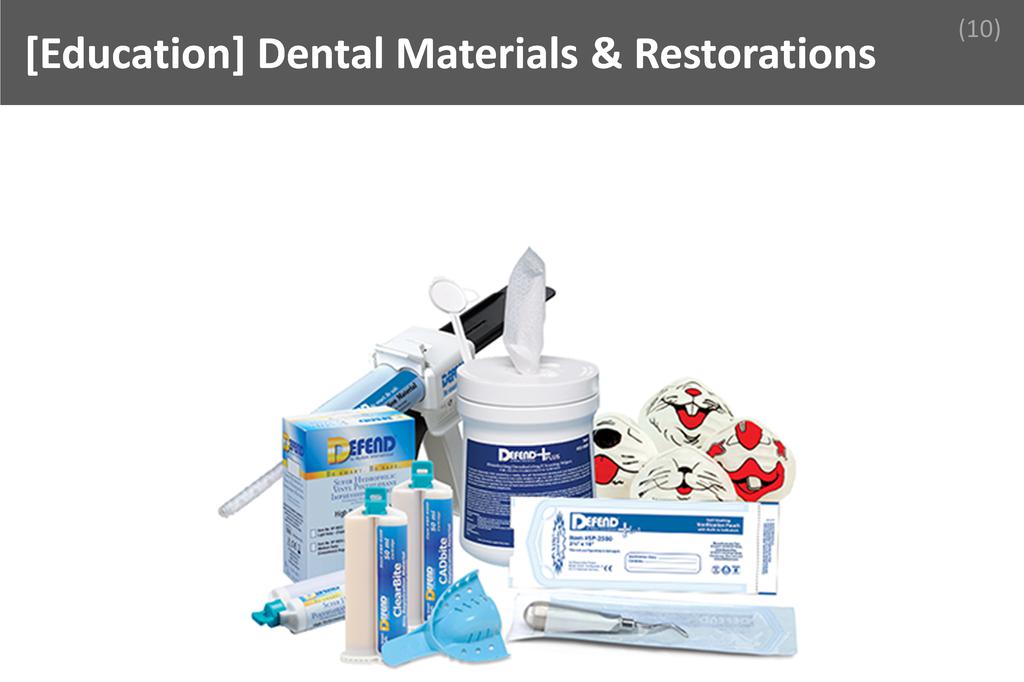
Dental Materials & Restorations is the study of substances used to repair, replace, or enhance teeth, including their properties, manipulation, and clinical applications. This discipline is essential in Dentistry, forming a core part of both academic curricula and practical training, as it underpins safe, effective, and durable patient care.
A thorough understanding of dental materials and restorations is crucial for anyone pursuing a career in Dentistry. Mastery of this subject ensures that professionals can select appropriate materials for various clinical situations, taking into account factors such as biocompatibility, aesthetics, and mechanical strength. This knowledge directly impacts patient outcomes, as the longevity and success of restorations depend on the correct application of materials. Furthermore, staying informed about advancements in dental materials allows practitioners to offer state-of-the-art treatments, enhancing their reputation and expanding their scope of practice. Over the course of a dental career, this foundational expertise supports clinical decision-making, fosters patient trust, and contributes to ongoing professional development.
Consider a dentist treating a patient with a fractured molar. The dentist must assess the extent of the damage and choose between options such as composite resin, amalgam, or ceramic for the restoration. Their decision relies on a deep understanding of each material’s properties, including strength, wear resistance, and compatibility with the patient’s oral environment. By applying this knowledge, the dentist ensures the restoration not only restores function and appearance but also integrates seamlessly with the patient’s existing dentition. This expertise minimizes the risk of failure, reduces the need for future interventions, and ultimately leads to higher patient satisfaction and trust in the dental professional’s skills.
Impression Techniques & Rehabilitations

Impression Techniques & Rehabilitations refers to the methods and procedures used to accurately capture the shape and structure of oral tissues, followed by the restoration of dental function and aesthetics. This discipline is fundamental in both academic training and professional practice, ensuring precise diagnosis, treatment planning, and successful patient outcomes in Dentistry.
Understanding Impression Techniques & Rehabilitations is essential for anyone pursuing a career in Dentistry because it underpins the creation of accurate dental restorations, such as crowns, bridges, and dentures. Mastery of these techniques ensures that dental professionals can provide individualized, functional, and aesthetically pleasing solutions for patients. This knowledge forms the foundation for advanced procedures and is critical for minimizing errors, reducing patient discomfort, and improving long-term oral health outcomes. As dental technology evolves, professionals with a strong grasp of impression and rehabilitation methods are better equipped to integrate new materials and digital workflows, enhancing their adaptability and career longevity in a competitive field.
Consider a dentist treating a patient who requires a full-mouth rehabilitation due to extensive tooth wear and missing teeth. The dentist begins by selecting the appropriate impression material and technique to capture the patient’s unique oral anatomy with high precision. This impression serves as the blueprint for fabricating custom prosthetics that restore both function and appearance. Throughout the process, the dentist applies their theoretical knowledge to assess tissue health, manage patient comfort, and communicate effectively with dental technicians. By skillfully executing each step, the dentist ensures that the final restorations fit seamlessly, function properly, and meet the patient’s expectations, ultimately improving the patient’s quality of life and oral health.
Root Canal

A root canal is a dental procedure involving the removal of infected or damaged pulp from inside a tooth, followed by cleaning, disinfecting, and sealing the space. Understanding root canal therapy is essential in dentistry, as it addresses tooth pain, infection, and preservation, forming a critical component of both academic study and clinical practice.
Mastering the principles of root canal therapy is vital for anyone pursuing a career in dentistry because it directly impacts patient care and oral health outcomes. Root canal procedures are among the most common restorative treatments, requiring a deep understanding of dental anatomy, infection control, and pain management. Proficiency in this area ensures that dental professionals can effectively diagnose and treat pulp-related issues, preventing tooth loss and further complications. Additionally, expertise in root canal therapy enhances a dentist’s reputation, broadens their scope of practice, and increases patient trust. Over the long term, this knowledge supports career advancement, as it is a fundamental skill expected of competent dental practitioners in both general and specialized settings.
Consider a dentist in a busy urban clinic who encounters a patient suffering from severe toothache and swelling. Drawing on their theoretical knowledge of root canal therapy, the dentist diagnoses irreversible pulpitis and explains the procedure to the patient. During the treatment, the dentist carefully removes the infected pulp, meticulously cleans and shapes the root canals, and fills the space to prevent reinfection. Their understanding of root canal anatomy and infection control protocols ensures the procedure is both effective and safe. As a result, the patient’s pain is alleviated, the natural tooth is preserved, and the risk of future complications is minimized, demonstrating the practical importance of mastering root canal therapy in everyday dental practice.
Smile Designing & Veneers

Smile Designing & Veneers refers to the process of enhancing a patient’s dental aesthetics by carefully planning and applying thin, custom-made shells (veneers) to the front surface of teeth. This discipline integrates artistic and scientific principles, making it an essential component of both academic study and clinical practice in modern Dentistry.
Understanding Smile Designing & Veneers is crucial for dental professionals because it bridges the gap between oral health and cosmetic enhancement. Mastery of this subject allows practitioners to address both functional and aesthetic concerns, meeting the growing demand for attractive smiles. Knowledge in this area forms a foundational skill set, enabling dentists to diagnose, plan, and execute treatments that improve patient confidence and satisfaction. As cosmetic dentistry continues to evolve, proficiency in smile design and veneer application enhances career prospects, fosters patient trust, and differentiates practitioners in a competitive field. Long-term, this expertise supports professional growth, opens opportunities for specialization, and ensures practitioners remain at the forefront of dental innovation.
Consider a dentist who consults with a patient dissatisfied with the appearance of their front teeth due to discoloration and minor misalignment. Drawing on their knowledge of Smile Designing & Veneers, the dentist conducts a thorough assessment, discusses the patient’s aesthetic goals, and creates a digital mock-up of the proposed changes. After careful planning, the dentist prepares the teeth and skillfully applies custom veneers, transforming the patient’s smile. This process not only addresses the patient’s cosmetic concerns but also demonstrates the dentist’s ability to integrate clinical expertise with artistic judgment, resulting in improved patient satisfaction and a positive impact on the patient’s self-esteem.
Crowns, Bridges & Dentures

Crowns, bridges, and dentures are dental prosthetic devices designed to restore function, structure, and aesthetics to damaged or missing teeth. Mastery of these restorative solutions is essential in dentistry, as they form a core component of both academic curricula and clinical practice, ensuring comprehensive patient care and oral rehabilitation.
Understanding crowns, bridges, and dentures is fundamental for anyone pursuing a career in dentistry. These restorative techniques address a wide range of dental issues, from single tooth fractures to complete tooth loss, making them indispensable in daily practice. Mastery of this subject ensures that dental professionals can diagnose, plan, and execute appropriate treatment options tailored to individual patient needs. This knowledge not only enhances clinical competence but also builds patient trust and satisfaction, as practitioners are equipped to restore oral function and aesthetics effectively. Over the long term, proficiency in crowns, bridges, and dentures opens doors to advanced restorative procedures, interdisciplinary collaboration, and continued professional growth within the evolving field of dentistry.
Consider a dentist who encounters a patient with several missing and decayed teeth affecting their ability to chew and speak. Drawing on their theoretical understanding of crowns, bridges, and dentures, the dentist evaluates the patient’s oral health, discusses suitable treatment options, and develops a comprehensive plan. They may recommend crowns to restore damaged teeth, bridges to replace one or more missing teeth, and partial dentures for broader tooth loss. Throughout the process, the dentist applies their knowledge of materials, anatomy, and prosthetic design to ensure optimal fit, function, and aesthetics. This integration of theory and practice results in improved patient outcomes and demonstrates the critical role of restorative dentistry in everyday clinical settings.
Skills
Precision

Precision is the ability to perform tasks with exactness, accuracy, and meticulous attention to detail, ensuring that every action is deliberate and measured. In dentistry, precision is fundamental because even the smallest error can impact a patient’s oral health, comfort, and appearance. It underpins every procedure, from diagnosis to treatment.
Precision directly enhances a dentist’s performance by minimizing errors, ensuring the longevity of dental work, and improving patient outcomes. Clients and employers value this skill because it builds trust, reduces the likelihood of complications, and reflects a commitment to high standards. To cultivate precision, dental professionals must combine rigorous training, continuous practice, and the use of advanced technology. Regular self-assessment, seeking feedback, and staying updated with the latest techniques also contribute to developing this skill. Over time, a focus on precision becomes second nature, allowing dentists to consistently deliver exceptional care and maintain a strong professional reputation.
Consider a scenario where a dentist is performing a root canal treatment on a molar with complex root anatomy. The dentist must navigate tiny, curved canals without damaging surrounding tissues or leaving any infected material behind. Relying on precision, the dentist carefully measures the depth of each canal, uses specialized instruments with steady hands, and verifies progress with radiographs. This meticulous approach ensures the complete removal of infection, prevents future complications, and preserves the tooth’s function. Without precision, the risk of procedural failure or patient discomfort would significantly increase, highlighting how essential this skill is for achieving successful outcomes in dentistry.
Trust Building

Trust Building is the ongoing process of establishing credibility, reliability, and mutual respect through consistent actions, honest communication, and empathy. In dentistry, it forms the foundation of patient relationships, enabling practitioners to deliver care effectively. Trust Building reassures patients, fosters cooperation, and enhances treatment outcomes, making it indispensable for dental professionals.
Trust Building directly enhances a dentist’s performance by encouraging open communication and patient compliance, which are crucial for accurate diagnosis and successful treatment. Patients and employers highly value this skill because it reduces anxiety, increases satisfaction, and leads to long-term loyalty. Dentists can cultivate trust by actively listening, maintaining transparency about procedures and costs, and demonstrating genuine concern for patient well-being. Over time, consistently honoring commitments and responding empathetically to patient concerns further strengthens trust. As this skill develops, it not only improves patient retention but also contributes to a positive reputation within the community and among colleagues, ultimately supporting career advancement and professional fulfillment.
Consider a scenario where a patient arrives with severe dental anxiety and a history of negative experiences. The dentist recognizes the patient’s apprehension and takes extra time to explain each step of the procedure, answers all questions patiently, and reassures the patient about pain management options. By demonstrating empathy and transparency, the dentist gradually earns the patient’s trust. As a result, the patient feels comfortable proceeding with the necessary treatment, follows post-care instructions diligently, and returns for regular check-ups. This outcome not only resolves the immediate dental issue but also establishes a long-term, trusting relationship, illustrating how trust building is vital for both patient well-being and the dentist’s ongoing success.
Craftsmanship

Craftsmanship is the pursuit of excellence through skillful, attentive, and precise work, combining technical expertise with an eye for detail and a commitment to quality. In dentistry, craftsmanship ensures that every procedure, restoration, or diagnosis is performed with meticulous care, directly impacting patient outcomes and professional reputation.
Craftsmanship in dentistry elevates the quality of care by ensuring that each treatment is executed with precision and artistry. This skill leads to more durable restorations, improved patient comfort, and aesthetically pleasing results. Clients and employers highly value craftsmanship because it reflects reliability, trustworthiness, and pride in one’s work. Patients are more likely to return and refer others when they experience the benefits of a dentist’s careful attention to detail. To cultivate craftsmanship, dental professionals must engage in continuous learning, practice hands-on techniques, seek feedback from mentors, and remain committed to refining their skills throughout their careers. Over time, this dedication transforms routine procedures into opportunities for excellence, setting practitioners apart in a competitive field.
Imagine a dentist faced with restoring a patient’s fractured front tooth. The patient is anxious about both function and appearance. Relying on craftsmanship, the dentist carefully matches the shade and translucency of the composite material to the natural tooth, meticulously sculpts the restoration, and polishes it to a lifelike finish. This attention to detail not only restores the tooth’s strength but also ensures the repair is virtually undetectable. The patient leaves with renewed confidence, and the dentist’s reputation for quality work is reinforced. In this scenario, craftsmanship transforms a potentially stressful situation into a successful outcome, demonstrating its critical role in achieving both clinical and aesthetic excellence.
Pain-free Procedures

Pain-free procedures refer to the ability of dental professionals to perform treatments and interventions with minimal or no discomfort for the patient, using advanced techniques, effective anesthesia, and a gentle approach. This skill is crucial for building trust, reducing patient anxiety, and ensuring a positive dental experience. In a dentist’s toolkit, pain-free procedures are indispensable because they directly impact patient satisfaction and compliance. When patients feel confident that their treatment will be comfortable, they are more likely to seek regular care, follow through with necessary procedures, and recommend the practice to others. This not only enhances the reputation of the dental professional but also contributes to better oral health outcomes for the community.
Mastering pain-free procedures significantly elevates a dentist’s performance by fostering a calm and reassuring environment for patients. Clients and employers highly value this skill because it leads to higher patient retention, positive reviews, and fewer cancellations or missed appointments. Patients who experience minimal discomfort are more likely to return for preventive care and refer friends and family, directly benefiting the practice’s growth. Dentists can cultivate this skill through continuous education in the latest anesthetic techniques, hands-on training, and by developing strong communication skills to understand and address patient concerns. Over time, experience and feedback help refine these techniques, making pain-free procedures a hallmark of professional excellence in dentistry.
Imagine a patient who has avoided dental visits for years due to a traumatic experience with painful procedures in the past. When this patient finally seeks care for a severe toothache, the dentist’s expertise in pain-free procedures becomes critical. By carefully explaining each step, using effective local anesthesia, and employing gentle, minimally invasive techniques, the dentist is able to complete the necessary treatment without causing discomfort. The patient is surprised and relieved by the pain-free experience, which not only resolves the immediate dental issue but also transforms their perception of dental care. This positive encounter encourages the patient to return for regular check-ups and share their story with others, demonstrating how pain-free procedures can lead to lasting trust and success in dentistry.
Accurate Diagnosis & Treatment

Accurate Diagnosis & Treatment in dentistry refers to the precise identification of dental conditions followed by the implementation of the most effective, evidence-based interventions. This skill ensures that oral health issues are correctly recognized and managed, minimizing errors and optimizing patient outcomes. It is fundamental to every dental professional’s practice.
Mastering accurate diagnosis and treatment significantly enhances a dentist’s ability to deliver high-quality care. This skill leads to better patient outcomes, fewer complications, and increased trust from both clients and employers. Patients value practitioners who can quickly and correctly identify their problems, as this reduces discomfort and prevents unnecessary procedures. Employers seek dental professionals who demonstrate sound clinical judgment, as this reduces risk and improves the reputation of the practice. Developing this skill requires a commitment to ongoing education, hands-on clinical experience, and staying updated with the latest diagnostic technologies and treatment protocols. Regular case reviews, mentorship, and reflective practice also play a crucial role in honing diagnostic acumen and treatment planning abilities over time.
Consider a patient presenting with persistent tooth pain and swelling. A dentist skilled in accurate diagnosis and treatment conducts a thorough examination, reviews the patient’s history, and utilizes appropriate imaging techniques. Instead of attributing the symptoms to a simple cavity, the dentist identifies a complex root canal infection that, if left untreated, could lead to systemic complications. By accurately diagnosing the issue, the dentist formulates a targeted treatment plan, performs the necessary endodontic therapy, and provides follow-up care. The patient’s pain is resolved, and further health risks are averted. This scenario highlights how accurate diagnosis and treatment not only solve immediate problems but also build patient trust and professional credibility.
Time Management

Time management is the strategic process of planning, organizing, and controlling how much time to spend on specific activities to maximize efficiency and productivity. In dentistry, this skill ensures that practitioners can balance patient care, administrative duties, and ongoing education, making it indispensable for delivering high-quality service and maintaining professional growth.
Effective time management directly enhances a dentist’s performance by allowing them to see more patients without compromising the quality of care. Clients and employers highly value this skill because it leads to shorter wait times, improved patient satisfaction, and a more organized practice environment. Dentists who manage their time well can also allocate hours for professional development and team collaboration, which are crucial for staying current in a rapidly evolving field. Cultivating this skill involves setting clear priorities, using scheduling tools, and regularly reflecting on workflow to identify areas for improvement. Over time, consistent practice and self-assessment help dental professionals refine their approach, making time management an integral part of their daily routine.
Consider a dentist facing an unexpectedly busy day with several complex procedures scheduled back-to-back, alongside emergency walk-in patients. By relying on strong time management skills, the dentist quickly reassesses the day’s appointments, delegates tasks to dental assistants, and communicates transparently with waiting patients. This strategic approach ensures that urgent cases are addressed promptly without significantly delaying routine appointments. As a result, the dental practice maintains its reputation for reliability and care, patients feel respected and informed, and the dentist avoids unnecessary stress. This scenario highlights how effective time management not only resolves immediate challenges but also contributes to long-term professional success and patient trust.
Positives
Sense of Satisfaction

A sense of satisfaction is the deep, personal fulfillment and contentment that arises from achieving meaningful goals, making a positive difference, and seeing tangible results from one’s efforts. In dentistry, this feeling is amplified by the ability to restore health, improve smiles, and directly enhance patients’ quality of life.
The sense of satisfaction in dentistry is a powerful motivator that elevates the profession beyond routine tasks. Dentists witness firsthand the transformation in their patients, from alleviating pain to boosting confidence through improved oral health. This daily impact fosters a strong sense of purpose and pride, making the challenges of the job worthwhile. As dental professionals see the immediate results of their work, they experience a unique gratification that fuels ongoing professional growth and resilience. This intrinsic reward not only enhances job satisfaction but also encourages lifelong learning and dedication to excellence, creating a positive cycle that benefits both practitioners and their patients.
Imagine a dentist treating a patient who has long suffered from dental pain and embarrassment due to missing teeth. After a series of restorative procedures, the patient is finally able to smile confidently and eat comfortably for the first time in years. Witnessing the patient’s transformation, gratitude, and renewed self-esteem, the dentist feels a profound sense of satisfaction. This moment of seeing tangible, positive change in someone’s life reaffirms the dentist’s commitment to their profession. Such experiences are common in dentistry, where the ability to make a real difference in people’s lives provides daily motivation and a lasting sense of fulfillment.
Continuous Learning

Continuous Learning is the ongoing process of acquiring new knowledge, skills, and competencies throughout one’s professional life. In dentistry, this means staying updated with the latest research, techniques, and technologies. This commitment to growth ensures that dental professionals provide the highest standard of care, adapt to advancements, and remain engaged in their field.
Continuous Learning is a cornerstone of a fulfilling dental career because it transforms routine work into a dynamic journey of growth. Dentists who embrace lifelong education find themselves constantly challenged and intellectually stimulated, which prevents stagnation and burnout. This ongoing development not only enhances clinical skills but also opens doors to new specialties and leadership opportunities. As dental science evolves, professionals who keep learning are better equipped to offer innovative treatments, improving patient outcomes and satisfaction. The sense of accomplishment that comes from mastering new techniques or understanding emerging research boosts confidence and job satisfaction. Every day, dentists experience the tangible benefits of continuous learning as they apply fresh knowledge, solve complex cases, and witness the positive impact on their patients’ lives.
Imagine a dentist who has been practicing for several years and decides to attend a workshop on digital dentistry. During the course, they learn about advanced 3D imaging and computer-aided design for dental restorations. Inspired by these innovations, the dentist integrates these technologies into their practice, offering patients faster, more precise treatments. The ability to provide cutting-edge care not only elevates the dentist’s professional reputation but also brings a renewed sense of excitement and purpose to their daily work. Patients notice the improved results and express gratitude, reinforcing the dentist’s commitment to ongoing education. This real-world scenario highlights how continuous learning directly enriches both professional fulfillment and patient care.
Networking

Networking is the process of building and nurturing professional relationships through meaningful interactions, shared knowledge, and mutual support within a community. In dentistry, networking connects practitioners, specialists, educators, and industry experts, fostering collaboration and continuous learning. This dynamic exchange of ideas and experiences enhances both personal growth and professional development.
The power of networking in dentistry lies in its ability to open doors to new opportunities, mentorship, and collaboration. By connecting with peers and leaders in the field, dental professionals gain access to the latest advancements, innovative techniques, and best practices. This ongoing exchange not only keeps practitioners at the forefront of their profession but also provides a sense of belonging and shared purpose. Networking often leads to referrals, partnerships, and career advancement, making daily work more engaging and rewarding. The support and encouragement found within a strong professional network can significantly boost job satisfaction, helping dentists navigate challenges and celebrate successes together.
Imagine a young dentist attending a national dental conference for the first time. Through conversations during workshops and social events, she connects with experienced practitioners and specialists from across the country. One of these new contacts becomes a mentor, offering guidance on complex cases and advice on practice management. Another connection leads to an invitation to join a collaborative research project, expanding her expertise and professional reputation. These relationships not only enhance her clinical skills but also provide a supportive community she can rely on throughout her career. The sense of camaraderie and shared growth she experiences through networking transforms her daily work into a more fulfilling and inspiring journey.
Noble Profession

A "Noble Profession" is a vocation characterized by selfless service, ethical responsibility, and a commitment to improving the well-being of others, often placing societal needs above personal gain. In dentistry, this concept elevates the profession, as practitioners dedicate themselves to enhancing oral health, alleviating pain, and restoring confidence in their patients. The noble nature of dentistry fosters a sense of purpose, as dentists are entrusted with the health and comfort of individuals, making their work both meaningful and respected within the community.
The noble aspect of dentistry profoundly enriches the professional experience, offering more than just financial rewards or technical mastery. Dentists find deep satisfaction in knowing their daily efforts directly improve lives, whether by relieving pain, preventing disease, or restoring smiles. This sense of purpose fuels motivation and resilience, especially during challenging cases or long hours. The respect and gratitude received from patients further reinforce the value of their work, creating a positive feedback loop that enhances job satisfaction and personal growth. As a result, dentists often develop strong connections with their communities, feeling proud to contribute to public health and well-being in a tangible, lasting way.
Consider a dentist who treats a young patient suffering from severe dental pain and low self-esteem due to visible tooth decay. Through compassionate care and skilled intervention, the dentist not only alleviates the child’s discomfort but also restores their smile and confidence. Witnessing the transformation in the patient’s demeanor, from anxious and withdrawn to joyful and outgoing, provides the dentist with a profound sense of fulfillment. This daily opportunity to make a meaningful difference in someone’s life exemplifies the noble essence of the profession, reminding dental professionals of the unique privilege and responsibility they hold in shaping healthier, happier futures for their patients.
Smiling Faces

"Smiling Faces" refers to the genuine expressions of happiness, relief, and gratitude that patients share with their dental professionals after receiving care. These smiles symbolize trust, satisfaction, and improved well-being, serving as a powerful reminder of the positive impact dentists have on their patients’ lives and self-confidence.
The presence of smiling faces in dentistry is a profound source of motivation and fulfillment. Witnessing patients leave the clinic with brighter, more confident smiles reinforces the meaningful nature of the work. This daily affirmation of making a difference not only boosts job satisfaction but also fosters a sense of pride and accomplishment. Dentists often find that these positive interactions encourage them to continually grow in their profession, seeking new skills and knowledge to better serve their patients. The emotional rewards of seeing transformed smiles create a supportive and uplifting work environment, making the challenges of the profession worthwhile and inspiring a lifelong commitment to patient care.
Imagine a dentist working with a patient who has long felt self-conscious about their teeth, avoiding social situations and hiding their smile. After a series of treatments, the patient finally looks in the mirror and beams with joy, unable to contain their happiness. The dentist witnesses this transformation firsthand, seeing the patient’s newfound confidence radiate through their smile. This moment of genuine gratitude and visible change is deeply fulfilling, reminding the dentist of the profound impact their skills and compassion can have. Such experiences are not rare in dentistry; they are daily reminders that every procedure, no matter how routine, holds the potential to change lives and create lasting, positive memories for both patient and professional.
Challenges
Competition

Competition in Dentistry refers to the ongoing challenge of attracting and retaining patients amid a growing number of dental practitioners and clinics. This environment demands constant innovation, exceptional patient care, and effective marketing, making it difficult for professionals to distinguish themselves and maintain a thriving practice in a saturated market.
The pressure of competition in Dentistry can influence daily operations by intensifying the need for efficiency, patient satisfaction, and continuous professional development. Dentists must consistently deliver high-quality care while also managing business aspects such as marketing and reputation management. This environment requires resilience, as setbacks or patient losses can be discouraging. Successful professionals overcome these challenges by focusing on building strong patient relationships, investing in advanced technologies, and staying updated with the latest clinical practices. They also prioritize community engagement and ethical standards, which help foster trust and loyalty. By adapting to market trends and maintaining a patient-centered approach, dentists can navigate competitive pressures and sustain long-term success.
Consider a dentist who noticed a decline in new patient appointments after several new clinics opened nearby. Instead of lowering prices or engaging in aggressive advertising, the dentist chose to enhance the patient experience by introducing digital appointment scheduling, offering flexible hours, and implementing follow-up care protocols. The practice also hosted educational seminars for the community, positioning itself as a trusted resource for oral health. Over time, these efforts led to increased patient referrals and improved retention rates. By focusing on service quality and community involvement, the dentist successfully differentiated the practice, demonstrating that thoughtful adaptation and patient-centered care can effectively overcome the challenge of competition.
Constant Up-gradation

Constant Up-gradation in Dentistry refers to the ongoing need for dental professionals to continually update their knowledge, skills, and technology usage due to rapid advancements in techniques, materials, and patient care standards. This relentless pace of change is demanding because it requires continuous learning, adaptation, and investment of time and resources.
The necessity for constant up-gradation can significantly impact a dentist’s daily routine, often leading to increased stress and time constraints as they juggle patient care with ongoing education. This challenge demands resilience, as professionals must remain adaptable and open to change while maintaining high standards of care. Successful dentists manage this constraint by integrating learning into their workflow, seeking out reputable continuing education opportunities, and fostering a mindset of lifelong learning. They often collaborate with peers, attend conferences, and leverage digital resources to stay current, ensuring that their practice evolves alongside advancements in the field. By embracing change rather than resisting it, they turn a potential obstacle into an opportunity for professional growth and improved patient outcomes.
Consider a dentist who notices the growing popularity of digital impression systems and realizes that traditional methods may soon become outdated. Instead of resisting this shift, the dentist enrolls in specialized training sessions, dedicates time after clinic hours to practice with the new technology, and consults with colleagues who have already adopted digital workflows. Over several months, the dentist successfully integrates digital impressions into daily practice, resulting in more accurate restorations and enhanced patient satisfaction. By proactively embracing up-gradation, the dentist not only maintains a competitive edge but also fosters a culture of innovation within the practice, demonstrating how adaptability and commitment to learning can transform a challenge into a catalyst for success.
Expensive Setup

Expensive setup in dentistry refers to the significant financial investment required to establish and maintain a dental practice. This includes costs for advanced equipment, specialized instruments, technology integration, facility design, and regulatory compliance. These high upfront and ongoing expenses make entering and sustaining a dental career particularly demanding.
The challenge of an expensive setup in dentistry can place immense pressure on professionals, affecting both their daily operations and long-term planning. High costs may limit access to the latest technology, restrict service offerings, or delay practice expansion. This financial burden requires resilience, as practitioners must balance quality care with cost management. Successful dentists often navigate these constraints by seeking financing options, leasing equipment, or joining group practices to share expenses. They may also prioritize investments that offer the greatest clinical impact and return on investment, ensuring that essential services are maintained without compromising patient care. Strategic planning, adaptability, and a willingness to embrace innovative business models are key to overcoming the ongoing demands of an expensive setup.
Consider a young dentist who dreams of opening a modern clinic but faces the daunting costs of purchasing digital imaging systems, ergonomic dental chairs, and sterilization units. Instead of compromising on quality or delaying the launch, she partners with another dentist to share the financial load and negotiates with suppliers for phased equipment upgrades. By leasing some equipment and focusing initially on core services, she manages cash flow while gradually expanding her offerings as the practice grows. Through careful budgeting, collaboration, and incremental investment, she successfully establishes a thriving clinic that maintains high standards of care despite the initial challenge of an expensive setup.
Difficult Clients

In Dentistry, "Difficult Clients" are patients who present challenges through uncooperative behavior, heightened anxiety, unrealistic expectations, or frequent dissatisfaction with care. Managing such clients is demanding because it requires balancing clinical expertise with exceptional communication, patience, and emotional intelligence to maintain trust, ensure compliance, and deliver effective treatment outcomes.
Dealing with difficult clients can significantly affect the daily workflow in a dental practice, often leading to increased stress, longer appointment times, and potential disruptions in scheduling. This challenge demands resilience, as dental professionals must remain composed and empathetic while addressing concerns and managing expectations. Successful practitioners navigate these situations by actively listening, setting clear boundaries, and employing de-escalation techniques. They also invest in continuous communication training and foster a supportive team environment to share strategies and reduce burnout. By maintaining professionalism and focusing on patient-centered care, dental professionals can turn challenging interactions into opportunities for building trust and improving patient satisfaction, ultimately enhancing the overall quality of care provided.
Consider a scenario where a dentist encounters a patient who is visibly anxious and repeatedly questions the necessity and cost of each procedure. Instead of becoming frustrated, the dentist calmly acknowledges the patient’s concerns, explains each step of the treatment in simple terms, and reassures the patient about pain management options. By demonstrating empathy and transparency, the dentist gradually earns the patient’s trust, leading to improved cooperation during the appointment. Over time, the patient’s anxiety diminishes, and they become more receptive to preventive care recommendations. This approach not only resolves immediate tension but also fosters a long-term, positive relationship, illustrating how patience and effective communication can transform a difficult client into a loyal patient.
A Day Of
Dentistry
The hum of dental equipment, the scent of antiseptic, and the gentle buzz of conversation set the tone for a day in the life of a dentistry professional. Each workday unfolds at a brisk, purposeful pace, blending technical precision with compassionate care. Behind every appointment lies a carefully orchestrated routine, where practitioners balance the demands of patient care, clinical expertise, and teamwork. In this environment, no two days are ever quite the same, but the rhythm of dentistry remains constant: a blend of science, artistry, and human connection from the first patient to the last.
As the sun rises, the dental office comes alive with activity. The early morning hours are dedicated to preparing treatment rooms, sterilizing instruments, and reviewing the day’s patient charts. Dentists and their teams gather for a quick huddle, discussing any complex cases or special needs on the schedule. This quiet, focused time allows practitioners to mentally map out procedures, anticipate challenges, and ensure that every detail is in place before the first patient walks through the door.
By mid-morning, the practice is in full motion. The waiting room fills with patients, and the dental team moves swiftly from one operatory to the next. This is the heart of the day, where dentists perform examinations, cleanings, fillings, and more complex procedures like root canals or crowns. Each interaction demands a blend of technical skill and empathy, as practitioners explain diagnoses, ease anxieties, and deliver care with precision. The pace is fast, but every patient receives focused attention, making this the most intense and rewarding part of the day.
The afternoon brings a shift toward collaboration and execution. Dentists consult with hygienists and assistants to review ongoing cases, discuss treatment plans, and coordinate follow-up care. There may be meetings with specialists or lab technicians to discuss restorative work or orthodontic cases. Practical tasks continue, with additional procedures and patient consultations filling the schedule. The team works in harmony, ensuring that each patient’s needs are met and that the practice runs smoothly.
As the day winds down, the focus shifts to wrapping up and preparing for tomorrow. Dentists complete patient notes, review x-rays, and follow up on lab results. Administrative work, such as updating records and responding to patient inquiries, takes center stage. There is time for reflection on the day’s successes and challenges, as well as planning for upcoming cases or continuing education. The office quiets, but the commitment to patient care and professional growth remains, setting the stage for another day beyond the desk. |


 Home
Home Abroad
 Plan
Plan Philosophy
 Seminar
 Pages
Pages Advisors
 Testimonials
















 Workshop
 Discuss
 Meet
Meet
 Advisor
 Story
Story
 Fine Print
 Links
Links
 Blog
Blog
 Follow
