The Journey of Pediatric Dentistry
What Is Pediatric Dentistry
Pediatric Dentistry

Pediatric dentistry is a specialized branch of dentistry focused on the oral health of infants, children, adolescents, and individuals with special healthcare needs. It involves preventive and therapeutic dental care, education, and guidance to ensure healthy dental development and address unique challenges faced by younger patients.
Pediatric dentistry plays a crucial role in shaping lifelong oral health habits and preventing dental diseases from an early age. Professionals in this field have the opportunity to make a lasting difference by promoting healthy smiles and building trust with young patients. The work is rewarding, as it combines clinical expertise with patient education and behavioral management. Pediatric dentists help reduce the prevalence of cavities and gum disease, foster positive dental experiences that minimize fear and anxiety, and support overall health by identifying and addressing oral issues that may affect growth and development. Their specialized training allows them to tailor care to each child’s needs, making a significant impact on both individual patients and public health.
A pediatric dentist may encounter a young child experiencing severe tooth pain due to untreated cavities. The dentist carefully assesses the situation, communicates in a gentle and age-appropriate manner, and develops a treatment plan that includes restorative care and preventive education. By using child-friendly techniques and creating a welcoming environment, the dentist alleviates the child’s discomfort and anxiety. The professional also works closely with the child’s parents, offering guidance on proper oral hygiene practices and dietary choices to prevent future issues. Through this comprehensive approach, the pediatric dentist not only resolves the immediate dental problem but also empowers the family to maintain better oral health, demonstrating the vital role pediatric dentistry plays in children’s well-being.
Education
Behaviour Management

Behaviour Management refers to the strategies and techniques used to guide, influence, and support children’s actions and emotions during dental visits. In Pediatric Dentistry, it is a critical academic and professional discipline, ensuring that practitioners can create a positive, safe, and effective environment for young patients while delivering necessary dental care.
Understanding Behaviour Management is essential for anyone entering or working in Pediatric Dentistry because children often experience anxiety, fear, or resistance during dental procedures. Mastery of this subject equips professionals with the skills to communicate effectively, build trust, and reduce stress for both patients and their families. This knowledge forms the backbone of successful pediatric dental practice, as it directly impacts patient cooperation, treatment outcomes, and overall satisfaction. Over the course of a career, proficiency in Behaviour Management not only enhances clinical efficiency but also fosters a reputation for compassionate care, leading to stronger patient relationships and professional growth within the field.
Consider a pediatric dentist treating a young child who is visibly anxious about an upcoming dental filling. Drawing on their understanding of Behaviour Management, the dentist uses age-appropriate language to explain the procedure, employs distraction techniques such as storytelling, and offers positive reinforcement for cooperative behavior. By remaining calm and empathetic, the dentist helps the child feel more secure and in control, which reduces fear and allows the procedure to proceed smoothly. This approach not only ensures the immediate success of the treatment but also builds the child’s confidence for future dental visits, demonstrating the practical value of Behaviour Management in everyday pediatric dental practice.
Treatment Modalities

Treatment modalities refer to the various methods, techniques, and approaches used to diagnose, manage, and treat dental conditions. In Pediatric Dentistry, understanding treatment modalities is essential for selecting age-appropriate, effective interventions that address the unique dental needs of children, forming a critical component of both academic study and clinical practice.
A thorough grasp of treatment modalities is indispensable for anyone preparing for or working in Pediatric Dentistry. This knowledge enables professionals to tailor care plans that consider the physiological, psychological, and developmental differences in children. Mastery of treatment modalities ensures that practitioners can confidently choose between preventive, restorative, behavioral, and pharmacological interventions, optimizing outcomes for young patients. Over time, this expertise fosters adaptability, allowing dental professionals to stay current with evolving techniques and technologies. It also enhances communication with patients and their families, as well as with interdisciplinary teams, by providing a clear rationale for chosen treatments. Ultimately, understanding treatment modalities lays the groundwork for delivering safe, effective, and compassionate pediatric dental care throughout one’s career.
Consider a pediatric dentist faced with a young patient experiencing early childhood caries. Drawing on their knowledge of treatment modalities, the dentist assesses the severity of decay, the child’s age, and behavioral factors. They may decide to use minimally invasive techniques such as silver diamine fluoride application for very young or anxious children, reserving restorative procedures like composite fillings for older, more cooperative patients. The dentist also incorporates preventive education for the family, emphasizing oral hygiene and dietary modifications. By applying the most suitable treatment modality, the dentist not only addresses the immediate dental issue but also fosters a positive dental experience, reduces anxiety, and promotes long-term oral health for the child.
Dental Anatomy

Dental Anatomy is the scientific study of the structure, form, and function of teeth and their surrounding tissues. It encompasses the identification, morphology, and development of both primary and permanent teeth. In Pediatric Dentistry, understanding Dental Anatomy is essential, as it underpins accurate diagnosis, treatment planning, and effective patient care for children.
A thorough grasp of Dental Anatomy is indispensable for anyone entering or advancing in Pediatric Dentistry. This knowledge enables professionals to distinguish between normal and abnormal dental development, recognize variations in tooth morphology, and anticipate the sequence of eruption and exfoliation in children. Mastery of these concepts is crucial for performing procedures such as restorations, extractions, and preventive care with precision and confidence. Over time, this foundational expertise enhances clinical judgment, supports effective communication with patients and colleagues, and fosters lifelong learning. Ultimately, a strong command of Dental Anatomy not only improves patient outcomes but also contributes to professional credibility and career advancement within the field of Pediatric Dentistry.
Consider a pediatric dentist examining a young patient who presents with delayed eruption of a permanent tooth. Drawing on their knowledge of Dental Anatomy, the dentist assesses the child’s dental development, compares it to typical eruption timelines, and evaluates the morphology of both primary and permanent teeth. This understanding allows the dentist to identify whether the delay is within normal limits or indicative of an underlying issue such as impaction or developmental anomaly. The dentist then communicates findings clearly to the child’s caregivers, recommends appropriate interventions, and tailors preventive strategies to the patient’s unique dental anatomy. In this way, theoretical knowledge directly informs clinical decision-making and ensures high-quality, individualized care.
Dental Diseases

Dental diseases refer to a range of pathological conditions affecting the teeth, gums, and supporting oral structures, including caries, periodontal diseases, and oral infections. In Pediatric Dentistry, understanding dental diseases is essential, as it underpins the diagnosis, prevention, and management of oral health issues unique to children and adolescents.
A thorough grasp of dental diseases is crucial for anyone entering or advancing in Pediatric Dentistry. This knowledge enables professionals to identify early signs of oral health problems, understand their etiology, and implement effective preventive and therapeutic strategies tailored to young patients. Mastery of these concepts forms the backbone of clinical decision-making, ensuring that practitioners can provide evidence-based care and educate families about maintaining optimal oral health. Over the course of a career, this foundational expertise not only enhances patient outcomes but also supports professional growth, fosters trust with patients and parents, and positions the practitioner as a knowledgeable leader in pediatric oral healthcare.
Consider a pediatric dentist who encounters a young patient presenting with white spot lesions on their teeth during a routine check-up. Drawing on their understanding of dental diseases, the dentist recognizes these as early signs of dental caries. Rather than waiting for cavities to develop, the dentist educates the child and their parents about proper oral hygiene, dietary modifications, and the importance of fluoride treatments. By applying theoretical knowledge to this real-world scenario, the dentist prevents the progression of disease, reduces the need for invasive procedures, and instills lifelong healthy habits in the patient, demonstrating the practical value of mastering dental diseases in pediatric practice.
Child Psychology

Child Psychology is the scientific study of the mental, emotional, and behavioral development of children from birth through adolescence. It explores how children think, feel, and interact with their environment. In Pediatric Dentistry, understanding child psychology is essential for effectively communicating with young patients and managing their dental experiences.
A thorough grasp of child psychology is vital for anyone preparing for or working in Pediatric Dentistry because it equips professionals with the ability to interpret and respond to the unique emotional and cognitive needs of children. This knowledge forms the foundation for building trust, reducing anxiety, and fostering positive dental attitudes in young patients. By understanding developmental stages, pediatric dentists can tailor their communication and treatment approaches, making procedures less intimidating and more effective. Over the long term, this expertise not only enhances patient cooperation and satisfaction but also contributes to the prevention of dental phobias and the promotion of lifelong oral health habits, ultimately distinguishing skilled practitioners in their field.
Consider a pediatric dentist treating a six-year-old who is visibly anxious about an upcoming procedure. Drawing on their understanding of child psychology, the dentist recognizes the child’s fear stems from unfamiliarity and a lack of control. The dentist uses age-appropriate language to explain each step, offers choices such as selecting a flavored fluoride, and employs distraction techniques like storytelling. By acknowledging the child’s emotions and providing reassurance, the dentist creates a supportive environment that eases anxiety and encourages cooperation. This approach not only ensures a smoother dental visit but also helps the child develop a more positive perception of dental care, demonstrating the practical value of integrating child psychology into everyday practice.
Skills
Armamentarium

Armamentarium refers to the complete range of instruments, materials, and equipment that a dental professional uses to diagnose, treat, and manage oral health conditions. In pediatric dentistry, it encompasses specialized tools designed for children, ensuring procedures are efficient, safe, and tailored to the unique needs of young patients.
Mastering the armamentarium is fundamental for pediatric dentists as it directly impacts the quality and safety of care provided. A thorough understanding of each instrument’s function allows for precise, minimally invasive treatments, reducing discomfort and anxiety for children. Clients and employers highly value this skill because it reflects a practitioner’s commitment to excellence, efficiency, and patient-centered care. Over time, professionals can cultivate this expertise through continuous education, hands-on experience, and staying updated with advancements in dental technology. Regularly evaluating and refining one’s toolkit ensures readiness to address a wide range of clinical scenarios, ultimately building trust with both patients and their families.
Consider a scenario where a young patient presents with a dental emergency, such as a fractured tooth resulting from a playground accident. The pediatric dentist must quickly select the appropriate instruments and materials from their armamentarium to manage pain, control bleeding, and restore the tooth’s function and appearance. By efficiently utilizing child-sized forceps, atraumatic extraction tools, and biocompatible restorative materials, the dentist not only resolves the immediate issue but also minimizes trauma and anxiety for the child. This adept use of armamentarium demonstrates the dentist’s skill and preparedness, leading to a successful outcome and reinforcing the trust of both the patient and their caregivers.
Dental Procedures
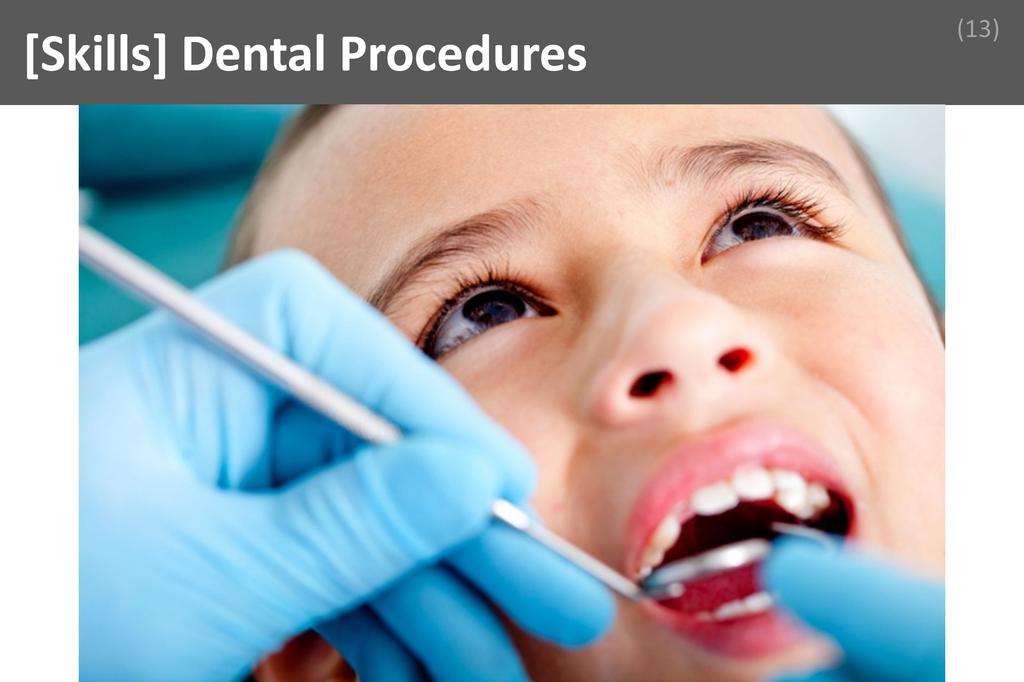
Dental procedures encompass the range of clinical techniques and treatments performed to diagnose, prevent, and manage oral health issues. In pediatric dentistry, this skill is fundamental, enabling professionals to address the unique dental needs of children, ensuring their comfort, safety, and long-term oral health through specialized, age-appropriate interventions.
Mastery of dental procedures is crucial for pediatric dentists, as it directly impacts the quality of care provided to young patients. Proficient execution of these procedures ensures efficient, pain-minimized treatments, which fosters trust and reduces anxiety in children and their families. Employers and clients highly value this skill because it leads to better clinical outcomes, higher patient satisfaction, and a positive reputation for the practice. Developing expertise in dental procedures requires a commitment to ongoing education, hands-on training, and staying updated with advancements in pediatric dental techniques. Regular participation in workshops, mentorship, and reflective practice further refines this skill, allowing professionals to adapt to the evolving needs of their patients and the dental field.
Consider a scenario where a young patient presents with severe dental pain due to an abscessed tooth. The pediatric dentist must quickly assess the situation and perform an emergency pulpotomy, a procedure that removes infected pulp tissue while preserving the tooth. The dentist’s proficiency in dental procedures ensures the treatment is completed efficiently and with minimal discomfort, calming both the child and their anxious parents. By skillfully managing the procedure, the dentist not only alleviates the immediate pain but also prevents further complications, demonstrating the critical role that expertise in dental procedures plays in achieving successful outcomes in pediatric dentistry.
Concentration

Concentration is the focused mental effort that enables an individual to direct their attention exclusively to a specific task or subject, filtering out distractions and maintaining sustained engagement. In pediatric dentistry, concentration is crucial for delivering precise care, ensuring patient safety, and managing the unique challenges presented by young patients in a clinical environment.
Concentration directly enhances a pediatric dentist’s ability to perform intricate procedures, accurately diagnose dental issues, and respond swiftly to unexpected situations. Clients and employers value this skill because it leads to fewer errors, higher quality care, and a more reassuring experience for children and their families. Pediatric dentists often work with anxious or uncooperative patients, making it essential to remain attentive and composed. Cultivating concentration involves regular practice, mindfulness techniques, and creating a distraction-free workspace. Over time, professionals can strengthen their focus by setting clear intentions before each appointment, taking short mental breaks, and reflecting on their performance to identify areas for improvement.
Imagine a pediatric dentist treating a young child with a severe dental abscess who is frightened and unable to sit still. The dentist must concentrate intensely, blocking out the child’s cries and the anxious whispers of parents, to administer local anesthesia safely and perform the necessary procedure. By maintaining unwavering focus, the dentist ensures that each step is executed with precision, minimizing discomfort and preventing complications. This level of concentration not only resolves the immediate dental issue but also builds trust with the family, demonstrating professionalism and care under pressure. The ability to concentrate in such high-stress situations is what distinguishes an exceptional pediatric dentist from the rest.
Time Management

Time management is the ability to plan, organize, and control how much time is spent on specific activities to maximize efficiency and productivity. In pediatric dentistry, this skill ensures that practitioners can balance patient care, administrative duties, and continuing education, all while maintaining a calm and supportive environment for young patients.
Effective time management in pediatric dentistry directly enhances performance by allowing practitioners to see more patients without compromising the quality of care. This efficiency is highly valued by both clients and employers, as it leads to shorter wait times, smoother appointment flows, and increased patient satisfaction. Dentists who manage their time well can also dedicate moments to professional development and team collaboration, further improving their practice. Cultivating this skill involves setting clear priorities, using scheduling tools, and regularly reflecting on daily routines to identify areas for improvement. Over time, consistent practice and self-assessment help pediatric dentists refine their approach, making them more adaptable and resilient in a fast-paced clinical environment.
Imagine a pediatric dentist facing a fully booked day, with several young patients requiring different levels of care, including one child with special needs who may need extra attention. By applying strong time management skills, the dentist allocates appropriate time slots for each procedure, anticipates potential delays, and communicates clearly with both staff and families. When an unexpected dental emergency arises, the dentist quickly adjusts the schedule, ensuring urgent care is provided without significantly disrupting other appointments. This ability to juggle multiple responsibilities while maintaining a positive atmosphere not only resolves the immediate issue but also builds trust with patients and their families, showcasing the critical role of time management in achieving success in pediatric dentistry.
Positives
Sense of Satisfaction

Sense of satisfaction is the deep, personal fulfillment and contentment that arises from achieving meaningful goals, making a positive difference, and witnessing the results of one’s efforts. In pediatric dentistry, this feeling is amplified by the opportunity to improve children’s oral health, foster trust, and contribute to lifelong well-being. This intrinsic reward motivates professionals to excel, enhances their emotional resilience, and creates a positive work environment. The sense of satisfaction in pediatric dentistry is not just about technical success, but also about nurturing young patients and supporting families, making every day purposeful and impactful.
The sense of satisfaction in pediatric dentistry is a powerful driver of professional happiness and motivation. When pediatric dentists see the transformation in a child’s smile or help a nervous patient overcome their fears, they experience a unique fulfillment that goes beyond routine dental care. This positive aspect matters because it sustains enthusiasm for the profession, reduces burnout, and encourages continuous learning and growth. Pediatric dentists often build long-term relationships with families, witnessing their patients grow and thrive. This ongoing connection reinforces their sense of purpose and achievement. The daily experience of making a tangible difference in children’s lives ensures that pediatric dentists feel valued and inspired in their work.
Imagine a pediatric dentist working with a young child who is terrified of dental visits due to a previous bad experience. Through patience, empathy, and gentle care, the dentist gradually earns the child’s trust, turning each appointment into a positive encounter. Over time, the child becomes more confident and even looks forward to visits. The dentist witnesses the child’s transformation from fear to comfort, knowing their efforts have not only improved oral health but also changed the child’s perception of dental care. This moment of realization, seeing a once-anxious child smile with confidence, brings an overwhelming sense of satisfaction that reaffirms the dentist’s passion for their career.
Spreading Awareness

Spreading Awareness means actively educating children, parents, and communities about the importance of oral health, preventive care, and healthy habits. In pediatric dentistry, this involves sharing knowledge to prevent dental diseases, reduce anxiety about dental visits, and empower families to make informed decisions. This proactive approach transforms lives and communities for the better.
The act of spreading awareness is a cornerstone of pediatric dentistry, making the profession deeply rewarding. By educating families and communities, pediatric dentists help prevent dental problems before they start, leading to healthier childhoods and brighter futures. This role as an educator not only enhances the well-being of patients but also fosters trust and long-lasting relationships with families. Every day, professionals witness the positive changes that come from informed choices, such as improved oral hygiene and reduced dental anxiety in children. This ongoing impact brings immense job satisfaction, as pediatric dentists see firsthand how their guidance shapes healthier generations and elevates the standard of care within their communities.
Imagine a pediatric dentist visiting a local elementary school to give an engaging presentation on the importance of brushing and flossing. As the children listen and participate, the dentist notices their curiosity and eagerness to learn. Weeks later, several parents mention during appointments that their children have become enthusiastic about oral hygiene, reminding siblings and even adults to brush properly. The dentist realizes that this simple act of spreading awareness has sparked a ripple effect, leading to healthier habits at home and fewer dental issues during check-ups. This tangible improvement in the community’s oral health, driven by education and outreach, brings a profound sense of fulfillment and purpose to the pediatric dentist’s daily work.
Research Possibilities
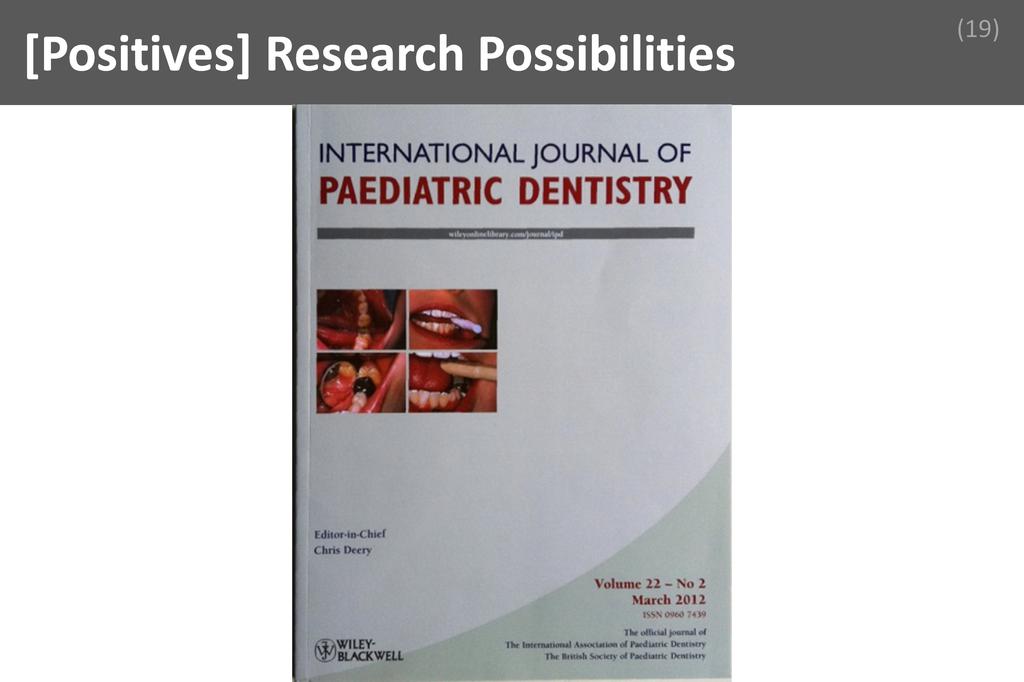
Research Possibilities refers to the wide range of opportunities for pediatric dentists to investigate, innovate, and contribute new knowledge to their field. This includes studying oral health trends in children, developing new treatment methods, and exploring preventive strategies. Such possibilities foster continuous learning and advancement, enhancing both patient care and professional fulfillment.
The presence of research possibilities in pediatric dentistry is a powerful motivator for professionals who seek intellectual stimulation and a sense of purpose. Engaging in research allows pediatric dentists to stay at the forefront of medical advancements, ensuring their practices reflect the latest evidence-based techniques. This ongoing pursuit of knowledge not only elevates the quality of care provided to young patients but also fuels personal and professional growth. Each day, pediatric dentists can experience the satisfaction of contributing to a broader understanding of children’s oral health, knowing their efforts may shape future standards and improve countless lives. The dynamic nature of research keeps the profession exciting, offering new challenges and opportunities for meaningful impact.
Imagine a pediatric dentist who notices an increasing number of young patients with early childhood caries despite standard preventive advice. Driven by curiosity and concern, she initiates a research project to investigate potential contributing factors, such as dietary habits or genetic predispositions. Through collaboration with colleagues and academic institutions, she uncovers new insights that lead to the development of more effective prevention programs. The results of her research are published and shared at conferences, influencing practices beyond her own clinic. This experience not only brings her immense professional pride but also reinforces her commitment to making a difference in children’s health, demonstrating how research possibilities can transform daily work into a deeply rewarding journey.
Academics

Academics refers to the pursuit and application of knowledge through study, research, teaching, and continuous learning within a professional field. In pediatric dentistry, academics encompasses staying updated with the latest scientific advancements, participating in educational activities, and contributing to the body of dental knowledge, all of which elevate the profession and patient care.
The academic aspect of pediatric dentistry is a powerful driver of professional fulfillment and growth. Engaging in academics allows practitioners to remain at the forefront of dental science, ensuring their clinical practices are informed by the latest evidence-based techniques. This commitment to learning not only enhances patient outcomes but also fosters a sense of purpose and intellectual curiosity. By teaching, mentoring, or participating in research, pediatric dentists contribute to the development of the next generation of professionals and the advancement of the field. The daily integration of academic pursuits into clinical practice leads to greater job satisfaction, as professionals witness the tangible impact of their knowledge on young patients’ health and well-being.
Imagine a pediatric dentist who divides her time between treating patients and teaching at a dental school. Each morning, she applies the newest research findings to her clinical cases, ensuring her young patients benefit from the safest and most effective treatments. In the afternoons, she leads seminars for dental students, sharing her expertise and inspiring future pediatric dentists. Through academic involvement, she not only sharpens her own skills but also shapes the future of pediatric dentistry. The gratitude of her students and the improved health of her patients provide daily reminders of the profound and lasting impact that academics brings to her career.
Challenges
Child’s Age

In Pediatric Dentistry, "Child’s Age" refers to the wide range of developmental stages, from infancy through adolescence, that practitioners must accommodate. Each age group presents unique behavioral, emotional, and physiological needs, making it demanding to tailor communication, treatment approaches, and care strategies to suit each child’s specific developmental level.
The challenge of child’s age significantly shapes the daily routines of pediatric dental professionals. Young patients may be fearful, uncooperative, or unable to articulate discomfort, while older children might display anxiety or resistance. This variability requires practitioners to be adaptable, patient, and creative in their approach. Resilience is essential, as setbacks and unpredictable behaviors are common. Successful professionals invest time in understanding child psychology, employ age-appropriate communication, and foster trust through gentle, reassuring interactions. They also collaborate closely with parents, using their insights to anticipate and manage potential difficulties. By remaining flexible and empathetic, pediatric dentists can transform challenging encounters into positive experiences, ensuring effective care regardless of the child’s age.
Consider a pediatric dentist treating a three-year-old who is visiting the dentist for the first time. The child is anxious, clings to their parent, and refuses to sit in the dental chair. Recognizing the child’s developmental stage, the dentist uses playful language, introduces dental instruments as “magic wands,” and allows the child to explore them safely. The dentist encourages the parent to remain nearby, providing comfort and reassurance. Through patience and gentle guidance, the dentist gradually earns the child’s trust, eventually completing a basic examination. This scenario illustrates how understanding and adapting to a child’s age can turn a potentially stressful appointment into a positive, confidence-building experience for both the child and their family.
Mother’s Attitude

In Pediatric Dentistry, "Mother’s Attitude" refers to the beliefs, anxieties, and behaviors of mothers regarding their child’s dental care. This challenge is demanding because a mother’s perceptions can strongly influence a child’s cooperation, treatment acceptance, and overall dental experience, often complicating the dentist’s ability to deliver optimal care.
Mother’s Attitude can significantly affect the daily workflow of pediatric dental professionals. When mothers are anxious, skeptical, or overly protective, children may mirror these emotions, leading to increased fear, resistance, or non-compliance during treatment. This dynamic requires practitioners to demonstrate patience, empathy, and strong communication skills. Resilience is essential, as repeated encounters with challenging attitudes can be emotionally taxing. Successful professionals address this by building trust with mothers, providing clear explanations, and involving them positively in the treatment process. By fostering a supportive environment and addressing concerns directly, pediatric dentists can transform potential obstacles into opportunities for education and partnership, ultimately improving both the child’s and the mother’s dental experience.
Consider a situation where a mother arrives at the clinic visibly anxious about her child’s first dental visit, expressing doubts about the necessity of certain preventive treatments. The pediatric dentist recognizes her apprehension and calmly explains each procedure, highlighting its benefits and addressing her specific concerns. By inviting the mother to observe and participate in the process, the dentist reassures her and models a calm demeanor for the child. As the appointment progresses, the mother’s confidence grows, and the child responds positively to both the mother’s and the dentist’s encouragement. Through patience, clear communication, and empathy, the dentist successfully overcomes the initial barrier posed by Mother’s Attitude, resulting in a cooperative visit and a strengthened provider-parent relationship.
Time

Time in Pediatric Dentistry refers to the constant pressure to deliver high-quality care within limited appointment durations, while accommodating the unique needs and unpredictable behaviors of children. This challenge is demanding because it requires balancing clinical efficiency, patient comfort, and effective communication with both young patients and their caregivers.
The challenge of time in pediatric dentistry permeates every aspect of daily practice. Tight schedules can lead to stress, rushed procedures, and less opportunity for building trust with young patients. This environment demands resilience, as practitioners must remain calm and adaptable despite frequent interruptions or unexpected behaviors. Successful professionals manage this constraint by mastering efficient clinical workflows, prioritizing tasks, and employing clear communication strategies. They also foster a supportive team dynamic, ensuring that everyone understands their role in streamlining patient care. By anticipating potential delays and maintaining flexibility, pediatric dentists can uphold high standards of care without compromising the patient experience, even under significant time constraints.
Consider a pediatric dentist facing a packed afternoon schedule, with several anxious children and a few complex cases. One child arrives late and is visibly nervous, threatening to derail the carefully planned timetable. The dentist quickly reassesses priorities, delegating preparatory tasks to the dental assistant and using calming techniques to ease the child’s anxiety. By efficiently explaining procedures to both the child and their parent, the dentist minimizes confusion and gains cooperation. Throughout the appointment, the dentist remains attentive but focused, ensuring that essential care is delivered without unnecessary delays. This approach allows the dentist to stay on track for the rest of the day, demonstrating how adaptability and teamwork can overcome the persistent challenge of time in pediatric dentistry.
Misinformation

Misinformation in Pediatric Dentistry refers to the spread of incorrect or misleading information about dental care for children, often through social media, word of mouth, or non-expert sources. This challenge is demanding because it undermines evidence-based practices, erodes trust in professionals, and complicates effective communication with parents and caregivers.
The prevalence of misinformation significantly complicates the daily responsibilities of pediatric dental professionals. Parents may arrive with preconceived notions or skepticism about recommended treatments, leading to resistance or confusion during consultations. This environment requires practitioners to exercise patience and resilience, as they must repeatedly clarify misconceptions and reinforce scientifically sound advice. Successful professionals address this challenge by fostering open, empathetic communication, actively listening to concerns, and providing clear, accessible explanations grounded in current research. By building trust and educating families, they gradually counteract the effects of misinformation, ensuring that children receive appropriate care and that parents feel confident in their decisions.
Consider a pediatric dentist who encounters a parent convinced that fluoride treatments are harmful, having read alarming articles online. Rather than dismissing the parent’s fears, the dentist listens attentively, acknowledges their concerns, and calmly presents the scientific consensus on fluoride’s safety and benefits. The dentist uses simple language, shares reputable resources, and encourages questions, transforming the appointment into an informative dialogue rather than a confrontation. Over time, the parent’s trust grows, and they consent to the recommended treatment, feeling reassured and empowered. This scenario illustrates how a professional’s commitment to education and empathy can successfully overcome the obstacle of misinformation in pediatric dentistry.
Finances

Finances in Pediatric Dentistry refer to the complex management of costs, revenues, insurance reimbursements, and investments required to operate a pediatric dental practice. This challenge is demanding because it involves balancing high-quality patient care with the economic realities of running a business, often amidst fluctuating insurance policies and patient payment capabilities.
Financial challenges in pediatric dentistry can significantly affect daily operations, influencing decisions about staffing, equipment upgrades, and the ability to offer specialized treatments. The pressure to maintain profitability while ensuring accessible, quality care demands resilience and adaptability. Professionals must constantly evaluate overhead costs, negotiate with suppliers, and stay informed about changes in insurance reimbursements. Successful pediatric dentists often develop strong business acumen, seek guidance from financial advisors, and invest in practice management software to streamline billing and collections. By fostering transparent communication with patients about costs and offering flexible payment options, they build trust and encourage timely payments. Navigating these financial constraints requires a proactive approach, strategic planning, and a commitment to balancing patient needs with the sustainability of the practice.
Consider a pediatric dentist who notices a steady increase in operational costs while insurance reimbursements remain stagnant. Rather than compromising on patient care, the dentist conducts a thorough financial review, identifying areas where expenses can be reduced without affecting service quality. She invests in digital record-keeping to minimize administrative costs and renegotiates supply contracts for better rates. Recognizing the burden of out-of-pocket expenses on families, she introduces flexible payment plans and educates parents about preventive care to reduce future treatment costs. By proactively managing finances and maintaining open communication with both staff and patients, she successfully sustains her practice, ensuring continued access to high-quality pediatric dental care despite financial pressures.
A Day Of
Pediatric Dentistry
The hum of laughter and the gentle whir of dental equipment set the tone for a day in pediatric dentistry, where every moment is a blend of clinical precision and childlike wonder. In this vibrant environment, practitioners move seamlessly between comforting anxious little ones, collaborating with families, and delivering expert care. The pace is brisk but never rushed, as each interaction demands both technical skill and a warm, reassuring presence. Here, no two days are ever quite the same, but each unfolds with a rhythm that balances medical expertise with the art of making children smile.
As the sun rises, the pediatric dentistry team arrives to prepare the clinic for the day ahead. The early morning is a time for reviewing patient charts, checking equipment, and ensuring that every treatment room is stocked with child-friendly supplies and comforting touches. Practitioners take a few quiet moments to discuss the day’s schedule, anticipate any special needs, and strategize ways to make each visit as smooth and positive as possible. This calm before the storm is essential, laying the groundwork for a day filled with both routine checkups and unexpected challenges.
Mid-morning brings a flurry of activity as young patients and their families fill the waiting area, some eager and others a bit apprehensive. The practitioner’s focus shifts to delivering care with a blend of efficiency and empathy, performing cleanings, exams, and restorative procedures while explaining each step in kid-friendly language. The energy in the clinic is high, with practitioners moving swiftly between rooms, offering encouragement, and celebrating milestones like a cavity-free checkup or a first lost tooth. Every interaction is an opportunity to build trust and foster lifelong healthy habits.
After a brief lunch, the afternoon is dedicated to more complex procedures and collaborative efforts. Practitioners consult with dental assistants, hygienists, and sometimes orthodontists or pediatricians to coordinate care for patients with unique needs. This is also the time for hands-on treatments such as sealants, fillings, or managing dental emergencies. The team works in harmony, communicating clearly and supporting one another to ensure that each child receives personalized, attentive care. The atmosphere is focused yet upbeat, as everyone shares the common goal of making dental visits a positive experience.
As the day winds down, the practitioner turns attention to wrapping up clinical notes, reviewing the outcomes of the day’s cases, and following up on any outstanding patient concerns. There is time set aside for researching new techniques or materials, updating continuing education requirements, and planning for the next day’s appointments. The clinic gradually quiets, but the sense of accomplishment lingers, fueled by the knowledge that each small victory—whether easing a child’s fear or restoring a healthy smile—makes a lasting difference. With everything in order, the practitioner leaves the office ready to do it all again tomorrow. |


 Home
Home Abroad
 Plan
Plan Philosophy
 Seminar
 Pages
Pages Advisors
 Testimonials

















 Workshop
 Discuss
 Meet
Meet
 Advisor
 Story
Story
 Fine Print
 Links
Links
 Blog
Blog
 Follow
