The Journey of Dentistry
What Is Dentistry
Dentistry
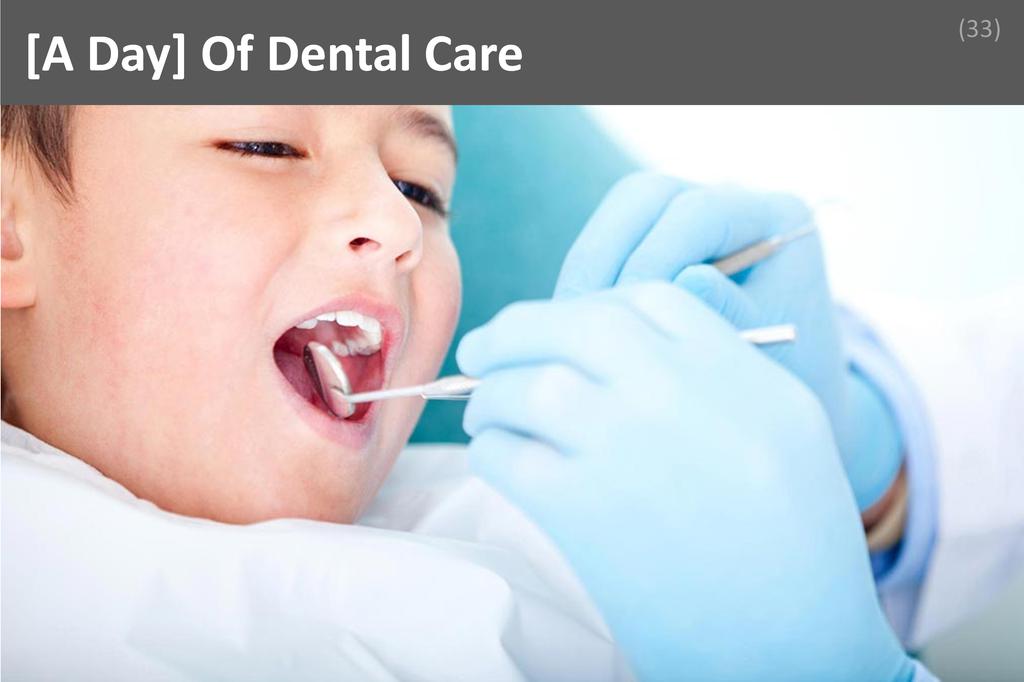
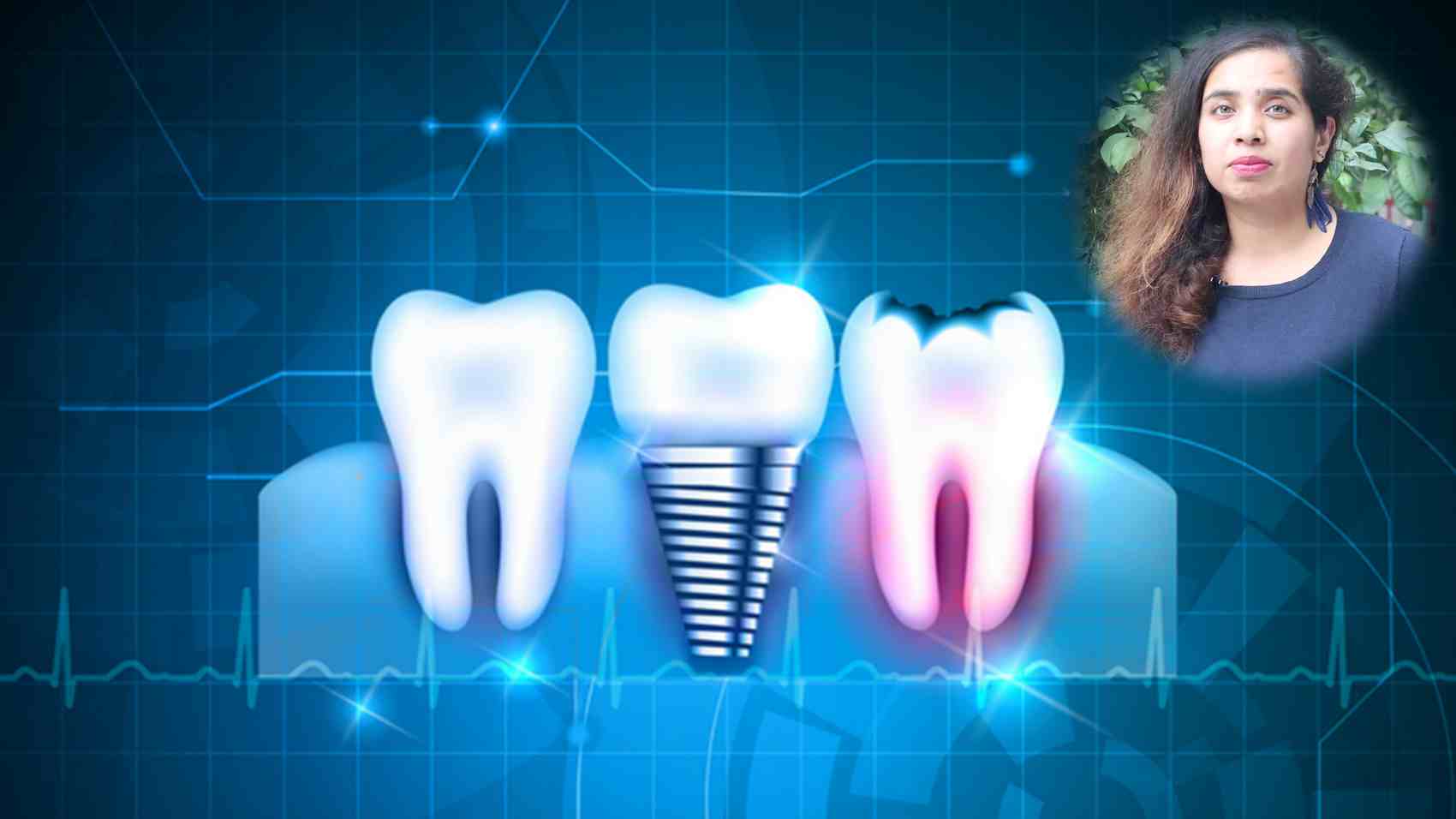
Dentistry is the branch of medicine focused on the diagnosis, prevention, and treatment of conditions affecting the teeth, gums, and mouth. It encompasses a wide range of practices, including oral hygiene, restorative procedures, and surgical interventions, all aimed at maintaining and improving oral health and overall well-being.
Dentistry plays a vital role in both individual and public health by preventing and treating oral diseases that can affect overall quality of life. For professionals in this field, dentistry offers the opportunity to make a tangible difference in patients’ lives, fostering improved self-esteem and confidence through better oral health. The profession also provides intellectual stimulation, as practitioners continually learn about new technologies and techniques. Additionally, dentistry offers strong job stability and the potential for financial security, making it an attractive career choice for those interested in healthcare and patient care.
A general dentist in a community clinic might see a patient suffering from persistent tooth pain. After a thorough examination and diagnostic imaging, the dentist identifies a cavity that has reached the tooth’s nerve. The dentist explains the situation to the patient, performs a root canal procedure to remove the infection, and restores the tooth with a filling or crown. Through this process, the dentist not only relieves the patient’s pain but also preserves the tooth and prevents further complications. This example illustrates how dentistry combines technical skill, patient communication, and problem-solving to improve health outcomes and enhance quality of life.
Education
Science Subjects with Biology

Science Subjects with Biology refers to an integrated study of core scientific disciplines—primarily biology, but also including chemistry and physics—tailored to provide a comprehensive understanding of living organisms and their interactions. This academic foundation is essential for Dentistry, where knowledge of biological systems underpins both clinical practice and ongoing professional development.
A thorough grasp of Science Subjects with Biology is crucial for anyone preparing for or working in Dentistry because it forms the bedrock upon which all dental knowledge is built. Understanding biological processes, such as cell structure, tissue function, and human anatomy, enables dental professionals to diagnose and treat oral diseases effectively. Chemistry knowledge is equally important, as it aids in comprehending the properties of dental materials and the biochemical interactions within the oral cavity. Physics principles support the safe and effective use of dental equipment and radiography. Mastery of these subjects not only ensures competence in clinical procedures but also fosters critical thinking, adaptability, and a commitment to evidence-based practice, all of which are invaluable for long-term career growth in Dentistry.
Consider a dentist who is evaluating a patient with persistent gum inflammation. Drawing on their background in Science Subjects with Biology, the dentist understands the cellular mechanisms of inflammation and the role of bacteria in periodontal disease. This knowledge guides the dentist in selecting appropriate diagnostic tests, interpreting laboratory results, and recommending targeted treatments such as antimicrobial therapies or surgical interventions. Furthermore, their understanding of chemistry helps them choose the most suitable materials for restorative procedures, while physics principles inform their use of imaging technologies to assess bone loss. In this way, the dentist’s theoretical foundation directly enhances their ability to provide high-quality, personalized care to patients every day.
Dental & Human Anatomy

Dental & Human Anatomy is the study of the structure, form, and relationships of the teeth, oral cavity, and associated bodily systems. This discipline underpins the academic and clinical foundation of Dentistry, enabling practitioners to understand both the micro and macro anatomy essential for diagnosis, treatment, and patient care.
A thorough grasp of Dental & Human Anatomy is indispensable for anyone entering or advancing in the field of Dentistry. This knowledge allows professionals to accurately identify oral structures, understand their functions, and recognize variations or abnormalities. Mastery of anatomy is crucial for performing procedures such as extractions, restorations, and surgeries with precision and safety. It also aids in effective communication with colleagues and patients, as well as in interpreting diagnostic images and planning treatments. Over the course of a dental career, this foundational knowledge supports lifelong learning, adaptation to new techniques, and the ability to provide high-quality, evidence-based care.
Consider a dentist preparing to extract a patient’s impacted third molar. Their understanding of Dental & Human Anatomy guides them in locating the tooth’s exact position relative to the mandibular nerve and surrounding bone structures. This anatomical knowledge helps the dentist anticipate potential complications, such as nerve injury or excessive bleeding, and plan the procedure to minimize risks. During the extraction, the dentist’s familiarity with the shapes and attachments of oral tissues ensures a careful approach, reducing trauma and promoting faster healing. In this way, theoretical knowledge of anatomy directly translates into safer, more effective patient care in everyday dental practice.
Fields in Dentistry

Fields in Dentistry refers to the various specialized branches and areas of practice within the dental profession, such as orthodontics, periodontics, endodontics, prosthodontics, pediatric dentistry, and oral surgery. Understanding these fields is essential for both academic study and professional development in dentistry, guiding career choices and patient care strategies.
A thorough understanding of the different fields in dentistry is crucial for anyone preparing for or working in the dental profession. This knowledge forms the backbone of a dentist’s education, enabling practitioners to recognize the scope and limitations of their expertise. By learning about each specialty, dental professionals can make informed decisions about referrals, collaborate effectively with colleagues, and pursue further specialization if desired. Over the long term, this foundational knowledge enhances patient outcomes, supports ethical practice, and opens doors to diverse career paths within the dental field. Mastery of the various fields also fosters adaptability, allowing professionals to respond to evolving patient needs and advancements in dental science.
Consider a general dentist who encounters a young patient with complex orthodontic issues during a routine checkup. Drawing on their understanding of the fields in dentistry, the dentist recognizes that the patient’s needs extend beyond general care and require specialized orthodontic intervention. The dentist explains the situation to the patient and their family, provides an initial assessment, and refers them to a trusted orthodontist. This seamless transition of care, grounded in knowledge of dental specialties, ensures the patient receives the most appropriate treatment. The dentist’s ability to identify when to involve other specialists not only improves patient outcomes but also strengthens professional relationships within the dental community.
Dental Material & Equipment

Dental Material & Equipment refers to the substances, tools, and devices used in the diagnosis, treatment, and prevention of dental diseases. This field encompasses the study of properties, manipulation, and application of materials, as well as the safe and effective use of dental instruments, forming a core component of dental education and practice.
A thorough understanding of dental material and equipment is essential for anyone pursuing a career in dentistry. Mastery of this subject ensures that dental professionals can select the most appropriate materials for various procedures, understand their properties, and apply them safely and effectively. This knowledge underpins the ability to deliver high-quality patient care, minimize procedural risks, and achieve optimal clinical outcomes. Furthermore, staying updated with advancements in dental materials and technology is crucial for maintaining professional competence and adapting to evolving standards in dental practice. In the long term, expertise in this area enhances a dentist’s credibility, supports evidence-based decision-making, and contributes to the overall success and reputation of a dental practice.
Consider a dentist preparing to restore a patient’s decayed tooth with a filling. The dentist must assess the extent of decay, choose the appropriate restorative material—such as composite resin or amalgam—based on factors like durability, aesthetics, and patient preference, and use the correct instruments for placement and finishing. Their theoretical knowledge of dental materials guides them in selecting a material that bonds well with the tooth structure and withstands biting forces. Familiarity with the equipment ensures precise application, minimizing discomfort and maximizing the restoration’s longevity. This scenario highlights how a solid grasp of dental material and equipment directly influences treatment quality, patient satisfaction, and the long-term success of dental interventions.
Orthodontics & Periodontics

Orthodontics is the dental specialty focused on diagnosing, preventing, and correcting misaligned teeth and jaws, while periodontics centers on the prevention, diagnosis, and treatment of diseases affecting the gums and supporting structures of the teeth. Both disciplines are essential pillars in the comprehensive academic and clinical training required for modern dental professionals.
A thorough understanding of orthodontics and periodontics is crucial for anyone pursuing a career in dentistry because these fields address both the functional and structural health of the oral cavity. Mastery of orthodontic principles enables dental professionals to recognize and treat malocclusions, which can impact speech, chewing, and overall oral health. Meanwhile, periodontics provides the knowledge necessary to manage gum diseases, which are leading causes of tooth loss and can influence systemic health. Integrating these specialties into daily practice ensures that dentists can offer holistic care, anticipate complications, and collaborate effectively with specialists. Over time, this foundational expertise enhances diagnostic accuracy, broadens treatment options, and fosters long-term patient relationships, all of which are vital for professional growth and reputation in dentistry.
Consider a patient who presents with crowded teeth and early signs of gum inflammation. A dentist with a solid grounding in orthodontics and periodontics will first evaluate the alignment issues and their impact on oral hygiene. Recognizing that misaligned teeth can create hard-to-clean areas, the dentist understands the increased risk for periodontal disease. By applying their knowledge, the dentist develops a treatment plan that addresses both the orthodontic correction and periodontal therapy. This might involve recommending braces or aligners to straighten the teeth, alongside scaling and root planing to manage gum health. Through this integrated approach, the dentist not only improves the patient’s smile but also ensures the long-term stability and health of the supporting tissues, demonstrating the real-world value of mastering both specialties.
Oral Surgeries

Oral surgeries encompass a range of surgical procedures performed within the mouth and jaw, including tooth extractions, corrective jaw surgery, and treatment of oral diseases or injuries. This field is integral to dentistry, forming a crucial component of both academic curricula and the practical skill set required for competent dental professionals.
Understanding oral surgeries is essential for anyone pursuing a career in dentistry because it bridges the gap between general dental care and specialized surgical intervention. Mastery of this subject ensures that dental professionals can accurately diagnose, plan, and execute surgical procedures, as well as manage complications and post-operative care. This knowledge not only enhances clinical competence but also builds confidence in handling complex cases, thereby expanding the scope of services a dentist can offer. Over the long term, proficiency in oral surgeries increases employability, opens pathways to advanced specialties, and fosters a reputation for comprehensive patient care, all of which are critical for career growth and professional satisfaction in dentistry.
Consider a dentist working in a busy urban clinic who encounters a patient with an impacted wisdom tooth causing severe pain and infection. Drawing on their theoretical understanding of oral surgeries, the dentist assesses the case, explains the procedure to the patient, and skillfully performs the extraction while minimizing trauma to surrounding tissues. Post-operatively, the dentist provides clear instructions for recovery and monitors healing, ensuring complications are promptly addressed. This scenario highlights how foundational knowledge in oral surgeries enables dental professionals to deliver effective, safe, and timely interventions, directly impacting patient outcomes and reinforcing the dentist’s role as a trusted healthcare provider.
Human Psychology

Human Psychology is the scientific study of the mind and behavior, exploring how individuals think, feel, and act in various situations. In Dentistry, understanding human psychology is essential, as it helps professionals interpret patient behaviors, manage anxieties, and foster effective communication, forming a crucial part of their academic and clinical expertise.
A deep understanding of human psychology is vital for dental professionals because it enables them to recognize and respond to the emotional and behavioral needs of their patients. Dental visits often provoke anxiety or fear, and a dentist’s ability to empathize and communicate effectively can significantly improve patient cooperation and satisfaction. Mastery of psychological principles also aids in building trust, motivating patients to maintain oral health, and managing challenging behaviors in both children and adults. Over the course of a career, these skills contribute to better patient outcomes, higher retention rates, and a more positive reputation within the community. Ultimately, integrating psychological knowledge into daily practice elevates the standard of care and supports long-term professional success.
Consider a dentist treating a young child who is visibly anxious about an upcoming procedure. Drawing on their understanding of human psychology, the dentist recognizes signs of fear and employs calming techniques such as speaking in a gentle tone, explaining each step in simple language, and allowing the child to ask questions. By addressing the child’s emotional state and building rapport, the dentist reduces anxiety and gains the child’s trust, making the procedure smoother and less traumatic. This approach not only ensures a more positive experience for the patient but also reassures the parents, demonstrating the dentist’s competence and empathy. Such psychological insight is invaluable in fostering lasting patient relationships and promoting oral health.
Skills
Practice & Internships

Practice & Internships in dentistry refer to hands-on training experiences where students or early-career professionals work under supervision in real clinical settings. This period allows them to apply theoretical knowledge, develop technical skills, and gain exposure to patient care, forming a crucial bridge between academic learning and independent professional practice.
Engaging in practice and internships directly enhances a dentist’s competence by providing real-world exposure to diverse dental procedures, patient interactions, and problem-solving scenarios. Clients and employers highly value this experience because it demonstrates the practitioner’s ability to handle clinical challenges, communicate effectively, and adapt to dynamic environments. Over time, repeated exposure to clinical cases builds confidence, sharpens diagnostic abilities, and refines manual dexterity. Cultivating this skill involves seeking out varied internship opportunities, actively participating in clinical rotations, and embracing feedback from mentors. Continuous learning and reflection during these experiences ensure that a dental professional remains up-to-date with best practices and is well-prepared to deliver high-quality patient care.
Consider a dental intern faced with a patient experiencing severe tooth pain due to an abscess. Drawing on skills developed during internships, the intern efficiently assesses the situation, communicates empathetically with the patient, and consults with supervising dentists to determine the best course of action. The hands-on experience gained from previous practice sessions allows the intern to assist confidently in draining the abscess and providing aftercare instructions. This scenario highlights how practice and internships equip dental professionals to respond effectively to urgent clinical issues, ensuring patient safety and satisfaction while reinforcing the intern’s competence and readiness for independent practice.
Communication

Communication is the process of exchanging information, ideas, and feelings through verbal, nonverbal, and written means to achieve mutual understanding. In dentistry, communication is a foundational skill that enables professionals to explain procedures, listen to patient concerns, collaborate with colleagues, and ensure that care is delivered safely and effectively.
Strong communication skills directly enhance a dentist’s ability to build trust with patients, explain complex treatment options, and address anxieties or misconceptions. Employers and clients highly value this skill because it leads to better patient satisfaction, improved compliance with treatment plans, and fewer misunderstandings or errors. Dentists can cultivate communication by actively listening, seeking feedback, and engaging in continuous learning through workshops or peer interactions. Over time, refining this skill helps professionals adapt their approach to diverse patient needs, foster teamwork within dental practices, and maintain a positive reputation in the community. Effective communication ultimately supports both clinical excellence and the overall patient experience.
Consider a scenario where a patient arrives at a dental clinic with severe tooth pain and significant anxiety about dental procedures. The dentist recognizes the patient’s fear and takes time to calmly explain the diagnosis, outline each step of the proposed treatment, and answer all questions in simple, reassuring language. By attentively listening to the patient’s concerns and responding empathetically, the dentist builds trust and alleviates anxiety. This open dialogue not only helps the patient feel more comfortable but also ensures they fully understand the treatment plan and consent to it. As a result, the procedure proceeds smoothly, and the patient leaves the clinic feeling cared for and respected, highlighting the critical role of communication in achieving successful outcomes in dentistry.
Patience

Patience is the ability to remain calm, composed, and persistent in the face of delays, challenges, or frustration, without becoming anxious or agitated. In dentistry, patience is a foundational trait that allows professionals to deliver meticulous care, manage complex procedures, and build trusting relationships with patients who may feel anxious or fearful.
Patience directly enhances a dentist’s performance by enabling careful attention to detail during intricate procedures, reducing the risk of errors, and ensuring high-quality outcomes. Clients and employers value patience because it fosters a reassuring environment, especially for patients who are nervous or require extra time to feel comfortable. It also supports effective communication, allowing dentists to explain procedures thoroughly and answer questions without rushing. Cultivating patience involves self-awareness, mindfulness, and practice. Dentists can develop this skill by reflecting on their responses to stress, seeking feedback, and embracing opportunities to work with diverse patient needs. Over time, patience becomes a habit that not only improves technical performance but also strengthens professional relationships.
Imagine a dentist treating a young child who is terrified of dental instruments and refuses to open their mouth. Instead of showing frustration or rushing the process, the dentist patiently engages the child, explains each step in simple terms, and allows time for the child to acclimate. Through gentle encouragement and repeated reassurance, the dentist gradually earns the child’s trust, eventually completing the procedure successfully. This scenario highlights how patience enables the dentist to overcome a challenging situation, ensuring the child receives necessary care while building a positive association with dental visits. The outcome benefits both the patient and the practice, demonstrating the profound impact of patience in dentistry.
Concentration

Concentration is the sustained mental effort to focus attention on a specific task or set of tasks while filtering out distractions. In dentistry, this skill enables professionals to perform intricate procedures with precision, maintain patient safety, and ensure high-quality outcomes, making it a fundamental component of clinical excellence and patient care.
Concentration directly enhances a dentist’s ability to perform delicate procedures, interpret diagnostic information accurately, and respond swiftly to unexpected challenges. Clients and employers highly value this skill because it leads to fewer errors, improved patient experiences, and greater efficiency in the clinic. Dentists who demonstrate strong concentration are trusted with complex cases and are often recognized for their reliability and professionalism. Cultivating concentration involves regular practice, mindfulness techniques, and creating a work environment that minimizes interruptions. Over time, consistent effort to strengthen this skill leads to greater confidence and mastery in both routine and advanced dental procedures.
Imagine a dentist performing a root canal on a patient with a complex tooth structure. The procedure requires unwavering concentration to navigate tiny root canals without damaging surrounding tissue. During the process, the dentist must ignore background noise, manage patient anxiety, and focus solely on the intricate movements of their instruments. By maintaining deep concentration, the dentist successfully completes the procedure, alleviates the patient’s pain, and prevents future complications. This scenario highlights how concentration is not just about technical skill, but also about the ability to remain calm and attentive under pressure, ultimately ensuring the best possible outcome for the patient.
Good Hand Work

Good Hand Work refers to the precise, controlled, and skillful use of one’s hands and fingers to perform delicate tasks with accuracy and finesse. In dentistry, this ability is fundamental, as it enables professionals to carry out intricate procedures, manipulate small instruments, and deliver high-quality care with minimal discomfort to patients.
Mastering Good Hand Work significantly enhances a dentist’s performance by ensuring that procedures are executed with accuracy and efficiency. Patients and employers alike value this skill because it leads to better clinical outcomes, reduced risk of errors, and a more comfortable experience for those receiving care. Dentists with refined hand skills can perform complex restorations, extractions, and cosmetic procedures with confidence. Cultivating this ability requires consistent practice, attention to detail, and ongoing training, often beginning in dental school and continuing throughout one’s career. Engaging in activities that improve fine motor skills, such as sculpting or playing musical instruments, can also contribute to the development of exceptional hand dexterity.
Imagine a dentist faced with a patient who has a severely fractured tooth requiring a precise root canal treatment. The dentist must navigate tiny root canals, remove infected tissue, and fill the space without damaging surrounding structures. In this scenario, Good Hand Work is crucial for manipulating fine instruments within a confined space, ensuring that the procedure is thorough and successful. The patient experiences minimal discomfort, and the tooth is saved due to the dentist’s steady hands and meticulous technique. This example highlights how Good Hand Work not only resolves a critical dental issue but also builds trust and satisfaction, reinforcing the dentist’s reputation for excellence.
Trust Building

Trust Building is the ongoing process of establishing credibility, reliability, and mutual respect through consistent actions, clear communication, and ethical behavior. In dentistry, it forms the foundation of patient relationships, enabling practitioners to deliver care effectively while alleviating anxiety and fostering long-term loyalty. Trust empowers patients to follow recommendations, disclose concerns, and maintain regular appointments, which are crucial for successful treatment outcomes. For dental professionals, trust is not only about technical competence but also about demonstrating empathy, transparency, and integrity in every interaction. As a core skill, it enhances the overall patient experience and strengthens the reputation of the dental practice.
Trust Building directly elevates a dentist’s performance by encouraging open communication, which leads to more accurate diagnoses and tailored treatment plans. Patients who trust their dentist are more likely to adhere to preventive care routines and accept necessary procedures, reducing complications and improving oral health outcomes. Employers and clients highly value this skill because it translates into patient retention, positive reviews, and a thriving practice. Cultivating trust requires consistent demonstration of professionalism, active listening, and honest dialogue. Over time, dentists can further develop this skill by seeking feedback, engaging in continuous education, and reflecting on patient interactions to identify areas for improvement. This ongoing commitment ensures that trust remains at the heart of every patient relationship.
Consider a scenario where a patient arrives at a dental clinic with severe dental anxiety and a history of negative experiences. The dentist recognizes the patient’s apprehension and takes extra time to explain each step of the examination, answer questions thoroughly, and reassure the patient about pain management options. By maintaining eye contact, using a calm tone, and respecting the patient’s pace, the dentist gradually earns the patient’s trust. As a result, the patient feels comfortable proceeding with the recommended treatment plan, attends follow-up appointments, and eventually refers friends and family to the practice. In this situation, trust building was the key factor that transformed a challenging encounter into a successful and lasting professional relationship.
Motivational

Motivational refers to the ability to inspire oneself and others to take positive action, overcome challenges, and persist toward goals. In dentistry, this skill empowers professionals to maintain enthusiasm, encourage patient compliance, and foster a positive environment, making it a vital component of a successful dental career.
Motivational skills directly enhance a dentist’s performance by fostering resilience, optimism, and proactive problem-solving in a demanding clinical environment. Patients often experience anxiety or reluctance regarding dental care, and a motivational dentist can encourage them to adhere to treatment plans and maintain oral health. Employers value this skill because it leads to higher patient satisfaction, better team morale, and improved practice outcomes. Dentists can cultivate motivational abilities by setting personal and professional goals, seeking mentorship, engaging in reflective practice, and participating in continuing education focused on communication and leadership. Over time, these efforts help dental professionals inspire both themselves and those around them, leading to sustained success.
Consider a scenario where a dentist is treating a patient with severe dental anxiety who has neglected oral care for years. The dentist uses motivational skills to empathize with the patient’s fears, communicate the benefits of treatment, and celebrate small milestones throughout the process. By consistently encouraging the patient and reinforcing positive behaviors, the dentist helps the patient overcome their apprehension and commit to regular appointments. This not only improves the patient’s oral health but also builds trust and loyalty, demonstrating how motivational skills can transform a challenging situation into a successful outcome for both patient and practitioner.
Interpersonal

Interpersonal refers to the ability to effectively communicate, empathize, and build relationships with others through verbal and non-verbal means. In dentistry, this skill is crucial for establishing trust, understanding patient concerns, and fostering a collaborative environment, ultimately enhancing patient satisfaction and the overall quality of care provided.
Interpersonal skills directly impact a dentist’s ability to connect with patients, colleagues, and staff, leading to smoother interactions and better clinical outcomes. Patients value dentists who listen attentively, explain procedures clearly, and show genuine empathy, which reduces anxiety and increases compliance with treatment plans. Employers seek professionals who can contribute positively to team dynamics and patient retention. To cultivate interpersonal skills, dental professionals should engage in active listening, seek feedback, participate in communication workshops, and reflect on their interactions to identify areas for improvement. Over time, consistent practice and self-awareness help refine these abilities, making them an integral part of a successful dental career.
Imagine a patient arrives at a dental clinic visibly anxious about an upcoming procedure. The dentist recognizes the patient’s discomfort and takes time to engage in a calm, reassuring conversation, asking about their concerns and explaining each step of the process in simple terms. By demonstrating empathy and patience, the dentist helps the patient feel understood and supported, which alleviates fear and builds trust. As a result, the patient becomes more cooperative during the procedure and leaves the clinic with a positive impression, likely to return for future care and recommend the practice to others. This scenario highlights how strong interpersonal skills can transform a potentially stressful situation into a successful and rewarding experience for both patient and professional.
Positives
Immense Satisfaction

Immense Satisfaction is the profound sense of fulfillment and pride that arises from making a meaningful difference in others’ lives through one’s work. In dentistry, this satisfaction stems from restoring health, confidence, and comfort to patients, knowing that each treatment directly improves someone’s well-being and quality of life.
The immense satisfaction found in dentistry is a driving force behind the profession’s enduring appeal. This deep sense of fulfillment motivates dentists to continually refine their skills and provide the highest standard of care. Experiencing gratitude from patients and witnessing their transformation fosters a positive work environment and strengthens professional commitment. This satisfaction also acts as a buffer against stress, helping dental professionals maintain enthusiasm and resilience throughout their careers. The daily opportunity to solve problems, alleviate pain, and enhance smiles ensures that dentists regularly experience the tangible results of their efforts, reinforcing their sense of purpose and personal growth.
Consider a dentist who treats a patient suffering from severe dental anxiety and chronic pain due to neglected oral health. Through compassionate care and skilled intervention, the dentist not only relieves the patient’s discomfort but also restores their ability to eat, speak, and smile confidently. Witnessing the patient’s transformation—from fear and embarrassment to gratitude and renewed self-esteem—provides the dentist with immense satisfaction. This moment of connection and positive impact serves as a powerful reminder of the value and meaning inherent in their work, inspiring continued dedication and passion for the profession.
Vast Career Opportunities

Vast career opportunities refer to the wide range of professional paths, specialties, and roles available within the field of dentistry. This includes clinical practice, research, education, public health, and industry positions. Such diversity allows dental professionals to tailor their careers to their interests, skills, and evolving aspirations, fostering long-term satisfaction.
The abundance of career options in dentistry is a significant advantage because it empowers professionals to shape their own journeys. Whether someone is passionate about hands-on patient care, innovative research, or teaching future dentists, the field accommodates these ambitions. This flexibility leads to greater job satisfaction, as individuals can transition between roles or specialties throughout their careers. The ability to pursue advanced training, open a private practice, or contribute to community health initiatives ensures that dental professionals remain engaged and motivated. Every day, dentists experience the benefit of choice, knowing they can adapt their careers to suit their changing interests and life circumstances, which ultimately leads to sustained professional growth and personal fulfillment.
Consider a dentist who begins their career in general practice, enjoying the direct interaction with patients and the satisfaction of improving oral health. After several years, they develop a keen interest in pediatric dentistry and pursue specialized training, allowing them to focus on treating children and making a difference in young lives. Later, this same professional might choose to teach at a dental school, sharing their expertise with students and shaping the next generation of dentists. Throughout their career, the vast opportunities within dentistry enable them to continually evolve, find new challenges, and maintain a deep sense of purpose and fulfillment in their work.
Respect & Recognition

Respect and recognition refer to the esteem, appreciation, and acknowledgment received from patients, peers, and the community for one’s expertise, dedication, and positive impact. In dentistry, this means being valued not only for technical skills but also for compassionate care, which fosters trust and enhances the professional’s sense of purpose.
The respect and recognition that dentists receive are powerful motivators, fueling both personal and professional growth. When patients express gratitude for restored health and confidence, it reinforces the dentist’s commitment to excellence. This positive feedback loop enhances job satisfaction, making daily challenges more rewarding. Colleagues and the broader healthcare community also acknowledge the dentist’s expertise, which can open doors to leadership roles, research opportunities, and collaborative projects. The sense of being trusted and valued creates a supportive work environment, encouraging continuous learning and innovation. Ultimately, respect and recognition elevate the profession, making each achievement more meaningful and inspiring dentists to strive for even greater impact.
Consider a dentist who helps a young patient overcome a lifelong fear of dental visits, restoring not only their smile but also their confidence. The patient’s heartfelt thanks and the family’s appreciation provide immediate recognition, while colleagues commend the dentist’s gentle approach and effective communication. This experience leaves the dentist feeling deeply respected and valued, reinforcing their passion for the profession. Over time, the dentist becomes known in the community for compassionate care, attracting more patients and opportunities for professional growth. The daily affirmation from patients and peers transforms routine work into a fulfilling vocation, demonstrating how respect and recognition are central to a rewarding career in dentistry.
Non Emergency Field

The term "Non Emergency Field" in dentistry refers to a professional environment where most patient care is planned, scheduled, and preventive rather than urgent or life-threatening. Dentists typically address oral health issues through routine checkups, cleanings, and elective procedures, allowing for a predictable and controlled workflow that enhances both patient and provider experiences.
This positive aspect of dentistry matters greatly because it allows professionals to maintain a healthy work-life balance and reduces the stress associated with unpredictable emergencies. Dentists can thoughtfully plan their days, allocate time for each patient, and focus on delivering high-quality care without the constant pressure of urgent situations. This structure fosters a more collaborative and supportive workplace, where team members can communicate effectively and anticipate each other's needs. As a result, job satisfaction increases, burnout rates decrease, and professionals have greater opportunities for personal and career growth. Every day, dentists benefit from this stability, which enables them to build lasting relationships with patients and continually refine their skills in a calm, focused environment.
Imagine a dentist who starts each morning knowing exactly which patients they will see and what procedures are scheduled. Instead of being interrupted by emergency calls or having to make split-second decisions under pressure, they can devote their full attention to each patient’s needs. This allows them to educate patients about preventive care, perform meticulous restorative work, and celebrate improvements in oral health over time. The dentist leaves work each day with a sense of accomplishment, having made a meaningful difference without the emotional and physical toll of constant emergencies. This predictable, non-emergency setting not only enhances professional fulfillment but also helps foster a positive, trusting relationship between the dentist and their patients.
Challenges
Dealing with Patients

Dealing with patients in dentistry refers to the ongoing process of communicating with, understanding, and managing individuals who may be anxious, uncooperative, or fearful about dental procedures. This challenge is demanding because it requires empathy, patience, and adaptability, all while delivering precise clinical care under sometimes stressful circumstances.
The difficulty of dealing with patients can significantly affect a dentist’s daily routine, often leading to longer appointment times, increased emotional fatigue, and the need for constant adjustment of communication styles. This challenge demands resilience because every patient brings unique concerns, fears, and expectations that must be addressed to ensure effective treatment. Successful dental professionals manage this constraint by cultivating strong interpersonal skills, practicing active listening, and maintaining a calm, reassuring demeanor. They also invest in ongoing education to better understand patient psychology and develop strategies to reduce anxiety, such as explaining procedures clearly and creating a welcoming environment. By consistently applying these approaches, dentists can foster trust, improve patient cooperation, and enhance overall care outcomes.
Consider a dentist treating a patient with severe dental anxiety who has avoided appointments for years. The dentist recognizes the patient’s fear and takes extra time to listen to their concerns, explaining each step of the procedure in simple terms. By maintaining a gentle tone and allowing the patient to signal when they need a break, the dentist gradually builds trust. Over several visits, the patient becomes more comfortable and cooperative, eventually completing necessary treatments. This scenario illustrates how patience, empathy, and clear communication enable dental professionals to overcome the challenge of dealing with patients, resulting in improved experiences for both the patient and the practitioner.
100% Attention

"100% Attention" in Dentistry refers to the unwavering focus required during every patient interaction and procedure, where even minor lapses can lead to significant consequences. This level of concentration is demanding because dental professionals must simultaneously manage technical precision, patient comfort, and safety, often under time constraints and unpredictable conditions.
The necessity for constant, undivided attention in Dentistry can lead to mental fatigue, increased stress, and the risk of burnout. Each procedure demands meticulous care, as errors can compromise patient health and professional reputation. This relentless pressure requires resilience, as dentists must maintain composure and accuracy despite distractions or fatigue. Successful professionals develop strategies such as structured breaks, mindfulness techniques, and efficient workflow organization to sustain their focus. They also cultivate supportive team environments, allowing for shared responsibilities and mutual vigilance. By prioritizing self-care and continuous learning, dental practitioners can better manage the demands of 100% attention, ensuring both high-quality care and personal well-being.
Consider a dentist performing a complex root canal on a nervous patient while managing a busy clinic schedule. Throughout the procedure, the dentist remains fully present, carefully monitoring the patient’s reactions and adjusting techniques as needed. Despite external distractions, such as staff queries or time pressures, the dentist relies on practiced routines and mental checklists to maintain focus. By taking a brief moment to center themselves before beginning, and by delegating non-essential tasks to trusted team members, the dentist ensures that their attention remains undivided. This approach not only results in a successful clinical outcome but also reassures the patient, demonstrating how 100% attention can be realistically managed in demanding dental environments.
Minute Skill Based Work

Minute Skill Based Work in Dentistry refers to the precise, fine-motor tasks required for procedures such as cavity fillings, root canals, and cosmetic adjustments. These tasks demand exceptional hand-eye coordination, attention to detail, and steady hands, making them physically and mentally taxing. The margin for error is extremely small, increasing pressure.
The challenge of minute skill based work permeates nearly every aspect of a dentist’s daily routine. The need for unwavering precision can lead to mental fatigue and physical strain, especially during lengthy procedures. This constant demand for accuracy requires resilience, as even minor lapses can affect patient outcomes and professional confidence. Successful dental professionals manage these constraints by developing strong routines for hand and eye exercises, maintaining ergonomic working positions, and embracing continuous learning. They also cultivate mindfulness and stress management techniques to stay focused during demanding tasks. By prioritizing self-care and skill refinement, dentists can sustain their performance and adapt to the ongoing rigors of their profession.
Consider a dentist performing a complex anterior composite restoration on a patient’s front tooth, where both function and aesthetics are critical. The dentist must sculpt the filling material with microscopic accuracy to match the natural tooth’s shape and shade. Throughout the procedure, the dentist maintains a steady hand, uses magnification loupes for enhanced visibility, and takes brief pauses to relax their muscles and refocus. By combining technical expertise with self-awareness and adaptive strategies, the dentist successfully achieves a seamless restoration. This scenario illustrates how minute skill based work, while challenging, can be managed effectively through a blend of preparation, technique, and mindful practice.
Constant Upgradation

Constant Upgradation in Dentistry refers to the ongoing need for dental professionals to continually learn, adapt, and integrate new technologies, techniques, and regulatory standards into their practice. This relentless pace of change is demanding because it requires ongoing education, financial investment, and the ability to quickly adapt to evolving patient expectations and industry advancements.
The challenge of constant upgradation permeates every aspect of a dental professional’s daily work. It can lead to increased stress as practitioners juggle patient care with the need to stay current on new procedures, materials, and equipment. This environment demands resilience, as falling behind can impact both clinical outcomes and professional reputation. Successful professionals manage this constraint by cultivating a mindset of lifelong learning, seeking out continuing education opportunities, and actively participating in professional networks. They prioritize adaptability, embrace change as a core part of their professional identity, and allocate time and resources to stay informed. By doing so, they not only maintain high standards of care but also position themselves as leaders in a rapidly evolving field.
Consider a dentist who, after years of practicing traditional restorative techniques, recognizes the growing importance of digital dentistry. Rather than resisting change, she enrolls in specialized courses on CAD/CAM technology and invests in digital scanning equipment for her clinic. Initially, the learning curve is steep, and integrating new workflows disrupts her routine. However, by dedicating time to hands-on training and collaborating with peers who have already adopted these technologies, she gradually becomes proficient. As a result, her practice benefits from improved efficiency, enhanced patient outcomes, and increased satisfaction. This proactive approach to constant upgradation not only secures her relevance in the field but also inspires her team to embrace ongoing professional development.
A Day Of
Dentistry
The hum of dental equipment, the scent of antiseptic, and the steady rhythm of patient appointments set the tone for a day in the life of a dentistry professional. Each day unfolds as a blend of precision, compassion, and adaptability, where no two hours are ever quite the same. From the first patient’s nervous smile to the last chart update, the pace is brisk and the stakes are high, demanding both technical expertise and a calming bedside manner. In this dynamic environment, a dentist’s workday is a carefully choreographed sequence of preparation, patient care, collaboration, and reflection, all dedicated to restoring and maintaining the health and confidence of every person who sits in the chair.
As the sun rises, the dental office comes alive with the quiet bustle of preparation. The dentist arrives early to review the day’s schedule, checking patient charts for medical histories, treatment plans, and any special considerations. Sterilization of instruments and calibration of equipment are top priorities, ensuring every tool is ready for safe, efficient use. The dental team holds a brief morning huddle to discuss complex cases and coordinate responsibilities, setting the stage for a seamless flow of care throughout the day.
By mid-morning, the practice is in full motion. The dentist moves from operatory to operatory, performing routine cleanings, fillings, and more complex procedures like root canals or extractions. Each patient brings a unique set of needs and anxieties, requiring the dentist to shift seamlessly between technical focus and empathetic communication. The pace is relentless, with little downtime between appointments, and every interaction is an opportunity to educate, reassure, and deliver precise, personalized care.
The afternoon brings a renewed focus on collaboration and execution. The dentist consults with hygienists and dental assistants to review ongoing cases, discuss treatment outcomes, and adjust plans as needed. This period often includes follow-up appointments, emergency visits, or more intricate restorative work. The team works in concert, relying on clear communication and mutual support to manage the day’s demands while maintaining a high standard of patient care.
As the last patient leaves, the dentist turns attention to the essential but less visible aspects of the profession. Detailed notes are entered into patient records, insurance forms are reviewed, and lab results are checked. The dentist may spend time researching new techniques or reviewing continuing education materials to stay current in the field. Before heading home, the day’s successes and challenges are reflected upon, and preparations are made for tomorrow’s patients, ensuring that every detail is in place for another day of impactful, compassionate care. |


 Home
Home Abroad
 Plan
Plan Philosophy
 Seminar
 Pages
Pages Advisors
 Testimonials















 Workshop
 Discuss
 Meet
Meet
 Advisor
 Story
Story
 Fine Print
 Links
Links
 Blog
Blog
 Follow
