The Journey of Dentistry
What Is Dentistry
Dentistry

Dentistry is the branch of medicine focused on the diagnosis, prevention, and treatment of diseases and conditions affecting the oral cavity, teeth, gums, and related structures. It encompasses a wide range of practices, including restorative, cosmetic, and surgical procedures, all aimed at promoting optimal oral health and function.
Dentistry plays a crucial role in maintaining overall health and well-being, as oral health is closely linked to systemic health. For professionals, dentistry offers the opportunity to make a tangible difference in patients’ lives by alleviating pain, restoring function, and enhancing appearance. The field provides intellectual stimulation through problem-solving and continuous learning, as dental science and technology evolve rapidly. Additionally, dentistry offers a high degree of professional autonomy, allowing practitioners to manage their own practices and shape their work environments. The profession is also known for its strong job stability and earning potential, making it an attractive career choice for those interested in healthcare.
A dentist may encounter a patient suffering from persistent tooth pain and swelling. After a thorough examination and diagnostic imaging, the dentist identifies an infected tooth root. Using their expertise, the dentist performs a root canal procedure to remove the infection, relieve the patient’s pain, and preserve the natural tooth. This intervention not only restores the patient’s ability to eat and speak comfortably but also prevents the spread of infection to other parts of the body. Throughout the process, the dentist educates the patient on proper oral hygiene practices to prevent future issues, demonstrating the multifaceted role dentists play in both treatment and prevention.
Education
Human Anatomy

Human Anatomy is the scientific study of the structure of the human body, including its organs, tissues, and systems. In Dentistry, it forms a critical part of both academic training and professional practice, providing the essential framework for understanding oral health, diagnosing conditions, and performing effective dental treatments.
A thorough grasp of human anatomy is indispensable for anyone pursuing a career in Dentistry. This knowledge enables dental professionals to accurately identify the intricate structures of the oral cavity, jaw, and surrounding tissues. Understanding anatomical relationships is crucial for diagnosing dental diseases, planning treatments, and performing procedures safely. Mastery of anatomy also helps prevent complications during interventions such as extractions, root canals, and implant placements. Over the long term, a strong anatomical foundation supports ongoing professional development, allowing dentists to adapt to new techniques and technologies with confidence. Ultimately, it ensures that patient care is both effective and safe, reinforcing the trust placed in dental professionals.
Consider a dentist performing the extraction of a lower wisdom tooth. Their knowledge of human anatomy guides them in identifying the precise location of the tooth in relation to the mandibular nerve and surrounding blood vessels. By applying this understanding, the dentist can minimize the risk of nerve injury or excessive bleeding during the procedure. This anatomical awareness also informs the dentist’s approach to administering local anesthesia, ensuring it is both effective and safe. In daily practice, such expertise allows dental professionals to anticipate potential complications, communicate clearly with patients about risks, and deliver high-quality care that prioritizes both function and aesthetics.
Practice Management

Practice Management in dentistry refers to the comprehensive coordination of administrative, financial, and operational aspects of a dental practice. It encompasses patient scheduling, billing, compliance, staff management, and workflow optimization. Mastery of this discipline is essential in both academic training and professional practice, ensuring efficient, ethical, and sustainable dental care delivery.
Understanding practice management is vital for anyone preparing for or working in dentistry because it bridges the gap between clinical expertise and the realities of running a successful practice. Mastery of this subject ensures that dental professionals can deliver high-quality care while maintaining a financially viable and legally compliant business. It forms the foundation for building strong patient relationships, fostering a positive work environment, and navigating the complexities of healthcare regulations. Over the long term, proficiency in practice management empowers dentists to adapt to industry changes, expand their services, and achieve professional growth. It also enhances job satisfaction by reducing stress associated with administrative challenges, ultimately contributing to a rewarding and sustainable career in dentistry.
Consider a dentist who has recently opened their own clinic. Each day, they rely on their knowledge of practice management to coordinate patient appointments efficiently, ensuring minimal wait times and optimal use of resources. They oversee billing procedures, verify insurance claims, and ensure compliance with health regulations, reducing the risk of costly errors or legal issues. By applying effective staff management strategies, they foster a collaborative and motivated team, which enhances patient satisfaction and retention. Their ability to analyze financial reports and adjust operational strategies allows the practice to remain profitable and competitive. In this way, theoretical understanding of practice management directly translates into smooth daily operations and long-term professional success.
Dental Procedures

Dental procedures encompass the range of clinical interventions performed to diagnose, treat, and prevent oral diseases and conditions. This includes restorative, surgical, preventive, and cosmetic treatments. Mastery of dental procedures is essential in both academic study and professional practice, forming a core component of the knowledge and skills required in Dentistry.
Understanding dental procedures is fundamental for anyone preparing for or working in Dentistry because it bridges theoretical knowledge with hands-on clinical practice. Mastery of these procedures ensures that dental professionals can deliver safe, effective, and evidence-based care to patients. It also allows practitioners to make informed decisions, adapt to new technologies, and respond to complex cases with confidence. Over time, a deep familiarity with dental procedures enhances diagnostic accuracy, improves patient outcomes, and builds trust within the community. Furthermore, it supports ongoing professional development, as advancements in dental science continually introduce new techniques and materials that require a solid procedural foundation to implement successfully.
Consider a dentist faced with a patient presenting a fractured molar. Drawing on their comprehensive understanding of dental procedures, the dentist assesses the extent of the damage, discusses treatment options, and selects the most appropriate intervention, such as a crown or filling. During the procedure, the dentist applies precise techniques to remove decay, shape the tooth, and restore its function and appearance. Throughout the process, the dentist’s knowledge of procedural protocols ensures patient safety, effective pain management, and optimal results. This scenario highlights how theoretical mastery of dental procedures directly informs clinical decision-making and technical execution in everyday dental practice.
Human Behaviour
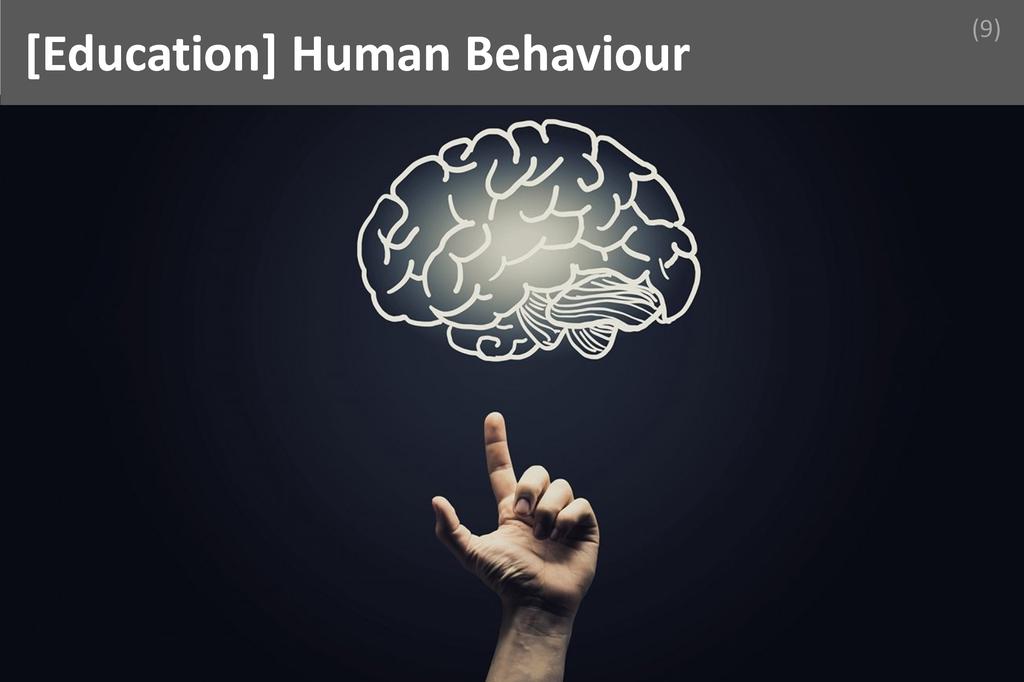
Human behaviour refers to the range of actions, reactions, and interactions exhibited by individuals or groups in response to internal and external stimuli. In Dentistry, understanding human behaviour is essential, as it bridges the gap between clinical expertise and patient care, forming a crucial part of both academic study and professional practice.
A deep understanding of human behaviour is vital for dental professionals because it enables them to communicate effectively, build trust, and foster positive relationships with patients. This knowledge helps dentists recognize and address patient anxieties, cultural differences, and individual motivations, which are all critical for successful treatment outcomes. By mastering these concepts, dental professionals can create a more comfortable environment, encourage patient compliance, and improve overall satisfaction with care. Over the course of a career, these skills not only enhance patient experiences but also contribute to professional growth, reputation, and the ability to manage diverse patient populations with empathy and understanding.
Consider a dentist treating a young patient who is visibly anxious about an upcoming procedure. Drawing on their understanding of human behaviour, the dentist recognizes signs of fear and employs calming communication techniques, such as speaking in a soothing tone and explaining each step in simple terms. The dentist also uses positive reinforcement to encourage cooperation and builds rapport by acknowledging the child’s feelings. This approach not only eases the patient’s anxiety but also fosters trust, making future visits less stressful. By applying theoretical knowledge of human behaviour, the dentist ensures a smoother, more effective treatment process and helps the patient develop a more positive attitude toward dental care.
Finance

Finance is the study and management of money, investments, and other financial instruments. It encompasses budgeting, saving, lending, and investing, as well as the analysis of financial risks and returns. In Dentistry, finance is essential for managing practice operations, ensuring profitability, and making informed decisions about resources and growth.
Understanding finance is crucial for anyone preparing for or working in Dentistry because it directly impacts the sustainability and success of a dental practice. Dentists must navigate complex financial decisions, from setting service fees and managing overhead costs to investing in new technology and handling payroll. A solid grasp of finance enables dental professionals to interpret financial statements, plan for taxes, and secure funding for expansion or equipment upgrades. This knowledge not only helps avoid costly mistakes but also empowers dentists to make strategic decisions that enhance patient care and business growth. Over the long term, financial literacy supports career advancement, personal wealth management, and the ability to adapt to changes in the healthcare industry.
Consider a dentist who owns a private practice and is contemplating the purchase of a new digital X-ray machine. By applying their understanding of finance, the dentist evaluates the initial investment, ongoing maintenance costs, and potential increase in patient throughput. They analyze cash flow projections to determine if the practice can afford the purchase without jeopardizing daily operations. The dentist also assesses whether financing the equipment or paying upfront is more advantageous, taking into account interest rates and tax implications. This financial analysis ensures that the decision supports both the clinical needs of patients and the long-term profitability of the practice, demonstrating how finance is integrated into daily professional responsibilities.
Skills
Diagnosis

Diagnosis is the process of identifying diseases, conditions, or problems by evaluating patient symptoms, clinical findings, and diagnostic tests. In dentistry, it forms the foundation for effective treatment planning and patient care. Accurate diagnosis enables dental professionals to address underlying issues, prevent complications, and ensure optimal oral health outcomes for patients.
Mastering diagnosis significantly enhances a dentist’s performance by enabling precise identification of dental problems, which leads to more effective and targeted treatments. Clients and employers highly value this skill because it minimizes the risk of mismanagement, reduces unnecessary procedures, and builds trust through reliable care. Over time, dentists can cultivate diagnostic expertise by engaging in continuous education, seeking mentorship, and gaining hands-on experience with diverse cases. Regularly reviewing new research, attending workshops, and participating in case discussions also contribute to sharpening diagnostic abilities. As this skill develops, dental professionals become more confident in their clinical judgments, which translates into better patient outcomes and a stronger reputation within the field.
Consider a patient who presents with persistent tooth pain that has not responded to over-the-counter remedies. A dentist skilled in diagnosis conducts a thorough examination, reviews the patient’s medical history, and orders appropriate radiographs. Through careful analysis, the dentist identifies a hairline fracture in the tooth, which was not visible during the initial inspection. By accurately diagnosing the fracture, the dentist can recommend a targeted treatment plan, such as a crown or root canal, rather than a generic approach that might not resolve the issue. This precise diagnosis not only alleviates the patient’s discomfort but also prevents further complications, demonstrating the critical role of diagnostic skills in achieving successful dental outcomes.
Interpersonal

Interpersonal refers to the ability to effectively communicate, empathize, and build relationships with others, fostering trust and understanding through verbal and nonverbal interactions. In dentistry, this skill is crucial for establishing rapport with patients, collaborating with colleagues, and ensuring that care is delivered in a compassionate and patient-centered manner.
Strong interpersonal skills directly enhance a dentist’s performance by enabling clear communication with patients about diagnoses, treatment options, and preventive care. Patients value dentists who listen attentively, address concerns with empathy, and create a comfortable environment, which leads to higher satisfaction and loyalty. Employers seek professionals who can work harmoniously within a team, resolve conflicts, and contribute positively to workplace culture. Dentists can cultivate interpersonal skills by seeking feedback, engaging in active listening, participating in team-based learning, and reflecting on patient interactions to continuously improve their approach. Over time, these efforts foster deeper trust with patients and colleagues, ultimately elevating the quality of care and the reputation of the practice.
Imagine a scenario where a patient arrives at the dental clinic visibly anxious about an upcoming procedure. The dentist recognizes the patient’s discomfort and takes the time to engage in a calm, reassuring conversation, explaining each step of the process and addressing any fears. By demonstrating empathy and patience, the dentist helps the patient feel understood and supported, which reduces anxiety and builds trust. As a result, the patient is more cooperative during the procedure and leaves with a positive impression of the experience. This not only improves the immediate outcome but also encourages the patient to maintain regular dental visits, benefiting both their oral health and the clinic’s long-term success.
Patience

Patience is the ability to remain calm, composed, and persistent when faced with delays, challenges, or repetitive tasks, without becoming frustrated or anxious. In dentistry, patience is crucial because procedures often require meticulous attention to detail, steady hands, and the ability to reassure and support patients who may be anxious or fearful.
Patience directly enhances a dentist’s performance by allowing them to work carefully and methodically, which reduces errors and improves outcomes. Clients and employers value this trait because it fosters trust, ensures a positive patient experience, and helps maintain a calm environment even during complex or lengthy procedures. Dentists can cultivate patience by practicing mindfulness, reflecting on challenging experiences, and seeking feedback from mentors or colleagues. Over time, exposure to a variety of clinical situations helps professionals build resilience and the ability to manage stress, further strengthening their capacity for patience. This ongoing development not only benefits patient care but also contributes to a more fulfilling and sustainable career in dentistry.
Imagine a dentist treating a young child who is extremely anxious about receiving a filling. The child repeatedly interrupts the procedure, cries, and refuses to open their mouth. Instead of showing frustration, the dentist patiently explains each step, offers reassurance, and allows the child to take breaks. This approach requires the dentist to remain calm and composed, adapting their pace to the child’s comfort level. Through patience, the dentist gradually earns the child’s trust, successfully completes the procedure, and leaves the patient with a positive impression of dental care. This scenario highlights how patience not only resolves immediate challenges but also builds long-term relationships and confidence in both the patient and the professional.
Inclination towards Art

Inclination towards Art is the natural tendency to appreciate, understand, and create aesthetically pleasing forms, combined with a sensitivity to detail, proportion, and harmony. In dentistry, this skill enables professionals to restore and enhance dental structures in ways that are both functional and visually appealing, ensuring patient satisfaction and confidence.
An inclination towards art directly enhances a dentist’s ability to craft restorations, prosthetics, and cosmetic treatments that blend seamlessly with a patient’s natural teeth. Clients and employers highly value this skill because it leads to results that are not only clinically sound but also visually indistinguishable from natural dentition. Dentists with artistic sensibilities can better visualize the final outcome, anticipate challenges, and adapt their techniques for optimal aesthetics. Cultivating this skill involves continuous observation, practice, and study of both natural forms and artistic principles. Engaging in artistic hobbies, attending workshops, and seeking mentorship from experienced practitioners can further refine a dentist’s eye for detail and proportion, ultimately elevating the quality of care provided.
Consider a scenario where a patient requires a front tooth restoration after an accident. The dentist must recreate the tooth so that it matches the color, translucency, and shape of the surrounding teeth. Here, an inclination towards art becomes crucial. The dentist carefully sculpts the restoration, layering materials to mimic the subtle gradations found in natural enamel. By paying close attention to the interplay of light and shadow, the dentist ensures the new tooth is indistinguishable from the others. The patient leaves with a restored smile that not only functions perfectly but also looks completely natural, demonstrating how artistic skill can be the key to both clinical and personal success in dentistry.
Continuous Learning

Continuous Learning is the ongoing process of acquiring new knowledge, skills, and competencies throughout one’s professional life. In dentistry, it means staying updated with the latest research, technologies, and best practices. This commitment ensures that dental professionals provide the highest standard of care and adapt to evolving patient needs and industry advancements.
Continuous Learning directly enhances a dentist’s ability to diagnose, treat, and manage oral health conditions using the most current methods. Clients and employers highly value this skill because it demonstrates a commitment to excellence, safety, and innovation. Dentists who embrace lifelong learning are better equipped to offer advanced treatments, integrate new technologies, and comply with updated regulations. Cultivating this skill involves attending workshops, participating in professional associations, reading scientific journals, and engaging in peer discussions. Over time, these habits foster adaptability and ensure that dental professionals remain at the forefront of their field, ultimately leading to improved patient outcomes and greater professional satisfaction.
Consider a dentist who encounters a patient with a rare oral lesion that does not respond to conventional treatment. Because the dentist regularly participates in continuing education courses and reads the latest dental literature, they recall a recently published study about a novel diagnostic technique. Applying this new knowledge, the dentist accurately diagnoses the lesion and implements an innovative treatment plan, leading to the patient’s recovery. This scenario highlights how continuous learning empowers dental professionals to solve complex problems, deliver superior care, and maintain their reputation as trusted experts in a rapidly changing healthcare environment.
Photography

Photography is the art and science of capturing images using a camera, involving technical knowledge of lighting, composition, and equipment to produce clear, accurate, and detailed visual records. In dentistry, photography serves as a vital tool for documentation, diagnosis, treatment planning, patient communication, and professional collaboration.
Mastering photography in dentistry directly enhances clinical performance by enabling precise documentation of cases, which is invaluable for monitoring treatment progress, educating patients, and maintaining accurate records. Clients and employers highly value this skill because it demonstrates professionalism, transparency, and a commitment to quality care. High-quality images can also be used for case presentations, insurance claims, and academic publications, further elevating a dentist’s reputation. To cultivate this skill, dental professionals should invest time in learning about camera settings, lighting techniques, and intraoral photography. Regular practice, attending workshops, and seeking feedback from peers can help refine their abilities, ensuring that their photographic documentation consistently meets the highest standards.
Consider a scenario where a dentist is preparing for a complex restorative procedure involving multiple teeth. Before starting, the dentist uses photography to capture detailed images of the patient’s current dental condition. These images are then used to communicate the treatment plan to the patient, ensuring they understand the proposed interventions. During the procedure, step-by-step photographs are taken to document progress and any unexpected findings. After treatment, the final results are photographed and compared with the initial images. This comprehensive photographic record not only assists in evaluating the success of the procedure but also provides compelling evidence for insurance claims and professional case studies, ultimately contributing to the dentist’s credibility and the patient’s satisfaction.
IT skills

IT skills refer to the ability to use, manage, and troubleshoot digital technologies, including software, hardware, and data systems, to efficiently perform tasks and solve problems. In dentistry, IT skills enable professionals to streamline patient care, manage records securely, and utilize advanced diagnostic and treatment technologies effectively.
Mastering IT skills significantly enhances a dental professional’s efficiency and accuracy in daily operations. Digital record-keeping, appointment scheduling, and imaging software are now integral to dental practices, making IT proficiency indispensable. Clients and employers highly value these skills because they ensure patient information is handled securely, reduce administrative errors, and improve the overall patient experience. Over time, dental professionals can cultivate IT skills through continuous education, hands-on practice with new dental technologies, and staying updated with the latest advancements in dental software and cybersecurity. Regular training and participation in workshops or online courses also help professionals adapt to evolving digital tools, ensuring they remain competitive and effective in their roles.
Consider a scenario where a dental clinic experiences a sudden data breach, threatening the confidentiality of patient records. A dentist with strong IT skills quickly identifies the breach, isolates affected systems, and implements recovery protocols to secure sensitive information. By efficiently navigating the clinic’s digital infrastructure, the dentist not only prevents further data loss but also reassures patients and maintains the clinic’s reputation. Additionally, the dentist uses their IT knowledge to update security measures and train staff on best practices, reducing the risk of future incidents. This proactive approach demonstrates how IT skills are crucial for problem-solving and safeguarding both patient trust and the clinic’s operational integrity.
Positives
Self-satisfaction

Self-satisfaction is the deep sense of fulfillment and contentment that arises from achieving personal and professional goals, knowing one’s efforts have made a meaningful difference. In dentistry, this feeling stems from helping patients improve their oral health, restoring confidence, and witnessing tangible, positive outcomes from one’s expertise and care.
Self-satisfaction is a cornerstone of a rewarding dental career because it fuels motivation, resilience, and a sense of purpose. Dentists often face complex challenges, but the knowledge that their skills directly enhance patients’ well-being brings immense gratification. This positive aspect not only boosts daily job satisfaction but also encourages continual growth and learning. When dentists see the transformation in their patients’ health and confidence, it reaffirms their commitment to the profession. The daily experience of making a real difference fosters a positive work environment, reduces burnout, and inspires professionals to strive for excellence. Ultimately, self-satisfaction becomes a sustaining force that enriches both personal and professional life.
Imagine a dentist who treats a patient suffering from severe dental anxiety and chronic pain due to neglected oral health. Through compassionate care, skillful treatment, and patient education, the dentist helps the patient overcome fear, restore their smile, and regain comfort. Witnessing the patient’s transformation—from reluctance and discomfort to gratitude and newfound confidence—provides the dentist with profound self-satisfaction. This moment of seeing tangible results and knowing their expertise has changed someone’s life for the better is deeply fulfilling. Such experiences are not rare in dentistry; they serve as daily reminders of the meaningful impact dentists have, reinforcing their passion and dedication to the profession.
Respect

Respect is the genuine recognition and appreciation of a person’s abilities, character, and contributions, expressed through trust, admiration, and positive regard. In dentistry, respect is foundational, as it fosters strong relationships between dental professionals, patients, and colleagues, creating an environment where care, collaboration, and personal growth thrive for everyone involved.
Respect is a cornerstone of a fulfilling dental career because it elevates both the professional and personal experience of practitioners. When dentists are respected by their patients, peers, and the wider community, they feel valued and motivated to deliver the highest standard of care. This sense of appreciation enhances job satisfaction, as professionals witness the tangible impact of their expertise and dedication. Respect also encourages ongoing learning and collaboration, opening doors to mentorship, leadership roles, and career advancement. On a daily basis, dental professionals experience respect through patient trust, gratitude, and the confidence shown by colleagues, all of which reinforce their sense of purpose and drive them to excel in their field.
Imagine a dentist who has been caring for families in a community for many years. One day, a patient brings her child for a first dental visit, expressing how she herself was once comforted and cared for by the same dentist as a child. The patient’s words, filled with gratitude and trust, reflect the deep respect she holds for the dentist’s skill and compassion. This moment is profoundly rewarding, as the dentist realizes the lasting impact of their work and the trust built over generations. Such experiences remind dental professionals that their commitment and integrity are recognized, inspiring them to continue making a positive difference in people’s lives.
Impact

Impact, in the context of dentistry, refers to the meaningful and lasting influence a dental professional has on the health, confidence, and overall quality of life of their patients. This influence extends beyond clinical treatment, shaping well-being, self-esteem, and even the broader community through education and preventive care. The positive impact of dentistry is evident in every restored smile, every alleviated pain, and every patient empowered to maintain better oral health. By making a tangible difference in people’s lives, dentists experience a deep sense of purpose and fulfillment that sets this profession apart.
The profound impact that dentists have on individuals and communities is a driving force behind the profession’s high levels of job satisfaction and personal growth. Each day, dental professionals witness firsthand the transformation that comes from relieving pain, restoring function, and enhancing the appearance of their patients’ smiles. This daily opportunity to make a difference fosters a strong sense of accomplishment and pride. The ability to educate patients about oral health and prevent future problems further amplifies this sense of purpose. As dentists see the positive changes in their patients’ lives, they are continually reminded of the value and significance of their work, fueling their motivation and commitment to excellence.
Consider a dentist who treats a young adult suffering from severe dental anxiety and chronic pain due to neglected oral health. Through compassionate care, effective communication, and skilled treatment, the dentist not only alleviates the patient’s pain but also helps them overcome their fear of dental visits. Over time, the patient’s oral health improves dramatically, leading to renewed confidence and a brighter outlook on life. The dentist witnesses the transformation, knowing their expertise and empathy have made a profound difference. This real-world scenario exemplifies the rewarding impact of dentistry, as the professional experiences the joy of changing a life for the better, one patient at a time.
Social Connections

Social Connections refer to the meaningful relationships and interactions formed between individuals through communication, trust, and shared experiences. In dentistry, these connections develop between dental professionals, patients, colleagues, and the wider community. They foster a supportive environment, enhance collaboration, and create a sense of belonging that enriches both personal and professional lives.
The importance of social connections in dentistry cannot be overstated. Building strong relationships with patients leads to greater trust, improved communication, and more effective care. Dentists who cultivate these bonds often find their work more fulfilling, as they witness firsthand the positive impact they have on patients’ lives. Additionally, camaraderie among colleagues creates a collaborative atmosphere, encouraging knowledge sharing and professional growth. These daily interactions help reduce stress, prevent burnout, and contribute to a positive workplace culture. Ultimately, social connections transform routine dental work into a deeply rewarding career, where each day brings opportunities to make a difference and feel valued within a supportive network.
Imagine a dentist who has treated the same family for years, watching children grow and supporting them through every stage of their dental health. Over time, these regular visits evolve into genuine friendships, with patients sharing life updates and expressing gratitude for the care they receive. The dentist, in turn, feels a profound sense of purpose and satisfaction, knowing that their expertise and compassion have built lasting trust. This ongoing relationship not only motivates the dentist to continually improve their skills but also makes each workday enjoyable and meaningful. The sense of community and mutual respect that develops through these social connections exemplifies the unique and fulfilling nature of a career in dentistry.
Challenges
Less Money Initially

"Less Money Initially" in Dentistry refers to the reality that new dental professionals often earn modest incomes at the start of their careers. This is due to student loan repayments, entry-level positions, and the time required to build a patient base, making financial stability difficult and demanding significant perseverance.
The challenge of earning less money at the outset can affect a dentist’s daily work by increasing stress and limiting resources for professional development or practice investment. This financial strain may also impact personal life, requiring careful budgeting and sacrifice. Resilience is essential, as professionals must remain focused on long-term goals despite short-term hardships. Successful dentists often manage this constraint by seeking mentorship, pursuing continuing education to enhance their skills, and gradually expanding their patient base. They may also supplement their income through part-time roles or community clinics, all while maintaining a commitment to quality care and professional growth. Over time, these strategies help them transition from financial uncertainty to stability and success.
Consider a recent dental school graduate who begins working at a small community clinic with a modest salary. Despite the initial financial limitations, she dedicates herself to providing excellent patient care and actively seeks opportunities to learn from experienced colleagues. She takes on extra shifts and volunteers for outreach programs, which not only supplement her income but also expand her professional network. By living frugally and prioritizing loan repayments, she gradually improves her financial situation. Her dedication and growing reputation eventually lead to a position at a larger practice with better compensation. Through perseverance and strategic choices, she successfully overcomes the challenge of less money initially and builds a rewarding dental career.
Long Hours of Studying

Long hours of studying in Dentistry refer to the extensive and continuous commitment to learning, both during formal education and throughout a professional career. This includes mastering complex scientific concepts, staying updated with evolving techniques, and preparing for rigorous examinations, making it a uniquely demanding and ongoing requirement.
The necessity for prolonged study sessions can lead to fatigue, stress, and a sense of overwhelm, impacting both academic performance and clinical effectiveness. This challenge requires significant resilience, as professionals must balance patient care, personal life, and relentless learning. Successful dentists often develop strong time management skills, prioritize self-care, and seek support from peers or mentors to maintain motivation. They recognize that continuous education is integral to providing high-quality care and staying competitive in the field. By integrating study routines into daily life and setting realistic goals, they transform this challenge into an opportunity for growth, ensuring that their knowledge remains current and their skills sharp.
Consider a young dentist preparing for a specialty board examination while managing a busy practice. She schedules dedicated study periods early in the morning before clinic hours, ensuring uninterrupted focus. To avoid burnout, she incorporates short breaks, regular exercise, and mindfulness practices into her routine. By discussing challenging topics with colleagues and attending study groups, she benefits from shared insights and moral support. Despite the intensity, her structured approach allows her to absorb complex material efficiently while maintaining high standards of patient care. Ultimately, her disciplined strategy not only leads to exam success but also fosters a sustainable habit of lifelong learning essential for her professional growth.
Long Gestation Period

In Dentistry, the "Long Gestation Period" refers to the extended time required to achieve professional competence, build a patient base, and see tangible results from one’s efforts. This period is demanding because it tests patience, perseverance, and commitment before significant career progress or financial stability is realized.
The long gestation period in Dentistry can make daily work feel unrewarding, especially for early-career professionals who may not immediately see the fruits of their labor. This challenge requires a high level of resilience, as setbacks and slow progress are common. Dentists must maintain motivation despite delayed gratification, often investing years in building trust with patients and refining clinical skills. Successful professionals manage this constraint by setting incremental goals, seeking mentorship, and focusing on continuous learning. They find satisfaction in small achievements, such as mastering a new procedure or receiving positive patient feedback, which helps sustain their drive. Over time, this persistence leads to a thriving practice and professional fulfillment, demonstrating that patience and consistent effort are essential for long-term success in Dentistry.
Consider a young dentist who, after completing dental school, joins a private practice in a competitive urban area. For the first few years, patient flow is slow, and the dentist often feels overshadowed by more established colleagues. Rather than becoming discouraged, the dentist dedicates time to community outreach, attends continuing education courses, and builds relationships with patients through attentive care. Gradually, word-of-mouth referrals increase, and the dentist’s reputation grows. After several years, the once-struggling practitioner has developed a loyal patient base and is recognized for clinical excellence. This scenario illustrates how embracing the long gestation period with persistence, adaptability, and a focus on incremental progress can ultimately lead to a rewarding and successful dental career.
Lack of Patient Awareness
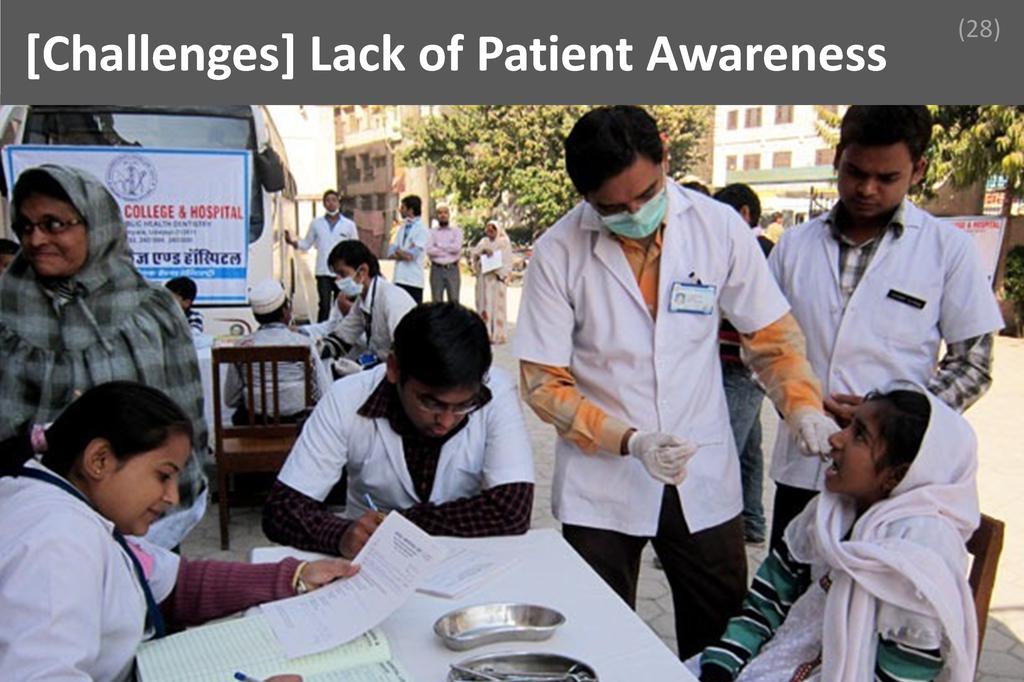
Lack of Patient Awareness in dentistry refers to patients’ limited understanding of oral health, preventive care, and the consequences of neglecting dental issues. This challenge is demanding because it leads to delayed treatments, poor compliance with recommendations, and increased risk of complications, making effective communication and patient education essential for dental professionals.
This difficulty significantly affects daily dental practice by increasing the time required to explain procedures, justify treatment plans, and address misconceptions. It demands resilience from professionals, as they must repeatedly educate and motivate patients who may be skeptical or uninformed about oral health. Successful dentists manage this constraint by fostering trust, using clear language, and employing visual aids or analogies to bridge knowledge gaps. They remain patient and empathetic, understanding that building awareness is a gradual process. By consistently prioritizing education and open communication, they help patients make informed decisions, improve compliance, and ultimately achieve better health outcomes, despite the ongoing challenge of limited patient awareness.
Consider a dentist who notices that many patients skip routine cleanings, believing they are unnecessary if there is no pain. Recognizing this as a sign of limited awareness, the dentist takes extra time during appointments to explain the importance of preventive care, using simple terms and visual diagrams to illustrate how plaque buildup can lead to gum disease and tooth loss. Over several visits, the dentist’s consistent educational approach begins to shift patients’ attitudes. More patients start scheduling regular cleanings and asking informed questions about their oral health. Through patience, clear communication, and a commitment to education, the dentist successfully overcomes the challenge of patient unawareness, resulting in improved patient engagement and better long-term outcomes.
A Day Of
Dentistry
The hum of dental equipment, the scent of antiseptic, and the gentle rhythm of patient appointments set the pace for a day in the life of a dentistry professional. Far from the static image of a practitioner hunched over a chair, the workday is a dynamic blend of precision, empathy, and adaptability. Each moment demands focus, whether it’s calming a nervous patient, diagnosing a complex issue, or collaborating with a skilled team. In this environment, every hour brings new challenges and opportunities to make a tangible difference in someone’s health and confidence.
As the sun rises, the dental office comes to life with the soft clatter of instruments being sterilized and the faint glow of computer screens flickering on. The dentist reviews the day’s schedule, scans patient charts for any special considerations, and consults with hygienists and assistants about upcoming procedures. This early hour is dedicated to ensuring that every operatory is meticulously prepared, supplies are fully stocked, and the team is aligned on the day’s priorities, setting the stage for seamless patient care.
By mid-morning, the waiting room fills with patients, and the heart of the practice beats at its strongest. The dentist moves from room to room, performing examinations, fillings, extractions, and consultations. Each interaction requires a blend of technical expertise and compassionate communication, as patients seek reassurance and clarity about their treatment. The pace is brisk, with little downtime, as the practitioner balances routine cleanings with unexpected emergencies, all while maintaining a calm and professional demeanor.
After a brief lunch, the afternoon is marked by collaborative efforts and hands-on procedures. The dentist may consult with specialists about complex cases, review x-rays with colleagues, or mentor newer team members through challenging treatments. This period often involves executing more involved procedures, such as root canals or crown placements, where precision and teamwork are paramount. The synergy between dentist, assistants, and hygienists ensures that each patient receives attentive, coordinated care.
As the day winds down, the focus shifts to thorough documentation, follow-up calls, and administrative responsibilities. The dentist reviews notes from the day’s appointments, updates patient records, and communicates with labs or referring physicians as needed. There’s also time to reflect on the day’s successes and challenges, plan for tomorrow’s cases, and ensure that the office is clean and ready for another busy day. This final phase is essential for maintaining high standards of care and continuous improvement within the practice. |


 Home
Home Abroad
 Plan
Plan Philosophy
 Seminar
 Pages
Pages Advisors
 Testimonials















 Workshop
 Discuss
 Meet
Meet
 Advisor
 Story
Story
 Fine Print
 Links
Links
 Blog
Blog
 Follow
