The Journey of Dentistry
What Is Dentistry
Dentistry
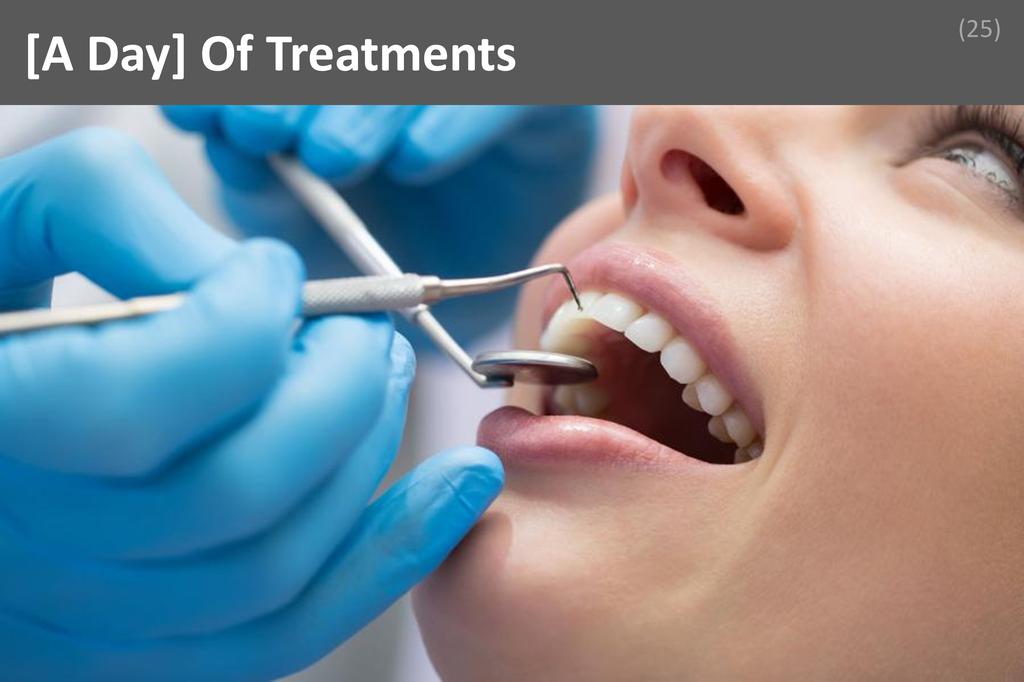
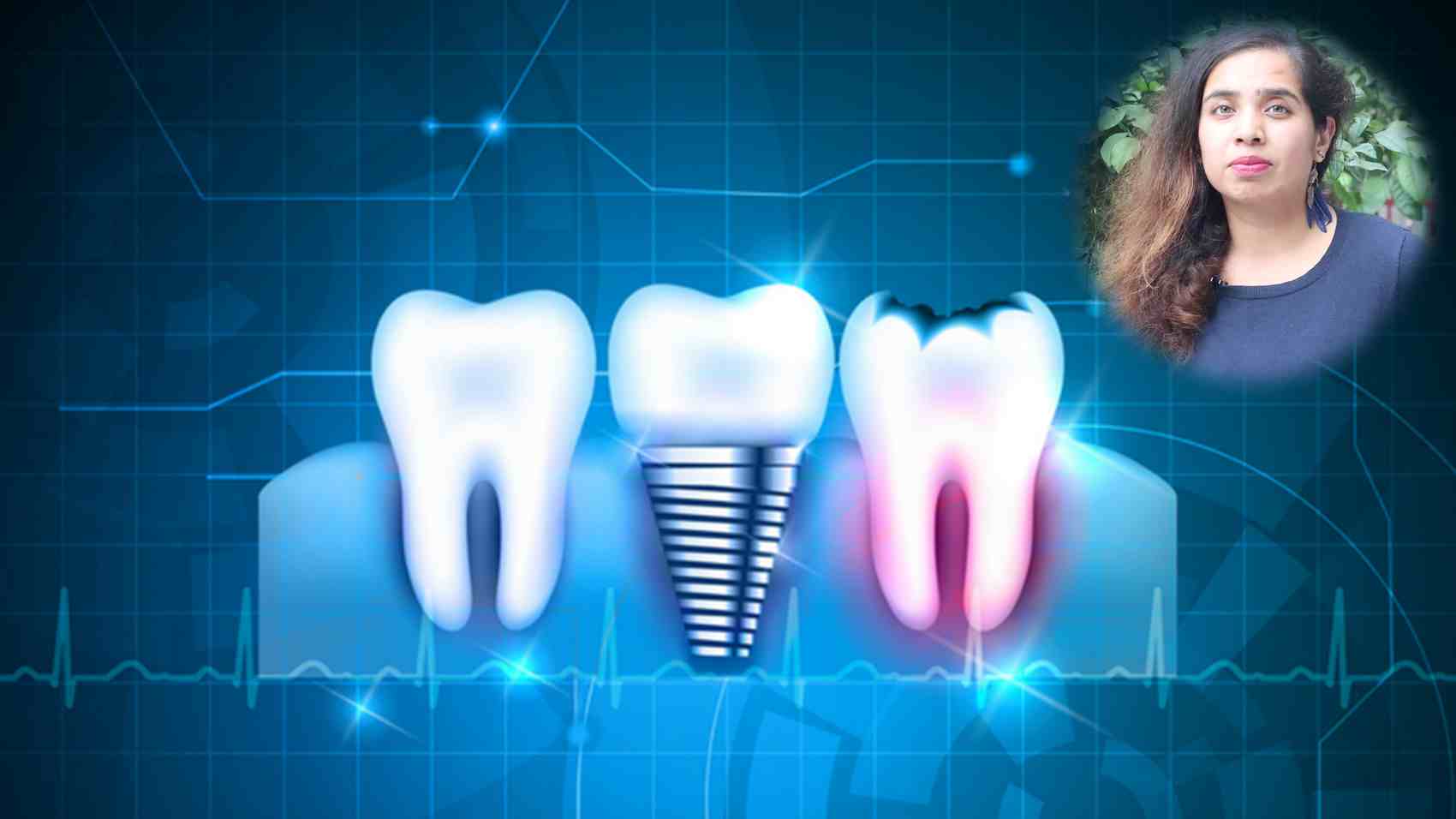
Dentistry is the branch of medicine focused on the diagnosis, prevention, and treatment of diseases and conditions affecting the teeth, gums, and mouth. It encompasses oral health care, restorative procedures, and the promotion of overall well-being through maintaining healthy oral hygiene and function for individuals of all ages.
Dentistry plays a vital role in public health by preventing and treating oral diseases, which can significantly affect overall health and quality of life. For professionals in this field, dentistry offers the opportunity to make a tangible difference in patients’ lives, foster long-term relationships, and continually develop new skills as technology advances. The profession provides intellectual stimulation through problem-solving and hands-on procedures, financial stability due to consistent demand for dental services, and the personal satisfaction of restoring patients’ confidence and comfort. By maintaining oral health, dentists help reduce the risk of systemic diseases, improve speech and nutrition, and enhance self-esteem, making their work essential to both individual and community well-being.
A dentist in a busy urban clinic encounters a patient suffering from severe tooth pain caused by an untreated cavity. After a thorough examination and X-rays, the dentist diagnoses the problem and explains the treatment plan to the patient. The dentist then performs a root canal procedure, carefully removing the infected tissue and restoring the tooth with a filling. Throughout the process, the dentist ensures the patient is comfortable and informed, addressing any concerns. After the treatment, the patient experiences immediate relief from pain and receives guidance on maintaining oral hygiene to prevent future issues. This scenario highlights how dental professionals apply their expertise to diagnose, treat, and educate, ultimately improving their patients’ health and quality of life.
Education
Human Anatomy

Human Anatomy is the scientific study of the structure of the human body, including its organs, tissues, and systems. In Dentistry, it provides essential knowledge about the head, neck, oral cavity, and related structures, forming a critical foundation for both academic learning and professional practice in dental care and treatment.
A thorough understanding of human anatomy is indispensable for anyone pursuing a career in Dentistry. This subject equips dental professionals with the ability to accurately identify and understand the intricate structures of the oral and maxillofacial regions. Mastery of anatomical concepts ensures that dentists can diagnose conditions, plan treatments, and perform procedures with precision and safety. It also aids in effective communication with colleagues and patients, as well as in interpreting diagnostic images and understanding the implications of systemic diseases on oral health. Over the course of a dental career, a strong anatomical foundation supports lifelong learning, adaptation to new technologies, and the ability to provide high-quality, patient-centered care.
Consider a dentist performing a complex tooth extraction. Their knowledge of human anatomy allows them to locate the exact position of the tooth roots, understand the proximity of nerves such as the inferior alveolar nerve, and anticipate variations in bone structure. This understanding minimizes the risk of damaging vital structures, reduces patient discomfort, and promotes faster healing. Additionally, when administering local anesthesia, the dentist relies on anatomical landmarks to ensure effective pain control. In daily practice, this theoretical knowledge is constantly applied, enabling dental professionals to make informed decisions that enhance patient outcomes and maintain high standards of safety and care.
Dental Treatments

Dental Treatments encompass the range of procedures and interventions used to diagnose, prevent, and manage oral health conditions, including restorative, preventive, and surgical care. This subject is fundamental in Dentistry, forming a core component of both academic curricula and clinical practice, ensuring practitioners deliver effective, evidence-based patient care.
A thorough understanding of Dental Treatments is essential for anyone entering or advancing in the field of Dentistry. Mastery of this subject equips professionals with the knowledge to assess patient needs, select appropriate interventions, and execute procedures safely and effectively. This foundational expertise not only supports clinical competence but also fosters critical thinking and adaptability in response to evolving dental technologies and treatment protocols. Over the course of a dental career, a deep grasp of dental treatments enhances patient outcomes, builds professional credibility, and opens pathways for specialization or leadership roles within the field. Ultimately, it ensures that practitioners remain at the forefront of delivering high-quality, ethical, and patient-centered care.
Consider a dentist who encounters a patient presenting with persistent tooth pain and visible decay. Drawing on their comprehensive understanding of dental treatments, the dentist conducts a thorough examination, diagnoses the issue as a deep carious lesion, and determines that a root canal followed by a crown restoration is the most effective solution. Throughout the process, the dentist explains the rationale behind each step to the patient, manages pain and infection, and applies precise clinical techniques to restore function and aesthetics. This scenario highlights how theoretical knowledge of dental treatments directly informs practical decision-making, patient communication, and the delivery of successful clinical outcomes in everyday dental practice.
YouTube Vidoes

YouTube Vidoes refers to the creation, sharing, and consumption of video content on the YouTube platform, encompassing educational tutorials, clinical demonstrations, patient testimonials, and professional discussions. In Dentistry, YouTube Vidoes serve as a dynamic resource for both academic learning and ongoing professional development, bridging theoretical knowledge with practical application.
Understanding YouTube Vidoes is essential for dental professionals because it enables access to a vast array of up-to-date information, clinical techniques, and peer-reviewed procedures from experts worldwide. Mastery of this subject allows dentists and dental students to supplement traditional learning with visual demonstrations, enhancing comprehension and retention of complex procedures. Additionally, familiarity with YouTube Vidoes empowers professionals to contribute their own expertise, build a digital presence, and engage with a global community. Over time, this knowledge fosters continuous learning, supports evidence-based practice, and helps dental practitioners stay current with evolving technologies and patient care strategies, ultimately improving the quality of care they provide.
A dentist preparing to perform a new type of minimally invasive procedure may turn to YouTube Vidoes to watch step-by-step demonstrations by leading practitioners. By observing these videos, the dentist gains insights into the nuances of the technique, including instrument handling and patient management tips that are not always detailed in textbooks. During daily operations, the dentist applies this knowledge to enhance precision and confidence in the procedure, resulting in better patient outcomes. Furthermore, the dentist might record and share their own experiences on YouTube, contributing to the professional community and helping others learn. This cycle of learning and sharing exemplifies the practical integration of YouTube Vidoes into modern dental practice.
Reading Books

Reading books refers to the active process of engaging with written texts to acquire, comprehend, and critically analyze information. In Dentistry, this skill is essential for understanding foundational sciences, clinical procedures, and emerging research. Mastery of reading books underpins both academic success and ongoing professional development in the dental field.
Developing strong reading skills is crucial for anyone pursuing a career in Dentistry. The field is rooted in a vast and ever-evolving body of knowledge, encompassing anatomy, pathology, pharmacology, and clinical techniques. By reading books, dental professionals build a solid foundation that supports their ability to diagnose, treat, and manage patient care effectively. Furthermore, the habit of reading ensures that practitioners remain current with new research, guidelines, and technological advancements. This commitment to continuous learning not only enhances clinical competence but also fosters critical thinking and ethical decision-making. Over the long term, those who prioritize reading are better equipped to adapt to changes in the profession, contribute to scholarly discourse, and provide the highest standard of care to their patients.
Consider a dentist who encounters a patient with an unusual oral lesion. Drawing upon their habit of reading books, the dentist recalls information from a recent textbook chapter on oral pathology. This theoretical knowledge enables them to recognize the lesion’s characteristics, differentiate it from other conditions, and determine the appropriate diagnostic tests. The dentist’s ability to interpret and apply information from authoritative texts ensures a more accurate diagnosis and effective treatment plan. Additionally, when new materials or techniques are introduced in the field, the dentist’s proficiency in reading allows them to quickly assimilate and implement these advancements in their practice. In this way, reading books directly enhances both the quality and safety of patient care in Dentistry.
Skills
Communication Skills

Communication skills refer to the ability to convey information clearly, listen actively, interpret verbal and nonverbal cues, and adapt messages for different audiences. In dentistry, these skills are crucial for building trust, explaining procedures, understanding patient concerns, and collaborating with colleagues, making them indispensable in a dental professional’s toolkit.
Strong communication skills directly enhance a dentist’s performance by ensuring patients fully understand their diagnoses, treatment options, and aftercare instructions. This clarity reduces anxiety, increases patient compliance, and fosters long-term relationships. Employers and clients highly value dental professionals who can explain complex procedures in simple terms and listen empathetically to concerns. To cultivate communication skills, dental professionals should seek feedback, participate in workshops, and practice active listening during every patient interaction. Over time, consistent effort in refining both verbal and nonverbal communication leads to greater confidence, improved patient satisfaction, and a more collaborative work environment.
Imagine a dentist treating a nervous patient who is hesitant about a recommended root canal. By employing effective communication skills, the dentist listens attentively to the patient’s fears, acknowledges their concerns, and explains the procedure step by step in reassuring language. The dentist uses visual aids and checks for understanding, ensuring the patient feels heard and informed. As a result, the patient’s anxiety diminishes, trust is established, and they agree to proceed with the treatment. This scenario highlights how adept communication not only resolves immediate concerns but also strengthens the patient-dentist relationship, leading to better health outcomes and increased patient loyalty.
Patience

Patience is the ability to remain calm, composed, and persistent in the face of delays, challenges, or repetitive tasks, without becoming frustrated or discouraged. In dentistry, patience allows professionals to deliver meticulous care, communicate effectively with anxious patients, and navigate complex procedures, making it a fundamental skill in the dental toolkit.
Patience directly enhances a dentist’s performance by enabling them to approach each procedure with care and precision, even when tasks are time-consuming or outcomes are not immediately visible. Clients and employers highly value this trait because it fosters trust, ensures quality results, and creates a positive environment, especially for patients who may feel nervous or require extra reassurance. Cultivating patience involves practicing mindfulness, setting realistic expectations, and embracing continuous learning. Over time, dentists can develop greater patience by reflecting on challenging experiences, seeking feedback, and focusing on long-term growth rather than immediate gratification. This steady approach not only improves technical outcomes but also strengthens relationships with patients and colleagues.
Imagine a dentist treating a young child who is fearful of dental instruments and struggles to sit still during a cavity filling. Instead of rushing or showing frustration, the dentist patiently explains each step, offers gentle encouragement, and allows the child time to adjust. This calm persistence helps the child gradually become more comfortable, enabling the procedure to be completed successfully. The dentist’s patience not only ensures the child’s immediate well-being but also builds trust, making future visits less stressful. In this scenario, patience is the key factor that transforms a potentially difficult situation into a positive experience for both the patient and the dental professional.
Handling Patients

Handling Patients refers to the ability of dental professionals to interact empathetically, communicate clearly, and manage the emotional and physical needs of patients throughout their care. This skill ensures trust, reduces anxiety, and fosters cooperation, making it a cornerstone of effective dental practice and patient satisfaction.
Mastering the art of handling patients significantly enhances a dentist’s performance by building rapport, easing patient fears, and ensuring smoother clinical procedures. Clients and employers highly value this skill because it leads to positive patient experiences, repeat visits, and strong word-of-mouth referrals. Dentists can cultivate this ability through active listening, ongoing communication training, and exposure to diverse patient scenarios. Over time, experience helps refine their approach, allowing them to anticipate patient concerns, adapt their communication style, and respond compassionately to individual needs. By consistently prioritizing patient comfort and understanding, dental professionals not only improve clinical outcomes but also contribute to the overall reputation and success of their practice.
Imagine a patient who arrives visibly anxious about an upcoming root canal procedure. The dentist recognizes the patient’s distress and takes time to explain the process in simple terms, addresses all questions, and reassures the patient about pain management options. By maintaining a calm demeanor and offering supportive gestures, the dentist helps the patient relax and builds trust. As a result, the procedure proceeds smoothly, with the patient remaining cooperative and comfortable throughout. This positive experience not only resolves the immediate dental issue but also encourages the patient to return for future care and recommend the practice to others, demonstrating the critical impact of effective patient handling in dentistry.
Creativity

Creativity is the ability to generate original ideas, approach challenges from new perspectives, and devise innovative solutions by combining knowledge, experience, and imagination. In dentistry, creativity empowers professionals to tailor treatments, adapt to unique patient needs, and continuously improve clinical outcomes, making it a vital skill in the dental toolkit.
Creativity enhances a dentist’s ability to solve complex problems, design individualized treatment plans, and adapt to evolving technologies and patient expectations. Clients and employers value creative professionals because they bring fresh solutions to challenging cases, improve patient satisfaction, and contribute to a practice’s reputation for excellence. To cultivate creativity, dental professionals can engage in continuous learning, collaborate with peers, and stay informed about advancements in dental materials and techniques. Regularly reflecting on clinical experiences and seeking feedback also fosters creative thinking, enabling dentists to approach each case with an open mind and a willingness to innovate. Over time, this mindset leads to more effective treatments and a more fulfilling career.
Imagine a dentist faced with a patient who has significant tooth loss and limited bone structure, making traditional implants unfeasible. Instead of relying solely on standard procedures, the dentist draws upon creativity to design a hybrid solution, combining advanced imaging, custom prosthetics, and minimally invasive techniques. By thinking beyond conventional methods, the dentist develops a personalized treatment plan that restores function and aesthetics while minimizing discomfort and recovery time. This creative approach not only resolves a complex clinical issue but also builds patient trust and satisfaction, demonstrating how essential creativity is in overcoming obstacles and achieving successful outcomes in dentistry.
Positives
Monetary Potential

Monetary Potential refers to the capacity of a profession to provide substantial financial rewards, competitive salaries, and opportunities for increased earnings through skill development, specialization, and entrepreneurial ventures. In dentistry, this potential is a driving force that not only attracts talented individuals but also sustains long-term motivation and professional growth.
The monetary potential in dentistry matters because it offers practitioners the financial stability and security that many aspire to achieve in their careers. This aspect of the profession allows dentists to invest in advanced technologies, expand their practices, and pursue continuing education, all of which contribute to personal and professional development. The promise of a lucrative income also enhances job satisfaction, as it enables professionals to enjoy a comfortable lifestyle, support their families, and plan for a secure future. On a daily basis, dentists experience the tangible benefits of their hard work through steady patient flow, rewarding compensation, and the ability to reinvest in their practices, which fuels further growth and innovation.
Consider Dr. Patel, a dedicated dentist who opened her own clinic after several years of experience. Through her commitment to patient care and ongoing education, she steadily built a loyal clientele. The financial rewards from her thriving practice allowed her to upgrade her equipment, hire additional staff, and offer specialized services. This not only improved the quality of care for her patients but also increased her clinic’s profitability. Dr. Patel’s monetary success enabled her to provide for her family, contribute to her community, and enjoy a balanced lifestyle. The fulfillment she experiences is a direct result of the monetary potential dentistry offers, proving that financial prosperity and professional satisfaction can go hand in hand.
Networking

Networking is the process of building and nurturing professional relationships through meaningful interactions, shared experiences, and mutual support within a community. In dentistry, networking connects practitioners, specialists, educators, and industry partners, fostering collaboration, knowledge exchange, and career advancement. This interconnectedness enhances both personal growth and the collective strength of the profession.
The power of networking in dentistry lies in its ability to open doors to new opportunities, mentorship, and ongoing education. By connecting with peers and experts, dental professionals gain access to the latest advancements, innovative techniques, and best practices. These relationships often lead to referrals, collaborative research, and invitations to conferences or workshops, all of which enrich professional development. Daily, dentists benefit from a supportive network that offers advice on challenging cases, shares resources, and provides encouragement during difficult times. This sense of community not only boosts job satisfaction but also inspires continuous growth, ensuring that practitioners remain passionate and engaged in their careers.
Consider a dentist who attends a regional dental conference and strikes up a conversation with a fellow attendee during a seminar break. Through this interaction, they discover shared interests in pediatric dentistry and exchange contact information. Over the following months, they collaborate on a challenging case, drawing on each other's expertise to achieve the best outcome for a young patient. This partnership leads to further professional opportunities, such as co-presenting at future conferences and participating in research projects. The dentist finds immense fulfillment in these connections, realizing that networking has not only expanded their knowledge and skills but also created lasting friendships and a deeper sense of belonging within the dental community.
Self Satisfaction

Self satisfaction is the deep sense of fulfillment and contentment that arises from achieving personal and professional goals, knowing one’s efforts have made a meaningful difference. In dentistry, self satisfaction emerges from helping patients improve their oral health, restoring confidence, and witnessing tangible results, which positively shapes the practitioner’s daily experience.
Self satisfaction is a cornerstone of a rewarding dental career because it fuels motivation, resilience, and a genuine passion for the profession. When dentists see the direct impact of their skills—whether alleviating pain, enhancing smiles, or educating patients—they experience a unique gratification that goes beyond financial rewards. This intrinsic motivation leads to higher job satisfaction, reduces burnout, and encourages continuous learning and growth. Dentists who feel self satisfied are more likely to build lasting relationships with patients, foster a positive work environment, and maintain a high standard of care. Each day, the visible improvements in patients’ health and happiness serve as a constant reminder of the value and purpose behind their work.
Consider a dentist who treats a patient suffering from severe dental anxiety and chronic pain due to neglected oral health. Through patience, empathy, and skilled care, the dentist gradually restores the patient’s oral function and confidence. Over several visits, the patient’s fear diminishes, and their smile returns. Witnessing this transformation, the dentist feels a profound sense of self satisfaction, knowing their expertise and compassion have changed someone’s life for the better. This daily opportunity to make a real difference not only validates the dentist’s career choice but also inspires ongoing dedication and pride in their profession.
Travelling

Travelling, in the context of dentistry, refers to the opportunity for dental professionals to journey locally, nationally, or internationally for work, education, outreach, or collaboration. This movement allows them to experience diverse cultures, broaden their clinical expertise, and connect with peers worldwide, enriching both their personal and professional lives.
The ability to travel as a dentist opens doors to a wealth of experiences that go far beyond the dental chair. Exposure to different healthcare systems, patient populations, and treatment philosophies fosters adaptability and innovation. Dentists who travel for conferences, volunteer missions, or locum tenens positions often return with fresh perspectives and renewed passion for their work. This dynamic environment encourages continuous learning and professional growth, making each day unique and engaging. The sense of adventure and discovery that comes with travel can significantly boost job satisfaction, as dentists witness firsthand the global impact of their skills and form lasting connections with colleagues and communities around the world.
Imagine a dentist who volunteers with an international dental outreach program, traveling to rural villages in another country. Each day brings new challenges, from treating unfamiliar dental conditions to overcoming language barriers. The dentist collaborates with local healthcare workers, learns innovative techniques suited to resource-limited settings, and witnesses the profound gratitude of patients receiving care for the first time. These experiences not only enhance clinical skills but also instill a deep sense of purpose and fulfillment. Upon returning home, the dentist carries forward a broadened worldview, a stronger commitment to service, and a network of global colleagues, all thanks to the transformative power of travelling in dentistry.
Challenges
Convincing Patients

In Dentistry, "Convincing Patients" refers to the ongoing effort required to help individuals understand the necessity, benefits, and urgency of recommended dental treatments. This challenge is demanding because patients often harbor fears, misconceptions, or financial concerns, making them hesitant or resistant to accept professional advice and proceed with essential care.
The difficulty of convincing patients can significantly affect a dentist’s daily workflow, often leading to extended consultations, delayed treatments, and emotional fatigue. This challenge requires resilience, as repeated rejections or skepticism can be discouraging. Successful dental professionals manage this constraint by building trust, employing empathetic communication, and educating patients in clear, relatable terms. They remain patient and attentive, addressing concerns without judgment, and consistently reinforcing the value of preventive and restorative care. Over time, these strategies foster stronger patient relationships and improved treatment acceptance, allowing dentists to deliver better health outcomes while maintaining their own professional satisfaction and motivation.
Consider a dentist who encounters a patient reluctant to undergo a necessary root canal due to fear and misinformation. Instead of pressuring the patient, the dentist listens carefully to their concerns, explains the procedure in simple language, and shares success stories of similar cases. The dentist also uses visual aids to illustrate the consequences of delaying treatment and patiently answers every question. Gradually, the patient’s anxiety diminishes, and trust is established. Ultimately, the patient agrees to the procedure, experiences a positive outcome, and becomes more receptive to future recommendations. This scenario demonstrates how empathy, education, and persistence can transform resistance into cooperation, benefiting both patient and practitioner.
Competition

Competition in dentistry refers to the ongoing challenge of attracting and retaining patients amid a growing number of dental professionals and clinics. This environment demands continuous improvement, innovation, and differentiation, as dentists must consistently demonstrate superior skills, service quality, and patient care to maintain and expand their practice.
The presence of intense competition in dentistry can create daily pressure for practitioners to deliver exceptional patient experiences, stay updated with the latest technologies, and maintain a strong professional reputation. This constant demand can lead to stress and the need for resilience, as setbacks or patient losses may feel personal and discouraging. Successful dental professionals manage this challenge by focusing on building trust with patients, investing in ongoing education, and developing unique service offerings that set them apart. They also embrace collaboration with colleagues and leverage patient feedback to refine their practice. By adopting a growth mindset and remaining adaptable, dentists can turn competition into motivation for continuous improvement rather than a source of anxiety.
Consider a dentist practicing in a city where several new clinics have opened nearby, leading to a noticeable decline in patient appointments. Instead of reacting defensively, the dentist decides to enhance the patient experience by introducing digital appointment scheduling, offering flexible hours, and implementing follow-up care calls. They also participate in community health events to increase visibility and trust. Over time, these efforts result in positive word-of-mouth referrals and a loyal patient base, allowing the dentist not only to recover from the initial drop in appointments but also to grow their practice. This scenario illustrates how proactive adaptation and patient-centered care can effectively address the challenge of competition in dentistry.
Initial Struggle

Initial Struggle in Dentistry refers to the demanding period when new professionals face steep learning curves, adapt to clinical environments, and build patient trust while mastering technical skills. This phase is challenging due to high expectations, complex procedures, and the pressure to deliver quality care with limited practical experience.
The initial struggle in dentistry can significantly affect daily work by causing self-doubt, slower clinical performance, and heightened anxiety during patient interactions. This period demands resilience because mistakes feel more consequential and the pressure to prove competence is constant. Successful professionals manage this constraint by seeking mentorship, embracing continuous learning, and reflecting on each experience to improve. They develop coping mechanisms for stress, such as open communication with colleagues and maintaining a growth mindset. Over time, these strategies help transform early setbacks into valuable lessons, fostering confidence and competence. By gradually building clinical skills and patient rapport, dentists move beyond the initial struggle and establish a solid foundation for their careers.
Consider a newly graduated dentist who joins a busy urban clinic and initially struggles with time management and patient communication. Early on, she finds herself overwhelmed by the volume of patients and the complexity of cases, leading to occasional mistakes and self-doubt. Instead of withdrawing, she actively seeks guidance from experienced colleagues, observes their techniques, and asks for feedback after each procedure. She dedicates extra hours to reviewing case studies and practicing her skills. Over several months, her persistence pays off as she becomes more efficient, her confidence grows, and patients begin to request her by name. By embracing the initial struggle and using it as a learning opportunity, she successfully transitions into a competent and trusted dental professional.
A Day Of
Dentistry
The hum of dental equipment, the scent of antiseptic, and the steady rhythm of patient appointments set the tone for a day in the life of a dentistry professional. Each morning begins with anticipation, as practitioners prepare to blend precision, empathy, and expertise in a fast-paced environment where every minute counts. The dental office is a place where science meets artistry, and where the smallest details can make a profound difference in a patient’s health and confidence. From the first light of day to the final patient’s smile, a dentist’s work is a dynamic blend of technical skill, patient care, and constant adaptation.
As the sun rises, the dental office comes to life with the soft clatter of instruments being sterilized and the gentle buzz of staff preparing treatment rooms. The dentist arrives early to review the day’s schedule, scanning patient charts for medical histories, treatment plans, and any special considerations. This quiet time is essential for mentally mapping out procedures, consulting with hygienists and assistants, and ensuring that all equipment is calibrated and ready for the first patient. The calm before the rush allows for a moment of focus, setting the stage for a productive and organized day.
By mid-morning, the practice is in full motion. The waiting room fills with patients, and the dentist moves briskly from operatory to operatory, performing everything from routine cleanings and exams to complex restorative procedures. Each interaction demands a unique blend of technical precision and compassionate communication, as the dentist explains diagnoses, eases anxieties, and delivers care tailored to each individual. The pace is relentless, with little time to pause, as every appointment brings new challenges and opportunities to make a tangible impact on someone’s well-being.
After a brief lunch, the afternoon shifts toward collaborative work and specialized treatments. The dentist may consult with colleagues on complex cases, review digital scans, or oversee orthodontic adjustments and surgical procedures. This part of the day often involves working closely with dental assistants, hygienists, and sometimes even outside specialists, ensuring that every aspect of patient care is coordinated and seamless. The focus is on execution and teamwork, as the practice strives to deliver the highest standard of care while managing the flow of appointments and unexpected emergencies.
As the day winds down, the dentist transitions to administrative and planning tasks. Patient records are updated, lab results are reviewed, and follow-up calls are made to check on post-procedure recoveries. There may be time for continuing education, research into new techniques, or reviewing feedback to improve practice operations. Before leaving, the dentist and team reflect on the day’s successes and challenges, preparing treatment plans and schedules for tomorrow. The office quiets once more, but the sense of accomplishment lingers, fueled by the knowledge that each day brings new opportunities to restore health and confidence, one patient at a time. |


 Home
Home Abroad
 Plan
Plan Philosophy
 Seminar
 Pages
Pages Advisors
 Testimonials















 Workshop
 Discuss
 Meet
Meet
 Advisor
 Story
Story
 Fine Print
 Links
Links
 Blog
Blog
 Follow
