The Journey of Orthodontics
What Is Orthodontics
Orthodontics

Orthodontics is a specialized branch of dentistry focused on diagnosing, preventing, and correcting misaligned teeth and jaws. It uses devices such as braces, aligners, and retainers to improve dental function and aesthetics, ultimately enhancing oral health and overall well-being for patients of all ages.
Orthodontics plays a crucial role in both dental health and self-confidence. For professionals, it offers the opportunity to make a tangible difference in patients’ lives by improving oral function and appearance. The field is intellectually stimulating, requiring problem-solving and precision. Three major benefits include the ability to correct bite and alignment issues, which can prevent future dental complications; the enhancement of facial aesthetics, which often boosts a patient’s self-esteem; and the improvement of oral hygiene, as properly aligned teeth are easier to clean and maintain. Orthodontists also enjoy the satisfaction of seeing long-term positive outcomes in their patients’ health and quality of life.
A typical scenario for an orthodontist might involve a teenager with crowded and misaligned teeth. After a thorough assessment, the orthodontist develops a personalized treatment plan, which could include braces to gradually move the teeth into proper alignment. Over the course of several months to a few years, the orthodontist monitors progress, adjusts appliances, and provides guidance on oral care. As treatment progresses, the patient’s bite improves, teeth become easier to clean, and their smile transforms. By the end of the process, the patient not only enjoys better dental health but also gains confidence in their appearance, illustrating the profound impact orthodontics can have on an individual’s life.
Education
Science

Science is the systematic study of the natural world through observation, experimentation, and analysis, aiming to uncover patterns, principles, and laws that govern physical and biological phenomena. In Orthodontics, science forms the backbone of academic learning and professional practice, guiding evidence-based decisions and ensuring effective, safe patient care.
A deep understanding of science is essential for anyone preparing for or working in Orthodontics because it provides the foundational knowledge required to comprehend complex biological processes, material properties, and physiological responses. Mastery of scientific principles allows orthodontists to interpret diagnostic data accurately, select appropriate treatment modalities, and predict treatment outcomes. This scientific grounding also supports lifelong learning, enabling professionals to adapt to new research findings, technological advancements, and evolving best practices. Over the course of a career, a strong scientific background fosters critical thinking, problem-solving abilities, and the capacity to innovate, all of which are crucial for delivering high-quality patient care and maintaining professional competence in a rapidly advancing field.
Consider an orthodontist evaluating a patient with malocclusion. The professional draws upon their scientific understanding of craniofacial growth, bone remodeling, and biomechanics to design a personalized treatment plan. By applying principles from biology and physics, the orthodontist predicts how teeth and jaw structures will respond to applied forces from braces or aligners. This knowledge ensures that tooth movement occurs safely and efficiently, minimizing risks such as root resorption or gum recession. Throughout treatment, the orthodontist continually assesses progress, using scientific reasoning to adjust interventions as needed. This integration of theoretical science into daily practice exemplifies how foundational knowledge directly impacts patient outcomes and the overall success of orthodontic care.
Logical Reasoning & Mathematics

Logical Reasoning & Mathematics encompasses the ability to analyze problems, recognize patterns, and apply quantitative methods to reach sound conclusions. In Orthodontics, this discipline underpins diagnostic accuracy, treatment planning, and the interpretation of clinical data, making it an essential component of both academic preparation and professional practice within the field.
A strong grasp of logical reasoning and mathematics is indispensable for anyone pursuing a career in Orthodontics. These skills enable practitioners to interpret cephalometric analyses, calculate precise measurements for dental appliances, and assess growth patterns in patients. Mastery of these concepts ensures that orthodontists can make evidence-based decisions, minimize errors, and optimize patient outcomes. Over the long term, proficiency in logical reasoning and mathematics supports continuous learning and adaptation to new technologies and methodologies, which are constantly evolving in the dental field. This foundational knowledge also enhances communication with colleagues and patients by allowing complex information to be conveyed clearly and accurately, ultimately contributing to professional credibility and success.
Consider an orthodontist who is developing a treatment plan for a patient with malocclusion. The practitioner must analyze X-rays and dental models, using mathematical calculations to determine the exact angles and distances required for effective tooth movement. Logical reasoning is applied to predict how the teeth and jaws will respond to various interventions over time. By integrating these skills, the orthodontist can select the most appropriate appliances, estimate treatment duration, and anticipate potential complications. This daily application of logical reasoning and mathematics ensures that each clinical decision is grounded in objective analysis, leading to more predictable and successful treatment outcomes for patients.
CBSE Subjects

CBSE Subjects refer to the core academic disciplines outlined by the Central Board of Secondary Education in India, encompassing sciences, mathematics, and languages. These subjects provide a standardized educational framework that forms the basis for higher studies, including medical and dental fields such as Orthodontics, ensuring a strong academic foundation.
A thorough understanding of CBSE Subjects is crucial for anyone aspiring to excel in Orthodontics. The scientific concepts taught in biology, chemistry, and physics lay the groundwork for comprehending human anatomy, physiological processes, and material sciences, all of which are integral to dental studies. Mathematics sharpens analytical and problem-solving skills, essential for diagnostic reasoning and treatment planning. Mastery of these subjects not only facilitates success in competitive entrance exams but also ensures a smooth transition into the rigorous curriculum of dental school. Over the long term, this foundational knowledge supports ongoing professional development, enabling orthodontists to stay updated with advancements in dental science and to approach complex clinical cases with confidence and precision.
Consider an orthodontist evaluating a young patient’s jaw alignment and dental arch development. Their understanding of biology, gained through CBSE Subjects, helps them interpret growth patterns and predict future changes in facial structure. Knowledge of physics is applied when assessing the forces exerted by braces and other orthodontic appliances, ensuring safe and effective tooth movement. Chemistry concepts assist in selecting appropriate dental materials that interact safely with oral tissues. Even language proficiency, developed through CBSE’s curriculum, is vital for clear communication with patients and colleagues. In this way, the theoretical knowledge acquired from CBSE Subjects becomes a practical toolkit, enabling orthodontists to deliver high-quality, evidence-based care every day.
Skills
Interpersonal Skills

Interpersonal skills refer to the ability to communicate, interact, and build relationships effectively with others through empathy, active listening, and clear expression. In orthodontics, these skills are vital for fostering trust, understanding patient concerns, and collaborating with colleagues, ultimately ensuring high-quality care and positive treatment outcomes.
Interpersonal skills directly enhance an orthodontist’s performance by enabling clear communication with patients about treatment plans, progress, and expectations. Clients and employers highly value professionals who can create a comfortable environment, address anxieties, and respond to feedback with empathy. These skills also facilitate teamwork within dental practices, ensuring smooth coordination among staff. Cultivating interpersonal skills involves ongoing self-awareness, seeking feedback, and practicing attentive listening and respectful dialogue in daily interactions. Over time, orthodontists who invest in these abilities build stronger patient relationships, foster loyalty, and contribute to a positive workplace culture, all of which are essential for long-term career success.
Imagine an orthodontist working with a teenage patient who is anxious about wearing braces. The patient expresses concerns about appearance and discomfort. By employing strong interpersonal skills, the orthodontist listens attentively, acknowledges the patient’s feelings, and explains the process in reassuring, age-appropriate language. The orthodontist also involves the patient’s parents in the conversation, addressing their questions and providing support. This approach not only alleviates the patient’s anxiety but also builds trust and encourages cooperation throughout the treatment. As a result, the patient is more likely to follow care instructions, attend appointments regularly, and achieve optimal results, demonstrating how interpersonal skills are crucial in overcoming challenges and achieving success in orthodontic practice.
Compassion

Compassion is the genuine awareness of another person’s suffering, paired with a heartfelt desire to alleviate it, expressed through understanding, empathy, and supportive action. In orthodontics, compassion is vital because it bridges the gap between clinical expertise and patient-centered care, fostering trust and comfort throughout the treatment journey.
Compassion enhances an orthodontist’s performance by creating a supportive environment where patients feel heard, respected, and cared for. This emotional connection encourages open communication, leading to more accurate diagnoses and better adherence to treatment plans. Clients and employers value compassionate professionals because they inspire loyalty, reduce anxiety, and contribute to positive reputations for the practice. Cultivating compassion involves active listening, self-reflection, and ongoing education about patient experiences. By consistently seeking to understand each patient’s unique concerns and responding with kindness, orthodontists can strengthen their ability to provide both technical excellence and emotional support, ultimately improving outcomes and satisfaction for everyone involved.
Imagine a young patient who is anxious about getting braces, fearing pain and embarrassment at school. An orthodontist who demonstrates compassion takes time to listen to the patient’s worries, explains the process in reassuring terms, and offers gentle encouragement. By acknowledging the patient’s feelings and providing emotional support, the orthodontist helps reduce anxiety and builds trust. This compassionate approach not only eases the patient’s fears but also increases their willingness to follow care instructions, leading to a smoother treatment process and better results. In this scenario, compassion is the key factor that transforms a potentially stressful experience into a positive and empowering one for the patient.
Strong Heartedness

Strong Heartedness is the unwavering inner strength that empowers individuals to face challenges, setbacks, and adversity with resilience, courage, and compassion. In orthodontics, this quality enables professionals to maintain composure under pressure, make difficult decisions, and provide steady support to patients and colleagues, fostering trust and positive outcomes.
Strong Heartedness directly enhances an orthodontist’s performance by enabling them to navigate complex cases, patient anxieties, and unexpected complications with confidence and empathy. Clients and employers value this trait because it ensures consistent, high-quality care even in stressful situations, and it inspires trust in both patients and team members. Cultivating Strong Heartedness involves self-reflection, seeking mentorship, and embracing challenges as opportunities for growth. Over time, orthodontists can build this skill by learning from difficult experiences, practicing emotional regulation, and maintaining a commitment to patient-centered care. This ongoing development not only benefits their professional reputation but also contributes to a supportive and resilient workplace culture.
Imagine an orthodontist managing a young patient who is anxious about a complex corrective procedure. When unexpected complications arise during treatment, the orthodontist’s Strong Heartedness becomes crucial. Rather than succumbing to stress or frustration, they remain calm and reassuring, clearly explaining the situation to the patient and their family. By demonstrating confidence and empathy, the orthodontist not only resolves the immediate clinical issue but also strengthens the patient’s trust and cooperation. This approach leads to a successful outcome and reinforces the orthodontist’s reputation for reliability and compassionate care, illustrating how Strong Heartedness is indispensable in overcoming challenges and achieving professional success.
Team Work

Team work is the collaborative effort of a group of individuals working together to achieve a common goal, utilizing each member’s strengths, communicating effectively, and supporting one another. In orthodontics, team work is vital as it ensures seamless patient care, efficient workflow, and the successful completion of complex treatment plans.
Team work in orthodontics directly enhances performance by fostering a supportive environment where dental assistants, hygienists, administrative staff, and orthodontists coordinate their efforts. This collaboration leads to fewer errors, improved patient experiences, and more efficient use of resources. Clients and employers highly value team-oriented professionals because they contribute to a positive workplace culture and consistently deliver high-quality results. Cultivating team work involves actively listening to colleagues, being open to feedback, and participating in regular team meetings. Over time, professionals can strengthen this skill by engaging in team-building activities, seeking mentorship, and reflecting on both successes and challenges within the group dynamic.
Imagine an orthodontic practice facing a challenging case involving a patient with complex dental alignment issues. The orthodontist consults with dental assistants, hygienists, and lab technicians to develop a comprehensive treatment plan. Each team member contributes their expertise, from taking precise impressions to scheduling follow-up appointments and providing patient education. When an unexpected complication arises during treatment, the team quickly communicates and adapts the plan, ensuring the patient receives timely and effective care. Through their collective problem-solving and mutual support, the team not only resolves the issue but also strengthens their working relationships, ultimately leading to a successful outcome for the patient and the practice.
Craft Skills

Craft skills refer to the refined ability to manipulate tools and materials with precision, dexterity, and attention to detail, developed through practice and experience. In orthodontics, craft skills are fundamental, enabling professionals to perform intricate procedures, adjust appliances, and ensure optimal patient outcomes, forming the backbone of clinical excellence.
In orthodontics, craft skills directly impact the quality of care and treatment outcomes. The ability to bend wires accurately, fit brackets precisely, and make subtle adjustments to appliances can mean the difference between a comfortable, effective treatment and a prolonged, problematic one. Clients and employers highly value practitioners who demonstrate superior craft skills because they translate into fewer complications, higher patient satisfaction, and more efficient workflows. Developing craft skills requires consistent hands-on practice, mentorship from experienced professionals, and a commitment to continuous learning. Over time, orthodontists refine their tactile sensitivity and hand-eye coordination, allowing them to perform complex procedures with confidence and finesse.
Imagine an orthodontist faced with a patient whose braces are causing discomfort due to a misaligned archwire. Relying on their craft skills, the orthodontist carefully assesses the situation and uses specialized pliers to make minute adjustments, ensuring the wire sits perfectly within the brackets. This precise manipulation alleviates the patient’s discomfort and prevents potential complications such as mouth sores or delayed tooth movement. The orthodontist’s expertise in handling delicate instruments and materials not only resolves the immediate issue but also reinforces the patient’s trust in their care. This scenario highlights how craft skills are indispensable for delivering effective, patient-centered orthodontic treatment.
Positives
Respect

Respect is the genuine admiration and esteem earned through expertise, integrity, and compassionate care. It is the acknowledgment of one’s skills, dedication, and positive influence on others. In orthodontics, respect is cultivated through patient trust, professional collaboration, and the transformative results delivered, making it a cornerstone of the profession’s fulfillment.
Respect in orthodontics is a powerful motivator that elevates both personal and professional satisfaction. When orthodontists are respected by patients, colleagues, and the community, it fosters a sense of pride and accomplishment. This recognition encourages continual growth, learning, and excellence in practice. The daily interactions with grateful patients and appreciative peers reinforce a sense of purpose and belonging. Respect also opens doors to leadership opportunities, mentorship roles, and collaboration within the dental field. Ultimately, the respect earned in orthodontics not only enhances job satisfaction but also inspires professionals to maintain high standards, knowing their work is valued and trusted by those they serve.
Consider an orthodontist who has guided a teenager through a complex treatment plan, transforming not only the patient’s smile but also their self-confidence. At the final appointment, the patient and their family express heartfelt gratitude, acknowledging the orthodontist’s expertise and compassionate care. This moment of recognition is echoed by colleagues who consult the orthodontist for advice on challenging cases, further validating their skills and dedication. The orthodontist leaves the office each day knowing their work is respected and appreciated, which fuels their passion for the profession and motivates them to continue making a positive impact in the lives of others.
Healing Others

Healing others means using your skills, knowledge, and compassion to improve the health, comfort, and confidence of people who are experiencing pain, discomfort, or self-doubt. In orthodontics, this involves correcting dental irregularities, enhancing oral function, and transforming smiles, which directly contributes to a patient’s overall well-being and happiness.
The ability to heal others is a cornerstone of what makes a career in orthodontics deeply rewarding. Every day, orthodontists witness firsthand the transformation in their patients, not just physically but emotionally. This positive impact fosters a profound sense of purpose and accomplishment, fueling job satisfaction and personal growth. Knowing that your expertise can alleviate discomfort, restore function, and boost self-esteem creates a powerful motivation to continually improve and innovate. The gratitude expressed by patients and their families serves as a constant reminder of the meaningful difference orthodontists make, reinforcing their commitment to excellence and compassion in their work.
Imagine an orthodontist working with a teenager who has struggled with severe dental misalignment, leading to both physical discomfort and social anxiety. Over the course of treatment, the orthodontist not only corrects the alignment but also provides encouragement and support. As the patient’s smile transforms, so does their confidence and outlook on life. The orthodontist witnesses the patient participating more in school activities, smiling freely, and expressing newfound self-assurance. This transformation, made possible through the orthodontist’s dedication and care, exemplifies the profound fulfillment that comes from healing others and highlights the lasting impact this profession can have on individuals and their communities.
Work Life Balance

Work Life Balance is the harmonious integration of professional responsibilities and personal life, allowing individuals to fulfill career goals while enjoying time for family, hobbies, and self-care. In orthodontics, this balance is achievable due to predictable schedules and controlled patient appointments, fostering a positive environment that supports both personal and professional well-being.
The emphasis on work life balance in orthodontics is a significant advantage, as it allows practitioners to maintain a fulfilling career without sacrificing personal happiness or family commitments. This equilibrium leads to reduced stress, greater job satisfaction, and improved mental health, which in turn enhances productivity and patient care. Orthodontists often have the flexibility to set their own hours and manage their workload, resulting in a more predictable daily routine. This stability encourages long-term career growth and prevents burnout, making it easier for professionals to remain passionate and engaged in their work. The ability to consistently enjoy life outside the office is a key factor that attracts many to this rewarding field.
Consider Dr. Martinez, an orthodontist who values spending quality time with her young children. Thanks to the structured nature of her practice, she schedules patient appointments during school hours and reserves evenings for family activities. This arrangement allows her to attend school events, help with homework, and enjoy dinner together every night. Professionally, she remains focused and energized during clinic hours, knowing she has dedicated time for herself and her loved ones. This balance not only strengthens her relationships at home but also enhances her enthusiasm and empathy at work, creating a positive atmosphere for both her patients and her team. Dr. Martinez’s experience exemplifies how work life balance in orthodontics leads to a deeply satisfying and sustainable career.
No Emergencies

“No Emergencies” in orthodontics means that practitioners rarely face urgent, life-threatening situations or after-hours crises. Most orthodontic issues, such as broken brackets or discomfort, can be managed during regular office hours without disrupting personal time. This stability allows orthodontists to maintain a predictable schedule and a healthy work-life balance, enhancing overall job satisfaction.
The absence of emergencies in orthodontics is a significant advantage that shapes the daily experience of professionals in this field. Unlike many other healthcare careers, orthodontists are not required to be on call or respond to late-night distress calls. This predictability fosters a sense of control over one’s professional and personal life, reducing stress and burnout. It allows orthodontists to plan their days with confidence, knowing that unexpected disruptions are rare. This stability not only improves job satisfaction but also supports long-term career growth, as professionals can focus on delivering high-quality care and building lasting patient relationships without the constant pressure of urgent situations.
Consider an orthodontist who finishes their workday at the scheduled time, confident that no emergencies will interrupt their evening. After a fulfilling day of helping patients progress toward beautiful smiles, they leave the office knowing that any minor issues, such as a loose wire, can be addressed during normal hours. This assurance allows them to fully engage in family activities, hobbies, or personal development without the anxiety of being called back to the clinic. Over time, this consistent work-life balance leads to greater personal well-being and professional fulfillment, reinforcing their passion for orthodontics and the positive impact they have on their patients’ lives.
Challenges
Long Study Period

In Orthodontics, the "Long Study Period" refers to the extended years of rigorous academic and clinical training required beyond dental school, often spanning several years of postgraduate education. This demanding journey tests endurance, as it requires sustained focus, continual learning, and adaptation to evolving techniques and technologies within the specialty.
The lengthy educational commitment in Orthodontics can lead to fatigue, delayed career progression, and personal sacrifices, impacting daily motivation and work-life balance. This challenge demands resilience, as professionals must maintain enthusiasm and perseverance despite the slow pace of tangible rewards. Successful orthodontists often manage this constraint by setting incremental goals, seeking mentorship, and fostering a supportive peer network. They prioritize self-care and celebrate small achievements, which helps sustain motivation throughout the prolonged training period. By embracing lifelong learning and viewing each stage as a valuable step toward expertise, they transform the long study period from a hurdle into an opportunity for personal and professional growth.
Consider Dr. Patel, an orthodontic resident who initially struggled with the demands of a multi-year training program while balancing family responsibilities. Recognizing the risk of burnout, she established a routine that included regular study sessions, scheduled breaks, and time for personal interests. She actively engaged with mentors and peers, which provided both academic guidance and emotional support. By focusing on short-term milestones, such as mastering a new clinical technique or presenting at a conference, Dr. Patel maintained her motivation and confidence. Ultimately, her proactive approach enabled her to thrive during the long study period, emerging as a skilled and resilient orthodontist ready to face the challenges of her profession.
Difficulty for Young Doctors

Difficulty for young doctors in Orthodontics refers to the steep learning curve, high expectations, and complex clinical cases that new professionals face as they transition from academic training to independent practice. This challenge is demanding because it requires rapid adaptation, technical precision, and confident decision-making under pressure.
This difficulty often manifests in daily work as feelings of uncertainty, slower clinical decision-making, and increased anxiety when managing complex cases or unexpected complications. Young orthodontists may struggle with balancing patient care, administrative responsibilities, and ongoing learning, which can lead to self-doubt and burnout. Resilience is essential because setbacks and mistakes are inevitable in the early stages of practice. Successful professionals manage these constraints by seeking mentorship, engaging in continuous education, and building supportive peer networks. They also develop strong communication skills to foster trust with patients and colleagues, allowing them to learn from feedback and gradually gain confidence in their abilities. Over time, persistence and a willingness to learn from experience help young doctors transform initial difficulties into professional growth.
Consider a young orthodontist who, during their first year of practice, encounters a complex malocclusion case that does not respond to standard treatment protocols. Initially overwhelmed, the doctor consults with a more experienced colleague and participates in a study group to review similar cases. By applying new insights and adjusting the treatment plan, the doctor successfully manages the case, earning the patient’s trust and achieving a positive outcome. This experience not only improves clinical skills but also boosts confidence and reinforces the value of collaboration and lifelong learning. Through perseverance and proactive problem-solving, the young orthodontist turns a daunting challenge into a valuable learning opportunity, setting a foundation for future success.
Expensive Setup

Expensive setup in Orthodontics refers to the significant financial investment required to establish and maintain a modern orthodontic practice. This includes costs for advanced diagnostic equipment, specialized treatment tools, digital imaging systems, and ongoing technology upgrades, making it a demanding barrier for both new and established professionals.
The high cost of setting up an orthodontic practice can place immense pressure on professionals, affecting everything from cash flow to the ability to adopt new technologies. Daily operations may be constrained by budget limitations, requiring careful prioritization of purchases and resource allocation. This challenge demands resilience, as practitioners must balance quality patient care with financial sustainability. Successful orthodontists often navigate these constraints by seeking financing options, leasing equipment, or joining group practices to share costs. They may also phase in new technologies gradually, ensuring that each investment directly enhances patient outcomes or operational efficiency. By staying adaptable and resourceful, professionals can turn the challenge of expensive setup into an opportunity for strategic growth and innovation.
Consider an orthodontist who aspired to open a solo practice but was deterred by the prohibitive costs of acquiring state-of-the-art imaging and treatment equipment. Instead of abandoning the goal, the orthodontist partnered with another specialist to share both the physical space and the financial burden of the initial setup. By pooling resources, they were able to invest in essential technology without compromising on quality. Over time, as the practice grew and revenue stabilized, they reinvested profits into upgrading equipment and expanding services. This collaborative approach not only made the expensive setup manageable but also fostered a supportive professional environment, ultimately benefiting both practitioners and their patients.
Long Pay Back Time

Long Pay Back Time in Orthodontics refers to the extended period required for professionals to recover the substantial financial and time investments made in their education, training, and practice setup. This challenge is demanding because it delays financial stability, creates ongoing pressure, and requires sustained commitment before significant personal or professional rewards are realized.
The challenge of Long Pay Back Time can weigh heavily on orthodontists, influencing both their daily work and long-term outlook. The pressure to meet financial obligations, such as student loans and practice expenses, can lead to stress and impact job satisfaction. This situation demands resilience, as professionals must remain focused on delivering high-quality patient care while managing financial uncertainty. Successful orthodontists often mitigate this challenge by adopting sound financial planning, seeking mentorship, and gradually building a loyal patient base. They also invest in continuous learning to enhance their skills and reputation, which can accelerate practice growth. By maintaining a long-term perspective and celebrating incremental achievements, these professionals navigate the lengthy journey toward financial security and career fulfillment.
Consider an orthodontist who, after completing years of specialized training and incurring significant debt, opens a private practice in a competitive urban area. Initially, patient numbers are low, and monthly expenses outpace income, creating financial strain. Instead of becoming discouraged, the orthodontist implements a strategic marketing plan, networks with local dentists, and offers flexible payment options to attract new patients. Over time, positive patient outcomes and word-of-mouth referrals increase the practice’s reputation and client base. By carefully managing expenses and reinvesting profits into the business, the orthodontist gradually achieves financial stability. This real-world scenario illustrates how perseverance, adaptability, and strategic planning can help overcome the challenge of Long Pay Back Time in Orthodontics.
Time Taking Procedures

In Orthodontics, "Time Taking Procedures" refer to clinical tasks and treatment protocols that require extended durations to complete, such as intricate bracket placement, wire adjustments, or aligner fitting. These procedures are demanding due to their precision requirements, patient cooperation, and the cumulative effect on daily schedules, often leading to workflow bottlenecks.
Time taking procedures can significantly affect the daily operations of an orthodontic practice. Extended chairside time for each patient may lead to scheduling delays, increased stress, and reduced patient throughput. This challenge demands resilience, as professionals must maintain focus and precision despite time pressures. Successful orthodontists often mitigate this constraint by optimizing appointment scheduling, delegating preparatory tasks to trained staff, and embracing technological advancements that streamline clinical workflows. They also develop strong communication skills to set realistic expectations with patients, ensuring cooperation and understanding. By continuously refining their techniques and staying organized, these professionals manage to uphold high standards of care while minimizing the disruptive impact of lengthy procedures on their practice.
Consider an orthodontist managing a busy clinic where multiple patients require complex appliance adjustments in a single day. Recognizing the time-intensive nature of these procedures, the orthodontist implements a system where dental assistants handle preparatory steps, such as sterilizing instruments and preparing materials, before the patient arrives. The orthodontist also invests in digital scanning technology, which reduces the time needed for impressions and enhances accuracy. By carefully scheduling appointments to allow for adequate procedure time and communicating clearly with patients about expected durations, the orthodontist maintains a steady workflow. This approach not only minimizes delays but also ensures each patient receives attentive, high-quality care despite the inherent time demands of orthodontic procedures.
A Day Of
Orthodontics
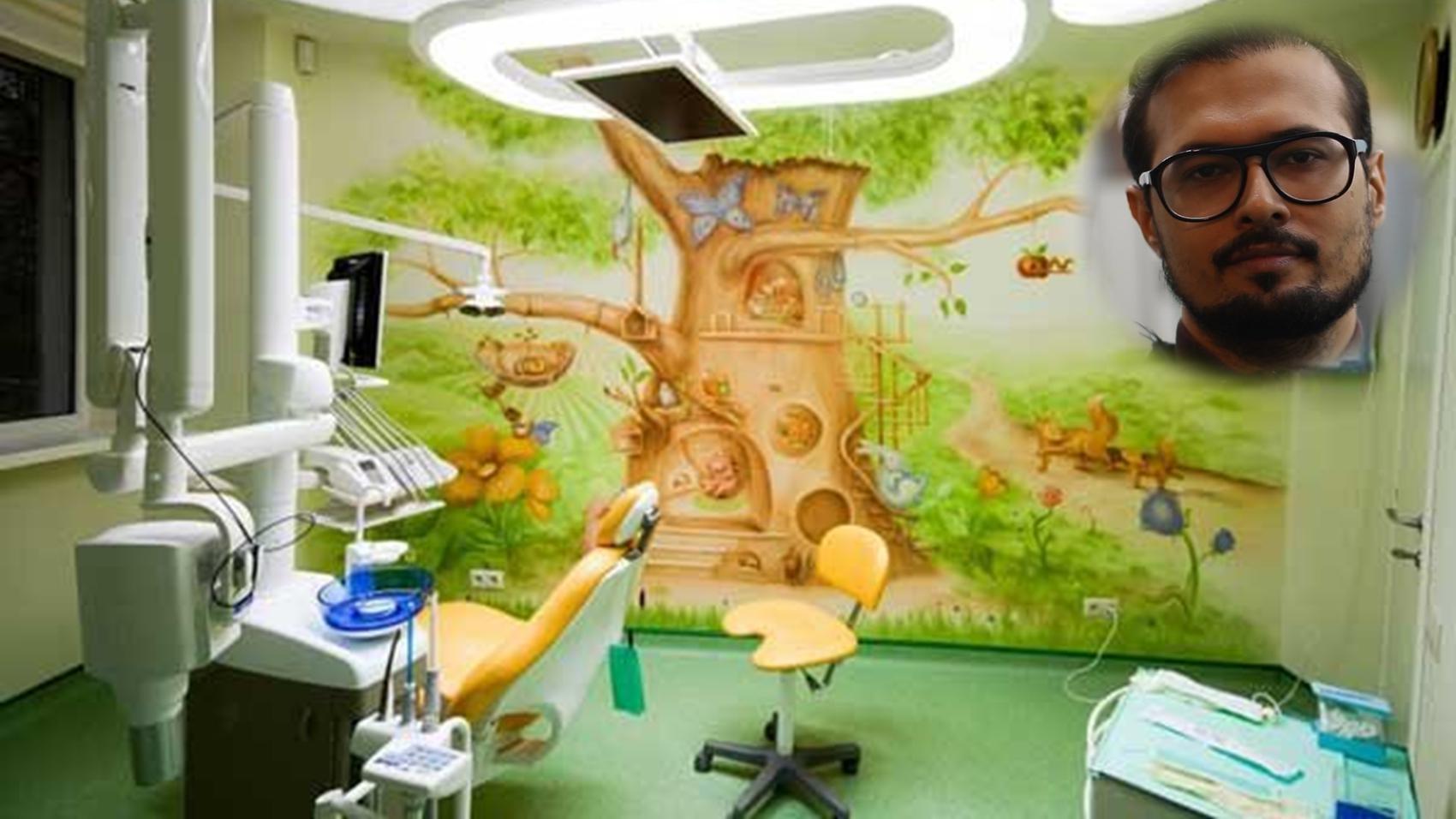
The hum of anticipation fills the air as the orthodontics office comes to life each morning, a blend of clinical precision and personal connection setting the tone for the day ahead. Here, the pace is brisk but purposeful, with every moment dedicated to transforming smiles and boosting confidence. The environment is a unique mix of high-tech tools and warm interactions, where practitioners balance the science of dental alignment with the art of patient care. From the first patient’s arrival to the final review of treatment plans, a day in orthodontics is a dynamic journey that demands both meticulous attention to detail and genuine empathy.
As the sun rises, the orthodontist arrives early to prepare the clinic for the day’s appointments. This quiet window is devoted to reviewing patient charts, examining X-rays, and updating treatment plans to ensure that every case is fresh in mind. The team checks sterilization protocols, calibrates equipment, and lays out the necessary instruments for the morning’s procedures. This preparation phase is crucial, setting a calm and organized foundation that allows the rest of the day to run smoothly and efficiently.
By mid-morning, the office is bustling with activity as patients begin to fill the waiting room. The orthodontist moves from chair to chair, conducting consultations, fitting braces, and making precise adjustments to wires and aligners. Each interaction is a blend of technical expertise and patient education, as the practitioner explains procedures, answers questions, and reassures anxious patients. This is the heart of the day, where clinical skills and communication come together to deliver transformative care and keep treatment plans on track.
After a brief lunch, the afternoon shifts toward collaborative work and hands-on execution. The orthodontist meets with dental assistants and hygienists to discuss complex cases, review progress, and strategize about upcoming treatments. Practical tasks dominate this phase, from placing new appliances to troubleshooting unexpected issues that arise during appointments. The team’s synergy is essential, as seamless communication ensures that each patient receives attentive, coordinated care.
As the day winds down, the focus turns to wrapping up administrative duties and preparing for tomorrow’s challenges. The orthodontist reviews notes from the day’s appointments, updates patient records, and follows up on lab orders or referrals. There is often time set aside for continuing education, whether it’s reading the latest research or participating in a virtual seminar. Before leaving, the practitioner reviews the next day’s schedule, ensuring that every detail is in place for another round of life-changing smiles. |


 Home
Home Abroad
 Plan
Plan Philosophy
 Seminar
 Pages
Pages Advisors
 Testimonials














 Workshop
 Discuss
 Meet
Meet
 Advisor
 Story
Story
 Fine Print
 Links
Links
 Blog
Blog
 Follow
