Career Counselling 2.0 HomeHomeCareer Counselling 2.0 AbroadAbroadCareer Counselling 2.0 PlanPlanCareer Counselling 2.0 | TalksTalksCareer Counselling 2.0 PhilosophyPhilosophyCareer Counselling 2.0 SeminarSeminarCareer Counselling 2.0 PagesPagesCareer Counselling 2.0 AdvisorsAdvisorsCareer Counselling 2.0 TestimonialsTestimonials

Direction

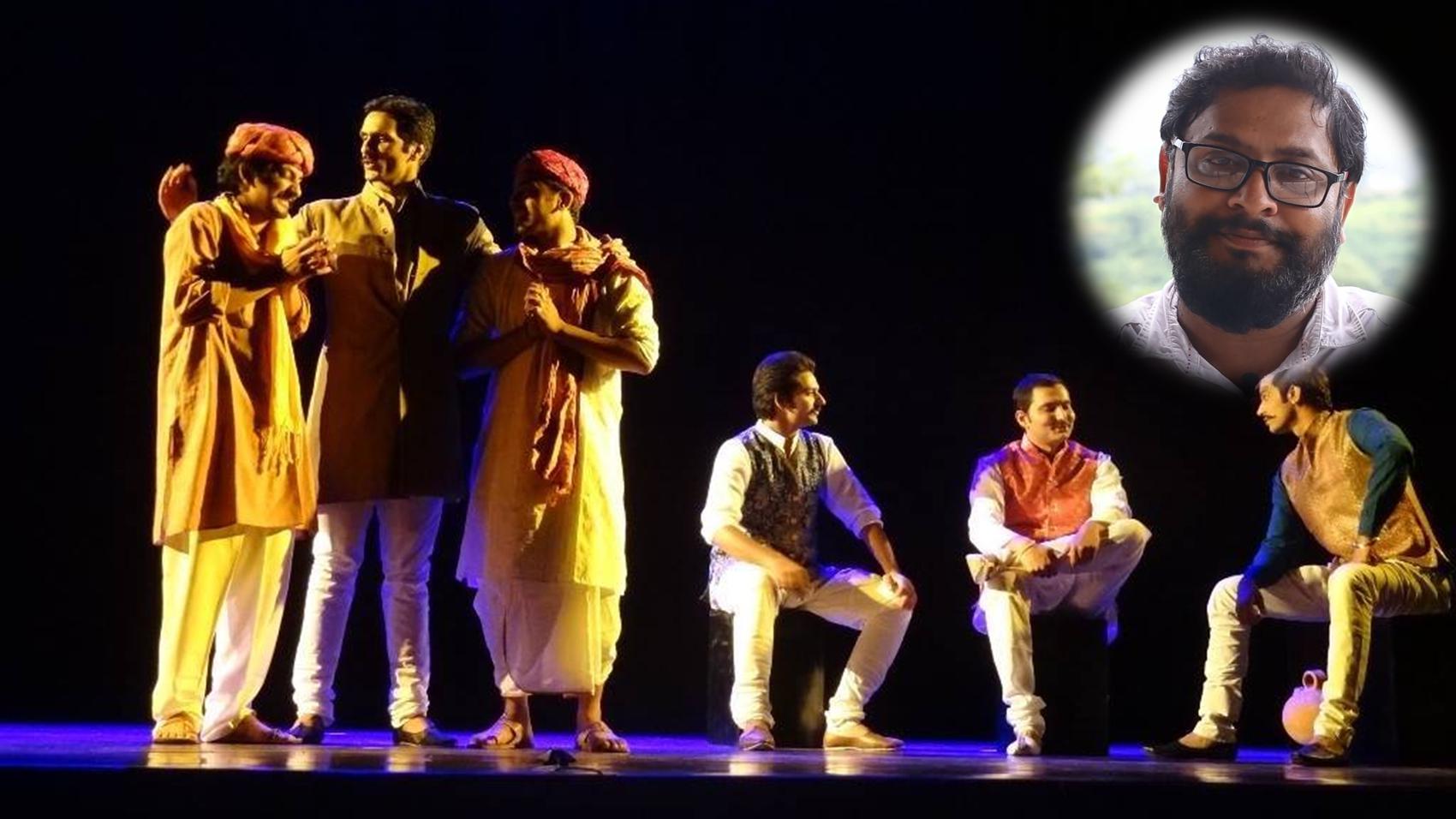
Director Ayush Kohli talks about Direction course, what is Direction and other details about a Career in Direction.


Direction

Ayush Kohli | Director | Liberal Arts Productions


What is Direction?


You may be curious about a Career in Direction. Internet is brimming with pages on How to get into Direction, while one should first understand What is a Career in Direction. Just like you would normally not trust a non Doctor with names of medicines, you should also not trust opinions about Direction from non professionals.

Director Ayush Kohli invested 2 years in Direction. Director Ayush Kohli describes Direction as:

A film director is a person who directs the making of a film. Generally, a film director controls a film's artistic and dramatic aspects and visualizes the screenplay (or script) while guiding the technical crew and actors in the fulfillment of that vision.


How Director Ayush Kohli got into Direction?


I have done B Sc in Airlines Tourism & Hospitality from Lovely Professional University. Taking my interest forward I did a Course in Acting & Direction from Asian Academy of Film & Television, Noida Film City. I also did Modeling for some time where I was a Selfie King in North India Modeling Show. I am a Director at Liberal Arts Productions.


Director Ayush Kohli's Talk on Direction


Session Image
The Journey of Direction


What Is Direction


Direction

### Direction Image
What is
Direction is the creative and managerial process of guiding a production, performance, or project toward a cohesive vision. It involves interpreting scripts or concepts, leading teams, making artistic decisions, and ensuring that every element aligns with the intended message or outcome, whether in film, theater, television, or other media.

Concept
Direction plays a pivotal role in shaping the final outcome of any creative or organizational endeavor. Professionals in Direction are responsible for unifying various components, such as performance, design, and technical execution, to deliver a compelling and coherent result. This role matters because it transforms ideas into impactful experiences, influencing how audiences perceive and connect with the work. One major benefit is the opportunity to exercise creative leadership, allowing directors to bring their unique vision to life. Another benefit is the collaborative environment, as directors work closely with diverse teams, fostering both personal and professional growth. Additionally, Direction offers the satisfaction of seeing a project evolve from concept to completion, providing a tangible sense of accomplishment.

Real World Example
A film director exemplifies the role of Direction by overseeing every stage of a movie’s production. From interpreting the screenplay and casting actors to collaborating with cinematographers and editors, the director ensures that each creative decision supports the film’s vision. During filming, the director guides actors’ performances, adjusts scenes for emotional impact, and solves unexpected challenges on set. After shooting, the director works with post-production teams to refine the film’s pacing, sound, and visual effects. Through this process, the director’s leadership and artistic choices shape the final product, ensuring that the story resonates with audiences and fulfills its creative potential. This hands-on involvement highlights the essential nature of Direction in bringing complex projects to life.

Education


Scene

### Scene Image
What is
A scene is a distinct unit of storytelling within a script or performance, marked by a specific setting, time, and action, where characters interact to advance the narrative. In Direction, understanding scene structure is essential, as it forms the building blocks for visual storytelling and effective communication with cast and crew.

Concept
Grasping the concept of scene is fundamental for anyone pursuing a career in Direction because it underpins the entire process of translating a script into a compelling visual experience. Directors must dissect each scene to understand its purpose, emotional tone, and narrative function. This knowledge allows them to make informed decisions about pacing, blocking, camera movement, and actor direction. Mastery of scene structure also facilitates clear communication with collaborators, ensuring that everyone shares a unified vision. Over time, a deep understanding of scenes empowers directors to craft more engaging and coherent stories, adapt to various genres, and respond creatively to production challenges, ultimately enhancing their professional reputation and versatility.

Real World Example
Consider a director preparing to shoot a pivotal confrontation scene between two main characters. Drawing on their theoretical understanding of scene, the director analyzes the script to identify the scene’s objectives, emotional beats, and subtext. During rehearsals, they guide the actors to emphasize key moments and adjust blocking to heighten tension. On set, the director collaborates with the cinematographer to select camera angles and lighting that reinforce the scene’s mood. Throughout this process, their expertise in scene construction ensures that every creative choice supports the story’s progression and emotional impact, resulting in a memorable and effective sequence that resonates with the audience.

Character

### Character Image
What is
Character refers to the distinct personality, motivations, and emotional depth that define an individual within a narrative. In the context of Direction, understanding character is essential for shaping authentic performances, guiding storytelling choices, and ensuring that each role contributes meaningfully to the overall vision of a production.

Concept
A deep understanding of character is indispensable for anyone preparing for or working in Direction. Directors must interpret scripts, collaborate with actors, and make creative decisions that hinge on nuanced character development. Mastery of this subject allows professionals to craft compelling stories, foster believable interactions, and guide performers toward authentic portrayals. This foundational knowledge not only enhances the quality of a production but also builds a director’s reputation for insightful leadership and artistic integrity. Over time, the ability to analyze and communicate character motivations and arcs becomes a distinguishing skill, opening doors to more complex projects and collaborative opportunities within the industry.

Real World Example
Consider a director working on a stage production who must help an actor portray a conflicted protagonist. Drawing on their theoretical understanding of character, the director engages in detailed discussions about the character’s backstory, motivations, and emotional journey. By guiding the actor to explore subtle shifts in behavior and intention, the director ensures that each scene resonates with authenticity. This collaborative process not only elevates the actor’s performance but also strengthens the coherence and impact of the entire production. Through such daily applications, a director’s expertise in character becomes a vital tool for transforming written scripts into emotionally engaging and memorable experiences for audiences.

Key Points of Direction

### Key Points of Direction Image
What is
Key Points of Direction refers to the essential guidelines, cues, and instructions that guide the creative and logistical aspects of a project or production. In both academic study and professional practice, understanding these points is crucial for ensuring clarity, coherence, and effective communication among all team members involved in Direction.

Concept
Mastering Key Points of Direction is vital for anyone aspiring to excel in Direction because it forms the backbone of effective leadership and project management. By internalizing these core concepts, professionals can articulate their vision clearly, delegate tasks efficiently, and maintain consistency throughout the creative process. This knowledge not only streamlines workflow but also minimizes misunderstandings and errors, leading to higher-quality outcomes. Over the long term, a strong grasp of Key Points of Direction enhances a director’s reputation for reliability and clarity, making them more attractive to collaborators and employers. It also fosters adaptability, enabling professionals to handle complex projects and diverse teams with confidence and precision.

Real World Example
Imagine a director working on a stage production who must coordinate actors, lighting technicians, and set designers. By applying their understanding of Key Points of Direction, the director communicates precise blocking instructions to actors, specifies lighting cues to technicians, and ensures set changes occur seamlessly. This theoretical knowledge allows the director to anticipate potential issues, adapt instructions in real time, and maintain the overall vision of the production. As a result, the entire team operates with a shared understanding, reducing confusion and enhancing the quality of the final performance. The director’s ability to effectively convey Key Points of Direction becomes the linchpin for a smooth, successful production.

Basics of Acting

### Basics of Acting Image
What is
Basics of Acting refers to the fundamental principles, techniques, and methods that enable performers to convincingly portray characters, emotions, and intentions on stage or screen. For those in Direction, understanding these basics is essential, as it bridges the gap between conceptual vision and effective performance, forming a core academic and professional competency.

Concept
A director’s ability to guide actors hinges on a deep understanding of acting fundamentals. Mastery of these basics allows directors to communicate effectively with performers, interpret scripts with nuance, and foster authentic, compelling performances. This foundational knowledge ensures that directors can identify and resolve performance issues, motivate actors, and create a collaborative environment that brings out the best in every cast member. Over the course of a career, this expertise not only enhances creative output but also builds credibility and trust within production teams. Directors who grasp the essentials of acting are better equipped to translate their artistic vision into reality, making them invaluable assets in any theatrical or cinematic project.

Real World Example
Imagine a director working on a dramatic scene where an actor struggles to convey genuine grief. Drawing on their understanding of acting basics, the director recognizes the need for emotional recall and sensory memory techniques. They guide the actor through exercises that tap into personal experiences, helping the performer access authentic emotions. By referencing foundational acting methods, the director offers constructive feedback and tailored suggestions, enabling the actor to deliver a more believable and moving performance. This daily application of acting theory not only elevates the scene but also strengthens the collaborative relationship between director and actor, ultimately enhancing the overall quality of the production.

Camera

### Camera Image
What is
A camera is a device that captures visual images, either as still photographs or as moving images such as films or videos. In the context of Direction, understanding the camera involves knowing its technical functions, creative possibilities, and how it serves as the primary tool for visual storytelling in film and television.

Concept
A deep understanding of the camera is essential for anyone pursuing a career in Direction because it directly influences how stories are visually communicated to audiences. Directors must grasp camera angles, movements, lenses, and framing to effectively translate scripts into compelling visual narratives. This knowledge allows directors to collaborate efficiently with cinematographers and other crew members, ensuring their creative vision is realized on screen. Mastery of camera techniques also empowers directors to make informed decisions about mood, pacing, and audience engagement. Over time, this foundational expertise not only enhances a director’s creative capabilities but also increases their adaptability and value in a rapidly evolving industry where visual language is paramount.

Real World Example
Consider a director preparing to shoot a pivotal emotional scene. Drawing on their understanding of camera techniques, the director chooses a close-up shot to capture the subtle expressions of the actor, using a specific lens to create a shallow depth of field that isolates the subject from the background. During the shoot, the director communicates with the cinematographer about the precise camera movement needed to follow the actor’s motion, ensuring the emotional intensity is maintained. By applying their theoretical knowledge of camera operation and visual storytelling, the director shapes the audience’s emotional response, demonstrating how technical expertise directly informs creative choices in daily production work.

Skills


Knowing Where to Stop

### Knowing Where to Stop Image
What is
"Knowing Where to Stop" is the ability to recognize the optimal point at which to halt, pause, or conclude a process, decision, or creative endeavor. For a Direction professional, this skill ensures that projects are neither overworked nor underdeveloped, maintaining clarity, efficiency, and purpose throughout the workflow.

Concept
Mastering the art of knowing where to stop directly enhances a Direction professional’s effectiveness by preventing overcomplication, resource waste, and creative burnout. Clients and employers highly value this skill because it leads to projects that are polished yet timely, maximizing impact without unnecessary delays or costs. Cultivating this ability involves developing keen self-awareness, learning from feedback, and observing outcomes when boundaries are respected. Over time, professionals refine their judgment by reflecting on past experiences, seeking mentorship, and staying attuned to project goals and stakeholder expectations. This ongoing process helps them discern when further effort adds value and when it risks diminishing returns, ultimately fostering trust and reliability in their leadership.

Real World Example
Imagine a Direction professional overseeing a high-stakes advertising campaign. As the team brainstorms, ideas continue to flow, but the deadline looms. Recognizing the campaign’s core message is already strong, the director decides to halt further revisions, understanding that additional tweaks may dilute the concept and delay delivery. By knowing where to stop, the director ensures the campaign remains focused, meets the deadline, and satisfies the client’s objectives. This decision not only preserves the integrity of the creative vision but also demonstrates sound judgment and respect for both the team’s efforts and the client’s resources, leading to a successful outcome and reinforcing the director’s reputation for effective leadership.

People Skills

### People Skills Image
What is
People Skills refer to the ability to communicate, empathize, collaborate, and build positive relationships with others, fostering trust and understanding in both personal and professional contexts. For a Direction professional, People Skills are vital for motivating teams, resolving conflicts, and ensuring that creative visions are realized through effective collaboration and leadership.

Concept
People Skills directly enhance a Direction professional’s performance by enabling clear communication, fostering a positive work environment, and encouraging creative input from all team members. Clients and employers highly value these abilities because they lead to smoother project execution, higher morale, and better results. A director who listens actively, provides constructive feedback, and adapts to different personalities can inspire trust and loyalty, which are crucial for long-term success. Cultivating People Skills involves self-awareness, ongoing reflection, and a willingness to learn from each interaction. Seeking feedback, observing skilled communicators, and practicing empathy in daily interactions help refine these abilities over time, making them an indispensable asset in any director’s toolkit.

Real World Example
Imagine a director leading a film production where creative differences arise between the cinematographer and the lead actor, threatening to derail a crucial scene. By employing strong People Skills, the director listens attentively to both perspectives, acknowledges their concerns, and mediates a constructive dialogue. Through empathy and clear communication, the director helps both parties understand each other’s viewpoints and find common ground. This approach not only resolves the immediate conflict but also strengthens the team’s trust in the director’s leadership. As a result, the production moves forward smoothly, and the final scene benefits from the collaborative energy fostered by the director’s adept handling of interpersonal dynamics.

Updated with Script

### Updated with Script Image
What is
"Updated with Script" refers to the continuous process of staying informed about the latest script changes, revisions, and updates throughout a production. For a Direction professional, this skill ensures that every creative and logistical decision aligns with the most current version of the script, maintaining coherence and efficiency during production.

Concept
Mastering the ability to stay updated with script changes directly enhances a director’s performance by minimizing miscommunication and preventing costly errors on set. Clients and employers highly value this skill because it demonstrates reliability, adaptability, and a commitment to the project’s vision. Directors who consistently track script updates can anticipate necessary adjustments in blocking, shot lists, and actor direction, ensuring seamless transitions between script versions. Cultivating this skill involves developing strong organizational habits, maintaining open communication with writers and script supervisors, and utilizing digital tools for version control. Over time, a director who prioritizes being updated with the script builds a reputation for professionalism and the ability to handle complex, fast-paced productions with confidence.

Real World Example
Imagine a director working on a television drama where last-minute script changes introduce a new character and alter a pivotal scene’s location. By being updated with the script, the director quickly adapts the shooting schedule, informs the cast and crew, and collaborates with the production designer to modify the set. This proactive approach prevents confusion on set, ensures that performances reflect the latest narrative developments, and keeps the production on track. The director’s attentiveness to script updates not only resolves potential conflicts but also demonstrates leadership and a deep understanding of the project’s evolving needs, ultimately contributing to the success of the episode.

Patience

### Patience Image
What is
Patience is the ability to remain calm, composed, and persistent in the face of delays, obstacles, or frustration, without resorting to impulsive reactions or giving up. For a professional in Direction, patience is a cornerstone skill that enables thoughtful decision-making, effective leadership, and the ability to nurture creative processes over time.

Concept
Patience directly enhances a director’s performance by allowing them to navigate complex projects, manage diverse teams, and handle unforeseen challenges with resilience. Clients and employers value patience because it fosters a stable work environment, encourages collaboration, and ensures that quality is prioritized over speed. A patient director is less likely to make rash decisions, leading to more consistent and successful outcomes. Cultivating patience involves practicing mindfulness, setting realistic expectations, and learning to embrace setbacks as opportunities for growth. Over time, repeated exposure to high-pressure situations helps a director build the emotional endurance necessary to remain focused and composed, even when progress seems slow or obstacles appear insurmountable.

Real World Example
Imagine a director overseeing a film production where technical difficulties cause repeated delays. Crew members grow anxious, and actors become frustrated as the schedule slips. Instead of reacting with irritation, the director exercises patience, calmly reassessing the situation and communicating transparently with the team. By maintaining composure, the director reassures everyone, encourages creative problem-solving, and keeps morale high. This patient approach allows the team to address the technical issues methodically, ultimately preserving the quality of the project and strengthening trust among collaborators. In this scenario, patience is not just a personal virtue but a driving force behind the project’s eventual success.

Upto date with Trends

### Upto date with Trends Image
What is
"Upto date with Trends" refers to the continuous awareness and understanding of current developments, innovations, and shifts within the industry, including technology, audience preferences, and storytelling techniques. For a Direction professional, this skill ensures their creative vision remains relevant, competitive, and resonant with contemporary audiences, making it indispensable in their toolkit.

Concept
Staying upto date with trends directly enhances a director’s performance by enabling them to craft stories, visuals, and experiences that connect with modern viewers and reflect current industry standards. Clients and employers highly value this skill because it signals adaptability, forward-thinking, and the ability to anticipate audience expectations, which are crucial for commercial and critical success. Cultivating this skill involves regularly consuming diverse media, attending industry events, engaging with professional networks, and seeking feedback from peers. Over time, this habit not only sharpens creative instincts but also positions a director as a thought leader who can confidently navigate and influence the evolving landscape of film, television, or digital content.

Real World Example
Imagine a director tasked with reviving a classic television series for a new generation. By being upto date with trends, the director recognizes the current popularity of interactive storytelling and the demand for diverse representation. They incorporate these elements into the reboot, introducing branching narratives and casting actors from underrepresented backgrounds. This approach not only revitalizes the series but also attracts a broader, younger audience and garners critical acclaim for its innovation and inclusivity. The director’s awareness of industry trends transforms a potential nostalgia project into a relevant, forward-thinking success, demonstrating how essential this skill is in achieving both creative and commercial goals.

Uniqueness

### Uniqueness Image
What is
Uniqueness is the ability to bring an original perspective, creative vision, and distinctive approach to problem-solving and decision-making. For a Direction professional, uniqueness means standing out through innovative ideas, authentic leadership, and the courage to challenge conventions, ultimately shaping projects and teams in ways that leave a lasting impact.

Concept
Uniqueness directly enhances a Direction professional’s performance by enabling them to craft compelling narratives, inspire teams, and differentiate their work in a crowded field. Clients and employers highly value this skill because it leads to memorable projects that capture attention and drive results. Cultivating uniqueness involves embracing diverse experiences, seeking inspiration beyond one’s immediate environment, and continuously experimenting with new techniques. Over time, self-reflection and feedback help refine a personal style, allowing a director to confidently express their vision. By nurturing this skill, professionals not only elevate their own work but also foster innovation within their teams, making them indispensable assets to any creative endeavor.

Real World Example
Imagine a director tasked with revitalizing a long-running television series that has started to lose its audience. Instead of following the formulaic approach that previous seasons relied on, the director draws from their unique background in theater and immersive storytelling. They introduce unconventional camera angles, encourage actors to improvise, and weave in unexpected narrative twists. This fresh perspective reinvigorates the series, captivates viewers, and earns critical acclaim. By relying on their uniqueness, the director not only solves the problem of declining ratings but also redefines the show’s identity, demonstrating how originality can be the key to overcoming challenges and achieving lasting success.

Positives


Travelling & Exploring

### Travelling & Exploring Image
What is
Travelling & Exploring refers to the opportunity to visit diverse locations, immerse oneself in new cultures, and discover unique environments while working. In the field of Direction, this means venturing beyond familiar settings to find authentic backdrops, collaborate with local talent, and draw creative inspiration from the world’s vast variety. This aspect enriches the profession by broadening perspectives and fueling artistic vision.

Concept
The chance to travel and explore is a transformative benefit for directors, as it constantly exposes them to new ideas, landscapes, and stories. This ongoing journey not only keeps the work dynamic and engaging but also fosters personal and professional growth. Directors who travel frequently develop a deeper understanding of different cultures, which enhances their storytelling and ability to connect with diverse audiences. The excitement of discovering new places and the challenge of adapting to unfamiliar environments contribute to a sense of adventure and fulfillment. Each project becomes an opportunity to learn, evolve, and bring fresh authenticity to their work, making the profession both rewarding and inspiring on a daily basis.

Real World Example
Imagine a director tasked with shooting a film set in a remote coastal village. As they travel to the location, they interact with local residents, absorb the unique atmosphere, and discover hidden gems that could never be replicated on a studio set. The director’s exploration leads to spontaneous creative decisions, such as incorporating a traditional festival or using the natural light at sunrise for a pivotal scene. These experiences not only enhance the authenticity of the film but also provide the director with unforgettable memories and a renewed passion for their craft. Through travelling and exploring, the director’s vision is enriched, and the final work resonates with genuine depth and originality.

Exploring & Travelling

### Exploring & Travelling Image
What is
Exploring & Travelling in the context of Direction means venturing to diverse locations, immersing oneself in new cultures, and discovering unique environments to enhance storytelling. This aspect allows directors to broaden their perspectives, gather authentic inspiration, and infuse their projects with genuine detail, making their creative vision more vibrant and compelling.

Concept
The opportunity to explore and travel is a transformative benefit for those in Direction, as it continually fuels creativity and personal growth. Experiencing new places and cultures firsthand allows directors to draw from a rich tapestry of real-world influences, which can be reflected in their work. This constant exposure to different environments not only keeps the job exciting but also encourages adaptability and innovation. Directors often find themselves more motivated and satisfied, knowing that their profession enables them to see the world while doing what they love. The daily experience of stepping into new settings, meeting diverse people, and uncovering fresh stories ensures that monotony is rare, and every project becomes an adventure.

Real World Example
Imagine a director tasked with creating a film set in a remote coastal village. Instead of relying solely on research or secondhand accounts, the director travels to the actual location, spending time with the local community and absorbing the atmosphere. This immersive experience allows the director to capture the authentic sights, sounds, and emotions of the place, which translates into a more genuine and powerful narrative on screen. The journey not only enriches the project but also leaves the director with unforgettable memories and a deeper appreciation for the world’s diversity. In this way, exploring and travelling become integral to both professional fulfillment and artistic excellence.

Personality Enhancement

### Personality Enhancement Image
What is
Personality Enhancement refers to the ongoing development of self-awareness, emotional intelligence, adaptability, communication skills, and confidence through professional experiences. In the field of Direction, this growth is vital, as it shapes leaders who can inspire, motivate, and guide creative teams effectively, fostering both personal fulfillment and professional excellence.

Concept
The journey of personality enhancement is a cornerstone of a successful career in Direction. As directors face diverse challenges, they continually refine their interpersonal skills, resilience, and creative vision. This evolution not only leads to greater job satisfaction but also opens doors to new opportunities and collaborations. Directors who invest in their personal growth often find themselves better equipped to handle high-pressure situations, mediate conflicts, and inspire their teams. The daily practice of leading, decision-making, and creative problem-solving becomes a source of pride and motivation, making the profession deeply rewarding. Over time, the transformation in personality is evident, as directors become more confident, empathetic, and influential, positively impacting both their projects and the people they work with.

Real World Example
Imagine a director leading a diverse team on a challenging film project. Initially, the group faces creative disagreements and tight deadlines, testing the director’s patience and communication skills. Through self-reflection and adaptive leadership, the director learns to listen actively, mediate disputes, and encourage open dialogue. As the project progresses, the director’s enhanced empathy and confidence foster a collaborative atmosphere, enabling the team to overcome obstacles and deliver an outstanding final product. This experience not only results in a successful project but also leaves the director with a profound sense of personal growth. The director’s ability to navigate complex situations with poise and understanding exemplifies the fulfilling impact of personality enhancement in the world of Direction.

New Characters

### New Characters Image
What is
"New Characters" refers to the continual introduction and development of unique, diverse personalities within a story, each with their own backgrounds, motivations, and arcs. In the field of Direction, engaging with new characters allows directors to explore fresh perspectives, challenge creative boundaries, and bring dynamic storytelling to life for audiences.

Concept
The presence of new characters in Direction is a driving force behind the profession’s excitement and fulfillment. Each new character presents an opportunity for creative exploration, pushing directors to think innovatively about narrative structure, visual style, and emotional resonance. This constant influx of fresh personalities ensures that no two projects are ever the same, keeping the work dynamic and stimulating. Directors find immense satisfaction in shaping these characters, collaborating with actors to breathe life into them, and witnessing how their choices influence the overall story. This process not only enhances professional growth but also fosters a deep sense of accomplishment, as directors see their creative visions realized through the evolution of new and compelling characters.

Real World Example
Imagine a director beginning work on a new film, where the script introduces a protagonist unlike any they have encountered before—a reclusive artist with a mysterious past. As the director delves into the character’s psyche, they collaborate closely with the actor, costume designers, and writers to craft every detail, from mannerisms to wardrobe choices. Throughout production, the director witnesses the transformation of words on a page into a fully realized, multidimensional character. This journey is both challenging and exhilarating, as each decision shapes the audience’s connection to the story. The director’s daily engagement with new characters not only fuels their passion for storytelling but also reaffirms the profound impact their work has on the art of cinema.

Confidence

### Confidence Image
What is
Confidence is the assured belief in one’s abilities, decisions, and vision, enabling individuals to act decisively and inspire trust in others. In the field of Direction, confidence empowers professionals to lead teams, make creative choices, and navigate challenges with resilience. This quality fosters a positive environment where innovation and collaboration thrive.

Concept
Confidence is a cornerstone of success in Direction because it fuels both personal and professional growth. When directors trust their instincts and communicate their vision clearly, they inspire their teams to perform at their best. This self-assurance leads to more effective decision-making, greater risk-taking, and the ability to handle setbacks with grace. As a result, directors experience higher job satisfaction, knowing they can shape projects and influence outcomes. The daily reinforcement of their capabilities not only enhances their reputation but also opens doors to new opportunities, making every challenge a chance to grow and excel.

Real World Example
Imagine a director leading a complex film production with a tight schedule and high expectations. Faced with unexpected obstacles, such as last-minute script changes or technical difficulties, the director’s confidence becomes the anchor for the entire team. By remaining calm, articulating solutions, and trusting their creative vision, the director reassures cast and crew, turning potential chaos into a collaborative triumph. This unwavering confidence not only ensures the project’s success but also leaves the director with a profound sense of accomplishment, knowing their leadership made a tangible difference. Such experiences reinforce the invaluable role of confidence in making Direction a deeply rewarding career.

Challenges


Importance Given to Face Value

### Importance Given to Face Value Image
What is
"Importance Given to Face Value" in Direction refers to the tendency of stakeholders to judge a director’s competence, authority, or vision based on superficial traits such as appearance, charisma, or reputation rather than substantive skills or creative insight. This challenge is demanding because it can overshadow genuine talent and hinder objective decision-making.

Concept
This difficulty often manifests in daily work as directors find their ideas or leadership questioned or dismissed due to perceptions rooted in image rather than merit. It can lead to frustration, self-doubt, and a constant need to prove oneself beyond surface-level judgments. Resilience becomes essential, as professionals must remain focused on their core objectives and not be derailed by external biases. Successful directors manage this constraint by consistently demonstrating competence, building trust through transparent communication, and letting their work speak for itself. Over time, they cultivate a reputation for substance, which gradually shifts perceptions and allows their true abilities to shine through, regardless of initial face value assessments.

Real World Example
Consider a director who joins a new production team where most members are skeptical due to the director’s youthful appearance and lack of high-profile credits. Rather than reacting defensively, the director listens attentively, communicates a clear vision, and involves the team in collaborative problem-solving. By consistently delivering thoughtful feedback and making informed decisions, the director gradually earns the team’s respect. As the project progresses and the quality of the work becomes evident, initial doubts fade. The director’s ability to rise above superficial judgments and focus on building trust and demonstrating expertise ultimately leads to a successful production and a more cohesive, motivated team.

Casting

### Casting Image
What is
Casting, in the context of Direction, refers to the process of selecting actors who best embody the characters envisioned for a production. This task is demanding because it requires balancing artistic vision, logistical constraints, and interpersonal dynamics, all while ensuring that each choice serves the story and resonates with the intended audience.

Concept
The challenge of casting permeates a director’s daily responsibilities, often dictating the tone and success of a project. Directors must navigate limited talent pools, scheduling conflicts, and budgetary restrictions, all while maintaining creative integrity. This process can be emotionally taxing, as directors may need to make difficult compromises or defend their choices to producers and stakeholders. Resilience is essential, as setbacks are common and can threaten timelines or morale. Successful professionals approach casting with flexibility, open-mindedness, and strong communication skills. They build relationships with casting agents, remain receptive to unexpected talent, and trust their instincts while remaining pragmatic about constraints. By fostering collaboration and maintaining a clear vision, directors can transform casting from a hurdle into an opportunity for creative discovery.

Real World Example
Consider a director tasked with casting the lead for a period drama, only to find that their first-choice actor is unavailable due to scheduling conflicts. Rather than settling for a less suitable option or delaying production, the director collaborates closely with the casting director to audition a wider range of candidates. During this process, an emerging actor delivers a compelling audition that redefines the character in an unexpected but authentic way. The director recognizes the potential and adapts the script slightly to better suit the new interpretation. This flexibility not only resolves the casting issue but also enriches the project, demonstrating how adaptability and openness can turn a casting challenge into a creative breakthrough.

Limited Resources

### Limited Resources Image
What is
Limited Resources in the context of Direction refers to the persistent shortage of time, budget, personnel, or equipment necessary to achieve creative or operational goals. This constraint is demanding because it forces directors to make tough decisions, prioritize ruthlessly, and innovate under pressure, often with high expectations and limited support.

Concept
The challenge of limited resources permeates nearly every aspect of a director’s daily work, from scheduling and casting to set design and post-production. This scarcity can lead to increased stress, difficult compromises, and a constant need to balance artistic vision with practical limitations. It demands resilience because setbacks and unexpected obstacles are inevitable, requiring directors to adapt quickly and remain solution-oriented. Successful professionals manage this constraint by fostering strong communication, leveraging the strengths of their team, and embracing creative problem-solving. They often find innovative ways to repurpose available assets, negotiate for what is essential, and maintain morale, ensuring that the project’s core vision is preserved despite the limitations.

Real World Example
Consider a director tasked with producing a short film on a shoestring budget and a tight timeline. Instead of lamenting the lack of funds for elaborate sets, the director scouts local venues and secures a community theater for free, transforming it with minimal props and clever lighting. The limited crew is cross-trained to handle multiple roles, and the director maintains open communication, encouraging input and collaboration. By focusing on strong performances and resourceful storytelling, the director delivers a compelling film that resonates with audiences, proving that creative vision and adaptability can overcome even the most daunting resource constraints.

Struggles

### Struggles Image
What is
In the context of Direction, "Struggles" refers to the persistent obstacles, setbacks, and uncertainties that arise when guiding creative teams, managing resources, and aligning vision with execution. These challenges are demanding because they test a director’s adaptability, decision-making, and emotional resilience while maintaining momentum and morale within the team.

Concept
Struggles in Direction can manifest as creative disagreements, resource limitations, or unforeseen production issues, all of which disrupt workflow and heighten stress. These difficulties can erode confidence and hinder progress, making resilience essential for maintaining focus and motivation. Successful professionals recognize that setbacks are inevitable and approach them as opportunities for growth. They cultivate open communication, seek feedback, and remain flexible in their strategies, adapting plans as circumstances change. By fostering a supportive environment and prioritizing problem-solving over blame, directors can keep their teams engaged and solutions-oriented. This proactive mindset not only mitigates the impact of struggles but also strengthens the team’s collective ability to overcome future challenges.

Real World Example
Consider a film director facing repeated delays due to weather disruptions during an outdoor shoot. Instead of succumbing to frustration, the director reassesses the schedule and collaborates with the crew to identify scenes that can be filmed indoors. By maintaining transparent communication and encouraging creative input from the team, the director transforms a potentially demoralizing situation into an opportunity for innovation. The team’s morale remains high, and the project stays on track despite the setbacks. This scenario illustrates how embracing flexibility, fostering collaboration, and focusing on solutions enables professionals in Direction to navigate struggles effectively and achieve their creative vision.

A Day Of


Direction

What is
When the world is just waking up, Direction professionals are already in motion, orchestrating the unseen currents that guide teams, projects, and entire organizations toward their goals. The pace is brisk, the environment a blend of high-stakes decision-making and creative problem-solving, where every moment counts and adaptability is the currency of success. In Direction, no two days are identical, but each is marked by a dynamic rhythm—one that demands clarity, collaboration, and a relentless drive to move forward, even when the path ahead is uncertain.

Concept
As the sun rises, a Direction practitioner begins their day by reviewing the landscape ahead. This early hour is reserved for scanning emails, digesting overnight updates, and recalibrating priorities based on shifting demands. With a fresh cup of coffee in hand, they pore over project dashboards, assess progress against key milestones, and identify any emerging risks or opportunities. This quiet window is crucial for mapping out the day’s objectives and ensuring that the team’s efforts will be aligned with the broader organizational vision.

Real World Example
By mid-morning, the tempo accelerates as the Direction professional steps into the heart of their role. This is when they lead pivotal meetings, facilitate cross-functional discussions, and make decisions that will shape the trajectory of ongoing initiatives. Whether it’s resolving bottlenecks, negotiating resources, or synthesizing input from diverse stakeholders, this phase demands sharp focus and deft communication. The energy is palpable as ideas are exchanged, challenges are dissected, and consensus is forged, all in service of driving progress and maintaining momentum.

The afternoon brings a shift from strategy to execution. Direction practitioners dive into collaborative sessions with project teams, translating morning decisions into actionable steps. They might oversee the rollout of new processes, troubleshoot unforeseen obstacles, or mentor colleagues through complex scenarios. The emphasis is on turning vision into reality, ensuring that plans are not only understood but also effectively implemented. This period is marked by hands-on involvement, real-time feedback, and a commitment to empowering others to deliver their best work.

As the day winds down, the focus turns to reflection and preparation. The Direction professional reviews outcomes, documents lessons learned, and updates progress reports for key stakeholders. Administrative tasks are handled with care, ensuring that nothing slips through the cracks. With an eye on tomorrow, they outline priorities, schedule critical meetings, and set the stage for another day of purposeful direction. This closing ritual is both a moment of closure and a springboard for continuous improvement, reinforcing the discipline and foresight that define the profession.


Install the LifePage App to:


  1. (for Free) Watch Director Ayush Kohli’s full Direction Career Talk

  2. ₹ Do a Self Assessment on Direction to calculate your Dream Index, which is defined as:

    According to Ayush Kohli your chances of success in Direction is __%

  3. Access your personalized Dream Index Report which will have all your Dream Indices sorted in descending order.

Career Counselling 2.0


<?php echo $altimage; ?>


<?php echo $altimage; ?>


How to get into

Direction?


If you are want to get into Direction, start by investing in a Career Plan.

The 14 hour process, guided by a LifePage Career Advisor, will help you introspect and check whether your interest in Direction is merely an infatuation or is it truly something you wish to do for the rest of your life.

Next, your Career Advisor will help you document how you can get into Direction, what education and skills you need to succeed in Direction, and what positives and challenges you will face in Direction.

Finally, you will get a Career Plan stating which Courses, Certifications, Trainings and other Items you need to do in the next 7 years to become world’s best in Direction.


LifePage Career Plan

14 hour personalized guidance program


Your LifePage Career Advisor facilitates your guided introspection so that you systematically explore various Career options to arrive at a well thought out Career choice.

Next: your Advisor helps you figure out how you will get into your chosen Career and how will you develop the skills needed for success in your Chosen Career.

LifePage Plan will not stop at saying "to become an Architect study Architecture". It will guide you on which Certifications, Trainings and Other items you need to do along with your Architecture education to become the world's best Architect.


Links for this Talk


LifePage Career Talk on Direction


Career Counselling 2.0
[Career]
https://www.lifepage.in/careers/direction-2


Career Counselling 2.0
[Full Talk]
https://lifepage.app.link/20171014-0002


Career Counselling 2.0
[Trailer]
https://www.youtube.com/watch?v=cNSIXOsoNo4


(Direction, Ayush Kohli, Liberal Arts Productions, TV Series, Director, Films, Editing, Movie Crew, Screenplay)


Similar Talks


Career in Video Editing
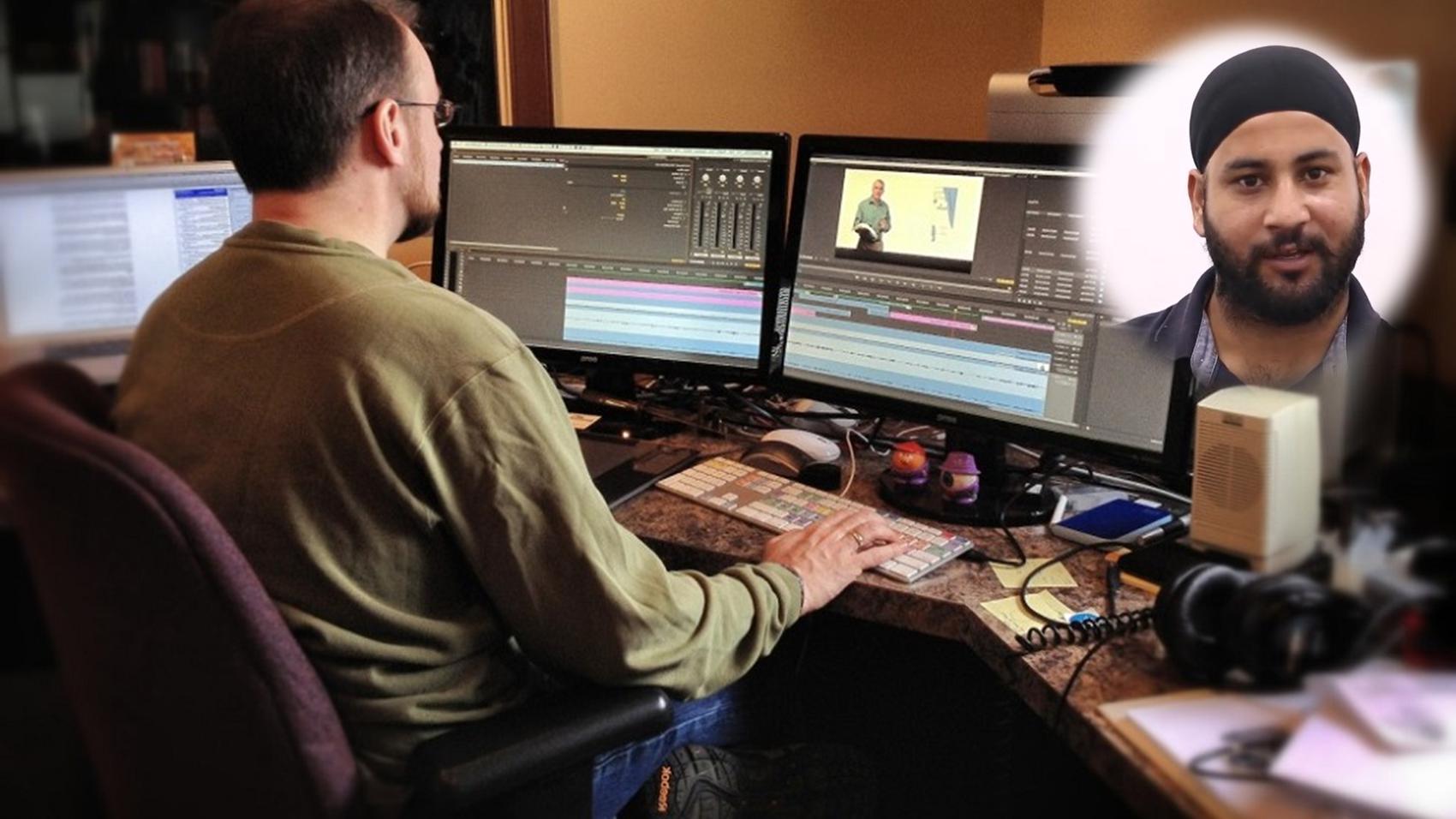
Video Editing
Ajmer Singh
Video Editor Head | HNN 24*7
[ 4 years & 8 months Experience ]

Video editor is a person who manipulates and rearranges video shots to create a new work. It is the responsibility of the editor to make its videos attractive to the viewers.

"I started video editing in 2009. Since 2015, I have been working with HNN 24*7 as a video editor head."


Career Counselling 2.0 Career Counselling 2.0 Career Counselling 2.0 Career Counselling 2.0 Career Counselling 2.0


Career in Cinematography
Cinematography
Karm Chawla
Cinematographer | Kannada Film Industry
[ 5 years & 8 months Experience ]

Basically Cinematography is the art of photography and camerawork in film-making or art of motion-picture photography by recording light or other electromagnetic radiation, either electronically by means of an image sensor, or chemically by means of a light-sensitive material such as film stock.

"After completing my schooling, I did BA (Hons) in English from Hansraj College (DU). After that I studied Film from LV Prasad and Academy, Chennai. I have working as a freelance cinematographer since 2013."


Career Counselling 2.0 Career Counselling 2.0 Career Counselling 2.0 Career Counselling 2.0 Career Counselling 2.0


Career in Scriptwriting
Scriptwriting
Prateeque Ojha
Scriptwriter | Various Storywriting Assignments
[ 8 years & 10 months Experience ]

Scriptwriting is an art and craft of writing scripts for mass media such as feature films, television productions or video games. It is frequently a freelance profession.

"I did my graduation from DU in 2002 and then I joined Satyajit Ray Film & Television Institute, Kolkata, there I specialized in screenplay writing. Since 2008, I have been working as a freelance scriptwriter."


Career Counselling 2.0 Career Counselling 2.0 Career Counselling 2.0 Career Counselling 2.0 Career Counselling 2.0


Career in Technical Management
Technical Management
Bhupendra Chauhan
CTO | HNN 24*7
[ 27 years Experience ]

Technical management involves the duties a news channel must perform for the technical operations. This involves management related to crew management with related tasks, logistics related or equipment related to operations as well as operations, service and maintenance.

"I started my career with NDTV as a freelancer in the year 1990 and worked there for almost 10 years. After that I started working with News 24 in the year 2007. Then I started working as a freelancer and worked different-2 companies in Delhi. Later on I came back to Dehradun and started working with HNN 24*7. I have been working at HNN 24*7 as Chief Technical Officer since it started."


Career Counselling 2.0 Career Counselling 2.0 Career Counselling 2.0 Career Counselling 2.0 Career Counselling 2.0


Career in Cinematography
Cinematography
Mukesh Khugsal
Cinematographer | Various Creative Assignments
[ 17 years Experience ]

Cinematography is the science or art of motion-picture photography by recording light or other electromagnetic radiation, either electronically by means of an image sensor, or chemically by means of a light-sensitive material such as film stock.

"I was always interested in Photography and Cinema. After completing my graduation from Delhi University, I started working with Inframe Creations, Delhi."


Career Counselling 2.0 Career Counselling 2.0 Career Counselling 2.0 Career Counselling 2.0 Career Counselling 2.0


Career in Direction
Direction
Ajay Govind
Filmmaker | Sisyphus Rocks Films
[ 13 years & 11 months Experience ]

A film director is a person who directs the making of a film. Generally, a film director controls a film's artistic and dramatic aspects, and visualizes the script while guiding the technical crew and actors in the fulfillment of that vision.

"After completing Bachelors in English Literature from St. Stephen's College, Delhi University, I did Media Studies Course from St. Stephen's College, Delhi University and here I was introduced to Film Theory and History and that was the time I discovered my interest in Direction. I have made over 40 documentaries, 5 music videos and Directed one feature film that released in 2014, "After the 3rd Bell"."


Career Counselling 2.0 Career Counselling 2.0 Career Counselling 2.0 Career Counselling 2.0 Career Counselling 2.0


Career in Direction
Direction
Abhishek Maindola
Director | Sambhav Theatre Group, Dehradun
[ 13 years Experience ]

A film director is a person who directs the making of a film. Generally, a film director controls a film’s artistic and dramatic aspects and visualizes the script while guiding the technical crew and actors in the fulfillment of that vision.

"I started my acting career in theatre in 2001. I experience a lot of things and I am satisfied with my roles. After acting, in 2004 I directed my first self written play “Female Feticide”, other than this I acted in Hindi cinema as well."


Career Counselling 2.0 Career Counselling 2.0 Career Counselling 2.0 Career Counselling 2.0 Career Counselling 2.0


Career in Wildlife Filmmaking
Wildlife Filmmaking
Sumanth Kuduvalli
Wildlife Fimmaker | Various Assignments
[ 6 years & 8 months Experience ]

Wildlife filmmaking is an exhilarating career nevertheless. If you are committed to wildlife conservation, are interested in filmmaking and have the patience to sit quietly for hours in the forest to get shots, then experiment with a short, low-budget film.

"After doing my Diploma in Wildlife Filmmaking and Photography from Craft, I joined Nikon as a Technical Associate in South India. I started Wildlife Filmmaking in 2012."


Career Counselling 2.0 Career Counselling 2.0 Career Counselling 2.0 Career Counselling 2.0 Career Counselling 2.0


Career in Filmmaking
Filmmaking
Sarthak Chawla
Creative Head & Co-founder | Mahakaal Productions
[ 1 year & 3 months Experience ]

Filmmaking is the process of making a film, generally in the sense of films intended for extensive theatrical exhibition. Filmmaking involves a number of discrete stages including an initial story, idea, or commission, through screenwriting, casting, shooting, sound recording and reproduction, editing and screening the finished product before an audience that may result in a film release and exhibition. Filmmaking takes place in many places around the world in a range of economic, social, and political contexts, and using a variety of technologies and cinematic techniques.

"After doing my schooling from Amity International School, Noida, I did my graduation in Journalism & Mass Communication from VIPS, IP University, Delhi and after that I did one year internship from NDTV, India. During my internship I realized that I have an inclination toward Filmmaking, so after that I did Post Graduate Diploma in Film Making from AAFT, Noida. In 2017, I started my own Production House named Mahakaal Productions. Our services range from Ad Films, Corporate Films and Documentaries to Coffee Table books, Industrial Photography, Hospitality Photography, etc. Mahakaal Productions is a one stop to end your quest for creativity. I am the Co-founder and Creative head of Mahakaal Productions."


Career Counselling 2.0 Career Counselling 2.0 Career Counselling 2.0 Career Counselling 2.0 Career Counselling 2.0


Career in Film Direction
Film Direction
Harsh Badheka
Assistant Director | Various Assignments
[ 5 years & 10 months Experience ]

A film director is a person who directs the making of a film. Generally, a film director controls a film's artistic and dramatic aspects and visualizes the screenplay (or script) while guiding the technical crew and actors in the fulfillment of that vision.

"I have completed my schooling from St Mary's School, Mumbai followed by Graduation & Post Graduation in Hindi from Kishinchand Chellaram College, Mumbai University. I have done movies such as Happy Bhag Jayegi, Jia aur Jia as a part of Direction team."


Career Counselling 2.0 Career Counselling 2.0 Career Counselling 2.0 Career Counselling 2.0 Career Counselling 2.0


Career in Video Editing
Video Editing
Gaurav Bhatt
Founder & Editor | Octopus Films
[ 3 years Experience ]

Video Editing or Non-Linear Video Editing is the process of taking video that is raw, meaning untouched or newly recorded. It is the manipulation and arrangement of video shots. Video editing is used to structure and present all video information, including films and television shows, video advertisements and video essays.

"After doing my schooling from Ranchi, Jharkhand, I did BJMC from Indraprastha University, Delhi. After that, I did my M Sc in mass Communication from Punjab Technical University and then my post graduate diploma in Direction & Film Making from AAFT, Noida. I am working as a Senior Promo Producer for CNN- NEWS 18 since 20004. In 2015, I started my own Production House named Octopus Films."


Career Counselling 2.0 Career Counselling 2.0 Career Counselling 2.0 Career Counselling 2.0 Career Counselling 2.0


Career in Filmmaking
Filmmaking
Omanshu Saini
Co- Founder | Doon Photowalk
[ 3 years & 8 months Experience ]

Filmmaking is the process of making a film. Filmmaking involves a number of discrete stages including an initial story, idea, or commission, through screenwriting, casting, shooting, sound recording and reproduction, editing, and screening the finished product before an audience that may result in a film release and exhibition.

"I did my schooling from Raja Ram Mohan Roy, and BBA from Graphic Era, Dehradun. I did my masters in Mass Communication from Doon University. Then I decided to open a company called Doon Photowalk with some of my friends in 2015."


Career Counselling 2.0 Career Counselling 2.0 Career Counselling 2.0 Career Counselling 2.0 Career Counselling 2.0


Career in Filmmaking
Filmmaking
Amaan Iqbal
Film Maker | Various Creative Assignments
[ 6 years & 6 months Experience ]

Filmmaking is the process of making a film, generally in the sense of films intended for extensive theatrical exhibition. Filmmaking involves a number of discrete stages including an initial story, idea, or commission, through screenwriting, casting, shooting, sound recording and reproduction, editing and screening the finished product before an audience that may result in a film release and exhibition.

"After doing B Sc in IT from Kanpur University, I did Mass Communication from Kanpur University. I was always interested in Filmmaking so did a diploma in Creative Writing. I have filmed a documentary for UNESCO, also worked on many commercial ads and short films. I conduct workshops on filmmaking under the name AAINA."


Career Counselling 2.0 Career Counselling 2.0 Career Counselling 2.0 Career Counselling 2.0 Career Counselling 2.0


Career in Filmmaking
Filmmaking
Amber Sharma
Managing Director, Producer & Director | Mowgli Productions
[ 8 years Experience ]

Filmmaking is the process of making a film, generally in the sense of films intended for extensive theatrical exhibition.

"I started my career in 2002 at Keoladeo National Park as a naturalist and in 2003 went to Kanha Tiger Reserve and Bandhavgarh National Park to start my career in wildlife photography to showcase natural history. In 2007, I began film making and founded Mowgli Productions. My directorial debut was on snow leopards it took me 4 years to film snow leopards at an altitude of 15000 feet. In 2010, I began producing and presenting international movies. I have worked on films like The Man in Maze, Mumbai Connection and Series Life of Mafia, Game- Short Film Series."


Career Counselling 2.0 Career Counselling 2.0 Career Counselling 2.0 Career Counselling 2.0 Career Counselling 2.0


Career in Film Production
Film Production
Pratibha Kotak
Production Supervisor | Octopus Film
[ 1 year & 7 months Experience ]

Production refers to the tasks that must be completed or executed during the filming or shooting. This includes tasks such as setting up scenes, the capture of raw footage and usage of set designs, to name a few of the many preproduction tasks and evolves into the postproduction stage.

"After doing my BA in Arts from Vikram University, I did my masters from IGNOU in Organizational Psychology and thereafter I did my post graduate diploma in TV Journalism & Communication from Asian Academy of Film & Television, Noida. I worked with Octopus Films as a Production Supervisor."


Career Counselling 2.0 Career Counselling 2.0 Career Counselling 2.0 Career Counselling 2.0 Career Counselling 2.0


Career in Video Production
Video Production
Pankaj Sati
Video Director | Studio 6 Productions
[ 8 years Experience ]

Video production is the process of creating video by capturing moving images (videography), and creating combinations and reductions of parts of this video in live production and post-production.

"I have done animation , VFX and Special effects course from Maya Academy, Chandigarh and was working as Video Director with Studio 6 Productions."


Career Counselling 2.0 Career Counselling 2.0 Career Counselling 2.0 Career Counselling 2.0 Career Counselling 2.0


Career in Cinematography
Cinematography
Tarminder Singh Tuneja
Cinematographer | The Wedding Container
[ 5 years & 5 months Experience ]

The art of photography and camera work in film-making

"I did my Schooling from Meerut. I then did my Graduation from Delhi University Open University. I worked with CMC for about 5 years. I am the CEO of The Wedding Container since 2013."


Career Counselling 2.0 Career Counselling 2.0 Career Counselling 2.0 Career Counselling 2.0 Career Counselling 2.0


Career in Film Making
Film Making
Dhairya Arora
Director & Writer | Various Film Assignments
[ 10 years & 3 months Experience ]

Filmmaking is the process of making a film, generally in the sense of films intended for extensive theatrical exhibition.

"I was 15 when Ocean Sonic Pictures London took me for an India Tour. I served as Master of ceremony for the preview of Little Box of Sweets. I worked in Noida Film Industry and then in Mumbai Film Industry. I have made advertisements for Kotak Mahindra, SBI. I have worked for Bollywood movies like Tamanchay, Maximus. I now make short films for Youtube and Award ceremonies."


Career Counselling 2.0 Career Counselling 2.0 Career Counselling 2.0 Career Counselling 2.0 Career Counselling 2.0


Career in Filmmaking
Filmmaking
Pradeep Sharma
Director & Writer | Siddhartha Cine Arts
[ 3 years Experience ]

Filmmaking is the process of making a film, generally in the sense of films intended for extensive theatrical exhibition. Filmmaking involves a number of discrete stages including an initial story, idea, or commission, through screenwriting, casting, shooting, sound recording and reproduction, editing and screening the finished product before an audience that may result in a film release and exhibition. Filmmaking takes place in many places around the world in a range of economic, social, and political contexts, and using a variety of technologies and cinematic techniques.

"After completing my schooling from Govt Boys School Mandsaur, I did my BA from Vikram University, Ujjain. Thereafter, I did my D Ed from Govt District Education Institute of Mandsaur, MP. After which I started teaching, while teaching I also wrote articles for newspapers and local Magazine. Then, I joined the distance learning PGD Course in Journalism from Makhanlal Chaturvedi National University, Bhopal. I worked for various organizations named NDTV India, Sahara Samay, Voice of India, Times Today channel and others as a Stinger, Reporter, Anchor, Special Correspondent and Desk Editor for about 16 years. I am working on few movie projects, one of them named Yashodharman, The Great Warrior which is written and directed by me would soon release in Movie Theaters."


Career Counselling 2.0 Career Counselling 2.0 Career Counselling 2.0 Career Counselling 2.0 Career Counselling 2.0


Career in Cinematography
Cinematography
Sunny Rajput
Cinematographer | Various Creative Assignments
[ 6 years & 1 month Experience ]

Cinematography is the science or art of motion-picture photography by recording light or other electromagnetic radiation, either electronically by means of an image sensor, or chemically by means of a light-sensitive material such as film stock.

"I did a bachelors in mass communication from Jamia Millia Islamia University. After that I worked with T-series, Zee TV, Scoopwhoop, Royal Frames, Poster Filters. I am an independent cinematographer."


Career Counselling 2.0 Career Counselling 2.0 Career Counselling 2.0 Career Counselling 2.0 Career Counselling 2.0


Career in Audio Video Production
Audio Video Production
Kapil Khankriyal
Executive Producer | Studio Underground
[ 3 years & 3 months Experience ]

The terms audio and video commonly refers to the time-based media storage format for sound/music and moving pictures information. Video production is the process of producing video content. It is the equivalent of filmmaking, but with images recorded digitally instead of on film stock.

"After completing my education, I started my own IT Company and worked there for several years and later in 2015, I started a studio company by the name of Studio Underground. Studio Underground is an audio video production house."


Career Counselling 2.0 Career Counselling 2.0 Career Counselling 2.0 Career Counselling 2.0 Career Counselling 2.0


[Install the LifePage App to access all Talks]


<?php echo $altimage; ?>


<?php echo $altimage; ?>


&mbsp;


Career Counselling 2.0 | Home   Home  
Career Counselling 2.0 | Abroad   Abroad  
Career Counselling 2.0 | Plan   Plan  
Career Counselling 2.0 | Talks   Talks  
Career Counselling 2.0 | Philosophy   Philosophy  
Career Counselling 2.0 | Seminar   Seminar  
Career Counselling 2.0 | Workshop   Workshop  
Career Counselling 2.0 | Pages   Pages  
Career Counselling 2.0 | Advisors   Advisors  
Career Counselling 2.0 | Discuss   Discuss  
Career Counselling 2.0 | Meet   Meet  
Career Counselling 2.0 | Advisor   Advisor  
Career Counselling 2.0 | Story   Story  
Career Counselling 2.0 | Fine Print   Fine Print  
Career Counselling 2.0 | Links   Links  
Career Counselling 2.0 | Blog   Blog  
Career Counselling 2.0 | Testimonials   Testimonials  
Career Counselling 2.0 | Follow   Follow  
 
[ Site Visits ]


Career Counselling 2.0