Career Counselling 2.0 HomeHomeCareer Counselling 2.0 AbroadAbroadCareer Counselling 2.0 PlanPlanCareer Counselling 2.0 | TalksTalksCareer Counselling 2.0 PhilosophyPhilosophyCareer Counselling 2.0 SeminarSeminarCareer Counselling 2.0 PagesPagesCareer Counselling 2.0 AdvisorsAdvisorsCareer Counselling 2.0 TestimonialsTestimonials

Cinematography

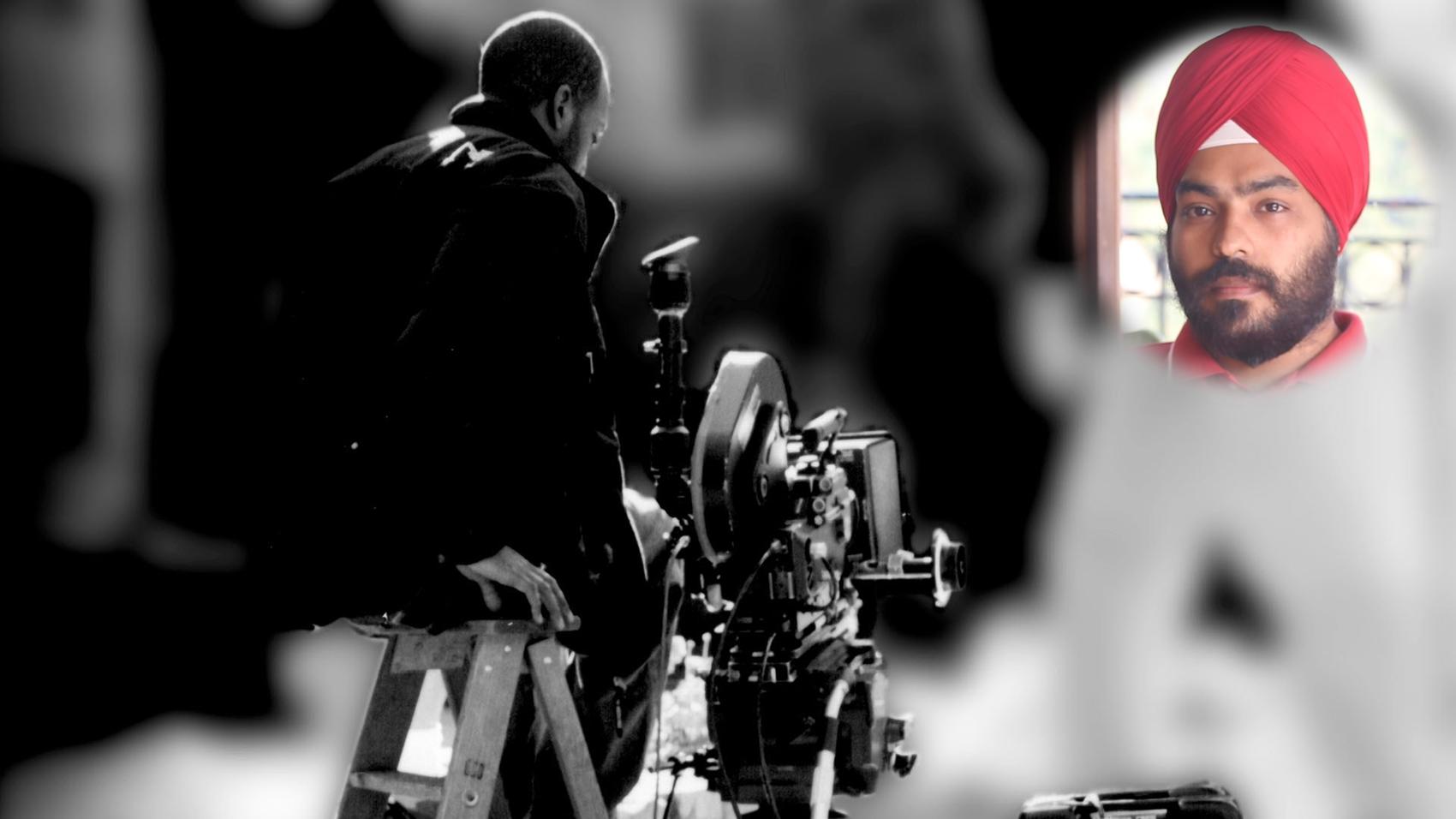
Cinematographer Sunny Rajput talks about Cinematography course, what is Cinematography and other details about a Career in Cinematography.


Cinematography

Sunny Rajput | Cinematographer | Various Creative Assignments


What is Cinematography?


Cinematography is a great Career option. Internet is brimming with pages on How to get into Cinematography, while one should first understand What is a Career in Cinematography. While anyone can have an opinion on what Cinematography entails; only a real professional can really explain it.

Cinematographer Sunny Rajput has 6 years & 1 month of professional experience in Cinematography. Cinematographer Sunny Rajput defines Cinematography as:

Cinematography is the science or art of motion-picture photography by recording light or other electromagnetic radiation, either electronically by means of an image sensor, or chemically by means of a light-sensitive material such as film stock.


How Cinematographer Sunny Rajput got into Cinematography?


I did a bachelors in mass communication from Jamia Millia Islamia University. After that I worked with T-series, Zee TV, Scoopwhoop, Royal Frames, Poster Filters. I am an independent cinematographer.


Cinematographer Sunny Rajput's Talk on Cinematography


Session Image
The Journey of Cinematography


What Is Cinematography


Cinematography

### Cinematography Image
What is
Cinematography is the art and science of capturing moving images on film or digital media. It involves the creative and technical decisions regarding camera work, lighting, composition, and visual storytelling, shaping how a story is visually communicated to the audience and profoundly influencing the mood, tone, and emotional impact of a film.

Concept
Cinematography is a cornerstone of visual storytelling, playing a critical role in how stories are experienced on screen. For professionals, it offers the opportunity to blend artistic vision with technical expertise, allowing them to craft memorable and emotionally resonant visuals. The impact of cinematography extends to shaping audience perception, enhancing narrative depth, and distinguishing a film’s style. One major benefit is the ability to collaborate closely with directors and other creative professionals, fostering a dynamic and innovative work environment. Another benefit is the constant evolution of technology, which keeps the field exciting and full of learning opportunities. Finally, successful cinematographers often gain recognition for their unique visual signatures, opening doors to prestigious projects and career advancement.

Real World Example
A professional cinematographer working on a feature film collaborates with the director to establish the visual tone of the story. They select specific cameras, lenses, and lighting setups to evoke particular emotions in each scene. For a tense, dramatic moment, the cinematographer might use low-key lighting and tight framing to heighten suspense. During production, they oversee camera movements and work with the crew to ensure each shot aligns with the director’s vision. After filming, they may participate in color grading to further refine the look of the film. Through these creative and technical choices, the cinematographer transforms the script into a compelling visual experience that resonates with audiences and supports the storytelling.

Education


Camera

### Camera Image
What is
A camera is a device that captures visual images, either as still photographs or moving images, by recording light onto a photosensitive surface or sensor. In cinematography, understanding the camera is essential, as it is the primary tool through which visual storytelling is realized, forming a core component of both academic study and professional practice.

Concept
A deep understanding of the camera is fundamental for anyone pursuing a career in cinematography. Mastery of camera mechanics, lens selection, exposure, and sensor technology allows professionals to translate creative visions into compelling visual narratives. This knowledge forms the backbone of technical proficiency, enabling cinematographers to make informed decisions about framing, lighting, and movement. As camera technology continually evolves, staying current ensures long-term career adaptability and competitiveness. Furthermore, a strong grasp of camera fundamentals enhances collaboration with directors and crew, fostering clear communication and efficient workflows. Ultimately, expertise in camera operation and theory empowers cinematographers to push creative boundaries and consistently deliver high-quality visual content across diverse projects.

Real World Example
Consider a cinematographer preparing to shoot a dramatic scene in low light. Drawing on their theoretical knowledge of camera sensors, ISO settings, and lens apertures, they select a camera with excellent low-light performance and pair it with a fast lens. They adjust the ISO to balance sensitivity and noise, open the aperture to allow more light, and carefully compose the shot to maximize available illumination. Throughout the shoot, they monitor exposure and focus, making real-time adjustments based on their understanding of the camera’s capabilities and limitations. This expertise ensures the scene is captured with the desired mood and clarity, demonstrating how theoretical camera knowledge directly informs practical, creative decision-making on set.

Work by Others

### Work by Others Image
What is
"Work by Others" refers to the contributions, tasks, or creative elements completed by individuals or teams outside the primary cinematography department. In both academic study and professional practice, understanding these external inputs is essential, as they directly impact the visual storytelling, technical execution, and collaborative workflow required in cinematography.

Concept
Grasping the concept of "Work by Others" is crucial for anyone pursuing a career in cinematography because filmmaking is inherently collaborative. Cinematographers must be aware of how set design, lighting, sound, and visual effects—often managed by other departments—affect their own work. This knowledge allows them to anticipate challenges, communicate effectively, and integrate their vision with the broader creative team. By understanding the scope and limitations of what others contribute, cinematographers can make informed decisions, avoid costly mistakes, and ensure a seamless production process. Over time, this foundational knowledge fosters professional growth, enhances problem-solving skills, and builds a reputation for reliability and adaptability within the industry.

Real World Example
Imagine a cinematographer preparing to shoot a complex scene that involves practical effects created by the special effects team. Before filming, the cinematographer reviews the specifications and timing of these effects, such as smoke bursts or controlled explosions, which are considered "Work by Others." By understanding the technical details and limitations provided by the effects team, the cinematographer can plan camera angles, lighting setups, and safety measures accordingly. This collaboration ensures that the visual impact is maximized while maintaining safety and efficiency on set. Such integration of knowledge not only elevates the final product but also demonstrates the cinematographer’s professionalism and respect for the expertise of other departments.

Movies

### Movies Image
What is
Movies, also known as films or motion pictures, are a form of visual storytelling that combines moving images, sound, and narrative structure to convey ideas, emotions, and experiences. In Cinematography, understanding movies is essential, as it forms the basis for both creative expression and technical execution within the film industry.

Concept
A deep understanding of movies is indispensable for anyone pursuing a career in Cinematography. This subject encompasses the history, genres, visual language, and narrative techniques that define the art of filmmaking. By studying movies, professionals gain insight into how visual choices influence storytelling, mood, and audience engagement. This foundational knowledge allows cinematographers to make informed decisions about lighting, composition, camera movement, and color palettes, ensuring their work aligns with the director’s vision. Over time, familiarity with a wide range of films and styles enhances creative versatility and problem-solving skills, making cinematographers more adaptable and valuable collaborators on set. Ultimately, mastering the language of movies is key to building a sustainable and impactful career in Cinematography.

Real World Example
Consider a cinematographer working on a contemporary drama. Drawing from their theoretical knowledge of movies, they reference classic films known for their emotional depth and visual style to inform their approach. During pre-production, they collaborate with the director to analyze scenes from influential movies, discussing how specific lighting techniques or camera angles heightened tension or intimacy. On set, this understanding guides their choices in lens selection, framing, and movement, ensuring each shot supports the story’s tone and character development. By applying lessons learned from studying movies, the cinematographer not only elevates the visual storytelling but also communicates more effectively with the creative team, resulting in a cohesive and compelling final product.

Editing

### Editing Image
What is
Editing is the process of selecting, arranging, and assembling visual and audio elements to create a coherent and compelling narrative. In both academic and professional cinematography, editing is essential for shaping the story, controlling pacing, and ensuring visual continuity, making it a critical component of cinematic storytelling.

Concept
Understanding editing is vital for anyone pursuing a career in cinematography because it bridges the gap between raw footage and the final film. Cinematographers who grasp editing principles can anticipate how shots will be pieced together, allowing them to make informed decisions on set regarding composition, camera movement, and coverage. This foresight not only streamlines the production process but also enhances collaboration with directors and editors, resulting in a more cohesive visual narrative. Over time, a strong foundation in editing empowers cinematographers to craft footage that is both visually striking and easily adaptable in post-production, increasing their value in the industry and opening doors to more creative opportunities.

Real World Example
Imagine a cinematographer working on a dramatic scene involving multiple characters and shifting emotional beats. Drawing on their understanding of editing, they plan a variety of shot sizes and angles, ensuring that each moment can be effectively conveyed in the edit. During filming, they pay close attention to continuity and coverage, capturing reaction shots and cutaways that will provide editors with flexibility in shaping the scene’s rhythm and emotional impact. By anticipating how the footage will be assembled, the cinematographer not only saves time during production but also contributes to a more powerful and seamless final product, demonstrating the practical value of editing knowledge in everyday cinematographic work.

Composition

### Composition Image
What is
Composition in cinematography refers to the deliberate arrangement of visual elements within the frame to create meaning, guide the viewer’s eye, and evoke emotion. It encompasses the placement of subjects, use of space, balance, and perspective. Mastery of composition is essential in both academic study and professional practice in cinematography.

Concept
Understanding composition is vital for anyone pursuing a career in cinematography because it directly influences how stories are visually communicated. A strong grasp of compositional principles allows cinematographers to craft images that are not only aesthetically pleasing but also narratively effective. This foundational knowledge enables professionals to make intentional choices about framing, depth, and movement, ensuring that every shot serves the story’s emotional and thematic goals. Over time, expertise in composition distinguishes skilled cinematographers, opening doors to creative opportunities and career advancement. It also fosters collaboration with directors and other creatives, as a shared visual language is crucial for translating scripts into compelling visual narratives.

Real World Example
Imagine a cinematographer working on a dramatic scene where a character feels isolated in a bustling city. Drawing on their understanding of composition, the cinematographer chooses to frame the character off-center, surrounded by negative space and blurred crowds. This deliberate arrangement visually reinforces the character’s emotional state, making the audience feel their loneliness despite the busy environment. Throughout the shoot, the cinematographer adjusts camera angles, lens choices, and blocking to maintain this compositional intent, ensuring consistency across shots. By applying theoretical knowledge of composition in this real-world scenario, the cinematographer transforms abstract emotions into powerful visual storytelling, demonstrating the practical impact of mastering this essential skill.

Lighting

### Lighting Image
What is
Lighting in cinematography refers to the deliberate arrangement and control of light sources to achieve a desired visual effect, mood, or atmosphere within a scene. It encompasses both natural and artificial light, shaping how subjects and environments are perceived. Mastery of lighting is essential in both academic study and professional cinematographic practice.

Concept
Understanding lighting is fundamental for anyone pursuing a career in cinematography because it directly influences the visual storytelling process. Mastery of lighting allows cinematographers to create depth, highlight emotions, and guide the audience’s attention within a frame. It is not just about illuminating a scene but about sculpting it, using light and shadow to evoke specific feelings and support the narrative. Developing a strong foundation in lighting principles enables professionals to adapt to various genres, styles, and technical challenges throughout their careers. Over time, this expertise becomes a distinguishing factor, enhancing creative versatility and opening doors to advanced roles and collaborations within the film and television industry.

Real World Example
Imagine a cinematographer preparing to shoot an emotionally charged dialogue scene set at dusk. Drawing on their theoretical knowledge of lighting, they carefully position soft, diffused lights to mimic the natural fading sunlight, ensuring the actors’ faces are visible yet subtly shadowed to convey intimacy and vulnerability. They adjust the color temperature to match the cool tones of twilight, while strategically placing practical lights within the set to add realism and depth. Throughout the shoot, the cinematographer collaborates with the director and gaffer, making real-time adjustments to maintain continuity as the natural light changes. This application of lighting theory transforms a simple scene into a visually compelling and emotionally resonant moment on screen.

Skills


Practical Experience

### Practical Experience Image
What is
Practical experience refers to the hands-on application of technical knowledge, creative techniques, and problem-solving skills gained through real-world projects, on-set work, and direct involvement in cinematography tasks. It bridges the gap between theoretical learning and actual filmmaking, enabling professionals to adapt, innovate, and deliver high-quality visual storytelling under diverse conditions.

Concept
Practical experience is a cornerstone of effective cinematography because it transforms abstract concepts into actionable skills. Cinematographers with substantial hands-on experience are adept at managing complex equipment, responding to unpredictable lighting, and collaborating efficiently with directors and crew. Employers and clients value this skill because it ensures reliability, adaptability, and a proven ability to deliver results under pressure. Cultivating practical experience involves actively seeking opportunities to work on varied projects, volunteering on sets, experimenting with different cameras and lighting setups, and learning from both successes and setbacks. Over time, this continuous exposure sharpens intuition, builds confidence, and fosters a deep understanding of the craft that cannot be acquired through study alone.

Real World Example
Imagine a cinematographer working on a fast-paced commercial shoot when a key light suddenly malfunctions just before a critical scene. Drawing on years of practical experience, the cinematographer quickly assesses the situation, improvises with available equipment, and adjusts camera settings to maintain the desired mood and exposure. Their familiarity with similar challenges allows them to communicate calmly with the crew, minimizing downtime and ensuring the shoot stays on schedule. This ability to troubleshoot and adapt in real time not only saves the production from costly delays but also demonstrates the irreplaceable value of practical experience in achieving professional success in cinematography.

Confidence

### Confidence Image
What is
Confidence is the assured belief in one’s abilities, decisions, and creative vision, enabling individuals to act decisively and communicate effectively. In cinematography, confidence empowers professionals to take creative risks, lead teams, and make quick decisions on set. It is a foundational trait that supports technical expertise and artistic expression.

Concept
Confidence directly enhances a cinematographer’s performance by enabling them to assert their creative vision, communicate clearly with directors and crew, and adapt swiftly to unexpected challenges. Clients and employers highly value this trait because it inspires trust and ensures smoother collaboration, especially under pressure. A confident cinematographer is more likely to advocate for bold ideas and maintain composure when plans change. Cultivating confidence is an ongoing process that involves gaining hands-on experience, seeking constructive feedback, and learning from both successes and setbacks. Over time, as cinematographers refine their craft and witness the positive impact of their decisions, their confidence naturally grows, further elevating their professional reputation and effectiveness.

Real World Example
Imagine a cinematographer on a high-stakes commercial shoot where a sudden change in weather threatens the planned outdoor lighting setup. The director looks to the cinematographer for a solution. Drawing on their confidence, the cinematographer quickly assesses the situation, proposes an alternative lighting arrangement, and communicates the new plan to the crew without hesitation. Their assured demeanor reassures the team and keeps the production moving forward. Because of their confidence, the cinematographer not only salvages the shoot but also impresses the client with their ability to adapt and deliver under pressure. This scenario highlights how confidence enables cinematographers to navigate challenges, make decisive choices, and achieve successful outcomes.

Constant Improvement

### Constant Improvement Image
What is
Constant Improvement is the ongoing process of seeking knowledge, refining techniques, and adapting to new challenges to achieve higher standards of excellence. In cinematography, this means continually learning about new technologies, visual storytelling methods, and creative approaches, ensuring that each project benefits from enhanced skills and fresh perspectives.

Concept
Constant Improvement directly elevates a cinematographer’s performance by fostering adaptability, creativity, and technical mastery. Clients and employers highly value professionals who demonstrate a commitment to growth, as it ensures their work remains innovative and competitive in a rapidly evolving industry. By regularly reviewing their own work, seeking feedback from peers, and staying updated with industry trends, cinematographers can identify areas for development and implement new techniques. Over time, this dedication to self-betterment not only enhances the quality of their visual storytelling but also builds a reputation for reliability and excellence, making them more sought after for high-profile projects.

Real World Example
Imagine a cinematographer working on a feature film who encounters unexpected lighting challenges during a crucial night scene. Drawing on a habit of constant improvement, they recall recent workshops on advanced lighting techniques and adapt their approach on set, quickly implementing new methods to achieve the desired mood. Their willingness to learn and experiment not only resolves the immediate issue but also impresses the director and crew, leading to a more visually compelling result. This scenario highlights how a commitment to ongoing growth enables cinematographers to respond effectively to challenges, deliver superior results, and build lasting professional relationships.

Imagination

### Imagination Image
What is
Imagination is the ability to form new ideas, concepts, or images in the mind that are not immediately present to the senses. In cinematography, it empowers professionals to visualize scenes, invent creative solutions, and translate abstract concepts into compelling visual narratives, making it indispensable for storytelling and artistic innovation.

Concept
Imagination directly enhances a cinematographer’s performance by enabling them to envision unique camera angles, lighting setups, and visual motifs that elevate a film’s narrative. Clients and employers highly value this skill because it leads to original, memorable visuals that distinguish a project in a crowded market. Cultivating imagination involves continuous exposure to diverse art forms, active observation of the world, and regular experimentation with new techniques. Over time, engaging in creative collaborations and seeking inspiration from literature, photography, and other media can further expand a cinematographer’s imaginative capacity, allowing them to approach each project with fresh perspectives and inventive solutions.

Real World Example
Consider a cinematographer working on a low-budget film who faces the challenge of transforming a plain, unremarkable location into a visually captivating setting. Relying on imagination, the cinematographer envisions how strategic lighting, creative camera movements, and selective framing can mask the location’s limitations and evoke the desired atmosphere. By experimenting with shadows, reflections, and color palettes, they successfully create a mood that aligns with the director’s vision, impressing both the crew and the client. This imaginative approach not only solves a critical production issue but also elevates the film’s aesthetic quality, demonstrating the transformative power of imagination in overcoming constraints and achieving artistic success.

Creativity

### Creativity Image
What is
Creativity is the ability to generate original ideas, envision new possibilities, and approach challenges with innovative solutions. In cinematography, creativity empowers professionals to craft visually compelling stories, design unique shots, and adapt to unpredictable circumstances on set. It transforms technical skills into memorable, emotionally resonant visual experiences that captivate audiences.

Concept
Creativity directly enhances a cinematographer’s performance by enabling them to visualize scenes in novel ways, adapt to changing environments, and solve unforeseen problems with inventive solutions. Clients and employers highly value this skill because it leads to distinctive visual storytelling that sets projects apart in a competitive industry. A creative cinematographer can elevate a script beyond its written form, making the final product more engaging and marketable. Cultivating creativity involves continuous learning, exposure to diverse artistic influences, and regular experimentation with new techniques and technologies. By seeking inspiration from various sources and embracing collaboration, cinematographers can refine their creative instincts and consistently deliver fresh, impactful work.

Real World Example
Imagine a cinematographer working on a low-budget independent film who arrives on set to find that the planned location is unusable due to unexpected weather. Instead of panicking, they tap into their creativity to quickly reimagine the scene using available indoor spaces and natural light. By rearranging props, adjusting camera angles, and improvising with limited resources, they create a visually striking sequence that not only solves the immediate problem but also enhances the film’s mood and narrative. This creative adaptability impresses both the director and the production team, demonstrating how essential creativity is for overcoming challenges and achieving artistic success in cinematography.

Patience

### Patience Image
What is
Patience is the ability to remain calm, composed, and persistent in the face of delays, challenges, or setbacks, without becoming frustrated or giving up. In cinematography, patience is vital because the creative process often involves waiting for the perfect moment, managing complex logistics, and collaborating with diverse teams to achieve a shared vision.

Concept
Patience directly enhances a cinematographer’s performance by allowing them to navigate the unpredictable nature of film production with resilience and focus. Clients and employers value this trait because it ensures that the cinematographer can handle long hours, repeated takes, and unforeseen technical issues without compromising the quality of their work. Cultivating patience involves practicing mindfulness, setting realistic expectations, and learning to view setbacks as opportunities for growth rather than obstacles. Over time, experienced cinematographers develop patience by embracing the iterative nature of filmmaking and understanding that excellence often requires persistence and adaptability.

Real World Example
Imagine a cinematographer working on an outdoor shoot where the desired lighting depends on a fleeting sunset. The weather is unpredictable, and the crew faces multiple delays. Rather than rushing or settling for subpar shots, the cinematographer patiently waits, communicates calmly with the team, and adjusts plans as needed. Their patience pays off when the perfect light finally appears, allowing them to capture breathtaking footage that elevates the entire project. This scenario highlights how patience not only helps overcome immediate challenges but also leads to creative breakthroughs and professional success in the demanding world of cinematography.

Networking

### Networking Image
What is
Networking is the process of building and maintaining professional relationships that foster the exchange of information, opportunities, and support within an industry. In cinematography, networking is a vital skill that enables professionals to connect with directors, producers, crew members, and other creatives, opening doors to collaborations and career advancement.

Concept
Networking directly enhances a cinematographer’s performance by providing access to a wider pool of resources, knowledge, and job opportunities. Clients and employers value individuals who are well-connected because they can assemble talented teams, secure equipment, and stay informed about industry trends. Cultivating networking skills involves attending industry events, engaging in online forums, and consistently nurturing relationships with peers and mentors. Over time, these efforts build trust and credibility, making it easier to find collaborators, receive recommendations, and learn about new projects. By actively participating in the professional community, cinematographers not only expand their influence but also position themselves as reliable and resourceful contributors to any production.

Real World Example
Imagine a cinematographer working on a tight deadline when a key piece of camera equipment unexpectedly fails. Drawing on their network, they quickly contact a fellow professional who is able to lend the necessary gear, ensuring the shoot continues without costly delays. In another instance, a cinematographer might hear about a high-profile project through a connection made at a film festival, leading to a career-defining opportunity. These scenarios highlight how networking provides practical solutions to immediate challenges and opens doors to future success. By relying on their established relationships, cinematographers can navigate obstacles, access resources, and secure roles that might otherwise remain out of reach.

Positives


Meeting People

### Meeting People Image
What is
Meeting People in cinematography means engaging with a diverse range of individuals, from directors and actors to crew members and clients, throughout the creative process. This constant interaction fosters collaboration, sparks new ideas, and builds lasting professional relationships, making the work environment dynamic, supportive, and rich with opportunities for personal and artistic growth.

Concept
The opportunity to meet people is a cornerstone of fulfillment in cinematography. Every project brings together a unique team, each member contributing their own perspective and expertise. This diversity not only enhances creativity but also encourages learning and adaptability. Building strong professional networks can open doors to future collaborations and career advancement. Daily interactions on set create a sense of camaraderie and shared purpose, making even the most challenging shoots enjoyable and memorable. The relationships formed often extend beyond the workplace, providing emotional support and inspiration. Ultimately, meeting people in cinematography transforms the job from a solitary pursuit into a vibrant, communal journey, significantly boosting job satisfaction and personal development.

Real World Example
Imagine a cinematographer joining the set of an independent film, where the crew is a mix of seasoned professionals and passionate newcomers. As the days unfold, the cinematographer collaborates closely with the director to shape the film’s visual language, while also exchanging tips and stories with the lighting team and camera assistants. Over shared meals and late-night shoots, genuine friendships develop, and creative ideas flow freely. The cinematographer not only learns new techniques but also gains fresh perspectives on storytelling. By the end of the project, the sense of accomplishment is amplified by the bonds formed and the collective effort invested. This experience highlights how meeting people enriches both the professional and personal dimensions of a cinematographer’s career.

Travelling

### Travelling Image
What is
Travelling, in the context of cinematography, means journeying to diverse locations—locally, nationally, or internationally—to capture unique visuals, stories, and cultures through the camera lens. This movement from place to place enriches the creative process, exposes professionals to new perspectives, and fuels inspiration, making each project a unique adventure.

Concept
The opportunity to travel is a cornerstone of what makes a career in cinematography so rewarding. Every new location brings fresh challenges and creative possibilities, allowing cinematographers to continually expand their artistic horizons. This constant change of scenery not only keeps the work exciting but also fosters personal growth, as professionals learn to adapt to different environments and cultures. The exposure to varied landscapes, lighting conditions, and people enhances technical skills and storytelling abilities. Travelling also builds a sense of camaraderie among crew members, as shared journeys often lead to lasting friendships. Ultimately, the dynamic nature of travel ensures that no two days are ever the same, making the profession endlessly stimulating and deeply satisfying.

Real World Example
Imagine a cinematographer working on a documentary about ancient architecture. One week, they find themselves filming the golden sunrise over the temples of Cambodia; the next, they are capturing the intricate stonework of a medieval castle in Scotland. Each location presents its own set of visual challenges and cultural nuances, requiring the cinematographer to adapt their techniques and storytelling approach. Along the way, they interact with local experts, learn about regional histories, and experience the world firsthand. These journeys not only enrich the final film but also leave the cinematographer with unforgettable memories and a profound sense of accomplishment, illustrating how travelling transforms work into a lifelong adventure.

Perks

### Perks Image
What is
Perks are the additional benefits, privileges, and unique opportunities that come with a profession, beyond salary or standard compensation. In cinematography, perks can include access to exclusive events, travel to stunning locations, networking with creative minds, and early exposure to new technology. These advantages enrich the professional experience, making the field more appealing and enjoyable. Perks contribute positively by offering memorable experiences, fostering personal growth, and providing a sense of belonging within an exciting and dynamic industry.

Concept
The perks associated with a career in cinematography significantly enhance job satisfaction and professional fulfillment. Cinematographers often find themselves working on sets in breathtaking locations, collaborating with talented directors, actors, and crew members. These experiences not only break the monotony of traditional work environments but also inspire creativity and innovation. Access to cutting-edge equipment and industry events allows professionals to stay ahead in their craft and continuously learn. The sense of community and recognition that comes from being part of high-profile projects boosts morale and motivation. Ultimately, these perks create a vibrant, stimulating atmosphere where passion for visual storytelling is constantly nurtured, leading to both personal and career growth.

Real World Example
Imagine a cinematographer working on an international film project that takes them to the sun-drenched streets of Barcelona. Each day, they wake up knowing their “office” is a historic plaza or a scenic coastal vista. Between shoots, they attend exclusive film festivals, mingling with renowned directors and actors, exchanging ideas and building lasting professional relationships. The opportunity to experiment with the latest camera technology, provided by the production, further sharpens their skills. These perks not only make the job exhilarating but also provide invaluable experiences and connections that shape their career. The blend of adventure, learning, and recognition transforms daily work into a deeply rewarding journey, making cinematography a uniquely fulfilling profession.

Challenges


Thinking Out of Box

### Thinking Out of Box Image
What is
"Thinking Out of Box" in cinematography means breaking away from conventional visual storytelling methods to create fresh, innovative imagery and narrative techniques. This is demanding because it requires professionals to challenge established norms, balance artistic vision with technical constraints, and consistently deliver originality under tight deadlines and collaborative pressures.

Concept
The challenge of thinking out of the box in cinematography often manifests as creative stagnation, where professionals may feel pressured to repeat familiar techniques rather than risk new approaches. This can lead to visually predictable work that fails to captivate audiences or push the medium forward. Overcoming this difficulty demands resilience, as experimentation involves the risk of failure and criticism. Successful cinematographers manage this constraint by cultivating curiosity, seeking inspiration from diverse sources, and embracing collaboration with directors, designers, and crew. They also allow themselves the freedom to make mistakes, viewing setbacks as opportunities for growth. By fostering an environment that encourages creative risk-taking, these professionals navigate the tension between innovation and practicality, ultimately producing work that stands out.

Real World Example
Consider a cinematographer tasked with shooting a low-budget indie film set entirely in a single apartment. Instead of relying on standard camera placements and lighting, the professional decides to experiment with unconventional angles, reflections, and natural light to evoke the protagonist’s emotional state. Despite initial skepticism from the crew and concerns about time constraints, the cinematographer’s willingness to try new techniques leads to visually striking scenes that enhance the film’s narrative depth. The director and producers, impressed by the fresh perspective, support further experimentation. This scenario illustrates how embracing the challenge of thinking out of the box, even under practical limitations, can result in memorable and impactful cinematography that elevates the entire project.

Long Gestation Period

### Long Gestation Period Image
What is
In cinematography, a "Long Gestation Period" refers to the extended time between the initial concept of a project and its final realization on screen. This interval, often spanning months or years, is demanding because it tests patience, creative stamina, and the ability to maintain enthusiasm and vision throughout prolonged uncertainty.

Concept
The long gestation period in cinematography can significantly affect daily work by introducing uncertainty and delaying tangible results, which may lead to frustration or creative fatigue. Professionals must often juggle multiple projects, adapt to shifting timelines, and sustain motivation despite slow progress. This challenge demands resilience, as setbacks and revisions are common, and the lack of immediate feedback can be disheartening. Successful cinematographers manage this constraint by cultivating strong organizational skills, maintaining a portfolio of ongoing work, and seeking inspiration from collaborative environments. They also develop the mental discipline to remain focused on long-term goals, using the extended timeline as an opportunity to refine their craft and deepen their understanding of the project’s visual narrative.

Real World Example
Consider a cinematographer working on an independent feature film, where funding and scheduling delays stretch the project over several years. Instead of succumbing to frustration, the professional uses this time to experiment with new camera techniques, research visual references, and build stronger relationships with the director and crew. By staying engaged with the evolving vision of the film and contributing creative ideas during pre-production, the cinematographer not only maintains enthusiasm but also enhances the final product. When filming finally commences, the depth of preparation and sustained commitment are evident in the visual storytelling, demonstrating how effectively managing a long gestation period can lead to exceptional results.

Expensive Equipment

### Expensive Equipment Image
What is
Expensive Equipment in cinematography refers to the high costs associated with acquiring, maintaining, and upgrading cameras, lenses, lighting, and other essential gear. This financial barrier is demanding because it limits access to industry-standard tools, often restricting creative possibilities and professional growth for those without significant resources or institutional support.

Concept
The challenge of expensive equipment impacts daily work by forcing cinematographers to make tough choices about the tools they use, sometimes compromising on quality or efficiency. This constraint can slow down production, limit experimentation, and create stress over potential damage or obsolescence. Resilience is required to adapt to these limitations, often pushing professionals to be resourceful and innovative. Many successful cinematographers overcome this hurdle by renting equipment, collaborating with others to share costs, or leveraging emerging technology that offers high performance at lower prices. Building strong industry relationships and continuously learning about new tools also helps them stay competitive without overspending, ensuring they can deliver high-quality work despite financial constraints.

Real World Example
Consider an independent cinematographer working on a low-budget documentary who cannot afford top-tier cameras or lighting kits. Instead of compromising the project’s visual quality, they partner with a local film collective to access shared equipment at a fraction of the retail cost. They also utilize natural lighting and affordable, adaptable gear such as mirrorless cameras and smartphone accessories. Through careful planning and creative problem-solving, they achieve cinematic results that rival productions with much larger budgets. This approach not only helps them manage costs but also fosters a collaborative spirit and expands their professional network, demonstrating that resourcefulness and community engagement can effectively overcome the obstacle of expensive equipment in cinematography.

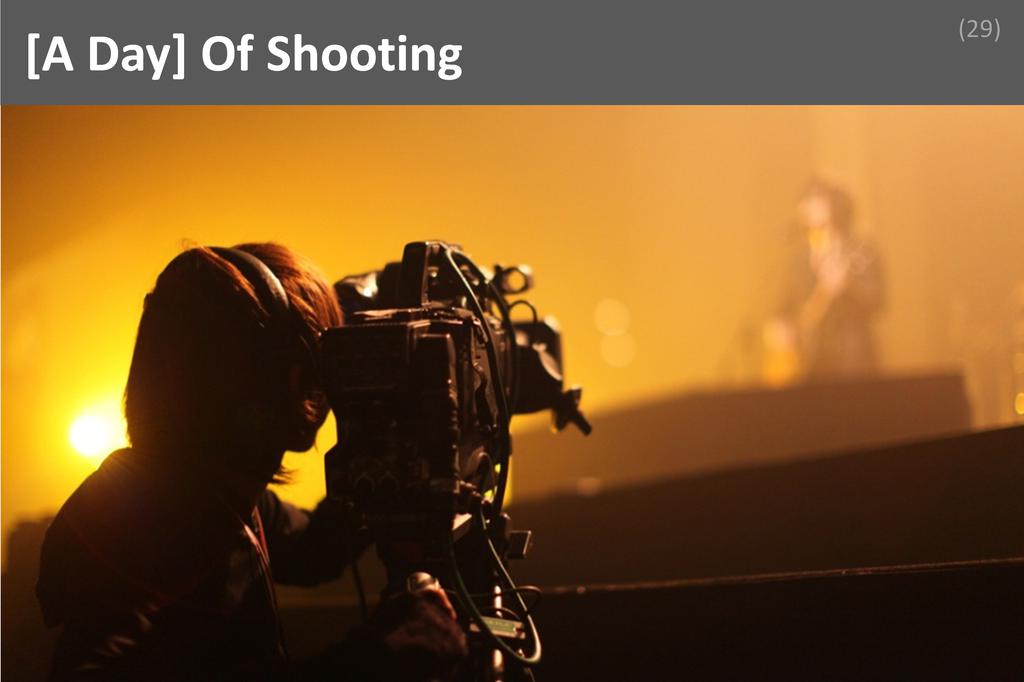
A Day Of


Cinematography

What is
The world of cinematography is a whirlwind of creativity, precision, and relentless energy, where every day unfolds like a carefully choreographed dance behind the camera. From the first glimmer of dawn to the final wrap, cinematographers move through a dynamic landscape of shifting lights, bustling crews, and ever-evolving artistic challenges. The pace is brisk, the environment charged with anticipation, and the nature of the work demands both technical mastery and an unyielding passion for storytelling. In this realm, no two days are ever quite the same, but each one is defined by a commitment to capturing moments that will ultimately shape the visual soul of a film.

Concept
As the sun rises, the cinematographer is often among the first to arrive on set, greeted by the quiet hum of anticipation. The early hours are dedicated to meticulous preparation: reviewing the day’s shot list, walking through the set with the director, and overseeing the camera and lighting teams as they assemble and calibrate equipment. This is the time for double-checking lenses, testing camera movements, and ensuring every technical detail aligns with the creative vision. The calm before the storm allows for a final review of storyboards and lighting diagrams, setting the stage for a seamless shoot.

Real World Example
By mid-morning, the set is alive with activity as the cinematographer steps into the heart of their craft. This is when the camera starts rolling and the day’s most critical scenes are brought to life. The cinematographer collaborates closely with the director, actors, and crew, making real-time adjustments to lighting, framing, and camera movement to capture each moment with precision. The pressure is palpable, as every shot must balance technical perfection with emotional resonance. Communication is constant, and creative problem-solving is essential as unexpected challenges arise and the team works together to maintain the production’s momentum.

The afternoon brings a shift toward collaboration and execution, as the cinematographer leads the team through complex setups and transitions between scenes. This phase is marked by quick decision-making and adaptability, whether it’s adjusting to changing natural light, troubleshooting equipment issues, or refining a shot to match the director’s evolving vision. Meetings with the production designer or gaffer may occur on the fly, ensuring that every visual element aligns harmoniously. The energy on set remains high, with everyone focused on achieving the day’s ambitious goals while staying on schedule.

As the day winds down, the cinematographer shifts gears from execution to reflection and planning. Reviewing footage with the director and digital imaging technician, they assess what worked and what needs adjustment, making detailed notes for post-production. Administrative tasks, such as updating shot logs and coordinating with the production office, are handled with care. The evening is also a time for creative research, whether it’s scouting reference images or brainstorming new approaches for upcoming scenes. With the set quieting and the crew packing up, the cinematographer lays the groundwork for another day of visual storytelling, ensuring that tomorrow’s vision is as sharp and inspired as today’s.


Install the LifePage App to:


  1. (for Free) Watch Cinematographer Sunny Rajput’s full Cinematography Career Talk

  2. ₹ Do a Self Assessment on Cinematography to calculate your Dream Index, which is defined as:

    According to Sunny Rajput your chances of success in Cinematography is __%

  3. Access your personalized Dream Index Report which will have all your Dream Indices sorted in descending order.

Career Counselling 2.0


<?php echo $altimage; ?>


<?php echo $altimage; ?>


How to get into

Cinematography?


If you are want to get into Cinematography, start by investing in a Career Plan.

The 14 hour process, guided by a LifePage Career Advisor, will help you introspect and check whether your interest in Cinematography is merely an infatuation or is it truly something you wish to do for the rest of your life.

Next, your Career Advisor will help you document how you can get into Cinematography, what education and skills you need to succeed in Cinematography, and what positives and challenges you will face in Cinematography.

Finally, you will get a Career Plan stating which Courses, Certifications, Trainings and other Items you need to do in the next 7 years to become world’s best in Cinematography.


LifePage Career Plan

14 hour personalized guidance program


Your LifePage Career Advisor facilitates your guided introspection so that you systematically explore various Career options to arrive at a well thought out Career choice.

Next: your Advisor helps you figure out how you will get into your chosen Career and how will you develop the skills needed for success in your Chosen Career.

LifePage Plan will not stop at saying "to become an Architect study Architecture". It will guide you on which Certifications, Trainings and Other items you need to do along with your Architecture education to become the world's best Architect.


Links for this Talk


Cinematographer Sunny Rajput's LifePage:


Career Counselling 2.0
[LifePage]
https://www.lifepage.in/page/sunnyrajput


LifePage Career Talk on Cinematography


Career Counselling 2.0
[Career]
https://www.lifepage.in/careers/cinematography-3


Career Counselling 2.0
[Full Talk]
https://lifepage.app.link/20190417-0002


Career Counselling 2.0
[Trailer]
https://www.youtube.com/watch?v=IOdGdmWsJZY


(Cinematography, Sunny Rajput, Various Creative Assignments, Cinematographer, Photography, Photographer, Filmmaking)


Similar Talks


Career in Video Editing
Video Editing
Ajmer Singh
Video Editor Head | HNN 24*7
[ 4 years & 8 months Experience ]

Video editor is a person who manipulates and rearranges video shots to create a new work. It is the responsibility of the editor to make its videos attractive to the viewers.

"I started video editing in 2009. Since 2015, I have been working with HNN 24*7 as a video editor head."


Career Counselling 2.0 Career Counselling 2.0 Career Counselling 2.0 Career Counselling 2.0 Career Counselling 2.0


Career in Cinematography
Cinematography
Karm Chawla
Cinematographer | Kannada Film Industry
[ 5 years & 8 months Experience ]

Basically Cinematography is the art of photography and camerawork in film-making or art of motion-picture photography by recording light or other electromagnetic radiation, either electronically by means of an image sensor, or chemically by means of a light-sensitive material such as film stock.

"After completing my schooling, I did BA (Hons) in English from Hansraj College (DU). After that I studied Film from LV Prasad and Academy, Chennai. I have working as a freelance cinematographer since 2013."


Career Counselling 2.0 Career Counselling 2.0 Career Counselling 2.0 Career Counselling 2.0 Career Counselling 2.0


Career in Scriptwriting
Scriptwriting
Prateeque Ojha
Scriptwriter | Various Storywriting Assignments
[ 8 years & 10 months Experience ]

Scriptwriting is an art and craft of writing scripts for mass media such as feature films, television productions or video games. It is frequently a freelance profession.

"I did my graduation from DU in 2002 and then I joined Satyajit Ray Film & Television Institute, Kolkata, there I specialized in screenplay writing. Since 2008, I have been working as a freelance scriptwriter."


Career Counselling 2.0 Career Counselling 2.0 Career Counselling 2.0 Career Counselling 2.0 Career Counselling 2.0


Career in Technical Management
Technical Management
Bhupendra Chauhan
CTO | HNN 24*7
[ 27 years Experience ]

Technical management involves the duties a news channel must perform for the technical operations. This involves management related to crew management with related tasks, logistics related or equipment related to operations as well as operations, service and maintenance.

"I started my career with NDTV as a freelancer in the year 1990 and worked there for almost 10 years. After that I started working with News 24 in the year 2007. Then I started working as a freelancer and worked different-2 companies in Delhi. Later on I came back to Dehradun and started working with HNN 24*7. I have been working at HNN 24*7 as Chief Technical Officer since it started."


Career Counselling 2.0 Career Counselling 2.0 Career Counselling 2.0 Career Counselling 2.0 Career Counselling 2.0


Career in Cinematography
Cinematography
Mukesh Khugsal
Cinematographer | Various Creative Assignments
[ 17 years Experience ]

Cinematography is the science or art of motion-picture photography by recording light or other electromagnetic radiation, either electronically by means of an image sensor, or chemically by means of a light-sensitive material such as film stock.

"I was always interested in Photography and Cinema. After completing my graduation from Delhi University, I started working with Inframe Creations, Delhi."


Career Counselling 2.0 Career Counselling 2.0 Career Counselling 2.0 Career Counselling 2.0 Career Counselling 2.0


Career in Direction
Direction
Ajay Govind
Filmmaker | Sisyphus Rocks Films
[ 13 years & 11 months Experience ]

A film director is a person who directs the making of a film. Generally, a film director controls a film's artistic and dramatic aspects, and visualizes the script while guiding the technical crew and actors in the fulfillment of that vision.

"After completing Bachelors in English Literature from St. Stephen's College, Delhi University, I did Media Studies Course from St. Stephen's College, Delhi University and here I was introduced to Film Theory and History and that was the time I discovered my interest in Direction. I have made over 40 documentaries, 5 music videos and Directed one feature film that released in 2014, "After the 3rd Bell"."


Career Counselling 2.0 Career Counselling 2.0 Career Counselling 2.0 Career Counselling 2.0 Career Counselling 2.0


Career in Direction
Direction
Abhishek Maindola
Director | Sambhav Theatre Group, Dehradun
[ 13 years Experience ]

A film director is a person who directs the making of a film. Generally, a film director controls a film’s artistic and dramatic aspects and visualizes the script while guiding the technical crew and actors in the fulfillment of that vision.

"I started my acting career in theatre in 2001. I experience a lot of things and I am satisfied with my roles. After acting, in 2004 I directed my first self written play “Female Feticide”, other than this I acted in Hindi cinema as well."


Career Counselling 2.0 Career Counselling 2.0 Career Counselling 2.0 Career Counselling 2.0 Career Counselling 2.0


Career in Wildlife Filmmaking
Wildlife Filmmaking
Sumanth Kuduvalli
Wildlife Fimmaker | Various Assignments
[ 6 years & 8 months Experience ]

Wildlife filmmaking is an exhilarating career nevertheless. If you are committed to wildlife conservation, are interested in filmmaking and have the patience to sit quietly for hours in the forest to get shots, then experiment with a short, low-budget film.

"After doing my Diploma in Wildlife Filmmaking and Photography from Craft, I joined Nikon as a Technical Associate in South India. I started Wildlife Filmmaking in 2012."


Career Counselling 2.0 Career Counselling 2.0 Career Counselling 2.0 Career Counselling 2.0 Career Counselling 2.0


Career in Filmmaking
Filmmaking
Sarthak Chawla
Creative Head & Co-founder | Mahakaal Productions
[ 1 year & 3 months Experience ]

Filmmaking is the process of making a film, generally in the sense of films intended for extensive theatrical exhibition. Filmmaking involves a number of discrete stages including an initial story, idea, or commission, through screenwriting, casting, shooting, sound recording and reproduction, editing and screening the finished product before an audience that may result in a film release and exhibition. Filmmaking takes place in many places around the world in a range of economic, social, and political contexts, and using a variety of technologies and cinematic techniques.

"After doing my schooling from Amity International School, Noida, I did my graduation in Journalism & Mass Communication from VIPS, IP University, Delhi and after that I did one year internship from NDTV, India. During my internship I realized that I have an inclination toward Filmmaking, so after that I did Post Graduate Diploma in Film Making from AAFT, Noida. In 2017, I started my own Production House named Mahakaal Productions. Our services range from Ad Films, Corporate Films and Documentaries to Coffee Table books, Industrial Photography, Hospitality Photography, etc. Mahakaal Productions is a one stop to end your quest for creativity. I am the Co-founder and Creative head of Mahakaal Productions."


Career Counselling 2.0 Career Counselling 2.0 Career Counselling 2.0 Career Counselling 2.0 Career Counselling 2.0


Career in Film Direction
Film Direction
Harsh Badheka
Assistant Director | Various Assignments
[ 5 years & 10 months Experience ]

A film director is a person who directs the making of a film. Generally, a film director controls a film's artistic and dramatic aspects and visualizes the screenplay (or script) while guiding the technical crew and actors in the fulfillment of that vision.

"I have completed my schooling from St Mary's School, Mumbai followed by Graduation & Post Graduation in Hindi from Kishinchand Chellaram College, Mumbai University. I have done movies such as Happy Bhag Jayegi, Jia aur Jia as a part of Direction team."


Career Counselling 2.0 Career Counselling 2.0 Career Counselling 2.0 Career Counselling 2.0 Career Counselling 2.0


Career in Video Editing
Video Editing
Gaurav Bhatt
Founder & Editor | Octopus Films
[ 3 years Experience ]

Video Editing or Non-Linear Video Editing is the process of taking video that is raw, meaning untouched or newly recorded. It is the manipulation and arrangement of video shots. Video editing is used to structure and present all video information, including films and television shows, video advertisements and video essays.

"After doing my schooling from Ranchi, Jharkhand, I did BJMC from Indraprastha University, Delhi. After that, I did my M Sc in mass Communication from Punjab Technical University and then my post graduate diploma in Direction & Film Making from AAFT, Noida. I am working as a Senior Promo Producer for CNN- NEWS 18 since 20004. In 2015, I started my own Production House named Octopus Films."


Career Counselling 2.0 Career Counselling 2.0 Career Counselling 2.0 Career Counselling 2.0 Career Counselling 2.0


Career in Direction
Direction
Ayush Kohli
Director | Liberal Arts Productions
[ 2 years Experience ]

A film director is a person who directs the making of a film. Generally, a film director controls a film's artistic and dramatic aspects and visualizes the screenplay (or script) while guiding the technical crew and actors in the fulfillment of that vision.

"I have done B Sc in Airlines Tourism & Hospitality from Lovely Professional University. Taking my interest forward I did a Course in Acting & Direction from Asian Academy of Film & Television, Noida Film City. I also did Modeling for some time where I was a Selfie King in North India Modeling Show. I am a Director at Liberal Arts Productions."


Career Counselling 2.0 Career Counselling 2.0 Career Counselling 2.0 Career Counselling 2.0 Career Counselling 2.0


Career in Filmmaking
Filmmaking
Omanshu Saini
Co- Founder | Doon Photowalk
[ 3 years & 8 months Experience ]

Filmmaking is the process of making a film. Filmmaking involves a number of discrete stages including an initial story, idea, or commission, through screenwriting, casting, shooting, sound recording and reproduction, editing, and screening the finished product before an audience that may result in a film release and exhibition.

"I did my schooling from Raja Ram Mohan Roy, and BBA from Graphic Era, Dehradun. I did my masters in Mass Communication from Doon University. Then I decided to open a company called Doon Photowalk with some of my friends in 2015."


Career Counselling 2.0 Career Counselling 2.0 Career Counselling 2.0 Career Counselling 2.0 Career Counselling 2.0


Career in Filmmaking
Filmmaking
Amaan Iqbal
Film Maker | Various Creative Assignments
[ 6 years & 6 months Experience ]

Filmmaking is the process of making a film, generally in the sense of films intended for extensive theatrical exhibition. Filmmaking involves a number of discrete stages including an initial story, idea, or commission, through screenwriting, casting, shooting, sound recording and reproduction, editing and screening the finished product before an audience that may result in a film release and exhibition.

"After doing B Sc in IT from Kanpur University, I did Mass Communication from Kanpur University. I was always interested in Filmmaking so did a diploma in Creative Writing. I have filmed a documentary for UNESCO, also worked on many commercial ads and short films. I conduct workshops on filmmaking under the name AAINA."


Career Counselling 2.0 Career Counselling 2.0 Career Counselling 2.0 Career Counselling 2.0 Career Counselling 2.0


Career in Filmmaking
Filmmaking
Amber Sharma
Managing Director, Producer & Director | Mowgli Productions
[ 8 years Experience ]

Filmmaking is the process of making a film, generally in the sense of films intended for extensive theatrical exhibition.

"I started my career in 2002 at Keoladeo National Park as a naturalist and in 2003 went to Kanha Tiger Reserve and Bandhavgarh National Park to start my career in wildlife photography to showcase natural history. In 2007, I began film making and founded Mowgli Productions. My directorial debut was on snow leopards it took me 4 years to film snow leopards at an altitude of 15000 feet. In 2010, I began producing and presenting international movies. I have worked on films like The Man in Maze, Mumbai Connection and Series Life of Mafia, Game- Short Film Series."


Career Counselling 2.0 Career Counselling 2.0 Career Counselling 2.0 Career Counselling 2.0 Career Counselling 2.0


Career in Film Production
Film Production
Pratibha Kotak
Production Supervisor | Octopus Film
[ 1 year & 7 months Experience ]

Production refers to the tasks that must be completed or executed during the filming or shooting. This includes tasks such as setting up scenes, the capture of raw footage and usage of set designs, to name a few of the many preproduction tasks and evolves into the postproduction stage.

"After doing my BA in Arts from Vikram University, I did my masters from IGNOU in Organizational Psychology and thereafter I did my post graduate diploma in TV Journalism & Communication from Asian Academy of Film & Television, Noida. I worked with Octopus Films as a Production Supervisor."


Career Counselling 2.0 Career Counselling 2.0 Career Counselling 2.0 Career Counselling 2.0 Career Counselling 2.0


Career in Video Production
Video Production
Pankaj Sati
Video Director | Studio 6 Productions
[ 8 years Experience ]

Video production is the process of creating video by capturing moving images (videography), and creating combinations and reductions of parts of this video in live production and post-production.

"I have done animation , VFX and Special effects course from Maya Academy, Chandigarh and was working as Video Director with Studio 6 Productions."


Career Counselling 2.0 Career Counselling 2.0 Career Counselling 2.0 Career Counselling 2.0 Career Counselling 2.0


Career in Cinematography
Cinematography
Tarminder Singh Tuneja
Cinematographer | The Wedding Container
[ 5 years & 5 months Experience ]

The art of photography and camera work in film-making

"I did my Schooling from Meerut. I then did my Graduation from Delhi University Open University. I worked with CMC for about 5 years. I am the CEO of The Wedding Container since 2013."


Career Counselling 2.0 Career Counselling 2.0 Career Counselling 2.0 Career Counselling 2.0 Career Counselling 2.0


Career in Film Making
Film Making
Dhairya Arora
Director & Writer | Various Film Assignments
[ 10 years & 3 months Experience ]

Filmmaking is the process of making a film, generally in the sense of films intended for extensive theatrical exhibition.

"I was 15 when Ocean Sonic Pictures London took me for an India Tour. I served as Master of ceremony for the preview of Little Box of Sweets. I worked in Noida Film Industry and then in Mumbai Film Industry. I have made advertisements for Kotak Mahindra, SBI. I have worked for Bollywood movies like Tamanchay, Maximus. I now make short films for Youtube and Award ceremonies."


Career Counselling 2.0 Career Counselling 2.0 Career Counselling 2.0 Career Counselling 2.0 Career Counselling 2.0


Career in Filmmaking
Filmmaking
Pradeep Sharma
Director & Writer | Siddhartha Cine Arts
[ 3 years Experience ]

Filmmaking is the process of making a film, generally in the sense of films intended for extensive theatrical exhibition. Filmmaking involves a number of discrete stages including an initial story, idea, or commission, through screenwriting, casting, shooting, sound recording and reproduction, editing and screening the finished product before an audience that may result in a film release and exhibition. Filmmaking takes place in many places around the world in a range of economic, social, and political contexts, and using a variety of technologies and cinematic techniques.

"After completing my schooling from Govt Boys School Mandsaur, I did my BA from Vikram University, Ujjain. Thereafter, I did my D Ed from Govt District Education Institute of Mandsaur, MP. After which I started teaching, while teaching I also wrote articles for newspapers and local Magazine. Then, I joined the distance learning PGD Course in Journalism from Makhanlal Chaturvedi National University, Bhopal. I worked for various organizations named NDTV India, Sahara Samay, Voice of India, Times Today channel and others as a Stinger, Reporter, Anchor, Special Correspondent and Desk Editor for about 16 years. I am working on few movie projects, one of them named Yashodharman, The Great Warrior which is written and directed by me would soon release in Movie Theaters."


Career Counselling 2.0 Career Counselling 2.0 Career Counselling 2.0 Career Counselling 2.0 Career Counselling 2.0


Career in Audio Video Production
Audio Video Production
Kapil Khankriyal
Executive Producer | Studio Underground
[ 3 years & 3 months Experience ]

The terms audio and video commonly refers to the time-based media storage format for sound/music and moving pictures information. Video production is the process of producing video content. It is the equivalent of filmmaking, but with images recorded digitally instead of on film stock.

"After completing my education, I started my own IT Company and worked there for several years and later in 2015, I started a studio company by the name of Studio Underground. Studio Underground is an audio video production house."


Career Counselling 2.0 Career Counselling 2.0 Career Counselling 2.0 Career Counselling 2.0 Career Counselling 2.0


[Install the LifePage App to access all Talks]


<?php echo $altimage; ?>


<?php echo $altimage; ?>


&mbsp;


Career Counselling 2.0 | Home   Home  
Career Counselling 2.0 | Abroad   Abroad  
Career Counselling 2.0 | Plan   Plan  
Career Counselling 2.0 | Talks   Talks  
Career Counselling 2.0 | Philosophy   Philosophy  
Career Counselling 2.0 | Seminar   Seminar  
Career Counselling 2.0 | Workshop   Workshop  
Career Counselling 2.0 | Pages   Pages  
Career Counselling 2.0 | Advisors   Advisors  
Career Counselling 2.0 | Discuss   Discuss  
Career Counselling 2.0 | Meet   Meet  
Career Counselling 2.0 | Advisor   Advisor  
Career Counselling 2.0 | Story   Story  
Career Counselling 2.0 | Fine Print   Fine Print  
Career Counselling 2.0 | Links   Links  
Career Counselling 2.0 | Blog   Blog  
Career Counselling 2.0 | Testimonials   Testimonials  
Career Counselling 2.0 | Follow   Follow  
 
[ Site Visits ]


Career Counselling 2.0