Career Counselling 2.0 HomeHomeCareer Counselling 2.0 AbroadAbroadCareer Counselling 2.0 PlanPlanCareer Counselling 2.0 | TalksTalksCareer Counselling 2.0 PhilosophyPhilosophyCareer Counselling 2.0 SeminarSeminarCareer Counselling 2.0 PagesPagesCareer Counselling 2.0 AdvisorsAdvisorsCareer Counselling 2.0 TestimonialsTestimonials

Technical Management

CTO Bhupendra Chauhan talks about Technical Management course, what is Technical Management and other details about a Career in Technical Management.


Technical Management

Bhupendra Chauhan | CTO | HNN 24*7


What is Technical Management?


Technical Management is a great Career option. One should first understand What a Career in Technical Management entails before investing time and effort to figure out How to start a Career in Technical Management. The internet is a great source of information on Technical Management, but it is second best to learning about the same from a real professional.

CTO Bhupendra Chauhan is an experienced professional with 27 years in Technical Management. According to CTO Bhupendra Chauhan, Technical Management is:

Technical management involves the duties a news channel must perform for the technical operations. This involves management related to crew management with related tasks, logistics related or equipment related to operations as well as operations, service and maintenance.


How CTO Bhupendra Chauhan got into Technical Management?


I started my career with NDTV as a freelancer in the year 1990 and worked there for almost 10 years. After that I started working with News 24 in the year 2007. Then I started working as a freelancer and worked different-2 companies in Delhi. Later on I came back to Dehradun and started working with HNN 24*7. I have been working at HNN 24*7 as Chief Technical Officer since it started.


CTO Bhupendra Chauhan's Talk on Technical Management


Session Image
The Journey of Technical Management


What Is Technical Management


Technical Management

### Technical Management Image
What is
Technical Management is the discipline of overseeing and coordinating technical processes, teams, and resources within an organization to achieve strategic objectives. It involves planning, organizing, and directing technology-driven projects, ensuring efficient operations, and aligning technical solutions with business goals for optimal performance and innovation.

Concept
Technical Management plays a crucial role in bridging the gap between technical teams and organizational leadership. It ensures that technical resources are used effectively to drive business success. Professionals in this field benefit from enhanced decision-making capabilities, improved project outcomes, and increased adaptability to technological changes. By fostering collaboration between departments, Technical Management helps streamline workflows and reduce inefficiencies. It also supports professional growth by encouraging continuous learning and leadership development. Ultimately, Technical Management empowers organizations to stay competitive, deliver high-quality products or services, and respond swiftly to market demands.

Real World Example
Consider a software development company launching a new product. A Technical Manager coordinates the efforts of software engineers, designers, and quality assurance teams, ensuring everyone works towards the same objectives. They manage timelines, allocate resources, and resolve technical challenges as they arise. By facilitating communication between technical staff and upper management, the Technical Manager ensures that project goals align with business strategies. When unexpected issues occur, such as a critical bug or a shift in client requirements, the Technical Manager quickly assesses the situation, reallocates resources, and adjusts project plans to keep the launch on track. This hands-on leadership ensures the product is delivered on time and meets quality standards.

Education


Electronics

### Electronics Image
What is
Electronics is the branch of science and engineering that studies the behavior, control, and application of electrons in devices such as semiconductors, circuits, and systems. It underpins modern technology, making it essential for technical managers to understand its principles to effectively oversee projects, teams, and innovations in technology-driven industries.

Concept
A solid grasp of electronics is crucial for technical managers because it enables them to communicate effectively with engineering teams, make informed decisions, and evaluate the feasibility of technical proposals. Understanding electronics helps managers anticipate challenges in product development, assess risks, and ensure compliance with industry standards. This foundational knowledge fosters credibility and trust among technical staff, bridging the gap between management and engineering. Over the long term, proficiency in electronics empowers managers to lead multidisciplinary teams, drive innovation, and adapt to rapidly evolving technological landscapes, thereby enhancing their career prospects and organizational impact.

Real World Example
Consider a technical manager overseeing the development of a new consumer electronics product, such as a smart wearable device. Their understanding of electronics allows them to interpret circuit diagrams, evaluate component choices, and participate in troubleshooting sessions with engineers. When a prototype exhibits unexpected power consumption, the manager can engage in discussions about voltage regulation, signal integrity, and component specifications. This theoretical knowledge enables them to facilitate problem-solving, allocate resources efficiently, and communicate project status accurately to stakeholders. By bridging technical and managerial perspectives, the manager ensures that the project stays on track, meets performance goals, and aligns with market expectations.

Operations Management

### Operations Management Image
What is
Operations Management is the discipline focused on designing, overseeing, and improving business processes to efficiently produce goods or deliver services. It integrates planning, organizing, and supervising production or service delivery. Within Technical Management, it forms a critical academic and professional pillar, ensuring technical projects align with organizational efficiency and strategic goals.

Concept
Understanding Operations Management is essential for anyone in Technical Management because it equips professionals with the ability to optimize workflows, allocate resources effectively, and ensure quality outcomes. Mastery of these concepts enables technical managers to bridge the gap between technical execution and business objectives, fostering better decision-making and risk management. This knowledge also supports continuous improvement initiatives, which are crucial for maintaining competitiveness in fast-evolving industries. Over the long term, proficiency in Operations Management enhances leadership capabilities, as it provides the tools to manage teams, budgets, and timelines with greater precision. Ultimately, it lays the groundwork for career advancement by demonstrating a holistic understanding of how technical functions contribute to overall organizational success.

Real World Example
Consider a Technical Manager overseeing a software development team tasked with delivering a new product feature. By applying principles of Operations Management, the manager analyzes workflow bottlenecks, reallocates resources to balance workloads, and implements process improvements such as agile methodologies. This theoretical grounding allows the manager to forecast project timelines more accurately, reduce waste, and ensure that quality standards are met. During daily stand-up meetings, the manager uses data-driven insights to adjust priorities and address issues proactively. As a result, the team consistently meets deadlines and delivers high-quality features, directly contributing to the company’s strategic objectives and customer satisfaction. This scenario highlights how Operations Management knowledge translates into effective technical leadership and operational excellence.

Equipment Management

### Equipment Management Image
What is
Equipment Management is the systematic process of acquiring, maintaining, tracking, and disposing of physical assets and machinery within an organization. It ensures optimal performance, safety, and cost-effectiveness. In Technical Management, this discipline is essential, bridging operational efficiency with strategic planning, and is a core component of both academic curricula and professional practice.

Concept
Understanding Equipment Management is vital for anyone pursuing or advancing in Technical Management because it directly impacts operational reliability, safety, and financial performance. Mastery of this subject enables professionals to make informed decisions about equipment lifecycle, resource allocation, and risk mitigation. It also fosters a proactive approach to maintenance, reducing downtime and extending asset longevity. Over time, this expertise translates into significant cost savings, improved compliance with industry standards, and enhanced organizational reputation. For technical managers, a solid grasp of Equipment Management forms the backbone of effective leadership, as it equips them to oversee complex systems, anticipate challenges, and drive continuous improvement across technical operations.

Real World Example
Consider a technical manager overseeing a manufacturing facility. Each day, they rely on their knowledge of Equipment Management to schedule preventive maintenance, monitor equipment performance, and coordinate repairs without disrupting production. When a critical machine shows early signs of wear, the manager uses data-driven insights to prioritize repairs, allocate budget, and communicate with both technicians and upper management. Their understanding of equipment lifecycle and maintenance strategies helps minimize unplanned downtime, ensuring that production targets are met and safety standards are upheld. This practical application of Equipment Management theory not only keeps operations running smoothly but also demonstrates the manager’s value in safeguarding the organization’s assets and productivity.

Skills


Patience

### Patience Image
What is
Patience is the ability to remain calm, composed, and persistent when facing delays, obstacles, or challenging situations, without becoming frustrated or reactive. In technical management, patience enables professionals to thoughtfully navigate complex projects, foster collaboration, and make sound decisions, ensuring long-term success and sustainable progress within dynamic environments.

Concept
Patience directly enhances performance in technical management by allowing leaders to thoughtfully address setbacks, manage diverse teams, and guide projects through inevitable periods of uncertainty. Clients and employers value patience because it leads to more reliable outcomes, reduces the risk of hasty decisions, and builds trust within teams. A patient manager is better equipped to listen actively, understand underlying issues, and support team members as they work through technical challenges. Cultivating patience involves practicing mindfulness, setting realistic expectations, and reflecting on past experiences to recognize the benefits of a measured approach. Over time, consistently applying patience helps technical managers maintain focus, encourage innovation, and foster a positive work environment that supports both individual and organizational growth.

Real World Example
Imagine a technical manager overseeing the deployment of a new enterprise software system. Midway through the project, the team encounters unexpected integration issues that threaten to delay the launch. Instead of reacting with frustration or rushing to quick fixes, the manager exercises patience by calmly gathering input from all stakeholders, encouraging open communication, and methodically analyzing the root causes. By allowing the team the necessary time to troubleshoot and collaborate on solutions, the manager not only resolves the technical issues but also strengthens team cohesion and trust. This patient approach ultimately leads to a successful deployment, satisfied clients, and a more resilient team prepared to handle future challenges.

Team Management

### Team Management Image
What is
Team Management is the process of organizing, guiding, and motivating a group of individuals to achieve shared objectives efficiently and effectively. In technical management, it involves aligning diverse technical talents, fostering collaboration, resolving conflicts, and ensuring that project goals are met within deadlines. This skill is fundamental for delivering successful outcomes.

Concept
Mastering team management directly enhances overall performance by ensuring that each team member’s strengths are utilized and that collaboration remains smooth, even under pressure. Clients and employers highly value this skill because it leads to higher productivity, better problem-solving, and more reliable project delivery. Effective team management also reduces turnover and fosters a positive work environment, which is crucial in technical fields where expertise is in high demand. Cultivating this skill requires ongoing self-reflection, seeking feedback, learning from experienced mentors, and adapting management styles to fit different team dynamics. Over time, consistent practice and a willingness to learn from both successes and setbacks help technical managers refine their approach and build stronger, more resilient teams.

Real World Example
Imagine a technical manager overseeing a software development project that suddenly encounters a major roadblock due to a critical bug just days before launch. The manager quickly assesses the team’s strengths, reallocates tasks to those best equipped to address the issue, and facilitates open communication to keep everyone aligned. By maintaining morale and providing clear direction, the manager ensures that the team works cohesively under pressure, ultimately resolving the bug and meeting the launch deadline. This scenario highlights how effective team management enables technical leaders to navigate crises, maintain productivity, and achieve success even in challenging circumstances.

Communication

### Communication Image
What is
Communication is the clear and effective exchange of information, ideas, and feedback between individuals or groups, using verbal, written, and non-verbal methods. In Technical Management, communication bridges the gap between technical teams, stakeholders, and clients, ensuring that objectives are understood, expectations are managed, and projects progress smoothly toward successful outcomes.

Concept
Strong communication skills directly enhance a technical manager’s ability to lead teams, coordinate complex projects, and resolve conflicts efficiently. Employers and clients highly value professionals who can translate technical jargon into accessible language, facilitate productive meetings, and provide clear updates. These abilities foster trust, minimize misunderstandings, and drive project success. Communication can be cultivated through active listening, seeking feedback, and practicing concise writing and speaking. Over time, exposure to diverse teams and challenging situations further refines this skill, enabling technical managers to adapt their style to different audiences and contexts, ultimately making them indispensable assets to any organization.

Real World Example
Imagine a technical manager overseeing the deployment of a new software system for a major client. Midway through the project, the development team encounters a critical compatibility issue that threatens the timeline. The manager promptly organizes a meeting with both the technical team and the client, clearly explaining the problem, its potential impact, and possible solutions in terms everyone can understand. By facilitating open dialogue, addressing concerns, and setting realistic expectations, the manager ensures all parties remain aligned and confident in the project’s direction. This effective communication not only resolves the immediate crisis but also strengthens the client’s trust and the team’s cohesion, ultimately leading to a successful project delivery.

Soft Spoken

### Soft Spoken Image
What is
Soft spoken refers to the ability to communicate in a calm, gentle, and respectful manner, even in high-pressure situations. For technical management professionals, being soft spoken means delivering complex information clearly without raising tension, fostering trust, and encouraging open dialogue among diverse teams, stakeholders, and clients.

Concept
Being soft spoken directly enhances a technical manager’s effectiveness by creating an environment where team members feel comfortable sharing ideas and concerns. This approach reduces misunderstandings and defuses conflicts before they escalate, leading to smoother project execution. Clients and employers value soft spoken leaders because they inspire confidence, demonstrate emotional intelligence, and maintain professionalism under stress. Cultivating this skill involves practicing active listening, managing one’s tone and volume, and developing empathy. Over time, consistently applying these habits helps build stronger relationships, encourages collaboration, and positions the manager as a trusted leader who can guide teams through challenges with composure and clarity.

Real World Example
Imagine a technical manager overseeing a critical software deployment when an unexpected bug threatens the project deadline. Instead of reacting with frustration or urgency, the manager addresses the team in a soft spoken manner, calmly acknowledging the issue and inviting input on possible solutions. This approach reassures the team, allowing them to focus on problem-solving rather than panic. By maintaining a composed and gentle tone, the manager encourages open communication, enabling team members to share insights and collaborate effectively. As a result, the team quickly identifies the root cause, implements a fix, and meets the deadline, all while preserving morale and trust. This scenario highlights how being soft spoken can turn a potential crisis into a successful outcome.

Time Management

### Time Management Image
What is
Time Management is the strategic process of planning, organizing, and controlling how much time to spend on specific activities to maximize efficiency and productivity. In Technical Management, this skill is indispensable because it enables professionals to balance complex projects, meet tight deadlines, and allocate resources effectively, ensuring organizational goals are achieved.

Concept
Mastering time management directly enhances a technical manager’s performance by enabling them to prioritize tasks, delegate responsibilities, and anticipate project bottlenecks. Clients and employers highly value this skill because it leads to timely project delivery, cost savings, and improved team morale. Cultivating time management involves consistent self-assessment, adopting proven planning methods, and leveraging digital tools to track progress. Over time, technical managers who practice these habits become adept at handling multiple projects simultaneously, adapting to shifting priorities, and maintaining clear communication with stakeholders. This continuous improvement not only boosts individual productivity but also contributes to the overall success and reputation of the organization.

Real World Example
Consider a technical manager overseeing the launch of a new software product with a strict release deadline. Midway through the project, an unexpected technical issue threatens to delay the timeline. By applying strong time management skills, the manager quickly reassesses priorities, reallocates resources, and adjusts the project schedule without compromising quality. They communicate changes clearly to the team and stakeholders, ensuring everyone remains aligned and focused. As a result, the team resolves the issue efficiently and delivers the product on time. This scenario highlights how effective time management enables technical managers to navigate unforeseen challenges, maintain project momentum, and achieve successful outcomes even under pressure.

Positives


Respect & Recognition

### Respect & Recognition Image
What is
Respect & Recognition refers to the genuine appreciation, trust, and acknowledgment received from peers, teams, and leadership for one’s expertise, guidance, and achievements. In technical management, this positive regard validates a manager’s contributions, fosters a sense of belonging, and motivates continued excellence, ultimately enhancing both personal fulfillment and professional reputation.

Concept
The presence of respect and recognition in technical management is a powerful driver of job satisfaction and professional growth. When managers are valued for their technical insight and leadership, they feel empowered to innovate and lead teams with confidence. This positive feedback loop encourages them to invest further in their own development and in the success of their teams. Daily, technical managers experience this benefit through meaningful interactions, such as being consulted for critical decisions, receiving public acknowledgment for project successes, or witnessing their teams thrive under their guidance. This environment not only nurtures individual ambition but also cultivates a culture of mutual trust and high performance, making each achievement more rewarding.

Real World Example
Imagine a technical manager who has successfully led a cross-functional team to deliver a complex software solution ahead of schedule. During a company-wide meeting, senior leadership publicly commends the manager’s strategic vision and the team’s collaborative spirit. Colleagues approach the manager afterward, expressing admiration for their ability to inspire and coordinate diverse talents. The team members themselves share their appreciation for the supportive environment and clear direction provided throughout the project. This moment of respect and recognition not only validates the manager’s hard work but also strengthens their sense of purpose and belonging within the organization, fueling their passion to take on new challenges and mentor others.

Immense Satisfaction

### Immense Satisfaction Image
What is
Immense Satisfaction is the profound sense of accomplishment and fulfillment that arises from overcoming complex challenges, leading teams to success, and witnessing tangible results from one’s efforts. In technical management, this feeling is amplified by the unique blend of technical problem-solving and leadership, making daily work both meaningful and rewarding.

Concept
The immense satisfaction found in technical management is a driving force behind sustained motivation and professional growth. When managers see their teams thrive, projects succeed, and innovative solutions implemented, they experience a deep sense of pride and purpose. This satisfaction not only enhances job enjoyment but also fosters resilience during challenging times. It encourages continuous learning and improvement, as professionals are inspired to set higher goals and mentor others. The daily experience of making a real difference—whether through guiding a team, optimizing processes, or delivering impactful products—translates into a rewarding career that goes beyond financial incentives, nurturing both personal and professional fulfillment.

Real World Example
Consider a technical manager overseeing the launch of a new software platform. After months of collaboration, troubleshooting, and guiding a diverse team through setbacks, the product is finally released to enthusiastic user feedback. The manager witnesses team members celebrating their shared achievement and clients expressing genuine appreciation. In that moment, the manager feels immense satisfaction—not just from the project’s success, but from knowing their leadership empowered others, solved real-world problems, and contributed lasting value. This sense of fulfillment becomes a powerful motivator, reinforcing their passion for technical management and inspiring them to tackle future challenges with renewed energy and commitment.

Continuous Learning

### Continuous Learning Image
What is
Continuous Learning is the ongoing process of acquiring new knowledge, skills, and competencies to adapt to evolving technologies, methodologies, and industry trends. In technical management, this mindset ensures professionals remain relevant, innovative, and effective. It fosters adaptability, encourages curiosity, and empowers leaders to drive progress within their teams and organizations.

Concept
Continuous Learning is a cornerstone of satisfaction and growth in technical management because it transforms challenges into opportunities for advancement. As technology rapidly evolves, managers who embrace learning stay ahead of the curve, making informed decisions and inspiring their teams. This dynamic environment keeps the work engaging and intellectually stimulating, preventing stagnation and burnout. Professionals experience a sense of accomplishment as they master new tools, frameworks, or leadership strategies, which directly contributes to their career progression. The culture of learning also fosters collaboration, as team members share insights and support each other’s development, creating a vibrant and supportive workplace. Ultimately, continuous learning empowers technical managers to lead with confidence and vision, knowing they are equipped to handle whatever the future brings.

Real World Example
Imagine a technical manager overseeing a software development team as their company transitions to cloud-based infrastructure. Rather than feeling overwhelmed by the shift, the manager actively seeks out online courses, attends industry webinars, and collaborates with cloud experts. Through this process, they not only gain hands-on expertise but also introduce best practices to their team, guiding them through the migration with clarity and assurance. The manager’s commitment to continuous learning transforms a daunting challenge into a shared journey of growth and achievement. This experience deepens their sense of purpose and fulfillment, as they witness both personal and team development, and reinforces the value of embracing lifelong learning in their career.

Challenges


24x7 Working

### 24x7 Working Image
What is
"24x7 Working" in Technical Management refers to the expectation that managers remain available and responsive at all hours, including nights and weekends, to address urgent issues, oversee global teams, and ensure uninterrupted operations. This relentless demand for constant vigilance makes the role particularly taxing and requires exceptional time management skills.

Concept
The pressure of 24x7 working can blur the boundaries between personal and professional life, leading to fatigue, stress, and potential burnout. Technical managers must often juggle late-night emergencies, cross-time-zone meetings, and critical system outages, all while maintaining strategic oversight. This environment demands resilience, adaptability, and strong prioritization skills. Successful professionals mitigate these challenges by delegating responsibilities, leveraging automation, and setting clear boundaries with their teams. They also cultivate a culture of trust, empowering team members to handle issues independently when possible. By proactively managing their workload and fostering a supportive environment, technical managers can sustain high performance without sacrificing their well-being.

Real World Example
Consider a technical manager overseeing a global cloud infrastructure team. When a critical outage occurs at midnight, the manager is alerted immediately. Instead of handling every detail personally, they rely on a well-trained on-call rotation and clear escalation protocols. The manager checks in to provide guidance and support but trusts their team to execute the recovery plan. After the incident, they review the response process, identify improvements, and ensure team members receive recognition and time off to recover. By balancing involvement with delegation and maintaining open communication, the manager successfully navigates the demands of 24x7 working while preserving both team morale and operational excellence.

No Personal Life

### No Personal Life Image
What is
In Technical Management, "No Personal Life" refers to the overwhelming demands of the role that often blur the boundaries between work and home. Extended hours, constant connectivity, and high-stakes decision-making can consume personal time, making it difficult for professionals to disconnect and maintain a healthy work-life balance.

Concept
The challenge of having no personal life in Technical Management can lead to chronic stress, reduced productivity, and even burnout. Daily work becomes a cycle of urgent meetings, problem-solving, and after-hours communications, leaving little room for personal interests or family time. This relentless pace requires significant resilience, as professionals must continuously adapt to shifting priorities and high expectations. Successful technical managers recognize the importance of setting boundaries, delegating tasks, and prioritizing self-care. They cultivate supportive teams, leverage technology to streamline workflows, and communicate openly with stakeholders about realistic timelines. By intentionally carving out personal time and fostering a culture that values balance, they manage to sustain both their performance and well-being.

Real World Example
Consider a technical manager overseeing a critical product launch with tight deadlines and global stakeholders. Initially, the manager found themselves working late nights and weekends, sacrificing personal commitments. Recognizing the unsustainable pace, they implemented structured daily check-ins, delegated responsibilities to trusted team leads, and set clear expectations about after-hours availability. By communicating transparently with both their team and upper management, the manager established boundaries that protected essential personal time without compromising project success. Over time, this approach not only improved their own work-life balance but also inspired the team to adopt healthier practices, demonstrating that it is possible to excel in technical management without losing sight of personal well-being.

No Vendor Support

### No Vendor Support Image
What is
No Vendor Support in Technical Management refers to situations where external suppliers or service providers are unavailable, unresponsive, or unwilling to assist with troubleshooting, updates, or maintenance. This challenge is demanding because it leaves professionals solely responsible for resolving complex issues without access to expert guidance, documentation, or timely fixes.

Concept
The absence of vendor support can significantly disrupt daily operations, leading to prolonged downtime, unresolved technical issues, and increased pressure on internal teams. Professionals must demonstrate resilience by leveraging in-house expertise, fostering collaborative problem-solving, and developing robust documentation practices. They often turn to peer networks, open-source communities, and knowledge-sharing platforms to bridge gaps left by unresponsive vendors. Successful technical managers cultivate adaptability, encouraging continuous learning and cross-training within their teams to reduce reliance on external parties. By proactively building internal capabilities and maintaining thorough records of system configurations and past solutions, they ensure that critical operations continue smoothly even when vendor assistance is unavailable.

Real World Example
Consider a technical manager overseeing a legacy software system that is no longer supported by its original vendor. When a critical security vulnerability emerges, the manager cannot rely on vendor patches or guidance. Instead, they assemble a cross-functional team to analyze the issue, consult open-source forums for similar cases, and develop a custom workaround. By documenting the process and sharing knowledge internally, the manager not only resolves the immediate threat but also strengthens the team’s ability to handle future unsupported challenges. This proactive approach ensures business continuity and demonstrates how resourcefulness and internal collaboration can effectively compensate for the lack of vendor support.

Managing Workforce

### Managing Workforce Image
What is
Managing Workforce in Technical Management refers to the ongoing process of leading, organizing, and optimizing diverse technical teams to achieve project goals. This challenge is demanding due to rapidly evolving technologies, varied skill sets, shifting priorities, and the need to balance individual growth with organizational objectives in a fast-paced environment.

Concept
The challenge of managing workforce impacts daily operations by introducing complexities in communication, collaboration, and resource allocation. Technical managers must constantly adapt to shifting team dynamics, address skill gaps, and maintain motivation amid tight deadlines. This environment demands resilience, as setbacks and conflicts are inevitable. Successful professionals navigate these constraints by fostering open communication, investing in continuous learning, and aligning team members’ strengths with project needs. They also cultivate a culture of trust and adaptability, enabling teams to respond effectively to change. By prioritizing transparent feedback and recognizing achievements, technical managers can maintain morale and productivity, even when faced with workforce-related obstacles.

Real World Example
Consider a technical manager overseeing a software development team during a major product launch. The team faces high pressure, skill disparities, and frequent changes in project requirements. The manager addresses these challenges by initiating regular one-on-one meetings to understand individual concerns, organizing targeted training sessions to bridge skill gaps, and encouraging collaborative problem-solving. By clearly communicating expectations and celebrating small wins, the manager maintains team morale and focus. As a result, the team adapts quickly to new demands, meets critical deadlines, and delivers a successful product. This scenario illustrates how proactive workforce management and empathetic leadership can turn a demanding situation into a collective achievement.

A Day Of


Technical Management

What is
The hum of servers blends with the steady rhythm of notifications as the day begins for a technical management professional. In this world, every hour is a careful balancing act between urgent technical challenges and the long-term vision that keeps teams innovating. The environment is fast-paced and ever-shifting, demanding both strategic oversight and hands-on problem-solving. Whether guiding a team through a critical deployment or translating complex technical issues for stakeholders, the technical manager’s day is a dynamic blend of leadership, collaboration, and technical acumen.

Concept
As the sun rises, the technical manager’s first moments are spent reviewing overnight system alerts, scanning through emails, and checking in on project dashboards. This quiet window is crucial for setting the tone of the day, allowing time to assess priorities, address any immediate technical incidents, and refine the agenda for upcoming meetings. With a fresh cup of coffee in hand, the manager maps out key objectives, ensuring that both urgent issues and long-term goals are clearly in focus before the team arrives.

Real World Example
By mid-morning, the office or virtual workspace comes alive with energy as the technical manager leads the daily standup. This is the heartbeat of the day, where blockers are surfaced, progress is celebrated, and cross-functional collaboration takes center stage. The manager fields questions, offers guidance, and helps the team navigate complex technical decisions, often jumping between code reviews, architecture discussions, and stakeholder updates. It’s a time of rapid context-switching, requiring both technical depth and the ability to communicate clearly across disciplines.

Afternoons are reserved for deep work and collaborative execution. The technical manager might facilitate sprint planning sessions, coordinate with product owners, or dive into one-on-one meetings to mentor team members. This phase is about turning strategy into action—overseeing deployments, resolving integration challenges, and ensuring that projects stay on track. The manager’s role shifts fluidly from coach to problem-solver, always keeping an eye on timelines, quality, and team morale.

As the day winds down, the technical manager turns attention to wrap-up tasks that set the stage for tomorrow’s success. This includes documenting key decisions, updating project trackers, and reviewing metrics to evaluate progress against goals. The evening is also a time for reflection and planning, identifying areas for improvement and outlining next steps for the team. With a final scan of messages and a last look at the roadmap, the manager ensures that both people and projects are positioned for another productive day ahead.


Install the LifePage App to:


  1. (for Free) Watch CTO Bhupendra Chauhan’s full Technical Management Career Talk

  2. ₹ Do a Self Assessment on Technical Management to calculate your Dream Index, which is defined as:

    According to Bhupendra Chauhan your chances of success in Technical Management is __%

  3. Access your personalized Dream Index Report which will have all your Dream Indices sorted in descending order.

Career Counselling 2.0


<?php echo $altimage; ?>


<?php echo $altimage; ?>


How to get into

Technical Management?


If you are want to get into Technical Management, start by investing in a Career Plan.

The 14 hour process, guided by a LifePage Career Advisor, will help you introspect and check whether your interest in Technical Management is merely an infatuation or is it truly something you wish to do for the rest of your life.

Next, your Career Advisor will help you document how you can get into Technical Management, what education and skills you need to succeed in Technical Management, and what positives and challenges you will face in Technical Management.

Finally, you will get a Career Plan stating which Courses, Certifications, Trainings and other Items you need to do in the next 7 years to become world’s best in Technical Management.


LifePage Career Plan

14 hour personalized guidance program


Your LifePage Career Advisor facilitates your guided introspection so that you systematically explore various Career options to arrive at a well thought out Career choice.

Next: your Advisor helps you figure out how you will get into your chosen Career and how will you develop the skills needed for success in your Chosen Career.

LifePage Plan will not stop at saying "to become an Architect study Architecture". It will guide you on which Certifications, Trainings and Other items you need to do along with your Architecture education to become the world's best Architect.


Links for this Talk


LifePage Career Talk on Technical Management


Career Counselling 2.0
[Career]
https://www.lifepage.in/careers/technical-management


Career Counselling 2.0
[Full Talk]
https://lifepage.app.link/20170719-0003


Career Counselling 2.0
[Trailer]
https://www.youtube.com/watch?v=RJw19UdUzd8


(Technical Management, Bhupendra Chauhan, HNN 24*7, Management, Media, Organizational Management, Operation Management, Technical Manager, Technical Administration)


Similar Talks
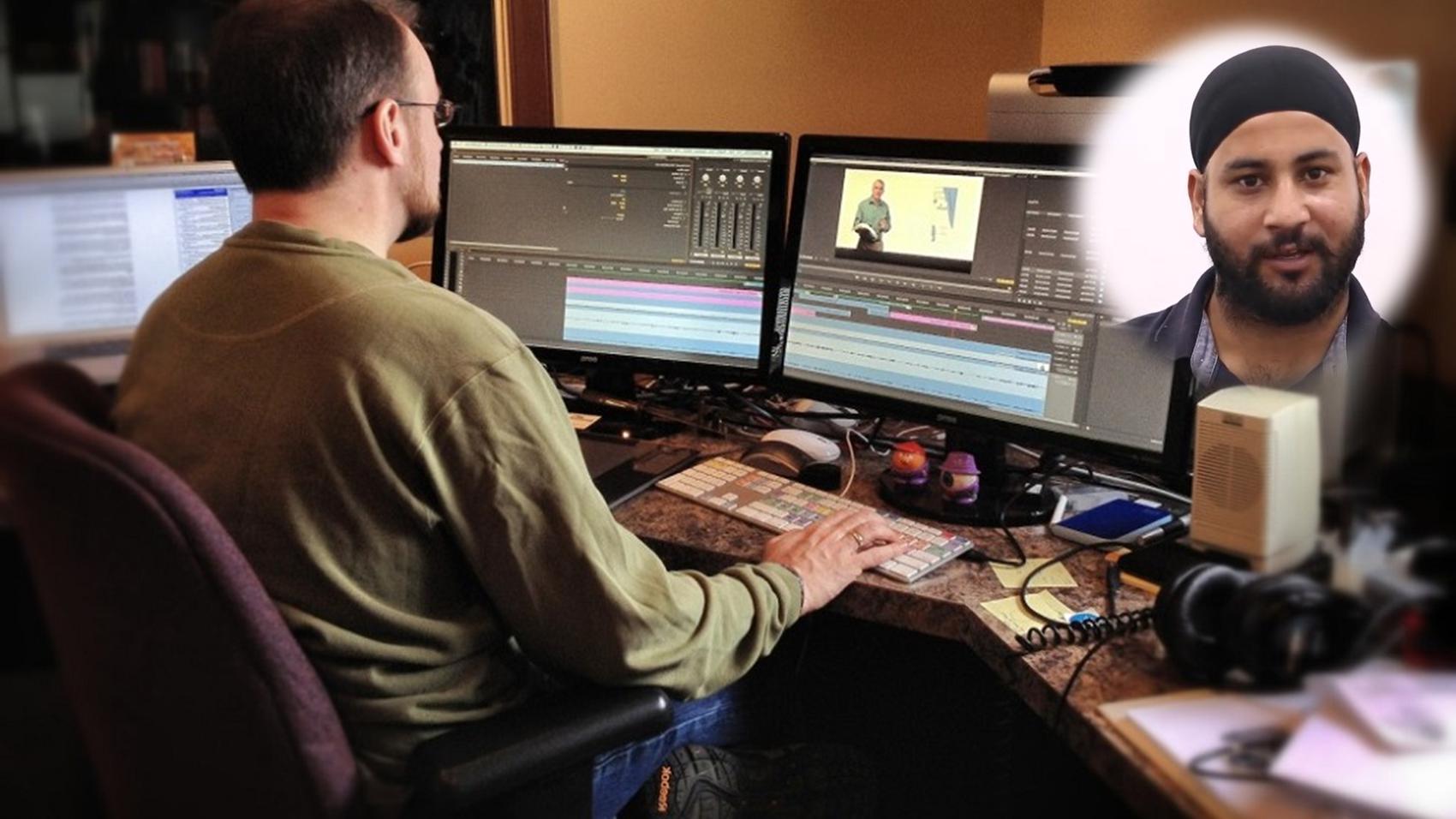


Career in Video Editing
Video Editing
Ajmer Singh
Video Editor Head | HNN 24*7
[ 4 years & 8 months Experience ]

Video editor is a person who manipulates and rearranges video shots to create a new work. It is the responsibility of the editor to make its videos attractive to the viewers.

"I started video editing in 2009. Since 2015, I have been working with HNN 24*7 as a video editor head."


Career Counselling 2.0 Career Counselling 2.0 Career Counselling 2.0 Career Counselling 2.0 Career Counselling 2.0


Career in Cinematography
Cinematography
Karm Chawla
Cinematographer | Kannada Film Industry
[ 5 years & 8 months Experience ]

Basically Cinematography is the art of photography and camerawork in film-making or art of motion-picture photography by recording light or other electromagnetic radiation, either electronically by means of an image sensor, or chemically by means of a light-sensitive material such as film stock.

"After completing my schooling, I did BA (Hons) in English from Hansraj College (DU). After that I studied Film from LV Prasad and Academy, Chennai. I have working as a freelance cinematographer since 2013."


Career Counselling 2.0 Career Counselling 2.0 Career Counselling 2.0 Career Counselling 2.0 Career Counselling 2.0


Career in Scriptwriting
Scriptwriting
Prateeque Ojha
Scriptwriter | Various Storywriting Assignments
[ 8 years & 10 months Experience ]

Scriptwriting is an art and craft of writing scripts for mass media such as feature films, television productions or video games. It is frequently a freelance profession.

"I did my graduation from DU in 2002 and then I joined Satyajit Ray Film & Television Institute, Kolkata, there I specialized in screenplay writing. Since 2008, I have been working as a freelance scriptwriter."


Career Counselling 2.0 Career Counselling 2.0 Career Counselling 2.0 Career Counselling 2.0 Career Counselling 2.0


Career in Cinematography
Cinematography
Mukesh Khugsal
Cinematographer | Various Creative Assignments
[ 17 years Experience ]

Cinematography is the science or art of motion-picture photography by recording light or other electromagnetic radiation, either electronically by means of an image sensor, or chemically by means of a light-sensitive material such as film stock.

"I was always interested in Photography and Cinema. After completing my graduation from Delhi University, I started working with Inframe Creations, Delhi."


Career Counselling 2.0 Career Counselling 2.0 Career Counselling 2.0 Career Counselling 2.0 Career Counselling 2.0


Career in Direction
Direction
Ajay Govind
Filmmaker | Sisyphus Rocks Films
[ 13 years & 11 months Experience ]

A film director is a person who directs the making of a film. Generally, a film director controls a film's artistic and dramatic aspects, and visualizes the script while guiding the technical crew and actors in the fulfillment of that vision.

"After completing Bachelors in English Literature from St. Stephen's College, Delhi University, I did Media Studies Course from St. Stephen's College, Delhi University and here I was introduced to Film Theory and History and that was the time I discovered my interest in Direction. I have made over 40 documentaries, 5 music videos and Directed one feature film that released in 2014, "After the 3rd Bell"."


Career Counselling 2.0 Career Counselling 2.0 Career Counselling 2.0 Career Counselling 2.0 Career Counselling 2.0


Career in Direction
Direction
Abhishek Maindola
Director | Sambhav Theatre Group, Dehradun
[ 13 years Experience ]

A film director is a person who directs the making of a film. Generally, a film director controls a film’s artistic and dramatic aspects and visualizes the script while guiding the technical crew and actors in the fulfillment of that vision.

"I started my acting career in theatre in 2001. I experience a lot of things and I am satisfied with my roles. After acting, in 2004 I directed my first self written play “Female Feticide”, other than this I acted in Hindi cinema as well."


Career Counselling 2.0 Career Counselling 2.0 Career Counselling 2.0 Career Counselling 2.0 Career Counselling 2.0


Career in Wildlife Filmmaking
Wildlife Filmmaking
Sumanth Kuduvalli
Wildlife Fimmaker | Various Assignments
[ 6 years & 8 months Experience ]

Wildlife filmmaking is an exhilarating career nevertheless. If you are committed to wildlife conservation, are interested in filmmaking and have the patience to sit quietly for hours in the forest to get shots, then experiment with a short, low-budget film.

"After doing my Diploma in Wildlife Filmmaking and Photography from Craft, I joined Nikon as a Technical Associate in South India. I started Wildlife Filmmaking in 2012."


Career Counselling 2.0 Career Counselling 2.0 Career Counselling 2.0 Career Counselling 2.0 Career Counselling 2.0


Career in Filmmaking
Filmmaking
Sarthak Chawla
Creative Head & Co-founder | Mahakaal Productions
[ 1 year & 3 months Experience ]

Filmmaking is the process of making a film, generally in the sense of films intended for extensive theatrical exhibition. Filmmaking involves a number of discrete stages including an initial story, idea, or commission, through screenwriting, casting, shooting, sound recording and reproduction, editing and screening the finished product before an audience that may result in a film release and exhibition. Filmmaking takes place in many places around the world in a range of economic, social, and political contexts, and using a variety of technologies and cinematic techniques.

"After doing my schooling from Amity International School, Noida, I did my graduation in Journalism & Mass Communication from VIPS, IP University, Delhi and after that I did one year internship from NDTV, India. During my internship I realized that I have an inclination toward Filmmaking, so after that I did Post Graduate Diploma in Film Making from AAFT, Noida. In 2017, I started my own Production House named Mahakaal Productions. Our services range from Ad Films, Corporate Films and Documentaries to Coffee Table books, Industrial Photography, Hospitality Photography, etc. Mahakaal Productions is a one stop to end your quest for creativity. I am the Co-founder and Creative head of Mahakaal Productions."


Career Counselling 2.0 Career Counselling 2.0 Career Counselling 2.0 Career Counselling 2.0 Career Counselling 2.0


Career in Film Direction
Film Direction
Harsh Badheka
Assistant Director | Various Assignments
[ 5 years & 10 months Experience ]

A film director is a person who directs the making of a film. Generally, a film director controls a film's artistic and dramatic aspects and visualizes the screenplay (or script) while guiding the technical crew and actors in the fulfillment of that vision.

"I have completed my schooling from St Mary's School, Mumbai followed by Graduation & Post Graduation in Hindi from Kishinchand Chellaram College, Mumbai University. I have done movies such as Happy Bhag Jayegi, Jia aur Jia as a part of Direction team."


Career Counselling 2.0 Career Counselling 2.0 Career Counselling 2.0 Career Counselling 2.0 Career Counselling 2.0


Career in Video Editing
Video Editing
Gaurav Bhatt
Founder & Editor | Octopus Films
[ 3 years Experience ]

Video Editing or Non-Linear Video Editing is the process of taking video that is raw, meaning untouched or newly recorded. It is the manipulation and arrangement of video shots. Video editing is used to structure and present all video information, including films and television shows, video advertisements and video essays.

"After doing my schooling from Ranchi, Jharkhand, I did BJMC from Indraprastha University, Delhi. After that, I did my M Sc in mass Communication from Punjab Technical University and then my post graduate diploma in Direction & Film Making from AAFT, Noida. I am working as a Senior Promo Producer for CNN- NEWS 18 since 20004. In 2015, I started my own Production House named Octopus Films."


Career Counselling 2.0 Career Counselling 2.0 Career Counselling 2.0 Career Counselling 2.0 Career Counselling 2.0


Career in Direction
Direction
Ayush Kohli
Director | Liberal Arts Productions
[ 2 years Experience ]

A film director is a person who directs the making of a film. Generally, a film director controls a film's artistic and dramatic aspects and visualizes the screenplay (or script) while guiding the technical crew and actors in the fulfillment of that vision.

"I have done B Sc in Airlines Tourism & Hospitality from Lovely Professional University. Taking my interest forward I did a Course in Acting & Direction from Asian Academy of Film & Television, Noida Film City. I also did Modeling for some time where I was a Selfie King in North India Modeling Show. I am a Director at Liberal Arts Productions."


Career Counselling 2.0 Career Counselling 2.0 Career Counselling 2.0 Career Counselling 2.0 Career Counselling 2.0


Career in Filmmaking
Filmmaking
Omanshu Saini
Co- Founder | Doon Photowalk
[ 3 years & 8 months Experience ]

Filmmaking is the process of making a film. Filmmaking involves a number of discrete stages including an initial story, idea, or commission, through screenwriting, casting, shooting, sound recording and reproduction, editing, and screening the finished product before an audience that may result in a film release and exhibition.

"I did my schooling from Raja Ram Mohan Roy, and BBA from Graphic Era, Dehradun. I did my masters in Mass Communication from Doon University. Then I decided to open a company called Doon Photowalk with some of my friends in 2015."


Career Counselling 2.0 Career Counselling 2.0 Career Counselling 2.0 Career Counselling 2.0 Career Counselling 2.0


Career in Filmmaking
Filmmaking
Amaan Iqbal
Film Maker | Various Creative Assignments
[ 6 years & 6 months Experience ]

Filmmaking is the process of making a film, generally in the sense of films intended for extensive theatrical exhibition. Filmmaking involves a number of discrete stages including an initial story, idea, or commission, through screenwriting, casting, shooting, sound recording and reproduction, editing and screening the finished product before an audience that may result in a film release and exhibition.

"After doing B Sc in IT from Kanpur University, I did Mass Communication from Kanpur University. I was always interested in Filmmaking so did a diploma in Creative Writing. I have filmed a documentary for UNESCO, also worked on many commercial ads and short films. I conduct workshops on filmmaking under the name AAINA."


Career Counselling 2.0 Career Counselling 2.0 Career Counselling 2.0 Career Counselling 2.0 Career Counselling 2.0


Career in Filmmaking
Filmmaking
Amber Sharma
Managing Director, Producer & Director | Mowgli Productions
[ 8 years Experience ]

Filmmaking is the process of making a film, generally in the sense of films intended for extensive theatrical exhibition.

"I started my career in 2002 at Keoladeo National Park as a naturalist and in 2003 went to Kanha Tiger Reserve and Bandhavgarh National Park to start my career in wildlife photography to showcase natural history. In 2007, I began film making and founded Mowgli Productions. My directorial debut was on snow leopards it took me 4 years to film snow leopards at an altitude of 15000 feet. In 2010, I began producing and presenting international movies. I have worked on films like The Man in Maze, Mumbai Connection and Series Life of Mafia, Game- Short Film Series."


Career Counselling 2.0 Career Counselling 2.0 Career Counselling 2.0 Career Counselling 2.0 Career Counselling 2.0


Career in Film Production
Film Production
Pratibha Kotak
Production Supervisor | Octopus Film
[ 1 year & 7 months Experience ]

Production refers to the tasks that must be completed or executed during the filming or shooting. This includes tasks such as setting up scenes, the capture of raw footage and usage of set designs, to name a few of the many preproduction tasks and evolves into the postproduction stage.

"After doing my BA in Arts from Vikram University, I did my masters from IGNOU in Organizational Psychology and thereafter I did my post graduate diploma in TV Journalism & Communication from Asian Academy of Film & Television, Noida. I worked with Octopus Films as a Production Supervisor."


Career Counselling 2.0 Career Counselling 2.0 Career Counselling 2.0 Career Counselling 2.0 Career Counselling 2.0


Career in Video Production
Video Production
Pankaj Sati
Video Director | Studio 6 Productions
[ 8 years Experience ]

Video production is the process of creating video by capturing moving images (videography), and creating combinations and reductions of parts of this video in live production and post-production.

"I have done animation , VFX and Special effects course from Maya Academy, Chandigarh and was working as Video Director with Studio 6 Productions."


Career Counselling 2.0 Career Counselling 2.0 Career Counselling 2.0 Career Counselling 2.0 Career Counselling 2.0


Career in Cinematography
Cinematography
Tarminder Singh Tuneja
Cinematographer | The Wedding Container
[ 5 years & 5 months Experience ]

The art of photography and camera work in film-making

"I did my Schooling from Meerut. I then did my Graduation from Delhi University Open University. I worked with CMC for about 5 years. I am the CEO of The Wedding Container since 2013."


Career Counselling 2.0 Career Counselling 2.0 Career Counselling 2.0 Career Counselling 2.0 Career Counselling 2.0


Career in Film Making
Film Making
Dhairya Arora
Director & Writer | Various Film Assignments
[ 10 years & 3 months Experience ]

Filmmaking is the process of making a film, generally in the sense of films intended for extensive theatrical exhibition.

"I was 15 when Ocean Sonic Pictures London took me for an India Tour. I served as Master of ceremony for the preview of Little Box of Sweets. I worked in Noida Film Industry and then in Mumbai Film Industry. I have made advertisements for Kotak Mahindra, SBI. I have worked for Bollywood movies like Tamanchay, Maximus. I now make short films for Youtube and Award ceremonies."


Career Counselling 2.0 Career Counselling 2.0 Career Counselling 2.0 Career Counselling 2.0 Career Counselling 2.0


Career in Filmmaking
Filmmaking
Pradeep Sharma
Director & Writer | Siddhartha Cine Arts
[ 3 years Experience ]

Filmmaking is the process of making a film, generally in the sense of films intended for extensive theatrical exhibition. Filmmaking involves a number of discrete stages including an initial story, idea, or commission, through screenwriting, casting, shooting, sound recording and reproduction, editing and screening the finished product before an audience that may result in a film release and exhibition. Filmmaking takes place in many places around the world in a range of economic, social, and political contexts, and using a variety of technologies and cinematic techniques.

"After completing my schooling from Govt Boys School Mandsaur, I did my BA from Vikram University, Ujjain. Thereafter, I did my D Ed from Govt District Education Institute of Mandsaur, MP. After which I started teaching, while teaching I also wrote articles for newspapers and local Magazine. Then, I joined the distance learning PGD Course in Journalism from Makhanlal Chaturvedi National University, Bhopal. I worked for various organizations named NDTV India, Sahara Samay, Voice of India, Times Today channel and others as a Stinger, Reporter, Anchor, Special Correspondent and Desk Editor for about 16 years. I am working on few movie projects, one of them named Yashodharman, The Great Warrior which is written and directed by me would soon release in Movie Theaters."


Career Counselling 2.0 Career Counselling 2.0 Career Counselling 2.0 Career Counselling 2.0 Career Counselling 2.0


Career in Cinematography
Cinematography
Sunny Rajput
Cinematographer | Various Creative Assignments
[ 6 years & 1 month Experience ]

Cinematography is the science or art of motion-picture photography by recording light or other electromagnetic radiation, either electronically by means of an image sensor, or chemically by means of a light-sensitive material such as film stock.

"I did a bachelors in mass communication from Jamia Millia Islamia University. After that I worked with T-series, Zee TV, Scoopwhoop, Royal Frames, Poster Filters. I am an independent cinematographer."


Career Counselling 2.0 Career Counselling 2.0 Career Counselling 2.0 Career Counselling 2.0 Career Counselling 2.0


Career in Audio Video Production
Audio Video Production
Kapil Khankriyal
Executive Producer | Studio Underground
[ 3 years & 3 months Experience ]

The terms audio and video commonly refers to the time-based media storage format for sound/music and moving pictures information. Video production is the process of producing video content. It is the equivalent of filmmaking, but with images recorded digitally instead of on film stock.

"After completing my education, I started my own IT Company and worked there for several years and later in 2015, I started a studio company by the name of Studio Underground. Studio Underground is an audio video production house."


Career Counselling 2.0 Career Counselling 2.0 Career Counselling 2.0 Career Counselling 2.0 Career Counselling 2.0


[Install the LifePage App to access all Talks]


<?php echo $altimage; ?>


<?php echo $altimage; ?>


&mbsp;


Career Counselling 2.0 | Home   Home  
Career Counselling 2.0 | Abroad   Abroad  
Career Counselling 2.0 | Plan   Plan  
Career Counselling 2.0 | Talks   Talks  
Career Counselling 2.0 | Philosophy   Philosophy  
Career Counselling 2.0 | Seminar   Seminar  
Career Counselling 2.0 | Workshop   Workshop  
Career Counselling 2.0 | Pages   Pages  
Career Counselling 2.0 | Advisors   Advisors  
Career Counselling 2.0 | Discuss   Discuss  
Career Counselling 2.0 | Meet   Meet  
Career Counselling 2.0 | Advisor   Advisor  
Career Counselling 2.0 | Story   Story  
Career Counselling 2.0 | Fine Print   Fine Print  
Career Counselling 2.0 | Links   Links  
Career Counselling 2.0 | Blog   Blog  
Career Counselling 2.0 | Testimonials   Testimonials  
Career Counselling 2.0 | Follow   Follow  
 
[ Site Visits ]


Career Counselling 2.0