Career Counselling 2.0 HomeHomeCareer Counselling 2.0 AbroadAbroadCareer Counselling 2.0 PlanPlanCareer Counselling 2.0 | TalksTalksCareer Counselling 2.0 PhilosophyPhilosophyCareer Counselling 2.0 SeminarSeminarCareer Counselling 2.0 PagesPagesCareer Counselling 2.0 AdvisorsAdvisorsCareer Counselling 2.0 TestimonialsTestimonials

Video Production

Video Director Pankaj Sati talks about Video Production course, what is Video Production and other details about a Career in Video Production.


Video Production

Pankaj Sati | Video Director | Studio 6 Productions


What is Video Production?


There are many nuances of a Career in Video Production. One should first understand What a Career in Video Production entails before investing time and effort to figure out How to start a Career in Video Production. Just like you would normally not trust a non Doctor with names of medicines, you should also not trust opinions about Video Production from non professionals.

Video Director Pankaj Sati is an experienced professional with 8 years in Video Production. Here is how Video Director Pankaj Sati detailed Video Production:

Video production is the process of creating video by capturing moving images (videography), and creating combinations and reductions of parts of this video in live production and post-production.


How Video Director Pankaj Sati got into Video Production?


I have done animation , VFX and Special effects course from Maya Academy, Chandigarh and was working as Video Director with Studio 6 Productions.


Video Director Pankaj Sati's Talk on Video Production


Session Image
The Journey of Video Production


What Is Video Production

Video Production

### Video Production Image
What is
Video production is the process of creating video content by capturing moving images, editing footage, and integrating audio, graphics, and effects. It encompasses pre-production planning, production, and post-production stages, resulting in videos for entertainment, education, marketing, or documentation across various platforms and industries.

Concept
Video production plays a vital role in today’s digital landscape, shaping how information, stories, and messages are communicated. For professionals in this field, it offers the opportunity to blend creativity with technical expertise, producing content that can inform, entertain, or persuade audiences. The impact of video production is evident in its ability to reach wide audiences quickly, making it a powerful tool for brands, educators, and storytellers. Among its major benefits are the potential for creative expression, the ability to influence public perception or behavior, and the opportunity to work across diverse industries such as film, television, advertising, and online media. These advantages make video production a dynamic and rewarding career choice.

Real World Example
A professional video producer working for a marketing agency might be tasked with creating a promotional video for a new product launch. The process begins with collaborating with the client to understand their vision and objectives, followed by scripting, storyboarding, and organizing the shoot. During production, the producer oversees filming, ensuring that lighting, sound, and camera work align with the creative plan. In post-production, they edit the footage, add music, graphics, and special effects, and refine the final cut to deliver a compelling video. This finished product is then distributed across social media and digital platforms, helping the client engage their target audience and achieve their marketing goals.

Education


Camera Knowledge

### Camera Knowledge Image
What is
Camera Knowledge refers to the comprehensive understanding of how cameras function, including their technical components, settings, and operational principles. In the context of Video Production, it encompasses the ability to manipulate exposure, focus, frame rates, and lenses, forming a crucial part of both academic study and professional expertise in the field.

Concept
Developing a strong grasp of Camera Knowledge is essential for anyone pursuing a career in Video Production. This subject forms the bedrock upon which all visual storytelling is built, as it directly influences the quality and style of the final product. Mastery of camera operations enables professionals to make informed decisions about shot composition, lighting, and movement, ensuring that creative visions are translated accurately onto the screen. Over time, a deep understanding of camera technology allows individuals to adapt to new equipment and evolving industry standards, making them more versatile and valuable in a competitive job market. Ultimately, Camera Knowledge empowers video professionals to consistently deliver high-quality content and to troubleshoot technical challenges efficiently.

Real World Example
Consider a scenario where a video production professional is tasked with filming an interview in a location with challenging lighting conditions. Drawing on their Camera Knowledge, they assess the available light and adjust the camera’s ISO, aperture, and shutter speed to achieve optimal exposure without introducing noise or motion blur. They select the appropriate lens to frame the subject attractively and use manual focus to ensure sharpness throughout the shot. By understanding how different frame rates affect motion, they choose settings that produce natural-looking movement. This theoretical foundation allows them to work quickly and confidently, adapting to unforeseen circumstances and ensuring the footage meets both technical and creative requirements.

Software Skills

### Software Skills Image
What is
Software skills refer to the ability to efficiently use digital tools and applications to accomplish specific tasks. In video production, these skills encompass proficiency with editing software, visual effects programs, and media management platforms. Mastery of software skills is essential for both academic learning and professional success in the video production industry.

Concept
Understanding software skills is crucial for anyone pursuing a career in video production because modern workflows are deeply integrated with technology. Mastery of editing suites, color grading tools, and audio software forms the backbone of professional video creation. These competencies enable individuals to translate creative ideas into polished visual content, streamline collaboration, and meet industry standards. As technology evolves, professionals who continually develop their software skills remain adaptable and competitive, ensuring long-term career growth. Furthermore, a strong foundation in software skills enhances problem-solving abilities, allowing video producers to troubleshoot technical issues efficiently and deliver high-quality results under tight deadlines. Ultimately, software proficiency is not just a technical requirement but a gateway to creative expression and professional advancement in video production.

Real World Example
Imagine a video editor working on a commercial project with a tight turnaround. Drawing on their software skills, they efficiently import raw footage into a non-linear editing system, organize media assets, and synchronize audio tracks. Their familiarity with advanced editing features allows them to apply seamless transitions, color corrections, and visual effects that elevate the final product. When a client requests last-minute changes, the editor quickly navigates the software to implement revisions without disrupting the workflow. Throughout the process, their deep understanding of the software ensures smooth collaboration with sound designers and motion graphics artists, resulting in a cohesive and professional video. This scenario highlights how theoretical knowledge of software skills translates into practical, real-world efficiency and creative excellence.

Film Making

### Film Making Image
What is
Film making is the art and craft of conceptualizing, planning, shooting, editing, and producing moving images to tell a story or convey a message. It encompasses creative, technical, and organizational skills, forming a cornerstone of academic study and professional expertise in the broader field of Video Production.

Concept
Understanding film making is essential for anyone pursuing a career in video production because it provides the theoretical and practical framework necessary for creating compelling visual content. Mastery of film making principles, such as narrative structure, visual composition, lighting, sound design, and editing, enables professionals to craft videos that engage and resonate with audiences. This foundational knowledge not only enhances creative decision-making but also improves collaboration with directors, cinematographers, and editors. Over time, a deep grasp of film making elevates the quality of work, opens doors to more complex projects, and ensures adaptability in a rapidly evolving industry. Ultimately, it empowers video production professionals to transform ideas into impactful visual stories, setting them apart in a competitive field.

Real World Example
Imagine a video production specialist tasked with creating a promotional video for a new product launch. Drawing on their film making knowledge, they begin by developing a compelling narrative that highlights the product’s unique features. During filming, they apply principles of visual composition and lighting to ensure each shot is visually appealing and communicates the intended message. In post-production, their understanding of pacing and editing techniques helps them craft a seamless, engaging final cut. Throughout the process, their film making expertise allows them to anticipate challenges, collaborate effectively with the crew, and deliver a polished video that not only meets the client’s objectives but also captivates the target audience.

Skills


Story Telling

### Story Telling Image
What is
Story telling is the art of crafting and conveying a narrative that connects with an audience emotionally and intellectually, using structure, characters, and visual elements to communicate a message or idea. In video production, story telling transforms raw footage into compelling content, making it a vital skill for engaging viewers.

Concept
Mastering story telling in video production elevates the quality and impact of any project. It allows professionals to create videos that resonate, ensuring messages are memorable and persuasive. Clients and employers highly value this skill because it drives audience engagement, brand loyalty, and effective communication. Story telling helps differentiate content in a crowded media landscape, making it more likely to achieve its intended purpose. To cultivate this skill, professionals should study narrative techniques, analyze successful films and commercials, and practice constructing stories from concept to final edit. Over time, consistent feedback and collaboration with creative teams further refine one’s ability to weave powerful narratives that captivate and inspire.

Real World Example
Imagine a video producer tasked with creating a fundraising video for a nonprofit organization. The initial footage consists of interviews, event clips, and statistics, but the message feels fragmented and uninspiring. By applying story telling skills, the producer identifies a central character whose journey embodies the organization’s impact. Through careful editing, sequencing, and the addition of emotional music, the producer crafts a cohesive narrative that draws viewers into the subject’s world. The final video not only informs but also moves the audience, resulting in increased donations and heightened awareness for the cause. This scenario highlights how story telling transforms disjointed material into a powerful tool for achieving real-world results.

Creativity

### Creativity Image
What is
Creativity is the ability to generate original ideas, approach challenges from new perspectives, and combine concepts in innovative ways. In video production, creativity enables professionals to craft compelling stories, design visually engaging scenes, and solve problems uniquely, making their work stand out and resonate with audiences.

Concept
Creativity directly enhances performance in video production by enabling professionals to develop unique concepts, adapt to unexpected challenges, and deliver memorable content. Clients and employers highly value creative individuals because they bring fresh perspectives that can differentiate a project in a crowded market. Creative professionals are often able to find novel solutions to technical or narrative obstacles, ensuring projects stay on track and exceed expectations. Cultivating creativity involves continuous learning, seeking inspiration from diverse sources, and embracing experimentation. Over time, regularly practicing brainstorming, collaborating with others, and reflecting on feedback can help individuals strengthen their creative abilities, making them more adaptable and resourceful in their careers.

Real World Example
Imagine a video producer tasked with creating a promotional video for a new product, only to discover on the shoot day that a key location is suddenly unavailable. Instead of postponing the project, the producer taps into their creativity to quickly reimagine the script, utilizing available spaces and props to convey the intended message in a fresh way. By improvising new camera angles and integrating unexpected visual elements, the producer not only salvages the shoot but also delivers a final product that impresses the client with its originality and resourcefulness. This scenario highlights how creativity enables video professionals to turn setbacks into opportunities for innovation and success.

Acting

### Acting Image
What is
Acting is the art of embodying a character, emotion, or intention through voice, movement, and expression to convincingly communicate a story or message. In video production, acting enables professionals to bring scripts to life, create authentic performances, and engage audiences, making it a vital component of compelling visual storytelling.

Concept
Mastering acting enhances a video production professional’s ability to interpret scripts, direct talent, and even step in front of the camera when needed. Clients and employers highly value this skill because it ensures that the final product resonates emotionally and appears genuine, which is crucial for marketing, training, or entertainment content. Developing acting skills involves regular practice, studying performance techniques, and seeking feedback from peers or mentors. Over time, exposure to diverse roles and scenarios helps refine one’s ability to adapt, improvise, and deliver convincing performances, ultimately elevating the overall quality and impact of any video project.

Real World Example
Imagine a video producer working on a tight deadline for a commercial when the lead actor suddenly becomes unavailable. Rather than halting production, the producer steps in to perform the role, drawing on their acting skills to convincingly portray the character. Their ability to quickly adapt and deliver a believable performance ensures the shoot continues smoothly and the client’s vision is realized. This not only saves time and resources but also demonstrates the producer’s versatility and commitment to the project’s success. In this scenario, acting becomes the key to overcoming an unexpected challenge and maintaining the professional standard expected in video production.

Knowledge of Sounds

### Knowledge of Sounds Image
What is
Knowledge of Sounds refers to the understanding and application of audio elements, including dialogue, ambient noise, sound effects, and music, to enhance storytelling and emotional impact in video production. This skill enables professionals to create immersive experiences, ensuring that audio complements visuals for a cohesive and engaging final product.

Concept
Mastering Knowledge of Sounds significantly elevates the quality of any video project. A professional who understands how to capture clean audio, select appropriate sound effects, and balance music with dialogue can transform a simple video into a compelling narrative. Clients and employers highly value this expertise because poor audio can undermine even the most visually stunning footage. Over time, this skill can be cultivated by actively listening to various types of media, studying sound design principles, and practicing with audio editing software. Attending workshops, collaborating with experienced sound designers, and seeking feedback on audio mixes also contribute to ongoing improvement. Ultimately, a strong grasp of sound enhances storytelling, increases audience engagement, and sets a professional apart in a competitive industry.

Real World Example
Imagine a video producer working on a documentary where an important interview was recorded in a noisy environment. The background noise threatens to distract viewers and diminish the credibility of the piece. Drawing on their Knowledge of Sounds, the producer identifies the frequencies of the unwanted noise and uses audio editing tools to minimize it without compromising the clarity of the speaker’s voice. They also layer subtle ambient sounds and carefully chosen music to mask any remaining imperfections and enhance the emotional tone of the segment. As a result, the final video delivers a clear, immersive experience, impressing both the client and the audience, and demonstrating the producer’s expertise in sound management.

Patience

### Patience Image
What is
Patience is the ability to remain calm, composed, and persistent in the face of delays, setbacks, or prolonged effort, without becoming frustrated or discouraged. In video production, patience is indispensable because projects often involve complex processes, multiple revisions, and collaboration with diverse teams, all of which require steady perseverance.

Concept
Patience directly enhances performance in video production by allowing professionals to navigate the inevitable challenges that arise, such as technical glitches, creative disagreements, or extended editing sessions. Clients and employers highly value this quality because it ensures that deadlines are met without sacrificing quality, and that the team remains motivated even during stressful periods. Cultivating patience involves practicing mindfulness, setting realistic expectations, and learning to view setbacks as opportunities for growth rather than obstacles. Over time, consistently applying patience leads to better decision-making, improved relationships with colleagues, and a reputation for reliability and professionalism in the fast-paced world of video production.

Real World Example
Imagine a video editor working on a commercial project who encounters repeated feedback from the client, requiring multiple rounds of revisions. Instead of becoming frustrated or rushing through the changes, the editor exercises patience, carefully considering each piece of feedback and making thoughtful adjustments. This approach not only results in a polished final product that meets the client’s vision but also strengthens the working relationship, as the client feels heard and respected. By relying on patience, the editor transforms a potentially stressful situation into a collaborative success, demonstrating the critical role this skill plays in achieving high-quality outcomes in video production.

Team Work

### Team Work Image
What is
Team work is the collaborative effort of a group of individuals working together to achieve a common goal, leveraging diverse skills, perspectives, and strengths to maximize efficiency and creativity. In video production, team work is crucial because each project involves multiple roles—such as directors, editors, camera operators, and sound engineers—working in harmony to bring a creative vision to life. Effective team work ensures that communication flows smoothly, tasks are completed efficiently, and the final product meets or exceeds expectations. As a core skill, it allows professionals to adapt to dynamic environments, handle complex challenges, and deliver high-quality results that reflect the collective input and expertise of the entire crew.

Concept
Team work directly enhances performance in video production by fostering a collaborative environment where ideas are freely exchanged and problems are solved collectively. Clients and employers highly value this skill because it leads to smoother workflows, fewer misunderstandings, and more innovative outcomes. When team members trust and support each other, projects are more likely to stay on schedule and within budget, which is essential in a fast-paced industry. To cultivate team work, professionals should actively seek feedback, communicate openly, and participate in group projects. Over time, consistently engaging with colleagues, respecting diverse viewpoints, and learning from shared experiences will strengthen one’s ability to contribute effectively to any production team.

Real World Example
Imagine a video production team is on set filming a commercial when a sudden technical issue causes the main camera to malfunction. Instead of panicking or assigning blame, the director quickly gathers the team to discuss alternatives. The camera operator suggests using a backup camera, while the lighting technician adjusts the setup to accommodate the new equipment. Meanwhile, the sound engineer ensures audio quality remains consistent despite the change. Through open communication and mutual support, the team adapts to the challenge, keeps the shoot on schedule, and delivers a high-quality final product. This scenario highlights how strong team work enables professionals to overcome unexpected obstacles and achieve success together.

Decision Making

### Decision Making Image
What is
Decision Making is the process of evaluating options, considering potential outcomes, and selecting the most effective course of action to achieve specific goals. In video production, this skill is vital because professionals must constantly choose between creative directions, technical solutions, and logistical approaches to deliver high-quality content on time and within budget.

Concept
Strong decision making directly enhances a video production professional’s performance by enabling swift, confident responses to challenges such as equipment failures, scheduling conflicts, or creative disagreements. Clients and employers highly value this skill because it ensures projects move forward efficiently and adapt to unforeseen circumstances without compromising quality. Cultivating decision making involves gaining experience, seeking feedback, and reflecting on past choices to understand what worked and why. Over time, professionals can improve by staying informed about industry trends, learning from mentors, and practicing scenario-based problem solving. This ongoing development leads to greater trust from collaborators and more successful project outcomes, as the ability to make sound decisions under pressure is a hallmark of leadership in video production.

Real World Example
Imagine a video producer on set when a key location suddenly becomes unavailable due to unforeseen circumstances. With a tight deadline and limited resources, the producer must quickly assess alternative locations, consider the impact on the story, and consult with the director and crew. By weighing the creative and logistical implications, the producer decides to adapt the script and use a nearby location that maintains the project’s vision. This prompt and effective decision not only keeps the production on schedule but also demonstrates leadership and resourcefulness. The ability to make such critical decisions under pressure ensures the project’s success and strengthens the producer’s reputation as a reliable professional in the industry.

Positives


Knowledge of Every Field

### Knowledge of Every Field Image
What is
"Knowledge of Every Field" in video production refers to the comprehensive understanding of various disciplines such as storytelling, cinematography, sound design, lighting, editing, and even marketing. This broad expertise allows professionals to seamlessly integrate creative, technical, and logistical elements, resulting in cohesive and impactful visual stories that resonate with audiences and clients alike.

Concept
Having knowledge across every field in video production is a powerful advantage because it transforms professionals into versatile creators and problem-solvers. This holistic perspective fosters collaboration, as individuals can communicate effectively with specialists from different departments and anticipate challenges before they arise. The ability to understand and contribute to every stage of the production process leads to greater creative control and satisfaction, as ideas can be realized more faithfully from concept to completion. This breadth of expertise also opens doors to leadership roles and career advancement, as those who can bridge gaps between disciplines are highly valued. Every day, professionals experience the excitement of learning something new, adapting to evolving technologies, and seeing their diverse skills come together in the final product.

Real World Example
Imagine a video producer working on a commercial shoot who not only directs the creative vision but also understands camera settings, lighting techniques, and sound recording. When a sudden technical issue arises with the audio equipment, their knowledge allows them to troubleshoot quickly, preventing costly delays. Later, during editing, their familiarity with post-production workflows helps streamline communication with editors and colorists, ensuring the final video matches the original vision. This ability to move fluidly between roles and solve problems across departments not only makes the project more successful but also brings a deep sense of accomplishment. The professional feels empowered, knowing their broad expertise directly contributes to the project’s seamless execution and creative excellence.

Networking

### Networking Image
What is
Networking is the process of building and nurturing professional relationships that foster collaboration, knowledge sharing, and mutual support within an industry. In video production, networking connects individuals with peers, mentors, and potential clients, opening doors to new opportunities, creative partnerships, and career advancement. It is a cornerstone of professional growth and success.

Concept
The dynamic nature of video production thrives on collaboration, making networking an essential and rewarding aspect of the profession. Through networking, professionals gain access to a diverse pool of talent, resources, and fresh perspectives, which can elevate the quality of their projects. This ongoing exchange of ideas and support not only enhances creativity but also leads to a greater sense of belonging within the industry. As professionals connect with others who share their passion, they often discover new job opportunities, receive valuable feedback, and find mentors who guide their development. The daily experience of networking fosters a vibrant, supportive community that boosts job satisfaction and accelerates career growth, making every project more meaningful and fulfilling.

Real World Example
Imagine a freelance video editor attending a local film festival, where they strike up a conversation with a cinematographer during a panel discussion. Through this connection, they are introduced to a director seeking an editor for an upcoming documentary. The collaboration not only leads to a successful project but also sparks a lasting professional relationship. Over time, the editor is recommended for additional projects, receives invitations to industry events, and becomes part of a creative circle that continually offers new opportunities. This real-world scenario highlights how networking in video production can transform a single encounter into a series of rewarding experiences, fueling both personal and professional growth.

Monetary Benefits

### Monetary Benefits Image
What is
Monetary benefits refer to the financial compensation and rewards professionals receive for their work, including salaries, bonuses, project fees, and profit-sharing. In video production, these benefits serve as tangible recognition of skill, creativity, and effort, providing security and motivation. They play a crucial role in making the profession attractive and sustainable.

Concept
Monetary benefits are a cornerstone of job satisfaction in video production, as they directly reflect the value placed on a professional’s talent and dedication. Competitive pay and financial incentives not only reward hard work but also encourage continuous learning and innovation. When professionals see their creative contributions translated into meaningful earnings, it boosts morale and fosters loyalty to the industry. This financial stability allows individuals to invest in better equipment, pursue advanced training, and take on more ambitious projects, further enhancing their career growth. The daily experience of receiving fair compensation for one’s expertise makes the challenges of the job more manageable and the achievements more rewarding, creating a positive cycle of motivation and professional development.

Real World Example
Imagine a freelance video producer who lands a contract to create a promotional campaign for a major brand. The project demands long hours, creative problem-solving, and technical expertise. Upon successful completion, the producer receives a substantial payment that not only covers living expenses but also allows for investment in new camera gear and editing software. This financial reward validates the hard work and risk taken, providing a sense of accomplishment and security. The producer can now take on more challenging projects, build a stronger portfolio, and even consider hiring assistants. The tangible impact of monetary benefits transforms passion into a sustainable career, fueling both personal and professional growth.

Brand Creation

### Brand Creation Image
What is
Brand Creation is the strategic process of shaping a unique identity, voice, and visual style that distinguishes a company, product, or individual in the marketplace. In video production, this means crafting compelling narratives and visuals that consistently communicate a brand’s values, personality, and promise to its audience, fostering recognition and loyalty. This aspect contributes positively to the profession by allowing video producers to play a pivotal role in defining how brands are perceived, giving them creative influence and a sense of ownership over the stories they help bring to life.

Concept
The opportunity to create and shape brands is a powerful motivator for video production professionals. It transforms routine projects into meaningful endeavors, as every video becomes a chance to influence public perception and build lasting connections between brands and audiences. This creative responsibility fuels job satisfaction, as producers see tangible results from their efforts in the form of increased brand recognition and audience engagement. The process of brand creation also encourages continuous learning and innovation, pushing professionals to stay ahead of trends and refine their storytelling techniques. On a daily basis, video producers experience the excitement of seeing their creative vision come to life and make a real impact, both for their clients and for themselves as artists.

Real World Example
Imagine a video producer working with a small startup aiming to disrupt the fitness industry. Through a series of carefully crafted promotional videos, the producer helps the startup define its energetic, inclusive brand identity, using vibrant visuals and authentic testimonials. As the campaign unfolds, the startup’s social media following grows rapidly, and customers begin to associate the brand with motivation and community. The producer witnesses firsthand how their creative decisions shape public perception and drive business success. This experience not only validates their skills but also provides a deep sense of fulfillment, knowing they played a crucial role in building a brand that resonates with people and stands out in a crowded market.

Fame

### Fame Image
What is
Fame is the widespread recognition and admiration received from a large audience, often resulting from notable achievements or creative contributions. In video production, fame means being acknowledged for your artistic vision, technical skill, and storytelling ability. This recognition elevates your professional profile and opens doors to new opportunities and collaborations.

Concept
Fame in video production is a powerful motivator and a testament to one’s creative influence. When professionals gain recognition, their work reaches broader audiences, amplifying their impact and validating their artistic choices. This visibility often leads to exciting projects, partnerships, and career advancement. The sense of accomplishment that comes with fame boosts confidence and job satisfaction, inspiring individuals to push creative boundaries. Every day, professionals in this field experience the tangible benefits of fame through audience feedback, industry accolades, and the chance to shape cultural conversations. This ongoing recognition not only fuels personal growth but also fosters a vibrant, supportive community of peers and fans.

Real World Example
Imagine a video producer whose short film goes viral online, capturing the attention of millions. Suddenly, their inbox fills with messages from aspiring filmmakers, industry professionals, and fans expressing admiration and curiosity about their creative process. Invitations to speak at festivals, collaborate on new projects, and participate in interviews begin to arrive. This surge of recognition not only validates the producer’s hard work but also creates a ripple effect of new opportunities and connections. The fame gained from this single project transforms their daily experience, making each new endeavor more exciting and rewarding, and reinforcing their passion for video production.

Challenges


Result Oriented

### Result Oriented Image
What is
In video production, being "Result Oriented" means consistently delivering measurable outcomes, such as audience engagement, client satisfaction, or return on investment, within strict deadlines and creative constraints. This demand for tangible results pressures professionals to balance artistic vision with business objectives, making the process both creatively and logistically challenging.

Concept
The pressure to be result oriented in video production can lead to stress, creative fatigue, and a constant sense of urgency. Professionals must juggle client expectations, technical limitations, and creative aspirations, often with limited resources and time. This environment demands resilience, adaptability, and clear communication. Successful video producers manage these constraints by setting realistic goals, maintaining open dialogue with stakeholders, and prioritizing tasks that directly impact the desired outcomes. They also embrace feedback as a tool for improvement rather than criticism, allowing them to refine their work and processes. By focusing on both the creative journey and the end result, they find a sustainable balance that leads to consistent, high-quality output.

Real World Example
Consider a video producer tasked with creating a promotional campaign for a new product launch. The client expects high engagement metrics and a quick turnaround. Instead of succumbing to the pressure, the producer collaborates closely with the marketing team to define clear objectives and target audiences. They break down the project into manageable phases, regularly reviewing progress and incorporating feedback to stay aligned with the client’s vision. When unexpected technical issues arise, the producer adapts by reallocating resources and adjusting the timeline without compromising quality. By maintaining focus on the desired results while remaining flexible in their approach, the producer delivers a compelling video that meets both creative standards and business goals, exemplifying effective result-oriented management.

Pressure of Work

### Pressure of Work Image
What is
Pressure of Work in video production refers to the intense and often relentless demands placed on professionals to meet tight deadlines, manage complex projects, and deliver high-quality content. This pressure arises from client expectations, technical challenges, and the need for creative excellence, making the work environment both fast-paced and demanding.

Concept
The pressure of work in video production can lead to long hours, frequent last-minute changes, and the constant juggling of multiple tasks. This environment requires professionals to be highly resilient, as stress and fatigue can quickly accumulate, affecting creativity and decision-making. Successful video producers develop strong organizational skills, prioritize tasks effectively, and maintain open communication with their teams and clients. They also learn to set realistic expectations, delegate responsibilities, and take short breaks to recharge. By fostering a collaborative atmosphere and embracing flexibility, these professionals are able to adapt to shifting demands and maintain both productivity and morale, even under significant pressure.

Real World Example
Consider a video producer tasked with delivering a commercial for a major client within an extremely tight timeframe. Unexpected technical issues arise during editing, and the client requests several last-minute changes. Instead of succumbing to stress, the producer calmly reassesses the project timeline, reallocates resources, and communicates transparently with both the team and the client about what is feasible. By prioritizing the most critical edits and encouraging team members to focus on their strengths, the producer ensures that the final product meets the client’s expectations without sacrificing quality. This approach not only alleviates immediate pressure but also builds trust and confidence among all stakeholders involved.

Long Working Hours

### Long Working Hours Image
What is
Long working hours in video production refer to extended periods spent on set, in editing suites, or coordinating logistics, often exceeding standard workdays. Tight deadlines, unpredictable schedules, and the need for creative precision make these hours especially demanding, requiring sustained focus, adaptability, and physical stamina from professionals throughout the production process.

Concept
The challenge of long working hours in video production can lead to fatigue, reduced creativity, and increased stress, impacting both the quality of work and personal well-being. Professionals must demonstrate resilience, as projects often require late nights, weekend shoots, or last-minute changes. Successful individuals manage this constraint by setting clear boundaries, prioritizing tasks, and maintaining open communication with their teams. They also emphasize self-care, ensuring adequate rest and nutrition, and seek support when needed. By fostering a collaborative environment and planning ahead, they can distribute workloads more evenly and anticipate potential bottlenecks, allowing for greater flexibility and a healthier work-life balance despite the industry’s inherent demands.

Real World Example
Consider a video editor working on a documentary with a looming festival submission deadline. Faced with twelve-hour days and frequent revisions, she recognizes the risk of burnout. She communicates proactively with the director to clarify priorities, organizes her workflow to tackle the most complex edits during her peak energy hours, and schedules short breaks to recharge. By delegating less critical tasks to an assistant and setting realistic daily goals, she maintains her creative edge and meets the deadline without sacrificing her health. This approach not only ensures the project’s success but also demonstrates how strategic planning and self-awareness can help professionals in video production effectively manage the challenge of long working hours.

Deadline Oriented

### Deadline Oriented Image
What is
"Deadline Oriented" in video production refers to the constant pressure to deliver high-quality content within strict, often non-negotiable timeframes. This challenge is demanding because it requires balancing creative processes, technical workflows, and client expectations, all while adapting to unforeseen changes and ensuring the final product meets professional standards.

Concept
The pressure of being deadline oriented permeates every aspect of daily work in video production. Tight schedules can lead to long hours, creative compromises, and heightened stress, especially when unexpected technical issues or last-minute client revisions arise. This environment demands resilience, adaptability, and strong organizational skills. Successful professionals manage this constraint by meticulously planning each phase of production, maintaining clear communication with team members and clients, and prioritizing tasks based on urgency and importance. They also build in contingency time for potential setbacks and foster a collaborative atmosphere where everyone understands their responsibilities and the project timeline. By staying flexible and solution-focused, they consistently deliver quality work without sacrificing their well-being or the integrity of the final product.

Real World Example
Consider a video producer tasked with delivering a commercial for a major client within a two-week window, only to face unexpected equipment failure and a sudden change in the client’s creative direction. Instead of panicking, the producer quickly reorganizes the shooting schedule, sources backup equipment, and holds a team meeting to realign everyone with the new vision. By delegating tasks efficiently and maintaining open communication, the team adapts to the changes without missing key milestones. The producer’s ability to stay calm under pressure, anticipate potential delays, and motivate the team ensures the project is completed on time and meets the client’s expectations, demonstrating how effective management of deadline-oriented challenges leads to successful outcomes.

Handling People in Team

### Handling People in Team Image
What is
Handling People in Team in video production refers to managing diverse personalities, creative differences, and communication styles among crew members to ensure smooth collaboration. This is demanding because video projects are fast-paced, high-pressure, and require seamless teamwork, making interpersonal conflicts or misunderstandings potentially disruptive to both workflow and final output.

Concept
The challenge of handling people in a team can significantly affect daily operations in video production. Miscommunication or unresolved tensions may lead to delays, reduced morale, and compromised creative outcomes. This environment demands resilience, as professionals must balance assertiveness with empathy, often mediating between conflicting viewpoints while keeping the project’s goals in focus. Successful professionals develop strong interpersonal skills, actively listen, and foster a culture of respect and open dialogue. They set clear expectations, encourage constructive feedback, and remain adaptable, ensuring that each team member feels valued and understood. By prioritizing relationship management alongside technical expertise, they create a collaborative atmosphere that not only mitigates conflict but also enhances the overall quality and efficiency of the production process.

Real World Example
Consider a scenario where a director and cinematographer disagree on the visual style for a key scene. Tensions rise, threatening to stall the shoot. The producer steps in, acknowledging both perspectives and facilitating a calm discussion. By encouraging each party to articulate their creative vision and underlying concerns, the producer helps them find common ground. They agree on a compromise that blends both ideas, satisfying artistic goals while keeping the schedule intact. The producer’s ability to mediate, listen, and foster mutual respect transforms a potential conflict into a collaborative breakthrough. This approach not only resolves the immediate issue but also strengthens team cohesion for future challenges.

A Day Of


Video Production

What is
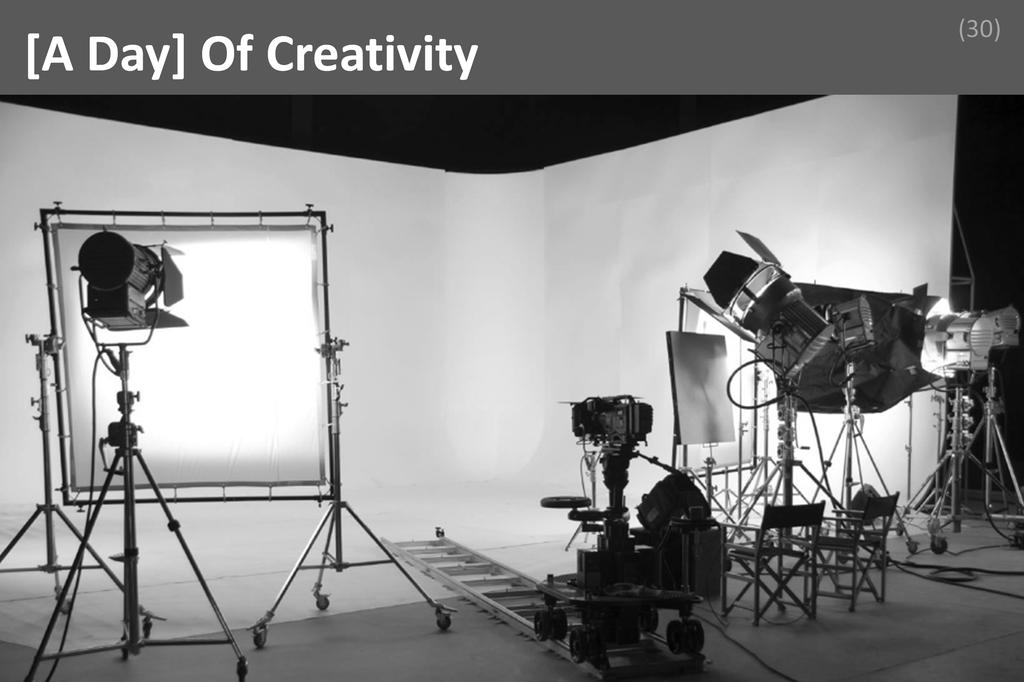
The hum of anticipation fills the air before the first camera even rolls. In video production, no two days are ever quite the same, but each one pulses with a unique blend of creativity, technical precision, and fast-paced problem-solving. From the moment the crew arrives on set, the environment is a whirlwind of activity—lights being rigged, scripts being reviewed, and last-minute adjustments being made to ensure every shot is perfect. The day unfolds in a series of orchestrated movements, each phase building on the last, as professionals work together to transform ideas into compelling visual stories.

Concept
As dawn breaks, the studio or location buzzes with early arrivals. Crew members unload equipment, set up lighting rigs, and double-check camera placements while the director and producers huddle over shot lists and storyboards. This is the time for troubleshooting—addressing any overnight changes, reviewing call sheets, and ensuring every department is aligned. The energy is focused yet expectant, as everyone prepares for the creative marathon ahead.

Real World Example
By mid-morning, the set is alive with activity. Actors are in makeup, directors are calling for quiet on set, and camera operators are framing the first shots of the day. This is the heart of production, where collaboration peaks and every second counts. The team navigates tight schedules, unexpected technical hiccups, and the relentless pursuit of the perfect take. Communication is constant, and adaptability is key as the vision on paper begins to come alive through the lens.

The afternoon brings a shift from the intensity of shooting to a more collaborative rhythm. Teams gather for quick meetings to review footage, discuss adjustments, and plan upcoming scenes. Editors may begin assembling rough cuts, while sound engineers capture ambient audio or conduct interviews. The focus is on execution—making sure every detail aligns with the project’s creative goals and that any issues are addressed before the day’s light fades.

As the sun sets, the pace slows but the work is far from over. Equipment is carefully packed away, footage is backed up, and the team gathers for a brief debrief to discuss what went well and what needs improvement. Producers update schedules, review notes, and start planning for the next day’s shoot. There’s a sense of accomplishment mixed with anticipation, as the day’s efforts are cataloged and preparations begin anew, ensuring that tomorrow’s production will be even smoother.


Install the LifePage App to:


  1. (for Free) Watch Video Director Pankaj Sati’s full Video Production Career Talk

  2. ₹ Do a Self Assessment on Video Production to calculate your Dream Index, which is defined as:

    According to Pankaj Sati your chances of success in Video Production is __%

  3. Access your personalized Dream Index Report which will have all your Dream Indices sorted in descending order.

Career Counselling 2.0


<?php echo $altimage; ?>


<?php echo $altimage; ?>


How to get into

Video Production?


If you are want to get into Video Production, start by investing in a Career Plan.

The 14 hour process, guided by a LifePage Career Advisor, will help you introspect and check whether your interest in Video Production is merely an infatuation or is it truly something you wish to do for the rest of your life.

Next, your Career Advisor will help you document how you can get into Video Production, what education and skills you need to succeed in Video Production, and what positives and challenges you will face in Video Production.

Finally, you will get a Career Plan stating which Courses, Certifications, Trainings and other Items you need to do in the next 7 years to become world’s best in Video Production.


LifePage Career Plan

14 hour personalized guidance program


Your LifePage Career Advisor facilitates your guided introspection so that you systematically explore various Career options to arrive at a well thought out Career choice.

Next: your Advisor helps you figure out how you will get into your chosen Career and how will you develop the skills needed for success in your Chosen Career.

LifePage Plan will not stop at saying "to become an Architect study Architecture". It will guide you on which Certifications, Trainings and Other items you need to do along with your Architecture education to become the world's best Architect.


Links for this Talk


Video Director Pankaj Sati's LifePage:


Career Counselling 2.0
[LifePage]
https://www.lifepage.in/page/pankajsati


LifePage Career Talk on Video Production


Career Counselling 2.0
[Career]
https://www.lifepage.in/careers/video-production


Career Counselling 2.0
[Full Talk]
https://lifepage.app.link/20170915-0004


Career Counselling 2.0
[Trailer]
https://www.youtube.com/watch?v=OVjOrfw-2mw


(Video Production, Pankaj Sati, Studio 6 Productions, Video Making, Production, Film Making, Video Editing, Camera, Film Shooting)


Similar Talks


Career in Video Editing
Video Editing
Ajmer Singh
Video Editor Head | HNN 24*7
[ 4 years & 8 months Experience ]

Video editor is a person who manipulates and rearranges video shots to create a new work. It is the responsibility of the editor to make its videos attractive to the viewers.

"I started video editing in 2009. Since 2015, I have been working with HNN 24*7 as a video editor head."


Career Counselling 2.0 Career Counselling 2.0 Career Counselling 2.0 Career Counselling 2.0 Career Counselling 2.0


Career in Cinematography
Cinematography
Karm Chawla
Cinematographer | Kannada Film Industry
[ 5 years & 8 months Experience ]

Basically Cinematography is the art of photography and camerawork in film-making or art of motion-picture photography by recording light or other electromagnetic radiation, either electronically by means of an image sensor, or chemically by means of a light-sensitive material such as film stock.

"After completing my schooling, I did BA (Hons) in English from Hansraj College (DU). After that I studied Film from LV Prasad and Academy, Chennai. I have working as a freelance cinematographer since 2013."


Career Counselling 2.0 Career Counselling 2.0 Career Counselling 2.0 Career Counselling 2.0 Career Counselling 2.0


Career in Scriptwriting
Scriptwriting
Prateeque Ojha
Scriptwriter | Various Storywriting Assignments
[ 8 years & 10 months Experience ]

Scriptwriting is an art and craft of writing scripts for mass media such as feature films, television productions or video games. It is frequently a freelance profession.

"I did my graduation from DU in 2002 and then I joined Satyajit Ray Film & Television Institute, Kolkata, there I specialized in screenplay writing. Since 2008, I have been working as a freelance scriptwriter."


Career Counselling 2.0 Career Counselling 2.0 Career Counselling 2.0 Career Counselling 2.0 Career Counselling 2.0


Career in Technical Management
Technical Management
Bhupendra Chauhan
CTO | HNN 24*7
[ 27 years Experience ]

Technical management involves the duties a news channel must perform for the technical operations. This involves management related to crew management with related tasks, logistics related or equipment related to operations as well as operations, service and maintenance.

"I started my career with NDTV as a freelancer in the year 1990 and worked there for almost 10 years. After that I started working with News 24 in the year 2007. Then I started working as a freelancer and worked different-2 companies in Delhi. Later on I came back to Dehradun and started working with HNN 24*7. I have been working at HNN 24*7 as Chief Technical Officer since it started."


Career Counselling 2.0 Career Counselling 2.0 Career Counselling 2.0 Career Counselling 2.0 Career Counselling 2.0


Career in Cinematography
Cinematography
Mukesh Khugsal
Cinematographer | Various Creative Assignments
[ 17 years Experience ]

Cinematography is the science or art of motion-picture photography by recording light or other electromagnetic radiation, either electronically by means of an image sensor, or chemically by means of a light-sensitive material such as film stock.

"I was always interested in Photography and Cinema. After completing my graduation from Delhi University, I started working with Inframe Creations, Delhi."


Career Counselling 2.0 Career Counselling 2.0 Career Counselling 2.0 Career Counselling 2.0 Career Counselling 2.0


Career in Direction
Direction
Ajay Govind
Filmmaker | Sisyphus Rocks Films
[ 13 years & 11 months Experience ]

A film director is a person who directs the making of a film. Generally, a film director controls a film's artistic and dramatic aspects, and visualizes the script while guiding the technical crew and actors in the fulfillment of that vision.

"After completing Bachelors in English Literature from St. Stephen's College, Delhi University, I did Media Studies Course from St. Stephen's College, Delhi University and here I was introduced to Film Theory and History and that was the time I discovered my interest in Direction. I have made over 40 documentaries, 5 music videos and Directed one feature film that released in 2014, "After the 3rd Bell"."


Career Counselling 2.0 Career Counselling 2.0 Career Counselling 2.0 Career Counselling 2.0 Career Counselling 2.0


Career in Direction
Direction
Abhishek Maindola
Director | Sambhav Theatre Group, Dehradun
[ 13 years Experience ]

A film director is a person who directs the making of a film. Generally, a film director controls a film’s artistic and dramatic aspects and visualizes the script while guiding the technical crew and actors in the fulfillment of that vision.

"I started my acting career in theatre in 2001. I experience a lot of things and I am satisfied with my roles. After acting, in 2004 I directed my first self written play “Female Feticide”, other than this I acted in Hindi cinema as well."


Career Counselling 2.0 Career Counselling 2.0 Career Counselling 2.0 Career Counselling 2.0 Career Counselling 2.0


Career in Wildlife Filmmaking
Wildlife Filmmaking
Sumanth Kuduvalli
Wildlife Fimmaker | Various Assignments
[ 6 years & 8 months Experience ]

Wildlife filmmaking is an exhilarating career nevertheless. If you are committed to wildlife conservation, are interested in filmmaking and have the patience to sit quietly for hours in the forest to get shots, then experiment with a short, low-budget film.

"After doing my Diploma in Wildlife Filmmaking and Photography from Craft, I joined Nikon as a Technical Associate in South India. I started Wildlife Filmmaking in 2012."


Career Counselling 2.0 Career Counselling 2.0 Career Counselling 2.0 Career Counselling 2.0 Career Counselling 2.0


Career in Filmmaking
Filmmaking
Sarthak Chawla
Creative Head & Co-founder | Mahakaal Productions
[ 1 year & 3 months Experience ]

Filmmaking is the process of making a film, generally in the sense of films intended for extensive theatrical exhibition. Filmmaking involves a number of discrete stages including an initial story, idea, or commission, through screenwriting, casting, shooting, sound recording and reproduction, editing and screening the finished product before an audience that may result in a film release and exhibition. Filmmaking takes place in many places around the world in a range of economic, social, and political contexts, and using a variety of technologies and cinematic techniques.

"After doing my schooling from Amity International School, Noida, I did my graduation in Journalism & Mass Communication from VIPS, IP University, Delhi and after that I did one year internship from NDTV, India. During my internship I realized that I have an inclination toward Filmmaking, so after that I did Post Graduate Diploma in Film Making from AAFT, Noida. In 2017, I started my own Production House named Mahakaal Productions. Our services range from Ad Films, Corporate Films and Documentaries to Coffee Table books, Industrial Photography, Hospitality Photography, etc. Mahakaal Productions is a one stop to end your quest for creativity. I am the Co-founder and Creative head of Mahakaal Productions."


Career Counselling 2.0 Career Counselling 2.0 Career Counselling 2.0 Career Counselling 2.0 Career Counselling 2.0


Career in Film Direction
Film Direction
Harsh Badheka
Assistant Director | Various Assignments
[ 5 years & 10 months Experience ]

A film director is a person who directs the making of a film. Generally, a film director controls a film's artistic and dramatic aspects and visualizes the screenplay (or script) while guiding the technical crew and actors in the fulfillment of that vision.

"I have completed my schooling from St Mary's School, Mumbai followed by Graduation & Post Graduation in Hindi from Kishinchand Chellaram College, Mumbai University. I have done movies such as Happy Bhag Jayegi, Jia aur Jia as a part of Direction team."


Career Counselling 2.0 Career Counselling 2.0 Career Counselling 2.0 Career Counselling 2.0 Career Counselling 2.0


Career in Video Editing
Video Editing
Gaurav Bhatt
Founder & Editor | Octopus Films
[ 3 years Experience ]

Video Editing or Non-Linear Video Editing is the process of taking video that is raw, meaning untouched or newly recorded. It is the manipulation and arrangement of video shots. Video editing is used to structure and present all video information, including films and television shows, video advertisements and video essays.

"After doing my schooling from Ranchi, Jharkhand, I did BJMC from Indraprastha University, Delhi. After that, I did my M Sc in mass Communication from Punjab Technical University and then my post graduate diploma in Direction & Film Making from AAFT, Noida. I am working as a Senior Promo Producer for CNN- NEWS 18 since 20004. In 2015, I started my own Production House named Octopus Films."


Career Counselling 2.0 Career Counselling 2.0 Career Counselling 2.0 Career Counselling 2.0 Career Counselling 2.0


Career in Direction
Direction
Ayush Kohli
Director | Liberal Arts Productions
[ 2 years Experience ]

A film director is a person who directs the making of a film. Generally, a film director controls a film's artistic and dramatic aspects and visualizes the screenplay (or script) while guiding the technical crew and actors in the fulfillment of that vision.

"I have done B Sc in Airlines Tourism & Hospitality from Lovely Professional University. Taking my interest forward I did a Course in Acting & Direction from Asian Academy of Film & Television, Noida Film City. I also did Modeling for some time where I was a Selfie King in North India Modeling Show. I am a Director at Liberal Arts Productions."


Career Counselling 2.0 Career Counselling 2.0 Career Counselling 2.0 Career Counselling 2.0 Career Counselling 2.0


Career in Filmmaking
Filmmaking
Omanshu Saini
Co- Founder | Doon Photowalk
[ 3 years & 8 months Experience ]

Filmmaking is the process of making a film. Filmmaking involves a number of discrete stages including an initial story, idea, or commission, through screenwriting, casting, shooting, sound recording and reproduction, editing, and screening the finished product before an audience that may result in a film release and exhibition.

"I did my schooling from Raja Ram Mohan Roy, and BBA from Graphic Era, Dehradun. I did my masters in Mass Communication from Doon University. Then I decided to open a company called Doon Photowalk with some of my friends in 2015."


Career Counselling 2.0 Career Counselling 2.0 Career Counselling 2.0 Career Counselling 2.0 Career Counselling 2.0


Career in Filmmaking
Filmmaking
Amaan Iqbal
Film Maker | Various Creative Assignments
[ 6 years & 6 months Experience ]

Filmmaking is the process of making a film, generally in the sense of films intended for extensive theatrical exhibition. Filmmaking involves a number of discrete stages including an initial story, idea, or commission, through screenwriting, casting, shooting, sound recording and reproduction, editing and screening the finished product before an audience that may result in a film release and exhibition.

"After doing B Sc in IT from Kanpur University, I did Mass Communication from Kanpur University. I was always interested in Filmmaking so did a diploma in Creative Writing. I have filmed a documentary for UNESCO, also worked on many commercial ads and short films. I conduct workshops on filmmaking under the name AAINA."


Career Counselling 2.0 Career Counselling 2.0 Career Counselling 2.0 Career Counselling 2.0 Career Counselling 2.0


Career in Filmmaking
Filmmaking
Amber Sharma
Managing Director, Producer & Director | Mowgli Productions
[ 8 years Experience ]

Filmmaking is the process of making a film, generally in the sense of films intended for extensive theatrical exhibition.

"I started my career in 2002 at Keoladeo National Park as a naturalist and in 2003 went to Kanha Tiger Reserve and Bandhavgarh National Park to start my career in wildlife photography to showcase natural history. In 2007, I began film making and founded Mowgli Productions. My directorial debut was on snow leopards it took me 4 years to film snow leopards at an altitude of 15000 feet. In 2010, I began producing and presenting international movies. I have worked on films like The Man in Maze, Mumbai Connection and Series Life of Mafia, Game- Short Film Series."


Career Counselling 2.0 Career Counselling 2.0 Career Counselling 2.0 Career Counselling 2.0 Career Counselling 2.0


Career in Film Production
Film Production
Pratibha Kotak
Production Supervisor | Octopus Film
[ 1 year & 7 months Experience ]

Production refers to the tasks that must be completed or executed during the filming or shooting. This includes tasks such as setting up scenes, the capture of raw footage and usage of set designs, to name a few of the many preproduction tasks and evolves into the postproduction stage.

"After doing my BA in Arts from Vikram University, I did my masters from IGNOU in Organizational Psychology and thereafter I did my post graduate diploma in TV Journalism & Communication from Asian Academy of Film & Television, Noida. I worked with Octopus Films as a Production Supervisor."


Career Counselling 2.0 Career Counselling 2.0 Career Counselling 2.0 Career Counselling 2.0 Career Counselling 2.0


Career in Cinematography
Cinematography
Tarminder Singh Tuneja
Cinematographer | The Wedding Container
[ 5 years & 5 months Experience ]

The art of photography and camera work in film-making

"I did my Schooling from Meerut. I then did my Graduation from Delhi University Open University. I worked with CMC for about 5 years. I am the CEO of The Wedding Container since 2013."


Career Counselling 2.0 Career Counselling 2.0 Career Counselling 2.0 Career Counselling 2.0 Career Counselling 2.0


Career in Film Making
Film Making
Dhairya Arora
Director & Writer | Various Film Assignments
[ 10 years & 3 months Experience ]

Filmmaking is the process of making a film, generally in the sense of films intended for extensive theatrical exhibition.

"I was 15 when Ocean Sonic Pictures London took me for an India Tour. I served as Master of ceremony for the preview of Little Box of Sweets. I worked in Noida Film Industry and then in Mumbai Film Industry. I have made advertisements for Kotak Mahindra, SBI. I have worked for Bollywood movies like Tamanchay, Maximus. I now make short films for Youtube and Award ceremonies."


Career Counselling 2.0 Career Counselling 2.0 Career Counselling 2.0 Career Counselling 2.0 Career Counselling 2.0


Career in Filmmaking
Filmmaking
Pradeep Sharma
Director & Writer | Siddhartha Cine Arts
[ 3 years Experience ]

Filmmaking is the process of making a film, generally in the sense of films intended for extensive theatrical exhibition. Filmmaking involves a number of discrete stages including an initial story, idea, or commission, through screenwriting, casting, shooting, sound recording and reproduction, editing and screening the finished product before an audience that may result in a film release and exhibition. Filmmaking takes place in many places around the world in a range of economic, social, and political contexts, and using a variety of technologies and cinematic techniques.

"After completing my schooling from Govt Boys School Mandsaur, I did my BA from Vikram University, Ujjain. Thereafter, I did my D Ed from Govt District Education Institute of Mandsaur, MP. After which I started teaching, while teaching I also wrote articles for newspapers and local Magazine. Then, I joined the distance learning PGD Course in Journalism from Makhanlal Chaturvedi National University, Bhopal. I worked for various organizations named NDTV India, Sahara Samay, Voice of India, Times Today channel and others as a Stinger, Reporter, Anchor, Special Correspondent and Desk Editor for about 16 years. I am working on few movie projects, one of them named Yashodharman, The Great Warrior which is written and directed by me would soon release in Movie Theaters."


Career Counselling 2.0 Career Counselling 2.0 Career Counselling 2.0 Career Counselling 2.0 Career Counselling 2.0


Career in Cinematography
Cinematography
Sunny Rajput
Cinematographer | Various Creative Assignments
[ 6 years & 1 month Experience ]

Cinematography is the science or art of motion-picture photography by recording light or other electromagnetic radiation, either electronically by means of an image sensor, or chemically by means of a light-sensitive material such as film stock.

"I did a bachelors in mass communication from Jamia Millia Islamia University. After that I worked with T-series, Zee TV, Scoopwhoop, Royal Frames, Poster Filters. I am an independent cinematographer."


Career Counselling 2.0 Career Counselling 2.0 Career Counselling 2.0 Career Counselling 2.0 Career Counselling 2.0


Career in Audio Video Production
Audio Video Production
Kapil Khankriyal
Executive Producer | Studio Underground
[ 3 years & 3 months Experience ]

The terms audio and video commonly refers to the time-based media storage format for sound/music and moving pictures information. Video production is the process of producing video content. It is the equivalent of filmmaking, but with images recorded digitally instead of on film stock.

"After completing my education, I started my own IT Company and worked there for several years and later in 2015, I started a studio company by the name of Studio Underground. Studio Underground is an audio video production house."


Career Counselling 2.0 Career Counselling 2.0 Career Counselling 2.0 Career Counselling 2.0 Career Counselling 2.0


[Install the LifePage App to access all Talks]


<?php echo $altimage; ?>


<?php echo $altimage; ?>


&mbsp;


Career Counselling 2.0 | Home   Home  
Career Counselling 2.0 | Abroad   Abroad  
Career Counselling 2.0 | Plan   Plan  
Career Counselling 2.0 | Talks   Talks  
Career Counselling 2.0 | Philosophy   Philosophy  
Career Counselling 2.0 | Seminar   Seminar  
Career Counselling 2.0 | Workshop   Workshop  
Career Counselling 2.0 | Pages   Pages  
Career Counselling 2.0 | Advisors   Advisors  
Career Counselling 2.0 | Discuss   Discuss  
Career Counselling 2.0 | Meet   Meet  
Career Counselling 2.0 | Advisor   Advisor  
Career Counselling 2.0 | Story   Story  
Career Counselling 2.0 | Fine Print   Fine Print  
Career Counselling 2.0 | Links   Links  
Career Counselling 2.0 | Blog   Blog  
Career Counselling 2.0 | Testimonials   Testimonials  
Career Counselling 2.0 | Follow   Follow  
 
[ Site Visits ]


Career Counselling 2.0