The Journey of Holistic Life Coaching
What Is Holistic Life Coaching
Holistic Life Coaching

Holistic life coaching is a client-centered approach that addresses the whole person—mind, body, and spirit—to help individuals achieve personal and professional goals. It integrates various techniques to foster self-awareness, balance, and growth, supporting clients in creating meaningful, sustainable changes in all areas of their lives.
Holistic life coaching matters because it recognizes that lasting change comes from addressing the interconnectedness of mental, emotional, physical, and spiritual well-being. For professionals in this field, it offers the opportunity to guide clients through transformative journeys, fostering deeper self-understanding and resilience. One major benefit is the ability to empower clients to overcome limiting beliefs and habits by exploring root causes rather than just symptoms. Another benefit is the promotion of overall wellness, as clients learn to align their actions with their values and aspirations. Additionally, holistic life coaching enhances the coach’s own growth and fulfillment, as the process often inspires ongoing learning and self-reflection.
A holistic life coach might work with a client experiencing chronic stress and dissatisfaction at work. Instead of focusing solely on career strategies, the coach explores the client’s lifestyle, relationships, health habits, and personal values. Through guided conversations and mindfulness practices, the coach helps the client identify underlying sources of stress, such as lack of work-life balance or unaddressed emotional needs. Together, they develop a personalized plan that includes stress management techniques, boundary-setting, and self-care routines. Over time, the client not only improves their professional satisfaction but also experiences greater overall well-being, illustrating how holistic life coaching addresses the full spectrum of a person’s life.
Education
Guided Meditation

Guided meditation is a structured practice where an individual is verbally led through a meditative experience by a facilitator, often focusing on relaxation, visualization, or self-awareness. In Holistic Life Coaching, it serves as a fundamental tool, bridging mindfulness techniques with personal growth strategies to support clients’ emotional and mental well-being.
Understanding guided meditation is essential for holistic life coaches because it equips them with a versatile method to help clients manage stress, enhance self-awareness, and foster personal transformation. Mastery of this practice forms a cornerstone of the holistic coaching toolkit, enabling professionals to address the interconnectedness of mind, body, and spirit. By integrating guided meditation into their sessions, coaches can create a safe and supportive environment that encourages clients to explore their inner landscapes, overcome limiting beliefs, and build resilience. Over time, this expertise not only enhances client outcomes but also elevates the coach’s credibility and effectiveness, ensuring long-term career growth and the ability to adapt to diverse client needs.
Imagine a holistic life coach working with a client experiencing anxiety and difficulty focusing on personal goals. Drawing on their knowledge of guided meditation, the coach begins a session by leading the client through a calming visualization exercise, helping them release tension and center their thoughts. As the client relaxes, the coach gently introduces affirmations and imagery tailored to the client’s aspirations, fostering a sense of clarity and motivation. This practical application of guided meditation not only alleviates immediate stress but also empowers the client to access inner resources and maintain focus outside of sessions. Through consistent use, the coach supports lasting behavioral change and personal growth, demonstrating the real-world value of guided meditation expertise.
Creative Visualization

Creative Visualization is the intentional practice of forming vivid, positive mental images to manifest desired outcomes, enhance well-being, and foster personal growth. In Holistic Life Coaching, it serves as a foundational technique, integrating psychological and spiritual principles to empower clients in achieving goals and overcoming internal barriers through focused imagination.
Understanding Creative Visualization is essential for holistic life coaches because it bridges the gap between intention and action. Mastery of this technique allows coaches to guide clients in harnessing the power of their imagination to create meaningful change. It forms a core part of the knowledge base, blending cognitive psychology, mindfulness, and motivational strategies. Coaches who are adept in Creative Visualization can help clients clarify their aspirations, reduce anxiety, and build resilience by transforming limiting beliefs into empowering narratives. Over the long term, proficiency in this area enhances a coach’s effectiveness, credibility, and ability to facilitate sustainable transformation, making it a critical skill for career advancement and client success in the holistic coaching profession.
Consider a holistic life coach working with a client struggling with self-confidence before a major career transition. Drawing on their expertise in Creative Visualization, the coach guides the client through a session where they vividly imagine themselves succeeding in their new role, feeling confident, and receiving positive feedback. The coach encourages the client to engage all senses, making the experience as real as possible. Over time, this repeated visualization helps the client internalize a sense of capability and reduces anxiety about the transition. By applying Creative Visualization in daily practice, the coach not only supports the client’s immediate goal but also equips them with a lifelong tool for self-empowerment and personal growth.
Yoga Techniques

Yoga Techniques encompass a range of physical postures, breathing exercises, meditation practices, and mindful movements rooted in ancient yogic traditions. In Holistic Life Coaching, understanding these techniques is essential, as they provide practical tools for enhancing clients’ physical, mental, and emotional well-being, supporting a comprehensive approach to personal growth.
A deep understanding of Yoga Techniques is vital for holistic life coaches because it equips them with evidence-based methods to address stress, anxiety, and physical discomfort in clients. Mastery of these techniques forms a foundational knowledge base, allowing coaches to integrate mind-body practices into their sessions and tailor interventions to individual needs. Over time, this expertise enhances a coach’s credibility and effectiveness, fostering trust and rapport with clients. Furthermore, proficiency in yoga techniques supports the coach’s own self-care, resilience, and professional longevity, ensuring they can model healthy habits and maintain the energy required for sustained client support. Ultimately, this knowledge expands a coach’s toolkit, enabling more holistic, transformative outcomes for those they serve.
Imagine a holistic life coach working with a client experiencing chronic stress and difficulty maintaining focus at work. Drawing on their knowledge of Yoga Techniques, the coach introduces simple breathing exercises and gentle movement sequences during sessions. They explain the physiological benefits of these practices, helping the client understand how mindful breathing can calm the nervous system and improve concentration. Over several weeks, the coach guides the client in developing a personalized daily yoga routine, adapting postures and meditations to suit their lifestyle and physical abilities. As a result, the client reports reduced stress levels, improved mental clarity, and a greater sense of overall well-being, demonstrating the practical impact of integrating yoga techniques into holistic coaching.
Emotional Intelligence

Emotional Intelligence refers to the ability to recognize, understand, manage, and influence one’s own emotions and the emotions of others. In holistic life coaching, it is a cornerstone of both academic study and professional practice, enabling coaches to foster deeper client relationships and facilitate meaningful personal transformation.
Developing emotional intelligence is essential for holistic life coaches because it underpins every client interaction and coaching outcome. By mastering self-awareness, self-regulation, empathy, and social skills, coaches can create a safe, supportive environment that encourages clients to explore their challenges openly. This subject forms the foundation for effective communication, conflict resolution, and motivational strategies, all of which are integral to holistic coaching. Over time, a strong grasp of emotional intelligence enhances a coach’s reputation, increases client satisfaction, and leads to more sustainable, positive outcomes. It also supports the coach’s own well-being, helping them manage stress and maintain professional boundaries, which is crucial for long-term career success in this field.
Imagine a holistic life coach working with a client who feels overwhelmed by career and family pressures. Drawing on emotional intelligence, the coach first recognizes their own emotional responses to the client’s stress, ensuring they remain calm and present. They then use empathetic listening to validate the client’s feelings, helping the client feel understood and supported. By asking insightful questions and reflecting the client’s emotions back to them, the coach guides the client to identify underlying beliefs and patterns. This emotionally attuned approach not only builds trust but also empowers the client to develop greater self-awareness and resilience, illustrating how emotional intelligence is applied in daily coaching practice to facilitate lasting personal growth.
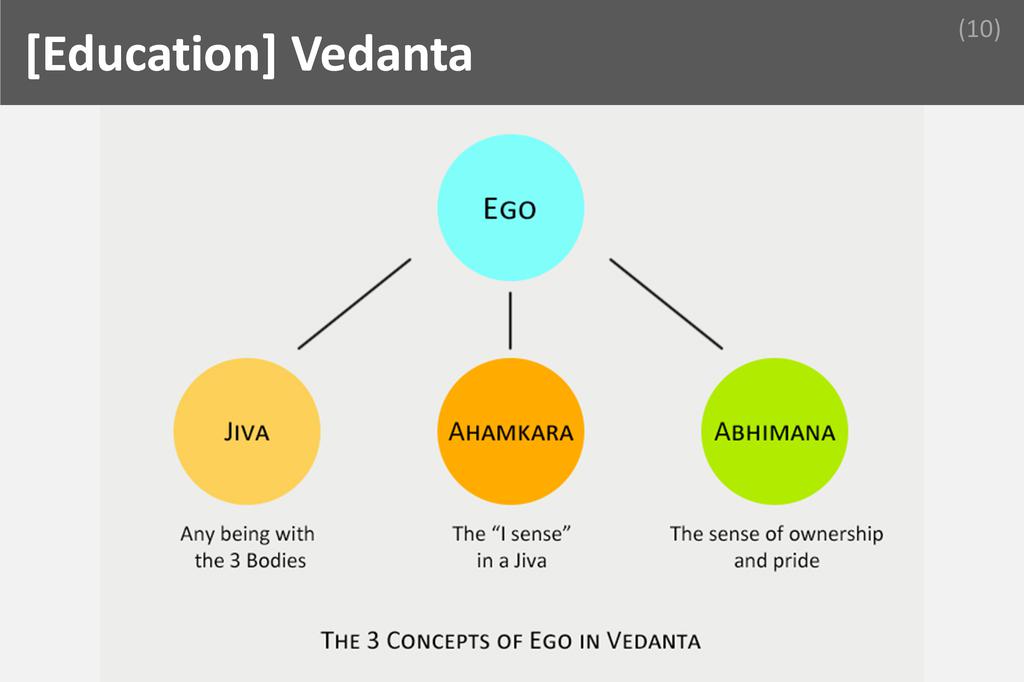
Vedanta

Vedanta is an ancient Indian philosophical system derived from the concluding teachings of the Vedas, focusing on the nature of reality, self-realization, and the unity of all existence. In Holistic Life Coaching, Vedanta provides a profound framework for understanding consciousness, personal growth, and the interconnectedness of mind, body, and spirit.
For holistic life coaches, a deep understanding of Vedanta is essential because it offers a comprehensive perspective on human nature and well-being. Vedanta’s teachings encourage self-inquiry, mindfulness, and the dissolution of limiting beliefs, all of which are crucial for guiding clients toward authentic transformation. By integrating Vedantic principles, coaches can help clients move beyond surface-level solutions and address the root causes of dissatisfaction or imbalance. This philosophical foundation not only enhances the coach’s credibility but also equips them with timeless tools for fostering resilience, clarity, and inner peace in their clients. Over time, mastery of Vedanta can distinguish a coach in the field, enabling them to offer more meaningful, sustainable, and spiritually aligned guidance.
Imagine a holistic life coach working with a client experiencing persistent anxiety and a sense of purposelessness. Drawing on Vedantic teachings, the coach guides the client to explore their true self beyond fleeting thoughts and emotions. Through reflective dialogue and meditative practices rooted in Vedanta, the client begins to recognize the impermanent nature of their worries and the deeper, unchanging awareness within. This shift in perspective helps the client cultivate inner stability and a renewed sense of purpose. The coach’s application of Vedantic wisdom not only addresses immediate concerns but also empowers the client to navigate future challenges with greater equanimity and self-awareness, demonstrating the practical value of this philosophical approach in daily coaching practice.
EFT

EFT, or Emotional Freedom Techniques, is a therapeutic approach that combines elements of cognitive therapy and exposure therapy with acupressure, using fingertip tapping on specific meridian points. It is recognized within holistic life coaching as a valuable tool for emotional regulation, stress reduction, and personal transformation, supporting comprehensive client well-being.
Understanding EFT is essential for holistic life coaches because it equips them with a practical, evidence-based method for addressing emotional blocks and limiting beliefs in clients. Mastery of EFT allows coaches to facilitate deeper self-awareness and emotional resilience, which are crucial for lasting personal growth. By integrating EFT into their practice, professionals can offer clients a safe, non-invasive technique to manage anxiety, trauma, and negative thought patterns. This foundational knowledge not only enhances the coach’s credibility but also broadens their toolkit, enabling them to tailor interventions to individual client needs. Over time, proficiency in EFT can lead to improved client outcomes, greater professional satisfaction, and a reputation for delivering transformative, holistic support.
Imagine a holistic life coach working with a client who struggles with persistent self-doubt and anxiety before public speaking. Drawing on their understanding of EFT, the coach guides the client through a session where they identify specific negative beliefs and emotional triggers. The coach instructs the client to tap on designated meridian points while voicing these concerns, helping to reduce the emotional intensity associated with the fear. As the session progresses, the client experiences a noticeable decrease in anxiety and gains confidence in their ability to manage stress. By applying EFT in this real-world context, the coach not only addresses immediate emotional challenges but also empowers the client with a self-help tool for future situations.
Skills
Creative problem Solving

Creative problem Solving is the ability to approach challenges with originality, flexibility, and resourcefulness, generating innovative solutions that may not be immediately obvious. In holistic life coaching, this skill enables professionals to address clients’ unique needs, adapt to diverse situations, and foster meaningful transformation by thinking beyond conventional methods.
Mastering creative problem Solving enhances a holistic life coach’s effectiveness by enabling them to tailor strategies to each client’s distinct circumstances. Clients and employers value this skill because it leads to more personalized, impactful outcomes and demonstrates adaptability in the face of complex or unexpected challenges. Cultivating creative problem Solving involves ongoing self-reflection, exposure to diverse perspectives, and a willingness to experiment with new approaches. By regularly engaging in brainstorming, seeking feedback, and learning from both successes and setbacks, coaches can strengthen their ability to generate fresh solutions and maintain a dynamic, client-centered practice.
Imagine a holistic life coach working with a client who feels stuck in both their career and personal relationships, despite having tried standard goal-setting techniques. Instead of repeating familiar exercises, the coach draws on creative problem Solving by integrating art therapy, mindfulness practices, and unconventional questioning. Through this inventive approach, the client uncovers hidden motivations and gains new insights, leading to breakthroughs that traditional methods had not achieved. By thinking creatively and adapting their methods, the coach not only resolves the immediate issue but also empowers the client to approach future challenges with greater confidence and resilience. This scenario highlights how creative problem Solving can be the key to unlocking transformative change in holistic life coaching.
Patience

Patience is the ability to remain calm, composed, and persistent when faced with delays, challenges, or setbacks, without becoming frustrated or discouraged. In holistic life coaching, patience allows professionals to support clients through gradual transformation, respecting each individual’s pace and unique journey toward personal growth and well-being.
Patience directly enhances a holistic life coach’s effectiveness by fostering a supportive and non-judgmental environment where clients feel safe to explore their challenges and aspirations. Clients and employers value this quality because it demonstrates commitment to long-term progress rather than quick fixes, which is essential for authentic, sustainable change. Cultivating patience involves practicing mindfulness, embracing empathy, and recognizing that meaningful transformation often unfolds over time. By reflecting on personal triggers and learning to manage expectations, coaches can gradually strengthen their patience, ultimately leading to deeper client trust and more impactful coaching outcomes.
Imagine a holistic life coach working with a client who struggles with self-confidence and repeatedly falls back into negative thought patterns. Instead of expressing frustration or pushing for immediate results, the coach patiently listens, offers gentle encouragement, and celebrates small victories. Over several months, the client slowly begins to adopt healthier habits and a more positive mindset. The coach’s patience proves critical, as it allows the client to progress at their own pace, fostering genuine self-discovery and lasting change. This scenario highlights how patience not only resolves immediate challenges but also lays the foundation for enduring success in holistic life coaching.
Listening

Listening is the intentional act of fully focusing on, understanding, and interpreting both the spoken words and unspoken cues of another person. In holistic life coaching, listening forms the foundation for building trust, uncovering clients’ true needs, and fostering meaningful transformation. It enables coaches to connect deeply and respond authentically.
Mastering listening elevates a holistic life coach’s effectiveness by allowing them to perceive the underlying emotions, beliefs, and motivations that shape a client’s experiences. Clients and employers value this skill because it creates a safe, non-judgmental space where individuals feel genuinely heard and understood. This trust accelerates progress and encourages openness. To cultivate listening, coaches must practice mindfulness, minimize distractions, and engage in regular self-reflection to become aware of their own biases. Over time, consistent feedback and a commitment to personal growth further refine this essential skill, ensuring that each coaching session is tailored to the unique needs of the client.
Imagine a client who feels stuck in their career but cannot articulate the root cause of their dissatisfaction. A holistic life coach, by listening attentively to both the client’s words and emotional undertones, notices subtle hesitations and recurring themes of self-doubt. Instead of offering immediate solutions, the coach reflects back what they hear, gently prompting the client to explore these feelings further. Through this process, the client gains clarity about their limiting beliefs and begins to identify actionable steps toward change. In this scenario, the coach’s listening skill not only uncovers the real issue but also empowers the client to move forward with confidence and purpose.
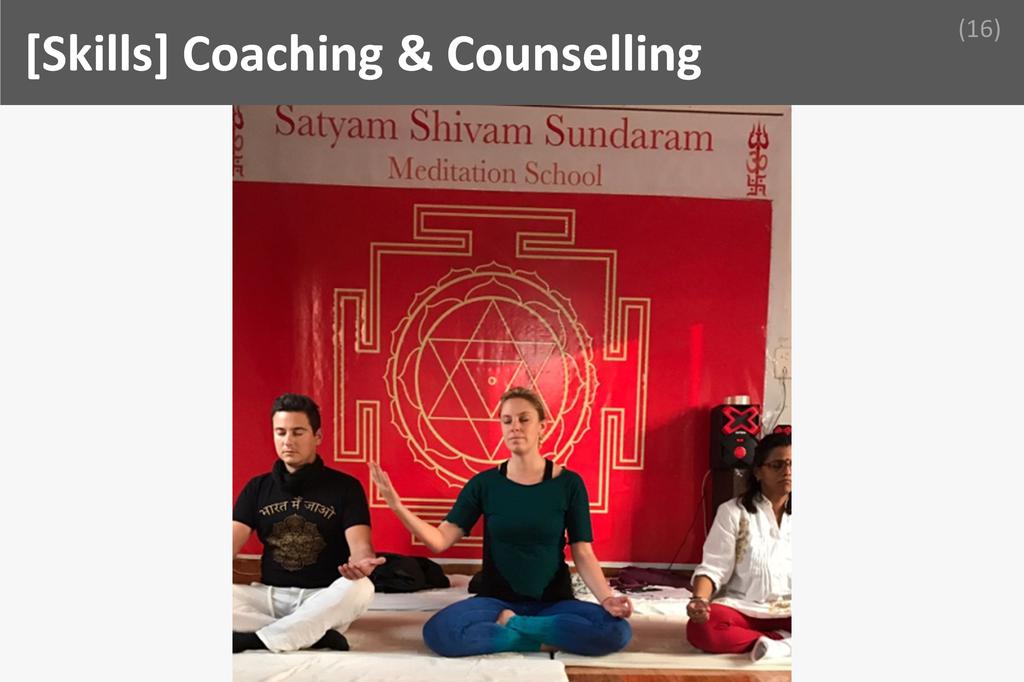
Coaching Counselling

Coaching Counselling is the integrated practice of guiding individuals through personal growth and transformation by combining coaching techniques with therapeutic counselling skills. It enables holistic life coaches to support clients in identifying goals, overcoming obstacles, and addressing emotional or psychological barriers, fostering lasting change and overall well-being. This dual approach is indispensable in a holistic life coach’s toolkit because it bridges the gap between actionable goal-setting and deeper emotional healing. By blending these methods, professionals can offer comprehensive support that addresses both surface-level challenges and underlying issues, ensuring clients experience meaningful and sustainable progress in all areas of their lives.
Mastering Coaching Counselling significantly enhances a holistic life coach’s effectiveness by allowing them to connect deeply with clients, understand their unique challenges, and tailor interventions that address both practical and emotional needs. Clients and employers highly value this skill because it demonstrates empathy, active listening, and the ability to foster trust, all of which are crucial for facilitating genuine transformation. To cultivate this skill, aspiring coaches should pursue formal training in both coaching and counselling methodologies, engage in regular self-reflection, and seek supervision or mentorship from experienced practitioners. Over time, consistent practice, ongoing education, and a commitment to personal growth enable coaches to refine their approach and deliver impactful, client-centered support.
Imagine a holistic life coach working with a client who feels stuck in their career and struggles with low self-esteem. Through Coaching Counselling, the coach creates a safe space for the client to explore their fears and limiting beliefs while also helping them set achievable career goals. By skillfully blending empathetic listening with strategic questioning, the coach uncovers the root causes of the client’s self-doubt and guides them toward actionable steps for professional growth. As a result, the client gains clarity, confidence, and motivation, ultimately making significant progress in both their personal and professional life. This scenario highlights how Coaching Counselling empowers clients to overcome internal barriers and achieve lasting success.
Communication & Articulation

Communication & Articulation is the ability to clearly express thoughts, feelings, and ideas through spoken or written language, ensuring understanding and connection between individuals. In Holistic Life Coaching, this skill enables coaches to convey guidance, ask insightful questions, and foster trust, making it indispensable for effective client relationships and transformative outcomes.
Mastering Communication & Articulation directly enhances a holistic life coach’s ability to listen actively, interpret client needs, and deliver feedback in a way that resonates. Clients and employers value this skill because it builds rapport, minimizes misunderstandings, and creates a safe environment for personal growth. Over time, coaches can cultivate this ability by practicing mindful listening, engaging in reflective dialogue, and seeking constructive feedback from peers or mentors. Continuous learning through workshops, reading, and real-world coaching sessions further sharpens their capacity to articulate complex ideas with empathy and clarity, ultimately elevating the quality of their coaching practice and client satisfaction.
Imagine a client struggling with work-life balance who feels overwhelmed and unable to articulate their challenges. A holistic life coach, drawing on strong Communication & Articulation skills, listens attentively and rephrases the client’s concerns in a way that feels validating and clear. The coach then explains practical strategies using language tailored to the client’s understanding, ensuring the advice is both accessible and actionable. Through this process, the client feels heard and empowered, leading to a breakthrough in self-awareness and motivation. The coach’s ability to communicate effectively transforms a vague sense of overwhelm into a structured plan for change, demonstrating the critical role of this core skill in achieving meaningful results.
Non Judgemental

Being non judgemental means approaching people, situations, and ideas with openness, acceptance, and neutrality, without imposing personal biases, criticisms, or preconceived notions. In holistic life coaching, this quality allows professionals to create a safe, trusting environment where clients feel respected and understood, fostering genuine self-exploration and growth.
The ability to remain non judgemental directly enhances a holistic life coach’s effectiveness by encouraging honest communication and deeper client engagement. Clients and employers highly value this skill because it ensures that all perspectives are welcomed, which is crucial for personal development and transformation. To cultivate non judgemental attitudes, coaches can practice active listening, engage in self-reflection, and seek regular feedback to identify and manage their own biases. Over time, consistent mindfulness and empathy help reinforce this approach, allowing coaches to support clients without letting personal opinions interfere. This ongoing commitment to neutrality not only builds trust but also empowers clients to explore their challenges and strengths without fear of criticism or dismissal.
Imagine a holistic life coach working with a client who feels ashamed about a recent career setback. Instead of reacting with surprise or offering unsolicited advice, the coach listens attentively and responds with understanding, refraining from any judgmental comments. This non judgemental stance encourages the client to open up about their fears and insecurities, leading to a deeper exploration of underlying issues. As a result, the client feels validated and supported, which boosts their confidence and willingness to engage in the coaching process. By maintaining a non judgemental attitude, the coach helps the client move beyond self-criticism and focus on actionable steps toward personal and professional growth.
Writing & Speaking

Writing & Speaking refers to the ability to clearly express thoughts, ideas, and emotions through both written and verbal communication. In holistic life coaching, this skill enables professionals to articulate guidance, foster understanding, and build trust with clients, making it a cornerstone of effective coaching relationships and impactful personal development.
Mastering writing and speaking significantly enhances a holistic life coach’s ability to connect with clients, communicate complex concepts, and inspire meaningful change. Clients and employers highly value this skill because it ensures clarity, empathy, and professionalism in every interaction, whether through emails, session notes, workshops, or public speaking engagements. Over time, coaches can cultivate this skill by seeking feedback, engaging in reflective journaling, participating in speaking opportunities, and studying effective communicators. Continuous practice and self-awareness help coaches adapt their communication style to diverse client needs, ultimately leading to stronger relationships, better client outcomes, and a more reputable coaching practice.
Imagine a holistic life coach working with a client struggling with stress management. The coach uses clear, compassionate language during sessions to explain mindfulness techniques and actively listens to the client’s concerns. Afterwards, the coach follows up with a thoughtfully written summary and personalized action plan, ensuring the client feels supported and understood. When the client faces setbacks, the coach’s ability to reframe challenges through encouraging words and motivational speaking helps restore the client’s confidence. In this scenario, the coach’s writing and speaking skills are vital for building trust, maintaining engagement, and guiding the client toward lasting positive change.
Positives
Create Your Own Schedule

"Create Your Own Schedule" means having the autonomy to decide when, where, and how often you work, allowing you to align your professional commitments with your personal life and energy levels. In holistic life coaching, this flexibility empowers practitioners to design a work-life balance that nurtures both their clients and themselves. By setting their own hours, holistic life coaches can prioritize self-care, family, and personal growth, which are essential values in this field. This freedom not only enhances their well-being but also enables them to be more present and effective for their clients, making the profession deeply rewarding and sustainable.
The ability to create your own schedule is a transformative benefit in holistic life coaching, significantly enhancing job satisfaction and personal growth. This flexibility allows coaches to work during their most productive hours, leading to higher energy and better outcomes for their clients. It also means they can take time off when needed, reducing burnout and promoting long-term career sustainability. As a result, holistic life coaches often feel more in control of their professional journey, which fosters a sense of empowerment and fulfillment. Each day, this autonomy enables them to adapt to life’s demands, pursue ongoing education, and maintain a harmonious balance between their work and personal aspirations.
Imagine a holistic life coach who is also a parent. She begins her mornings with meditation and family time, then schedules client sessions during the late morning and early afternoon when her energy is highest. In the afternoons, she takes a break to pick up her children from school and enjoy quality time together. Later, she might hold a few evening sessions for clients in different time zones. This personalized schedule allows her to be fully present for both her family and her clients, demonstrating how the freedom to create her own schedule leads to greater satisfaction, reduced stress, and a more meaningful, balanced life.
Help Others

"Help Others" means providing support, guidance, and encouragement to individuals seeking personal growth, well-being, and balance in their lives. In holistic life coaching, this involves empowering clients to overcome challenges, discover their strengths, and achieve their goals. This positive contribution fosters meaningful connections and creates lasting, transformative change for both coach and client.
The opportunity to help others is at the heart of holistic life coaching, making it an exceptionally rewarding career. When coaches witness their clients’ progress, it brings a profound sense of purpose and fulfillment. This daily experience of making a difference not only boosts job satisfaction but also fuels personal growth and resilience. Coaches often find that the act of helping others leads to deeper empathy, improved communication skills, and a greater appreciation for human potential. The positive feedback and gratitude received from clients further reinforce the coach’s motivation, creating a cycle of encouragement and inspiration that benefits both parties. Ultimately, helping others is not just a job requirement—it becomes a source of joy and ongoing professional development.
Imagine a holistic life coach working with a client who feels overwhelmed by stress and self-doubt. Through compassionate listening and tailored guidance, the coach helps the client identify limiting beliefs and develop healthier habits. Over time, the client gains confidence, achieves personal milestones, and expresses heartfelt gratitude for the coach’s unwavering support. This transformation is deeply fulfilling for the coach, who sees firsthand the positive impact of their work. The experience of helping someone reclaim their sense of purpose and well-being reinforces the coach’s passion for their profession, reminding them daily of the powerful difference they make in the lives of others.
Continuous Learning

Continuous learning is the ongoing process of acquiring new knowledge, skills, and insights throughout one’s professional journey. It involves staying curious, embracing change, and seeking growth beyond formal education. In holistic life coaching, continuous learning ensures practitioners remain adaptable, informed, and effective, ultimately enhancing their ability to support clients meaningfully.
Continuous learning is a cornerstone of holistic life coaching because it keeps the work dynamic and deeply engaging. As the field evolves with new research, techniques, and client needs, coaches who embrace ongoing education find themselves better equipped to offer relevant guidance. This commitment to growth not only sharpens their expertise but also fuels a sense of purpose and accomplishment. Each new insight or skill learned can directly impact a client’s progress, making the coach’s role both impactful and personally rewarding. The daily practice of learning fosters resilience, creativity, and confidence, allowing coaches to navigate challenges with greater ease and to celebrate the transformative journeys they help facilitate.
Imagine a holistic life coach who recently attended a workshop on mindfulness-based stress reduction. Inspired by the latest research, she integrates these techniques into her sessions, observing how clients respond with increased calm and clarity. As she witnesses their breakthroughs, she feels a renewed sense of excitement and fulfillment in her work. This experience not only deepens her connection with clients but also reinforces her passion for learning. By continuously expanding her toolkit, she remains at the forefront of her profession, confident that her evolving knowledge directly benefits those she serves. This cycle of learning and application creates a vibrant, ever-evolving career that is both meaningful and inspiring.
Personal Growth

Personal growth is the ongoing process of self-improvement, self-awareness, and the pursuit of one’s fullest potential in all areas of life. It involves learning, adapting, and evolving emotionally, mentally, and spiritually. In holistic life coaching, personal growth is essential because it empowers coaches to guide others authentically and effectively. By embracing personal growth, holistic life coaches not only enhance their own well-being but also become more empathetic, insightful, and resilient. This continuous journey of self-discovery and transformation allows them to connect deeply with clients, fostering trust and inspiration. Ultimately, personal growth is the foundation that enables holistic life coaches to make a meaningful difference in the lives of others.
The emphasis on personal growth in holistic life coaching is a powerful driver of job satisfaction and professional fulfillment. Coaches who prioritize their own development find themselves better equipped to handle the diverse challenges their clients face. This commitment to self-improvement leads to increased confidence, adaptability, and emotional intelligence, which are invaluable in building strong client relationships. Each day, holistic life coaches experience the rewards of personal growth as they witness their own transformation alongside their clients’. This mutual journey creates a sense of purpose and accomplishment, reinforcing the coach’s passion for their work. The ongoing process of learning and evolving ensures that no two days are the same, keeping the profession dynamic and deeply rewarding.
Imagine a holistic life coach who, through ongoing self-reflection and mindfulness practices, recognizes and overcomes their own limiting beliefs about success. As they work with a client struggling with similar doubts, the coach draws from their personal experience, offering genuine empathy and practical strategies. This shared journey not only helps the client break through barriers but also reinforces the coach’s own growth and resilience. The coach leaves each session feeling inspired and grateful, knowing that their commitment to personal development has a direct, positive impact on others. This cycle of growth and empowerment exemplifies the deeply fulfilling nature of a career in holistic life coaching.
Travelling

Travelling is the act of moving from one place to another, often across cities, countries, or continents, to explore new environments, cultures, and perspectives. In holistic life coaching, travelling opens doors to diverse experiences, fosters personal growth, and enables coaches to connect with clients and communities worldwide, enriching their professional journey.
The opportunity to travel is a transformative benefit for holistic life coaches, as it allows them to immerse themselves in different cultures, philosophies, and healing practices. This exposure broadens their understanding of human behavior and wellness, making their coaching more empathetic and effective. Travelling also breaks the monotony of routine, infusing daily work with excitement and fresh inspiration. Meeting clients in various locations, attending international workshops, and collaborating with global peers not only enhances professional skills but also builds a vibrant network. This dynamic lifestyle fuels personal growth, deepens self-awareness, and keeps motivation high, making the career both fulfilling and sustainable over time.
Imagine a holistic life coach who travels to Bali to lead a wellness retreat. Surrounded by lush landscapes and a community eager for transformation, the coach draws upon local traditions and mindfulness practices to create a unique program. Each day, the coach interacts with participants from around the world, learning about their backgrounds and challenges. The experience of guiding clients through breakthroughs in such an inspiring setting brings immense satisfaction. The coach returns home with new insights, fresh techniques, and a renewed sense of purpose, having witnessed firsthand the profound impact of combining travel with holistic coaching. This journey not only benefits clients but also enriches the coach’s own life and professional practice.
Challenges
Finding Suitable Clients

Finding suitable clients in Holistic Life Coaching means identifying individuals whose needs, values, and readiness for change align with the coach’s expertise and approach. This is demanding because the field is highly personalized, and not every potential client is a good fit, making the search both nuanced and time-consuming.
The challenge of finding suitable clients can lead to inconsistent workloads, financial uncertainty, and emotional fatigue for holistic life coaches. Daily, professionals may spend significant time on outreach, networking, and initial consultations that do not always result in productive client relationships. This ongoing effort requires resilience, as rejection and mismatches are common. Successful coaches manage this constraint by refining their niche, clearly communicating their unique value, and building authentic relationships within their communities. They also invest in ongoing personal development and marketing strategies that attract clients who resonate with their philosophy, thereby increasing the likelihood of meaningful, long-term engagements.
Consider a holistic life coach who initially struggled to attract clients aligned with her integrative approach. She realized that generic marketing attracted a broad audience, many of whom were not ready for deep, transformative work. By narrowing her focus to stress management for healthcare professionals and sharing her own journey through targeted blog posts and workshops, she began to draw in clients who genuinely valued her perspective. Through consistent messaging and authentic engagement, she built a reputation within her niche, leading to more referrals and a steady stream of clients who were both suitable and committed to the coaching process. This shift transformed her practice and reinforced the importance of alignment in client relationships.
Lack of Awareness

Lack of Awareness in Holistic Life Coaching refers to the limited public understanding of what holistic coaching entails, its benefits, and its distinction from traditional coaching or therapy. This challenge is demanding because it hinders client acquisition, creates misconceptions, and requires professionals to constantly educate and advocate for their field.
This lack of awareness can make daily work for holistic life coaches particularly challenging. Professionals often encounter skepticism or confusion from potential clients, leading to fewer inquiries and slower business growth. The need to repeatedly clarify their approach and value proposition can be draining, demanding resilience and patience. Successful coaches manage this constraint by consistently engaging in educational outreach, such as hosting workshops, writing informative content, and leveraging social media to share success stories. They also build strong referral networks and collaborate with allied professionals to increase visibility. By persistently demonstrating the tangible benefits of holistic coaching, these professionals gradually shift perceptions and foster greater acceptance, turning a challenging environment into an opportunity for growth and leadership within the field.
Consider a holistic life coach who notices that most of her local community is unfamiliar with her services and often confuses her role with that of a therapist. Instead of becoming discouraged, she organizes free monthly seminars at a local wellness center, where she explains the principles of holistic coaching and shares client testimonials (with permission). She also writes articles for the community newsletter and maintains an active social media presence, highlighting real-life transformations. Over time, her efforts lead to increased inquiries, more informed clients, and a growing reputation as a trusted resource. By proactively addressing the lack of awareness, she not only builds her practice but also contributes to a broader understanding of holistic life coaching in her area.
Solo Entrepreneurship

Solo Entrepreneurship in Holistic Life Coaching refers to the experience of building, managing, and growing a coaching practice independently, without the support of a team or organizational structure. This path is demanding because it requires balancing client care, business operations, marketing, and personal development, all while maintaining professional integrity and self-motivation.
The challenge of solo entrepreneurship can lead to feelings of isolation, overwhelm, and burnout, as holistic life coaches juggle multiple roles each day. Without colleagues to share responsibilities or offer feedback, every decision and setback falls squarely on the individual. This reality demands significant resilience, adaptability, and self-discipline. Successful professionals address these pressures by establishing strong routines, seeking mentorship, and investing in ongoing education. They often cultivate supportive networks with other coaches or wellness professionals, which helps to alleviate isolation and provides opportunities for collaboration and accountability. By prioritizing self-care and setting clear boundaries, they maintain their well-being while continuing to deliver high-quality service to clients.
Consider a holistic life coach named Maya who launched her practice after leaving a corporate job. Initially, Maya struggled with the demands of managing her schedule, marketing her services, and handling administrative tasks alone. Recognizing the risk of burnout, she joined an online community of fellow coaches, where she exchanged ideas and received encouragement. Maya also invested in a business coach who helped her streamline her workflow and set realistic goals. By dedicating time each week to professional development and self-care, Maya gradually built a sustainable practice. Her ability to seek support and implement structured routines enabled her to thrive as a solo entrepreneur, turning a daunting challenge into a rewarding journey.
Time Zones

Time Zones, in the context of Holistic Life Coaching, refer to the geographical differences in local times between coaches and their clients. This challenge complicates scheduling, disrupts natural rhythms, and can create misunderstandings or missed appointments, making it demanding for coaches to maintain consistent, personalized support across diverse global locations.
The challenge of time zones significantly impacts the daily workflow of holistic life coaches by requiring them to accommodate clients from various regions, often leading to irregular hours and disrupted personal routines. This unpredictability can cause fatigue and stress, demanding resilience and adaptability from professionals. Successful coaches manage this constraint by establishing clear communication about availability, using digital scheduling tools that automatically adjust for time differences, and setting firm boundaries to protect their own well-being. They also cultivate flexibility, sometimes offering a range of session times to suit clients in different parts of the world, while ensuring they maintain a sustainable work-life balance. By proactively addressing these issues, coaches can continue to deliver high-quality, attentive support to their clients, regardless of location.
Consider a holistic life coach based in London who works with clients in New York, Sydney, and Dubai. To manage the challenge of time zones, she uses an online booking system that displays her availability in each client’s local time, reducing confusion and missed appointments. She designates specific days for early morning or late evening sessions, ensuring she can accommodate clients in distant regions without overextending herself. By communicating her boundaries clearly and planning her calendar in advance, she maintains her own well-being while providing consistent, reliable support to her international clientele. This approach allows her to build strong, trusting relationships with clients worldwide, despite the inherent challenges of working across multiple time zones.
People Expectations

People Expectations in Holistic Life Coaching refer to the assumptions, hopes, and demands clients bring regarding outcomes, methods, and the coach’s role. This challenge is demanding because clients often anticipate quick fixes or specific results, placing pressure on coaches to deliver beyond realistic or ethical boundaries.
The weight of people’s expectations can shape every client interaction, often leading to emotional strain and professional dilemmas. Coaches may feel compelled to overpromise or compromise their holistic approach to satisfy clients’ desires for rapid transformation. This ongoing tension requires resilience, as professionals must balance empathy with honesty, maintaining clear boundaries while nurturing trust. Successful holistic life coaches address this challenge by setting transparent expectations from the outset, educating clients about the coaching process, and reinforcing the importance of personal responsibility in growth. By consistently communicating the realities of holistic change and celebrating incremental progress, coaches foster a collaborative environment where realistic goals are valued over instant results.
Consider a holistic life coach working with a client who expects immediate relief from long-standing anxiety. The client arrives with stories of friends who experienced dramatic changes after just a few sessions elsewhere, expressing disappointment when progress feels gradual. The coach listens empathetically, acknowledges the client’s hopes, and gently explains the holistic philosophy, emphasizing that deep, sustainable change unfolds over time. Through regular check-ins and reflective exercises, the coach helps the client recognize subtle shifts in mindset and behavior, reframing success as ongoing growth rather than a single breakthrough. Over several months, the client develops greater self-awareness and resilience, ultimately appreciating the value of a patient, holistic journey—demonstrating how clear communication and compassionate guidance can transform unrealistic expectations into meaningful progress.
A Day Of
Holistic Life Coaching
The rhythm of a holistic life coach’s day is anything but ordinary. Instead of being tethered to a desk or confined by rigid routines, each moment pulses with intention, empathy, and adaptability. The environment is a blend of tranquil spaces—sometimes a sunlit home office, other times a cozy virtual meeting room—where the focus is always on nurturing growth and transformation. The pace ebbs and flows, shaped by the needs of clients and the coach’s own commitment to personal alignment, making every day a unique journey of connection, insight, and purposeful action.
As dawn breaks, the holistic life coach begins the day with mindful rituals designed to foster clarity and presence. This early morning phase is dedicated to personal grounding, whether through meditation, journaling, or gentle movement, setting a calm and focused tone for the hours ahead. The coach reviews the day’s schedule, reflects on client notes, and sets intentions for each session, ensuring that every interaction will be approached with empathy and attentiveness. This quiet preparation is essential, allowing the coach to be fully present and energetically aligned before engaging with clients.
Mid-morning marks the heart of the coach’s workday, as the first wave of client sessions begins. These one-on-one or small group meetings are immersive and dynamic, often conducted via video call or in a serene office setting. The coach listens deeply, asks probing questions, and guides clients through tailored exercises that address emotional, mental, and sometimes spiritual dimensions of their lives. This is the most intense and rewarding part of the day, where breakthroughs happen, goals are clarified, and clients leave feeling empowered and supported on their personal journeys.
As the afternoon unfolds, the focus shifts to collaboration and execution. The coach may consult with colleagues, participate in professional development workshops, or design new coaching programs and resources. This period is also ideal for following up with clients via email, refining session notes, and integrating feedback into future plans. The energy here is creative and constructive, as the coach balances administrative responsibilities with the ongoing evolution of their practice, always seeking new ways to inspire and support holistic growth.
In the late afternoon or early evening, the coach transitions into a reflective and strategic mode. This is the time to review the day’s progress, update records, and conduct any necessary research to better serve clients’ unique needs. The coach may spend a few quiet moments in gratitude or meditation, acknowledging the day’s successes and lessons learned. Planning for the next day begins here, with careful consideration given to each client’s journey and the coach’s own well-being. By the time the workday ends, there is a sense of fulfillment and readiness to embrace whatever tomorrow may bring. |