Career Counselling 2.0 HomeHomeCareer Counselling 2.0 AbroadAbroadCareer Counselling 2.0 PlanPlanCareer Counselling 2.0 | TalksTalksCareer Counselling 2.0 PhilosophyPhilosophyCareer Counselling 2.0 SeminarSeminarCareer Counselling 2.0 PagesPagesCareer Counselling 2.0 AdvisorsAdvisorsCareer Counselling 2.0 TestimonialsTestimonials

Clinical Music Therapy

Clinical Music Therapist Hemant Kanojia talks about Clinical Music Therapy course, what is Clinical Music Therapy and other details about a Career in Clinical Music Therapy.


Clinical Music Therapy

Hemant Kanojia | Clinical Music Therapist | Various Assignements


What is Clinical Music Therapy?


You may be curious about a Career in Clinical Music Therapy. Internet is brimming with pages on How to get into Clinical Music Therapy, while one should first understand What is a Career in Clinical Music Therapy. It is best to learn about Clinical Music Therapy from a real professional, this is akin to getting it from the horse's mouth.

With 14 years & 7 months of professional experience, Clinical Music Therapist Hemant Kanojia understands Clinical Music Therapy. Clinical Music Therapist Hemant Kanojia defines Clinical Music Therapy as:

Music Therapy is the clinical and evidence-based use of music interventions to accomplish individualized goals within a therapeutic relationship by a credentialed professional who has completed an approved music therapy program. Music therapy is one of the creative arts therapies, consisting of a process in which a music therapist uses music and all of its facets-physical, emotional, mental, social, aesthetic, and spiritual to help clients improve their physical and mental health.


How Clinical Music Therapist Hemant Kanojia got into Clinical Music Therapy?


After doing my schooling from Harcourt Butler Senior Secondary school Delhi, I did BA (Mathematics Core) from Delhi University. Thereafter, I did my Post-Graduate Diploma in Clinical Music Therapy from The Music Therapy Trust, Delhi and later, I did certification course in Marketing & Sales from College of Lake County, Illinois, US. I have always strived to learn whatever I deeply felt attracted to like Hypnosis, Fire-Walk, Tabla (Indian Drums) Guitar and Music & Video recording, mixing and mastering. I am also Master Facilitator and Trainer at SHRM India. I am a Certified MBTI Professional from American Management Association, Chicago, and has been part of leadership & change programs for several organizations in India, and was a member of the panel of three on-site judges for HRM Awards Sri Lanka 2015, conducted by SHRM India. I am also a member of Phi-Theta-Kappa scholars organization in the US. I have more than 14 years of experience as Teacher, Music Therapist, Consultant, Facilitator & Professional Coach.


Clinical Music Therapist Hemant Kanojia's Talk on Clinical Music Therapy


Session Image
The Journey of Clinical Music Therapy


What Is Clinical Music Therapy


Clinical Music Therapy

### Clinical Music Therapy Image
What is
Clinical music therapy is a research-based healthcare profession where trained therapists use music interventions to address physical, emotional, cognitive, and social needs of individuals. Through assessment and treatment, music therapists help clients improve health, manage stress, alleviate pain, express feelings, and enhance memory and communication.

Concept
Clinical music therapy plays a vital role in modern healthcare by offering a unique, evidence-based approach to treatment that complements traditional medical practices. For professionals in this field, the work is both rewarding and impactful, as they witness firsthand the transformative power of music in clients’ lives. One major benefit is the ability to foster emotional expression and healing in individuals who may struggle with verbal communication. Another significant advantage is the improvement of cognitive and motor skills, particularly in populations such as children with developmental disorders or adults recovering from strokes. Additionally, clinical music therapy can reduce anxiety and pain, making it a valuable tool in hospitals, rehabilitation centers, and mental health facilities.

Real World Example
A clinical music therapist working in a rehabilitation hospital might collaborate with a stroke survivor who has lost some speech and motor abilities. Through carefully selected musical activities, such as singing familiar songs or playing simple percussion instruments, the therapist helps the patient practice speech patterns and regain hand coordination. Over time, the patient’s confidence and abilities improve, and music becomes a motivating, enjoyable part of their recovery process. The therapist continually assesses progress and adapts interventions, ensuring that each session is tailored to the patient’s evolving needs. This personalized, music-centered approach not only accelerates rehabilitation but also provides emotional support and a sense of accomplishment for the patient.

Education


History of Music Therapy

### History of Music Therapy Image
What is
History of Music Therapy is the study of the origins, development, and evolution of music therapy as a discipline, including key figures, pivotal moments, and cultural influences. This subject provides essential context for understanding current practices and is a foundational component of academic and professional preparation in Clinical Music Therapy.

Concept
Understanding the history of music therapy is vital for anyone entering or working in the field because it offers insight into how and why current methods and ethical standards have developed. By studying the discipline’s roots, practitioners gain a deeper appreciation for the diversity of approaches and the rationale behind evidence-based interventions. This knowledge fosters critical thinking, allowing professionals to adapt and innovate responsibly while respecting the profession’s legacy. Moreover, familiarity with historical milestones and influential contributors helps clinicians communicate the value of music therapy to clients, families, and interdisciplinary teams. Over the long term, this foundational knowledge supports ongoing professional growth, ethical decision-making, and advocacy for the field’s continued advancement.

Real World Example
Imagine a clinical music therapist working in a rehabilitation hospital who is asked to justify the use of music therapy to skeptical medical staff. Drawing on their understanding of the history of music therapy, the therapist explains how the discipline gained recognition after World Wars I and II, when musicians helped veterans recover from trauma and physical injuries. By referencing historical case studies and the evolution of music therapy into a respected healthcare profession, the therapist demonstrates the field’s legitimacy and effectiveness. This historical perspective not only reassures colleagues but also strengthens interdisciplinary collaboration, ensuring that music therapy remains an integral part of patient care.

Knowledge of Music

### Knowledge of Music Image
What is
Knowledge of Music encompasses an understanding of musical elements such as melody, harmony, rhythm, form, and style, as well as the ability to analyze, interpret, and perform music. In Clinical Music Therapy, this knowledge forms the academic and professional foundation, enabling therapists to use music intentionally for therapeutic outcomes.

Concept
A deep understanding of music is essential for anyone pursuing a career in Clinical Music Therapy because it allows the therapist to select, adapt, and create musical experiences tailored to each client’s needs. This subject forms the backbone of effective practice, as therapists must be able to recognize how different musical components can evoke emotional, cognitive, and physiological responses. Mastery of music theory, history, and performance skills ensures that interventions are both evidence-based and creatively flexible. Over the long term, a strong knowledge base in music supports professional growth, fosters confidence in clinical decision-making, and enhances the therapist’s ability to collaborate with other healthcare professionals, ultimately leading to better client outcomes and career advancement.

Real World Example
Consider a Clinical Music Therapist working with a client recovering from a stroke who is experiencing difficulties with speech and motor coordination. Drawing on their knowledge of music, the therapist selects rhythmic and melodic exercises that align with the client’s abilities and therapeutic goals. By adjusting tempo, key, and instrumentation, the therapist creates a supportive musical environment that encourages the client’s participation and progress. The therapist’s understanding of how specific musical elements can stimulate neural pathways allows them to design interventions that are both engaging and effective, demonstrating the practical application of music knowledge in achieving measurable therapeutic results.

Different Mental Disorders

### Different Mental Disorders Image
What is
Different Mental Disorders refers to the wide spectrum of psychological conditions that affect mood, thinking, and behavior, such as depression, anxiety, schizophrenia, and bipolar disorder. In Clinical Music Therapy, understanding these disorders is essential, as it equips practitioners with the academic and professional knowledge needed to tailor therapeutic interventions effectively.

Concept
A deep understanding of different mental disorders is vital for anyone preparing for or working in Clinical Music Therapy because it underpins the ability to assess clients’ needs accurately and design appropriate interventions. This knowledge forms the foundation for safe, ethical, and effective practice, ensuring that therapists can recognize symptoms, understand the complexities of each disorder, and adapt their musical approaches accordingly. Over the long term, this expertise enhances professional credibility, supports interdisciplinary collaboration, and enables therapists to contribute meaningfully to clients’ recovery and well-being. Mastery of this subject also fosters ongoing professional growth, as therapists remain informed about evolving diagnostic criteria and evidence-based practices within mental health care.

Real World Example
Consider a Clinical Music Therapist working with a group of clients diagnosed with various mental disorders, including major depressive disorder and schizophrenia. Drawing on their theoretical understanding, the therapist recognizes that individuals with depression may benefit from uplifting, structured musical activities to boost motivation, while those with schizophrenia might require interventions that focus on grounding and reality orientation. By differentiating their approach based on each client’s diagnosis and symptoms, the therapist can create a safe and supportive environment, adjust musical selections, and set realistic therapeutic goals. This nuanced application of knowledge not only maximizes the therapeutic benefits of music but also demonstrates the importance of understanding different mental disorders in daily clinical practice.

Family Counselling

### Family Counselling Image
What is
Family Counselling is a therapeutic approach that focuses on improving communication, resolving conflicts, and fostering healthy relationships within family systems. In Clinical Music Therapy, understanding Family Counselling is essential, as therapists often work with clients whose mental health and well-being are deeply influenced by family dynamics and support structures.

Concept
A solid grasp of Family Counselling is vital for Clinical Music Therapists because it equips them to address the complex interplay between individual clients and their family environments. Many clients present with issues rooted in or exacerbated by family relationships, and music therapy sessions often involve or impact family members. By understanding family systems theory, communication patterns, and conflict resolution strategies, therapists can create more effective treatment plans that consider the broader context of a client’s life. This foundational knowledge enhances a therapist’s ability to foster lasting change, improves collaboration with other professionals, and increases the likelihood of positive outcomes. Over the long term, these skills contribute to professional growth, adaptability, and the ability to work in diverse clinical settings.

Real World Example
Consider a Clinical Music Therapist working with a teenager experiencing depression, whose symptoms are closely linked to ongoing family conflict. Drawing on their understanding of Family Counselling, the therapist invites family members to participate in joint music-making sessions. During these sessions, the therapist facilitates musical activities that encourage open communication and emotional expression among family members. By observing interactions and guiding discussions, the therapist helps the family identify unhelpful patterns and develop healthier ways of relating. This integrated approach not only supports the teenager’s therapeutic goals but also strengthens the family unit, demonstrating how theoretical knowledge of Family Counselling directly informs and enhances daily clinical practice in music therapy.

Internships

### Internships Image
What is
Internships are structured, supervised work experiences that allow students or emerging professionals to apply academic knowledge in real-world settings. In Clinical Music Therapy, internships bridge classroom learning and clinical practice, providing essential hands-on training, professional mentorship, and exposure to diverse client populations, which are critical for certification and career readiness.

Concept
Understanding internships is vital for anyone pursuing a career in Clinical Music Therapy because these experiences serve as the primary gateway from academic theory to practical application. Internships immerse future therapists in authentic clinical environments, where they learn to assess client needs, develop treatment plans, and refine therapeutic techniques under the guidance of experienced supervisors. This process not only builds clinical competence but also fosters professional confidence, ethical awareness, and adaptability. Over the long term, successful completion of an internship is often a prerequisite for certification and employment, making it a cornerstone of professional development. The relationships and skills cultivated during this period frequently influence future job opportunities and ongoing career growth within the field.

Real World Example
Consider a Clinical Music Therapy intern working in a rehabilitation hospital. Drawing on their theoretical understanding of internships, the intern approaches each day as both a learning and professional opportunity. They actively participate in interdisciplinary team meetings, observe and assist with music therapy sessions, and receive constructive feedback from their supervisor. By reflecting on their experiences and integrating academic knowledge with practical skills, the intern gradually takes on more responsibility, such as designing session plans tailored to individual patient goals. This hands-on involvement not only enhances their clinical abilities but also helps them navigate workplace dynamics, ethical dilemmas, and client interactions, ultimately preparing them for independent practice after graduation.

Skills


Observation

### Observation Image
What is
Observation is the intentional and systematic process of noticing, perceiving, and interpreting verbal and nonverbal cues, behaviors, and environmental factors. In Clinical Music Therapy, observation enables practitioners to assess clients’ needs, monitor responses to interventions, and adapt therapeutic approaches, making it a foundational skill for effective and ethical practice.

Concept
Observation directly enhances a Clinical Music Therapist’s ability to tailor interventions to each client’s unique needs. By carefully noticing subtle changes in mood, body language, or musical engagement, therapists can adjust their methods in real time, ensuring sessions remain client-centered and effective. Clients and employers value this skill because it leads to more accurate assessments, improved therapeutic outcomes, and a safer, more responsive environment. Cultivating observation skills involves ongoing self-reflection, supervision, and practice, as well as seeking feedback from colleagues and clients. Over time, therapists become more attuned to the nuances of human behavior and musical expression, allowing them to respond with greater empathy and precision.

Real World Example
Imagine a Clinical Music Therapist working with a nonverbal child on the autism spectrum. During a session, the therapist notices the child’s slight shift in posture and increased eye contact when a particular song is played. Recognizing these subtle cues, the therapist continues with similar musical elements, gradually encouraging more engagement. Later, the therapist observes the child tapping a rhythm in response, indicating growing comfort and participation. By relying on keen observation, the therapist identifies what resonates with the child, adapts the session accordingly, and fosters meaningful progress. Without this attentive observation, such breakthroughs might be missed, underscoring its critical role in achieving therapeutic success.

Analytical Skills

### Analytical Skills Image
What is
Analytical skills refer to the ability to collect, interpret, and evaluate information systematically to make informed decisions and solve problems effectively. In Clinical Music Therapy, these skills enable practitioners to assess client needs, interpret behavioral responses, and adapt interventions, ensuring that therapeutic goals are met with precision and care.

Concept
Analytical skills are fundamental in Clinical Music Therapy because they empower therapists to tailor interventions based on individual client assessments and ongoing feedback. By analyzing musical responses, emotional cues, and progress data, therapists can refine their approaches, leading to more effective outcomes. Clients and employers highly value this skill because it ensures that therapy is evidence-based, adaptable, and client-centered. Cultivating analytical skills involves continuous learning, reflective practice, and seeking feedback from peers and supervisors. Engaging in case studies, supervision, and professional development workshops also helps therapists sharpen their ability to interpret complex information and make sound clinical judgments.

Real World Example
Imagine a Clinical Music Therapist working with a client who has experienced trauma and exhibits unpredictable emotional responses during sessions. The therapist notices that certain musical activities trigger anxiety, while others promote relaxation. By applying analytical skills, the therapist systematically reviews session notes, observes patterns in the client’s reactions, and consults relevant research. This careful analysis allows the therapist to modify the treatment plan, selecting music and interventions that minimize distress and foster positive engagement. As a result, the client begins to show measurable progress, demonstrating the therapist’s ability to use analytical thinking to solve challenges and achieve therapeutic success.

Sound Knowledge

### Sound Knowledge Image
What is
Sound Knowledge refers to a comprehensive, accurate, and practical understanding of music theory, therapeutic techniques, psychological principles, and clinical protocols relevant to music therapy. In the context of Clinical Music Therapy, it enables practitioners to design, implement, and adapt interventions that are evidence-based, ethically sound, and tailored to individual client needs.

Concept
Possessing Sound Knowledge directly enhances a Clinical Music Therapist’s ability to assess client needs, select appropriate interventions, and evaluate outcomes effectively. Clients and employers value this skill because it ensures that therapy sessions are both safe and effective, rooted in current research and best practices. Sound Knowledge allows therapists to confidently navigate complex clinical situations, make informed decisions, and communicate clearly with interdisciplinary teams. To cultivate this skill, professionals must engage in ongoing education, reflective practice, and supervision, while staying updated with advancements in both music therapy and related healthcare fields. Over time, consistent learning and practical application help deepen understanding and refine the ability to integrate knowledge into everyday clinical practice.

Real World Example
Imagine a Clinical Music Therapist working with a client recovering from a stroke who is experiencing difficulty with speech and motor coordination. Drawing on Sound Knowledge, the therapist selects specific rhythmic and melodic interventions known to stimulate neural pathways involved in speech and movement. When the client shows signs of frustration, the therapist adapts the session in real-time, introducing techniques that promote relaxation and motivation, all while maintaining therapeutic goals. This ability to assess, modify, and justify interventions on the spot demonstrates how Sound Knowledge enables the therapist to address complex challenges, achieve meaningful progress, and provide high-quality care tailored to the client’s evolving needs.

Empathy

### Empathy Image
What is
Empathy is the ability to understand and share the feelings, thoughts, and experiences of another person, while maintaining a supportive and nonjudgmental attitude. In Clinical Music Therapy, empathy enables therapists to connect deeply with clients, fostering trust and creating a safe environment for emotional expression and therapeutic growth.

Concept
Empathy directly enhances a Clinical Music Therapist’s effectiveness by allowing them to attune to each client’s unique emotional state and needs. Clients and employers value this skill because it leads to more personalized and responsive care, which can accelerate therapeutic progress and improve outcomes. Empathetic therapists are better equipped to recognize subtle cues, adapt interventions, and build strong therapeutic alliances. Cultivating empathy involves active listening, self-reflection, and ongoing exposure to diverse perspectives. Over time, therapists can deepen their empathetic abilities through supervision, continued education, and mindful practice, ensuring that their approach remains client-centered and compassionate.

Real World Example
Imagine a Clinical Music Therapist working with a young patient recovering from trauma who becomes withdrawn during sessions. By employing empathy, the therapist senses the patient’s discomfort and gently shifts the musical activity to something less demanding, such as listening together rather than active participation. The therapist acknowledges the patient’s feelings without judgment, creating space for the patient to express emotions at their own pace. This empathetic response helps the patient feel understood and safe, gradually building trust and encouraging engagement in future sessions. Through empathy, the therapist not only addresses the immediate challenge but also lays the foundation for long-term therapeutic success.

Planning

### Planning Image
What is
Planning is the deliberate process of setting objectives, organizing resources, and outlining steps to achieve specific goals within a defined timeframe. In Clinical Music Therapy, planning enables therapists to design effective interventions, anticipate client needs, and ensure that therapeutic sessions are structured, purposeful, and aligned with treatment outcomes.

Concept
Strong planning skills directly enhance a Clinical Music Therapist’s effectiveness by ensuring that each session is tailored to the unique needs and progress of clients. Employers and clients value this skill because it leads to consistent, measurable results and demonstrates professionalism and reliability. Therapists who plan well can adapt to unexpected changes, manage time efficiently, and coordinate with interdisciplinary teams. Cultivating this skill involves ongoing reflection, seeking feedback, and staying informed about best practices in both music therapy and broader healthcare settings. Over time, therapists can refine their planning abilities by setting clear goals, evaluating outcomes, and integrating new strategies to improve client care and professional growth.

Real World Example
Imagine a Clinical Music Therapist working with a group of patients recovering from stroke in a rehabilitation hospital. The therapist is tasked with improving patients’ motor skills and emotional well-being. Through careful planning, the therapist assesses each patient’s abilities, sets realistic goals, and selects appropriate musical activities that target both physical and emotional needs. When an unexpected schedule change occurs due to a medical emergency, the therapist quickly revises the session plan, reallocating resources and adjusting activities to maintain therapeutic value. This ability to plan and adapt ensures that therapy remains effective and responsive, ultimately supporting patient recovery and demonstrating the therapist’s competence and dedication.

Positives


Connecting with Self

### Connecting with Self Image
What is
Connecting with Self is the ongoing process of tuning into one’s own emotions, thoughts, and inner experiences with honesty and awareness. In clinical music therapy, this self-connection allows therapists to remain authentic, empathetic, and present, fostering deeper therapeutic relationships and enhancing their ability to support clients effectively.

Concept
The ability to connect with oneself is a cornerstone of fulfillment in clinical music therapy. When therapists are attuned to their own feelings and motivations, they bring greater authenticity and compassion to their work. This self-awareness not only helps them manage the emotional demands of the profession but also encourages personal growth and resilience. As therapists navigate challenging sessions or celebrate client breakthroughs, their strong sense of self provides stability and clarity. This ongoing self-connection leads to higher job satisfaction, as professionals feel aligned with their purpose and values. Each day, music therapists draw upon their inner resources, finding meaning in their work and continually evolving both personally and professionally.

Real World Example
Imagine a clinical music therapist working with a patient struggling with anxiety. During a session, the therapist notices their own feelings of tension mirroring the patient’s unease. By consciously connecting with themselves, the therapist acknowledges these emotions, uses mindful breathing, and channels their awareness into the music-making process. This self-connection allows the therapist to remain grounded and empathetic, creating a safe space for the patient to express and process their feelings. After the session, the therapist reflects on the experience, recognizing how their own emotional awareness not only supported the patient but also contributed to their own sense of fulfillment and professional growth. This daily practice of connecting with self enriches both their work and personal well-being.

Satisfaction

### Satisfaction Image
What is
Satisfaction is the deep sense of fulfillment and contentment that arises when one’s actions align with personal values and positively impact others. In clinical music therapy, satisfaction emerges from witnessing tangible improvements in clients’ well-being, knowing that one’s skills and compassion directly contribute to healing and emotional growth. This feeling is a cornerstone of the profession, providing a powerful motivator and a source of ongoing inspiration.

Concept
Satisfaction is a vital benefit in clinical music therapy because it transforms daily work into a meaningful journey rather than a routine job. When therapists see clients respond to music, regain lost abilities, or find emotional relief, they experience a profound sense of purpose. This emotional reward not only boosts morale but also fosters resilience, helping professionals navigate the challenges inherent in healthcare settings. The ongoing sense of satisfaction encourages continuous learning and personal growth, as therapists strive to refine their techniques and deepen their understanding of clients’ needs. Ultimately, satisfaction sustains motivation, reduces burnout, and creates a positive feedback loop that enhances both professional performance and personal well-being.

Real World Example
Imagine a clinical music therapist working with a young child recovering from a traumatic brain injury. Through carefully selected musical activities, the therapist observes the child gradually regain speech and motor skills, expressing joy and confidence with each small victory. The therapist feels a profound sense of satisfaction, knowing their expertise and empathy have played a crucial role in the child’s recovery. This fulfillment is not fleeting; it resonates long after the session ends, reinforcing the therapist’s commitment to their work. Each breakthrough, no matter how small, becomes a testament to the transformative power of music therapy and the deep satisfaction that comes from making a real difference in someone’s life.

Wide Scope

### Wide Scope Image
What is
Wide Scope in clinical music therapy refers to the extensive range of populations, settings, techniques, and goals that practitioners can engage with throughout their careers. This diversity allows therapists to work with individuals of all ages and backgrounds, addressing various physical, emotional, cognitive, and social needs through creative, evidence-based musical interventions.

Concept
The wide scope of clinical music therapy is a cornerstone of its appeal, offering professionals the chance to continually grow and adapt. This diversity means that no two days are ever the same, as therapists might work with children on the autism spectrum in the morning and support elderly patients with dementia in the afternoon. Such variety fosters ongoing learning and prevents stagnation, keeping practitioners motivated and engaged. The ability to tailor interventions to each client’s unique needs not only enhances therapeutic outcomes but also deepens the therapist’s sense of purpose and accomplishment. This dynamic environment encourages creativity, collaboration, and personal development, making clinical music therapy a deeply satisfying and sustainable career choice.

Real World Example
Imagine a clinical music therapist who begins their day leading a group session for veterans coping with post-traumatic stress, using songwriting to help them process emotions and build camaraderie. Later, the therapist transitions to working one-on-one with a child recovering from a traumatic brain injury, employing rhythm and melody to support motor skills and communication. In the afternoon, they facilitate a music and movement group for seniors in a memory care facility, sparking joy and connection through familiar songs. Each session draws on different skills and approaches, demonstrating the wide scope of the profession and providing the therapist with a profound sense of impact and fulfillment as they witness meaningful progress across diverse populations.

Challenges


Lack of Awareness

### Lack of Awareness Image
What is
Lack of Awareness in Clinical Music Therapy refers to the limited understanding among healthcare professionals, patients, and the public about the scope, benefits, and evidence-based practices of music therapy. This challenge is demanding because it often leads to underutilization, misconceptions, and insufficient support for music therapists within clinical settings.

Concept
This difficulty can significantly affect a clinical music therapist’s daily work by creating barriers to referrals, collaboration, and integration within multidisciplinary teams. Professionals may encounter skepticism from colleagues or administrators, making it harder to advocate for their services or secure necessary resources. The need to constantly educate others and justify the value of music therapy can be emotionally taxing and requires resilience. Successful professionals address this constraint by proactively engaging in outreach, building relationships with other healthcare providers, and consistently demonstrating the positive outcomes of their interventions. They often develop strong communication skills to articulate the scientific basis and therapeutic benefits of their work, gradually fostering greater acceptance and understanding within their organizations.

Real World Example
Consider a clinical music therapist working in a hospital where few staff members understand the role or potential of music therapy. Initially, the therapist faces reluctance from physicians to refer patients, as well as skepticism about the effectiveness of music-based interventions. Recognizing this lack of awareness, the therapist organizes informational sessions, shares case studies, and invites colleagues to observe sessions firsthand. Over time, as staff witness patient improvements in mood, pain management, and rehabilitation, attitudes begin to shift. The therapist’s persistence in education and collaboration leads to increased referrals and integration into patient care teams, demonstrating how proactive advocacy and relationship-building can successfully overcome the obstacle of lack of awareness.

Resources

### Resources Image
What is
In Clinical Music Therapy, "Resources" refers to the availability of instruments, therapeutic materials, funding, dedicated spaces, and time necessary to deliver effective interventions. This challenge is demanding because limited resources can restrict creativity, reduce session quality, and hinder the therapist’s ability to meet diverse client needs consistently.

Concept
Resource constraints in Clinical Music Therapy can significantly affect daily practice. Therapists may find themselves improvising with limited instruments or sharing therapy spaces, which can disrupt session flow and reduce therapeutic impact. This ongoing challenge requires resilience, adaptability, and creative problem-solving. Successful professionals often build strong relationships with colleagues and administrators to advocate for essential materials and funding. They may also seek community partnerships, grants, or donations to supplement what is lacking. By remaining flexible and resourceful, therapists can maintain high-quality care, even when ideal resources are unavailable. This proactive approach not only benefits clients but also fosters professional growth and innovation within the field.

Real World Example
A clinical music therapist working in a hospital setting faced a shortage of instruments and a lack of private space for sessions. Instead of allowing these limitations to compromise care, the therapist collaborated with the hospital’s volunteer department to organize an instrument donation drive. She also coordinated with nursing staff to reserve quieter corners of communal areas during less busy hours. By adapting session plans to use portable, multi-purpose instruments and incorporating body percussion and vocal techniques, she ensured clients continued to receive meaningful interventions. This creative and collaborative approach not only overcame resource limitations but also strengthened interdisciplinary relationships and enhanced the visibility of music therapy within the hospital.

A Day Of


Clinical Music Therapy

What is
The day begins not with the sterile beep of a time clock, but with the gentle hum of possibility. In the world of clinical music therapy, each workday is a dynamic blend of science and art, where the rhythm of healing pulses through hospital corridors, rehabilitation centers, and private therapy rooms. The environment is alive with anticipation—notes and melodies waiting to be woven into the fabric of patient care. Here, no two days are ever quite the same, and the pace is set by the unique needs of each client, the collaborative spirit of interdisciplinary teams, and the ever-present drive to harness music’s transformative power for emotional, cognitive, and physical well-being.

Concept
As the sun rises, a clinical music therapist arrives early to prepare for the day ahead. This quiet time is spent reviewing patient charts, updating treatment plans, and selecting instruments or playlists tailored to each client’s therapeutic goals. The therapist might tune guitars, disinfect drums, and ensure that all materials are ready for seamless transitions between sessions. This period is also an opportunity to reflect on previous outcomes, adjust strategies, and mentally rehearse interventions, laying a thoughtful foundation for the day’s work.

Real World Example
Mid-morning marks the heart of the clinical music therapist’s day, as they move from room to room or welcome clients into their space. Here, the work becomes intensely interactive—facilitating live music-making, songwriting, or guided listening sessions designed to address specific emotional, physical, or cognitive challenges. The therapist adapts in real time, responding to each client’s mood, energy, and progress, whether calming anxiety in a pediatric ward, supporting motor skills in a rehabilitation setting, or helping a patient find their voice after trauma. Every session is a unique collaboration, requiring both clinical expertise and creative intuition.

Afternoons are often devoted to collaboration and execution. The therapist participates in interdisciplinary team meetings, sharing insights with physicians, nurses, psychologists, and occupational therapists to ensure a holistic approach to patient care. This is also the time to document session outcomes, adjust treatment plans based on feedback, and sometimes co-lead group sessions or workshops. The energy shifts from the intimacy of one-on-one sessions to the broader coordination required to integrate music therapy into the overall care plan.

As the day winds down, the clinical music therapist turns to essential wrap-up tasks. This includes detailed documentation of each session, reviewing progress notes, and researching new interventions or repertoire to better serve clients. There is time for self-reflection, supervision, or peer consultation, ensuring continuous professional growth. The therapist also prepares materials and schedules for the next day, closing the loop on today’s work while setting the stage for tomorrow’s healing journeys.


Install the LifePage App to:


  1. (for Free) Watch Clinical Music Therapist Hemant Kanojia’s full Clinical Music Therapy Career Talk

  2. ₹ Do a Self Assessment on Clinical Music Therapy to calculate your Dream Index, which is defined as:

    According to Hemant Kanojia your chances of success in Clinical Music Therapy is __%

  3. Access your personalized Dream Index Report which will have all your Dream Indices sorted in descending order.

Career Counselling 2.0


<?php echo $altimage; ?>


<?php echo $altimage; ?>


How to get into

Clinical Music Therapy?


If you are want to get into Clinical Music Therapy, start by investing in a Career Plan.

The 14 hour process, guided by a LifePage Career Advisor, will help you introspect and check whether your interest in Clinical Music Therapy is merely an infatuation or is it truly something you wish to do for the rest of your life.

Next, your Career Advisor will help you document how you can get into Clinical Music Therapy, what education and skills you need to succeed in Clinical Music Therapy, and what positives and challenges you will face in Clinical Music Therapy.

Finally, you will get a Career Plan stating which Courses, Certifications, Trainings and other Items you need to do in the next 7 years to become world’s best in Clinical Music Therapy.


LifePage Career Plan

14 hour personalized guidance program


Your LifePage Career Advisor facilitates your guided introspection so that you systematically explore various Career options to arrive at a well thought out Career choice.

Next: your Advisor helps you figure out how you will get into your chosen Career and how will you develop the skills needed for success in your Chosen Career.

LifePage Plan will not stop at saying "to become an Architect study Architecture". It will guide you on which Certifications, Trainings and Other items you need to do along with your Architecture education to become the world's best Architect.


Links for this Talk


Clinical Music Therapist Hemant Kanojia's LifePage:


Career Counselling 2.0
[LifePage]
https://www.lifepage.in/page/hemantkanojia


LifePage Career Talk on Clinical Music Therapy


Career Counselling 2.0
[Career]
https://www.lifepage.in/careers/clinical-music-therapy


Career Counselling 2.0
[Full Talk]
https://lifepage.app.link/20180715-0002


Career Counselling 2.0
[Trailer]
https://www.youtube.com/watch?v=2l7IRUXlpO0


(Clinical Music Therapy, Hemant Kanojia, The Music Therapy Trust, Therapist, Musical Instruments, Music, MBTI Professional, Creative Arts Therapy, Health and Wellness)


Similar Talks


Career in Holistic Nutrition
Holistic Nutrition
Dr Deepti Sehgal
Holistic Health & Wellness Consultant | Macrobiotic Wellness
[ 3 years & 1 month Experience ]

Holistic nutrition is the modern natural approach to developing a healthy balanced diet while taking into account the person as whole. Holistic nutrition is considered to be part of holistic health. Holistic health is an approach to treating a person's well being by taking into consideration all aspects of life.

"I started my career as a documentation writer in an IT Company and worked there for almost 11 years. 4 years back I realized that this work is giving me so many diseases so I decided to certification course in Macrobiotic Consultant. Currently I am working as a Holistic Nutritionist at Macrobiotic Wellness."


Career Counselling 2.0 Career Counselling 2.0 Career Counselling 2.0 Career Counselling 2.0


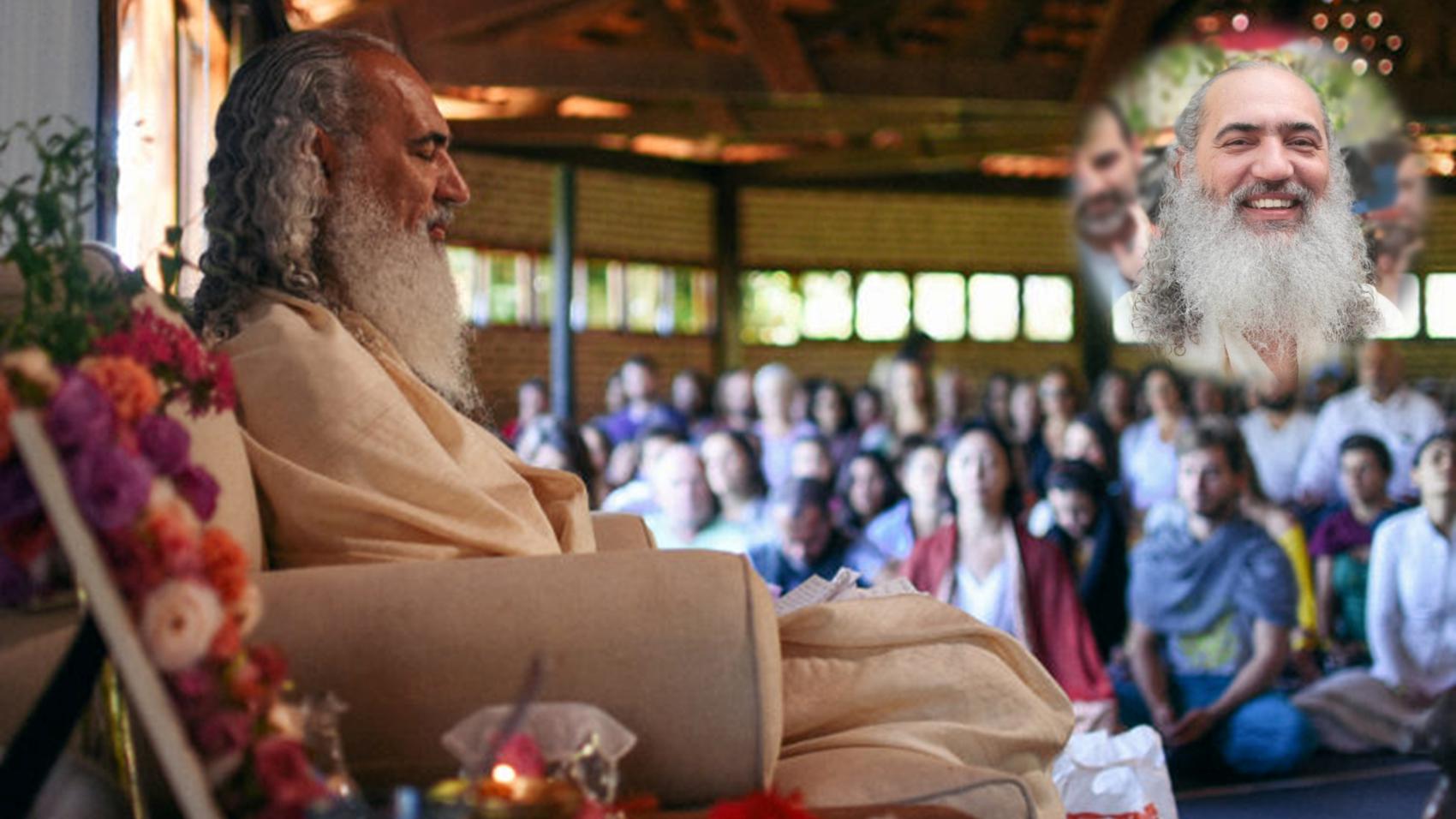
Career in Spiritual Teaching
Spiritual Teaching
Prem Baba
Spiritual Guru | The Awaken Love movement
[ 17 years Experience ]

Spiritual Teacher is someone who is a teacher, guide, expert, or master of certain knowledge or field. Guru means the one who dispels darkness and takes one towards light. The term also refers to someone who primarily is one's spiritual guide, who helps one to discover the same potentialities that the guru has already realized.

"I am a master teacher in the Sachcha spiritual lineage of northern India. Born and raised in Brazil, I worked as a humanistic psychologist, yoga teacher, and shaman before my arrival in India. I offer a method of self-discovery that I call 'The Path of the Heart', which bridges psychology and spirituality, East and West. I started the Awaken Love movement which aims to give every human being the incentive to put their gifts and talents to the service of love."


Career Counselling 2.0 Career Counselling 2.0 Career Counselling 2.0 Career Counselling 2.0 Career Counselling 2.0


Career in Life Skills Training
Life Skills Training
Harshit Sehdev
Life Coach | TVAM
[ 13 years & 11 months Experience ]

Life skills are abilities for adaptive and positive behaviour that enable humans to deal effectively with the demands and challenges of life. These skills aid individuals to develop into active and productive members of their communities.

"I have done B Sc in PCM followed by an MA in Psychology. I hold Certificates in Intensive Coach Training, Emotional Intelligence & 7 Habits of Highly Effective People. I have also done a Diploma in Value education from Rama Krishna Mission Ashram. I worked with Rama Krishna Mission Ashram for 4 years. I started an NGO called TVAM in 2013 which works for the upliftment of the backward section of the society. I work as a Life Coach at St. George's, Mussoorie and a counsellor for parents at Purukul Youth Development Society."


Career Counselling 2.0 Career Counselling 2.0 Career Counselling 2.0 Career Counselling 2.0 Career Counselling 2.0


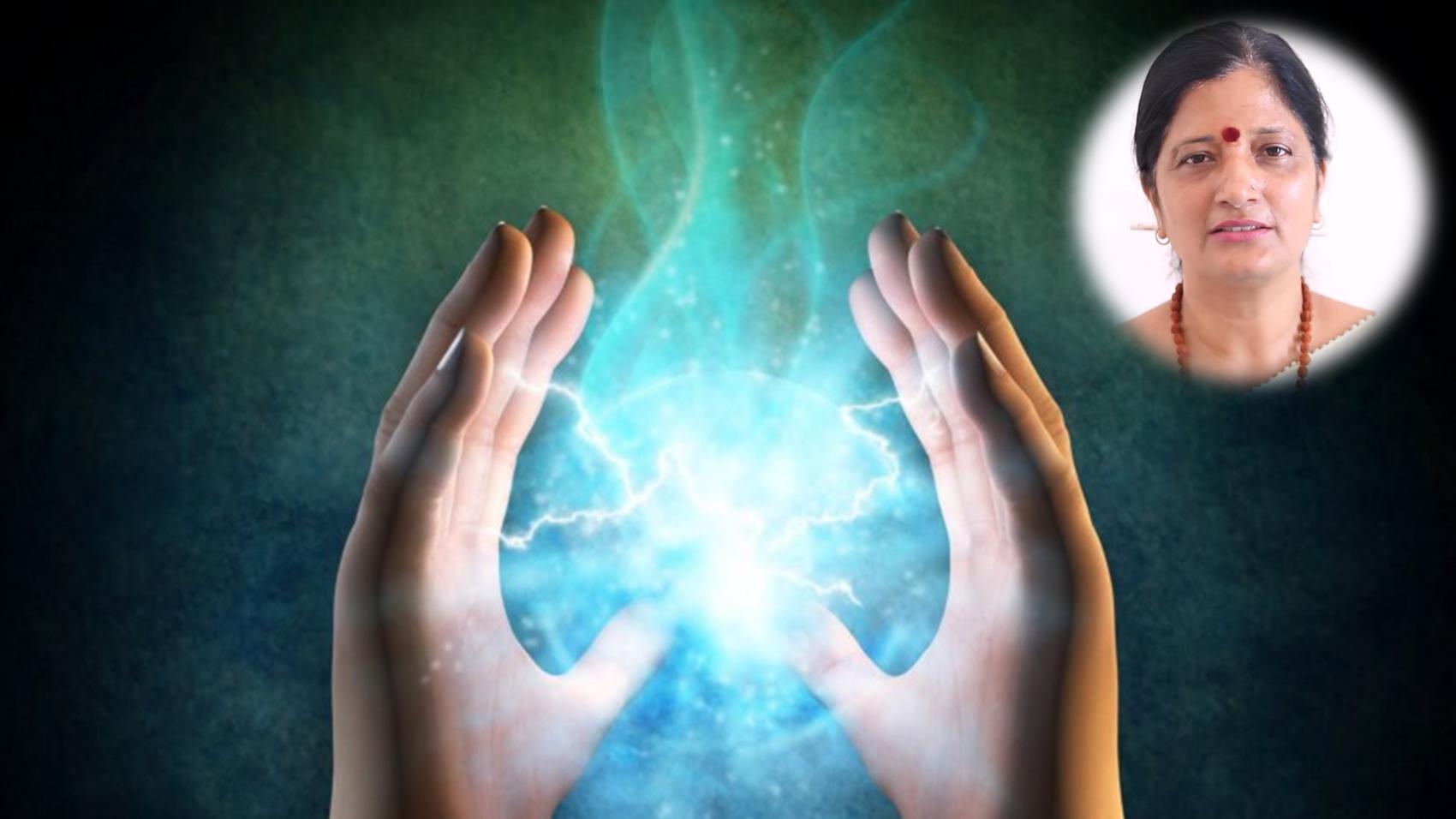
Career in Pranic Healing
Pranic Healing
Poonam Bhisht
Pranic Healer | All India Yog Vidya Pranic Healing Foundation
[ 8 years & 7 months Experience ]

Pranic Healing is a system of energy medicine. It is a simple yet powerful & effective system of no-touch energy healing. It involves channelizing energy absorbed from the surroundings from the healer to the patient. It is to cure the person in pain of his ailments.

"I did my schooling from MKP College and graduation from Dayanand Women's Training College, both of which are in Dehradun. I thereafter, did a basic and advance course in Pranic Healing in which I was also taught about crystals and meditation. I am also a qualified yoga instructor. I have been practicing as a Pranic Healer in Dehradun since 2010."


Career Counselling 2.0 Career Counselling 2.0 Career Counselling 2.0 Career Counselling 2.0 Career Counselling 2.0


Career in Health Coaching
Health Coaching
Bhavna Kapoor
Health Coach | Health Nut
[ 5 years & 2 months Experience ]

Health coaching, also referred to as wellness coaching, is a process that facilitates healthy, sustainable behavior change by challenging a client to listen to their inner wisdom, identify their values, and transform their goals into action.

"After doing BA Hons in Economics, I did PG Diploma in Social Communication from Delhi University. I was working in filmmaking industry when I realised my interest for generating awareness for healthy living. Then, I did a course in Health Coaching from Institute of Integrated Nutrition, New York. I did Health Coaching for few years before starting my own business of Organic Health Products. I founded Health Nut in 2014 which provides Health Coaching and organizes various Health Retreats."


Career Counselling 2.0 Career Counselling 2.0 Career Counselling 2.0 Career Counselling 2.0 Career Counselling 2.0


Career in Cosmic Science & Healing
Cosmic Science & Healing
Ajay Magan
Cosmic Healer and Aura Scientist | Various Assignments
[ 6 years & 9 months Experience ]

Cosmic Science and Healing has existed since Aryan and Egyptian civilization. Cosmos is a science of five elements and about nature. It includes Aura Science and Frequency Science. Through cosmic we can heal ourselves, even cancer patients can be curved.

"I am from Haridwar and did my schooling from DPS. I am the Doctor of Ayurveda (6th generation).I am the researcher of Cosmic Science, Aura Science and Frequency Science."


Career Counselling 2.0 Career Counselling 2.0 Career Counselling 2.0 Career Counselling 2.0 Career Counselling 2.0


Career in Acupressure & Acupuncture
Acupressure & Acupuncture
Jasbir Singh
Acupressure Professional | Various Assignments
[ 10 years & 2 months Experience ]

In acupressure and acupuncture acupoints, the specific points that are stimulated are the same points. These acupoints are located along the energy pathways, known as meridians and extraordinary vessels, which are accessible to manipulation by either touch or needles.

"After my retirement from Indian Navy and Ordinance Factory, I started doing Acupressure and Acupunture as a social work."


Career Counselling 2.0 Career Counselling 2.0 Career Counselling 2.0 Career Counselling 2.0 Career Counselling 2.0


Career in Spiritual Art
Spiritual Art
Sophia Savitri
Spiritual Artist | Savitri Art
[ 7 years Experience ]

Spiritual art is artistic imagery using inspiration and motifs and is often intended to uplift the mind to the spirtual.

"With learning yoga and meditation, I discovered that my desire was not my 'desire'. All these years in the art, there's something different from what I was searching for. Then I began to search what is the real purpose and mission of my life. That's why I had a deep spiritual research in a few years. After few years, I felt it deep inspiration to go into spiritual art and since then I am working as a spiritual artist."


Career Counselling 2.0 Career Counselling 2.0 Career Counselling 2.0 Career Counselling 2.0 Career Counselling 2.0


Career in Life Coaching Consultancy
Life Coaching Consultancy
Deepak Sharma
Founder & President | Deep Success Mantra Services
[ 1 year & 11 months Experience ]

Life Coaching is a solution-focused approach to personal development that can help someone to make lasting change in all areas of their life. Coaches facilitate this change for their clients by empowering them with specific tools and scientifically tested techniques that work.

"I have done BA from Delhi University. I then did a PG Diploma in Business Management from ICFAI. I started giving trainings in 2003. In 2016 I founded Deep Success Mantra Services which provides Wellness, Corporate, Skill Development & Career Services. I am a Life Coach, Wellness Consultant, HR Consultant, Yoga & Meditation Master and Soft Skills Trainer."


Career Counselling 2.0 Career Counselling 2.0 Career Counselling 2.0 Career Counselling 2.0 Career Counselling 2.0


Career in Tantra Therapy
Tantra Therapy
Deva Geeta
Therapist | Various assignments
[ 4 years Experience ]

Tantra is a Sanskrit word that means expansion through awareness. It is an ancient Eastern cultural tradition from India, China & Nepal that uses meditation, breathing exercises, yoga and mantras to weave the spiritual and physical in order to heal.

"I first learnt about Active Osho Meditations and Tantra workshops at the OSHO International Meditation Resort in Pune. This experience initiated my journey into Tantra therapy as a vocation. I have been practising and teaching Tantra therapy to couples, groups and individuals since 2014."


Career Counselling 2.0 Career Counselling 2.0 Career Counselling 2.0 Career Counselling 2.0 Career Counselling 2.0


Career in Spiritual Teaching
Spiritual Teaching
Prem Baba
Spiritual Guru | Awaken Love
[ 17 years Experience ]

Spiritual Teacher is someone who is a teacher, guide, expert, or master of certain knowledge or field. Guru means the one who dispels darkness and takes one towards light. The term also refers to someone who primarily is one's spiritual guide, who helps one to discover the same potentialities that the guru has already realized.

"I am a master teacher in the Sachcha spiritual lineage of northern India. Born and raised in Brazil, I worked as a humanistic psychologist, yoga teacher, and shaman before my arrival in India. I offer a method of self-discovery that I call 'The Path of the Heart', which bridges psychology and spirituality, East and West. I started the Awaken Love movement which aims to give every human being the incentive to put their gifts and talents to the service of love."


Career Counselling 2.0 Career Counselling 2.0 Career Counselling 2.0 Career Counselling 2.0


Career in Pranic Healing
Pranic Healing
Sarita Kothari
Pranic Healer | All India Yog Vidya Pranic Healing Foundation
[ 10 years & 7 months Experience ]

The word Pran in Pranic Healing means life. It is that life source or energy without which one cannot stay alive. When there is a deficiency in the flow of this energy a person may feel physically and emotionally weak. Pranic Healing is a system of energy medicine. It involves channelizing energy absorbed from the surroundings through the healer to the patient. It is used by people in the hope of getting rid of their diseases and ailments.

"I did my graduation and post graduation from D A V. College, Dehradun. I have been practicing Pranic Healing since 2008. I did basic and advance courses in Pranic Healing from the All India Yog Vidya Pranic Healing Foundation which has its head foundation at Tirupati. I am practicing as a Pranic Healer with All India Yog Vidya Pranic Healing Foundation in Dehradun."


Career Counselling 2.0 Career Counselling 2.0 Career Counselling 2.0 Career Counselling 2.0 Career Counselling 2.0


Career in Health & Wellness
Health & Wellness
Mondreeta Sengupta
Trustee | World Pranic Healing & Training Centre
[ 23 years & 2 months Experience ]

In Health & Wellness the mission is to promote and nurture a community of care supportive of healthy life long personal and relational behaviors.

"An ex-GM (HR) of Reliance Industries Ltd, a faculty with training wing of American Consulate and with Airlines & Aviation Industry, I have been nurturing development and growth of Human Relations and Life Management Skills for past two decades. I am the trustee at World Pranic Healing & Training Centre, Dehradun and have been conducting health and wellness workshops since 1996."


Career Counselling 2.0 Career Counselling 2.0 Career Counselling 2.0 Career Counselling 2.0 Career Counselling 2.0


Career in Holistic Life Coaching
Holistic Life Coaching
Jordana Reina
Confidence Coach | Jordana.Love
[ 0 years & 11 months Experience ]

Holistic coaching is a powerful form of life coaching that approaches every aspect of a person's life body, mind, and spirit in relation to the whole. It can help you access your full potential and make transformational changes.

"After doing my schooling from Montgomery High School Skillman NJ, I did my B Sc from State University of NY Binghamton. Thereafter, I worked as an Executive Producer for various ADVT companies like Planet Verge, Saatchi & Saatchi Los Angeles and a few more for almost 11 years. My interest for yoga drew me to take training courses for yoga, meditation & leadership and I became a Holistic Life Coach in 2017. I travel across the world and arrange retreat programs focusing on yoga and meditation."


Career Counselling 2.0 Career Counselling 2.0 Career Counselling 2.0 Career Counselling 2.0 Career Counselling 2.0


Career in Pranic Healing
Pranic Healing
Sunita Joshi
Pranic Healer | All India Yog Vidya Pranic Healing Foundation
[ 7 years Experience ]

Pranic Healing is a system of energy medicine. It is a simple yet powerful & effective system of no-touch energy healing. It involves channelizing energy absorbed from the surroundings from the healer to the patient. It is to cure the person in pain of his ailments.

"I did my schooling from New Delhi after which I attained a degree in Commerce. I did a basic course in Pranic Healing in 2010. I have also done several advance level courses in this field since. I am practicing as a Pranic Healer with All India Yog Vidya Pranic Healing Foundation."


Career Counselling 2.0 Career Counselling 2.0 Career Counselling 2.0 Career Counselling 2.0 Career Counselling 2.0


Career in Reiki Healing
Reiki Healing
Madhu Seth
Healer & Teacher | Ashakiran Holistic Health Care Centre
[ 21 years Experience ]

Reiki is a healing technique based on the principle that the therapist can channel energy into the patient by means of touch, to activate the natural healing processes of the patient's body and restore physical and emotional well-being. It is a spiritual healing art.

"After doing my schooling from Bluebells School International, Delhi, I did my B Sc in Home Science and B Ed from Panjab University. I was always compassionate about mental health and wellness so learnt all the levels of Reiki including Master & Grandmaster Certification in 1998. After that, I started practicing Reiki Healing & Teaching Reiki. I treat people from different walks of life with different problems be it emotional, physical or psychological at our center named Ashakiran Holistic Health Care Centre based in Jasola, New Delhi."


Career Counselling 2.0 Career Counselling 2.0 Career Counselling 2.0 Career Counselling 2.0 Career Counselling 2.0


Career in NLP Coaching
NLP Coaching
Rakesh K Meet
Director | Optimus Mind Makers
[ 1 year Experience ]

Neuro-linguistic programming (NLP) is an approach to communication, personal development, and psychotherapy. NLP's creators claim there is a connection between neurological processes (neuro-), language (linguistic) and behavioral patterns learned through experience (programming), and that these can be changed to achieve specific goals in life.

"After completing my Bachelors in Sciences, I went on to do a diploma in Business Management. I also did a Masters in International Business. I worked in several companies like Airtel, Vodafone, Dabur, Reliance Communications, Novartis India in the domain of Sales & Marketing till 2017. I then did a certification course of NLP Trainer. I founded Optimus Mind Maker and I give training and take sessions of NLP."


Career Counselling 2.0 Career Counselling 2.0 Career Counselling 2.0 Career Counselling 2.0 Career Counselling 2.0


Career in Wellness Consulting
Wellness Consulting
Deepak Sharma
Wellness Consultant | Deep Success Mantra Services
[ 2 years & 5 months Experience ]

A wellness consultant is a professional who assists individuals in achieving and maintaining optimum wellness by advising them about healthy diets and exercise, as well as methods to cope with stress.

"I have done BA from Delhi University. I then did a PG Diploma in Business Management from ICFAI. I started giving trainings in 2003. In 2016 I founded Deep Success Mantra Services which provides Wellness, Corporate, Skill Development & Career Services. I am a Life Coach, Wellness Consultant, HR Consultant, Yoga & Meditation Master and Soft Skills Trainer."


Career Counselling 2.0 Career Counselling 2.0 Career Counselling 2.0 Career Counselling 2.0 Career Counselling 2.0


Career in Sound Healing
Sound Healing
Gianna Gabriel
Sound Healing Practitioner | www.giannetta.com
[ 1 year Experience ]

Sound healing therapy uses aspects of music to improve physical and emotional health and well-being.

"I have degree in History & Foreign languages. After that I have worked in real estate industry as an International Sales Executive for 5 years. In 2010, I decided to open my own company and opened design & manufacturing company. One day my ankle got twisted and because of that, I was in miserable condition as I could not walk properly and that situation lasted for quite a few months. Then I thought I need to do something about it and I started doing meditation and this way I was introduced to sound healing. I really like sound healing and did a course in sound healing started working as a Sound Healing Practitioner in 2019 and since I am doing this."


Career Counselling 2.0 Career Counselling 2.0 Career Counselling 2.0 Career Counselling 2.0 Career Counselling 2.0


[Install the LifePage App to access all Talks]


<?php echo $altimage; ?>


<?php echo $altimage; ?>


&mbsp;


Career Counselling 2.0 | Home   Home  
Career Counselling 2.0 | Abroad   Abroad  
Career Counselling 2.0 | Plan   Plan  
Career Counselling 2.0 | Talks   Talks  
Career Counselling 2.0 | Philosophy   Philosophy  
Career Counselling 2.0 | Seminar   Seminar  
Career Counselling 2.0 | Workshop   Workshop  
Career Counselling 2.0 | Pages   Pages  
Career Counselling 2.0 | Advisors   Advisors  
Career Counselling 2.0 | Discuss   Discuss  
Career Counselling 2.0 | Meet   Meet  
Career Counselling 2.0 | Advisor   Advisor  
Career Counselling 2.0 | Story   Story  
Career Counselling 2.0 | Fine Print   Fine Print  
Career Counselling 2.0 | Links   Links  
Career Counselling 2.0 | Blog   Blog  
Career Counselling 2.0 | Testimonials   Testimonials  
Career Counselling 2.0 | Follow   Follow  
 
[ Site Visits ]


Career Counselling 2.0