The Journey of Life Skills Training
What Is Life Skills Training
Life Skills Training

Life Skills Training is a structured educational process that equips individuals with essential personal, social, and practical skills needed to navigate everyday challenges. It focuses on communication, decision-making, problem-solving, emotional regulation, and self-management, fostering independence and resilience for personal growth and successful integration into society.
Life Skills Training plays a crucial role in empowering individuals to lead more independent, productive, and fulfilling lives. For professionals in this field, the impact is profound, as they guide clients through transformative learning experiences that build confidence and adaptability. One major benefit is the enhancement of self-esteem, as learners gain mastery over daily tasks and interpersonal interactions. Another significant advantage is the promotion of better mental health, since participants develop coping strategies for stress and emotional challenges. Additionally, Life Skills Training fosters stronger community engagement by enabling individuals to communicate effectively, collaborate with others, and contribute positively to their environments.
A professional in Life Skills Training might work with young adults transitioning out of foster care. In this scenario, the trainer designs and delivers sessions on budgeting, job searching, and conflict resolution. Through interactive activities and real-life simulations, participants practice managing finances, preparing for interviews, and resolving disagreements constructively. The trainer provides feedback and encouragement, helping each individual build confidence and competence in these essential areas. Over time, the young adults demonstrate greater independence, secure employment, and maintain healthier relationships, illustrating the tangible impact of Life Skills Training on their ability to thrive in the community.
Education
Emotional Intelligence

Emotional Intelligence is the ability to recognize, understand, manage, and influence one’s own emotions and those of others. In Life Skills Training, it is a crucial academic and professional competency, enabling trainers to foster self-awareness, empathy, and effective interpersonal communication, which are essential for personal and group development.
Understanding Emotional Intelligence is vital for anyone preparing for or working in Life Skills Training because it underpins the ability to connect authentically with learners, manage group dynamics, and create a supportive learning environment. Mastery of this subject allows professionals to model healthy emotional behaviors, facilitate conflict resolution, and encourage resilience among participants. Over time, these skills not only enhance the effectiveness of training sessions but also contribute to the trainer’s own professional growth and adaptability. Emotional Intelligence forms the foundation for building trust, motivating individuals, and guiding them through personal challenges, making it indispensable for long-term success and credibility in the field of Life Skills Training.
Consider a Life Skills Trainer working with a group of young adults who are struggling with communication and self-esteem issues. By applying their knowledge of Emotional Intelligence, the trainer is able to sense the underlying anxieties within the group and respond with empathy and patience. Instead of reacting to disruptive behavior with frustration, the trainer uses active listening and open-ended questions to help participants articulate their feelings. This approach not only diffuses tension but also empowers individuals to reflect on their emotions and develop healthier coping strategies. Through this practical application, the trainer demonstrates how Emotional Intelligence transforms theoretical understanding into meaningful, positive change in real-life situations.
Self-Help Books

Self-help books are written resources designed to guide individuals in improving aspects of their personal or professional lives, such as emotional well-being, communication, productivity, or relationships. In Life Skills Training, these books serve as both reference materials and practical tools, enriching the academic and professional knowledge base required for effective instruction and support.
Understanding self-help books is vital for anyone preparing for or working in Life Skills Training because these resources encapsulate a wide range of strategies, theories, and real-life applications relevant to personal development. Mastery of this subject enables professionals to critically evaluate and recommend appropriate materials tailored to diverse client needs. It also fosters a deeper comprehension of the psychological and behavioral principles that underpin many life skills curricula. Over time, familiarity with self-help literature enhances a trainer’s ability to design engaging programs, facilitate meaningful discussions, and stay updated with evolving trends in personal growth. This foundational knowledge ultimately supports long-term career advancement by positioning professionals as informed, empathetic, and resourceful guides in their field.
Consider a Life Skills Trainer working with a group of young adults struggling with time management and motivation. Drawing from their understanding of self-help books, the trainer introduces concepts from a well-regarded book on habit formation, explaining the science behind building routines and overcoming procrastination. During group sessions, the trainer references specific exercises and anecdotes from the book, encouraging participants to reflect on their own habits and set achievable goals. By integrating these theoretical insights into practical activities, the trainer not only enhances the learning experience but also empowers participants to apply proven strategies in their daily lives. This approach demonstrates how theoretical knowledge of self-help literature directly informs and enriches real-world training outcomes.
Types of Psychotherapy

Types of Psychotherapy refers to the various approaches and methods used to treat psychological issues and improve mental health, including cognitive-behavioral, psychodynamic, humanistic, and integrative therapies. In Life Skills Training, understanding these types is essential for recognizing diverse client needs and integrating supportive strategies into personal development programs.
A solid grasp of the different types of psychotherapy is crucial for anyone preparing for or working in Life Skills Training. This knowledge enables professionals to identify which therapeutic approaches best align with their clients’ unique challenges and learning styles. By understanding the principles behind each type, trainers can create more effective, empathetic, and individualized interventions. Mastery of these concepts also fosters collaboration with mental health professionals, ensuring that clients receive comprehensive support. Over time, this foundational expertise enhances a trainer’s credibility, adaptability, and ability to respond to complex situations, ultimately leading to better client outcomes and sustained professional growth.
Imagine a Life Skills Trainer working with a group of young adults struggling with anxiety and low self-esteem. Drawing on their understanding of types of psychotherapy, the trainer recognizes that cognitive-behavioral techniques can help participants challenge negative thought patterns, while elements of humanistic therapy can foster self-acceptance and personal growth. By weaving these therapeutic principles into group activities and discussions, the trainer not only addresses immediate emotional needs but also equips participants with practical tools for long-term resilience. This informed approach demonstrates how theoretical knowledge of psychotherapy directly enhances the effectiveness and impact of Life Skills Training in real-world settings.
Neurology

Neurology is the branch of medicine and science that studies the nervous system, including the brain, spinal cord, and nerves. It examines how these structures function, interact, and influence behavior, cognition, and physical abilities. For Life Skills Training, neurology provides essential insights into how individuals learn, adapt, and manage daily challenges.
Understanding neurology is crucial for professionals in Life Skills Training because it offers a scientific foundation for interpreting human behavior, learning processes, and adaptive functioning. Knowledge of how the brain and nervous system work enables trainers to design more effective interventions tailored to individual needs. It also helps in recognizing the neurological basis of various developmental, cognitive, or behavioral challenges that clients may face. By integrating neurological principles, professionals can foster environments that support neurodiversity, promote resilience, and encourage positive change. Over time, this expertise not only enhances the quality of support provided but also positions practitioners as informed, empathetic leaders in their field, capable of adapting to new research and evolving best practices.
Imagine a Life Skills Trainer working with a young adult who struggles with impulse control and emotional regulation. Drawing on their understanding of neurology, the trainer recognizes that these challenges may stem from delayed development in the prefrontal cortex, the brain region responsible for decision-making and self-control. Instead of attributing the behavior to lack of motivation or willpower, the trainer applies strategies that align with the client’s neurological development, such as breaking tasks into smaller steps and using repetition to reinforce positive habits. This approach not only improves the client’s ability to manage daily routines but also builds their confidence and independence, demonstrating how neurological knowledge directly informs and enhances practical support in real-life situations.
Health & Nutrition

Health & Nutrition refers to the study and practice of maintaining physical well-being through balanced dietary choices, proper hygiene, and lifestyle habits. In Life Skills Training, it forms a crucial component of both academic learning and professional expertise, equipping individuals to foster healthy behaviors and informed decision-making in diverse populations.
Understanding Health & Nutrition is essential for anyone pursuing a career in Life Skills Training because it underpins the ability to guide others toward healthier lifestyles. Professionals in this field must be able to assess nutritional needs, recognize the impact of diet on physical and mental health, and communicate effective strategies for wellness. Mastery of these concepts enables trainers to design relevant educational programs, address common health misconceptions, and support individuals in making sustainable changes. Over time, this expertise not only enhances the trainer’s credibility but also contributes to improved community health outcomes, making it a foundational pillar for long-term professional growth and societal impact.
Consider a Life Skills Trainer working with a group of young adults transitioning to independent living. Drawing on their knowledge of Health & Nutrition, the trainer organizes interactive workshops on meal planning, grocery shopping, and understanding food labels. During these sessions, the trainer addresses common barriers such as budget constraints and time management, offering practical solutions rooted in nutritional science. By demonstrating how to prepare simple, balanced meals and explaining the importance of hydration and portion control, the trainer empowers participants to make informed choices. This real-world application not only builds confidence but also instills lifelong habits that promote overall well-being and self-sufficiency.
Sociology

Sociology is the scientific study of society, social relationships, and institutions. It examines how individuals interact within groups, the influence of culture and social structures, and the development of social norms. For Life Skills Training, sociology provides essential insights into human behavior, diversity, and the dynamics that shape personal and collective experiences.
Understanding sociology is crucial for anyone involved in Life Skills Training because it equips professionals with the ability to analyze and interpret the social contexts in which individuals live and learn. This knowledge helps trainers recognize the impact of family, community, culture, and societal expectations on personal development. By grasping sociological concepts such as socialization, group dynamics, and social inequality, professionals can design more effective training programs that address the unique needs of diverse populations. Over time, this foundational understanding fosters empathy, cultural competence, and adaptability, all of which are essential for building trust and facilitating meaningful growth in clients. Ultimately, a strong grounding in sociology enhances a trainer’s ability to empower individuals to navigate social challenges and achieve personal success.
Imagine a Life Skills Trainer working with a group of teenagers from various cultural backgrounds. Drawing on their sociological knowledge, the trainer recognizes that each participant’s behavior and communication style is influenced by their family structure, cultural traditions, and community norms. Instead of adopting a one-size-fits-all approach, the trainer facilitates discussions that encourage participants to share their perspectives and experiences. By fostering an inclusive environment and addressing issues such as peer pressure and social expectations, the trainer helps the group develop mutual respect and understanding. This application of sociology not only enriches the learning experience but also equips participants with the social awareness and interpersonal skills necessary to thrive in diverse settings.
Skills
Self Control & Self Regulation

Self Control & Self Regulation is the ability to consciously manage one’s emotions, impulses, and behaviors to achieve long-term goals, even in challenging situations. For a Life Skills Training professional, this skill ensures consistent, thoughtful responses, enabling them to model positive behavior and maintain a supportive, effective learning environment for clients.
Self Control & Self Regulation directly enhances a Life Skills Training professional’s performance by allowing them to remain calm and focused, even when faced with difficult clients or unexpected disruptions. Clients and employers highly value this skill because it fosters trust, reliability, and professionalism, which are crucial in educational and developmental settings. Over time, one can cultivate self control and self regulation through mindfulness practices, reflective journaling, and seeking feedback from peers or mentors. Regularly setting personal boundaries and practicing stress management techniques also contribute to strengthening this skill, ensuring that the professional can consistently deliver high-quality training and support.
Imagine a Life Skills Training professional leading a workshop when a participant becomes disruptive and challenges the trainer’s authority. Instead of reacting defensively or losing composure, the professional draws on self control and self regulation to pause, assess the situation, and respond calmly. By maintaining a steady tone and addressing the participant’s concerns respectfully, the trainer de-escalates the tension and keeps the session productive. This approach not only resolves the immediate issue but also demonstrates to the group the importance of emotional regulation, reinforcing the very skills being taught and establishing the trainer’s credibility and effectiveness.
Consequential Thinking

Consequential Thinking is the ability to anticipate and evaluate the potential outcomes of actions before making decisions. It involves weighing short-term and long-term effects, considering possible risks, and understanding the broader impact on individuals and groups. For Life Skills Training professionals, this skill is fundamental to guiding others toward responsible choices.
Consequential Thinking directly enhances a Life Skills Training professional’s effectiveness by enabling them to foresee the ripple effects of decisions, both for themselves and their clients. Employers and clients value this skill because it leads to more thoughtful, ethical, and sustainable solutions to personal and interpersonal challenges. Professionals who excel at Consequential Thinking help clients avoid impulsive decisions and encourage a mindset of accountability and foresight. Cultivating this skill involves reflective practice, seeking feedback, and consistently analyzing the results of past decisions to inform future actions. Over time, it becomes an ingrained habit that shapes every aspect of a professional’s approach to problem-solving and coaching.
Imagine a Life Skills Training professional working with a teenager struggling with peer pressure to skip school. Instead of simply advising against it, the professional uses Consequential Thinking to guide the teen through possible outcomes: missing important lessons, falling behind academically, and damaging trust with parents and teachers. By helping the teen visualize these consequences, the professional empowers them to make an informed decision that aligns with their long-term goals. This approach not only resolves the immediate issue but also equips the client with a valuable decision-making framework for future challenges, demonstrating the profound impact of Consequential Thinking in real-life situations.
Empathetic Listening Skills
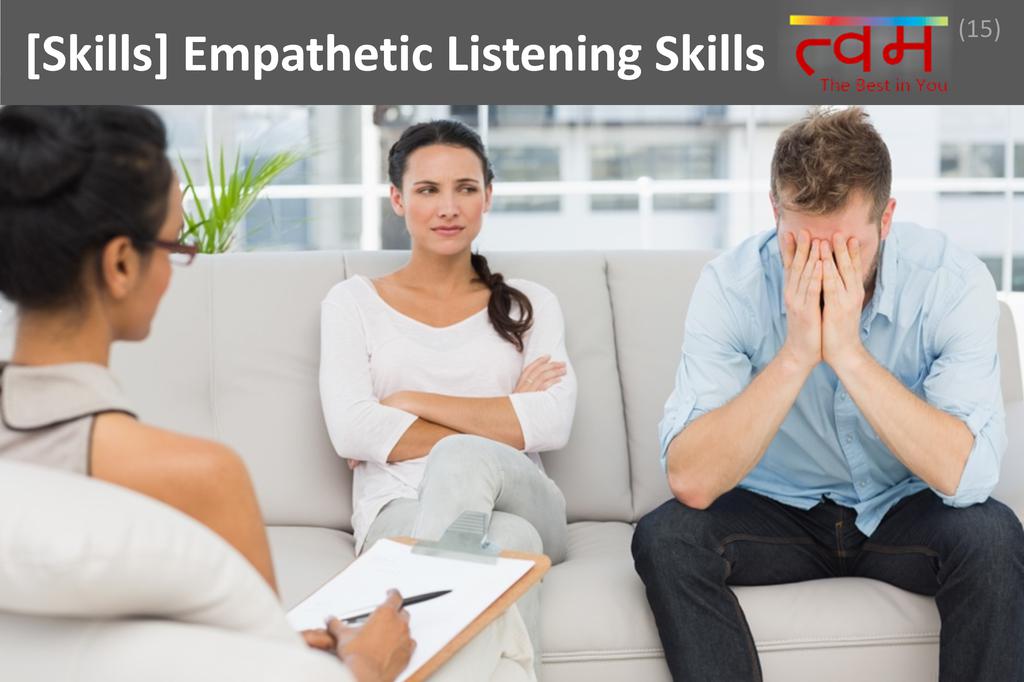
Empathetic Listening Skills refer to the ability to fully concentrate, understand, respond, and remember what another person is saying, while genuinely seeking to comprehend their feelings and perspectives. In Life Skills Training, this skill enables professionals to build trust, foster open communication, and tailor guidance to each individual's unique needs.
Empathetic Listening Skills directly enhance a Life Skills Trainer’s effectiveness by enabling deeper connections with clients, which leads to more accurate assessments of their challenges and aspirations. Clients and employers value this skill because it creates a supportive environment where individuals feel heard and respected, increasing their willingness to engage and participate. Over time, empathetic listening can be cultivated through conscious self-reflection, seeking feedback, and practicing active listening techniques in every interaction. By consistently prioritizing the speaker’s perspective and suspending judgment, trainers can refine their ability to interpret both verbal and nonverbal cues, ultimately improving outcomes for those they support.
Imagine a Life Skills Trainer working with a young adult struggling to manage stress and low self-esteem. Instead of immediately offering solutions, the trainer listens attentively, acknowledges the client’s emotions, and asks clarifying questions to fully understand the underlying issues. Through empathetic listening, the trainer uncovers that the client’s stress stems from family expectations and a fear of disappointing others. By validating these feelings and reflecting them back, the trainer helps the client feel understood and accepted, which encourages openness and trust. This approach not only strengthens the client-trainer relationship but also empowers the client to explore and adopt strategies that genuinely address their concerns, leading to meaningful progress.
Emotional Vocabulary

Emotional Vocabulary refers to the ability to accurately recognize, articulate, and understand a wide range of emotions in oneself and others, using precise and varied language. For Life Skills Training professionals, this skill is fundamental because it enables clear communication, fosters empathy, and supports effective emotional guidance during client interactions and group sessions.
A rich emotional vocabulary allows Life Skills Training professionals to identify and express emotions with nuance, which directly enhances their ability to connect with clients and address underlying issues. Clients and employers value this skill because it leads to more meaningful conversations, improved conflict resolution, and greater trust in the training process. Professionals who can name and discuss emotions precisely help clients feel seen and understood, which is crucial for personal growth. Cultivating this skill involves regular self-reflection, reading literature on emotional intelligence, and practicing open conversations about feelings. Over time, exposure to diverse emotional experiences and intentional learning help expand one’s emotional vocabulary, making it an indispensable asset in the field.
Consider a scenario where a Life Skills Training professional is working with a group of teenagers struggling with peer pressure and anxiety. During a session, one participant becomes visibly upset but insists they are simply “fine.” Drawing on a well-developed emotional vocabulary, the trainer gently introduces words like “overwhelmed,” “anxious,” and “frustrated,” encouraging the participant to explore these feelings. As the participant begins to identify and articulate their true emotions, the group discussion deepens, and others feel empowered to share their own experiences. This breakthrough not only helps the individual process their feelings but also fosters a supportive group environment, demonstrating how essential emotional vocabulary is for achieving meaningful progress and success in Life Skills Training.
Intuitive Thinking

Intuitive Thinking is the ability to quickly understand or solve problems by drawing on subconscious knowledge, instincts, and experience rather than relying solely on analytical reasoning. In Life Skills Training, it enables professionals to respond effectively to dynamic situations, anticipate client needs, and tailor interventions in real time for optimal outcomes.
Intuitive Thinking enhances a Life Skills Training professional’s performance by allowing them to read between the lines, sense unspoken concerns, and adapt their approach instantly. Clients and employers value this skill because it leads to more personalized and effective support, fostering trust and engagement. Cultivating Intuitive Thinking involves reflective practice, seeking feedback, and exposure to diverse situations, which together help professionals recognize patterns and make informed decisions quickly. Over time, this skill becomes a reliable asset, enabling trainers to navigate complex interpersonal dynamics and deliver impactful guidance even in unpredictable circumstances.
Imagine a Life Skills Trainer working with a group of young adults struggling with communication. During a session, the trainer senses a shift in the group’s energy—participants become unusually quiet and disengaged. Relying on Intuitive Thinking, the trainer pauses the planned activity and gently asks open-ended questions, uncovering that a recent conflict is affecting the group. By trusting their instincts and adapting the session to address the underlying issue, the trainer helps the group process their emotions and rebuild trust. This intuitive response not only resolves the immediate problem but also strengthens the group’s cohesion and the trainer’s credibility, demonstrating the profound impact of Intuitive Thinking in real-world practice.
People Skills
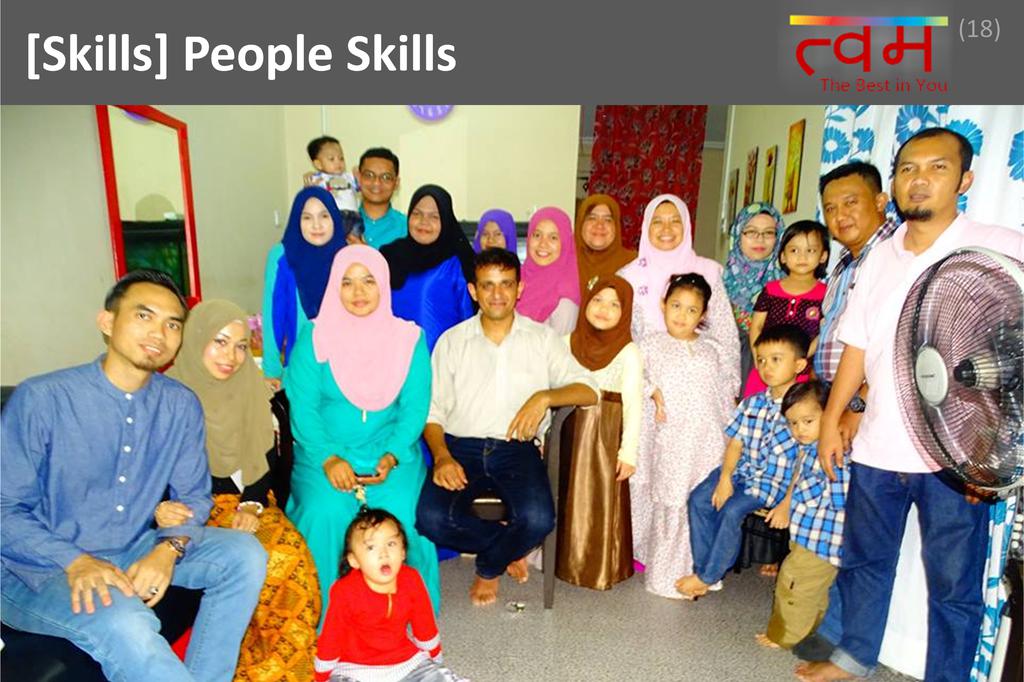
People Skills refer to the ability to communicate effectively, empathize, listen actively, resolve conflicts, and build positive relationships with others. In Life Skills Training, these skills are crucial because they enable professionals to connect with clients, foster trust, and create a supportive environment that encourages personal growth and learning.
Mastering People Skills directly enhances a Life Skills Training professional’s effectiveness by allowing them to engage clients, understand their unique needs, and tailor guidance accordingly. Clients and employers highly value these abilities because they lead to better rapport, increased motivation, and improved outcomes. A trainer with strong People Skills can navigate sensitive topics, mediate disagreements, and inspire confidence, making the learning process more impactful. Cultivating these skills involves ongoing self-awareness, seeking feedback, practicing active listening, and engaging in diverse social interactions. Over time, consistent reflection and adaptation help professionals refine their approach, ensuring they remain approachable, empathetic, and responsive to the evolving needs of those they serve.
Imagine a Life Skills Trainer working with a group of young adults struggling with teamwork and communication. During a heated group activity, tensions rise and participants begin to argue. The trainer draws on their People Skills to de-escalate the situation, listening attentively to each person’s concerns and validating their feelings. By facilitating open dialogue and encouraging mutual respect, the trainer helps the group identify underlying issues and collaboratively develop solutions. As a result, the participants not only resolve their conflict but also gain valuable insights into effective communication and cooperation. This scenario highlights how essential People Skills are in guiding clients through challenges and fostering a positive, growth-oriented learning environment.
Communication Skills

Communication skills refer to the ability to convey information, ideas, and emotions clearly and effectively through speaking, listening, writing, and non-verbal cues. In Life Skills Training, these skills are fundamental, enabling professionals to connect with clients, facilitate learning, foster understanding, and create a supportive environment for personal growth.
Strong communication skills directly enhance a Life Skills Training professional’s effectiveness by ensuring that instructions, feedback, and encouragement are clearly understood by clients. Employers and clients highly value this skill because it builds trust, reduces misunderstandings, and promotes a collaborative atmosphere. Over time, communication skills can be cultivated through active listening, practicing empathy, seeking feedback, and engaging in continuous self-reflection. Professionals can also attend workshops, observe skilled communicators, and participate in role-playing exercises to refine their abilities. As these skills develop, trainers become more adept at adapting their message to diverse audiences, resolving conflicts, and motivating individuals to achieve their goals, making them indispensable in any training setting.
Imagine a Life Skills Trainer working with a group of young adults struggling with time management. During a session, one participant becomes frustrated and disengaged, expressing confusion about the material. The trainer notices this and uses effective communication skills to address the issue. By actively listening, acknowledging the participant’s feelings, and rephrasing the instructions in simpler terms, the trainer helps the individual regain confidence and re-engage with the group. This approach not only resolves the immediate problem but also demonstrates to the entire group that their concerns are heard and valued. As a result, the session becomes more productive, and participants are more likely to apply what they have learned outside the classroom.
Positives
Purposeful Life

A purposeful life is a way of living where actions, choices, and goals are guided by a deep sense of meaning and intention. It involves dedicating oneself to causes that matter, making a positive difference, and feeling connected to something larger than oneself. In Life Skills Training, this purposeful approach transforms daily work into a mission-driven journey. Professionals in this field find that their efforts are not just tasks, but meaningful contributions to the growth and empowerment of others. This sense of purpose fuels motivation, resilience, and a lasting sense of fulfillment, making every challenge an opportunity to create real, positive change.
The sense of purposeful life is a cornerstone of satisfaction and growth for those in Life Skills Training. When professionals see their work as meaningful, they are more engaged, motivated, and committed to their roles. This deep-rooted purpose helps them navigate challenges with optimism and creativity, knowing that their efforts directly impact the lives of others. Each day brings opportunities to witness personal transformations, celebrate small victories, and foster independence in learners. This ongoing connection to a greater purpose not only enhances job satisfaction but also encourages continuous personal and professional development. Ultimately, purposeful life turns a career into a calling, making every moment spent in this field deeply rewarding.
Imagine a Life Skills Trainer working with a group of young adults transitioning out of foster care. Each session, the trainer teaches essential skills like budgeting, communication, and self-care, but the real reward comes from witnessing the participants grow in confidence and independence. One day, a former participant returns to share how the skills learned helped secure a job and maintain stable housing. The trainer feels a profound sense of purpose, knowing their guidance has made a tangible difference in someone’s life. This experience reaffirms the trainer’s commitment, providing daily motivation and a deep sense of fulfillment that extends far beyond routine job duties.
Experiential Learning

Experiential Learning is a hands-on approach where individuals gain knowledge, skills, and values through direct experiences, reflection, and active participation. In Life Skills Training, this method transforms abstract concepts into practical abilities, allowing both trainers and learners to engage deeply, adapt to real-life situations, and foster meaningful personal and professional growth.
Experiential Learning is a cornerstone of Life Skills Training because it bridges the gap between theory and practice. Trainers witness firsthand how their guidance translates into real-world competence, which brings immense job satisfaction. This approach encourages continuous growth, as every session offers new challenges and learning opportunities. Professionals see tangible progress in their clients, reinforcing a sense of purpose and accomplishment. The dynamic nature of experiential activities keeps the work engaging and prevents monotony, while also fostering strong connections with learners. Over time, trainers develop adaptability, empathy, and resilience, all of which are essential for personal and career advancement. Experiential Learning ensures that every day on the job is unique, rewarding, and filled with opportunities to make a lasting impact.
Imagine a Life Skills Trainer working with a group of young adults on communication and teamwork. Instead of lecturing, the trainer organizes a collaborative problem-solving activity where participants must rely on each other to succeed. As the exercise unfolds, the trainer observes moments of frustration, creativity, and breakthrough. Afterward, the group reflects on what worked, what didn’t, and how they can apply these lessons in daily life. The trainer feels a deep sense of fulfillment watching participants grow in confidence and skill right before their eyes. This real-time transformation, made possible by experiential learning, reinforces the trainer’s passion for their work and highlights the profound impact they have on others’ lives.
Building Healthy Relations

Building Healthy Relations means fostering trust, empathy, and open communication between individuals, creating supportive environments where people feel valued and understood. In Life Skills Training, this involves nurturing positive connections with learners, colleagues, and communities, which enhances collaboration, personal growth, and the overall effectiveness of the training process.
The ability to build healthy relations is a cornerstone of success and fulfillment in Life Skills Training. When trainers form genuine connections with their learners, it creates a safe space for open dialogue and personal development. This not only boosts the confidence and motivation of participants but also leads to more meaningful and lasting learning outcomes. For professionals, witnessing the transformation in their learners and knowing they have played a pivotal role in fostering supportive relationships brings immense job satisfaction. It also opens doors for career growth, as strong interpersonal skills are highly valued and often lead to new opportunities and professional recognition. Every day, life skills trainers experience the joy of seeing trust blossom and positive change take root, making their work deeply rewarding.
Imagine a life skills trainer working with a group of young adults struggling with self-esteem and communication challenges. Through consistent encouragement, active listening, and genuine care, the trainer gradually earns their trust. Over time, the group members begin to open up, support one another, and share their experiences more freely. The trainer witnesses friendships forming and participants gaining confidence to express themselves, both within the group and in their daily lives. This transformation is a direct result of the healthy relationships cultivated in the training environment. For the trainer, seeing these positive changes unfold is profoundly fulfilling, reinforcing the importance and impact of building healthy relations in their professional journey.
Self Evolution

Self Evolution is the ongoing process of personal growth, self-awareness, and transformation that individuals experience as they adapt, learn, and refine their abilities and mindset. In Life Skills Training, Self Evolution empowers professionals to continuously improve themselves, deepening empathy, resilience, and adaptability, which enhances their effectiveness and fulfillment in their roles.
The journey of Self Evolution is a cornerstone of satisfaction and growth for those in Life Skills Training. As trainers guide others toward personal development, they are simultaneously challenged to reflect on their own beliefs, habits, and communication styles. This reciprocal process fosters a dynamic environment where learning never ceases, making each day unique and stimulating. The constant evolution not only sharpens professional skills but also enriches personal life, leading to a profound sense of purpose and accomplishment. Professionals often find that their ability to adapt and empathize grows stronger, which in turn boosts their confidence and job satisfaction. This ongoing transformation ensures that their work remains meaningful and impactful, both for themselves and those they serve.
Imagine a Life Skills Trainer working with a group of young adults struggling with self-esteem and communication. As the trainer helps participants discover their strengths and overcome challenges, they are prompted to reflect on their own journey and vulnerabilities. Through facilitating discussions and modeling positive behaviors, the trainer becomes more self-aware and open to feedback. Over time, they notice a shift in their own mindset, becoming more patient, empathetic, and resilient. This transformation not only enhances their effectiveness as a trainer but also brings a deep sense of fulfillment, knowing that their personal growth is intertwined with the positive changes they inspire in others.
Empowerment

Empowerment is the process of enabling individuals to gain confidence, control, and autonomy over their own lives by equipping them with essential knowledge, skills, and resources. In the context of life skills training, empowerment means helping others unlock their potential, make informed decisions, and overcome challenges with resilience and self-assurance. This positive force is at the heart of the profession, as it transforms both the trainer and the learner. By fostering empowerment, life skills trainers create environments where growth and self-improvement flourish, making their work deeply meaningful and impactful.
Empowerment stands out as a major benefit in life skills training because it directly fuels personal and professional fulfillment. When trainers witness the transformation of individuals who gain the confidence to navigate life’s complexities, it brings a profound sense of purpose and accomplishment. This ongoing process of uplifting others not only enhances job satisfaction but also encourages continuous learning and self-growth for the trainer. The daily experience of seeing learners become more self-reliant and proactive reinforces the trainer’s passion and commitment to their work. Empowerment also fosters a positive, supportive atmosphere, where both trainers and learners are motivated to strive for excellence and embrace new challenges.
Imagine a life skills trainer working with a group of young adults who struggle with communication and decision-making. Over several weeks, the trainer guides them through interactive sessions, encouraging open dialogue and practical exercises. Gradually, the participants begin to express themselves more confidently, make thoughtful choices, and support one another. The trainer observes these changes and feels a deep sense of pride and fulfillment, knowing their efforts have empowered these individuals to take charge of their lives. This real-world impact not only validates the trainer’s dedication but also inspires them to continue making a difference, one empowered individual at a time.
Enhanced Thinking Skills

Enhanced Thinking Skills refer to the ability to analyze situations critically, solve problems creatively, make informed decisions, and adapt to new challenges with flexibility and insight. In Life Skills Training, these skills empower professionals to guide others effectively, fostering personal growth and resilience in both themselves and those they support.
The cultivation of enhanced thinking skills is a cornerstone of success in Life Skills Training, making the profession deeply rewarding. These skills enable trainers to approach each client’s unique needs with clarity and innovation, ensuring that solutions are tailored and effective. As trainers continually refine their analytical and creative abilities, they experience ongoing intellectual growth and professional development. This dynamic environment keeps the work engaging and meaningful, as no two days are ever the same. The sense of accomplishment that comes from helping others overcome obstacles and achieve their goals further boosts job satisfaction, creating a fulfilling cycle of learning and positive impact that benefits both the trainer and their clients.
Imagine a Life Skills Trainer working with a group of young adults struggling with time management and motivation. By applying enhanced thinking skills, the trainer quickly assesses the underlying issues, adapts their teaching strategies, and introduces creative exercises that resonate with the group. As the sessions progress, the trainer observes participants becoming more engaged and confident in their abilities. Witnessing these transformations firsthand, the trainer feels a profound sense of fulfillment, knowing that their ability to think critically and adaptively has made a tangible difference in the lives of others. This daily experience of growth and positive change exemplifies the true value of enhanced thinking skills in the profession.
Challenges
Under-Valuation

Under-Valuation in Life Skills Training refers to the tendency of organizations, clients, or society to underestimate the importance, complexity, and impact of life skills education. This challenge is demanding because it often leads to limited recognition, inadequate compensation, and a lack of institutional support, despite the critical role these skills play in personal and professional development.
The experience of under-valuation can significantly affect the daily work of life skills trainers by diminishing their motivation and sense of professional worth. It often manifests as reduced funding, minimal acknowledgment, or being sidelined in organizational priorities. This environment demands resilience, as trainers must continually advocate for the value of their work while maintaining high standards of delivery. Successful professionals navigate this constraint by building strong evidence of their impact, fostering supportive networks, and communicating the tangible benefits of life skills training to stakeholders. They also invest in their own professional development and seek opportunities to showcase success stories, gradually shifting perceptions and gaining greater appreciation for their contributions.
Consider a life skills trainer working in a community center where her workshops are often viewed as less essential compared to academic tutoring. Despite this, she consistently gathers feedback from participants, tracks improvements in their confidence and communication, and shares these outcomes with management. Over time, her persistence leads to increased attendance and positive testimonials, prompting the center to allocate more resources to her programs. By documenting results and advocating for her work, she transforms initial skepticism into recognition, demonstrating how under-valuation can be overcome through evidence, communication, and unwavering commitment to the value of life skills training.
Social Stigma

Social stigma in Life Skills Training refers to the negative perceptions and prejudices society holds against professionals who teach essential personal and interpersonal skills. This stigma arises because such training is often undervalued, misunderstood, or seen as unnecessary, making it challenging for practitioners to gain respect and recognition in their field.
The presence of social stigma can make daily work for life skills trainers emotionally taxing and professionally isolating. Trainers may encounter skepticism from clients, colleagues, or even family members who question the legitimacy or importance of their work. This persistent doubt can erode confidence and motivation, demanding significant resilience to maintain enthusiasm and commitment. Successful professionals address this challenge by consistently demonstrating the tangible benefits of life skills training, building credibility through client outcomes, and fostering supportive networks with like-minded peers. They also invest in ongoing professional development to stay informed and confident, which helps them advocate for the value of their work and gradually shift public perception.
Consider a life skills trainer working with at-risk youth in a community where such programs are often dismissed as ineffective or unnecessary. Despite facing dismissive attitudes from local leaders and skepticism from parents, the trainer remains steadfast. By documenting positive changes in participants—such as improved communication, better decision-making, and increased self-esteem—the trainer gradually earns trust and respect. She shares success stories at community meetings and invites stakeholders to observe sessions, allowing them to witness the impact firsthand. Over time, her persistence and transparency help reduce stigma, foster acceptance, and create a more supportive environment for both her work and her clients.
Societal Pressure & Judgements

Societal Pressure & Judgements in Life Skills Training refers to the skepticism, undervaluation, and misconceptions that professionals face from peers, clients, and the broader community regarding the legitimacy and impact of their work. This challenge is demanding because it can undermine confidence, hinder client engagement, and create barriers to professional recognition and growth.
The influence of societal pressure and judgements can permeate every aspect of a life skills trainer’s daily work. Professionals may encounter dismissive attitudes from colleagues in other fields, skepticism from clients’ families, or even doubts about the tangible value of their services. This environment demands significant resilience, as trainers must continually affirm the importance of their role and maintain motivation despite external negativity. Successful professionals manage this constraint by building strong support networks, consistently demonstrating the positive outcomes of their work, and engaging in ongoing professional development. They focus on fostering trust with clients and stakeholders, using evidence-based practices to showcase results, and advocating for the broader recognition of life skills training as a vital component of personal and community development.
Consider a life skills trainer working with young adults in a community center, where parents and local leaders initially question the necessity of such training, viewing it as less important than academic or technical education. The trainer faces dismissive remarks and low attendance at first. By patiently engaging with the community, sharing success stories, and inviting stakeholders to observe sessions, the trainer gradually shifts perceptions. Over time, as participants demonstrate improved communication, decision-making, and self-confidence, the community’s attitude changes. The trainer’s perseverance and strategic outreach not only overcome societal judgements but also establish life skills training as a respected and valued resource within the community.
Maintaining Emotional Balance

Maintaining Emotional Balance in Life Skills Training means consistently managing one’s own feelings and reactions while supporting others’ growth. This is demanding because trainers often encounter emotionally charged situations, requiring them to remain composed, empathetic, and objective, even when faced with challenging behaviors or personal triggers from participants.
The challenge of maintaining emotional balance can deeply affect a trainer’s daily work, as frequent exposure to participants’ struggles, setbacks, or emotional outbursts can be draining. This ongoing emotional labor demands resilience, self-awareness, and strong boundaries to prevent burnout or compassion fatigue. Successful professionals recognize the importance of self-care and reflective practice, allowing them to process their own emotions constructively. They often seek supervision or peer support to gain perspective and maintain objectivity. By developing emotional intelligence and practicing mindfulness, they are better equipped to respond calmly and constructively, ensuring their guidance remains effective and their well-being is protected, even in the face of repeated emotional challenges.
Consider a life skills trainer working with a group of young adults who have experienced trauma. During a session, a participant becomes visibly upset and directs anger toward the trainer. Instead of reacting defensively or internalizing the criticism, the trainer takes a deep breath, acknowledges the participant’s feelings, and maintains a calm demeanor. After the session, the trainer reflects on the incident, discusses it with a trusted colleague, and engages in a brief mindfulness exercise to process lingering emotions. By consciously managing their emotional response and seeking support, the trainer not only models emotional regulation for the group but also preserves their own emotional health, enabling them to continue providing effective guidance in future sessions.
Meeting Expectations

Meeting Expectations in Life Skills Training refers to consistently delivering outcomes that align with the diverse goals of learners, organizational standards, and stakeholder demands. This challenge is demanding because it requires balancing individualized support with measurable results, adapting to varied learning needs, and maintaining credibility in a constantly evolving educational environment.
The pressure to meet expectations can significantly influence the daily responsibilities of life skills trainers. They must juggle administrative duties, curriculum development, and direct learner engagement, all while ensuring that each participant achieves meaningful progress. This ongoing demand can lead to stress and burnout, making resilience an essential quality. Successful professionals manage this constraint by setting realistic, transparent goals with learners and stakeholders, regularly seeking feedback, and adapting their methods to suit changing needs. They prioritize open communication, celebrate incremental progress, and remain flexible in their approach, which helps them maintain motivation and effectiveness even when faced with setbacks or shifting expectations.
Consider a life skills trainer working with young adults transitioning out of foster care. The trainer is expected to help participants develop financial literacy, job readiness, and interpersonal skills within a limited timeframe. Recognizing the varied backgrounds and learning paces of the group, the trainer holds regular check-ins to reassess goals and adjust lesson plans. By fostering a supportive environment and openly discussing challenges, the trainer manages to keep both learners and stakeholders informed and engaged. Through patience, adaptability, and transparent communication, the trainer successfully guides participants toward measurable growth, demonstrating how meeting expectations can be achieved despite complex and evolving demands.
A Day Of
Life Skills Training
The hum of anticipation fills the air as a Life Skills Training professional steps into their day—a day that rarely unfolds according to script. The environment is a dynamic blend of classroom energy, one-on-one mentorship, and behind-the-scenes strategizing, all set against the backdrop of real-world challenges faced by learners. Each hour brings a new rhythm, from the quiet moments of preparation to the lively exchanges that spark growth and confidence. In this role, adaptability is as essential as expertise, and every interaction holds the potential to change a life.
As the sun rises, the Life Skills Training practitioner arrives early, greeted by the stillness before the day’s bustle. This is the time to review lesson plans, tailor activities to individual learner needs, and ensure that all materials—from worksheets to multimedia resources—are ready for action. A quick scan of emails and messages helps identify any last-minute changes or urgent concerns. With a fresh cup of coffee in hand, the trainer mentally rehearses the day’s objectives, setting a positive tone and clear intentions for the hours ahead.
Mid-morning signals the heart of the day: interactive sessions with learners. Whether facilitating group discussions on communication skills, guiding role-play exercises on conflict resolution, or coaching individuals through personal challenges, the practitioner is fully present and engaged. The room buzzes with activity as participants share stories, ask questions, and practice new strategies. The trainer adapts on the fly, responding to group dynamics and seizing teachable moments, all while fostering a supportive, inclusive atmosphere where every voice matters.
After a quick lunch, the afternoon shifts toward collaboration and execution. The practitioner meets with colleagues, counselors, or community partners to discuss learner progress, troubleshoot challenges, and coordinate upcoming workshops or outreach events. These meetings are a chance to share insights, brainstorm solutions, and align on goals, ensuring that support for learners extends beyond the classroom. The trainer may also check in with individual participants, offering encouragement or adjusting plans to better meet evolving needs.
As the day winds down, the Life Skills Training professional turns to reflection and preparation. Notes from the day’s sessions are reviewed and documented, highlighting successes and areas for improvement. Administrative tasks, such as updating records or responding to follow-up emails, are tackled with care. The practitioner spends time researching new techniques or resources, always seeking ways to enhance future sessions. With a final look at tomorrow’s agenda, the trainer leaves the workspace knowing that today’s efforts have planted seeds for lasting change. |


 Home
Home Abroad
 Plan
Plan Philosophy
 Seminar
 Pages
Pages Advisors
 Testimonials






















 Workshop
 Discuss
 Meet
Meet
 Advisor
 Story
Story
 Fine Print
 Links
Links
 Blog
Blog
 Follow
