The Journey of Pranic Healing
What Is Pranic Healing
Pranic Healing

Pranic Healing is a non-touch energy healing system that utilizes prana, or life force, to balance, harmonize, and transform the body’s energy processes. Practitioners cleanse and energize the body’s energy field, promoting physical, emotional, and mental well-being without physical contact, relying on ancient principles and modern techniques.
Pranic Healing holds significant value for both practitioners and clients by offering a holistic approach to health and wellness. For professionals, it provides a fulfilling career path centered on helping others achieve balance and vitality. The practice can lead to personal growth, as healers often experience increased empathy and mindfulness. One major benefit is the ability to address a wide range of physical and emotional conditions without invasive procedures. Another advantage is its adaptability, as sessions can be conducted in person or at a distance, making it accessible to a broad audience. Finally, Pranic Healing fosters a sense of community and support, as practitioners often collaborate and share knowledge, enhancing their skills and impact.
A professional Pranic Healer may work with a client experiencing chronic stress and fatigue. During a session, the healer assesses the client’s energy field, identifying areas of congestion or depletion. Using specific hand movements and visualization techniques, the practitioner cleanses stagnant energy and projects fresh prana to revitalize the client’s system. Over several sessions, the client reports improved energy levels, better sleep, and reduced anxiety. The healer documents progress and adjusts techniques as needed, ensuring a personalized approach. This process not only supports the client’s well-being but also allows the practitioner to refine their skills and deepen their understanding of energy dynamics, illustrating the practical and transformative nature of Pranic Healing in everyday life.
Education
Energy Awareness

Energy Awareness is the conscious perception and understanding of subtle energy fields within and around the human body. In Pranic Healing, it is a foundational skill that enables practitioners to sense, assess, and influence these energies, forming a critical component of both academic study and professional practice in the field.
Developing Energy Awareness is essential for anyone pursuing a career in Pranic Healing because it underpins every aspect of the healing process. By learning to detect and interpret energy imbalances, practitioners can accurately diagnose issues and apply targeted interventions. This skill not only enhances the effectiveness of healing sessions but also ensures the safety and well-being of both the healer and the client. Over time, a strong grasp of Energy Awareness allows professionals to refine their techniques, adapt to complex cases, and build a reputation for competence and reliability. Mastery of this subject is a long-term asset, supporting ongoing professional growth and the ability to contribute meaningfully to the holistic health community.
Consider a Pranic Healing practitioner working with a client experiencing chronic fatigue. Before beginning any intervention, the practitioner uses their Energy Awareness to scan the client’s aura and chakras, identifying areas of congestion or depletion. By accurately sensing these subtle energy patterns, the practitioner can tailor their approach, focusing on cleansing stagnant energies and energizing depleted zones. Throughout the session, continuous monitoring of energetic changes allows for real-time adjustments, ensuring the client receives the most effective treatment possible. This practical application of Energy Awareness not only improves outcomes but also fosters trust and confidence between the practitioner and client, demonstrating the tangible value of this foundational skill in daily professional practice.
Body System

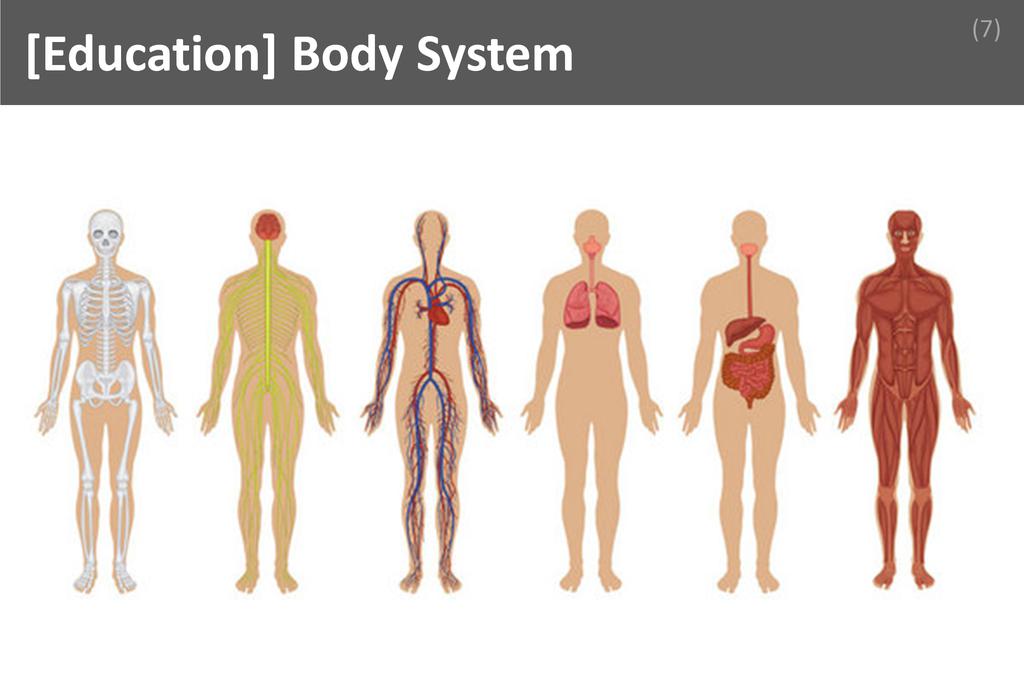
The "Body System" refers to the organized groups of organs and tissues that work together to perform essential bodily functions, such as the circulatory, respiratory, and nervous systems. In Pranic Healing, understanding these systems is crucial for accurately assessing, targeting, and facilitating the body’s natural healing processes.
A thorough grasp of the body system is indispensable for anyone pursuing a career in Pranic Healing. This knowledge enables practitioners to identify the physical and energetic connections between various organs and systems, ensuring that healing interventions are both safe and effective. By understanding how the body’s systems interact, professionals can tailor their techniques to address specific ailments, enhance overall well-being, and avoid unintended consequences. Mastery of this subject also fosters credibility and confidence, both for the healer and their clients, as it bridges the gap between traditional healing wisdom and modern anatomical science. Over time, this foundational expertise supports ongoing professional development, allowing practitioners to adapt to new research and refine their healing strategies for optimal results.
Consider a Pranic Healing practitioner working with a client experiencing chronic fatigue. Drawing upon their knowledge of the body system, the practitioner recognizes that fatigue may be linked to imbalances in the endocrine and circulatory systems. During the session, the healer focuses on cleansing and energizing the relevant chakras and energy pathways associated with these systems, such as the solar plexus and heart chakras. By applying targeted techniques informed by anatomical understanding, the practitioner not only addresses the client’s symptoms but also supports the underlying physiological processes. This integrated approach leads to more effective and lasting healing outcomes, demonstrating the practical value of mastering body system knowledge in daily professional practice.
Self Awareness

Self Awareness is the conscious knowledge of one’s own character, emotions, motives, and desires. In Pranic Healing, it involves recognizing personal energy states and emotional patterns, which is essential for effective healing. Academically and professionally, self awareness underpins the ability to manage one’s energy and maintain objectivity during healing sessions.
Understanding self awareness is vital for anyone preparing for or working in Pranic Healing because it forms the bedrock of ethical and effective practice. Practitioners must be able to distinguish between their own emotions and those of their clients to avoid energetic contamination and maintain professional boundaries. This skill allows healers to remain centered, ensuring that their personal biases or unresolved issues do not interfere with the healing process. Over time, cultivating self awareness leads to greater emotional resilience, improved client relationships, and enhanced intuition. It also supports ongoing personal and professional growth, enabling practitioners to adapt to new challenges and deepen their healing abilities throughout their careers.
Consider a Pranic Healing practitioner who begins a session feeling anxious due to personal matters. Through self awareness, they recognize this emotional state before interacting with the client. Drawing on their training, they take a few moments to center themselves, using breathing techniques to clear their mind and stabilize their energy. This conscious act prevents their anxiety from influencing the healing process or being transferred to the client. As the session progresses, the practitioner remains vigilant, continually checking in with their own feelings and energy levels. This ongoing self monitoring ensures that the healing environment remains safe and supportive, ultimately leading to more effective outcomes for the client.
History of Ancient Science

The History of Ancient Science explores the origins, development, and influence of scientific thought and practices in ancient civilizations. For Pranic Healing, this subject provides essential context, revealing how early cultures understood energy, health, and the human body, forming a bridge between traditional wisdom and modern holistic healing approaches.
Understanding the History of Ancient Science is vital for anyone pursuing a career in Pranic Healing because it illuminates the roots of energy-based healing systems. By studying how ancient societies conceptualized life force, health, and disease, practitioners gain a deeper appreciation for the universal principles underlying Pranic Healing. This historical perspective not only enriches theoretical knowledge but also enhances credibility and confidence when explaining techniques to clients or peers. Over time, this foundational understanding fosters adaptability, allowing professionals to integrate new scientific insights with time-tested traditions. Ultimately, mastery of this subject supports lifelong learning, critical thinking, and the ability to communicate the value of Pranic Healing within a broader historical and cultural framework.
Imagine a Pranic Healing practitioner working with a client who is skeptical about energy healing. Drawing on their knowledge of the History of Ancient Science, the practitioner explains how ancient Egyptian, Chinese, and Indian civilizations recognized and worked with subtle energies for health and well-being. By referencing historical texts and practices, the practitioner demonstrates that Pranic Healing is not a modern invention but rather an evolution of ancient wisdom. This approach helps the client feel more comfortable and open to the healing process, while also allowing the practitioner to tailor techniques that resonate with the client’s cultural background. In daily practice, this historical awareness fosters trust, enhances communication, and supports more effective healing outcomes.
Yoga

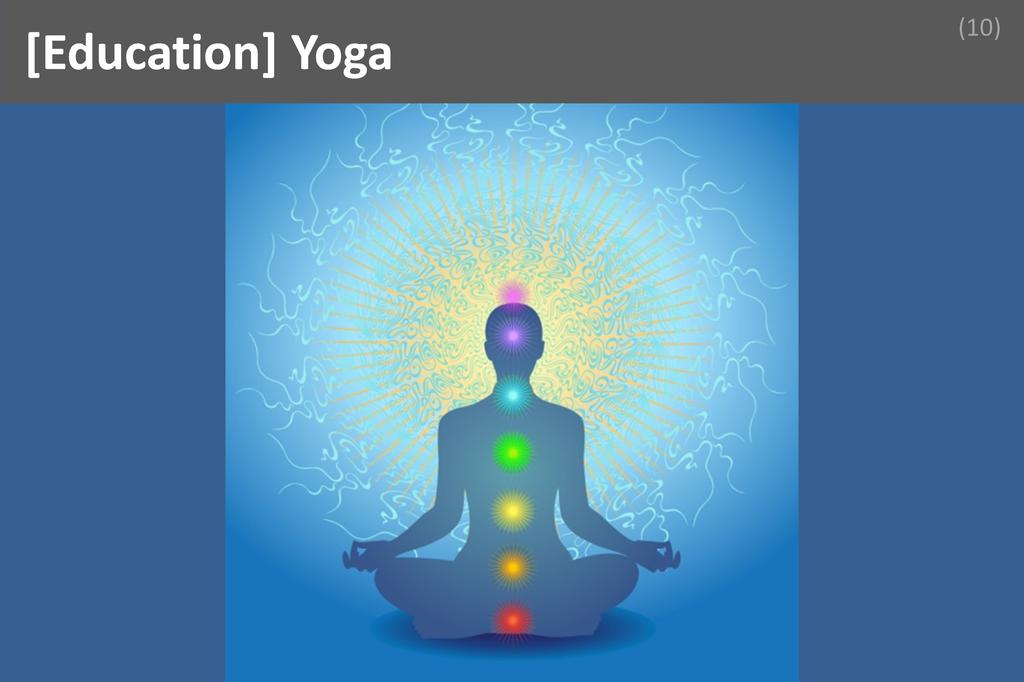
Yoga is an ancient discipline originating from India that integrates physical postures, breath control, meditation, and ethical principles to harmonize the body, mind, and spirit. In the context of Pranic Healing, yoga provides essential theoretical and practical frameworks, supporting both personal development and the effective application of energy-based healing techniques.
Understanding yoga is vital for anyone preparing for or working in Pranic Healing because it establishes a comprehensive foundation in energy management, self-awareness, and holistic well-being. Yoga’s principles teach practitioners how to regulate their own energy, maintain mental clarity, and cultivate compassion, all of which are crucial for effective healing work. Mastery of yogic practices enhances a healer’s sensitivity to subtle energies, improves concentration, and fosters emotional resilience. Over the long term, this knowledge supports sustained professional growth, ethical decision-making, and the ability to guide clients through transformative healing experiences. By integrating yoga into their professional repertoire, Pranic Healers can ensure their own energetic hygiene and maintain a balanced, grounded presence in their practice.
Consider a Pranic Healing practitioner who begins each day with a sequence of yoga postures and breathing exercises. This routine not only prepares their body and mind for the demands of healing work but also sharpens their awareness of energy flow within themselves and others. During a healing session, the practitioner draws upon yogic breathing techniques to remain centered and focused, ensuring that their own energy remains stable while facilitating the client’s healing process. If a client experiences emotional release or energetic blockages, the healer may recommend specific yoga practices to support ongoing recovery. In this way, the theoretical understanding of yoga directly informs and enhances the practical, day-to-day operations of a Pranic Healing professional.
Prana & Sources of Prana

Prana is the vital life force or energy that sustains all living beings and natural processes. The sources of prana include sunlight, air, earth, and food. Understanding prana and its origins is essential in Pranic Healing, forming a core part of both theoretical study and practical application in the field.
A deep understanding of prana and its sources is crucial for anyone pursuing a career in Pranic Healing. This knowledge enables practitioners to accurately assess energy imbalances and effectively channel prana for healing purposes. Mastery of these concepts forms the foundation for advanced techniques, ensuring that interventions are both safe and effective. Professionals who are well-versed in the nature and sources of prana can tailor their healing strategies to individual needs, enhancing outcomes and client satisfaction. Over time, this expertise not only builds credibility but also fosters continuous professional growth, as practitioners are better equipped to innovate and adapt within the evolving landscape of energy healing.
Consider a Pranic Healing practitioner working with a client experiencing chronic fatigue. Drawing on their understanding of prana and its sources, the practitioner first assesses the client’s energy field to identify deficiencies. Recognizing that the client spends little time outdoors, the practitioner recommends increased exposure to sunlight and fresh air, both rich sources of prana. During healing sessions, the practitioner consciously draws prana from these sources and directs it to replenish the client’s depleted energy centers. By integrating theoretical knowledge with practical application, the practitioner not only addresses the immediate symptoms but also empowers the client to maintain higher energy levels through lifestyle adjustments, demonstrating the real-world value of mastering prana and its sources.
Fire Elements

Fire Elements refer to the energetic qualities and properties associated with the fire element in esoteric and healing traditions. In Pranic Healing, understanding Fire Elements is essential for manipulating energy, facilitating transformation, and promoting vitality. This knowledge forms a critical component of both academic study and professional practice in energy healing disciplines.
A deep understanding of Fire Elements is vital for anyone pursuing a career in Pranic Healing because it underpins the ability to recognize, harness, and balance energetic forces within the human body and environment. Mastery of this subject allows practitioners to effectively address issues related to inflammation, vitality, and emotional imbalances, which are often linked to fire energy. By integrating this knowledge, professionals can tailor their healing techniques to individual client needs, ensuring more precise and effective outcomes. Over time, expertise in Fire Elements enhances a healer’s reputation, broadens their scope of practice, and contributes to ongoing professional development, making it a cornerstone of long-term success in the field.
Consider a Pranic Healing practitioner working with a client experiencing chronic anger and persistent inflammation. Drawing on their understanding of Fire Elements, the practitioner identifies an excess of fire energy manifesting as both emotional and physical symptoms. During the healing session, the practitioner applies specific techniques to disperse and balance the fire element within the client’s energy field. This targeted approach not only alleviates the client’s immediate discomfort but also helps restore emotional equilibrium and physical well-being. By skillfully applying theoretical knowledge of Fire Elements, the practitioner demonstrates the practical value of this expertise in delivering effective, individualized healing sessions.
Skills
Communication

Communication is the clear and effective exchange of information, thoughts, and feelings through verbal, nonverbal, and written means. In Pranic Healing, communication is vital for building trust, understanding client needs, explaining healing processes, and ensuring that both healer and client are aligned in their expectations and goals.
Strong communication skills directly enhance a Pranic Healer’s ability to connect with clients, accurately assess their concerns, and provide clear guidance throughout the healing process. Clients and employers value this skill because it fosters transparency, builds confidence, and ensures that instructions or feedback are understood and acted upon. Over time, communication can be cultivated by actively listening, practicing empathy, seeking feedback, and continuously refining one’s ability to articulate complex concepts in simple, accessible language. Regular self-reflection and participation in workshops or peer discussions also help healers become more attuned to both verbal and nonverbal cues, further strengthening their professional relationships and effectiveness.
Imagine a Pranic Healer working with a client who is anxious about the healing process and unsure about what to expect. The healer uses clear, compassionate communication to explain each step, address the client’s concerns, and outline the expected outcomes. By attentively listening to the client’s questions and responding with empathy, the healer reassures the client and creates a safe, supportive environment. This open dialogue not only alleviates the client’s anxiety but also encourages active participation in the healing process, leading to a more successful and satisfying outcome for both parties. In this scenario, effective communication is the key to building trust and achieving positive results.
Patience

Patience is the ability to calmly endure delays, obstacles, or suffering without frustration, maintaining composure and perseverance throughout challenging situations. For a Pranic Healing professional, patience is vital as it allows them to support clients through gradual healing processes, adapt to individual needs, and foster a nurturing, non-judgmental environment essential for holistic well-being.
Patience directly enhances a Pranic Healer’s effectiveness by enabling them to remain composed and attentive during lengthy or complex healing sessions. Clients and employers value this skill because it reassures those seeking help that their unique pace and progress will be respected. A patient healer is more likely to build trust, encourage open communication, and create a safe space for emotional and energetic transformation. Cultivating patience involves consistent self-reflection, mindfulness practices, and a commitment to personal growth. Over time, healers learn to accept setbacks as part of the journey, viewing each session as an opportunity to deepen their understanding and empathy, which ultimately leads to better outcomes for both healer and client.
Imagine a Pranic Healing practitioner working with a client who is experiencing persistent emotional distress that does not resolve after several sessions. Instead of becoming discouraged or rushing the process, the healer exercises patience, carefully observing subtle shifts in the client’s energy and adjusting techniques as needed. They provide ongoing encouragement and maintain a calm, supportive presence, even when progress appears slow. Over time, this patient approach allows the client to feel safe and understood, gradually opening up and responding more positively to the healing process. The healer’s patience not only helps the client achieve meaningful breakthroughs but also strengthens the therapeutic relationship, demonstrating the profound impact of this essential skill.
Curiosity

Curiosity is the intrinsic desire to explore, learn, and understand new concepts, experiences, or phenomena. It drives individuals to ask questions, seek deeper knowledge, and remain open to possibilities. In Pranic Healing, curiosity is vital because it encourages practitioners to continually expand their understanding of energy, healing techniques, and client needs.
Curiosity directly enhances a Pranic Healing professional’s performance by motivating them to investigate the underlying causes of a client’s condition and to explore innovative healing methods. Clients and employers value this quality because it ensures that the practitioner is not limited by routine or complacency, but is instead committed to finding the most effective solutions. Over time, curiosity can be cultivated by maintaining an open mind, engaging in ongoing education, and reflecting on each healing session to identify areas for growth. This mindset leads to a richer, more adaptive practice that evolves with new discoveries and client feedback, ultimately resulting in better outcomes and a stronger reputation within the field.
Imagine a Pranic Healing practitioner working with a client who is not responding to standard protocols. Instead of repeating the same techniques, the practitioner’s curiosity prompts them to research alternative approaches, consult with peers, and ask the client detailed questions about their lifestyle and emotional state. Through this investigative process, the practitioner uncovers a previously overlooked emotional trauma contributing to the client’s condition. By addressing this root cause with tailored healing methods, the practitioner achieves a breakthrough in the client’s recovery. This scenario highlights how curiosity not only solves critical issues but also fosters trust and demonstrates a commitment to holistic, individualized care.
Convincing Others

"Convincing Others" is the ability to effectively communicate ideas, beliefs, or solutions in a way that inspires trust, acceptance, and positive action. In Pranic Healing, this skill enables practitioners to explain the benefits, address skepticism, and encourage clients to commit to healing sessions, making it indispensable for professional success.
Mastering the art of convincing others directly enhances a Pranic Healing professional’s ability to attract and retain clients, foster trust, and build a reputable practice. Clients and employers value this skill because it reassures them of the practitioner’s confidence, knowledge, and genuine intent to help. By listening actively, empathizing with concerns, and providing clear, evidence-based explanations, practitioners can gradually strengthen their persuasive abilities. Over time, consistent practice, feedback from clients, and ongoing education in communication techniques help refine this skill, ensuring that the healer can effectively bridge the gap between skepticism and acceptance, ultimately leading to better client outcomes and professional growth.
Imagine a Pranic Healing practitioner meeting a new client who is hesitant about energy healing due to unfamiliarity and doubts. The practitioner listens attentively to the client’s concerns, shares relatable success stories, and explains the scientific principles behind Pranic Healing in simple terms. By addressing misconceptions and demonstrating genuine care, the practitioner gradually builds trust. The client, feeling understood and reassured, agrees to try a session. As the healing progresses and the client experiences positive changes, the initial skepticism transforms into confidence in the process. In this scenario, the practitioner’s ability to convincingly communicate and empathize is the key factor that turns uncertainty into a successful healing relationship.
Trust Building

Trust Building is the ongoing process of establishing credibility, reliability, and emotional safety between individuals through consistent actions, honest communication, and empathy. In Pranic Healing, trust is the foundation that allows clients to feel secure, open, and receptive to healing. It enables practitioners to foster meaningful connections, encourage client participation, and support transformative outcomes. Without trust, the healing process can be hindered by skepticism, resistance, or emotional barriers, making it a vital skill in every Pranic Healer’s professional toolkit.
Trust Building directly enhances a Pranic Healer’s effectiveness by creating a safe environment where clients feel comfortable sharing personal concerns and participating fully in the healing process. Clients and employers highly value this skill because it reassures them of the healer’s integrity, professionalism, and genuine care. A practitioner who consistently demonstrates empathy, maintains confidentiality, and communicates transparently will naturally inspire confidence and loyalty. Over time, trust can be cultivated through active listening, honoring commitments, and seeking feedback to improve the client experience. By prioritizing authentic relationships, a Pranic Healer not only improves outcomes but also establishes a strong reputation within the community.
Imagine a client who is skeptical about Pranic Healing and hesitant to discuss their emotional struggles. The practitioner recognizes this hesitation and, through patient listening and gentle reassurance, creates a non-judgmental space for dialogue. By respecting the client’s boundaries and consistently following through on promises, the healer gradually earns the client’s trust. As the relationship strengthens, the client becomes more open and engaged, allowing the practitioner to address deeper issues and facilitate more effective healing. In this scenario, trust building is not just a background skill but the key factor that transforms initial resistance into a successful, collaborative healing journey.
Discipline

Discipline is the consistent practice of self-control, adherence to routines, and commitment to personal and professional standards, even in the face of distractions or challenges. In Pranic Healing, discipline ensures that practitioners maintain the integrity of their techniques, follow ethical guidelines, and provide reliable, effective healing to their clients.
Discipline directly enhances a Pranic Healer’s performance by fostering reliability, precision, and trustworthiness. Clients and employers value disciplined practitioners because they consistently follow protocols, respect confidentiality, and maintain high standards of care. This reliability builds trust and encourages long-term relationships. Cultivating discipline involves setting clear goals, establishing regular practice routines, and reflecting on progress. Over time, disciplined healers become more adept at managing their energy, staying focused during sessions, and adapting to new challenges without compromising their standards. By prioritizing discipline, Pranic Healers not only improve their technical skills but also demonstrate professionalism and dedication, which are essential for career growth and client satisfaction.
Imagine a Pranic Healing practitioner faced with a client experiencing severe emotional distress. The session requires strict adherence to advanced protocols and unwavering focus. Despite external distractions and the emotional intensity of the situation, the healer relies on discipline to methodically apply each step of the healing process, ensuring no shortcuts are taken. By maintaining composure and following established routines, the practitioner is able to provide effective relief to the client. This disciplined approach not only leads to a successful outcome but also reassures the client of the healer’s competence and commitment. In such critical moments, discipline becomes the foundation for both effective healing and professional credibility.
Daily Sadhna

Daily Sadhna is a disciplined, consistent spiritual practice involving meditation, energy cleansing, and self-reflection, performed every day to purify the mind, body, and aura. For Pranic Healing professionals, it serves as a foundation for personal energy management, emotional stability, and heightened intuition, ensuring effective and compassionate healing sessions.
Mastering Daily Sadhna significantly enhances a Pranic Healer’s abilities by fostering inner clarity, emotional resilience, and a strong energetic presence. Clients and employers value practitioners who maintain high personal energy and emotional balance, as these qualities directly influence the quality of healing provided. Regular practice of Daily Sadhna helps healers remain grounded, focused, and less susceptible to energy contamination from clients. Over time, this daily commitment cultivates deeper self-awareness, sharpens intuition, and strengthens the healer’s connection to higher energies. By integrating Daily Sadhna into their routine, professionals not only improve their healing skills but also build trust and credibility with those they serve, making it a vital aspect of long-term career success in Pranic Healing.
Imagine a Pranic Healing practitioner faced with a client experiencing severe emotional distress and energy blockages. The healer, having maintained a consistent Daily Sadhna practice, approaches the session with calmness, clarity, and heightened sensitivity to subtle energy shifts. This inner stability allows the healer to remain unaffected by the client’s intense emotions, ensuring that their own energy field stays clean and strong throughout the session. As a result, the practitioner can accurately assess the client’s needs, apply advanced healing techniques, and facilitate a profound transformation. The client leaves feeling lighter and more balanced, while the healer’s reputation for effectiveness and professionalism grows, all rooted in the unwavering discipline of Daily Sadhna.
Maintaining Calm

Maintaining Calm is the ability to remain composed, centered, and emotionally steady regardless of external circumstances or internal stress. For a Pranic Healing professional, this skill is crucial because it enables clear perception, effective energy work, and the creation of a safe, supportive environment for clients seeking healing and balance.
The ability to maintain calm directly enhances a Pranic Healer’s performance by allowing them to focus on subtle energy shifts without being distracted by anxiety or emotional turbulence. Clients and employers highly value this trait because it fosters trust and reassurance, making the healing process more effective and comfortable. A calm healer is better equipped to handle unexpected reactions, complex cases, or emotionally charged situations, ensuring that the session remains productive and safe. Cultivating this skill involves regular meditation, mindfulness practices, and self-reflection, which help practitioners build resilience and emotional stability over time. By consistently practicing these techniques, Pranic Healers can strengthen their inner tranquility and bring greater clarity and compassion to their work.
Imagine a Pranic Healer working with a client who suddenly becomes overwhelmed with emotion during a session, expressing fear and doubt about the healing process. Instead of reacting with concern or frustration, the healer remains calm, grounding themselves and gently guiding the client through breathing exercises. This composed presence helps the client feel secure and supported, allowing them to relax and become more receptive to the healing energy. By maintaining calm, the healer not only manages the immediate emotional crisis but also reinforces the client’s trust in the process, ultimately leading to a more successful and transformative healing experience.
Positives
Self Purification

Self Purification is the ongoing process of cleansing one’s mind, emotions, and energy system from negativity, stress, and limiting patterns. It involves conscious practices that remove energetic blockages, fostering clarity, inner peace, and emotional balance. In Pranic Healing, self purification is essential for maintaining personal well-being and enhancing healing abilities.
The significance of self purification in Pranic Healing extends far beyond personal wellness. By regularly purifying their own energy, practitioners become more effective healers, as their clarity and vibrancy directly influence the quality of healing they offer. This process cultivates a deep sense of fulfillment, as healers witness their own transformation alongside their clients’. The daily practice of self purification also fosters resilience, emotional stability, and heightened intuition, making the work both uplifting and sustainable. Over time, this ongoing inner cleansing leads to greater job satisfaction, as practitioners feel lighter, more compassionate, and deeply connected to their purpose. The journey of self purification thus becomes a source of inspiration and growth, enriching both professional and personal life.
Imagine a Pranic Healing practitioner who begins each day with meditation and energy-cleansing techniques. Through these rituals, she releases accumulated stress and emotional residue from previous healing sessions. As she works with clients, she notices her mind is clearer and her heart more open, allowing her to empathize deeply and respond intuitively. Over weeks and months, she observes that her own anxieties and negative patterns diminish, replaced by a sense of inner peace and confidence. This transformation not only enhances her healing abilities but also brings her immense satisfaction, knowing that her personal growth is intertwined with her professional impact. Self purification thus becomes both her foundation and her reward.
Personality Development

Personality development is the continuous process of enhancing one’s character, behavior, emotional intelligence, and interpersonal skills to achieve greater self-awareness and effectiveness in personal and professional life. In Pranic Healing, this growth is essential, as practitioners must cultivate empathy, patience, and clarity to support and heal others effectively.
Personality development is a cornerstone of fulfillment and success in Pranic Healing because it transforms practitioners from within, enabling them to connect deeply with clients and colleagues. As healers refine their emotional intelligence and communication skills, they foster trust and understanding, which are vital for effective healing. This ongoing self-improvement leads to heightened confidence and resilience, making daily challenges more manageable and rewarding. The sense of personal growth not only enhances job satisfaction but also opens doors to leadership roles and advanced learning. Practitioners who embrace personality development often find themselves more adaptable and compassionate, which enriches their professional journey and positively impacts everyone they encounter.
Imagine a Pranic Healing practitioner who once struggled with self-doubt and nervousness when meeting new clients. Through dedicated practice and self-reflection, she gradually develops greater self-assurance and empathy. Over time, her sessions become more engaging and effective, as clients feel genuinely heard and supported. This transformation is evident in her growing client base and the heartfelt gratitude she receives. Each day, she experiences the joy of not only helping others heal but also witnessing her own evolution into a more confident, compassionate, and inspiring individual. This ongoing journey of personality development becomes a source of deep personal fulfillment and professional pride.
Societal Impact

Societal Impact refers to the meaningful and measurable influence that an individual or profession has on the well-being, health, and harmony of communities and society at large. In Pranic Healing, this impact is realized through the alleviation of suffering, promotion of holistic wellness, and the fostering of compassion and interconnectedness among people.
The societal impact of Pranic Healing is a profound motivator for those who choose this path. Knowing that your work contributes to the physical, emotional, and mental well-being of others brings a deep sense of purpose and fulfillment. This positive aspect not only enhances job satisfaction but also encourages personal growth, as practitioners witness firsthand the ripple effect of healing within families and communities. Each day, professionals in Pranic Healing see the tangible results of their efforts, whether it’s a client regaining health, a family finding peace, or a community embracing holistic practices. This daily experience of making a difference reinforces their commitment and passion for the profession, making their journey both meaningful and rewarding.
Imagine a Pranic Healing practitioner working with a local community center, offering regular healing sessions to individuals suffering from chronic stress and anxiety. Over time, the practitioner observes significant improvements in the well-being of participants, who begin to report better sleep, improved relationships, and a renewed sense of hope. As these individuals thrive, their positive energy influences those around them, creating a more harmonious and supportive environment. The practitioner feels a deep sense of accomplishment, knowing their skills have not only helped individuals but have also contributed to a healthier, more resilient community. This real-world impact exemplifies how societal benefit is woven into the daily life of a Pranic Healing professional.
Self Satisfaction

Self Satisfaction is the deep sense of fulfillment and contentment that arises from knowing one’s actions align with personal values and positively impact others. It is the internal reward that comes from meaningful work, fostering motivation, confidence, and a sense of purpose. In Pranic Healing, self satisfaction is a driving force that sustains practitioners through challenges and inspires continuous growth. This feeling is especially significant because it transforms daily tasks into purposeful actions, making the profession not just a job, but a calling that nurtures both healer and recipient.
The presence of self satisfaction in a Pranic Healing career elevates the entire professional experience. When practitioners witness the positive changes they facilitate in clients’ lives, they feel a profound sense of accomplishment. This internal reward enhances job satisfaction, making daily work more enjoyable and meaningful. It also encourages personal and professional growth, as healers are motivated to deepen their skills and knowledge to serve others better. The ongoing experience of self satisfaction helps practitioners remain resilient during difficult times, reinforcing their commitment to the healing path. Ultimately, this benefit creates a cycle of positivity, where the healer’s well-being is enriched alongside the well-being of those they help.
Imagine a Pranic Healer working with a client who has been struggling with chronic stress and emotional turmoil. Over several sessions, the healer observes the client’s gradual transformation—improved mood, renewed energy, and a brighter outlook on life. The client expresses heartfelt gratitude, sharing how the healing sessions have restored hope and balance. In that moment, the healer experiences a wave of self satisfaction, knowing their skills and compassion have made a tangible difference. This fulfillment is not fleeting; it lingers, fueling the healer’s passion for their work and reaffirming their purpose. Each success story becomes a source of inspiration, making every effort worthwhile and deeply rewarding.
Respect & Recognition

Respect and recognition refer to the genuine appreciation, admiration, and acknowledgment received from others for one’s skills, contributions, and positive impact. In Pranic Healing, this means being valued by clients, peers, and the community for facilitating healing and transformation, which fosters a sense of purpose and professional fulfillment.
The presence of respect and recognition in a Pranic Healing career elevates the practitioner’s sense of worth and belonging. When clients express gratitude for improved well-being and colleagues acknowledge expertise, it creates a supportive environment that nurtures growth and confidence. This positive feedback loop not only boosts job satisfaction but also motivates practitioners to continually refine their skills. Experiencing daily appreciation reinforces the meaningfulness of their work, making challenges feel worthwhile and inspiring a deeper commitment to helping others. Over time, this culture of respect and recognition becomes a driving force behind personal and professional development, ensuring that practitioners feel seen, valued, and inspired to make a lasting difference.
Imagine a Pranic Healing practitioner who has been working with a client struggling with chronic stress. After several sessions, the client shares heartfelt thanks, describing how their life has transformed and how they now feel empowered and hopeful. The practitioner’s peers also notice the positive changes and commend the practitioner’s dedication and skill during a team meeting. This outpouring of gratitude and acknowledgment not only fills the practitioner with pride but also reaffirms their choice of career. The respect and recognition received in this moment become a powerful reminder of the impact their work has on others, fueling their passion and commitment to continue making a difference in people’s lives.
Challenges
Patient Satisfaction

Patient satisfaction in Pranic Healing refers to the degree to which clients feel their expectations for healing, well-being, and personal transformation are met through energy-based interventions. This is demanding because outcomes can be subjective, progress may be gradual, and clients often seek tangible, immediate results, making satisfaction difficult to guarantee.
The challenge of patient satisfaction permeates every aspect of a Pranic Healer’s daily work. Practitioners must balance clients’ hopes with the realities of energetic healing, which may not always yield instant or visible results. This ongoing pressure can be emotionally taxing, requiring resilience and strong communication skills. Successful professionals address this by setting clear expectations from the outset, educating clients about the healing process, and maintaining open dialogue throughout the journey. They also practice empathy, listening carefully to concerns and providing reassurance when progress seems slow. By fostering trust and transparency, healers can help clients appreciate subtle improvements and remain engaged, even when outcomes are not immediately apparent.
Consider a Pranic Healer working with a client experiencing chronic stress. After several sessions, the client expresses disappointment, feeling that the results are not as dramatic as hoped. The healer responds by revisiting the initial goals, explaining the nature of energetic shifts, and highlighting small but meaningful changes in the client’s mood and sleep patterns. Through compassionate conversation and ongoing support, the healer helps the client recognize incremental progress, reinforcing the value of patience and persistence. Over time, the client’s satisfaction grows as they become more attuned to subtle improvements, illustrating how effective communication and expectation management can transform a challenging situation into a positive, trust-building experience.
Lack of Awareness

Lack of Awareness in Pranic Healing refers to the general public’s limited understanding or misconceptions about the practice, its principles, and its benefits. This challenge is demanding because it creates barriers to acceptance, client acquisition, and professional credibility, making it difficult for practitioners to establish and grow their careers.
This difficulty often manifests in daily work as skepticism from potential clients, limited referrals, and a need to constantly explain or defend the legitimacy of Pranic Healing. Such an environment can be discouraging, requiring practitioners to develop resilience and patience. Successful professionals address this constraint by focusing on education and outreach, sharing credible information, and demonstrating results through case studies and testimonials. They build trust gradually, often starting with small community events, workshops, or free introductory sessions to demystify the practice. By consistently providing value and maintaining ethical standards, they foster word-of-mouth recommendations and slowly shift perceptions, turning initial resistance into curiosity and, eventually, acceptance.
Consider a Pranic Healing practitioner who notices that most people in their community are unfamiliar with energy healing or hold misconceptions about its effectiveness. Instead of becoming discouraged, the practitioner organizes a series of free wellness talks at local community centers, where they explain the science and philosophy behind Pranic Healing in accessible language. They invite attendees to experience short, non-invasive demonstrations and share stories of clients who have benefited from the practice. Over time, attendees begin to refer friends and family, and local healthcare providers express interest in learning more. Through consistent engagement and a focus on education, the practitioner gradually transforms skepticism into openness, successfully overcoming the initial lack of awareness and building a thriving practice.
Work Life Balance

Work Life Balance in Pranic Healing refers to the ongoing effort to harmonize the demands of healing clients, personal spiritual practice, and everyday responsibilities. This balance is demanding because practitioners often work irregular hours, provide emotional support, and must maintain their own energy and well-being to serve others effectively.
The challenge of maintaining work life balance in Pranic Healing can lead to fatigue, emotional exhaustion, and diminished effectiveness both professionally and personally. Practitioners may find themselves overextending to meet the needs of clients, sacrificing personal time and self-care. This situation demands resilience, as the emotional and energetic investment in healing work can be intense. Successful professionals recognize the importance of setting boundaries, scheduling regular breaks, and prioritizing their own spiritual and physical health. By consciously allocating time for rest, personal growth, and family, they sustain their passion for healing while preventing burnout. This mindful approach allows them to remain present and effective in their practice, ensuring long-term fulfillment and professional sustainability.
Consider a Pranic Healing practitioner who manages a busy client schedule while raising a young family. She noticed her energy waning and her patience thinning, both at home and during healing sessions. Recognizing the signs of imbalance, she began to set clear working hours and communicated these boundaries to her clients. She also dedicated time each morning for meditation and exercise, which helped her recharge energetically. By involving her family in simple wellness routines and being transparent about her needs, she fostered understanding and support at home. As a result, she regained her vitality, improved her client outcomes, and enjoyed more meaningful time with her loved ones, demonstrating that work life balance is achievable with conscious effort.
A Day Of
Pranic Healing
In the world of Pranic Healing, the workday unfolds with a rhythm that is both serene and purposeful, blending moments of quiet reflection with bursts of focused energy. The environment is suffused with calm, punctuated by the gentle hum of meditation music and the subtle scent of essential oils. Each day is a tapestry of intention, compassion, and skill, as practitioners move seamlessly from personal preparation to transformative client sessions, all while maintaining a deep connection to the flow of energy that defines their unique profession. Here, the boundaries between work and well-being blur, creating a space where healing is both a calling and a craft.
As dawn breaks, the Pranic Healing professional begins the day with a personal meditation, grounding themselves and attuning to the energies that will guide their work. The healing space is carefully prepared, with attention given to cleanliness, energetic clearing, and the arrangement of crystals or healing tools. This quiet hour is dedicated to reviewing the day’s schedule, setting intentions for each client, and ensuring that the environment radiates tranquility and readiness for the healing sessions ahead.
By mid-morning, the heart of the day’s work begins as clients arrive seeking relief, clarity, or renewal. The practitioner moves through a series of one-on-one sessions, each tailored to the individual’s needs, whether addressing physical discomfort, emotional imbalances, or spiritual blockages. The atmosphere is focused yet compassionate, as the healer applies advanced Pranic techniques, scans for energetic disturbances, and facilitates the gentle release of stagnant energy. This is the most dynamic and interactive phase, requiring both technical expertise and deep empathy.
The afternoon brings opportunities for collaboration and follow-up. The practitioner may consult with other healers, discuss complex cases, or participate in group healing sessions. There is often time set aside for checking in with clients from previous days, offering guidance on self-care practices, or conducting remote healing for those unable to attend in person. This period is marked by a sense of teamwork and ongoing support, reinforcing the community aspect of Pranic Healing.
As the day winds down, the practitioner shifts focus to reflection and administrative tasks. Detailed notes are recorded for each session, progress is tracked, and feedback is reviewed to refine future approaches. There is time for personal study, whether exploring new healing techniques or deepening spiritual practice. The day concludes with a final meditation, clearing the space and setting intentions for tomorrow, ensuring that both healer and environment are restored and ready for another day of transformative work. |