Career Counselling 2.0 HomeHomeCareer Counselling 2.0 AbroadAbroadCareer Counselling 2.0 PlanPlanCareer Counselling 2.0 | TalksTalksCareer Counselling 2.0 PhilosophyPhilosophyCareer Counselling 2.0 SeminarSeminarCareer Counselling 2.0 PagesPagesCareer Counselling 2.0 AdvisorsAdvisorsCareer Counselling 2.0 TestimonialsTestimonials

Journalism

Journalist Ranjona Banerji talks about Journalism course, what is Journalism and other details about a Career in Journalism.


Journalism

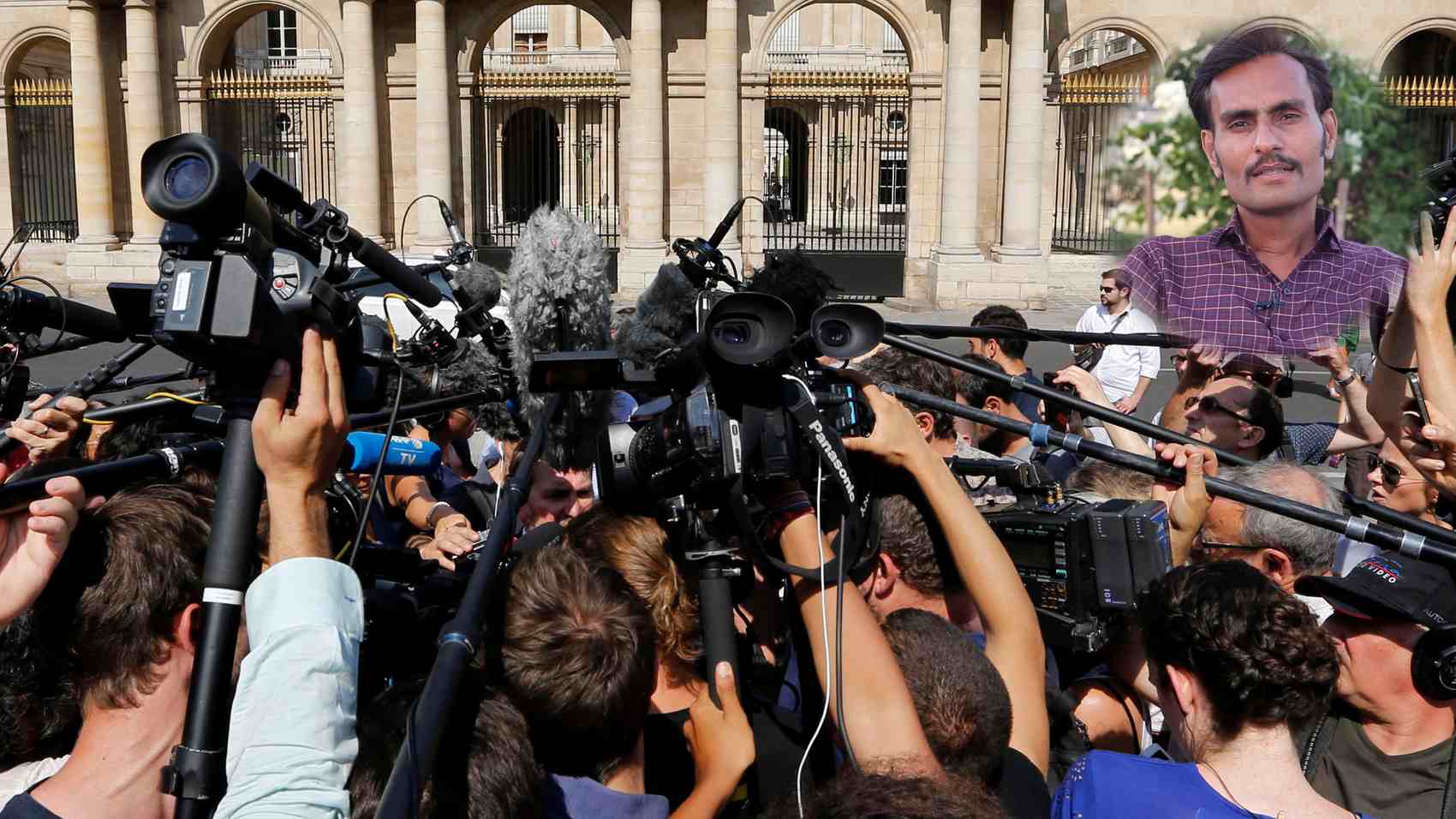
Ranjona Banerji | Journalist | Various Reporting Assignments


What is Journalism?


A Career in Journalism is very intriguing. One should first understand What a Career in Journalism entails before investing time and effort to figure out How to start a Career in Journalism. It is best to learn about Journalism from a real professional, this is akin to getting it from the horse's mouth.

Journalist Ranjona Banerji has worked in Journalism for 34 years & 3 months. Journalist Ranjona Banerji defines Journalism as:

The New York Times calls it “All the news that’s fit to print". That is, providing the reader/viewer with information and opinion and Keeping readers/viewers updated with events as they happen.


How Journalist Ranjona Banerji got into Journalism?


I did diploma in Journalism (XIC). I worked in a number of capacities from sub-editor upwards in Bombay Magazine, India Today, Gentleman Magazine, Mid-Day, The Times of India and DNA. Currently I am working Columnist for media website mxmindia.com, Mid-Day, write for Asian Age, scroll.in etc.


Journalist Ranjona Banerji's Talk on Journalism


Session Image
The Journey of Journalism


What Is Journalism

Journalism

### Journalism Image
What is
Journalism is the practice of gathering, assessing, creating, and presenting news and information to the public. It involves investigating events, verifying facts, and communicating stories through various media, such as newspapers, television, radio, and digital platforms, with the goal of informing, educating, and engaging society.

Concept
Journalism plays a crucial role in shaping public opinion, holding power to account, and fostering informed communities. For professionals in this field, journalism offers the opportunity to make a tangible difference by uncovering truths and amplifying diverse voices. One major benefit is the ability to influence social change by exposing injustices and prompting action. Another significant advantage is the development of critical thinking and communication skills, which are valuable in many aspects of life and work. Additionally, journalism provides a dynamic and intellectually stimulating career, as professionals constantly learn about new topics, meet different people, and adapt to evolving technologies and societal needs.

Real World Example
A journalist working for a local newspaper might investigate a series of environmental violations at a nearby factory. Through interviews with affected residents, analysis of public records, and consultation with environmental experts, the journalist uncovers evidence of pollution impacting the community. After publishing a detailed report, the story garners public attention and prompts local authorities to launch an official investigation. The journalist’s work not only informs the public but also leads to policy changes and improved environmental regulations. This example illustrates how journalism serves as a watchdog, empowers communities, and drives meaningful change by bringing important issues to light.

Education


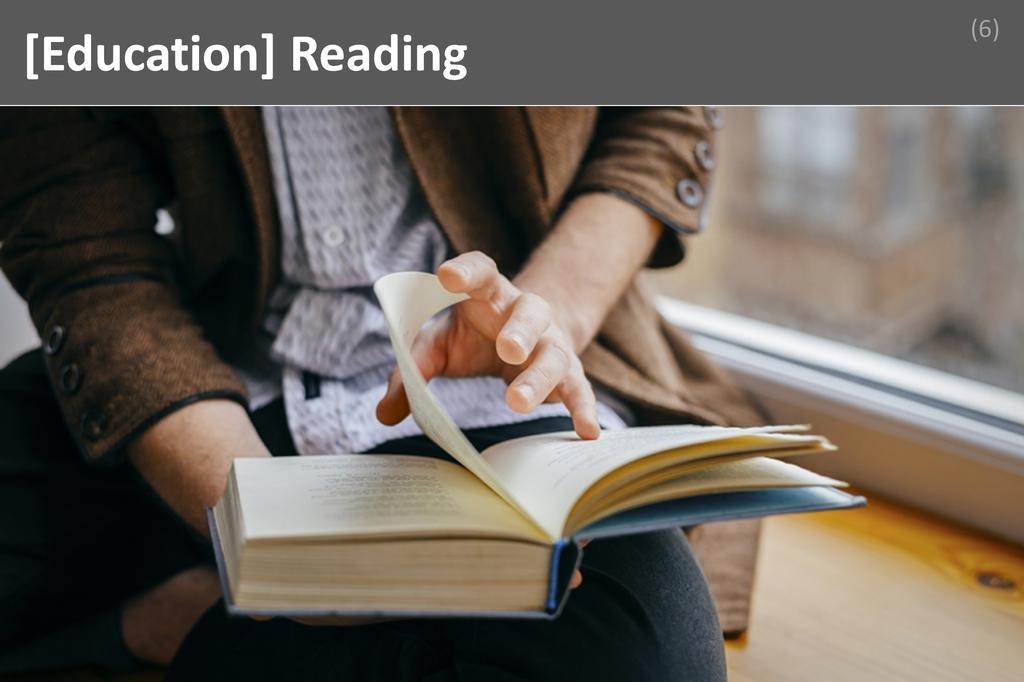
Reading

### Reading Image
What is
Reading is the process of interpreting and understanding written texts, involving the recognition of words, comprehension of meaning, and critical analysis of content. In Journalism, reading is essential for gathering information, verifying facts, and interpreting sources, forming a cornerstone of both academic study and professional practice in the field.

Concept
A strong command of reading is indispensable for anyone pursuing a career in Journalism. Journalists must navigate a vast array of written materials, from news articles and press releases to legal documents and research reports. The ability to read critically allows professionals to discern bias, identify key facts, and synthesize information from multiple sources. This skill not only ensures accuracy and credibility in reporting but also supports ethical decision-making and effective storytelling. Over time, mastering reading enhances a journalist’s ability to adapt to new topics, understand complex issues, and communicate insights clearly to the public, making it a lifelong asset in a rapidly evolving media landscape.

Real World Example
Consider a journalist assigned to cover a breaking political story. Their day begins by reading official statements, background reports, and previous news coverage to understand the context. They must quickly identify relevant details, cross-reference facts, and spot inconsistencies or omissions. Throughout the day, the journalist continues to read updates from wire services, social media posts, and expert analyses, constantly filtering information for accuracy and relevance. By applying their theoretical understanding of reading, the journalist can efficiently process large volumes of text, extract essential information, and produce a well-informed, balanced article that meets professional standards and serves the public interest.

Knowledge of Law

### Knowledge of Law Image
What is
Knowledge of Law refers to an understanding of legal principles, statutes, regulations, and ethical standards that govern society and professional conduct. In Journalism, it encompasses awareness of media law, defamation, privacy, copyright, and freedom of expression, forming an essential component of both academic study and professional practice in the field.

Concept
A solid grasp of Knowledge of Law is indispensable for journalists, as it safeguards both the individual and their organization from legal pitfalls. Journalists routinely navigate complex legal landscapes, from reporting on court cases to handling sensitive information. Understanding the boundaries set by libel, slander, and privacy laws ensures that their work remains credible and defensible. This knowledge empowers journalists to ask the right questions, make informed editorial decisions, and uphold ethical standards. Over the course of a career, a journalist’s legal literacy not only protects them from costly lawsuits but also enhances their reputation for integrity and reliability. Mastery of legal concepts ultimately supports responsible reporting and fosters public trust in the media.

Real World Example
Consider a journalist assigned to cover a high-profile criminal trial. Their understanding of Knowledge of Law guides them in reporting facts without violating court reporting restrictions or prejudicing the case. They know which details can be published and which must be withheld to comply with contempt of court laws. When interviewing sources, the journalist is careful not to solicit or disclose information that could breach privacy or defamation laws. This legal awareness allows them to produce accurate, compelling stories while avoiding legal repercussions for themselves and their publication. Their expertise ensures that the public remains informed without compromising the integrity of the judicial process or infringing on individual rights.

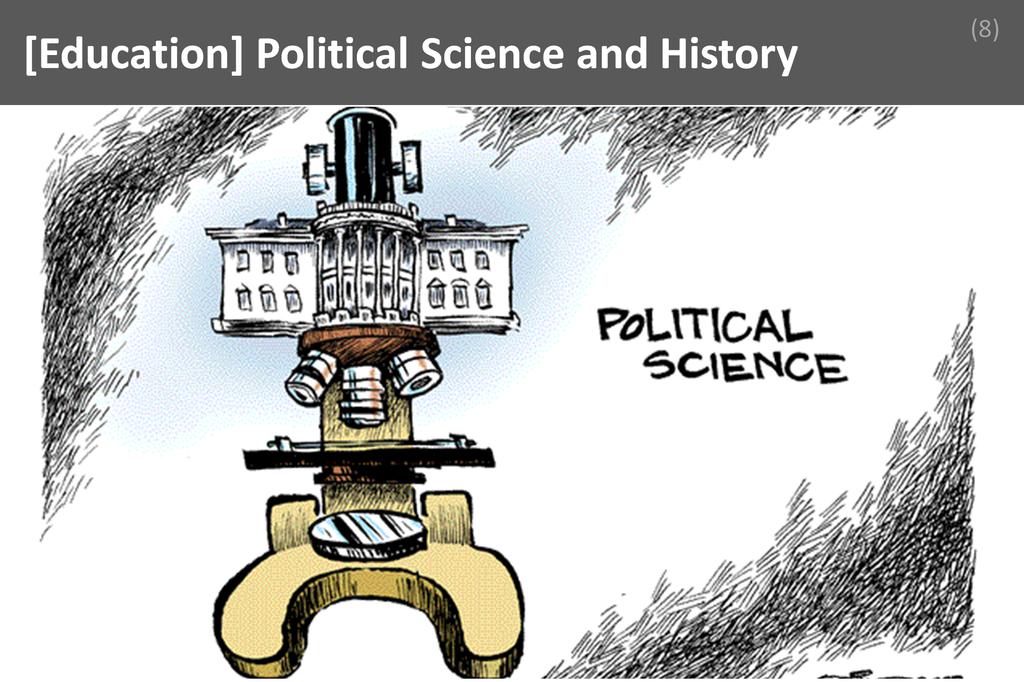
Political Science and History

### Political Science and History Image
What is
Political Science and History is the study of governance systems, political behavior, institutions, and the chronological development of societies and nations. This discipline explores how power is distributed, exercised, and challenged, and how historical events shape current affairs. For journalists, it provides essential context for interpreting and reporting on complex societal issues.

Concept
A solid grasp of Political Science and History is indispensable for journalists because it equips them to analyze and interpret the political and historical context behind news events. Understanding the evolution of political systems, ideologies, and historical milestones allows journalists to provide nuanced, accurate reporting that goes beyond surface-level facts. This foundational knowledge helps professionals recognize patterns, anticipate developments, and critically assess sources and narratives. Over the long term, journalists with expertise in these areas are better positioned to cover a wide range of beats, from international relations to domestic policy, and to build credibility with audiences who rely on informed, insightful analysis. Mastery of these subjects also fosters ethical reporting and a deeper appreciation for the societal impact of journalism.

Real World Example
Consider a journalist assigned to cover a national election. Their understanding of Political Science enables them to explain the significance of electoral systems, party ideologies, and campaign strategies, while their knowledge of History helps them contextualize current events within the nation’s political evolution. When reporting on policy debates, they can draw connections to historical precedents and analyze how past decisions influence present-day outcomes. This theoretical grounding allows the journalist to ask informed questions during interviews, identify the broader implications of political developments, and communicate complex issues clearly to the public. Ultimately, their expertise ensures that coverage is comprehensive, balanced, and rooted in a deep understanding of the forces shaping society.

Current Affairs

### Current Affairs Image
What is
Current Affairs refers to the ongoing events, developments, and issues happening locally, nationally, and globally. It encompasses politics, economics, science, culture, and society, providing a snapshot of the world as it evolves. For journalists, mastering current affairs is essential, as it underpins accurate, relevant, and timely reporting and analysis.

Concept
Understanding current affairs is vital for anyone pursuing a career in journalism because it forms the backbone of informed reporting. Journalists are expected to contextualize news stories, connect them to broader trends, and anticipate their implications. A solid grasp of current affairs allows professionals to ask insightful questions, identify emerging issues, and avoid factual errors or misinterpretations. Over time, this expertise builds credibility and trust with audiences, as readers and viewers rely on journalists to provide accurate and meaningful coverage. Furthermore, staying updated with current affairs enhances a journalist’s ability to adapt to the fast-paced news environment, ensuring their work remains relevant and impactful throughout their career.

Real World Example
Consider a journalist covering a national election. Their understanding of current affairs enables them to interpret political speeches, recognize the significance of policy changes, and relate these developments to historical trends or international events. During interviews, this knowledge allows the journalist to pose probing questions and challenge inconsistencies, resulting in more informative and balanced reporting. When breaking news occurs, such as a sudden policy announcement or a diplomatic incident, the journalist’s familiarity with ongoing issues ensures they can quickly provide context and analysis for their audience. This real-time application of current affairs knowledge not only enhances the quality of their reporting but also strengthens public trust in their work.

Skills


Writing

### Writing Image
What is
Writing is the process of expressing ideas, information, and stories through structured language, using clarity, coherence, and accuracy. In journalism, writing is the primary tool for communicating news, analysis, and narratives to the public. It enables journalists to inform, engage, and influence audiences while upholding ethical and factual standards.

Concept
Mastering writing is fundamental for journalists because it directly impacts the quality and credibility of their work. Strong writing skills allow journalists to convey complex information clearly, craft compelling stories, and maintain the trust of their audience. Employers and clients highly value journalists who can produce accurate, engaging, and timely content, as this drives readership and upholds the reputation of the publication. To cultivate writing skills, aspiring journalists should practice regularly, seek feedback from editors and peers, and study exemplary journalism. Continuous learning, such as attending workshops and reading widely, also helps refine style and adaptability. Over time, consistent effort and dedication to improvement enable journalists to write with greater precision, creativity, and impact.

Real World Example
Imagine a journalist covering a breaking news event where facts are rapidly evolving and misinformation is spreading online. In this high-pressure situation, the journalist’s writing skills become crucial. By quickly synthesizing verified information and presenting it in a clear, concise, and engaging manner, the journalist helps the public understand what is happening and why it matters. Their ability to write accurately and compellingly ensures that the news outlet stands out as a reliable source amid confusion. This not only builds trust with the audience but also demonstrates the journalist’s professionalism and value to their employer, ultimately contributing to the success and credibility of both the individual and the organization.

Listening

### Listening Image
What is
Listening is the active process of receiving, interpreting, and understanding spoken or written messages with full attention and empathy. In journalism, listening goes beyond simply hearing words; it involves grasping context, emotion, and intent. This skill enables journalists to gather accurate information, build trust, and uncover deeper truths in their reporting.

Concept
Listening is a cornerstone of effective journalism because it directly influences the quality and depth of reporting. Journalists who listen attentively are better equipped to ask insightful follow-up questions, identify underlying issues, and accurately represent diverse perspectives. Employers and clients value this skill because it leads to more credible, nuanced, and compelling stories. Cultivating listening skills requires conscious effort, such as practicing patience during interviews, minimizing distractions, and reflecting on conversations to ensure understanding. Over time, journalists can refine their listening abilities by seeking feedback, engaging in active listening exercises, and remaining open-minded during interactions. This ongoing development not only enhances professional relationships but also contributes to a journalist’s reputation for fairness and accuracy.

Real World Example
Imagine a journalist covering a sensitive community issue, such as a local protest. During interviews, the journalist listens intently to participants, not just recording their words but also noting their tone, pauses, and emotions. By doing so, the journalist uncovers underlying frustrations and hopes that might not be immediately apparent. This attentive listening enables the journalist to craft a story that accurately reflects the community’s concerns and motivations, rather than relying on surface-level quotes or assumptions. As a result, the article resonates with readers and earns the trust of both the community and the publication’s audience, demonstrating how essential listening is to achieving journalistic success.

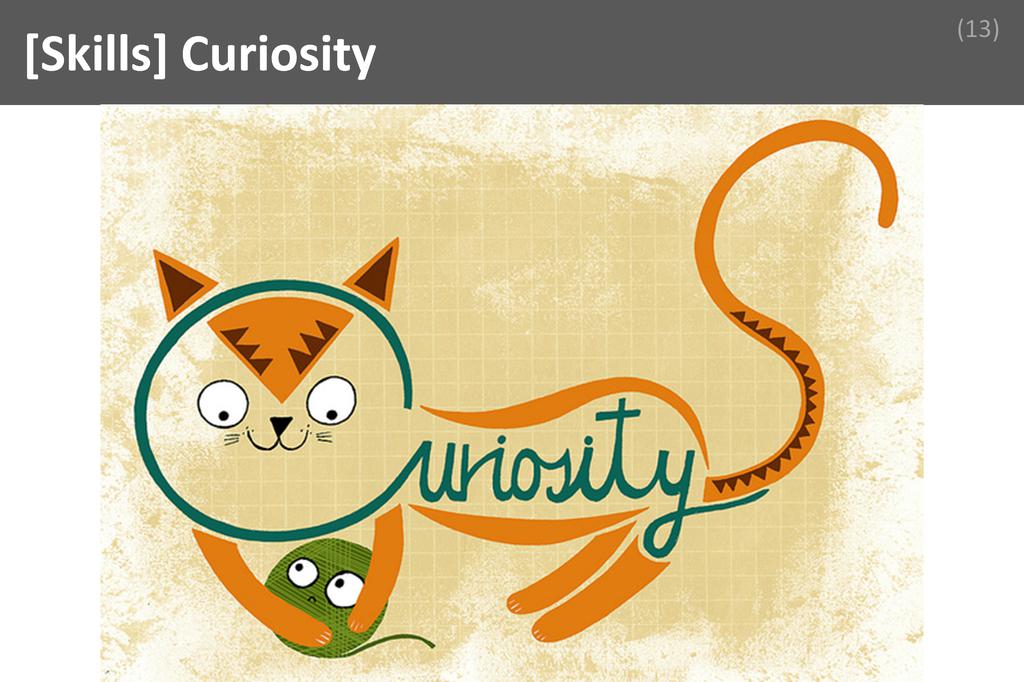
Curiosity

### Curiosity Image
What is
Curiosity is the persistent desire to explore, question, and understand the world beyond surface-level information. It drives individuals to seek out new knowledge, challenge assumptions, and uncover hidden truths. In journalism, curiosity is the foundation for investigative reporting, enabling professionals to dig deeper and provide audiences with meaningful, accurate stories.

Concept
Curiosity directly enhances a journalist’s performance by motivating them to ask insightful questions, pursue untold stories, and verify facts thoroughly. Employers and clients highly value this trait because it leads to original reporting, fresh perspectives, and a competitive edge in storytelling. Journalists who are curious are more likely to uncover exclusive information and produce content that stands out. Cultivating curiosity involves maintaining an open mind, reading widely, and engaging with diverse viewpoints. Over time, consistently seeking feedback, attending industry events, and exploring unfamiliar topics can further sharpen this skill, making it an indispensable asset in a journalist’s career.

Real World Example
Imagine a journalist covering a routine city council meeting. While most attendees focus on the main agenda, the journalist’s curiosity is piqued by a brief mention of an unplanned budget allocation. Instead of dismissing it, they ask follow-up questions, research public records, and interview key officials. This curiosity leads to the discovery of a significant, previously unreported infrastructure project with major community impact. By pursuing what others overlooked, the journalist not only breaks an important story but also earns the trust of their audience and the respect of their editors. In this scenario, curiosity transforms a mundane assignment into a career-defining achievement.

Gossip

### Gossip Image
What is
Gossip, in the context of journalism, refers to the informal exchange of information, rumors, or personal insights about individuals, organizations, or events, often shared through unofficial channels. It serves as a valuable resource for uncovering hidden stories, understanding underlying dynamics, and gaining access to exclusive leads that might otherwise remain concealed.

Concept
Mastering the art of gossip enables journalists to tap into networks of informal communication, granting them early access to emerging stories and unreported developments. Employers and clients value this skill because it often leads to scoops, unique angles, and a deeper understanding of the subjects being covered. Journalists who excel at gathering and verifying gossip can break news before competitors, enhancing their reputation and the credibility of their publication. Cultivating this skill involves building trust with sources, maintaining discretion, and developing a keen sense for distinguishing credible information from baseless rumors. Over time, consistent engagement with diverse contacts and careful cross-referencing of information help journalists refine their ability to leverage gossip effectively and ethically.

Real World Example
Imagine a journalist covering a high-profile political campaign. While official statements and press releases offer limited insight, the journalist hears persistent whispers among staffers about internal conflicts and a possible resignation. By discreetly engaging with multiple sources and piecing together fragments of gossip, the journalist uncovers a significant rift within the campaign leadership. This information, once verified, allows the journalist to break a major story ahead of competitors, providing readers with a deeper understanding of the campaign’s challenges. In this scenario, the journalist’s ability to navigate and interpret gossip not only leads to a professional triumph but also demonstrates the indispensable role of informal information in investigative reporting.

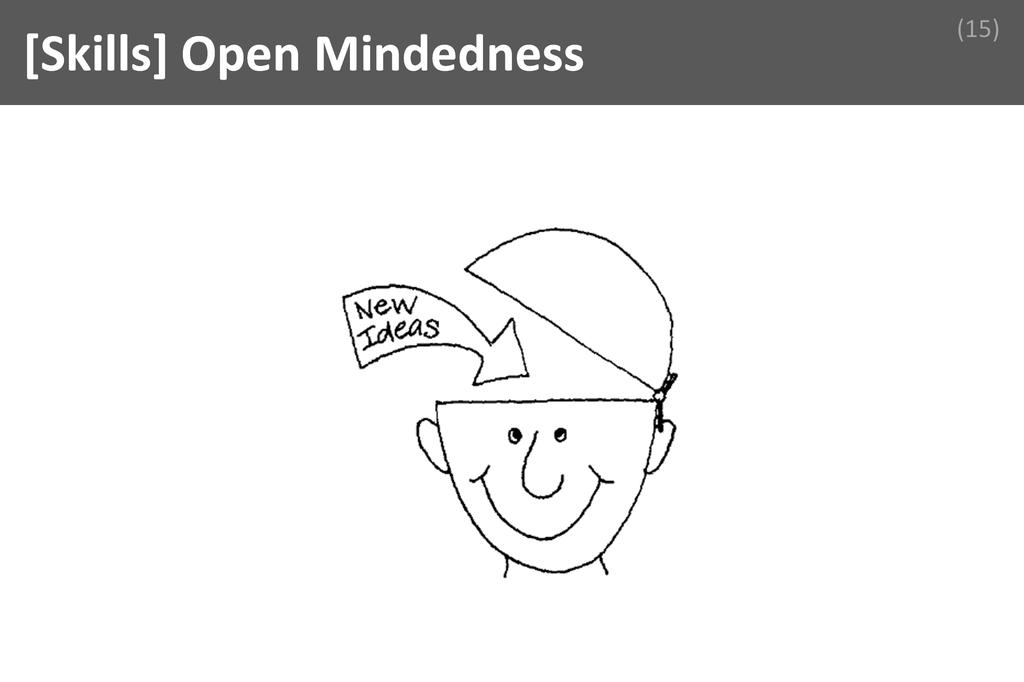
Open Mindedness

### Open Mindedness Image
What is
Open mindedness is the willingness to consider new ideas, perspectives, and experiences without prejudice or bias. It involves actively seeking to understand viewpoints different from one’s own and remaining receptive to information that challenges existing beliefs. In journalism, open mindedness is crucial for objective reporting and balanced storytelling.

Concept
Open mindedness enhances a journalist’s ability to approach stories without preconceived notions, allowing for more accurate and comprehensive coverage. Employers and clients value this quality because it leads to fair reporting, fosters trust with diverse audiences, and uncovers angles that might otherwise be overlooked. Journalists can cultivate open mindedness by engaging with a wide range of sources, reflecting on their own biases, and seeking feedback from peers. Over time, consistently practicing these habits helps professionals remain adaptable in rapidly changing news environments, ensuring that their work remains relevant and credible. The ability to listen and adapt not only improves the quality of reporting but also strengthens relationships with sources and audiences alike.

Real World Example
Imagine a journalist assigned to cover a contentious community debate about a proposed development project. Initially, the journalist may have personal opinions or assumptions about the issue. However, by practicing open mindedness, they actively listen to all stakeholders, including residents, developers, and local officials, even when opinions sharply conflict. Through this approach, the journalist uncovers nuanced perspectives and previously unreported concerns, leading to a more balanced and insightful article. This not only informs the public more effectively but also builds credibility and trust within the community. Open mindedness, in this scenario, transforms a potentially biased or incomplete story into one that genuinely reflects the complexity of the issue.

Basic Computing Skills

### Basic Computing Skills Image
What is
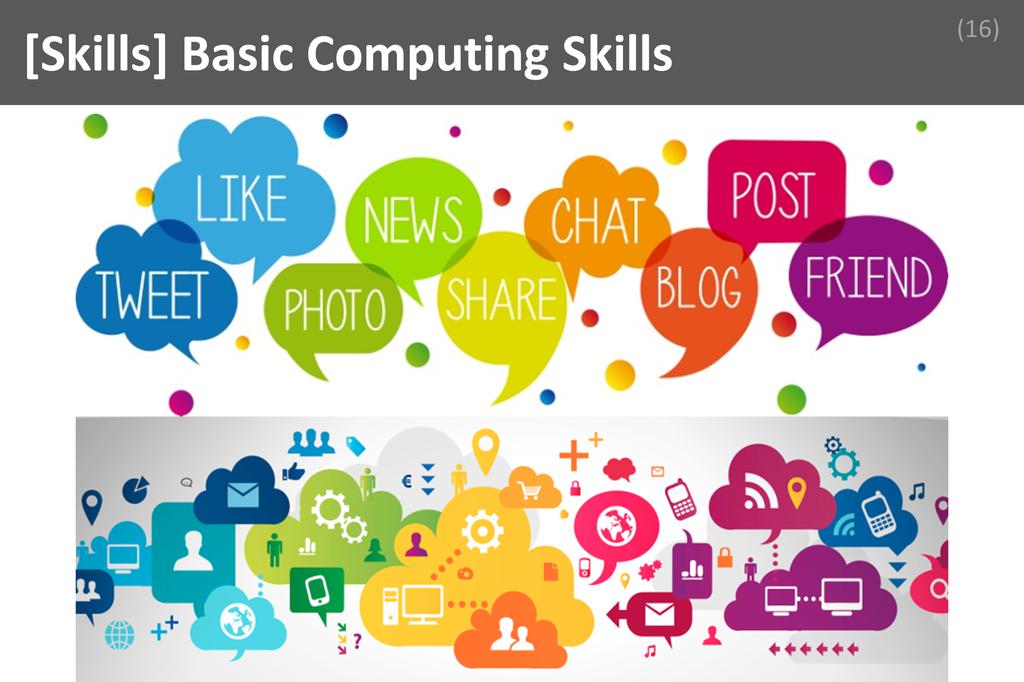
Basic Computing Skills refer to the foundational abilities to operate computers and common software, including word processing, internet navigation, email communication, and basic data management. In journalism, these skills enable professionals to research, write, edit, and distribute content efficiently, forming the backbone of modern news production and dissemination.

Concept
Mastering basic computing skills directly enhances a journalist’s productivity and adaptability in a fast-paced digital environment. Journalists who are proficient with computers can quickly draft articles, conduct online research, manage digital files, and communicate with editors or sources through various platforms. Employers and clients highly value these abilities because they ensure timely delivery of accurate stories and seamless collaboration within teams. To cultivate these skills, aspiring journalists should consistently practice using essential software, stay updated with new digital tools, and seek out online tutorials or workshops. Over time, regular use and continuous learning help transform basic computing from a simple necessity into a powerful asset that supports every aspect of a journalist’s workflow.

Real World Example
Imagine a journalist covering a breaking news story late at night. With strong basic computing skills, they swiftly gather information from reputable online sources, draft their article in a word processor, and use email to coordinate with their editor. When a technical issue arises—such as a corrupted file or a formatting error—they confidently troubleshoot the problem, ensuring the story is submitted before the deadline. Their ability to navigate these digital challenges not only prevents delays but also demonstrates reliability and professionalism. In this scenario, basic computing skills are the difference between missing a crucial news window and delivering timely, impactful journalism.

Scepticism

### Scepticism Image
What is
Scepticism is the disciplined practice of questioning information, sources, and assumptions to ensure accuracy and truthfulness. It involves a healthy doubt and a refusal to accept claims at face value without evidence. In journalism, scepticism acts as a safeguard against misinformation, bias, and manipulation, ensuring credible and trustworthy reporting.

Concept
Scepticism directly enhances a journalist’s performance by fostering rigorous fact-checking, critical analysis, and balanced reporting. Employers and clients value this skill because it leads to stories that are reliable, well-researched, and less prone to error or bias, thereby protecting the reputation of the publication. Journalists can cultivate scepticism by consistently questioning the validity of their sources, seeking corroborating evidence, and remaining open to alternative perspectives. Over time, experience and exposure to diverse stories help sharpen this instinct, making it second nature to approach every claim with a critical mindset. This ongoing development is crucial in a media landscape where misinformation can spread rapidly and credibility is paramount.

Real World Example
Imagine a journalist receives a press release announcing a groundbreaking medical discovery. Instead of immediately publishing the story, the journalist applies scepticism by investigating the credentials of the researchers, reviewing the original study, and consulting independent experts in the field. Through this process, the journalist uncovers that the study was funded by a company with a vested interest in the results and that the findings have not been peer-reviewed. By exercising scepticism, the journalist prevents the spread of potentially misleading information, upholds journalistic integrity, and earns the trust of readers who rely on accurate and unbiased reporting. This scenario highlights how scepticism is not just a defensive tool but a proactive strategy for journalistic excellence.

Positives


Exciting Job Profile

### Exciting Job Profile Image
What is
An exciting job profile in journalism means engaging in dynamic, varied assignments that challenge creativity, adaptability, and critical thinking. Journalists often cover breaking news, investigate stories, and interact with diverse people and environments. This ever-changing landscape keeps the work stimulating, ensuring that no two days are ever the same. This aspect contributes positively to journalism by fueling motivation, fostering continuous learning, and providing a sense of adventure. It attracts individuals who thrive on unpredictability and crave meaningful, impactful work, making journalism a uniquely rewarding career choice.

Concept
The exciting job profile in journalism is a significant advantage because it transforms daily work into a journey of discovery and growth. Journalists are constantly exposed to new topics, cultures, and perspectives, which not only broadens their worldview but also sharpens their professional skills. This dynamic environment prevents monotony and keeps enthusiasm high, directly boosting job satisfaction. The thrill of chasing stories, the satisfaction of uncovering truths, and the opportunity to make a tangible difference in society all contribute to a deep sense of fulfillment. As journalists navigate fast-paced newsrooms, conduct interviews, and report from the field, they experience a career that is as intellectually stimulating as it is emotionally rewarding.

Real World Example
Imagine a journalist starting their day with an early morning interview at a bustling city market, capturing the voices of local vendors about economic changes. By midday, they are attending a press conference with government officials, asking probing questions about new policies. In the afternoon, they rush to cover a breaking story at a community protest, documenting events as they unfold. Each assignment brings new challenges and learning opportunities, pushing the journalist to adapt quickly and think on their feet. At the end of the day, the journalist reflects on the diverse experiences, the people met, and the stories told, feeling a profound sense of accomplishment and excitement for what tomorrow might bring.

Societal Impact

### Societal Impact Image
What is
Societal impact refers to the meaningful influence that journalism has on communities, public opinion, and the broader world by informing, educating, and empowering people. This impact is achieved through the dissemination of truthful, relevant, and timely information, which helps shape policies, drive social change, and foster accountability in society.

Concept
The societal impact of journalism is a powerful motivator for those in the profession. Knowing that their work can spark conversations, inspire action, and hold powerful entities accountable gives journalists a profound sense of purpose. This positive aspect not only enhances job satisfaction but also fuels personal and professional growth, as journalists witness the tangible results of their efforts. Each day, professionals in this field experience the privilege of giving a voice to the voiceless, uncovering hidden truths, and contributing to a more informed and just society. The knowledge that their reporting can change lives and influence the course of events makes the challenges and demands of the job deeply rewarding.

Real World Example
Imagine a journalist investigating unsafe conditions in local housing. Through diligent research and compelling storytelling, their reporting brings widespread attention to the issue, prompting city officials to take action and improve living standards for hundreds of families. The journalist not only experiences the satisfaction of seeing real change but also receives heartfelt messages from residents whose lives have been improved. This direct connection between their work and positive societal outcomes exemplifies the unique fulfillment that comes from making a difference through journalism. The sense of responsibility and pride in contributing to the greater good becomes a daily source of inspiration and motivation.

Personal Development

### Personal Development Image
What is
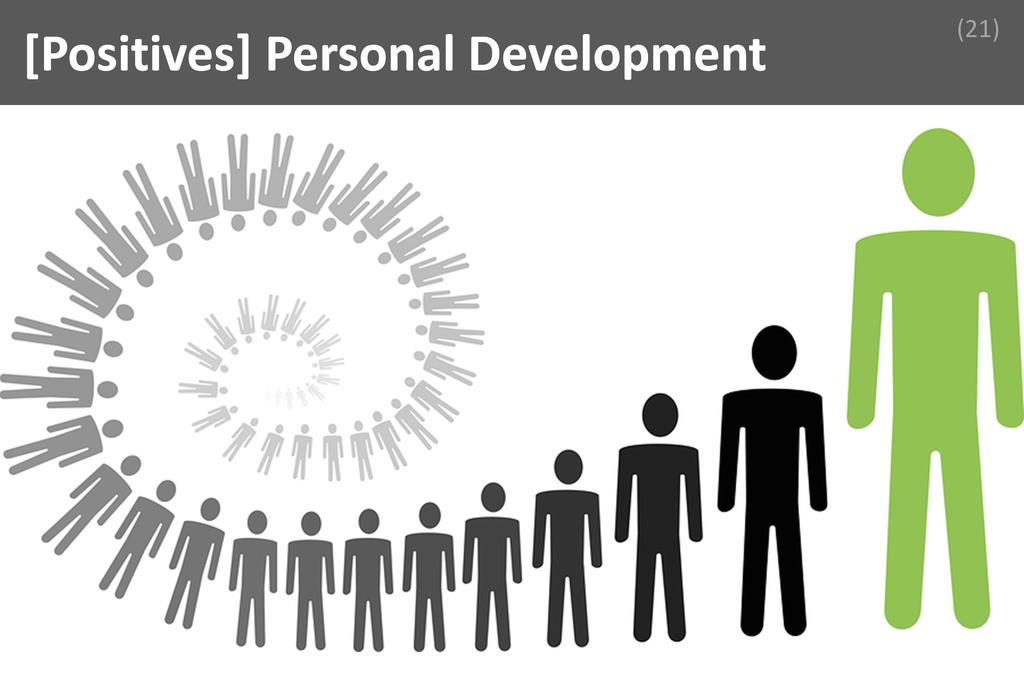
Personal Development is the ongoing process of improving self-awareness, acquiring new skills, enhancing existing abilities, and fostering personal growth to reach one’s fullest potential. In journalism, this journey is integral, as it empowers professionals to adapt, learn, and thrive in a dynamic environment, ultimately enriching both their careers and lives.

Concept
The emphasis on personal development in journalism is a cornerstone of job satisfaction and professional growth. Journalists are constantly exposed to new ideas, cultures, and perspectives, which broadens their worldview and sharpens their critical thinking. This continuous learning environment encourages adaptability and resilience, qualities essential for navigating the fast-paced and ever-evolving media landscape. As journalists pursue stories, they develop empathy, communication skills, and ethical judgment, all of which contribute to their personal and professional maturity. Experiencing this growth daily not only enhances their confidence but also fuels a sense of purpose, making their work deeply fulfilling and impactful.

Real World Example
Consider a journalist who begins their career covering local news, initially feeling nervous about interviewing strangers and reporting on complex issues. Over time, through persistent effort and reflection, they become adept at asking insightful questions, building rapport with sources, and analyzing multifaceted topics. This transformation is not just about acquiring technical skills; it’s about developing self-assurance, empathy, and a nuanced understanding of the world. The journalist finds immense satisfaction in recognizing their own growth, realizing that each story covered and challenge faced has contributed to their evolution as both a professional and an individual. This sense of personal development becomes a driving force, inspiring them to continue learning and striving for excellence.

Glamours Life

### Glamours Life Image
What is
Glamours Life in journalism refers to the exciting, high-profile experiences that come with the profession, such as attending exclusive events, meeting influential people, traveling to remarkable places, and being in the public eye. This lifestyle brings prestige, adventure, and a sense of importance, making the career both captivating and rewarding.

Concept
The glamours life associated with journalism significantly elevates the profession’s appeal. Journalists often find themselves at the heart of major events, rubbing shoulders with celebrities, politicians, and thought leaders. This exposure not only boosts their confidence but also opens doors to unique opportunities for personal and professional growth. The excitement of covering high-profile stories and being recognized for their work adds a sense of accomplishment and pride. These experiences foster a deep sense of job satisfaction, as journalists feel their contributions are valued and impactful. The dynamic, ever-changing nature of their work ensures that no two days are the same, keeping their passion for storytelling alive and fueling their ambition to reach greater heights.

Real World Example
Imagine a journalist assigned to cover an international film festival. Each day, they interact with renowned actors, directors, and industry insiders, gaining firsthand insights into the world of cinema. They attend glamorous red-carpet events, exclusive after-parties, and press conferences, all while reporting on the latest trends and breaking news. The journalist’s byline appears in major publications, earning them recognition and respect among peers and readers alike. This immersive experience not only enriches their professional portfolio but also provides unforgettable memories and connections. The thrill of being part of such prestigious occasions exemplifies how the glamours life in journalism can be both personally fulfilling and professionally advantageous.

Networking

### Networking Image
What is
Networking is the process of building and nurturing professional relationships that foster the exchange of information, ideas, and opportunities. In journalism, networking connects reporters, editors, sources, and industry peers, creating a dynamic web of contacts that enriches storytelling, enhances credibility, and opens doors to exclusive insights and career advancement.

Concept
The power of networking in journalism cannot be overstated. It is the lifeblood that keeps stories flowing and careers advancing. Through meaningful connections, journalists gain access to diverse perspectives, timely information, and expert opinions that elevate the quality of their reporting. Networking also provides a support system, offering guidance and mentorship from seasoned professionals. This constant interaction with a wide array of individuals not only sharpens journalistic skills but also fosters a sense of belonging within the media community. As journalists collaborate and share experiences, they find inspiration and motivation, making their daily work more engaging and fulfilling. Ultimately, networking fuels professional growth, job satisfaction, and the ability to make a real impact through compelling storytelling.

Real World Example
Imagine a journalist covering a breaking news event who, thanks to years of cultivating relationships, can quickly reach out to trusted sources for firsthand accounts and expert analysis. These connections allow the journalist to verify facts rapidly, gain unique perspectives, and deliver a comprehensive story ahead of competitors. Later, a former colleague recommends the journalist for a prestigious investigative assignment, recognizing their reliability and network. Through these daily interactions and opportunities, the journalist experiences the tangible rewards of networking: not only does their reporting stand out, but their career trajectory accelerates. The sense of community and mutual support built through networking transforms every assignment into a collaborative and deeply rewarding endeavor.

Challenges


Erratic Working Hours

### Erratic Working Hours Image
What is
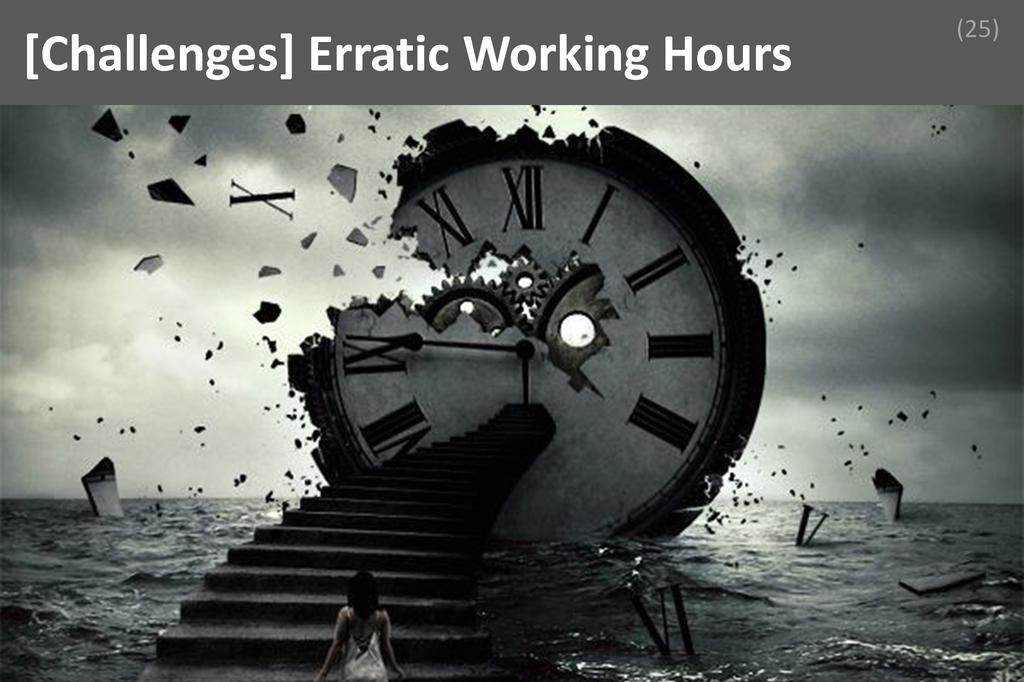
Erratic working hours in journalism refer to unpredictable, often extended or irregular shifts that can occur at any time, including nights, weekends, and holidays. This demanding schedule arises from the need to cover breaking news and evolving stories, requiring journalists to be available and responsive at a moment’s notice.

Concept
The unpredictability of working hours in journalism can disrupt personal routines, strain relationships, and challenge work-life balance. Journalists must remain alert and adaptable, often sacrificing sleep or social plans to meet tight deadlines or cover urgent events. This environment demands resilience, as the pressure to deliver timely, accurate information is relentless. Successful professionals manage this constraint by developing strong organizational skills, setting boundaries where possible, and prioritizing self-care. They learn to maximize productivity during quieter periods and cultivate support networks both inside and outside the newsroom. By embracing flexibility and maintaining a passion for storytelling, journalists can navigate the demands of erratic hours while sustaining their well-being and professional growth.

Real World Example
Consider a political reporter covering a major election. On election night, results and breaking developments unfold unpredictably, requiring the reporter to remain at the newsroom well past midnight. Despite exhaustion, the journalist maintains focus, relying on careful planning and quick decision-making to file updates as events evolve. In the following days, the reporter adjusts their schedule to recover rest and reconnect with family, demonstrating adaptability. By communicating openly with editors about workload and using downtime to recharge, the journalist manages the stress of irregular hours. This approach not only ensures high-quality reporting but also helps sustain long-term enthusiasm and resilience in a demanding profession.

Public Light

### Public Light Image
What is
In Journalism, "Public Light" refers to the constant scrutiny, visibility, and judgment journalists face from the public, peers, and stakeholders. This exposure is demanding because every action, word, and decision is open to critique, requiring journalists to maintain high ethical standards while balancing accuracy, speed, and public expectations.

Concept
The challenge of Public Light permeates every aspect of a journalist’s daily work, from researching stories to publishing content. The pressure to be transparent and accountable can lead to heightened stress, as any misstep may result in public backlash or loss of credibility. This environment demands resilience, adaptability, and a strong ethical compass. Successful professionals manage this constraint by cultivating a thick skin, seeking constructive feedback, and adhering strictly to journalistic principles. They often build supportive networks within the industry, allowing them to share experiences and strategies for coping with criticism. By focusing on the integrity of their work and maintaining open communication with their audience, journalists can navigate the demands of Public Light while upholding their professional responsibilities.

Real World Example
Consider a journalist covering a controversial political issue who faces intense public scrutiny and online criticism after publishing an investigative report. Instead of retreating, the journalist responds by transparently sharing their research process and sources, engaging with readers’ questions, and correcting any factual errors promptly. This approach not only demonstrates accountability but also builds trust with the audience. By remaining open to dialogue and maintaining professional composure, the journalist successfully manages the pressures of Public Light, turning potential negativity into an opportunity for greater credibility and constructive public engagement. This scenario illustrates how embracing transparency and resilience can help professionals thrive despite the challenges of constant public exposure.

Avoid Taking Shortcut

### Avoid Taking Shortcut Image
What is
In journalism, "Avoid Taking Shortcut" means resisting the urge to bypass thorough research, fact-checking, or ethical standards for the sake of speed or convenience. This is demanding because tight deadlines, competitive pressures, and the constant flow of information can tempt professionals to compromise accuracy and integrity for quicker results.

Concept
The pressure to deliver news rapidly can lead journalists to overlook critical verification steps, risking the spread of misinformation or incomplete stories. This challenge requires resilience, as it often means investing extra time and effort to ensure accuracy, even when under tight deadlines. Successful professionals manage this constraint by cultivating strong ethical standards and a commitment to quality. They develop efficient workflows that prioritize verification and source reliability, often collaborating with editors and colleagues to cross-check facts. By consistently choosing diligence over expedience, they build credibility and trust with their audience, understanding that the long-term reputation of both themselves and their publication depends on the reliability of their reporting.

Real World Example
Consider a journalist covering a breaking political scandal. While social media erupts with unverified claims, the journalist resists the temptation to publish quickly based on rumors. Instead, they take the time to contact multiple sources, review official documents, and consult experts to confirm the facts. Although this approach delays their story compared to competitors, the resulting article is comprehensive, accurate, and withstands public scrutiny. The journalist’s editor commends their commitment to integrity, and readers express appreciation for the trustworthy reporting. This scenario demonstrates how avoiding shortcuts, even under intense pressure, not only upholds journalistic standards but also enhances professional reputation and audience loyalty.

A Day Of


Journalism

What is
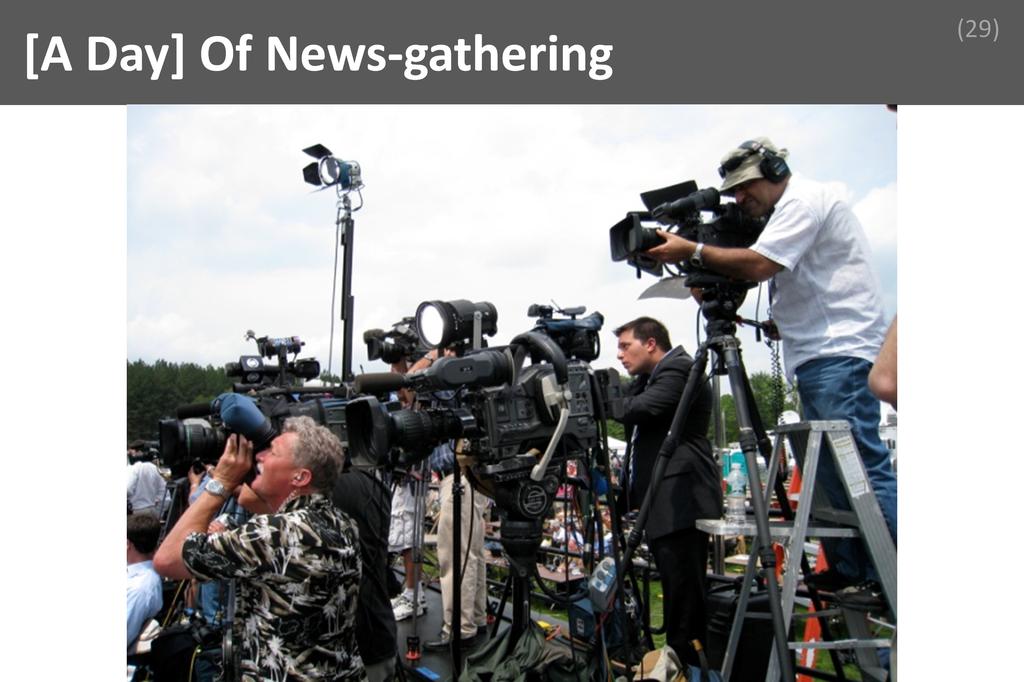
In the world of journalism, no two days are ever quite the same, yet every morning begins with the same electric anticipation. The newsroom pulses with urgency, phones ring with breaking leads, and the hum of rapid-fire typing fills the air. Journalists thrive in this environment, balancing the relentless pace of deadlines with the careful craft of storytelling. Each day is a race against the clock, where curiosity meets responsibility, and the pursuit of truth is both a calling and a challenge. The rhythm of a journalist’s day is dictated by the news cycle, demanding adaptability, sharp instincts, and an unwavering commitment to accuracy.

Concept
As dawn breaks, journalists are already scanning headlines, monitoring news wires, and checking overnight developments. The early hours are dedicated to reviewing emails from editors, catching up on global events, and identifying emerging stories that could shape the day’s coverage. This is a time for quick research, verifying facts, and pitching story ideas during the first editorial meeting. The atmosphere is focused but charged with the promise of new discoveries, as reporters prepare their assignments and map out the day ahead.

Real World Example
By mid-morning, the newsroom is in full swing. Journalists are out in the field, conducting interviews, gathering eyewitness accounts, and capturing the sights and sounds that will bring their stories to life. Whether it’s a press conference, a community event, or a breaking news scene, this is the most dynamic part of the day. Reporters juggle tight schedules, navigate unpredictable situations, and work quickly to collect accurate information. The adrenaline is high as they race to get the story, knowing that every minute counts in the fast-moving world of news.

The afternoon is marked by collaboration and execution. Journalists return to the newsroom or connect virtually with editors and colleagues to refine their stories. Drafts are written, sources are double-checked, and multimedia elements like photos and video clips are reviewed for inclusion. Editorial meetings become a hive of discussion, as teams debate angles, clarify facts, and ensure that every piece meets the publication’s standards. This phase is all about transforming raw information into compelling, polished narratives ready for publication.

As the day winds down, journalists focus on final edits, filing their completed stories, and responding to last-minute queries from editors. There’s a sense of accomplishment as articles go live or make it to print, but the work doesn’t stop there. Reporters often follow up with sources, update ongoing stories, and begin researching leads for the next day. Administrative tasks, such as logging interviews and organizing notes, round out the evening. With tomorrow’s headlines already taking shape, journalists leave the newsroom knowing that the cycle will begin anew with the next sunrise.


Install the LifePage App to:


  1. (for Free) Watch Journalist Ranjona Banerji’s full Journalism Career Talk

  2. ₹ Do a Self Assessment on Journalism to calculate your Dream Index, which is defined as:

    According to Ranjona Banerji your chances of success in Journalism is __%

  3. Access your personalized Dream Index Report which will have all your Dream Indices sorted in descending order.

Career Counselling 2.0


<?php echo $altimage; ?>


<?php echo $altimage; ?>


How to get into

Journalism?


If you are want to get into Journalism, start by investing in a Career Plan.

The 14 hour process, guided by a LifePage Career Advisor, will help you introspect and check whether your interest in Journalism is merely an infatuation or is it truly something you wish to do for the rest of your life.

Next, your Career Advisor will help you document how you can get into Journalism, what education and skills you need to succeed in Journalism, and what positives and challenges you will face in Journalism.

Finally, you will get a Career Plan stating which Courses, Certifications, Trainings and other Items you need to do in the next 7 years to become world’s best in Journalism.


LifePage Career Plan

14 hour personalized guidance program


Your LifePage Career Advisor facilitates your guided introspection so that you systematically explore various Career options to arrive at a well thought out Career choice.

Next: your Advisor helps you figure out how you will get into your chosen Career and how will you develop the skills needed for success in your Chosen Career.

LifePage Plan will not stop at saying "to become an Architect study Architecture". It will guide you on which Certifications, Trainings and Other items you need to do along with your Architecture education to become the world's best Architect.


Links for this Talk


Journalist Ranjona Banerji's LifePage:


Career Counselling 2.0
[LifePage]
https://www.lifepage.in/page/ranjonabanerji


LifePage Career Talk on Journalism


Career Counselling 2.0
[Career]
https://www.lifepage.in/careers/journalism-2


Career Counselling 2.0
[Full Talk]
https://lifepage.app.link/20161207-0001


Career Counselling 2.0
[Trailer]
https://www.youtube.com/watch?v=QUqap3ZTO6g


(Journalism, Ranjona Banerji, Various Reporting Assignments, Reporter, Editor, Journalist, Copy Editor, Content Editing, Content Writing, News Writing, News Editing, Columnist)


Similar Talks



Career in Journalism
Journalism
Anupma Khanna
Senior Feature Writer | The Pioneer
[ 9 years & 2 months Experience ]

Journalism is all about gathering and broadcasting the News.

"After finishing my school I went to Delhi to pursue my B A in Journalism (H) from Delhi University and I topped in the college. Following that I also have a degree in management and law. After that I came back to Dehradun and joined core team of journalism in Dehradun. I have been doing journalism since 2008, specialized in print media."


Career Counselling 2.0 Career Counselling 2.0 Career Counselling 2.0 Career Counselling 2.0 Career Counselling 2.0


Career in News Anchoring
News Anchoring
Divyadarshini Bisht
News Anchor | HNN 24*7
[ 1 year Experience ]

News Anchoring is about how you deliver a particular news weather it is sad, soft or harsh news. How do you present the news is news anchoring.

"After working at different places, I started working with HNN 24*7 as a English News Anchor."


Career Counselling 2.0 Career Counselling 2.0 Career Counselling 2.0 Career Counselling 2.0 Career Counselling 2.0


Career in Journalism
Journalism
Anil Upadhyaya
Journalist | Dainik Jagran
[ 22 years & 9 months Experience ]

Journalism is the activity or profession of writing for newspapers, magazines, or news websites or preparing news to be broadcast.

"After completing my graduation in Hindi, English Literature and Sociology, I started my career with Amar Ujala in 1996. I have worked there for almost 3 years and during that period I have covered youth activities, education and Social affairs. After that I have also worked with Zee News, India TV and Times Now. Since 2006 I am working with Dainik Jagran."


Career Counselling 2.0 Career Counselling 2.0 Career Counselling 2.0 Career Counselling 2.0 Career Counselling 2.0


Career in Entertainment Anchoring
Entertainment Anchoring
Punita Singh
Anchor & Producer | HNN 24*7
[ 3 years & 8 months Experience ]

Entertainmnet Anchoring is all about informing the public on, what is happing in the entertainment industry.Entertainment anchors, also referred to as news analysts, inform the public about news and events happening Local, National and International Entertainment Industry.

"I was interested in the media field since my childhood so I did Mass Communication from DAV College and after that, I started working with HNN 24*7 as a Entertainment Anchor and Producer. I have been working with HNN 24*7 since 2015 and anchoring two entertainment shows called Bollywood Chugli and Tamansha TVKa."


Career Counselling 2.0 Career Counselling 2.0 Career Counselling 2.0 Career Counselling 2.0 Career Counselling 2.0


Career in Photojournalism
Photojournalism
Raju Pushola
Photojournalist | Dainik Jagran
[ 10 years & 10 months Experience ]

Photo Journalism is telling a news or a story with the help of a photograph. The basic difference betwween photoo journalism and photography is that in photography one shows only what he has to, whereas in photojournalism photographs tell a story.

"After completing my graduation, I developed my love for camera. I have covered Nanda Raj Jat Yatra, Haridwar Kumbh, Ardh Kumbh & Kedarnath Tragedy."


Career Counselling 2.0 Career Counselling 2.0 Career Counselling 2.0 Career Counselling 2.0 Career Counselling 2.0


Career in News Anchoring
News Anchoring
Harsh Tyagi
News Anchor | HNN 24*7
[ 2 years & 9 months Experience ]

A news anchor also known as a newsreader, newscaster, anchorman or anchorwoman, news anchor or simply an anchor, is a person who presents news during a news program on television, on the radio or on the Internet.

"After completing my graduation and post graduation (Mass Communication), I started working with HNN 24*7 and have working with HNN 24*7 since 2016."


Career Counselling 2.0 Career Counselling 2.0 Career Counselling 2.0 Career Counselling 2.0 Career Counselling 2.0


Career in Journalism
Journalism
Nitin Saxena
Journalist | Various Assignments
[ 40 years & 7 months Experience ]

Journalism is the production and distribution of reports on the interaction of events, facts, ideas, and people that are the "news of the day" and that impacts society to at least some degree. The word applies to the occupation (professional or not), the methods of gathering information, and the organizing literary styles. Journalistic media include: print, television, radio, Internet, and, in the past, newsreels.

"After completing my diploma in Journalism, I started working as a Journalist with Morning Echo (Hindustan Times) in 1977. I have been working since last 40 years in various newspapers and magazines at different profiles. With the thought of sharing this experience, I have started teaching Journalism in various Universities and Institutions."


Career Counselling 2.0 Career Counselling 2.0 Career Counselling 2.0 Career Counselling 2.0 Career Counselling 2.0


Career in Automobile Journalism
Automobile Journalism
Gaurav Aneja
Auto Journalist | Gaadi.com, Oncars.in & CarDekho.com
[ 4 years & 4 months Experience ]

Automobile Journalism is reviewing and reporting on new cars and developments in the motor vehicle industry. Automobile Journalists often test drive new cars, and provide opinions to consumers through magazines, newsletters, newspapers, websites and broadcast media such as television and radio.

"I have done B Tech in Mechanical Engineering from Rayat Bahra College, Rohtak. I work as an Automobile Journalist with companies like Gaadi.com, Oncars.in & CarDekho.com."


Career Counselling 2.0 Career Counselling 2.0 Career Counselling 2.0 Career Counselling 2.0 Career Counselling 2.0


Career in Broadcast Journalism
Broadcast Journalism
Veena Krishna
Deputy Editor | TV 18 Broadcast Ltd
[ 19 years & 3 months Experience ]

Broadcast Journalism is all news that you see or in other words that is broadcast on TV. So it is about collecting, packaging and presenting news on TV.

"After my education I worked at the broadcast station CNBC-TV18, a business channel for 15 years."


Career Counselling 2.0 Career Counselling 2.0 Career Counselling 2.0 Career Counselling 2.0 Career Counselling 2.0


Career in News Anchoring
News Anchoring
Mradul Sharma
Anchor and Producer | Zee Media
[ 5 years & 7 months Experience ]

A news presenter also known as a newsreader, news anchor or simply an anchor is a person who presents news during a news program on television, on the radio or on the Internet. News presenters most often work from a television studio or radio studio.

"After completing my graduation, I started working as a news presenter. I have worked as a voice over artist with DB Digital, Dainikhaskar Group. I have worked as news presenter for various news channels like Bansal News, Ind24, SMBC and Zee News. It has been 6 years working as News Anchor and Producer."


Career Counselling 2.0 Career Counselling 2.0 Career Counselling 2.0 Career Counselling 2.0 Career Counselling 2.0


Career in News Input Desk
News Input Desk
Asif Khan
Assignment In charge | HNN News 24x7
[ 5 years & 8 months Experience ]

News Input Desk is basically the backbone of the news channels. This basically entails getting all the information such as breaking news, other incidents through a team in order to broadcast on the news channel. Various teams are placed in different districts and even the Vidhan Sabha, after which information is sourced out and passed on to the particular news channel.

"After doing my BA and Masters in Mass Communication, I worked with several news channels such as Network 10, News 1 India and then started working with HNN 24x7 since 2016"


Career Counselling 2.0 Career Counselling 2.0 Career Counselling 2.0 Career Counselling 2.0 Career Counselling 2.0


Career in News Anchoring
News Anchoring
Asif Khan
Journalist and Anchor | Various Assignments
[ 19 years Experience ]

A news presenter is also known as a newsreader, newscaster, anchorman or anchorwoman, news anchor or simply an anchor is a person who presents news during a news program on the television, on the radio or on the Internet.

"After doing my schooling from Saharanpur, I did my B Sc & M Sc from Meerut University. After that, I did my PGD in TV journalism from CMAC, Rai University, Delhi and then did a certification course in Anchoring from IAAN School of Mass Communication, Delhi. I started my career with Doordarshan as an Anchor and Writer for various shows. Thereafter, I worked with various organizations like Zee Entertainment Enterprises, LLT, ETV, News network, NDTV Imagine and others. I like writing and have written a Poetry Book named Bikhre Moti. I am working as an Anchor & Associate Editor for recently launched Urdu TV channel named Tehzeeb."


Career Counselling 2.0 Career Counselling 2.0 Career Counselling 2.0 Career Counselling 2.0 Career Counselling 2.0


Career in News Input Desk
News Input Desk
Abhishek Kumar
Assignment Production | HNN 24*7
[ 4 years Experience ]

News Input Desk is a central place to gather news to be published in a newspaper or an online newspaper or magazine, or broadcast on radio, television, or cable.

"After finishing my graduation and post graduation, I did my internship from Kasish News, Bihar. Later on I started working with HNN 24*7 and I have been Working with HNN 24*7 since 2016 as Assignment Producer."


Career Counselling 2.0 Career Counselling 2.0 Career Counselling 2.0 Career Counselling 2.0 Career Counselling 2.0


Career in Journalism
Journalism
Satabhisa Bhaumik
Journalist | Times of India
[ 0 years & 9 months Experience ]

Journalism is the production and distribution of reports on the interaction of events, facts, ideas and people that are the news of the day and that impacts society to at least some degree.

"After doing my schooling from Delhi Public school, I did my BA from Lady Shri Ram College and thereafter I did my Post Graduate Diploma in Integrated Journalism from Times School of Journalism, Delhi. I worked with Times of India as a journalist in 2013."


Career Counselling 2.0 Career Counselling 2.0 Career Counselling 2.0 Career Counselling 2.0 Career Counselling 2.0


Career in Field Reporting
Field Reporting
Dheeraj Sajwan
Reporter | HNN 24*7
[ 6 years & 8 months Experience ]

Field reporting is the backbone of journalism. It is the production and distribution of reports on the interaction of events, facts, ideas, and people that are the "news of the day" and that impacts society to at least some degree.

"I used to watch a local news channel of Mussoorie and got interested in the field of media. Then I worked for that Mussorie local news channel and there only I thought that I should choose media field as a profession and did Mass Communication. After completing Mass Comm and learning so many things about media field, I worked for many media houses. In the year 2015, I started working with HNN 24*7 as a Reporter."


Career Counselling 2.0 Career Counselling 2.0 Career Counselling 2.0 Career Counselling 2.0 Career Counselling 2.0


Career in Lifestyle Journalism
Lifestyle Journalism
Farvi Wadhwa
Managing Editor | Wedding Vows
[ 9 years & 4 months Experience ]

Lifestyle journalism is an umbrella term for more specialized beats of journalism such as travel journalism, fashion journalism, or food journalism.

"I did Bachelors in English Honors and Masters in Mass Comm Journalism. I also did a Diploma in Event Management. I have worked with various firms like Youth Eye, Buzzintown.com, Pune Mirror, Mumbai Mirror, DNA, Times of India as a journalist or content writer. I am Managing Editor at Wedding Vows and Features Writer with Doon Page-3 magazine."


Career Counselling 2.0 Career Counselling 2.0 Career Counselling 2.0 Career Counselling 2.0 Career Counselling 2.0


Career in News Reporting
News Reporting
Nalini Gosain
Sub Editor & Reporter | Amar Ujala
[ 11 years & 5 months Experience ]

News reports are found in newspapers and their purpose is to inform readers of what is happening in the world around them.

"After completing my graduation and post graduation from DAV College, Dehradun, I started working as a News Reporter. I have been working as a Reporter since 2007."


Career Counselling 2.0 Career Counselling 2.0 Career Counselling 2.0 Career Counselling 2.0 Career Counselling 2.0


Career in Journalism
Journalism
Pradeep Sharma
Journalist | Various Assignments
[ 20 years Experience ]

Journalism refers to the production and distribution of reports on recent events. The word journalism applies to the occupation (professional or not), the methods of gathering information and organizing literary styles. Journalistic mediums include print, television, radio, Internet and in the past: newsreels. In other words, the collection and editing of news for presentation through the media.

"After completing my schooling from Govt Boys School Mandsaur, I did my BA from Vikram University, Ujjain. Thereafter, I did my D Ed from Govt District Education Institute of Mandsaur, MP. After which I started teaching, while teaching I also wrote articles for newspapers and local Magazine. Then, I joined the distance learning PGD Course in Journalism from Makhanlal Chaturvedi National University, Bhopal. I worked for various organizations named NDTV India, Sahara Samay, Voice of India, Times Today channel and others as a Stinger, Reporter, Anchor, Special Correspondent and Desk Editor for about 16 years. I am working on few movie projects, one of them named Yashodharman, The Great Warrior which is written and directed by me would soon release in Movie Theaters."


Career Counselling 2.0 Career Counselling 2.0 Career Counselling 2.0 Career Counselling 2.0 Career Counselling 2.0


Career in Photojournalism
Photojournalism
Taresh Dutta
Photojournalist | Times of India
[ 5 years Experience ]

Photojournalism is a particular form of journalism that employs images in order to tell a news story. It is now usually understood to refer only to still images, but in some cases the term also refers to video used in broadcast journalism.

"After my graduation in commerce, I picked up photography. I got selected at Times of India in 2014 and have been working with them as a photojournalist since then. I am also a freelance content writer, wedding photographer and product photographer. I am called to various colleges as an external examiner for journalism and photography courses."


Career Counselling 2.0 Career Counselling 2.0 Career Counselling 2.0 Career Counselling 2.0 Career Counselling 2.0


Career in Journalism
Journalism
Gaurav Bhatt
Senior Promo Producer | CNN-NEWS 18
[ 14 years & 2 months Experience ]

Journalism refers to the production and distribution of reports on recent events. The word journalism applies to the occupation, using methods of gathering information and utilizing literary techniques. Various forms of journalistic mediums include: print, television, radio, Internet and in the past: newsreels.

"After doing my schooling from Ranchi, Jharkhand, I did BJMC from Indraprastha University, Delhi. After that, I did my M Sc in mass Communication from Punjab Technical University and then my post graduate diploma in Direction & Film Making from AAFT, Noida. I am working as a Senior Promo Producer for CNN- NEWS 18 since 20004. In 2015, I started my own Production House named Octopus Films."


Career Counselling 2.0 Career Counselling 2.0 Career Counselling 2.0 Career Counselling 2.0 Career Counselling 2.0


Career in Mass Media
Mass Media
Babeetta Sakxena
Journalist | Various Assignments
[ 42 years Experience ]

Mass Media refers to a diverse array of media technologies that reaches a large audience via mass communication. The technologies through which this communication takes place including a variety of outlets. Mass media transmits information electronically via media such as films, radio, recorded music, or television and Print media transmits information via physical objects, such as books, comics, magazines, newspapers, or pamphlets.

"After doing my schooling from Loreto Convent School, Lucknow, I did BA from Avadh Girls Degree College, Lucknow. Thereafter, I did my Post Graduate Diploma in Journalism from Lal Bahdur Shastri Institute of Management and Development Studies affiliated by Bhartiya Vidya Bhawan, Mumbai. I started working at very early age as a child artist for Lucknow Doordarshan and then while doing my journalism course I worked as a Trainee Sub Editor with Lucknow City Magazine. I have spent more than four decades in various sectors like Television, Radio, Print and Web media and now working as a social worker. I am Founder and Director of Value Your Image and Let�s Give Back."


Career Counselling 2.0 Career Counselling 2.0 Career Counselling 2.0 Career Counselling 2.0 Career Counselling 2.0


Career in Journalism
Journalism
Vijaypal Rawat
Journalist | Various Assignments
[ 8 years & 5 months Experience ]

Journalism refers to the production and distribution of reports on recent events. The word journalism applies to the occupation, using methods of gathering information and utilizing literary techniques. Journalistic media include print, television, radio, Internet, and, in the past, newsreels.

"After completing graduation, Masters in Mass Communication and a Diploma in Journalism, I started my career with Dainik Jagran and worked as a journalist for some time. I now work independently as a journalist."


Career Counselling 2.0 Career Counselling 2.0 Career Counselling 2.0 Career Counselling 2.0 Career Counselling 2.0


Career in Anchoring
Anchoring
Deepika Dutt
Anchor | Doordarshan
[ 19 years & 3 months Experience ]

An anchor is a person who is considered as the main pillar of the program. She must have full knowledge about the program which she is hosting. An anchor should know when and how much to speak to a particular audience.

"In 2000, I started working at Doordarshan as an anchor. I used to talk on various topics related to NGO's and various problems related to women. I also do anchoring for various programs such as Mahila Jagat, Ek Bharat Shrestha Bharat and many more."


Career Counselling 2.0 Career Counselling 2.0 Career Counselling 2.0 Career Counselling 2.0 Career Counselling 2.0


Career in Journalism
Journalism
John Dayal
Journalist | Various Assignments
[ 48 years & 6 months Experience ]

Journalism refers to the production and distribution of reports on recent events. The word journalism applies to the occupation, using methods of gathering information and utilizing literary techniques. Various forms of journalistic mediums include: print, television, radio,Internet and in the past newsreels.

"After my schooling from Shimla and Dehradhun, I did B.sc (Physics) from St. Stephens College Delhi University and a diploma in journalism. I started reporting in 1969 as a field Journalist and served as War Correspondent or Foreign Correspondent in the Middle East, North Africa, South Asia and Europe. Later became editor and CEO of the Delhi Mid Day, a small afternoon newspaper, and treasurer of the Editors' Guild of India. I continue to provide commentary and analysis in print and on national TV and radio. Also headed the governing boards of several colleges of Delhi University, and have taught as a visiting teacher at several universities in north India. I am Indian human rights and political activist, a member of the National Integration Council (NIC) of India, Secretary-General of the All India Christian Council and a past president of the All India Catholic Union."


Career Counselling 2.0 Career Counselling 2.0 Career Counselling 2.0 Career Counselling 2.0 Career Counselling 2.0


[Install the LifePage App to access all Talks]


<?php echo $altimage; ?>


<?php echo $altimage; ?>


&mbsp;


Career Counselling 2.0 | Home   Home  
Career Counselling 2.0 | Abroad   Abroad  
Career Counselling 2.0 | Plan   Plan  
Career Counselling 2.0 | Talks   Talks  
Career Counselling 2.0 | Philosophy   Philosophy  
Career Counselling 2.0 | Seminar   Seminar  
Career Counselling 2.0 | Workshop   Workshop  
Career Counselling 2.0 | Pages   Pages  
Career Counselling 2.0 | Advisors   Advisors  
Career Counselling 2.0 | Discuss   Discuss  
Career Counselling 2.0 | Meet   Meet  
Career Counselling 2.0 | Advisor   Advisor  
Career Counselling 2.0 | Story   Story  
Career Counselling 2.0 | Fine Print   Fine Print  
Career Counselling 2.0 | Links   Links  
Career Counselling 2.0 | Blog   Blog  
Career Counselling 2.0 | Testimonials   Testimonials  
Career Counselling 2.0 | Follow   Follow  
 
[ Site Visits ]


Career Counselling 2.0