The Journey of Field Reporting
What Is Field Reporting
Field Reporting

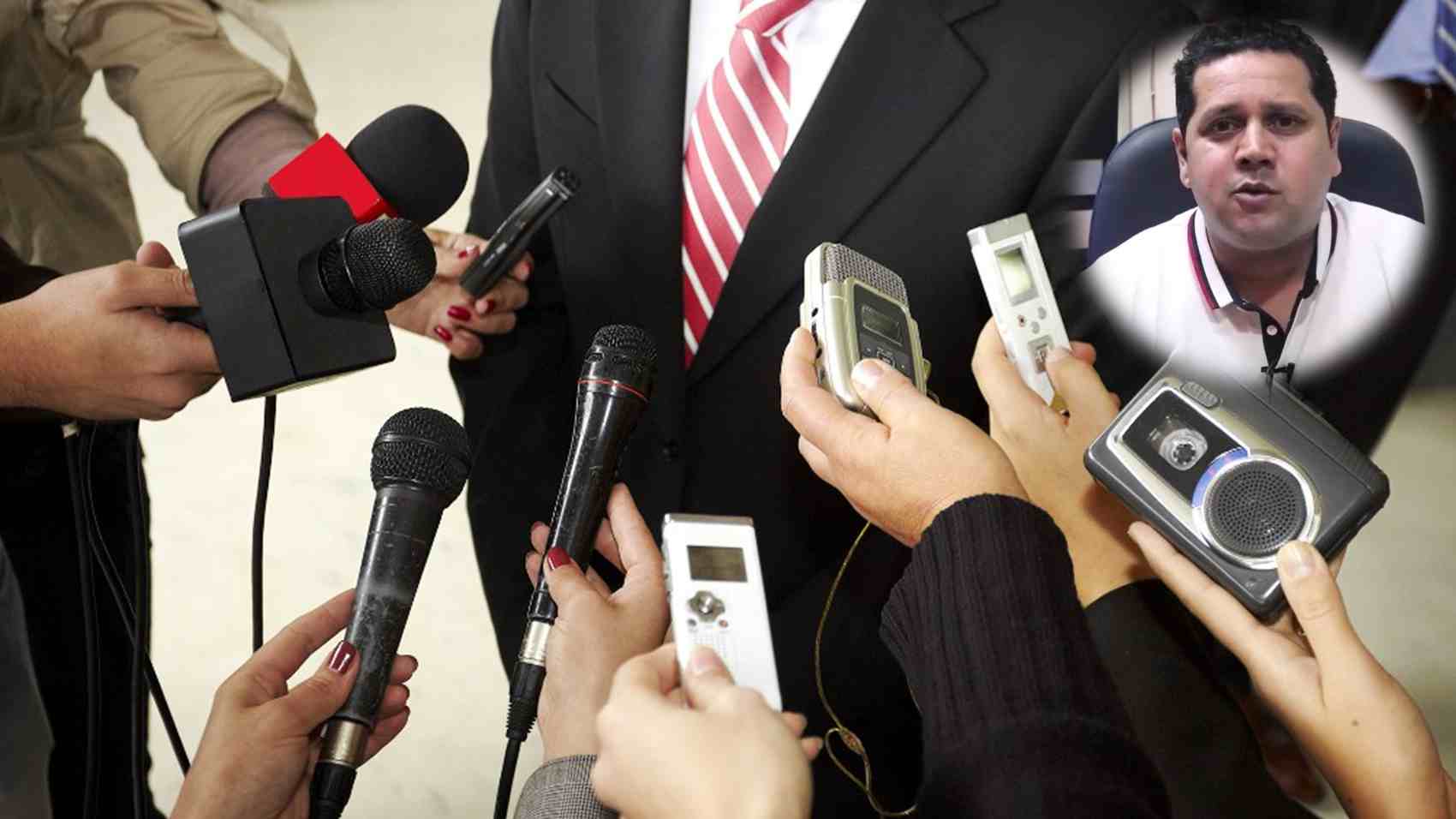
Field reporting is the process of gathering, verifying, and communicating information directly from the location where events are unfolding. Professionals in this field observe, interview, and document facts on-site, providing timely, accurate, and firsthand accounts to inform the public or stakeholders about current events or situations.
Field reporting plays a crucial role in delivering authentic and immediate information to audiences. It matters because it bridges the gap between events and the public, ensuring that news, developments, or incidents are accurately represented. For professionals, field reporting enhances credibility, sharpens investigative skills, and fosters adaptability in dynamic environments. The benefits include gaining firsthand knowledge, building trust through direct observation, and developing a deeper understanding of complex situations. By being present at the scene, field reporters can capture nuances and context that might be missed by remote coverage, ultimately contributing to more comprehensive and reliable reporting.
A field reporter covering a natural disaster, such as a hurricane, travels to the affected area to document the situation as it unfolds. On-site, the reporter interviews residents, emergency responders, and local officials to gather diverse perspectives. They observe the extent of the damage, take photographs, and record video footage to provide vivid, real-time updates. Their reports are broadcast through various media channels, offering audiences an immediate and authentic account of the disaster’s impact. This firsthand coverage not only informs the public but also aids in coordinating relief efforts by highlighting urgent needs and challenges faced by the community.
Education
General Knowledge

General Knowledge refers to a broad understanding of facts, concepts, and information across various subjects such as history, politics, science, culture, and current affairs. In Field Reporting, it bridges academic learning and practical expertise, enabling professionals to contextualize events, interpret developments, and communicate effectively with diverse audiences.
A strong grasp of General Knowledge is essential for anyone pursuing a career in Field Reporting. This foundational subject equips professionals with the ability to quickly comprehend and analyze unfolding events, regardless of the topic or location. It allows field reporters to ask relevant questions, recognize the significance of developments, and provide accurate, insightful coverage. Over time, this broad knowledge base enhances credibility and adaptability, enabling reporters to cover a wide range of stories with confidence. Furthermore, it supports critical thinking and informed decision-making, both of which are crucial in high-pressure, fast-changing environments. Ultimately, mastering General Knowledge ensures that field reporters remain resourceful, well-informed, and capable of delivering comprehensive reports that resonate with their audience.
Imagine a field reporter assigned to cover a sudden political protest in a foreign country. Drawing on their General Knowledge, the reporter quickly identifies the historical context behind the protest, understands the political figures involved, and recognizes the cultural nuances at play. This theoretical understanding enables the reporter to ask pertinent questions during interviews, accurately interpret the motivations of participants, and avoid misrepresenting sensitive issues. As a result, the reporter produces a nuanced and informative story that not only captures the immediate events but also provides the audience with a deeper understanding of the broader implications. This scenario highlights how General Knowledge directly informs the quality and depth of field reporting in real-world situations.
Current Affairs

Current Affairs refers to the ongoing events, developments, and issues of local, national, and global significance that shape societies and influence public discourse. In Field Reporting, understanding Current Affairs is essential, as it provides the contextual framework necessary for accurate, timely, and relevant news coverage, analysis, and storytelling.
A strong grasp of Current Affairs is indispensable for anyone preparing for or working in Field Reporting. This subject forms the backbone of a reporter’s knowledge, enabling them to interpret events, recognize emerging trends, and provide context to their audience. Mastery of Current Affairs allows field reporters to ask informed questions, identify credible sources, and avoid misinformation. It also helps professionals anticipate the potential impact of events, ensuring their coverage remains relevant and insightful. Over time, this expertise builds credibility and trust with audiences and editors alike, opening doors to more significant assignments and career advancement. Ultimately, a deep understanding of Current Affairs is not just a professional asset but a necessity for impactful and responsible journalism.
Consider a field reporter assigned to cover a sudden political protest in a major city. Their theoretical understanding of Current Affairs enables them to quickly connect the protest to recent legislative changes, ongoing political debates, and public sentiment. Drawing on this knowledge, the reporter can accurately frame the story, ask pertinent questions to participants and officials, and provide viewers or readers with a comprehensive understanding of the protest’s significance. This informed approach ensures the coverage is not only timely but also meaningful, helping the audience grasp the broader implications of the event. In daily operations, such expertise distinguishes a field reporter as a reliable and insightful source of news.
History

History is the study of past events, societies, and cultures, focusing on how they have shaped the present and influence the future. In the context of Field Reporting, history provides essential context, enabling professionals to interpret current events accurately and communicate their significance to diverse audiences with depth and clarity.
A strong grasp of history is indispensable for anyone preparing for or working in Field Reporting. Understanding historical context allows field reporters to recognize the roots of current events, identify patterns, and avoid misinterpretation. This foundational knowledge equips professionals to ask informed questions, provide nuanced analysis, and connect seemingly isolated incidents to broader trends. Over time, this expertise enhances credibility and fosters trust with audiences, as reporters who demonstrate historical awareness are better positioned to deliver insightful, balanced coverage. Furthermore, historical literacy aids in navigating sensitive topics, ensuring that reporting is both accurate and respectful of cultural and societal complexities. Ultimately, history empowers field reporters to become authoritative storytellers and reliable sources of information.
Imagine a field reporter covering a political protest in a city with a long history of civil unrest. By drawing on their understanding of previous movements, the reporter can contextualize the current demonstration, highlighting its similarities and differences with past events. This historical perspective enables the reporter to explain the underlying causes, such as longstanding grievances or policy changes, and to anticipate potential outcomes based on previous patterns. During interviews, the reporter can ask more insightful questions, referencing historical milestones that resonate with participants. When crafting their story, the reporter weaves in historical context, helping audiences grasp the full significance of the event and its place within the broader narrative of the community’s ongoing struggle for change.
Subject Knowledge

Subject Knowledge refers to a deep and accurate understanding of the specific topics, themes, and issues relevant to a particular field. In Field Reporting, it encompasses the essential facts, concepts, and context needed to accurately interpret, analyze, and communicate information, forming the backbone of both academic study and professional practice.
Developing strong subject knowledge is crucial for anyone preparing for or working in Field Reporting because it enables professionals to approach stories with confidence and credibility. A well-grounded understanding of the subject matter allows reporters to ask insightful questions, identify significant developments, and avoid common pitfalls such as misinterpretation or misinformation. Over time, this expertise not only enhances the quality and depth of reporting but also builds trust with audiences and sources. Mastery of subject knowledge supports career advancement by positioning field reporters as reliable authorities in their areas, opening doors to specialized assignments and leadership roles within the industry.
Imagine a field reporter assigned to cover a complex environmental crisis, such as an oil spill. Drawing on their subject knowledge of environmental science, industry regulations, and local ecosystems, the reporter can accurately assess the situation, interview experts with relevant questions, and explain the implications to the public in clear, accessible language. This theoretical foundation enables the reporter to distinguish between credible sources and misinformation, provide context for unfolding events, and deliver comprehensive coverage that informs and empowers the audience. By applying their subject knowledge in real time, the reporter not only enhances the quality of their reporting but also contributes to public understanding and accountability.
Physical Education

Physical Education is the study and practice of physical activity, movement, and fitness, focusing on developing motor skills, promoting health, and understanding the principles of exercise and well-being. In the context of Field Reporting, it provides essential knowledge for maintaining physical readiness and resilience in dynamic and demanding environments.
Understanding Physical Education is vital for field reporters because their work often requires stamina, agility, and the ability to adapt quickly to changing situations. Mastery of this subject equips professionals with the knowledge to maintain their physical health, prevent injuries, and manage stress effectively. It also fosters an awareness of body mechanics and ergonomics, which is crucial when carrying equipment or working in challenging terrains. Over time, this foundational knowledge supports sustained performance, enhances safety, and contributes to a longer, healthier career. By integrating principles of fitness and well-being into their routines, field reporters can ensure they are always prepared to meet the physical demands of their assignments.
Imagine a field reporter covering a natural disaster in a remote area. The reporter must navigate uneven terrain, carry heavy camera equipment, and remain alert for extended periods. Drawing on their understanding of Physical Education, the reporter applies proper lifting techniques to avoid injury, paces themselves to conserve energy, and uses stretching routines to prevent muscle strain. Their knowledge of hydration and nutrition helps them maintain focus and stamina throughout the assignment. This practical application of Physical Education principles not only ensures the reporter’s safety and effectiveness but also enables them to deliver timely and comprehensive coverage under physically demanding conditions.
Skills
Patience

Patience is the ability to remain calm, composed, and persistent in the face of delays, challenges, or frustration, without resorting to impulsive reactions. In field reporting, patience is crucial because stories often unfold unpredictably, requiring reporters to wait for sources, information, or the right moment to capture essential details.
Patience directly enhances a field reporter’s performance by enabling them to navigate unpredictable environments, manage tight deadlines, and handle uncooperative sources with professionalism. Clients and employers value this trait because it leads to more accurate, thorough, and credible reporting, even under pressure. Cultivating patience involves practicing mindfulness, setting realistic expectations, and learning to manage stress effectively. Over time, field reporters who embrace patience become more resilient and adaptable, allowing them to build stronger relationships with sources and produce higher-quality work. By consistently applying patience, professionals can avoid errors caused by haste and ensure that their reporting maintains integrity and depth, which are highly prized in the industry.
Imagine a field reporter covering a developing story in a remote location where access to key sources is limited and communication is slow. Despite mounting pressure from editors to deliver updates, the reporter chooses to wait patiently for a critical interview with a local official who holds vital information. Instead of submitting incomplete or speculative reports, the reporter’s patience pays off when the official finally agrees to speak, providing exclusive insights that shape the entire narrative. This approach not only results in a more comprehensive and accurate story but also earns the trust of both the source and the employer, demonstrating how patience can be the deciding factor in achieving journalistic success.
Communication

Communication is the clear and effective exchange of information, ideas, or emotions through speaking, writing, or other mediums. In field reporting, communication enables professionals to gather accurate information, convey stories compellingly, and interact with diverse sources. It is the foundation for building trust, credibility, and delivering impactful news coverage.
Strong communication skills allow field reporters to ask insightful questions, clarify complex details, and present information in a way that resonates with their audience. Employers and clients highly value this skill because it ensures that stories are accurate, engaging, and accessible to a broad public. Effective communicators can navigate sensitive situations, adapt their messaging for different stakeholders, and foster relationships that lead to exclusive insights or interviews. To cultivate communication skills, field reporters should practice active listening, seek feedback on their reporting, and continuously refine their writing and speaking abilities. Over time, these efforts lead to greater confidence, professionalism, and the ability to handle high-pressure situations with poise.
Imagine a field reporter covering a rapidly unfolding natural disaster. Amid chaos, the reporter must quickly interview affected residents, emergency responders, and officials. By employing strong communication skills, the reporter asks clear, empathetic questions and listens attentively, ensuring that critical information is accurately captured. When broadcasting live updates, the reporter conveys the situation with clarity and composure, helping the audience understand the gravity of the event and the needs of those impacted. Through effective communication, the reporter not only delivers timely, reliable news but also builds trust with sources and viewers, ultimately contributing to the success and credibility of their reporting.
Listening

Listening is the active process of receiving, interpreting, and understanding spoken or nonverbal messages with full attention and empathy. In field reporting, listening enables professionals to accurately capture information, discern underlying meanings, and build trust with sources, making it a foundational skill for effective storytelling and credible journalism.
Listening directly enhances a field reporter’s performance by ensuring that details are not missed, misunderstandings are minimized, and sources feel respected and heard. Clients and employers value this skill because it leads to more accurate, nuanced, and compelling reports, which are essential for maintaining credibility and audience trust. To cultivate listening, professionals should practice mindfulness during interviews, avoid interrupting, and regularly reflect on feedback from peers and mentors. Over time, these habits help reporters become more attuned to subtle cues, enabling them to ask better follow-up questions and produce richer, more insightful stories.
Imagine a field reporter covering a community meeting about a controversial development project. By listening attentively to both vocal and nonverbal cues, the reporter notices a hesitant resident who seems reluctant to speak. Sensing the importance of this perspective, the reporter gently encourages the resident to share their thoughts after the meeting. This careful listening uncovers a previously unreported concern about environmental impact, which becomes a pivotal angle in the final story. The reporter’s ability to listen not only reveals a critical issue but also earns the trust of the community, demonstrating how essential this skill is for uncovering the full truth and achieving journalistic success.
Analytical

Analytical is the ability to objectively assess information, identify patterns, break down complex data, and draw logical conclusions. In field reporting, this skill enables professionals to interpret events accurately, verify facts, and present clear, unbiased narratives. Analytical thinking ensures that reports are insightful, credible, and relevant to the audience.
Analytical skill directly enhances a field reporter’s performance by enabling them to sift through vast amounts of information, distinguish between reliable and unreliable sources, and synthesize findings into coherent stories. Clients and employers highly value this skill because it leads to accurate, trustworthy reporting that upholds the integrity of their organization. To cultivate analytical ability, professionals should practice critical reading, engage in regular fact-checking, and seek feedback on their interpretations. Over time, exposure to diverse reporting scenarios and continuous learning help sharpen analytical thinking, making it an indispensable asset in the fast-paced world of field reporting.
Imagine a field reporter covering a rapidly developing natural disaster. Conflicting reports emerge from various sources, and rumors spread quickly on social media. The reporter must analyze satellite data, official statements, and eyewitness accounts to determine the true extent of the damage. By applying analytical skills, the reporter identifies inconsistencies, verifies facts, and constructs an accurate, timely report. This not only informs the public but also aids emergency responders in allocating resources effectively. The ability to dissect complex, evolving situations and present clear, factual information demonstrates how analytical thinking is crucial for success in field reporting.
Decision Making

Decision Making is the process of evaluating information, weighing alternatives, and choosing the most effective course of action within a given context. In Field Reporting, this skill enables professionals to respond swiftly and appropriately to unpredictable situations, ensuring accurate, timely, and ethical coverage while maintaining personal safety and journalistic integrity.
Strong decision-making skills empower field reporters to navigate complex environments, adapt to rapidly changing circumstances, and deliver compelling stories under pressure. Employers and clients highly value this ability because it ensures that reporters can independently assess risks, prioritize tasks, and uphold editorial standards without constant supervision. To cultivate this skill, aspiring field reporters should seek diverse assignments, reflect on past experiences, and actively solicit feedback from mentors. Regularly practicing situational analysis and ethical reasoning also sharpens judgment, enabling professionals to make sound choices even in high-stress scenarios. Over time, consistent exposure to real-world challenges builds confidence and hones the intuition necessary for effective decision making in the field.
Imagine a field reporter covering a political protest that suddenly turns volatile. The reporter must quickly decide whether to stay and capture unfolding events or retreat to ensure personal safety. Weighing the importance of documenting the story against the risks involved, the reporter chooses a vantage point that allows for continued coverage while minimizing danger. This decision not only preserves the integrity of the report but also demonstrates responsibility to both the audience and employer. By making a swift, informed choice, the reporter successfully navigates a critical situation, highlighting how essential decision-making skills are for achieving professional success and maintaining safety in unpredictable field environments.
Good Behaviour

Good Behaviour is the consistent demonstration of respect, professionalism, integrity, and empathy in all interactions, regardless of circumstances. In field reporting, it means treating sources, colleagues, and the public with fairness and courtesy, upholding ethical standards, and maintaining composure under pressure. This skill fosters trust and credibility, which are vital for effective journalism.
Good Behaviour directly enhances a field reporter’s performance by building strong relationships with sources, ensuring smoother access to information, and creating a positive reputation within the industry. Clients and employers highly value this skill because it reflects reliability, ethical conduct, and the ability to represent their organization positively in diverse environments. To cultivate Good Behaviour, one must practice active listening, remain open-minded, and consistently reflect on personal actions and their impact on others. Over time, seeking feedback, observing respected professionals, and handling challenging situations with grace help reinforce this core competency, making it an integral part of a successful field reporting career.
Imagine a field reporter covering a sensitive community issue where emotions run high and trust in the media is low. By demonstrating Good Behaviour—listening attentively, showing empathy, and respecting boundaries—the reporter gains the confidence of hesitant interviewees. When a misunderstanding arises, the reporter calmly clarifies intentions and reassures participants about how their stories will be represented. This approach not only resolves the immediate conflict but also encourages more community members to share their perspectives. As a result, the reporter gathers richer, more authentic material and delivers a balanced story, ultimately earning respect from both the audience and their employer.
Multitasking

Multitasking is the ability to efficiently manage and execute multiple tasks or responsibilities simultaneously, maintaining focus and productivity without sacrificing quality. In field reporting, this skill is indispensable, as professionals must juggle gathering information, conducting interviews, capturing visuals, and meeting tight deadlines, often in unpredictable and fast-paced environments.
Mastering multitasking directly enhances a field reporter’s performance by enabling them to handle the dynamic demands of on-the-ground journalism. Employers and clients highly value this skill because it ensures that stories are delivered accurately and promptly, even under pressure. Multitasking allows reporters to adapt quickly to unfolding events, coordinate with teams, and manage logistical challenges without missing critical details. To cultivate this skill, aspiring field reporters should practice prioritizing tasks, using organizational tools, and simulating real-world reporting scenarios. Over time, consistent exposure to high-pressure situations and reflective learning from each experience help professionals refine their multitasking abilities, making them more effective and reliable in the field.
Imagine a field reporter covering a breaking news event, such as a natural disaster. While on location, the reporter must simultaneously gather eyewitness accounts, record video footage, update their newsroom with live information, and monitor social media for new developments. Suddenly, a significant update emerges, requiring immediate verification and inclusion in the report. By skillfully multitasking, the reporter manages to confirm the new information, incorporate it into their live broadcast, and coordinate with the technical team to ensure the footage is transmitted without delay. This seamless juggling of responsibilities not only ensures comprehensive coverage but also demonstrates the critical role of multitasking in delivering timely and accurate news under pressure.
Positives
Public Voice

Public Voice is the unique ability of field reporters to represent, amplify, and communicate the concerns, stories, and realities of diverse communities directly to a wide audience. It empowers journalists to shape public discourse, influence decision-makers, and foster understanding by bringing authentic, on-the-ground perspectives into the broader societal conversation.
The power of Public Voice is a cornerstone of field reporting, offering professionals a profound sense of purpose and influence. By acting as a conduit between communities and the wider world, field reporters experience the satisfaction of making a tangible difference. Their work often sparks dialogue, raises awareness, and can even drive social change. This responsibility not only enhances job satisfaction but also fuels personal and professional growth, as reporters continuously learn from the people and stories they encounter. The daily experience of giving voice to the unheard and witnessing the ripple effects of their reporting reinforces a deep commitment to the profession and a sense of belonging to something larger than themselves.
Imagine a field reporter covering the aftermath of a natural disaster in a remote village. Through interviews and vivid storytelling, the reporter brings the villagers’ struggles and resilience to national attention. Relief organizations and government agencies, moved by the coverage, mobilize resources and support. The reporter witnesses firsthand how their work has led to real-world assistance and hope for the community. This experience not only validates the importance of their role but also provides a lasting sense of fulfillment, knowing that their Public Voice has bridged the gap between those in need and those who can help, making a genuine impact on people’s lives.
Build Networking

Build Networking refers to the ongoing process of establishing, nurturing, and leveraging professional relationships with sources, colleagues, experts, and community members. In field reporting, this means connecting with a diverse range of individuals to gather information, share insights, and foster mutual trust, ultimately enhancing the quality and reach of one’s work.
The ability to build networking is a cornerstone of success in field reporting because it opens doors to exclusive stories, expert opinions, and timely information. Reporters who invest in their professional relationships often find themselves at the forefront of breaking news and unique perspectives. This network not only provides access to valuable resources but also creates a sense of belonging and support within the industry. As field reporters interact with a wide array of people, they develop communication skills, cultural awareness, and adaptability, all of which contribute to personal and professional growth. The daily experience of connecting with others brings a dynamic energy to the job, making each assignment an opportunity to learn, collaborate, and expand one’s horizons.
Imagine a field reporter covering a developing environmental crisis in a remote region. Through years of building networking, she has established trust with local community leaders, scientists, and government officials. When the crisis unfolds, these contacts provide her with firsthand accounts, data, and insights that are not available to outsiders. Her network enables her to report accurately and sensitively, giving voice to those affected and informing the public with depth and clarity. The gratitude expressed by her sources and the impact of her reporting reinforce the value of her relationships, making her work not only more effective but also deeply fulfilling. This scenario highlights how building networking transforms challenges into opportunities for meaningful storytelling.
Self Awareness

Self awareness is the conscious knowledge of one’s own character, feelings, motives, and desires. It involves recognizing personal strengths and weaknesses, understanding emotional responses, and being mindful of how actions affect others. In field reporting, self awareness enables professionals to navigate complex situations with empathy, integrity, and adaptability, enhancing their effectiveness.
Self awareness is a cornerstone of personal and professional growth in field reporting. It empowers reporters to remain objective, manage stress, and respond thoughtfully to challenging environments. By understanding their own biases and emotional triggers, field reporters can build trust with sources and audiences, ensuring accurate and balanced storytelling. This heightened awareness fosters resilience and adaptability, allowing professionals to learn from experiences and continuously improve their craft. As a result, self aware field reporters often experience greater job satisfaction, as they feel more confident in their abilities and more connected to the impact of their work. Each day, this benefit is felt in the way they approach interviews, handle unexpected events, and reflect on their reporting.
Imagine a field reporter covering a sensitive community issue. During interviews, emotions run high, and the atmosphere is tense. The reporter, drawing on self awareness, recognizes their own emotional reactions and consciously chooses to listen with empathy rather than react defensively. This mindful approach helps the reporter ask thoughtful questions, build rapport with sources, and maintain professionalism under pressure. Later, when reviewing their notes, the reporter reflects on their own perspectives and potential biases, ensuring the final story is fair and balanced. Through this process, the reporter not only produces a more accurate and impactful report but also experiences a deep sense of fulfillment, knowing they navigated a challenging situation with integrity and self understanding.
Respect

Respect is the genuine acknowledgment of a person’s abilities, integrity, and contributions by peers, sources, and the wider community. It is earned through consistent professionalism, ethical conduct, and dedication to truth. In field reporting, respect fosters trust, opens doors to stories, and elevates the journalist’s credibility and influence.
Respect is a cornerstone of fulfillment and progress in field reporting. When journalists are respected, they gain greater access to sources, communities, and critical information, which enhances the quality and depth of their reporting. This positive regard from colleagues and the public not only boosts confidence but also motivates field reporters to uphold high standards. The daily experience of being trusted and valued by others leads to a strong sense of purpose and belonging. Over time, this respect translates into professional growth, as respected reporters are more likely to be given challenging assignments, leadership roles, and opportunities for advancement. Ultimately, respect is both a reward for hard work and a catalyst for continued excellence in the field.
Imagine a field reporter covering a sensitive community issue. Because of their reputation for fairness and empathy, local leaders and residents willingly share their stories and perspectives. The reporter’s respectful approach encourages open dialogue, allowing for a more nuanced and impactful report. After publication, the community expresses gratitude for the accurate and thoughtful coverage, and colleagues commend the reporter’s integrity. This experience not only reinforces the reporter’s commitment to ethical journalism but also demonstrates how respect from both sources and peers enriches their professional journey. The fulfillment derived from being trusted and valued in such moments highlights why respect is a defining benefit of a career in field reporting.
Challenges
No fix working hours

No fix working hours in Field Reporting refers to the unpredictable and irregular schedules that professionals must adhere to, often dictated by breaking news, urgent assignments, or evolving events. This lack of routine is demanding because it disrupts personal plans, challenges work-life balance, and requires constant readiness to respond at any hour.
The absence of fixed working hours significantly impacts the daily lives of field reporters, making it difficult to maintain consistent routines or personal commitments. This unpredictability can lead to fatigue, stress, and a sense of instability, demanding a high level of resilience and adaptability. Successful professionals in this field develop strong time management skills, prioritize self-care, and cultivate supportive relationships both at work and at home. They learn to seize moments of rest whenever possible and remain mentally prepared for sudden assignments. By embracing flexibility and maintaining a proactive mindset, they manage to balance the demands of their profession with their personal well-being, turning a challenging schedule into an opportunity for growth and dynamic career experiences.
Consider a field reporter covering natural disasters who is often called to action at a moment’s notice, sometimes in the middle of the night or during personal events. Despite the lack of fixed hours, this professional prepares by keeping essential gear ready, maintaining open communication with family, and practicing quick transitions between work and rest. By setting boundaries when possible and using downtime efficiently, the reporter manages to stay alert and effective during assignments. Over time, this adaptability not only helps the reporter deliver timely and impactful stories but also fosters a sense of accomplishment and resilience, demonstrating that with the right strategies, the challenge of no fixed working hours can be successfully managed.
No Personal Life

In field reporting, "No Personal Life" refers to the frequent sacrifice of personal time and relationships due to unpredictable schedules, constant travel, and the urgent nature of news coverage. This demanding reality often leaves little room for family, hobbies, or rest, making work-life balance exceptionally difficult to maintain.
The absence of a personal life in field reporting can lead to chronic stress, fatigue, and strained relationships, as professionals are often required to be on call at all hours and relocate at a moment’s notice. This relentless pace demands significant resilience, adaptability, and emotional strength. Successful field reporters manage this challenge by setting clear boundaries when possible, prioritizing self-care, and maintaining open communication with loved ones. They also develop strong support networks within the industry, which helps them share experiences and coping strategies. By finding small moments for themselves and embracing flexibility, these professionals can sustain their passion for storytelling while minimizing the negative impact on their personal lives.
Consider a field reporter covering international crises who is frequently deployed to remote locations for extended periods. Despite the demanding schedule and physical distance from family, this reporter maintains regular video calls with loved ones, schedules brief personal downtime between assignments, and seeks support from colleagues facing similar challenges. By consciously carving out moments for personal connection and self-reflection, the reporter manages to preserve important relationships and mental well-being. This approach not only helps them cope with the emotional toll of the job but also enables them to remain focused and effective in their professional responsibilities, demonstrating that it is possible to navigate the challenge of having little personal life in field reporting.
Outdoor Conditions

Outdoor Conditions in Field Reporting refer to the unpredictable and often harsh environmental factors—such as extreme weather, fluctuating temperatures, and challenging terrains—that professionals must endure while gathering news on location. These conditions are demanding because they can hinder mobility, compromise equipment, and affect both personal safety and reporting accuracy.
The difficulty of outdoor conditions significantly shapes the daily routines of field reporters. Exposure to rain, heat, cold, or wind can disrupt schedules, damage sensitive equipment, and even pose health risks. This environment demands resilience, adaptability, and quick problem-solving skills. Successful professionals prepare meticulously by monitoring weather forecasts, using protective gear, and carrying backup equipment. They also develop mental fortitude to remain focused and composed under pressure, ensuring that their reporting remains accurate and timely despite external challenges. By building strong local networks and staying informed about the environment, field reporters can anticipate potential obstacles and adjust their strategies, allowing them to deliver reliable coverage regardless of the conditions they face.
Consider a field reporter assigned to cover a breaking story during a severe winter storm. Despite heavy snowfall and subzero temperatures, the reporter arrives on site equipped with weatherproof clothing, insulated boots, and protective covers for cameras and microphones. Recognizing the risk of equipment failure, the reporter carries spare batteries and uses hand warmers to prevent them from freezing. To ensure safety and maintain communication, the reporter checks in regularly with the newsroom and local authorities. By adapting to the harsh environment and employing practical solutions, the reporter successfully gathers interviews and footage, delivering a comprehensive report that captures the urgency of the situation while maintaining personal safety and professional standards.
Team Coordination

Team Coordination in Field Reporting refers to the ongoing process of aligning tasks, communication, and objectives among multiple team members who are often dispersed across various locations. This is demanding because it requires real-time information sharing, rapid decision-making, and seamless collaboration despite unpredictable environments and tight deadlines.
The challenge of team coordination in field reporting can disrupt workflows, delay information gathering, and create confusion over responsibilities. Daily work is affected as professionals must constantly adapt to shifting circumstances, often without immediate access to colleagues or supervisors. This environment demands resilience, as team members must remain flexible and proactive in resolving misunderstandings or logistical hurdles. Successful professionals manage this constraint by fostering open communication channels, utilizing collaborative technologies, and establishing clear protocols before heading into the field. They also prioritize regular check-ins and feedback loops, ensuring everyone remains informed and aligned, even when separated by distance or working under pressure. Through these strategies, they maintain efficiency and uphold the integrity of their reporting.
Consider a field reporter covering a natural disaster alongside a photographer and a producer, each stationed at different locations due to safety concerns. The reporter faces the challenge of coordinating interviews, footage, and updates without face-to-face interaction. By leveraging instant messaging apps and cloud-based document sharing, the team maintains a steady flow of information. The reporter schedules regular virtual briefings, ensuring everyone is updated on developments and changes in the story’s direction. When a sudden road closure alters the plan, the team quickly adapts, reallocating tasks and updating their shared resources. This coordinated approach allows them to deliver comprehensive coverage, demonstrating how effective communication and adaptability can overcome the inherent challenges of team coordination in field reporting.
On Camera Responsibility

On Camera Responsibility in Field Reporting refers to the obligation of journalists to present accurate, unbiased information while maintaining composure and professionalism in unpredictable, high-pressure environments. This responsibility is demanding because it requires balancing ethical standards, audience trust, and real-time decision-making, often under intense scrutiny and rapidly changing circumstances.
The weight of On Camera Responsibility can shape every aspect of a field reporter’s daily routine. Reporters must remain calm and articulate even when confronted with chaotic or emotionally charged situations, knowing that their words and demeanor are broadcast live to a wide audience. This pressure can lead to stress, self-doubt, and fatigue, making resilience a crucial trait. Successful professionals manage this challenge by preparing thoroughly, practicing mindfulness, and developing strong situational awareness. They rely on clear communication with their teams, anticipate potential complications, and draw on experience to adapt quickly. Over time, these strategies help reporters maintain credibility and composure, ensuring they fulfill their duty to inform the public accurately and responsibly.
Consider a field reporter covering a natural disaster, such as a hurricane making landfall. Amidst strong winds, flying debris, and distressed residents, the reporter must deliver live updates while ensuring personal safety and maintaining sensitivity to those affected. Despite the chaos, the reporter remains focused, providing clear, factual information and avoiding speculation. By drawing on prior training, staying connected with the production team, and prioritizing both ethical reporting and personal well-being, the reporter successfully navigates the immense pressure of being on camera. This approach not only informs viewers but also demonstrates the professionalism and responsibility required in field reporting.
A Day Of
Field Reporting
The world of field reporting is anything but predictable. Each day begins with the promise of the unknown, as professionals step out from behind their desks and into the pulse of unfolding events. The pace is relentless, the environment ever-changing—one moment you’re navigating city streets in pursuit of a breaking story, the next you’re interviewing sources in remote locations or capturing the raw emotion of a community in crisis. Field reporters thrive on adrenaline, adaptability, and the drive to bring the world’s stories directly to the public, often racing against deadlines and weathering the unexpected with grit and resourcefulness.
As the city stirs awake, a field reporter’s day often begins in the quiet hours before sunrise. This is the time for scanning overnight news, reviewing assignment briefs, and checking in with editors for any last-minute updates or changes in coverage. Equipment is meticulously prepared—cameras, microphones, notepads, and mobile devices are checked and packed, ensuring nothing is left to chance. The early morning is also when reporters map out their routes, coordinate with photographers or videographers, and mentally prepare for the stories ahead, knowing that flexibility is key in a profession where plans can shift in an instant.
By mid-morning, the real action begins. Field reporters are out in the thick of it, arriving at scenes, conducting interviews, and gathering firsthand accounts. Whether covering a press conference, a protest, or a human-interest feature, this is the most dynamic and demanding part of the day. Reporters must think on their feet, ask incisive questions, and adapt quickly to evolving situations. They capture visuals, record audio, and jot down observations, all while maintaining a keen awareness of the narrative they’re building. The pressure mounts as deadlines loom, but the energy of being at the heart of the story fuels their determination.
Afternoon brings a shift from fieldwork to collaboration and execution. Reporters regroup with their teams, often connecting with editors, producers, or technical staff to review the material gathered. This is when raw footage is uploaded, notes are organized, and initial drafts or scripts are crafted. Feedback flows back and forth as the team works to shape the story for publication or broadcast. The focus is on accuracy, clarity, and impact, with reporters drawing on their field experiences to provide context and depth. The afternoon is a blend of creative problem-solving and teamwork, ensuring the story is both compelling and credible.
As the day winds down, field reporters turn their attention to wrapping up administrative tasks and preparing for what comes next. They file final reports, respond to follow-up questions from editors, and archive their materials. There’s time for a quick debrief, reflecting on what went well and what could be improved for future assignments. The evening is also when reporters begin researching upcoming stories, reaching out to potential sources, and setting up logistics for the next day’s coverage. Even as the sun sets, the cycle of anticipation and preparation continues, ensuring that when the next story breaks, they’ll be ready to hit the ground running. |