The Journey of Journalism
What Is Journalism
Journalism

Journalism is the practice of gathering, assessing, creating, and presenting news and information to the public. It involves investigating events, interviewing sources, verifying facts, and communicating stories through various media, such as newspapers, television, radio, and digital platforms, with the aim of informing and engaging society.
Journalism plays a crucial role in shaping public opinion, holding power to account, and fostering informed communities. For professionals in the field, journalism offers the opportunity to make a tangible difference by uncovering truths and amplifying diverse voices. The profession cultivates critical thinking, sharpens communication skills, and encourages ethical responsibility. Journalists often experience the satisfaction of contributing to societal progress, as their work can inspire change, expose injustices, and provide clarity in times of uncertainty. Additionally, journalism offers a dynamic and intellectually stimulating environment, where professionals continuously learn about new topics and adapt to evolving technologies. The impact of journalism extends beyond reporting, influencing policy, culture, and the collective understanding of current events.
A journalist working for a major news outlet may be assigned to cover a local election. They begin by researching the candidates and their platforms, attending campaign events, and interviewing both politicians and voters. Throughout the process, the journalist verifies information, consults experts, and ensures balanced reporting. Their articles and multimedia stories help the public understand the stakes of the election, the issues at play, and the potential impact on their community. By providing accurate and timely coverage, the journalist empowers citizens to make informed decisions at the polls, demonstrating how journalism serves as a vital link between events and public awareness.
Education
Mass Communication

Mass Communication is the process of creating, sending, receiving, and analyzing messages to large audiences through various media channels such as newspapers, television, radio, and digital platforms. It is a cornerstone of journalism, providing essential theories, models, and frameworks that guide effective information dissemination and audience engagement in professional practice.
Understanding mass communication is crucial for anyone entering or advancing in journalism because it equips professionals with the ability to interpret and influence public opinion responsibly. The subject introduces key concepts such as media effects, audience analysis, and the ethical responsibilities of communicators. Mastery of these principles allows journalists to craft messages that are not only accurate and compelling but also socially responsible. Over time, this foundational knowledge supports career growth by fostering critical thinking, adaptability to new media technologies, and a deeper appreciation of the societal impact of journalism. Professionals who grasp mass communication theories are better prepared to navigate the evolving media landscape and maintain credibility and trust with their audiences.
Consider a journalist covering a breaking news event for a major online news outlet. Drawing on their understanding of mass communication, the journalist carefully selects language and visuals that inform without inciting panic, recognizing the powerful influence media can have on public perception. They assess the needs and potential reactions of diverse audience segments, ensuring that the information is accessible and culturally sensitive. By applying theories such as agenda-setting and framing, the journalist decides which aspects of the story to highlight, shaping public discourse in a responsible manner. This theoretical grounding enables the journalist to balance speed with accuracy, uphold ethical standards, and contribute positively to the public’s understanding of current events.
Social Sciences
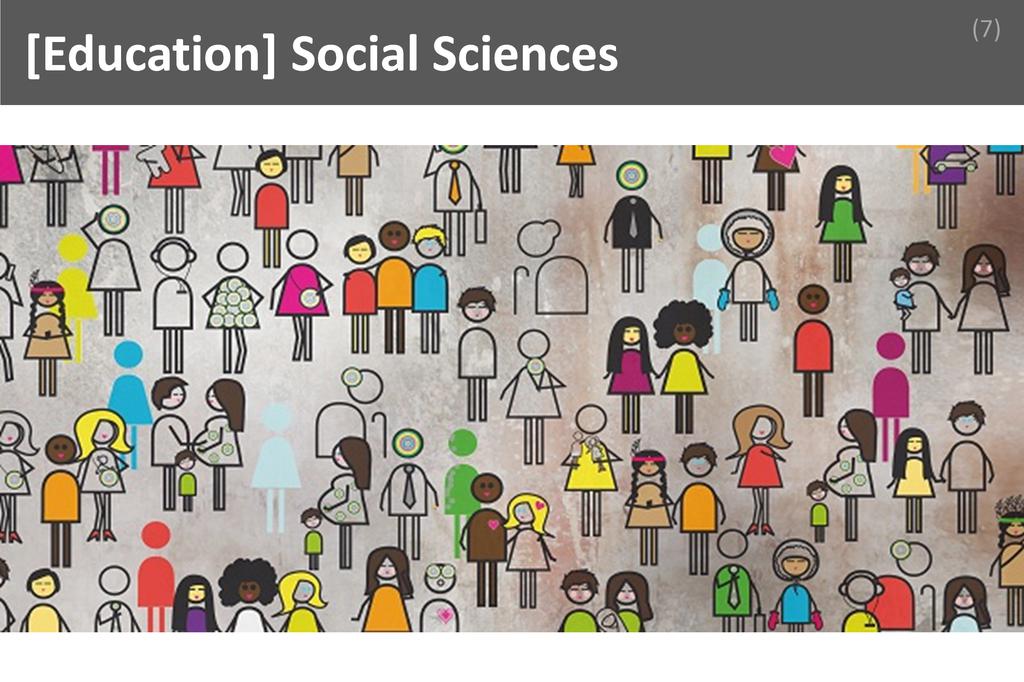
Social Sciences encompass the systematic study of human society, behaviors, relationships, and institutions through disciplines such as sociology, psychology, anthropology, economics, and political science. In Journalism, understanding Social Sciences is essential because it provides the analytical tools and frameworks necessary to interpret, contextualize, and report on complex societal issues with depth and accuracy.
A strong grasp of Social Sciences is vital for journalists because it equips them to analyze societal trends, understand diverse perspectives, and recognize the underlying causes of events. This foundational knowledge enables journalists to move beyond surface-level reporting, offering nuanced insights that inform and educate the public. Social Sciences foster critical thinking, ethical awareness, and cultural sensitivity, all of which are crucial for responsible journalism. Over time, this expertise enhances a journalist’s credibility and adaptability, allowing them to cover a wide range of topics with authority. Furthermore, it supports investigative work, helps in identifying misinformation, and strengthens the ability to communicate complex ideas clearly to a broad audience.
Consider a journalist assigned to cover a story about rising unemployment in a particular region. Drawing on their understanding of Social Sciences, the journalist examines not only the economic data but also the social and psychological impacts on affected communities. They conduct interviews informed by sociological theories, exploring how job loss influences family dynamics, mental health, and community cohesion. By applying concepts from economics and psychology, the journalist contextualizes the issue within broader societal trends, offering readers a comprehensive view that goes beyond statistics. This approach results in a more insightful and empathetic report, demonstrating the practical value of Social Sciences in producing meaningful journalism.
Current Affairs

Current Affairs refers to the ongoing events, developments, and issues happening locally, nationally, and globally. It encompasses politics, economics, science, culture, and social changes. In Journalism, understanding Current Affairs is essential, as it forms the basis for reporting, analysis, and informed commentary, ensuring relevance and accuracy in news coverage.
A deep understanding of Current Affairs is indispensable for anyone pursuing or advancing a career in Journalism. This knowledge enables journalists to contextualize stories, identify emerging trends, and provide audiences with accurate, timely information. Mastery of Current Affairs also fosters critical thinking and analytical skills, allowing professionals to distinguish between credible sources and misinformation. Over time, this expertise builds a journalist’s reputation for reliability and insight, which is crucial for career progression. Furthermore, staying updated with Current Affairs ensures that journalists remain adaptable in a rapidly changing media landscape, making them valuable assets to news organizations and audiences alike.
Consider a journalist assigned to cover a sudden political crisis, such as a government resignation. Their theoretical understanding of Current Affairs allows them to quickly grasp the background, identify key stakeholders, and anticipate possible outcomes. Drawing on their knowledge of recent political developments, they can ask informed questions during press conferences, provide context in their reporting, and connect the event to broader national or international trends. This ability not only enhances the quality of their coverage but also helps audiences understand the significance of the event, demonstrating the practical value of mastering Current Affairs in daily journalistic practice.
Information Technology

Information Technology refers to the use, development, and management of computer systems, software, and networks for processing and distributing data. In Journalism, it encompasses the digital tools and platforms that facilitate research, content creation, editing, publishing, and audience engagement, making it an essential component of modern journalistic practice and education.
Understanding Information Technology is crucial for journalists because the field has evolved far beyond traditional print and broadcast media. Today’s journalists must navigate digital newsrooms, manage multimedia content, and utilize data-driven storytelling techniques. Mastery of IT concepts enables professionals to efficiently gather information, verify sources, and distribute news across multiple platforms. It also enhances their ability to protect sensitive data, collaborate remotely, and adapt to rapidly changing technologies. In the long term, proficiency in Information Technology ensures journalists remain competitive, innovative, and capable of meeting the demands of a digital-first audience, while also opening doors to specialized roles such as data journalism, multimedia production, and digital content management.
Consider a journalist covering a breaking news event. Using their knowledge of Information Technology, they quickly gather information from social media feeds, verify facts using digital tools, and collaborate with colleagues through cloud-based platforms. They edit video footage on a laptop, optimize articles for search engines, and publish updates in real time on the news outlet’s website and mobile app. Their understanding of cybersecurity ensures that sensitive sources and unpublished materials remain protected. This seamless integration of IT skills allows the journalist to deliver accurate, timely, and engaging content to a global audience, demonstrating how theoretical knowledge translates into practical, everyday newsroom operations.
Law

Law is a system of rules created and enforced by governmental institutions to regulate behavior, resolve disputes, and protect rights within a society. For journalism, law forms a critical part of academic and professional knowledge, ensuring that journalists understand their rights, responsibilities, and the legal boundaries within which they must operate.
Understanding law is essential for anyone preparing for or working in journalism because it safeguards both the journalist and the public. Journalists routinely navigate issues such as defamation, privacy, copyright, and freedom of information. A solid grasp of legal principles helps professionals avoid legal pitfalls, maintain ethical standards, and produce accurate, responsible reporting. This foundational knowledge empowers journalists to challenge censorship, protect confidential sources, and report on sensitive topics without violating legal boundaries. Over the long term, legal literacy enhances a journalist’s credibility, ensures compliance with regulations, and supports the pursuit of investigative journalism. It also provides a framework for understanding the broader societal impact of their work, fostering trust between the media and the public.
Consider a journalist investigating corruption within a local government. Their understanding of law guides them in accessing public records through freedom of information laws, ensuring that their reporting is based on verifiable facts. When interviewing sources, the journalist is careful to avoid defamatory statements and respects privacy laws, protecting both themselves and their publication from potential lawsuits. If faced with a legal threat, such as a cease-and-desist letter, their legal knowledge allows them to assess the validity of the claim and respond appropriately. This practical application of legal principles not only protects the journalist but also upholds the integrity and reliability of their reporting, demonstrating the indispensable role of law in daily journalistic practice.
Skills
Language Proficiency

Language proficiency is the ability to understand, interpret, and communicate ideas clearly and accurately in a given language, both in written and spoken forms. In journalism, this skill enables professionals to convey information effectively, maintain credibility, and engage diverse audiences, making it indispensable in the field.
Language proficiency directly enhances a journalist’s performance by ensuring clarity, precision, and impact in storytelling. Journalists with strong language skills can craft compelling narratives, avoid misunderstandings, and adapt their tone to suit different platforms and audiences. Employers and clients highly value this skill because it reflects professionalism, reduces the risk of errors, and strengthens the publication’s reputation. To cultivate language proficiency, aspiring journalists should read widely, practice writing regularly, seek feedback from editors or mentors, and stay updated on evolving language trends. Continuous learning, such as attending workshops or studying new styles, helps maintain and improve this core competency throughout a journalist’s career.
Imagine a journalist covering a breaking news story involving a complex legal case. The ability to interpret legal jargon, summarize intricate details, and present them in accessible language is crucial. By leveraging strong language proficiency, the journalist translates technical terms into clear, concise explanations for the general public, ensuring the story is both accurate and understandable. This skill not only prevents miscommunication but also builds trust with readers, as they rely on the journalist to make sense of complicated issues. In this scenario, language proficiency is the key factor that allows the journalist to deliver timely, reliable information, ultimately contributing to the success and credibility of the news outlet.
Communication Skills

Communication skills encompass the ability to convey information clearly, listen actively, interpret messages accurately, and adapt language for different audiences and contexts. In journalism, these skills are fundamental, enabling professionals to gather facts, conduct interviews, write compelling stories, and ensure that information is both accessible and trustworthy for the public.
Strong communication skills are indispensable for journalists because they directly impact the quality and credibility of reporting. Journalists must interact with sources, editors, and audiences, often under tight deadlines. Effective communication ensures that information is gathered accurately and presented in a way that resonates with readers or viewers. Employers and clients highly value journalists who can distill complex topics into understandable narratives and foster trust through transparent reporting. Cultivating these skills involves continuous practice, such as engaging in active listening during interviews, seeking feedback on written work, and adapting communication styles to suit different platforms or audiences. Over time, journalists who prioritize communication skills become more versatile, reliable, and influential in their field.
Imagine a journalist covering a breaking news event where conflicting reports are circulating. To clarify the situation, the journalist must quickly contact multiple sources, ask precise questions, and interpret nuanced responses. By employing strong communication skills, the journalist can sift through misinformation, verify facts, and craft a clear, accurate story under pressure. This ability not only helps the journalist deliver timely and reliable news to the public but also builds credibility with editors and audiences. In this scenario, effective communication is the key to transforming chaos into clarity, ensuring that the journalist’s work stands out for its accuracy and professionalism.
Research & Analytics

Research & Analytics refers to the systematic process of gathering, evaluating, and interpreting information and data to uncover facts, trends, and insights. In journalism, this skill enables professionals to verify sources, contextualize stories, and present accurate, evidence-based reporting, forming the backbone of credible and impactful journalism.
Mastering research and analytics significantly enhances a journalist’s ability to produce well-informed, trustworthy stories. Employers and clients value this skill because it ensures that reporting is thorough, accurate, and insightful, reducing the risk of misinformation and building audience trust. Journalists can develop this skill by practicing critical thinking, learning to use digital research tools, and staying updated on data analysis techniques. Over time, consistent application and a commitment to verifying facts help refine these abilities, making journalists more reliable and effective in their roles. As the media landscape evolves, those who excel in research and analytics are better equipped to adapt, uncover hidden narratives, and provide deeper context to their audiences.
Imagine a journalist covering a breaking story about a sudden spike in local crime rates. Rather than relying solely on official statements or anecdotal evidence, the journalist uses research and analytics to examine police records, analyze historical crime data, and identify patterns over time. By comparing these findings with socioeconomic data and expert opinions, the journalist uncovers underlying causes that were not immediately apparent. This comprehensive approach not only strengthens the credibility of the report but also provides readers with a nuanced understanding of the issue, demonstrating the indispensable role of research and analytics in producing impactful journalism.
Focus & Information Mgmt.

Focus & Information Management is the ability to concentrate on relevant tasks while efficiently organizing, filtering, and prioritizing vast amounts of information. In journalism, this skill ensures accuracy, timeliness, and clarity in reporting. It empowers professionals to navigate complex stories, avoid distractions, and deliver trustworthy content to their audience.
Mastering focus and information management directly enhances a journalist’s ability to meet tight deadlines, maintain accuracy, and produce compelling stories. Employers and clients value this skill because it leads to reliable, well-researched reporting and minimizes errors or misinformation. Journalists can cultivate this ability by practicing mindful work habits, using digital tools to organize research, and regularly reviewing their workflow for efficiency. Over time, consistent application of these strategies sharpens one’s capacity to discern what information is most relevant, enabling journalists to work smarter and respond swiftly to breaking news or editorial demands. This ongoing development not only boosts individual performance but also strengthens the credibility and reputation of the media organization.
Imagine a journalist covering a rapidly developing political scandal. Dozens of sources, documents, and rumors flood their inbox every hour. By applying focus and information management, the journalist quickly identifies credible leads, organizes notes, and prioritizes interviews with key figures. This disciplined approach allows them to break the story ahead of competitors, ensuring accuracy and depth in their reporting. Without this skill, the journalist could become overwhelmed, miss crucial details, or inadvertently spread misinformation. In this scenario, focus and information management are the backbone of effective journalism, enabling the professional to deliver timely, impactful news that informs the public and upholds journalistic standards.
Initiative and Perseverance

Initiative and perseverance is the proactive drive to identify opportunities or challenges and the steadfast determination to pursue goals despite obstacles or setbacks. In journalism, this skill empowers professionals to uncover stories, seek truth, and persistently follow leads, ensuring thorough and impactful reporting even under pressure or adversity.
Initiative and perseverance directly enhance a journalist’s performance by fostering a relentless pursuit of information and a willingness to go beyond the obvious. Employers and clients value this quality because it leads to original, well-researched stories and demonstrates reliability in meeting deadlines and overcoming challenges. Journalists can cultivate this skill by consistently seeking out new angles, embracing feedback, and learning from setbacks. Over time, regularly setting ambitious goals, reflecting on progress, and maintaining curiosity help strengthen both initiative and perseverance, making journalists more resourceful and resilient in a rapidly changing media landscape.
Imagine a journalist assigned to investigate a complex corruption case with limited initial leads. Despite repeated refusals from sources and a lack of accessible documents, the journalist demonstrates initiative by networking with new contacts and exploring alternative information channels. Perseverance keeps them motivated through dead ends and setbacks, pushing them to file freedom of information requests and revisit sources. Eventually, their efforts uncover a crucial piece of evidence that breaks the story open. This scenario highlights how initiative and perseverance enable journalists to overcome barriers, deliver impactful reporting, and build a reputation for tenacity and excellence in their field.
Confidence and Boldness

Confidence and Boldness in journalism refers to the unwavering self-assurance and willingness to take risks, ask tough questions, and pursue stories fearlessly, even in the face of adversity or uncertainty. This skill empowers journalists to seek the truth, challenge authority, and deliver impactful stories that shape public discourse.
Confidence and Boldness directly enhance a journalist’s ability to uncover important stories, engage with sources, and navigate challenging environments. Employers and clients value this skill because it leads to original reporting, insightful interviews, and the ability to break exclusive news. Journalists who demonstrate confidence are more likely to gain trust from sources and command respect in the field. Cultivating this skill involves consistent practice, such as stepping outside comfort zones, seeking feedback, and learning from both successes and failures. Over time, exposure to high-pressure situations and a commitment to ethical reporting help journalists build the resilience and assertiveness necessary to thrive in a competitive industry.
Imagine a journalist covering a high-profile corruption case involving powerful public officials. When other reporters hesitate to ask probing questions at a press conference, this journalist, drawing on their confidence and boldness, directly addresses the officials with incisive queries. Despite attempts to deflect or intimidate, the journalist persists, securing critical information that leads to a groundbreaking exposé. Their willingness to challenge authority and maintain composure under pressure not only uncovers the truth but also earns the respect of peers and editors. This scenario highlights how confidence and boldness enable journalists to break significant stories and uphold the integrity of their profession.
Value and Ethics

Value and ethics in journalism refer to the unwavering commitment to truth, fairness, accuracy, and integrity while reporting news and information. This core skill ensures that journalists act responsibly, respect privacy, avoid conflicts of interest, and maintain public trust, forming the foundation for credible and impactful journalism.
Value and ethics directly enhance a journalist’s performance by guiding decision-making in complex situations, ensuring that stories are reported honestly and without bias. Employers and clients highly value this skill because it safeguards the reputation of their media organizations and fosters audience trust, which is crucial for long-term success. Journalists can cultivate value and ethics by engaging in continuous professional development, seeking mentorship from experienced colleagues, and reflecting on ethical dilemmas encountered in their work. Regularly reviewing established codes of conduct and participating in discussions about ethical challenges also help reinforce these principles, enabling journalists to navigate the evolving landscape of media responsibly and effectively.
Imagine a journalist covering a high-profile political scandal who receives confidential documents that could sway public opinion. Instead of immediately publishing the information, the journalist verifies the authenticity of the documents and considers the potential consequences of disclosure. By consulting with editors and adhering to ethical guidelines, the journalist ensures that the reporting is accurate, fair, and does not unjustly harm individuals involved. This careful approach not only upholds the integrity of the news organization but also strengthens public trust in its reporting. In this scenario, value and ethics guide the journalist to balance the public’s right to know with the responsibility to avoid sensationalism or misinformation, ultimately achieving professional success.
Time Management

Time management is the ability to plan, prioritize, and allocate time effectively to accomplish tasks and meet deadlines. In journalism, this skill ensures that reporters and editors can juggle multiple assignments, respond to breaking news, and deliver accurate stories promptly, making it indispensable for professional success.
Mastering time management directly enhances a journalist’s productivity and reliability. When deadlines are tight and news cycles move rapidly, the ability to organize tasks and work efficiently leads to higher-quality reporting and fewer errors. Employers and clients highly value journalists who consistently meet deadlines, as timely stories are crucial for audience engagement and credibility. Cultivating this skill involves setting clear priorities, breaking complex projects into manageable steps, and using tools such as calendars or digital reminders. Over time, journalists can refine their approach by reflecting on past experiences, learning to anticipate obstacles, and adjusting their workflow to maximize efficiency without sacrificing accuracy or depth.
Imagine a journalist covering a major political event with multiple press conferences, interviews, and a looming publication deadline. By applying strong time management, the journalist schedules interviews back-to-back, allocates specific periods for research and writing, and leaves buffer time for last-minute developments. When unexpected news breaks during the event, the journalist quickly reprioritizes tasks, ensuring the most critical updates are reported first while still meeting the original deadline. This disciplined approach not only allows the journalist to deliver comprehensive and timely coverage but also builds trust with editors and readers, demonstrating the pivotal role time management plays in navigating the fast-paced world of journalism.
Relentless Curiosity

Relentless Curiosity is an unwavering drive to seek out new information, ask probing questions, and challenge assumptions, regardless of obstacles or setbacks. For journalists, this quality fuels the pursuit of truth, ensures comprehensive reporting, and uncovers hidden stories that might otherwise remain untold, making it indispensable in their professional toolkit.
Relentless Curiosity directly elevates a journalist’s performance by inspiring deeper investigation, more insightful interviews, and richer storytelling. Employers and clients highly value this trait because it leads to original reporting, exposes overlooked angles, and builds trust with audiences through thoroughness and integrity. Cultivating relentless curiosity involves consistently questioning the status quo, reading widely, engaging with diverse perspectives, and embracing lifelong learning. Over time, journalists who nurture this mindset become adept at identifying trends, anticipating developments, and producing work that stands out in a crowded media landscape. By making curiosity a daily habit, professionals not only enhance their own expertise but also contribute to the credibility and impact of their organizations.
Imagine a journalist covering a routine city council meeting. While most attendees focus on the main agenda, the journalist’s relentless curiosity prompts them to notice a brief, offhand remark about budget reallocations. Instead of dismissing it, they dig deeper, requesting public records and interviewing officials. This investigation uncovers a significant misallocation of funds affecting community services, a story that would have otherwise gone unnoticed. The resulting exposé not only informs the public but also prompts policy changes and accountability. In this scenario, relentless curiosity transforms a mundane assignment into impactful journalism, demonstrating how this core skill can lead to meaningful outcomes and professional recognition.
Decision Making & Objectivity

Decision Making & Objectivity refers to the ability to assess information impartially, weigh evidence, and make informed choices without personal bias or external influence. In journalism, this skill ensures that reporting remains fair, accurate, and trustworthy, forming the foundation for credible storytelling and public trust in the media.
Mastering decision making and objectivity significantly enhances a journalist’s performance by enabling them to navigate complex situations, filter out misinformation, and present balanced perspectives. Employers and clients highly value this skill because it upholds the integrity of their publication and fosters audience trust. Journalists can cultivate decision making and objectivity through continuous self-reflection, seeking diverse viewpoints, and adhering to ethical guidelines. Regularly analyzing their own reporting for bias and engaging in professional development opportunities also strengthens this competency. Over time, these practices help journalists make sound editorial choices, even under tight deadlines or in high-pressure environments, ensuring their work remains credible and respected.
Imagine a journalist covering a contentious political event where conflicting accounts and strong emotions are prevalent. In this scenario, the journalist must quickly decide which sources to trust and how to present the facts without favoring any side. By applying decision making and objectivity, the journalist carefully verifies information, consults multiple perspectives, and resists pressure from advocacy groups or public opinion. This approach allows them to produce a balanced report that informs the public accurately, avoids sensationalism, and maintains the publication’s reputation for fairness. The journalist’s commitment to objective decision making not only resolves the immediate challenge but also reinforces long-term credibility with readers.
Positives
Societal Impact

Societal impact refers to the meaningful influence that journalism has on communities, public opinion, and the broader world by informing, educating, and empowering people. This impact shapes societal values, drives change, and holds power to account, making journalism a vital force for progress and positive transformation in society.
The societal impact of journalism is a powerful motivator for those in the field, as it allows professionals to see the tangible results of their work in the world around them. Knowing that their reporting can spark conversations, influence policy, and bring attention to underrepresented issues gives journalists a deep sense of purpose and fulfillment. This positive aspect not only boosts job satisfaction but also fosters personal growth, as journalists continually learn and adapt to serve the public interest. Each day, professionals experience the benefit of societal impact by witnessing how their stories inspire action, promote transparency, and contribute to a more informed and engaged society.
Imagine a journalist investigating unsafe conditions in local housing. Through diligent research and compelling storytelling, the journalist exposes the challenges faced by residents and the negligence of property owners. As the story gains traction, city officials are prompted to take action, resulting in improved living conditions and new safety regulations. The journalist receives messages from grateful residents whose lives have changed for the better. This real-world scenario highlights how the societal impact of journalism not only brings about concrete improvements but also provides the journalist with a profound sense of accomplishment and purpose, knowing their work has made a lasting difference in their community.
Respect and Recognition

Respect and Recognition in journalism refers to the admiration, trust, and acknowledgment journalists receive from the public, peers, and industry leaders for their dedication to truth, ethical reporting, and impactful storytelling. This esteem not only validates their work but also motivates them to uphold high standards and make meaningful contributions.
The respect and recognition journalists earn are powerful motivators that enhance job satisfaction and personal fulfillment. When their work is valued, journalists feel a deep sense of purpose, knowing their efforts inform, educate, and empower society. This acknowledgment fosters professional growth, as it opens doors to new opportunities, collaborations, and leadership roles. Daily, journalists experience this benefit through positive feedback, invitations to speak at events, and the trust placed in them to cover significant stories. Such recognition not only boosts morale but also reinforces their commitment to ethical reporting and continuous improvement, making journalism a uniquely rewarding career.
Imagine a journalist who uncovers a story exposing corruption within a local government. After publishing the piece, the community rallies behind the journalist, expressing gratitude for bringing the truth to light. Colleagues commend the thorough investigation, and the journalist is invited to discuss the story on national platforms. This outpouring of respect and recognition not only validates the hard work and risks taken but also inspires the journalist to continue pursuing impactful stories. The experience demonstrates how journalism can be a source of pride and fulfillment, as professionals witness firsthand the positive change their dedication brings to society.
Sense of Purpose

A sense of purpose is the deep-rooted feeling that one’s work has meaning, significance, and contributes to something greater than oneself. In journalism, this sense of purpose drives professionals to seek truth, inform the public, and hold power accountable, making their efforts essential to a healthy society.
The sense of purpose in journalism is a powerful motivator that transforms daily tasks into meaningful contributions. Journalists who feel their work matters are more likely to experience higher job satisfaction, resilience in the face of challenges, and a commitment to ethical standards. This positive aspect fosters personal growth, as professionals continuously learn and adapt to serve the public interest. Every day, journalists witness the tangible impact of their reporting, whether by sparking important conversations, influencing policy, or empowering communities with information. This ongoing connection to a larger mission not only sustains motivation but also cultivates a profound sense of fulfillment and pride in their role as storytellers and watchdogs.
Imagine a journalist investigating environmental hazards in a local community. Through persistent research and interviews, they uncover evidence of pollution affecting residents’ health. When their story is published, it prompts immediate action from local authorities and raises public awareness. The journalist receives messages from grateful community members who feel seen and heard for the first time. In this moment, the journalist experiences the true impact of their sense of purpose—knowing their dedication has led to real change and improved lives. This fulfillment reinforces their commitment to the profession and reminds them why they chose journalism: to make a difference and give a voice to those who need it most.
Position of Influence

A "Position of Influence" in journalism refers to the unique ability journalists have to shape public opinion, inform communities, and drive societal change through their reporting and storytelling. This influence empowers journalists to highlight important issues, hold power to account, and inspire action, making their work deeply impactful and meaningful.
The position of influence that journalists hold is a powerful motivator and a source of immense job satisfaction. Knowing that their words and investigations can spark conversations, challenge injustices, and bring about real-world change gives journalists a sense of purpose that few other professions offer. This influence not only enhances their professional growth but also fosters a deep connection with their audience and community. Every day, journalists experience the tangible results of their work as they see stories they cover prompt policy changes, raise awareness, or mobilize support for critical causes. This ongoing impact reinforces their commitment to the profession and continually inspires them to pursue truth and excellence in their reporting.
Imagine a journalist who uncovers unsafe conditions in local schools through diligent investigation and compelling storytelling. After the story is published, concerned parents, educators, and officials rally together, leading to immediate safety improvements and new policies to protect students. The journalist witnesses firsthand how their reporting has directly influenced positive change in the community. This experience not only validates their efforts but also fuels their passion for the profession, as they realize the profound difference their work can make in people’s lives. The sense of fulfillment derived from being a catalyst for progress is a daily reminder of the unique and rewarding position of influence journalism provides.
Self Development

Self Development is the ongoing process of improving one’s skills, knowledge, mindset, and character through conscious learning and reflection. In journalism, self development means constantly adapting to new information, technologies, and perspectives. This commitment to growth not only enhances professional abilities but also fosters resilience, curiosity, and adaptability in a rapidly changing world.
The emphasis on self development in journalism is a powerful driver of job satisfaction and personal growth. Journalists are continually exposed to new ideas, cultures, and challenges, which encourages them to expand their horizons and refine their craft. This constant learning keeps the work dynamic and engaging, preventing stagnation and burnout. As journalists hone their communication, research, and critical thinking skills, they become more confident and versatile professionals. The sense of progress and mastery that comes from self development translates into greater fulfillment, motivation, and a deeper connection to their work. Every assignment becomes an opportunity to learn, evolve, and make a meaningful impact, both personally and professionally.
Imagine a journalist assigned to cover a complex international issue for the first time. Initially, they may feel out of their depth, but through diligent research, interviews with experts, and immersion in the subject, they gradually build expertise and confidence. Along the way, they develop new skills in cross-cultural communication, data analysis, and storytelling. This journey of self development not only results in a compelling article but also leaves the journalist with a profound sense of accomplishment and growth. The experience enriches their perspective, making them better equipped for future challenges and more passionate about their role in informing and shaping public discourse.
Challenges
Deadline Pressure

Deadline pressure in journalism refers to the constant demand to research, write, and publish stories within tight timeframes. This challenge is demanding because journalists must balance speed with accuracy, often working under rapidly changing circumstances, while ensuring their reporting remains credible, relevant, and competitive in a fast-paced news environment.
The relentless nature of deadline pressure shapes every aspect of a journalist’s daily routine. It can lead to heightened stress, reduced time for thorough fact-checking, and the risk of errors or oversight. This environment demands resilience, adaptability, and sharp decision-making skills. Successful journalists manage this constraint by developing efficient workflows, prioritizing tasks, and maintaining clear communication with editors and colleagues. They rely on strong organizational habits and the ability to quickly assess which details are essential for immediate publication and which can be followed up later. By cultivating these skills, professionals not only meet deadlines but also uphold the integrity and quality of their reporting, turning a high-pressure challenge into a driving force for excellence.
Consider a political reporter covering a major election night. As results pour in, the journalist must rapidly verify information, craft coherent updates, and file stories within minutes to keep audiences informed. Despite the chaos, the reporter remains composed by preparing background materials in advance, maintaining open lines with sources, and collaborating closely with the editorial team. When unexpected developments arise, the journalist quickly adapts, updating stories in real time while ensuring accuracy is never compromised. Through experience and preparation, the reporter transforms deadline pressure from a source of anxiety into a catalyst for focused, high-quality journalism, demonstrating how professionals can thrive even when every second counts.
Resource Intensive

In journalism, "Resource Intensive" refers to the significant demand for time, energy, finances, and personnel required to research, verify, and produce high-quality stories. This challenge is demanding because it often necessitates extensive investigation, travel, and collaboration, all while meeting tight deadlines and maintaining journalistic integrity.
The resource-intensive nature of journalism can lead to long hours, high stress, and frequent multitasking as professionals juggle multiple assignments with limited support. This environment requires resilience, adaptability, and creative problem-solving to ensure stories are thoroughly researched and accurately reported. Successful journalists often leverage digital tools, prioritize tasks, and build strong networks to share information and resources. They may also seek out grants or partnerships to fund investigative projects, and continuously refine their workflow to maximize efficiency. By embracing collaboration and technological advancements, journalists can better manage resource constraints while upholding the standards of their profession.
Consider an investigative journalist working on a story about government corruption in a remote region. Faced with limited funding, the journalist partners with a nonprofit organization to secure travel expenses and access to local contacts. To save time, they use data analysis software to sift through thousands of public records, identifying key patterns and leads. The journalist also collaborates with colleagues in the field, sharing findings and dividing tasks to cover more ground efficiently. Despite the demanding nature of the assignment, these strategies enable the journalist to produce a comprehensive, impactful report, demonstrating how resource-intensive challenges can be overcome through innovation, collaboration, and strategic planning.
Reasonable Monetary Rewards

Reasonable Monetary Rewards in journalism refer to fair and adequate financial compensation for the time, effort, and expertise journalists invest in their work. This challenge is demanding because the industry often faces budget constraints, freelance instability, and undervaluation of content, making it difficult for professionals to earn a sustainable income.
The struggle for reasonable monetary rewards can significantly affect a journalist’s daily work, leading to stress, decreased motivation, and even ethical dilemmas when financial pressures mount. This challenge demands resilience, as professionals must balance passion for storytelling with the practical need for financial stability. Successful journalists often diversify their income streams, such as contributing to multiple publications, engaging in multimedia projects, or leveraging personal brands through speaking engagements and workshops. They also build strong professional networks and continuously update their skills to remain competitive. By adapting to the evolving media landscape and seeking out new opportunities, they manage to sustain their careers despite financial uncertainties.
Consider a freelance journalist who faces inconsistent assignments and modest pay from traditional news outlets. To overcome this, she expands her portfolio by launching a podcast on local issues, which attracts sponsorships and listener donations. She also offers writing workshops and collaborates with non-profit organizations for commissioned content. Through these efforts, she not only supplements her income but also enhances her professional reputation and network. By embracing multiple avenues for revenue and skill development, she successfully navigates the challenge of reasonable monetary rewards, demonstrating adaptability and resourcefulness in a competitive field.
Risk to Personal Safety

Risk to personal safety in journalism refers to the potential for physical harm, intimidation, or threats that journalists may face while reporting, especially in conflict zones, during protests, or when covering sensitive topics. This challenge is demanding because it can jeopardize both the journalist’s well-being and their ability to report truthfully.
The risk to personal safety profoundly shapes the daily routines and decisions of journalists, often requiring them to operate in unpredictable or hostile environments. This constant threat can lead to heightened stress, emotional fatigue, and the need for rapid decision-making under pressure. Resilience becomes essential, as journalists must balance their commitment to uncovering the truth with the imperative to protect themselves and their sources. Successful professionals manage these risks by undergoing safety training, building reliable local networks, and maintaining situational awareness. They also rely on support from their organizations, which may provide protective equipment, emergency protocols, and psychological support. By adopting these strategies, journalists can continue their vital work while minimizing exposure to unnecessary danger.
Consider a journalist assigned to cover civil unrest in a volatile region. Aware of the risks, the journalist prepares by researching the local context, establishing contact with trusted local guides, and informing their newsroom of their movements. During the assignment, they wear protective gear and avoid areas where violence is escalating. When confronted by hostile individuals, the journalist remains calm, de-escalates the situation, and retreats to safety. Throughout the coverage, they maintain regular communication with their team and adhere to established safety protocols. By combining thorough preparation, situational awareness, and support from colleagues, the journalist successfully reports on the unfolding events without compromising their personal safety.
Public Prominence

Public Prominence in journalism refers to the heightened visibility and scrutiny journalists face due to their work being widely consumed, critiqued, and discussed. This constant exposure makes them vulnerable to public judgment, personal attacks, and ethical dilemmas, demanding exceptional professionalism, emotional resilience, and a strong sense of responsibility in their reporting.
The challenge of public prominence affects journalists daily by placing their actions, words, and even personal lives under a magnifying glass. This visibility can lead to increased stress, self-censorship, and anxiety about making mistakes that could damage reputations or careers. The pressure to maintain credibility and impartiality is immense, often requiring journalists to develop thick skin and robust coping mechanisms. Successful professionals manage this constraint by setting clear boundaries between their personal and professional lives, seeking support from peers and mentors, and consistently adhering to ethical standards. They also cultivate resilience by focusing on the purpose of their work and learning to accept constructive criticism while filtering out unproductive negativity.
Consider a political journalist who regularly appears on national television and writes opinion pieces for a major newspaper. After publishing a controversial article, they receive both public praise and harsh criticism, including personal attacks on social media. Instead of reacting impulsively, the journalist chooses to address valid feedback thoughtfully and ignores inflammatory comments. They rely on a trusted network of colleagues for support and guidance, and continue to uphold journalistic integrity in their reporting. By maintaining professionalism and focusing on the broader impact of their work, the journalist successfully navigates the challenges of public prominence, demonstrating resilience and commitment to their role in informing the public.
High Public Responsibility

High Public Responsibility in journalism refers to the ethical and societal obligation journalists have to provide accurate, fair, and timely information to the public. This responsibility is demanding because journalists’ work shapes public opinion, influences decision-making, and can impact lives, requiring constant vigilance, integrity, and accountability.
The weight of high public responsibility permeates every aspect of a journalist’s daily work, from researching stories to verifying facts and deciding what information to publish. This challenge can create significant pressure, as mistakes or biases may lead to misinformation, public distrust, or even harm. Resilience is essential, as journalists must withstand scrutiny, criticism, and sometimes personal risk. Successful professionals manage this constraint by adhering to strict ethical guidelines, seeking mentorship, and engaging in continuous learning. They cultivate strong editorial judgment and maintain transparency with their audience, which helps build trust and credibility. By fostering a supportive newsroom culture and prioritizing self-care, journalists can sustain their commitment to public responsibility without compromising their well-being or professional standards.
Consider a journalist covering a breaking story about a public health crisis. The urgency to inform the public is immense, but so is the risk of spreading unverified or sensationalized information. In this scenario, the journalist consults multiple reliable sources, cross-checks facts, and collaborates with editors to ensure accuracy. Despite pressure from competitors and the public’s demand for immediate updates, the journalist resists the temptation to publish unconfirmed details. By prioritizing accuracy and transparency, the journalist not only delivers trustworthy information but also reinforces public confidence in the media. This careful approach exemplifies how high public responsibility can be managed effectively, even under intense scrutiny and time constraints.
Gender Specific Challenges

Gender specific challenges in journalism refer to the unique obstacles and biases that professionals face based on their gender, such as unequal opportunities, harassment, stereotyping, and pay disparities. These challenges are demanding because they can undermine confidence, restrict access to key assignments, and create hostile work environments that hinder career progression.
Gender specific challenges can significantly affect a journalist’s daily work by influencing the types of stories assigned, the level of editorial support received, and even personal safety in the field. Navigating these obstacles requires resilience, as professionals may need to constantly prove their credibility and assert their value in environments where biases persist. Successful journalists often build supportive networks, seek mentorship, and advocate for transparent workplace policies to counteract discrimination. They also develop strong professional reputations, which can help them secure better assignments and recognition. By fostering open dialogue and participating in industry initiatives aimed at equality, they contribute to gradual cultural shifts that benefit both themselves and future generations of journalists.
Consider a female investigative reporter covering political corruption in a region where journalism is male-dominated. She faces skepticism from sources, exclusion from key briefings, and even online harassment. Instead of retreating, she leverages her network of supportive colleagues and mentors, documents incidents of bias, and seeks guidance from advocacy organizations. By consistently producing high-quality, impactful stories, she earns respect within her newsroom and among her audience. Her perseverance not only advances her own career but also encourages her organization to implement stronger anti-harassment policies and more equitable assignment practices, paving the way for other women in journalism to thrive.
A Day Of
Journalism
In the world of journalism, no two days are ever quite the same. The newsroom pulses with urgency, fueled by the relentless chase for truth and the ever-ticking clock of deadlines. Journalists move through their day with a blend of curiosity, adaptability, and grit, navigating breaking news, interviews, and editorial demands. The environment is fast-paced and unpredictable, where a single phone call or tweet can shift priorities in an instant. Amidst the hum of keyboards and the buzz of conversations, every moment counts as stories are shaped, facts are checked, and the public’s right to know is fiercely defended.
As dawn breaks, journalists are already scanning news wires, social media feeds, and overnight updates, searching for emerging stories and developments. The early morning is a time for reviewing editorial calendars, catching up on emails from editors, and prepping for the day’s assignments. This quiet but focused period sets the tone, as reporters prioritize leads, schedule interviews, and gather background information, ensuring they are ready to hit the ground running when the news cycle accelerates.
By mid-morning, the newsroom is alive with activity as journalists dive into the heart of their work. This is when the most intense reporting happens—conducting interviews, chasing down sources, and traveling to the scene of breaking news or scheduled events. Whether it’s covering a city council meeting, investigating a developing crisis, or capturing the pulse of a community, journalists are on the move, gathering facts and perspectives that will shape their stories. The pressure mounts as deadlines loom, demanding sharp focus and quick thinking.
Afternoons are often devoted to collaboration and execution. Journalists regroup with editors and colleagues in editorial meetings to pitch stories, discuss angles, and refine their reporting strategies. Feedback is exchanged, ethical considerations are weighed, and decisions are made about which stories will make it to publication or broadcast. This is also the time for drafting articles, editing copy, and working closely with photographers, videographers, and designers to bring stories to life across multiple platforms.
As the day winds down, journalists shift their focus to wrapping up their stories, meticulously fact-checking details, and filing their work before the final deadline. Administrative tasks, such as updating contact lists and logging expenses, are handled alongside last-minute edits and headline tweaks. With one eye on tomorrow, reporters begin researching potential leads and setting up interviews for the next day, ensuring they stay ahead in the ever-evolving news cycle. The newsroom gradually quiets, but the sense of anticipation never fully fades—tomorrow’s stories are already taking shape. |


 Home
Home Abroad
 Plan
Plan Philosophy
 Seminar
 Pages
Pages Advisors
 Testimonials





























 Workshop
 Discuss
 Meet
Meet
 Advisor
 Story
Story
 Fine Print
 Links
Links
 Blog
Blog
 Follow
