Career Counselling 2.0 HomeHomeCareer Counselling 2.0 AbroadAbroadCareer Counselling 2.0 PlanPlanCareer Counselling 2.0 | TalksTalksCareer Counselling 2.0 PhilosophyPhilosophyCareer Counselling 2.0 SeminarSeminarCareer Counselling 2.0 PagesPagesCareer Counselling 2.0 AdvisorsAdvisorsCareer Counselling 2.0 TestimonialsTestimonials

Broadcast Journalism

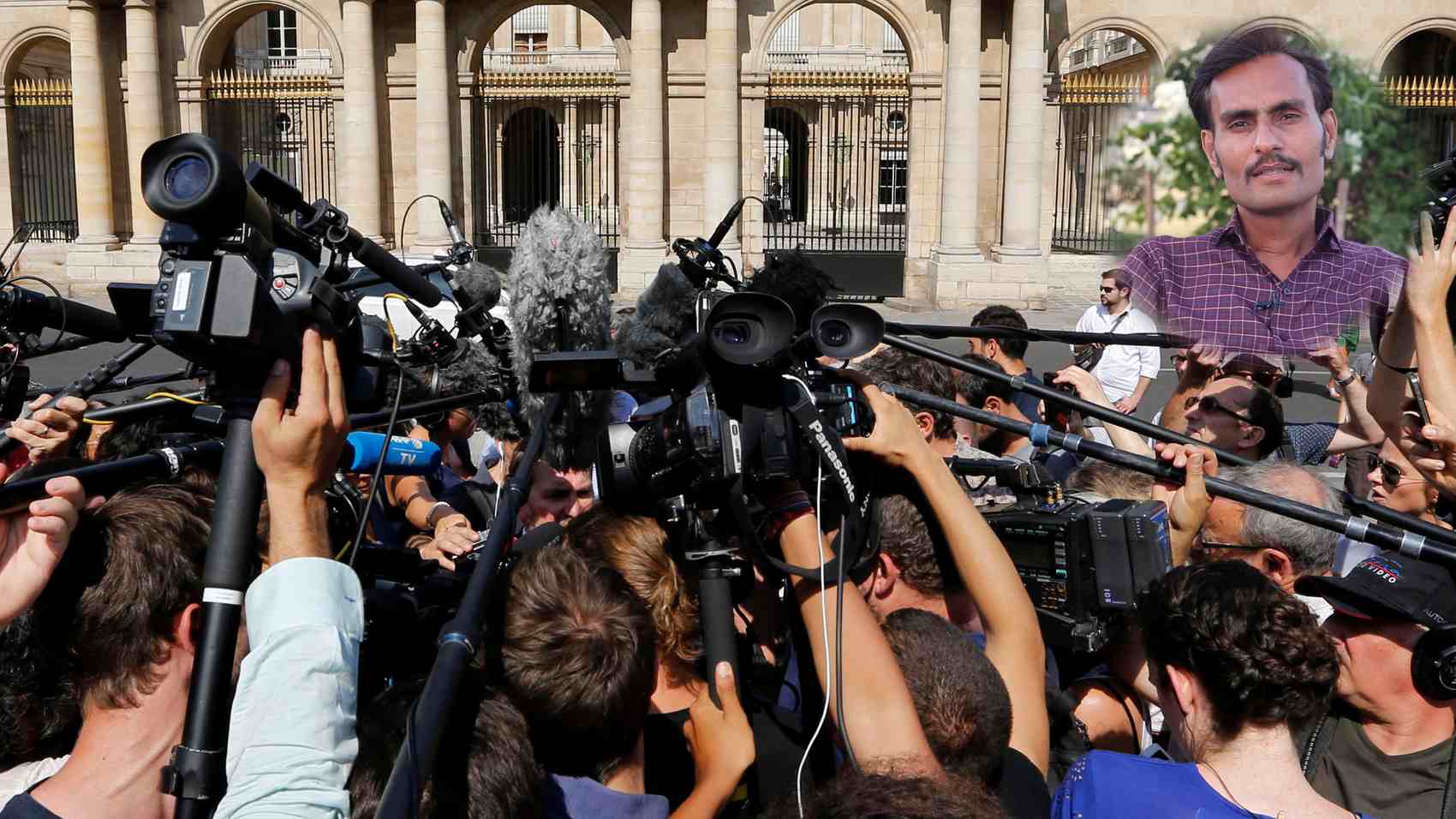
Deputy Editor Veena Krishna talks about Broadcast Journalism course, what is Broadcast Journalism and other details about a Career in Broadcast Journalism.


Broadcast Journalism

Veena Krishna | Deputy Editor | TV 18 Broadcast Ltd


What is Broadcast Journalism?


A Career in Broadcast Journalism is very intriguing. Understanding Why one wants to choose a Career in Broadcast Journalism is phenomenally more important than figuring out How to get into Broadcast Journalism. Just like you would normally not trust a non Doctor with names of medicines, you should also not trust opinions about Broadcast Journalism from non professionals.

Deputy Editor Veena Krishna is an experienced professional with 19 years & 3 months in Broadcast Journalism. Deputy Editor Veena Krishna outlines Broadcast Journalism as:

Broadcast Journalism is all news that you see or in other words that is broadcast on TV. So it is about collecting, packaging and presenting news on TV.


How Deputy Editor Veena Krishna got into Broadcast Journalism?


After my education I worked at the broadcast station CNBC-TV18, a business channel for 15 years.


Deputy Editor Veena Krishna's Talk on Broadcast Journalism


Session Image
The Journey of Broadcast Journalism


What Is Broadcast Journalism


Broadcast Journalism

### Broadcast Journalism Image
What is
Broadcast journalism is the field of news reporting and storytelling delivered through electronic media such as television, radio, and online streaming platforms. It involves researching, producing, and presenting news and information to the public in real time or on scheduled broadcasts, often requiring strong communication and technical skills.

Concept
Broadcast journalism plays a crucial role in informing the public, shaping opinions, and holding those in power accountable. For professionals, it offers the opportunity to reach wide audiences quickly and effectively, often in moments of crisis or breaking news. The field encourages the development of strong communication and analytical skills, fosters adaptability in fast-paced environments, and provides a platform for creative storytelling. Broadcast journalists can make a tangible difference by delivering accurate, timely information, helping communities stay informed and engaged. The profession also offers the excitement of working with cutting-edge technology and the satisfaction of being at the forefront of major events as they unfold.

Real World Example
A broadcast journalist working for a local television station might start their day by attending editorial meetings to discuss potential stories. After selecting a topic, they conduct interviews, gather footage, and write scripts. Later, they present live updates from the scene of a developing event, such as a natural disaster or political rally, ensuring viewers receive accurate and timely information. Throughout the process, the journalist collaborates with camera operators, producers, and editors to create a compelling news segment that airs during the evening broadcast. This real-time reporting not only keeps the public informed but also demonstrates the dynamic and impactful nature of broadcast journalism in action.

Education


Contextual Knowledge

### Contextual Knowledge Image
What is
Contextual Knowledge refers to the understanding of the background, circumstances, and broader environment surrounding events, issues, or subjects. In Broadcast Journalism, it encompasses awareness of historical, cultural, political, and social factors that influence news stories. This knowledge is essential for accurate reporting and meaningful storytelling within the profession.

Concept
Developing contextual knowledge is crucial for broadcast journalists because it enables them to interpret events accurately and present information with depth and clarity. By understanding the underlying factors that shape news stories, journalists can avoid superficial coverage and provide audiences with nuanced perspectives. This foundational skill not only enhances credibility but also fosters trust with viewers, as journalists are better equipped to explain why events matter and how they fit into larger narratives. Over the course of a career, strong contextual knowledge allows professionals to adapt to new topics quickly, ask insightful questions during interviews, and identify emerging trends. Ultimately, it ensures that reporting remains relevant, responsible, and impactful in an ever-evolving media landscape.

Real World Example
Imagine a broadcast journalist covering a sudden political protest in a major city. Rather than simply reporting on the event as it unfolds, the journalist draws upon their contextual knowledge of the region’s political history, recent policy changes, and community tensions. This allows them to explain the root causes of the protest, the significance of the participants’ demands, and the potential implications for local governance. During live coverage, the journalist references previous incidents and connects current developments to broader social movements, offering viewers a comprehensive understanding rather than isolated facts. By applying contextual knowledge, the journalist not only informs but also educates the audience, elevating the quality and credibility of the broadcast.

Literature

### Literature Image
What is
Literature encompasses written works of artistic, cultural, or intellectual value, including fiction, poetry, drama, and essays. It reflects human experiences, emotions, and societal issues through language and storytelling. In Broadcast Journalism, literature provides essential context, narrative techniques, and critical thinking skills, enriching the academic and professional toolkit of journalists.

Concept
A solid grasp of literature is crucial for broadcast journalists because it sharpens their ability to analyze, interpret, and communicate complex ideas. Literature introduces journalists to diverse perspectives, historical contexts, and storytelling methods, all of which are vital for crafting compelling news stories. By studying literature, journalists develop a nuanced understanding of language, tone, and symbolism, enabling them to convey information with clarity and emotional resonance. This foundation not only enhances their reporting and interviewing skills but also fosters empathy and ethical awareness. Over the long term, familiarity with literary works and techniques empowers broadcast journalists to engage audiences more effectively, adapt to various formats, and maintain credibility in an ever-evolving media landscape.

Real World Example
Imagine a broadcast journalist assigned to cover a major cultural event, such as a literary festival celebrating a renowned author. Drawing on their understanding of literature, the journalist can contextualize the author’s work within broader social and historical movements, offering viewers deeper insights into its significance. During interviews with writers and critics, the journalist’s familiarity with literary themes and styles allows for more meaningful questions and discussions. When scripting the segment, the journalist employs narrative structures and rhetorical devices learned from literature to create a captivating and informative story. This application of literary knowledge not only elevates the quality of the broadcast but also fosters a richer connection with the audience.

TV Production

### TV Production Image
What is
TV Production refers to the process of planning, creating, and delivering television content, encompassing everything from concept development and scripting to filming, editing, and broadcasting. It is a cornerstone of Broadcast Journalism, providing the technical and creative framework necessary for producing news, documentaries, and live programming for television audiences.

Concept
Understanding TV Production is essential for anyone pursuing a career in Broadcast Journalism because it bridges the gap between storytelling and technical execution. Mastery of this subject ensures journalists can effectively communicate their stories using the visual and auditory tools unique to television. It covers the logistics of live broadcasts, the coordination of production teams, and the integration of graphics and sound, all of which are crucial for delivering accurate and engaging news. Over time, a solid grasp of TV Production enables professionals to adapt to new technologies, collaborate efficiently with technical staff, and maintain high standards of journalistic integrity. This foundational knowledge not only enhances on-air performance but also opens doors to leadership roles within newsrooms and production environments.

Real World Example
Consider a broadcast journalist assigned to cover a breaking news event, such as a natural disaster. Their understanding of TV Production allows them to quickly coordinate with camera operators, sound engineers, and producers to ensure the live segment runs smoothly. They know how to position themselves for optimal lighting and sound, communicate effectively through earpieces with the control room, and adapt their reporting style to suit the visual medium. When technical issues arise, such as a malfunctioning microphone or a sudden change in broadcast schedule, their production knowledge enables them to troubleshoot or pivot seamlessly. This expertise ensures that the news is delivered accurately, professionally, and in real time, maintaining the trust and engagement of the viewing audience.

Current Affairs

### Current Affairs Image
What is
Current Affairs refers to the ongoing events, developments, and issues happening locally, nationally, and globally that impact societies and shape public discourse. In Broadcast Journalism, understanding Current Affairs is essential, as it forms the backbone of news reporting, analysis, and storytelling, ensuring journalists remain informed and relevant in their field.

Concept
A thorough grasp of Current Affairs is indispensable for anyone pursuing or advancing a career in Broadcast Journalism. This subject equips professionals with the contextual awareness needed to interpret and communicate news stories accurately and responsibly. By staying updated on political, economic, social, and cultural developments, journalists can provide audiences with timely and meaningful content. Mastery of Current Affairs also fosters critical thinking and analytical skills, enabling journalists to identify trends, anticipate future events, and ask insightful questions during interviews. Over time, this expertise enhances credibility, builds trust with viewers, and opens doors to career advancement, as employers highly value journalists who demonstrate a deep and nuanced understanding of the world around them.

Real World Example
Imagine a broadcast journalist assigned to cover a sudden government policy change affecting healthcare. Drawing on their knowledge of Current Affairs, the journalist quickly contextualizes the announcement within recent political debates, public health statistics, and international comparisons. During a live segment, they confidently explain the policy’s background, potential implications, and public reactions, referencing relevant historical events and expert opinions. This ability to synthesize information on the spot not only informs the audience but also demonstrates the journalist’s expertise and reliability. By connecting the dots between ongoing developments and the immediate news story, the journalist ensures comprehensive coverage that resonates with viewers and upholds the standards of professional broadcast journalism.

Skills


Writing

### Writing Image
What is
Writing is the process of expressing ideas, information, and stories clearly and effectively through the written word. In broadcast journalism, writing shapes scripts, news reports, and features, ensuring messages are concise, accurate, and engaging. It is the foundation for communicating complex events to diverse audiences in a compelling, accessible manner.

Concept
Strong writing skills are indispensable in broadcast journalism because they directly influence the clarity and impact of news delivery. Effective writing enables journalists to distill complex information into brief, understandable scripts that fit tight broadcast timeframes. Employers and clients value this skill because it ensures accuracy, maintains audience trust, and upholds the credibility of the news organization. To cultivate writing proficiency, aspiring journalists should practice crafting scripts, seek feedback from experienced editors, and study exemplary broadcast writing. Over time, consistent effort and exposure to various writing styles help professionals adapt their tone and structure to suit different stories and platforms, making them versatile and reliable contributors in fast-paced newsroom environments.

Real World Example
Imagine a breaking news situation where a major event unfolds just minutes before a live broadcast. A broadcast journalist must quickly gather verified facts and write a script that is both accurate and easy for the anchor to read on air. The journalist’s ability to write clearly and succinctly under pressure ensures the audience receives timely, reliable information without confusion or error. In this scenario, strong writing skills are crucial for transforming raw updates into a coherent narrative, allowing the newsroom to maintain its reputation for professionalism and responsiveness. The journalist’s writing not only informs the public but also supports the entire broadcast team in delivering a seamless, impactful news segment.

Communication

### Communication Image
What is
Communication is the clear and effective exchange of information, ideas, and emotions through spoken, written, or visual means. In broadcast journalism, communication is the foundation for gathering, interpreting, and delivering news to the public. It enables journalists to connect with audiences, sources, and colleagues, ensuring accurate and impactful storytelling.

Concept
Strong communication skills directly enhance a broadcast journalist’s ability to report stories with clarity, accuracy, and engagement. Employers and clients highly value professionals who can convey complex information in a way that is accessible and compelling to diverse audiences. Effective communicators are also better equipped to conduct insightful interviews, collaborate with production teams, and respond to breaking news situations. Over time, this skill can be cultivated through active listening, continuous feedback, and practice in various media formats. Engaging in public speaking, writing scripts, and participating in editorial meetings all contribute to refining one’s communication abilities, making it an indispensable asset for career advancement in broadcast journalism.

Real World Example
Imagine a broadcast journalist covering a rapidly developing natural disaster. Accurate and timely communication becomes critical as the journalist must quickly gather information from emergency responders, eyewitnesses, and officials. By asking precise questions and relaying updates clearly on air, the journalist ensures the public receives vital safety instructions and factual updates. Simultaneously, the journalist communicates with the production team to coordinate live feeds and manage technical challenges. In this high-pressure scenario, the journalist’s ability to communicate effectively not only informs and reassures the audience but also helps the newsroom operate smoothly, demonstrating how essential communication is to both public service and professional success in broadcast journalism.

Interacting with people

### Interacting with people Image
What is
Interacting with people is the ability to communicate effectively, build rapport, and establish trust with individuals from diverse backgrounds. In broadcast journalism, this skill enables professionals to gather information, conduct interviews, and present stories authentically. It is fundamental for creating compelling content and fostering meaningful connections with audiences and sources.

Concept
Mastering the art of interacting with people significantly enhances a broadcast journalist’s performance. It allows for more insightful interviews, encourages sources to share valuable information, and helps in navigating sensitive topics with empathy and professionalism. Employers and clients highly value this skill because it leads to richer storytelling, stronger audience engagement, and increased credibility for the news organization. To cultivate this ability, journalists should practice active listening, seek feedback, and immerse themselves in diverse social settings. Over time, consistent exposure to various perspectives and continuous self-reflection help refine interpersonal techniques, making the journalist more adaptable and effective in any situation.

Real World Example
Imagine a broadcast journalist covering a breaking news story involving a local community crisis. The journalist must quickly establish trust with affected residents to obtain firsthand accounts and accurate details. By skillfully interacting with people—listening empathetically, asking thoughtful questions, and respecting boundaries—the journalist gains access to crucial information that competitors might miss. This approach not only results in a more comprehensive and human-centered report but also reassures the community that their voices are being heard and represented fairly. In this scenario, the journalist’s ability to interact with people directly influences the quality and impact of the coverage, demonstrating the indispensable nature of this core skill in broadcast journalism.

Analytical

### Analytical Image
What is
Analytical is the ability to systematically examine information, identify patterns, and draw logical conclusions. In broadcast journalism, this skill enables professionals to sift through vast amounts of data, verify facts, and present complex stories clearly and accurately. Analytical thinking ensures reporting is both credible and insightful, fostering audience trust.

Concept
Analytical skills directly enhance a broadcast journalist’s performance by enabling them to quickly assess the credibility of sources, identify the most newsworthy angles, and anticipate the implications of unfolding events. Employers and clients highly value this skill because it leads to accurate, balanced, and compelling reporting, which is essential for maintaining a reputable news outlet. To cultivate analytical abilities, journalists should regularly engage in critical reading, practice data interpretation, and seek feedback on their work. Over time, exposure to diverse stories and newsroom challenges further sharpens their capacity to dissect information and make sound editorial judgments, ultimately contributing to their professional growth and the quality of their reporting.

Real World Example
Imagine a breaking news situation where conflicting reports emerge about a major political event. A broadcast journalist with strong analytical skills quickly gathers information from multiple sources, cross-references facts, and identifies inconsistencies. By critically evaluating the reliability of each source and synthesizing the available data, the journalist is able to construct an accurate and coherent narrative for the audience. This not only prevents the spread of misinformation but also establishes the journalist’s credibility and the station’s reputation for trustworthy reporting. In high-pressure moments, the ability to analyze rapidly changing information becomes the key to delivering timely, factual, and impactful news coverage.

Positives


Gain Practical Knowledge

### Gain Practical Knowledge Image
What is
Gain Practical Knowledge refers to the hands-on, real-world experience and skills acquired through direct involvement in tasks, projects, and challenges within a professional setting. In broadcast journalism, this means learning by doing—reporting, editing, producing, and presenting news—rather than solely relying on theoretical instruction. This approach fosters adaptability, confidence, and expertise, making professionals more effective and resourceful in their roles.

Concept
The opportunity to gain practical knowledge is a cornerstone of a fulfilling career in broadcast journalism. This field thrives on immediacy and relevance, requiring journalists to adapt quickly to changing events and technologies. By engaging directly with the tools of the trade—such as cameras, editing software, and live broadcasting equipment—professionals develop a deep understanding of their craft. This hands-on experience not only sharpens technical abilities but also enhances critical thinking and problem-solving skills. The sense of accomplishment that comes from mastering new techniques or successfully navigating a breaking news situation boosts job satisfaction and confidence. Over time, this continuous learning process opens doors to career advancement and personal growth, making each day in broadcast journalism both challenging and rewarding.

Real World Example
Imagine a broadcast journalist assigned to cover a major community event with little preparation time. Drawing on practical knowledge gained from previous live reporting, they quickly set up equipment, coordinate with the production team, and adapt to unexpected changes on the ground. Their ability to troubleshoot technical issues, conduct impromptu interviews, and deliver clear, engaging coverage under pressure demonstrates the value of hands-on experience. This real-world application of skills not only ensures the broadcast runs smoothly but also provides a deep sense of professional fulfillment. Each successful report reinforces their confidence and expertise, illustrating how practical knowledge transforms challenges into opportunities for growth and achievement in broadcast journalism.

Networking

### Networking Image
What is
Networking is the process of building and nurturing professional relationships with colleagues, industry experts, sources, and audiences to exchange information, ideas, and opportunities. In broadcast journalism, networking opens doors to exclusive stories, career advancement, and collaborative projects, fostering a dynamic environment where connections drive both personal and professional growth.

Concept
The power of networking in broadcast journalism cannot be overstated. It serves as a catalyst for career development, providing access to mentors, breaking news leads, and collaborative opportunities that might otherwise remain out of reach. By forging strong professional relationships, journalists gain credibility and trust within the industry, which often translates into more impactful reporting and greater job satisfaction. Networking also helps professionals stay informed about industry trends and technological advancements, making them more adaptable and competitive. On a daily basis, broadcast journalists rely on their networks to verify facts, secure interviews, and gain unique perspectives, all of which contribute to their effectiveness and fulfillment in the field.

Real World Example
Imagine a broadcast journalist covering a major political event. Through years of networking, she has built relationships with key political aides, fellow reporters, and community leaders. When a breaking story emerges, her contacts provide her with exclusive insights and early access to official statements. This not only allows her to deliver timely and accurate news to her audience but also enhances her reputation as a trusted journalist. The sense of camaraderie and mutual support she experiences with her network makes her work more enjoyable and meaningful. In this way, networking transforms her daily routine into a series of rewarding interactions that continually enrich her career and personal growth.

Relatively Well Paid

### Relatively Well Paid Image
What is
"Relatively Well Paid" means that, compared to many other professions, broadcast journalists often receive compensation that reflects the skill, dedication, and responsibility required in their roles. This level of pay acknowledges the unique pressures and demands of the field, offering financial stability and recognition for the essential work journalists perform every day.

Concept
The relatively well-paid nature of broadcast journalism is a significant motivator for those entering and remaining in the field. Competitive salaries not only provide financial security but also validate the hard work and long hours that journalists invest in their craft. This financial reward can lead to greater job satisfaction, as professionals feel their contributions are valued and respected. The prospect of a stable and rewarding income also encourages personal and professional growth, allowing journalists to pursue further education, invest in their skills, and maintain a healthy work-life balance. Each day, broadcast journalists experience the tangible benefits of their compensation, which enables them to focus on delivering impactful stories without the constant worry of financial strain.

Real World Example
Consider a broadcast journalist working for a major news network who covers breaking news and investigative reports. Thanks to the relatively well-paid nature of their position, they are able to afford a comfortable lifestyle, support their family, and even save for future goals. This financial stability allows them to dedicate themselves fully to their work, knowing that their efforts are rewarded appropriately. The sense of security and recognition they receive from their salary empowers them to take on challenging assignments and pursue stories that matter, ultimately enhancing their passion for journalism and their commitment to informing the public. The daily experience of being well compensated transforms their career into a truly fulfilling journey.

Challenges


It Is Not a 9-5 Job

### It Is Not a 9-5 Job Image
What is
In broadcast journalism, "It Is Not a 9-5 Job" means that work hours are unpredictable and often extend beyond traditional office times. Journalists must respond to breaking news, cover live events, and meet tight deadlines, making the profession both physically and mentally demanding due to its irregular schedule.

Concept
The unpredictable nature of broadcast journalism disrupts personal routines, making it difficult to maintain a work-life balance. Professionals often work late nights, early mornings, or weekends, responding to news as it unfolds. This constant readiness can lead to fatigue and stress, requiring significant resilience and adaptability. Successful journalists manage these demands by developing strong organizational skills, setting clear boundaries when possible, and prioritizing self-care. They also rely on supportive networks, both at work and at home, to help navigate the pressures of the job. By embracing flexibility and maintaining a passion for storytelling, they turn the challenge of irregular hours into an opportunity for growth and professional fulfillment.

Real World Example
Consider a television news reporter covering a major weather event. When a hurricane approaches, the reporter is called into action at a moment’s notice, working long shifts that stretch late into the night. Despite exhaustion, the reporter remains focused, coordinating with producers, updating stories as conditions change, and ensuring accurate, timely information reaches viewers. By preparing in advance, communicating openly with family about the demands of the job, and carving out moments for rest between assignments, the reporter manages to stay resilient. This ability to adapt and maintain professionalism under pressure exemplifies how broadcast journalists can thrive despite the challenge of not having a standard 9-5 schedule.

Family Life

### Family Life Image
What is
Family life in broadcast journalism refers to the ongoing effort to balance demanding work schedules, unpredictable hours, and high-pressure deadlines with personal responsibilities and relationships at home. This challenge is demanding because the industry often requires sacrifices in time, presence, and emotional energy, straining both professional and personal spheres.

Concept
The challenge of maintaining family life in broadcast journalism can lead to missed family events, disrupted routines, and emotional fatigue, as professionals are frequently called upon during evenings, weekends, or emergencies. This constant juggling act requires significant resilience, as the pressure to deliver timely news often conflicts with personal commitments. Successful professionals manage this constraint by setting clear boundaries, communicating openly with both employers and family members, and prioritizing quality time when possible. They may also seek flexible work arrangements or support networks to help share responsibilities at home. By proactively addressing these challenges, broadcast journalists can sustain both their careers and their family relationships, reducing burnout and fostering a healthier work-life balance.

Real World Example
Consider a television news anchor who regularly works early mornings and late nights, making it difficult to attend family dinners or school events. Recognizing the strain this places on her family, she collaborates with her spouse to coordinate schedules and share parenting duties. She also communicates her work commitments to her children, helping them understand the importance of her role. On weekends or days off, she prioritizes family activities, ensuring that the time spent together is meaningful and uninterrupted. By being intentional about her availability and maintaining open lines of communication, she successfully manages the demands of her profession while nurturing strong family bonds, demonstrating that with planning and support, both career and family life can thrive.

Physically Taxing

### Physically Taxing Image
What is
In broadcast journalism, “physically taxing” refers to the demanding nature of the job that requires long hours on location, carrying heavy equipment, standing for extended periods, and working in unpredictable environments. These physical demands test stamina and endurance, making the profession challenging for even the most dedicated journalists.

Concept
The physically taxing nature of broadcast journalism can lead to fatigue, stress, and even injury, impacting a journalist’s ability to perform at their best. Daily routines often involve early mornings, late nights, and constant movement between locations, sometimes in harsh weather or crowded events. This relentless pace requires resilience and adaptability. Successful professionals manage these challenges by prioritizing self-care, maintaining physical fitness, and developing efficient routines for equipment handling and travel. They also rely on teamwork, sharing responsibilities when possible, and using technology to lighten their load. By recognizing their physical limits and planning accordingly, broadcast journalists can sustain their performance and well-being in a demanding field.

Real World Example
Consider a field reporter covering a week-long natural disaster, such as a hurricane. The journalist must navigate flooded streets, carry camera gear, and broadcast live updates under challenging conditions. Despite exhaustion and discomfort, the reporter manages their workload by taking short breaks, staying hydrated, and coordinating with their crew to rotate tasks. They use lightweight equipment and plan their movements strategically to conserve energy. By maintaining a positive mindset and focusing on the importance of their coverage, the reporter not only delivers timely, impactful news but also protects their health and stamina. This approach exemplifies how professionals in broadcast journalism can overcome the physically taxing aspects of their work.

Innovation

### Innovation Image
What is
Innovation in Broadcast Journalism refers to the continuous integration of new technologies, storytelling formats, and audience engagement methods to deliver news more effectively. This process is demanding because it requires professionals to constantly adapt, learn new skills, and rethink traditional practices in a fast-paced, ever-evolving media landscape.

Concept
The challenge of innovation permeates every aspect of a broadcast journalist’s daily routine, from content creation to distribution. Professionals must keep pace with emerging tools such as live streaming platforms, data visualization software, and interactive storytelling techniques. This constant evolution can be overwhelming, demanding resilience and a willingness to embrace change. Successful journalists manage this constraint by fostering a mindset of lifelong learning, seeking mentorship, and collaborating with colleagues from diverse backgrounds. They also stay informed about industry trends and invest time in experimenting with new formats. By viewing innovation as an opportunity rather than a threat, these professionals turn potential disruptions into avenues for growth and relevance in their field.

Real World Example
Consider a broadcast journalist working at a traditional television station who faces declining viewership as audiences migrate to digital platforms. Recognizing the need for innovation, she leads her team in developing a series of short, mobile-friendly news segments optimized for social media. She learns video editing apps tailored for smartphones and collaborates with digital producers to refine the station’s online presence. By analyzing audience feedback and engagement metrics, she iteratively improves the content, ensuring it resonates with younger viewers. Her proactive approach not only revitalizes the station’s digital strategy but also positions her as a leader in adapting to industry shifts, demonstrating how embracing innovation can overcome significant professional challenges.

A Day Of


Broadcast Journalism

What is
In the world of broadcast journalism, the clock never truly stops ticking. Each day unfolds in a whirlwind of deadlines, breaking news, and the relentless pursuit of truth, all set against the backdrop of a bustling newsroom where adrenaline and anticipation hang in the air. The environment is fast-paced and unpredictable, demanding sharp instincts, quick thinking, and a passion for storytelling. For broadcast journalists, no two days are ever quite the same, but every day is a race against time to inform, engage, and captivate an audience that expects nothing less than immediacy and accuracy.

Concept
Before the sun rises, broadcast journalists are already at their desks or on location, scanning overnight news feeds, reviewing scripts, and coordinating with producers. The early morning hours are dedicated to digesting the latest developments, updating rundowns, and preparing for live segments. This is the time to fact-check stories, confirm sources, and ensure that every detail is accurate before it reaches the airwaves. The newsroom hums quietly but purposefully, as reporters and anchors fine-tune their delivery and camera crews set up for the first live shots of the day.

Real World Example
As the morning progresses, the newsroom shifts into high gear. Journalists are either on set or out in the field, delivering live reports, conducting interviews, and responding in real time to breaking news. The control room buzzes with activity as producers juggle last-minute changes, direct camera angles, and communicate with reporters via earpieces. This is the most intense part of the day, where teamwork, composure, and adaptability are put to the test. Every second counts, and the energy is palpable as stories unfold and are broadcast to viewers in real time.

After the morning rush, attention turns to collaborative efforts that shape the rest of the day’s coverage. Journalists gather for editorial meetings to debrief on the morning’s broadcasts, pitch new story ideas, and assign roles for upcoming segments. Producers, editors, and reporters work closely to refine scripts, review footage, and coordinate logistics for afternoon shoots or interviews. This phase is marked by creative brainstorming and problem-solving, as the team strategizes how to deliver compelling content that will keep audiences engaged throughout the day.

As the day winds down, the focus shifts to wrapping up ongoing stories, editing final packages, and preparing for the next news cycle. Journalists review feedback from earlier broadcasts, update digital platforms, and file reports for the evening news. Administrative tasks, such as responding to emails and organizing notes, are balanced with research and planning for tomorrow’s coverage. The newsroom gradually quiets, but the sense of urgency never fully dissipates, as the team lays the groundwork for another day of fast-paced, impactful journalism.


Install the LifePage App to:


  1. (for Free) Watch Deputy Editor Veena Krishna’s full Broadcast Journalism Career Talk

  2. ₹ Do a Self Assessment on Broadcast Journalism to calculate your Dream Index, which is defined as:

    According to Veena Krishna your chances of success in Broadcast Journalism is __%

  3. Access your personalized Dream Index Report which will have all your Dream Indices sorted in descending order.

Career Counselling 2.0


<?php echo $altimage; ?>


<?php echo $altimage; ?>


How to get into

Broadcast Journalism?


If you are want to get into Broadcast Journalism, start by investing in a Career Plan.

The 14 hour process, guided by a LifePage Career Advisor, will help you introspect and check whether your interest in Broadcast Journalism is merely an infatuation or is it truly something you wish to do for the rest of your life.

Next, your Career Advisor will help you document how you can get into Broadcast Journalism, what education and skills you need to succeed in Broadcast Journalism, and what positives and challenges you will face in Broadcast Journalism.

Finally, you will get a Career Plan stating which Courses, Certifications, Trainings and other Items you need to do in the next 7 years to become world’s best in Broadcast Journalism.


LifePage Career Plan

14 hour personalized guidance program


Your LifePage Career Advisor facilitates your guided introspection so that you systematically explore various Career options to arrive at a well thought out Career choice.

Next: your Advisor helps you figure out how you will get into your chosen Career and how will you develop the skills needed for success in your Chosen Career.

LifePage Plan will not stop at saying "to become an Architect study Architecture". It will guide you on which Certifications, Trainings and Other items you need to do along with your Architecture education to become the world's best Architect.


Links for this Talk


Deputy Editor Veena Krishna's LifePage:


Career Counselling 2.0
[LifePage]
https://www.lifepage.in/page/veenakrishna


LifePage Career Talk on Broadcast Journalism


Career Counselling 2.0
[Career]
https://www.lifepage.in/careers/broadcast-journalism


Career Counselling 2.0
[Full Talk]
https://lifepage.app.link/20161218-0002


Career Counselling 2.0
[Trailer]
https://www.youtube.com/watch?v=WUnFZC0VyIA


(Broadcast Journalism, Veena Krishna, TV 18 Broadcast Ltd, Editor, Producer, Reporter, Presenter, News Anchor, Correspondent, News Broadcaster)


Similar Talks



Career in Journalism
Journalism
Anupma Khanna
Senior Feature Writer | The Pioneer
[ 9 years & 2 months Experience ]

Journalism is all about gathering and broadcasting the News.

"After finishing my school I went to Delhi to pursue my B A in Journalism (H) from Delhi University and I topped in the college. Following that I also have a degree in management and law. After that I came back to Dehradun and joined core team of journalism in Dehradun. I have been doing journalism since 2008, specialized in print media."


Career Counselling 2.0 Career Counselling 2.0 Career Counselling 2.0 Career Counselling 2.0 Career Counselling 2.0


Career in News Anchoring
News Anchoring
Divyadarshini Bisht
News Anchor | HNN 24*7
[ 1 year Experience ]

News Anchoring is about how you deliver a particular news weather it is sad, soft or harsh news. How do you present the news is news anchoring.

"After working at different places, I started working with HNN 24*7 as a English News Anchor."


Career Counselling 2.0 Career Counselling 2.0 Career Counselling 2.0 Career Counselling 2.0 Career Counselling 2.0


Career in Journalism
Journalism
Anil Upadhyaya
Journalist | Dainik Jagran
[ 22 years & 9 months Experience ]

Journalism is the activity or profession of writing for newspapers, magazines, or news websites or preparing news to be broadcast.

"After completing my graduation in Hindi, English Literature and Sociology, I started my career with Amar Ujala in 1996. I have worked there for almost 3 years and during that period I have covered youth activities, education and Social affairs. After that I have also worked with Zee News, India TV and Times Now. Since 2006 I am working with Dainik Jagran."


Career Counselling 2.0 Career Counselling 2.0 Career Counselling 2.0 Career Counselling 2.0 Career Counselling 2.0


Career in Entertainment Anchoring
Entertainment Anchoring
Punita Singh
Anchor & Producer | HNN 24*7
[ 3 years & 8 months Experience ]

Entertainmnet Anchoring is all about informing the public on, what is happing in the entertainment industry.Entertainment anchors, also referred to as news analysts, inform the public about news and events happening Local, National and International Entertainment Industry.

"I was interested in the media field since my childhood so I did Mass Communication from DAV College and after that, I started working with HNN 24*7 as a Entertainment Anchor and Producer. I have been working with HNN 24*7 since 2015 and anchoring two entertainment shows called Bollywood Chugli and Tamansha TVKa."


Career Counselling 2.0 Career Counselling 2.0 Career Counselling 2.0 Career Counselling 2.0 Career Counselling 2.0


Career in Photojournalism
Photojournalism
Raju Pushola
Photojournalist | Dainik Jagran
[ 10 years & 10 months Experience ]

Photo Journalism is telling a news or a story with the help of a photograph. The basic difference betwween photoo journalism and photography is that in photography one shows only what he has to, whereas in photojournalism photographs tell a story.

"After completing my graduation, I developed my love for camera. I have covered Nanda Raj Jat Yatra, Haridwar Kumbh, Ardh Kumbh & Kedarnath Tragedy."


Career Counselling 2.0 Career Counselling 2.0 Career Counselling 2.0 Career Counselling 2.0 Career Counselling 2.0


Career in Journalism
Journalism
Ranjona Banerji
Journalist | Various Reporting Assignments
[ 34 years & 3 months Experience ]

The New York Times calls it “All the news that’s fit to print". That is, providing the reader/viewer with information and opinion and Keeping readers/viewers updated with events as they happen.

"I did diploma in Journalism (XIC). I worked in a number of capacities from sub-editor upwards in Bombay Magazine, India Today, Gentleman Magazine, Mid-Day, The Times of India and DNA. Currently I am working Columnist for media website mxmindia.com, Mid-Day, write for Asian Age, scroll.in etc."


Career Counselling 2.0 Career Counselling 2.0 Career Counselling 2.0 Career Counselling 2.0 Career Counselling 2.0


Career in News Anchoring
News Anchoring
Harsh Tyagi
News Anchor | HNN 24*7
[ 2 years & 9 months Experience ]

A news anchor also known as a newsreader, newscaster, anchorman or anchorwoman, news anchor or simply an anchor, is a person who presents news during a news program on television, on the radio or on the Internet.

"After completing my graduation and post graduation (Mass Communication), I started working with HNN 24*7 and have working with HNN 24*7 since 2016."


Career Counselling 2.0 Career Counselling 2.0 Career Counselling 2.0 Career Counselling 2.0 Career Counselling 2.0


Career in Journalism
Journalism
Nitin Saxena
Journalist | Various Assignments
[ 40 years & 7 months Experience ]

Journalism is the production and distribution of reports on the interaction of events, facts, ideas, and people that are the "news of the day" and that impacts society to at least some degree. The word applies to the occupation (professional or not), the methods of gathering information, and the organizing literary styles. Journalistic media include: print, television, radio, Internet, and, in the past, newsreels.

"After completing my diploma in Journalism, I started working as a Journalist with Morning Echo (Hindustan Times) in 1977. I have been working since last 40 years in various newspapers and magazines at different profiles. With the thought of sharing this experience, I have started teaching Journalism in various Universities and Institutions."


Career Counselling 2.0 Career Counselling 2.0 Career Counselling 2.0 Career Counselling 2.0 Career Counselling 2.0


Career in Automobile Journalism
Automobile Journalism
Gaurav Aneja
Auto Journalist | Gaadi.com, Oncars.in & CarDekho.com
[ 4 years & 4 months Experience ]

Automobile Journalism is reviewing and reporting on new cars and developments in the motor vehicle industry. Automobile Journalists often test drive new cars, and provide opinions to consumers through magazines, newsletters, newspapers, websites and broadcast media such as television and radio.

"I have done B Tech in Mechanical Engineering from Rayat Bahra College, Rohtak. I work as an Automobile Journalist with companies like Gaadi.com, Oncars.in & CarDekho.com."


Career Counselling 2.0 Career Counselling 2.0 Career Counselling 2.0 Career Counselling 2.0 Career Counselling 2.0


Career in News Anchoring
News Anchoring
Mradul Sharma
Anchor and Producer | Zee Media
[ 5 years & 7 months Experience ]

A news presenter also known as a newsreader, news anchor or simply an anchor is a person who presents news during a news program on television, on the radio or on the Internet. News presenters most often work from a television studio or radio studio.

"After completing my graduation, I started working as a news presenter. I have worked as a voice over artist with DB Digital, Dainikhaskar Group. I have worked as news presenter for various news channels like Bansal News, Ind24, SMBC and Zee News. It has been 6 years working as News Anchor and Producer."


Career Counselling 2.0 Career Counselling 2.0 Career Counselling 2.0 Career Counselling 2.0 Career Counselling 2.0


Career in News Input Desk
News Input Desk
Asif Khan
Assignment In charge | HNN News 24x7
[ 5 years & 8 months Experience ]

News Input Desk is basically the backbone of the news channels. This basically entails getting all the information such as breaking news, other incidents through a team in order to broadcast on the news channel. Various teams are placed in different districts and even the Vidhan Sabha, after which information is sourced out and passed on to the particular news channel.

"After doing my BA and Masters in Mass Communication, I worked with several news channels such as Network 10, News 1 India and then started working with HNN 24x7 since 2016"


Career Counselling 2.0 Career Counselling 2.0 Career Counselling 2.0 Career Counselling 2.0 Career Counselling 2.0


Career in News Anchoring
News Anchoring
Asif Khan
Journalist and Anchor | Various Assignments
[ 19 years Experience ]

A news presenter is also known as a newsreader, newscaster, anchorman or anchorwoman, news anchor or simply an anchor is a person who presents news during a news program on the television, on the radio or on the Internet.

"After doing my schooling from Saharanpur, I did my B Sc & M Sc from Meerut University. After that, I did my PGD in TV journalism from CMAC, Rai University, Delhi and then did a certification course in Anchoring from IAAN School of Mass Communication, Delhi. I started my career with Doordarshan as an Anchor and Writer for various shows. Thereafter, I worked with various organizations like Zee Entertainment Enterprises, LLT, ETV, News network, NDTV Imagine and others. I like writing and have written a Poetry Book named Bikhre Moti. I am working as an Anchor & Associate Editor for recently launched Urdu TV channel named Tehzeeb."


Career Counselling 2.0 Career Counselling 2.0 Career Counselling 2.0 Career Counselling 2.0 Career Counselling 2.0


Career in News Input Desk
News Input Desk
Abhishek Kumar
Assignment Production | HNN 24*7
[ 4 years Experience ]

News Input Desk is a central place to gather news to be published in a newspaper or an online newspaper or magazine, or broadcast on radio, television, or cable.

"After finishing my graduation and post graduation, I did my internship from Kasish News, Bihar. Later on I started working with HNN 24*7 and I have been Working with HNN 24*7 since 2016 as Assignment Producer."


Career Counselling 2.0 Career Counselling 2.0 Career Counselling 2.0 Career Counselling 2.0 Career Counselling 2.0


Career in Journalism
Journalism
Satabhisa Bhaumik
Journalist | Times of India
[ 0 years & 9 months Experience ]

Journalism is the production and distribution of reports on the interaction of events, facts, ideas and people that are the news of the day and that impacts society to at least some degree.

"After doing my schooling from Delhi Public school, I did my BA from Lady Shri Ram College and thereafter I did my Post Graduate Diploma in Integrated Journalism from Times School of Journalism, Delhi. I worked with Times of India as a journalist in 2013."


Career Counselling 2.0 Career Counselling 2.0 Career Counselling 2.0 Career Counselling 2.0 Career Counselling 2.0


Career in Field Reporting
Field Reporting
Dheeraj Sajwan
Reporter | HNN 24*7
[ 6 years & 8 months Experience ]

Field reporting is the backbone of journalism. It is the production and distribution of reports on the interaction of events, facts, ideas, and people that are the "news of the day" and that impacts society to at least some degree.

"I used to watch a local news channel of Mussoorie and got interested in the field of media. Then I worked for that Mussorie local news channel and there only I thought that I should choose media field as a profession and did Mass Communication. After completing Mass Comm and learning so many things about media field, I worked for many media houses. In the year 2015, I started working with HNN 24*7 as a Reporter."


Career Counselling 2.0 Career Counselling 2.0 Career Counselling 2.0 Career Counselling 2.0 Career Counselling 2.0


Career in Lifestyle Journalism
Lifestyle Journalism
Farvi Wadhwa
Managing Editor | Wedding Vows
[ 9 years & 4 months Experience ]

Lifestyle journalism is an umbrella term for more specialized beats of journalism such as travel journalism, fashion journalism, or food journalism.

"I did Bachelors in English Honors and Masters in Mass Comm Journalism. I also did a Diploma in Event Management. I have worked with various firms like Youth Eye, Buzzintown.com, Pune Mirror, Mumbai Mirror, DNA, Times of India as a journalist or content writer. I am Managing Editor at Wedding Vows and Features Writer with Doon Page-3 magazine."


Career Counselling 2.0 Career Counselling 2.0 Career Counselling 2.0 Career Counselling 2.0 Career Counselling 2.0


Career in News Reporting
News Reporting
Nalini Gosain
Sub Editor & Reporter | Amar Ujala
[ 11 years & 5 months Experience ]

News reports are found in newspapers and their purpose is to inform readers of what is happening in the world around them.

"After completing my graduation and post graduation from DAV College, Dehradun, I started working as a News Reporter. I have been working as a Reporter since 2007."


Career Counselling 2.0 Career Counselling 2.0 Career Counselling 2.0 Career Counselling 2.0 Career Counselling 2.0


Career in Journalism
Journalism
Pradeep Sharma
Journalist | Various Assignments
[ 20 years Experience ]

Journalism refers to the production and distribution of reports on recent events. The word journalism applies to the occupation (professional or not), the methods of gathering information and organizing literary styles. Journalistic mediums include print, television, radio, Internet and in the past: newsreels. In other words, the collection and editing of news for presentation through the media.

"After completing my schooling from Govt Boys School Mandsaur, I did my BA from Vikram University, Ujjain. Thereafter, I did my D Ed from Govt District Education Institute of Mandsaur, MP. After which I started teaching, while teaching I also wrote articles for newspapers and local Magazine. Then, I joined the distance learning PGD Course in Journalism from Makhanlal Chaturvedi National University, Bhopal. I worked for various organizations named NDTV India, Sahara Samay, Voice of India, Times Today channel and others as a Stinger, Reporter, Anchor, Special Correspondent and Desk Editor for about 16 years. I am working on few movie projects, one of them named Yashodharman, The Great Warrior which is written and directed by me would soon release in Movie Theaters."


Career Counselling 2.0 Career Counselling 2.0 Career Counselling 2.0 Career Counselling 2.0 Career Counselling 2.0


Career in Photojournalism
Photojournalism
Taresh Dutta
Photojournalist | Times of India
[ 5 years Experience ]

Photojournalism is a particular form of journalism that employs images in order to tell a news story. It is now usually understood to refer only to still images, but in some cases the term also refers to video used in broadcast journalism.

"After my graduation in commerce, I picked up photography. I got selected at Times of India in 2014 and have been working with them as a photojournalist since then. I am also a freelance content writer, wedding photographer and product photographer. I am called to various colleges as an external examiner for journalism and photography courses."


Career Counselling 2.0 Career Counselling 2.0 Career Counselling 2.0 Career Counselling 2.0 Career Counselling 2.0


Career in Journalism
Journalism
Gaurav Bhatt
Senior Promo Producer | CNN-NEWS 18
[ 14 years & 2 months Experience ]

Journalism refers to the production and distribution of reports on recent events. The word journalism applies to the occupation, using methods of gathering information and utilizing literary techniques. Various forms of journalistic mediums include: print, television, radio, Internet and in the past: newsreels.

"After doing my schooling from Ranchi, Jharkhand, I did BJMC from Indraprastha University, Delhi. After that, I did my M Sc in mass Communication from Punjab Technical University and then my post graduate diploma in Direction & Film Making from AAFT, Noida. I am working as a Senior Promo Producer for CNN- NEWS 18 since 20004. In 2015, I started my own Production House named Octopus Films."


Career Counselling 2.0 Career Counselling 2.0 Career Counselling 2.0 Career Counselling 2.0 Career Counselling 2.0


Career in Mass Media
Mass Media
Babeetta Sakxena
Journalist | Various Assignments
[ 42 years Experience ]

Mass Media refers to a diverse array of media technologies that reaches a large audience via mass communication. The technologies through which this communication takes place including a variety of outlets. Mass media transmits information electronically via media such as films, radio, recorded music, or television and Print media transmits information via physical objects, such as books, comics, magazines, newspapers, or pamphlets.

"After doing my schooling from Loreto Convent School, Lucknow, I did BA from Avadh Girls Degree College, Lucknow. Thereafter, I did my Post Graduate Diploma in Journalism from Lal Bahdur Shastri Institute of Management and Development Studies affiliated by Bhartiya Vidya Bhawan, Mumbai. I started working at very early age as a child artist for Lucknow Doordarshan and then while doing my journalism course I worked as a Trainee Sub Editor with Lucknow City Magazine. I have spent more than four decades in various sectors like Television, Radio, Print and Web media and now working as a social worker. I am Founder and Director of Value Your Image and Let�s Give Back."


Career Counselling 2.0 Career Counselling 2.0 Career Counselling 2.0 Career Counselling 2.0 Career Counselling 2.0


Career in Journalism
Journalism
Vijaypal Rawat
Journalist | Various Assignments
[ 8 years & 5 months Experience ]

Journalism refers to the production and distribution of reports on recent events. The word journalism applies to the occupation, using methods of gathering information and utilizing literary techniques. Journalistic media include print, television, radio, Internet, and, in the past, newsreels.

"After completing graduation, Masters in Mass Communication and a Diploma in Journalism, I started my career with Dainik Jagran and worked as a journalist for some time. I now work independently as a journalist."


Career Counselling 2.0 Career Counselling 2.0 Career Counselling 2.0 Career Counselling 2.0 Career Counselling 2.0


Career in Anchoring
Anchoring
Deepika Dutt
Anchor | Doordarshan
[ 19 years & 3 months Experience ]

An anchor is a person who is considered as the main pillar of the program. She must have full knowledge about the program which she is hosting. An anchor should know when and how much to speak to a particular audience.

"In 2000, I started working at Doordarshan as an anchor. I used to talk on various topics related to NGO's and various problems related to women. I also do anchoring for various programs such as Mahila Jagat, Ek Bharat Shrestha Bharat and many more."


Career Counselling 2.0 Career Counselling 2.0 Career Counselling 2.0 Career Counselling 2.0 Career Counselling 2.0


Career in Journalism
Journalism
John Dayal
Journalist | Various Assignments
[ 48 years & 6 months Experience ]

Journalism refers to the production and distribution of reports on recent events. The word journalism applies to the occupation, using methods of gathering information and utilizing literary techniques. Various forms of journalistic mediums include: print, television, radio,Internet and in the past newsreels.

"After my schooling from Shimla and Dehradhun, I did B.sc (Physics) from St. Stephens College Delhi University and a diploma in journalism. I started reporting in 1969 as a field Journalist and served as War Correspondent or Foreign Correspondent in the Middle East, North Africa, South Asia and Europe. Later became editor and CEO of the Delhi Mid Day, a small afternoon newspaper, and treasurer of the Editors' Guild of India. I continue to provide commentary and analysis in print and on national TV and radio. Also headed the governing boards of several colleges of Delhi University, and have taught as a visiting teacher at several universities in north India. I am Indian human rights and political activist, a member of the National Integration Council (NIC) of India, Secretary-General of the All India Christian Council and a past president of the All India Catholic Union."


Career Counselling 2.0 Career Counselling 2.0 Career Counselling 2.0 Career Counselling 2.0 Career Counselling 2.0


[Install the LifePage App to access all Talks]


<?php echo $altimage; ?>


<?php echo $altimage; ?>


&mbsp;


Career Counselling 2.0 | Home   Home  
Career Counselling 2.0 | Abroad   Abroad  
Career Counselling 2.0 | Plan   Plan  
Career Counselling 2.0 | Talks   Talks  
Career Counselling 2.0 | Philosophy   Philosophy  
Career Counselling 2.0 | Seminar   Seminar  
Career Counselling 2.0 | Workshop   Workshop  
Career Counselling 2.0 | Pages   Pages  
Career Counselling 2.0 | Advisors   Advisors  
Career Counselling 2.0 | Discuss   Discuss  
Career Counselling 2.0 | Meet   Meet  
Career Counselling 2.0 | Advisor   Advisor  
Career Counselling 2.0 | Story   Story  
Career Counselling 2.0 | Fine Print   Fine Print  
Career Counselling 2.0 | Links   Links  
Career Counselling 2.0 | Blog   Blog  
Career Counselling 2.0 | Testimonials   Testimonials  
Career Counselling 2.0 | Follow   Follow  
 
[ Site Visits ]


Career Counselling 2.0