The Journey of Makeup Artistry
What Is Makeup Artistry
Makeup Artistry

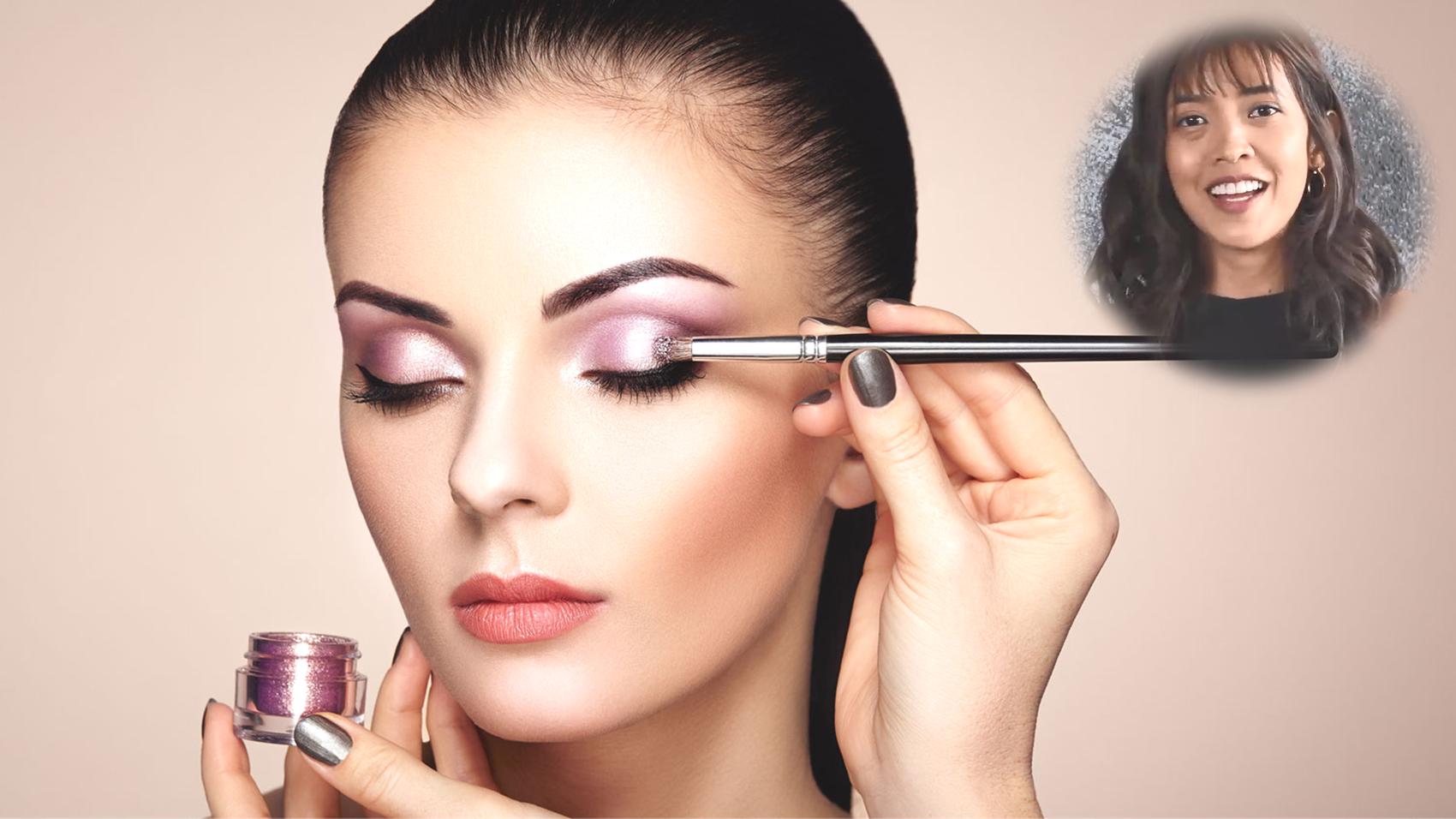
Makeup artistry is the professional practice of applying cosmetics and other products to enhance, transform, or alter a person’s appearance. It combines creativity, technical skill, and knowledge of products to achieve specific looks for clients in various settings, including fashion, film, television, theater, and personal events.
Makeup artistry plays a significant role in the beauty and entertainment industries, shaping how individuals present themselves and how characters are brought to life on screen or stage. For professionals, it offers the chance to express creativity while building a rewarding career. One major benefit is the ability to help clients feel more confident and empowered through personalized looks. Another advantage is the versatility of the field, allowing makeup artists to work in diverse environments, from photo shoots to weddings. Additionally, the profession fosters continuous learning, as trends and techniques evolve, keeping the work dynamic and engaging.
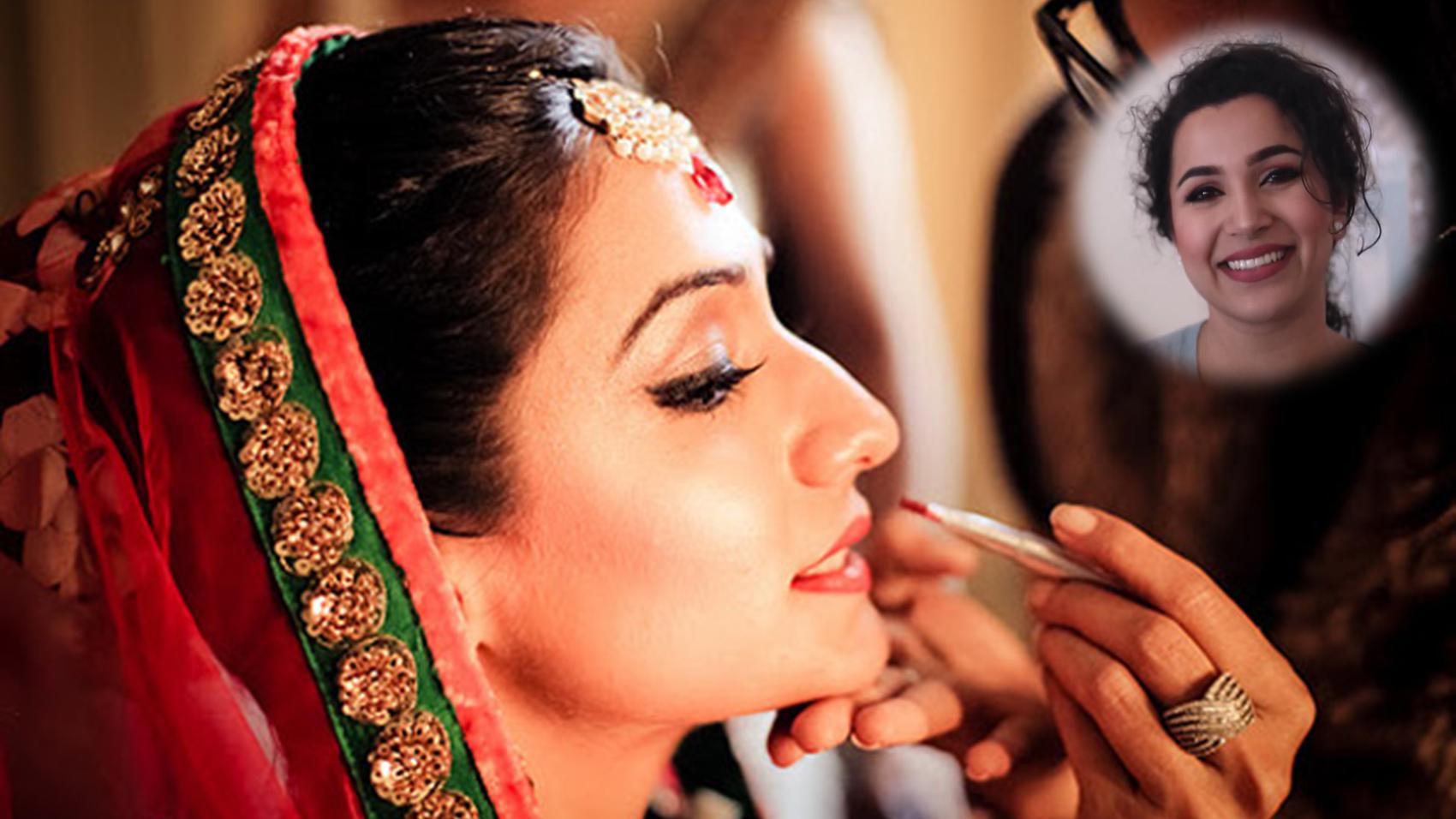
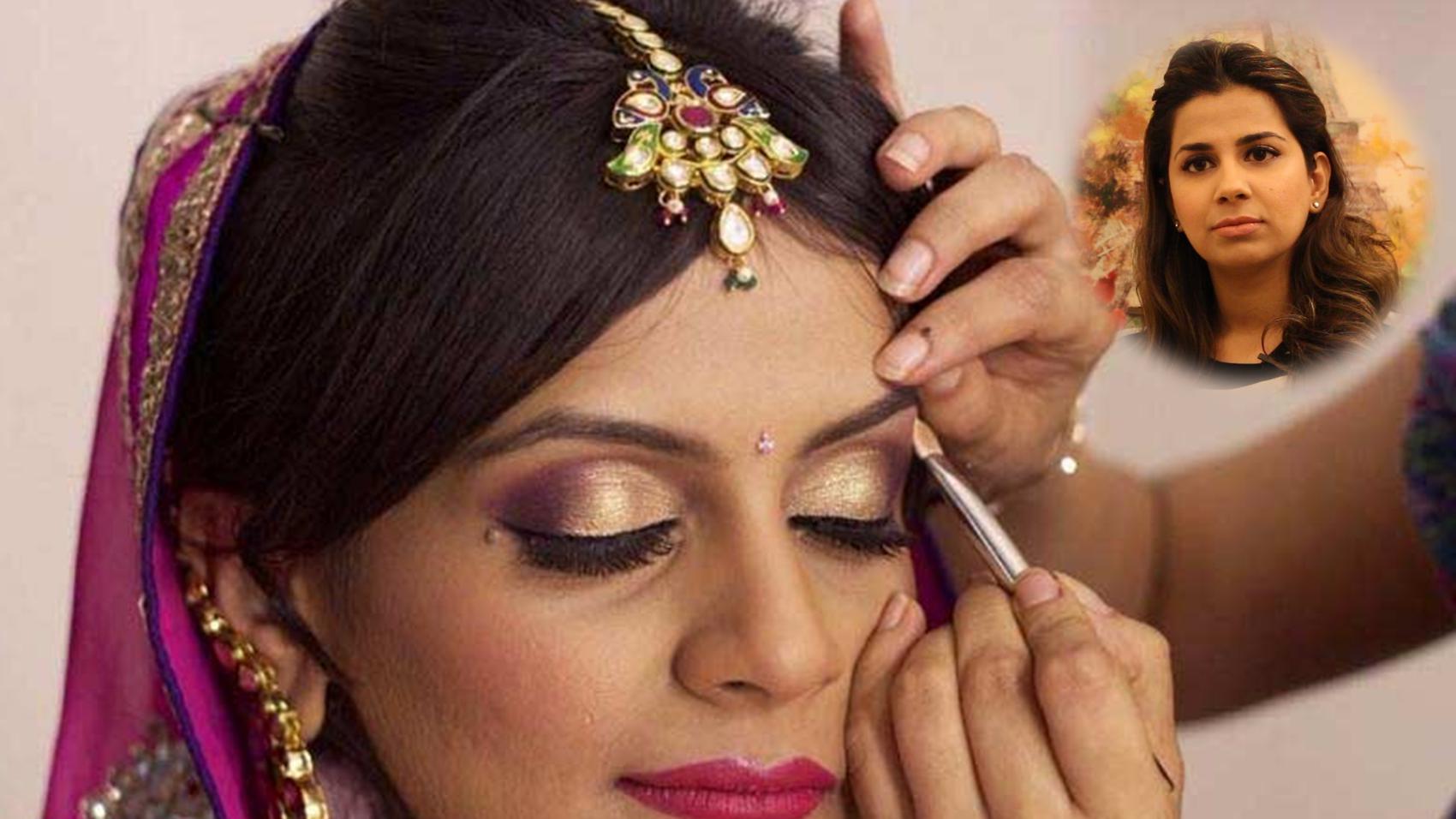
A professional makeup artist might be hired to prepare a bride for her wedding day. The artist consults with the bride to understand her vision, skin type, and preferred style. Using their expertise, the artist selects suitable products and applies makeup that enhances the bride’s features while ensuring longevity for the event. Throughout the process, the makeup artist adapts techniques to address challenges such as lighting conditions and emotional moments, like tears of joy. The final result not only boosts the bride’s confidence but also ensures she looks radiant in photographs and in person, demonstrating the transformative power and personal impact of skilled makeup artistry.
Education
Face Complexion

Face complexion refers to the natural color, tone, and texture of an individual’s facial skin, encompassing undertones, clarity, and overall appearance. In makeup artistry, understanding complexion is essential for selecting suitable products, achieving harmonious results, and enhancing natural beauty. It is a foundational concept in both study and practice.
A deep understanding of face complexion is crucial for makeup artists because it directly influences product selection, color matching, and application techniques. Mastery of complexion allows professionals to create looks that complement each client’s unique features, ensuring satisfaction and confidence. This knowledge forms the backbone of makeup artistry, enabling artists to address diverse skin tones and types with expertise. Over time, proficiency in assessing and working with different complexions enhances an artist’s reputation, broadens their client base, and opens doors to advanced roles in the industry. Continuous learning in this area ensures that makeup artists remain adaptable and skilled, meeting the evolving standards of beauty and inclusivity within the profession.
Imagine a makeup artist preparing a client for a special event. The artist begins by carefully analyzing the client’s face complexion, noting undertones, texture, and any areas of concern such as redness or unevenness. Drawing on their theoretical knowledge, the artist selects a foundation that matches the client’s undertone and applies color correctors to balance imperfections. Throughout the process, the artist adjusts techniques and product choices to suit the client’s unique skin characteristics, ensuring a flawless, natural finish. This attention to complexion not only enhances the client’s appearance but also boosts their confidence, demonstrating the practical importance of mastering face complexion in everyday professional scenarios.
Makeup Products

Makeup products are a diverse range of cosmetic formulations designed to enhance, alter, or perfect the appearance of the face and body. Understanding these products is essential in makeup artistry, as it forms the basis for selecting, applying, and recommending suitable cosmetics in both academic study and professional practice.
A thorough understanding of makeup products is vital for anyone pursuing a career in makeup artistry. This knowledge enables professionals to choose the right products for different skin types, tones, and desired effects, ensuring both safety and satisfaction for clients. Mastery of product ingredients, textures, and finishes allows makeup artists to create flawless looks while minimizing the risk of adverse reactions. Furthermore, staying informed about new product innovations and industry trends enhances credibility and adaptability in a competitive field. Over time, this expertise not only builds client trust but also opens doors to advanced roles, such as product development, brand consulting, or education within the beauty industry.
Consider a makeup artist preparing a client for a high-definition photoshoot. Drawing on their knowledge of makeup products, the artist selects a primer that controls shine and a foundation with a formula designed for camera work, ensuring a smooth, even complexion under intense lighting. They choose color-correcting concealers to address specific skin concerns and set the makeup with a finely milled powder to prevent flashback. Throughout the process, the artist’s understanding of product compatibility and performance ensures the makeup remains flawless for hours, withstands the demands of photography, and meets the client’s expectations. This scenario highlights how theoretical knowledge of makeup products directly translates into professional excellence and client satisfaction.
Face Structure & Skin Type

Face Structure & Skin Type refers to the unique combination of bone structure, facial features, and skin characteristics such as texture, oiliness, dryness, and sensitivity. In makeup artistry, understanding these elements is essential for tailoring techniques and product choices, ensuring optimal results and client satisfaction in both academic and professional settings.
A deep understanding of face structure and skin type is fundamental for any makeup artist aiming to deliver personalized and effective services. Recognizing the nuances of facial shapes—such as oval, round, or heart-shaped—enables artists to enhance natural features and create balanced, harmonious looks. Similarly, identifying skin types allows for the selection of appropriate products and application methods, minimizing adverse reactions and maximizing longevity. Mastery of these concepts not only builds client trust but also sets the groundwork for advanced techniques in editorial, bridal, or theatrical makeup. Over time, this expertise leads to a reputation for professionalism and adaptability, opening doors to diverse career opportunities and long-term success in the beauty industry.
Imagine a makeup artist preparing a client for a photoshoot. The artist first assesses the client’s face structure, noting high cheekbones and a square jawline, and then evaluates the skin, which appears combination with an oily T-zone and dry cheeks. Using this knowledge, the artist chooses a mattifying primer for the T-zone and a hydrating foundation for the cheeks, ensuring a flawless base. Contouring is strategically applied to soften the jawline and highlight the cheekbones, enhancing the client’s natural features. By adapting techniques and products to the client’s unique face structure and skin type, the makeup artist achieves a polished, camera-ready look that photographs beautifully and lasts throughout the shoot.
Lightning Knowledge

Lightning Knowledge refers to the comprehensive understanding of how different types of lighting—natural, artificial, and mixed—affect the appearance of makeup on the skin. In Makeup Artistry, this knowledge is essential for predicting and controlling how colors, textures, and finishes will look under various lighting conditions, both on camera and in person.
Understanding Lightning Knowledge is vital for makeup artists because lighting dramatically influences the perception of color, texture, and detail. Mastery of this subject ensures that makeup applications appear flawless and consistent, whether viewed in daylight, studio lighting, or on stage. This foundational knowledge allows professionals to select and apply products that enhance their client’s features while anticipating how makeup will translate in photographs, videos, or live events. Over time, expertise in Lightning Knowledge sets artists apart, enabling them to adapt to diverse environments and client needs, ultimately building a reputation for reliability and artistry in the industry. It also fosters confidence when collaborating with photographers, directors, and other creative professionals.
Imagine a makeup artist preparing a model for a high-profile fashion shoot. The shoot will take place both outdoors in natural sunlight and indoors under studio lights. Drawing on their Lightning Knowledge, the artist selects foundation shades that won’t appear washed out in bright sunlight and chooses highlighters that won’t create unwanted shine under strong artificial lights. They adjust contouring techniques to ensure facial features remain defined regardless of lighting changes. Throughout the day, the artist continually checks the model’s appearance through the camera lens and under different lighting setups, making subtle adjustments as needed. This expertise ensures the final images are consistent and flattering, demonstrating the crucial role Lightning Knowledge plays in professional makeup artistry.
Skills
Creativity

Creativity is the ability to generate original ideas, think outside conventional boundaries, and combine elements in unique ways to produce innovative results. In makeup artistry, creativity empowers professionals to design distinctive looks, adapt to diverse client needs, and transform visions into reality, making it a cornerstone of artistic and professional success.
Creativity directly enhances a makeup artist’s performance by enabling them to craft personalized and memorable looks that set them apart in a competitive industry. Clients and employers highly value this skill because it leads to fresh, trendsetting styles and the ability to adapt to various themes, occasions, or challenges. A creative makeup artist can interpret a client’s desires, suggest innovative solutions, and elevate the overall experience. Cultivating creativity involves continuous learning, experimenting with new techniques, and seeking inspiration from art, fashion, and everyday life. Over time, exposure to diverse influences and consistent practice help refine a makeup artist’s creative instincts, allowing them to confidently tackle any project with originality and flair.
Imagine a makeup artist preparing a model for a high-profile fashion show when, moments before the runway, the designer requests a dramatic change in the look to better complement a new outfit. With limited time and resources, the artist draws on their creativity to quickly conceptualize and execute a bold, cohesive look using available products. By improvising with color combinations and innovative application techniques, the artist not only meets the designer’s vision but also garners praise for their adaptability and ingenuity. This scenario highlights how creativity enables makeup artists to solve unexpected challenges and achieve standout results under pressure, reinforcing its vital role in their professional success.
Passion & Dedication

Passion & Dedication is the unwavering enthusiasm and commitment to mastering one’s craft, consistently striving for excellence, and embracing challenges with resilience. In makeup artistry, this quality fuels creativity, drives continuous learning, and ensures that each client receives personalized, high-quality service. It is the foundation for long-term professional growth.
Passion & Dedication directly elevates a makeup artist’s performance by inspiring them to stay updated with trends, refine techniques, and deliver exceptional results even under pressure. Clients and employers value this quality because it translates into reliability, artistry, and a genuine investment in every project. Cultivating passion and dedication involves setting personal goals, seeking inspiration from industry leaders, and embracing feedback as an opportunity for growth. Over time, consistently challenging oneself and celebrating small achievements helps sustain motivation and commitment, making these qualities second nature in daily practice.
Imagine a makeup artist preparing a bride for her wedding when an unexpected skin reaction threatens the look. Instead of panicking, the artist’s passion for their craft and dedication to client satisfaction drive them to quickly adapt, selecting hypoallergenic products and adjusting techniques on the spot. Their commitment ensures the bride feels confident and beautiful, turning a potential disaster into a memorable success. This scenario highlights how passion and dedication empower professionals to remain calm, resourceful, and focused on delivering the best possible outcome, even in high-pressure situations.
Practice

Practice is the consistent and deliberate repetition of techniques and processes to improve skill, accuracy, and confidence. In makeup artistry, practice involves refining application methods, experimenting with products, and mastering new trends. It is a foundational element that transforms theoretical knowledge into practical expertise, ensuring reliable and high-quality results.
The ability to practice regularly and purposefully is what separates a novice from a seasoned makeup artist. Through repeated application, artists develop muscle memory, precision, and a keen eye for detail, which directly enhances the quality and efficiency of their work. Clients and employers value artists who demonstrate mastery and adaptability, both of which are cultivated through ongoing practice. By dedicating time to practice on various skin types, face shapes, and styles, makeup artists build a diverse portfolio and gain the confidence to tackle any challenge. Over time, this commitment to improvement not only sharpens technical skills but also fosters creativity and innovation, making the artist more competitive and sought-after in the industry.
Imagine a makeup artist preparing a bride for her wedding day. The bride requests a complex look inspired by a celebrity, featuring intricate eye makeup and flawless contouring. The artist, having spent months practicing similar techniques on different models and under various lighting conditions, is able to execute the look with precision and calm under pressure. When unexpected challenges arise, such as a last-minute change in the bride’s preferences or a product reacting differently on her skin, the artist’s practiced hand and problem-solving skills ensure a seamless adaptation. The final result is a stunning, personalized look that exceeds the client’s expectations, all made possible by the artist’s dedication to continuous practice.
Hygiene

Hygiene refers to the set of practices and habits that maintain cleanliness and prevent the spread of germs, bacteria, and infections. In makeup artistry, hygiene is crucial for safeguarding both the artist and the client, ensuring that all tools, products, and workspaces remain sanitary throughout every application and interaction.
Mastering hygiene as a makeup artist directly enhances performance by reducing the risk of skin irritations, allergic reactions, and cross-contamination between clients. Clients and employers highly value artists who prioritize hygiene, as it demonstrates professionalism, care, and respect for client well-being. This trust can lead to repeat business and positive referrals. Cultivating strong hygiene habits involves consistent cleaning and disinfecting of brushes, sponges, and surfaces, as well as staying informed about best practices and industry standards. Over time, these routines become second nature, allowing the artist to focus on creativity and technique while maintaining a safe and welcoming environment for every client.
Imagine a makeup artist preparing a bride for her wedding day. Midway through the session, the artist notices a small blemish on the bride’s cheek. Relying on strict hygiene protocols, the artist immediately sanitizes her hands, uses a disposable applicator, and ensures that no product is double-dipped. This careful attention prevents the blemish from worsening or spreading bacteria, allowing the bride to enjoy her special day without concern. The bride, reassured by the artist’s professionalism and cleanliness, feels confident and cared for. This scenario highlights how a commitment to hygiene not only resolves potential issues but also builds trust and enhances the overall client experience.
Coordination

Coordination is the ability to efficiently synchronize physical movements, mental focus, and communication skills to achieve precise and harmonious results. In makeup artistry, coordination ensures that every brushstroke, color blend, and product application is executed with accuracy and consistency, forming the foundation for flawless and creative makeup looks.
Coordination directly enhances a makeup artist’s performance by enabling them to work swiftly and accurately, especially under time constraints or in high-pressure environments such as fashion shows or film sets. Clients and employers highly value this skill because it leads to consistent, high-quality results and minimizes errors or delays. A makeup artist with strong coordination can seamlessly transition between different techniques, tools, and products, adapting to various face shapes and skin types with ease. Developing coordination requires regular practice, mindfulness, and a willingness to learn from feedback. Over time, artists can refine their hand-eye coordination, multitasking abilities, and communication skills by engaging in diverse projects, observing experienced professionals, and staying updated with industry trends.
Imagine a makeup artist preparing a model for a live runway show. Suddenly, the schedule changes, and the artist has only ten minutes to complete a complex look. Relying on their coordination, the artist quickly organizes their tools, communicates with the model and team, and executes each step with precision. They blend foundation flawlessly, apply intricate eye makeup, and adjust details on the fly, all while maintaining a calm and professional demeanor. Their ability to synchronize movements and manage time efficiently ensures the model is ready on schedule, impressing both the client and the production team. This scenario highlights how coordination is not just about technical skill, but also about adaptability and effective teamwork in high-stress situations.
Friendly Behaviour

Friendly Behaviour refers to consistently displaying warmth, approachability, respect, and genuine interest in others, fostering a positive and comfortable environment. In Makeup Artistry, this quality is crucial because it builds trust, encourages open communication, and helps clients feel relaxed and valued, ultimately enhancing the overall service experience and satisfaction.
Friendly Behaviour directly improves performance in Makeup Artistry by creating a welcoming atmosphere where clients feel at ease expressing their preferences and concerns. Clients and employers highly value this skill because it transforms routine appointments into memorable experiences, often leading to repeat business and positive referrals. Cultivating Friendly Behaviour involves practicing active listening, maintaining a positive attitude, and showing empathy during every interaction. Over time, professionals can refine this skill by seeking feedback, observing experienced colleagues, and reflecting on their own communication style. By consistently demonstrating friendliness, makeup artists not only enhance client relationships but also contribute to a harmonious workplace, which can lead to greater job satisfaction and career advancement.
Imagine a makeup artist preparing a nervous bride for her wedding day. The bride expresses anxiety about her appearance and the tight schedule. The makeup artist, relying on Friendly Behaviour, listens attentively, offers reassuring words, and maintains a calm, cheerful demeanor. This approach helps the bride relax, trust the artist’s expertise, and communicate her preferences more openly. As a result, the makeup session proceeds smoothly, the bride feels confident and beautiful, and the positive experience leads her to recommend the artist to friends and family. In this scenario, Friendly Behaviour not only resolves immediate stress but also fosters long-term professional success through client satisfaction and referrals.
Positives
Monetary Potential

Monetary potential refers to the capacity for significant financial gain and income growth within a chosen profession, based on skill, demand, and entrepreneurial opportunities. In makeup artistry, this potential is a powerful motivator, as it allows professionals to turn their creative talents into a lucrative and sustainable career, fostering both independence and ambition.
The monetary potential in makeup artistry is a driving force that elevates the profession beyond a simple passion or hobby. It matters because it provides artists with the opportunity to achieve financial stability while pursuing their creative interests. This financial reward enhances job satisfaction, as artists see tangible results from their hard work and dedication. The ability to set their own rates, take on diverse projects, and even build their own brands means that makeup artists can continually increase their earning power. Every day, professionals in this field experience the benefit of monetary potential through client bookings, special event opportunities, and collaborations, all of which contribute to a sense of accomplishment and motivation to grow further.
Consider a makeup artist who starts by offering services for local events and gradually builds a loyal clientele. As their reputation grows, they are invited to work on high-profile weddings, fashion shoots, and even television productions. With each new opportunity, their income increases, allowing them to invest in better tools, attend advanced training, and expand their business. The artist not only enjoys the creative fulfillment of transforming clients but also experiences the satisfaction of financial success. This journey demonstrates how the monetary potential in makeup artistry can turn passion into prosperity, empowering professionals to achieve both personal and economic goals.
Name & Fame

"Name & Fame" refers to the recognition, respect, and widespread acknowledgment a makeup artist gains through their creative work and professional achievements. It encompasses the admiration from clients, peers, and the public, as well as the establishment of a reputable personal brand that stands out in the beauty industry. This positive aspect elevates the profession by providing artists with a sense of accomplishment and belonging. In makeup artistry, Name & Fame not only validates an artist’s talent but also opens doors to new opportunities, collaborations, and a loyal clientele. The pursuit and attainment of Name & Fame inspire artists to continually refine their skills, knowing their efforts will be celebrated and remembered.
The allure of Name & Fame in makeup artistry significantly enhances job satisfaction and career growth. When artists are recognized for their unique style and expertise, it fuels their passion and motivates them to push creative boundaries. This recognition often leads to increased demand for their services, invitations to work on high-profile projects, and opportunities to collaborate with celebrities or major brands. The daily experience of being acknowledged by clients, featured in media, or recommended by word of mouth creates a rewarding cycle of positive feedback. This not only boosts self-confidence but also fosters a deep sense of pride and fulfillment, making every challenge in the profession worthwhile. Ultimately, Name & Fame transforms makeup artistry from a job into a celebrated vocation.
Imagine a makeup artist who started their journey working at a small local salon. Through dedication, creativity, and consistent excellence, their work begins to attract attention on social media. Soon, clients specifically request their services, and their unique makeup looks are featured in local magazines. Invitations to work backstage at fashion shows and collaborate with influencers follow, further amplifying their reputation. As their name becomes synonymous with quality and innovation, the artist experiences the joy of being recognized wherever they go. This growing Name & Fame not only brings a steady stream of exciting opportunities but also instills a profound sense of achievement, making every effort feel meaningful and every day on the job inspiring.
Growth Opportunities

Growth opportunities refer to the potential for continuous learning, skill enhancement, and career advancement within a chosen field. In makeup artistry, this means professionals can expand their expertise, explore new trends, and progress into diverse roles. Such opportunities foster creativity, adaptability, and long-term satisfaction, making the profession dynamic and fulfilling.
The presence of growth opportunities in makeup artistry is a powerful motivator, fueling both personal and professional development. Artists are encouraged to refine their techniques, experiment with innovative products, and stay updated with evolving beauty trends. This constant evolution keeps the work exciting and prevents stagnation, ensuring that every day offers a chance to learn something new. As artists gain experience, they can move into specialized areas such as editorial, bridal, or theatrical makeup, or even become educators and influencers. The ability to shape one’s own career path and witness tangible progress boosts confidence and job satisfaction, making makeup artistry a truly rewarding field.
Consider a makeup artist who begins their career working at a local salon, mastering foundational techniques and building a loyal clientele. Over time, they attend workshops, learn advanced skills, and connect with industry professionals. Inspired by these experiences, they start freelancing for fashion shows and photo shoots, eventually launching their own makeup brand. Each step along the way is marked by new challenges and achievements, demonstrating how growth opportunities not only enhance their expertise but also open doors to exciting ventures. This journey illustrates how makeup artistry offers continuous avenues for advancement, creativity, and personal fulfillment.
Challenges
Quick Makeup

Quick Makeup in the context of Makeup Artistry refers to the ability to deliver high-quality, camera-ready looks within a significantly reduced timeframe, often under ten to fifteen minutes. This challenge is demanding because it requires exceptional speed, precision, and adaptability without compromising the artistry, client satisfaction, or the durability of the finished look.
The pressure of quick makeup applications can disrupt a makeup artist’s workflow, leading to heightened stress and the risk of errors or overlooked details. This challenge demands resilience, as professionals must remain calm and focused despite time constraints. Successful artists manage this by refining their techniques, memorizing efficient product placements, and preparing their kits for rapid access. They also develop strong communication skills to quickly assess client needs and preferences, ensuring that even under pressure, the client feels heard and valued. By practicing time management and embracing adaptability, seasoned professionals turn quick makeup situations into opportunities to showcase their expertise and reliability, often earning trust and repeat business from clients who appreciate their efficiency.
Consider a makeup artist working backstage at a fashion show, where models arrive late and the schedule is tight. With only minutes to spare before the runway, the artist must create a flawless look that aligns with the designer’s vision. Drawing on experience, the artist prioritizes essential steps, uses multi-purpose products, and maintains composure despite the chaos. By focusing on key features and employing techniques honed through practice, the artist delivers a polished result within the limited timeframe. The model steps onto the runway looking impeccable, and the designer is impressed by the artist’s ability to perform under pressure. This scenario highlights how preparation, skill, and adaptability enable professionals to overcome the challenge of quick makeup.
Dealing With Guests

Dealing with guests in makeup artistry refers to managing the diverse personalities, expectations, and emotions of clients and their companions during appointments or events. This challenge is demanding because it requires balancing technical skills with interpersonal finesse, often under time constraints and high-pressure situations, to ensure a positive and professional experience.
The difficulty of dealing with guests can significantly impact a makeup artist’s daily routine, as unpredictable client moods or demanding requests may disrupt workflow and increase stress. This challenge requires resilience because artists must remain calm, adaptable, and diplomatic, even when faced with criticism or unrealistic expectations. Successful professionals manage this constraint by setting clear boundaries, communicating openly about what is achievable, and maintaining a positive demeanor. They also develop strong listening skills to understand client needs while gently guiding them toward realistic outcomes. By fostering trust and demonstrating empathy, makeup artists can transform potentially tense interactions into collaborative experiences, ultimately enhancing client satisfaction and professional reputation.
Imagine a makeup artist preparing a bride for her wedding, surrounded by anxious family members offering conflicting opinions. The bride becomes overwhelmed by the barrage of suggestions, risking a negative experience. The makeup artist calmly acknowledges everyone’s input but gently redirects the focus to the bride’s preferences, reassuring her and validating her choices. By maintaining professionalism and empathy, the artist diffuses tension, establishes trust, and creates a supportive environment. The bride feels heard and confident, and the family members appreciate the artist’s tact. This approach not only ensures a successful makeup application but also leaves a lasting impression of the artist’s ability to gracefully handle challenging guest dynamics.
Convincing

In Makeup Artistry, "Convincing" refers to the ongoing effort required to assure clients, collaborators, or decision-makers of the suitability and effectiveness of a chosen makeup look or technique. This challenge is demanding because it involves not only technical skill but also emotional intelligence, communication, and the ability to build trust under pressure.
The challenge of convincing can significantly affect a makeup artist’s daily workflow, often requiring extra time and energy to explain creative choices or adapt to client hesitations. This ongoing negotiation can be emotionally taxing, especially when clients are unsure or resistant to new ideas. Resilience is essential, as repeated rejections or doubts can undermine confidence. Successful professionals manage this constraint by developing strong interpersonal skills, actively listening to client concerns, and demonstrating their expertise through clear explanations and visual references. By fostering open communication and maintaining a positive, patient attitude, they gradually build credibility and trust, making it easier to guide clients toward the best possible outcomes.
Consider a makeup artist preparing a bride for her wedding day. The bride is anxious about trying a bold lip color, fearing it will overshadow her natural features. The artist listens attentively, acknowledges her concerns, and explains how the color complements her skin tone and the overall theme. By showing photos of similar looks and offering a trial application, the artist helps the bride visualize the result. Through reassurance and professional guidance, the bride’s apprehension eases, and she agrees to proceed. The final look not only delights the bride but also earns praise from guests, illustrating how skillful convincing can transform uncertainty into satisfaction and trust.
A Day Of
Makeup Artistry
The world of makeup artistry is a whirlwind of color, creativity, and constant motion, where no two days ever look quite the same. From the moment the first brush is dipped into a palette, the pace is brisk and the energy palpable, whether backstage at a bustling fashion show, on set for a commercial shoot, or in the calm of a private client’s home. The environment is a blend of artistry and precision, requiring a keen eye for detail, adaptability to shifting schedules, and the ability to transform vision into reality under tight timelines. For a makeup artist, the day is a dynamic journey that unfolds in distinct stages, each demanding its own unique set of skills and focus.
As dawn breaks, a makeup artist’s day often begins with meticulous preparation. This early morning phase is all about organizing the kit, sanitizing brushes, and reviewing the day’s schedule, whether it involves a bridal party, editorial shoot, or television production. The artist checks client notes, mood boards, and any special requests, ensuring that every product and tool is accounted for. This quiet, focused time sets the tone for the day, allowing the artist to mentally map out looks and anticipate any challenges that might arise.
By mid-morning, the pace accelerates as the core work begins. This is when the makeup artist steps into the heart of their craft, working directly with clients, models, or actors. The environment buzzes with anticipation as faces are cleansed, primed, and transformed according to the creative brief. Communication is key, as the artist collaborates with photographers, stylists, or directors to ensure the final look aligns perfectly with the vision. The pressure is on to deliver flawless results, often within tight timeframes, making this the most intense and rewarding part of the day.
Afternoon brings a shift toward collaboration and execution. The makeup artist remains on hand for touch-ups, quick changes, and adjustments under the scrutiny of bright lights or changing weather conditions. This phase often involves working closely with hair stylists, wardrobe teams, and production staff to maintain continuity and address any last-minute tweaks. Flexibility and problem-solving are essential, as unexpected challenges—like a sudden change in lighting or a wardrobe malfunction—can require immediate attention and creative solutions.
As the day winds down, the makeup artist transitions into wrap-up mode. Brushes and palettes are cleaned and sanitized, notes are updated with feedback or ideas for improvement, and invoices or social media posts may be drafted. This is also the time to research upcoming trends, review client feedback, and plan for the next day’s assignments. The quiet satisfaction of a job well done mingles with anticipation for tomorrow’s creative challenges, as the artist ensures they are ready to bring fresh inspiration to their next canvas. |


 Home
Home Abroad
 Plan
Plan Philosophy
 Seminar
 Pages
Pages Advisors
 Testimonials











 Workshop
 Discuss
 Meet
Meet
 Advisor
 Story
Story
 Fine Print
 Links
Links
 Blog
Blog
 Follow
