The Journey of Makeup Artistry
What Is Makeup Artistry
Makeup Artistry

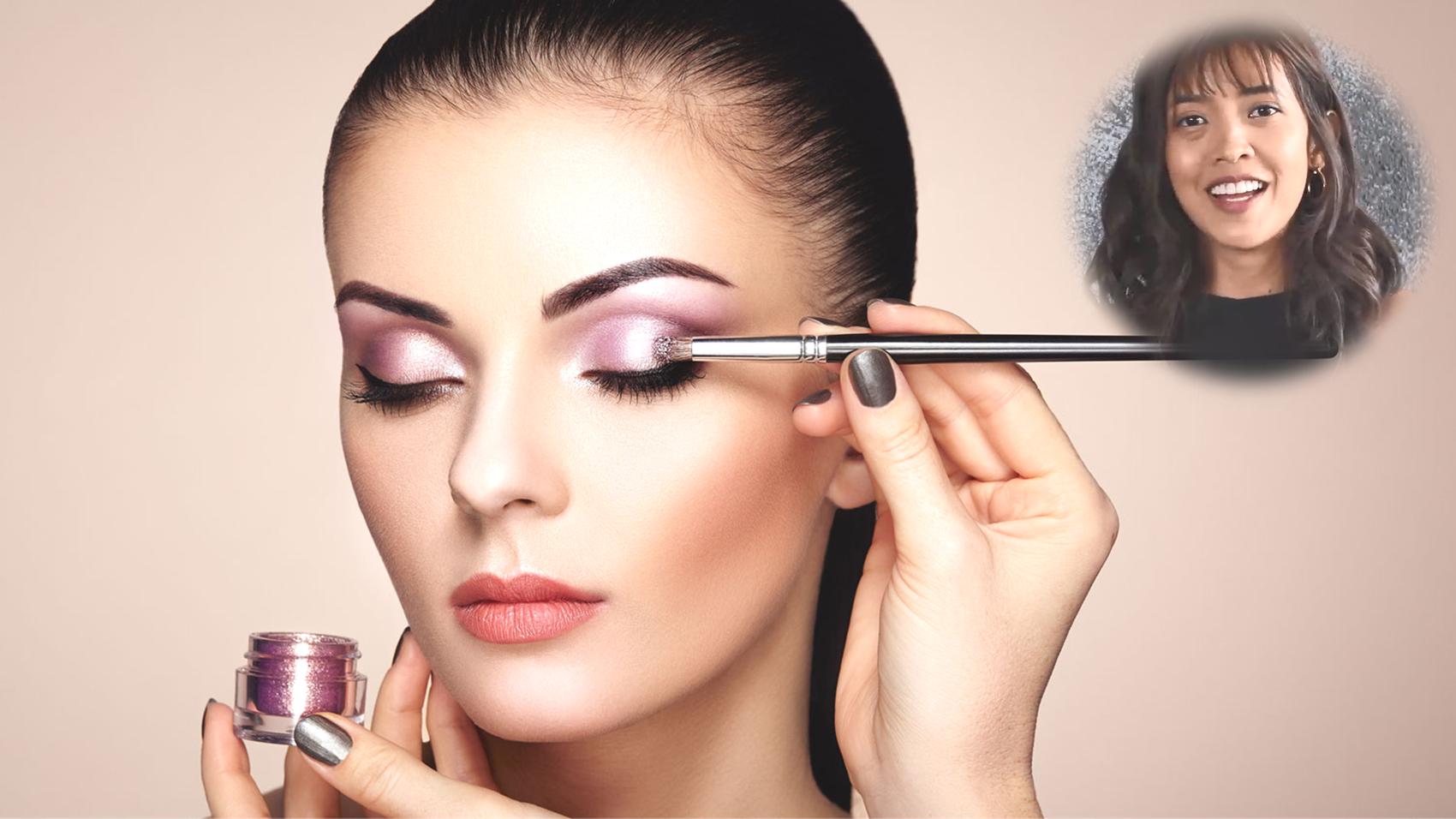
Makeup artistry is the professional application of cosmetics and techniques to enhance, transform, or alter a person’s appearance. It combines creativity, technical skill, and knowledge of products to achieve desired looks for various occasions, including fashion, film, television, photography, theater, and personal events.
Makeup artistry plays a significant role in the beauty and entertainment industries, shaping how individuals present themselves and how characters are brought to life on screen or stage. For professionals, it offers creative expression and the opportunity to build a diverse portfolio across different media. One major benefit is the ability to help clients feel more confident and empowered through personalized looks. Another advantage is the flexibility of career paths, from freelance work to positions in salons, retail, or production companies. Additionally, makeup artistry fosters continuous learning, as trends and techniques evolve, keeping the profession dynamic and engaging.
A professional makeup artist working on a film set collaborates closely with directors and costume designers to develop character looks that align with the story’s vision. For a period drama, the artist researches historical makeup styles and selects appropriate products to create authentic appearances for each actor. Throughout filming, the makeup artist is responsible for maintaining continuity, making touch-ups between scenes, and adapting looks as needed for lighting or special effects. This hands-on involvement not only enhances the visual storytelling but also ensures that actors feel comfortable and confident in their roles, demonstrating the vital contribution of makeup artistry to the overall production.
Education
Products

"Products" in makeup artistry refers to the diverse range of cosmetics, tools, and materials used to create, enhance, or alter a person's appearance. Understanding products encompasses knowledge of their ingredients, uses, application techniques, and compatibility with different skin types, making it a core component of both academic study and professional practice.
A deep understanding of products is essential for every makeup artist, as it directly impacts the quality, safety, and creativity of their work. Mastery of product knowledge enables professionals to select the right cosmetics for various skin tones, textures, and conditions, ensuring optimal results and client satisfaction. This expertise also helps artists navigate the ever-evolving beauty industry, where new formulations and trends constantly emerge. By staying informed about products, makeup artists can make educated choices, avoid adverse reactions, and maintain high hygiene standards. Over time, this foundational knowledge builds trust with clients and employers, enhances professional credibility, and opens doors to advanced roles in product development, education, or brand representation.
Consider a makeup artist preparing a client for a photoshoot. Drawing on their knowledge of products, the artist selects a primer suitable for oily skin to ensure longevity, chooses a foundation that matches the client’s undertone, and applies a setting spray to lock in the look. When the client mentions a sensitivity to certain ingredients, the artist confidently identifies hypoallergenic alternatives, preventing irritation. Throughout the session, the artist uses clean brushes and disposables, understanding the importance of product hygiene. This thoughtful approach not only delivers a flawless result under studio lights but also reassures the client of the artist’s professionalism and expertise, all rooted in a thorough understanding of products.
Skin Types

Skin types refer to the classification of human skin based on its characteristics, such as oiliness, dryness, sensitivity, and combination features. In makeup artistry, understanding skin types is essential because it influences product selection, application techniques, and overall results, forming a crucial part of both academic study and professional practice.
A deep understanding of skin types is fundamental for anyone pursuing a career in makeup artistry. This knowledge allows professionals to assess clients’ skin accurately and choose products that enhance appearance while maintaining skin health. Recognizing differences between oily, dry, combination, and sensitive skin ensures that makeup is applied in a way that is both flattering and long-lasting. Mastery of this subject also helps prevent adverse reactions and builds client trust, as clients feel confident that their unique needs are being addressed. Over time, expertise in skin types enhances a makeup artist’s reputation, increases client satisfaction, and opens doors to advanced roles in the beauty industry, such as skincare consulting or product development.
Imagine a makeup artist preparing a client for a wedding. Upon consultation, the artist observes that the client has combination skin, with an oily T-zone and dry cheeks. Drawing on their knowledge of skin types, the artist selects a mattifying primer for the forehead, nose, and chin, while applying a hydrating moisturizer to the cheeks. They choose foundation formulas that balance oil control and hydration, ensuring the makeup remains flawless throughout the event. By tailoring their approach to the client’s specific skin type, the artist not only achieves a beautiful, long-lasting look but also demonstrates professionalism and care, resulting in a positive experience and likely future referrals.
Makeup Tools

Makeup tools refer to the specialized instruments and applicators—such as brushes, sponges, tweezers, and palettes—used to apply, blend, and perfect cosmetic products on the skin. Mastery of these tools is essential in both academic training and professional practice, forming a core component of comprehensive makeup artistry education.
Understanding makeup tools is vital for anyone pursuing a career in makeup artistry because these instruments directly influence the quality, precision, and hygiene of cosmetic application. A deep knowledge of each tool’s function, material, and maintenance ensures that artists can achieve diverse looks, cater to various skin types, and uphold industry standards. This foundational expertise not only enhances technical skills but also builds client trust and professional credibility. Over time, proficiency with makeup tools allows artists to adapt to new trends, work efficiently under pressure, and maintain high standards of safety and sanitation, all of which are crucial for long-term success and advancement in the beauty industry.
Imagine a professional makeup artist preparing a client for a high-profile photoshoot. Drawing on their theoretical understanding of makeup tools, the artist selects the appropriate brushes for foundation, contouring, and eyeshadow, ensuring seamless blending and precise application. They use sanitized tweezers to apply false lashes and a beauty sponge to achieve a flawless complexion. Throughout the process, the artist’s knowledge of tool care and hygiene prevents cross-contamination, protecting the client’s skin health. This expertise not only results in a polished, camera-ready look but also demonstrates the artist’s professionalism and commitment to industry best practices, reinforcing their reputation and client satisfaction.
Application Techniques

Application Techniques refer to the methods and processes used to apply makeup products skillfully and effectively to achieve desired looks. This knowledge encompasses brushwork, blending, layering, and product placement. Mastery of application techniques is essential in both academic study and professional practice within the field of Makeup Artistry.
Understanding application techniques is fundamental for any aspiring or practicing makeup artist. These techniques form the backbone of all makeup work, enabling professionals to create flawless, tailored looks for diverse clients and occasions. Mastery of application methods ensures consistency, efficiency, and adaptability, allowing artists to work confidently across various skin types, facial structures, and makeup styles. As trends and products evolve, a strong grasp of application techniques empowers artists to innovate and refine their craft, maintaining relevance in a competitive industry. Over time, this expertise contributes to building a reputable portfolio, attracting clients, and opening doors to advanced career opportunities such as editorial, theatrical, or special effects makeup.
Consider a makeup artist preparing a client for a high-profile photoshoot. Drawing on their knowledge of application techniques, the artist selects the appropriate brushes and tools, ensuring foundation is seamlessly blended for a camera-ready finish. They expertly layer products, using stippling and buffing motions to achieve a natural yet flawless complexion. When applying eye makeup, the artist utilizes precise blending techniques to create depth and dimension, adapting their approach to suit the client’s unique eye shape. Throughout the process, their understanding of product placement and layering ensures long-lasting, photogenic results. This practical application of theoretical knowledge not only enhances the client’s appearance but also demonstrates the artist’s professionalism and technical skill.
Stepwise Procedures

Stepwise Procedures refer to a systematic approach where tasks are broken down into a logical sequence of individual steps, each building upon the previous one to achieve a desired outcome. In Makeup Artistry, this method ensures precision, consistency, and efficiency, forming a crucial part of both academic study and professional practice.
Understanding and applying stepwise procedures is essential for makeup artists because it guarantees that each phase of the makeup process is executed correctly and in the right order. This structured approach minimizes errors, enhances creativity within a controlled framework, and ensures client safety and satisfaction. Mastery of stepwise procedures allows professionals to confidently tackle complex looks, adapt to various skin types, and troubleshoot challenges efficiently. Over time, this foundational knowledge leads to improved speed, reliability, and reputation, which are critical for career advancement. Employers and clients alike value artists who demonstrate methodical precision, as it reflects professionalism and a commitment to high standards in every application.
Imagine a makeup artist preparing a client for a high-profile photoshoot. The artist begins by cleansing and moisturizing the skin, followed by primer application, foundation blending, concealer placement, and then setting the base with powder. Each subsequent step, such as contouring, eye makeup, and lip color, is performed in a deliberate order, ensuring optimal results and longevity of the look. By adhering to stepwise procedures, the artist can efficiently manage time, maintain hygiene, and deliver a flawless finish, even under tight deadlines. This methodical process not only enhances the client’s experience but also allows the artist to consistently replicate high-quality results, reinforcing their professional credibility.
Skills
Creativity & Imagination

Creativity & Imagination is the ability to generate original ideas, visualize possibilities, and transform concepts into reality by thinking beyond conventional boundaries. In makeup artistry, this skill empowers professionals to design unique looks, adapt to diverse client needs, and continually innovate, making it a cornerstone of artistic and professional success.
Creativity & Imagination directly enhances a makeup artist’s performance by enabling them to craft distinctive looks tailored to each client or project. Clients and employers highly value this skill because it leads to memorable, personalized results that stand out in a competitive industry. A makeup artist who consistently demonstrates creative flair is more likely to attract loyal clients and exciting opportunities. Cultivating this skill involves staying curious, seeking inspiration from various art forms, experimenting with new techniques, and embracing feedback. Over time, exposure to different styles and challenges helps artists refine their imaginative abilities, ensuring they remain adaptable and innovative in their work.
Imagine a makeup artist preparing a model for a high-profile fashion show when, moments before the runway, the designer requests a dramatic change to match a new theme. Relying on Creativity & Imagination, the artist quickly envisions a bold, avant-garde look using available products and tools. By improvising with unconventional color combinations and textures, the artist transforms the model’s appearance in record time, perfectly aligning with the designer’s vision. This quick thinking and inventive approach not only save the show but also earn the artist recognition for their adaptability and artistic talent, demonstrating how essential Creativity & Imagination is in overcoming challenges and achieving professional success.
Color Blending

Color blending is the artful technique of seamlessly merging two or more makeup shades to create smooth transitions, gradients, or custom hues. This skill ensures that makeup appears natural, harmonious, and flattering on the skin. In a makeup artist’s toolkit, color blending is fundamental for achieving professional, polished, and personalized results.
Mastering color blending elevates a makeup artist’s work by ensuring that products like foundation, eyeshadow, and blush meld flawlessly with the client’s complexion and features. Clients and employers highly value this skill because it demonstrates technical proficiency and an eye for detail, resulting in makeup that enhances rather than masks natural beauty. Over time, artists can cultivate color blending through consistent practice, studying color theory, and experimenting with various textures and tools. Observing how different pigments interact on diverse skin tones and under different lighting conditions further refines this ability. As artists gain experience, their confidence in blending grows, allowing them to create both subtle and dramatic effects tailored to each client’s needs.
Imagine a makeup artist preparing a bride for her wedding day. The bride has uneven skin tone and requests a radiant, flawless complexion that looks natural in both daylight and photographs. The artist relies on expert color blending to mix foundation shades, concealers, and highlighters, ensuring that transitions between products are invisible. By carefully blending along the jawline, hairline, and neck, the artist avoids harsh lines and patchiness. The result is a luminous, even finish that enhances the bride’s features and withstands the scrutiny of high-definition cameras. In this scenario, the artist’s proficiency in color blending not only solves the challenge of uneven skin but also delivers a memorable, confidence-boosting experience for the client.
Client Handling

Client handling refers to the ability to communicate effectively, understand client needs, manage expectations, and build trust throughout the service process. In makeup artistry, this skill ensures that clients feel heard, valued, and comfortable, which is crucial for delivering personalized results and fostering long-term professional relationships.
Mastering client handling significantly elevates a makeup artist’s performance by enabling clear communication, reducing misunderstandings, and ensuring client satisfaction. Clients and employers highly value this skill because it leads to positive experiences, repeat business, and strong referrals. To cultivate client handling abilities, makeup artists should practice active listening, empathy, and adaptability during consultations and appointments. Over time, seeking feedback, observing experienced professionals, and reflecting on interactions can further refine this skill. By consistently prioritizing client comfort and open dialogue, makeup artists not only enhance their technical work but also establish a reputation for professionalism and reliability, which are essential for career growth in a competitive industry.
Imagine a makeup artist preparing a bride for her wedding day. The bride arrives feeling anxious, expressing concerns that the makeup might not suit her skin tone or match her vision. The makeup artist draws on client handling skills, calmly listening to the bride’s worries and asking thoughtful questions to clarify her preferences. Through reassurance and clear explanations of product choices and techniques, the artist builds trust and eases the bride’s nerves. By adapting the makeup application based on the bride’s feedback and maintaining open communication, the artist not only delivers a look that exceeds expectations but also creates a memorable, positive experience. This approach results in a satisfied client who is likely to recommend the artist to others.
Personal Grooming

Personal grooming refers to the consistent practice of maintaining cleanliness, neatness, and a polished appearance through proper hygiene, skincare, hair care, and attire. In makeup artistry, personal grooming is a vital skill because it reflects professionalism, attention to detail, and respect for both clients and the work environment. It sets the standard for client trust and confidence.
Personal grooming directly enhances a makeup artist’s performance by ensuring they present themselves as credible and trustworthy professionals. Clients and employers notice when a makeup artist is well-groomed, as it signals reliability, discipline, and a genuine passion for beauty. This attention to self-care reassures clients that the artist will apply the same level of care and precision to their work. Over time, cultivating personal grooming involves developing daily routines, staying updated on industry trends, and consistently evaluating one’s appearance. By investing in personal grooming, makeup artists not only improve their own image but also elevate the overall client experience, making them more likely to be recommended and rehired.
Imagine a makeup artist preparing for a high-profile bridal photoshoot. On arrival, the client is visibly anxious about her appearance and the day’s schedule. The artist, impeccably groomed with tidy hair, clean hands, and a fresh, professional outfit, immediately puts the client at ease. The client’s trust grows as she observes the artist’s attention to hygiene and detail, which reassures her about the safety and quality of the service. When a last-minute change in the schedule requires the artist to work quickly and efficiently, their well-maintained appearance and organized kit allow them to adapt seamlessly. The client leaves satisfied, attributing much of her positive experience to the artist’s professionalism and personal grooming.
Patience

Patience is the ability to remain calm, composed, and persistent in the face of delays, challenges, or repetitive tasks, without becoming frustrated or giving up. In makeup artistry, patience allows professionals to perfect their craft, handle demanding clients, and achieve flawless results, making it a vital component of their skillset.
Patience directly enhances a makeup artist’s performance by enabling them to focus on intricate details, blend products seamlessly, and adapt to unexpected changes during appointments or shoots. Clients and employers highly value this quality because it ensures a relaxed, professional atmosphere and consistently high standards, even under pressure. Cultivating patience involves practicing mindfulness, setting realistic expectations, and embracing each project as an opportunity to learn and grow. Over time, repeated exposure to diverse clients and challenging situations helps makeup artists develop the resilience and calm needed to navigate their careers successfully.
Imagine a makeup artist preparing a bride for her wedding day. The bride is anxious, requests several changes, and the schedule is tight. Instead of rushing or showing frustration, the artist listens attentively, calmly adjusts the makeup, and reassures the bride throughout the process. By exercising patience, the artist not only delivers a beautiful final look but also creates a soothing environment, turning a potentially stressful situation into a memorable, positive experience. This approach not only satisfies the client but also enhances the artist’s reputation for professionalism and reliability, leading to more referrals and long-term success.
Positives
Creative Satisfaction

Creative satisfaction is the deep sense of fulfillment and joy that arises from expressing one’s imagination, skills, and artistic vision through their work. In makeup artistry, this satisfaction comes from transforming ideas into reality, experimenting with colors and techniques, and seeing the immediate, tangible results of one’s creative efforts on a living canvas.
Creative satisfaction is a driving force that makes a career in makeup artistry uniquely rewarding. It transforms daily tasks into opportunities for self-expression and innovation, allowing artists to continually evolve their style and techniques. This sense of fulfillment not only boosts job satisfaction but also fuels motivation and resilience, even during challenging projects. Makeup artists often find themselves inspired by the diversity of faces and personalities they encounter, which keeps their work dynamic and engaging. The ability to see their creative vision come to life, whether for a photoshoot, a wedding, or a theatrical production, provides a lasting sense of pride and accomplishment. This ongoing creative engagement fosters personal growth and professional development, making each day in the field exciting and meaningful.
Imagine a makeup artist preparing a client for a themed fashion show. The brief calls for a bold, avant-garde look inspired by abstract art. The artist spends hours conceptualizing, sketching, and experimenting with unconventional materials and colors. As the final look comes together backstage, the artist sees their vision realized in a way that exceeds expectations. The model beams with confidence, and the creative team is genuinely impressed by the originality and execution. In that moment, the makeup artist experiences profound creative satisfaction, knowing their unique artistry has made a memorable impact. This sense of achievement and recognition is a powerful reminder of why they chose this creative path.
Fame

Fame is the widespread recognition and admiration received from the public or within a specific industry for exceptional talent, creativity, and achievements. In makeup artistry, fame elevates professionals by showcasing their skills to a broader audience, opening doors to new opportunities, and establishing them as influential trendsetters in the beauty world.
The allure of fame in makeup artistry extends far beyond the spotlight. When makeup artists gain recognition, their work is celebrated and shared, leading to a sense of pride and accomplishment. This visibility often results in invitations to collaborate with renowned brands, celebrities, or participate in high-profile events. Such recognition not only enhances professional credibility but also fuels personal growth and motivation. The daily experience of being acknowledged for one’s artistry inspires continuous learning and innovation, making the career deeply satisfying. Fame also brings a sense of community, as admired artists often become mentors and role models, influencing aspiring professionals and shaping the future of the industry.
Imagine a makeup artist who, after years of dedication, is featured in a leading fashion magazine for their innovative bridal looks. Overnight, their social media following surges, and they receive messages of admiration from around the world. Invitations to work on television sets, collaborate with top designers, and speak at beauty conventions soon follow. Each day, the artist sees their work celebrated online and in print, fueling their passion and creativity. This newfound fame not only validates their hard work but also inspires others, creating a ripple effect of positivity and ambition throughout the makeup artistry community.
Stay Updated

"Stay Updated" means consistently learning about the latest trends, products, techniques, and industry standards in makeup artistry. This ongoing commitment to knowledge ensures that makeup artists remain relevant, innovative, and competitive. By embracing change and growth, professionals can deliver fresh, creative looks and meet the evolving needs of their clients.
Staying updated is a cornerstone of success in makeup artistry because the beauty industry is always evolving. New products, styles, and technologies emerge regularly, and clients look to artists for the latest looks and expert advice. By keeping up with trends and advancements, makeup artists feel more confident and inspired in their work. This continuous learning process not only enhances their technical skills but also fuels their creativity, making each day on the job exciting and dynamic. As a result, professionals experience greater job satisfaction, build a loyal clientele, and open doors to new opportunities, such as working with high-profile clients or collaborating on fashion shoots. The sense of growth and relevance that comes from staying updated is both motivating and deeply rewarding.
Imagine a makeup artist who regularly attends workshops and follows industry leaders on social media. One day, a client requests a look inspired by a recent runway show that features a bold, unconventional technique. Because the artist has stayed updated on this trend, they confidently recreate the look, impressing the client with their expertise and versatility. The client leaves thrilled, shares their experience online, and recommends the artist to friends. This not only boosts the artist’s reputation but also brings a sense of accomplishment and pride. By staying updated, the makeup artist transforms everyday work into an inspiring journey of creativity and professional growth.
Stay Groomed

"Stay Groomed" refers to the ongoing commitment to personal appearance, hygiene, and self-care, ensuring that one always looks polished and presentable. In makeup artistry, this means maintaining a neat hairstyle, flawless skin, and a professional demeanor. This habit not only reflects personal pride but also builds trust with clients and colleagues.
Staying groomed is a cornerstone of success in makeup artistry because it demonstrates professionalism and attention to detail. Clients are more likely to trust artists who embody the standards they promote, leading to stronger relationships and repeat business. This daily practice also fosters self-confidence, as artists feel prepared to represent their brand at any moment. The discipline of staying groomed encourages ongoing learning about new trends and techniques, which keeps professionals inspired and motivated. Ultimately, this aspect of the career enhances job satisfaction by allowing artists to express their creativity while presenting their best selves, opening doors to new opportunities and career growth.
Imagine a makeup artist preparing for a high-profile bridal consultation. By arriving with a well-groomed appearance—immaculately styled hair, fresh makeup, and a tidy outfit—the artist immediately sets a positive tone. The bride feels reassured, seeing firsthand the artist’s skill and commitment to beauty. Throughout the session, the artist’s polished look serves as a living portfolio, subtly showcasing their expertise and inspiring confidence in the client. This attention to personal grooming not only helps secure the booking but also leaves a lasting impression, leading to referrals and future opportunities. In this way, staying groomed becomes a daily, rewarding experience that elevates both the artist’s reputation and their sense of professional fulfillment.
Challenges
Precision

Precision in Makeup Artistry refers to the meticulous control and accuracy required when applying cosmetics to achieve flawless, symmetrical, and detailed results. This demand for exactness is challenging because even minor errors can be highly visible, impacting the overall look and client satisfaction, especially under close scrutiny or high-definition settings.
The challenge of precision permeates every aspect of a makeup artist’s daily routine, from creating sharp eyeliner wings to blending foundation seamlessly. This constant demand for accuracy can be mentally taxing, requiring unwavering focus and a steady hand. Mistakes, even small ones, can disrupt workflow and erode confidence, making resilience essential. Successful professionals manage this constraint by cultivating patience, practicing regularly to refine their technique, and developing a keen eye for detail. They also embrace continuous learning, staying updated with new tools and methods that enhance control. By maintaining composure under pressure and viewing each challenge as an opportunity for growth, they transform precision from a source of stress into a hallmark of their artistry.
Consider a professional makeup artist preparing a bride for her wedding day, where every detail will be immortalized in photographs. The artist faces the challenge of creating perfectly symmetrical eyebrows and a crisp lip line, all while working within tight time constraints and managing the client’s nerves. By relying on years of practice, using high-quality brushes, and maintaining a calm, methodical approach, the artist steadily builds each layer, frequently stepping back to assess symmetry and balance. Through patience and adaptability, the artist not only achieves a flawless look but also reassures the client, turning the challenge of precision into a testament to their expertise and professionalism.
Negative Feedback

Negative feedback in Makeup Artistry refers to critical or unfavorable comments from clients, colleagues, or the public regarding a makeup artist’s work. This feedback can be about technique, style, or results, and is demanding because it directly challenges the artist’s creativity, skill, and professional confidence in a highly visual field.
Encountering negative feedback can significantly affect a makeup artist’s daily workflow and emotional well-being. It may lead to self-doubt, hesitation in creative expression, or even strained client relationships. The demand for resilience arises because makeup artistry is both personal and public, with results immediately visible and often subject to subjective opinions. Successful professionals manage this challenge by viewing criticism as an opportunity for growth rather than a personal attack. They actively seek constructive elements within the feedback, maintain open communication with clients, and continuously refine their skills. By fostering a mindset focused on learning and adaptability, they transform negative experiences into valuable lessons, ultimately enhancing their artistry and client satisfaction.
Consider a makeup artist preparing a bride for her wedding day, only to receive immediate criticism from the bride, who feels the look does not match her expectations. Instead of reacting defensively, the artist listens attentively, asks clarifying questions, and calmly discusses possible adjustments. By remaining composed and solution-oriented, the artist quickly adapts the makeup to better suit the bride’s preferences. The bride’s satisfaction with the revised look not only salvages the situation but also strengthens the artist’s reputation for professionalism and flexibility. This scenario illustrates how embracing negative feedback with empathy and adaptability can turn a challenging moment into a testament of skill and client care.
Time Management

Time management in Makeup Artistry refers to the ability to efficiently allocate limited hours to client appointments, creative preparation, travel, and unexpected changes, all while maintaining high-quality results. This is demanding because makeup artists often work under tight deadlines, fluctuating schedules, and the pressure to deliver flawless looks without delay.
The challenge of time management significantly shapes the daily routine of makeup artists, often leading to stress, rushed work, or missed opportunities if not handled well. With back-to-back bookings, last-minute client requests, and the need for meticulous attention to detail, professionals must remain adaptable and resilient. Successful makeup artists develop routines that include thorough preparation, clear communication with clients, and the ability to prioritize tasks on the fly. They also learn to anticipate potential delays and build in buffer time, ensuring they can handle unexpected changes without compromising their work. By mastering these strategies, they maintain professionalism and consistently deliver high-quality results, even in the face of demanding schedules.
Consider a makeup artist preparing for a wedding with multiple clients scheduled back-to-back on the same morning. She begins her day early, having packed her kit the night before and mapped out travel times between locations. When one client arrives late, she calmly adjusts her approach, streamlining her process without sacrificing quality. By communicating clearly with the next client and efficiently managing her tools and products, she stays on track. Her ability to adapt, prioritize essential steps, and remain composed under pressure allows her to complete each look beautifully and on time. This scenario demonstrates how effective time management enables makeup artists to overcome real-world challenges and exceed client expectations.
A Day Of
Makeup Artistry
The world of makeup artistry is a whirlwind of color, creativity, and constant motion—a profession where no two days are ever quite the same. From the moment the first brush is dipped into a palette, the pace is brisk and the stakes are high, whether backstage at a fashion show, on set for a commercial shoot, or preparing a bride for her big day. Every minute counts in this fast-paced environment, where artistry meets precision and adaptability is as essential as talent. The day unfolds in a series of carefully orchestrated stages, each demanding a unique blend of technical skill, interpersonal finesse, and unflagging energy.
As dawn breaks, a makeup artist’s day often begins long before the world is fully awake. The early morning hours are dedicated to meticulous preparation—sanitizing brushes, organizing kits, and reviewing client briefs or mood boards. This quiet time is crucial for setting the tone of the day, ensuring every product is accounted for and every tool is in perfect condition. Whether working from a home studio or heading out to a client’s location, this phase is about readiness and anticipation, laying the groundwork for flawless artistry.
By mid-morning, the real action begins. This is when the makeup artist steps into the heart of their craft, working directly with clients, models, or performers. The environment is alive with energy—hair stylists, photographers, and directors all moving in sync. Here, the makeup artist must balance speed with precision, adapting to last-minute changes and collaborating closely with other creatives. Every brushstroke is a blend of technical expertise and artistic vision, as faces are transformed to meet the demands of the shoot, show, or special event.
The afternoon brings a shift from creation to execution. Makeup artists remain on hand for touch-ups, ensuring every detail holds up under harsh lights or changing conditions. This phase is highly collaborative, requiring constant communication with stylists, directors, and clients to maintain the intended look. Quick thinking and flexibility are essential, as unexpected challenges—like a sudden change in lighting or a wardrobe malfunction—can arise at any moment. The artist’s role extends beyond application, encompassing problem-solving and seamless teamwork.
As the day winds down, the focus turns to cleaning and organizing tools, documenting the day’s work, and reviewing feedback from clients or colleagues. This is also the time for research—exploring new trends, products, or techniques to stay ahead in a rapidly evolving industry. Planning for the next day begins with updating schedules, confirming appointments, and preparing kits for the next round of creative challenges. The day ends as it began: with careful attention to detail and a passion for the craft that never fades. |


 Home
Home Abroad
 Plan
Plan Philosophy
 Seminar
 Pages
Pages Advisors
 Testimonials










 Workshop
 Discuss
 Meet
Meet
 Advisor
 Story
Story
 Fine Print
 Links
Links
 Blog
Blog
 Follow
