The Journey of Makeup Artistry
What Is Makeup Artistry
Makeup Artistry

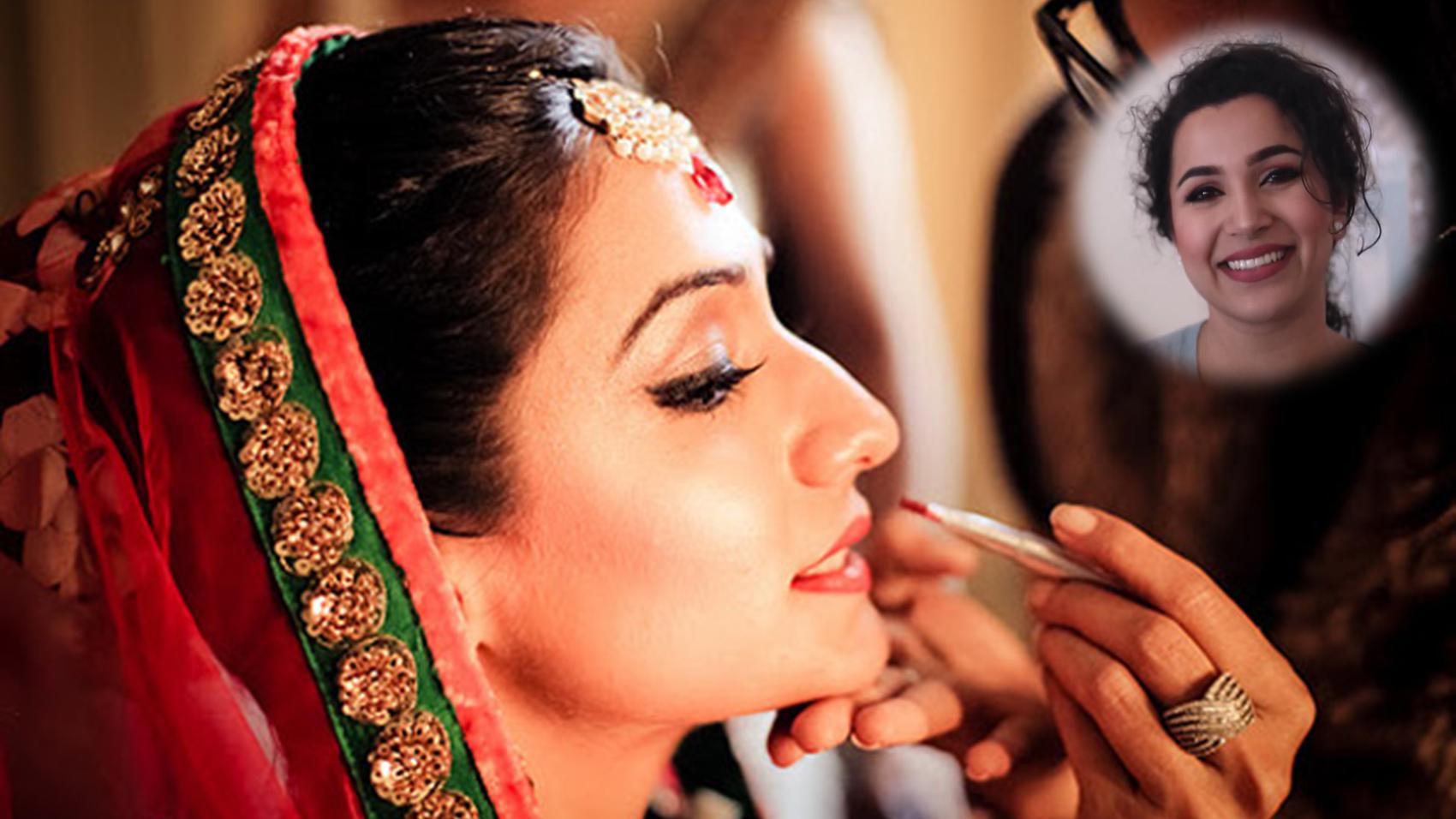
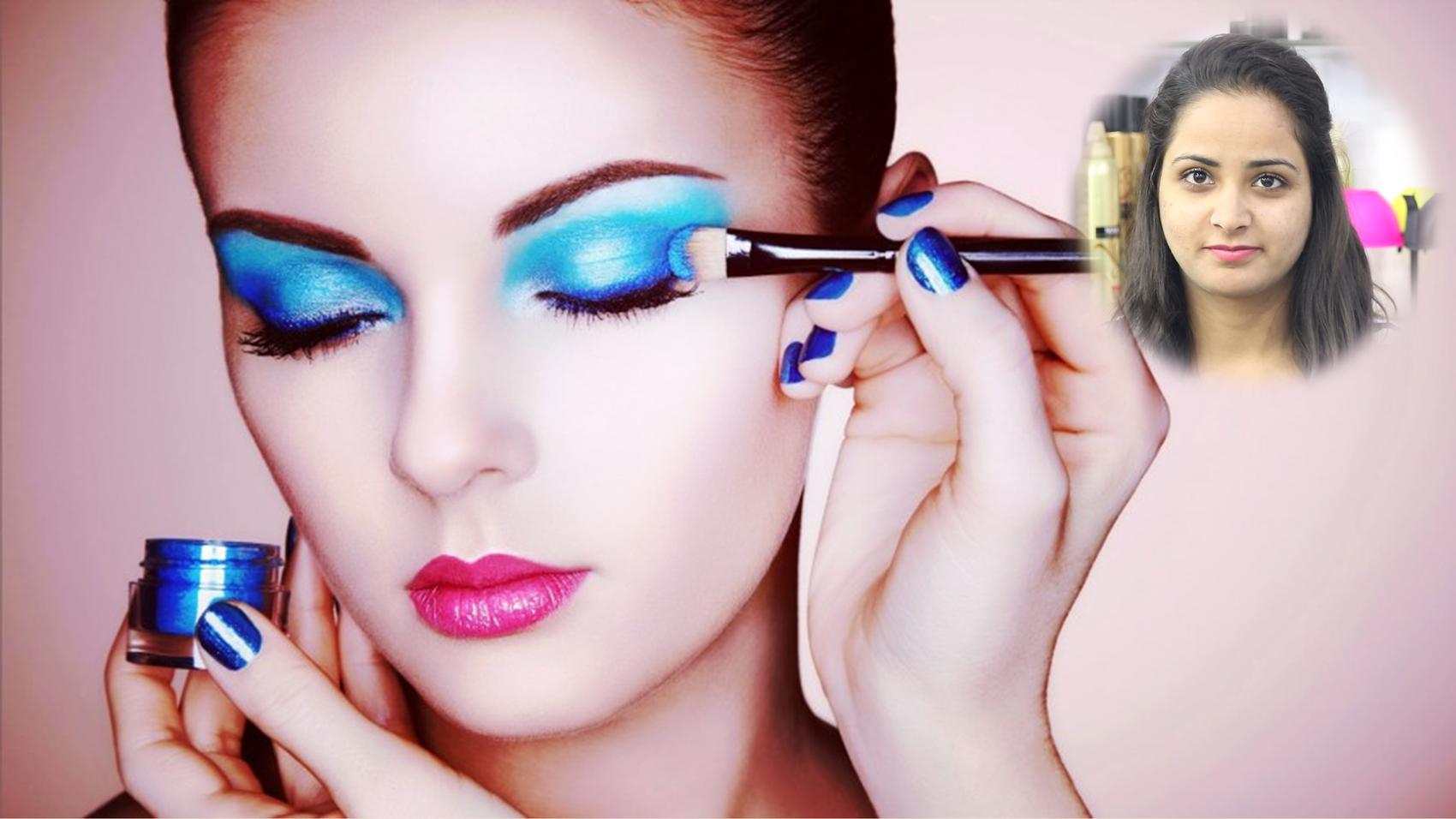
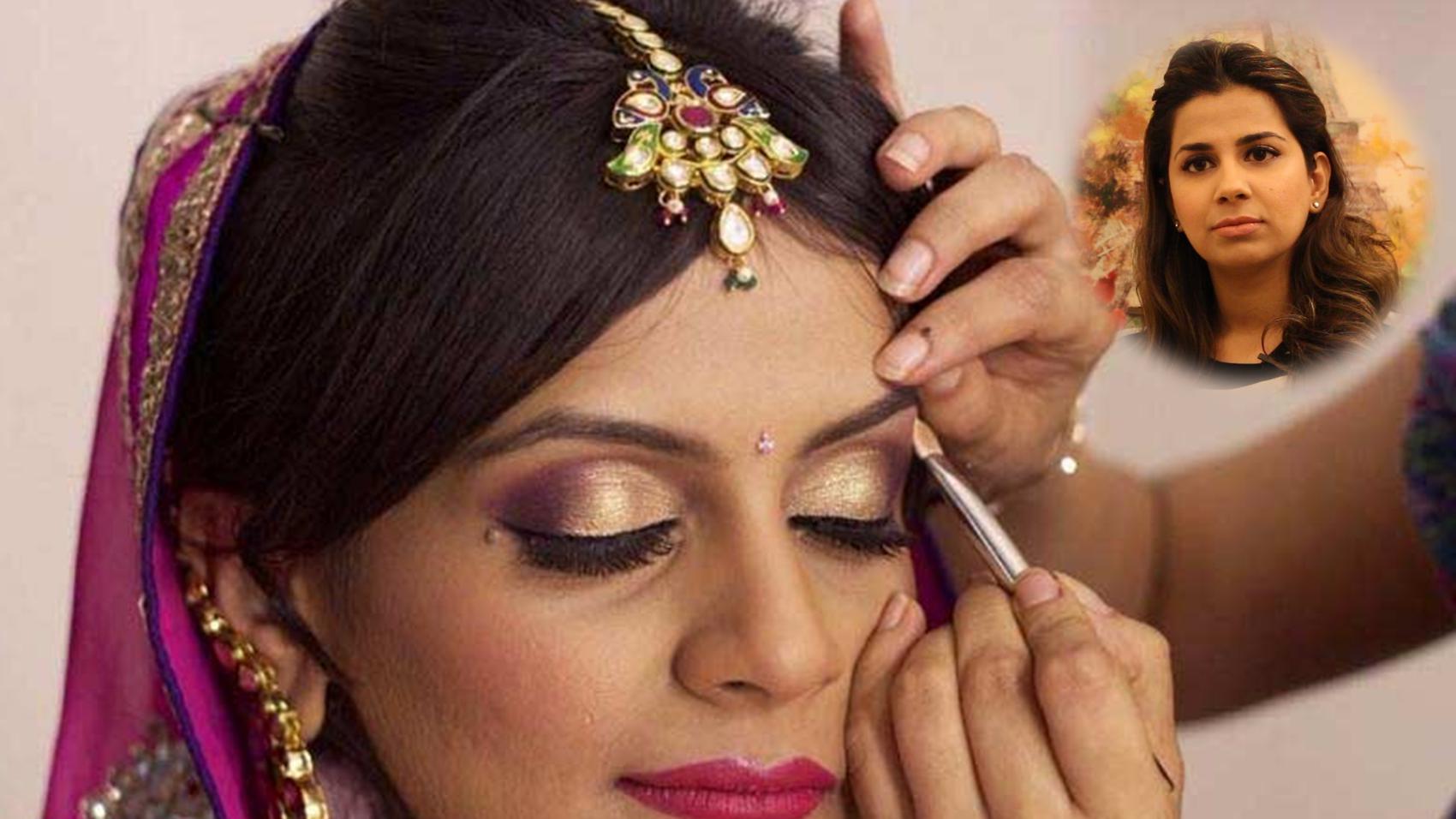
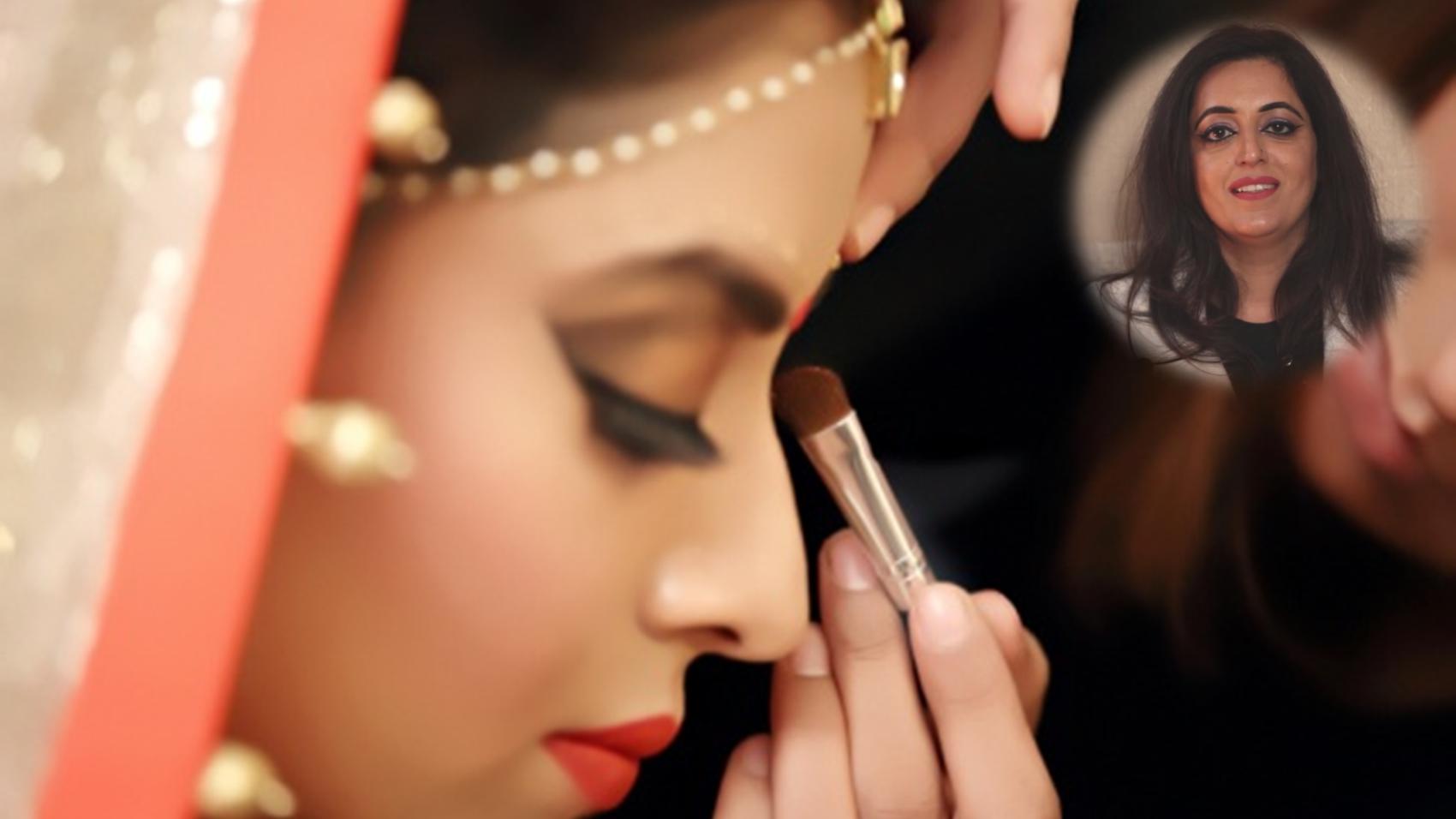
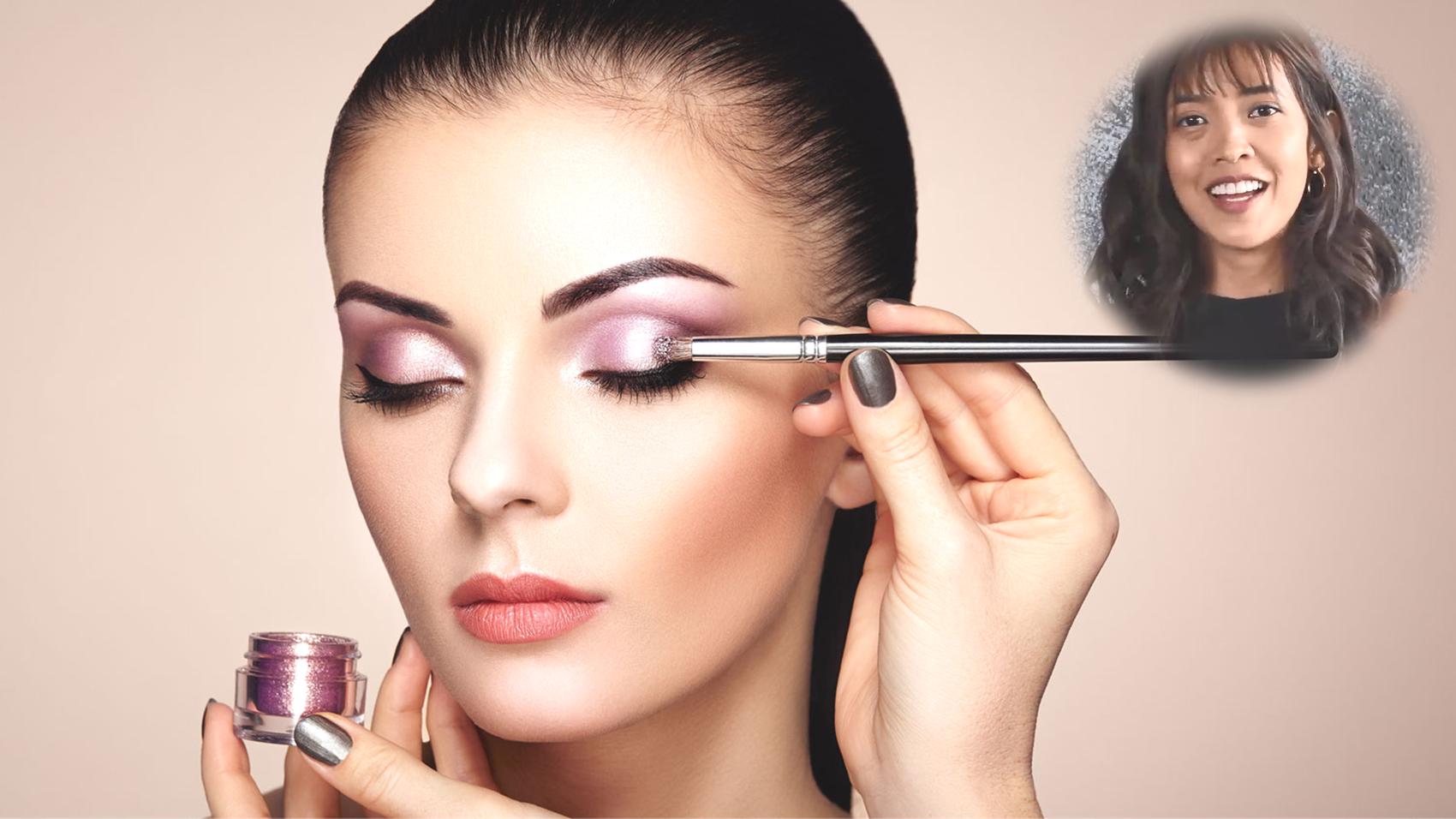
Makeup artistry is the professional skill of applying cosmetics and other products to enhance, transform, or alter a person’s appearance. It combines creativity, technical knowledge, and an understanding of facial features to achieve desired looks for various settings, including fashion, film, television, theater, and personal events.
Makeup artistry plays a significant role in the beauty and entertainment industries, shaping how individuals present themselves and how characters are brought to life on screen or stage. For professionals, it offers the opportunity to express creativity while building a rewarding career that can adapt to different industries. One major benefit is the ability to help clients feel more confident and empowered through personalized looks. Another advantage is the flexibility of work environments, ranging from salons and studios to film sets and private events. Additionally, makeup artistry fosters continuous learning, as trends and techniques evolve, encouraging artists to refine their skills and stay current in a dynamic field.
A professional makeup artist working on a film set collaborates closely with directors and costume designers to create looks that reflect each character’s personality and the story’s era. For a period drama, the artist researches historical makeup trends and carefully applies products to achieve an authentic appearance for the actors. Throughout the shoot, the makeup artist is responsible for touch-ups, ensuring continuity between scenes and adapting the makeup to different lighting conditions. Their expertise not only enhances the visual storytelling but also helps actors embody their roles more convincingly, demonstrating the essential role makeup artistry plays in the success of a production.
Education
Art Knowledge

Art Knowledge encompasses the understanding of artistic principles such as color theory, composition, texture, light, and historical art movements. In Makeup Artistry, it forms a crucial part of both academic study and professional practice, providing the creative and technical foundation necessary for designing and executing visually compelling and contextually appropriate makeup looks.
A deep grasp of Art Knowledge is essential for makeup artists because it equips them with the ability to manipulate color, shape, and texture to achieve desired effects. This subject underpins the ability to create harmonious or dramatic looks, adapt to different lighting conditions, and understand the visual impact of their work. By mastering concepts like color harmony, contrast, and facial symmetry, makeup artists can elevate their craft beyond basic application, ensuring their work is both aesthetically pleasing and technically sound. Over time, this expertise fosters creative confidence, enhances problem-solving skills, and opens doors to specialized roles in fashion, film, and editorial makeup, where artistic vision and technical execution are equally valued.
Consider a makeup artist preparing a model for a high-fashion photoshoot inspired by Impressionist paintings. Drawing on their Art Knowledge, the artist selects a color palette reminiscent of Monet’s works, blending soft pastels and diffused edges to mimic the painterly effect. They use their understanding of light and shadow to contour the face in a way that complements the photographer’s lighting setup, ensuring the makeup translates beautifully on camera. Throughout the process, the artist references historical art styles and adapts them to contemporary trends, demonstrating how theoretical knowledge of art directly informs creative decisions and technical application in a real-world professional setting.
Youtube Tutorials

Youtube Tutorials are instructional videos available on the Youtube platform, created by professionals and enthusiasts to demonstrate specific techniques, products, or creative looks. In Makeup Artistry, these tutorials serve as accessible educational resources, bridging the gap between formal training and real-world application, and are essential for ongoing skill development and trend awareness.
Understanding Youtube Tutorials is vital for makeup artists because the beauty industry evolves rapidly, with new techniques, products, and trends emerging constantly. These tutorials provide immediate access to global expertise, allowing artists to stay updated and refine their skills beyond traditional classroom settings. By engaging with Youtube Tutorials, professionals can observe diverse application methods, learn about innovative tools, and adapt to client preferences influenced by social media trends. This ongoing education not only enhances technical proficiency but also fosters creativity and adaptability, which are crucial for long-term career growth. Embracing this resource ensures that makeup artists remain competitive, relevant, and capable of meeting the dynamic demands of the industry.
A professional makeup artist preparing for a bridal photoshoot might encounter a client requesting a look inspired by a popular celebrity. Drawing on their understanding of Youtube Tutorials, the artist researches recent videos demonstrating the desired style, analyzes the techniques used, and adapts them to suit the client’s features and preferences. During the application process, the artist references specific blending methods and product recommendations learned from these tutorials, ensuring a flawless finish that aligns with current trends. This practical integration of knowledge gained from Youtube Tutorials not only satisfies the client’s expectations but also showcases the artist’s commitment to continuous learning and professional excellence.
Makeup products

Makeup products refer to the diverse range of cosmetics and tools used to enhance, alter, or perfect the appearance of the face and body. In the context of Makeup Artistry, understanding these products is essential for both academic study and professional practice, forming a core component of technical and creative expertise.
A deep knowledge of makeup products is vital for anyone pursuing a career in Makeup Artistry because it underpins every aspect of the profession. Mastery of product types, formulations, and their appropriate uses enables artists to select the best options for different skin types, tones, and desired effects. This foundational knowledge ensures that makeup artists can create looks that are not only visually stunning but also safe and long-lasting. Over time, expertise in makeup products allows professionals to adapt to new trends, recommend suitable products to clients, and troubleshoot issues such as allergies or product incompatibility. Ultimately, this subject empowers makeup artists to deliver high-quality results, build client trust, and sustain a successful, evolving career.
Imagine a professional makeup artist preparing a client for a high-profile photoshoot. Drawing on their theoretical understanding of makeup products, the artist assesses the client’s skin type and selects a primer that controls oil without causing dryness. They choose a foundation with the right undertone and coverage, ensuring it photographs well under studio lighting. When applying eye makeup, the artist opts for long-wearing, smudge-proof formulas to withstand hours on set. Throughout the process, they use their knowledge of product ingredients to avoid potential allergens and ensure comfort. This expertise not only results in a flawless, camera-ready look but also demonstrates the artist’s professionalism and commitment to client safety and satisfaction.
Skills
Color Combinations

Color Combinations refers to the thoughtful selection and blending of hues, shades, and tones to create visually appealing and harmonious makeup looks. This skill enables makeup artists to enhance features, complement skin tones, and evoke specific moods or styles, making it a fundamental aspect of professional makeup artistry.
Mastering color combinations directly elevates a makeup artist’s performance by allowing them to create looks that are both flattering and on-trend. Clients and employers highly value this skill because it demonstrates an understanding of color theory, attention to detail, and the ability to customize makeup for diverse individuals and occasions. Cultivating this expertise involves studying color theory, practicing with various palettes, and staying updated on industry trends. Over time, experience and experimentation help artists develop an intuitive sense for which colors work best together, enabling them to confidently make creative decisions that satisfy client expectations and set their work apart in a competitive field.
Imagine a makeup artist preparing a bride for her wedding day. The bride’s dress is a cool-toned ivory, and her bouquet features deep burgundy and blush pink flowers. The artist must select eye shadows, lip color, and blush that harmonize with both the dress and bouquet, while also complementing the bride’s natural complexion. By skillfully combining soft mauves and subtle golds, the artist creates a cohesive look that enhances the bride’s features and photographs beautifully. This thoughtful use of color combinations ensures the bride feels confident and radiant, demonstrating how essential this skill is in achieving client satisfaction and professional success.
Passion

Passion is an intense enthusiasm and genuine love for a craft, driving individuals to pursue excellence, overcome challenges, and continuously grow. In makeup artistry, passion fuels creativity, resilience, and dedication, making it a vital component of a professional’s toolkit. It transforms routine tasks into inspired artistry and elevates client experiences.
Passion directly enhances performance in makeup artistry by motivating professionals to stay updated with trends, experiment with new techniques, and deliver exceptional results. Clients and employers notice when a makeup artist is truly passionate, as it reflects in their attention to detail, willingness to go the extra mile, and ability to create personalized, memorable looks. Passionate artists are more likely to invest in their own education, seek feedback, and push creative boundaries, which leads to a stronger reputation and more opportunities. Cultivating passion involves reconnecting with the reasons one entered the field, surrounding oneself with inspiring peers, and regularly challenging oneself with new projects or styles to maintain excitement and growth.
Imagine a makeup artist preparing a bride for her wedding day when an unexpected allergic reaction occurs to the chosen products. Instead of panicking or giving up, the artist’s passion for their craft drives them to quickly assess the situation, adapt their approach, and find alternative products that are both safe and beautiful. Their genuine care and commitment reassure the bride, turning a stressful moment into a positive, memorable experience. The artist’s passion not only solves the immediate problem but also strengthens their reputation for dedication and creativity, leading to future referrals and professional growth. This scenario highlights how passion empowers makeup artists to overcome obstacles and deliver outstanding results under pressure.
Creativity

Creativity is the ability to generate original ideas, think outside conventional boundaries, and combine concepts in innovative ways. In makeup artistry, creativity empowers professionals to design unique looks, adapt to diverse client needs, and express artistic vision. It transforms technical skills into memorable, personalized experiences that set artists apart in the industry.
Creativity directly enhances a makeup artist’s performance by enabling them to craft distinctive looks tailored to each client or project. Clients and employers highly value this skill because it leads to fresh, trend-setting styles and the ability to adapt to unexpected challenges, such as last-minute changes or unique requests. Cultivating creativity involves continuous learning, experimenting with new techniques, and drawing inspiration from various sources like fashion, art, and nature. Over time, regularly practicing new approaches and seeking feedback helps artists refine their creative instincts, ensuring their work remains relevant and compelling in a competitive field.
Imagine a makeup artist preparing a model for a high-profile fashion show when, moments before the runway, the designer requests a dramatic change to match a newly added accessory. Relying on creativity, the artist quickly conceptualizes a bold new look that complements the accessory, using available products in unconventional ways. By improvising and blending colors and textures on the spot, the artist not only meets the designer’s vision but also garners praise for their ingenuity. This scenario highlights how creativity enables makeup artists to solve critical problems under pressure, deliver exceptional results, and build a reputation for innovation and adaptability.
Dealing With Clients

Dealing With Clients refers to the ability to communicate effectively, understand client needs, manage expectations, and build trust throughout the service process. In makeup artistry, this skill ensures that the artist can interpret a client’s vision, provide professional guidance, and deliver a satisfying, personalized experience that fosters loyalty and positive referrals.
Mastering the art of dealing with clients directly enhances a makeup artist’s performance by ensuring clear communication and mutual understanding, which leads to better results and higher client satisfaction. Clients and employers value this skill because it minimizes misunderstandings, builds lasting relationships, and encourages repeat business. Cultivating this skill involves active listening, empathy, and adaptability, as well as learning to handle feedback gracefully and resolve conflicts professionally. Over time, consistent practice, seeking mentorship, and reflecting on client interactions help artists refine their approach, making them more confident and effective in diverse situations. As a result, makeup artists who excel in client relations often enjoy a stronger reputation and more opportunities in their careers.
Imagine a makeup artist preparing a bride for her wedding day. The bride arrives feeling anxious, unsure if the chosen look will suit her. The artist listens attentively, reassures her, and asks clarifying questions about her preferences. By demonstrating patience and empathy, the artist adjusts the makeup application to better match the bride’s vision. When the bride expresses concern about the lipstick shade, the artist calmly offers alternatives and explains the benefits of each option. Through open dialogue and professional guidance, the artist not only resolves the bride’s worries but also delivers a look that exceeds expectations. This positive experience leads the bride to recommend the artist to friends, illustrating how effective client management can drive career success.
Fast Learner

A fast learner is someone who quickly absorbs new information, adapts to changing environments, and efficiently applies knowledge to practical situations. In makeup artistry, this skill enables professionals to master new techniques, stay updated with trends, and respond to client needs, making it indispensable for ongoing success.
Being a fast learner in makeup artistry means more than just picking up new makeup trends or products; it involves swiftly understanding client preferences, adapting to diverse skin types, and mastering innovative application methods. Clients and employers highly value this skill because it ensures that the artist can deliver fresh, relevant looks and handle unexpected challenges with confidence. Fast learners are often the first to adopt new styles, making them more competitive in the industry. To cultivate this skill, makeup artists should actively seek feedback, practice regularly, and stay curious about emerging techniques. Continuous learning through workshops, tutorials, and hands-on experience helps reinforce the ability to learn quickly and apply new knowledge effectively.
Imagine a makeup artist working backstage at a high-profile fashion show. Suddenly, the creative director requests a completely new look inspired by a trend that just appeared on social media. The artist, being a fast learner, quickly researches the trend, analyzes its key elements, and adapts their technique on the spot. They confidently recreate the look within a tight timeframe, impressing both the director and the models. This ability to swiftly absorb and implement new information not only saves the show from potential delays but also showcases the artist’s versatility and professionalism. In this scenario, being a fast learner directly leads to a successful outcome and strengthens the artist’s reputation.
Positives
Freelancing

Freelancing is a work arrangement where individuals offer their skills and services independently, rather than being tied to a single employer. In makeup artistry, freelancing allows artists to choose their projects, set their schedules, and work with diverse clients. This flexibility fosters creativity, autonomy, and continuous professional growth.
The freedom that comes with freelancing in makeup artistry is a game-changer for many professionals. It empowers artists to shape their own careers, pursue their passions, and maintain a healthy work-life balance. By selecting projects that align with their interests and values, makeup artists can continually challenge themselves and expand their skill sets. This autonomy leads to higher job satisfaction, as artists feel more in control of their professional journeys. The daily experience of meeting new clients, adapting to different creative visions, and managing their own businesses helps makeup artists develop confidence and resilience. Ultimately, freelancing transforms makeup artistry from a job into a dynamic, fulfilling vocation.
Imagine a makeup artist named Priya who chooses to freelance rather than work at a salon. Each week, she collaborates with photographers on fashion shoots, prepares brides for their special day, and even teaches makeup workshops. Priya enjoys the excitement of new environments and the satisfaction of seeing her clients’ confidence soar. She sets her own hours, allowing her to balance family commitments and personal interests. Through freelancing, Priya builds a diverse portfolio and a loyal client base, all while continuously learning and growing. The variety and independence she experiences as a freelance makeup artist make her career not only sustainable but deeply rewarding.
Self Satisfaction

Self satisfaction is the deep sense of fulfillment and pride that comes from achieving personal goals, expressing creativity, and making a positive impact through one’s work. In makeup artistry, this feeling arises when artists see their vision come to life and witness the confidence and happiness they bring to their clients.
Self satisfaction is a cornerstone of a rewarding career in makeup artistry because it fuels motivation, creativity, and resilience. When artists feel genuinely proud of their work, they are more likely to push their creative boundaries and strive for excellence. This intrinsic reward not only enhances daily job satisfaction but also encourages continuous learning and professional growth. The positive feedback from clients, combined with the visible transformation achieved through their skills, reinforces a sense of purpose and accomplishment. Over time, this ongoing fulfillment helps makeup artists maintain passion for their craft, navigate challenges with optimism, and build a reputation rooted in authenticity and dedication.
Imagine a makeup artist preparing a bride for her wedding day. As the artist carefully applies each product, she sees the bride’s nervousness transform into radiant confidence. When the bride looks in the mirror and tears up with joy, the artist feels an overwhelming sense of self satisfaction. This moment is not just about technical skill, but about being part of a life-changing event and making someone feel truly beautiful. The artist leaves the venue with a renewed sense of purpose, knowing her talent has made a meaningful difference. This daily experience of self satisfaction becomes the driving force that inspires her to continue perfecting her craft and touching lives through her artistry.
Good Income

Good income refers to earning a stable and substantial amount of money that not only covers basic living expenses but also allows for savings, investments, and the pursuit of personal goals. In makeup artistry, good income means financial security, the ability to invest in quality tools, and the freedom to choose desirable projects.
A good income in makeup artistry is a powerful motivator, fueling both personal and professional growth. It allows artists to invest in advanced training, premium products, and marketing, which in turn elevates their craft and reputation. Financial stability reduces stress and enables artists to focus on creativity rather than worrying about meeting monthly expenses. This sense of security fosters job satisfaction, as professionals can pursue passion projects, travel for work, or even start their own businesses. The daily experience of earning well also boosts confidence, encourages continuous learning, and inspires artists to set higher goals, knowing their efforts are rewarded both artistically and financially.
Imagine a makeup artist who has built a loyal clientele and regularly books weddings, fashion shoots, and special events. With each successful project, she earns enough not only to cover her living costs but also to save for future ambitions, such as opening her own studio. The steady flow of good income allows her to purchase the latest makeup products, attend international workshops, and even take vacations without financial worry. Each day, she feels empowered by her financial independence, knowing her talent and hard work are directly reflected in her earnings. This fulfillment motivates her to keep growing, innovating, and enjoying every aspect of her career.
Challenges
Season Time Rush

Season Time Rush in Makeup Artistry refers to the intense surge in client demand during peak periods such as wedding seasons, holidays, or major events. This phenomenon is demanding because it compresses numerous appointments into short timeframes, requiring artists to deliver consistent quality under pressure and manage overlapping schedules efficiently.
The Season Time Rush can transform a makeup artist’s daily routine into a whirlwind of back-to-back appointments, extended working hours, and heightened client expectations. This relentless pace can lead to fatigue, stress, and the risk of burnout, making resilience a crucial trait for professionals. Successful makeup artists navigate this challenge by streamlining their workflows, maintaining clear communication with clients, and setting realistic expectations about timing and services. They often rely on meticulous planning, advanced booking systems, and self-care routines to preserve their energy and creativity. By prioritizing organization and adaptability, these professionals ensure that each client receives high-quality service, even during the busiest times, while safeguarding their own well-being and professional reputation.
Consider a makeup artist during the height of wedding season, with multiple bridal parties scheduled on the same weekend. To manage the Season Time Rush, she prepares detailed schedules for each appointment, confirms logistics with clients in advance, and assembles her kit for quick transitions between locations. She delegates certain tasks, such as hairstyling or basic makeup for bridesmaids, to trusted assistants, allowing her to focus on the bride and key clients. By staying organized and communicating clearly, she delivers flawless results for every client, maintains her composure, and even finds moments to recharge between appointments. This approach not only ensures client satisfaction but also helps her sustain her passion and professionalism throughout the demanding season.
Client Expectations

Client Expectations in Makeup Artistry refer to the specific visions, standards, and desired outcomes that clients bring to their appointments, often shaped by trends, media, or personal preferences. Meeting these expectations is demanding because they can be unrealistic, unclear, or differ from what is achievable based on the client’s features or circumstances.
The challenge of client expectations permeates every aspect of a makeup artist’s daily work, from initial consultations to the final reveal. Professionals must balance their creative expertise with the client’s wishes, often navigating vague requests or requests inspired by heavily edited images. This dynamic requires resilience, as artists may face criticism or disappointment if results do not align perfectly with expectations. Successful makeup artists manage this constraint by fostering open communication, setting realistic goals, and educating clients about achievable outcomes. They build trust through transparency and by demonstrating their skills, ensuring clients feel heard while guiding them toward looks that enhance their natural beauty and suit their individual features.
Consider a makeup artist preparing a bride for her wedding day. The bride arrives with photos of celebrities whose facial features differ significantly from her own, hoping to replicate their exact look. The artist listens attentively, acknowledges the bride’s inspirations, and gently explains how certain elements can be adapted to suit her unique features. By demonstrating techniques and offering professional advice, the artist creates a look that honors the bride’s vision while remaining realistic and flattering. The bride feels understood and confident, and the artist successfully navigates the challenge of client expectations by blending empathy, expertise, and clear communication, resulting in a satisfied client and a memorable experience.
A Day Of
Makeup Artistry
The world of makeup artistry is a whirlwind of color, creativity, and constant motion, where no two days ever look quite the same. From the first sweep of a brush to the final touch-up before the spotlight hits, makeup artists thrive in fast-paced environments that demand both technical precision and artistic flair. Whether backstage at a bustling fashion show, on set for a commercial shoot, or preparing a bride for her big day, the rhythm of a makeup artist’s work is dictated by tight schedules, ever-changing client needs, and the exhilarating pressure to deliver flawless results under the clock. It’s a career that unfolds far beyond the confines of a desk, blending artistry with adaptability from dawn until dusk.
As the sun rises, a makeup artist’s day often begins in the quiet solitude of their workspace, meticulously cleaning brushes, restocking palettes, and reviewing the day’s schedule. This early morning ritual is a blend of organization and inspiration, as artists double-check client briefs, mood boards, and reference images to ensure every product and tool is ready for the unique demands ahead. It’s a time for mental rehearsal, envisioning looks and troubleshooting potential challenges before the day accelerates.
By mid-morning, the real action begins. Whether working in a studio, backstage, or at a client’s location, makeup artists dive into their core work: transforming faces and bringing creative visions to life. This is the most intense and interactive part of the day, filled with the hum of conversation, the click of cameras, and the steady rhythm of brushes at work. Artists must balance speed with precision, adapting quickly to last-minute changes, different skin types, and the unique personalities of each client, all while maintaining a calm, professional demeanor.
Afternoons are often dedicated to collaboration and execution, as makeup artists work closely with photographers, stylists, directors, and other creatives to ensure every detail aligns with the project’s vision. This phase might involve quick touch-ups between shots, adjusting looks to suit changing lighting or wardrobe, and offering input on how makeup will translate on camera or stage. The ability to communicate clearly and work seamlessly within a team becomes just as important as technical skill, as everyone pushes toward a shared goal.
As the day winds down, makeup artists shift gears to wrap up their work. Brushes and palettes are cleaned and sanitized, kits are reorganized, and notes are taken on what worked well and what could be improved for next time. This is also a moment for administrative tasks like responding to emails, invoicing clients, and researching new trends or products. With an eye on tomorrow’s schedule, artists plan ahead, ensuring they’re prepared to meet the next day’s creative challenges with the same energy and passion that fueled today. |


 Home
Home Abroad
 Plan
Plan Philosophy
 Seminar
 Pages
Pages Advisors
 Testimonials











 Workshop
 Discuss
 Meet
Meet
 Advisor
 Story
Story
 Fine Print
 Links
Links
 Blog
Blog
 Follow
