The Journey of Makeup Artistry
What Is Makeup Artistry
Makeup Artistry
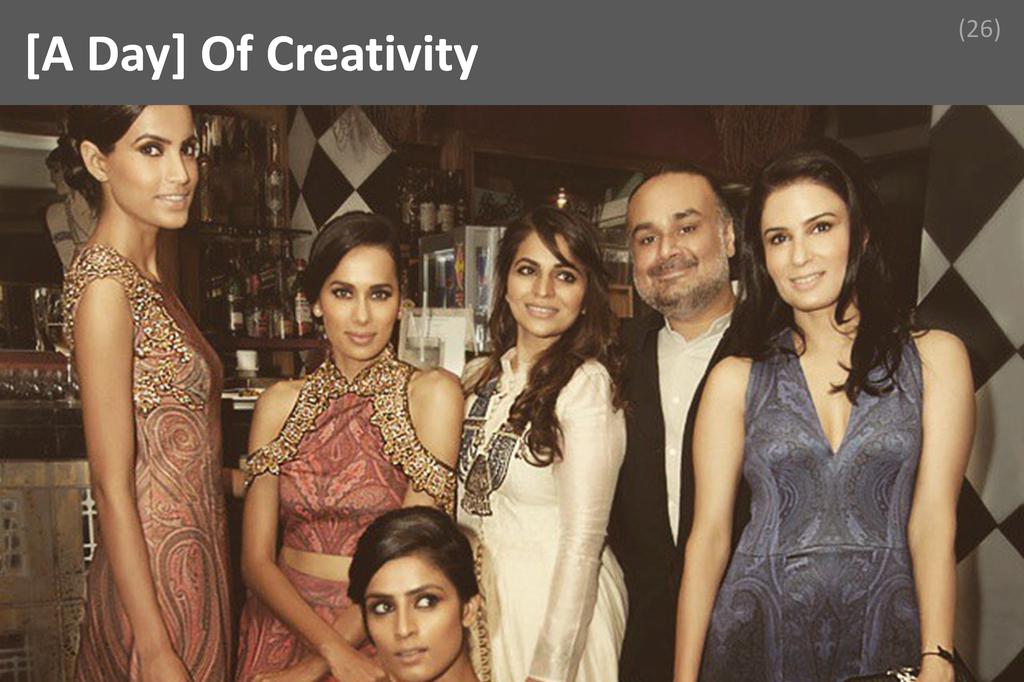
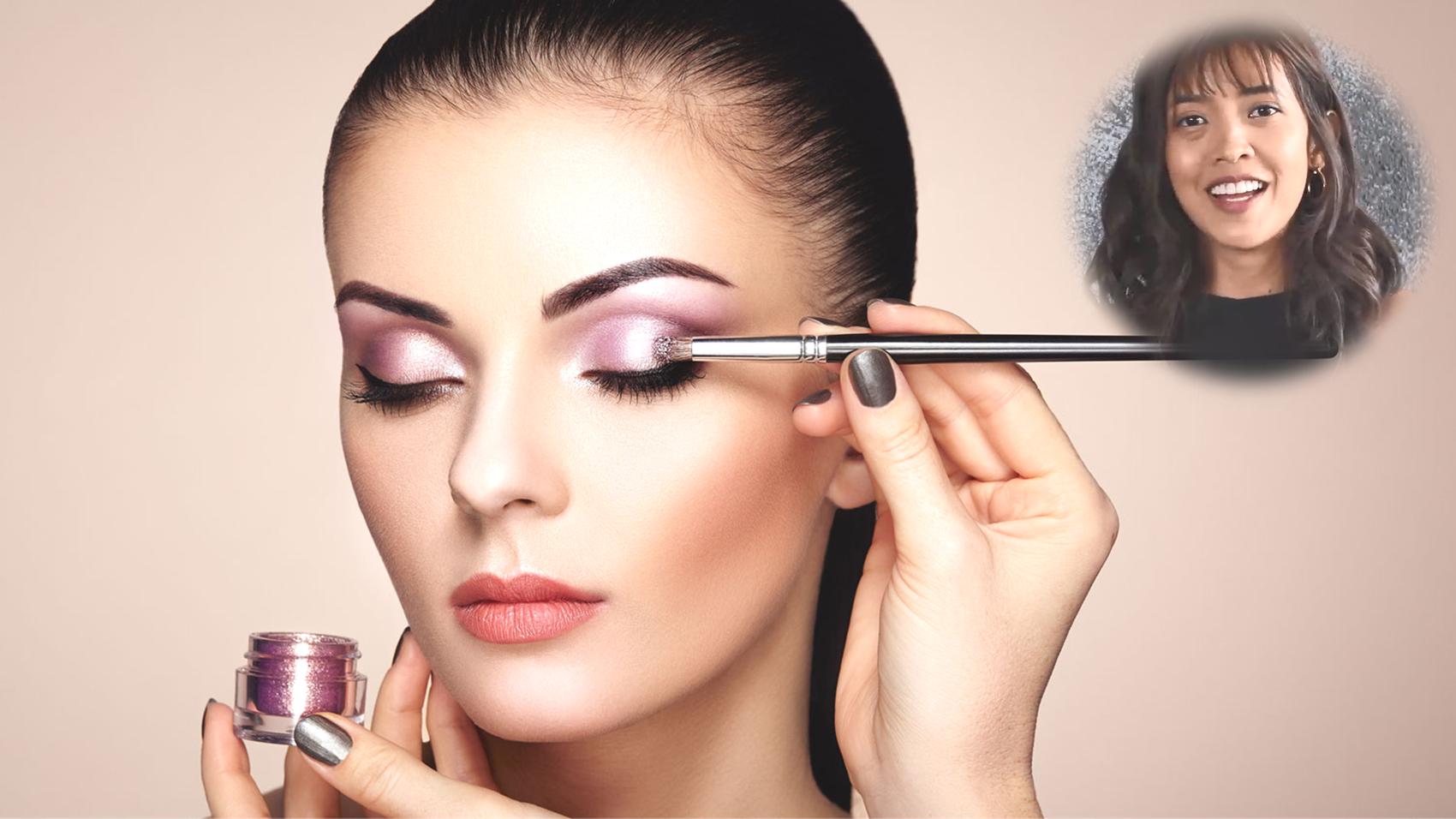
Makeup artistry is the professional application of cosmetics to enhance, transform, or alter a person’s appearance for various purposes, including fashion, film, television, theater, photography, and personal events. Makeup artists use specialized techniques and products to achieve desired looks, expressing creativity while meeting client or project requirements.
Makeup artistry plays a significant role in the beauty, entertainment, and fashion industries by helping individuals express themselves and achieve specific visual goals. For professionals, it offers the opportunity to blend creativity with technical skill, allowing them to work in diverse settings such as film sets, photo shoots, weddings, and salons. One major benefit is the ability to positively impact clients’ confidence and self-image. Another is the versatility of career paths, from freelance work to positions in established companies. Additionally, makeup artistry fosters continuous learning, as trends and techniques evolve, encouraging artists to expand their expertise and stay current in a dynamic field.
A professional makeup artist might be hired to prepare actors for a film shoot. In this scenario, the artist collaborates closely with directors and costume designers to create looks that reflect each character’s personality and the film’s setting. For instance, the makeup artist may use subtle contouring and period-appropriate colors to transform an actor into a character from the 1920s. Throughout the shoot, the artist is responsible for maintaining the actors’ appearances under various lighting conditions and ensuring continuity between scenes. This process requires not only technical skill but also adaptability and strong communication, demonstrating how makeup artistry is essential to bringing creative visions to life on screen.
Education
Magazines & Videos
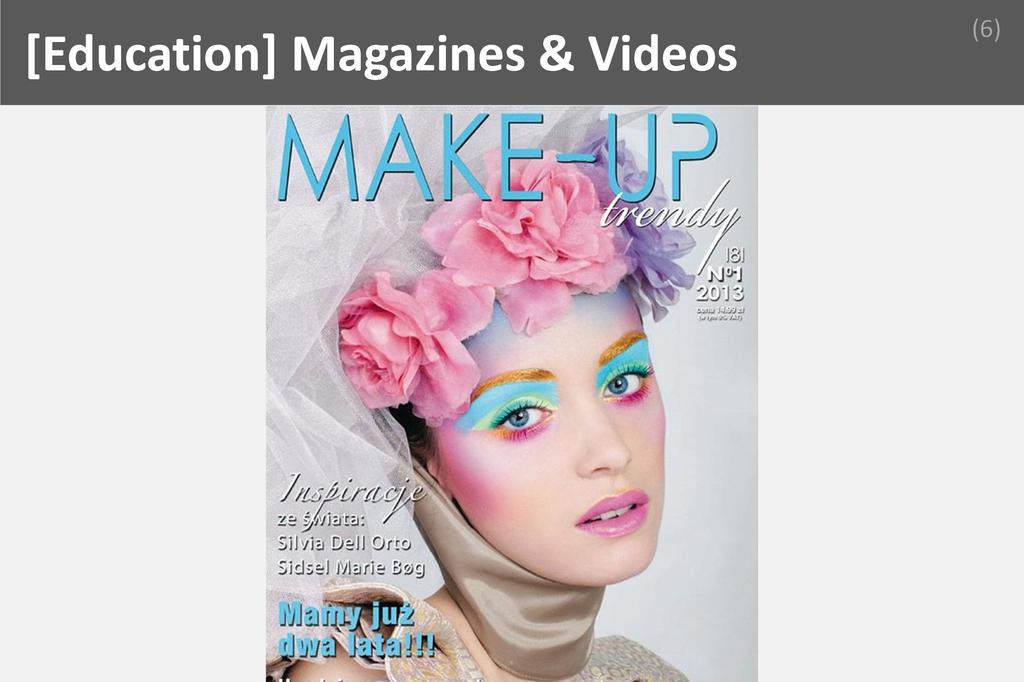
Magazines & Videos refers to the study and analysis of visual media, including print publications and digital video content, that showcase makeup trends, techniques, and industry standards. This subject is essential in makeup artistry education, providing insight into evolving styles, professional expectations, and the visual communication skills required in the beauty industry.
Understanding Magazines & Videos is vital for makeup artists because these media are primary sources for current trends, innovative techniques, and industry benchmarks. By studying editorial spreads, video tutorials, and behind-the-scenes footage, professionals gain exposure to diverse makeup applications and creative concepts. This foundational knowledge helps artists anticipate client requests, adapt to changing aesthetics, and communicate effectively with photographers, directors, and other creatives. Mastery of this subject also enhances an artist’s ability to market themselves, as they learn how to present their work in ways that appeal to both clients and employers. Over time, this expertise supports career growth by keeping artists informed, adaptable, and visually literate in a fast-paced, image-driven industry.
A makeup artist preparing for a fashion magazine photoshoot draws on their understanding of Magazines & Videos to research the publication’s signature style and the latest beauty trends featured in recent issues. They analyze past editorial spreads and watch backstage videos from similar shoots to anticipate lighting conditions, camera angles, and the types of makeup that photograph well. During the shoot, this knowledge allows the artist to select products and techniques that complement the model’s features while aligning with the magazine’s aesthetic. Their familiarity with video content also helps them collaborate smoothly with videographers, ensuring the makeup looks flawless on camera as well as in print, ultimately delivering results that meet professional standards and client expectations.
Watching Movies

Watching movies is the active process of viewing films with a critical and analytical mindset, focusing on visual storytelling, character development, and technical elements such as makeup, lighting, and costume. In makeup artistry, this practice is essential for understanding industry trends, historical accuracy, and creative techniques that inform professional work.
Understanding the art of watching movies is crucial for makeup artists because films serve as a rich source of inspiration and education. By analyzing how makeup is used to define characters, set periods, or evoke emotions, professionals gain insights into the creative and technical demands of their field. This knowledge helps artists anticipate the needs of directors and actors, ensuring their work aligns with the overall vision of a production. Over time, developing a keen eye for detail through movie analysis enhances an artist’s ability to innovate, adapt to new trends, and build a diverse portfolio. Ultimately, this foundational skill supports long-term career growth by keeping professionals informed and creatively engaged with the evolving language of visual storytelling.
Consider a makeup artist preparing for a period drama set in the 1920s. By watching movies from or about that era, the artist observes how makeup was applied to reflect social norms, fashion, and character status. This theoretical understanding guides their product choices, color palettes, and application techniques on set. During production, the artist references specific film scenes to ensure continuity and authenticity, collaborating closely with costume designers and directors. Their ability to recall and interpret cinematic makeup styles not only streamlines the creative process but also elevates the overall visual impact of the project. In this way, watching movies becomes an indispensable part of daily professional practice.
Latest Trends
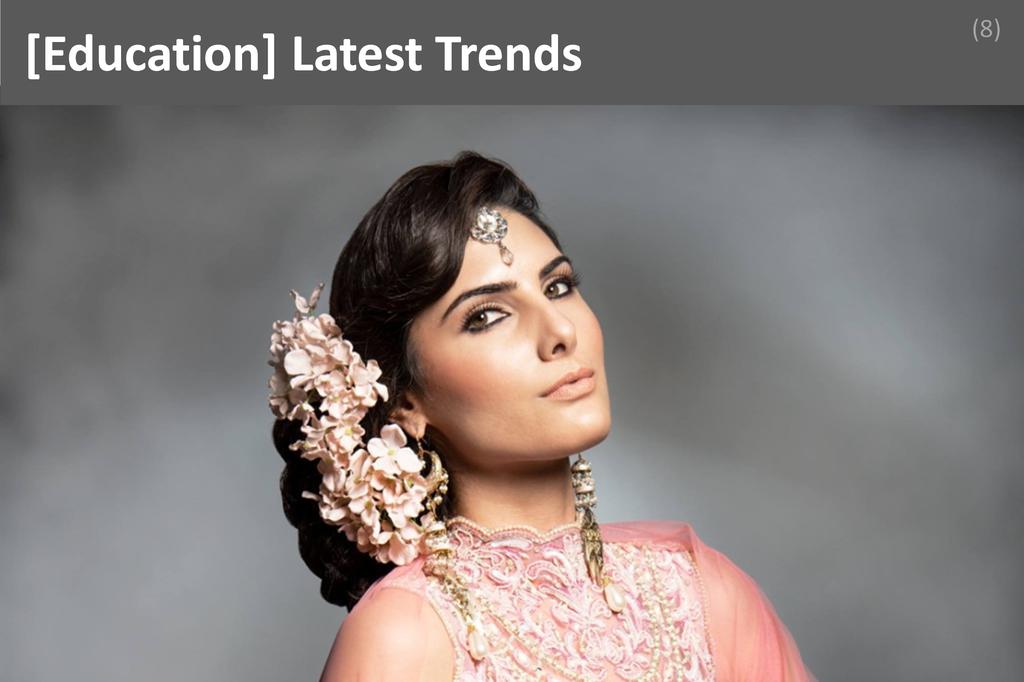
Latest Trends refers to the most current and popular styles, techniques, products, and aesthetics shaping the makeup industry at any given time. In both academic study and professional practice, understanding these trends is essential for makeup artists to remain relevant, innovative, and competitive in a rapidly evolving field.
Learning about the latest trends is vital for anyone pursuing or advancing a career in makeup artistry because the industry thrives on creativity, adaptability, and responsiveness to change. Mastery of current trends enables professionals to meet client expectations, collaborate effectively with other creatives, and anticipate shifts in consumer preferences. This knowledge forms a crucial part of the foundational skill set for makeup artists, ensuring they can offer up-to-date services and advice. Over the long term, staying informed about trends supports career growth, enhances reputation, and opens doors to new opportunities, such as editorial work, brand collaborations, and teaching roles. Ultimately, a strong grasp of trends helps makeup artists maintain their relevance and authority in a competitive marketplace.
Imagine a makeup artist working backstage at a major fashion show. By applying their understanding of the latest trends, they can quickly adapt their techniques to complement the designer’s vision, whether that means creating bold graphic eyeliner, dewy skin, or experimental color palettes. Their awareness of trending products and application methods allows them to select the best tools and cosmetics for the desired effect, ensuring the models’ looks are both fashionable and flawless under the runway lights. This expertise not only impresses clients and colleagues but also positions the artist as a forward-thinking professional who can confidently deliver results that align with the current industry landscape.
Art & History
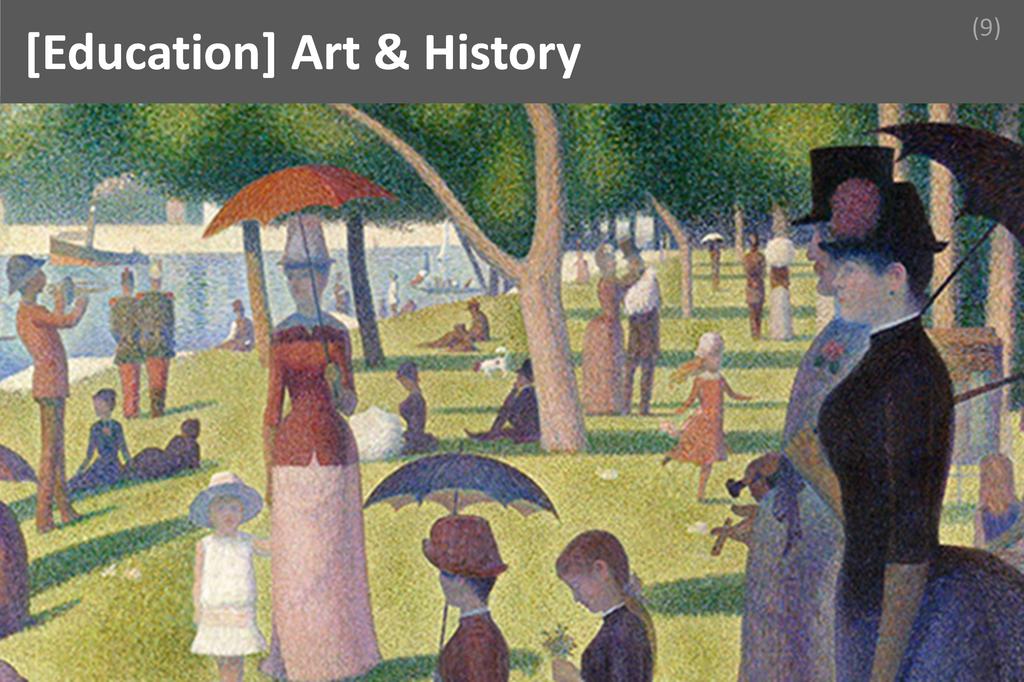
Art & History is the study of visual expression and cultural evolution across time, examining how societies have used artistic mediums to reflect beliefs, values, and identities. In Makeup Artistry, this knowledge provides essential context for understanding aesthetic trends, historical references, and the origins of beauty standards that influence creative decisions.
A deep understanding of Art & History is crucial for makeup artists because it equips them with the ability to recognize and interpret visual styles from different eras and cultures. This foundational knowledge allows professionals to create authentic period looks, draw inspiration from iconic artworks, and adapt historical techniques to modern contexts. By mastering these concepts, makeup artists enhance their creative versatility, making them more adaptable and innovative in their work. Furthermore, this expertise fosters credibility with clients and collaborators, as it demonstrates a thoughtful approach to design and storytelling. Over time, a strong grasp of Art & History can open doors to specialized roles in film, theater, fashion, and editorial work, where historical accuracy and artistic references are highly valued.
Imagine a makeup artist working on a film set for a historical drama set in the 1920s. Their knowledge of Art & History enables them to accurately recreate the era’s signature looks, such as the bold lips and defined brows characteristic of flapper style. They understand the influence of Art Deco on makeup trends of the time and can translate this into authentic designs that resonate with the film’s visual narrative. During consultations with the director and costume designer, the artist confidently references period artwork and fashion plates, ensuring that every character’s appearance aligns with the historical context. This expertise not only enhances the production’s authenticity but also showcases the artist’s professionalism and attention to detail.
YouTube Tutorials
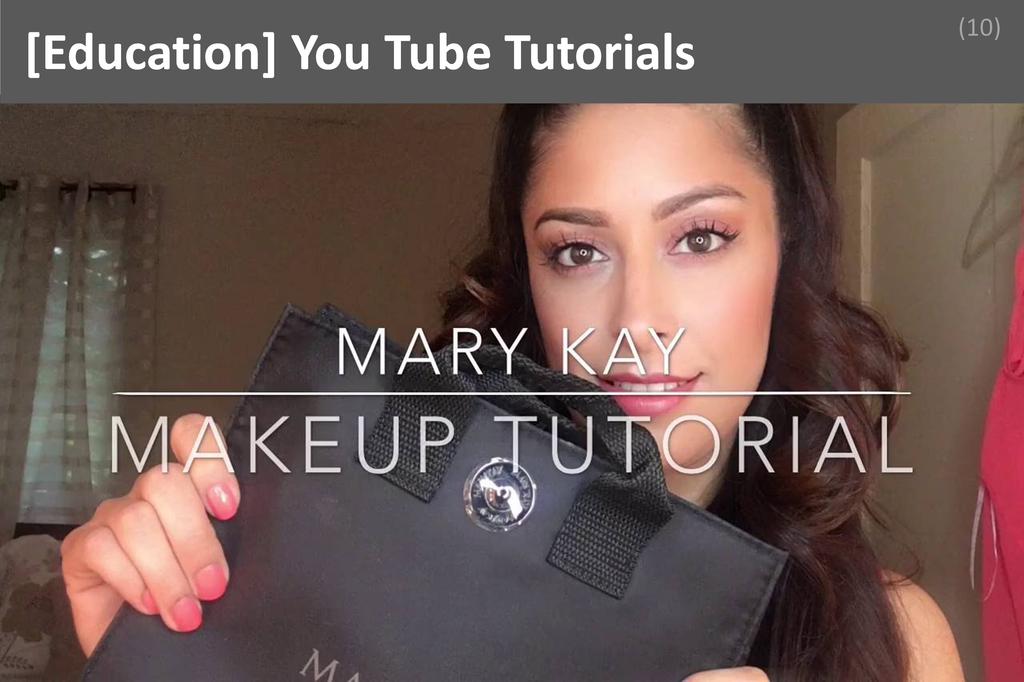
YouTube Tutorials are step-by-step instructional videos available on the YouTube platform, created by professionals and enthusiasts to teach specific skills or techniques. In Makeup Artistry, these tutorials serve as accessible resources for learning new trends, mastering techniques, and staying updated, making them essential for both academic study and professional growth.
Understanding YouTube Tutorials is crucial for anyone pursuing a career in Makeup Artistry because they offer immediate access to a global pool of knowledge and expertise. These tutorials bridge the gap between traditional classroom learning and real-world application, allowing artists to observe and replicate techniques demonstrated by industry leaders. By regularly engaging with YouTube Tutorials, makeup artists can keep pace with evolving trends, discover innovative products, and refine their technical skills. This ongoing exposure not only enhances creativity but also builds confidence in experimenting with new looks. Over time, the ability to critically evaluate and apply information from these tutorials becomes a foundational skill, supporting lifelong learning and professional adaptability in a fast-changing industry.
Imagine a makeup artist preparing for a client who requests a look inspired by a recent celebrity appearance. The artist turns to YouTube Tutorials to study the specific contouring and highlighting techniques used in that look. By watching several reputable tutorials, the artist gains insights into product selection, brush techniques, and blending methods tailored to different skin types. Applying this knowledge, the artist confidently recreates the desired look, impressing the client with both technical skill and up-to-date style. This scenario highlights how theoretical understanding of YouTube Tutorials directly translates into practical expertise, enabling makeup artists to meet client expectations and stay competitive in the industry.
Skills
Creativity
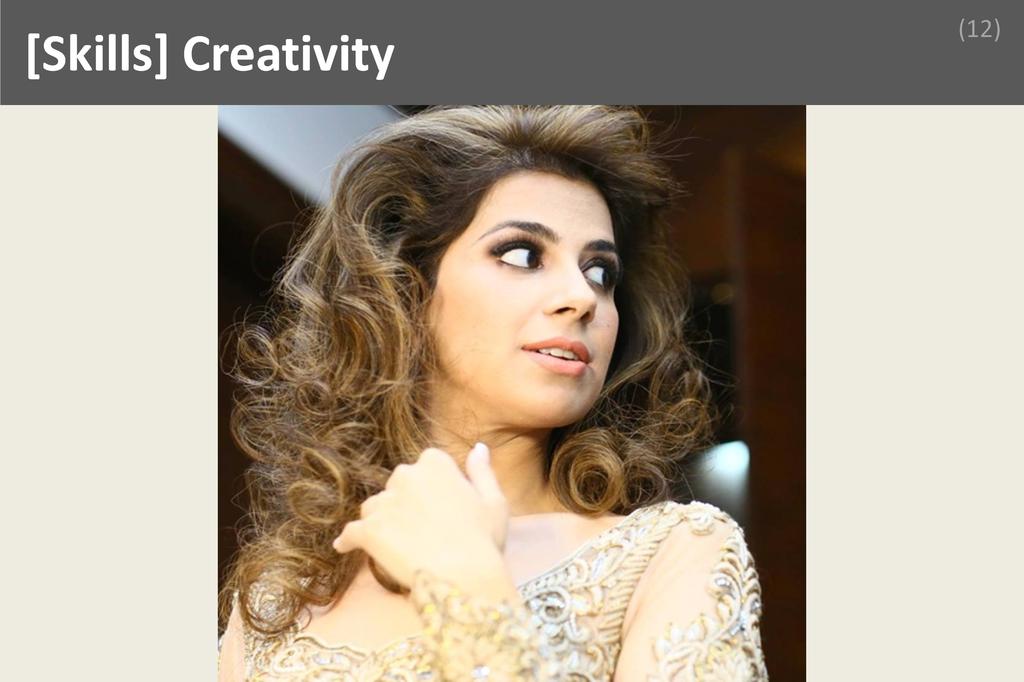
Creativity is the ability to generate original ideas, envision unique concepts, and transform inspiration into tangible results. In makeup artistry, creativity empowers professionals to design distinctive looks, adapt to diverse client needs, and push the boundaries of conventional beauty. It is a foundational skill that fuels innovation and personal expression.
Creativity directly enhances a makeup artist’s performance by enabling them to craft individualized looks that suit each client’s features, preferences, and occasions. Clients and employers highly value this skill because it leads to memorable, trendsetting results that stand out in a competitive industry. Creative makeup artists are often sought after for editorial shoots, fashion shows, and special events where originality is paramount. To cultivate creativity, professionals should regularly seek inspiration from art, fashion, and nature, experiment with new techniques and products, and remain open to feedback and learning. Over time, consistent practice and exposure to diverse styles help refine creative instincts, allowing makeup artists to confidently tackle any challenge with fresh, imaginative solutions.
Imagine a makeup artist preparing a model for a high-profile fashion show when, moments before the runway, the designer requests a dramatic change to the look to better complement a new outfit. Relying on creativity, the artist quickly envisions a bold color palette and innovative application technique that aligns with the designer’s vision. Using available products, they skillfully transform the model’s appearance, seamlessly integrating the new concept while maintaining harmony with the overall aesthetic. The result not only impresses the designer and audience but also demonstrates the artist’s ability to think on their feet and deliver exceptional results under pressure. This scenario highlights how creativity is indispensable for overcoming unexpected challenges and achieving professional success in makeup artistry.
Painting
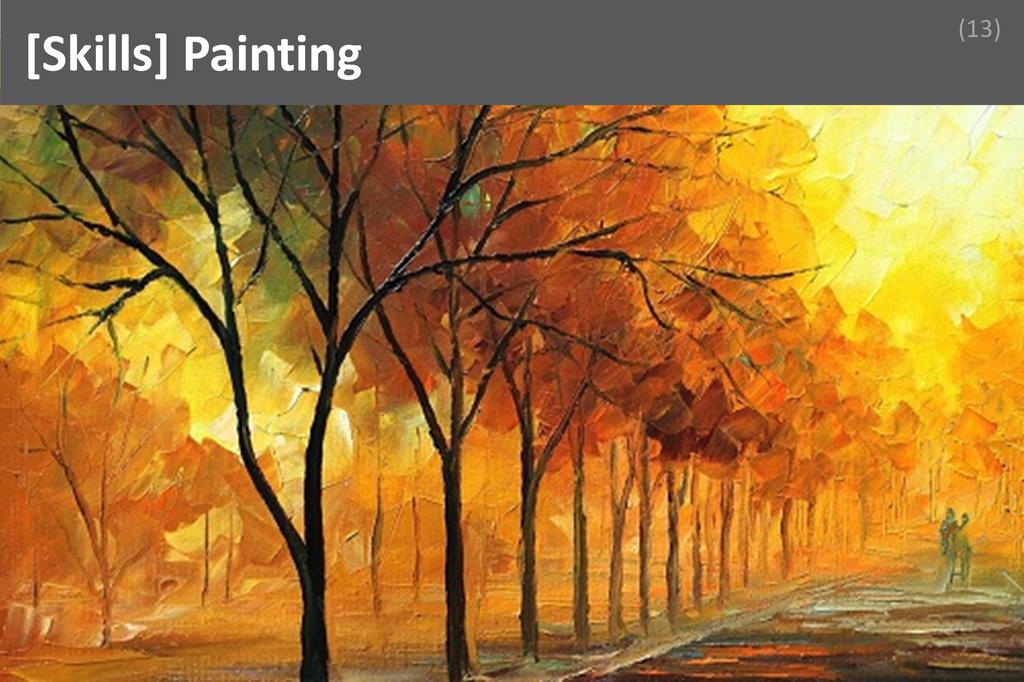
Painting is the art of applying color, texture, and form to a surface using tools such as brushes or sponges, guided by principles of composition, shading, and blending. In makeup artistry, painting is fundamental for transforming faces, creating illusions, and expressing creativity, making it indispensable in a professional's toolkit.
Mastering painting as a makeup artist enhances precision, creativity, and the ability to execute complex looks, from subtle enhancements to dramatic transformations. Clients and employers highly value this skill because it ensures flawless blending, realistic contouring, and the ability to replicate or invent intricate designs. Over time, artists can cultivate their painting abilities by practicing on various skin tones and face shapes, studying color theory, and experimenting with different products and techniques. Continuous learning through workshops, mentorship, and self-guided projects helps refine brush control, improve attention to detail, and foster a deeper understanding of how light and shadow interact on the human face. This ongoing development not only boosts technical proficiency but also builds confidence and versatility in handling diverse makeup challenges.
Imagine a makeup artist preparing an actor for a stage production that requires the character to age several decades. The artist relies on painting techniques to create realistic wrinkles, age spots, and subtle changes in skin tone. By skillfully layering colors and blending edges, the artist mimics the natural effects of aging, ensuring the transformation is convincing even under harsh stage lighting. Without a strong foundation in painting, achieving such a lifelike result would be nearly impossible, and the illusion might fall flat. In this scenario, painting is not just a decorative skill but a critical tool for storytelling, enabling the makeup artist to meet the director’s vision and contribute to the overall success of the production.
Patience
Patience is the ability to remain calm, composed, and persistent in the face of delays, challenges, or repetitive tasks, without becoming frustrated or giving up. In makeup artistry, patience is a vital attribute that enables professionals to deliver precise, high-quality results while adapting to the unique needs and expectations of each client.
Patience directly enhances a makeup artist’s performance by allowing them to focus on intricate details, perfect complex looks, and handle unexpected challenges with grace. Clients and employers highly value this trait because it creates a relaxed environment, fosters trust, and ensures that the artist can accommodate last-minute changes or requests without stress. Cultivating patience involves practicing mindfulness, embracing continuous learning, and accepting that mastery takes time. By approaching each session as an opportunity for growth and remaining open to feedback, makeup artists gradually build the resilience and composure necessary to thrive in a fast-paced, client-focused industry.
Imagine a makeup artist preparing a bride for her wedding day. The bride is anxious and requests several adjustments to her look, unsure of what she truly wants. Instead of rushing or showing frustration, the artist patiently listens, makes careful changes, and reassures the bride throughout the process. This calm, attentive approach not only results in a stunning final look but also helps the bride feel confident and cared for during a stressful moment. The artist’s patience transforms a potentially tense situation into a positive, memorable experience, highlighting the profound impact this skill has on both the quality of work and client satisfaction.
Technology

Technology refers to the practical application of scientific knowledge, tools, and digital systems to solve problems, enhance efficiency, and improve outcomes in various fields. In makeup artistry, technology encompasses digital devices, specialized software, online platforms, and innovative cosmetic tools that streamline processes, foster creativity, and elevate the quality of work.
Mastering technology significantly enhances a makeup artist’s performance by enabling efficient scheduling, seamless client communication, and access to the latest trends and techniques. Clients and employers value professionals who can use digital portfolios, virtual consultations, and advanced cosmetic tools, as these demonstrate adaptability and professionalism. Developing this skill involves staying updated with industry-specific apps, practicing with new devices, and participating in online learning. Over time, consistent engagement with emerging technologies allows makeup artists to offer innovative services, maintain a competitive edge, and build a strong professional reputation. Embracing technology also helps in managing business operations, marketing services effectively, and delivering personalized experiences that meet modern client expectations.
Imagine a makeup artist preparing a client for a high-profile virtual event. Suddenly, the client requests a look inspired by a trending social media filter. The artist quickly uses a tablet to analyze the filter’s features, accesses a digital face chart app to plan the makeup, and consults online tutorials for specific techniques. By leveraging technology, the artist efficiently recreates the desired look, impresses the client, and ensures the makeup appears flawless both on camera and in person. This scenario highlights how technology enables rapid problem-solving, creative adaptation, and professional excellence, ultimately leading to client satisfaction and career advancement in the fast-paced world of makeup artistry.
Positives
Self Satisfaction
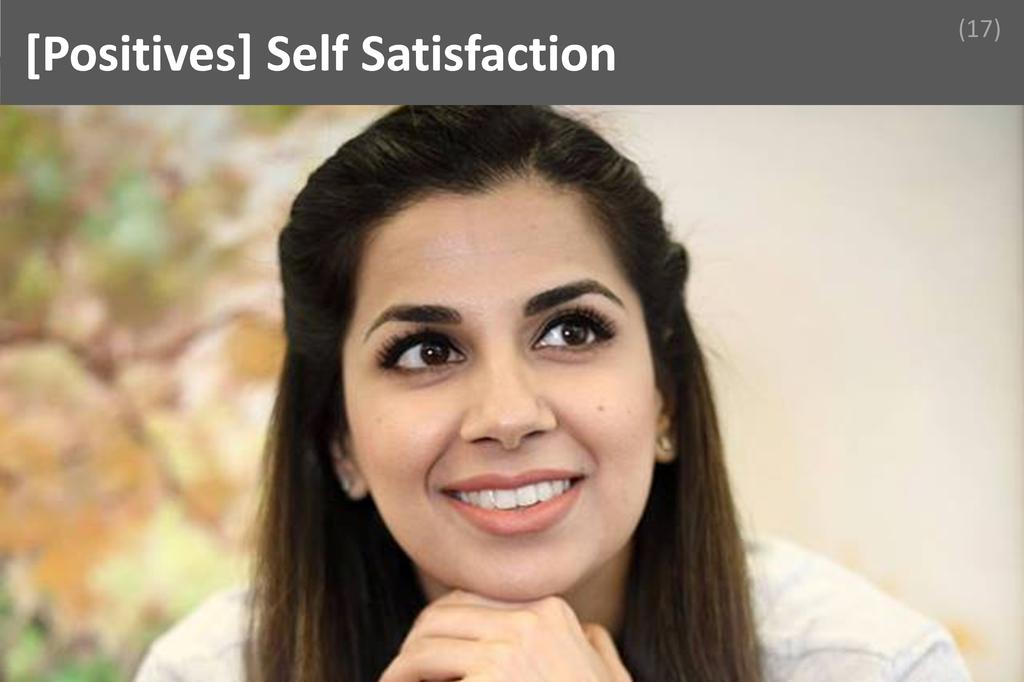
Self satisfaction is the deep sense of contentment and pride that arises from achieving personal goals, meeting high standards, and making a meaningful impact through one’s work. In makeup artistry, this feeling is cultivated by transforming clients’ appearances, expressing creativity, and witnessing the positive reactions that result from their skills and dedication.
Self satisfaction is a cornerstone of a fulfilling career in makeup artistry because it fuels motivation and personal growth. When artists see the tangible results of their creativity and expertise, they develop a stronger sense of purpose and confidence. This internal reward often translates into higher job satisfaction, as artists feel valued not only by their clients but also by themselves. The daily opportunity to make a difference in someone’s life, whether for a special event or a simple confidence boost, reinforces their passion for the craft. Over time, this ongoing sense of achievement encourages continuous learning, resilience, and a commitment to excellence, all of which are essential for long-term success in the beauty industry.
Imagine a makeup artist preparing a bride for her wedding day. The artist carefully listens to the bride’s vision, skillfully applies makeup that enhances her natural beauty, and helps calm her nerves with reassuring words. When the bride sees her reflection and tears of joy well up in her eyes, the artist feels a profound sense of accomplishment. This moment of genuine gratitude and happiness from the client provides the artist with self satisfaction that goes beyond external praise or financial reward. The knowledge that their talent and effort have contributed to someone’s most cherished memories is a powerful motivator, inspiring the artist to continue perfecting their craft and finding joy in every transformation.
Good Income

Good income refers to earning a stable and substantial financial reward that not only covers basic living expenses but also allows for savings, investments, and personal growth. In makeup artistry, good income means professionals can enjoy financial security, pursue their passions, and invest in their skills, tools, and future opportunities.
The prospect of a good income is a powerful motivator for many makeup artists, as it transforms their creative passion into a sustainable and rewarding career. Earning a strong income boosts confidence and job satisfaction, allowing professionals to focus on their artistry without the constant stress of financial insecurity. It also opens doors to further education, advanced training, and the ability to purchase high-quality products, all of which contribute to career growth. On a daily basis, makeup artists who enjoy good income can take pride in their work, knowing their talent is valued and well-compensated, which in turn inspires them to deliver their best for every client.
Imagine a makeup artist who has built a loyal clientele and is regularly booked for weddings, photo shoots, and special events. With each successful project, she not only receives appreciation for her creative skills but also earns a generous income that allows her to upgrade her kit with premium products and attend exclusive industry workshops. This financial stability means she can plan vacations, support her family, and even save for future business ventures, such as opening her own studio. The sense of accomplishment and security she feels every month is a direct result of the good income her profession provides, making her career both fulfilling and sustainable.
Networking

Networking is the process of building and nurturing professional relationships that foster mutual support, knowledge exchange, and career opportunities. In makeup artistry, networking connects artists with clients, industry peers, and mentors, opening doors to collaborations, referrals, and creative inspiration. This interconnectedness enriches careers and enhances personal and professional growth.
The power of networking in makeup artistry cannot be overstated. By forming genuine connections, artists gain access to new clients, exclusive projects, and industry insights that might otherwise remain out of reach. These relationships often lead to word-of-mouth referrals, which are invaluable in a field where reputation is everything. Networking also provides a sense of community, reducing the isolation that can sometimes accompany freelance work. Through daily interactions with fellow artists, stylists, and clients, makeup professionals find encouragement, share techniques, and stay updated on trends. This ongoing exchange not only fuels creativity but also drives career advancement, making each day more dynamic and rewarding.
Imagine a makeup artist attending a local beauty expo, where she strikes up a conversation with a well-known photographer. They exchange contact information and soon collaborate on a creative photoshoot. The photographer is impressed by her skill and recommends her to a fashion designer preparing for an upcoming runway show. Through this chain of connections, the makeup artist is invited to work backstage at the event, where she meets even more industry professionals. Each new relationship leads to further opportunities, from editorial shoots to private clients. This experience not only expands her portfolio but also instills a deep sense of fulfillment, as her network continues to support and inspire her career journey.
Travelling

Travelling refers to the act of journeying from one place to another, often across cities, countries, or continents, for work or leisure. In makeup artistry, travelling means working in diverse locations, meeting new people, and adapting to different environments. This dynamic movement enriches the professional experience and broadens creative horizons.
The opportunity to travel is a transformative benefit in the field of makeup artistry. It allows professionals to immerse themselves in new cultures, trends, and techniques, which fuels creativity and personal growth. Each destination offers unique challenges and inspirations, keeping the work fresh and exciting. Travelling also expands a makeup artist’s network, opening doors to collaborations with photographers, designers, and clients from around the world. This exposure not only enhances skills but also builds a versatile and impressive portfolio. The sense of adventure and discovery that comes with travelling makes every project feel like a new opportunity, significantly boosting job satisfaction and motivation. For many artists, the ability to see the world while doing what they love is a dream realized daily.
Imagine a makeup artist who is hired to work on an international fashion show in Paris. As she boards her flight, she feels a rush of excitement, knowing she will soon collaborate with renowned designers and models from different backgrounds. Upon arrival, she navigates the bustling backstage environment, adapting her techniques to suit the unique lighting and styles of the Parisian runway. In between shows, she explores the city’s art and culture, drawing inspiration for her future work. The connections she makes and the experiences she gathers not only enhance her professional reputation but also enrich her personal life. Travelling, in this way, transforms her career into an ongoing adventure filled with growth and fulfillment.
Seasonal Work
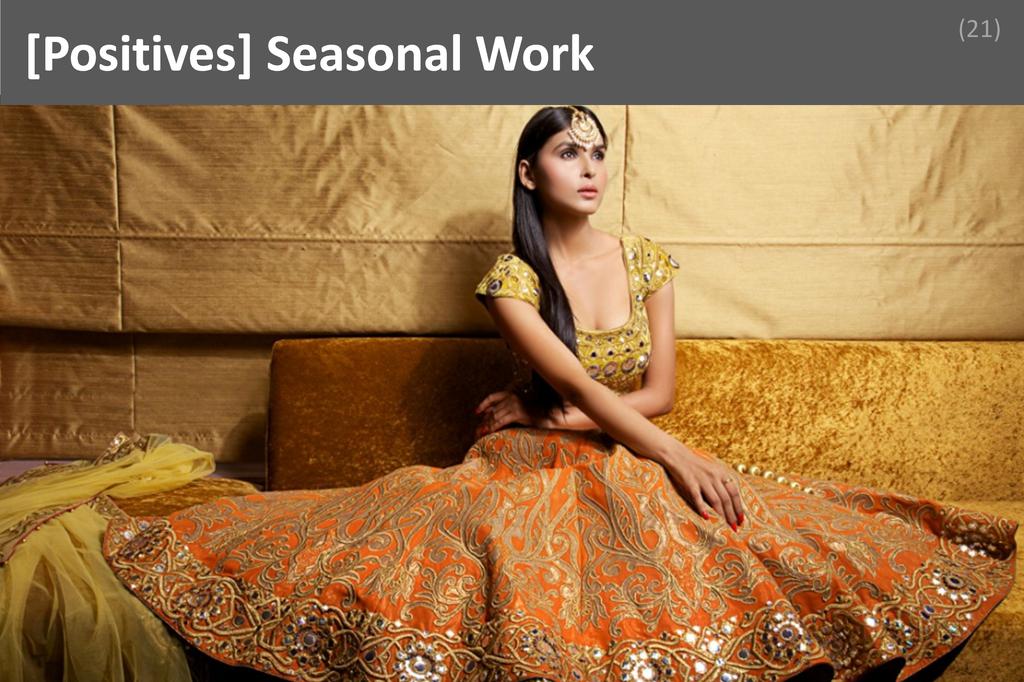
Seasonal work refers to employment opportunities that arise during specific times of the year, such as wedding seasons, holidays, fashion weeks, or festival periods. In makeup artistry, these peak periods bring a surge of clients and unique projects, offering artists dynamic experiences and the chance to showcase their creativity in diverse settings.
The cyclical nature of seasonal work in makeup artistry brings a refreshing rhythm to the profession. Artists enjoy periods of intense activity, which are often filled with exciting events, new faces, and creative challenges. This ebb and flow prevent monotony and keep the work environment stimulating. During busy seasons, makeup artists can expand their portfolios, network with industry professionals, and earn higher income through increased demand. The anticipation of upcoming seasons motivates artists to refine their skills and stay current with trends, fostering continuous professional growth. Daily, this benefit is felt through the variety of clients and projects, making each workday unique and rewarding, and ensuring that passion for the craft remains vibrant throughout the year.
Imagine a makeup artist preparing for the spring wedding season. As inquiries flood in, she collaborates with brides, photographers, and stylists, each day presenting new creative opportunities. The excitement of transforming clients for their special day, coupled with the fast-paced environment, brings immense satisfaction. She witnesses her calendar fill with bookings, her artistry featured in wedding albums, and her reputation growing through word-of-mouth referrals. The seasonal rush not only boosts her income but also deepens her sense of accomplishment. When the season winds down, she enjoys a well-deserved break, reflecting on her achievements and preparing for the next wave of opportunities, feeling inspired and fulfilled by her career’s dynamic nature.
Challenges
Competition
Competition in Makeup Artistry refers to the constant presence of numerous skilled artists vying for the same clients, jobs, and recognition within a saturated market. This challenge is demanding because it requires professionals to continuously innovate, maintain high standards, and differentiate themselves to secure opportunities and build a sustainable career.
The pressure of competition in Makeup Artistry can influence daily work by fostering a sense of urgency and the need for continual self-improvement. Artists may experience stress as they strive to keep up with trends, deliver exceptional results, and maintain client loyalty. This environment demands resilience, adaptability, and a proactive mindset. Successful professionals manage this constraint by focusing on personal branding, building strong client relationships, and investing in ongoing education. They also seek feedback, collaborate with peers, and leverage social media to showcase their unique style. By embracing competition as motivation rather than a threat, artists can transform challenges into opportunities for growth and long-term success.
Consider a makeup artist working in a bustling city where new talent emerges regularly. Instead of feeling threatened by the influx of competitors, she chooses to specialize in bridal makeup, developing a signature style that resonates with clients. She attends workshops to refine her skills and actively engages with her audience on social media, sharing tutorials and behind-the-scenes content. By nurturing relationships with wedding planners and photographers, she creates a reliable referral network. Through these efforts, she not only stands out in a crowded field but also builds a loyal clientele, demonstrating how embracing competition with strategic action can lead to professional growth and recognition.
Initial Struggle
Initial Struggle in Makeup Artistry refers to the demanding phase when emerging artists face limited opportunities, inconsistent income, and the need to prove their skills in a competitive industry. This period is challenging because it tests both technical ability and emotional resilience, often requiring perseverance before achieving recognition or financial stability.
The initial struggle can deeply affect a makeup artist’s daily work by introducing uncertainty, self-doubt, and financial stress. Each assignment may feel like a test, and the lack of steady clients can make it difficult to build confidence. This phase demands resilience because setbacks are frequent and progress can seem slow. Successful professionals manage these constraints by focusing on continuous skill improvement, networking with industry peers, and seeking feedback to refine their craft. They also maintain a positive mindset, understanding that persistence and adaptability are essential. Over time, these strategies help transform early challenges into valuable learning experiences, paving the way for long-term growth and recognition in the field.
Consider a makeup artist who, after completing formal training, struggles to secure regular clients and faces repeated rejections from agencies. Instead of giving up, she dedicates time to practicing new techniques, collaborates with photographers for portfolio-building shoots, and attends local beauty events to connect with potential clients. Gradually, her persistence pays off as her network grows and her work gains visibility on social media. Through consistent effort and a willingness to learn from setbacks, she overcomes the initial struggle, eventually establishing a steady client base and earning respect within the industry. Her journey highlights how determination and proactive engagement can turn early obstacles into stepping stones for a successful career.
A Day Of
Makeup Artistry
The world of makeup artistry is a whirlwind of color, creativity, and constant movement—a profession where no two days are ever quite the same. From the moment the first brush is dipped into a palette, the pace is brisk and the stakes are high, whether prepping a bride for her big day, transforming actors on set, or collaborating with photographers behind the scenes. The environment buzzes with anticipation and artistry, blending technical skill with personal connection in a dance that unfolds from dawn until dusk. For a makeup artist, the workday is less about sitting behind a desk and more about standing at the center of transformation, where every face is a new canvas and every moment demands adaptability, precision, and passion.
As the sun rises, a makeup artist’s day begins with meticulous preparation. This early hour is dedicated to sanitizing brushes, organizing kits, and reviewing client briefs or mood boards for the day’s assignments. Whether heading to a bustling film set or a serene bridal suite, the artist ensures every product is accounted for and every tool is ready for action. This quiet, focused time sets the tone for the day, allowing space to mentally map out creative approaches and anticipate any special requests or challenges that might arise.
By mid-morning, the real action begins. The makeup artist is fully immersed in the core of their craft, working closely with clients, models, or actors to bring visions to life. This is the most intense and interactive part of the day, where artistry meets collaboration under the pressure of tight schedules and high expectations. Whether perfecting a flawless complexion for a photoshoot or crafting dramatic effects for a stage production, the artist must balance speed with precision, adapting techniques on the fly and ensuring every detail aligns with the creative direction.
Afternoons are often spent on location, where the makeup artist’s role shifts to one of collaboration and execution. Here, they work alongside photographers, directors, stylists, and other creatives, performing touch-ups between takes, adjusting looks to suit changing lighting, and responding to feedback in real time. The environment is dynamic and fast-paced, demanding clear communication and a keen eye for detail as the artist helps maintain continuity and elevate the overall vision of the project.
As the day winds down, the makeup artist transitions to wrap-up mode. This time is devoted to cleaning and restocking kits, documenting products used, and reviewing photos or notes from the day’s work. Administrative tasks like responding to emails, invoicing clients, and scheduling future appointments come into focus. There’s also a moment for reflection—assessing what went well, identifying areas for improvement, and researching new trends or techniques to stay ahead in a constantly evolving industry. With the next day’s briefs in hand, the artist prepares to do it all over again, fueled by the promise of new faces and fresh creative challenges. |


 Home
Home Abroad
 Plan
Plan Philosophy
 Seminar
 Pages
Pages Advisors
 Testimonials











 Workshop
 Discuss
 Meet
Meet
 Advisor
 Story
Story
 Fine Print
 Links
Links
 Blog
Blog
 Follow
