The Journey of Makeup Artistry
What Is Makeup Artistry
Makeup Artistry
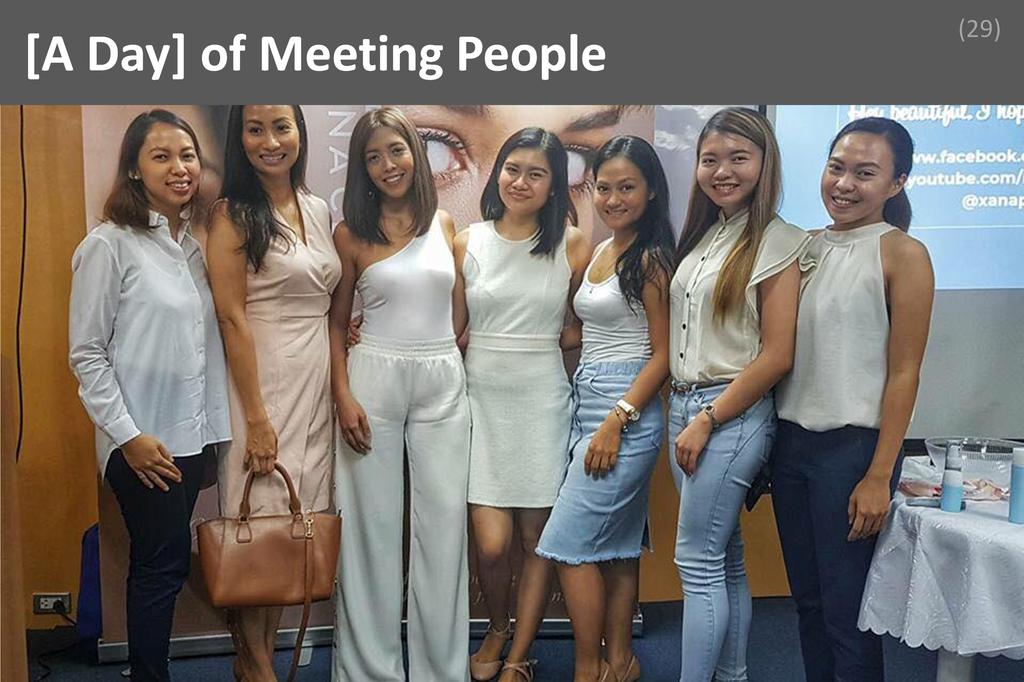
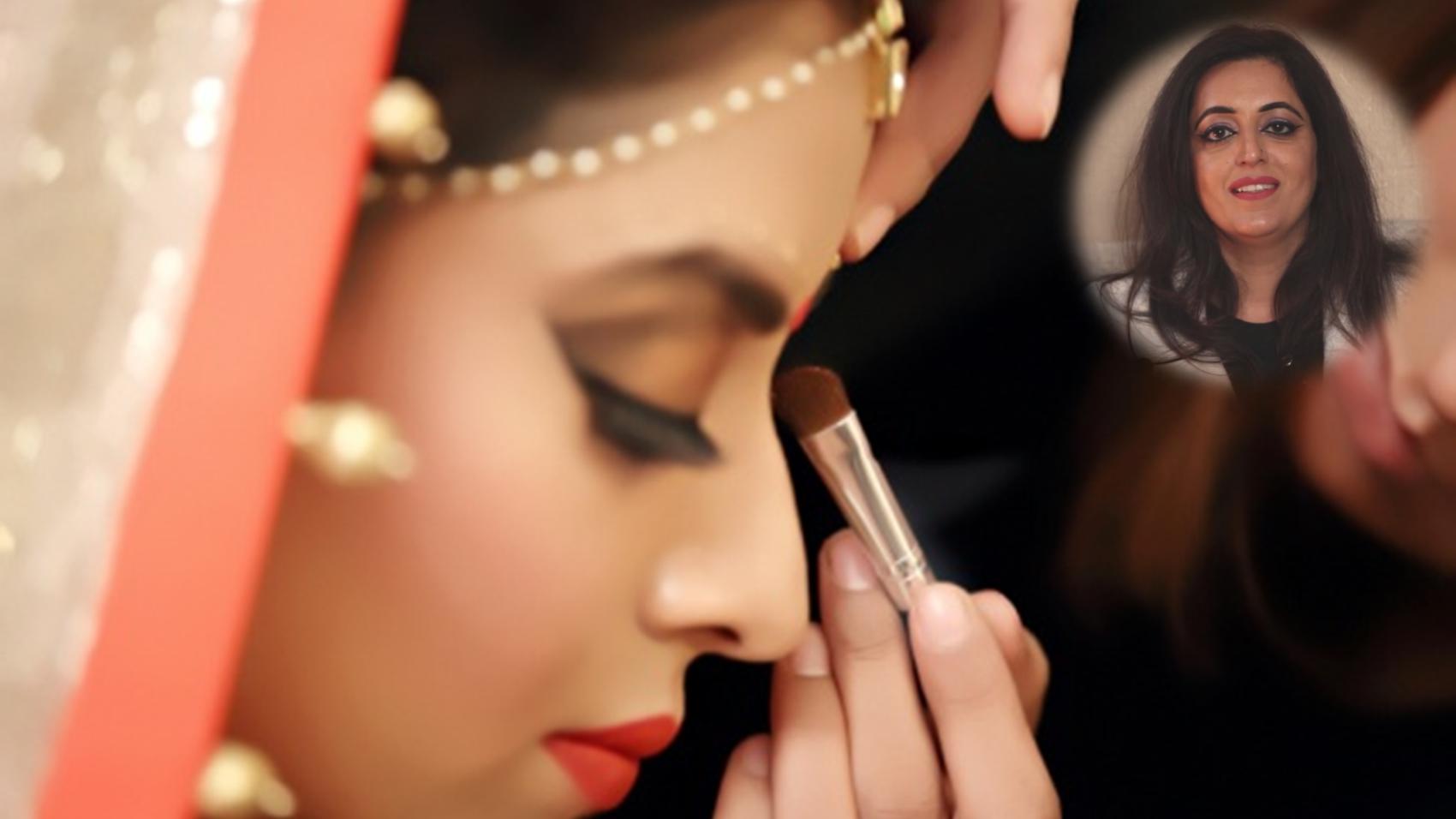
Makeup artistry is the professional application of cosmetics to enhance, transform, or alter a person's appearance for various purposes, including fashion, film, television, theater, photography, and personal events. It combines technical skill, creativity, and knowledge of products to achieve desired looks tailored to individual clients or specific projects.
Makeup artistry plays a significant role in the beauty, entertainment, and fashion industries, shaping visual storytelling and personal confidence. For professionals, it offers creative expression, the ability to work in diverse environments, and the opportunity to make a tangible difference in how clients feel about themselves. The first major benefit is the creative freedom to experiment with colors, textures, and styles, allowing artists to develop a unique signature. Another benefit is the versatility of career paths, from working with celebrities and models to bridal and special effects makeup. Lastly, makeup artistry fosters strong interpersonal connections, as artists often help clients feel empowered and confident, making a positive impact on their self-esteem and public image.
A professional makeup artist working on a film set collaborates closely with directors, costume designers, and actors to create character-specific looks that align with the story’s vision. For a period drama, the artist researches historical makeup trends and carefully applies products to reflect the era accurately. Throughout the shoot, the artist is responsible for touch-ups, continuity, and adapting makeup for different lighting conditions. Their expertise ensures that each actor’s appearance remains consistent and believable on camera, contributing to the overall authenticity of the production. This example highlights how makeup artistry combines technical skill, creativity, and teamwork to bring characters and stories to life in a visually compelling way.
Education
Skin Types
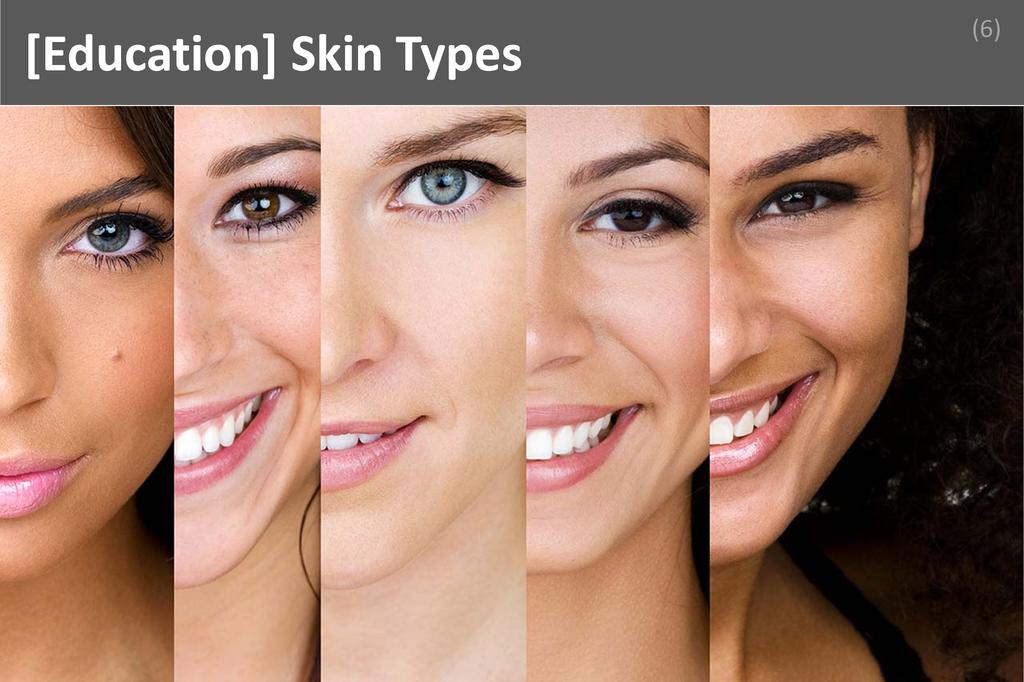
Skin types refer to the classification of human skin based on its natural characteristics, such as oiliness, dryness, sensitivity, and combination traits. Understanding skin types is essential in makeup artistry, as it guides professionals in selecting appropriate products and techniques, ensuring optimal results and client satisfaction in both academic and professional settings.
A thorough understanding of skin types is fundamental for anyone pursuing a career in makeup artistry. This knowledge enables professionals to assess clients’ skin accurately, choose suitable products, and apply techniques that enhance appearance while maintaining skin health. Recognizing the differences between oily, dry, combination, and sensitive skin allows makeup artists to prevent adverse reactions and achieve long-lasting, flawless finishes. Mastery of this subject also builds client trust, as it demonstrates expertise and a commitment to personalized care. Over time, this foundational knowledge supports career growth by fostering repeat business, positive referrals, and adaptability to diverse clientele, making it an indispensable skill for long-term success in the industry.
Imagine a makeup artist preparing a client for a wedding. Upon consultation, the artist observes that the client has combination skin, with an oily T-zone and dry cheeks. Drawing on their understanding of skin types, the artist selects a mattifying primer for the forehead, nose, and chin, while applying a hydrating base to the cheeks. They choose foundation and setting products tailored to each area’s needs, ensuring the makeup remains intact and comfortable throughout the event. By customizing their approach based on skin type, the artist not only enhances the client’s appearance but also prevents issues like patchiness or excessive shine, demonstrating professionalism and expertise in real-world practice.
Face Structure/Features
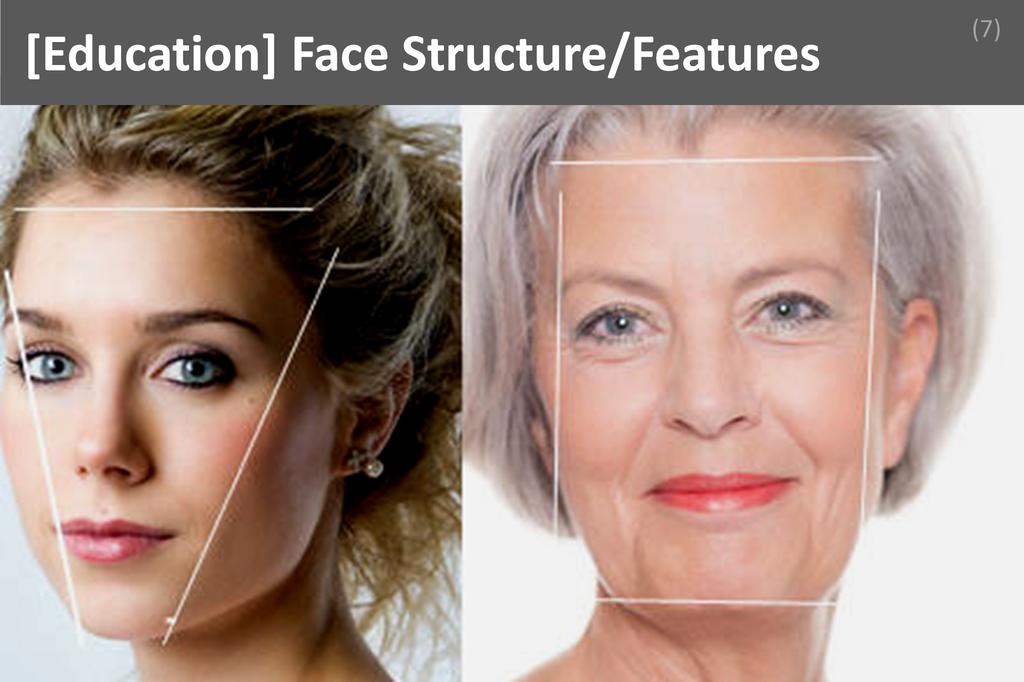
Face Structure/Features refers to the unique combination of bone structure, contours, and individual characteristics such as eye shape, nose, lips, and jawline that define a person’s face. In Makeup Artistry, understanding these elements is essential for designing looks that enhance natural beauty and achieve desired visual effects.
A deep understanding of face structure and features is fundamental for anyone pursuing a career in Makeup Artistry. This knowledge allows professionals to tailor their techniques to suit each client’s unique facial anatomy, ensuring that makeup applications are both flattering and effective. Mastery of these concepts enables artists to highlight strengths, minimize perceived imperfections, and create balanced, harmonious looks. Over time, this expertise builds a reputation for skillful, personalized service, which is invaluable for client satisfaction and career advancement. Furthermore, a strong grasp of facial analysis is crucial for working in specialized fields such as editorial, theatrical, or special effects makeup, where transformation and precision are paramount.
Imagine a makeup artist preparing a client for a photoshoot. By carefully analyzing the client’s face structure, the artist identifies high cheekbones, a rounded jawline, and deep-set eyes. Drawing on their theoretical knowledge, the artist uses contouring to accentuate the cheekbones, applies highlighting to bring forward the eyes, and selects eyebrow shapes that complement the natural arch. This thoughtful approach ensures the makeup not only photographs well but also enhances the client’s best features in person. The ability to adapt techniques to individual face shapes demonstrates professionalism and artistry, resulting in a confident, satisfied client and a successful outcome for the project.
Basic Techniques
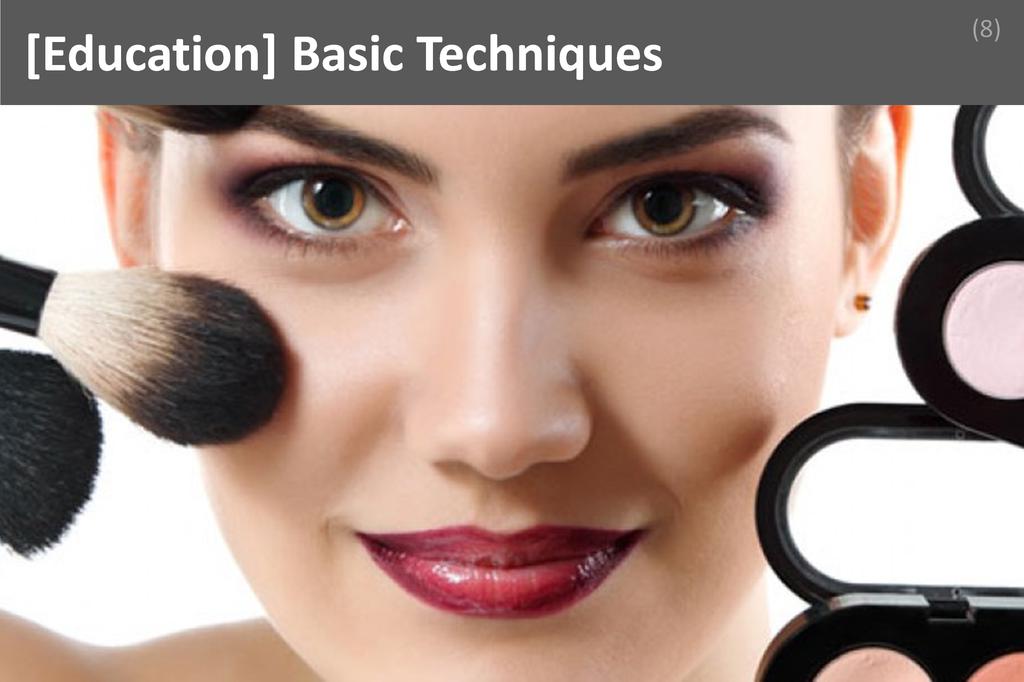
Basic Techniques in makeup artistry refer to the essential methods and foundational skills required to apply, blend, and finish makeup effectively. These techniques encompass understanding facial anatomy, color theory, product selection, and application methods. Mastery of these basics is crucial for both academic study and professional practice in the makeup industry.
Learning Basic Techniques is vital because it establishes the groundwork upon which all advanced makeup artistry is built. Without a solid grasp of these core skills, professionals may struggle to achieve consistent, high-quality results or adapt to diverse client needs. Mastery of basic techniques ensures that makeup artists can confidently execute a wide range of looks, troubleshoot common challenges, and maintain industry standards. Over time, this foundational knowledge enables artists to innovate, specialize, and progress in their careers, as it provides the confidence and competence required to handle complex projects and demanding clients. Ultimately, a strong command of basic techniques enhances credibility, employability, and long-term success in the competitive field of makeup artistry.
Imagine a makeup artist preparing a client for a high-profile photoshoot. Drawing on their understanding of basic techniques, the artist begins by assessing the client’s skin type and undertone, selecting appropriate primers and foundations to create a flawless base. They expertly blend concealer to mask imperfections and use contouring and highlighting to accentuate the client’s features. Throughout the process, the artist applies eyeshadow, eyeliner, and lipstick using precise, practiced strokes, ensuring symmetry and balance. By relying on their foundational skills, the artist adapts to the client’s unique facial structure and the demands of the shoot, demonstrating how theoretical knowledge of basic techniques translates into professional, real-world excellence.
Advanced Techniques
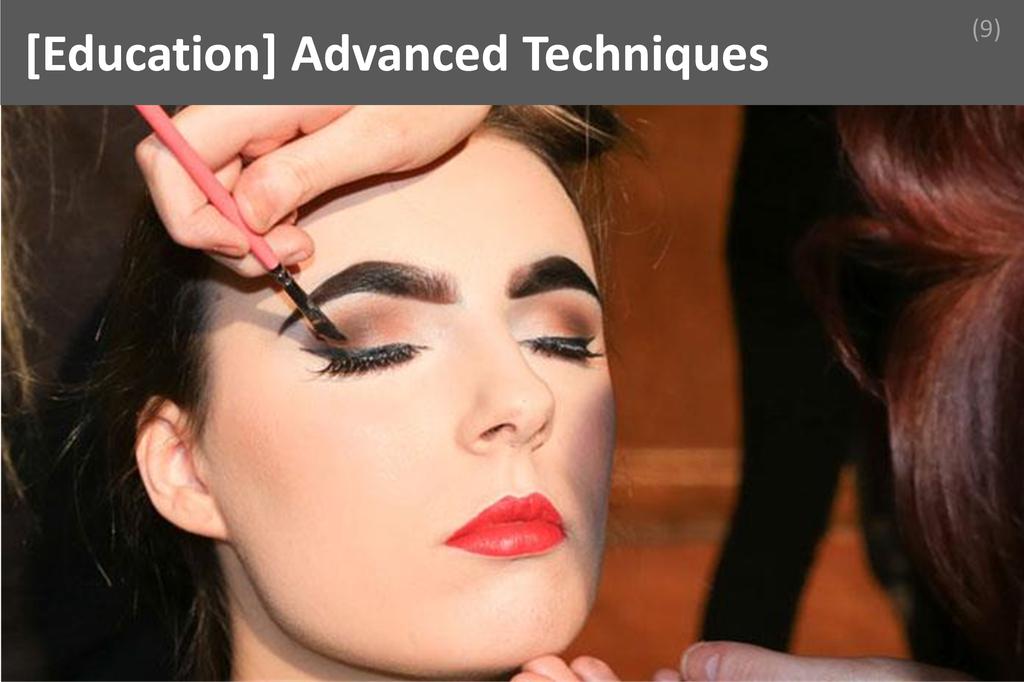
Advanced Techniques in makeup artistry refer to specialized skills and methods that go beyond basic application, encompassing complex blending, contouring, corrective makeup, and creative transformations. These techniques are essential for achieving high-level artistry and are a critical component of both academic study and professional expertise in the makeup industry.
Understanding Advanced Techniques is vital for makeup artists aiming to excel in their field, as it enables them to tackle a wide range of client needs and creative challenges. Mastery of these methods forms the backbone of a professional’s skill set, allowing for precise customization and innovation in makeup application. This knowledge not only enhances technical proficiency but also builds confidence, credibility, and adaptability in diverse work environments such as fashion, film, bridal, and editorial settings. Over time, expertise in advanced techniques opens doors to higher-profile projects, leadership roles, and the ability to educate or mentor others, ensuring long-term career growth and recognition within the industry.
A professional makeup artist working backstage at a fashion show is tasked with creating a dramatic, avant-garde look that complements the designer’s vision. Drawing on their understanding of advanced techniques, the artist expertly layers products, manipulates textures, and uses unconventional color placements to achieve a flawless, high-impact result. Their theoretical knowledge allows them to troubleshoot issues such as uneven skin tone or challenging lighting conditions, ensuring the makeup remains vibrant and intact under intense scrutiny. This application of advanced skills not only meets the creative brief but also demonstrates the artist’s ability to adapt and innovate in a fast-paced, high-pressure environment, reinforcing their reputation as a skilled and reliable professional.
Product Information

Product Information refers to the detailed knowledge about cosmetic products, including their ingredients, uses, benefits, limitations, application techniques, and safety considerations. In Makeup Artistry, understanding Product Information is essential for selecting appropriate products, ensuring client safety, achieving desired results, and maintaining professional standards in both academic study and workplace practice.
A thorough grasp of Product Information is crucial for anyone pursuing a career in Makeup Artistry. This knowledge empowers professionals to make informed decisions about which products best suit different skin types, tones, and conditions. It also enables makeup artists to identify potential allergens or irritants, ensuring client safety and satisfaction. Mastery of product details allows for creative versatility, as artists can confidently combine or layer products to achieve specific looks. Over time, this expertise builds trust with clients and colleagues, enhances professional credibility, and opens doors to advanced roles such as product consultancy or brand representation. Ultimately, understanding Product Information forms the backbone of a successful and sustainable career in the beauty industry.
Imagine a makeup artist preparing a client for a photoshoot. The client mentions having sensitive skin and a history of allergic reactions. Drawing on their knowledge of Product Information, the artist carefully selects hypoallergenic, fragrance-free foundations and checks ingredient lists for potential irritants. They explain their choices to the client, reassuring them about product safety and expected results. During application, the artist uses the correct techniques for the chosen products, ensuring a flawless finish that photographs well and lasts throughout the shoot. This scenario highlights how theoretical understanding of Product Information directly influences product selection, client communication, and the overall quality of professional service in Makeup Artistry.
Continuous Updates

Continuous Updates refers to the ongoing process of acquiring new knowledge, skills, and techniques to stay current with industry trends, products, and best practices. In Makeup Artistry, this concept is essential for both academic study and professional growth, ensuring artists remain relevant and competitive in a rapidly evolving field.
Understanding and embracing Continuous Updates is crucial for anyone pursuing a career in Makeup Artistry. The beauty industry is dynamic, with new products, tools, and techniques emerging regularly. By prioritizing ongoing learning, makeup artists can maintain a high standard of service, adapt to client preferences, and incorporate the latest trends into their work. This commitment not only enhances creativity and technical proficiency but also builds credibility and trust with clients and employers. Over time, professionals who consistently update their knowledge are better positioned to advance their careers, secure diverse job opportunities, and establish themselves as leaders in the industry. Continuous Updates, therefore, forms the backbone of a sustainable and successful career in Makeup Artistry.
Imagine a makeup artist who regularly attends workshops, follows industry leaders on social media, and experiments with new products as soon as they are released. One day, a client requests a look inspired by a recent runway trend that features innovative techniques and products unfamiliar to many artists. Because the makeup artist has kept up with Continuous Updates, they confidently recreate the look using the latest methods and products, impressing the client and setting themselves apart from competitors. This daily application of updated knowledge not only satisfies clients but also ensures the artist’s portfolio remains fresh and relevant, directly contributing to their professional reputation and ongoing success.
Skills
Creativity

Creativity is the ability to generate original ideas, envision new possibilities, and transform inspiration into unique, practical outcomes. In makeup artistry, creativity empowers professionals to design distinctive looks, adapt to diverse client needs, and set trends. It is the driving force that elevates technical skill into memorable, impactful artistry.
Creativity enhances a makeup artist’s performance by enabling them to tailor their work to each client’s features, preferences, and the demands of various occasions. Clients and employers highly value this skill because it leads to innovative, personalized results that stand out in a competitive industry. A creative makeup artist can interpret briefs imaginatively, adapt to unexpected challenges, and consistently deliver fresh, engaging looks. Cultivating creativity involves staying curious, seeking inspiration from art, fashion, and culture, and practicing new techniques regularly. Over time, exposure to diverse styles and continuous experimentation help artists expand their creative repertoire, making them more versatile and sought-after in their field.
Imagine a makeup artist preparing a model for a high-profile fashion show when a last-minute wardrobe change alters the entire theme of the presentation. The original makeup plan no longer complements the new outfit or concept. Relying on creativity, the artist quickly reimagines the look, drawing inspiration from the new colors and textures. They skillfully blend unconventional shades and techniques to craft a cohesive, striking appearance that not only matches the updated theme but also impresses the designer and audience. This ability to think on their feet and produce innovative solutions under pressure showcases how creativity is indispensable for overcoming challenges and achieving professional success in makeup artistry.
Time Management

Time management is the ability to plan, prioritize, and allocate time effectively to complete tasks efficiently and meet deadlines. In makeup artistry, this skill ensures that professionals can deliver high-quality results within tight schedules, manage multiple clients, and adapt to last-minute changes, making it indispensable for career success.
Mastering time management significantly enhances a makeup artist’s performance by allowing them to handle multiple appointments, complex looks, and unexpected challenges without compromising quality. Clients and employers highly value this skill because it demonstrates reliability, professionalism, and respect for others’ time, which are crucial in fast-paced environments like weddings, fashion shows, or film sets. Cultivating time management involves setting realistic schedules, practicing efficient techniques, and learning to anticipate potential delays. Over time, consistent reflection and adjustment of one’s workflow help build the confidence and flexibility needed to thrive in the dynamic world of makeup artistry.
Imagine a makeup artist preparing a bridal party on the morning of a wedding. With several clients to serve before the ceremony, the artist must allocate time for each person, adjust for late arrivals, and still deliver flawless results. When one bridesmaid arrives late, the artist quickly reassesses the schedule, rearranges the order of appointments, and streamlines certain steps without sacrificing quality. By managing time effectively, the artist ensures everyone is ready on schedule, reduces stress for the bridal party, and earns praise for professionalism. This scenario highlights how strong time management not only solves critical issues but also builds trust and reputation in the industry.
Client Handling

Client handling refers to the ability to communicate effectively, understand client needs, manage expectations, and build trust throughout the service experience. In makeup artistry, this skill ensures that clients feel comfortable, valued, and confident in the artist’s abilities, fostering positive relationships and repeat business. It is indispensable for career growth.
Mastering client handling enhances a makeup artist’s performance by enabling clear communication, reducing misunderstandings, and ensuring client satisfaction. Clients and employers highly value this skill because it leads to smoother appointments, personalized results, and positive word-of-mouth referrals. To cultivate client handling, makeup artists should practice active listening, maintain professionalism, and seek feedback to continuously improve their interpersonal approach. Over time, experience with diverse clients helps refine the ability to adapt communication styles, manage challenging situations gracefully, and anticipate client needs. This ongoing development not only boosts client loyalty but also strengthens the artist’s reputation, making them a preferred choice in a competitive industry.
Imagine a makeup artist preparing a bride for her wedding day. The bride arrives feeling anxious and uncertain about her desired look. The artist relies on strong client handling skills, calmly engaging the bride in conversation to understand her preferences and concerns. Through attentive listening and empathetic reassurance, the artist builds trust and helps the bride articulate her vision. By managing expectations and offering professional advice, the artist creates a look that aligns with the bride’s wishes while addressing her insecurities. The result is a satisfied client who feels beautiful and confident, leading to glowing recommendations and future bookings. This scenario highlights how effective client handling can turn a potentially stressful situation into a memorable success.
Marketing

Marketing is the strategic process of promoting, selling, and distributing products or services to target audiences through various channels. It involves understanding customer needs, creating compelling messages, and building relationships to drive engagement and sales. In Makeup Artistry, marketing is vital for attracting clients, establishing a brand, and sustaining business growth.
Mastering marketing enables makeup artists to showcase their unique talents, reach wider audiences, and differentiate themselves in a competitive industry. Clients and employers value professionals who can not only deliver exceptional artistry but also effectively communicate their offerings and build a loyal clientele. By developing marketing skills, makeup artists can create a strong personal brand, utilize social media platforms, and network with industry peers. Over time, consistent practice in crafting engaging content, understanding market trends, and analyzing feedback helps refine marketing strategies. This ongoing development ensures that makeup artists remain relevant, visible, and in demand, ultimately enhancing their career prospects and business success.
Imagine a makeup artist who recently launched a freelance business but struggles to attract clients despite having excellent technical skills. By leveraging marketing, the artist creates a visually appealing portfolio on social media, shares behind-the-scenes content, and collaborates with local photographers and models. Through targeted online campaigns and engaging storytelling, the artist highlights unique services and client testimonials, building trust and credibility. As a result, inquiries and bookings increase, and the artist establishes a recognizable brand within the community. This scenario demonstrates how effective marketing not only solves the challenge of low visibility but also drives sustainable growth and professional recognition in the makeup artistry field.
Continuous Practice

Continuous Practice is the ongoing, deliberate repetition and refinement of techniques, skills, and creative approaches to consistently improve and adapt within a profession. In Makeup Artistry, it serves as the foundation for mastering new trends, perfecting application methods, and ensuring that each client receives the highest standard of artistry and care.
Continuous Practice directly enhances a makeup artist’s technical precision, speed, and adaptability. As trends and products evolve rapidly, those who regularly practice are better equipped to deliver flawless results under any circumstances. Clients and employers value artists who demonstrate growth and up-to-date skills, as this reflects professionalism and dedication. Cultivating this skill involves setting aside time for regular hands-on application, seeking feedback, and staying informed about industry innovations. Over time, this commitment leads to increased confidence, a more diverse portfolio, and the ability to handle a wider range of client requests. Ultimately, continuous practice transforms raw talent into reliable expertise, making it indispensable for career advancement in makeup artistry.
Imagine a makeup artist preparing a bride for her wedding day when an unexpected skin reaction occurs, requiring a swift change in products and techniques. Because the artist has consistently practiced with various skin types and products, she quickly adapts, selecting hypoallergenic alternatives and adjusting her application method. Her steady hand and calm demeanor, honed through repeated practice, reassure the client and result in a flawless, long-lasting look. This scenario highlights how continuous practice not only sharpens technical skills but also builds the confidence and resourcefulness needed to handle high-pressure situations, ultimately ensuring client satisfaction and professional success.
Positives
Empowering Women

Empowering women means fostering confidence, independence, and self-worth by supporting their choices, voices, and aspirations. In makeup artistry, this empowerment is achieved by helping women express their individuality, embrace their beauty, and feel confident in their own skin. This positive influence enriches both the client and the artist’s experience.
Empowering women is a cornerstone of makeup artistry, making the profession deeply rewarding. When makeup artists help clients see themselves in a new light, they witness firsthand the transformation that goes beyond the surface. This daily opportunity to uplift others creates a sense of purpose and fulfillment, fueling passion for the craft. The positive feedback and gratitude from clients often lead to lasting relationships and a loyal clientele, which in turn supports professional growth. Knowing that their skills can inspire confidence and self-assurance in others, makeup artists find greater satisfaction in their work and are motivated to continually improve and innovate. This cycle of empowerment not only benefits clients but also strengthens the artist’s own sense of achievement and belonging in the industry.
Imagine a makeup artist preparing a woman for her first major job interview. The client arrives feeling nervous and unsure of herself, but as the session progresses, the artist listens to her story, offers encouragement, and skillfully enhances her natural features. By the end of the appointment, the woman looks in the mirror and sees a confident, capable version of herself. She leaves not only looking polished but also feeling empowered to face her interview with renewed self-assurance. For the makeup artist, witnessing this transformation is profoundly fulfilling, reaffirming the power of their work to uplift and empower women in meaningful, lasting ways.
Flexible Schedule

A flexible schedule refers to the ability to set and adjust working hours according to personal needs, client demands, and lifestyle preferences, rather than adhering to a strict nine-to-five routine. In makeup artistry, this flexibility allows professionals to balance work with other commitments, fostering creativity, autonomy, and a healthier work-life integration.
The flexible schedule inherent in makeup artistry is a powerful driver of job satisfaction and personal growth. Professionals can choose when and where they work, whether it’s early mornings for weddings, afternoons for photoshoots, or evenings for special events. This adaptability means artists can pursue additional training, nurture personal relationships, or even take on multiple projects simultaneously. The freedom to design one’s own calendar reduces burnout and enhances motivation, as artists can align their workload with their peak productivity times. Every day, makeup artists experience the benefit of flexibility by accommodating diverse clients, exploring creative opportunities, and maintaining a sense of control over their professional journey.
Imagine a makeup artist who is passionate about both her career and her family. She schedules bridal makeup sessions on weekends and dedicates weekdays to editorial shoots or private lessons. On a particular Wednesday, she finishes a morning photoshoot and spends the afternoon attending her child’s school event, without the stress of requesting time off. Later that evening, she prepares for a glamorous event, energized by the variety and balance her schedule provides. This ability to seamlessly blend personal and professional priorities not only enhances her job satisfaction but also allows her to thrive creatively, making each day uniquely rewarding.
Brand Collaboration

Brand Collaboration in makeup artistry refers to the partnership between makeup artists and cosmetic brands, where artists use, promote, or help develop products in exchange for exposure, resources, or compensation. This synergy allows artists to access innovative tools, expand their networks, and enhance their professional reputation within the beauty industry.
Brand collaboration is a transformative force in the world of makeup artistry because it opens doors to creative opportunities and professional growth. When makeup artists work alongside established brands, they gain access to the latest products and technologies, often before they reach the general market. This not only keeps their skills sharp and relevant but also allows them to influence trends and product development. The recognition and support from respected brands can significantly boost an artist’s confidence and credibility, leading to increased job satisfaction. Daily, makeup artists experience the excitement of testing new products, sharing their expertise with a wider audience, and building lasting relationships that can propel their careers to new heights.
Imagine a makeup artist who has built a strong online presence through their unique style and expertise. A renowned cosmetics brand notices their work and invites them to collaborate on a new product launch. The artist is given early access to the brand’s latest collection, allowing them to experiment and create exclusive looks. They share their honest reviews and creative tutorials with their followers, receiving enthusiastic feedback and growing their audience. The brand features their work in marketing campaigns, giving the artist national exposure and opening up further opportunities for collaboration. This partnership not only validates the artist’s talent but also provides a sense of accomplishment and belonging within the vibrant beauty community.
Travelling

Travelling, in the context of makeup artistry, refers to the opportunity to journey to various locations—locally, nationally, or internationally—to provide services for clients, participate in events, or collaborate on creative projects. This dynamic movement enriches the profession by exposing artists to diverse cultures, trends, and professional environments.
The ability to travel as a makeup artist transforms the career into an ongoing adventure, offering fresh inspiration and continuous learning. Each new destination introduces artists to unique styles, techniques, and cultural perspectives, which can be incorporated into their own work. This exposure not only enhances creativity but also expands professional networks, opening doors to collaborations and prestigious assignments. The excitement of working in different settings, from bustling cities to serene countryside venues, keeps the job invigorating and prevents monotony. For many, the sense of freedom and exploration that comes with travelling is a significant source of job satisfaction, fueling personal growth and professional development on a daily basis.
Imagine a makeup artist who is hired to work on an international fashion show in Paris. As she boards her flight, she feels the thrill of anticipation, knowing she will collaborate with renowned designers and models from around the world. Upon arrival, she is immersed in the vibrant Parisian fashion scene, learning new techniques and gaining inspiration from local artists. The experience not only elevates her skills but also broadens her professional network, leading to future opportunities in other countries. The memories, friendships, and creative insights gained from this journey become invaluable, reminding her why travelling is such a rewarding and fulfilling aspect of her career in makeup artistry.
Challenges
Instability

Instability in Makeup Artistry refers to the unpredictable nature of work opportunities, fluctuating income, and inconsistent schedules. This challenge is demanding because it requires professionals to constantly adapt to changing client needs, seasonal trends, and the competitive landscape, making long-term planning and financial security difficult to achieve.
The instability inherent in Makeup Artistry can lead to periods of uncertainty, where professionals may experience gaps between projects or sudden changes in client demand. This unpredictability affects daily work by requiring artists to remain flexible, often working irregular hours and managing last-minute bookings or cancellations. Such a dynamic environment demands resilience, as it can be emotionally and financially taxing. Successful makeup artists navigate this constraint by diversifying their skills, building strong client relationships, and maintaining a proactive approach to networking and self-promotion. By staying adaptable and continuously seeking new opportunities, they create a more stable workflow and mitigate the risks associated with the profession’s inherent instability.
Consider a freelance makeup artist who faces a sudden drop in bookings during the off-season. Instead of waiting passively for clients, she leverages her downtime to update her portfolio, connect with photographers for collaborative shoots, and offer virtual makeup tutorials. By expanding her services and maintaining visibility on social media, she attracts new clients and secures bookings for upcoming events. Her proactive approach not only fills the gaps in her schedule but also strengthens her reputation and client base. Through adaptability and initiative, she successfully manages the instability of her career, turning potential setbacks into opportunities for growth and professional development.
Client Satisfaction

Client satisfaction in Makeup Artistry refers to the process of meeting or exceeding a client’s expectations regarding their desired look, comfort, and overall experience. This is demanding because each client’s preferences, skin types, and communication styles differ, requiring makeup artists to adapt, interpret, and deliver personalized results consistently.
The challenge of client satisfaction permeates every aspect of a makeup artist’s daily work, from initial consultations to the final reveal. Misunderstandings about desired outcomes or unspoken expectations can lead to dissatisfaction, making resilience essential. Professionals must remain calm under pressure, listen actively, and communicate clearly to ensure alignment with the client’s vision. Successful makeup artists often employ strategies such as thorough consultations, visual references, and regular feedback during the process. They also develop strong interpersonal skills, allowing them to build trust and handle criticism constructively. By embracing adaptability and maintaining a client-focused mindset, they turn potential dissatisfaction into opportunities for growth and repeat business.
Consider a makeup artist preparing a bride for her wedding day. The bride arrives with a specific look in mind, inspired by a celebrity, but her skin tone and facial features differ significantly from the reference. The artist listens attentively, discusses possible adjustments, and provides a trial application, inviting feedback at each step. When the bride expresses concern about the lip color, the artist calmly suggests alternatives and demonstrates how subtle changes can enhance her natural beauty. Through patience, open communication, and professional expertise, the artist not only achieves a look the bride loves but also reassures her throughout the process. This thoughtful approach transforms a potentially stressful situation into a memorable, positive experience.
Building Reputation

Building reputation in Makeup Artistry means establishing trust, credibility, and recognition among clients and peers through consistent, high-quality work and professionalism. This is demanding because the industry is highly competitive, visually driven, and reliant on word-of-mouth, making it difficult for newcomers to stand out and earn lasting respect.
The challenge of building a reputation in Makeup Artistry can affect daily work by creating pressure to deliver flawless results every time, often under tight deadlines and high client expectations. Professionals may struggle with self-doubt or face skepticism from potential clients who prefer established artists. This ongoing challenge requires resilience, as setbacks or negative feedback can feel personal and discouraging. Successful makeup artists manage this constraint by persistently showcasing their work, seeking constructive feedback, and networking within the industry. They invest in continuous learning and maintain a positive, reliable presence both online and offline, gradually earning trust and recognition through consistency and professionalism.
Consider a makeup artist who starts their career with few contacts and limited exposure. To overcome the reputation barrier, they volunteer for local fashion shows, collaborate with photographers on creative projects, and share their work on social media platforms. Despite initial rejections and slow progress, they remain committed to improving their craft and building relationships with clients and colleagues. Over time, their dedication leads to positive reviews, referrals, and invitations to work on larger projects. By consistently delivering quality results and maintaining a professional attitude, they transform early challenges into opportunities, steadily establishing a respected reputation within the makeup artistry community.
Expanding Network

Expanding Network in Makeup Artistry refers to the ongoing effort to build and maintain professional relationships with clients, peers, and industry contacts. This is demanding because the field is highly competitive, relies on word-of-mouth referrals, and requires constant visibility to access new opportunities, collaborations, and career advancement.
The challenge of expanding one’s network in makeup artistry can significantly affect daily work, as limited connections may restrict access to clients, events, and industry knowledge. Professionals often face isolation, inconsistent workflow, and missed opportunities if their network remains stagnant. This situation demands resilience because rejection, slow progress, and the need for continual self-promotion can be discouraging. Successful makeup artists manage this constraint by actively engaging in industry events, leveraging social media, and nurturing genuine relationships with clients and colleagues. They remain persistent in outreach efforts, adapt to feedback, and consistently showcase their skills, which gradually builds trust and reputation within the community, ultimately leading to a broader and more supportive professional network.
Consider a freelance makeup artist who recently moved to a new city and initially struggled to find clients due to a lack of local connections. Recognizing the importance of expanding her network, she began attending beauty expos, volunteering for local fashion shows, and collaborating with photographers on creative projects. By sharing her work on social media and engaging with other artists online, she gradually became more visible in the local scene. Over time, her proactive approach led to referrals, repeat clients, and invitations to participate in high-profile events. This scenario illustrates how determination, strategic networking, and consistent presence can help overcome the challenge of expanding one’s professional network in makeup artistry.
A Day Of
Makeup Artistry
The world of makeup artistry is a whirlwind of color, creativity, and constant motion, where no two days are ever quite the same. Behind the scenes, the pace is brisk and the energy palpable, as professionals juggle brushes, palettes, and personalities in a dynamic environment that demands both artistry and adaptability. Whether working backstage at a fashion show, on set for a commercial shoot, or preparing a bride for her big day, a makeup artist’s workday is a seamless blend of precision, collaboration, and hustle, all unfolding in a vibrant atmosphere where every moment counts.
As dawn breaks, the makeup artist’s day begins with meticulous preparation. The early morning hours are spent cleaning and organizing brushes, sanitizing palettes, and double-checking that every product is in place and ready for the day’s assignments. This is also a time for reviewing client briefs, mood boards, or creative direction notes, allowing the artist to visualize the looks they’ll be creating. With a cup of coffee in hand, they might scroll through social media or industry magazines for a final burst of inspiration before heading out, ensuring they’re mentally and physically equipped for whatever the day may bring.
By mid-morning, the real action begins. The makeup artist is fully immersed in their craft, working closely with clients, models, or talent to bring visions to life. This is the most intense and interactive part of the day, filled with the buzz of conversation, the hum of blow dryers, and the click of cameras. Whether perfecting a smoky eye under the scrutiny of studio lights or calming pre-wedding jitters with a gentle touch, the artist’s focus is unwavering. Every brushstroke is deliberate, every product choice intentional, as they balance creativity with the demands of time and client expectations.
Afternoon brings a shift toward collaboration and execution. The makeup artist moves between touch-ups, consultations, and quick changes, often working alongside hairstylists, photographers, and wardrobe teams to ensure a cohesive final look. This phase is all about adaptability—responding to last-minute changes, adjusting makeup for different lighting conditions, or reworking a look to fit a director’s evolving vision. Communication and teamwork are key, as the artist navigates the fast-paced environment, keeping everyone on schedule while maintaining the highest standards of artistry.
As the day winds down, the makeup artist turns their attention to wrapping up and preparing for tomorrow. Brushes and tools are thoroughly cleaned and sanitized, kits are restocked, and notes are made about products used or client preferences for future reference. This is also a time for administrative tasks, such as responding to emails, updating portfolios, and researching new trends or techniques. With the day’s work behind them, the artist reflects on what went well and what could be improved, setting the stage for another day of artistry and innovation. |


 Home
Home Abroad
 Plan
Plan Philosophy
 Seminar
 Pages
Pages Advisors
 Testimonials











 Workshop
 Discuss
 Meet
Meet
 Advisor
 Story
Story
 Fine Print
 Links
Links
 Blog
Blog
 Follow
