The Journey of Makeup Artistry
What Is Makeup Artistry
Makeup Artistry
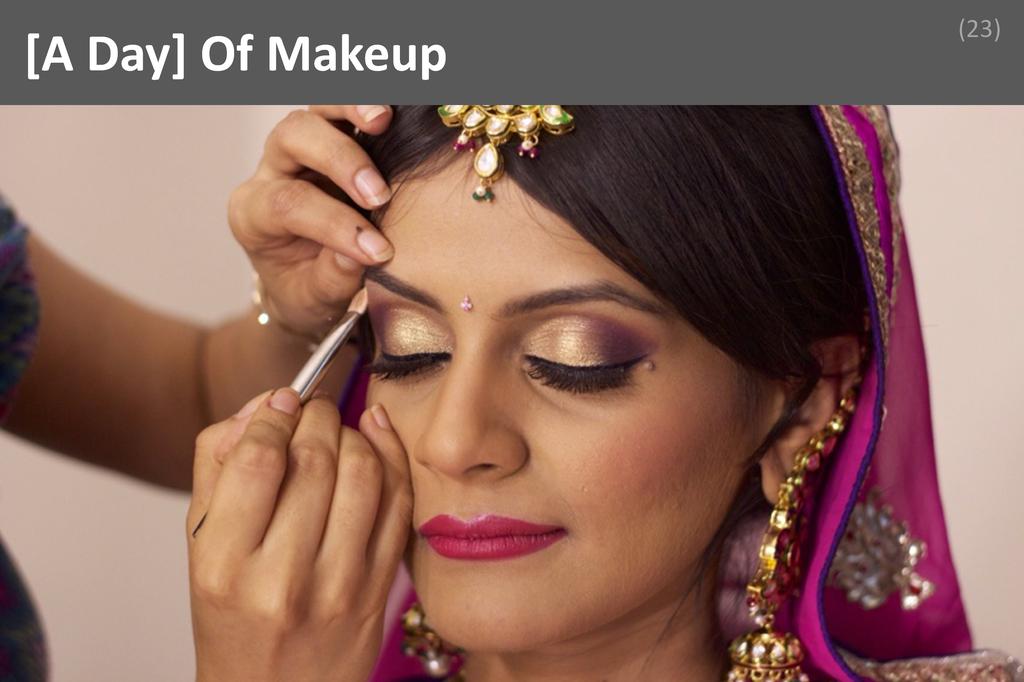
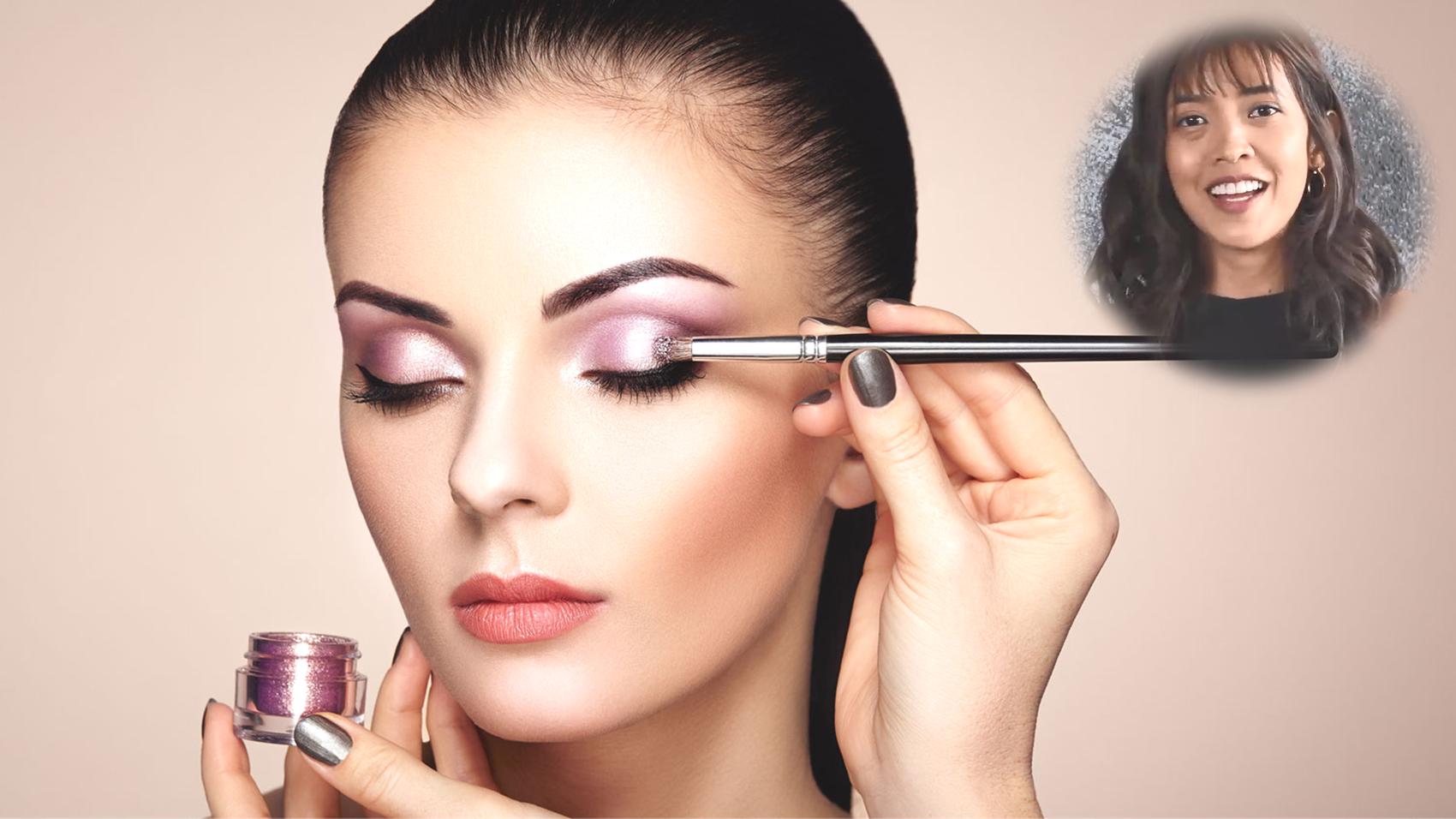
Makeup artistry is the skilled practice of applying cosmetics and other products to enhance, transform, or alter a person’s appearance. It combines creativity, technical knowledge, and an understanding of facial features to achieve desired looks for various occasions, including fashion, film, theater, photography, and personal events.
Makeup artistry plays a significant role in the beauty and entertainment industries, shaping trends and influencing how individuals present themselves to the world. For professionals, it offers a creative outlet and the opportunity to work in diverse environments, from film sets to bridal suites. One major benefit is the ability to help clients feel more confident and empowered through personalized looks. Another advantage is the flexibility in career paths, allowing artists to specialize in areas such as special effects, editorial, or everyday beauty. Additionally, makeup artistry fosters continuous learning, as professionals stay updated with new techniques, products, and styles, ensuring their skills remain relevant and in demand.
A professional makeup artist might be hired to prepare a model for a high-fashion photo shoot. Before the session, the artist consults with the photographer and stylist to understand the creative vision and desired mood. Using their expertise, the artist selects products and techniques that complement the model’s features and the lighting conditions. Throughout the shoot, the makeup artist remains on set to make touch-ups, adapt the look as needed, and ensure the model’s appearance aligns with the evolving direction of the shoot. This collaborative process highlights how makeup artistry is both an art and a technical skill, essential to achieving the final visual impact in professional photography.
Education
Product Knowledge
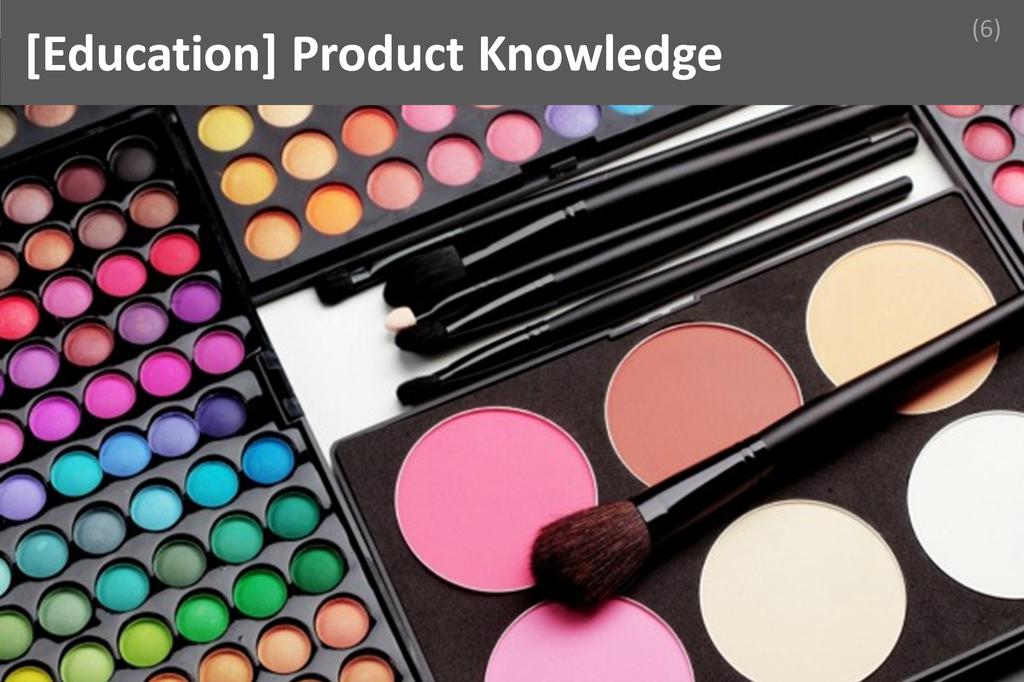
Product Knowledge refers to a comprehensive understanding of the ingredients, uses, benefits, limitations, and application techniques of various makeup products. In Makeup Artistry, it forms a crucial part of both academic study and professional expertise, enabling artists to select and use products safely, effectively, and creatively for diverse client needs.
Developing strong product knowledge is essential for anyone pursuing a career in Makeup Artistry because it underpins every aspect of the profession. Mastery of this subject allows artists to confidently recommend suitable products for different skin types, tones, and conditions, ensuring client safety and satisfaction. It also empowers professionals to troubleshoot issues such as allergic reactions or product incompatibility, which can arise during makeup application. Over time, a deep understanding of product formulations and innovations helps artists stay current with industry trends, enhancing their credibility and employability. Ultimately, product knowledge is not just about knowing what is available on the market, but about building trust with clients and delivering consistently high-quality results.
Imagine a makeup artist preparing a client with sensitive skin for a wedding. Drawing on their product knowledge, the artist selects hypoallergenic, fragrance-free foundations and primers, avoiding ingredients known to cause irritation. During application, the artist explains the benefits of each product, reassuring the client and demonstrating professionalism. If the client expresses concern about long-lasting wear, the artist recommends a specific setting spray formulated for sensitive skin, ensuring the makeup remains flawless throughout the event. By applying their theoretical understanding of product ingredients and performance, the artist not only achieves a beautiful result but also builds client trust and loyalty, showcasing the real-world value of comprehensive product knowledge in Makeup Artistry.
Skin Treatments
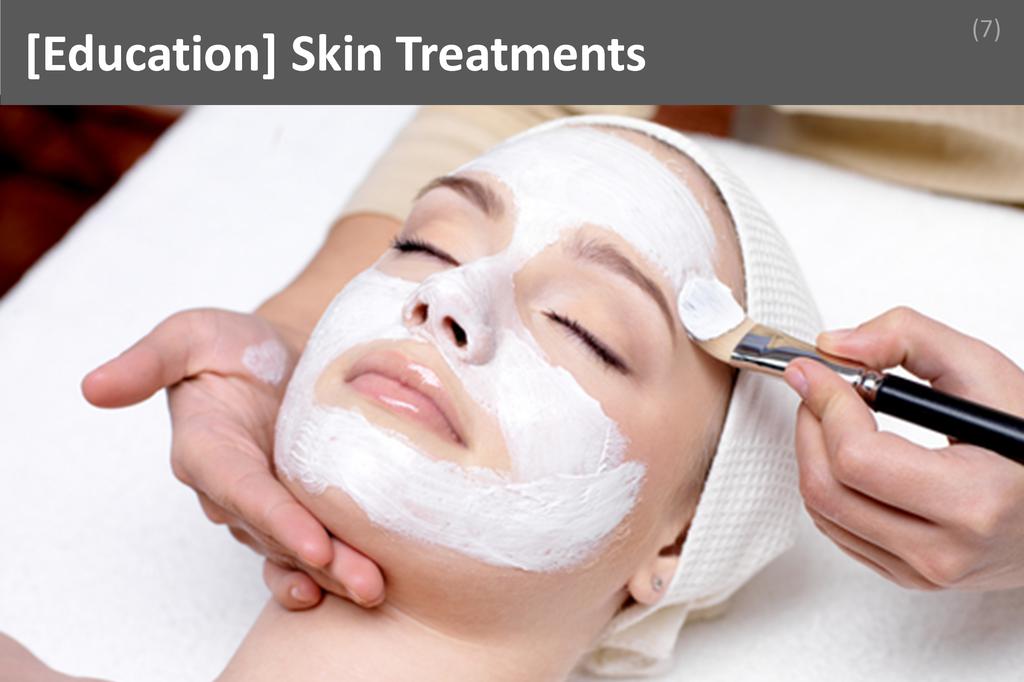
Skin treatments refer to a range of procedures and products designed to improve, maintain, or restore the health and appearance of the skin. In makeup artistry, understanding skin treatments is essential, as it bridges skincare and cosmetic application, forming a critical component of both academic study and professional practice.
A deep understanding of skin treatments is vital for makeup artists because the condition of the skin directly impacts the effectiveness and longevity of any makeup application. Knowledge of skin treatments allows professionals to assess skin types, identify underlying issues, and recommend or perform appropriate pre-makeup care. This expertise not only enhances the final aesthetic result but also ensures client safety and satisfaction. Over time, proficiency in skin treatments can set a makeup artist apart in a competitive industry, fostering trust with clients and opening doors to advanced roles in beauty, editorial, and even medical aesthetics. Mastery of this subject forms the backbone of a holistic approach to beauty, blending artistry with science for long-term career growth.
Consider a makeup artist preparing a client for a high-profile photoshoot. Upon assessing the client’s skin, the artist notices dryness and uneven texture. Drawing on their knowledge of skin treatments, the artist selects a gentle exfoliation followed by a hydrating mask before applying any makeup. This pre-treatment smooths the skin’s surface, allowing foundation and other products to adhere flawlessly and last longer under studio lights. The client not only looks radiant but also feels comfortable, appreciating the extra care taken. This scenario demonstrates how theoretical understanding of skin treatments translates into practical steps that elevate the quality of work, enhance client experience, and reinforce the artist’s reputation for professionalism and expertise.
Latest Trends
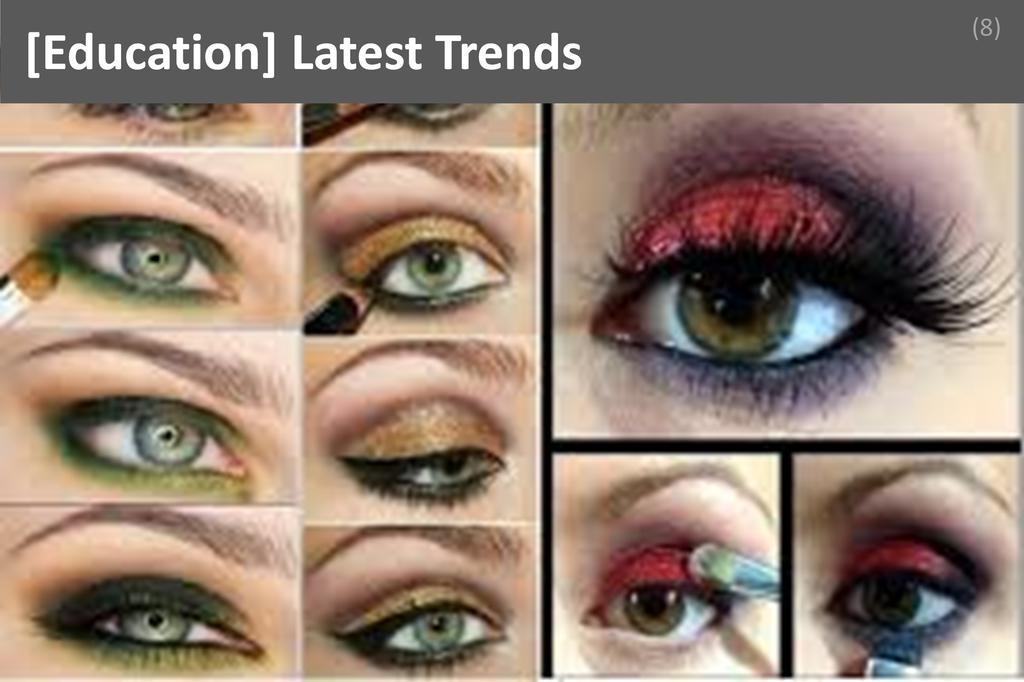
Latest Trends refers to the most current styles, techniques, products, and influences shaping the makeup industry at any given time. In Makeup Artistry, understanding these trends is essential for staying relevant, meeting client expectations, and maintaining a competitive edge in both academic study and professional practice.
Learning about the latest trends is vital for makeup artists because the beauty industry evolves rapidly, driven by fashion, technology, and cultural shifts. Mastery of current trends ensures that professionals can offer clients looks that are modern and desirable, which is crucial for building a strong reputation. Staying informed about new products, application methods, and aesthetic preferences forms the foundation for creative growth and adaptability. Over time, this knowledge enables makeup artists to anticipate changes, innovate within their craft, and remain in demand. Embracing ongoing trend education also opens doors to collaborations, media opportunities, and positions artists as thought leaders in the industry, ensuring long-term career sustainability and advancement.
Imagine a makeup artist preparing a client for a high-profile fashion event. By applying their knowledge of the latest trends, such as dewy skin finishes, graphic eyeliner, or bold lip colors seen on recent runways, the artist can create a look that feels fresh and on-point. This not only satisfies the client’s desire to appear stylish and current but also demonstrates the artist’s expertise and awareness of industry movements. The ability to reference and execute trending techniques, while adapting them to suit individual features and preferences, sets the artist apart from competitors. Ultimately, this practical application of trend knowledge enhances client trust, encourages repeat business, and builds a portfolio that attracts new opportunities.
Skills
Creativity
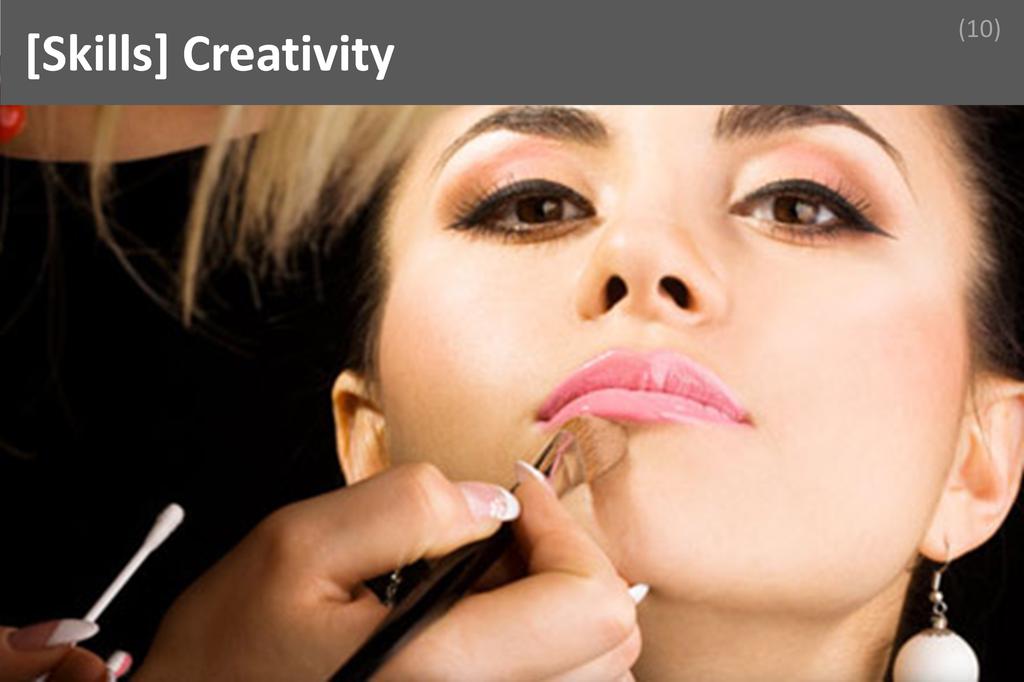
Creativity is the ability to generate original ideas, envision new possibilities, and transform inspiration into tangible outcomes. In makeup artistry, creativity empowers professionals to design unique looks, adapt to diverse client needs, and express artistic vision. It is a foundational skill that distinguishes exceptional artists from those who simply follow trends or techniques.
Creativity directly enhances a makeup artist’s performance by enabling them to craft personalized looks that reflect each client’s individuality or the specific demands of a project. Clients and employers highly value this skill because it leads to innovative results, sets trends, and ensures memorable transformations. A creative makeup artist can adapt to unexpected challenges, such as working with unconventional materials or meeting last-minute requests. Cultivating creativity involves continuous practice, seeking inspiration from various art forms, experimenting with new products, and staying open to feedback. Over time, this ongoing process helps artists refine their unique style and expand their repertoire, making them more versatile and sought after in the industry.
Imagine a makeup artist preparing a model for a high-profile fashion show when, moments before the runway, the designer requests a dramatic change to the original look to better complement a newly added accessory. With limited time and resources, the artist must quickly conceptualize and execute a fresh design that aligns with the designer’s vision. Drawing on their creativity, the artist improvises with available products, blending unexpected colors and textures to create a striking, cohesive look. The result not only satisfies the designer but also garners praise from the audience and media, demonstrating how creativity enables makeup artists to thrive under pressure and deliver outstanding results in dynamic environments.
Passion
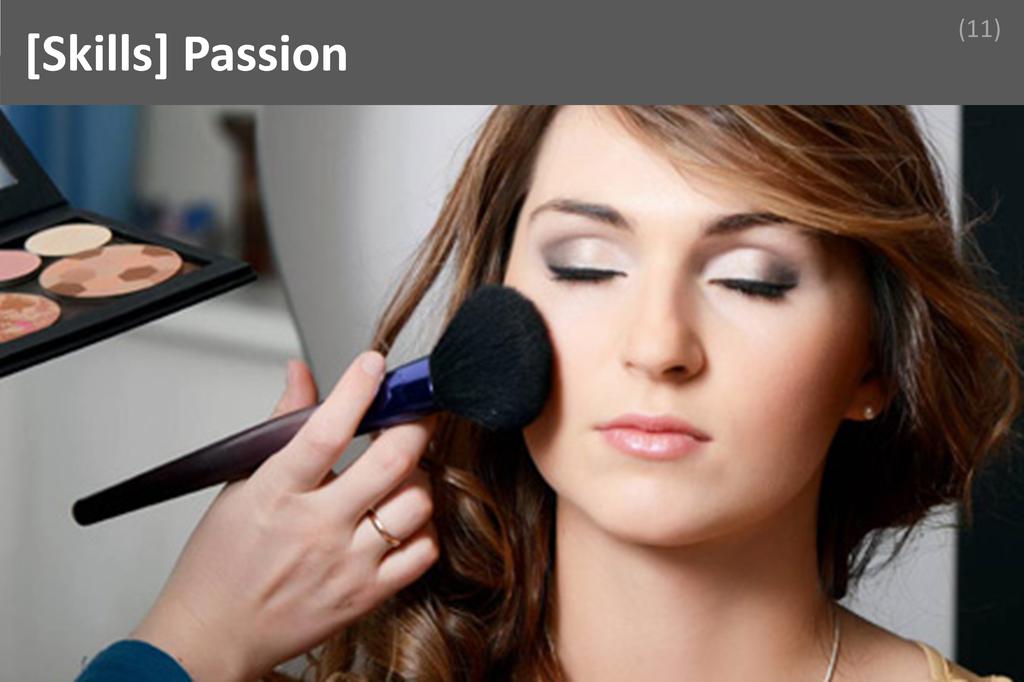
Passion is a deep, enduring enthusiasm and commitment to one’s craft, driving individuals to pursue excellence, overcome challenges, and continuously grow. In makeup artistry, passion fuels creativity, motivates learning, and inspires professionals to deliver their best work, making it an indispensable element in achieving both personal and professional fulfillment.
Passion directly enhances a makeup artist’s performance by fostering a genuine desire to master new techniques, stay updated with trends, and consistently deliver high-quality results. Clients and employers recognize and appreciate artists who are passionate, as their dedication often translates into meticulous attention to detail and a willingness to go the extra mile. Passionate artists are more likely to build strong client relationships, adapt to unique requests, and maintain resilience in a competitive industry. To cultivate passion, one should actively seek inspiration, invest in ongoing education, and immerse themselves in creative communities. Over time, this commitment not only sharpens technical skills but also sustains motivation, ensuring a fulfilling and successful career in makeup artistry.
Imagine a makeup artist preparing a bride for her wedding day when an unexpected allergic reaction to a product occurs. Instead of panicking, the artist’s passion for their craft drives them to quickly assess the situation, draw upon their knowledge, and improvise with alternative products. Their enthusiasm and commitment reassure the client, turning a stressful moment into a positive experience. The artist’s passion not only resolves the immediate issue but also leaves a lasting impression, showcasing their dedication and ability to thrive under pressure. This scenario highlights how passion empowers makeup artists to overcome obstacles, deliver exceptional service, and build trust with clients, ultimately contributing to their professional success.
Motivation
Motivation is the internal drive that compels individuals to pursue goals, overcome challenges, and maintain consistent effort toward personal and professional growth. In makeup artistry, motivation fuels creativity, resilience, and the willingness to continually refine techniques. It is a foundational trait that empowers artists to excel and adapt in a dynamic industry.
Motivation directly enhances a makeup artist’s performance by fostering a proactive attitude, encouraging continuous learning, and inspiring innovation in their craft. Clients and employers highly value motivated professionals because they demonstrate reliability, enthusiasm, and a commitment to delivering exceptional results, even under pressure. To cultivate motivation, artists should set clear goals, seek inspiration from industry trends, and celebrate small achievements. Building a supportive network and reflecting on personal progress also help sustain motivation over time. By consistently nurturing this skill, makeup artists can maintain high standards, adapt to evolving client needs, and stand out in a competitive field.
Imagine a makeup artist preparing for a high-profile fashion show when a last-minute change requires them to redesign several looks within a tight timeframe. Instead of feeling overwhelmed, the artist draws on their motivation to stay focused and energized. They quickly research new styles, adapt their techniques, and communicate effectively with the team. Their determination and positive attitude not only help them meet the challenge but also impress the designers and models, leading to praise and future opportunities. In this scenario, motivation is the driving force that enables the artist to overcome obstacles, deliver quality work, and achieve professional success.
Communication

Communication is the clear and effective exchange of information, ideas, and emotions through verbal, nonverbal, and written means. In makeup artistry, communication is vital for understanding client needs, collaborating with creative teams, and ensuring that expectations are met. It forms the foundation for trust, satisfaction, and professional growth.
Strong communication skills directly enhance a makeup artist’s performance by enabling them to accurately interpret a client’s vision, explain techniques, and provide reassurance throughout the process. Clients and employers highly value professionals who listen attentively, ask clarifying questions, and offer constructive feedback, as this leads to better results and a more enjoyable experience. Over time, communication can be cultivated by practicing active listening, seeking feedback, and engaging in diverse collaborative projects. Attending workshops, observing seasoned professionals, and reflecting on interactions also help refine this essential skill, making it an ongoing journey of improvement that benefits both the artist and those they serve.
Imagine a makeup artist preparing a bride for her wedding day. The bride feels anxious and is unsure about the look she wants. The makeup artist uses effective communication to gently ask questions about the bride’s preferences, listens carefully to her concerns, and offers professional suggestions tailored to her features and style. By clearly explaining each step and checking in throughout the application, the artist reassures the bride and builds her confidence. As a result, the bride feels understood and valued, and the final look exceeds her expectations. In this scenario, communication not only resolves uncertainty but also transforms a potentially stressful situation into a memorable and positive experience.
Hygiene
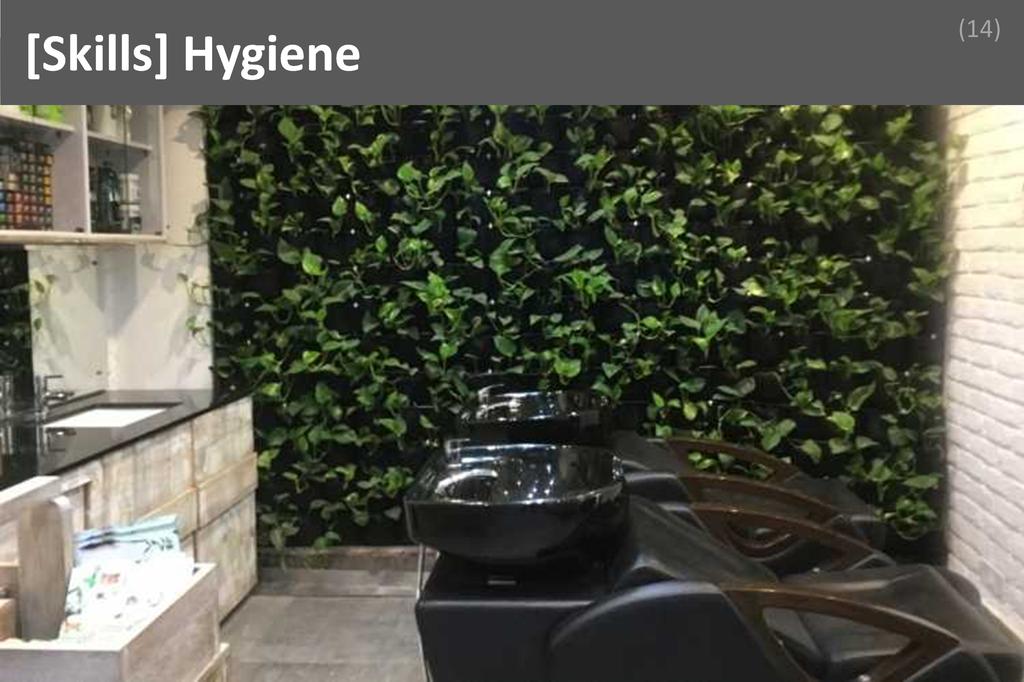
Hygiene refers to the consistent practice of maintaining cleanliness and preventing the spread of germs, bacteria, and contaminants through proper sanitation methods. In makeup artistry, hygiene is a foundational skill that ensures the safety and well-being of both clients and artists, protecting skin health and upholding professional standards.
Mastering hygiene in makeup artistry directly enhances performance by minimizing the risk of infections, allergic reactions, and cross-contamination between clients. Clients and employers highly value artists who prioritize hygiene, as it demonstrates professionalism, care, and respect for client safety. Over time, this skill can be cultivated through rigorous training, staying updated on industry best practices, and developing habits such as regular cleaning of tools, proper handwashing, and using disposable applicators when necessary. By integrating hygiene into every aspect of their workflow, makeup artists build trust, foster repeat business, and establish a reputation for excellence in the industry.
Imagine a makeup artist preparing a client for a high-profile event. During the session, the artist notices a small skin irritation on the client’s face. By relying on their strong hygiene practices, the artist immediately sanitizes their hands, uses clean brushes, and avoids double-dipping into products. This careful approach prevents aggravating the irritation and reassures the client of their safety. As a result, the client feels confident and comfortable, and the artist’s reputation for professionalism is reinforced. In this scenario, the artist’s commitment to hygiene not only addresses a potential health concern but also ensures a successful outcome for both the client and their own career.
Positives
Networking
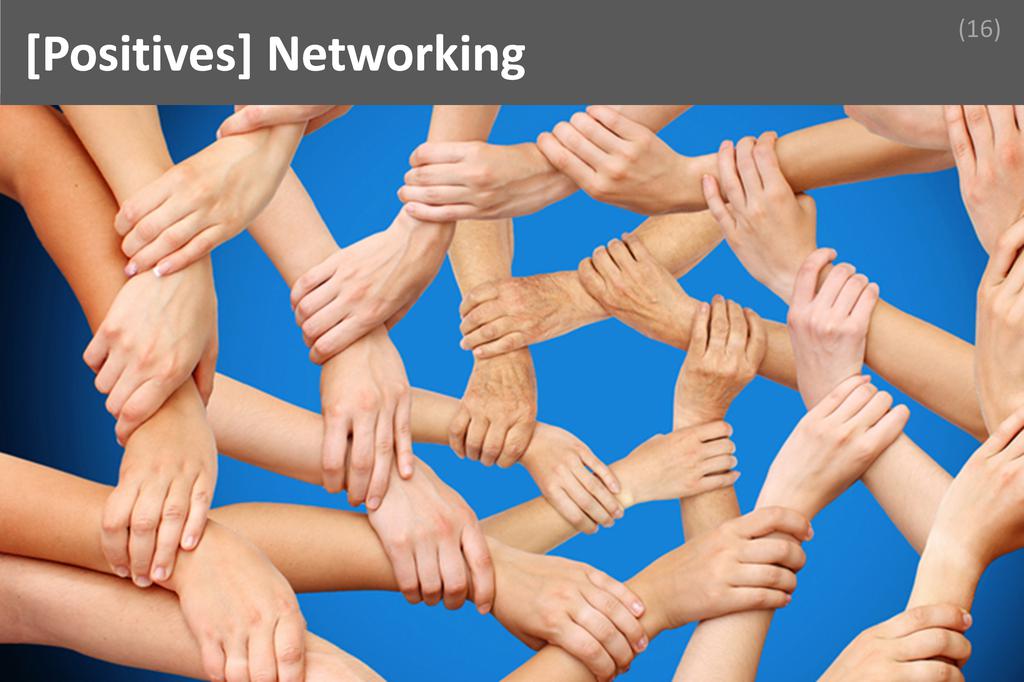
Networking is the process of building and nurturing professional relationships that foster the exchange of ideas, opportunities, and support within an industry. In makeup artistry, networking connects artists with clients, peers, mentors, and collaborators, opening doors to new projects, knowledge, and creative inspiration that enrich both career and personal growth.
The power of networking in makeup artistry lies in its ability to create a vibrant web of connections that continually fuels career advancement and personal fulfillment. By engaging with others in the industry, makeup artists gain access to exclusive job opportunities, insider knowledge, and valuable feedback. These relationships often lead to collaborations on exciting projects, referrals to high-profile clients, and invitations to industry events. The sense of community and mutual support that emerges from networking not only boosts confidence but also provides a safety net during challenging times. On a daily basis, makeup artists experience the benefit of networking through shared tips, encouragement, and the collective drive to push creative boundaries, making their professional journey both dynamic and deeply satisfying.
Imagine a makeup artist attending a local beauty expo, where she strikes up a conversation with a renowned hairstylist. They exchange contact information and soon collaborate on a fashion photoshoot. The hairstylist introduces her to a photographer, who is impressed by her work and recommends her to a magazine editor seeking fresh talent. This chain of connections leads to her makeup artistry being featured in a prominent publication, significantly raising her profile in the industry. Through these interactions, she not only gains new clients and projects but also forms lasting friendships and mentorships. This real-world scenario highlights how networking transforms everyday encounters into meaningful opportunities, fueling both professional growth and personal satisfaction.
Self Satisfaction
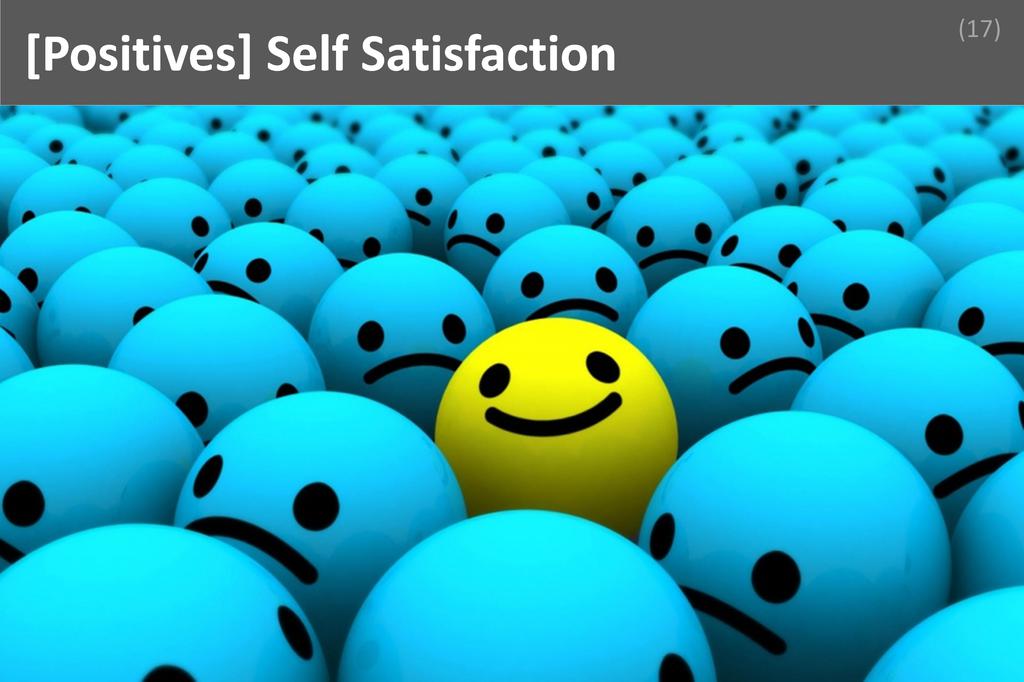
Self satisfaction is the deep sense of fulfillment and contentment that arises from achieving personal goals, expressing creativity, and making a positive difference through one’s work. In makeup artistry, self satisfaction is a driving force that fuels passion, encourages growth, and transforms everyday tasks into meaningful, rewarding experiences.
Self satisfaction is a cornerstone of a fulfilling career in makeup artistry because it transforms routine work into a source of pride and joy. When artists see their creative vision come to life and witness the confidence they inspire in their clients, it reinforces their sense of purpose. This positive feedback loop motivates them to continually refine their skills and embrace new challenges. The daily experience of self satisfaction leads to higher job satisfaction, resilience during demanding periods, and a genuine enthusiasm for professional growth. It also fosters a supportive environment where artists uplift one another, knowing that their work has a lasting impact on both themselves and those they serve.
Imagine a makeup artist preparing a bride for her wedding day. As the artist carefully applies each product, she sees the bride’s nervousness transform into radiant confidence. When the bride looks in the mirror and smiles with genuine happiness, the artist feels an overwhelming sense of accomplishment. This moment of self satisfaction is not just about technical skill, but about knowing she played a vital role in someone’s most cherished memories. The artist leaves the event with renewed motivation, inspired by the knowledge that her passion and expertise have made a meaningful difference. This daily fulfillment is what makes a career in makeup artistry truly rewarding.
Growth
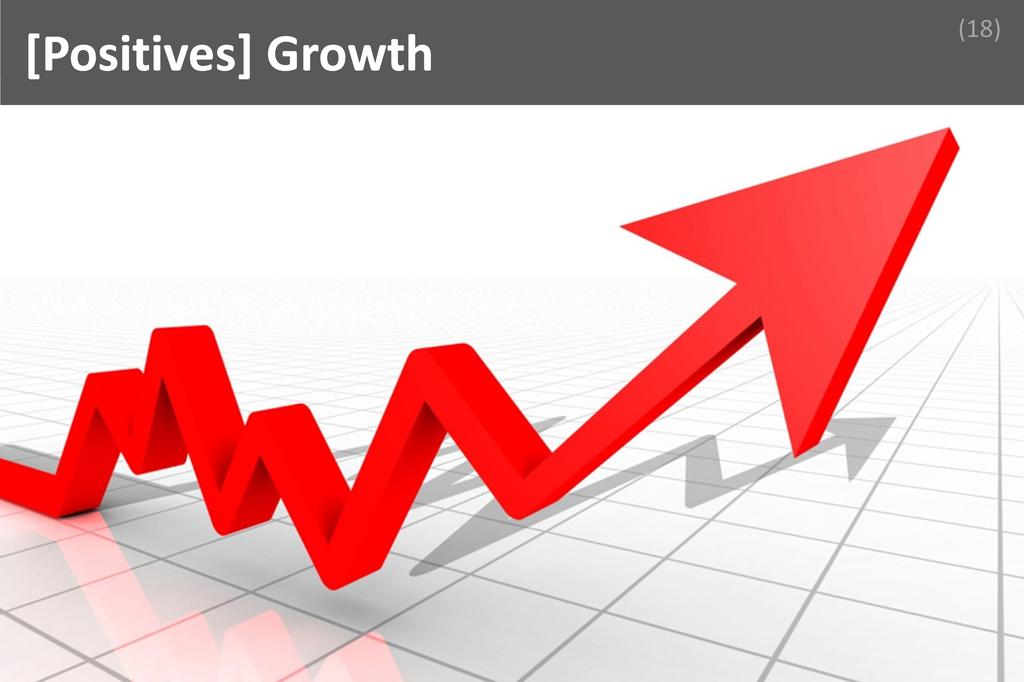
Growth is the ongoing process of developing new skills, expanding creative abilities, and evolving both personally and professionally through continuous learning and experience. In makeup artistry, growth means embracing new techniques, adapting to trends, and refining one’s craft, which leads to greater confidence, versatility, and long-term career fulfillment.
The positive aspect of growth in makeup artistry is deeply rewarding because it transforms routine work into a journey of self-improvement and discovery. As artists master new styles and adapt to diverse client needs, they build a sense of accomplishment and pride in their evolving abilities. This ongoing development not only enhances job satisfaction but also opens doors to new opportunities, such as working with high-profile clients or exploring different sectors like fashion, film, or bridal makeup. Every day, makeup artists experience growth by overcoming creative challenges, learning from peers, and receiving feedback from clients, which fuels their passion and keeps their work dynamic and engaging.
Imagine a makeup artist who began their career focusing on basic beauty looks for everyday clients. Over time, they attend workshops, experiment with avant-garde styles, and collaborate with photographers on editorial shoots. One day, they are asked to create a bold, artistic look for a fashion show—something they would have hesitated to attempt in the past. Drawing on their expanded skill set and creative confidence, they deliver a stunning result that earns praise from designers and models alike. This moment reflects the fulfilling impact of growth, as the artist realizes how far they have come and feels inspired to continue pushing their boundaries in the ever-evolving world of makeup artistry.
Challenges
Handling Clients

Handling clients in Makeup Artistry refers to the complex process of managing client expectations, preferences, and emotions while delivering personalized beauty services. This challenge is demanding because it requires strong communication, adaptability, and emotional intelligence to ensure client satisfaction, resolve misunderstandings, and maintain a positive professional reputation in a highly personal industry.
The challenge of handling clients can significantly impact a makeup artist’s daily routine, often introducing unpredictability and emotional strain. Clients may arrive with unclear expectations, last-minute changes, or heightened anxiety, especially before important events. This environment demands resilience, as professionals must remain calm, patient, and solution-oriented under pressure. Successful makeup artists navigate these constraints by actively listening to clients, setting clear boundaries, and communicating openly about what is achievable. They also develop the ability to read nonverbal cues and adjust their approach accordingly, ensuring that each client feels heard and valued. By consistently demonstrating professionalism and empathy, makeup artists can turn challenging interactions into opportunities for building trust and long-term client relationships.
Consider a makeup artist preparing a bride for her wedding day. The bride arrives feeling anxious and requests several changes to her original look, expressing concerns about her appearance. The makeup artist listens attentively, reassures the bride, and calmly explains what adjustments are possible within the time frame. By maintaining a positive attitude and offering professional advice, the artist adapts the makeup application to address the bride’s concerns while managing time efficiently. The bride ultimately feels more confident and satisfied with the final result. This scenario illustrates how a skilled makeup artist can successfully handle client challenges by combining empathy, expertise, and clear communication, ensuring a memorable and positive experience for the client.
Social Pressure
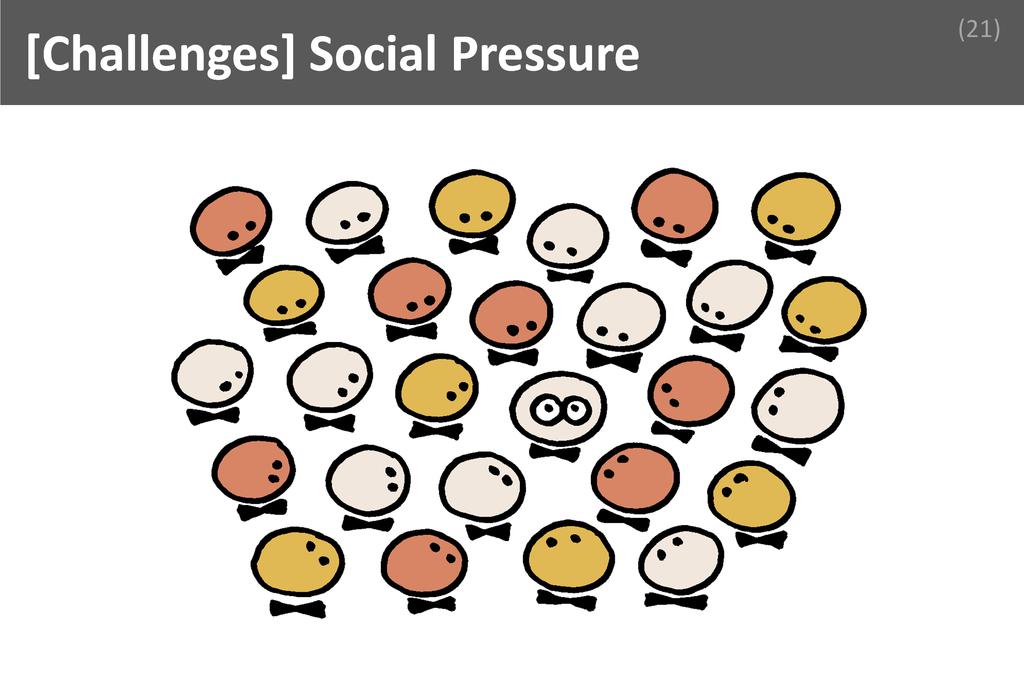
Social pressure in Makeup Artistry refers to the external expectations and judgments from clients, peers, and the broader beauty industry that influence how artists perform, create, and present their work. This pressure is demanding because it challenges personal creativity, self-confidence, and the ability to maintain authenticity in a highly scrutinized field.
Social pressure can significantly affect a makeup artist’s daily work by creating an environment where every decision, from product choice to creative direction, is subject to scrutiny. This constant evaluation can lead to self-doubt, creative block, or even burnout. The need to meet client expectations while staying true to one’s artistic vision requires resilience and adaptability. Successful professionals manage this constraint by developing a strong sense of self-awareness and confidence in their skills. They seek constructive feedback, set healthy boundaries, and focus on continuous learning to stay current yet authentic. By building supportive professional networks and practicing self-care, they create a buffer against negative influences, allowing them to thrive despite external pressures.
Consider a makeup artist preparing a client for a high-profile fashion event. The client insists on a trending look seen on social media, while the artist knows that the style may not suit the client’s features or the event’s theme. Facing pressure from both the client and the event organizers, the artist diplomatically explains her professional perspective, suggesting subtle adjustments that enhance the client’s appearance while respecting the desired trend. By confidently communicating her expertise and demonstrating the benefits of her approach, she earns the client’s trust and delivers a look that is both fashionable and flattering. This scenario illustrates how effective communication, professionalism, and self-assurance can help a makeup artist navigate and overcome social pressure in real-world situations.
A Day Of
Makeup Artistry
The world of makeup artistry is a whirlwind of color, creativity, and constant motion—a profession where no two days ever look quite the same. From the moment the first brush is dipped into a palette, the pace is brisk and the energy is palpable. Whether backstage at a bustling fashion show, on set for a commercial shoot, or preparing a bride for her big day, makeup artists thrive in environments that demand both technical precision and artistic flair. Each day unfolds as a blend of meticulous preparation, hands-on artistry, and seamless collaboration, all set against the backdrop of ever-shifting client needs and tight deadlines.
As dawn breaks, the makeup artist’s day begins with careful preparation. Brushes are sanitized, kits are restocked, and products are organized with surgical precision. This quiet, focused time is spent reviewing client briefs, mood boards, and any reference images provided for the day’s assignments. Lighting conditions and skin types are considered, and any special requests or allergies are double-checked. This early morning ritual ensures that every tool and product is ready for action, setting the tone for a smooth and efficient day ahead.
By mid-morning, the real action begins. The makeup artist is now fully immersed in the heart of their craft, working closely with clients, models, or actors. Brushes sweep across faces, blending foundations and pigments to create flawless complexions and bold, expressive looks. The atmosphere is charged with anticipation, as each transformation must meet the unique vision of the project—whether it’s a natural glow for a photoshoot or avant-garde designs for a runway show. Communication is key, as the artist listens to feedback, makes adjustments on the fly, and ensures every detail is picture-perfect under the scrutiny of cameras and bright lights.
Afternoon brings a shift toward collaboration and execution. The makeup artist moves between touch-ups, consultations, and quick changes, often working alongside hairstylists, wardrobe teams, and photographers. This is a time for adaptability, as schedules can change at a moment’s notice and new creative challenges arise. The artist must maintain their composure and creativity, ensuring continuity in looks and making sure everyone is camera-ready. It’s a dynamic environment where teamwork and clear communication are essential to keep the production moving smoothly.
As the day winds down, the makeup artist shifts gears to focus on wrap-up and planning. Brushes and palettes are meticulously cleaned, products are inventoried, and notes are taken on what worked well and what could be improved. There’s time to review photos from the day, research upcoming trends, and respond to client emails or new booking inquiries. This reflective period is crucial for professional growth and ensures that tomorrow’s work will be even more polished and inspired. With everything in order, the artist leaves the studio ready to face another day of creativity and transformation. |


 Home
Home Abroad
 Plan
Plan Philosophy
 Seminar
 Pages
Pages Advisors
 Testimonials











 Workshop
 Discuss
 Meet
Meet
 Advisor
 Story
Story
 Fine Print
 Links
Links
 Blog
Blog
 Follow
