The Journey of Makeup Artistry
What Is Makeup Artistry
Makeup Artistry

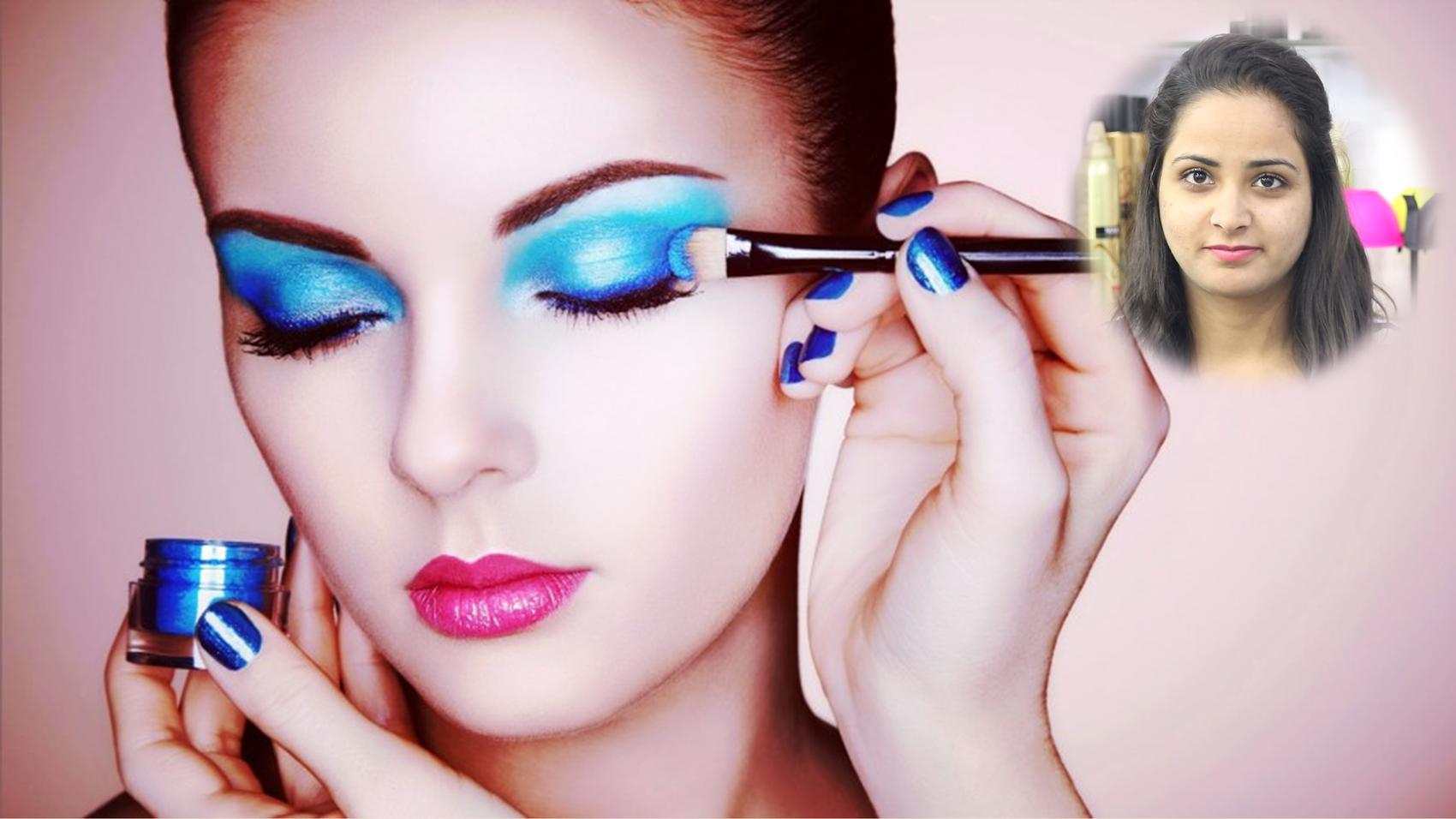
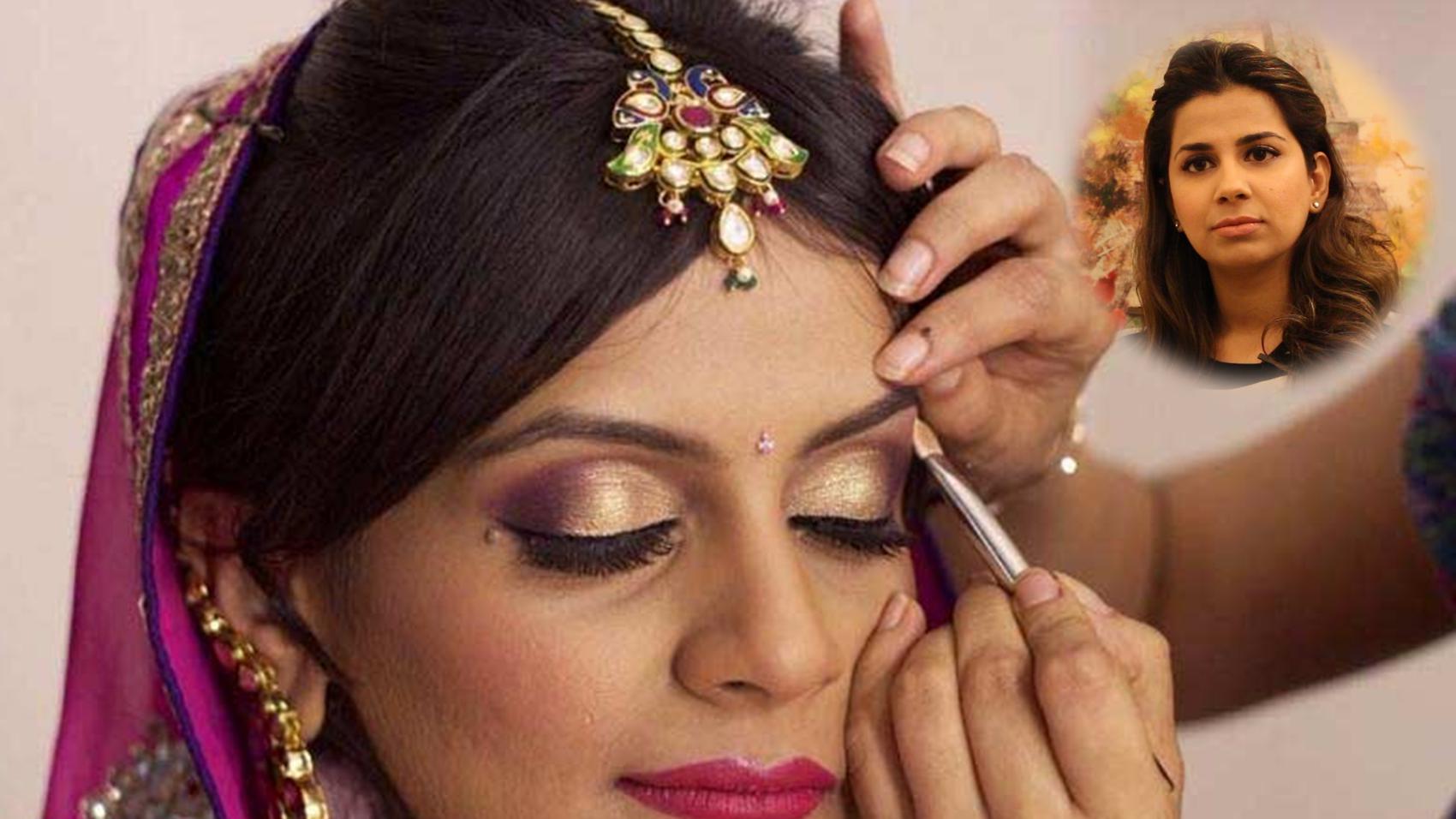
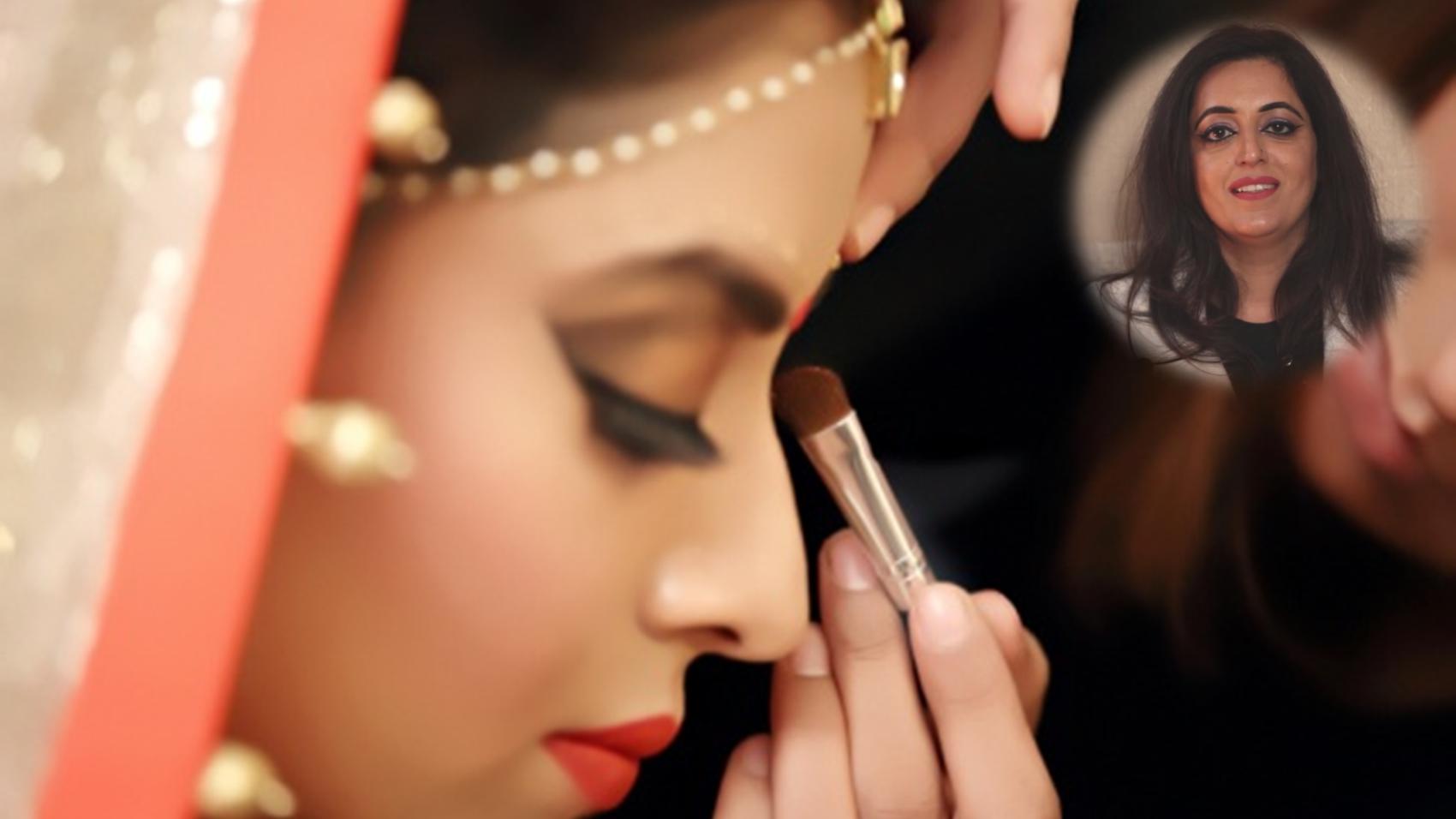
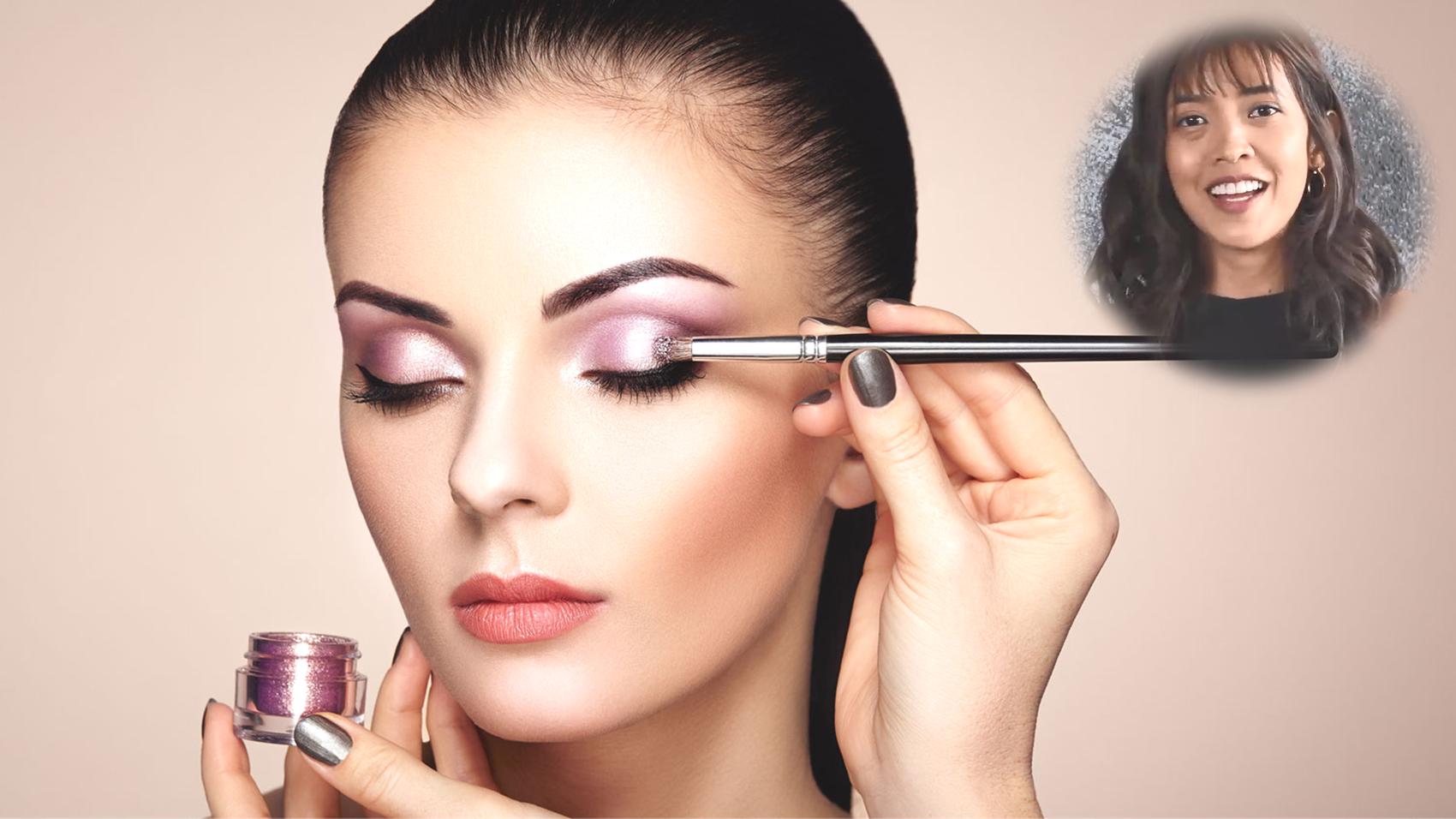
Makeup artistry is the professional application of cosmetics to enhance, transform, or alter a person’s appearance for various purposes, including fashion, film, television, theater, photography, or personal events. It combines creativity, technical skill, and knowledge of products to achieve desired looks for clients or productions.
Makeup artistry plays a vital role in the beauty, entertainment, and fashion industries, shaping how individuals are perceived and boosting confidence. Professionals in this field have the power to help clients express themselves, prepare for important occasions, or embody specific characters for media productions. The career offers creative fulfillment, as artists use their skills to craft unique looks and solve visual challenges. It also provides flexibility, with opportunities to work independently, join teams, or specialize in areas like bridal, editorial, or special effects makeup. Additionally, makeup artistry fosters personal connections, as artists often build lasting relationships with clients and collaborators, making a meaningful impact on their self-image and experiences.
A makeup artist preparing an actress for a period drama must research historical styles, select appropriate products, and skillfully apply makeup to reflect the era’s aesthetic. Working closely with the costume and hair departments, the artist ensures the actress’s appearance aligns with the director’s vision. Throughout filming, the makeup artist maintains the look, making touch-ups and adjustments as needed under varying lighting conditions. This collaboration not only enhances the authenticity of the production but also supports the actress in fully embodying her character. The makeup artist’s expertise and attention to detail contribute significantly to the overall storytelling, demonstrating the essential role of makeup artistry in bringing creative projects to life.
Education
Genres
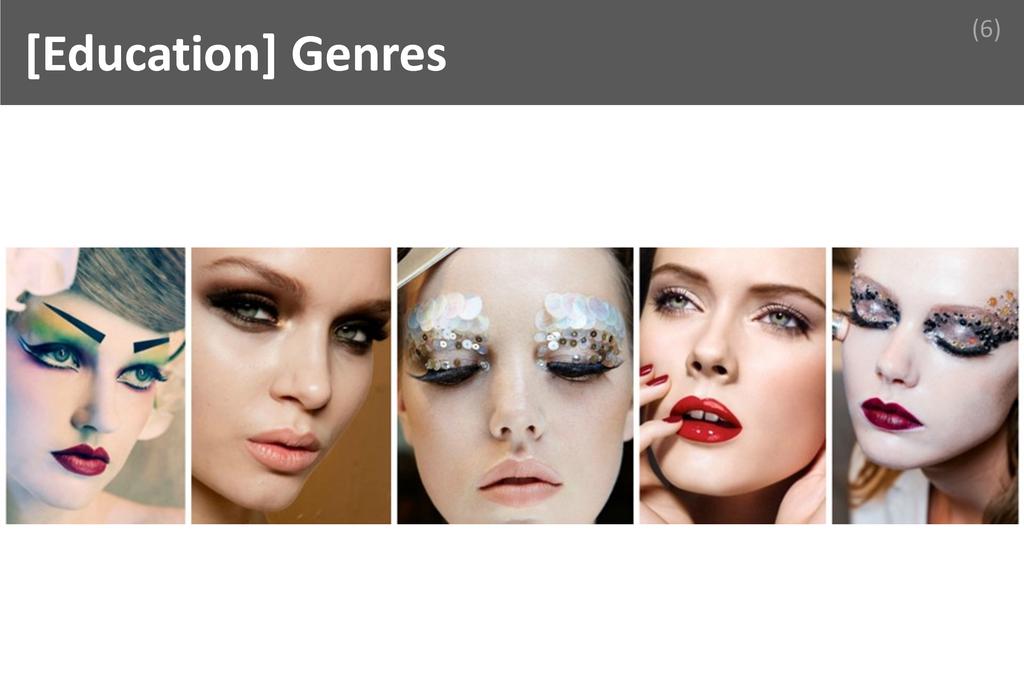
Genres are distinct categories or styles that define the conventions, aesthetics, and expectations within creative fields such as film, theater, fashion, and photography. In Makeup Artistry, understanding genres is essential because it guides the design, application, and adaptation of makeup looks to suit specific themes, narratives, or cultural contexts, forming a critical part of professional expertise.
Learning about genres is vital for makeup artists because it equips them with the ability to interpret and execute looks that align with the creative vision of a project. Genres provide a framework for understanding the visual language and historical context behind different makeup styles, whether for period dramas, horror films, editorial shoots, or avant-garde fashion shows. Mastery of genres ensures that a makeup artist can collaborate effectively with directors, photographers, and designers, adapting their skills to meet diverse creative demands. Over time, this foundational knowledge enhances versatility, fosters innovation, and increases employability, as clients and employers value artists who can confidently navigate and contribute to a wide range of artistic genres.
Imagine a makeup artist working on a film set where the story is set in the 1920s. Their understanding of genres allows them to research and recreate authentic period makeup, such as the iconic dark lips and thin brows of the era. By applying their knowledge of the historical and stylistic conventions of the genre, the artist ensures that the actors’ appearances are both visually compelling and true to the narrative’s time period. This attention to genre-specific detail not only supports the storytelling but also demonstrates the artist’s professionalism and expertise, making them an invaluable asset to the production team and enhancing the overall quality of the project.
Skin Types
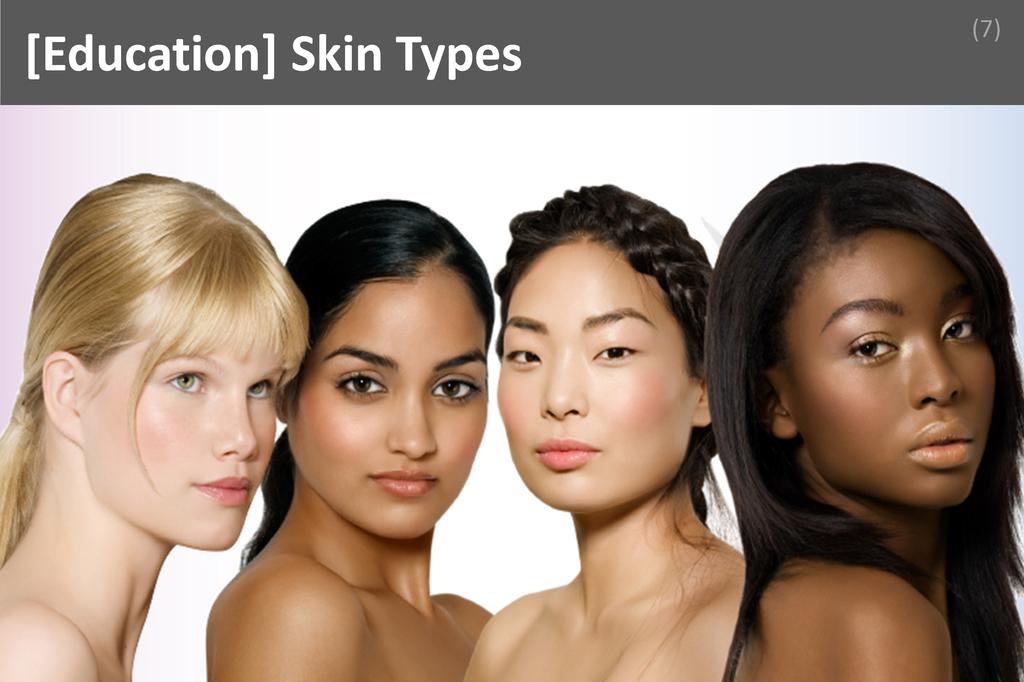
Skin types refer to the classification of human skin based on its natural characteristics, such as oiliness, dryness, sensitivity, and combination features. Understanding skin types is essential in makeup artistry, as it influences product selection, application techniques, and overall client satisfaction, forming a critical component of both academic study and professional practice.
A thorough understanding of skin types is indispensable for anyone pursuing a career in makeup artistry. This knowledge enables professionals to assess clients’ skin accurately, choose appropriate products, and tailor makeup techniques to individual needs. Mastery of skin types helps prevent adverse reactions, ensures long-lasting makeup application, and enhances the overall appearance of the finished look. It also builds client trust, as clients feel confident that their unique skin concerns are being addressed with expertise. Over time, this foundational skill contributes to a makeup artist’s reputation, client retention, and ability to work across diverse populations, making it a cornerstone of long-term professional success in the beauty industry.
Imagine a makeup artist preparing a client for a wedding. Upon consultation, the artist identifies that the client has combination skin, with an oily T-zone and dry cheeks. Drawing on their knowledge of skin types, the artist selects a mattifying primer for the forehead, nose, and chin, while applying a hydrating base to the cheeks. They choose foundation and powders formulated for combination skin, ensuring the makeup remains flawless throughout the event. By customizing their approach, the artist not only enhances the client’s appearance but also prevents issues like excess shine or patchiness, demonstrating the practical value of understanding skin types in delivering professional, personalized results.
Product Knowledge

Product Knowledge refers to a comprehensive understanding of the ingredients, uses, benefits, limitations, and application techniques of various makeup products. In Makeup Artistry, it forms a crucial part of both academic study and professional practice, enabling artists to make informed decisions and deliver safe, effective, and customized beauty solutions for diverse clients.
Developing strong product knowledge is essential for anyone pursuing a career in Makeup Artistry. This expertise allows professionals to select the most suitable products for different skin types, tones, and desired looks, ensuring client satisfaction and safety. Mastery of product knowledge also helps makeup artists stay current with industry trends, new formulations, and innovative techniques, which is vital in a rapidly evolving field. Over time, this foundational knowledge builds credibility and trust with clients and colleagues, supports effective problem-solving, and enhances the ability to educate clients about proper product use and aftercare. Ultimately, a deep understanding of products contributes to career longevity, professional growth, and the ability to adapt to new challenges in the beauty industry.
Imagine a makeup artist preparing a client with sensitive skin for a special event. Drawing on their product knowledge, the artist carefully selects hypoallergenic and fragrance-free foundations and concealers, avoiding ingredients known to cause irritation. During application, the artist explains the benefits of each product, reassuring the client and demonstrating expertise. When the client expresses concern about long-lasting wear, the artist recommends a specific setting spray formulated for sensitive skin, ensuring the makeup remains flawless throughout the event. This scenario highlights how theoretical understanding of product ingredients, compatibility, and performance directly influences daily decision-making, client satisfaction, and the overall quality of service provided by a professional makeup artist.
Beauty Tools

Beauty tools refer to the specialized instruments and devices used to apply, blend, and perfect makeup, including brushes, sponges, applicators, and grooming implements. Mastery of beauty tools is a fundamental aspect of both academic study and professional practice in Makeup Artistry, ensuring precision, hygiene, and creative versatility.
Understanding beauty tools is essential for anyone pursuing a career in Makeup Artistry because these instruments are the primary means through which artistic vision is translated into reality. Knowledge of the correct selection, use, and maintenance of each tool not only enhances the quality and longevity of makeup applications but also upholds professional hygiene standards. Mastery of beauty tools allows makeup artists to work efficiently with diverse products and skin types, adapting techniques to achieve various looks and effects. Over time, this expertise builds credibility, fosters client trust, and opens doors to advanced opportunities in the beauty industry, from editorial work to high-profile events, making it a cornerstone of long-term professional success.
Imagine a makeup artist preparing a client for a photoshoot. Drawing on their theoretical understanding of beauty tools, the artist selects a dense foundation brush for flawless base application, a damp beauty sponge for seamless blending, and a fine-tipped liner brush for precise eye detailing. Throughout the session, the artist sanitizes each tool between uses, demonstrating both technical skill and commitment to hygiene. This careful selection and handling of tools not only ensures a polished, camera-ready result but also reassures the client of the artist’s professionalism. Such expertise, rooted in a deep knowledge of beauty tools, distinguishes the artist in a competitive field and contributes to consistently outstanding outcomes.
Marketing

Marketing is the strategic process of identifying, anticipating, and satisfying customer needs through the creation, communication, and delivery of value. In Makeup Artistry, marketing bridges creative talent with business success, making it an essential academic and professional discipline for artists seeking to attract clients, build a brand, and sustain a thriving career.
Understanding marketing is crucial for makeup artists because it empowers them to effectively promote their services, differentiate themselves in a competitive industry, and connect with their target audience. Mastery of marketing principles enables professionals to craft compelling personal brands, utilize social media platforms, and develop client relationships that foster loyalty and referrals. This foundational knowledge not only helps artists launch and grow their businesses but also equips them to adapt to changing trends and consumer preferences over time. By integrating marketing into their skillset, makeup artists enhance their visibility, credibility, and long-term earning potential, ensuring their creative work reaches and resonates with the right clients.
Imagine a makeup artist preparing for a bridal season. Drawing on their marketing knowledge, they design a visually appealing social media campaign showcasing their bridal looks, share client testimonials, and offer limited-time packages. They analyze engagement metrics to refine their content and strategically collaborate with local photographers and wedding planners to expand their reach. By understanding their target market’s preferences and leveraging digital platforms, the artist not only attracts new clients but also builds lasting relationships with industry partners. This practical application of marketing theory transforms their creative expertise into a sustainable business, demonstrating how essential marketing is to daily operations and long-term success in makeup artistry.
Contemporary Awareness

Contemporary Awareness refers to the understanding of current trends, cultural shifts, social issues, and technological advancements that shape modern society. In Makeup Artistry, it encompasses staying informed about evolving beauty standards, diverse client needs, and the impact of media. This awareness is essential for academic study and professional practice in the field.
Developing Contemporary Awareness is vital for makeup artists because it ensures their work remains relevant, inclusive, and innovative. By understanding the latest trends and societal changes, professionals can adapt their techniques and product choices to meet the expectations of a diverse clientele. This foundational knowledge allows makeup artists to anticipate and respond to shifts in fashion, media representation, and cultural preferences, positioning them as forward-thinking and adaptable practitioners. Over the long term, Contemporary Awareness supports career growth by fostering creativity, enhancing client satisfaction, and opening opportunities in various sectors such as fashion, film, and editorial work. It also helps professionals navigate ethical considerations and embrace inclusivity, which are increasingly important in today’s globalized beauty industry.
Imagine a makeup artist preparing a model for a high-profile fashion show. Drawing on their Contemporary Awareness, the artist recognizes the current movement toward natural beauty and inclusivity. Instead of relying on heavy contouring, they opt for minimal, skin-enhancing techniques that celebrate the model’s unique features and skin tone. They also select cruelty-free and sustainable products, reflecting the growing consumer demand for ethical beauty choices. By integrating these contemporary values into their work, the makeup artist not only meets the expectations of the designer and audience but also demonstrates professionalism and cultural sensitivity. This approach strengthens their reputation and appeal in a competitive, ever-evolving industry.
Skills
Kit Preparation

Kit Preparation is the process of organizing, sanitizing, and customizing a makeup artist’s tools and products to ensure readiness for any assignment. This skill ensures that every essential item is available, clean, and accessible, allowing the artist to work efficiently and professionally in diverse environments and situations.
Mastering kit preparation directly enhances a makeup artist’s performance by minimizing downtime, preventing cross-contamination, and ensuring that every product needed is at hand. Clients and employers value this skill because it demonstrates professionalism, reliability, and attention to detail, all of which are critical in high-pressure or time-sensitive settings. Cultivating this skill involves regular inventory checks, learning about product expiration dates, and adapting the kit to suit different clients or projects. Over time, experienced artists refine their kits based on feedback and evolving industry standards, making their workflow smoother and their results more consistent.
Imagine a makeup artist arriving at a film set early in the morning, only to discover that the lead actor has developed a skin allergy overnight. Thanks to meticulous kit preparation, the artist has hypoallergenic products and sanitized brushes ready, allowing them to quickly adapt and provide a flawless look without delay. This preparedness not only solves a critical issue but also reassures the production team and talent, showcasing the artist’s professionalism and ability to handle unexpected challenges. The seamless transition from problem to solution highlights how essential kit preparation is to achieving success and maintaining a strong reputation in the industry.
Creativity
Creativity is the ability to generate original ideas, envision new possibilities, and transform inspiration into unique outcomes. In makeup artistry, creativity enables professionals to design distinctive looks, adapt to diverse client needs, and set trends. It is the driving force behind innovation, personal expression, and the ability to stand out in a competitive industry.
Creativity directly enhances a makeup artist’s performance by allowing them to craft personalized looks that highlight each client’s individuality, adapt to unexpected challenges, and stay ahead of evolving trends. Clients and employers highly value this skill because it leads to memorable, tailored results that exceed expectations and foster client loyalty. To cultivate creativity, makeup artists can seek inspiration from art, fashion, and nature, experiment with new techniques and products, and continually push their boundaries through practice and education. Over time, embracing feedback and staying curious helps refine creative instincts, ensuring that their work remains fresh, relevant, and impactful in a dynamic field.
Imagine a makeup artist preparing a model for a high-profile fashion show when, moments before the runway, the designer requests a dramatic change to the look to better complement a new outfit. Relying on creativity, the artist quickly envisions a bold, avant-garde design using available products and tools. By improvising with color combinations and innovative application techniques, the artist transforms the model’s appearance in record time, aligning perfectly with the designer’s vision. This creative problem-solving not only saves the show but also earns the artist recognition for their adaptability and artistic flair, demonstrating how essential creativity is for success in makeup artistry.
Communication
Communication is the process of exchanging information, ideas, and emotions through verbal, nonverbal, and written means to achieve mutual understanding. In Makeup Artistry, communication is vital for interpreting client needs, collaborating with colleagues, and ensuring that creative visions are accurately realized, making it an indispensable professional skill.
Strong communication skills enable makeup artists to clearly understand client expectations, explain procedures, and provide aftercare advice, which directly enhances client satisfaction and trust. Employers and clients highly value professionals who can articulate their ideas, listen actively, and adapt their approach based on feedback. Over time, communication can be cultivated by seeking feedback, observing experienced colleagues, and practicing active listening during consultations. Engaging in regular dialogue with clients and team members helps refine the ability to convey concepts clearly and respond thoughtfully, ultimately leading to better outcomes and stronger professional relationships in the fast-paced, collaborative environment of makeup artistry.
Imagine a makeup artist preparing a bride for her wedding day. The bride expresses concerns about her sensitive skin and wants a natural look, but is unsure how to describe her preferences. The makeup artist uses effective communication by asking open-ended questions, listening attentively, and paraphrasing the bride’s responses to confirm understanding. By explaining product choices and demonstrating small samples, the artist reassures the bride and builds trust. When a last-minute change is requested, the artist calmly discusses options and manages expectations, ensuring the bride feels heard and confident. Through clear, empathetic communication, the makeup artist not only resolves potential misunderstandings but also delivers a result that exceeds the bride’s expectations.
Spontaneity

Spontaneity is the ability to respond quickly and creatively to unexpected situations, making decisions in the moment without hesitation. In makeup artistry, it means adapting to last-minute changes, client requests, or unforeseen challenges with confidence and skill. This flexibility ensures consistently high-quality results, regardless of circumstances.
Spontaneity directly enhances a makeup artist’s performance by allowing them to handle unpredictable situations with ease. Clients and employers highly value this skill because the beauty industry is fast-paced, with frequent changes in schedules, looks, and requirements. A spontaneous artist can seamlessly adjust to new ideas, time constraints, or product limitations, ensuring the client’s vision is realized without stress. Cultivating spontaneity involves practicing improvisation, staying updated on trends, and working in diverse environments. Over time, exposure to varied scenarios builds confidence, enabling artists to trust their instincts and make quick, effective decisions that elevate their work and reputation.
Imagine a makeup artist preparing a bride for her wedding when the photographer requests a dramatic change in the look just minutes before the ceremony. Relying on spontaneity, the artist quickly assesses the situation, selects alternative products, and adapts the makeup to suit the new vision. Despite the time pressure and high stakes, the artist’s ability to think on their feet ensures the bride looks stunning and the photographer captures the desired aesthetic. This quick, creative response not only solves a critical issue but also impresses both the client and the team, showcasing the artist’s professionalism and adaptability.
Patience

Patience is the ability to remain calm, composed, and persistent in the face of delays, challenges, or repetitive tasks, without becoming frustrated or giving up. In makeup artistry, patience is a foundational skill that allows professionals to deliver meticulous results, adapt to client needs, and handle unpredictable situations with grace and professionalism.
Patience directly enhances a makeup artist’s performance by allowing for careful attention to detail, especially during intricate applications or when working with clients who may be indecisive or anxious. Clients and employers highly value this quality because it ensures a positive, stress-free experience and consistently high-quality outcomes. Cultivating patience involves practicing mindfulness, embracing the learning curve, and understanding that mastery in makeup artistry is achieved over time. By approaching each session as an opportunity to learn and improve, professionals gradually build resilience and the ability to remain focused and composed, even under pressure or when faced with unexpected challenges.
Imagine a makeup artist preparing a bride for her wedding day. The bride is nervous and requests several changes to her look, unsure of what she truly wants. Instead of showing frustration, the makeup artist patiently listens, calmly adjusts the makeup multiple times, and reassures the bride throughout the process. This patience not only helps the bride feel comfortable and confident but also ensures that the final result is exactly what she envisioned. By remaining patient, the artist turns a potentially stressful situation into a memorable, positive experience, demonstrating professionalism and earning the trust and appreciation of both the client and those around her.
Team Management
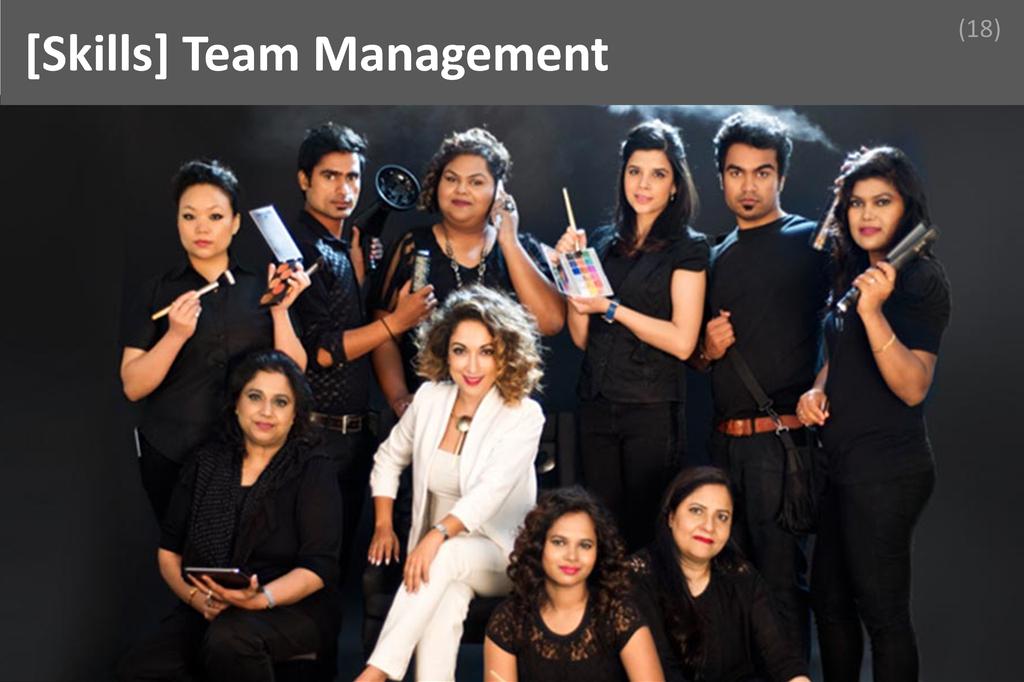
Team Management is the ability to coordinate, motivate, and guide a group of individuals toward achieving shared goals, ensuring effective communication, task delegation, and conflict resolution. In Makeup Artistry, this skill is crucial for orchestrating seamless collaborations, maintaining workflow efficiency, and delivering high-quality results, especially during high-pressure projects or events.
Mastering team management significantly enhances a makeup artist’s performance by fostering a harmonious and productive environment. Clients and employers highly value professionals who can lead teams, as this ensures projects run smoothly, deadlines are met, and creative visions are realized without unnecessary setbacks. Effective team management also minimizes misunderstandings and maximizes each team member’s strengths, leading to superior outcomes. Cultivating this skill involves actively seeking leadership opportunities, learning to communicate clearly, and developing empathy and adaptability. Over time, consistent practice, feedback from peers, and observing experienced leaders help refine one’s approach, making team management an indispensable asset in a makeup artist’s career progression.
Imagine a makeup artist leading a team backstage at a major fashion show. Suddenly, a last-minute change requires all models to have a new look within a tight timeframe. The lead artist quickly assesses the situation, delegates tasks based on each team member’s strengths, and communicates the new vision clearly. By maintaining composure and encouraging collaboration, the team adapts efficiently, completes the new looks on time, and impresses both designers and clients. This scenario highlights how strong team management not only resolves critical issues under pressure but also ensures the collective success of the entire production.
Time Management

Time management is the ability to plan, organize, and allocate your hours efficiently to accomplish tasks and meet deadlines without unnecessary stress. In makeup artistry, this skill ensures that every appointment, project, or event runs smoothly, allowing professionals to deliver high-quality results while maintaining a calm and professional demeanor.
Time management directly enhances a makeup artist’s performance by enabling them to handle multiple clients, meet tight schedules, and adapt to last-minute changes without compromising quality. Clients and employers highly value this skill because it demonstrates reliability, professionalism, and respect for others’ time. Cultivating time management involves setting realistic schedules, prioritizing tasks, and continuously reflecting on and adjusting one’s workflow. Over time, makeup artists can refine their ability to estimate how long each service takes, anticipate potential delays, and build in buffers for unexpected challenges. This ongoing process not only boosts efficiency but also fosters trust and repeat business, as clients appreciate punctuality and seamless experiences.
Imagine a makeup artist preparing a bridal party for a wedding, with a strict timeline before the ceremony begins. Suddenly, one bridesmaid arrives late, threatening to derail the schedule. Relying on strong time management skills, the artist quickly reassesses the plan, reallocates time for each person, and communicates adjustments to the group. By staying organized and calm, the artist ensures everyone is ready on time, the bride feels at ease, and the event proceeds smoothly. This scenario highlights how effective time management allows a makeup artist to adapt under pressure, deliver excellent service, and maintain a positive reputation, even when unexpected challenges arise.
Stress Management
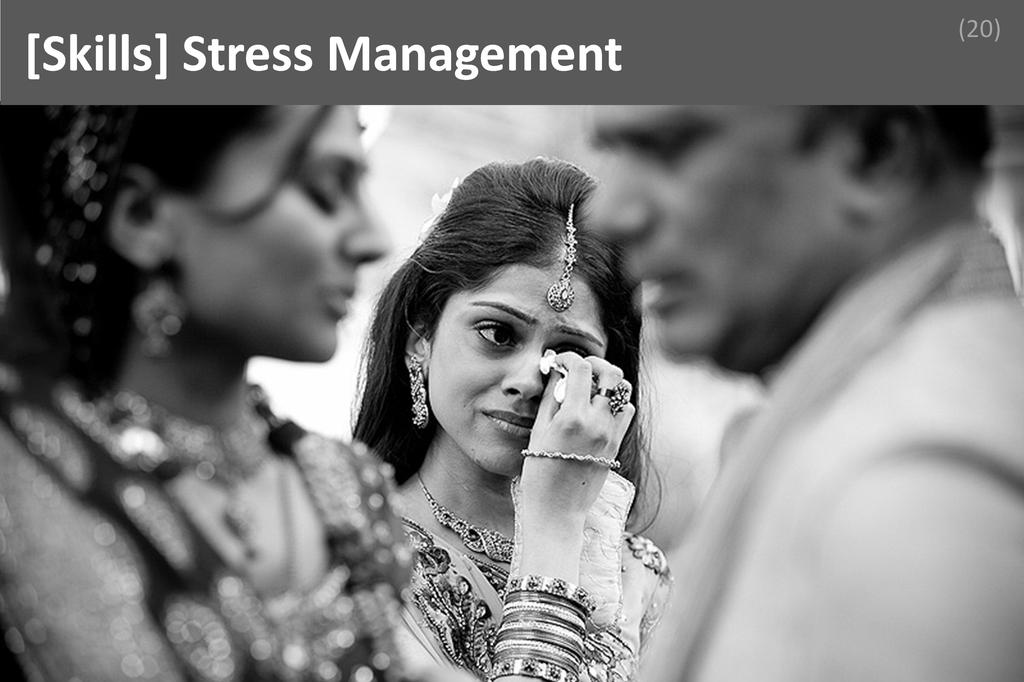
Stress management is the ability to recognize, control, and reduce physical and emotional tension in challenging situations, using techniques that promote calmness and clear thinking. In makeup artistry, this skill is crucial for maintaining focus, delivering high-quality work, and ensuring positive interactions with clients and colleagues, even under pressure.
Mastering stress management significantly enhances a makeup artist’s performance by allowing them to remain composed and efficient during high-pressure situations, such as tight schedules or last-minute changes. Clients and employers deeply value professionals who can stay calm and resourceful, as this fosters trust and reliability. Over time, stress management can be cultivated through regular self-care, mindfulness practices, and learning to prioritize tasks effectively. By reflecting on past experiences and seeking feedback, makeup artists can identify stress triggers and develop personalized coping strategies. This ongoing process not only improves job satisfaction but also contributes to a positive reputation within the industry, opening doors to more opportunities and long-term success.
Imagine a makeup artist preparing a bride for her wedding day when, unexpectedly, the venue’s lighting changes and the bride’s skin reacts to a product. With emotions running high and time running short, the artist’s ability to manage stress becomes vital. By staying calm, the artist reassures the bride, quickly assesses the situation, and adapts the makeup application to suit the new lighting and address the skin reaction. This composed approach not only resolves the immediate issue but also preserves the client’s trust and ensures the event proceeds smoothly. In this scenario, effective stress management transforms a potentially disastrous moment into a demonstration of professionalism and skill.
Continuous Practice

Continuous Practice is the ongoing, deliberate repetition and refinement of skills to achieve mastery and adaptability. In Makeup Artistry, it means consistently working on techniques, exploring new trends, and perfecting applications. This dedication ensures that artists remain relevant, innovative, and capable of delivering high-quality results in a rapidly evolving industry.
Continuous Practice directly enhances a makeup artist’s technical abilities, creativity, and confidence. By regularly experimenting with new products, styles, and methods, artists develop a keen eye for detail and a steady hand, which translates into flawless applications. Clients and employers highly value professionals who demonstrate growth and adaptability, as it assures them of up-to-date expertise and a commitment to excellence. Cultivating this skill involves setting aside time for regular practice, seeking feedback, and staying informed about industry advancements. Over time, this persistent effort not only sharpens existing skills but also fosters innovation, enabling artists to tackle diverse client needs and stand out in a competitive field.
Imagine a makeup artist preparing a bride for her wedding day when an unexpected skin reaction occurs, causing redness and irritation. Because the artist has engaged in continuous practice, they are well-versed in corrective techniques and have mastered the use of color-correcting products. Drawing on their refined skills, they quickly neutralize the redness and adjust the makeup application to ensure a flawless finish. The bride is delighted with the result, and the artist’s reputation is strengthened. This scenario highlights how ongoing practice equips professionals to handle unforeseen challenges with confidence and creativity, ultimately leading to client satisfaction and career success.
Positives
Monetary Potential

Monetary Potential refers to the capacity for significant financial gain and income growth within a chosen profession, based on skill, demand, and entrepreneurial opportunities. In makeup artistry, this means the ability to earn a lucrative living through diverse avenues such as freelance work, brand partnerships, private clients, and educational ventures. This positive aspect contributes to the profession by empowering artists to transform their creative passion into a sustainable and rewarding livelihood, offering both stability and the possibility for financial advancement as their reputation and expertise grow.
The monetary potential in makeup artistry is a powerful motivator that elevates job satisfaction and career growth. Knowing that their skills can translate into substantial earnings, makeup artists are inspired to continually refine their craft and seek new opportunities. This financial incentive encourages professionals to expand their services, build loyal client bases, and even launch their own businesses. The daily experience of seeing their income reflect their talent and hard work fosters a sense of accomplishment and independence. As artists witness their financial goals being met or exceeded, they gain confidence and motivation to pursue even greater achievements, making the journey both personally and professionally fulfilling.
Consider a makeup artist who begins their career working at a local salon, gradually building a reputation for exceptional work. As their skills and client list grow, they start offering freelance services for weddings, photoshoots, and special events, commanding higher rates for their expertise. Eventually, they collaborate with cosmetic brands and teach masterclasses, diversifying their income streams. Each new opportunity not only increases their earnings but also validates their dedication and creativity. The tangible rewards of monetary potential—such as financial security, the ability to invest in better tools, and the freedom to choose projects—make every step of their career journey more meaningful and inspiring.
Autonomy

Autonomy is the freedom and ability to make independent decisions, manage one’s own schedule, and exercise creative control without constant oversight. In makeup artistry, autonomy empowers professionals to shape their own careers, choose their clients, and express their unique artistic vision, leading to greater fulfillment and personal growth.
The autonomy found in makeup artistry is a powerful driver of job satisfaction and professional development. When artists control their schedules, select their projects, and determine their creative direction, they experience a deep sense of ownership over their work. This independence fosters innovation, encourages continuous learning, and allows artists to align their work with their personal values and passions. The ability to make choices about which clients to work with and which styles to explore leads to a more meaningful and enjoyable career. Every day, makeup artists benefit from this autonomy by adapting their services to suit their strengths and interests, which not only enhances their reputation but also builds lasting client relationships and opens doors to new opportunities.
Imagine a makeup artist who has built a reputation for bold, avant-garde looks. One day, a client approaches her for a creative photoshoot, giving her complete freedom to design the makeup concept. Drawing on her own inspirations and expertise, she crafts a striking look that perfectly complements the theme. The client is thrilled with the result, and the photoshoot garners attention from other creatives in the industry. This experience not only boosts the artist’s confidence but also reinforces the value of her unique style. The autonomy to make artistic decisions and manage her workflow allows her to thrive, turning her passion into a rewarding and sustainable career.
Travel & Self Development

Travel & Self Development refers to the ongoing journey of exploring new places, cultures, and experiences while simultaneously growing personally and professionally. In makeup artistry, this means embracing opportunities to work in diverse environments, learning from different people, and continually evolving one’s skills and perspectives. This dynamic process enriches both the artist and their craft.
The opportunity for travel and self development is a transformative benefit in makeup artistry, making the profession uniquely rewarding. Artists often find themselves working on location for fashion shows, film sets, or destination weddings, each presenting new challenges and inspirations. Exposure to different cultures and beauty standards broadens their creative horizons and deepens their understanding of global trends. This constant movement and learning foster adaptability, resilience, and a sense of adventure, which not only enhances job satisfaction but also accelerates personal growth. Professionals experience a sense of accomplishment as they master new techniques, build confidence, and develop a global network, making every day an opportunity to learn and evolve.
Imagine a makeup artist who is invited to work backstage at an international fashion week in Paris. Immersed in a whirlwind of creativity, she collaborates with artists from around the world, learns innovative techniques, and adapts to fast-paced, high-pressure situations. Outside of work, she explores the city’s art and culture, drawing inspiration from its history and people. This experience not only sharpens her technical skills but also boosts her confidence and broadens her worldview. Upon returning home, she brings fresh ideas and a renewed passion to her clients, embodying the profound impact that travel and self development can have on a makeup artist’s career and personal growth.
Recognition

Recognition is the acknowledgment and appreciation of an individual’s skills, creativity, and contributions by clients, peers, or the broader community. In makeup artistry, recognition validates the artist’s talent and hard work, fostering a sense of accomplishment and pride. This positive feedback motivates professionals to continue refining their craft and pursuing excellence.
The power of recognition in makeup artistry extends far beyond simple compliments. When artists are acknowledged for their unique vision and technical expertise, it fuels their passion and commitment to their work. This sense of being valued not only enhances job satisfaction but also encourages continuous learning and innovation. Recognition can open doors to new opportunities, such as collaborations, referrals, and career advancement. On a daily basis, makeup artists experience this benefit through client gratitude, positive reviews, and social media engagement, all of which reinforce their sense of purpose and drive. Ultimately, recognition helps artists build a strong professional reputation and a loyal clientele, making their career both personally and professionally fulfilling.
Imagine a makeup artist preparing a bride for her wedding day. After hours of careful work, the bride looks in the mirror and is moved to tears by her transformation, expressing heartfelt thanks and admiration for the artist’s skill. Later, the bride shares glowing photos and a heartfelt testimonial on social media, tagging the artist and praising their talent. This public acknowledgment not only boosts the artist’s confidence but also attracts new clients who are inspired by the visible results and genuine appreciation. In this scenario, recognition becomes a powerful motivator, affirming the artist’s impact and inspiring them to continue creating beauty and joy for others.
Lifetime Memories

"Lifetime Memories" refers to the unforgettable moments and emotional connections created through the art of makeup, both for the artist and their clients. These memories are formed during significant life events, creative collaborations, and transformative experiences, leaving a lasting impression that enriches personal and professional journeys in makeup artistry.
The creation of lifetime memories is a profound benefit that elevates makeup artistry beyond a typical career. Each day, makeup artists become part of their clients’ most cherished moments, from weddings and milestone celebrations to creative projects and personal transformations. This unique privilege fosters a deep sense of fulfillment and purpose, as artists witness firsthand the joy and confidence their work brings to others. The emotional resonance of these experiences not only boosts job satisfaction but also inspires continuous growth and creativity. By building lasting relationships and sharing in meaningful events, makeup artists find motivation and pride in their craft, making every day on the job memorable and rewarding.
Imagine a makeup artist preparing a bride for her wedding day. As the artist carefully applies each brushstroke, they share laughter, stories, and anticipation with the bride and her loved ones. The artist becomes a trusted confidant in a moment filled with emotion and excitement. When the bride sees her reflection, radiant and confident, tears of happiness may follow, and the gratitude expressed is heartfelt. Years later, the bride still remembers the calming presence and artistry that helped make her day unforgettable. For the makeup artist, being part of such a significant life event creates a memory that endures, reinforcing the profound impact their work has on others and themselves.
Challenges
Training Professionally
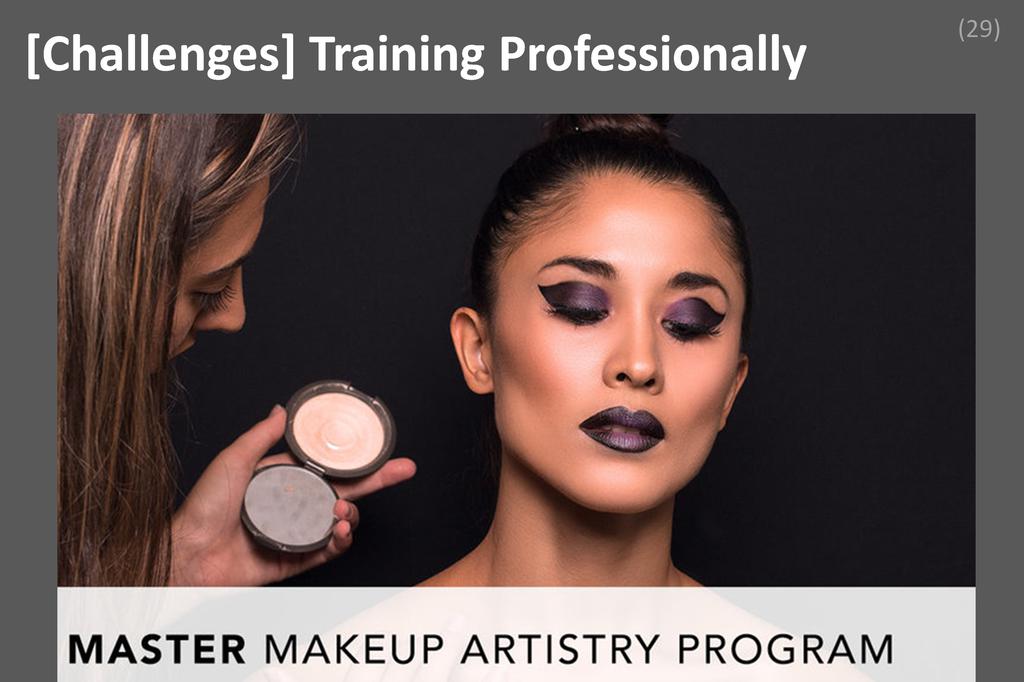
Training professionally in Makeup Artistry means consistently pursuing formal education, mastering advanced techniques, and staying updated with industry trends. This process is demanding because it requires significant time, financial investment, and dedication, all while balancing client work and personal commitments. The ever-evolving nature of beauty standards adds further complexity.
The challenge of training professionally can disrupt daily routines, as makeup artists must juggle ongoing education with client appointments and business responsibilities. This balancing act often leads to fatigue and stress, making resilience essential. Professionals who succeed in this environment prioritize continuous learning, seek mentorship, and allocate specific time for skill development. They view training not as an interruption but as an investment in their craft and reputation. By embracing adaptability and maintaining a growth mindset, they transform the challenge into an opportunity for career advancement and creative fulfillment, ensuring they remain competitive and relevant in a fast-paced industry.
Consider a freelance makeup artist who, despite a packed schedule of bridal and editorial bookings, recognizes the importance of staying current with new techniques. She enrolls in an advanced online course, dedicating evenings to practice and study. Although this requires sacrificing leisure time and managing fatigue, she integrates new skills into her client work, receiving positive feedback and attracting higher-profile jobs. Her commitment to professional training not only enhances her artistry but also builds her confidence and reputation. By proactively seeking education and embracing the demands of ongoing training, she successfully navigates the challenge, demonstrating that perseverance and strategic time management can turn obstacles into stepping stones for growth.
Handling Difficult Clients

Handling difficult clients in makeup artistry involves managing individuals who are dissatisfied, indecisive, or have unrealistic expectations regarding their appearance or the artist’s abilities. This challenge is demanding because it tests the artist’s communication skills, patience, and professionalism while maintaining high service standards and ensuring client satisfaction under pressure.
Dealing with difficult clients can disrupt the workflow, increase stress, and potentially affect the morale of a makeup artist. The unpredictability of client reactions requires artists to remain composed and adaptable, often under tight timelines or public scrutiny. This challenge demands resilience because it can be emotionally draining and may impact the artist’s confidence or reputation if not handled well. Successful professionals navigate this constraint by actively listening to client concerns, setting clear expectations from the outset, and maintaining a calm, empathetic demeanor. They also rely on their technical expertise and interpersonal skills to find common ground, ensuring that the client feels heard while guiding them toward realistic outcomes. Over time, these strategies help build trust and foster positive client relationships, even in challenging situations.
Consider a makeup artist preparing a bride who becomes anxious and critical about every detail, repeatedly requesting changes and expressing dissatisfaction. Instead of reacting defensively, the artist remains patient and attentive, gently explaining the process and offering professional advice on what will photograph best and last throughout the event. By validating the bride’s concerns and demonstrating flexibility, the artist gradually earns her trust. The artist’s calm approach diffuses tension, allowing for constructive dialogue and adjustments that align with the bride’s vision while maintaining the integrity of the work. Ultimately, the bride leaves feeling confident and satisfied, and the artist’s professionalism turns a potentially negative experience into a memorable success.
Investment

Investment in Makeup Artistry refers to the significant financial commitment required to purchase high-quality products, tools, and ongoing education. This challenge is demanding because makeup artists must continually update their kits and skills to meet client expectations, industry trends, and hygiene standards, all of which require substantial and ongoing expenditure.
The challenge of investment affects makeup artists daily, as they must balance the need for premium products with budget constraints. This pressure can be overwhelming, especially for those starting out or working independently. It demands resilience because the temptation to cut corners can compromise both artistry and client satisfaction. Successful professionals manage this constraint by prioritizing essential products, seeking out reputable yet affordable brands, and reinvesting profits into their kits. They often build relationships with suppliers for discounts or attend trade shows for deals. Strategic purchasing and careful budgeting allow them to maintain high standards without overspending, ensuring their work remains competitive and their business sustainable.
Consider a freelance makeup artist who faces the daunting cost of replenishing her kit with both classic staples and trending products. Instead of buying everything at once, she carefully researches which items are most versatile and in demand among her clientele. She invests in multi-use products and attends industry workshops where she receives samples and discounts. By networking with other professionals, she learns about group purchasing opportunities and shares resources. Over time, her thoughtful approach allows her to offer a wide range of looks without financial strain, demonstrating that strategic investment and community support can turn a major obstacle into a manageable aspect of her thriving career.
Negotiations

Negotiations in Makeup Artistry involve discussing and agreeing on rates, schedules, creative direction, and deliverables with clients, agencies, or collaborators. This process is demanding because it requires balancing artistic integrity, fair compensation, and client expectations, often under time pressure or with limited information, while maintaining professional relationships and reputation.
The challenge of negotiations can significantly impact a makeup artist’s daily workflow, introducing uncertainty around job terms, payment, and creative control. This uncertainty can lead to stress, especially when clients undervalue services or request last-minute changes. Navigating these situations demands resilience, clear communication, and confidence in one’s worth. Successful professionals manage this constraint by preparing thoroughly, researching industry standards, and articulating their value proposition. They remain flexible yet assertive, ensuring their needs are met without alienating clients. By fostering mutual respect and understanding, they build long-term relationships that lead to repeat business and referrals, ultimately turning negotiation from a hurdle into an opportunity for growth.
Consider a freelance makeup artist approached by a production company for a commercial shoot. The initial offer is below industry standard, and the client requests additional looks without increasing the budget. Instead of accepting immediately, the artist calmly explains the value of their expertise, referencing previous successful projects and industry rates. Through respectful dialogue, they propose a revised package that accommodates some of the client’s requests while ensuring fair compensation. The client appreciates the professionalism and agrees to the new terms. As a result, the artist not only secures a better deal but also establishes a reputation for professionalism and reliability, paving the way for future collaborations.
A Day Of
Makeup Artistry
The world of makeup artistry is a whirlwind of color, creativity, and constant motion, where no two days ever look quite the same. From the moment the first brush is dipped into a palette, the pace is brisk and the environment is charged with anticipation. Whether working backstage at a fashion show, on set for a photoshoot, or preparing a bride for her big day, a makeup artist’s workday is a seamless blend of artistry and precision, collaboration and hustle. Each hour brings new faces, fresh challenges, and the satisfaction of transforming vision into reality—all while racing against the clock.
The day begins before the sun fully rises, with a quiet moment to organize and sanitize brushes, lay out products, and review the day’s schedule. This early morning phase is all about preparation—checking client briefs, confirming appointments, and ensuring every foundation, pigment, and tool is in its rightful place. In these calm, focused minutes, a makeup artist mentally rehearses the looks to be created, reviews any special requests, and double-checks the kit for essentials, knowing that a forgotten item could disrupt the flow of the entire day.
By mid-morning, the real action begins. This is the heart of the day, where creativity and technical skill converge as clients arrive and the transformation process gets underway. Whether working with models, actors, or private clients, the makeup artist is fully engaged—consulting on desired looks, blending shades, and perfecting every detail under the scrutiny of bright lights and high expectations. The studio or set buzzes with energy as the artist adapts to last-minute changes, collaborates with hair stylists and photographers, and ensures each client leaves the chair feeling confident and camera-ready.
As the afternoon unfolds, the focus shifts to collaboration and execution. The makeup artist moves between set locations, keeping a watchful eye on how makeup holds up under lights and cameras, and performing quick touch-ups between takes or scenes. This phase demands adaptability and teamwork, as the artist coordinates with directors, wardrobe stylists, and other creatives to maintain continuity and address any unexpected challenges. The pace is relentless, but the satisfaction of seeing a vision come to life on screen or stage makes every moment worthwhile.
As the day winds down, the makeup artist turns attention to cleaning brushes, restocking the kit, and reviewing notes from the day’s work. This is a time for reflection—analyzing what went well, identifying areas for improvement, and researching new trends or techniques to stay ahead in a competitive industry. Administrative tasks like invoicing, responding to client inquiries, and confirming tomorrow’s appointments round out the day. With everything in order, the artist leaves the workspace ready for another day of creativity, connection, and transformation. |


 Home
Home Abroad
 Plan
Plan Philosophy
 Seminar
 Pages
Pages Advisors
 Testimonials











 Workshop
 Discuss
 Meet
Meet
 Advisor
 Story
Story
 Fine Print
 Links
Links
 Blog
Blog
 Follow
