The Journey of Modeling
What Is Modeling
Modeling

Modeling is a career in which individuals use their appearance, movement, and presence to promote products, showcase fashion, or represent brands in various media such as photography, runway shows, commercials, and digital campaigns. Models collaborate with creative teams to visually communicate ideas and influence consumer perceptions.
Modeling plays a significant role in shaping trends, influencing public perception, and driving consumer behavior across industries like fashion, beauty, and advertising. For professionals, modeling offers the opportunity to work with diverse creative teams, travel to exciting locations, and gain exposure to global audiences. The career can lead to personal growth, as models develop confidence, adaptability, and communication skills through their work. Additionally, modeling can open doors to related fields such as acting, entrepreneurship, or brand ambassadorship, providing long-term career flexibility. The visibility and networking opportunities in modeling can also lead to collaborations with influential designers, photographers, and brands, further enhancing a model’s professional reputation and portfolio.
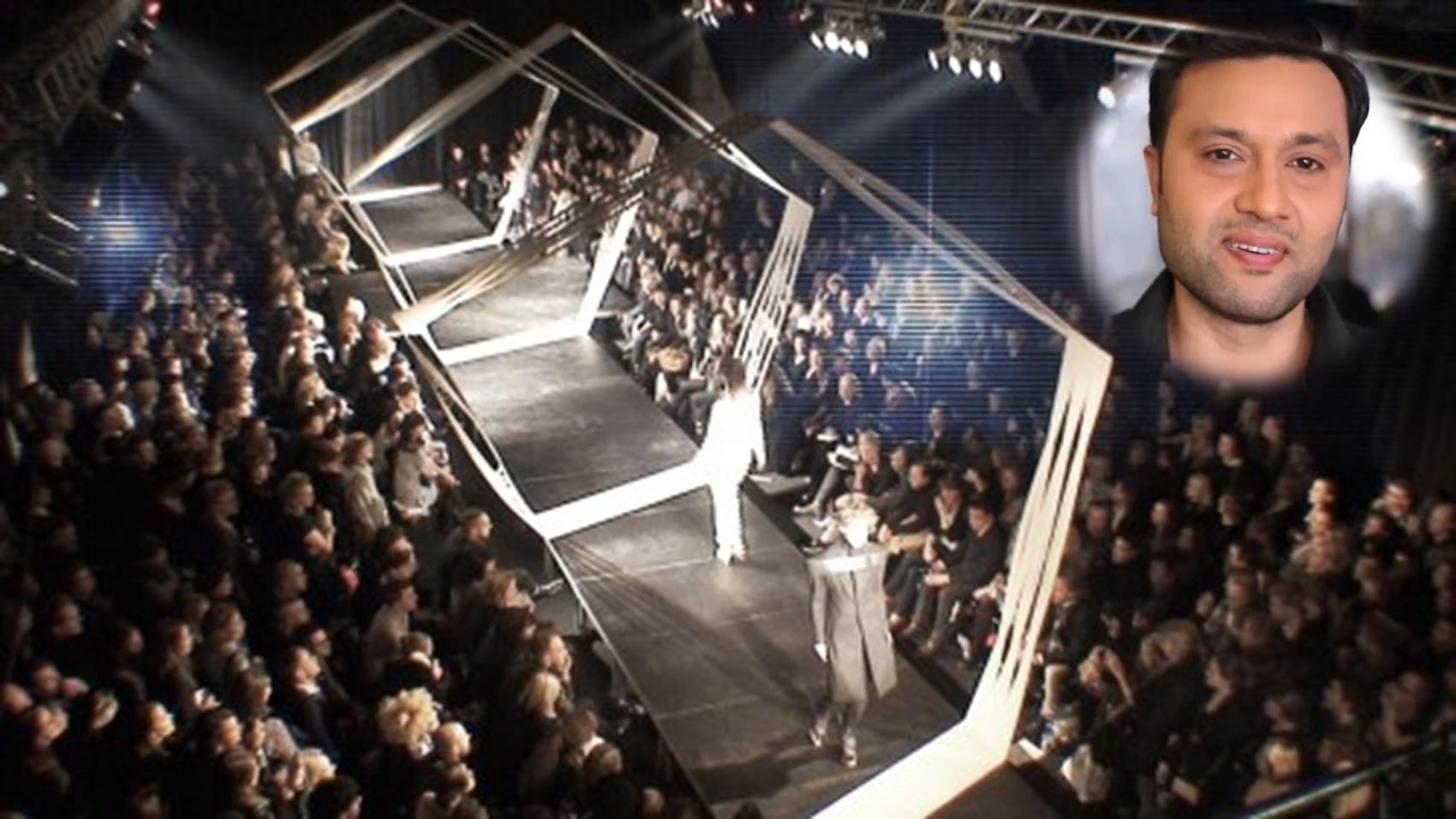
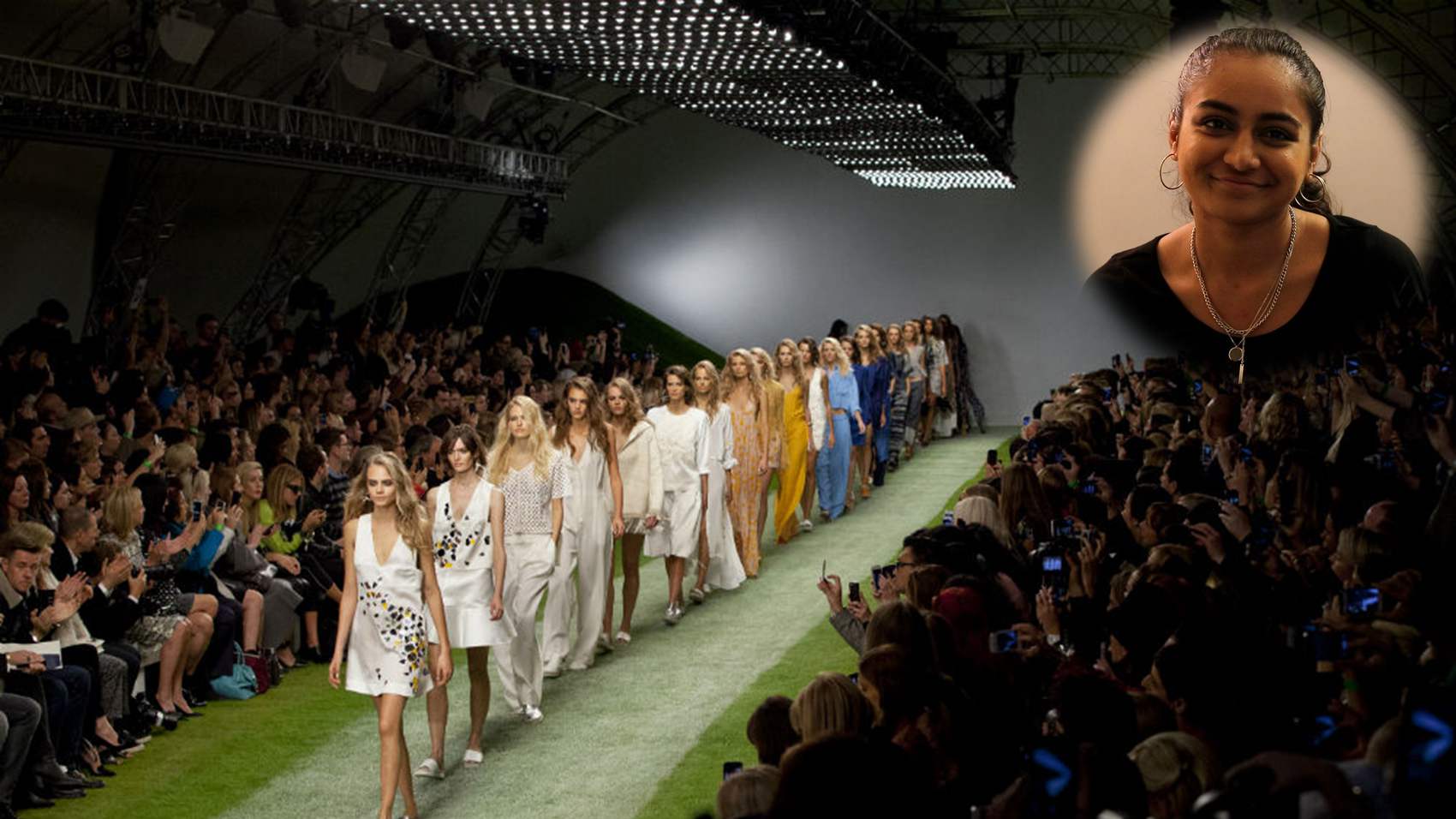
A professional model might be hired by a fashion brand to participate in a seasonal campaign. The model attends fittings, collaborates with stylists and photographers, and poses for both print and digital advertisements. During a runway show, the model showcases the designer’s latest collection, interpreting the creative vision through movement and expression. The resulting images and videos are used in magazines, social media, and online stores, helping the brand reach a wider audience and drive sales. Through this process, the model not only represents the brand but also builds their own portfolio and industry connections, illustrating how modeling is both a creative and business-oriented profession.
Education
English

English is a global language used for communication, literature, and academic discourse. It serves as the primary medium for sharing ideas, instructions, and information across diverse fields. In the context of modeling, English is essential for understanding contracts, collaborating internationally, and engaging with a broad audience in both written and spoken forms.
A strong command of English is crucial for anyone preparing for or working in modeling because it underpins effective communication, which is at the heart of the profession. Models frequently interact with clients, photographers, agencies, and other professionals from various backgrounds, often using English as the common language. Mastery of English enables clear understanding of job requirements, negotiation of contracts, and the ability to express personal branding confidently. Furthermore, many modeling opportunities, casting calls, and industry events are conducted in English, making proficiency in the language a gateway to broader career prospects. Over time, strong English skills help models build lasting professional relationships, navigate international markets, and adapt to the evolving demands of the global fashion and entertainment industries.
Consider a model attending a casting call in a major fashion capital such as New York or London. During the audition, the casting director provides detailed instructions and feedback in English, outlining the expectations for the runway walk and the specific look required for the campaign. The model must listen attentively, ask clarifying questions, and respond appropriately, all in English. Later, the model receives a contract and must read and understand the terms, including usage rights and compensation details. By applying their theoretical understanding of English, the model ensures they meet the director’s expectations, avoid misunderstandings, and protect their professional interests, ultimately enhancing their reputation and success in the industry.
Fashion Trends

Fashion trends refer to the prevailing styles, colors, fabrics, and silhouettes that gain popularity within the fashion industry over a specific period. In modeling, understanding fashion trends is essential, as it shapes the visual language and expectations of designers, brands, and audiences, forming a critical component of professional and academic expertise.
Grasping fashion trends is vital for anyone preparing for or working in modeling because it enables professionals to stay relevant and adaptable in a constantly evolving industry. By understanding the cyclical nature of trends and the factors that influence them, models can anticipate what designers and brands will seek in upcoming seasons. This foundational knowledge helps models align their portfolios, poses, and personal style with current industry demands, making them more marketable and versatile. Over the long term, a deep awareness of fashion trends fosters stronger collaborations with creative teams, enhances a model’s ability to interpret and embody different looks, and ultimately contributes to a sustainable and successful career in modeling.
Imagine a model preparing for a high-profile fashion week casting. By researching and analyzing current fashion trends, such as the resurgence of bold prints and oversized silhouettes, the model selects wardrobe pieces and practices poses that reflect these trends. During the casting, the model’s appearance and presentation resonate with the designers’ vision for the season, demonstrating an intuitive understanding of what is currently in vogue. This not only increases the model’s chances of being selected but also establishes a reputation for professionalism and trend awareness. In daily operations, this theoretical knowledge allows the model to adapt quickly to different assignments, ensuring their look and attitude are always in sync with the latest industry movements.
Grooming & Etiquettes

Grooming & Etiquettes refers to the practices and standards of personal appearance, hygiene, and social behavior expected in professional settings. In modeling, it encompasses maintaining a polished look, proper posture, and respectful interaction. This knowledge is essential academically and professionally, forming a critical part of a model’s training and industry readiness.
Understanding Grooming & Etiquettes is vital for anyone aspiring to succeed in modeling because it directly influences first impressions and professional reputation. Mastery of these concepts ensures that models present themselves with confidence, poise, and respect, which are highly valued in the industry. This foundational knowledge not only helps models meet the expectations of agencies, clients, and photographers but also fosters a sense of self-discipline and adaptability. Over time, consistent application of grooming and etiquette standards can lead to more opportunities, stronger professional relationships, and a lasting career, as models who embody these qualities are often seen as reliable and professional, making them more likely to be recommended and rehired.
Consider a model preparing for a high-profile fashion show. Before arriving, they ensure their hair, skin, and nails are impeccably groomed, and their attire is clean and appropriate for backstage. Upon meeting the designer and team, the model greets everyone politely, maintains eye contact, and listens attentively to instructions. Throughout the day, the model demonstrates punctuality, follows backstage protocols, and interacts respectfully with fellow models and staff. By applying their understanding of grooming and etiquettes, the model not only meets the professional standards expected but also leaves a positive impression, increasing their chances of being booked for future shows and building a reputation as a consummate professional in the modeling industry.
Skills
Carry Yourself Well

"Carry Yourself Well" means presenting oneself with confidence, poise, and professionalism through body language, posture, and demeanor. In modeling, this skill is crucial because it communicates self-assurance, enhances visual appeal, and sets the tone for interactions with clients, photographers, and audiences, making it indispensable in a model’s toolkit.
Carrying yourself well directly impacts a model’s performance by projecting confidence and elegance, both on and off the runway. Clients and employers value this skill because it assures them that the model can represent their brand with grace and reliability, regardless of the setting or pressure. Models who master this skill are more likely to be remembered and rehired, as they exude professionalism and adaptability. Cultivating this ability involves consistent practice in posture, movement, and self-awareness, as well as learning from feedback and observing industry leaders. Over time, models can refine their presence through experience, training, and mindfulness, ensuring they always make a positive and lasting impression.
Imagine a model at a high-profile fashion show who encounters a wardrobe malfunction just before stepping onto the runway. Instead of panicking, the model maintains composure, adjusts her posture, and walks with unwavering confidence, drawing attention away from the mishap. Her ability to carry herself well reassures the designers and audience, turning a potential disaster into a display of professionalism. The client is impressed by her grace under pressure and decides to book her for future campaigns. This scenario highlights how carrying oneself well not only salvages challenging moments but also elevates a model’s reputation and opens doors to new opportunities.
Confidence

Confidence is the assured belief in one’s abilities, appearance, and decisions, enabling individuals to present themselves authentically and assertively. In modeling, confidence is the foundation that allows professionals to embody diverse roles, adapt to creative direction, and maintain composure under scrutiny, making it indispensable for success in this competitive field.
Confidence directly enhances a model’s performance by allowing them to move fluidly, express emotions convincingly, and engage with the camera or audience without hesitation. Clients and employers highly value confidence because it translates into reliability and professionalism, ensuring that the model can represent their brand or vision effectively. Cultivating confidence is an ongoing process that involves consistent self-care, practice in front of mirrors or cameras, and seeking constructive feedback from peers and mentors. Over time, each successful experience builds a stronger sense of self-assurance, making it easier to handle rejection, adapt to new challenges, and stand out in auditions or castings.
Imagine a model at a high-profile fashion show who discovers just minutes before stepping onto the runway that their outfit has a last-minute alteration. Rather than succumbing to nerves or uncertainty, the model draws on their confidence to adapt quickly, maintaining poise and delivering a flawless walk. Their self-assurance reassures the designer and production team, turning a potential setback into a seamless performance. This ability to remain composed and project confidence not only saves the moment but also leaves a lasting impression on industry professionals, demonstrating the model’s reliability and professionalism in high-pressure situations.
Patience

Patience is the ability to remain calm, composed, and persistent in the face of delays, challenges, or repetitive tasks, without becoming frustrated or discouraged. In modeling, patience is crucial because progress often comes slowly, and success depends on enduring long hours, repeated auditions, and constructive criticism with grace and resilience.
Patience directly enhances a model’s performance by allowing them to handle the unpredictable nature of the industry, from waiting for casting decisions to enduring lengthy photoshoots. Clients and employers highly value models who can maintain professionalism and a positive attitude, even when schedules change or creative directions shift unexpectedly. Cultivating patience involves practicing mindfulness, setting realistic expectations, and viewing setbacks as opportunities for growth rather than obstacles. Over time, models who develop this skill become more adaptable and reliable, earning a reputation for being easy to work with and resilient under pressure. This not only improves their own experience but also makes them more attractive to agencies and clients seeking dependable talent.
Imagine a model attending a high-profile fashion show rehearsal that runs hours behind schedule due to technical difficulties. While others grow restless or complain, the patient model remains composed, using the extra time to review choreography and connect with the creative team. When the rehearsal finally resumes, their calm demeanor and preparedness stand out to the organizers. As a result, the model is selected for a prominent position in the show and is later recommended for future campaigns. In this scenario, patience not only helps the model navigate a stressful situation but also leads to tangible career advancement, demonstrating its critical role in achieving long-term success in modeling.
Never Giving up Attitude

A "Never Giving up Attitude" is the unwavering determination to persist through setbacks, rejections, and challenges without losing motivation or hope. In modeling, this mindset is vital because the industry is highly competitive and filled with frequent disappointments. It empowers professionals to keep striving for opportunities and growth despite obstacles.
Possessing a never giving up attitude directly enhances a model’s performance by fostering resilience and adaptability in the face of rejection or criticism. Clients and employers highly value this trait because it signals reliability and a willingness to improve, even under pressure. Models who embody this attitude are more likely to bounce back from failed auditions or negative feedback, using those experiences as learning opportunities rather than deterrents. Cultivating this skill involves setting realistic expectations, maintaining a positive outlook, and seeking constructive feedback. Over time, consistently pushing forward, celebrating small victories, and surrounding oneself with supportive peers can help reinforce this essential mindset, making it a natural part of a model’s professional approach.
Imagine a model who attends numerous castings over several months but faces repeated rejection, often being told they do not fit the current trend or look. Instead of succumbing to disappointment, the model draws on their never giving up attitude, using each experience to refine their walk, poses, and presentation. They seek feedback from industry professionals, invest in further training, and continue networking. Eventually, their persistence pays off when a major agency recognizes their growth and unique qualities, offering them a contract. This breakthrough would not have been possible without the model’s determination to persevere, demonstrating how a never giving up attitude can turn setbacks into stepping stones toward success.
Positives
Fame & Recognition

Fame and recognition refer to the widespread acknowledgment, admiration, and visibility a model receives from the public, industry professionals, and media. This heightened profile brings validation, opens doors to new opportunities, and fosters a sense of accomplishment, making modeling not just a job, but a celebrated and influential career path.
The allure of fame and recognition is a driving force for many who enter the modeling industry. Being recognized for one’s unique look, style, or presence can significantly boost self-confidence and motivation. This visibility often leads to more prestigious assignments, collaborations with renowned brands, and invitations to exclusive events. As models become household names, their influence extends beyond fashion, allowing them to inspire trends, advocate for causes, and shape cultural conversations. The daily experience of being acknowledged and appreciated by fans, peers, and industry leaders creates a sense of belonging and achievement, making the challenges of the profession worthwhile and fueling ongoing personal and professional growth.
Imagine a model who, after years of dedication, lands a major campaign with an international fashion house. Overnight, their face appears on billboards, magazine covers, and social media feeds worldwide. Strangers recognize them on the street, and their social media following skyrockets. This newfound fame brings invitations to high-profile events, collaborations with top designers, and opportunities to use their platform for meaningful causes. The recognition they receive not only validates their hard work but also opens doors to new ventures, from acting to entrepreneurship. Each day, the model experiences the tangible rewards of their visibility, feeling inspired and empowered by the positive impact they have on both the industry and their audience.
Monitory Potential

Monitory Potential refers to the significant capacity for earning and financial growth within a profession, encompassing not only base income but also bonuses, endorsements, and other lucrative opportunities. In modeling, this potential is a driving force, offering professionals the chance to achieve financial independence and stability while pursuing their creative passions.
The monitory potential in modeling is a powerful motivator that elevates the profession beyond mere aesthetics or fame. High earning possibilities can lead to greater job satisfaction, as models see tangible rewards for their hard work, dedication, and unique talents. This financial benefit also encourages personal and professional growth, enabling models to invest in their development, health, and future opportunities. Every day, professionals in this field experience the positive impact of monitory potential through diverse assignments, brand partnerships, and global campaigns, which not only enhance their portfolios but also provide substantial financial returns. This ongoing reward system fosters a sense of accomplishment and security, making modeling a truly rewarding career choice.
Consider a model who begins their career with local fashion shows and gradually builds a reputation for reliability and versatility. As their portfolio grows, they attract the attention of international brands and secure endorsement deals that significantly increase their income. With each successful campaign, the model experiences firsthand the empowering effect of monitory potential. The financial rewards allow them to travel, invest in advanced training, and support personal goals, such as starting a business or contributing to family needs. This real-world scenario highlights how the monitory potential in modeling transforms passion and talent into a sustainable, fulfilling livelihood, reinforcing the value of pursuing this dynamic career.
Travelling

Travelling refers to the act of journeying from one place to another, often across cities, countries, or continents, for work or leisure. In modeling, travelling is a fundamental aspect, as professionals frequently move to diverse locations for photoshoots, fashion shows, and campaigns, enriching their experiences and broadening their horizons.
Travelling is a transformative benefit in a modeling career because it opens doors to new cultures, ideas, and opportunities. Models often find themselves working in vibrant cities, exotic destinations, or historic landmarks, which not only enhances their portfolios but also fuels personal growth. This exposure to different environments fosters adaptability, creativity, and a global perspective, all of which are invaluable in the fashion industry. The excitement of exploring new places and meeting people from various backgrounds brings a sense of adventure to daily work, making the profession dynamic and inspiring. Ultimately, the chance to travel regularly keeps the job fresh and engaging, significantly boosting job satisfaction and professional development.
Imagine a model who is booked for a campaign in Paris, followed by a runway show in Tokyo and a photoshoot on the beaches of Brazil. Each destination offers unique experiences, from collaborating with international designers to learning about local fashion trends and customs. While working in Paris, the model absorbs the city’s artistic energy, which influences her poses and expressions. In Tokyo, she adapts to a fast-paced, innovative environment, while in Brazil, the natural beauty and relaxed atmosphere inspire a different style of work. Through these journeys, the model not only builds a diverse and impressive portfolio but also grows personally, gaining confidence, cultural awareness, and lifelong memories that make her career truly rewarding.
Challenges
Short Term Career

A "Short Term Career" in modeling refers to the limited duration of professional opportunities, often dictated by age, trends, and industry standards. This brevity makes it demanding, as models must quickly establish themselves, maintain relevance, and secure work in a highly competitive and ever-changing environment where longevity is rare.
The challenge of a short term career in modeling impacts daily work by creating constant pressure to perform, adapt, and remain visible. Models must frequently audition, network, and update their portfolios to stay competitive. This environment demands significant resilience, as rejection and uncertainty are common. Successful professionals manage this constraint by diversifying their skills, building strong personal brands, and seeking opportunities beyond traditional modeling, such as acting, entrepreneurship, or social media influencing. By proactively planning for career transitions and investing in personal development, they create a sense of stability and purpose, even as the modeling landscape shifts. This adaptability allows them to navigate the industry's volatility and maintain confidence in their professional journey.
Consider a model who, aware of the industry's fleeting nature, invests time in developing a unique personal style and a strong online presence. She collaborates with photographers, shares her journey on social media, and connects with brands directly. As her runway opportunities begin to wane, she leverages her established network and audience to transition into fashion consulting and content creation. By embracing new roles and continuously learning, she not only extends her relevance in the fashion world but also secures a sustainable income beyond traditional modeling. Her proactive approach demonstrates how foresight and adaptability can turn the challenge of a short term career into a platform for long-term professional growth.
High Competition

High competition in modeling refers to the intense rivalry among a vast number of aspiring and established models vying for limited opportunities in campaigns, runway shows, and brand endorsements. This environment is demanding because it requires constant self-improvement, adaptability, and resilience to stand out and secure consistent work amid ever-changing industry standards.
The challenge of high competition in modeling can lead to frequent rejection, uncertainty, and pressure to maintain a unique image. Daily work often involves attending numerous castings, networking, and updating portfolios, all while facing the reality that many equally talented individuals are pursuing the same roles. This environment demands resilience, as setbacks are common and self-confidence can be tested. Successful professionals manage this constraint by focusing on personal branding, building strong industry relationships, and continuously developing their skills. They remain adaptable to trends and feedback, leveraging social media and networking to increase visibility. By maintaining a positive mindset and learning from each experience, they turn competition into motivation for growth rather than discouragement.
Consider a model who, after facing repeated rejection at high-profile castings, decides to refine her portfolio and invest in professional development workshops. She actively engages with photographers and stylists on social media, showcasing her versatility and unique style. Over time, her persistence pays off as she is noticed by a reputable agency that appreciates her proactive approach and adaptability. By embracing feedback and consistently presenting her best self, she secures opportunities that once seemed out of reach. Her journey illustrates how resilience, strategic self-promotion, and continuous learning can help a professional not only withstand but thrive amid the high competition characteristic of the modeling industry.
A Day Of
Modeling
The world of modeling is a whirlwind of creativity, precision, and adaptability, where no two days ever unfold quite the same. Behind the glamour and the flashbulbs lies a fast-paced environment that demands early starts, relentless focus, and a constant readiness to pivot between roles. Whether preparing for a high-profile runway show, collaborating with photographers, or perfecting a pose for a campaign, modeling professionals navigate a landscape that is as demanding as it is exhilarating. Each day is a carefully choreographed dance, blending artistry with discipline, and requiring both physical stamina and mental agility from sunrise to sunset.
The day begins before the city stirs, with models rising early to ensure they are physically and mentally prepared for the hours ahead. This time is dedicated to self-care rituals, from skincare routines and light exercise to a nourishing breakfast that fuels the body for a long day. Reviewing the day’s schedule, confirming call times, and packing essentials like portfolios, makeup, and wardrobe items are all part of the morning’s meticulous preparation. This quiet, focused start sets the tone for the demanding hours to come, ensuring that every detail is in place before stepping into the spotlight.
By mid-morning, the pace accelerates as models arrive on set or at a studio, ready to dive into the core activities of the day. This is the most intense and interactive phase, where the energy is palpable and the stakes are high. Models work closely with photographers, stylists, and creative directors, moving through a series of outfit changes, poses, and lighting setups. Each shot demands concentration and adaptability, as professionals respond to direction and embody the vision of the campaign or editorial. The environment is a blend of artistry and efficiency, with every minute on set contributing to the final, polished product.
The afternoon brings a shift toward collaboration and execution, as models participate in fittings, castings, or additional shoots. This period often involves meeting with designers to try on new collections, attending callbacks, or working with makeup and hair artists to achieve specific looks. There is a strong emphasis on teamwork, communication, and flexibility, as schedules can change rapidly and new creative challenges emerge. Models must remain poised and professional, adapting to different environments and personalities while maintaining the energy and focus required for each task.
As the day winds down, models transition into wrap-up mode, reviewing the day’s work and handling administrative responsibilities. This is the time to respond to emails, update agencies on availability, and reflect on feedback from clients or creative teams. Many use the evening to research upcoming trends, practice poses, or prepare for the next day’s assignments. The late afternoon offers a brief window to decompress, recharge, and ensure that every detail is in place for another demanding day ahead, closing the loop on a cycle of preparation, performance, and continuous growth. |


 Home
Home Abroad
 Plan
Plan Philosophy
 Seminar
 Pages
Pages Advisors
 Testimonials










 Workshop
 Discuss
 Meet
Meet
 Advisor
 Story
Story
 Fine Print
 Links
Links
 Blog
Blog
 Follow
